Unlock your full potential by mastering the most common Negotiation and Diplomacy Skills interview questions. This blog offers a deep dive into the critical topics, ensuring you’re not only prepared to answer but to excel. With these insights, you’ll approach your interview with clarity and confidence.
Questions Asked in Negotiation and Diplomacy Skills Interview
Q 1. Describe your approach to negotiating a complex agreement with multiple stakeholders.
Negotiating a complex agreement with multiple stakeholders requires a structured, collaborative approach. My strategy begins with thorough preparation. This involves understanding each stakeholder’s individual interests, priorities, and potential leverage points. I then develop a comprehensive understanding of the overall objective and possible solutions. I utilize a process that combines elements of integrative and distributive bargaining.
Phase 1: Information Gathering & Relationship Building: I initiate the process by individually meeting with each stakeholder to build rapport and understand their perspectives. Open-ended questions are key here, aiming to uncover underlying needs and concerns beyond stated positions. This phase focuses on active listening and empathy.
Phase 2: Collaborative Problem Solving: With a clear understanding of individual needs, I facilitate a joint session to identify shared interests and potential areas of compromise. I often utilize visualization techniques, like mind-mapping, to clarify the complexities and foster a collaborative spirit. We brainstorm creative solutions that address the collective needs, rather than focusing on a win-lose scenario.
Phase 3: Agreement & Documentation: Once a consensus or mutually acceptable agreement is reached, I meticulously document all terms and conditions. This step is crucial in preventing misunderstandings and future conflicts. The agreement is reviewed and signed by all stakeholders.
Example: In a recent project involving the redevelopment of a city park, I successfully negotiated an agreement between the city council, local residents, environmental groups, and a private developer. By understanding each stakeholder’s concerns (budget, environmental impact, community access, etc.), I facilitated a solution that addressed all needs, resulting in a revitalized park that met everyone’s expectations.
Q 2. How do you identify and manage conflicting interests in a negotiation?
Conflicting interests are inherent in most negotiations. My approach focuses on identifying, understanding, and strategically managing them. I begin by clearly articulating each party’s stated position and then delve deeper to uncover underlying interests. This often requires asking probing questions and actively listening to understand the ‘why’ behind the positions.
Techniques for Managing Conflicts:
- Prioritization: Identifying and ranking the importance of various issues helps determine which are most crucial to resolve and which can be conceded upon.
- Logrolling: This involves trading concessions on issues of lesser importance to achieve agreement on higher priority items. For example, if one party strongly prioritizes a specific clause while the other party is less concerned, a trade could be made.
- Expanding the Pie: This technique focuses on creating additional value or options to satisfy everyone’s needs. In the park redevelopment example, we discovered an unused area that could be utilized for community gardens – satisfying the environmental group’s concerns and improving the overall project.
- Bridging: This involves creating a new option that satisfies all parties, often one that wasn’t initially considered.
Example: In a contract negotiation between a supplier and a buyer, conflicting interests arose over pricing and delivery timelines. By using logrolling, we compromised on delivery timelines in exchange for a slightly higher price, creating a mutually acceptable agreement.
Q 3. Explain your understanding of different negotiation styles and when to use each.
Negotiation styles vary significantly, and choosing the right approach is crucial for success. Understanding the context and the other party’s style is key.
- Competitive/Distributive Bargaining: This approach views negotiation as a win-lose scenario, focusing on claiming value. It’s appropriate when dealing with adversaries or when the stakes are high and a firm stance is required. However, it can damage relationships.
- Collaborative/Integrative Bargaining: This focuses on creating value and finding mutually beneficial solutions. It’s ideal for long-term relationships and complex negotiations requiring trust and collaboration. This approach is often my preferred method.
- Accommodative Bargaining: This prioritizes maintaining the relationship over achieving specific outcomes. It’s useful when building trust or when the issue is less critical than the relationship.
- Avoidant Bargaining: This involves avoiding negotiation altogether. Appropriate when the issue is not worth the effort or the potential damage to the relationship is too high.
I typically start with a collaborative approach but am prepared to adapt my style based on the other party’s behavior. A flexible approach, recognizing the need to switch between styles as the situation demands, is often more effective.
Q 4. How do you build rapport and trust with opposing parties in a negotiation?
Building rapport and trust is fundamental to successful negotiation, particularly in complex situations. It lays the groundwork for open communication and collaboration.
Strategies for Building Rapport:
- Active Listening: Demonstrating genuine interest in the other party’s perspective builds trust. Summarizing their points to ensure understanding reinforces this.
- Empathy: Attempting to understand their position from their point of view helps break down barriers and create a sense of mutual respect.
- Find Common Ground: Identifying shared interests or values creates a foundation for collaboration and reduces the feeling of ‘us vs. them’.
- Positive Communication: Maintaining a respectful and professional tone, even when disagreements arise, is crucial. Using ‘I’ statements rather than accusatory ‘You’ statements is also vital.
- Non-Verbal Communication: Maintaining appropriate eye contact, posture, and body language signals sincerity and attentiveness.
Example: In a labor negotiation, I successfully built rapport by actively listening to union representatives’ concerns about job security and demonstrating empathy for their anxieties. This led to a more collaborative environment and a successful resolution.
Q 5. What strategies do you employ to overcome obstacles and impasses in negotiations?
Obstacles and impasses are common in negotiations. My strategies for overcoming them include:
- Reframing the Problem: Sometimes, simply re-framing the issue from a different perspective can unlock solutions. Looking for underlying needs and interests can illuminate new paths to resolution.
- Taking a Break: When tensions are high, a brief pause can allow both parties to cool down and approach the problem with a fresh perspective.
- Seeking Mediation: An impartial third party can help facilitate communication and find creative solutions when direct negotiations fail.
- Caucus/Private Meetings: Private sessions with individual stakeholders can help uncover underlying concerns and explore potential compromises that may be difficult to discuss openly.
- Brainstorming Alternatives: Generating a wide range of possible solutions can help uncover options that haven’t been previously considered.
- Focusing on Interests, Not Positions: As mentioned before, understanding the underlying needs and interests helps in finding more creative and sustainable solutions.
Example: During a contract renewal, an impasse occurred over pricing. By taking a break and then using brainstorming techniques, we discovered a creative solution involving a tiered pricing structure that addressed both parties’ concerns.
Q 6. Describe a situation where you successfully navigated a high-stakes negotiation.
During a high-stakes negotiation for a large technology contract, a significant impasse arose concerning intellectual property rights. One party, the client, wanted extensive rights over the software we developed, which was unacceptable from our perspective. The initial negotiations were tense and unproductive, with each side holding firm to its positions.
I adopted a collaborative approach, focusing on actively listening to the client’s concerns about protecting their investment. I realized their concern stemmed not from a desire to control the technology, but from a fear of losing control over their business operations should we fail to provide adequate support.
I re-framed the discussion, focusing not on the legalistic aspects of intellectual property, but on the client’s business needs and our ability to meet them. This shifted the focus from a win-lose scenario to a collaborative partnership. We created a tailored support and maintenance plan that addressed their key concerns, significantly reducing the need for extensive intellectual property rights transfer. This compromise satisfied both parties and ultimately secured the contract.
Q 7. How do you define ‘success’ in a negotiation, and how do you measure it?
Success in negotiation is not solely about achieving a specific outcome, but rather about achieving mutually acceptable results that meet the needs and interests of all stakeholders, while also maintaining or improving relationships. It’s about finding the optimal balance between claiming value and creating value.
Measuring Success:
- Objective Measures: These could include specific contract terms, financial gains, or project milestones achieved.
- Subjective Measures: These include assessing the strength of the relationship with the counterparty, satisfaction levels of all parties, and the level of trust and mutual respect established. This often requires informal feedback gathering post-negotiation.
- Long-Term Impact: Success is also assessed by the lasting impact of the agreement. Does the agreement stand the test of time? Has it fostered stronger, more productive relationships?
Therefore, a successful negotiation is one where all parties feel heard, respected, and satisfied with the outcome; one where trust is strengthened and the potential for future collaboration is enhanced. Simply achieving a signed contract doesn’t automatically equate to success; the sustainability of the agreement and the health of the relationships involved are also crucial measures.
Q 8. How do you handle aggressive or manipulative negotiation tactics?
Aggressive or manipulative tactics in negotiation are unfortunately common. My approach involves a multi-pronged strategy focused on maintaining my composure, identifying the tactic, and responding strategically. First, I remain calm and objective. This allows me to analyze the situation without reacting emotionally. Secondly, I explicitly acknowledge the tactic, but without accusation. For example, if someone is using a high-pressure tactic, I might say, “I understand you’re feeling pressured to reach a decision quickly.” This defuses the tension and opens dialogue. Thirdly, I focus on the underlying interests rather than the positions. Instead of arguing about the price, I’d explore their need for a swift conclusion or a specific financial outcome. Finally, I’m prepared to walk away if necessary. A principled negotiation isn’t about winning at all costs, but achieving a fair and sustainable outcome. Knowing my bottom line and having the confidence to walk away strengthens my negotiating power.
For instance, in a recent real estate negotiation, the seller employed a ‘good cop/bad cop’ tactic. I recognized this immediately and addressed it directly by acknowledging the seller’s eagerness to close the deal while calmly reiterating my client’s financial constraints. This shifted the focus from manipulative pressure to a collaborative problem-solving approach. We ultimately reached a mutually agreeable price.
Q 9. How do you incorporate ethical considerations into your negotiation strategies?
Ethical considerations are paramount in my negotiation strategies. I believe a successful negotiation is not solely measured by the outcome but also by the integrity of the process. My ethical framework is guided by principles of fairness, honesty, transparency, and respect. This means clearly communicating my interests and expectations, while also actively listening to and understanding the other party’s perspective. I avoid misleading or deceptive tactics; instead, I prioritize building trust and rapport. This approach fosters long-term relationships, even when the immediate outcome might not be perfectly aligned with our initial expectations.
For example, I recently mediated a dispute between a supplier and a buyer. The buyer claimed faulty products, while the supplier countered with evidence of proper manufacturing processes. Instead of focusing on assigning blame, I guided them toward a solution focusing on mutually agreeable compensation for the affected goods. This preserved their business relationship while addressing the immediate issue fairly. Transparency and a collaborative approach are key.
Q 10. Describe your experience in mediating disputes between conflicting parties.
I’ve had extensive experience mediating disputes in various contexts, including commercial disagreements, family conflicts, and community disputes. My approach is based on active listening, impartial facilitation, and collaborative problem-solving. I start by creating a safe and neutral space where both parties feel comfortable expressing their concerns without interruption. I focus on understanding the underlying interests driving the conflict, not just their stated positions. Through careful questioning and reframing, I help the parties identify common ground and explore mutually acceptable solutions.
A recent example involved a conflict between two neighbors over a shared property line. By facilitating open communication and helping them understand each other’s perspectives, I guided them toward a compromise that respected both their needs and preserved their relationship. This involved collaborative map creation and agreed-upon property maintenance routines. The key was focusing on their shared interest: maintaining a harmonious neighborhood.
Q 11. How do you prepare for a complex negotiation, including research and strategy development?
Preparing for a complex negotiation involves a thorough and structured approach. It begins with extensive research, gathering information about the other party, their interests, their past negotiation styles, and the overall context of the negotiation. I then define my own objectives, priorities, and potential concessions. I develop a range of potential strategies and contingency plans, anticipating different scenarios and the other party’s possible responses. This includes identifying my best alternative to a negotiated agreement (BATNA), which provides a crucial benchmark for assessing potential deals.
For instance, before a major contract negotiation, I spent weeks researching the client’s company, their financial standing, their recent projects, and their previous negotiation tactics. This allowed me to tailor my approach, anticipate their concerns, and construct a compelling and well-supported proposal. Furthermore, I developed several possible strategies, accounting for varying levels of cooperation and potential compromises. This preparation gave me confidence and flexibility during the actual negotiation.
Q 12. What is your approach to managing time effectively during a negotiation?
Effective time management during negotiations is crucial. I begin by setting a clear agenda and timeframe. This provides a structure for the discussion and ensures that key issues are addressed. I use active listening to ensure that everyone has a chance to express their views, while strategically guiding the conversation to stay on track. I avoid getting bogged down in unnecessary details and prioritize addressing the most important issues first. I’m also mindful of breaks and pauses when needed to allow for reflection and prevent decision fatigue. The key is to be both efficient and thorough.
In a recent international trade negotiation, the initial agenda seemed overly ambitious. Through skillful prioritization and strategic questioning, I guided the discussion towards the core issues. This allowed us to achieve significant progress within the allocated time and schedule follow-up meetings to address less critical but still important elements later. Time management wasn’t just about speed; it was about focusing on the most impactful aspects.
Q 13. How do you prioritize different objectives and concessions during a negotiation?
Prioritizing objectives and concessions requires a clear understanding of my client’s needs and interests. I employ a weighted ranking system to prioritize objectives based on their importance and potential impact. This allows me to strategically allocate concessions, ensuring that I don’t compromise on critical elements for less significant ones. I also consider the value and cost of each concession, aiming to achieve the maximum possible gain while minimizing any potential losses.
Imagine negotiating a software licensing agreement. The most crucial objective might be securing favorable intellectual property rights, while the least important might be the exact date of implementation. This allows me to make strategic concessions on minor points, saving my most valuable concessions for when they would have the most impact in achieving my key objectives.
Q 14. How do you maintain composure and manage stress under pressure during negotiations?
Maintaining composure under pressure during negotiations is crucial for success. I utilize several techniques to manage stress. Firstly, I practice mindfulness and deep breathing exercises to stay grounded and focused. Secondly, I utilize active listening and empathy to maintain a calm and understanding approach, even when faced with aggressive or challenging behavior from the other party. Thirdly, I regularly pause to reflect and reassess the situation, ensuring that I remain objective and strategic. Finally, I remind myself of my preparation and the strength of my BATNA; this confidence helps me handle pressure effectively.
In high-stakes negotiations, maintaining calm allows for clearer thinking and more effective communication. By remaining composed, I can actively listen, analyze responses, and respond strategically, rather than reacting impulsively. This often diffuses tense situations and leads to more positive outcomes.
Q 15. Explain your understanding of the concept of ‘win-win’ negotiation.
A ‘win-win’ negotiation, also known as integrative negotiation, aims for a mutually beneficial outcome where both parties feel they have achieved their key objectives. It’s not about compromise where each side gives up something; it’s about finding creative solutions that address the underlying interests of all involved. Think of it like baking a bigger pie instead of just dividing a smaller one.
For example, imagine two companies negotiating a merger. A purely competitive approach might focus on who gets the bigger share of the resulting company’s stock. A win-win approach, however, would focus on identifying synergies – combining strengths, eliminating redundancies, and creating a more profitable and innovative entity that benefits both sets of shareholders. This could involve structuring the merger in a way that leverages the strengths of each company’s management team and expertise, leading to increased value for both sides. The key is to explore options, understand each party’s needs, and find common ground that leads to a better overall result.
Career Expert Tips:
- Ace those interviews! Prepare effectively by reviewing the Top 50 Most Common Interview Questions on ResumeGemini.
- Navigate your job search with confidence! Explore a wide range of Career Tips on ResumeGemini. Learn about common challenges and recommendations to overcome them.
- Craft the perfect resume! Master the Art of Resume Writing with ResumeGemini’s guide. Showcase your unique qualifications and achievements effectively.
- Don’t miss out on holiday savings! Build your dream resume with ResumeGemini’s ATS optimized templates.
Q 16. How do you handle situations where compromise is not possible?
When compromise isn’t possible, the focus shifts to managing the impasse effectively. This requires a strategic approach that might involve:
- Reframing the issue: Often, the inability to compromise stems from a misunderstanding or mischaracterization of the problem. Rephrasing the issues, identifying underlying interests, and exploring alternative solutions can unlock new possibilities.
- Exploring alternative dispute resolution (ADR): Mediation or arbitration can provide a neutral third-party perspective, helping facilitate communication and find solutions that might be missed in direct negotiations.
- Setting clear boundaries and managing expectations: It’s important to define your walk-away point—the point beyond which you’re unwilling to negotiate. Knowing your limits allows you to avoid making concessions that harm your interests.
- Preparing for a possible stalemate: If a mutually agreeable solution can’t be found, it’s essential to have a plan B in place to mitigate the negative consequences of the failed negotiation.
For example, in international relations, countries may find themselves at loggerheads over a territorial dispute. Compromise may not be possible if national sovereignty is considered non-negotiable. In such a case, international law, mediation by a neutral party, or even long-term engagement focusing on building trust and understanding, might provide pathways forward, even if complete resolution isn’t immediately possible.
Q 17. Describe your experience with international negotiations or diplomacy.
My experience in international negotiations involves [Insert specific and detailed examples of your experience here, replacing the bracketed information with your actual experience. For instance, you could discuss a specific negotiation, the roles you played, the challenges encountered, and the results achieved. Be sure to maintain confidentiality where appropriate. Avoid vague statements.]
Q 18. How do you adapt your negotiation style to different cultures and contexts?
Adapting to different cultures and contexts is crucial for successful negotiation. This requires understanding cultural nuances related to communication styles, decision-making processes, and the importance of relationships. For instance, in some cultures, building personal rapport is paramount before discussing business, while in others, a direct and transactional approach is preferred.
- Research: Thorough research into the cultural background of the other party is essential to anticipate their communication styles, preferences, and potential sensitivities.
- Flexibility: Be prepared to adapt your approach – your communication style, your pace, and your overall strategy – to match the context and the individuals involved.
- Active listening: Pay close attention not just to what is being said but also to how it is being said – tone, body language, and unspoken cues can all provide valuable insights.
- Cultural sensitivity training: Participation in relevant training programs can provide a structured understanding of cultural differences and strategies to navigate them effectively.
For example, negotiating a trade agreement with a country that values collectivism will require a different approach than negotiating with a country that prioritizes individualism. Understanding these underlying cultural values is critical to building trust and finding common ground.
Q 19. What are some common pitfalls to avoid in negotiations?
Common pitfalls in negotiations include:
- Insufficient preparation: Failing to thoroughly research the other party, define your goals, and develop a comprehensive strategy can significantly weaken your negotiating position.
- Emotional reactions: Allowing emotions to cloud judgment can lead to impulsive decisions and concessions that undermine your interests. Maintaining composure and objectivity is vital.
- Ignoring the other party’s perspective: Failing to understand the other party’s needs and motivations can prevent you from finding mutually beneficial solutions.
- Overconfidence or arrogance: Assuming you are always right or dismissing the other party’s input can damage the relationship and hinder progress.
- Focusing solely on price: Ignoring other aspects of the negotiation, such as long-term implications, relationship-building, or non-monetary benefits, can lead to suboptimal outcomes.
By proactively addressing these pitfalls, negotiators can significantly increase their chances of achieving successful and sustainable outcomes.
Q 20. How do you leverage power dynamics effectively in a negotiation?
Power dynamics are an inherent aspect of any negotiation. Leveraging them effectively requires a nuanced approach that goes beyond simply wielding authority. Instead, it’s about understanding the different sources of power and using them strategically. These sources include:
- Information: Possessing key information that the other party needs can significantly strengthen your position.
- Legitimate authority: Your formal position or title can influence the negotiation, but it shouldn’t be the sole basis of your strategy.
- Expertise: Demonstrating deep knowledge and expertise in the subject matter can enhance your credibility and influence.
- Resources: Control over resources, such as funding, personnel, or technology, provides leverage.
- Relationships: Strong relationships and networks can significantly impact the negotiation’s outcome.
Instead of using power to dominate, it’s more effective to use it to build trust and create mutually beneficial outcomes. For example, if you have access to vital market research that the other party lacks, you can use that information to support your proposals and demonstrate the value of your offer, thereby influencing their decision without resorting to pressure tactics.
Q 21. How do you build consensus among diverse groups with conflicting interests?
Building consensus among diverse groups with conflicting interests demands skillful facilitation and a focus on identifying shared goals. This process often involves:
- Identifying common ground: Focus on the areas where interests align, even if they are small. Building on these areas of agreement can pave the way for broader consensus.
- Addressing concerns: Actively listen to each group’s concerns and address them openly and respectfully. Ignoring concerns can lead to resentment and hinder progress.
- Creative problem-solving: Explore innovative solutions that can address the needs of all parties involved. This may involve compromise, but also the potential for finding solutions that satisfy everyone’s underlying interests.
- Transparency and communication: Ensure all parties are well-informed and engaged throughout the process. Open communication fosters trust and facilitates the development of consensus.
- Facilitating dialogue: A skilled facilitator can help guide discussions, manage conflicts, and ensure everyone has a voice.
For example, in environmental negotiations, diverse stakeholders such as government agencies, businesses, and environmental groups often have conflicting interests. Building consensus requires carefully balancing economic development with environmental protection. This can be achieved by finding creative solutions that create economic opportunities while mitigating environmental damage, ensuring a sustainable and equitable outcome.
Q 22. How do you manage expectations effectively during a negotiation?
Managing expectations effectively in negotiation is crucial for a successful outcome. It involves clearly understanding your own needs and priorities, as well as accurately assessing the other party’s position. This proactive approach prevents unrealistic goals and disappointment.
My approach involves a three-step process: 1. Realistic Goal Setting: I begin by identifying my best possible outcome (BATNA – Best Alternative to a Negotiated Agreement), my desired outcome, and my walk-away point. This provides a clear framework. 2. Active Listening and Information Gathering: I carefully listen to understand the other party’s needs and constraints. Asking clarifying questions is key to uncovering unspoken expectations. 3. Transparent Communication: I openly communicate my priorities and expectations, explaining the rationale behind them. This fosters mutual understanding and helps to manage expectations realistically on both sides. For example, if negotiating a contract, I’d clearly state my deadline and the parameters of acceptable terms upfront, avoiding any surprises later.
By managing expectations upfront, I build trust and create a more collaborative environment, increasing the likelihood of a mutually beneficial agreement.
Q 23. Describe your approach to communicating effectively during a negotiation.
Effective communication is the cornerstone of successful negotiation. My approach emphasizes active listening, clear articulation, and empathy. I believe communication is a two-way street; it’s not just about stating your position, but also about understanding the other party’s perspective.
- Active Listening: I pay close attention to both verbal and nonverbal cues, ensuring I fully grasp the other party’s message. This involves summarizing their points to confirm understanding and asking clarifying questions.
- Clear Articulation: I communicate my positions and proposals clearly and concisely, using plain language avoiding jargon. I structure my arguments logically and support them with evidence.
- Empathy and Understanding: I strive to understand the other party’s interests and motivations, even if I don’t agree with them. This fosters rapport and enables me to find common ground.
- Non-Verbal Communication: I’m mindful of my body language, maintaining an open and approachable posture. I use nonverbal cues to reinforce my verbal message.
For instance, during a salary negotiation, I wouldn’t simply state my desired salary; I would explain the reasons behind my request, highlighting my skills and contributions. This approach helps to create a mutually respectful dialogue.
Q 24. How do you document and track progress during a lengthy negotiation?
In lengthy negotiations, meticulous documentation and progress tracking are essential. I use a combination of methods to ensure everything is organized and easily accessible.
- Dedicated Notebook or Document: I maintain a detailed record of every meeting, phone call, and email exchange, noting key decisions, agreements (even tentative ones), and outstanding issues.
- Shared Digital Platform: Using platforms like Google Docs or shared project management software allows for real-time collaboration and easy access to information for all involved parties.
- Progress Tracking System: I use a simple table or spreadsheet to track the status of each key negotiation point. This allows me to easily monitor progress, identify roadblocks, and prioritize tasks. Columns might include: Issue, Status (e.g., Agreed, Pending, Disputed), Deadline, Assigned Party, Notes.
- Regular Summaries: I send periodic summaries of the negotiation to all parties to ensure everyone is on the same page and to avoid misunderstandings.
This systematic approach avoids confusion, ensures accountability, and aids in efficient decision-making throughout the negotiation process.
Q 25. How do you handle unexpected events or changes in circumstances during a negotiation?
Unexpected events are inevitable in negotiations. My approach is to remain flexible, adapt quickly, and proactively communicate any changes. I use a problem-solving framework:
- Assess the Impact: First, I evaluate the significance of the unexpected event on the overall negotiation. Is it a minor adjustment or a major shift?
- Communicate Openly: I immediately communicate the change to all parties involved, explaining its potential implications. Transparency is key to maintaining trust.
- Brainstorm Solutions: I work collaboratively with the other party to brainstorm solutions that address the new circumstances while still striving for a mutually acceptable outcome. This might involve revisiting previously agreed-upon terms or exploring alternative approaches.
- Re-evaluate BATNA: I reassess my Best Alternative to a Negotiated Agreement (BATNA) to determine if the altered circumstances necessitate a change in my walk-away point.
- Document Changes: Any agreed-upon changes are carefully documented and incorporated into the negotiation record.
For example, if a key piece of information becomes unavailable during a merger negotiation, I’d openly communicate this to the other party, explaining the impact on the timeline and offering potential solutions like extending the due diligence period or revising the agreement’s scope.
Q 26. How do you know when to walk away from a negotiation?
Knowing when to walk away is a crucial skill in negotiation. It’s not about giving up; it’s about recognizing when the potential gains don’t outweigh the costs. My decision to walk away hinges on several factors:
- My BATNA: Is my Best Alternative to a Negotiated Agreement better than the current offer? If so, walking away is a strategic move.
- Deal Breakers: Have the other party’s actions or demands violated any of my non-negotiable principles? This could involve ethical concerns or unacceptable risks.
- Unreasonable Demands: Are the other party’s demands unrealistic, inflexible, or demonstrably unfair? Continuing may be a waste of time and resources.
- Negative Dynamics: Has the negotiation become excessively adversarial, unproductive, or toxic? This can signal a fundamental incompatibility that makes a successful outcome unlikely.
- Opportunity Cost: Does continuing the negotiation consume excessive time and energy, diverting resources from more promising opportunities?
Walking away is not a failure; it’s a strategic choice to protect my interests and avoid a potentially damaging or unsatisfactory agreement. I’d rather walk away from a bad deal than force a poor outcome.
Q 27. How do you evaluate the long-term implications of a negotiated agreement?
Evaluating the long-term implications of a negotiated agreement is crucial. A short-term gain can easily turn into a long-term problem if not carefully considered. My approach involves:
- Forecasting Future Scenarios: I consider various possible future scenarios, including best-case, worst-case, and most-likely outcomes. How will the agreement function under different circumstances?
- Risk Assessment: I identify and assess potential risks associated with the agreement. Are there any unforeseen circumstances that could jeopardize its success?
- Impact on Resources: I evaluate the agreement’s implications on financial resources, personnel, time, and other critical assets.
- Legal and Regulatory Compliance: I ensure the agreement is compliant with all applicable laws and regulations, both now and in the foreseeable future.
- Stakeholder Consultation: For significant agreements, I involve relevant stakeholders in the evaluation process to ensure their concerns are addressed. This provides valuable perspectives and reduces the risk of unforeseen complications.
For example, when negotiating a long-term supply contract, I wouldn’t focus solely on the initial price. I’d also analyze potential price fluctuations, supplier reliability, contract termination clauses, and the impact on my overall supply chain strategy. This ensures the agreement benefits my organization in the long run.
Q 28. How do you maintain confidentiality and protect sensitive information during a negotiation?
Maintaining confidentiality and protecting sensitive information is paramount in negotiation. My approach involves a multi-layered strategy:
- Confidentiality Agreements (NDAs): Before disclosing sensitive information, I ensure all parties have signed a legally binding NDA. This clearly outlines the scope of confidential information and the penalties for breaches.
- Secure Communication Channels: I avoid using public Wi-Fi or unsecured email for sensitive discussions. Instead, I utilize encrypted communication channels like secure messaging apps or encrypted email.
- Limited Access to Information: Only authorized individuals are given access to sensitive documents and information. Access is strictly controlled and monitored.
- Secure Data Storage: Sensitive documents are stored securely, using password-protected files and encrypted storage solutions. Physical documents are kept under lock and key.
- Data Destruction Protocols: After the negotiation is concluded, I ensure all sensitive information is properly destroyed or securely archived according to established protocols.
By adhering to strict confidentiality procedures, I protect the interests of all parties involved and maintain the integrity of the negotiation process.
Key Topics to Learn for Negotiation and Diplomacy Skills Interview
- Active Listening and Empathy: Understanding diverse perspectives and communicating effectively are foundational. Practical application: Analyze case studies where successful negotiation involved truly understanding opposing viewpoints.
- Strategic Planning & Goal Setting: Defining clear objectives and developing a flexible plan to achieve them. Practical application: Prepare a structured approach to address potential negotiation challenges, focusing on win-win outcomes.
- Communication Styles & Persuasion: Adapting communication to different audiences and building rapport. Practical application: Practice tailoring your communication to various personalities and situations, focusing on building consensus.
- Conflict Resolution & Mediation: Identifying and addressing conflict constructively. Practical application: Review conflict resolution frameworks and practice applying them to hypothetical scenarios.
- Influence & Power Dynamics: Understanding the subtle ways power influences negotiations and using influence ethically and effectively. Practical application: Explore real-world examples of successful and unsuccessful power plays in negotiation.
- Decision-Making & Problem-Solving: Evaluating options, making informed choices, and finding creative solutions. Practical application: Practice using decision-making matrices to evaluate negotiation options.
- Cultural Sensitivity & Cross-Cultural Communication: Adapting your negotiation style to different cultural contexts. Practical application: Research and analyze successful negotiation strategies in different cultural settings.
- Ethical Considerations in Negotiation: Maintaining integrity and fairness throughout the negotiation process. Practical application: Explore ethical dilemmas in negotiation and develop strategies for navigating them responsibly.
Next Steps
Mastering Negotiation and Diplomacy Skills is crucial for career advancement in a wide range of fields, opening doors to leadership roles and high-impact opportunities. An ATS-friendly resume is your key to unlocking these possibilities. To significantly increase your chances of landing your dream job, invest time in crafting a compelling and effective resume. ResumeGemini is a trusted resource that can help you build a professional resume tailored to highlight your Negotiation and Diplomacy Skills. Examples of resumes tailored to these skills are available to guide you through the process.
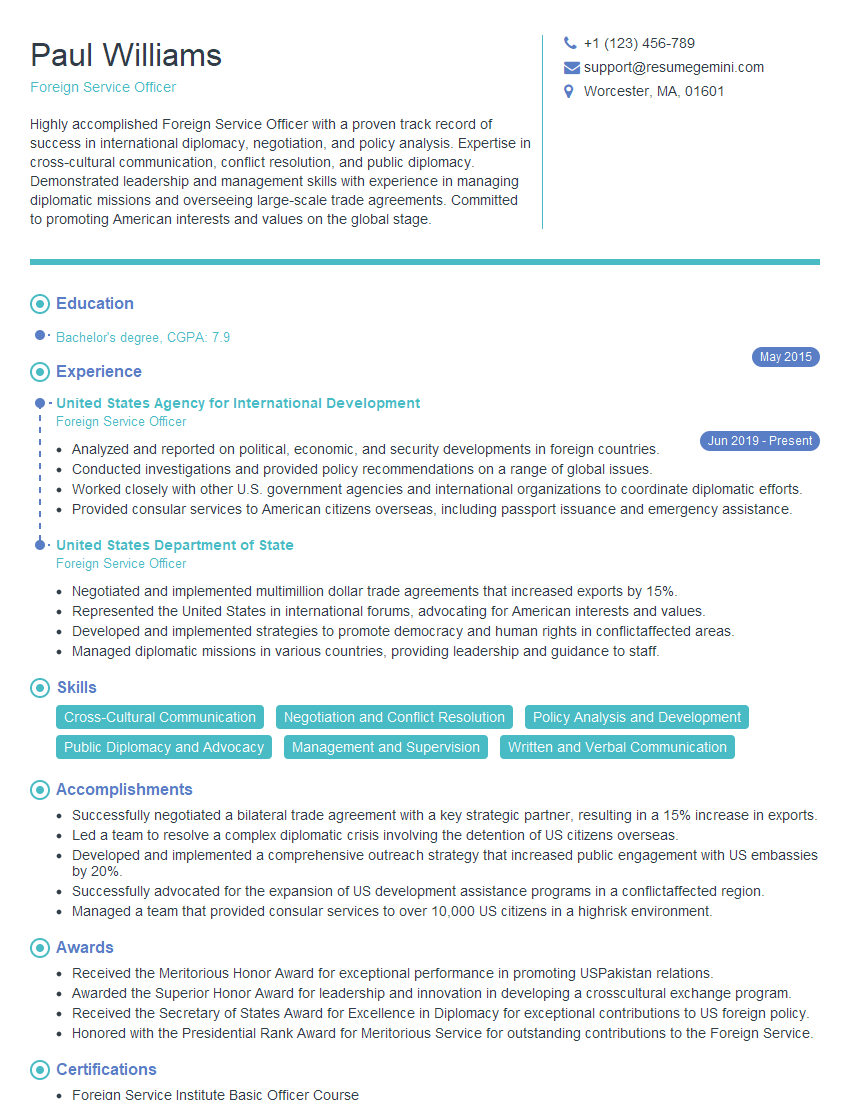
Foreign Service Officer Resume Sample
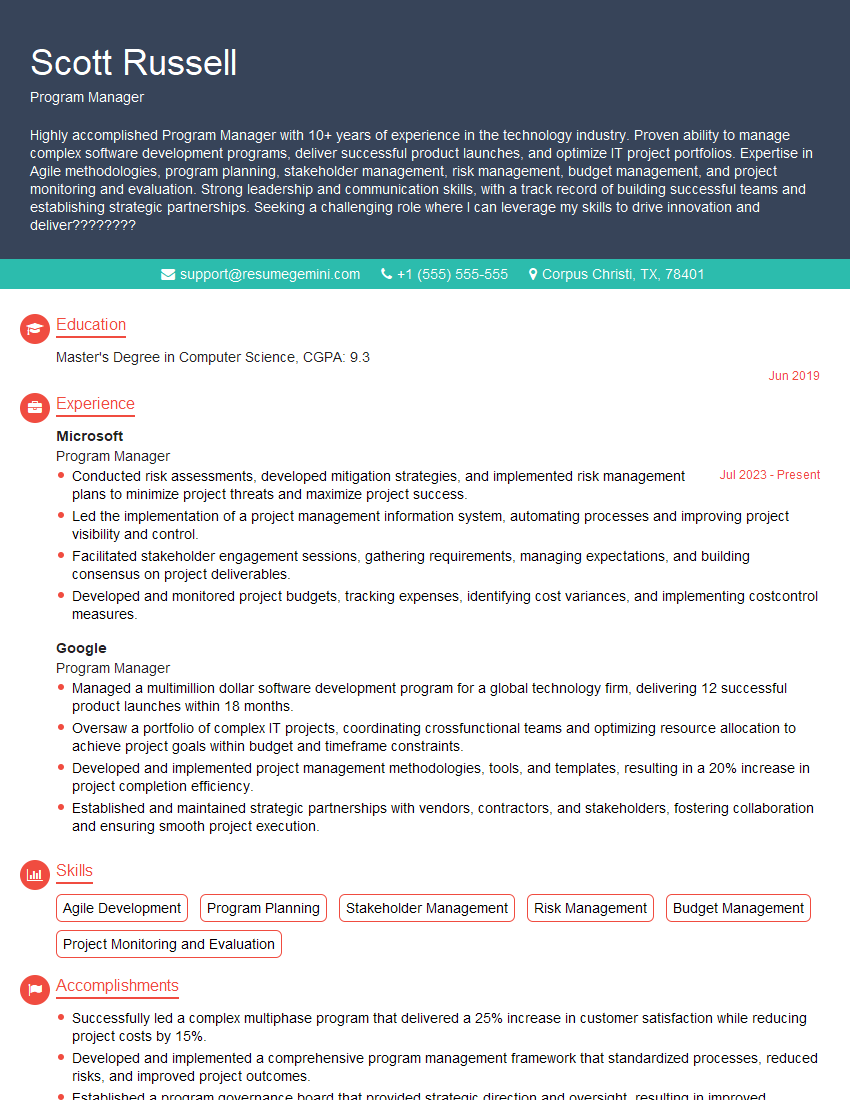
Program Manager Resume Sample
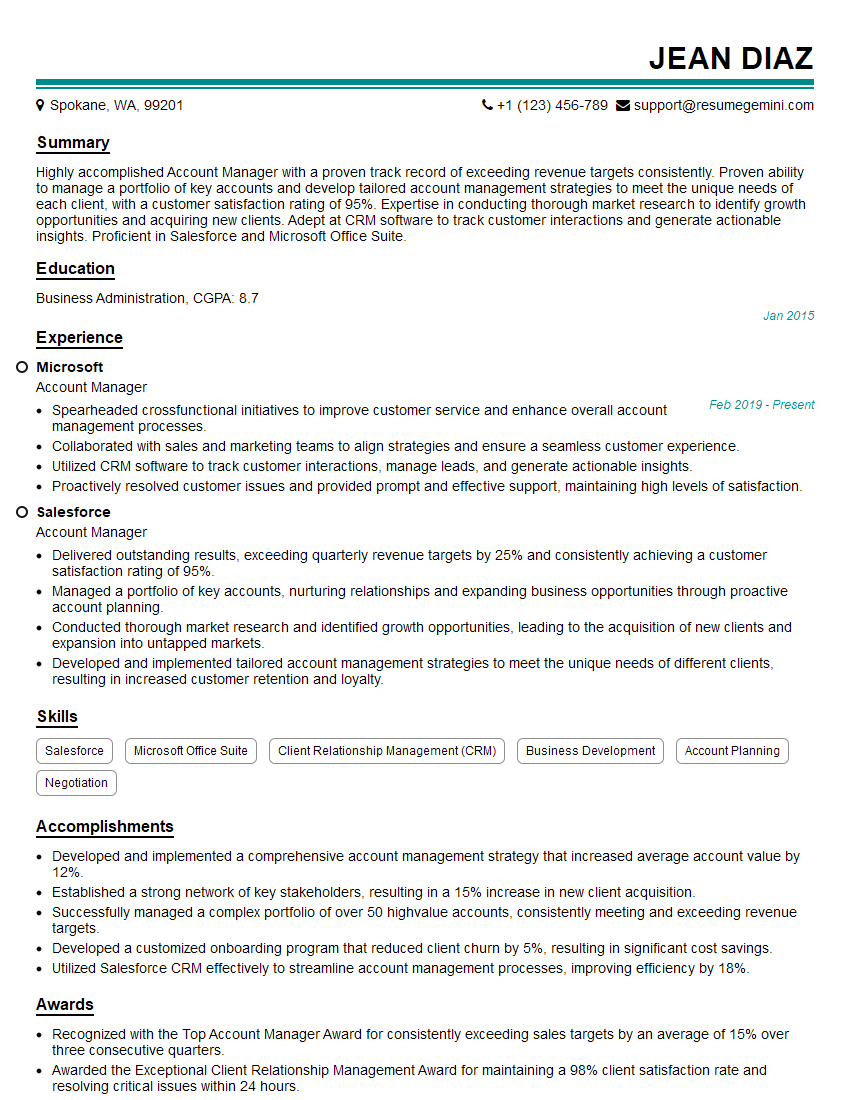
Account Manager Resume Sample
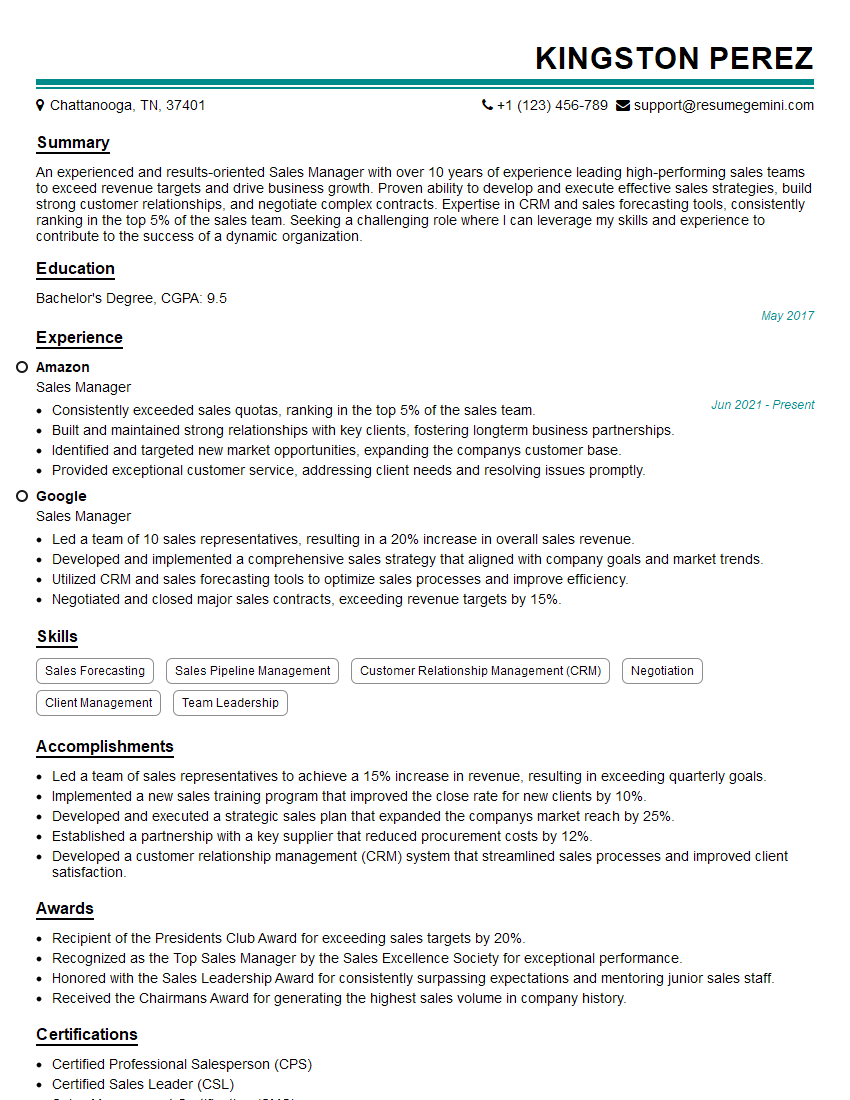
Sales Manager Resume Sample
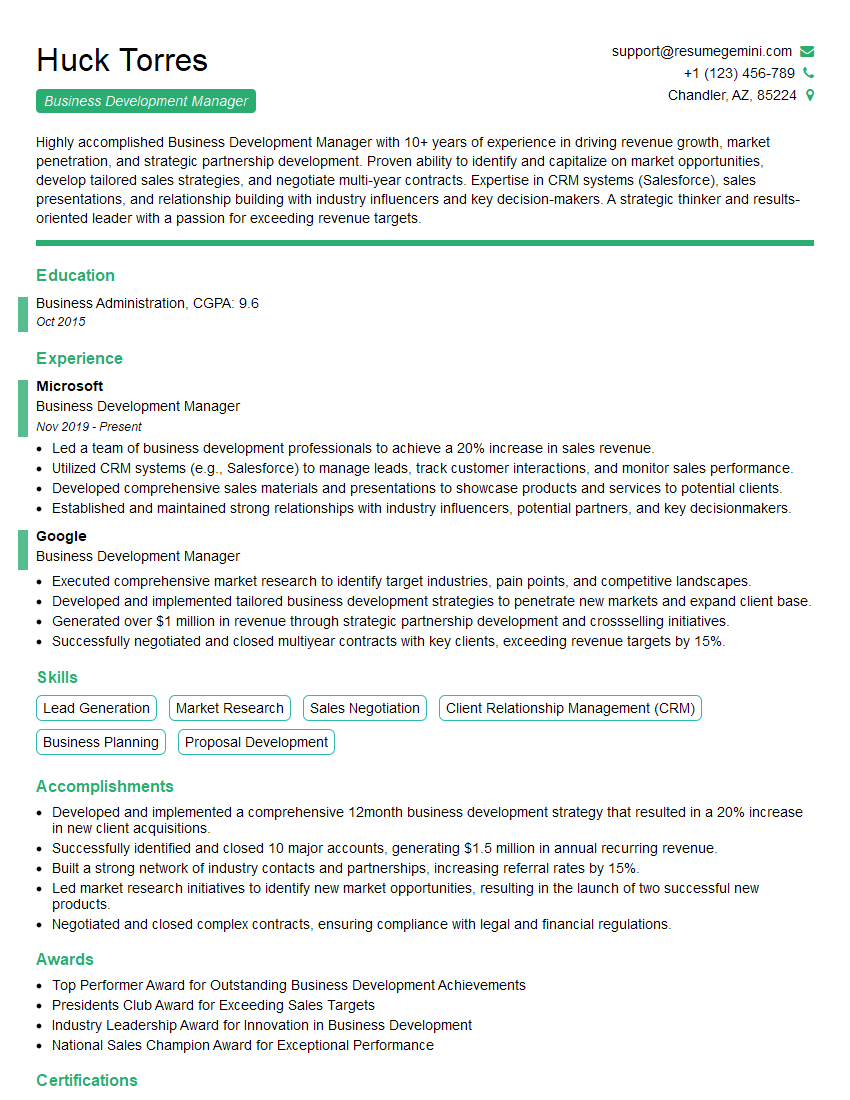
Business Development Manager Resume Sample
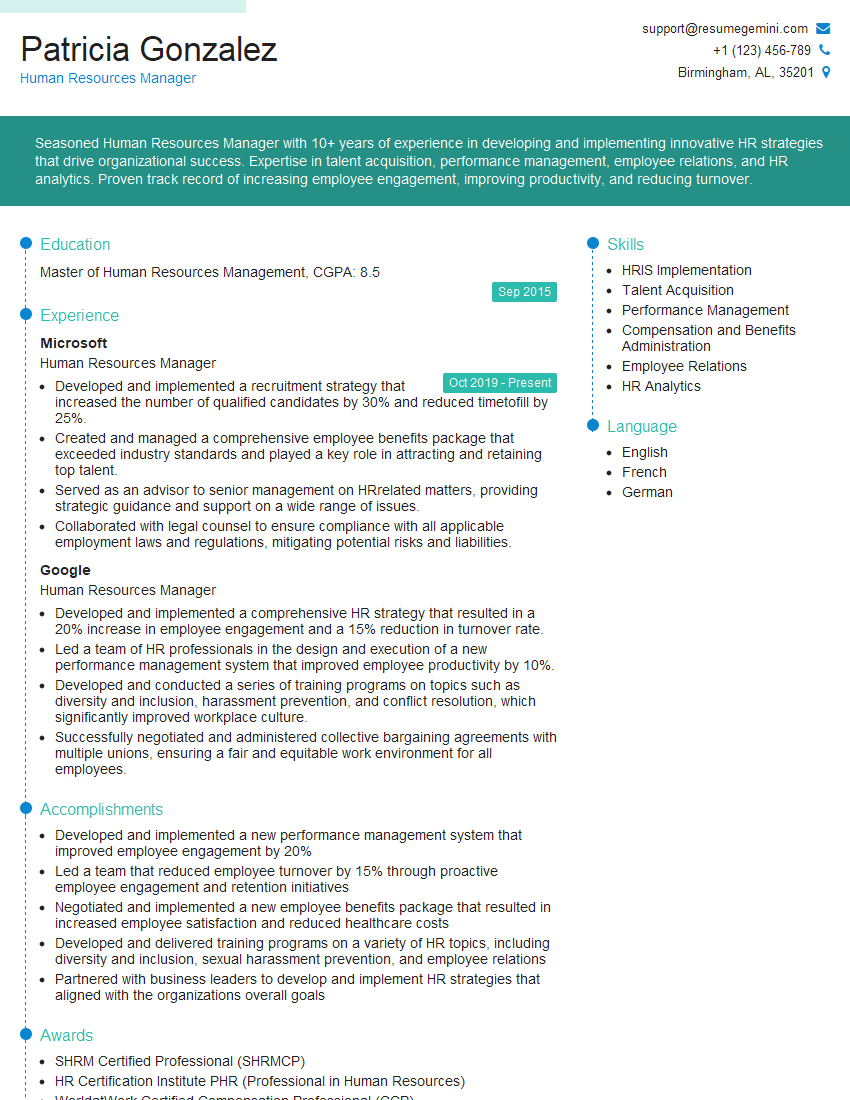
Human Resources Manager Resume Sample
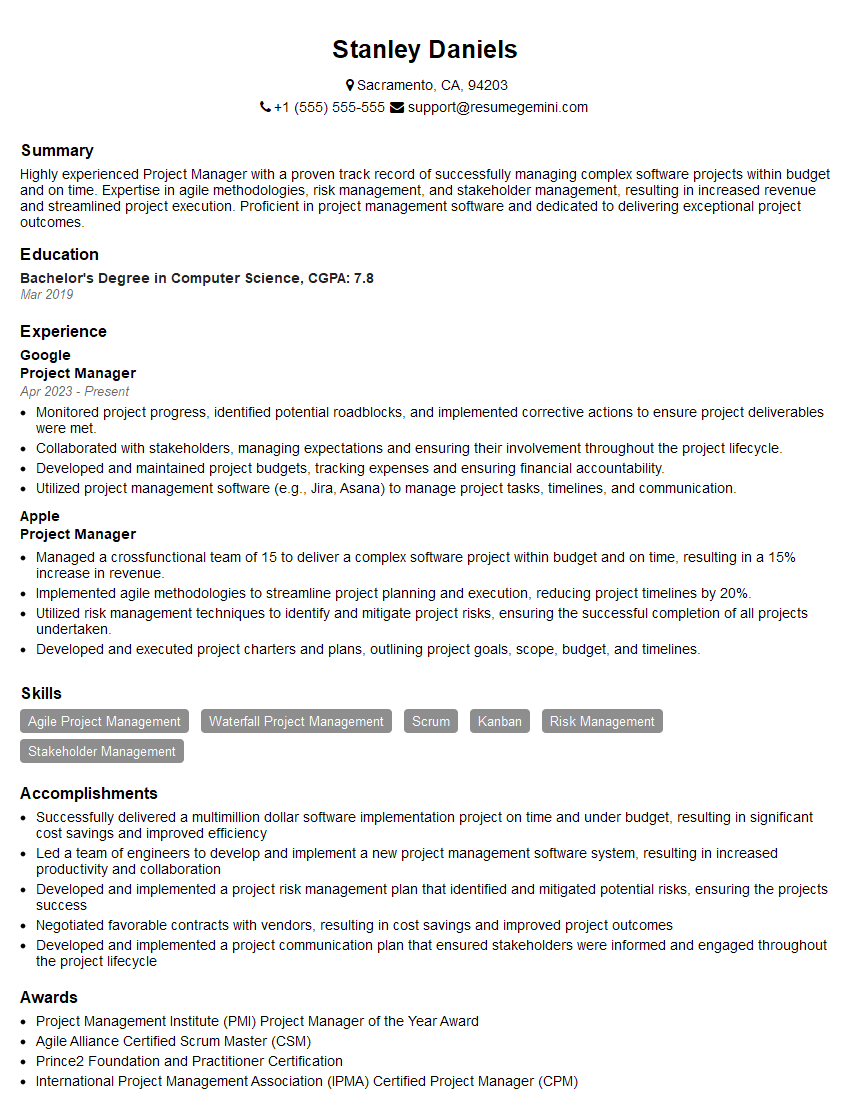
Project Manager Resume Sample
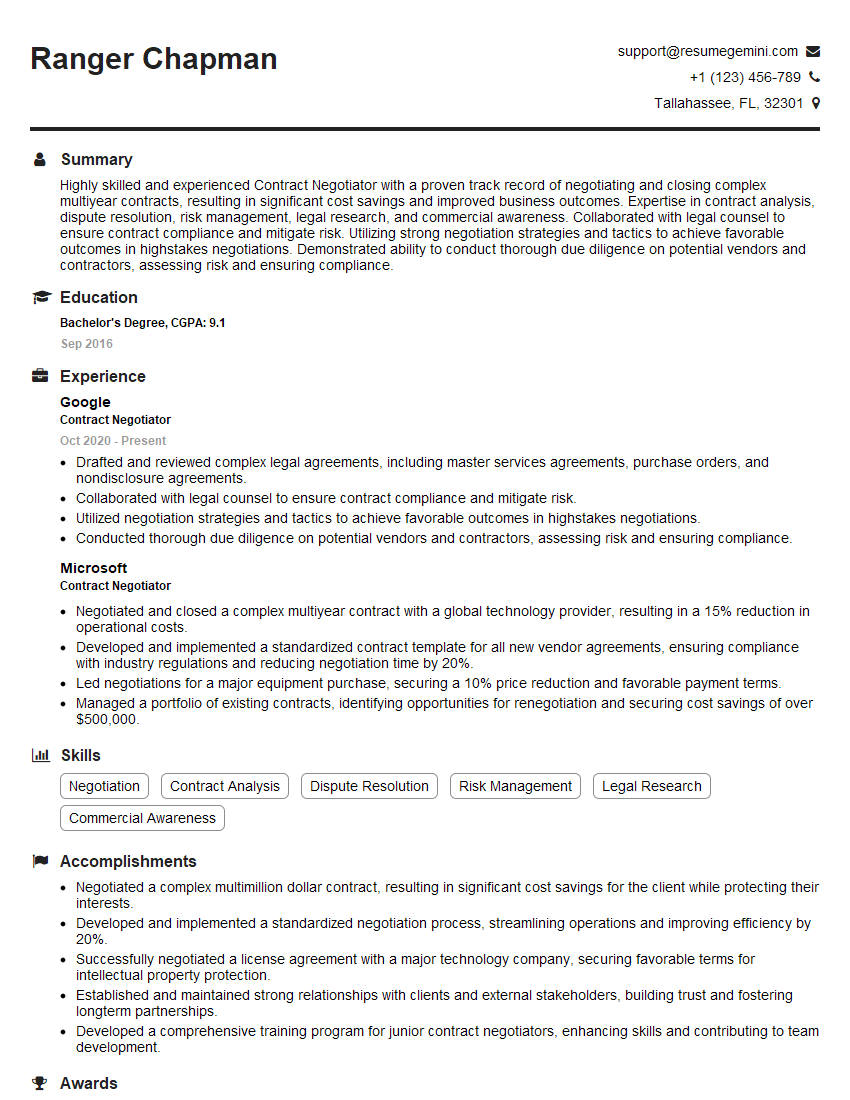
Contract Negotiator Resume Sample
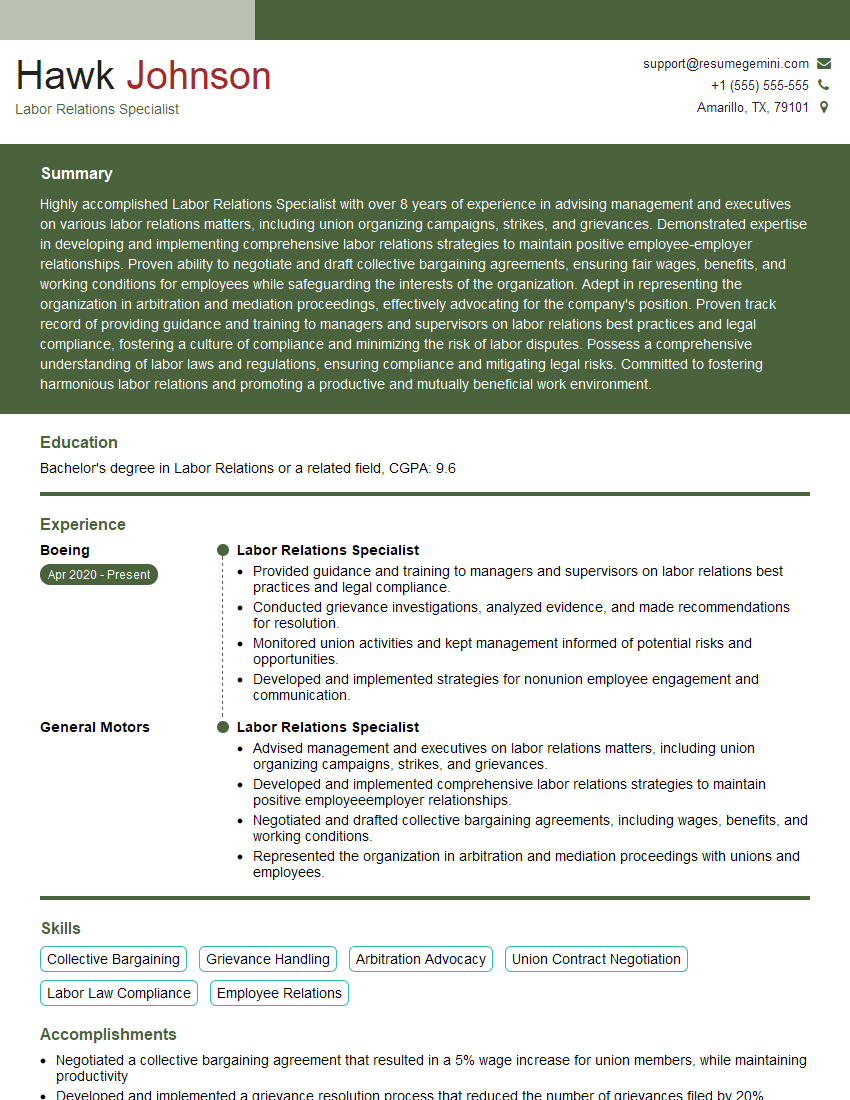
Labor Relations Specialist Resume Sample
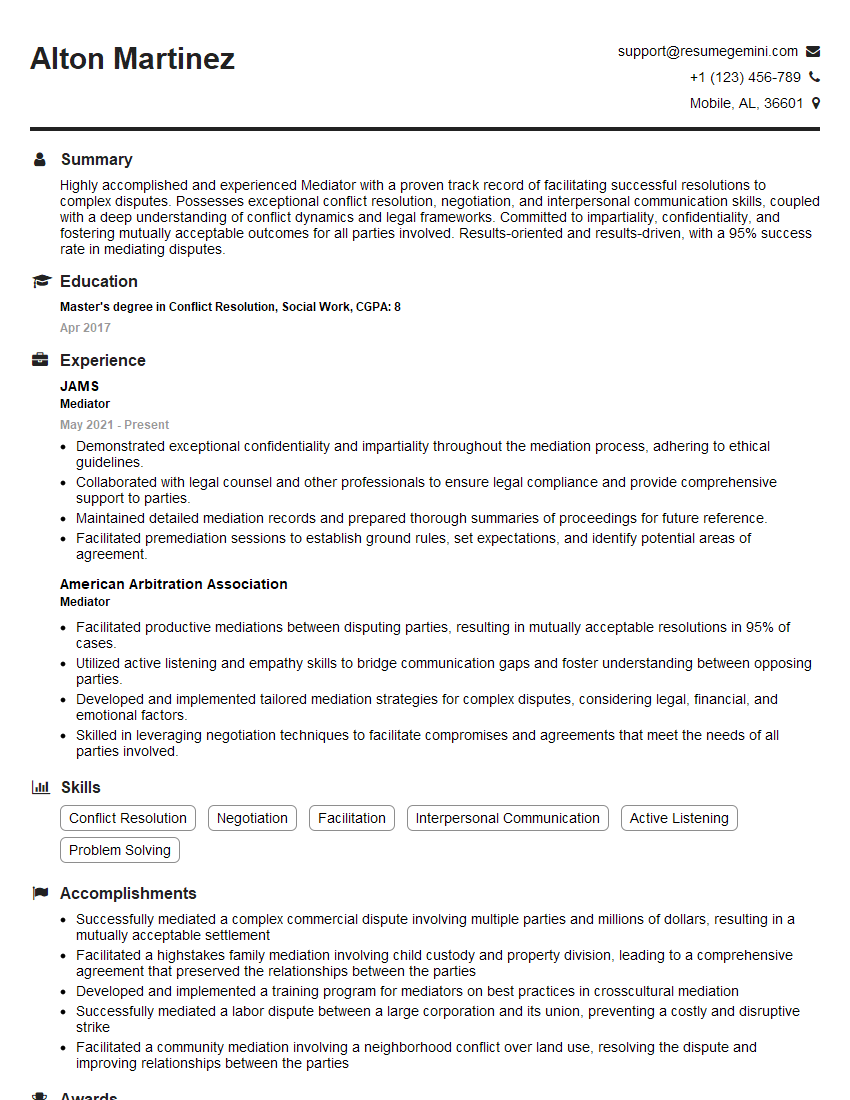
Mediator Resume Sample
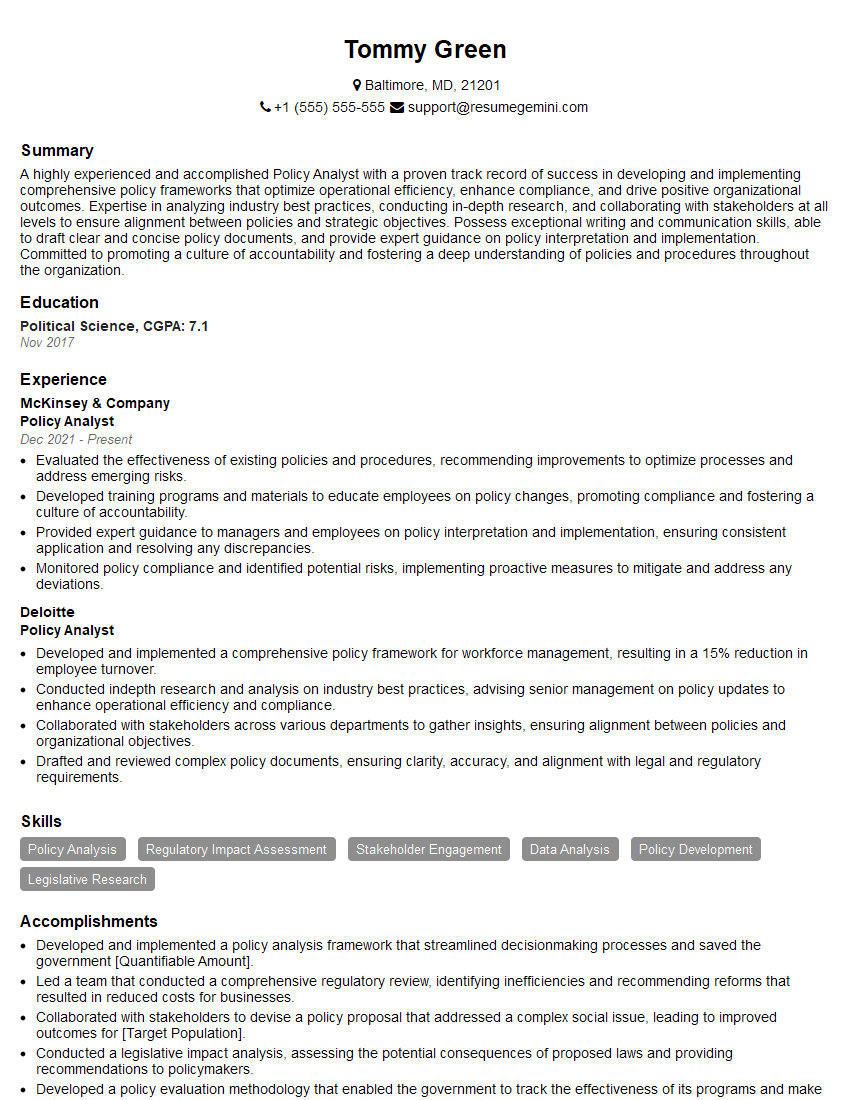
Policy Analyst Resume Sample
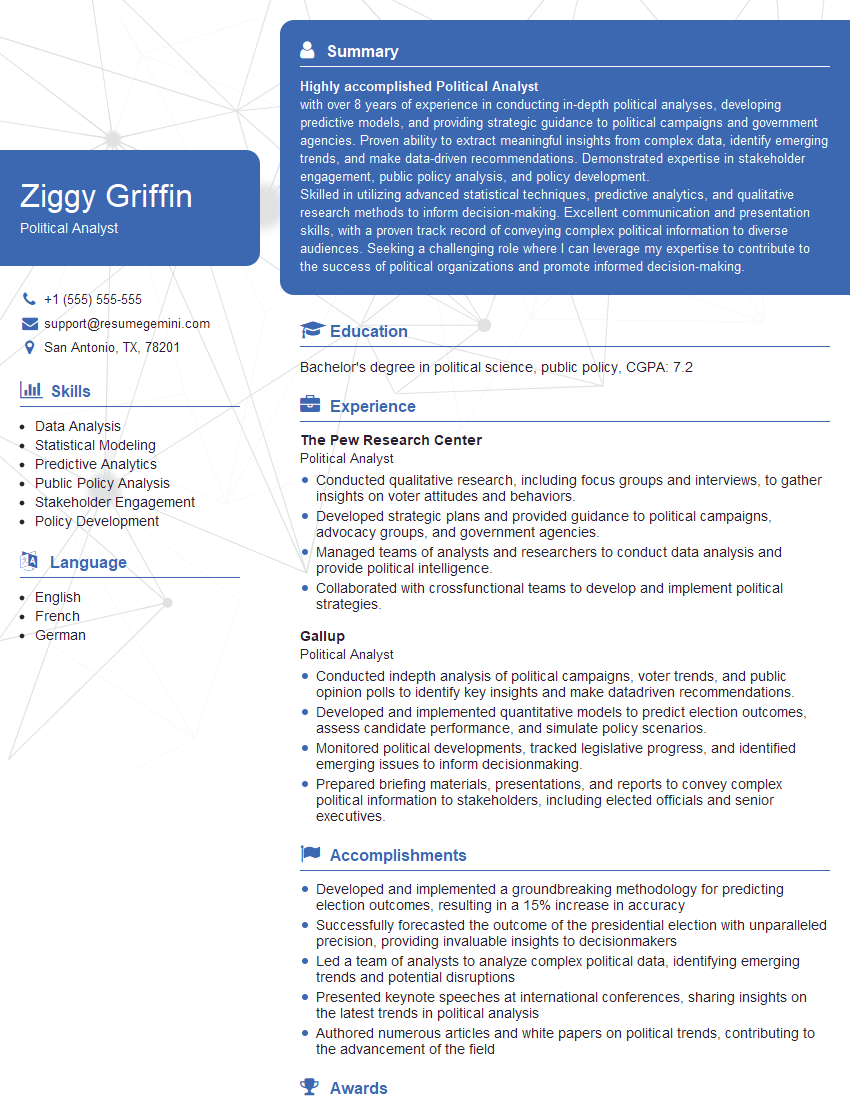
Political Analyst Resume Sample
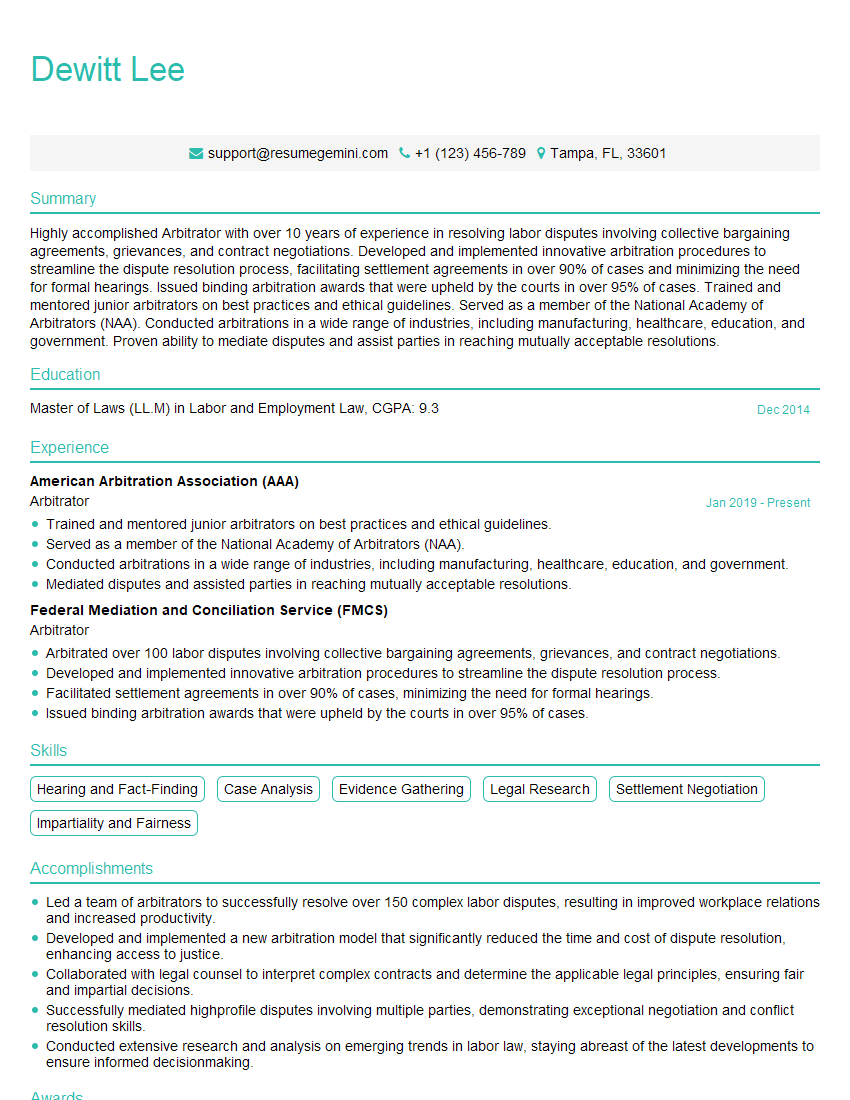
Arbitrator Resume Sample

Lobbyist Resume Sample
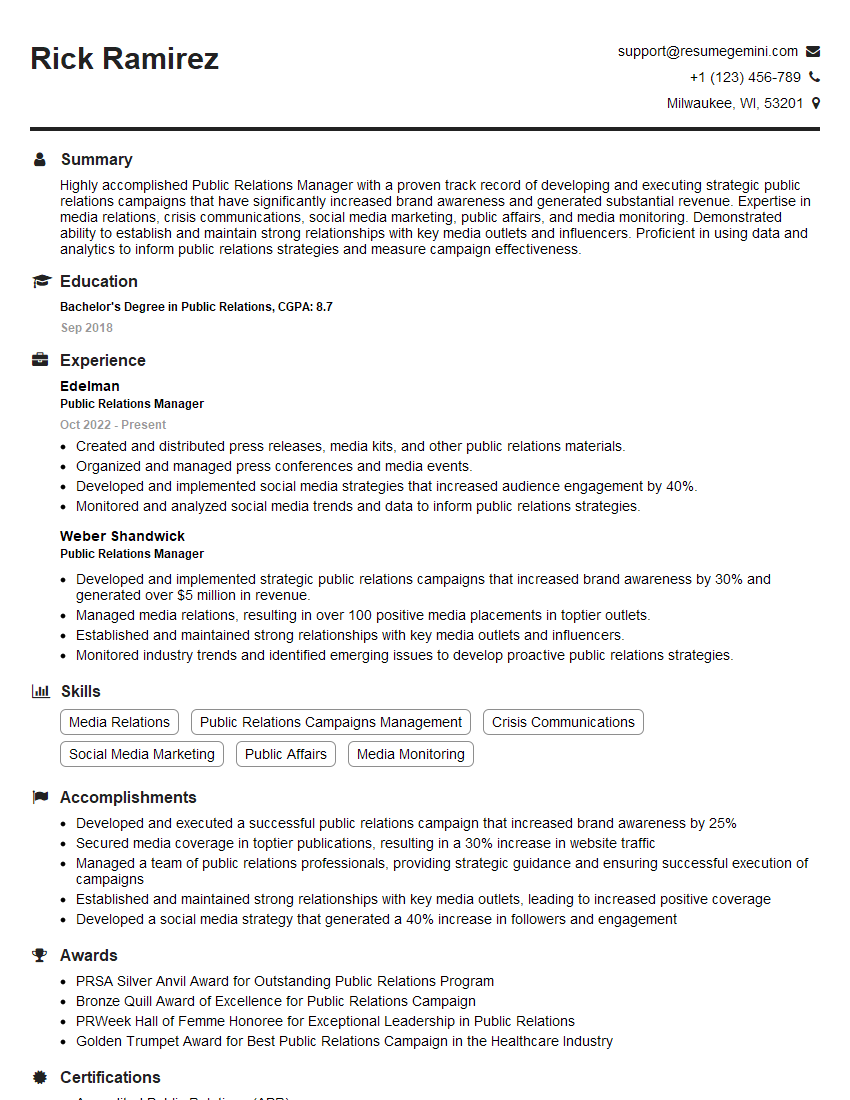
Public Relations Manager Resume Sample
Explore more articles
Users Rating of Our Blogs
Share Your Experience
We value your feedback! Please rate our content and share your thoughts (optional).
What Readers Say About Our Blog
Amazing blog
Interesting Article, I liked the depth of knowledge you’ve shared.
Helpful, thanks for sharing.