Preparation is the key to success in any interview. In this post, we’ll explore crucial Public Health and Global Health interview questions and equip you with strategies to craft impactful answers. Whether you’re a beginner or a pro, these tips will elevate your preparation.
Questions Asked in Public Health and Global Health Interview
Q 1. Explain the difference between prevalence and incidence in epidemiology.
Prevalence and incidence are two key measures in epidemiology that describe the frequency of a disease within a population, but they focus on different aspects.
Prevalence refers to the proportion of a population that has a particular disease or condition at a specific point in time or over a specified period. Think of it as a snapshot. It’s calculated as the number of existing cases divided by the total population. For example, if 100 people out of a population of 1000 have influenza at a particular moment, the prevalence is 10%.
Incidence, on the other hand, measures the rate at which new cases of a disease occur in a population over a defined period. It’s like a movie, showing the development of new cases over time. It’s calculated as the number of new cases occurring during a specified time period divided by the total person-time at risk. For instance, if 50 new cases of influenza occur in a population of 1000 over a month, the incidence rate would be 50 cases per 1000 person-months.
To illustrate the difference, imagine a city dealing with a measles outbreak. The prevalence would tell us the total number of people currently infected, while the incidence would tell us the number of newly infected individuals each day or week.
Q 2. Describe the social determinants of health and their impact on health outcomes.
Social determinants of health (SDOH) are the conditions in the environments where people are born, live, learn, work, play, worship, and age that affect a wide range of health, functioning, and quality-of-life outcomes and risks. These are non-medical factors that significantly influence health outcomes.
- Economic Stability: Poverty, employment, food security, housing stability. Lack of economic stability leads to increased stress, poor nutrition, and limited access to healthcare.
- Education Access and Quality: Education levels correlate with health literacy, employment opportunities, and overall health behaviors.
- Social and Community Context: Social cohesion, civic participation, discrimination, incarceration rates. Strong social connections promote mental well-being, while discrimination can negatively impact physical and mental health.
- Health Care Access and Quality: Access to healthcare services, insurance coverage, quality of care. Lack of access leads to delayed or forgone care, worsening health conditions.
- Neighborhood and Built Environment: Access to healthy food options, quality of housing, crime rates, environmental pollution. Living in a disadvantaged neighborhood can expose individuals to higher levels of environmental hazards and limit access to resources.
Impact on Health Outcomes: SDOH profoundly impact health outcomes, contributing to disparities in disease prevalence, life expectancy, and overall health status. For example, individuals living in poverty may experience higher rates of chronic diseases due to poor nutrition, lack of access to healthcare, and increased stress. Similarly, exposure to environmental hazards can lead to respiratory illnesses and other health problems. Addressing SDOH is crucial for achieving health equity and improving population health.
Q 3. What are the key indicators used to measure the health of a population?
Several key indicators are used to assess the health of a population. These indicators provide a comprehensive picture of the overall health status and help track progress over time. They are often categorized into:
- Mortality Indicators:
- Life expectancy at birth: Average number of years a newborn is expected to live.
- Infant mortality rate: Number of infant deaths (under one year) per 1,000 live births.
- Maternal mortality rate: Number of maternal deaths per 100,000 live births.
- Cause-specific mortality rates: Deaths due to specific causes (e.g., heart disease, cancer).
- Morbidity Indicators:
- Prevalence of diseases: Proportion of a population with a specific disease at a given time.
- Incidence of diseases: Rate of new cases of a disease over a period of time.
- Disability-adjusted life years (DALYs): Measure of overall disease burden, combining years of life lost due to premature mortality and years lived with disability.
- Health System Indicators:
- Healthcare expenditure per capita: Amount spent on healthcare per person.
- Physician-to-patient ratio: Number of physicians per 1,000 population.
- Access to healthcare services: Proportion of the population with access to essential healthcare services.
- Other Indicators:
- Self-reported health status: Individuals’ assessment of their own health.
- Health literacy: Population’s ability to understand and use health information.
These indicators, when analyzed together, offer valuable insights into a population’s health and guide public health interventions.
Q 4. Discuss the importance of data collection and analysis in public health.
Data collection and analysis are fundamental to effective public health practice. They form the bedrock for understanding health trends, identifying risk factors, evaluating interventions, and making informed policy decisions.
Data Collection: This involves systematically gathering information on various aspects of health, such as disease occurrence, risk factors, health behaviors, and healthcare utilization. Data sources include vital statistics (births, deaths), disease surveillance systems, surveys, and electronic health records. Rigorous methodologies are employed to ensure data quality, accuracy, and representativeness.
Data Analysis: This stage involves applying statistical methods to interpret collected data. This might include calculating prevalence and incidence rates, identifying correlations between variables, assessing the effectiveness of interventions, and projecting future health trends. Sophisticated statistical software is often used for data analysis.
Practical Application: For example, data on childhood vaccination rates can be analyzed to identify areas with low coverage, allowing targeted interventions to improve immunization rates. Similarly, analyzing data on air pollution levels and respiratory illnesses can inform policies to improve air quality. Without proper data collection and analysis, public health interventions would be less effective, and resources might be wasted on ineffective strategies.
Q 5. Explain the concept of herd immunity and its role in disease prevention.
Herd immunity, or community immunity, is a form of indirect protection from infectious diseases. It occurs when a large portion of a population is immune to an infectious agent, either through vaccination or prior infection, making the spread of the disease from person to person unlikely. Even those who are not immune are indirectly protected because the disease has difficulty finding susceptible hosts to infect.
Role in Disease Prevention: Herd immunity is crucial for preventing widespread outbreaks of infectious diseases. When a sufficient percentage of the population is immune, the chain of transmission is broken, and the disease struggles to spread. This protects vulnerable individuals who cannot be vaccinated (e.g., infants, immunocompromised individuals) from infection.
Threshold for Herd Immunity: The percentage of the population that needs to be immune to achieve herd immunity varies depending on the infectious agent’s characteristics, such as its reproduction number (R0). Highly contagious diseases require a higher percentage of immunity to achieve herd immunity than less contagious ones. For example, measles, which is highly contagious, requires a very high vaccination rate (around 95%) to achieve herd immunity.
Limitations: Herd immunity is not a guarantee of complete protection. Outbreaks can still occur in communities with high immunity levels, particularly if the immune proportion drops below the critical threshold.
Q 6. Describe various approaches to health promotion and disease prevention.
Approaches to health promotion and disease prevention are multifaceted and aim to empower individuals and communities to adopt healthy lifestyles and prevent the onset of disease. These approaches often fall under the following categories:
- Primary Prevention: This focuses on preventing disease before it occurs. Examples include:
- Health education: Promoting healthy behaviors like regular exercise, balanced diet, and avoiding smoking.
- Immunization: Vaccinating individuals against preventable diseases.
- Environmental modifications: Improving sanitation, water quality, and air quality.
- Secondary Prevention: This involves early detection and prompt treatment of diseases to prevent progression and complications. Examples include:
- Screening programs: Regular screenings for diseases like cancer, hypertension, and diabetes.
- Early intervention programs: Addressing risk factors early to prevent disease progression.
- Tertiary Prevention: This focuses on managing existing diseases to prevent complications and improve quality of life. Examples include:
- Rehabilitation programs: Helping individuals recover from illness or injury.
- Chronic disease management: Assisting individuals in managing chronic conditions such as diabetes or heart disease.
These approaches are often implemented through community-based programs, health education campaigns, policy changes, and collaborations between healthcare professionals, community leaders, and individuals. A successful strategy often integrates multiple approaches tailored to the specific needs of a population.
Q 7. What are the ethical considerations in conducting public health research?
Ethical considerations in public health research are paramount. Protecting the rights and well-being of research participants is crucial. Key ethical principles include:
- Respect for Persons: This involves obtaining informed consent from participants, ensuring their autonomy, and protecting vulnerable populations. Participants must understand the purpose, procedures, risks, and benefits of the research before participating.
- Beneficence: Researchers have a responsibility to maximize the benefits and minimize the harms of the research. This includes designing studies that are scientifically sound and carefully considering the potential risks and benefits to participants.
- Justice: This requires ensuring fair and equitable distribution of research benefits and burdens. Vulnerable populations should not be disproportionately exposed to research risks or excluded from potential benefits.
- Privacy and Confidentiality: Participants’ data should be kept confidential and protected from unauthorized access. Anonymization and data security measures are essential.
- Transparency and Accountability: Research should be conducted transparently, and researchers should be accountable for their actions. This includes disclosing potential conflicts of interest and adhering to ethical guidelines.
Ethical review boards (ERBs) or Institutional Review Boards (IRBs) play a vital role in ensuring that research studies adhere to ethical standards. They review research protocols and monitor the conduct of research to safeguard participants’ rights and well-being.
Q 8. How do you evaluate the effectiveness of a public health intervention?
Evaluating the effectiveness of a public health intervention requires a multifaceted approach. We need to move beyond simply looking at the immediate impact and consider long-term sustainability. A robust evaluation involves clearly defined objectives and measurable outcomes from the start.
- Defining Measurable Outcomes: Before implementing any intervention, we establish specific, measurable, achievable, relevant, and time-bound (SMART) goals. For example, if we’re aiming to reduce smoking rates, a SMART goal might be to decrease smoking prevalence among young adults by 15% within three years.
- Quantitative Data Collection: This involves using methods like surveys, epidemiological studies, and statistical analysis to measure changes in key indicators. For instance, we might track changes in smoking rates, hospital admissions related to smoking-related illnesses, or even sales data for tobacco products.
- Qualitative Data Collection: Understanding the ‘why’ behind the numbers is crucial. Qualitative data, gathered through focus groups, interviews, and community observations, provides insights into people’s experiences, attitudes, and barriers to change. This can highlight unforeseen consequences or unexpected successes.
- Process Evaluation: It’s vital to assess whether the intervention was implemented as planned. Did we reach the target population? Were resources used effectively? Were there any unexpected challenges?
- Cost-Effectiveness Analysis: Determining the cost per unit of outcome achieved is key for resource allocation. Did the intervention provide value for the investment?
- Longitudinal Studies: We need to follow up over time to assess the sustainability of the impact. Does the effect persist beyond the intervention period? This is especially critical for behavioral change interventions.
For example, evaluating a vaccination campaign would involve tracking vaccination rates, incidence of the target disease, and assessing adverse events. A comprehensive evaluation would also consider the campaign’s reach, its impact on healthcare systems, and its cost-effectiveness.
Q 9. Explain the role of surveillance systems in identifying and responding to disease outbreaks.
Surveillance systems are the eyes and ears of public health, providing crucial real-time information on disease patterns. These systems actively monitor health events within a population, enabling early detection, rapid response, and prevention of outbreaks.
- Passive Surveillance: This involves collecting data from routine reporting by healthcare providers. Think of doctors and hospitals reporting cases of certain diseases to local health departments. It’s relatively inexpensive, but might miss less common or underreported illnesses.
- Active Surveillance: This is more proactive. Public health officials actively seek out cases through targeted investigations, such as contacting specific healthcare providers or conducting surveys within a community. This is more expensive but can identify outbreaks earlier.
- Syndromic Surveillance: This looks at pre-diagnostic data, like symptoms reported to clinics or absences from schools, to detect potential outbreaks before lab confirmation. It allows for faster initial response, even if the exact disease isn’t identified yet.
During the COVID-19 pandemic, syndromic surveillance played a crucial role in detecting clusters of respiratory illnesses before widespread testing was available. This allowed health officials to mobilize resources and implement preventive measures more quickly. The effectiveness of surveillance systems hinges on timely data reporting, robust data analysis, and effective communication across various stakeholders.
Q 10. Describe the challenges of implementing public health programs in low-resource settings.
Implementing public health programs in low-resource settings presents unique and significant challenges. These settings often face limitations in infrastructure, resources, and human capacity, requiring innovative solutions and careful planning.
- Limited Infrastructure: Poor roads, unreliable electricity, and a lack of healthcare facilities can hinder the delivery of interventions and limit access for the population. Imagine trying to store and transport vaccines in a region with frequent power outages.
- Resource Constraints: Funding limitations, shortages of trained personnel, and inadequate medical supplies are common. This necessitates prioritization and finding cost-effective approaches.
- Human Resource Shortages: A lack of trained health workers, particularly in remote areas, limits the capacity to implement and monitor programs. This may require training community health workers.
- Cultural and Social Factors: Cultural beliefs, traditional practices, and social inequalities can influence health behaviors and affect program uptake. Engaging community leaders is critical.
- Political Instability and Conflict: In unstable regions, access to populations and implementation of programs can be severely restricted due to security concerns.
- Data Collection Challenges: Reliable data collection can be hampered by poor record-keeping, limited access to technology, and difficulties in reaching remote communities.
Overcoming these challenges requires a community-based approach, utilizing available resources efficiently, and adapting strategies to local contexts. Partnering with local organizations and empowering community members are key to achieving lasting impact.
Q 11. What are the key elements of a successful health communication campaign?
Successful health communication campaigns are more than just catchy slogans; they’re strategically designed to achieve specific behavior change. Key elements include:
- Clearly Defined Objectives: What specific behavior change are you aiming for? Be SMART about it.
- Understanding the Audience: Tailoring the message to resonate with the target population’s culture, values, and existing knowledge is essential. What are their needs, concerns, and communication preferences?
- Compelling Message: The message needs to be clear, concise, and relevant. Using simple language and relatable examples helps.
- Multiple Channels: Utilizing diverse channels—social media, radio, community events, print media—ensures maximum reach and engagement.
- Community Engagement: Involving community leaders and influencers ensures buy-in and promotes trust.
- Evaluation: Monitoring the campaign’s reach, impact, and effectiveness throughout its lifecycle is vital for making adjustments.
For instance, a campaign promoting handwashing might use short videos on social media, radio jingles, and posters in public places. The success would be measured by changes in handwashing behaviors and disease rates.
Q 12. Discuss the importance of community engagement in public health.
Community engagement is paramount in public health. It’s not just about informing the community; it’s about collaborating with them to identify needs, design solutions, and ensure programs are culturally appropriate and sustainable. It fosters trust and builds ownership.
- Needs Assessment: Involving community members in identifying their health priorities guides program development and ensures relevance.
- Participatory Program Design: Working collaboratively ensures that programs are culturally sensitive and address community-specific needs.
- Implementation and Monitoring: Community participation ensures smooth implementation and facilitates adjustments based on real-time feedback.
- Sustainability: Building local capacity and fostering community ownership promotes program longevity.
- Addressing Health Disparities: Engaging marginalized communities ensures that health inequities are addressed appropriately.
Imagine a campaign to improve childhood immunization rates. Engaging parents, community leaders, and healthcare providers ensures that messages are understood, trust is built, and potential barriers are addressed. Community participation ensures better outcomes and program sustainability.
Q 13. How do you address health disparities within a population?
Addressing health disparities requires a multi-pronged approach that tackles the social determinants of health and ensures equitable access to resources. It’s about dismantling systemic inequalities rather than just treating symptoms.
- Identify Disparities: Detailed data collection and analysis are essential to understand the specific disparities within the population. This requires looking at factors like race, ethnicity, socioeconomic status, geographic location, and access to healthcare.
- Address Social Determinants: Tackling the root causes of disparities involves addressing issues like poverty, lack of education, inadequate housing, food insecurity, and discrimination.
- Culturally Competent Care: Healthcare services must be culturally sensitive and responsive to the needs of diverse communities.
- Community-Based Interventions: Tailoring interventions to specific communities and empowering community members ensures program success.
- Policy Changes: Advocating for policies that promote health equity, such as universal health coverage or affordable housing initiatives, is critical.
For example, addressing higher rates of diabetes in a specific community might involve improving access to affordable healthy food, providing culturally appropriate diabetes education, and increasing access to healthcare services.
Q 14. Explain the role of health policy in shaping health outcomes.
Health policy plays a pivotal role in shaping health outcomes. It’s the framework that guides resource allocation, sets standards of care, and regulates healthcare practices. Effective health policy can influence the entire spectrum of health, from disease prevention to treatment and long-term care.
- Resource Allocation: Policies determine how resources are allocated to different areas of public health, influencing disease prevention efforts, healthcare access, and research funding.
- Standards of Care: Policies set standards for medical practice, including licensing, accreditation, and quality improvement initiatives, impacting the quality and safety of healthcare.
- Health Promotion and Prevention: Policies promoting healthy behaviors, such as tobacco control, seatbelt laws, and vaccination campaigns, significantly impact population health.
- Access to Healthcare: Policies influencing healthcare financing, such as universal health coverage, significantly impact access to essential healthcare services.
- Environmental Health: Policies regulating air and water quality, food safety, and workplace safety impact environmental health and reduce exposure to hazards.
For instance, policies mandating helmet use for motorcyclists have demonstrably reduced head injuries. Similarly, policies promoting breastfeeding have increased rates of breastfeeding, leading to improved infant health. Health policy is a powerful tool for creating healthier populations, but its effectiveness depends on strong evidence, community engagement, and political will.
Q 15. What are the different types of epidemiological study designs?
Epidemiological study designs are the blueprints for investigating the distribution and determinants of health-related states or events in specified populations. They’re crucial for understanding disease patterns and identifying risk factors. Different designs offer various strengths and weaknesses, making the choice dependent on the research question and available resources.
- Descriptive studies: These studies describe the distribution of a disease or condition in terms of person, place, and time. They often use data from surveillance systems or registries. Think of a study mapping the geographical distribution of cholera cases during an outbreak. This helps pinpoint the source of the contamination.
- Analytical studies: These studies aim to identify the causes or risk factors of a disease. Key types include:
- Observational studies: Researchers observe the relationship between exposure and outcome without intervention. Examples include:
- Cohort studies: Follow a group over time to see who develops the disease. For instance, following a cohort of smokers and non-smokers to determine lung cancer risk.
- Case-control studies: Compare individuals with the disease (cases) to those without (controls) to identify past exposures. A classic example is comparing the smoking habits of lung cancer patients versus a control group.
- Cross-sectional studies: Examine exposure and outcome at a single point in time. A survey assessing the prevalence of obesity and diabetes in a population simultaneously would be a cross-sectional study.
- Experimental studies (interventional): Researchers actively manipulate an exposure (e.g., through vaccination or medication) to observe its effect on the outcome. Randomized controlled trials (RCTs) are the gold standard, randomly assigning participants to either an intervention or control group. A clinical trial testing a new drug for HIV is an example of an experimental study.
- Observational studies: Researchers observe the relationship between exposure and outcome without intervention. Examples include:
Career Expert Tips:
- Ace those interviews! Prepare effectively by reviewing the Top 50 Most Common Interview Questions on ResumeGemini.
- Navigate your job search with confidence! Explore a wide range of Career Tips on ResumeGemini. Learn about common challenges and recommendations to overcome them.
- Craft the perfect resume! Master the Art of Resume Writing with ResumeGemini’s guide. Showcase your unique qualifications and achievements effectively.
- Don’t miss out on holiday savings! Build your dream resume with ResumeGemini’s ATS optimized templates.
Q 16. Describe your experience working with data visualization tools for public health reporting.
Data visualization is paramount in public health reporting, allowing for clear and effective communication of complex information to diverse audiences – from policymakers to the general public. I have extensive experience using various tools to create compelling and insightful visualizations. My expertise includes Tableau, R (with packages like ggplot2), and Python (with libraries such as matplotlib and seaborn).
For example, during a recent measles outbreak investigation, I utilized Tableau to create interactive dashboards that displayed real-time case counts, geographical distribution, vaccination coverage rates, and demographic data. These dashboards allowed for rapid identification of high-risk areas and facilitated targeted intervention strategies. In another project, I used R to generate publication-quality graphs depicting the trends in childhood obesity rates over a decade, highlighting disparities across socioeconomic groups. The code snippet below shows a basic example of creating a bar chart in R using ggplot2:
library(ggplot2)
data <- data.frame(Category = c('A', 'B', 'C'), Value = c(10, 15, 20))
ggplot(data, aes(x = Category, y = Value)) + geom_bar(stat = 'identity')
The choice of visualization tool depends heavily on the data type, the target audience, and the specific message to be conveyed. My approach is always guided by principles of clarity, accuracy, and ethical representation of data.
Q 17. How would you handle a public health crisis in your community?
Responding to a public health crisis necessitates a rapid, coordinated, and evidence-based approach. My strategy would involve the following steps:
- Assessment and Surveillance: Immediately activate the local emergency response plan, gathering data on the nature, scope, and severity of the crisis. This includes establishing robust surveillance systems to track the spread and impact of the event.
- Risk Communication: Transparent and timely communication is critical. Disseminate accurate information to the public through various channels to alleviate fear and promote cooperation. This also involves communicating risk levels and recommended preventive measures.
- Mobilization and Coordination: Collaborate closely with other agencies (health departments, law enforcement, emergency management), community leaders, and healthcare providers to allocate resources and coordinate response efforts effectively. This includes leveraging existing community networks and building new partnerships as necessary.
- Intervention and Control: Implement evidence-based interventions to control the crisis. This may involve quarantine measures, vaccination campaigns, or public health education initiatives, depending on the nature of the crisis.
- Evaluation and Learning: After the crisis, conduct a thorough evaluation of the response, identifying strengths, weaknesses, and lessons learned. This information is invaluable for improving future preparedness and response efforts. This post-crisis evaluation helps to strengthen and refine our response protocols.
An example could be a flu pandemic. The steps above would guide how we control spread through vaccination programs, managing hospital capacity, and public information campaigns focused on hygiene and social distancing.
Q 18. What is your understanding of the Global Burden of Disease?
The Global Burden of Disease (GBD) study is a comprehensive, ongoing research effort that quantifies the magnitude of health loss from different causes and risk factors worldwide. It doesn't just count deaths; it measures the impact of diseases and injuries on healthy life years, using metrics like disability-adjusted life years (DALYs). DALYs combine years of life lost due to premature mortality and years lived with disability. This allows for a more holistic understanding of the overall health of populations.
The GBD study provides crucial data for informing global health priorities, resource allocation, and policy decisions. For instance, it highlights the significant contribution of non-communicable diseases (NCDs) like heart disease and cancer to global health loss, emphasizing the need for investments in prevention and treatment programs. Furthermore, it reveals crucial regional and national disparities in health outcomes, prompting targeted interventions to address inequities. The data produced influences international health organizations (WHO) and national governments in strategizing on disease prevention and control programs around the world.
Q 19. Describe your familiarity with various health systems models.
Health systems models describe the organization and delivery of healthcare services within a given context. Different models prioritize various aspects, such as cost-effectiveness, equity, or quality of care. I'm familiar with several prominent models, including:
- The Bismarck model (social health insurance): Healthcare is financed through mandatory contributions from employers and employees, with healthcare providers largely private. Germany is a prime example.
- The Beveridge model (single-payer system): The government provides healthcare services directly, often funding them through taxes. The UK's National Health Service (NHS) is a model example.
- The Out-of-Pocket model: Healthcare is primarily paid for directly by individuals, often leading to significant disparities in access to care based on socioeconomic status. Many developing countries incorporate features of this model.
- The National Health Insurance model (single-payer system): Healthcare services are provided by private providers, but the government typically funds them through a single, universal insurance plan. Canada's healthcare system falls under this model.
Understanding these different models helps assess their strengths and limitations and facilitates informed decisions about healthcare policy and reform. For instance, understanding the limitations of the out-of-pocket system leads to policy discussion on providing universal coverage.
Q 20. What are your experiences in health program planning and implementation?
My experience in health program planning and implementation spans various settings and populations. I've been involved in the design, implementation, and evaluation of numerous public health programs, including:
- Developing a community-based health education program targeting adolescent girls on reproductive health. This involved needs assessment, curriculum development, training of community health workers, and program evaluation. The success of the program was measured by increases in knowledge and practice of safe sex practices and positive health behaviors.
- Designing and implementing a school-based nutrition intervention aiming to improve the dietary habits of elementary school children. This included working with school administrators, teachers, and parents to create a supportive environment for healthy eating and incorporating healthy food choices into school meals.
- Leading a team to evaluate the effectiveness of a maternal and child health program in a rural area. This involved data collection, analysis, and report writing, and the findings were instrumental in refining program strategies.
My approach emphasizes community engagement, participatory design, evidence-based strategies, and rigorous evaluation. I use frameworks such as the logic model to ensure alignment between program goals, activities, and outcomes. A key aspect of successful implementation is a strong focus on sustainability – ensuring programs are capable of continuing long after initial funding has ended.
Q 21. Explain your understanding of health equity versus health equality.
Health equity and health equality are often confused, but they represent distinct concepts. Health equality implies providing everyone with the same resources and opportunities. Think of it as giving everyone the same-sized slice of cake. Health equity, on the other hand, recognizes that different individuals and groups may require different levels of resources and support to achieve the same health outcomes. It's about ensuring everyone has a fair chance to be healthy, regardless of their circumstances. This means ensuring everyone has access to a slice of cake that is appropriately sized for them.
For example, providing everyone with the same access to healthcare facilities (equality) may not be sufficient if some communities lack transportation or have limited health literacy (inequity). Achieving health equity would involve addressing these underlying social determinants of health, such as transportation issues and ensuring that communication about healthcare is accessible to everyone. Addressing health inequities requires a nuanced understanding of the social, economic, and environmental factors that influence health outcomes and targeted interventions to overcome systemic barriers to health.
Q 22. How do you prioritize competing public health issues?
Prioritizing competing public health issues requires a systematic approach. It's not simply about picking the 'most important' but rather a strategic allocation of resources based on a variety of factors. Think of it like triage in a hospital – you need to address the most critical needs first, but also consider long-term impacts.
- Assessing Burden of Disease: We use metrics like DALYs (Disability-Adjusted Life Years) and mortality rates to quantify the impact of each issue. A disease causing many deaths or significant disability naturally gets higher priority.
- Vulnerable Populations: We prioritize issues disproportionately affecting vulnerable populations, like children, the elderly, or those in low-income communities. For instance, a maternal mortality crisis might take precedence over a less severe issue affecting the general population.
- Cost-Effectiveness: Interventions vary significantly in cost and effectiveness. We consider the 'bang for our buck' – which interventions will yield the most significant health improvement for the allocated resources? Vaccination campaigns are a prime example of a highly cost-effective intervention.
- Political and Social Context: Public health issues are rarely isolated. We need to be aware of the social, economic, and political environment and consider the feasibility of implementing interventions. For instance, a lack of public trust may hinder a vaccine campaign even if it's medically sound.
- Data-Driven Decision Making: Reliable data is crucial. We use epidemiological data, surveillance systems, and community health assessments to understand the true scope and severity of each issue. Accurate data informs effective prioritization.
In practice, this often involves a multi-stakeholder process involving policymakers, health professionals, and community members to ensure a comprehensive and equitable approach to prioritization.
Q 23. How would you assess the risk of a particular infectious disease?
Assessing the risk of an infectious disease involves a multi-faceted approach using a framework that considers several key aspects:
- Host Factors: This examines the population's susceptibility to the disease. Are there specific demographics more vulnerable? Are there underlying health conditions that increase risk? For example, elderly individuals are often more vulnerable to severe influenza.
- Agent Factors: This focuses on the pathogen itself. How infectious is it (R0)? How severe is the disease? What is its mortality rate? Highly contagious pathogens with high mortality rates, like Ebola, pose a significant risk.
- Environmental Factors: This looks at factors that influence transmission. Does it spread through air, water, or direct contact? Is there a suitable vector (like mosquitoes for malaria)? Climate change can also play a role in altering transmission patterns.
We use various tools to quantify this risk, including:
- Epidemiological Models: These mathematical models project disease spread based on various parameters. They're crucial for predicting outbreaks and informing intervention strategies.
- Risk Assessment Matrices: These matrices help visualize the likelihood and potential impact of different risk scenarios. This helps prioritize interventions.
- Surveillance Systems: Real-time monitoring of disease incidence is paramount. This helps detect outbreaks early and track the spread of disease. Early warning systems are crucial for timely interventions.
By integrating information from these sources, we can generate a comprehensive risk assessment, guiding resource allocation and implementing effective control measures.
Q 24. What are the major challenges in global health today?
Global health faces numerous complex and interconnected challenges. These often overlap and exacerbate each other:
- Infectious Diseases: The emergence and re-emergence of infectious diseases (like COVID-19, antibiotic-resistant bacteria) remain a significant threat. Global travel and climate change are accelerating their spread.
- Non-Communicable Diseases (NCDs): Chronic diseases like heart disease, cancer, and diabetes are on the rise globally, placing a huge strain on healthcare systems. These are often linked to lifestyle factors and require a multi-sectoral approach to tackle.
- Health Inequalities: Disparities in access to healthcare, quality of care, and health outcomes exist across and within countries. This requires focused efforts to reduce inequities and ensure health equity for all.
- Climate Change: Climate change poses a major threat to global health, affecting everything from food security to infectious disease transmission and air quality. This requires integrated solutions involving mitigation and adaptation strategies.
- Weak Health Systems: Many countries lack adequate healthcare infrastructure, trained personnel, and resources to address the complex health challenges they face. Strengthening health systems is vital for sustainable improvements in health outcomes.
- Global Health Security: The threat of pandemics highlights the need for robust global health security mechanisms for early detection, rapid response, and international collaboration.
Addressing these challenges necessitates collaborative efforts between governments, international organizations, NGOs, and communities, promoting innovative solutions and sustainable interventions.
Q 25. Describe your experience with grant writing or fundraising for public health initiatives.
I have extensive experience in grant writing and fundraising for public health initiatives. My approach is rooted in building strong narratives that resonate with funders and clearly articulate the problem, proposed solution, and expected impact.
- Needs Assessment and Research: I begin with thorough research to identify funding opportunities aligned with our project goals. I carefully review grant guidelines and requirements to tailor proposals effectively.
- Compelling Narrative Development: I develop compelling narratives that highlight the significance of the issue, the innovative nature of our approach, and the potential impact on the target population. Strong storytelling is critical in securing funding.
- Data-Driven Justification: I utilize data and evidence to support the rationale for the project, demonstrating a clear understanding of the problem and the effectiveness of the proposed interventions. Quantitative data, community needs assessments, and baseline data are key components.
- Budget Development and Justification: I develop realistic and well-justified budgets that detail how funds will be utilized. This requires a thorough understanding of cost-effectiveness and transparency in resource allocation.
- Relationship Building: Cultivating strong relationships with potential funders is essential. This includes attending conferences, networking with relevant stakeholders, and maintaining consistent communication with funders throughout the process.
I have successfully secured funding from various sources, including government agencies, foundations, and private corporations, for projects focused on disease prevention, health promotion, and capacity building. A recent success involved securing a significant grant to implement a community-based intervention for the prevention of childhood obesity.
Q 26. How would you use evidence-based practice to inform a public health decision?
Evidence-based practice is fundamental to effective public health decision-making. It ensures that policies and programs are grounded in the best available scientific evidence rather than assumptions or anecdotal information.
The process typically follows these steps:
- Formulate a Clear Question: Begin by defining the specific question you're trying to answer. For instance, “What is the most effective strategy to reduce smoking rates among young adults?”
- Conduct a Systematic Review: Search for relevant scientific literature using databases like PubMed and Embase. Focus on rigorous study designs (e.g., randomized controlled trials) and synthesize the findings.
- Assess the Quality of Evidence: Critically appraise the quality of the studies included in your review. Consider factors like study design, sample size, potential biases, and the strength of the findings.
- Synthesize the Evidence: Summarize the findings and determine the overall strength of the evidence supporting different interventions. Look for consistent patterns across studies.
- Consider Local Context: While evidence is essential, it must be adapted to the local context. Cultural factors, resource availability, and community preferences should be taken into account.
- Implement and Evaluate: Develop and implement an intervention based on the best available evidence. Continuously monitor and evaluate its effectiveness, making adjustments as needed.
For example, when deciding on a school-based intervention to prevent childhood obesity, I would look for evidence on the effectiveness of different strategies like nutrition education, physical activity programs, or changes in school food policies. The synthesis of this evidence, combined with the local context of the school, would inform the decision.
Q 27. Describe your understanding of the WHO's role in global health.
The World Health Organization (WHO) plays a crucial role in global health by providing leadership, setting norms and standards, and providing technical support to countries. It's the leading coordinating body for international health initiatives.
- Setting Global Health Standards: The WHO sets standards for medications, vaccines, and medical devices, ensuring quality and safety. They also define disease classifications and monitoring criteria.
- Disease Surveillance and Response: The WHO plays a critical role in monitoring global health trends, detecting outbreaks, and coordinating international responses to pandemics and other health emergencies. The International Health Regulations (IHR) are crucial in this regard.
- Providing Technical Assistance: The WHO provides technical support to countries in strengthening their health systems, improving health service delivery, and implementing health interventions.
- Advocacy and Policy Development: The WHO advocates for policies and strategies that promote health and well-being globally. It works with member states to improve health policies and strengthen health systems.
- Research and Information Dissemination: The WHO conducts and supports research on critical global health issues and disseminates information to health professionals and the public.
Essentially, the WHO acts as a global convener, facilitator, and technical expert in the field of public health, working collaboratively to improve health outcomes globally.
Q 28. What are your strengths and weaknesses in the context of a public health role?
In the context of a public health role, my strengths lie in my analytical skills, my ability to synthesize complex information, and my experience in building collaborations and consensus among diverse stakeholders. I am also adept at developing and implementing evidence-based interventions and communicating complex information clearly and effectively. My experience in grant writing and fundraising further strengthens my ability to secure resources and build sustainable programs.
My main area for development is delegation and effective team management. While I can manage multiple tasks effectively, I am continuously working on delegating more effectively to foster a team environment where everyone thrives and contributes optimally. This involves actively building team capacity and fostering a culture of open communication and mutual support. I believe that this is an area where focused learning and practice will enhance my capabilities significantly.
Key Topics to Learn for Public Health and Global Health Interviews
- Epidemiology: Understanding disease patterns, outbreaks, and their determinants. Practical application: Analyzing epidemiological data to inform public health interventions.
- Health Policy and Management: Analyzing health systems, resource allocation, and policy implementation. Practical application: Developing strategies for improving healthcare access and equity.
- Global Health Security: Addressing infectious disease threats and strengthening health systems globally. Practical application: Developing preparedness plans for pandemic response.
- Health Promotion and Disease Prevention: Designing and implementing programs to improve population health. Practical application: Creating effective public health campaigns targeting specific risk factors.
- Social Determinants of Health: Exploring the social, economic, and environmental factors impacting health outcomes. Practical application: Developing community-based interventions to address health disparities.
- Biostatistics and Data Analysis: Analyzing and interpreting public health data using statistical methods. Practical application: Using data to evaluate the effectiveness of public health programs.
- Ethical Considerations in Public Health: Navigating ethical dilemmas and ensuring equitable access to healthcare. Practical application: Developing culturally sensitive public health interventions.
- Health Communication and Advocacy: Effectively communicating public health messages and advocating for policy change. Practical application: Developing strategies to engage communities in health promotion activities.
- Program Evaluation and Impact Assessment: Measuring the effectiveness of public health interventions. Practical application: Designing and implementing robust evaluation frameworks.
Next Steps
Mastering Public Health and Global Health principles is crucial for a successful and impactful career. These fields offer diverse opportunities to make a significant contribution to improving global well-being. To maximize your job prospects, crafting a strong, ATS-friendly resume is essential. ResumeGemini is a trusted resource that can help you build a professional and impactful resume tailored to showcase your skills and experience. Examples of resumes specifically designed for Public Health and Global Health professionals are available to guide you. Invest the time to create a compelling resume; it's your first impression and a vital step in securing your dream role.
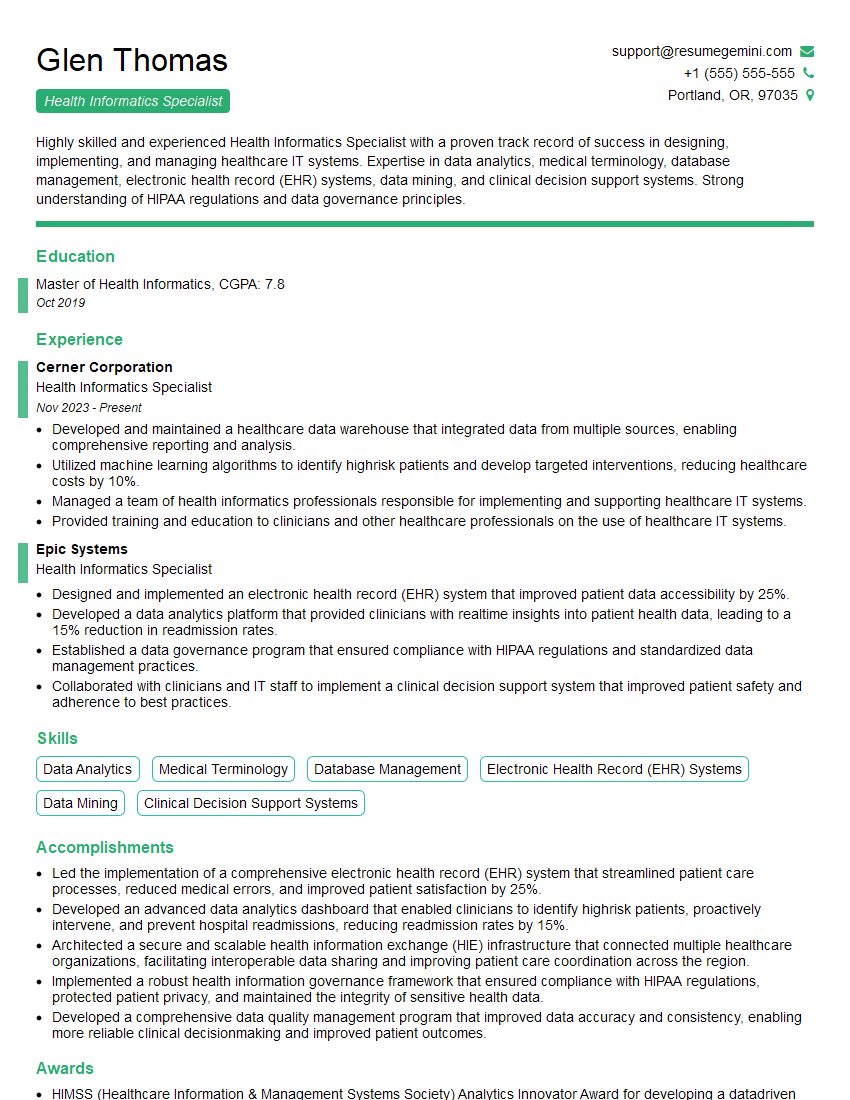
Health Informatics Specialist Resume Sample
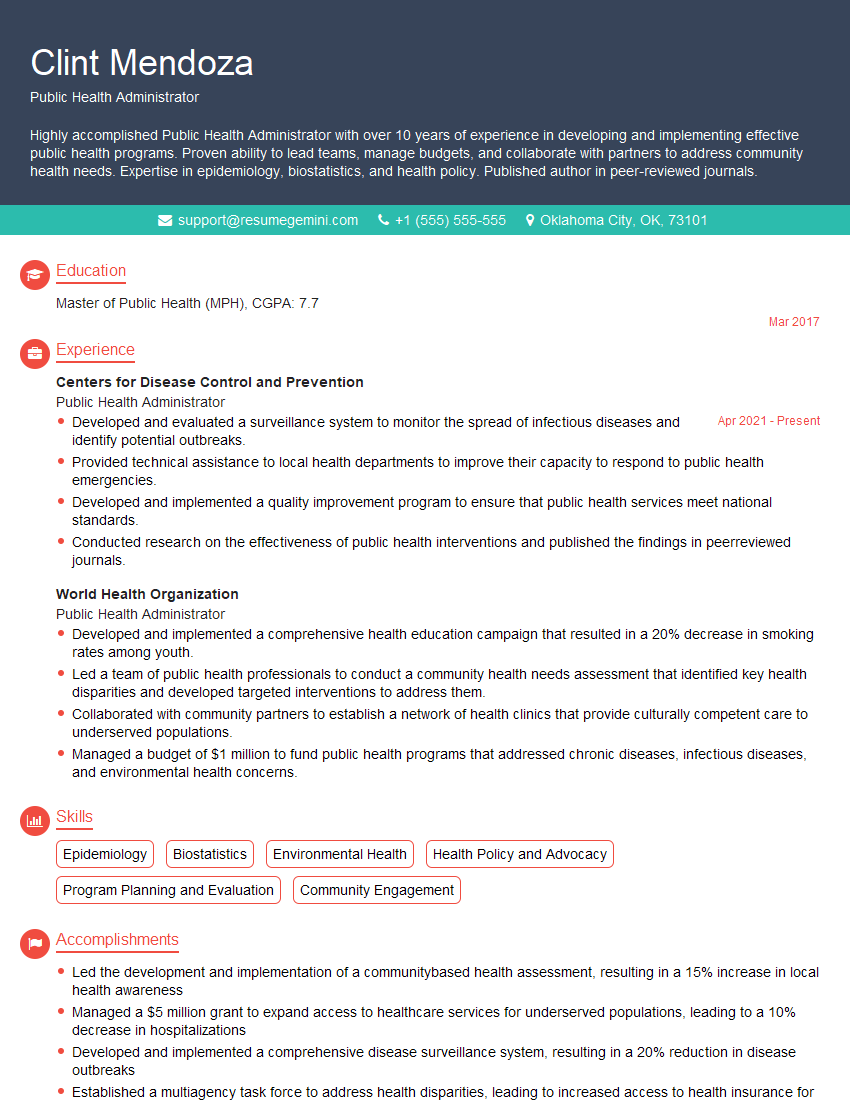
Public Health Administrator Resume Sample
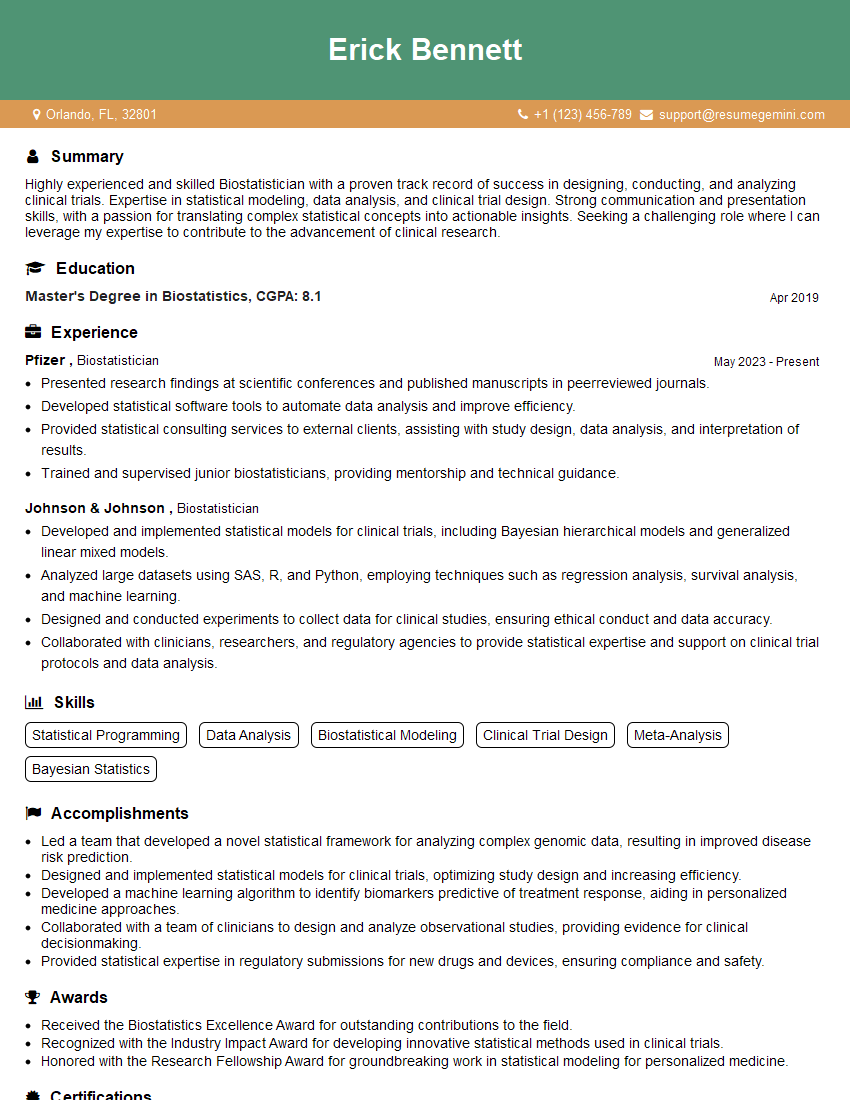
Biostatistician Resume Sample
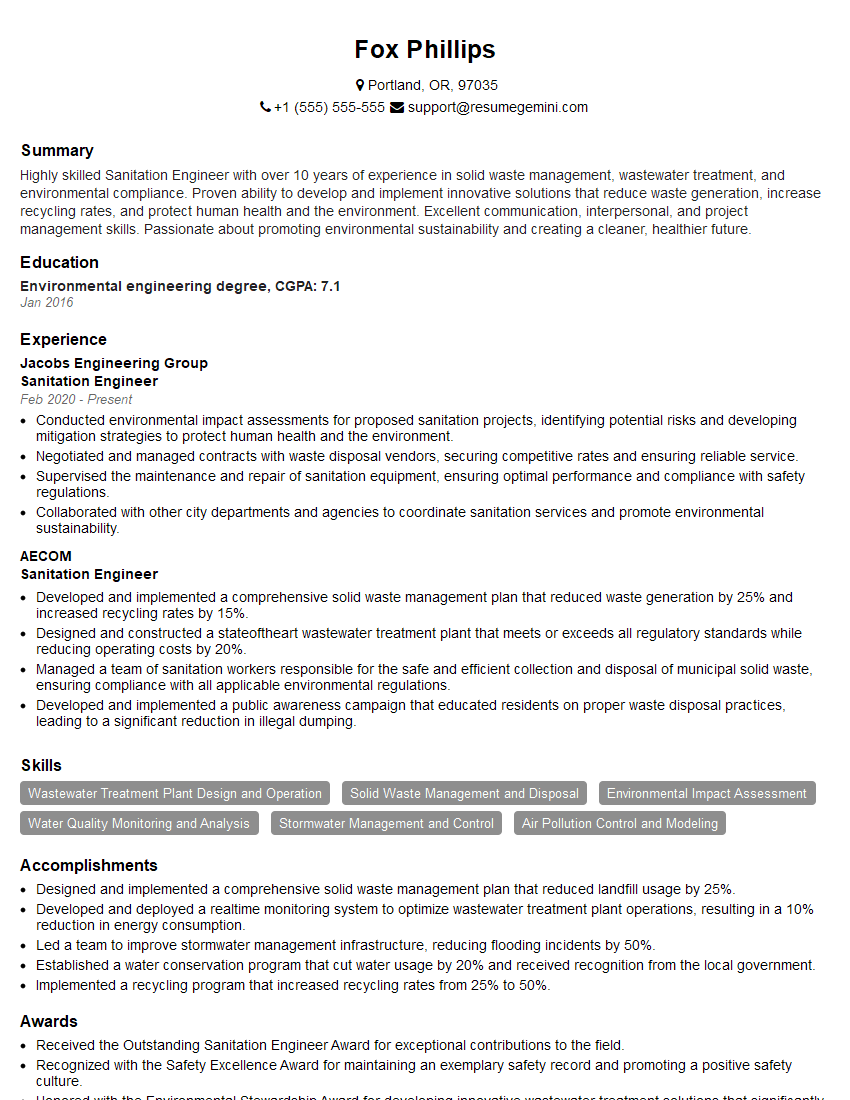
Sanitation Engineer Resume Sample
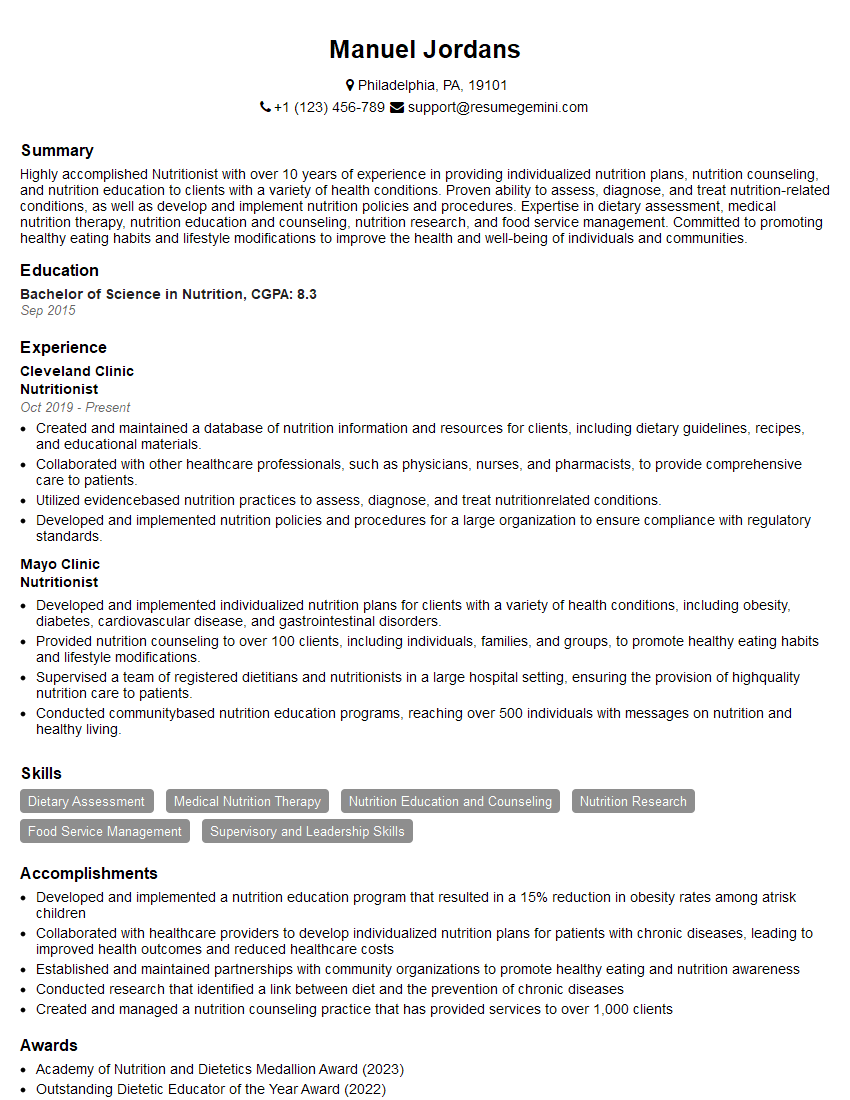
Nutritionist Resume Sample
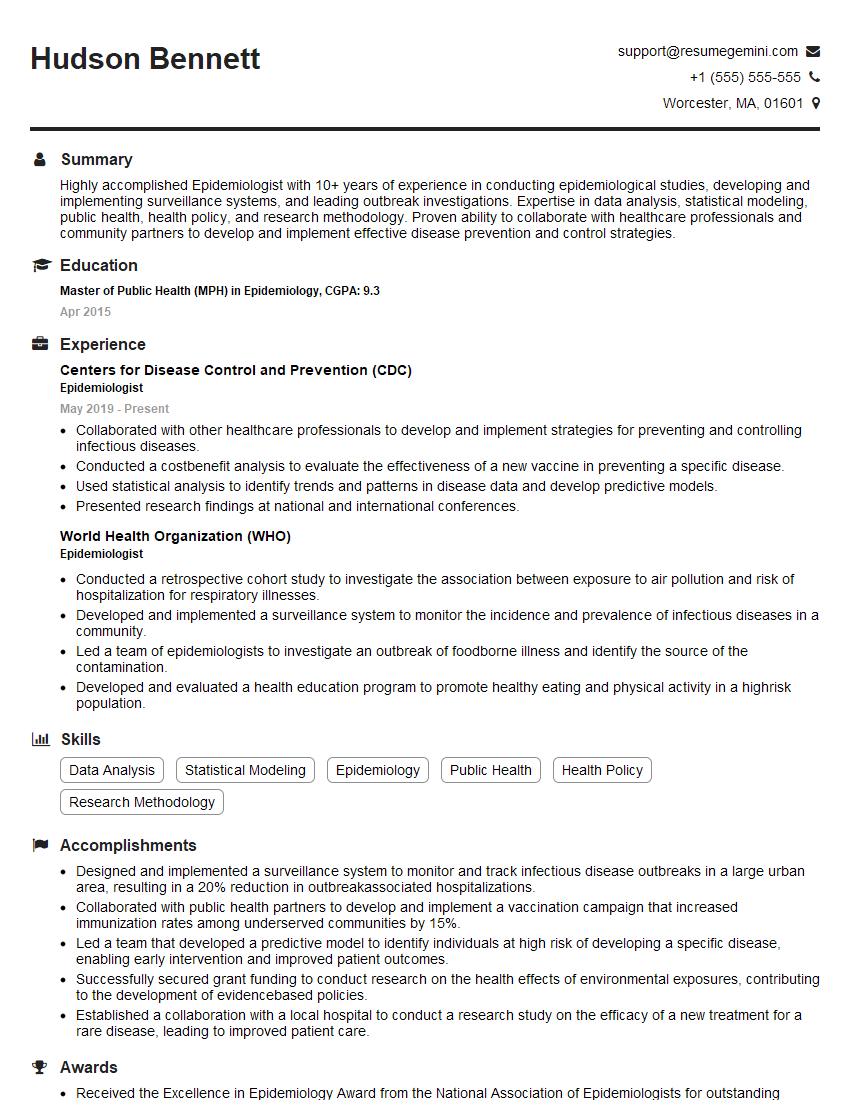
Epidemiologist Resume Sample
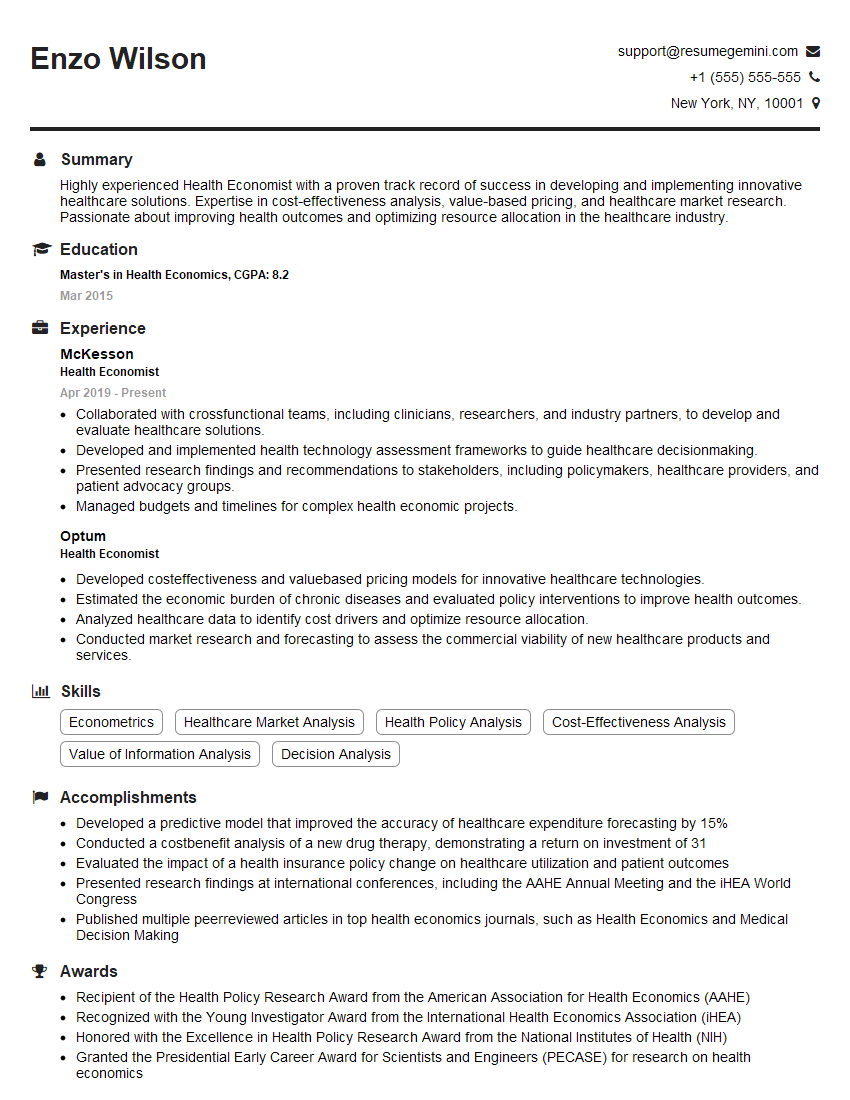
Health Economist Resume Sample
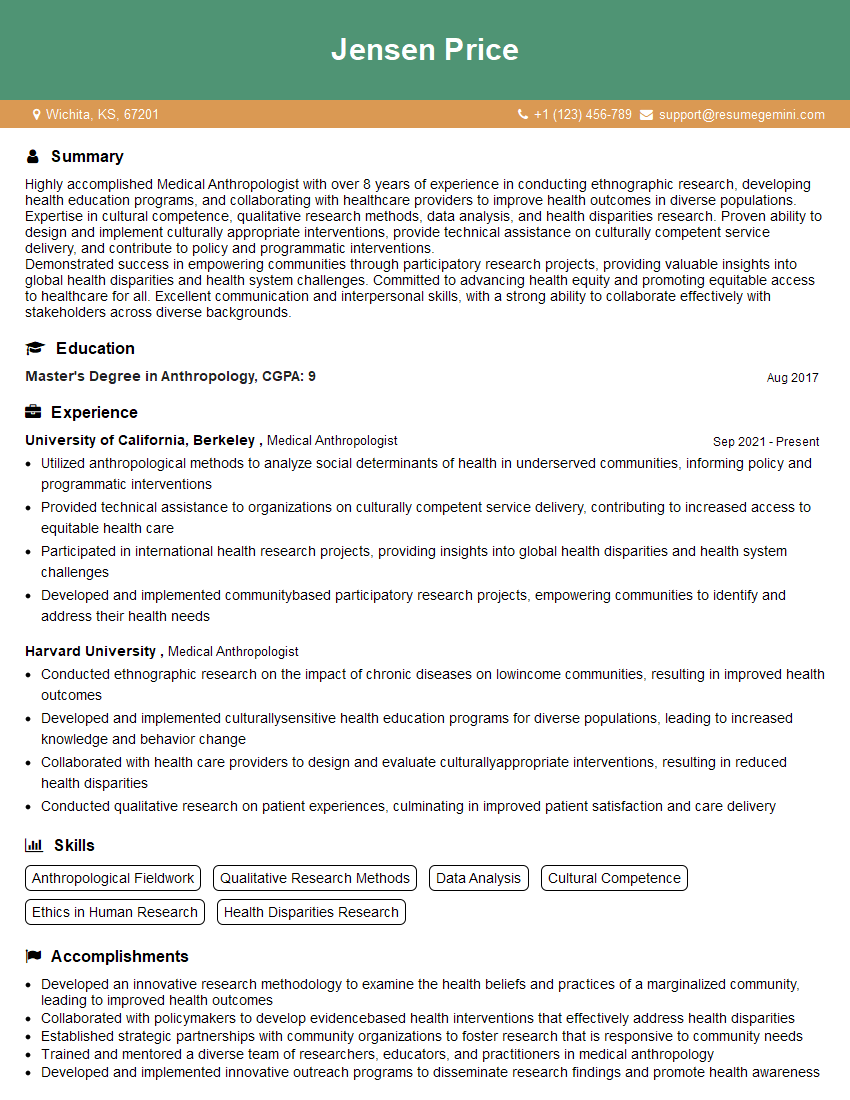
Medical Anthropologist Resume Sample
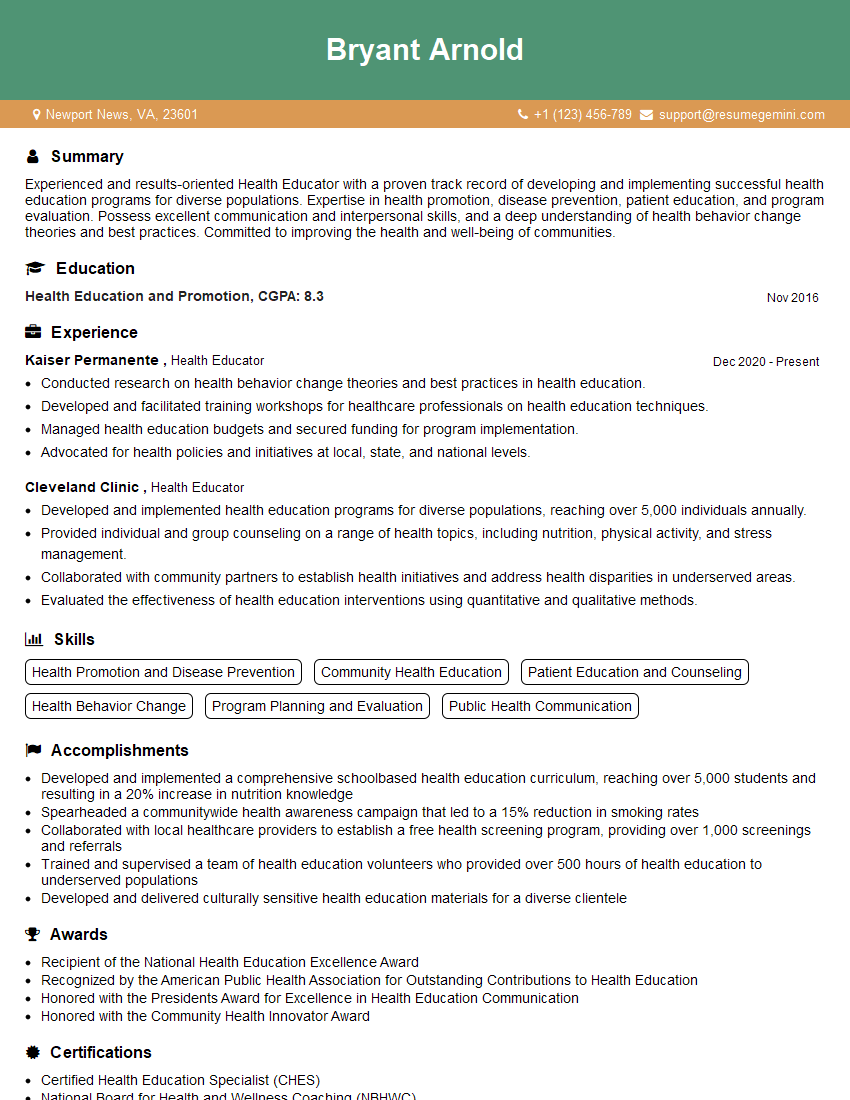
Health Educator Resume Sample
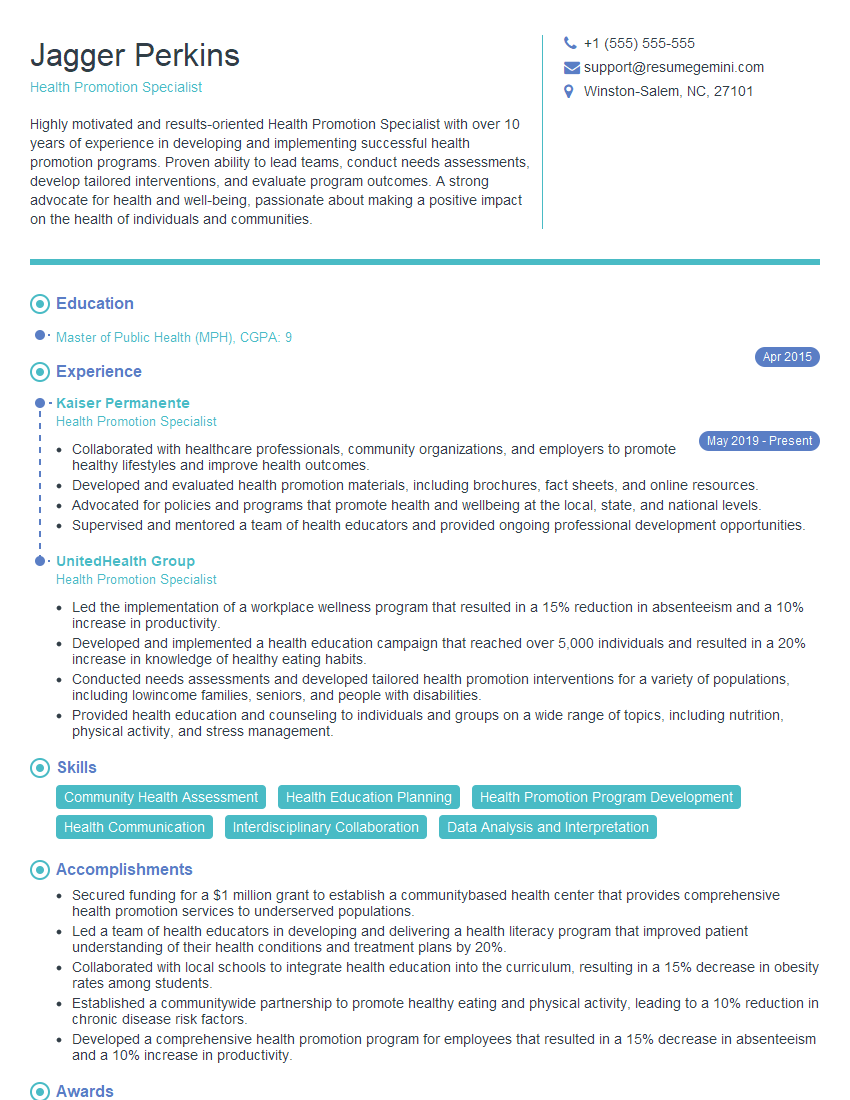
Health Promotion Specialist Resume Sample
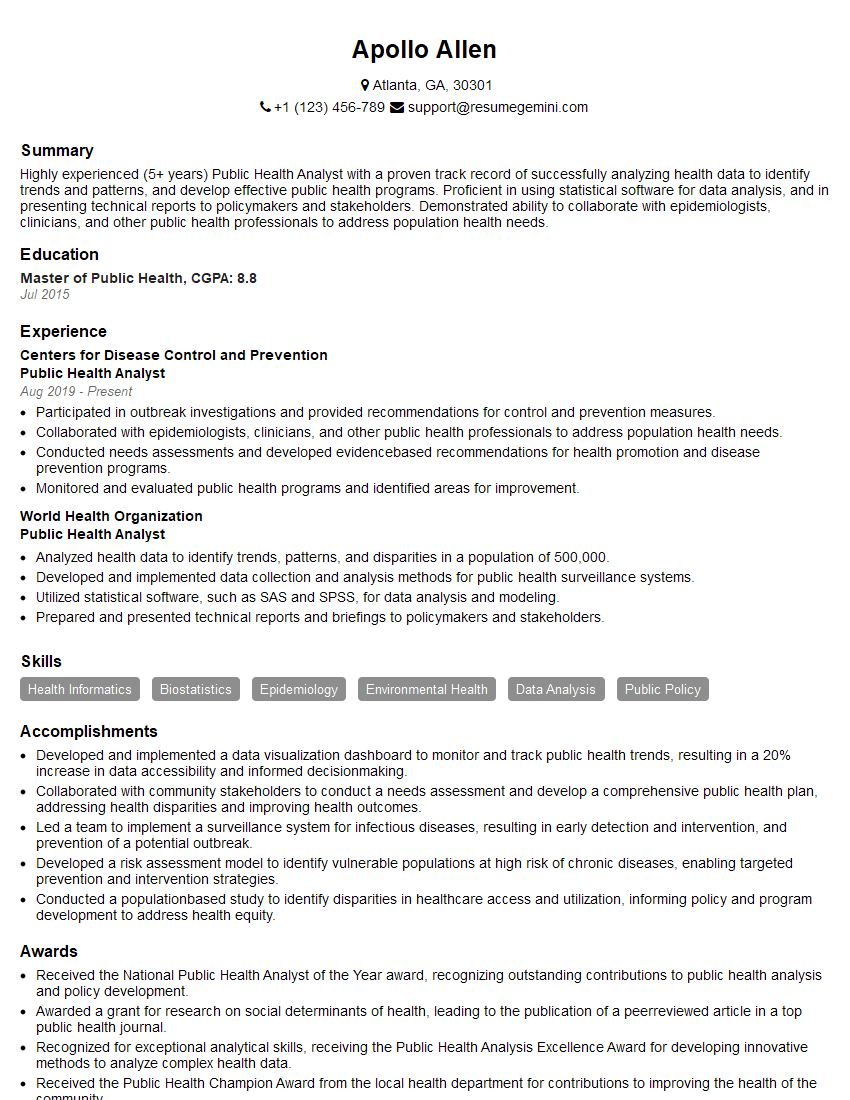
Public Health Analyst Resume Sample
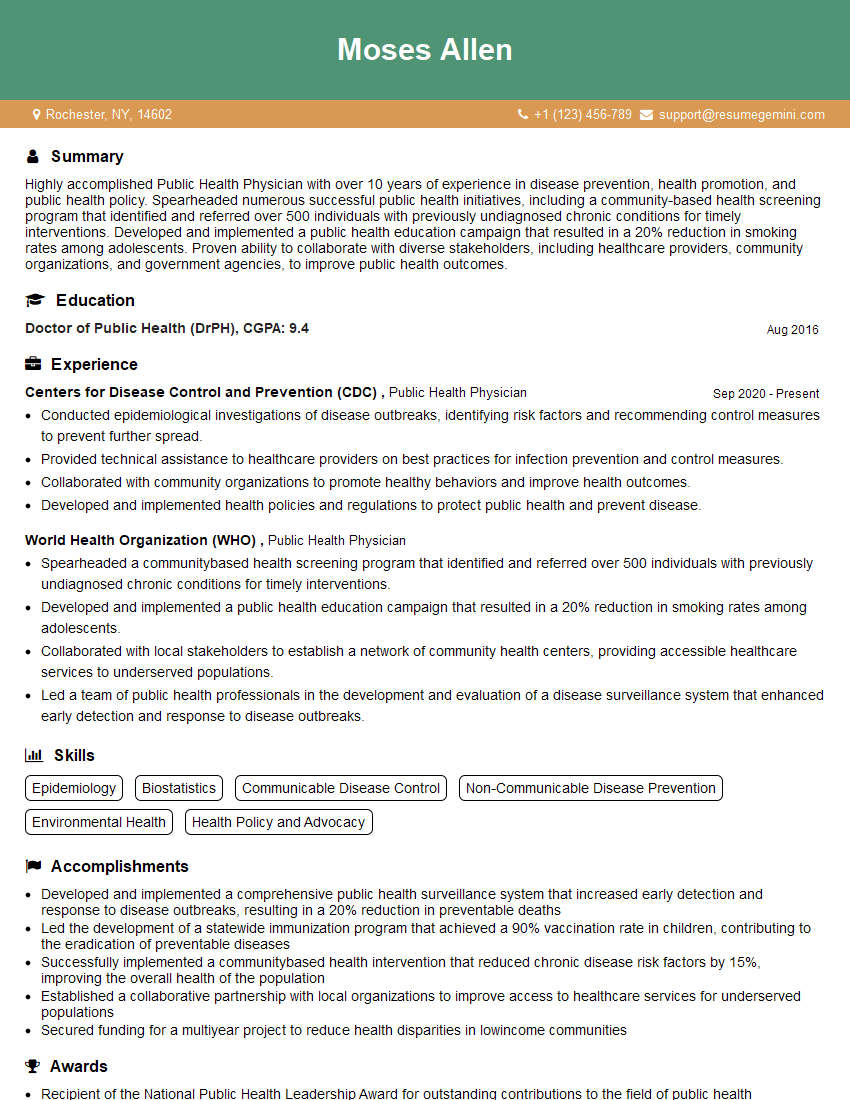
Public Health Physician Resume Sample
Explore more articles
Users Rating of Our Blogs
Share Your Experience
We value your feedback! Please rate our content and share your thoughts (optional).
What Readers Say About Our Blog
Amazing blog
Interesting Article, I liked the depth of knowledge you’ve shared.
Helpful, thanks for sharing.