Cracking a skill-specific interview, like one for Community Health and Social Determinants of Health, requires understanding the nuances of the role. In this blog, we present the questions you’re most likely to encounter, along with insights into how to answer them effectively. Let’s ensure you’re ready to make a strong impression.
Questions Asked in Community Health and Social Determinants of Health Interview
Q 1. Describe the social determinants of health and their impact on health outcomes.
Social determinants of health (SDOH) are the conditions in the environments where people are born, live, learn, work, play, worship, and age that affect a wide range of health, functioning, and quality-of-life outcomes and risks. These factors are not solely medical; they encompass a broad spectrum of social, economic, and environmental influences.
- Economic Stability: Poverty, employment, food security, housing stability. Lack of economic stability can lead to inadequate nutrition, limited access to healthcare, and increased stress, all negatively impacting health.
- Education Access and Quality: Educational attainment, early childhood education and development, language and literacy. Higher education levels correlate with better health literacy, increased health awareness, and higher-paying jobs.
- Social and Community Context: Social cohesion, civic participation, discrimination, incarceration. Strong social support networks can buffer against stress and improve mental health, while discrimination can have devastating health consequences.
- Health Care Access and Quality: Health coverage, access to care, quality of care. Limited access to quality healthcare leads to delayed or absent preventative care, resulting in worse health outcomes.
- Neighborhood and Built Environment: Access to healthy foods, quality of housing, crime and violence, environmental conditions. Living in a food desert (lack of access to fresh, affordable produce) contributes to diet-related diseases.
For example, a child growing up in poverty may experience chronic stress, leading to elevated cortisol levels and increasing the risk of heart disease later in life. Similarly, someone living in an area with limited access to healthy food may develop diet-related illnesses like diabetes.
Q 2. Explain the difference between health disparities and health equity.
While both terms relate to differences in health outcomes across populations, they represent distinct concepts.
Health disparities refer to the differences in health outcomes between different groups. These differences can be observed across various population characteristics such as race, ethnicity, gender, socioeconomic status, and geographic location. For instance, higher rates of heart disease in a specific ethnic group compared to the general population represents a health disparity.
Health equity, on the other hand, focuses on achieving health fairness. It aims to eliminate avoidable and unfair differences in health status between groups. Health equity acknowledges that some disparities are deeply rooted in systemic injustices and requires targeted interventions to address the underlying social determinants of health that contribute to these disparities. Achieving health equity means ensuring everyone has a fair and just opportunity to attain their full health potential, regardless of their background.
Q 3. What are the key indicators used to measure health outcomes at the community level?
Measuring community health outcomes requires a multi-faceted approach, using various indicators to paint a comprehensive picture.
- Mortality Rates: Infant mortality rate, age-adjusted mortality rate, cause-specific mortality rates (e.g., heart disease, cancer). These provide insights into overall population health and identify leading causes of death.
- Morbidity Rates: Incidence and prevalence rates of chronic diseases (diabetes, hypertension), infectious diseases, and mental health conditions. This reflects the burden of disease within the community.
- Life Expectancy: Average lifespan within the community, highlighting overall health and longevity.
- Self-reported Health Status: Surveys assessing residents’ perceptions of their own health, providing valuable subjective data.
- Health Behaviors: Prevalence of smoking, physical inactivity, unhealthy diets, and substance use. These are modifiable risk factors that impact long-term health outcomes.
- Access to Care: Rates of uninsured individuals, primary care physician access, hospital utilization, and health literacy. Accessibility is a major determinant of health outcomes.
For instance, a high infant mortality rate could indicate a lack of access to prenatal care or socioeconomic issues affecting maternal and child health.
Q 4. How can community-based participatory research (CBPR) methods improve health outcomes?
Community-Based Participatory Research (CBPR) is a collaborative approach that actively involves community members in all stages of the research process, from design to implementation and dissemination. This approach significantly improves health outcomes by:
- Building Trust and Ownership: CBPR fosters trust between researchers and community members, leading to greater engagement and adherence to interventions.
- Culturally Relevant Interventions: Community members’ insights ensure interventions are culturally appropriate and relevant, increasing their effectiveness and acceptance.
- Addressing Real-World Needs: CBPR prioritizes the community’s needs and priorities, leading to the development of targeted and impactful programs.
- Empowering Communities: CBPR empowers community members to become agents of change, improving their capacity to advocate for their own health.
- Sustaining Change: CBPR encourages community ownership of interventions, increasing the likelihood of long-term sustainability.
For example, CBPR can be used to design a health education program for a specific community, taking into account local language, cultural preferences, and existing social networks.
Q 5. Discuss the role of intersectoral collaboration in addressing social determinants of health.
Addressing SDOH requires collaboration beyond the health sector. Intersectoral collaboration involves partnerships between health organizations, government agencies, community groups, businesses, and other stakeholders to tackle the complex social, economic, and environmental factors affecting health.
For example, a collaboration between a health department, housing authority, and local schools could address housing instability and its impact on children’s health. The health department could provide health screenings and education, the housing authority could work on improving housing conditions, and the schools could offer support services for students facing housing instability.
Successful intersectoral collaboration requires clear communication, shared goals, and a commitment to equitable resource allocation. It recognizes that improving population health requires a collective effort, addressing the root causes of health disparities rather than simply treating their symptoms.
Q 6. Describe your experience in developing and implementing a community health program.
In my previous role, I led the development and implementation of a community health program aimed at reducing childhood obesity in a low-income neighborhood. We employed a CBPR approach, partnering with local schools, community centers, and parent groups.
The program consisted of three key components:
- Nutritional Education Workshops: We designed interactive workshops tailored to the community’s cultural context and dietary preferences, focusing on healthy eating habits and cooking demonstrations using affordable, locally sourced ingredients.
- Physical Activity Initiatives: We organized after-school sports programs, walking clubs, and created safe, accessible play spaces in the neighborhood, addressing the lack of safe places for physical activity.
- Community Garden Project: We established a community garden to provide fresh produce and increase access to healthy food options, directly addressing the issue of food insecurity.
The program’s success was measured by tracking changes in BMI among participating children, parental knowledge of healthy eating habits, and community participation in the program’s activities. We witnessed significant improvements in these areas, demonstrating the program’s positive impact.
Q 7. How would you address health disparities within a specific community?
Addressing health disparities requires a comprehensive strategy that considers the specific context of the community. It involves a multi-pronged approach focused on identifying and addressing the root causes of the disparities.
Step 1: Needs Assessment: Conduct a thorough assessment of the community to understand the specific health challenges, existing resources, and the perspectives of community members. This might involve surveys, focus groups, and interviews.
Step 2: Prioritization: Based on the needs assessment, prioritize the most pressing health issues and develop measurable goals. This should involve collaboration with community leaders and stakeholders.
Step 3: Targeted Interventions: Design culturally appropriate and community-driven interventions to address the identified problems. These could include educational programs, health screenings, access to healthy food and healthcare, and addressing social determinants like housing and employment.
Step 4: Collaboration and Partnerships: Build strong partnerships with community organizations, healthcare providers, government agencies, and other stakeholders to leverage resources and expertise.
Step 5: Evaluation and Monitoring: Continuously monitor and evaluate the program’s effectiveness using appropriate indicators. This provides data for improvement and demonstrates the impact of the interventions.
For example, if a community has high rates of diabetes, interventions could include culturally sensitive diabetes education programs, access to affordable healthy food, and addressing transportation barriers to healthcare access.
Q 8. What strategies would you use to engage community members in health initiatives?
Engaging community members effectively in health initiatives requires a participatory approach, prioritizing cultural sensitivity and building trust. It’s not about imposing solutions, but collaborating to create solutions that resonate with the community’s needs and values.
- Community Needs Assessment: Begin by thoroughly understanding the community’s existing health challenges, strengths, and resources through surveys, focus groups, and key informant interviews. For example, understanding the language barriers and preferred communication channels within a community is crucial for effective engagement.
- Community-Based Participatory Research (CBPR): Partnering with community leaders and organizations ensures programs are culturally relevant and sustainable. This approach empowers community members as active participants rather than passive recipients. Imagine involving local faith leaders in a health promotion campaign – their influence can significantly enhance engagement.
- Tailored Communication Strategies: Use diverse communication methods to reach different segments of the population. This could involve social media campaigns, community events, radio announcements, flyers in community centers – the choice depends on the demographics and communication preferences of the community.
- Building Relationships: Invest time in fostering relationships based on mutual respect and trust. This includes consistent communication, transparency in decision-making, and addressing community concerns promptly. Think of regular community meetings as a way to build those relationships over time.
- Incentives and Recognition: Offer incentives that are appropriate and culturally sensitive (e.g., gift cards, community recognition awards) to encourage participation in health initiatives. However, carefully consider the ethical implications of incentivizing participation.
Q 9. Explain your understanding of the health belief model and its application in health promotion.
The Health Belief Model (HBM) explains why people take (or don’t take) health-related actions. It suggests that individuals’ health behaviors are influenced by their perceptions of the threat of a disease, the benefits of taking action, and the barriers they face. The model includes six core constructs:
- Perceived Susceptibility: One’s belief about their likelihood of getting a disease. For example, someone who believes they are at high risk for heart disease is more likely to adopt preventative behaviors.
- Perceived Severity: One’s belief about the seriousness of a disease and its potential consequences. The more serious a person perceives a disease to be, the more motivated they are to take action.
- Perceived Benefits: One’s belief in the effectiveness of recommended actions to reduce risk or seriousness of a disease. Believing that quitting smoking will reduce lung cancer risk increases the likelihood of quitting.
- Perceived Barriers: One’s belief about the obstacles to taking action. High cost, inconvenience, or lack of access to resources can act as barriers.
- Cues to Action: Strategies to activate readiness. These can be internal cues (e.g., chest pain) or external cues (e.g., a health campaign).
- Self-Efficacy: One’s confidence in their ability to successfully perform the recommended behavior. This is crucial; someone who doesn’t believe they can quit smoking will be less likely to try.
In health promotion, the HBM is used to tailor interventions to address specific beliefs and perceptions. For example, a campaign aimed at increasing flu vaccination rates could highlight the perceived susceptibility (many people get the flu), perceived severity (flu can lead to serious complications), and perceived benefits (vaccination reduces risk of getting the flu), while addressing perceived barriers (cost, time constraints) through offering free vaccination clinics or flexible scheduling.
Q 10. How would you evaluate the effectiveness of a community health intervention?
Evaluating the effectiveness of a community health intervention requires a robust evaluation plan developed before the intervention begins. This plan should include clearly defined objectives, measurable outcomes, and appropriate evaluation methods.
- Process Evaluation: This assesses the implementation process itself, including the fidelity of the intervention, reach of the program, and barriers encountered. For example, tracking attendance at workshops and gathering feedback from participants.
- Outcome Evaluation: This measures the impact of the intervention on the target population. This might involve quantitative measures (e.g., changes in rates of smoking, blood pressure, or disease prevalence) and qualitative data (e.g., changes in knowledge, attitudes, or behaviors) gathered through interviews or focus groups.
- Impact Evaluation: This assesses the long-term effects of the intervention on the community. This often involves longer-term follow-up and may require more complex statistical analyses.
- Cost-Effectiveness Analysis: This evaluates the cost of the intervention relative to the health outcomes achieved. This is important for resource allocation decisions.
Choosing the right evaluation methods depends on the specific intervention and the resources available. For example, a randomized controlled trial might be ideal for evaluating a new medication, but a quasi-experimental design or even a pre-post design might be more appropriate for a community-based education program. Data analysis should use appropriate statistical methods, accounting for potential confounding variables.
Q 11. What are the ethical considerations in conducting community health research?
Ethical considerations in community health research are paramount. The goal is to ensure that research is conducted responsibly and respects the rights and well-being of participants and the community as a whole.
- Informed Consent: Participants must be fully informed about the research’s purpose, procedures, potential risks and benefits, and their right to withdraw at any time. Consent must be voluntary and obtained in a culturally appropriate manner.
- Confidentiality and Anonymity: Protecting the privacy of participants is crucial. Data should be stored securely, and methods should be implemented to ensure anonymity wherever possible.
- Justice and Equity: Research should not disproportionately benefit or burden particular groups within the community. Vulnerable populations should be particularly protected.
- Community Engagement: Involving community members in the research design, implementation, and dissemination ensures that research is relevant and respects community values.
- Institutional Review Board (IRB) Approval: All community health research should undergo IRB review and approval to ensure adherence to ethical guidelines.
Failure to address these ethical considerations can damage trust within the community and undermine the credibility of research findings. For example, a research study that does not adequately protect the confidentiality of participants could lead to stigmatization and discrimination.
Q 12. Describe your experience with data analysis and interpretation in a community health context.
My experience with data analysis in community health involves both quantitative and qualitative methods. I’m proficient in using statistical software packages such as SPSS and R to analyze quantitative data from surveys, health records, and other sources. I’m also skilled in qualitative data analysis techniques such as thematic analysis, grounded theory, and content analysis, using software like NVivo to manage and analyze qualitative data from interviews and focus groups.
In a recent project focused on assessing the impact of a community-based diabetes prevention program, I used regression analysis to determine the association between program participation and changes in HbA1c levels (a measure of blood sugar control). I also conducted thematic analysis of qualitative interview data to explore participants’ experiences and perceptions of the program, providing a richer, more nuanced understanding of the program’s impact. The combination of quantitative and qualitative data provided a comprehensive evaluation of the intervention’s effectiveness.
My interpretation of findings always considers the context of the data, including the limitations of the study design and the potential influence of confounding factors. I’m committed to presenting findings clearly and transparently, and ensuring that they are accessible and meaningful to both researchers and community stakeholders.
Q 13. How do you prioritize competing demands and allocate resources in a community health setting?
Prioritizing competing demands and allocating resources in a community health setting necessitates a strategic approach. It’s vital to balance immediate needs with long-term goals and to align resource allocation with community priorities.
- Needs Assessment and Prioritization: Regularly conduct needs assessments to understand the most pressing health issues facing the community. Utilize frameworks like the Pareto principle (80/20 rule) to identify the most impactful areas for intervention.
- Data-Driven Decision Making: Use data to inform decisions about resource allocation. For example, if data shows a significant increase in childhood obesity, resources might be directed towards programs focused on nutrition education and physical activity.
- Collaboration and Partnerships: Collaborate with other organizations to leverage resources and expertise. This could include partnerships with local health departments, non-profit organizations, and businesses.
- Cost-Effectiveness Analysis: Evaluate the cost-effectiveness of different programs and interventions to ensure that resources are used efficiently.
- Program Evaluation and Monitoring: Regularly evaluate the effectiveness of programs and interventions. This allows for adjustments in resource allocation based on evidence of impact.
It’s a balancing act, often requiring difficult decisions. Open communication with community stakeholders is key to building consensus and ensuring that resource allocation aligns with the community’s needs and values. For example, transparency in decision-making builds trust and ensures that the community understands how resources are being used.
Q 14. What is your experience with grant writing and securing funding for community health projects?
I have extensive experience in grant writing and securing funding for community health projects. I’m proficient in identifying funding opportunities, developing compelling grant proposals, and managing the grant lifecycle from submission to reporting.
My experience includes successfully securing grants from various sources, including government agencies (e.g., NIH, CDC), private foundations, and corporate sponsors. I’m familiar with the grant writing process, including proposal development, budget preparation, and narrative writing, which requires a strong understanding of the funder’s priorities and the evidence-base for the project.
I’ve developed and submitted grant proposals for a range of community health initiatives, including programs focused on diabetes prevention, tobacco cessation, and mental health awareness. I am skilled in adapting my writing style to suit different funders and in developing strong justifications for funding based on community needs and projected outcomes. Post-award management, including regular reporting and financial management, is equally important for maintaining good relationships with funders.
Q 15. How do you build and maintain partnerships with community stakeholders?
Building and maintaining strong partnerships with community stakeholders is the cornerstone of effective community health initiatives. It’s not just about collaboration; it’s about creating a shared vision and mutual trust. I approach this in a multi-faceted way:
- Active Listening and Needs Assessment: I begin by truly listening to the community’s concerns, priorities, and existing resources. This involves attending community meetings, engaging in informal conversations, and conducting thorough needs assessments to understand the specific challenges and opportunities.
- Relationship Building: This is an ongoing process of cultivating genuine relationships with key stakeholders, including community leaders, healthcare providers, schools, faith-based organizations, businesses, and residents. This often involves attending community events, building rapport through informal interactions, and demonstrating a consistent commitment to the community’s well-being.
- Transparency and Communication: Open and honest communication is vital. I ensure that all stakeholders are informed about project progress, challenges, and any changes in plans. Regular updates, feedback mechanisms, and readily available communication channels are essential.
- Shared Decision-Making: I believe in empowering stakeholders to actively participate in decision-making processes. This can involve establishing community advisory boards, conducting participatory workshops, and incorporating feedback into program design and implementation.
- Mutual Respect and Trust: Recognizing the diverse perspectives and experiences within the community is paramount. I strive to create a safe and inclusive space for open dialogue and respectful collaboration, building trust through consistent actions and demonstrated commitment. For example, during a project addressing childhood obesity, I partnered with local churches to offer cooking classes and with schools to implement healthier lunch options, demonstrating that I valued their existing networks and expertise.
Career Expert Tips:
- Ace those interviews! Prepare effectively by reviewing the Top 50 Most Common Interview Questions on ResumeGemini.
- Navigate your job search with confidence! Explore a wide range of Career Tips on ResumeGemini. Learn about common challenges and recommendations to overcome them.
- Craft the perfect resume! Master the Art of Resume Writing with ResumeGemini’s guide. Showcase your unique qualifications and achievements effectively.
- Don’t miss out on holiday savings! Build your dream resume with ResumeGemini’s ATS optimized templates.
Q 16. Describe your experience using technology to improve community health outcomes.
Technology plays a transformative role in improving community health outcomes. My experience includes leveraging technology in several key areas:
- Electronic Health Records (EHRs) and Health Information Exchange (HIE): I have used EHRs to improve data collection, analysis, and sharing among healthcare providers, leading to better coordination of care and improved patient outcomes. HIE systems allow for seamless data sharing across different healthcare settings, preventing duplication of services and improving the quality of care.
- Telehealth: Telehealth platforms have been instrumental in expanding access to healthcare, particularly for individuals in underserved communities. I have utilized telehealth to conduct remote consultations, monitor patient progress, and provide health education. For example, we used video conferencing to provide diabetes education and support groups to individuals in rural areas, enhancing their adherence to treatment plans.
- Mobile Health (mHealth): I’ve integrated mobile applications and text messaging into community health programs to improve adherence to medication regimens, promote healthy behaviors, and provide timely health alerts. This includes using apps to track physical activity, diet, and medication compliance. This was especially useful in a project targeting smoking cessation, where daily text messages provided encouragement and resources.
- Data Analytics and Surveillance: I am proficient in using data analytics to track disease trends, identify disparities, and evaluate the effectiveness of community health interventions. This involves leveraging geographic information systems (GIS) to map health outcomes and identify areas requiring targeted interventions. For instance, analyzing health data identified a higher rate of asthma in a specific neighborhood, leading to targeted environmental interventions.
Q 17. Explain your understanding of health policy and its impact on community health.
Health policy profoundly impacts community health. It encompasses the laws, regulations, and guidelines that govern healthcare systems, resource allocation, and public health initiatives. A strong understanding is critical for effective community health practice.
For example, policies related to healthcare access (e.g., Medicaid expansion, the Affordable Care Act) directly influence the availability and affordability of healthcare services for vulnerable populations. Public health policies on vaccination, environmental protection, and food safety impact community-wide health outcomes. Similarly, policies related to funding for community health centers or prevention programs can significantly affect the resources available for community-based initiatives. I actively monitor health policy changes at local, state, and national levels to advocate for policies that promote health equity and improve access to care for all community members.
Understanding the legislative process is also key. This allows for effective advocacy and engagement with policymakers to ensure that community health needs are adequately addressed in policy decisions.
Q 18. How would you address a public health crisis or emergency within a community?
Responding to a public health crisis or emergency requires a coordinated and multi-sectoral approach. My approach follows a structured framework:
- Rapid Assessment: First, we’d conduct a swift assessment to determine the scope and severity of the crisis, identifying the affected population, the nature of the threat, and available resources.
- Activation of Emergency Response Plan: We’d immediately activate the community’s existing emergency response plan, which includes activating our pre-established communication and coordination networks.
- Risk Communication and Community Engagement: Clear and accurate communication is crucial. We would disseminate timely information to the community regarding the crisis, providing guidance on prevention, mitigation, and seeking help. This would involve using multiple channels to reach a diverse population.
- Resource Mobilization: We’d work to secure the necessary resources, including personnel, equipment, and supplies, coordinating with local, state, and federal agencies. This may involve securing funding or donations.
- Surveillance and Monitoring: Continuous monitoring of the situation is critical. This includes tracking the spread of the crisis, the effectiveness of interventions, and any emerging needs.
- Post-Crisis Evaluation: After the crisis has subsided, a thorough evaluation is necessary to identify lessons learned, improve our response capabilities for future emergencies, and address any long-term health impacts.
During the COVID-19 pandemic, for example, I was instrumental in setting up community testing sites, disseminating accurate health information, and organizing vaccination drives. This multi-pronged approach ensured we addressed both the immediate needs and longer-term health consequences of the crisis.
Q 19. What is your experience with needs assessments and community health planning?
Needs assessments and community health planning are fundamental to effective community health practice. A needs assessment is a systematic process to identify the health needs and resources within a community. This involves data collection, analysis, and stakeholder engagement.
I have extensive experience conducting needs assessments using various methods, including surveys, focus groups, interviews, and data analysis from secondary sources (e.g., vital statistics, census data). This data is then used to develop a community health improvement plan, which outlines goals, strategies, and actions to address the identified needs. The plan is collaboratively developed with community stakeholders, ensuring ownership and sustainability. For example, I once conducted a needs assessment for a rural community that revealed limited access to mental health services. This led to the development of a community-based mental health program, with partnerships with local organizations to provide accessible and culturally sensitive services.
This process also includes setting measurable objectives, monitoring progress, and making adjustments as needed. Regular evaluation is crucial to ensure the plan remains relevant and effective over time.
Q 20. Describe your experience in working with vulnerable populations.
Working with vulnerable populations requires cultural sensitivity, empathy, and a deep understanding of the social determinants of health. These are the factors that influence health outcomes, including socioeconomic status, education, access to healthcare, and environmental factors. Vulnerable populations often experience multiple overlapping disadvantages, leading to poorer health outcomes.
My experience includes working with individuals experiencing homelessness, those with mental illness, low-income families, and individuals affected by substance abuse. I have developed and implemented culturally appropriate health education programs, advocated for policy changes to improve access to services, and established partnerships with organizations serving these populations. For example, I’ve worked with a local shelter to provide health screenings and health education to homeless individuals, while another project involved partnering with a community clinic to provide culturally competent substance abuse treatment. Building trust and rapport is essential, ensuring services are not only accessible but also acceptable to those we serve.
Q 21. How would you manage conflicts or disagreements among community members or stakeholders?
Conflict resolution is an integral part of community health work. When disagreements arise among community members or stakeholders, I employ a collaborative approach focused on mediation and conflict resolution.
- Active Listening and Understanding: The first step is to listen attentively to all parties involved, understanding their perspectives and concerns. This involves creating a safe and respectful environment where everyone feels comfortable expressing their views.
- Identifying Common Ground: I seek areas of common agreement, highlighting shared goals and priorities. Focusing on shared objectives can help to de-escalate tensions.
- Facilitation and Mediation: If needed, I can act as a neutral mediator to help facilitate constructive dialogue and find common solutions. This might involve structured problem-solving techniques, such as brainstorming or compromise.
- Negotiation and Compromise: Working with stakeholders to find mutually acceptable solutions often involves compromise and negotiation. This necessitates flexibility and a willingness to explore various options.
- Documentation and Follow-up: It’s crucial to document agreements reached and follow up to ensure that the agreed-upon solutions are implemented and the situation is resolved effectively.
One example of conflict resolution involved a dispute between a neighborhood association and a local business over the placement of a community garden. By facilitating open dialogue, I helped both parties find a mutually agreeable location that benefited both the community and the business, transforming a potential conflict into a collaborative venture.
Q 22. Explain your understanding of cultural competency and its role in community health.
Cultural competency is the ability to understand, appreciate, and interact effectively with people from cultures different from one’s own. In community health, it’s paramount because health behaviors, beliefs about illness, and access to care are deeply intertwined with cultural values and practices. Ignoring cultural factors leads to ineffective interventions and health disparities.
For example, a community health program aimed at promoting preventative health screenings might fail if it doesn’t consider the cultural beliefs about body autonomy or the preferred communication styles of the target population. A program designed for a predominantly Hispanic community might need to use bilingual materials and offer culturally relevant health education materials, perhaps incorporating storytelling or community leaders in the program design.
Building cultural competency involves continuous learning, self-reflection, and a commitment to understanding different cultural perspectives. It’s not just about knowing facts about different cultures, but developing empathy and actively seeking to adapt interventions to meet the needs of each community served.
Q 23. How do you communicate complex health information to diverse audiences?
Communicating complex health information to diverse audiences requires employing several strategies. First, understanding the audience’s literacy levels and preferred communication channels is crucial. This might involve using plain language, visual aids, and tailoring the information to different media (flyers, videos, social media posts etc.).
Second, recognizing different learning styles is essential. Some people learn best through visual aids, others through storytelling, and others through direct interaction. Diverse methods must be implemented. For example, using community health workers who speak the language and understand the cultural context can greatly enhance communication and trust.
Third, using plain language and avoiding medical jargon is crucial. Complex concepts should be explained in simple terms, using analogies and examples relevant to the audience’s life experiences. Finally, ensuring access to interpreters and translation services is paramount for effective communication with non-English speaking populations.
For example, in a community with a high proportion of immigrant populations, materials should be available in multiple languages. Furthermore, incorporating community feedback in the design of these materials to ensure clarity and cultural relevance is vital.
Q 24. What are the key challenges in addressing social determinants of health, and how would you approach them?
Addressing social determinants of health (SDOH) presents significant challenges, primarily because these factors—like poverty, lack of access to quality education, housing instability, and food insecurity—are complex and interconnected. They often require multi-sectoral collaboration beyond the realm of healthcare.
- Challenge 1: Systemic Inequities: Deep-rooted inequalities related to race, ethnicity, and socioeconomic status create disparities in access to resources and opportunities.
- Challenge 2: Data Limitations: Comprehensive and reliable data on SDOH are often lacking at the local level, hindering the ability to target interventions effectively.
- Challenge 3: Funding and Resource Constraints: Addressing SDOH requires substantial financial and human resources, which may be limited in many communities.
My approach involves a multi-pronged strategy: 1) Collaboration: Working with community organizations, government agencies, and other stakeholders to address SDOH holistically; 2) Data-Driven Decisions: Using available data to identify areas of greatest need and measure the impact of interventions; 3) Advocacy: Promoting policies and programs that address the root causes of health inequities; and 4) Community Engagement: Involving community members in the planning, implementation, and evaluation of interventions to ensure they are culturally appropriate and effective. For example, addressing food insecurity might involve partnering with food banks, implementing community gardens, and advocating for policies that increase access to affordable healthy food.
Q 25. What is your experience with health surveillance and disease monitoring?
My experience with health surveillance and disease monitoring includes [Insert specific examples of your experience here, e.g., participation in public health initiatives, data analysis for disease outbreaks, experience with specific surveillance systems, etc. Be specific and quantify your accomplishments. Examples: “Led a team of five in analyzing data from the state’s influenza surveillance system to identify trends and predict outbreaks” or “Developed and implemented a new surveillance system for tracking foodborne illnesses in a rural county.”]
This experience has equipped me with the skills to collect, analyze, and interpret data from various sources, including vital statistics, disease registries, and laboratory results. I am proficient in using epidemiological methods to identify patterns, trends, and risk factors associated with diseases, and can effectively communicate these findings to public health officials and the community.
Q 26. Explain your understanding of the life course perspective and its implications for community health.
The life course perspective emphasizes the cumulative effects of experiences throughout a person’s life on their health and well-being. It recognizes that health outcomes are not solely determined by current circumstances but are shaped by a complex interplay of biological, psychological, and social factors across different life stages.
For instance, early childhood experiences, such as exposure to violence or poverty, can have long-term consequences for physical and mental health, affecting educational attainment, employment opportunities, and ultimately, life expectancy. Similarly, experiences during adolescence, such as substance use or lack of access to healthcare, can significantly impact adult health. The life course perspective helps us understand how these early exposures and later life events contribute to health disparities in the community.
Applying this perspective in community health requires considering the entire life span when designing interventions. It necessitates addressing not only immediate health problems but also underlying social and environmental factors that influence health across generations. For example, early childhood intervention programs can address factors that contribute to health disparities later in life.
Q 27. Describe your experience in using qualitative and quantitative data collection methods in community health research.
I have extensive experience in using both qualitative and quantitative data collection methods in community health research. Quantitative methods, such as surveys and epidemiological studies, allow for the collection of numerical data that can be statistically analyzed to identify trends and associations between variables. For instance, I have used surveys to assess the prevalence of chronic diseases within specific communities and used statistical software to analyze the data.
Qualitative methods, such as focus groups and in-depth interviews, provide rich insights into people’s experiences, perspectives, and beliefs. For example, I have conducted focus groups to understand community members’ perceptions of barriers to accessing healthcare. These qualitative methods allow us to gain a deeper understanding of the ‘why’ behind the ‘what’ revealed by quantitative data. Triangulation, combining quantitative and qualitative data, offers a more complete picture of the issue being studied.
I am proficient in data analysis techniques for both types of data, using statistical software (like SPSS or R) for quantitative data and thematic analysis for qualitative data. I can design and implement robust research studies that integrate both approaches, ensuring a comprehensive understanding of community health issues.
Q 28. How would you utilize data to inform decision-making and improve community health outcomes?
Data plays a vital role in informing decision-making and improving community health outcomes. I utilize data to identify health disparities, track progress towards goals, and evaluate the effectiveness of interventions. The process starts with identifying relevant data sources, cleaning and analyzing the data to extract meaningful insights, and then using those insights to inform strategic planning and program development.
For instance, if data reveals a high prevalence of diabetes within a specific community, I can use that information to design a targeted intervention program. This program might include community-based education workshops, access to affordable diabetes care, and policy advocacy to promote healthy food access. Then, I would use data to monitor the program’s impact—measuring changes in diabetes prevalence, blood sugar control, and other relevant health indicators—to gauge the effectiveness of the implemented strategies and make adjustments as necessary. Data visualization tools such as dashboards and maps are useful for communicating findings to stakeholders and building consensus.
In addition, data can be used to advocate for policy changes at the local or national level, influencing decisions related to resource allocation, funding priorities, and public health initiatives.
Key Topics to Learn for Community Health and Social Determinants of Health Interview
- Community Health Needs Assessments (CHNAs): Understanding the process of conducting CHNAs, analyzing data, and identifying priority health needs within a community. Practical application: Discuss your experience (or hypothetical scenario) interpreting CHNA data to inform program development.
- Social Determinants of Health (SDOH): Defining and explaining the key SDOH (e.g., economic stability, education, social and community context, health care access, neighborhood and built environment). Practical application: Describe how you’ve addressed SDOH barriers in a previous role or project.
- Health Equity and Disparities: Analyzing health disparities across different populations and understanding the root causes. Practical application: Discuss strategies for promoting health equity and reducing disparities in a community setting.
- Public Health Interventions and Program Evaluation: Designing, implementing, and evaluating public health interventions targeting specific SDOH and community health needs. Practical application: Explain your experience with program evaluation methodologies and their application to community health initiatives.
- Community Engagement and Collaboration: Building partnerships with community stakeholders, including residents, organizations, and healthcare providers. Practical application: Describe your experience collaborating with diverse community groups to achieve health outcomes.
- Data Analysis and Interpretation: Utilizing epidemiological data and other relevant information to identify trends, patterns, and needs within a community. Practical application: Discuss your proficiency in analyzing data using statistical software or methods.
- Health Policy and Advocacy: Understanding the role of policy in shaping community health and advocating for changes that address social determinants of health. Practical application: Discuss a health policy issue relevant to your area of interest and your approach to advocating for change.
Next Steps
Mastering Community Health and Social Determinants of Health is crucial for advancing your career in a field dedicated to improving population health. A strong understanding of these concepts will significantly enhance your interview performance and open doors to exciting opportunities. To maximize your job prospects, it’s essential to create a resume that showcases your skills and experience effectively, using Applicant Tracking System (ATS) friendly language and formatting. ResumeGemini is a trusted resource to help you build a professional and impactful resume. We provide examples of resumes tailored to Community Health and Social Determinants of Health professionals to guide your process. Invest the time to create a compelling resume—it’s your first impression and a key to unlocking your career aspirations.
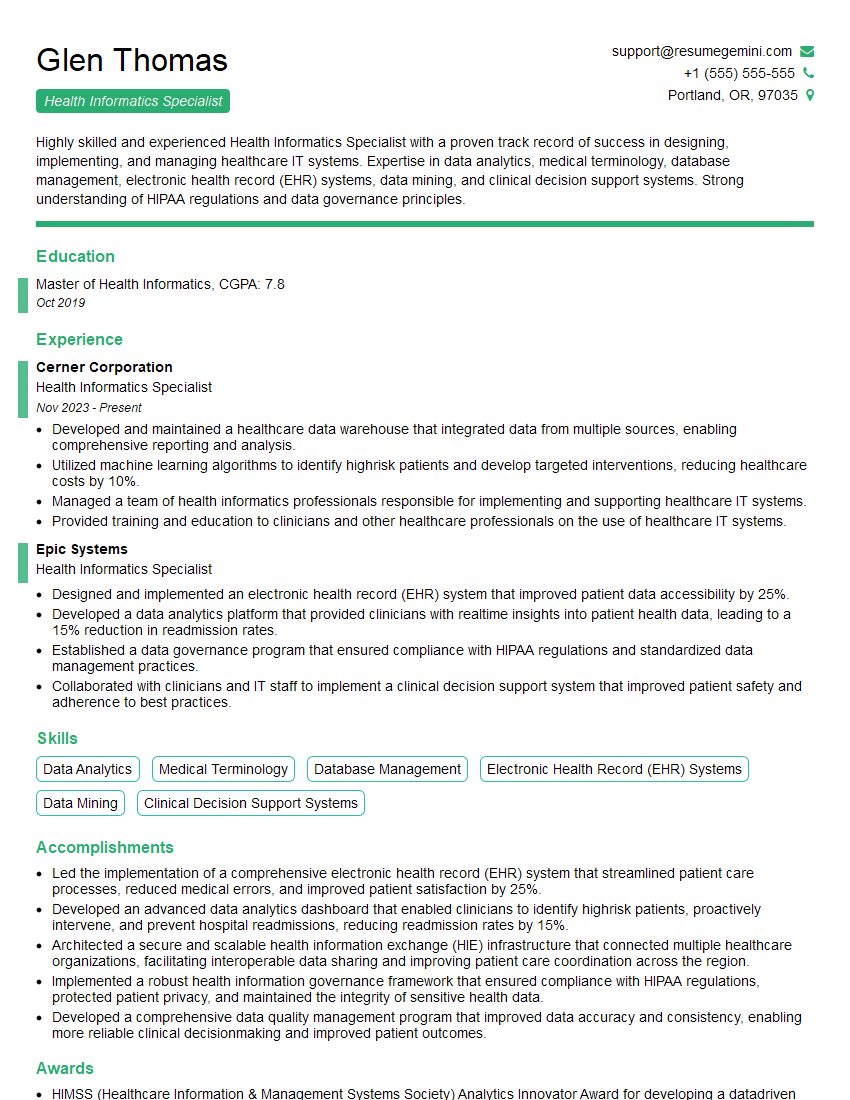
Health Informatics Specialist Resume Sample
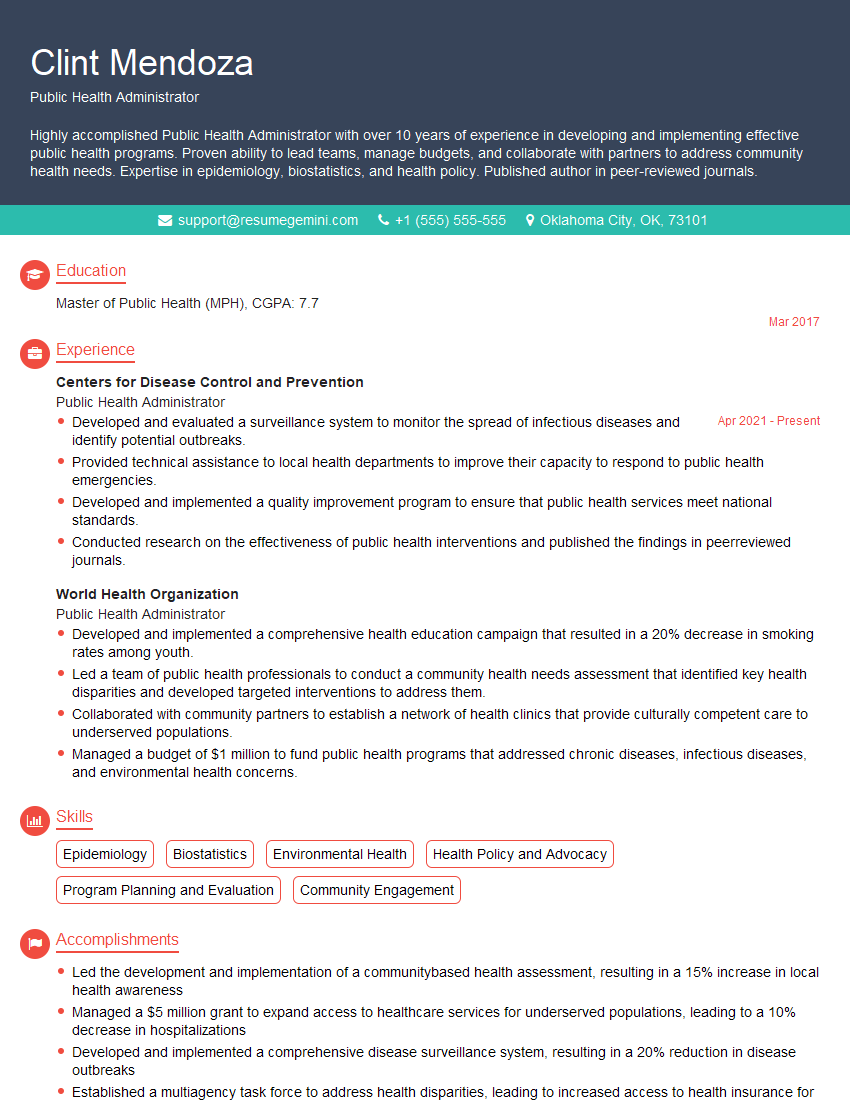
Public Health Administrator Resume Sample
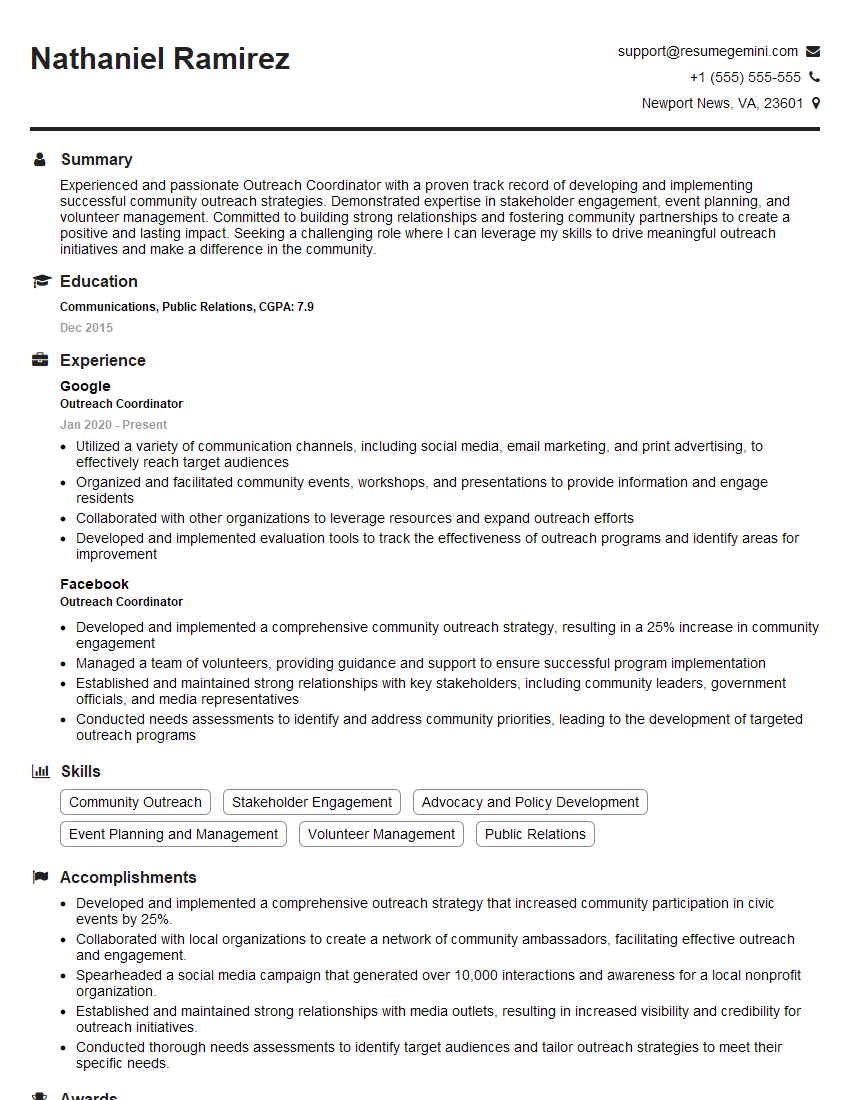
Outreach Coordinator Resume Sample
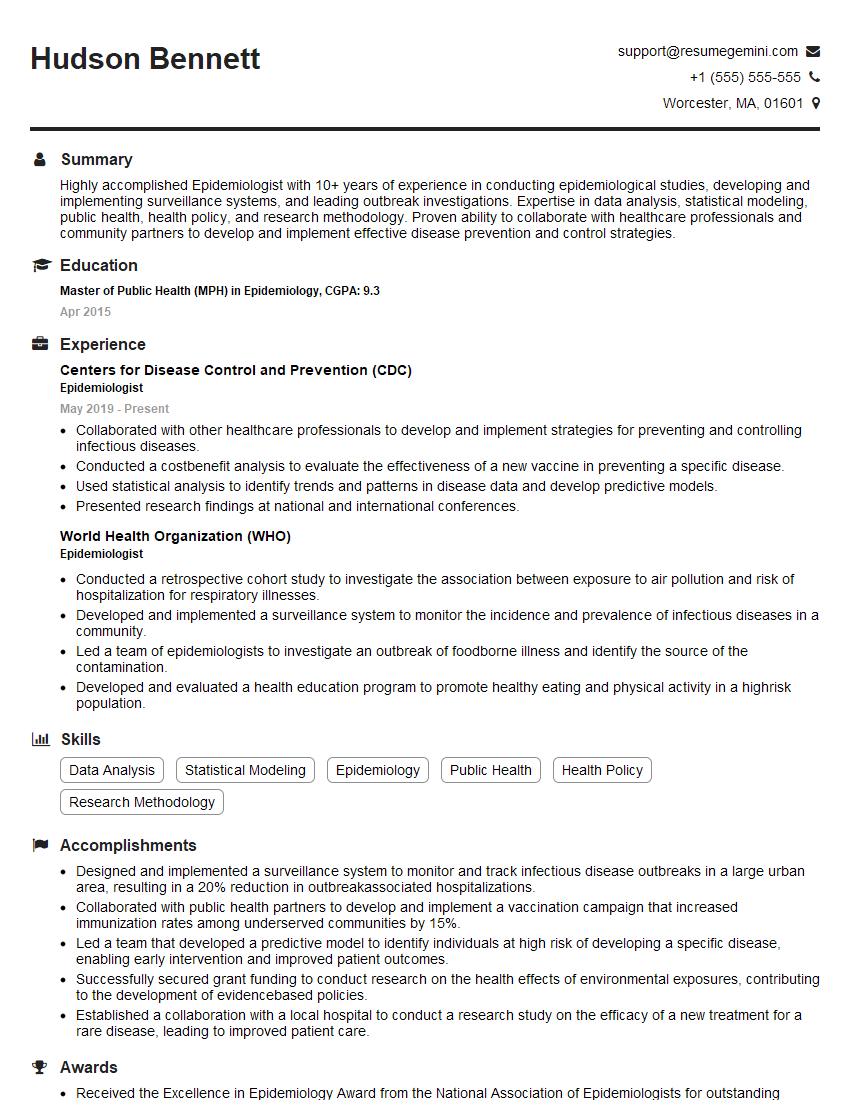
Epidemiologist Resume Sample
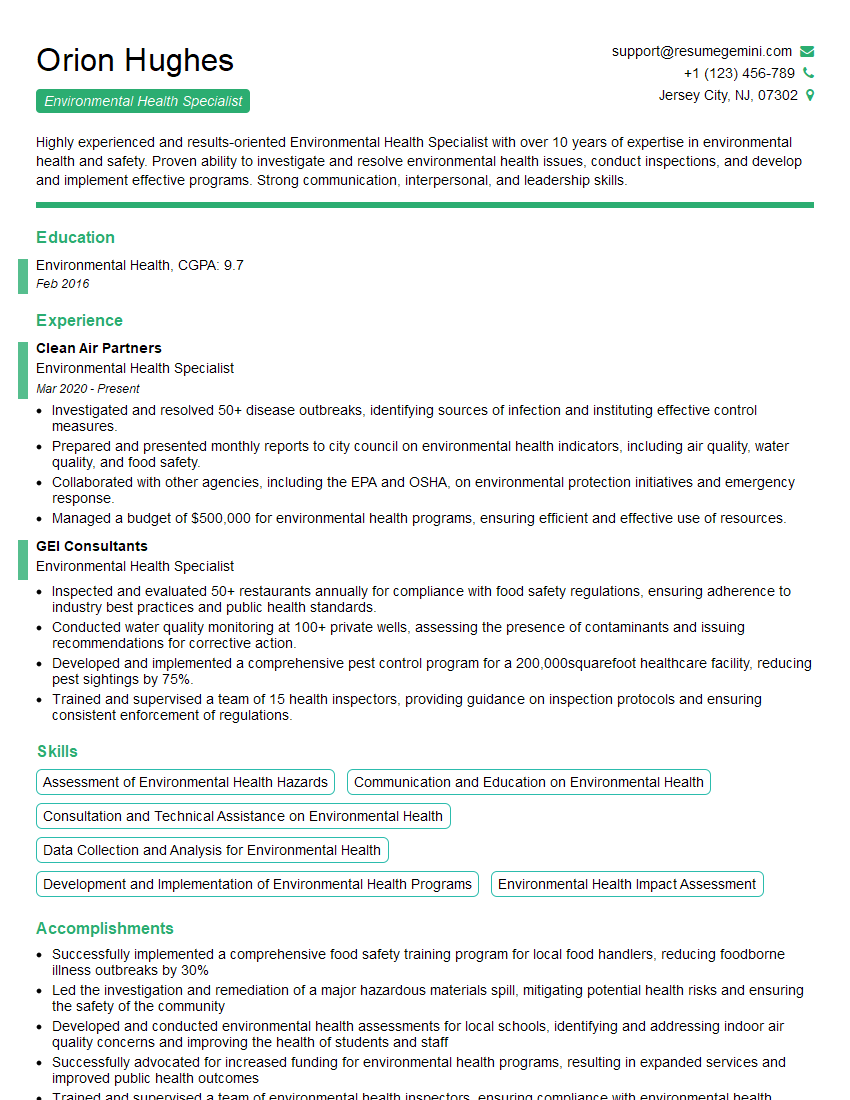
Environmental Health Specialist Resume Sample

Community Organizer Resume Sample
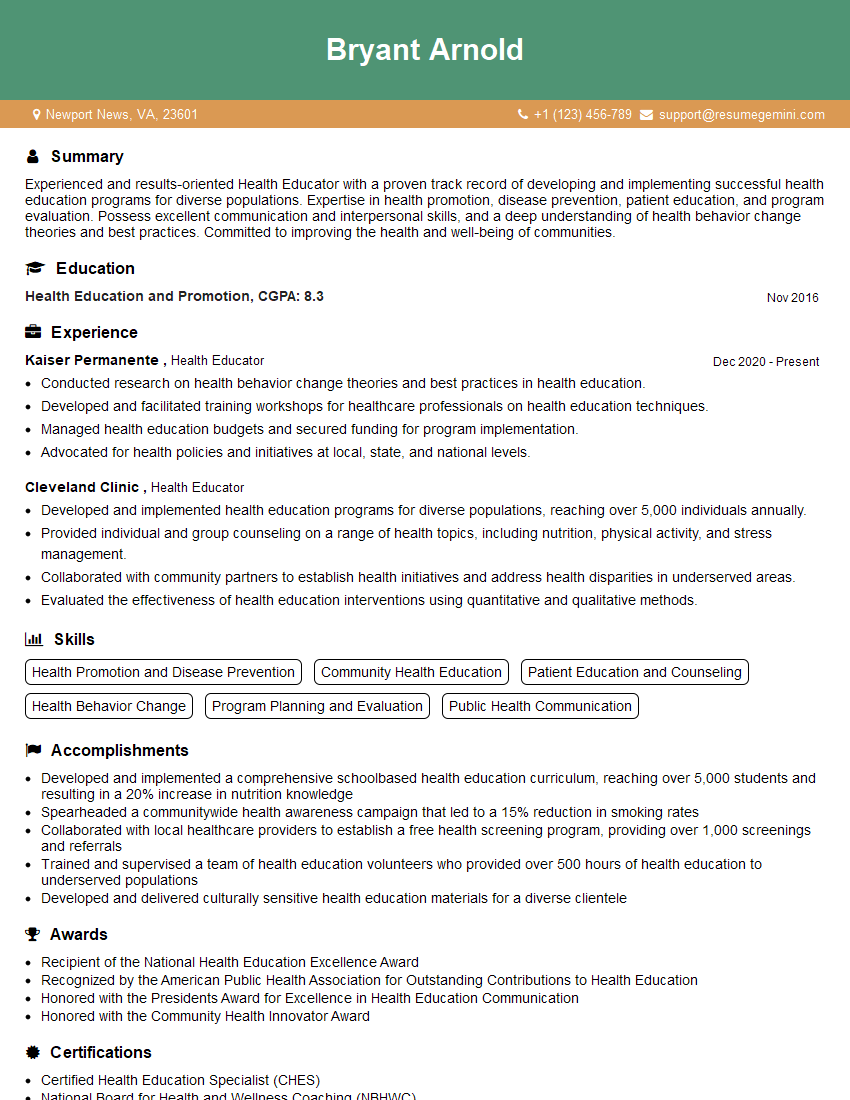
Health Educator Resume Sample
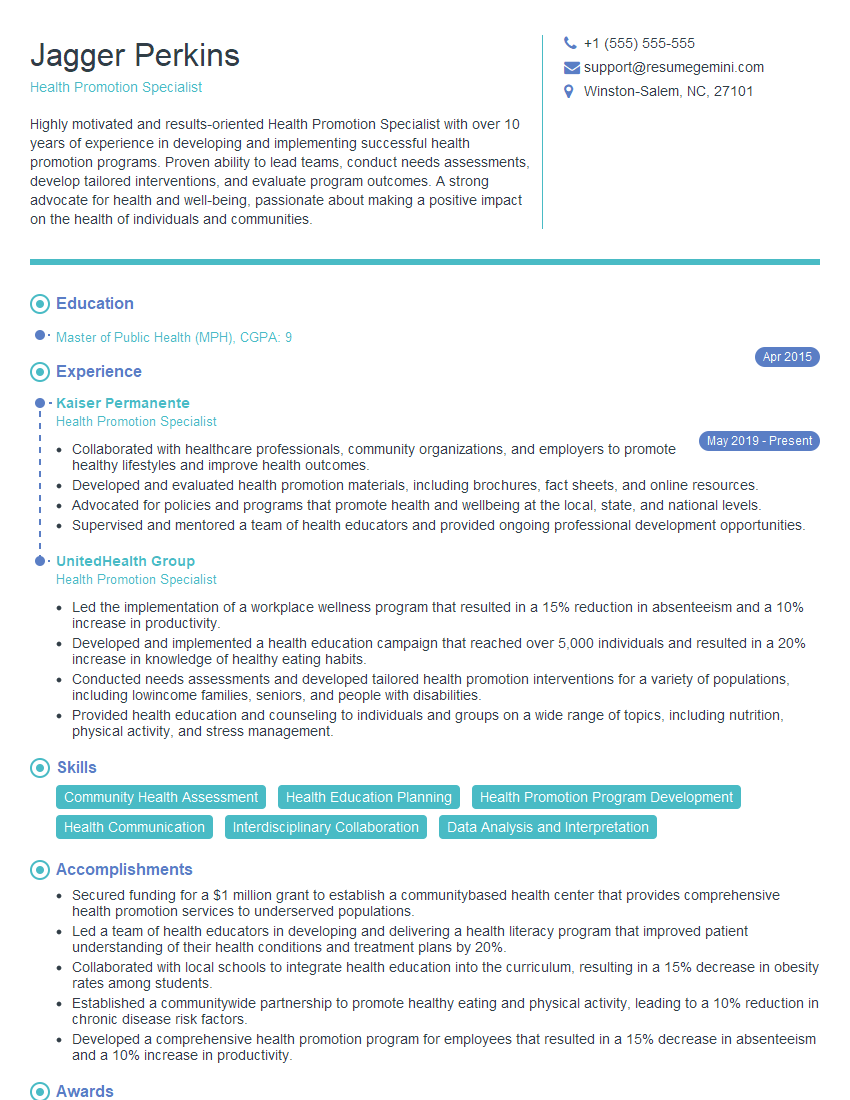
Health Promotion Specialist Resume Sample
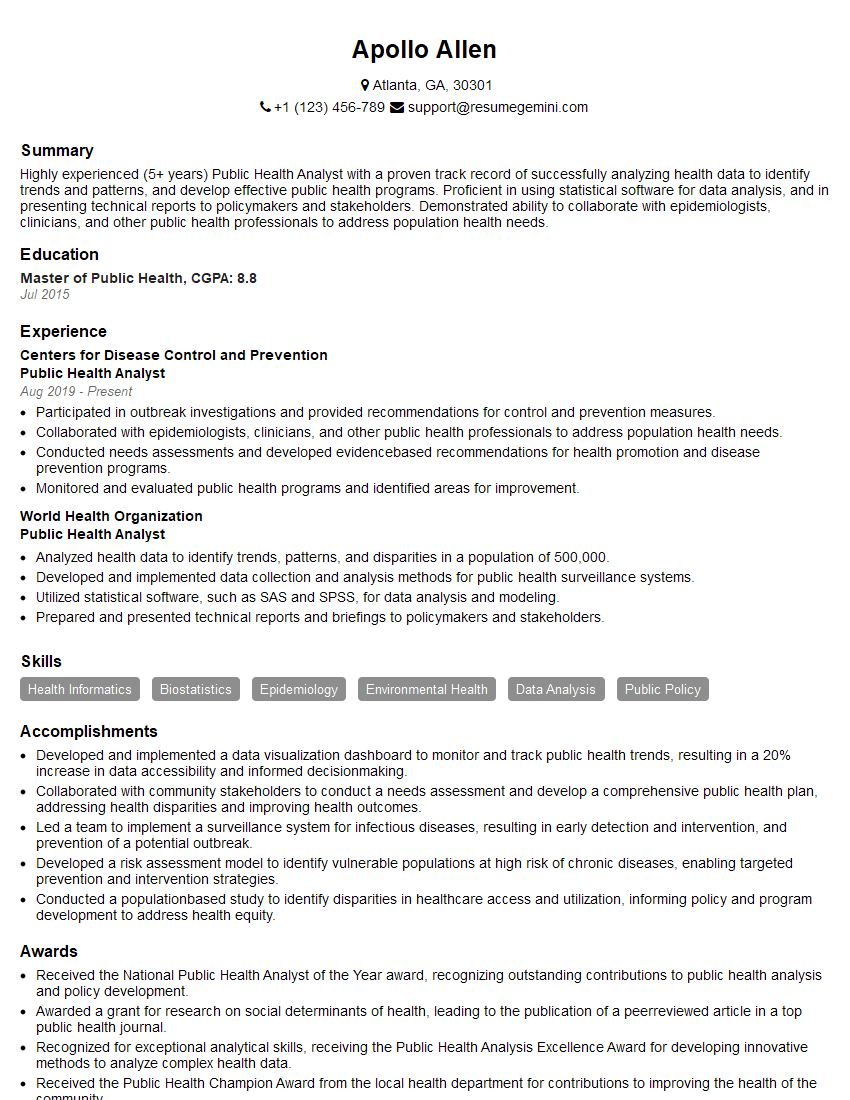
Public Health Analyst Resume Sample
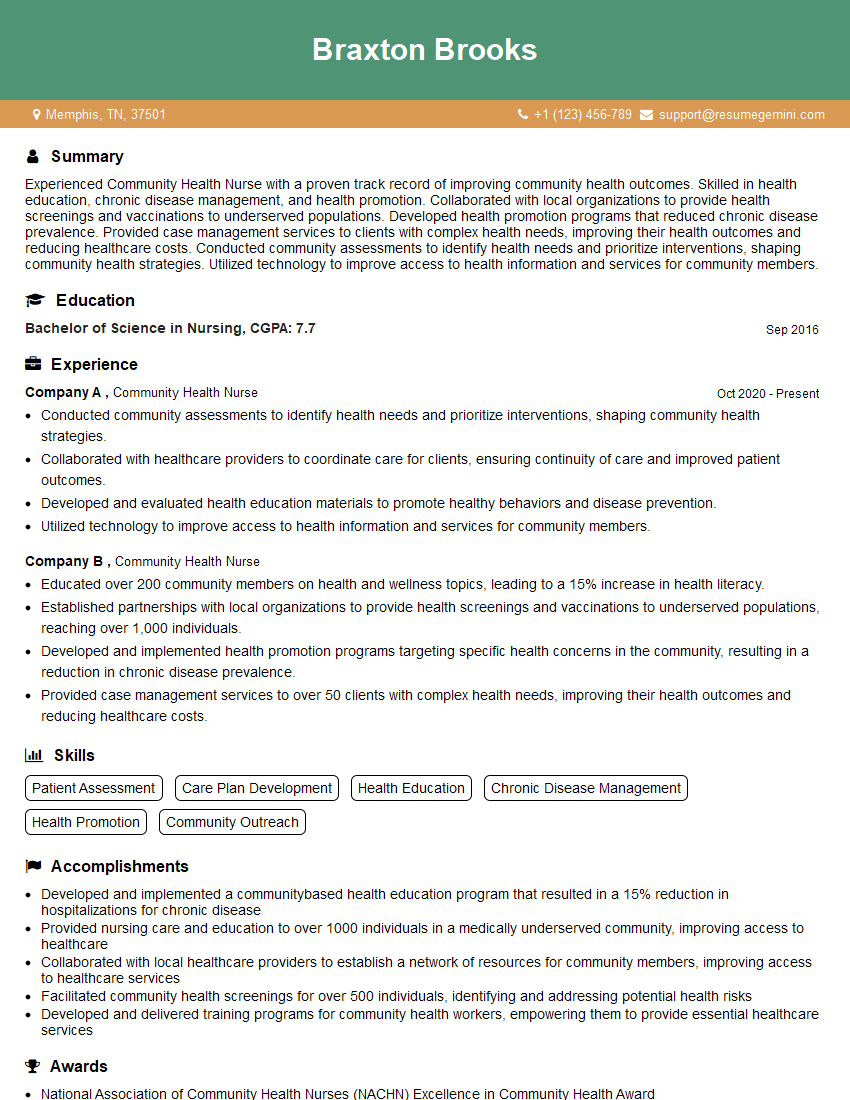
Community Health Nurse Resume Sample
Explore more articles
Users Rating of Our Blogs
Share Your Experience
We value your feedback! Please rate our content and share your thoughts (optional).
What Readers Say About Our Blog
Amazing blog
Interesting Article, I liked the depth of knowledge you’ve shared.
Helpful, thanks for sharing.