The right preparation can turn an interview into an opportunity to showcase your expertise. This guide to X-ray Exposure interview questions is your ultimate resource, providing key insights and tips to help you ace your responses and stand out as a top candidate.
Questions Asked in X-ray Exposure Interview
Q 1. Explain the inverse square law as it relates to x-ray exposure.
The inverse square law is a fundamental principle in radiation physics. It states that the intensity of x-ray radiation decreases proportionally to the square of the distance from the source. Imagine a light bulb: if you double your distance from it, the light intensity you perceive is only one-fourth as bright. Similarly, in x-ray, doubling the distance from the x-ray source reduces the radiation intensity to one-quarter.
Mathematically, it’s expressed as:
I1/I2 = (d2/d1)2where:
- I1 is the initial intensity
- I2 is the final intensity
- d1 is the initial distance
- d2 is the final distance
This law is crucial in radiation safety. By increasing the distance between the x-ray source and the patient (or operator), we significantly reduce the radiation dose received.
For example, if a technician is receiving 10 mGy/hr at 1 meter from the source, moving to 2 meters would reduce the dose to 2.5 mGy/hr.
Q 2. Describe the ALARA principle and its application in x-ray procedures.
ALARA stands for ‘As Low As Reasonably Achievable’. It’s a guiding principle in radiation protection, emphasizing that radiation exposure should be minimized to the lowest level possible, while still achieving the necessary diagnostic or therapeutic outcome. This isn’t about eliminating all radiation exposure, but rather optimizing the balance between obtaining a high-quality image and minimizing the patient’s dose.
In x-ray procedures, ALARA is applied through various strategies such as:
- Optimizing technique factors: Carefully selecting the kilovoltage (kVp) and milliamperage (mA) to obtain adequate image quality with the lowest possible radiation dose.
- Collimation: Restricting the x-ray beam to the area of interest, thereby minimizing unnecessary irradiation of surrounding tissues.
- Shielding: Using lead aprons, thyroid shields, and other protective devices to prevent unnecessary exposure to radiation-sensitive organs.
- Distance: Maintaining appropriate distance from the x-ray source during procedures, leveraging the inverse square law.
- Image receptor selection: Choosing detectors with high sensitivity and low noise levels to minimize the required radiation exposure.
A real-world example would be adjusting the kVp and mA settings for a chest x-ray on a child versus an adult. A child requires lower radiation settings to get a suitable image, adhering to ALARA guidelines.
Q 3. What are the different types of x-ray radiation and their properties?
X-rays are a form of electromagnetic radiation, and the types are primarily categorized by their energy levels, which impact their penetrating power and interaction with matter. There isn’t a strict categorization into ‘types’ like some other forms of radiation, but we can discuss qualities of the x-ray beam:
- Characteristic X-rays: These are produced when an electron from a higher energy level fills a vacancy in a lower energy level of an atom. The energy of this photon is characteristic of the element involved.
- Bremsstrahlung (Braking) Radiation: This is the primary component of the x-ray beam and is produced when high-speed electrons decelerate or ‘brake’ as they interact with the target material in the x-ray tube. This deceleration releases energy as x-ray photons, with a continuous spectrum of energies.
The properties of x-rays relevant to imaging are:
- Penetrating power: Higher energy x-rays penetrate deeper into tissues.
- Wavelength and frequency: Shorter wavelengths correspond to higher energy and greater penetrating power.
- Interaction with matter: X-rays interact with matter through processes such as photoelectric absorption and Compton scattering, which are essential for image formation.
The x-ray spectrum produced by a tube is influenced by the tube’s kilovoltage peak (kVp) and milliamperage (mA). Higher kVp results in higher energy x-rays, while higher mA increases the number of x-rays produced.
Q 4. How do you calculate the radiation dose to a patient?
Calculating the radiation dose to a patient isn’t a simple single calculation, but rather a complex process that depends on several factors. The most commonly used measurement is the absorbed dose (measured in Gray, Gy) which represents the energy deposited per unit mass of tissue. However, different tissues have different sensitivities to radiation, so we also consider the effective dose (measured in Sievert, Sv). This takes into account the varying radiosensitivity of different organs and tissues.
Factors affecting radiation dose calculation include:
- kVp and mA settings: These determine the quantity and energy of x-rays produced.
- Exposure time: Longer exposure times result in higher doses.
- Source-to-image receptor distance (SID): Influenced by the inverse square law.
- Patient thickness and composition: Denser tissues absorb more radiation.
- Type of x-ray imaging system: Different systems have different efficiencies.
Sophisticated software within the imaging equipment and post-processing algorithms estimate and measure the dose delivered to a patient for many imaging modalities. Exact calculation requires specialized knowledge and often involves dedicated dosimetry equipment. The calculated dose is usually expressed as effective dose (mSv) to represent the overall risk to the patient.
Q 5. Explain the concept of radiation shielding and its importance.
Radiation shielding is crucial in reducing exposure to ionizing radiation. It involves using materials that absorb or attenuate x-rays to protect both patients and healthcare workers. The effectiveness of shielding depends on the material’s density and thickness.
Common shielding materials include:
- Lead: Highly effective due to its high density. Used in aprons, gloves, and other protective gear.
- Concrete: Used for building walls and shielding around x-ray rooms. Its thickness must be carefully calculated based on the radiation levels.
- Baryta plaster: Used in the construction of x-ray rooms to provide added shielding.
The importance of shielding stems from the fact that prolonged or excessive exposure to ionizing radiation can lead to serious health consequences, including cancer and other radiation-induced illnesses. Shielding helps to minimize these risks, aligning with the ALARA principle.
For instance, lead aprons must be used during fluoroscopy procedures and for patients undergoing radiation therapy, reducing radiation exposure to sensitive organs.
Q 6. What are the potential biological effects of ionizing radiation?
Ionizing radiation, such as x-rays, can damage living tissues at the cellular level. The potential biological effects range from minor to severe, depending on the dose received, the duration of exposure, and the type of radiation. These effects can be:
- Deterministic effects: These effects have a threshold dose; below a certain dose, no effect is observed. Examples include skin burns, cataracts, and radiation sickness. The severity increases with increasing dose.
- Stochastic effects: These effects have no threshold dose; any amount of radiation carries a small risk of causing these effects. The probability of occurrence increases with increasing dose, but the severity is independent of the dose. The most significant stochastic effect is cancer.
Other potential biological effects include:
- Genetic effects: Damage to DNA in reproductive cells can lead to mutations passed on to future generations.
- Teratogenic effects: Radiation exposure during pregnancy can cause birth defects.
It’s crucial to remember that the body has mechanisms for repairing radiation damage, but high doses can overwhelm these mechanisms, leading to severe health consequences. This is why minimizing radiation exposure is paramount.
Q 7. Describe the different types of x-ray imaging modalities.
Numerous x-ray imaging modalities exist, each designed for specific applications and offering unique advantages. Some of the most common include:
- Conventional radiography: This is the most basic form, using a single x-ray exposure to create a two-dimensional image on a film or digital detector. Used for examining bones, lungs, and other structures.
- Fluoroscopy: A dynamic imaging technique that provides real-time x-ray images. Commonly used during surgical procedures, angiograms, and gastrointestinal studies.
- Computed tomography (CT): Employs a rotating x-ray source and detectors to create cross-sectional images of the body. Provides detailed anatomical information and is often used for trauma assessment, cancer detection, and virtual colonoscopy.
- Mammography: Specialized radiography technique for imaging breast tissue using low-dose x-rays. Important for early breast cancer detection.
- Dental radiography: Used to image teeth and surrounding structures for diagnosing cavities, periodontal disease, and other dental problems.
Advances in technology have led to the development of other specialized modalities like digital subtraction angiography (DSA), cone-beam computed tomography (CBCT), and various hybrid imaging techniques. The choice of modality depends on the clinical question and the need for anatomical detail and spatial resolution.
Q 8. How do you ensure proper patient positioning for optimal x-ray images?
Proper patient positioning is paramount for obtaining diagnostic-quality x-ray images. Incorrect positioning can lead to image distortion, obscuring crucial anatomical details and potentially necessitating repeat exposures, increasing patient radiation dose. We utilize a combination of techniques to ensure accuracy.
- Anatomical Landmarks: We use visible anatomical landmarks like the mid-sagittal plane, acromioclavicular joints, and iliac crests to align the patient correctly with the x-ray beam. For example, a chest x-ray requires the patient’s spine to be centered to the cassette.
- Immobilization Devices: For patients who are unable to remain still (e.g., children, patients with tremors), we employ immobilization devices like sandbags or positioning sponges to maintain proper alignment during exposure. This minimizes motion blur.
- Image Receptor Placement: Careful placement of the image receptor (cassette or digital detector) is crucial. It needs to be in close contact with the body part being imaged to minimize magnification and distortion. We use positioning aids like grids to help with this.
- Verification Techniques: Before exposure, we always double-check the patient’s position using a preliminary image (scout view) to ensure the anatomy is properly displayed before taking the full exposure.
Think of it like taking a photograph – you need to frame the subject correctly to get a sharp, clear picture. In x-ray, this means positioning the patient precisely to visualize the area of interest without artifacts.
Q 9. Explain the process of quality control for x-ray equipment.
Quality control for x-ray equipment is a rigorous process designed to ensure optimal image quality and patient safety. It involves regular testing and maintenance to detect and correct any deviations from established standards.
- Regular Calibration: We perform regular calibrations of the x-ray machine, including kVp (kilovolt peak – controls x-ray energy), mA (milliamperage – controls x-ray quantity), and timer accuracy. This ensures that the machine is delivering the correct radiation dose for each exposure.
- Image Quality Assurance: We use test objects (e.g., phantoms) to assess the image quality produced by the machine. These objects allow us to evaluate factors such as spatial resolution, contrast, and noise levels. If these parameters fall outside acceptable limits, it signals a need for maintenance or repair.
- Leakage Radiation Tests: Regular checks are performed to detect any leakage radiation from the x-ray tube housing, ensuring that radiation levels in the surrounding environment remain below regulatory limits. This uses special radiation monitoring equipment.
- Record Keeping: All calibration, maintenance, and testing results are meticulously documented. This creates a comprehensive audit trail, demonstrating compliance with safety regulations and quality standards.
Think of it as regularly servicing your car to ensure its optimal performance and safety. In x-ray, regular quality control ensures the machine is producing high-quality images safely and reliably.
Q 10. What safety precautions do you take when handling x-ray equipment?
Safety is paramount in handling x-ray equipment. We employ several precautions to minimize radiation exposure to both patients and staff.
- Time, Distance, Shielding (TDS): This is our fundamental approach. We minimize time spent near the x-ray beam during exposure, maximize our distance from the source, and use appropriate shielding devices like lead aprons, gloves, and thyroid collars. For example, during a fluoroscopy procedure, we step away when not actively participating.
- Radiation Monitoring: We wear personal dosimeters to monitor our radiation exposure. These devices track the amount of radiation we receive over time, allowing us to identify and address any potential exposure concerns. The readings are monitored and reported regularly.
- Proper Equipment Operation: We strictly adhere to established protocols and operating instructions. This includes correctly setting exposure parameters and using collimation to restrict the beam to the area of interest, thereby minimizing unnecessary radiation.
- Protective Barriers: X-ray rooms are designed with protective barriers, such as lead-lined walls and observation windows, to reduce radiation exposure in adjacent areas. This protects staff and patients in neighboring rooms.
Our adherence to these safety precautions allows us to balance the need for diagnostic imaging with a high level of radiation safety.
Q 11. How do you manage accidental x-ray exposure incidents?
Accidental x-ray exposure incidents are thankfully rare but require immediate and careful management. Our protocol emphasizes prompt action and thorough documentation.
- Immediate Assessment: We assess the situation to determine the extent of the exposure, identifying individuals potentially affected. This often includes reviewing machine logs and assessing the individual’s symptoms.
- Notification and Reporting: The incident is immediately reported to the appropriate authorities, including our radiation safety officer and potentially regulatory agencies. A detailed report documenting the circumstances is prepared.
- Medical Evaluation: Individuals who may have received significant radiation exposure are referred for medical evaluation, including a complete blood count and potentially other tests, depending on the circumstances.
- Review and Prevention: A thorough review of the incident is conducted to identify the cause and implement corrective actions to prevent similar incidents in the future. This might include retraining or procedural changes.
Our primary goal is the safety and well-being of anyone involved. This systematic approach ensures we address both the immediate health concerns and the underlying causes of the incident.
Q 12. Describe the different types of x-ray contrast media and their uses.
X-ray contrast media are substances used to enhance the visibility of internal structures on x-ray images. They increase the difference in x-ray absorption between different tissues, making them easier to distinguish.
- Barium Sulfate (BaSO4): This is a commonly used radiopaque agent for imaging the gastrointestinal tract. It’s relatively insoluble and safe, providing excellent contrast for the esophagus, stomach, and intestines.
- Iodine-Based Contrast Media: These are used for intravenous, intra-arterial, and other injections. They contain iodine, which is highly radiopaque and is useful for imaging blood vessels (angiography), urinary tract (intravenous urography), and other internal structures. There are ionic and non-ionic types, with non-ionic generally preferred due to lower risk of adverse reactions.
- Air or Gas Contrast: Air or other gases can be used as negative contrast agents. They appear dark on x-rays and can help delineate certain structures, particularly in the gastrointestinal tract or lungs.
The choice of contrast medium depends on the specific anatomical area being imaged and the clinical indication. Each type has its own advantages and potential side effects, which are carefully considered before administration.
Q 13. How do you identify and address artifacts in x-ray images?
Artifacts in x-ray images are imperfections that obscure or distort the true anatomical structures. Recognizing and addressing these artifacts is essential for accurate image interpretation.
- Motion Artifacts: Blurring or distortion caused by patient movement during exposure. These are often identified by characteristic streaks or blurring. We can minimize this using immobilization techniques.
- Scatter Radiation: X-rays scattered by the patient or surroundings, resulting in decreased image contrast. The use of grids and proper collimation can reduce scatter.
- Metal Artifacts: Metallic objects in or near the imaging field can cause bright streaks or obscuration. Careful patient preparation (removing jewelry) can prevent this.
- Processing Artifacts: These can arise during the digital processing of the image, such as image noise or compression artifacts. Proper image processing techniques are crucial to prevent such issues.
Identifying artifacts requires careful observation and understanding of their characteristic appearances. Often, repeating the examination with modifications to reduce the source of the artifact might be necessary.
Q 14. What are the legal and ethical considerations related to x-ray exposure?
Legal and ethical considerations surrounding x-ray exposure are crucial to ensure patient safety and responsible practice. We must operate within legal regulations and adhere to a strict ethical code.
- ALARA Principle (As Low As Reasonably Achievable): We must strive to minimize radiation exposure to patients and staff while still achieving diagnostic goals. This means using the lowest possible radiation dose consistent with obtaining an adequate image.
- Informed Consent: Patients must give informed consent for x-ray examinations, understanding the benefits and risks involved. This means clearly explaining the procedure and potential side effects before commencing.
- Patient Confidentiality: Maintaining patient confidentiality is paramount. All patient information and x-ray images must be handled in accordance with data protection regulations (e.g., HIPAA in the US).
- Compliance with Regulations: We must strictly adhere to all relevant safety regulations and licensing requirements for x-ray equipment and personnel. This includes regular inspections and quality control procedures.
These legal and ethical responsibilities are vital to maintaining public trust and ensuring the safe and responsible use of ionizing radiation in medical imaging.
Q 15. How do you maintain patient confidentiality in x-ray procedures?
Maintaining patient confidentiality in x-ray procedures is paramount. It’s governed by strict regulations like HIPAA in the US and similar legislation elsewhere. We begin by ensuring only authorized personnel access patient records and images. This includes secure storage of digital images using password-protected systems and restricted access to physical films. Patient identifiers are carefully managed to prevent accidental disclosure. For example, we never display a patient’s name on the image itself; instead, we use a unique identification number. We also adhere to strict protocols for data disposal, securely deleting or destroying old records according to established guidelines. Regular staff training reinforces these procedures, emphasizing the legal and ethical implications of breaches.
Furthermore, we implement strong physical security measures to prevent unauthorized access to x-ray facilities and equipment. This includes access cards, security cameras, and locked storage for films and equipment. Finally, all staff undergo rigorous training on patient privacy and data security, and we have established clear reporting procedures for any suspected or actual breaches.
Career Expert Tips:
- Ace those interviews! Prepare effectively by reviewing the Top 50 Most Common Interview Questions on ResumeGemini.
- Navigate your job search with confidence! Explore a wide range of Career Tips on ResumeGemini. Learn about common challenges and recommendations to overcome them.
- Craft the perfect resume! Master the Art of Resume Writing with ResumeGemini’s guide. Showcase your unique qualifications and achievements effectively.
- Don’t miss out on holiday savings! Build your dream resume with ResumeGemini’s ATS optimized templates.
Q 16. Explain the difference between direct and indirect digital radiography.
The key difference between direct and indirect digital radiography lies in how the x-ray signal is converted into a digital image. In direct digital radiography, an x-ray detector directly converts the incoming x-ray photons into an electrical signal. This signal is then processed and displayed as a digital image. Think of it like a digital camera directly capturing light. This approach tends to be faster and may offer slightly better image quality due to fewer conversion steps.
Indirect digital radiography, on the other hand, utilizes a scintillator to first convert x-rays into visible light. This light is then captured by a charge-coupled device (CCD) or a complementary metal-oxide-semiconductor (CMOS) sensor, which transforms it into an electrical signal. It’s like using a film camera – the film captures light (from the scintillator) which needs further processing to create a picture. While this method might be slightly slower, it can still provide excellent image quality. The choice between direct and indirect methods often depends on factors such as cost, speed requirements, and desired image quality.
Q 17. Describe the image acquisition process in fluoroscopy.
Fluoroscopy is a dynamic imaging technique that provides real-time visualization of internal structures. The image acquisition process begins with the x-ray tube emitting a continuous beam of x-rays through the patient. An image intensifier converts the transmitted x-rays into a brighter visible light image. This amplified light image is then captured by a CCD or CMOS camera and converted into a digital signal. The digital signal is then processed and displayed on a monitor, allowing the radiologist to observe the movement of internal structures in real time. This continuous stream of images allows us to observe physiological processes such as swallowing, bowel movement, or the movement of a catheter during a procedure.
The continuous exposure during fluoroscopy requires careful attention to radiation safety. Pulse fluoroscopy, where x-rays are emitted in short bursts, is used to minimize radiation dose to the patient. The use of low-dose techniques such as image intensifier magnification, and careful collimation of the x-ray beam are critical for patient safety and optimization of image quality.
Q 18. What are the limitations of x-ray imaging?
X-ray imaging, while powerful, has limitations. One major limitation is its inherent inability to differentiate between tissues with similar densities. For example, it can be difficult to distinguish between soft tissues like muscle and fat, leading to potentially missed or unclear diagnoses. Another limitation is that x-rays primarily visualize bone and other dense structures; soft tissue detail is often limited. This makes it less ideal for visualizing organs without the use of contrast agents.
Furthermore, x-ray images are two-dimensional projections of three-dimensional structures. This can lead to superimposition of anatomical structures, making it challenging to interpret complex anatomy or identify subtle lesions. Finally, x-ray exposure carries risks associated with ionizing radiation. While the risks are generally low with modern equipment and proper techniques, it’s crucial to minimize radiation dose to protect the patient.
Q 19. How do you ensure the accuracy and reliability of x-ray measurements?
Ensuring the accuracy and reliability of x-ray measurements involves several key steps. Firstly, regular quality control procedures are crucial. We routinely perform tests on the x-ray equipment using phantoms—objects that mimic human anatomy—to verify proper calibration. This ensures consistency in image quality and accurate measurements. These tests assess factors such as spatial resolution, contrast resolution, and radiation output.
Secondly, proper technique is paramount. Consistent patient positioning, appropriate exposure factors (kVp and mAs), and precise beam collimation are essential. Consistent techniques minimizes variations across examinations. Accurate measurements also rely on using standardized measurement tools and calibrated imaging software. Finally, regular training for technologists on proper techniques and quality control procedures is necessary to guarantee reliable and accurate x-ray measurements. Thorough documentation of all parameters of the exam is crucial for traceability and quality assurance.
Q 20. Describe your experience with different types of image processing software.
Throughout my career, I’ve gained significant experience with various image processing software packages. This includes both proprietary systems and open-source solutions. I’m proficient in using PACS (Picture Archiving and Communication Systems) for image storage, retrieval, and distribution. My expertise extends to software for image enhancement, such as noise reduction, contrast adjustment, and edge sharpening techniques. I’m also familiar with advanced software capable of 3D reconstructions from multiple x-ray projections. This allows for a more comprehensive view of complex anatomical structures. This capability is especially important in trauma cases, where a clear understanding of three-dimensional relationships is often crucial for effective treatment planning.
My experience encompasses software used for measuring distances, angles, and areas on x-ray images, essential for diagnosis and treatment planning in orthopedics and other fields. I also have experience using software for analyzing bone density, providing quantitative measurements crucial for the management of osteoporosis. I’m continuously updating my skills to remain current with the latest advancements in image processing software.
Q 21. What is your understanding of the impact of scatter radiation on image quality?
Scatter radiation is a significant factor that degrades image quality in x-ray imaging. It occurs when the primary x-ray beam interacts with the patient’s tissues, causing x-rays to be deflected in various directions. This scattered radiation contributes to a phenomenon called ‘image noise,’ resulting in a loss of contrast and reduced image sharpness. Imagine looking at a picture through a cloudy window – that fogginess represents the effect of scatter radiation on image clarity.
Minimizing scatter radiation is critical for optimal image quality. Techniques such as using collimators to restrict the beam size, employing grids to absorb scattered radiation before it reaches the detector, and using proper filtration to harden the x-ray beam (remove lower-energy scattered photons) are commonly employed. Furthermore, appropriate use of exposure factors (kVp and mAs) plays a crucial role in reducing the production of scatter radiation. Proper technique is always the most effective method to achieve better images with minimal radiation dose.
Q 22. How do you maintain a sterile environment during x-ray procedures?
Maintaining a sterile environment during x-ray procedures is paramount to preventing infection. It’s achieved through a multi-pronged approach focusing on both the patient and the equipment.
- Pre-procedure preparation: This includes thorough hand hygiene by all personnel involved, using appropriate hand sanitizers or washing with soap and water. The patient’s skin at the exposure site is cleaned with an antiseptic solution.
- Equipment sterilization: Any equipment that comes into direct contact with the patient’s skin, like cassettes, grids, and positioning aids, must be properly sterilized or disinfected using approved methods, following strict protocols outlined by infection control guidelines. This often involves wiping down surfaces with appropriate disinfectants.
- Barrier methods: The use of sterile drapes and gloves protects both the patient and the equipment. Clean gowns are also utilized as appropriate.
- Post-procedure cleaning: After the procedure, all used equipment is cleaned and disinfected or sterilized according to established protocols. The area is thoroughly cleaned to prevent the spread of pathogens.
For instance, in a hospital setting, we might use a specific alcohol-based disinfectant solution on the x-ray table before and after each patient. Failure to maintain a sterile environment could lead to serious infections for the patient, which would be a major breach of healthcare standards.
Q 23. Explain the role of collimation in reducing patient dose.
Collimation plays a crucial role in radiation protection by restricting the x-ray beam to the area of interest. This significantly reduces the amount of radiation exposure to the patient by limiting the volume of tissue irradiated.
Think of it like shining a flashlight. A wide beam illuminates a large area, whereas a collimated beam focuses the light on a smaller, specific target. Similarly, collimating the x-ray beam restricts the radiation exposure to only the anatomical area needing examination, minimizing unnecessary radiation to surrounding tissues.
Reduced scatter radiation is another benefit. A smaller beam produces less scattered radiation, further decreasing the patient’s dose. Modern x-ray machines have automatic collimation systems which automatically adjust the beam size to match the size of the image receptor. This ensures optimal collimation and helps minimize dose variation. Improper collimation is a significant source of unnecessary patient radiation exposure and should be avoided at all costs.
Q 24. How do you handle emergency situations involving x-ray equipment malfunctions?
Emergency situations involving x-ray equipment malfunctions require a calm and systematic approach. Our primary concern is always patient safety.
- Immediate action: If there’s a malfunction during exposure, immediately terminate the exposure and ensure patient safety. This could involve switching off the equipment or using an emergency stop button.
- Assess the situation: Evaluate the nature of the malfunction and potential risks. Is the machine emitting excess radiation? Is there a fire hazard?
- Report the incident: Immediately report the incident to the appropriate personnel, such as biomedical engineers or supervisors. Detailed documentation is crucial, including the time, nature of the malfunction, and any actions taken.
- Patient care: Provide the patient with reassurance and address any concerns. If necessary, seek medical assistance.
- Repair and investigation: After securing patient safety, the malfunctioning equipment should be thoroughly assessed and repaired by qualified technicians. A full investigation should be conducted to determine the cause and prevent future occurrences.
I’ve personally experienced a situation where a high-voltage power supply failed during an exam. We followed our emergency protocol, immediately stopping the exposure, and reporting it to our engineering team. The patient was unharmed and the problem was quickly resolved.
Q 25. What are your strategies for reducing patient anxiety during x-ray procedures?
Reducing patient anxiety during x-ray procedures involves creating a calm and reassuring environment. Effective communication is key.
- Explanation of procedure: Clearly explain the procedure in simple, understandable terms, addressing any concerns or questions the patient might have. This helps alleviate uncertainty and fear of the unknown.
- Reassurance and empathy: Offer reassurance and demonstrate empathy. Acknowledge the patient’s feelings and anxieties. A calm and confident demeanor can significantly reduce patient apprehension.
- Pain management: Ensure patients understand that the procedure is generally painless. For those with anxieties about pain, techniques such as deep breathing or distraction can be helpful.
- Positioning assistance: Provide support and assistance during positioning. Explain each step to the patient. Ensure their comfort and avoid any unnecessary movement.
- Post-procedure care: After the procedure, provide post-procedure instructions and address any remaining concerns. This shows attention to their overall well-being.
For example, I always make a point of speaking to pediatric patients at their level, using playful language to reduce their fear. For adult patients who are claustrophobic, I might spend extra time explaining the procedure and offer reassurance.
Q 26. Describe your experience with different types of radiation detectors.
My experience encompasses various radiation detectors used in different contexts. These include:
- Ionization chambers: These are widely used for area monitoring, measuring ambient radiation levels. They’re simple, robust, and provide a good overall radiation dose assessment.
- Geiger-Müller counters: These are excellent for detecting the presence of radiation, particularly alpha, beta, and gamma radiation, but are less precise in measuring the exact dose. Their utility lies in their sensitivity and ability to identify even low levels of radiation. They are commonly used for contamination monitoring.
- Thermoluminescent dosimeters (TLDs): These passive detectors are worn by personnel to measure accumulated radiation dose over time. They’re accurate and reliable, providing a permanent record of radiation exposure.
- Optically stimulated luminescence dosimeters (OSLDs): Similar to TLDs, OSLDs also measure accumulated radiation dose. However, they offer greater sensitivity and improved accuracy, often preferred in radiation protection programs.
The choice of detector depends on the specific application. For example, in a diagnostic radiology setting, we rely more on the accuracy of the equipment’s built-in dose measurement systems, supplemented by regular quality assurance checks. In a nuclear medicine setting, different detectors are used for handling radioactive materials and monitoring patient exposure.
Q 27. How do you interpret x-ray images and identify pathological findings?
Interpreting x-ray images requires a systematic approach combining knowledge of anatomy, pathology, and imaging principles. It’s a skill honed through extensive training and experience.
The process involves:
- Systematic review: Images are systematically reviewed, comparing the anatomy to expected normal findings. Any deviations or abnormalities are noted.
- Identifying anatomical structures: Correct identification of bones, soft tissues, and organs is essential. This requires a solid understanding of human anatomy.
- Assessing tissue density: Variations in tissue density (bone, soft tissue, air, fluid) are carefully observed. Different densities appear as different shades of gray on the image.
- Recognizing patterns of disease: Knowledge of common pathological processes (fractures, infections, tumors, etc.) allows for identifying characteristic patterns in the images.
- Correlating with clinical information: Clinical history and other diagnostic information are crucial for proper interpretation. An image is interpreted within the context of the patient’s presenting symptoms and other findings.
For instance, identifying a lucent area in a bone might suggest a fracture, while a mass with irregular borders in the lung could raise suspicion of a malignant lesion. However, definitive diagnosis usually requires correlation with other clinical data and potential further investigations.
Q 28. Explain your understanding of the latest advancements in x-ray technology.
Recent advancements in x-ray technology have significantly improved image quality, reduced radiation dose, and enhanced diagnostic capabilities. Some notable developments include:
- Digital radiography (DR): DR systems have largely replaced film-screen radiography. They offer immediate image availability, improved image quality, and easier image manipulation and storage. Post-processing options can enhance image contrast and clarity for better diagnostics.
- Computed tomography (CT): CT scanners create cross-sectional images, providing detailed anatomical information. Advances in detector technology, multislice scanners, and iterative reconstruction techniques have improved image resolution and reduced radiation dose.
- Fluoroscopy: Advances in fluoroscopy allow for real-time imaging, often with lower radiation doses. This technology finds applications in interventional procedures and dynamic studies.
- Dual-energy x-ray absorptiometry (DEXA): DEXA technology is used primarily for bone mineral density measurement and is crucial in assessing osteoporosis risk. Technological advancements have increased the accuracy and efficiency of these scans.
- Artificial intelligence (AI): AI is increasingly used in image analysis, assisting radiologists in detecting abnormalities and improving diagnostic accuracy. AI-based tools can automate tasks, improve workflow, and reduce human error.
These advancements continue to shape the future of x-ray technology, leading to safer and more effective diagnostic imaging.
Key Topics to Learn for X-ray Exposure Interview
- X-ray Production: Understanding the process of X-ray generation, including the role of the cathode, anode, and high voltage. Explore different X-ray tube designs and their applications.
- Image Formation: Grasp the principles of X-ray interaction with matter (photoelectric effect, Compton scattering). Learn how these interactions contribute to image formation and contrast.
- Radiation Protection: Master the ALARA principle (As Low As Reasonably Achievable) and the methods used to minimize radiation exposure to patients and staff. This includes understanding safety protocols and regulations.
- Image Quality: Analyze factors affecting image quality, such as contrast, resolution, and noise. Learn techniques for optimizing image quality in various imaging modalities.
- Digital Image Processing: Familiarize yourself with digital radiography (DR) and computed radiography (CR) systems. Understand the process of image acquisition, processing, and display.
- Quality Control and Assurance: Learn about quality control procedures for X-ray equipment and the importance of regular testing and maintenance to ensure optimal performance and patient safety.
- Radiation Physics: Understand fundamental concepts of radiation physics, including the nature of X-rays, their properties, and their biological effects.
- Specific Applications: Depending on the job, you may need to focus on specific applications of X-ray exposure, such as mammography, dental radiography, or industrial radiography. Research the requirements of the specific job you’re applying for.
- Troubleshooting and Problem Solving: Be prepared to discuss common problems encountered in X-ray imaging and how you would approach troubleshooting them.
Next Steps
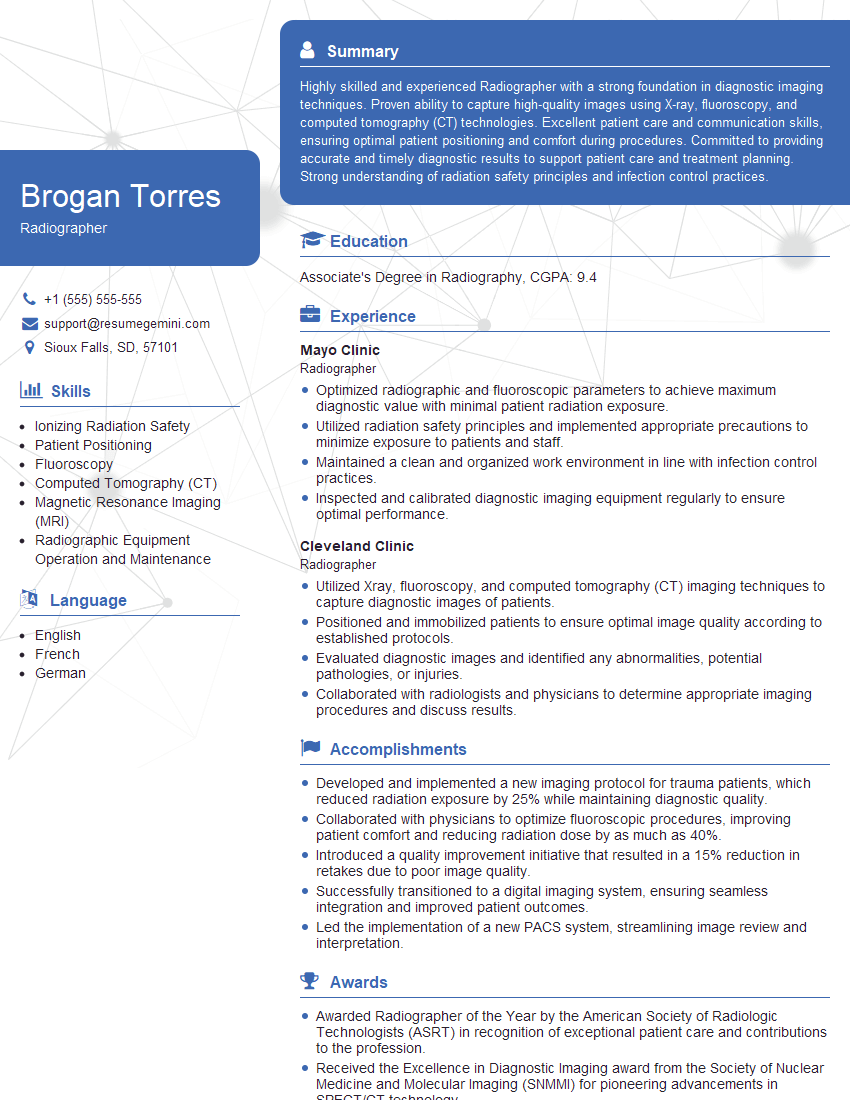
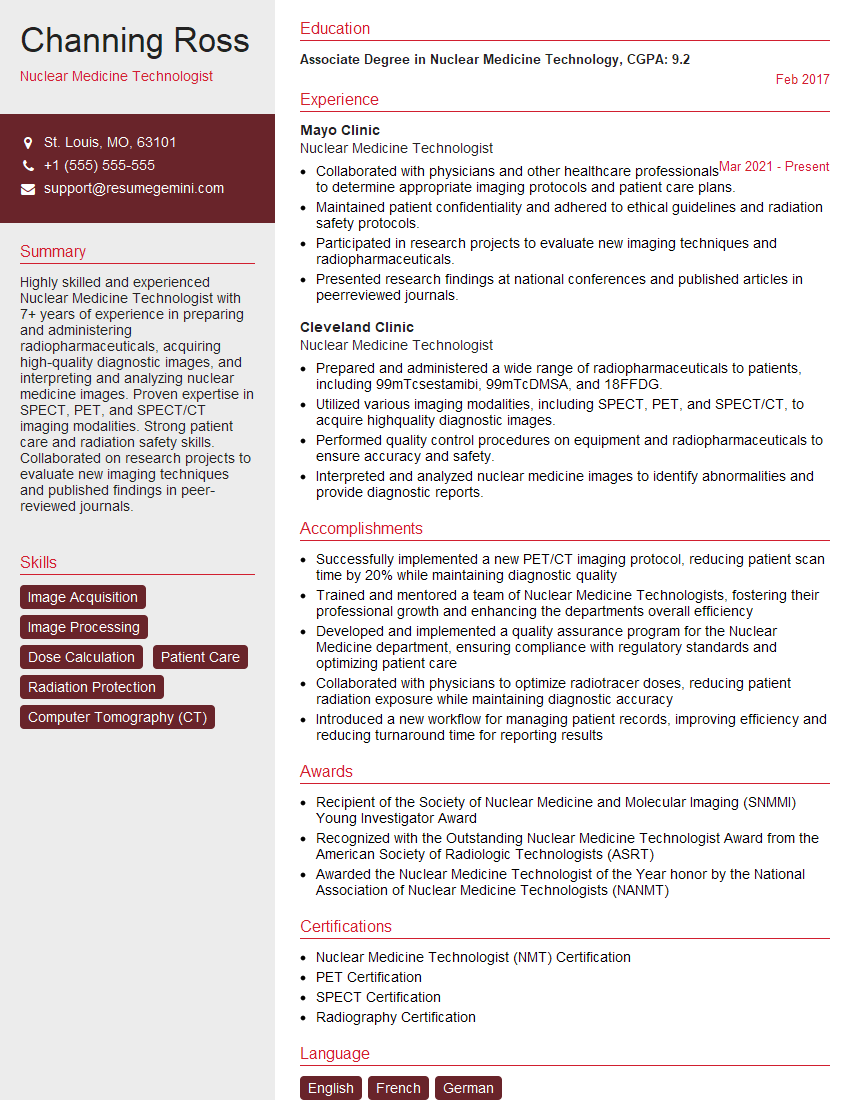
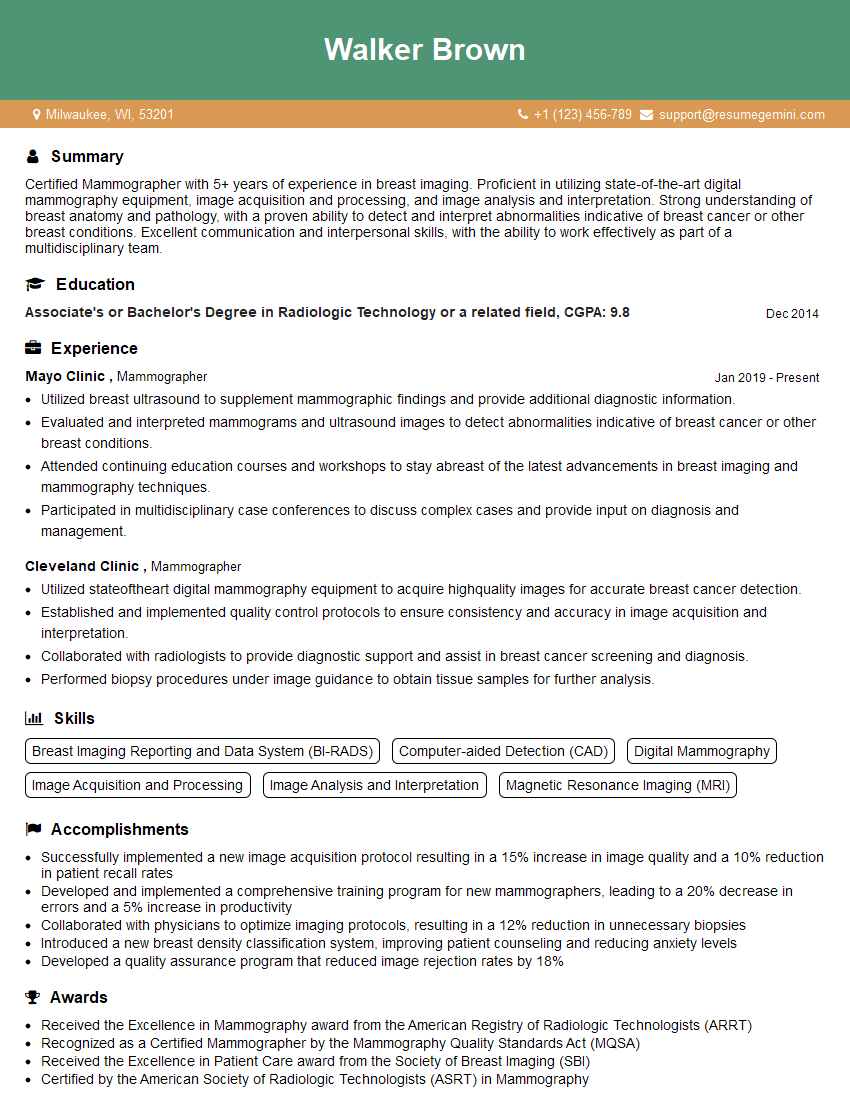
Mastering X-ray exposure principles and practices is crucial for a successful and fulfilling career in medical imaging or related fields. Demonstrating a strong understanding of these concepts will significantly enhance your interview performance and job prospects. To further strengthen your application, create an ATS-friendly resume that highlights your skills and experience effectively. ResumeGemini is a trusted resource for building professional resumes, and we offer examples of resumes tailored to X-ray Exposure to help you get started. Invest the time to craft a compelling resume that showcases your qualifications – it’s a key step in landing your dream job.




Explore more articles
Users Rating of Our Blogs
Share Your Experience
We value your feedback! Please rate our content and share your thoughts (optional).
What Readers Say About Our Blog
Amazing blog
hello,
Our consultant firm based in the USA and our client are interested in your products.
Could you provide your company brochure and respond from your official email id (if different from the current in use), so i can send you the client’s requirement.
Payment before production.
I await your answer.
Regards,
MrSmith
hello,
Our consultant firm based in the USA and our client are interested in your products.
Could you provide your company brochure and respond from your official email id (if different from the current in use), so i can send you the client’s requirement.
Payment before production.
I await your answer.
Regards,
MrSmith
These apartments are so amazing, posting them online would break the algorithm.
https://bit.ly/Lovely2BedsApartmentHudsonYards
Reach out at BENSON@LONDONFOSTER.COM and let’s get started!
Take a look at this stunning 2-bedroom apartment perfectly situated NYC’s coveted Hudson Yards!
https://bit.ly/Lovely2BedsApartmentHudsonYards
Live Rent Free!
https://bit.ly/LiveRentFREE
Interesting Article, I liked the depth of knowledge you’ve shared.
Helpful, thanks for sharing.
Hi, I represent a social media marketing agency and liked your blog
Hi, I represent an SEO company that specialises in getting you AI citations and higher rankings on Google. I’d like to offer you a 100% free SEO audit for your website. Would you be interested?