Every successful interview starts with knowing what to expect. In this blog, we’ll take you through the top Report Writing and Testimony interview questions, breaking them down with expert tips to help you deliver impactful answers. Step into your next interview fully prepared and ready to succeed.
Questions Asked in Report Writing and Testimony Interview
Q 1. Describe your experience in writing concise and accurate reports.
Concise and accurate report writing is crucial for effective communication. It involves distilling complex information into a clear, easily digestible format, avoiding unnecessary jargon and focusing on the essential findings. My experience involves years of crafting reports for diverse audiences, ranging from technical experts to lay persons. I achieve conciseness by employing a structured approach – outlining key points before writing, using strong verbs and precise language, and rigorously editing for redundancy. For instance, in a report on a software bug, instead of rambling descriptions, I’d focus on the steps to reproduce the bug, its impact, and the suggested fix. Accuracy is maintained through meticulous fact-checking, referencing all data sources, and using data visualization techniques to present information transparently.
For example, in a forensic report, brevity is key. Instead of lengthy prose, I would use bullet points to outline the key findings, and utilize tables to display forensic data and their analysis.
Q 2. Explain your process for gathering and verifying information for reports.
My information gathering process is methodical and rigorous, prioritizing verification at every stage. It begins with identifying all relevant sources, including interviews, documents, databases, and physical evidence. Each source is carefully examined, noting any potential biases or limitations. For interviews, I use a structured approach, asking open-ended questions and recording responses verbatim, then cross-referencing these with other sources. Document review involves careful examination for authenticity and completeness. Data from databases is rigorously checked for accuracy and consistency. This multi-source approach ensures a comprehensive and reliable understanding of the subject matter. Verification includes independent corroboration wherever possible, comparing data from multiple sources and resolving discrepancies through further investigation. For instance, in an accident report, I would verify eyewitness accounts with police reports, vehicle damage assessments, and potentially CCTV footage.
Q 3. How do you ensure the objectivity and impartiality of your reports?
Objectivity and impartiality are paramount in report writing. I maintain these by adhering to a strict code of ethics, separating facts from opinions, and avoiding any language that could be interpreted as biased. I clearly distinguish between observed facts and inferences drawn from those facts. Data is presented in a neutral manner, allowing the reader to draw their own conclusions. Where interpretations are necessary, I explain the reasoning and any limitations. Transparency is key; any potential conflicts of interest are disclosed upfront. For example, in a financial audit, I wouldn’t express personal opinions on the company’s performance; rather, I’d objectively present the financial data and highlight any discrepancies against established accounting principles.
Q 4. What methods do you use to organize complex information for clear presentation?
Organizing complex information requires a systematic approach. I typically begin by creating a detailed outline, grouping related information into logical sections and subsections. This outline serves as a roadmap for the entire report. Headings, subheadings, and bullet points are used to improve readability and guide the reader through the information. Tables, charts, and graphs are powerful tools for presenting complex data concisely and effectively. Data visualization makes it easier to identify trends and patterns, enhancing understanding and facilitating decision-making. Color-coding and visual cues can further improve comprehension. For instance, in a market research report, I might use a bar chart to compare sales figures across different regions, and a pie chart to show the market share of various competitors.
Q 5. How do you handle conflicting information when writing a report?
Handling conflicting information requires careful analysis and a thorough investigation. I begin by identifying the source of the conflict and evaluating the credibility of each source. I look for biases, potential errors, or inconsistencies. If possible, I seek additional information to resolve the conflict. If the conflict remains irresolvable, I present all conflicting information transparently, acknowledging the uncertainty and highlighting the limitations of the available data. I avoid taking sides or making unsupported judgments. Instead, I present a balanced view, allowing the reader to consider all perspectives and draw their own conclusions. For example, in a historical account, if two primary sources provide contradictory details, I will present both accounts, noting their differences and suggesting potential explanations for the discrepancies.
Q 6. Describe your experience in presenting findings in a clear and understandable manner.
Presenting findings clearly and understandably involves tailoring the communication style to the audience. I start by identifying the key findings and summarizing them in a concise and accessible manner. I use plain language, avoiding jargon whenever possible. Visual aids, like charts and graphs, are frequently employed to illustrate complex data. I structure the presentation logically, moving from general findings to specific details. The language is simple and direct, avoiding ambiguous terms. In presentations, I use clear visual aids and maintain eye contact with the audience to foster engagement. For instance, in presenting a scientific study to a non-scientific audience, I would avoid technical jargon and use analogies to explain complex concepts.
Q 7. How do you adapt your communication style to different audiences (e.g., technical vs. non-technical)?
Adapting communication style to different audiences is critical for effective report writing and presentation. For a technical audience, I would use precise terminology and detailed explanations, focusing on the underlying mechanisms and methodology. However, for a non-technical audience, I would simplify the language, avoiding jargon and focusing on the implications and conclusions. I would use more visual aids and illustrative examples to convey information effectively. The level of detail also varies significantly between audiences; a technical audience might require in-depth data and analyses, whereas a non-technical audience would appreciate a concise summary of key findings and their implications. The choice of presentation format might also change, using more formal language for academic audiences, but a more conversational tone for business audiences.
Q 8. Explain your understanding of legal and ethical considerations in report writing.
Legal and ethical considerations in report writing are paramount. They ensure accuracy, fairness, and compliance with legal standards. This encompasses several key aspects:
- Objectivity and Impartiality: Reports must present facts without bias, avoiding subjective interpretations or opinions. For instance, if analyzing accident data, I’d present the raw data and findings without speculating on fault until evidence definitively proves it.
- Confidentiality and Privacy: Sensitive information, such as personal data or proprietary information, requires strict protection. I always adhere to confidentiality agreements and relevant data protection regulations. I’d redact identifying information from reports whenever possible unless it’s crucial to the analysis.
- Data Integrity and Accuracy: Reports must be based on verifiable and accurate data. Any limitations or uncertainties in data should be clearly stated. If I encounter conflicting data, I’d thoroughly investigate to resolve inconsistencies and document the process.
- Chain of Custody: Maintaining a clear chain of custody for evidence is essential, particularly in forensic or investigative reports. This involves documenting who handled the evidence, when, and under what circumstances.
- Avoiding Plagiarism and Proper Citation: All sources and information must be properly cited to avoid plagiarism. I meticulously track and cite my sources to ensure academic honesty and avoid legal issues.
Failure to address these considerations can lead to legal repercussions, damage to reputation, and compromised credibility.
Q 9. How do you ensure the accuracy and completeness of your reports?
Ensuring accuracy and completeness requires a rigorous approach. My process involves:
- Thorough Data Collection: I use multiple sources to gather data, verifying its accuracy and reliability through cross-referencing. This could involve reviewing documents, interviewing witnesses, conducting experiments, or accessing databases.
- Methodical Analysis: I use appropriate analytical techniques and methodologies relevant to the report’s subject matter. This often involves statistical analysis, qualitative data coding, and careful interpretation of findings.
- Peer Review: I often involve a colleague to review my work, providing an independent perspective and catching potential errors or omissions. This is especially crucial for complex reports.
- Quality Control Checks: I conduct thorough checks for errors in calculations, spelling, grammar, and formatting before finalizing the report. This includes using spell-check and grammar-check software, along with manual review.
- Clear and Concise Writing: Ambiguity and vagueness can lead to misinterpretations. I ensure the report is written clearly, concisely, and in a way that is accessible to the intended audience. I use simple language and avoid jargon whenever possible.
Think of it like building a house: a strong foundation of accurate data and a meticulously constructed analysis ensures a reliable and robust final product.
Q 10. Describe your experience with different report formats (e.g., narrative, tabular, graphic).
I’m proficient in various report formats, tailoring the approach to the specific needs of the report and its audience.
- Narrative Reports: These provide a comprehensive, detailed account of events or findings, using prose to explain the information. For example, an accident investigation report would typically use this format.
- Tabular Reports: These present data in a structured, organized manner using tables and spreadsheets. They are ideal for displaying numerical data or comparisons. I’ve frequently used this for summarizing survey results or financial data.
- Graphic Reports: These utilize charts, graphs, and other visual aids to present information. These are excellent for illustrating trends, patterns, or relationships in the data. For instance, I’d use a bar chart to compare sales figures across different product lines.
Often, the most effective reports integrate multiple formats, combining the narrative’s contextual understanding with the clarity of tables and the visual impact of graphics. For example, an environmental impact assessment report might use narrative descriptions alongside maps and charts displaying pollution levels.
Q 11. How do you manage deadlines and prioritize tasks when writing multiple reports?
Managing deadlines and prioritizing tasks requires careful planning and efficient time management. I typically employ these strategies:
- Project Planning: I break down large projects into smaller, manageable tasks with clearly defined deadlines. I use project management software to track progress and allocate time effectively.
- Prioritization: I prioritize tasks based on urgency and importance, focusing on high-impact deliverables first. This often involves using methods like the Eisenhower Matrix (urgent/important).
- Time Blocking: I allocate specific time blocks for each task, minimizing distractions and maximizing productivity.
- Regular Review and Adjustment: I regularly review my progress and adjust my schedule as needed. Unexpected delays or changes in priority are addressed promptly.
Think of it like conducting an orchestra: every instrument (task) needs to be played at the right time and with the right emphasis to create a harmonious whole (completed report).
Q 12. How do you handle criticism or feedback on your reports?
I view criticism and feedback as opportunities for improvement. My approach involves:
- Active Listening: I carefully listen to the feedback, seeking to understand the concerns and perspectives of the critic.
- Objective Evaluation: I objectively evaluate the validity of the criticism, separating constructive suggestions from personal opinions.
- Collaboration: I actively engage in a dialogue with the critic, clarifying points of misunderstanding and seeking solutions.
- Revision and Improvement: I incorporate constructive feedback into my work, making necessary revisions and improvements.
- Documentation: I document the feedback received and the actions taken to address it, maintaining transparency and accountability.
This approach helps turn potential conflicts into opportunities to strengthen the final product and my own skillset. It is crucial to remember that constructive criticism is a valuable tool for growth.
Q 13. What software or tools are you proficient in for report writing?
I’m proficient in a range of software and tools for report writing, including:
- Microsoft Office Suite (Word, Excel, PowerPoint): These are essential for creating various report formats, including narrative, tabular, and graphic components.
- Statistical Software (SPSS, R, SAS): I utilize these tools for complex data analysis and visualization.
- Data Visualization Tools (Tableau, Power BI): These allow me to create interactive and compelling visualizations of complex datasets.
- Project Management Software (Asana, Trello): These tools aid in organizing and tracking multiple projects simultaneously.
- Citation Management Software (Zotero, Mendeley): Essential for accurate and consistent citation practices.
My proficiency in these tools allows me to handle a wide range of tasks and produce high-quality, professional reports. The choice of tool often depends on the specific requirements of the project.
Q 14. Describe your experience in preparing for and delivering testimony.
Preparing for and delivering testimony requires meticulous preparation and a clear understanding of the legal process. My approach involves:
- Thorough Review of Documents: I thoroughly review all relevant documents, including reports, evidence, and depositions.
- Practice and Rehearsal: I practice my testimony extensively, anticipating potential questions and formulating clear, concise answers. I often rehearse with a colleague to simulate the courtroom environment.
- Understanding the Legal Context: I ensure a comprehensive understanding of the legal context of the case, including relevant laws, regulations, and legal precedents.
- Maintaining Objectivity and Honesty: I remain objective and truthful during my testimony, avoiding speculation or conjecture.
- Professional Demeanor: I maintain a professional demeanor, presenting myself in a calm, composed, and credible manner.
Testifying is like performing a finely-tuned piece of music. Thorough preparation, clear understanding of the ‘score,’ and calm execution ensure a successful performance. Honesty and objectivity are paramount – they’re the notes that resonate most strongly with the audience (the judge and jury).
Q 15. How do you handle challenging or unexpected questions during testimony?
Facing unexpected questions during testimony can feel like navigating a sudden detour. My approach is threefold: First, I take a moment to carefully consider the question. This allows me to avoid impulsive responses and formulate a thoughtful answer. Second, I clarify any ambiguities. If the question is unclear or assumes facts I don’t agree with, I politely ask for clarification. For example, instead of immediately answering a question about a specific number, I might say, “To ensure accuracy, could you clarify which period that figure refers to?” Third, I honestly state if I don’t know the answer. It’s better to admit to a lack of knowledge than to speculate or fabricate information, which can severely damage credibility. This approach prioritizes accuracy and maintains professionalism.
In one instance, I was asked about a technical detail outside my immediate area of expertise. I acknowledged my unfamiliarity but offered to get the information post-testimony, indicating my commitment to providing complete and accurate details at a later date.
Career Expert Tips:
- Ace those interviews! Prepare effectively by reviewing the Top 50 Most Common Interview Questions on ResumeGemini.
- Navigate your job search with confidence! Explore a wide range of Career Tips on ResumeGemini. Learn about common challenges and recommendations to overcome them.
- Craft the perfect resume! Master the Art of Resume Writing with ResumeGemini’s guide. Showcase your unique qualifications and achievements effectively.
- Don’t miss out on holiday savings! Build your dream resume with ResumeGemini’s ATS optimized templates.
Q 16. How do you maintain composure and professionalism under pressure during testimony?
Maintaining composure under pressure requires preparation and a mindset shift. Thorough preparation is paramount. I meticulously review all documents, anticipating potential areas of questioning. This preparation instills confidence. During the testimony itself, I consciously focus on clear and concise articulation. Slow, deliberate speech aids in comprehension and ensures I don’t stumble. I also maintain eye contact with the questioner, fostering a sense of engagement and control.
Furthermore, I employ breathing techniques to manage stress. Deep, slow breaths help regulate my nervous system and center my focus. Remembering that I am there to present facts, not to be emotionally swayed, helps maintain objectivity and professionalism. I visualize myself delivering the testimony successfully to reduce anxiety. It’s like practicing a presentation – the more familiar you are with the material, the calmer you will feel.
Q 17. Explain your understanding of the rules of evidence.
Understanding the rules of evidence is fundamental to effective testimony. These rules govern what evidence is admissible in court, ensuring fairness and preventing the introduction of unreliable or prejudicial information. Key concepts include relevance, authenticity, hearsay, and best evidence. Relevance means the evidence must be pertinent to the case. Authenticity ensures the evidence is what it purports to be. Hearsay, generally inadmissible, involves out-of-court statements offered to prove the truth of the matter asserted. The best evidence rule dictates that the original document or recording should be presented unless its unavailability is justified.
For instance, a witness’s recounting of what someone else told them (hearsay) would likely be inadmissible unless it falls under an exception, such as a statement against interest. Similarly, a photocopy of a crucial document might be inadmissible if the original is readily available. A strong understanding of these rules allows me to effectively present only admissible evidence, thus contributing to a fair and efficient legal process.
Q 18. How do you ensure the accuracy and reliability of the information you present in testimony?
Accuracy and reliability are paramount. I use a multi-layered approach to ensure both. This starts with meticulous data collection and documentation using reliable sources and methods. Every source is carefully vetted to ensure its credibility. I meticulously document my methodology, preserving a detailed audit trail for any information presented. This allows for transparency and verifiability. In addition to rigorous data analysis, I employ multiple checks and balances. This might include independent verification of data points or seeking expert consultation when necessary. Think of it like building a sturdy house – a strong foundation of accurate data, combined with careful construction methods and regular inspections, leads to a reliable final product.
Q 19. How do you prepare your testimony to be clear, concise, and persuasive?
Preparing clear, concise, and persuasive testimony requires structuring the information logically. I organize my testimony chronologically or thematically, whatever best suits the context of the case. I use plain language, avoiding jargon unless absolutely necessary. Visual aids, such as charts or graphs, can significantly improve understanding, especially for complex data. I practice delivering the testimony aloud, refining the wording to ensure clarity and impact. It’s crucial to anticipate potential questions and prepare concise, factual answers to demonstrate preparedness and confidence. Think of it like crafting a compelling narrative – a well-structured story with supporting evidence is more easily understood and remembered.
For example, instead of saying “The data demonstrates a significant deviation,” I might say, “Our findings show a 20% increase in X compared to the previous year, indicating a substantial change.” This direct approach is far more effective.
Q 20. Describe your experience working with legal professionals.
I’ve collaborated extensively with legal professionals, including attorneys, paralegals, and investigators. This collaboration usually begins with initial consultations to understand the case’s specifics and the information needed. I then gather and analyze relevant data, working closely with legal teams to ensure my findings align with their needs. This iterative process often includes multiple rounds of review and refinement to ensure the report is not only accurate but also legally sound and effectively communicates the key findings.
Throughout my career, I’ve learned the importance of clear communication and responsiveness. Attorneys often have tight deadlines, so timely delivery is crucial. My experience has taught me how to translate complex technical information into a format easily understood by legal professionals and the court.
Q 21. How do you prepare for cross-examination?
Preparing for cross-examination is crucial. It’s not just about anticipating questions, but also about understanding the opposing counsel’s strategy. I review the case files thoroughly, identifying potential weaknesses and developing strategies to address them. This involves practicing responses to potential challenging questions, focusing on accuracy and remaining calm under pressure. I use mock cross-examinations with colleagues to simulate the experience and refine my responses. This process helps me anticipate and effectively manage unexpected lines of questioning.
A crucial aspect is understanding the limitations of my knowledge and expertise. Acknowledging what I don’t know is preferable to giving incorrect information, which can undermine credibility. Through thorough preparation and practice, I aim to present my findings with confidence and clarity, even under the pressure of cross-examination.
Q 22. How do you handle objections during testimony?
Handling objections during testimony requires a calm, collected, and strategic approach. Think of it like a chess game – you need to anticipate potential challenges and have prepared responses. First, I carefully listen to the objection, making sure I understand the grounds. Then, I politely address the objection, clarifying my statements or providing further context to demonstrate their admissibility. If necessary, I’ll work with the attorney to rephrase my answer or offer alternative phrasing to overcome the objection. Sometimes, I might simply concede the point if it’s inconsequential to the overall testimony. The goal is not to win every battle, but to maintain credibility and present the relevant facts effectively.
For example, if an objection is raised that a question calls for speculation, I might rephrase the question to focus on established facts and verifiable data. Or, if an objection is made to hearsay, I would explain why my testimony is not hearsay (e.g., it’s based on my direct personal knowledge or expert analysis).
Q 23. How do you differentiate between fact and opinion in your reports and testimony?
Distinguishing between fact and opinion is crucial for maintaining credibility and avoiding legal pitfalls. Facts are objective statements that can be verified through evidence and documentation. Opinions, on the other hand, are subjective interpretations or conclusions based on facts. In my reports and testimony, I meticulously separate these two. I clearly label opinions as such and support them with underlying facts and reasoning. Imagine building a house: facts are the bricks and mortar – the solid foundation. Opinions are the design and aesthetic choices built upon that foundation. The design is valid, but only as strong as the foundation supporting it.
For instance, a factual statement might be: “The vehicle had a dented bumper.” An opinion might be: “The damage to the vehicle’s bumper suggests a low-speed impact.” The second statement is supported by the first, clearly identifying it as an interpretation rather than a verifiable fact.
Q 24. What are the common pitfalls to avoid when writing reports for legal proceedings?
Several common pitfalls can undermine the effectiveness of reports in legal proceedings. One major pitfall is a lack of clarity and conciseness. Legal professionals need information presented quickly and precisely. Another is insufficient support for claims, relying on assumptions rather than verified data. Bias, even unintentional, can also significantly damage credibility. Finally, improper formatting and organization make reports difficult to navigate and understand. It’s akin to providing a complex recipe without clear instructions – the end result is unlikely to be successful.
- Lack of clarity and conciseness: Use short sentences, active voice, and clear headings.
- Insufficient support for claims: Always cite sources and provide verifiable evidence for all statements.
- Bias: Maintain objectivity and avoid subjective interpretations.
- Improper formatting and organization: Use a consistent and logical structure, including clear headings, subheadings, and numbered lists.
Q 25. Describe a situation where you had to revise a report due to new information.
In one case, I prepared a report on a structural engineering failure. My initial report concluded that faulty materials were the primary cause. However, subsequently, new information emerged from metallurgical testing, showing evidence of unexpected stress concentrations at a specific weld point due to a previously unknown design flaw. This new information significantly altered my understanding of the cause of the failure. I immediately revised the report, clearly documenting the new findings and their impact on my conclusions. The revised report acknowledged the previous assessment, explained the new evidence, and presented a more accurate analysis based on the complete data set. It’s crucial to maintain transparency and integrity by acknowledging and addressing any new information that affects previous findings.
Q 26. How do you maintain confidentiality when dealing with sensitive information?
Maintaining confidentiality is paramount when dealing with sensitive information. I adhere to strict protocols, including securing all documents and data with appropriate passwords and access controls. I only share information on a need-to-know basis, and I strictly comply with all applicable legal and ethical requirements concerning data protection. In many cases, I’ll sign confidentiality agreements to formally acknowledge my responsibility. Think of it like guarding a valuable treasure: it requires careful planning, execution, and constant vigilance.
This includes using secure storage for physical and digital documents, limiting access to authorized personnel, and complying with data destruction protocols when the information is no longer needed.
Q 27. Explain your experience using data visualization techniques to present complex information.
Data visualization is a powerful tool for conveying complex information clearly and effectively. I’m proficient in using various software packages like Tableau and Excel to create charts, graphs, and other visual aids that simplify the interpretation of data. In one case involving a large dataset of financial transactions, I created interactive dashboards that allowed users to filter and analyze data according to various parameters. This made identifying trends and patterns much easier than if the information had been presented in tables only. This approach improves understanding and facilitates better decision-making. It is like transforming a complex map into a clear, concise roadmap.
Q 28. Describe your proficiency in using citation and referencing styles in report writing.
Proficiency in citation and referencing styles is essential for maintaining academic integrity and avoiding plagiarism. I am adept at using various styles, including APA, MLA, Chicago, and Bluebook, tailoring my approach to the specific requirements of each project. Each citation style has its nuances, but consistent application is key. Imagine it as carefully labeling sources in a library: it’s critical for others to find and verify the information used.
I ensure all sources are accurately cited and referenced, allowing readers to verify the information provided. Consistent formatting throughout the document helps maintain clarity and professionalism.
Key Topics to Learn for Report Writing and Testimony Interview
- Report Structure & Organization: Mastering the art of structuring a compelling and logical report, including introductions, body paragraphs, evidence presentation, and conclusions.
- Data Analysis & Interpretation: Understanding how to effectively analyze data, draw meaningful conclusions, and present findings clearly and concisely in your reports and testimony.
- Clarity & Conciseness in Writing: Developing the ability to communicate complex information in a clear, concise, and engaging manner, suitable for both written and verbal delivery.
- Evidence Presentation & Support: Learning techniques for effectively presenting evidence to support your claims, including visual aids and strong argumentation.
- Legal & Ethical Considerations: Understanding the legal and ethical implications of report writing and testimony, ensuring accuracy, objectivity, and fairness.
- Testimony Preparation & Delivery: Practicing effective communication techniques for delivering clear, confident, and persuasive testimony under pressure.
- Handling Difficult Questions: Developing strategies for effectively addressing challenging or unexpected questions during testimony while maintaining composure and professionalism.
- Adapting to Different Audiences: Tailoring your report writing and testimony style to effectively communicate with different audiences (e.g., technical vs. non-technical audiences, legal professionals).
Next Steps
Mastering report writing and testimony is crucial for career advancement in numerous fields, opening doors to leadership roles and increased responsibility. A strong command of these skills demonstrates professionalism, analytical ability, and effective communication—highly sought-after qualities in today’s competitive job market. To maximize your job prospects, creating an ATS-friendly resume is essential. ResumeGemini is a trusted resource that can help you build a professional and impactful resume that highlights your skills and experience in report writing and testimony. Examples of resumes tailored to these skills are available within ResumeGemini to guide you.
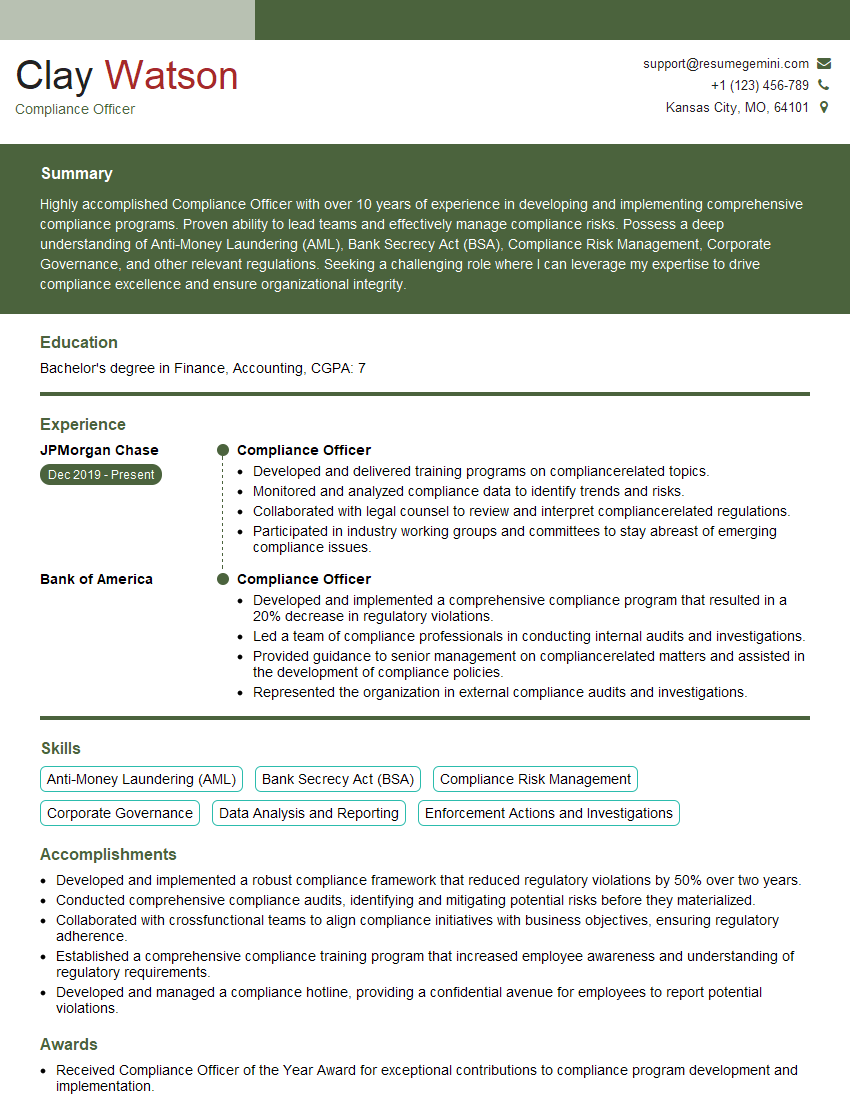
Compliance Officer Resume Sample
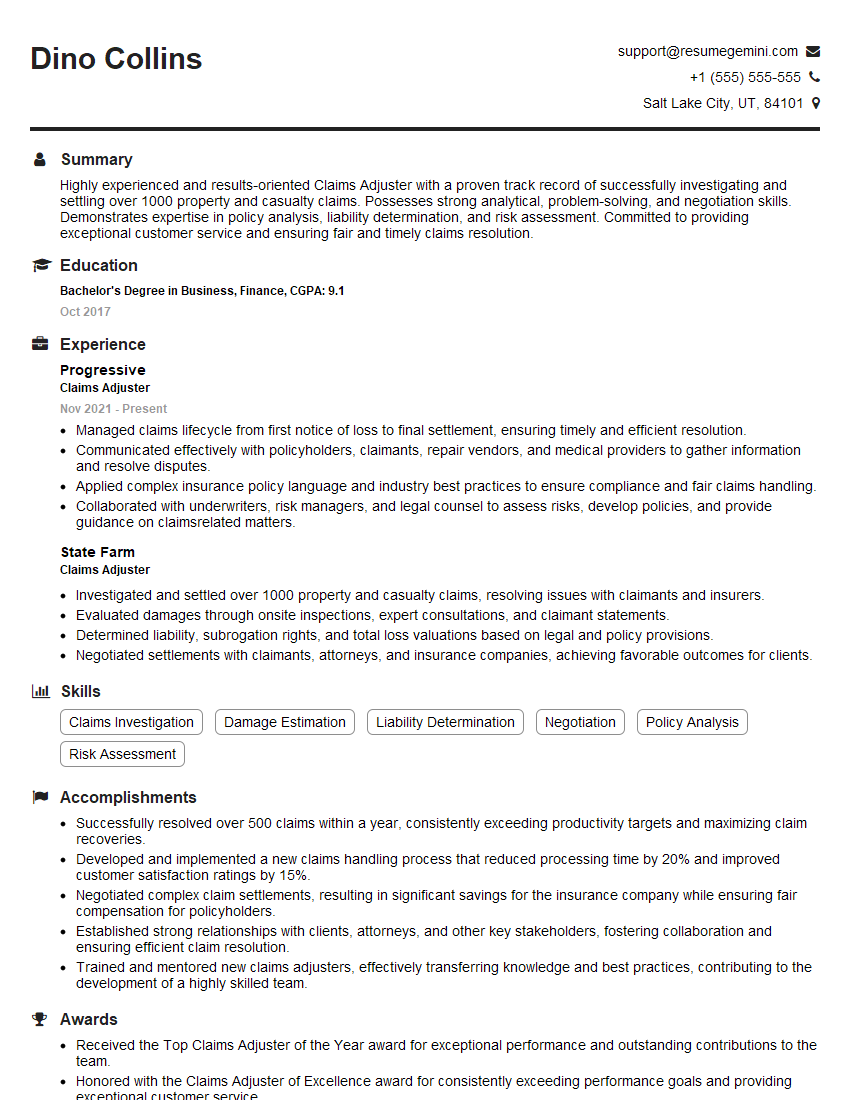
Claims Adjuster Resume Sample
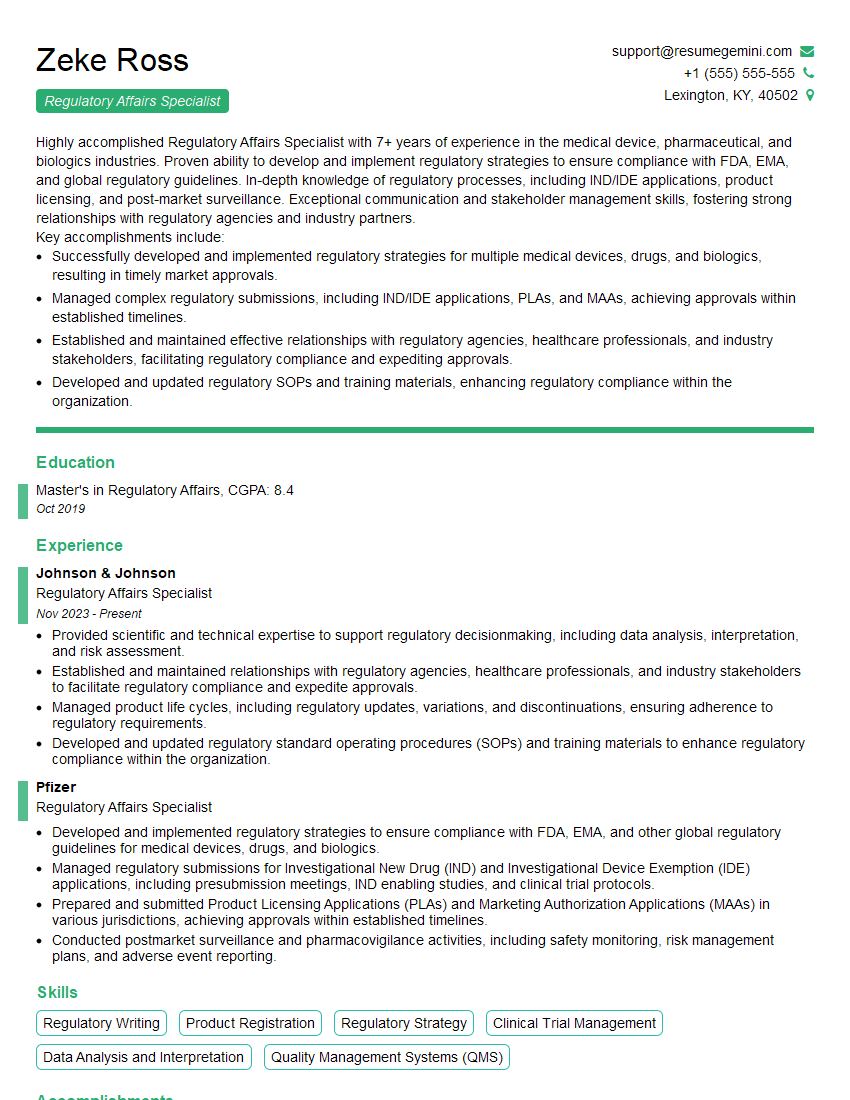
Regulatory Affairs Specialist Resume Sample
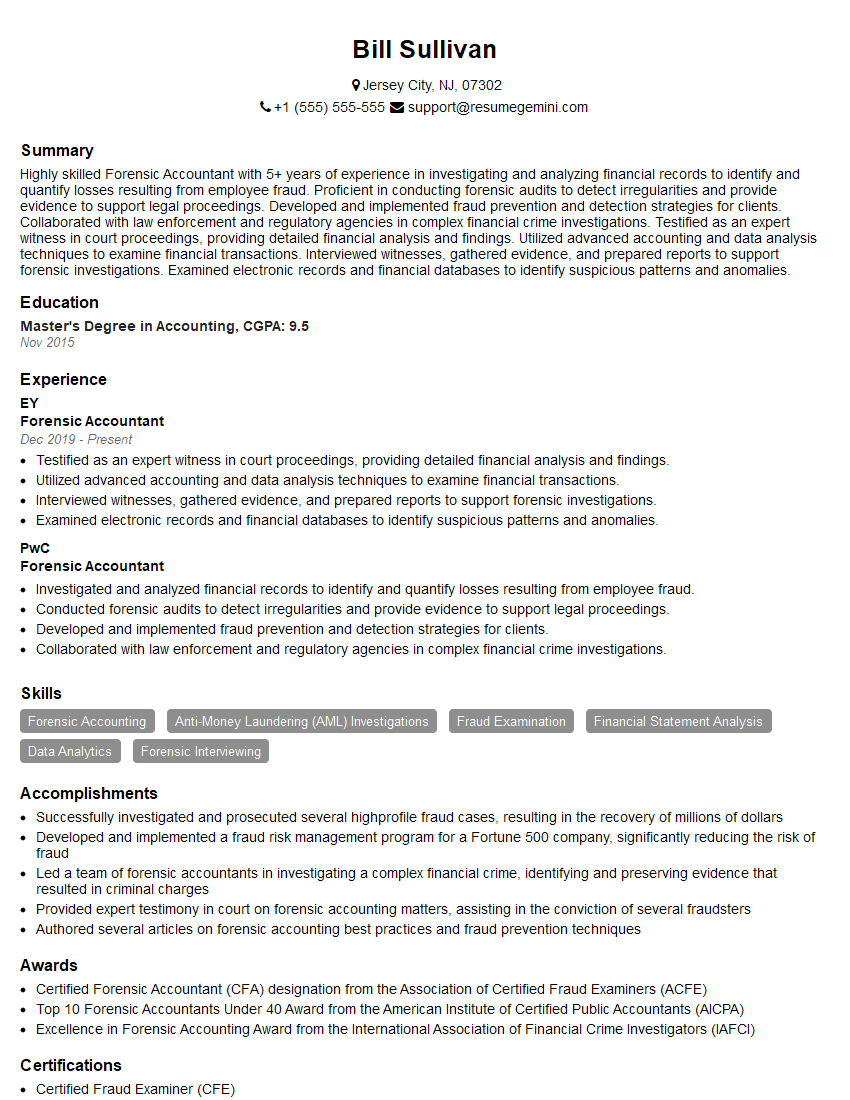
Forensic Accountant Resume Sample
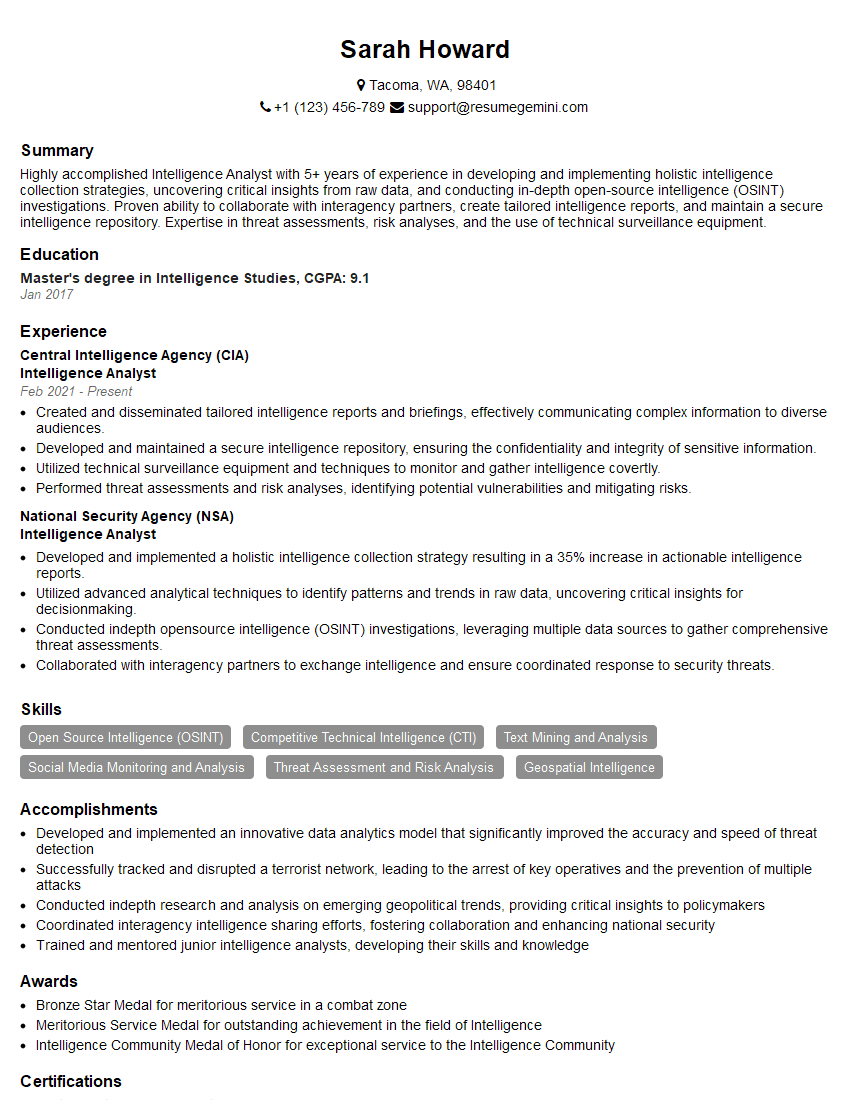
Intelligence Analyst Resume Sample
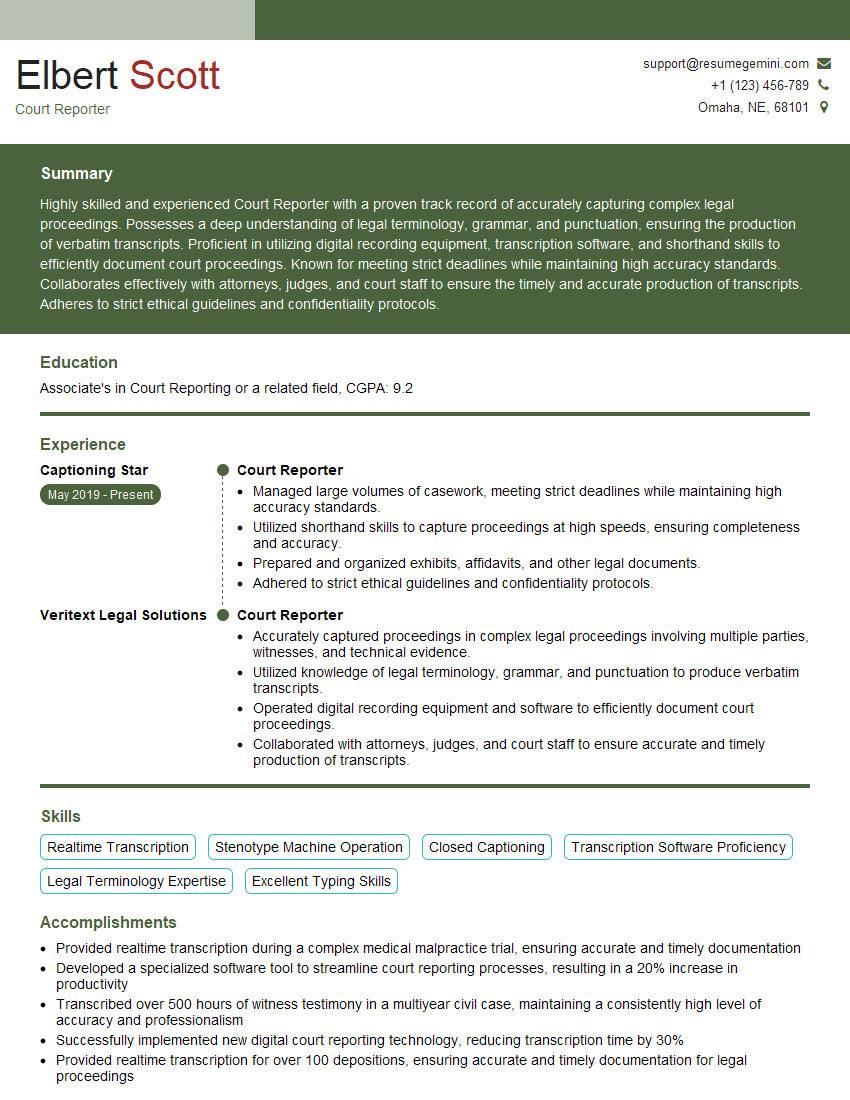
Court Reporter Resume Sample
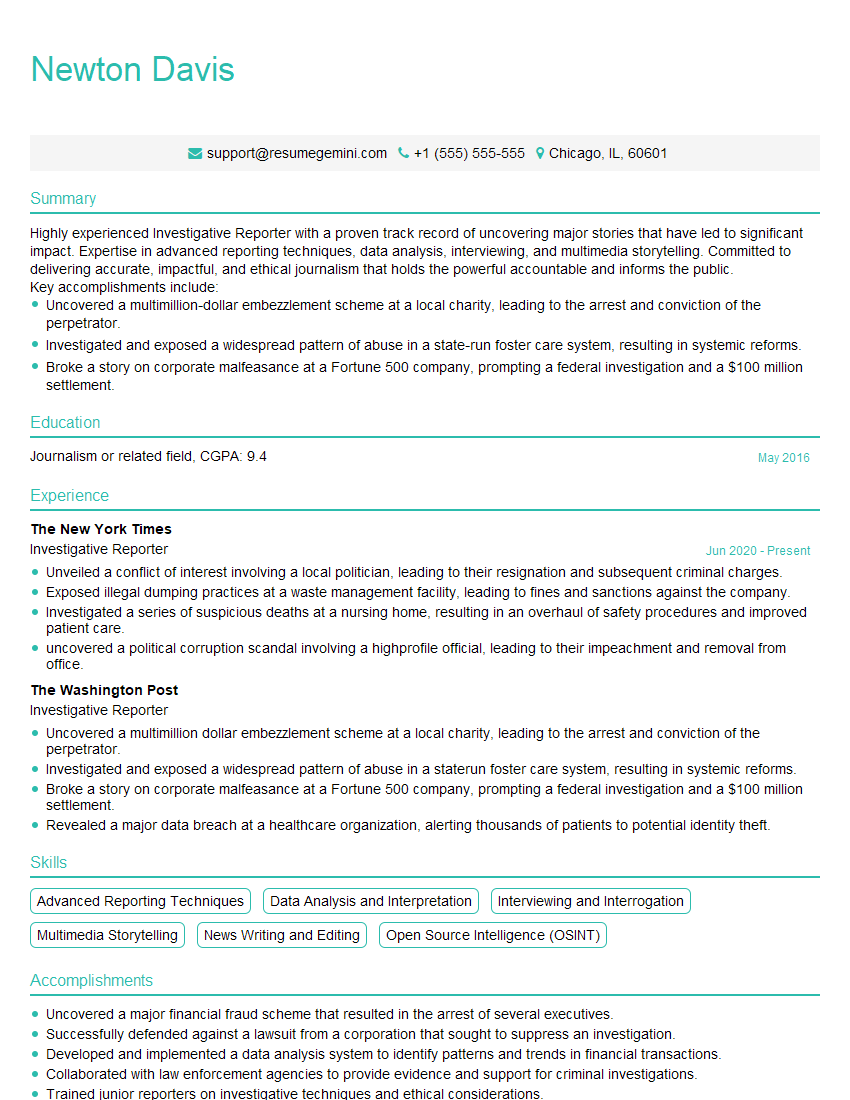
Investigative Reporter Resume Sample
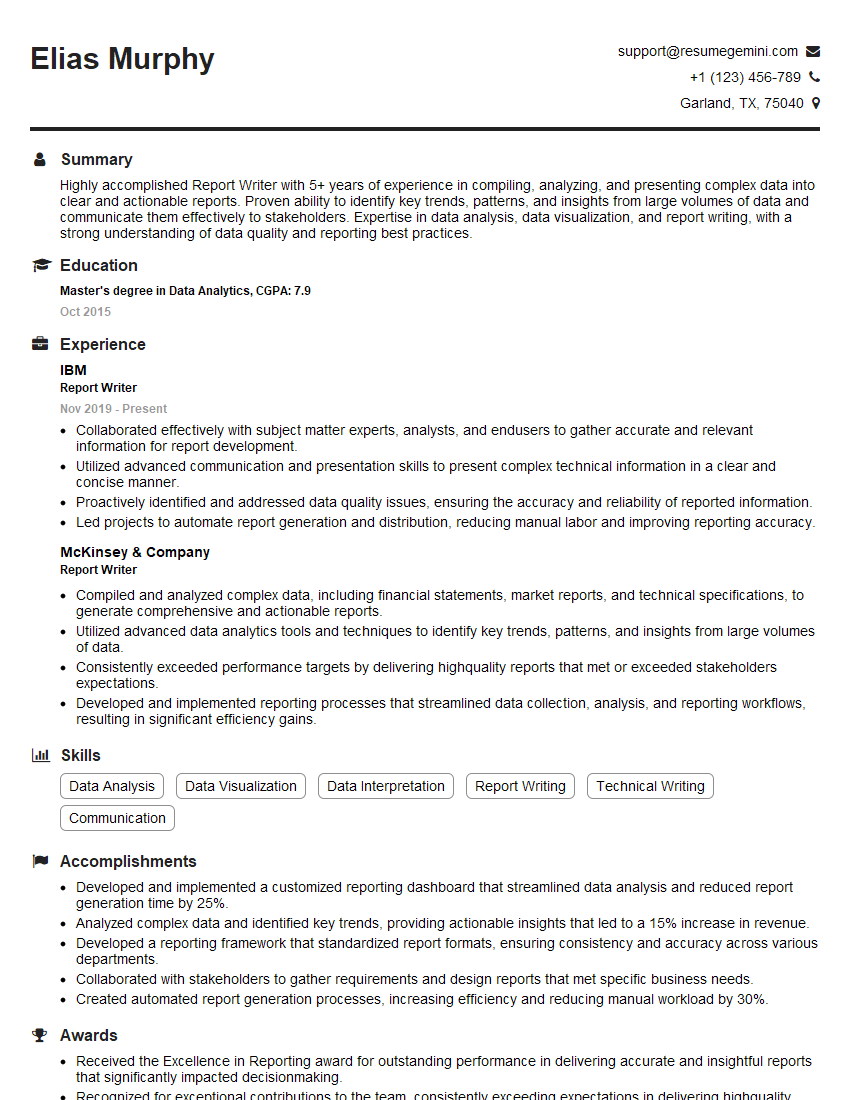
Report Writer Resume Sample
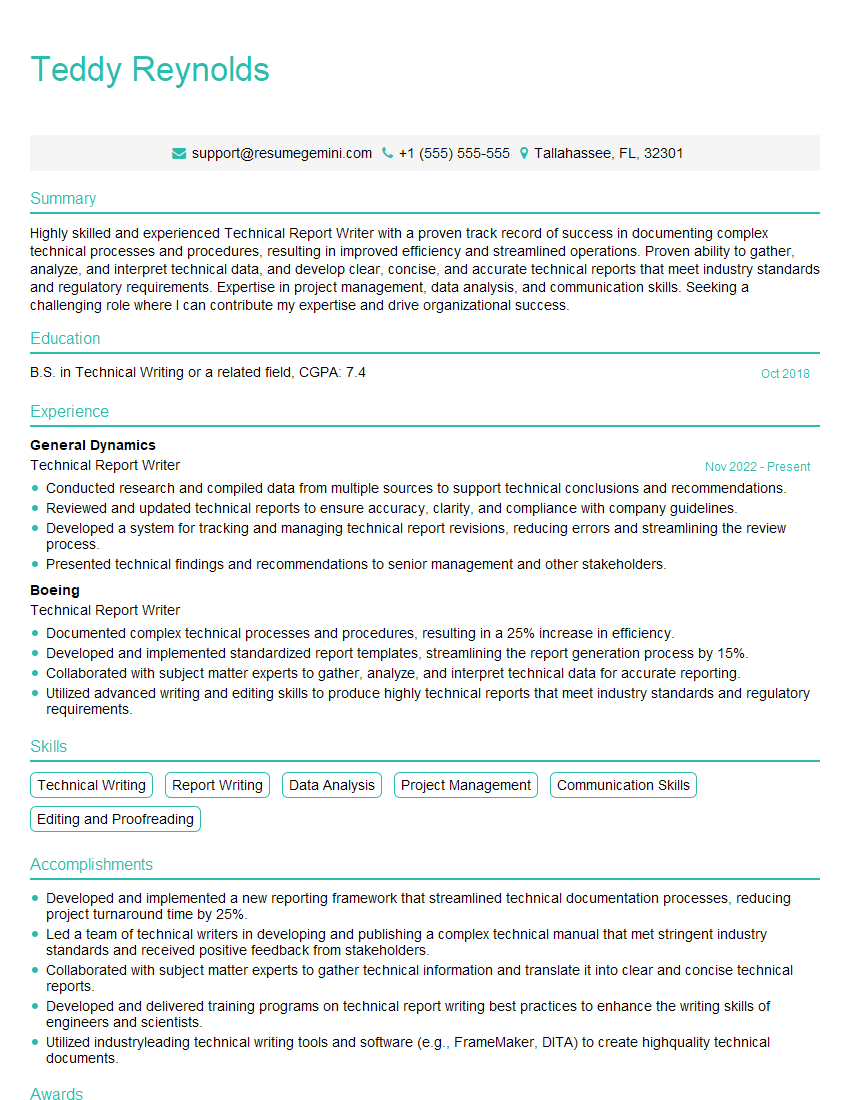
Technical Report Writer Resume Sample
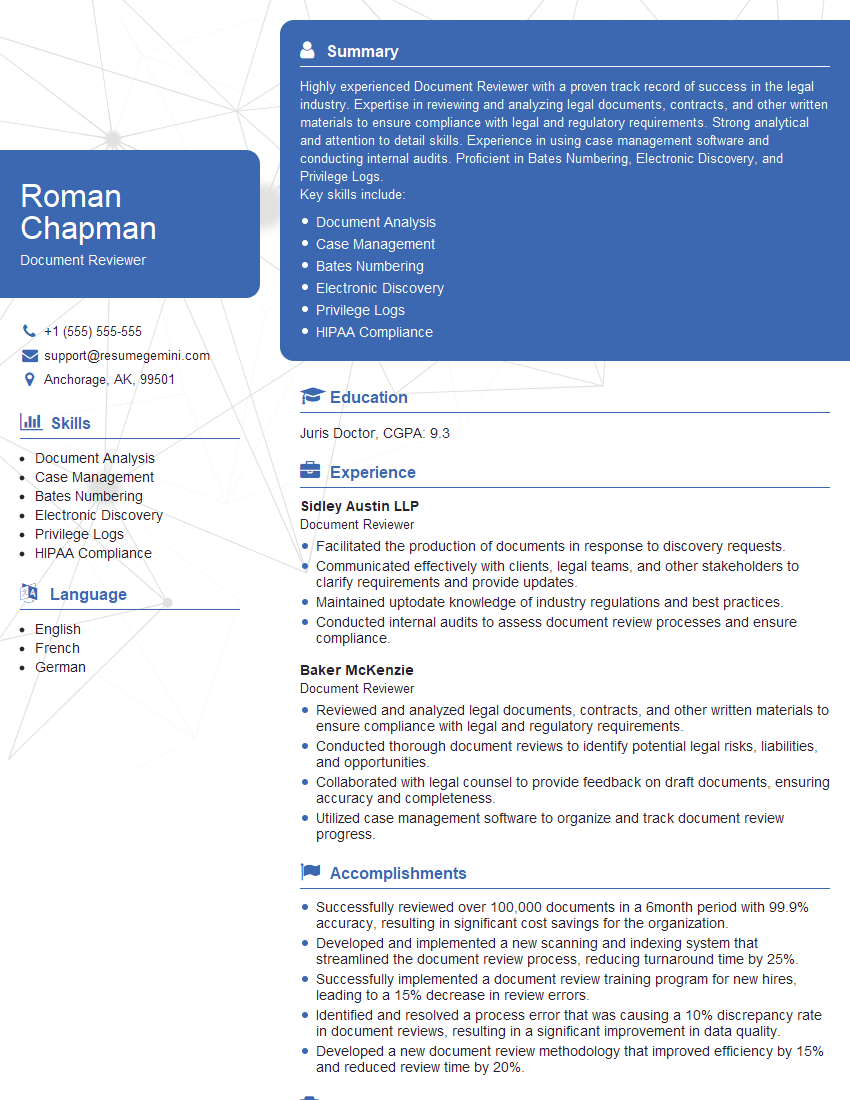
Document Reviewer Resume Sample
Explore more articles
Users Rating of Our Blogs
Share Your Experience
We value your feedback! Please rate our content and share your thoughts (optional).
What Readers Say About Our Blog
Amazing blog
hello,
Our consultant firm based in the USA and our client are interested in your products.
Could you provide your company brochure and respond from your official email id (if different from the current in use), so i can send you the client’s requirement.
Payment before production.
I await your answer.
Regards,
MrSmith
hello,
Our consultant firm based in the USA and our client are interested in your products.
Could you provide your company brochure and respond from your official email id (if different from the current in use), so i can send you the client’s requirement.
Payment before production.
I await your answer.
Regards,
MrSmith
These apartments are so amazing, posting them online would break the algorithm.
https://bit.ly/Lovely2BedsApartmentHudsonYards
Reach out at BENSON@LONDONFOSTER.COM and let’s get started!
Take a look at this stunning 2-bedroom apartment perfectly situated NYC’s coveted Hudson Yards!
https://bit.ly/Lovely2BedsApartmentHudsonYards
Live Rent Free!
https://bit.ly/LiveRentFREE
Interesting Article, I liked the depth of knowledge you’ve shared.
Helpful, thanks for sharing.
Hi, I represent a social media marketing agency and liked your blog
Hi, I represent an SEO company that specialises in getting you AI citations and higher rankings on Google. I’d like to offer you a 100% free SEO audit for your website. Would you be interested?