Unlock your full potential by mastering the most common References from Previous Employers interview questions. This blog offers a deep dive into the critical topics, ensuring you’re not only prepared to answer but to excel. With these insights, you’ll approach your interview with clarity and confidence.
Questions Asked in References from Previous Employers Interview
Q 1. How many professional references do you typically provide?
Generally, it’s best practice to provide three professional references. This number offers a balanced perspective without overwhelming the hiring manager. Fewer references might seem insufficient, while more could dilute the impact of each recommendation. Think of it like a well-curated tasting menu – three strong endorsements are more impactful than a sprawling buffet of less relevant ones.
However, always follow the employer’s instructions. Some job applications explicitly state the desired number of references. Always prioritize quality over quantity; two exceptionally strong references are better than three lukewarm ones.
Q 2. What information should you NOT include in a reference list?
Your reference list should be strictly professional. Avoid including personal contact information like personal email addresses or phone numbers unless explicitly requested. Never include personal opinions or anecdotes about your character unrelated to your professional capabilities. Crucially, omit any information that could be considered defamatory or reveal sensitive personal data about yourself or others.
For example, don’t include your home address, your hobbies unrelated to your work, or details about your personal life. Stick to professional contact details, job titles, and company names.
Q 3. What is the best way to inform your references about an upcoming interview?
The best approach involves a personalized email or phone call, ideally at least a week before the interview. This gives your references ample time to prepare and review your resume. In your communication, clearly state the company you’re interviewing with, the position you’re applying for, and the date and time of the interview. Provide them with your resume and a brief overview of the job description so they can tailor their recommendations.
For instance, you might say: “Hi [Reference Name], I’m applying for a Senior Marketing Manager position at Acme Corp and have an interview scheduled for next Tuesday. I’ve attached my resume and the job description. Would you be available to speak with them if they contact you?”
Q 4. How far back should your references go?
The ideal timeframe for your references depends heavily on your career stage and the role you’re applying for. For entry-level positions, references from your most recent roles might suffice. However, for more senior roles, extending further back, even to your earlier career stages, can be beneficial, especially if those experiences highlight relevant skills or significant achievements. Aim to select references that reflect your career progression and the skills relevant to the target position. Don’t be afraid to choose references that show a pattern of growth and development.
Imagine you’re applying for a leadership role; highlighting earlier roles where you demonstrated leadership qualities adds weight to your application, even if those roles were less senior. Always tailor your reference selection to the specific job requirements.
Q 5. How do you handle a reference who is unavailable?
If a reference is unavailable, don’t panic. It’s crucial to have a backup plan. Before submitting your application, ensure you have at least one, ideally two, additional strong references ready. If your primary reference is unavailable, promptly inform the hiring manager and offer an alternative. Explain the situation briefly and professionally, without making excuses.
For example: “While I’ve listed [Unavailable Reference’s Name] as a reference, they are currently unavailable. Would you be open to contacting [Backup Reference’s Name] instead? Their details are below.” This demonstrates proactiveness and respect for the hiring process.
Q 6. What should you do if a reference provides negative feedback?
Receiving negative feedback from a reference can be challenging, but it’s crucial to address it directly. First, thank the reference for their honesty, and request specific examples of the feedback. This helps you understand the issues from their perspective. Second, reflect on the feedback; is there any truth to it? Can you address these concerns? Third, consider whether the reference is a good fit for future references or if you need to update your references list.
Use this as an opportunity for self-improvement. If you identify areas needing work, take steps to develop those skills. You may also choose to explain any mitigating circumstances to the potential employer, but only if it’s relevant and doesn’t make excuses. Transparency and a willingness to learn from constructive criticism are invaluable assets.
Q 7. How do you ensure your references understand the role you’re applying for?
Provide your references with comprehensive information about the role. This includes the job description, company website, and any other pertinent details. Explain your career goals and how the position aligns with them. Walk them through your accomplishments and how they relate to the requirements of the new role. Emphasize the specific skills and experiences that make you a strong candidate. The more context your references have, the more effectively they can advocate for you.
For instance, you could prepare a document outlining your key responsibilities in past roles, highlighting accomplishments relevant to the new job description. Share this document with your references along with the job description and any information you feel is helpful for them.
Q 8. What is the proper format for providing reference contact information?
Providing reference contact information professionally involves accuracy and clarity. Avoid ambiguous terms and ensure the information is easily accessible. A standard format includes the reference’s full name, their job title, their company, their phone number, and their email address. It’s also helpful to include a brief description of your working relationship, for example, ‘Direct Supervisor, 2020-2023’.
- Example:
John Smith, Senior Manager, Acme Corporation, (555) 123-4567, john.smith@acmecorp.com, Direct Supervisor, 2020-2023
Consider using a consistent format across all applications to make the information easily scannable by recruiters. Always obtain permission from your references before sharing their contact information.
Q 9. Should you provide your references with your resume or job description?
Yes, absolutely. Providing your references with your resume and a job description gives them context for the role you’re applying for. This allows them to speak directly to your skills and experiences relevant to the position. Think of it as giving them the ammunition they need to give you the best possible recommendation. Your resume gives them a refresher on specific projects and accomplishments, and the job description helps them highlight how your skills align with the employer’s requirements.
Include key details such as the company name, job title, application deadline and any specific skills or experience mentioned in the job description that your reference can highlight in their recommendation.
Q 10. How do you handle a reference who is hesitant to provide a recommendation?
Handling a hesitant reference requires tact and understanding. First, understand *why* they are hesitant. Is it a lack of time, a concern about their own professional reputation, or something else? Open a conversation, expressing your gratitude for their consideration and acknowledging their time constraints. You could suggest a shorter recommendation or even just provide them with bullet points covering key aspects of your performance.
If their hesitancy stems from legitimate concerns about their ability to provide a strong recommendation, respect their decision. It’s better to have a few strong references than several lukewarm ones. Explore alternative ways to verify your experience, such as portfolios, projects or previous performance reviews. Remember, building strong professional relationships is a two-way street. Maintain contact with former colleagues to nurture positive connections and ensure that your references’ future availability.
Q 11. How many references is too many to provide?
There’s no magic number, but providing 3-5 references is generally considered sufficient. More than that can be overwhelming for recruiters and might not add significant value. Focus on providing references who can speak most effectively to your skills and experience relevant to the specific job. Quality over quantity is key. Having a few strong, well-informed references is far more impactful than providing a large list of people who may not remember your work well enough.
Q 12. What are some alternative ways to verify your work experience?
References aren’t the only way to demonstrate your skills and experience. Consider these alternatives:
- Portfolio: Showcase your work through a portfolio of projects, writing samples, design work, or code.
- Online Profiles: LinkedIn profiles, GitHub profiles, and other online platforms can highlight your skills and experience.
- Performance Reviews: If you have positive performance reviews, use them to highlight achievements. (Check the company’s policies regarding sharing these first).
- Professional Certifications and Licenses: These provide objective verification of your abilities.
- Awards and Recognition: Highlight any accomplishments recognized by peers or organizations.
These methods provide tangible evidence of your capabilities and complement the information provided by your references.
Q 13. What are the potential legal implications of providing false references?
Providing false references is extremely risky and carries significant legal implications. Depending on the jurisdiction, you could face legal action for fraud, defamation, or misrepresentation. For example, falsely claiming a certain title or exaggerating achievements could damage the reputation of the individual who provided the reference and expose both parties to legal action. In addition, many companies conduct thorough background checks that could expose any falsified information and ultimately lead to the loss of the job and potential civil penalties.
Q 14. How do you choose which references to provide for different job applications?
Tailoring your references to each job application is crucial. Analyze the job description carefully and select references who can best highlight the skills and experiences required for that particular role. For example, if a job requires strong project management skills, choose a reference who can speak to your project management abilities and successes.
Maintain a list of potential references with notes on their expertise and your working relationship. This allows for a strategic selection process, ensuring you’re presenting the strongest possible case for each job application.
Q 15. How do you deal with a situation where a previous employer is difficult to contact?
Dealing with an unresponsive previous employer requires a proactive and persistent approach. First, try all available contact methods: email, phone (including different times of day), and even LinkedIn messaging. If you have a colleague who still works there, reaching out discreetly for assistance in getting in touch is perfectly acceptable. Remember to be polite and professional in all communication. If all else fails, briefly explain the situation to the prospective employer. They may understand and even offer suggestions. It’s about demonstrating resourcefulness and transparency.
Example: If I’ve exhausted all means to contact a previous manager and haven’t heard back, I might mention to the hiring manager, ‘I’ve reached out to my previous manager at [Company Name] multiple times through various methods, but haven’t heard back. I can provide additional references if needed, such as a colleague who worked on similar projects.’
Career Expert Tips:
- Ace those interviews! Prepare effectively by reviewing the Top 50 Most Common Interview Questions on ResumeGemini.
- Navigate your job search with confidence! Explore a wide range of Career Tips on ResumeGemini. Learn about common challenges and recommendations to overcome them.
- Craft the perfect resume! Master the Art of Resume Writing with ResumeGemini’s guide. Showcase your unique qualifications and achievements effectively.
- Don’t miss out on holiday savings! Build your dream resume with ResumeGemini’s ATS optimized templates.
Q 16. Should you contact your references before submitting their information?
Absolutely, always contact your references before submitting their information. This is crucial for several reasons. First, it allows you to give them a heads-up about the job opportunity, giving them time to review your resume and refresh their memory of your work. Secondly, it gives them the opportunity to politely decline if they’re too busy or uncomfortable providing a reference. Finally, you can provide them with details about the position and the company so they can tailor their recommendations effectively. This proactive approach significantly increases the likelihood of a positive and well-informed reference.
Example: My email to a reference might say: ‘Hi [Reference Name], I’m applying for a [Job Title] position at [Company Name] and would greatly appreciate it if you’d be willing to serve as a reference. I’ve attached my resume and a brief description of the role. Please let me know if this is something you’d be comfortable doing by [Date].’
Q 17. How should you address potential gaps in your employment history when providing references?
Addressing employment gaps requires honesty and a concise, positive explanation. Avoid vague or misleading answers. Frame the gap as a period of focused personal development, such as pursuing further education, managing a family matter, or engaging in freelance work. For instance, if you took time off to care for a family member, you might say, ‘I took a temporary break from employment to focus on family responsibilities.’ If you were traveling or volunteering, explain what you learned and how those experiences enhanced your skills.
Example: Instead of saying ‘I was unemployed,’ try ‘During that period, I focused on enhancing my skills in [Specific Skill] through online courses and independent projects. This allowed me to develop expertise in [Area of expertise], which is directly relevant to this role.’ Always emphasize your skills and experience.
Q 18. How do you deal with a reference who isn’t familiar with your recent work?
If a reference isn’t familiar with your recent work, it’s best to be upfront with the potential employer. Choose references who can speak to your broader skills and work ethic, rather than just your recent projects. You can explain to the hiring manager that while this reference may not be as up-to-date on your recent experience, they can still attest to your capabilities in [Specific area of expertise]. You might offer a more recent reference who can focus on your current skill set. Transparency is key here.
Example: ‘While [Reference Name] is not familiar with my work at my last company, they can speak to my overall abilities in project management and leadership during my time at [Previous Company]. I can also provide a reference from my most recent role who can speak more directly to those experiences.’
Q 19. What if a potential employer requests a different type of reference (e.g., character reference)?
If a potential employer requests a character reference, it’s important to understand the context. Often this is requested to assess personal qualities like integrity, work ethic, and reliability. In this case, you would choose a reference who knows you well outside a strictly professional context, perhaps a professor, long-term friend, or community leader who can attest to your character. Be sure to inform the reference about the employer’s request and the type of information they’re seeking.
Example: ‘The employer has requested a character reference to assess my teamwork skills and dependability. Could you share your experience working with me in [context] and provide insight into my personality traits relevant to those areas?’
Q 20. How can you anticipate and prepare for questions about your relationship with previous managers?
Anticipating questions about your relationship with previous managers requires self-reflection. Consider your past roles and highlight instances of successful collaboration, conflict resolution, and mutual respect. If there were challenging situations, focus on your role in addressing them and the lessons you learned. Frame your responses positively, emphasizing professional growth and learning from experience. Avoid negativity or speaking poorly about former supervisors.
Example: Instead of saying ‘My manager was micromanaging,’ try ‘I learned to proactively communicate my progress and seek clarification on expectations to ensure alignment on projects.’ This demonstrates problem-solving skills and a professional attitude.
Q 21. What steps can you take to ensure your references are well-prepared and can articulate your skills effectively?
Ensuring your references are well-prepared involves clear communication and providing them with ample information. Provide them with your updated resume, the job description, and a brief summary of your key accomplishments and skills relevant to the position. In advance, discuss the types of questions they might expect and share specific examples demonstrating your skills. This allows them to articulate your strengths accurately and effectively. A follow-up thank-you note demonstrates appreciation for their support.
Example: ‘I’ve attached my resume and the job description for your review. The company is particularly interested in my experience with [Specific skill]. Could you provide an example of how I successfully demonstrated that skill in a previous project?’
Q 22. How do you balance providing glowing recommendations with being honest about your limitations?
Balancing glowing recommendations with honest assessments is crucial for maintaining credibility. Think of it like painting a realistic portrait – you highlight the strengths (the vibrant colors and striking features), but you also acknowledge the subtle imperfections that add depth and realism. You don’t want to create an unrealistic image that could damage your reputation later. Instead, you focus on showcasing your achievements and skills accurately, while addressing any limitations with transparency and context.
For example, if you had a project that didn’t quite meet expectations due to external factors beyond your control, you’d mention the challenges encountered, the strategies employed to mitigate them, and the lessons learned. Framing it as a learning experience rather than a failure demonstrates self-awareness and growth. This honesty, coupled with your positive contributions, creates a well-rounded and believable picture.
- Focus on accomplishments: Emphasize successes and quantifiable results. Use the STAR method (Situation, Task, Action, Result) to structure your accomplishments for reference checks.
- Address limitations constructively: Instead of saying ‘I’m not good at X,’ say, ‘My skills in X were developing, and I proactively sought opportunities to improve through Y and Z.’
- Provide context: Explain any setbacks or challenges in a way that highlights your problem-solving skills and resilience.
Q 23. What is the best approach to handle questions about why you left your previous jobs?
Addressing questions about why you left previous jobs requires careful consideration. Your goal is to convey professionalism, maturity, and a clear understanding of your career trajectory. Avoid negativity and gossiping about former employers. Instead, frame your reasons positively, emphasizing growth and opportunities for advancement.
For instance, instead of saying ‘My boss was terrible,’ you could say something like, ‘I felt I had reached my potential in that role and was seeking new challenges and opportunities to develop my skills in X and Y. The role at [Previous Company] provided excellent experience in Z, but I was looking for a company that offered greater opportunities in [Your Area of Expertise].’
- Focus on the positive: Highlight the growth opportunities you were seeking or the skills you wanted to develop.
- Keep it brief and professional: Avoid lengthy explanations or airing grievances.
- Align your answer with your career goals: Show how your previous experiences led you to seek the current opportunity.
Q 24. How do you ensure confidentiality when sharing details about previous roles and organizations?
Confidentiality is paramount when discussing past roles and organizations. Think of it as protecting sensitive company information – you wouldn’t want to compromise your former employer’s data, strategies, or intellectual property. Before you provide references, you should clarify what information they are allowed to share and discuss any confidentiality concerns with your referees. This might include asking them not to discuss specific projects, budgets, or client information.
You can also prepare a short summary of your accomplishments and responsibilities to share with your references, focusing on general contributions without divulging confidential data. This ensures consistency and helps guide their responses. Always be upfront about the information that cannot be shared and respect their boundaries.
- Obtain permission: Before listing anyone as a reference, always ask for their permission and discuss the scope of the information they’re comfortable sharing.
- Prepare a summary: Create a concise document highlighting relevant accomplishments and responsibilities without disclosing confidential information.
- Respect NDA’s: If you signed a Non-Disclosure Agreement (NDA), strictly adhere to its terms and avoid sharing confidential information.
Q 25. What if a reference provides conflicting information about your skills or performance?
Conflicting information from references is a potential challenge, but it can be managed effectively. If you receive conflicting feedback, it’s crucial to investigate and understand the source of the discrepancy. Perhaps the differing opinions reflect different projects, roles, or time periods. It’s also important to understand how each reference viewed your performance in the context of their own responsibilities and expectations.
You might address it directly during your interview by acknowledging the difference and providing context. For example, you might say, ‘I understand that there may be some differing opinions on my performance in previous roles due to [explanation]. However, I consistently worked to improve in the areas highlighted and learned valuable lessons during my time at [company].’ This approach showcases self-awareness and a willingness to learn from both positive and negative feedback.
- Investigate the source: Try to understand why the information differs. Was it based on different projects, roles, or time periods?
- Seek clarification: If possible, reach out to your references to understand the context of their feedback.
- Explain discrepancies in the interview: If necessary, provide context during the interview and demonstrate how you’ve learned from the experience.
Q 26. How do you address a situation where your references are from different industries or job functions?
References from different industries or job functions are not necessarily a disadvantage. In fact, they can highlight your adaptability and transferable skills. The key is to carefully select references who can speak to relevant skills and experiences even if the industries differ. For example, project management skills are transferable across many industries. A reference from a previous role can speak to your project planning, execution, and team collaboration abilities, even if the specific project was in a different sector than your target role.
When you provide your references, you should briefly explain how each reference’s experience relates to the position you are applying for. This ensures the interviewer understands the relevance of each recommendation, avoiding potential confusion.
- Select relevant references: Choose references who can speak to your transferable skills and relevant experiences.
- Highlight transferable skills: Emphasize skills like communication, problem-solving, teamwork, and leadership, which are valuable across industries.
- Explain the relevance of each reference: Briefly explain how each reference’s experience supports your application.
Q 27. How can you use your references to highlight your achievements and contributions?
Your references are valuable assets that can showcase your achievements and contributions. Before contacting your references, prepare a detailed document summarizing your key accomplishments, quantifiable results, and contributions to previous companies. This will help them recall specific instances and provide more detailed, compelling recommendations.
For example, instead of just saying ‘I was a good team player,’ the document might say ‘As project lead on the X initiative, I successfully managed a team of 5, delivering the project ahead of schedule and under budget, resulting in a 15% increase in efficiency.’ The more specific and quantifiable your accomplishments are, the more effective your references’ endorsements will be.
- Prepare a reference guide: Create a detailed document highlighting key accomplishments, quantifiable results, and relevant skills.
- Provide context: Share information about the job you are applying for, so they can tailor their responses accordingly.
- Follow up: After providing references, thank them for their time and keep them updated on your progress.
Key Topics to Learn for References from Previous Employers Interview
- Understanding the Reference Process: Learn how employers verify information and what they look for in a reference. Consider the various methods used (phone calls, email questionnaires, online platforms).
- Preparing Your References: Develop a strategy for selecting the best references, providing them with sufficient information about the roles you’re applying for, and ensuring they are prepared and available to speak positively about your skills and work ethic.
- Anticipating Reference Questions: Brainstorm potential questions your references might be asked and consider how your accomplishments and contributions can be framed to showcase your abilities in a compelling manner. Focus on quantifiable achievements and specific examples.
- Managing Potential Negative Feedback: Understand how to address any potential concerns or less positive aspects of your past roles proactively and strategically with your references. Focus on growth and learning from experiences.
- Communicating Effectively with Your References: Establish clear communication channels, provide timely updates, and express your appreciation for their support throughout the reference process.
- Building Strong Professional Relationships: Cultivate positive and lasting relationships with supervisors and colleagues throughout your career to ensure you have a strong network of references available when needed.
Next Steps
Mastering the art of managing references from previous employers is crucial for career advancement. A strong network and positive references can significantly impact your chances of securing your desired role. Building an ATS-friendly resume, optimized for applicant tracking systems, is equally important in increasing your visibility to potential employers. ResumeGemini can be a trusted partner in creating a powerful and effective resume that highlights your skills and experience perfectly. We provide examples of resumes tailored to successfully navigate the references stage of the interview process, helping you present yourself in the best possible light.
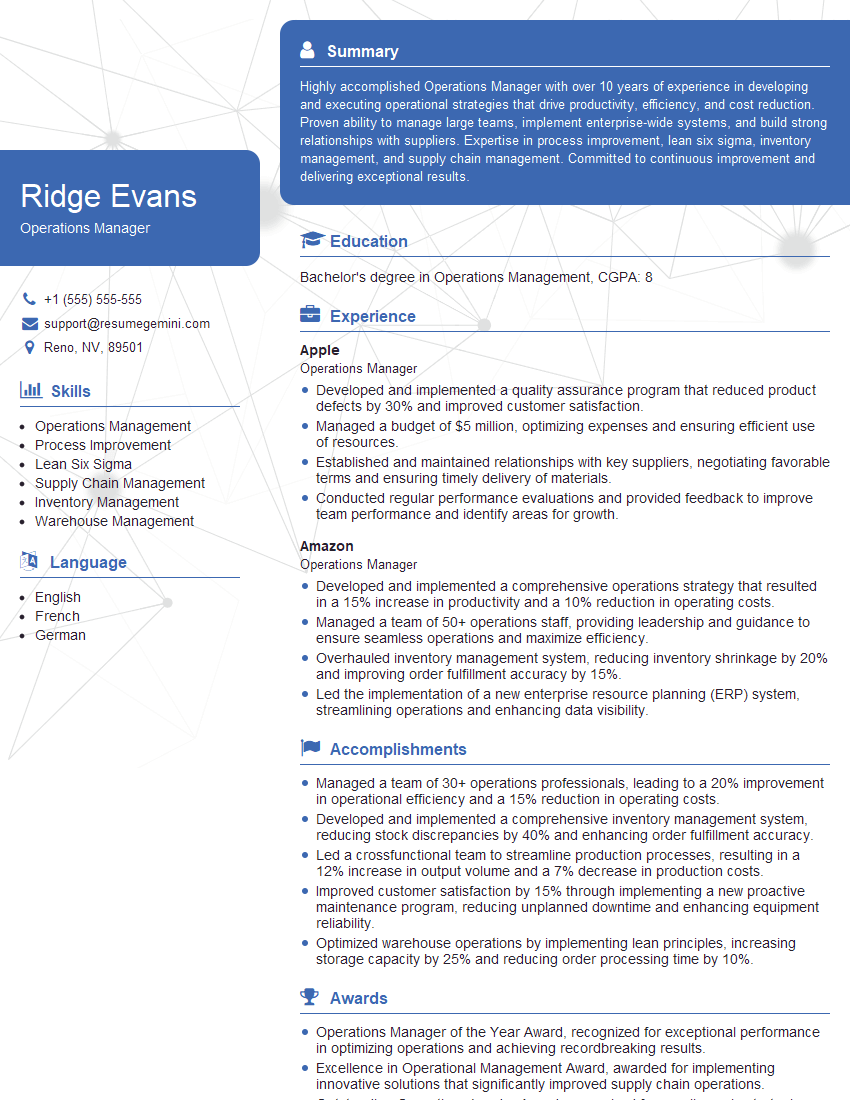
Operations Manager Resume Sample
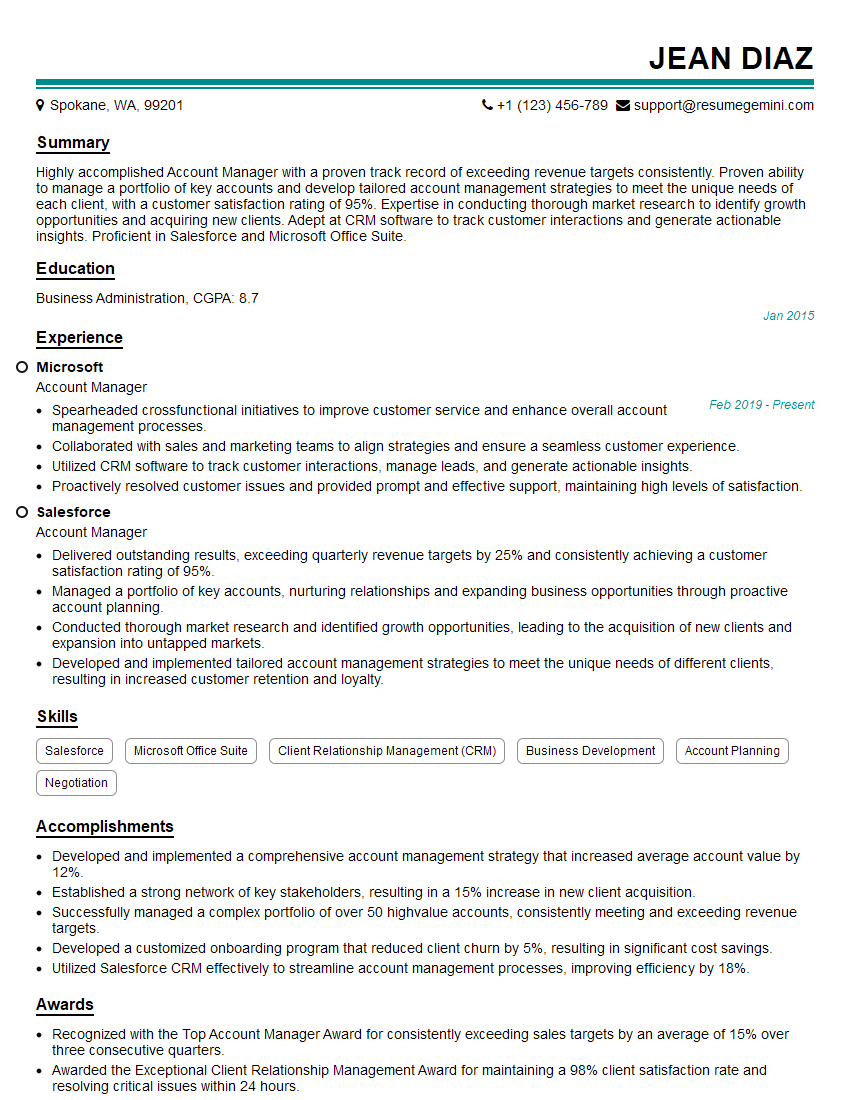
Account Manager Resume Sample
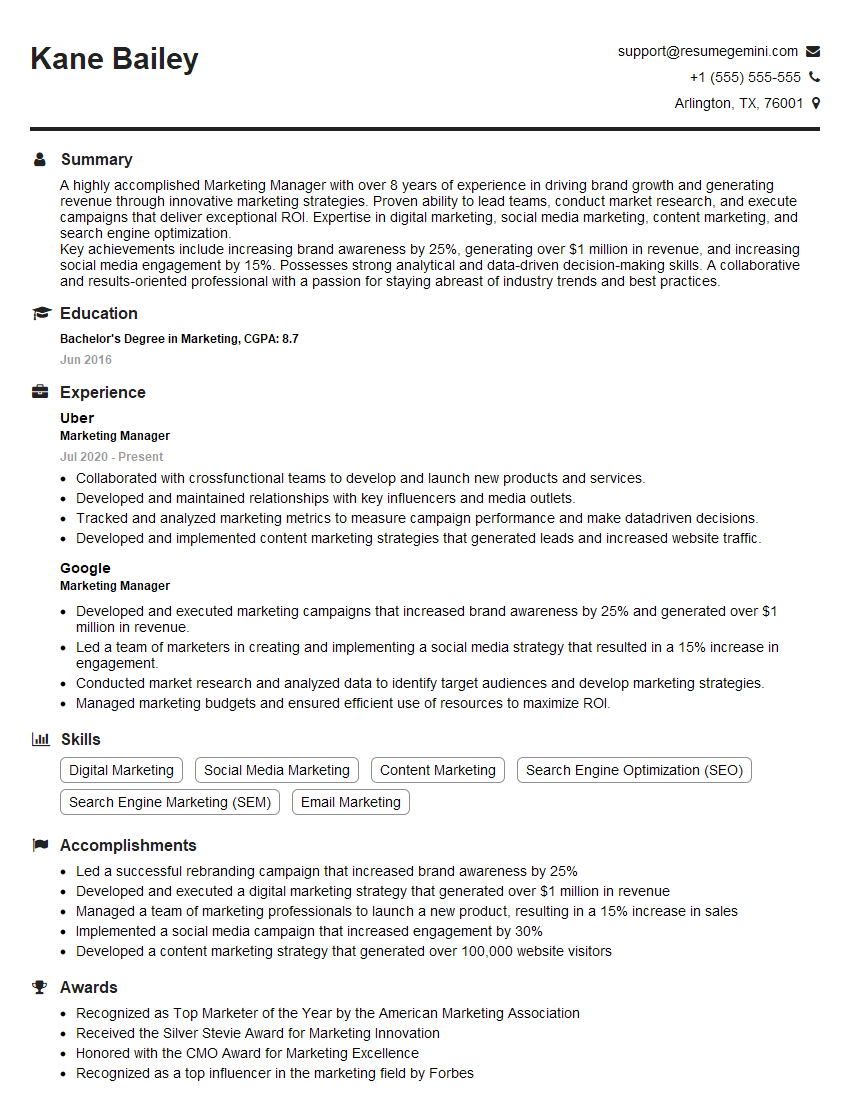
Marketing Manager Resume Sample
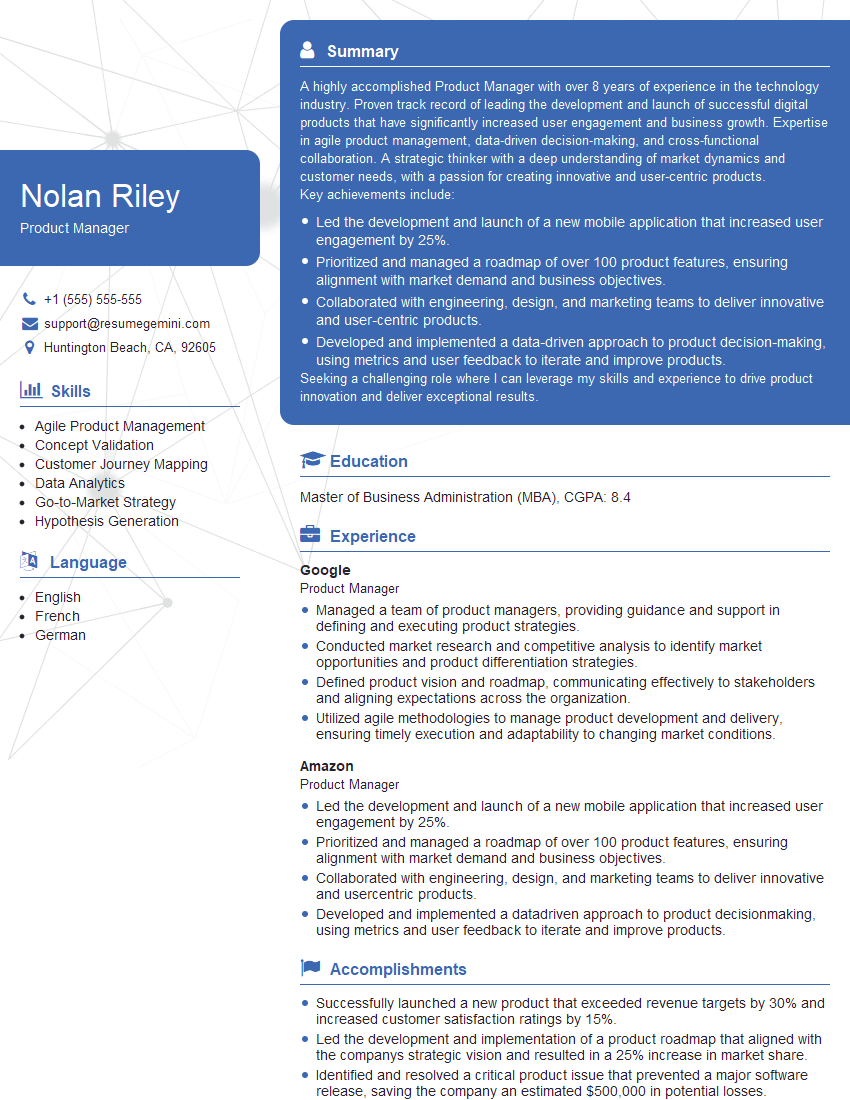
Product Manager Resume Sample
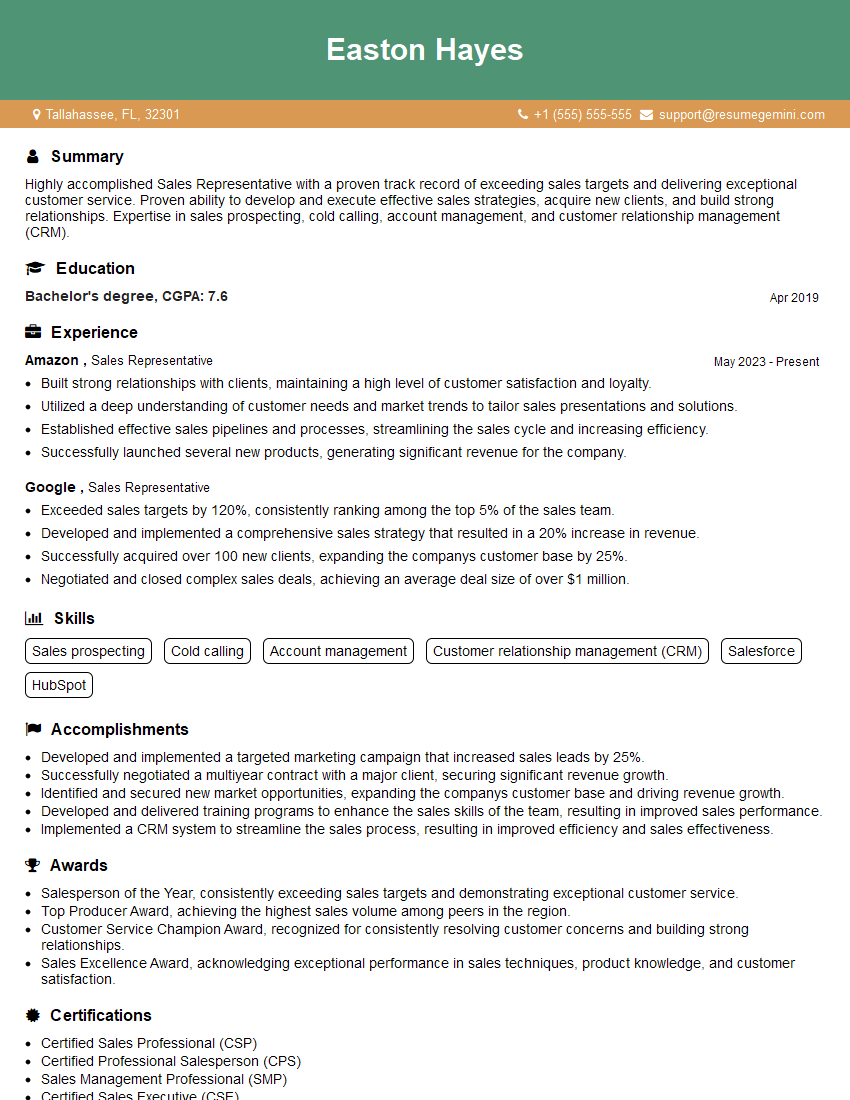
Sales Representative Resume Sample
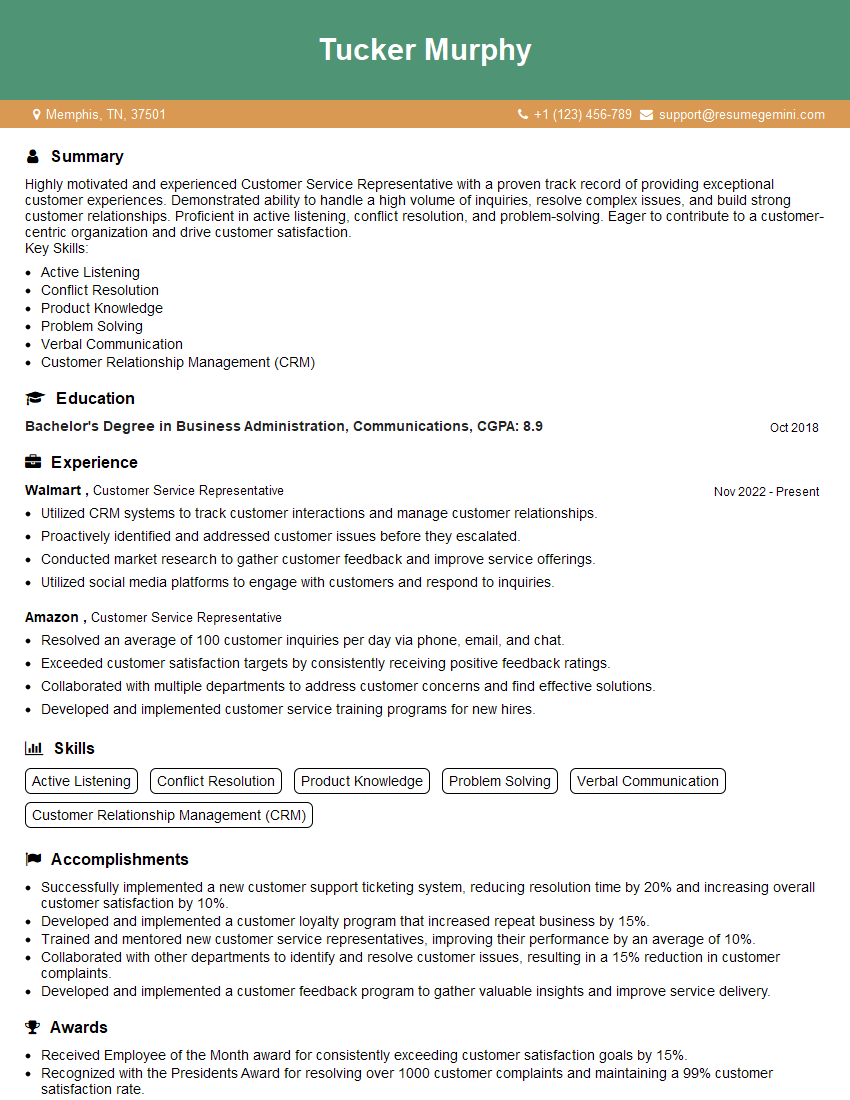
Customer Service Representative Resume Sample
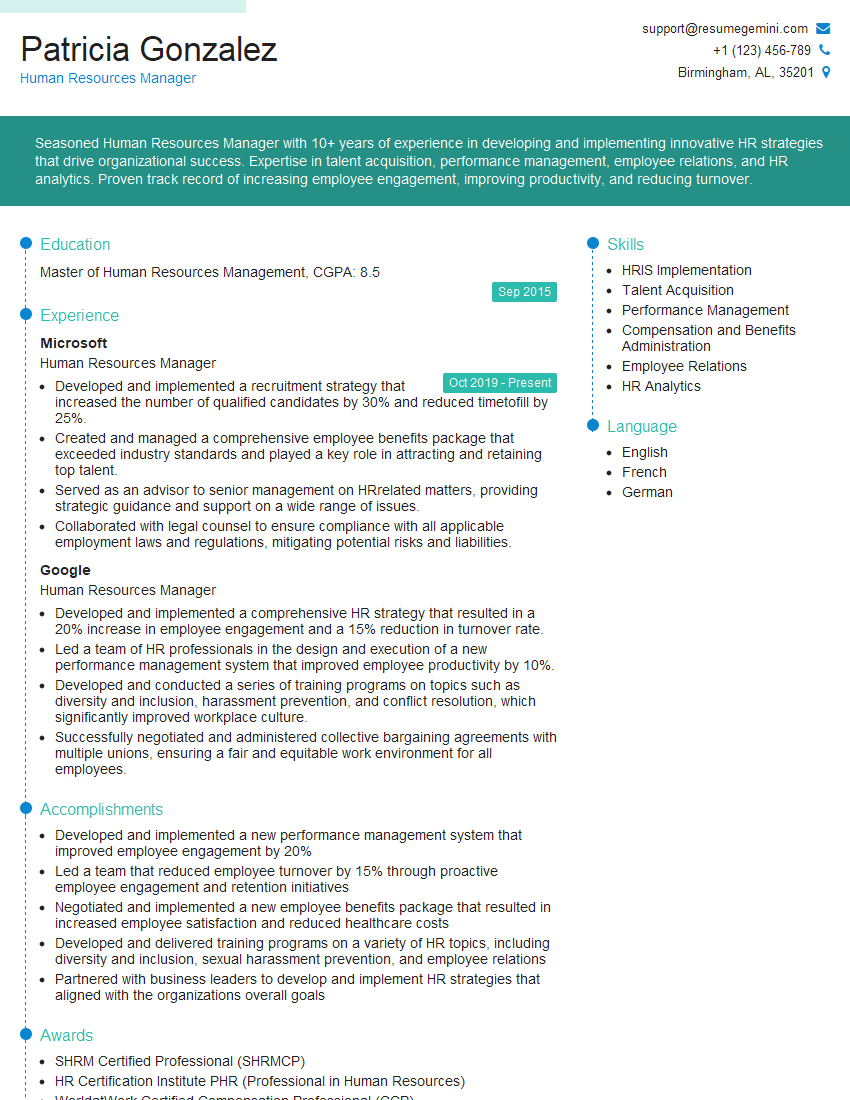
Human Resources Manager Resume Sample
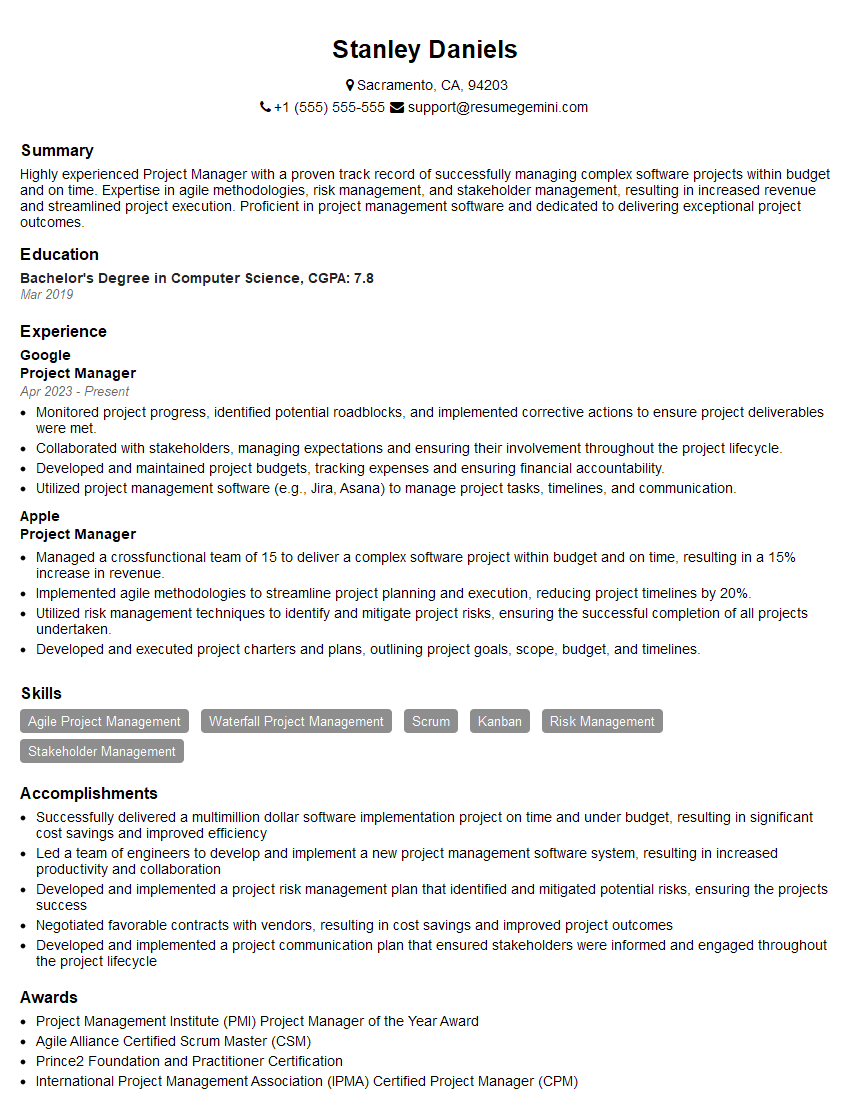
Project Manager Resume Sample
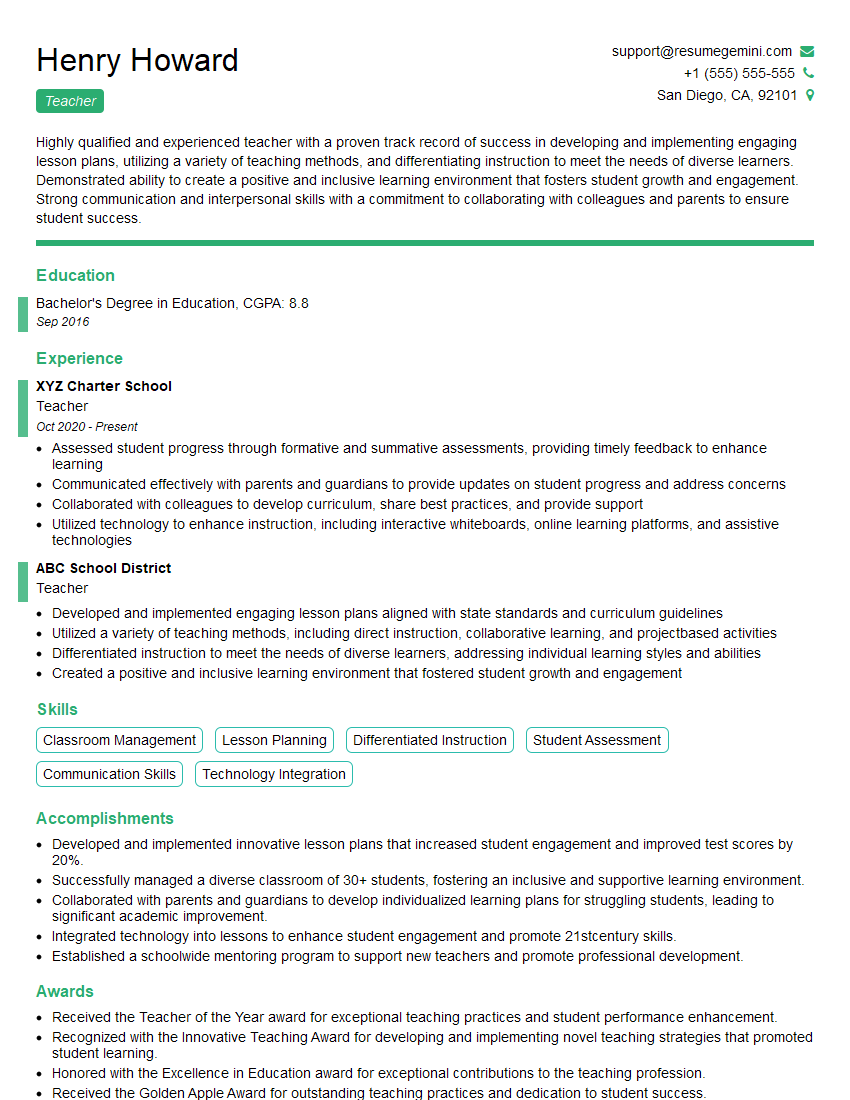
Teacher Resume Sample
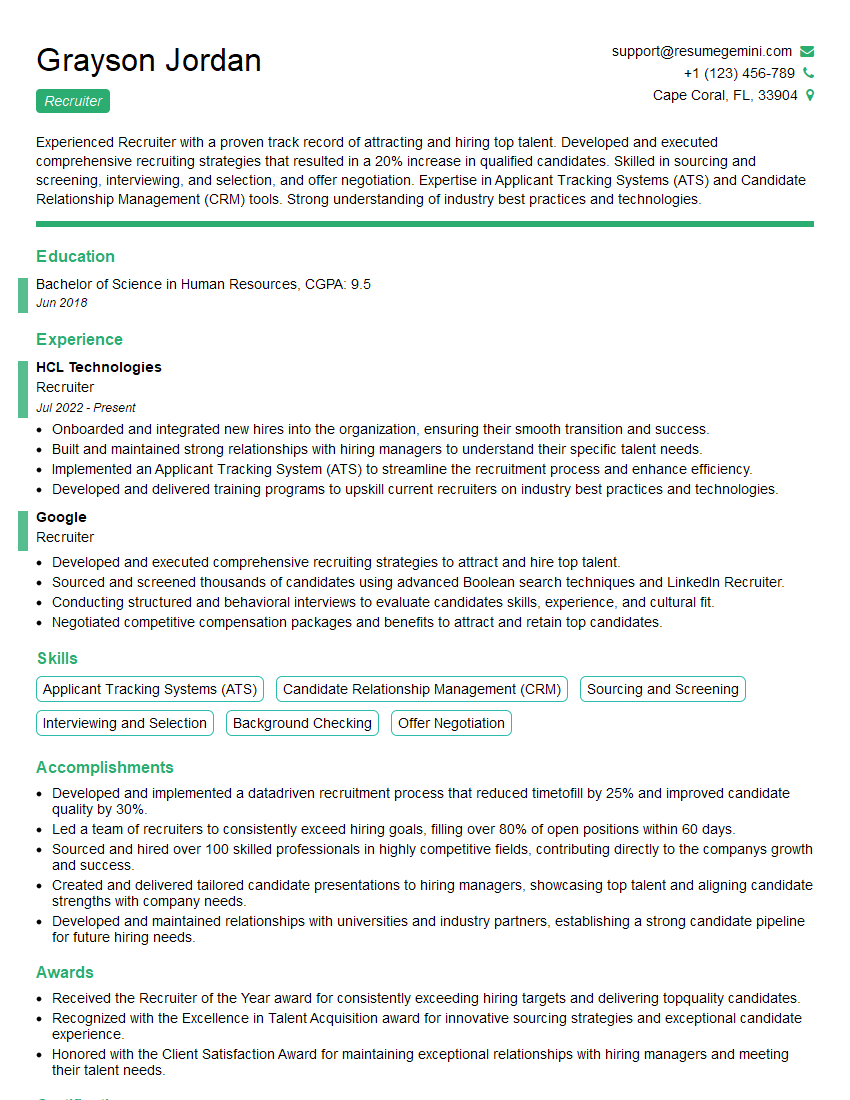
Recruiter Resume Sample
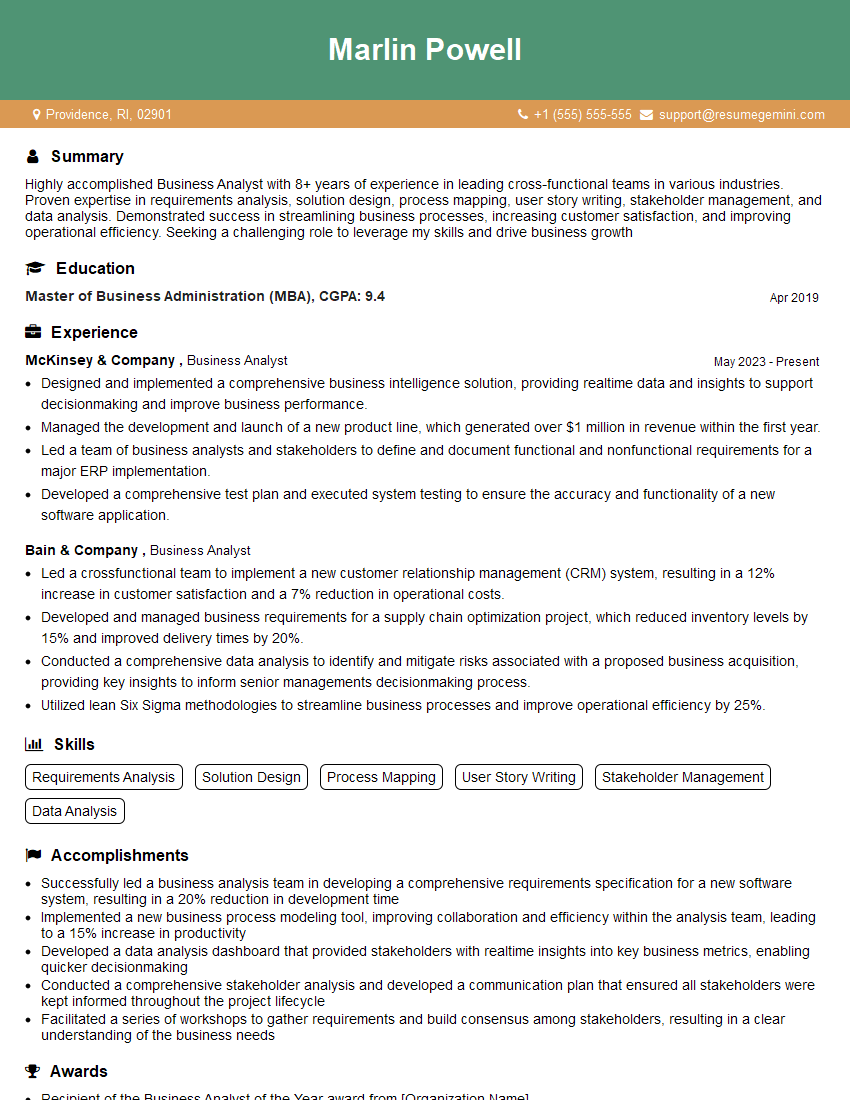
Business Analyst Resume Sample
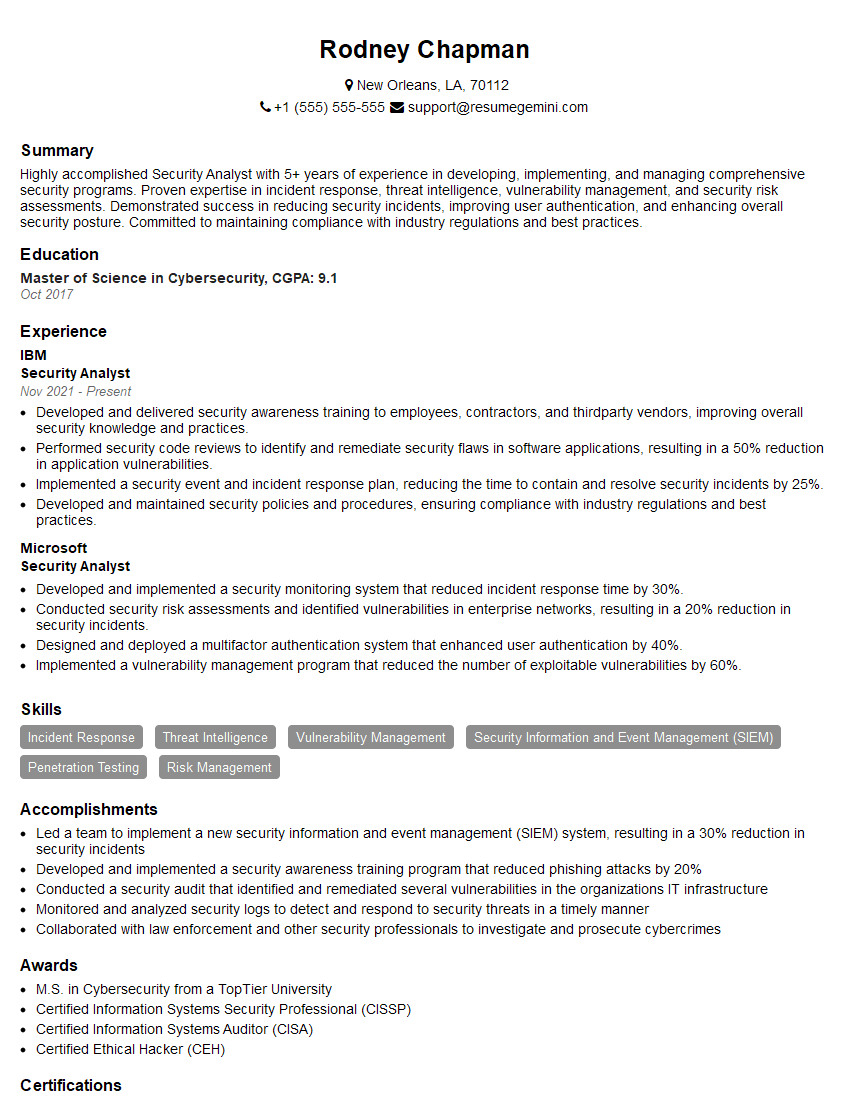
Security Analyst Resume Sample
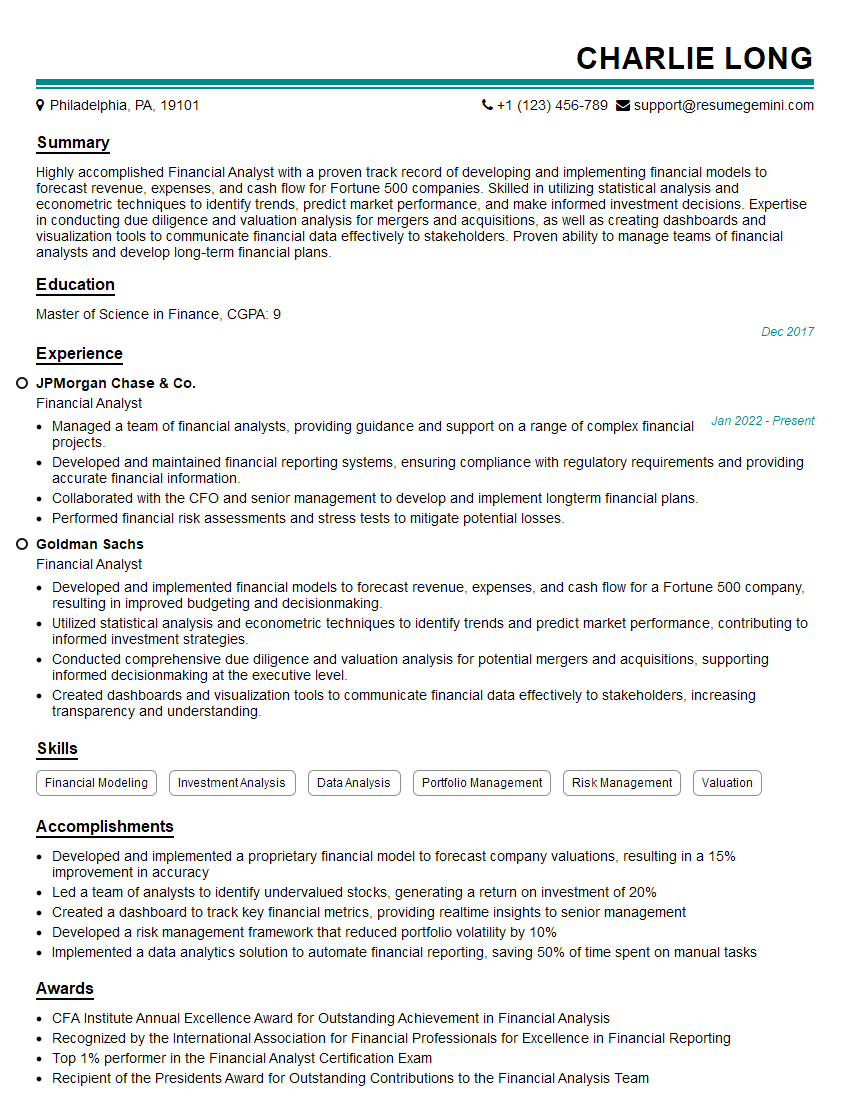
Financial Analyst Resume Sample
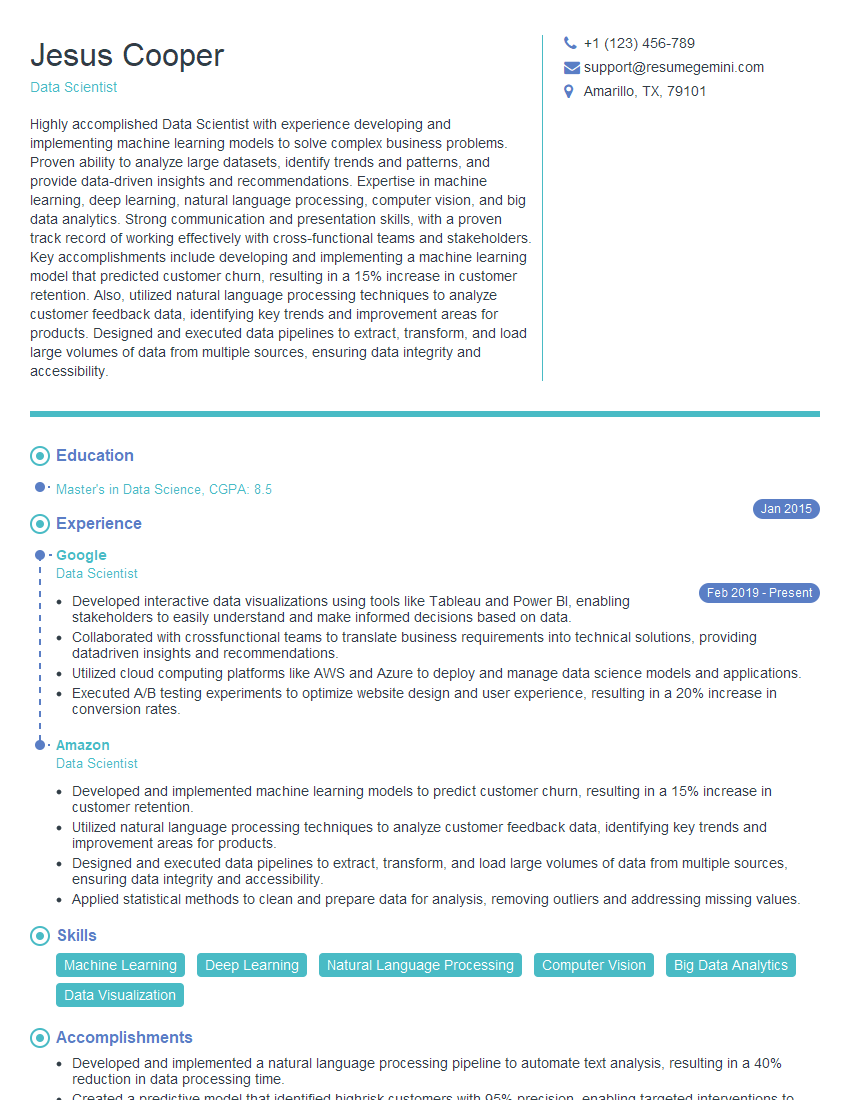
Data Scientist Resume Sample
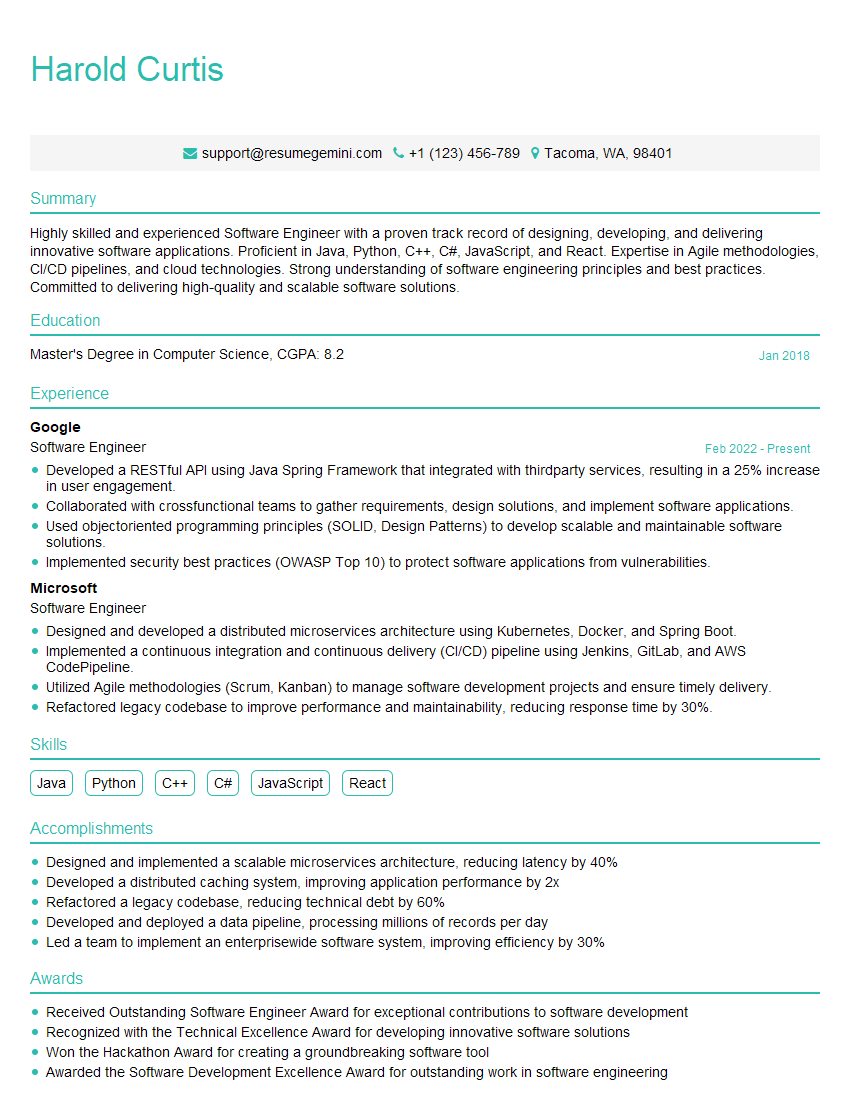
Software Engineer Resume Sample
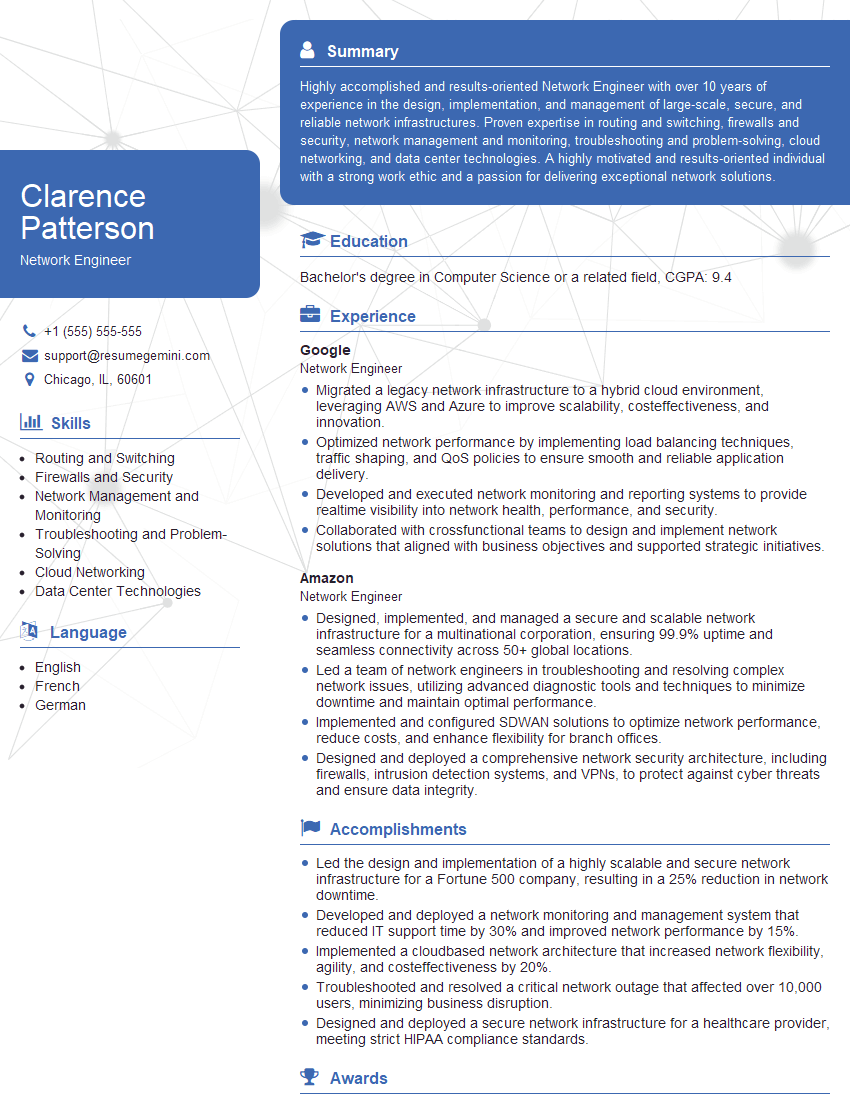
Network Engineer Resume Sample
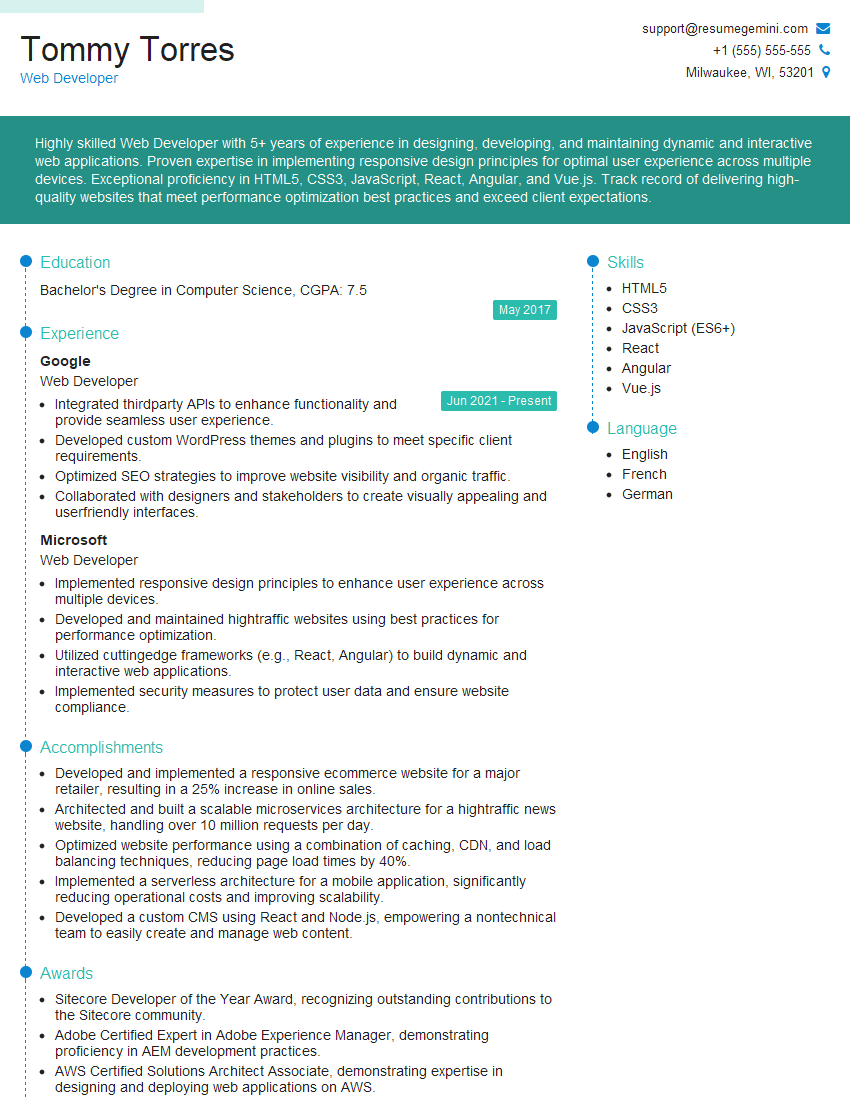
Web Developer Resume Sample
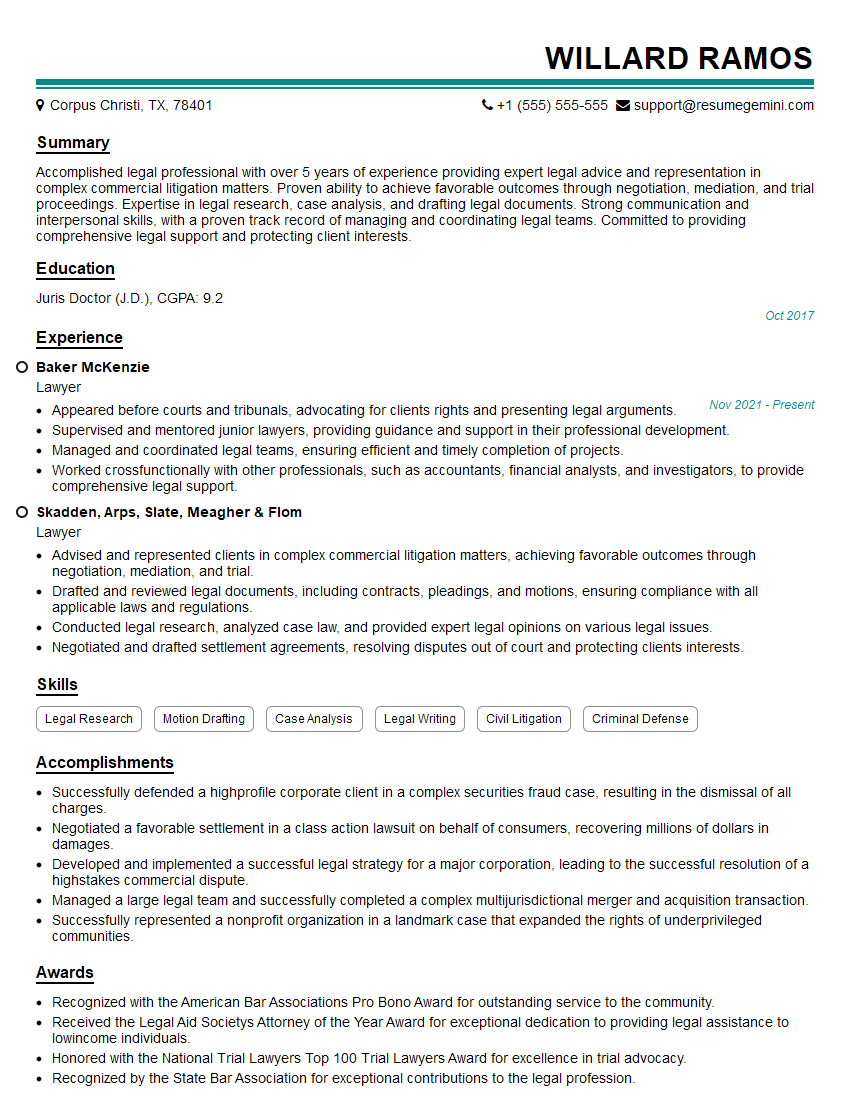
Lawyer Resume Sample

Technical Writer Resume Sample
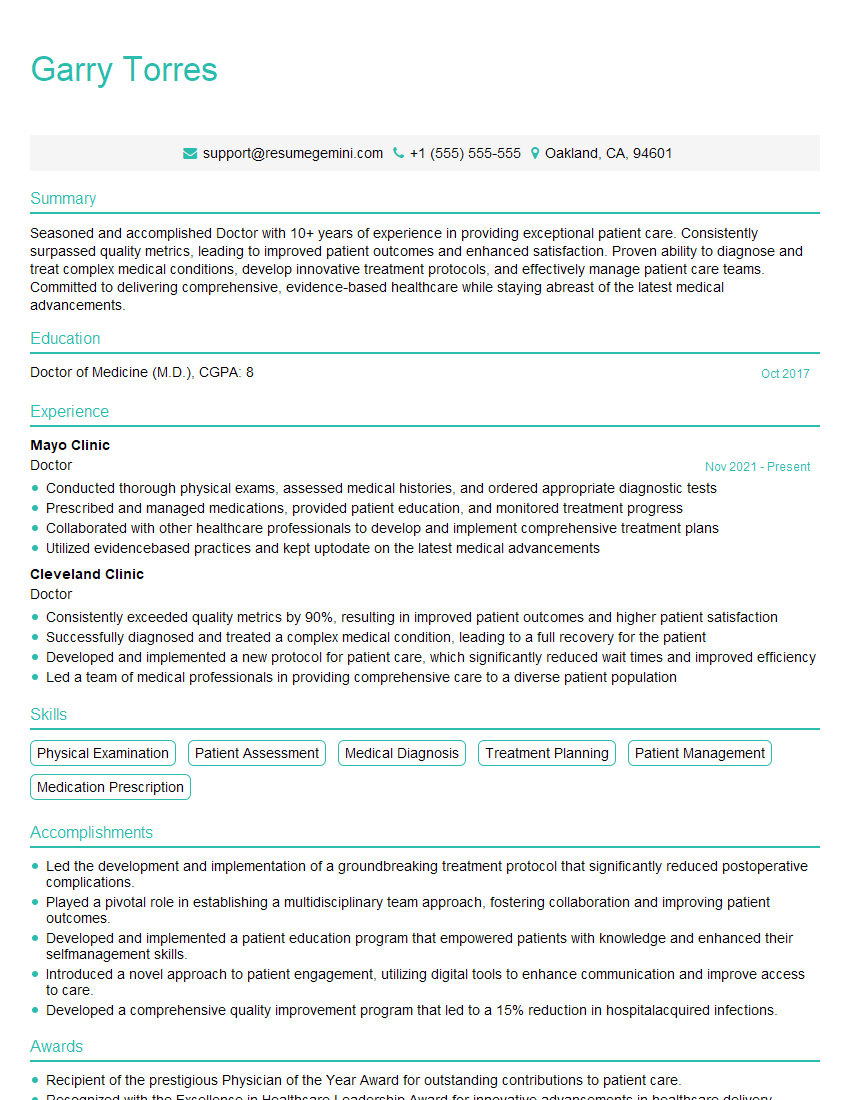
Doctor Resume Sample
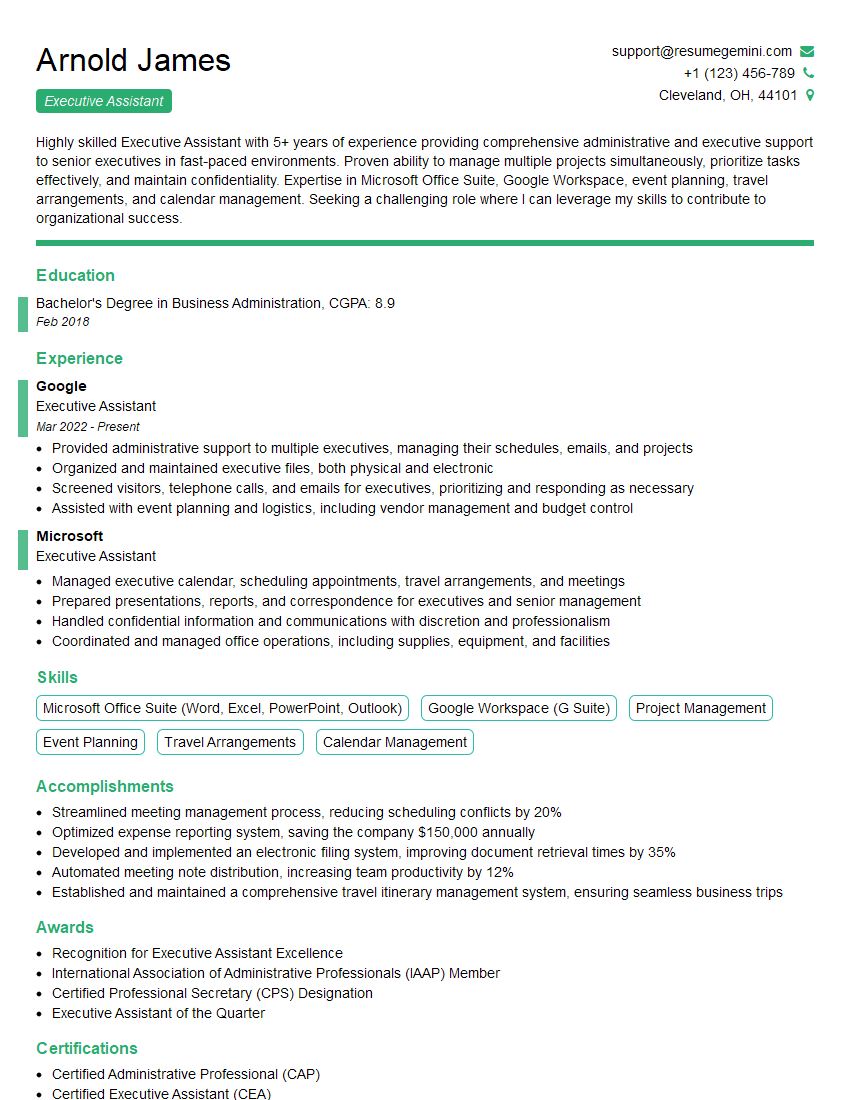
Executive Assistant Resume Sample
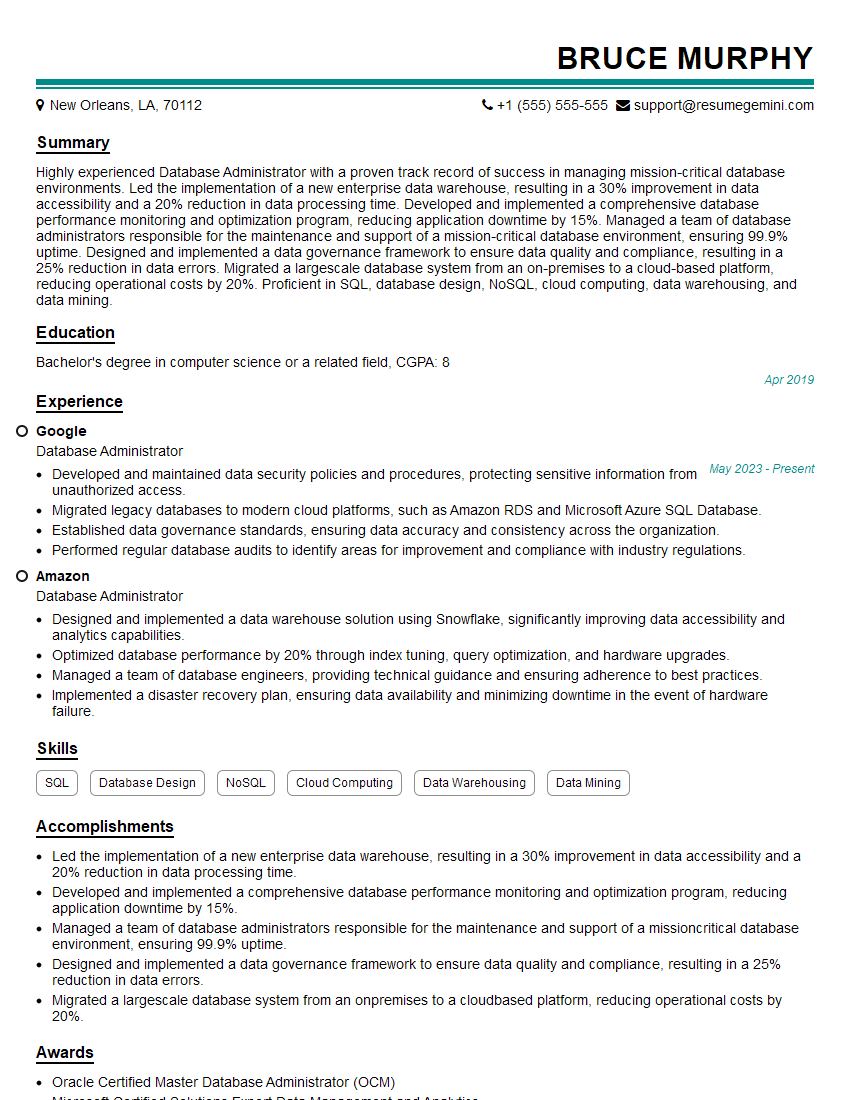
Database Administrator Resume Sample
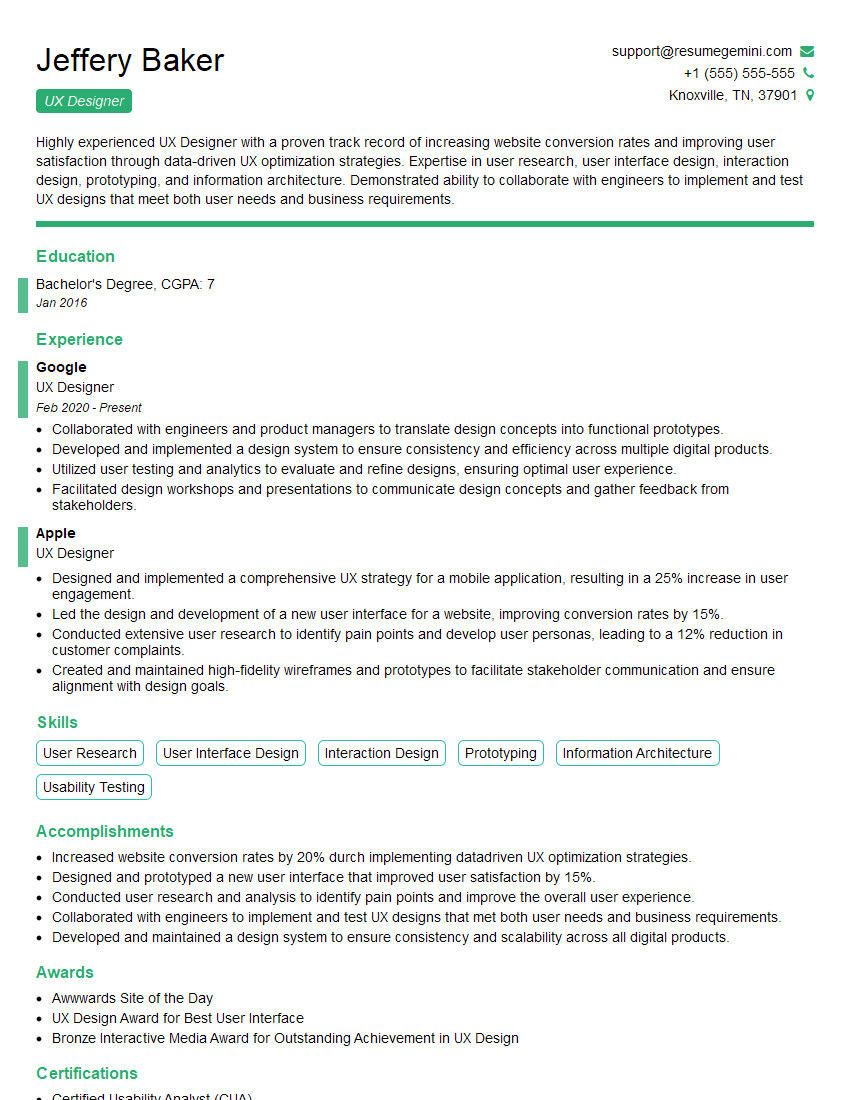
UX Designer Resume Sample
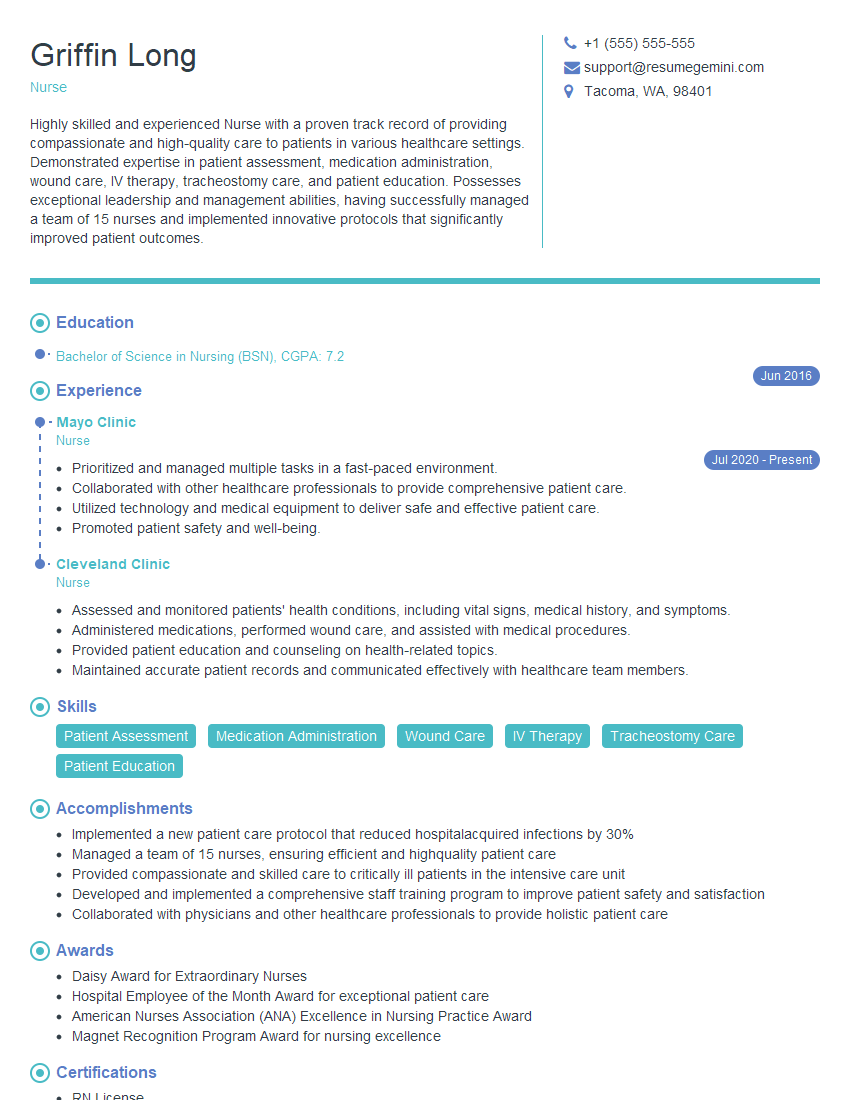
Nurse Resume Sample
- Operations Manager
- Account Manager
- Marketing Manager
- Product Manager
- Sales Representative
- Customer Service Representative
- Human Resources Manager
- Project Manager
- Teacher
- Recruiter
- Business Analyst
- Security Analyst
- Financial Analyst
- Data Scientist
- Software Engineer
- Network Engineer
- Web Developer
- Lawyer
- Technical Writer
- Doctor
- Executive Assistant
- Database Administrator
- UX Designer
- Nurse
Explore more articles
Users Rating of Our Blogs
Share Your Experience
We value your feedback! Please rate our content and share your thoughts (optional).
What Readers Say About Our Blog
Amazing blog
hello,
Our consultant firm based in the USA and our client are interested in your products.
Could you provide your company brochure and respond from your official email id (if different from the current in use), so i can send you the client’s requirement.
Payment before production.
I await your answer.
Regards,
MrSmith
hello,
Our consultant firm based in the USA and our client are interested in your products.
Could you provide your company brochure and respond from your official email id (if different from the current in use), so i can send you the client’s requirement.
Payment before production.
I await your answer.
Regards,
MrSmith
These apartments are so amazing, posting them online would break the algorithm.
https://bit.ly/Lovely2BedsApartmentHudsonYards
Reach out at BENSON@LONDONFOSTER.COM and let’s get started!
Take a look at this stunning 2-bedroom apartment perfectly situated NYC’s coveted Hudson Yards!
https://bit.ly/Lovely2BedsApartmentHudsonYards
Live Rent Free!
https://bit.ly/LiveRentFREE
Interesting Article, I liked the depth of knowledge you’ve shared.
Helpful, thanks for sharing.
Hi, I represent a social media marketing agency and liked your blog
Hi, I represent an SEO company that specialises in getting you AI citations and higher rankings on Google. I’d like to offer you a 100% free SEO audit for your website. Would you be interested?