Are you ready to stand out in your next interview? Understanding and preparing for Committed to continuous professional development. interview questions is a game-changer. In this blog, we’ve compiled key questions and expert advice to help you showcase your skills with confidence and precision. Let’s get started on your journey to acing the interview.
Questions Asked in Committed to continuous professional development. Interview
Q 1. Describe your approach to identifying skill gaps in your professional development.
Identifying skill gaps is a continuous process, not a one-time event. My approach involves a multi-faceted strategy combining self-assessment, feedback from others, and performance reviews.
- Self-assessment: I regularly reflect on my performance, identifying areas where I excel and areas needing improvement. I use tools like SWOT analysis (Strengths, Weaknesses, Opportunities, Threats) to pinpoint specific skills requiring development. For instance, I might realize my presentation skills need enhancement after receiving feedback on a recent project.
- 360-degree feedback: I actively solicit feedback from colleagues, supervisors, and even subordinates to gain a comprehensive understanding of my strengths and weaknesses. This helps identify blind spots I might miss during self-assessment.
- Performance reviews: I treat performance reviews not just as evaluations but as opportunities for identifying growth areas. I actively participate in the discussion, asking for specific examples and actionable steps for improvement.
- Industry trends analysis: I stay updated on industry trends and emerging technologies to anticipate future skill requirements. This proactive approach ensures I’m not just catching up but staying ahead of the curve.
By combining these methods, I create a holistic picture of my skillset, highlighting areas needing development to enhance my performance and career trajectory.
Q 2. What resources do you utilize for continuous learning (e.g., online courses, workshops, mentors)?
My continuous learning strategy relies on a diverse range of resources, carefully selected to maximize effectiveness and cater to different learning styles.
- Online learning platforms: Coursera, edX, Udemy, and LinkedIn Learning offer a vast library of courses covering various subjects. I select courses aligning with my identified skill gaps and career goals. For example, I recently completed a course on data visualization on Coursera to improve my data analysis capabilities.
- Workshops and conferences: Attending industry workshops and conferences provides invaluable networking opportunities and exposure to cutting-edge techniques. The hands-on nature of workshops significantly enhances learning.
- Mentorship programs: I actively seek out mentors within and outside my organization. A mentor provides personalized guidance, valuable insights, and support in navigating my career path.
- Books and journals: Reading industry-related books and journals keeps me updated on the latest research and best practices. I prioritize resources that directly relate to my current projects and career aspirations.
- Internal training programs: Many organizations offer internal training programs tailored to their specific needs. I actively participate in these programs to enhance my knowledge of internal processes and systems.
The key is to maintain a balanced approach, using a combination of structured learning (online courses) and informal learning (reading, networking) to ensure continuous growth.
Q 3. Explain a time you proactively sought out new skills to improve your performance.
In my previous role, I noticed a significant gap in my project management skills, specifically in handling complex, cross-functional projects. While I possessed technical expertise, coordinating teams and managing deadlines effectively proved challenging. To address this, I proactively sought out additional skills.
- Project Management Certification: I enrolled in a Project Management Professional (PMP) certification program, dedicating time each week to studying and completing assignments.
- Mentorship: I sought out a senior project manager as a mentor, learning from their experience and gaining insights into their techniques for handling complex projects. This involved regular one-on-one meetings to discuss project strategies, challenges, and solutions.
- On-the-job application: I volunteered for challenging projects, applying the knowledge I gained through the certification and mentorship to real-world scenarios. This practical application was crucial for solidifying my newly acquired skills.
The result was a noticeable improvement in my ability to manage projects effectively, leading to improved team performance and project outcomes. This proactive approach not only improved my skills but also demonstrated my commitment to continuous learning and self-improvement to my employer.
Q 4. How do you prioritize learning opportunities given your workload and responsibilities?
Prioritizing learning opportunities within a busy schedule requires a strategic approach. I use a system that combines planning, time management, and effective delegation.
- Prioritization Matrix: I utilize an Eisenhower Matrix (urgent/important) to categorize learning opportunities. High-impact, urgent learning activities (like a crucial skill for an upcoming project) take precedence.
- Time Blocking: I allocate specific blocks of time each week dedicated to learning, treating it as an important appointment. This ensures consistency and prevents learning from being squeezed out by more immediate tasks.
- Microlearning: I utilize microlearning techniques, such as short online courses or podcasts, to incorporate learning into my daily routine, maximizing efficiency.
- Delegation: Where possible, I delegate less critical tasks to free up time for learning activities.
- Realistic Goals: I set realistic and achievable learning goals. Instead of overwhelming myself with too many activities, I focus on one or two key areas at a time.
This structured approach ensures that continuous professional development remains a priority, even with a demanding workload.
Q 5. Describe a time you failed to meet a learning goal and what you learned from it.
I once set a goal to master a new programming language within three months. While I dedicated time to studying, I underestimated the complexity and failed to meet my ambitious timeline. Instead of becoming discouraged, I analyzed my approach.
- Cause of Failure: I realized I had underestimated the time commitment required and hadn’t incorporated sufficient practice and hands-on projects. My learning was primarily theoretical.
- Lessons Learned: I learned the importance of setting more realistic goals, incorporating practical application alongside theoretical learning, and actively seeking feedback to identify areas for improvement. I also discovered the value of breaking down large goals into smaller, manageable steps.
- Corrective Action: I revised my learning plan, focusing on smaller, achievable milestones, incorporating regular coding exercises, and actively seeking feedback on my code from peers. Ultimately, I successfully learned the programming language, albeit over a longer timeframe.
This experience taught me the value of adaptability and iterative learning. Failure is an inevitable part of the process, and it’s how we respond to it that determines our growth.
Q 6. How do you measure the success of your professional development activities?
Measuring the success of professional development activities requires a multi-pronged approach, combining quantitative and qualitative measures.
- Performance metrics: I track key performance indicators (KPIs) relevant to the skills I’ve developed. For example, if I improved my data analysis skills, I would track the accuracy and efficiency of my data-driven decision-making.
- Feedback: I actively seek feedback from colleagues, supervisors, and clients to assess the impact of my new skills on my work and their perception of my performance.
- Skill assessments: I periodically undertake skill assessments to objectively evaluate my progress. This could involve taking online tests or completing projects that test my newly acquired skills.
- Project success: I assess the success of projects where I applied my newly developed skills. Did the project meet its goals? Were there improvements in efficiency or quality?
- Confidence levels: I track my own confidence levels in applying my new skills. Increased confidence is a good indicator of successful learning.
By combining these diverse measures, I gain a comprehensive understanding of the effectiveness of my professional development efforts and areas requiring further attention.
Q 7. What are your long-term career goals, and how does continuous learning support them?
My long-term career goals involve becoming a thought leader in my field and contributing to innovative solutions within the industry. Continuous learning is integral to achieving this aspiration.
- Staying ahead of the curve: Continuous learning enables me to remain updated on industry trends and emerging technologies, allowing me to anticipate future challenges and opportunities.
- Developing specialized expertise: I aim to deepen my expertise in specific areas through focused learning, enabling me to become a sought-after specialist.
- Expanding my network: Through attending conferences, workshops, and online communities, I expand my professional network, gaining valuable insights and collaboration opportunities.
- Enhanced problem-solving: Broadening my knowledge base equips me with a diverse set of tools and techniques to solve complex problems more effectively.
- Increased leadership potential: Continuous learning enhances my credibility and leadership potential, making me a more effective mentor and team leader.
In essence, continuous learning is not just a means to an end but a fundamental pillar supporting my long-term career goals. It’s an ongoing commitment to growth and self-improvement, driving my professional success and impact.
Q 8. How do you stay current with industry trends and advancements in your field?
Staying current in a rapidly evolving field requires a multifaceted approach. It’s not just about passively absorbing information; it’s about actively seeking out knowledge and integrating it into my practice. I employ several strategies:
Industry Publications and Journals: I subscribe to leading journals and publications in my field, regularly reviewing articles and research papers to keep abreast of the latest breakthroughs and best practices. For instance, I meticulously follow publications like [Insert relevant publication names here], focusing on articles relevant to my specialization.
Conferences and Webinars: Attending industry conferences and webinars allows me to network with experts and learn firsthand about cutting-edge technologies and methodologies. I actively participate in Q&A sessions and engage in discussions with presenters to gain deeper insights. Last year, I attended [Insert relevant conference name here] and found the session on [Insert relevant topic here] particularly impactful.
Online Courses and Certifications: Platforms like Coursera, edX, and LinkedIn Learning provide access to a wealth of online courses. I strategically select courses that align with my professional goals and skill gaps. Recently, I completed a course on [Insert relevant course name here], significantly enhancing my proficiency in [Insert relevant skill here].
Professional Networks: Engaging with professional networks like [Insert relevant professional network names here] offers valuable opportunities to connect with peers, participate in discussions, and learn from shared experiences. The insights gained from these online communities are invaluable for understanding emerging trends and challenges.
Q 9. How do you incorporate feedback from colleagues and supervisors into your professional development plan?
Feedback is crucial for growth, and I actively seek it out. I don’t see feedback as criticism but as an opportunity for improvement. My approach to incorporating feedback into my professional development plan is systematic:
Active Listening: During feedback sessions, I listen attentively, asking clarifying questions to ensure I fully understand the points being made. I avoid getting defensive and focus on the constructive aspects of the feedback.
Reflection and Self-Assessment: After receiving feedback, I take time to reflect on it, considering how it aligns with my self-assessment and identifying areas where I can improve. I try to understand the root causes of any identified shortcomings.
SMART Goals: I translate feedback into Specific, Measurable, Achievable, Relevant, and Time-bound (SMART) goals for my professional development plan. For example, if feedback suggests I need to improve my presentation skills, I might set a goal to deliver three presentations to different audiences within the next quarter and solicit feedback after each.
Action Plan: I create an action plan outlining the steps I’ll take to achieve my SMART goals. This might involve taking online courses, attending workshops, seeking mentorship, or practicing specific skills. I regularly review my progress and adjust my action plan as needed.
Q 10. What specific skills have you developed through continuous learning in the past year?
In the past year, my continuous learning efforts have yielded significant improvements in several key areas:
Advanced Data Analysis: I significantly expanded my data analysis skills through a combination of online courses and hands-on projects. I’m now proficient in using [Insert relevant software/tool name here] to perform complex statistical analyses and data visualizations. This has been directly applicable in my current role, allowing me to generate more insightful reports and make data-driven decisions.
Project Management Methodologies: I deepened my understanding of Agile project management principles, attending a workshop and applying the Scrum framework to several projects. This has significantly improved my ability to manage projects effectively, ensuring they are delivered on time and within budget.
[Insert another skill]: [Describe another skill gained and its practical application].
Q 11. Describe your preferred learning style and how it influences your approach to professional development.
My preferred learning style is a blend of kinesthetic and visual learning. I find that hands-on activities and visual aids significantly enhance my understanding and retention of information. This influences my approach to professional development in the following ways:
Practical Application: I prioritize learning through doing. I actively seek out opportunities to apply new knowledge and skills in real-world scenarios. This helps me solidify my understanding and identify any gaps in my knowledge.
Visual Aids: I use visual aids such as diagrams, flowcharts, and mind maps to organize and synthesize information. This helps me to visualize complex concepts and grasp their interconnectedness.
Interactive Learning: I prefer interactive learning methods, such as workshops, simulations, and collaborative projects, over passive learning methods like simply reading a textbook. The active engagement strengthens my understanding and retention.
Q 12. How do you adapt your learning strategies to different types of information and contexts?
Adapting learning strategies to different types of information and contexts is vital for effective continuous professional development. My approach involves:
Identifying Learning Objectives: Before engaging with any new information, I clearly define my learning objectives. This helps me focus my efforts and choose the most appropriate learning methods.
Choosing Appropriate Methods: I select learning methods that are best suited to the type of information and the context. For example, for highly technical information, I might prefer online courses or tutorials; for interpersonal skills, I might focus on workshops or mentorship.
Experimentation and Iteration: I experiment with different learning strategies and adapt my approach based on what works best for me. I regularly review my learning process and make adjustments as needed.
Resourcefulness: I’m adept at using a variety of resources—books, articles, online courses, workshops, and mentorship—to access information in different formats. This ensures I can learn effectively regardless of the context.
Q 13. How do you apply new skills learned through professional development to your current role?
Applying new skills learned through professional development is essential for maximizing their impact. I ensure this happens by:
Identifying Opportunities: I actively seek out opportunities to apply new skills in my current role. This might involve volunteering for new projects, taking on additional responsibilities, or proposing innovative solutions to existing challenges.
Incremental Implementation: Rather than trying to implement everything at once, I often introduce new skills gradually. This allows me to test them, refine my approach, and minimize the risk of disruption.
Seeking Feedback: After applying new skills, I seek feedback from colleagues and supervisors to gauge their effectiveness and identify areas for improvement. This iterative process ensures continuous refinement.
Documentation and Sharing: I often document my experiences and share my learnings with colleagues. This helps to disseminate knowledge within the team and foster a culture of continuous improvement.
Q 14. What are some examples of your involvement in mentorship or knowledge sharing within your organization?
Mentorship and knowledge sharing are integral parts of my commitment to professional development. I believe in the power of collaboration and reciprocal learning. My involvement includes:
Mentoring Junior Colleagues: I regularly mentor junior colleagues, guiding them through projects, providing career advice, and sharing my expertise. I find this experience mutually beneficial, helping me consolidate my own knowledge and develop my leadership skills.
Knowledge Sharing Sessions: I’ve organized and led several internal knowledge-sharing sessions, presenting on topics related to [Insert relevant topics here]. These sessions provided opportunities for colleagues to learn from my experiences and contribute their own insights.
Internal Training Programs: I’ve contributed to the development of internal training programs, sharing my expertise and helping to create standardized training materials. This has helped to upskill colleagues and improve overall team performance.
Participation in Communities of Practice: I actively participate in communities of practice within my organization, sharing my knowledge and learning from my peers. This collaborative approach allows for continuous knowledge exchange and improvement.
Q 15. How do you balance your work responsibilities with your commitment to continuous professional development?
Balancing work and professional development requires strategic planning and prioritization. It’s not about finding more time, but about making the most of the time you have. I employ several techniques. First, I integrate learning into my workday. This might involve dedicating 30 minutes each morning to reading industry articles or listening to relevant podcasts. Second, I leverage downtime effectively. Commuting time, for example, can be used for listening to online courses or webinars. Third, I set realistic goals. Instead of overwhelming myself with numerous courses, I focus on completing one or two high-impact learning modules per quarter. Fourth, I communicate proactively with my manager. Keeping them informed of my development plans ensures alignment and helps manage workload expectations. Finally, I utilize time-management techniques like the Pomodoro Technique to maximize focus and minimize distractions during dedicated learning periods.
For instance, last year, I wanted to improve my data visualization skills. Instead of taking a full-time course, I dedicated 30 minutes each day after work to practicing with Tableau, supplementing this with online tutorials and a relevant online course spread over several weeks. This allowed me to gradually acquire the skill without significantly impacting my work performance.
Career Expert Tips:
- Ace those interviews! Prepare effectively by reviewing the Top 50 Most Common Interview Questions on ResumeGemini.
- Navigate your job search with confidence! Explore a wide range of Career Tips on ResumeGemini. Learn about common challenges and recommendations to overcome them.
- Craft the perfect resume! Master the Art of Resume Writing with ResumeGemini’s guide. Showcase your unique qualifications and achievements effectively.
- Don’t miss out on holiday savings! Build your dream resume with ResumeGemini’s ATS optimized templates.
Q 16. What professional development activities are you currently pursuing?
Currently, I’m pursuing several professional development activities. I’m enrolled in a specialized online course on advanced project management techniques, focusing on Agile methodologies and risk mitigation strategies. This complements my existing project management skills and allows me to tackle more complex projects. Simultaneously, I’m actively participating in a mentorship program within my organization. This provides valuable insights into leadership and strategic thinking from a seasoned professional. Finally, I’m attending webinars and workshops on emerging technologies relevant to my field, specifically focusing on the practical application of AI and machine learning in problem-solving. This keeps my skillset current and relevant to evolving industry trends.
Q 17. How do you maintain motivation and focus throughout your professional development journey?
Maintaining motivation and focus in professional development requires a multifaceted approach. Firstly, I set SMART goals (Specific, Measurable, Achievable, Relevant, Time-bound) to provide clear direction and tangible milestones. Celebrating these achievements, no matter how small, reinforces positive momentum. Secondly, I actively seek feedback on my progress. This could be through self-assessment, peer review, or mentorship feedback. This helps identify areas for improvement and prevents me from getting stuck. Thirdly, I find a learning community or network. Interacting with other professionals in my field, sharing experiences and challenges, provides inspiration and accountability. Finally, I ensure the activities I choose genuinely interest me. This makes the learning process more enjoyable and less of a chore. If I’m not enjoying the learning process, I re-evaluate my chosen activities to ensure alignment with my interests and career goals.
Q 18. Describe a time you had to learn a new technology or skill quickly under pressure.
In my previous role, we had a critical system failure just before a major product launch. We needed to implement a temporary fix within 48 hours to prevent significant financial losses. I had limited prior experience with the specific technology involved but quickly immersed myself in the relevant documentation and online resources. I worked closely with senior engineers, leveraging their expertise and seeking clarification when necessary. By combining my existing programming knowledge with the new system specifics and collaborative problem-solving, we successfully implemented a temporary solution within the deadline. This experience taught me the importance of resourcefulness, collaborative problem-solving, and the ability to quickly synthesize information under pressure. The sense of accomplishment from preventing a major setback was immensely rewarding.
Q 19. How do you evaluate the return on investment (ROI) of your professional development activities?
Evaluating the ROI of professional development involves a multi-faceted approach. I track both qualitative and quantitative metrics. Quantifiable benefits include increased productivity, project efficiency, improved performance reviews with associated salary increases, or securing a higher-paying position. I track these using metrics like project completion times, error rates, and performance evaluations. Qualitative benefits include improved problem-solving skills, enhanced decision-making abilities, broadened professional network, and increased job satisfaction. I measure these through self-assessment, peer feedback, and my overall sense of accomplishment and growth in my career. By comparing the cost of the professional development activity (time, money, etc.) with these benefits, I get a holistic view of the return on investment.
Q 20. How do you determine which professional development opportunities align with your career goals?
Determining which professional development opportunities align with my career goals involves a systematic process. First, I clearly define my short-term and long-term career aspirations. Then, I analyze the skills and knowledge gaps that exist between my current capabilities and my desired future state. I research industry trends and identify in-demand skills. Finally, I evaluate potential professional development opportunities (courses, conferences, mentorship programs, etc.) based on their relevance to closing those skill gaps and advancing my career trajectory. For example, if my long-term goal is to become a project manager, I would prioritize professional development activities focused on project management methodologies, leadership skills, and communication strategies.
Q 21. What is your process for setting and achieving professional development goals?
My process for setting and achieving professional development goals uses a SMART goal framework. I start by identifying a specific, measurable, achievable, relevant, and time-bound goal. For example, instead of a vague goal like “improve my coding skills,” I would set a SMART goal like “Master Python’s data analysis libraries (Pandas, NumPy) by completing the DataCamp course and building a personal project by December 31st.” I break down the larger goal into smaller, manageable tasks with deadlines. I regularly track my progress against these smaller goals, adjusting my approach as needed. I use project management tools to schedule tasks and monitor my progress. Finally, I regularly review my progress and celebrate milestones along the way to maintain motivation and stay on track.
Q 22. How do you leverage professional networks to enhance your learning and development?
I leverage professional networks to enhance my learning and development in several key ways. It’s not just about collecting contacts, but actively cultivating relationships and participating in knowledge exchange.
- Mentorship and Networking Events: I actively seek out mentors within my field and attend industry events (conferences, workshops, meetups) to connect with experts and learn from their experiences. These events often offer invaluable insights and networking opportunities.
- Online Communities and Forums: I participate in relevant online communities, forums, and professional groups (e.g., LinkedIn groups) to engage in discussions, ask questions, and share knowledge. This provides exposure to diverse perspectives and ongoing learning.
- Information Sharing and Collaboration: I actively share my knowledge and expertise with my network, contributing to discussions and offering support. This reciprocal relationship fosters collaboration and accelerates mutual learning.
- Feedback and Peer Review: I seek regular feedback from my network on my work and development goals. Constructive criticism and peer review are essential for identifying blind spots and areas for improvement.
For example, attending a recent data science conference, I connected with a senior analyst who offered valuable advice on improving my machine learning model optimization techniques. This connection led to a mentorship relationship where I receive ongoing guidance and feedback.
Q 23. Explain a situation where you identified a skill gap and successfully addressed it.
During a previous role, I identified a significant skill gap in project management methodologies. While I possessed strong technical skills, I struggled with effectively managing complex projects and teams. To address this, I adopted a multi-pronged approach.
- Self-Assessment: I first conducted a thorough self-assessment, identifying specific areas where I lacked proficiency, such as risk management, resource allocation, and conflict resolution.
- Formal Training: I enrolled in a certified Project Management Professional (PMP) course, providing structured learning in best practices and industry-standard methodologies.
- On-the-Job Application: I actively sought opportunities to apply my newly acquired knowledge by volunteering for project leadership roles and mentoring junior colleagues. This hands-on experience solidified my understanding and built my confidence.
- Continuous Improvement: I regularly reviewed project outcomes, identifying areas for improvement and adapting my approach based on lessons learned. This iterative process is crucial for long-term growth.
The result was a significant improvement in my project management capabilities, leading to successful project delivery and increased team efficiency. This experience reinforced the importance of proactively addressing skill gaps through targeted learning and application.
Q 24. How do you deal with challenges or setbacks during your professional development process?
Challenges and setbacks are inevitable in the professional development journey. My approach focuses on viewing these as learning opportunities rather than obstacles.
- Reflection and Analysis: When encountering a setback, I take time to reflect on the situation, analyzing what went wrong and identifying contributing factors. This helps prevent similar mistakes in the future.
- Seeking Support: I don’t hesitate to seek support from mentors, colleagues, or supervisors. Their perspectives often offer valuable insights and help me gain a different perspective on the situation.
- Adaptability and Resilience: I strive to maintain a positive and resilient attitude, adapting my strategies as needed. This involves adjusting my approach, seeking alternative solutions, and learning from failures.
- Reframing Setbacks: I try to reframe setbacks as opportunities for growth and learning. This shift in perspective allows me to extract positive lessons and move forward with renewed determination.
For example, a failed project proposal taught me the importance of thoroughly researching market demands and aligning my project with business objectives. This experience refined my strategic planning skills and resulted in more successful proposals in the future.
Q 25. What strategies do you use to stay updated on best practices and industry standards?
Staying updated on best practices and industry standards is paramount for continuous professional development. I employ several strategies:
- Industry Publications and Journals: I regularly read relevant industry publications, journals, and research papers to stay informed about the latest trends and breakthroughs. This allows me to anticipate changes and adapt my skills accordingly.
- Conferences and Webinars: Attending conferences, webinars, and workshops provides opportunities to learn from leading experts and network with peers. These events often showcase cutting-edge techniques and innovations.
- Online Courses and Certifications: I utilize online learning platforms (e.g., Coursera, edX, Udemy) to pursue relevant courses and certifications, expanding my skillset and keeping my knowledge current.
- Professional Organizations: Membership in professional organizations provides access to exclusive resources, networking opportunities, and continuing education programs.
- Following Influencers and Thought Leaders: I actively follow industry influencers and thought leaders on social media and other platforms to stay abreast of emerging trends and insights.
For instance, by following leading figures in the field of artificial intelligence on Twitter and LinkedIn, I am consistently aware of new developments and can integrate these into my work.
Q 26. How do you integrate continuous learning into your daily work routine?
Integrating continuous learning into my daily routine is a conscious effort. It’s not about massive blocks of time, but rather consistent, small actions that add up.
- Dedicated Learning Time: I allocate specific time each day, even if it’s just 30 minutes, for focused learning. This could involve reading articles, completing online courses, or working on personal projects.
- Microlearning Techniques: I leverage microlearning techniques, such as listening to podcasts during commutes or reading short articles during breaks. These small bursts of learning are surprisingly effective.
- Connecting Learning to Work: I actively seek opportunities to apply new knowledge and skills to my daily tasks. This reinforces learning and fosters innovation.
- Experimentation and Exploration: I encourage experimentation and exploration in my work, treating projects as learning opportunities. This fosters a growth mindset and continuous improvement.
- Knowledge Sharing: I regularly share my learning with colleagues, fostering a culture of continuous improvement within the team.
For example, I dedicate 30 minutes each morning to reading industry articles related to my current projects. This keeps me informed and allows me to apply relevant knowledge immediately.
Q 27. Describe a time you mentored or trained a colleague in a new skill.
I recently mentored a junior colleague on improving their data visualization skills. They possessed strong analytical abilities but struggled to create compelling and insightful visualizations.
- Needs Assessment: I began by assessing their current skill level and identifying specific areas for improvement. This involved reviewing their previous work and discussing their challenges.
- Structured Training: I provided structured training on using data visualization tools (Tableau, in this case), focusing on best practices for chart selection, data representation, and storytelling.
- Practical Application: We worked together on a real-world project, applying the learned skills to create visualizations for a client presentation. This hands-on approach helped solidify their understanding.
- Feedback and Iteration: I provided regular feedback on their work, guiding them through iterations and refinements. This iterative process fostered continuous improvement and skill development.
- Resource Sharing: I shared relevant resources, such as online tutorials, articles, and best-practice guides, to support their ongoing learning.
The result was a significant improvement in their data visualization skills. They were able to create impactful visuals that effectively communicated insights to the client. This experience was rewarding, highlighting the importance of knowledge sharing and mentorship in fostering a collaborative and learning-focused environment.
Key Topics to Learn for Committed to Continuous Professional Development Interviews
- Self-Directed Learning: Understanding your learning style and proactively seeking opportunities for skill enhancement. This includes identifying skill gaps and creating a plan to address them.
- Identifying Development Goals: Articulating specific, measurable, achievable, relevant, and time-bound (SMART) goals for professional growth. This involves aligning personal ambitions with organizational objectives.
- Utilizing Resources for Development: Demonstrating familiarity with various professional development resources such as online courses, workshops, mentorship programs, and industry conferences.
- Practical Application of New Skills: Providing examples of how you’ve applied newly acquired skills and knowledge to improve your performance and contribute to team success. Quantify your achievements whenever possible.
- Seeking and Implementing Feedback: Highlighting your ability to actively seek feedback, analyze it constructively, and implement changes to enhance your performance. This includes examples of how you’ve used feedback to improve a project or skill.
- Mentorship and Collaboration: Discussing your experience with mentorship, either as a mentor or mentee, and your ability to collaborate effectively with colleagues to foster a culture of continuous learning.
- Adaptability and Resilience: Showcasing your ability to adapt to changing environments and overcome challenges in your professional development journey. Demonstrate resilience in the face of setbacks.
Next Steps
Mastering continuous professional development demonstrates a proactive and growth-oriented mindset—highly valued by employers. This commitment significantly enhances your career prospects, opening doors to new opportunities and faster advancement. To maximize your job search success, building an ATS-friendly resume is crucial. ResumeGemini is a trusted resource that can help you craft a compelling and effective resume. Examples of resumes tailored to showcasing a commitment to continuous professional development are available through ResumeGemini to help you build your own.

Operations Manager Resume Sample
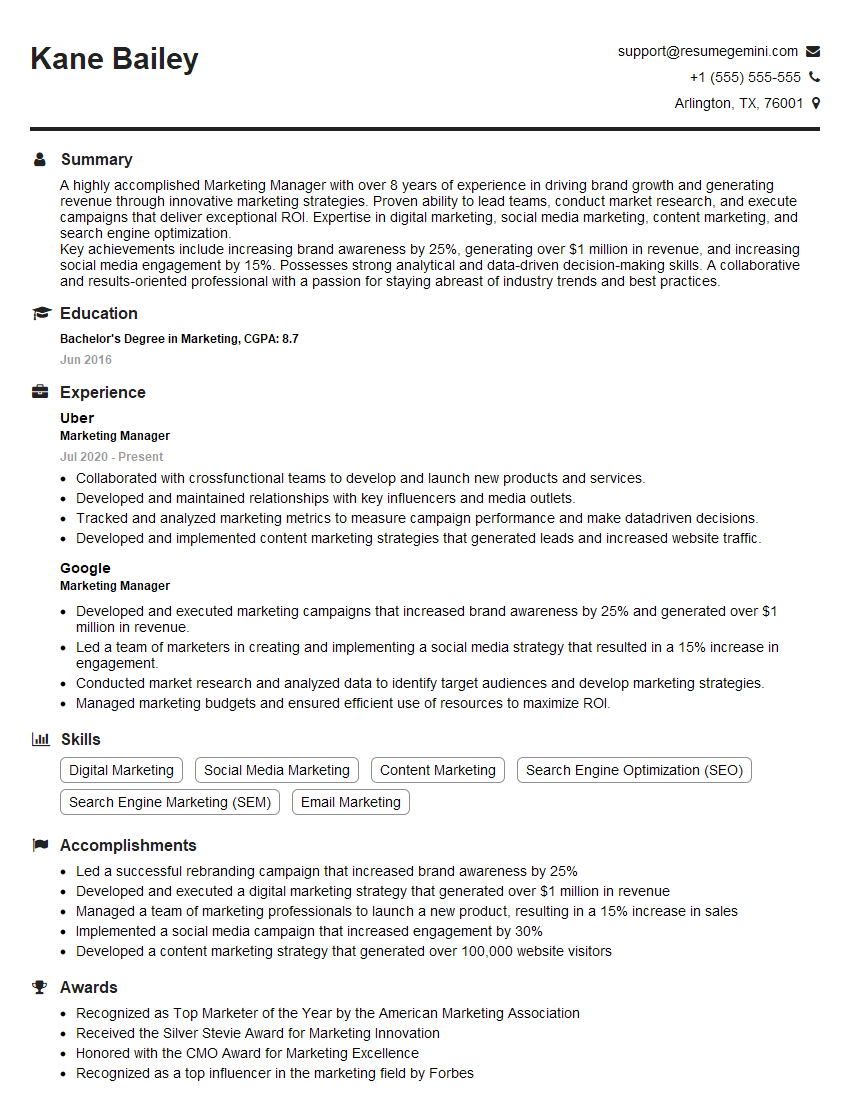
Marketing Manager Resume Sample
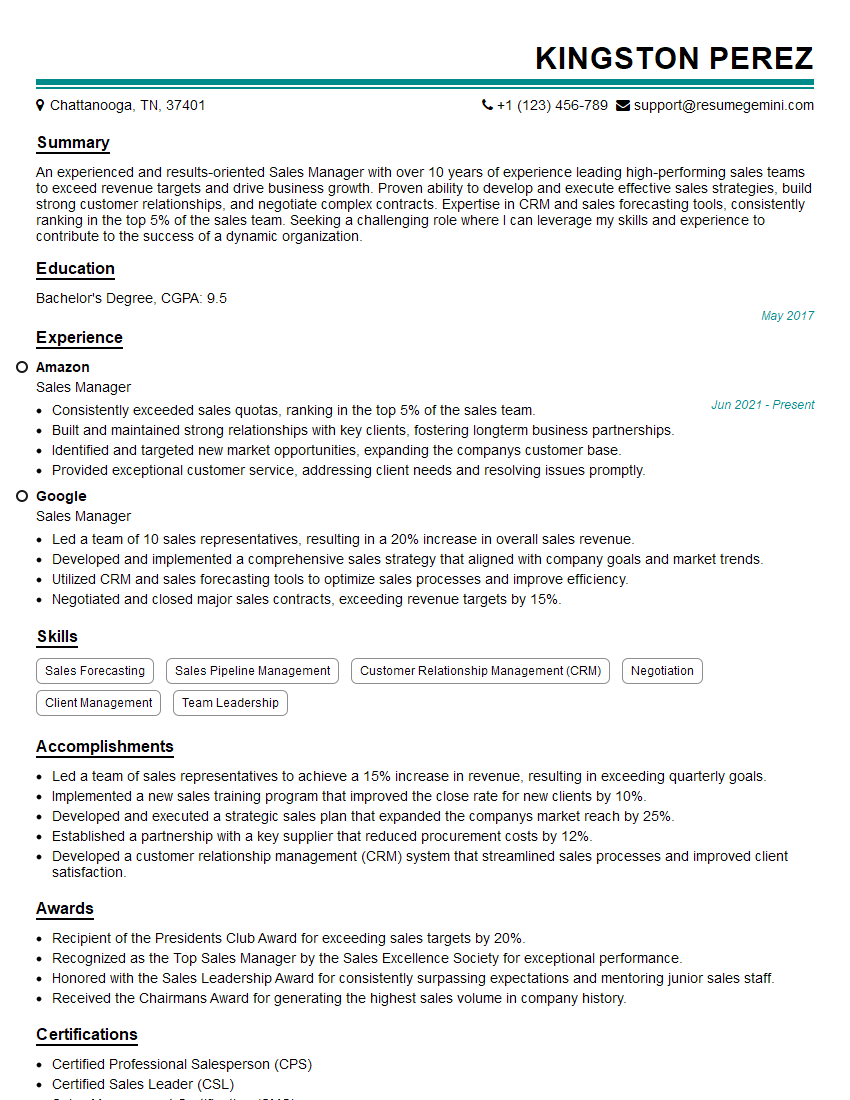
Sales Manager Resume Sample
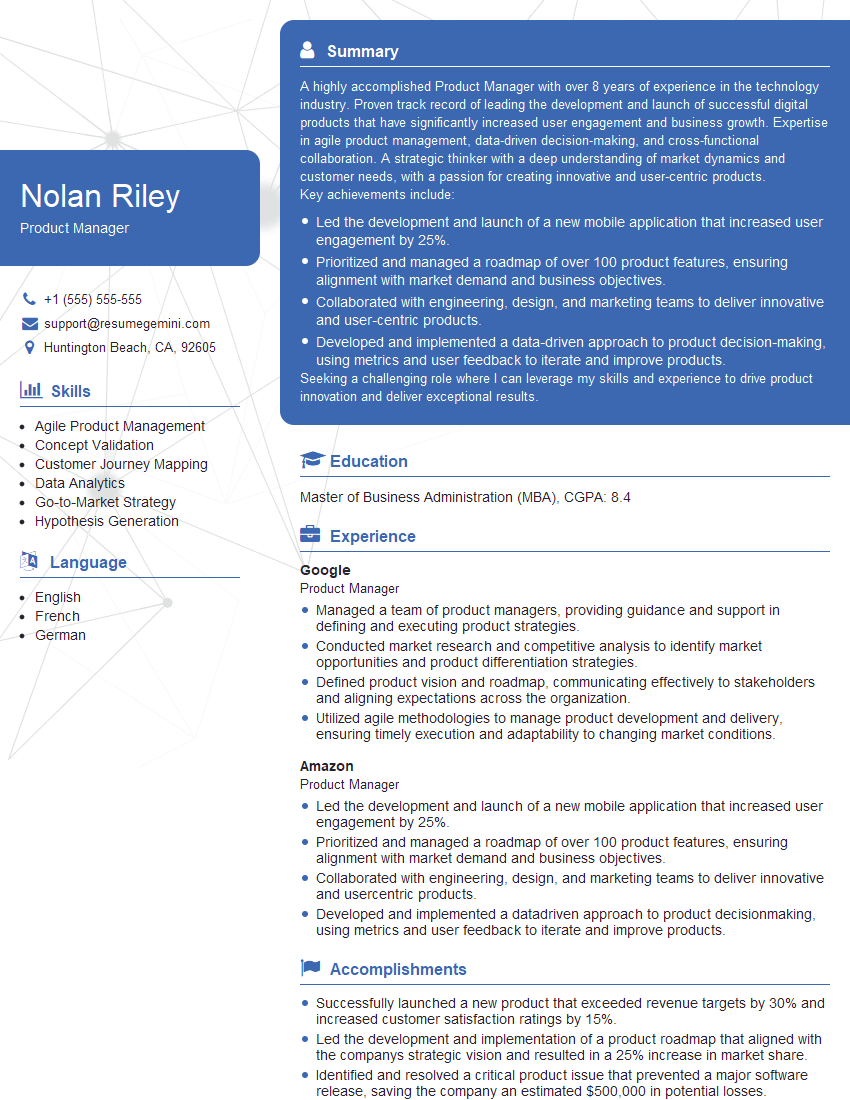
Product Manager Resume Sample
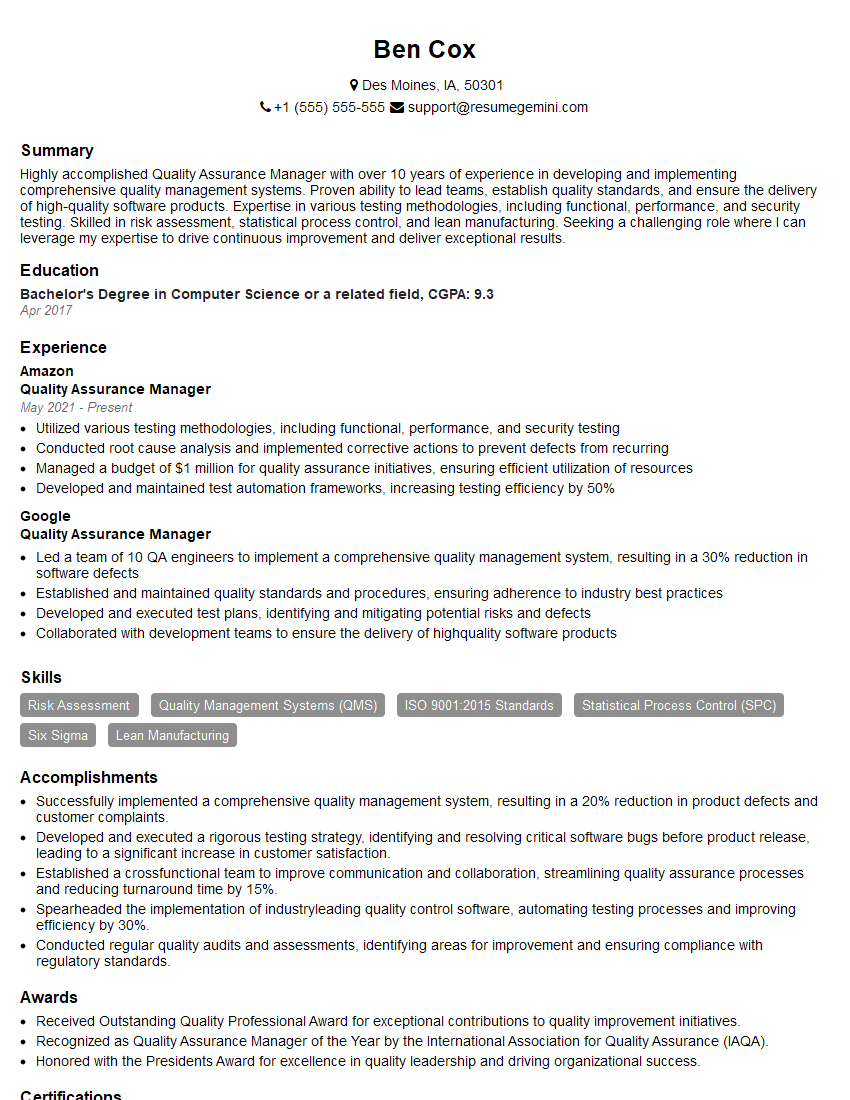
Quality Assurance Manager Resume Sample
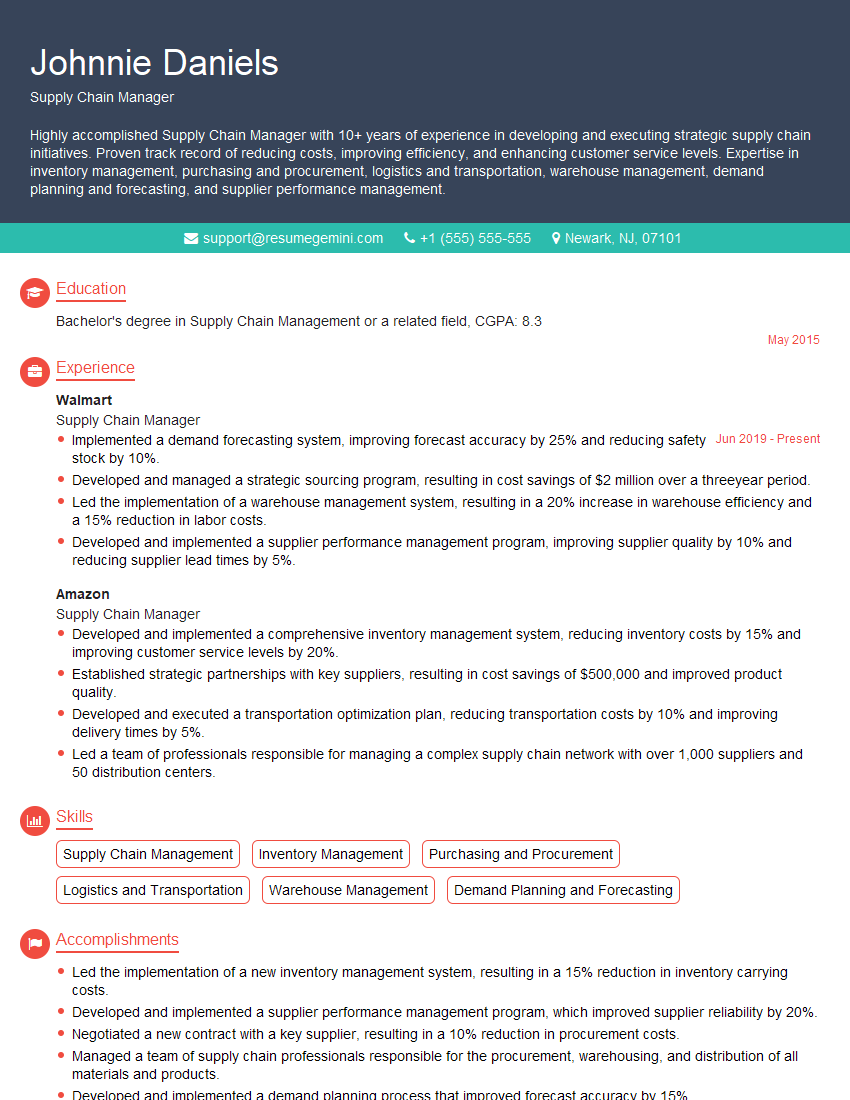
Supply Chain Manager Resume Sample
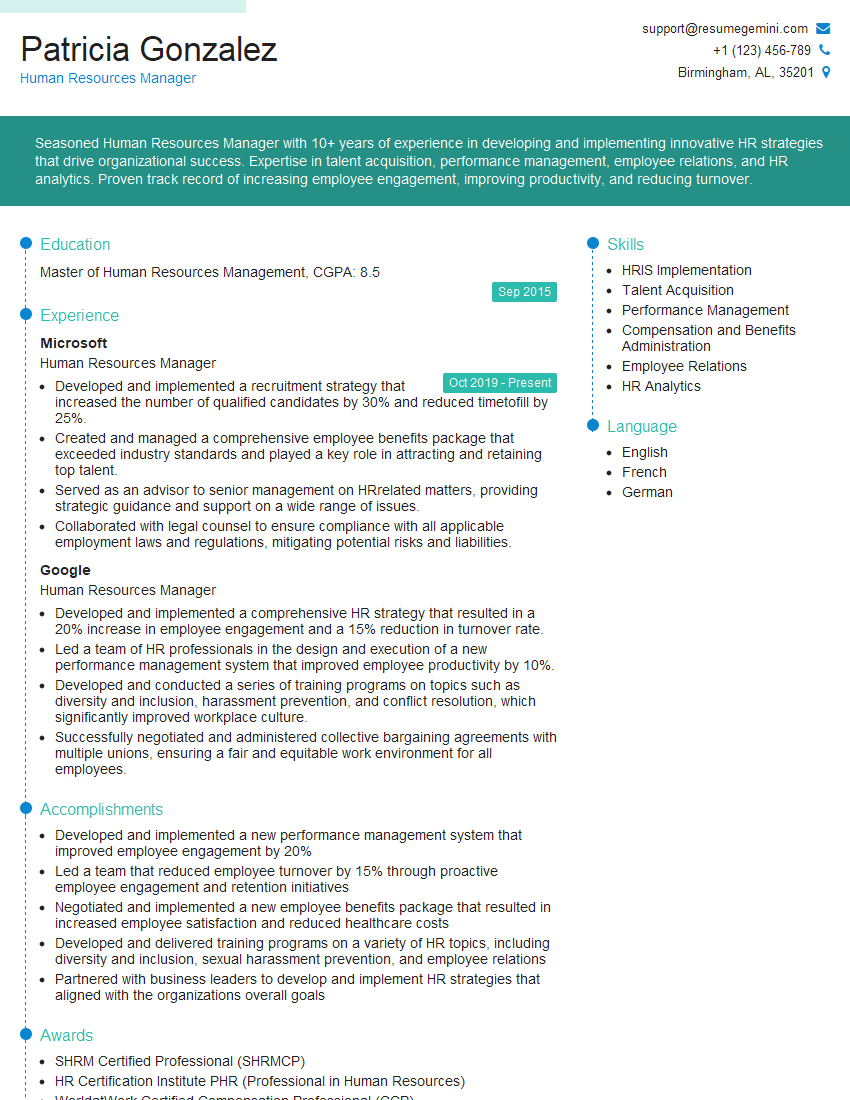
Human Resources Manager Resume Sample
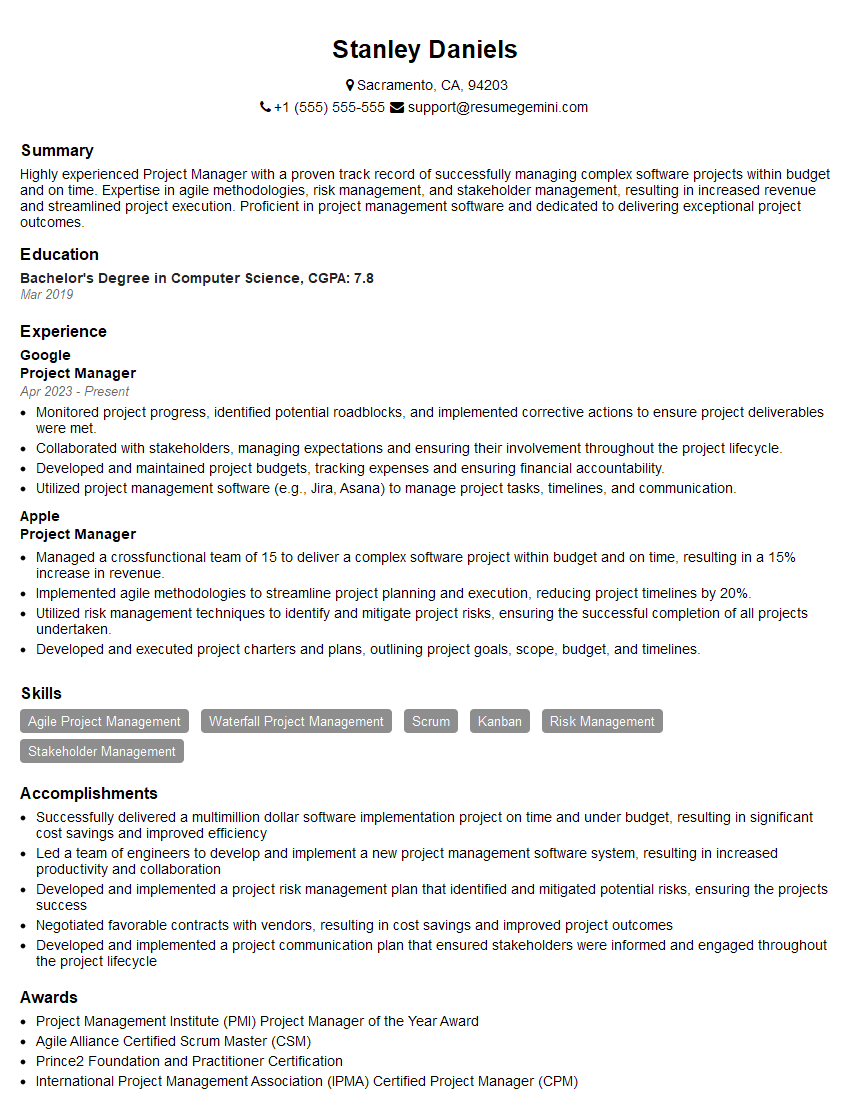
Project Manager Resume Sample

Compliance Officer Resume Sample
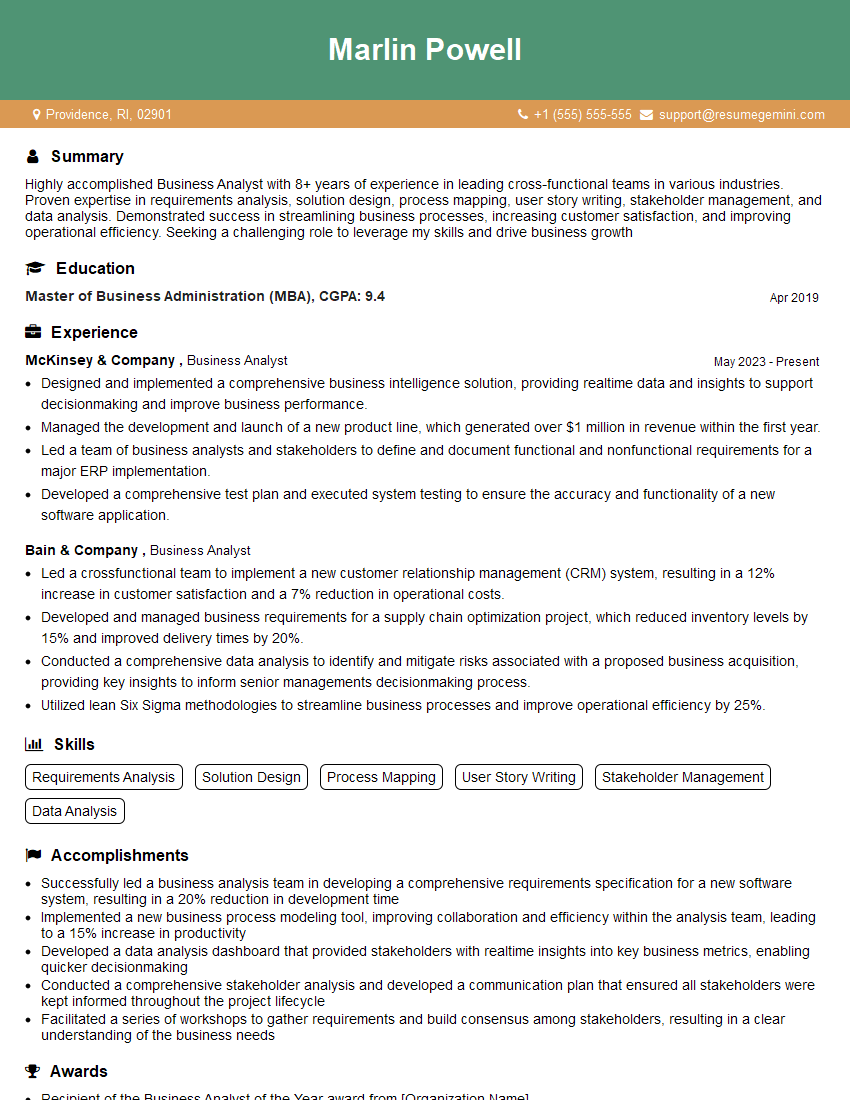
Business Analyst Resume Sample
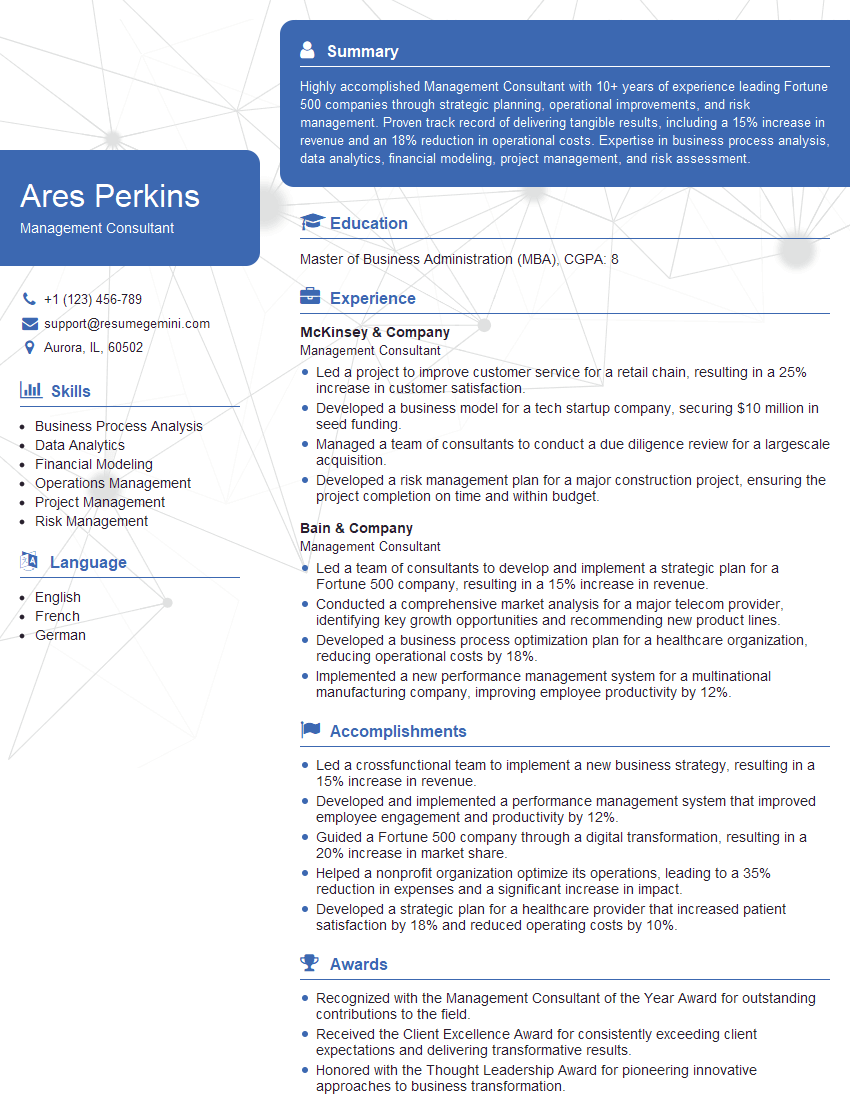
Management Consultant Resume Sample
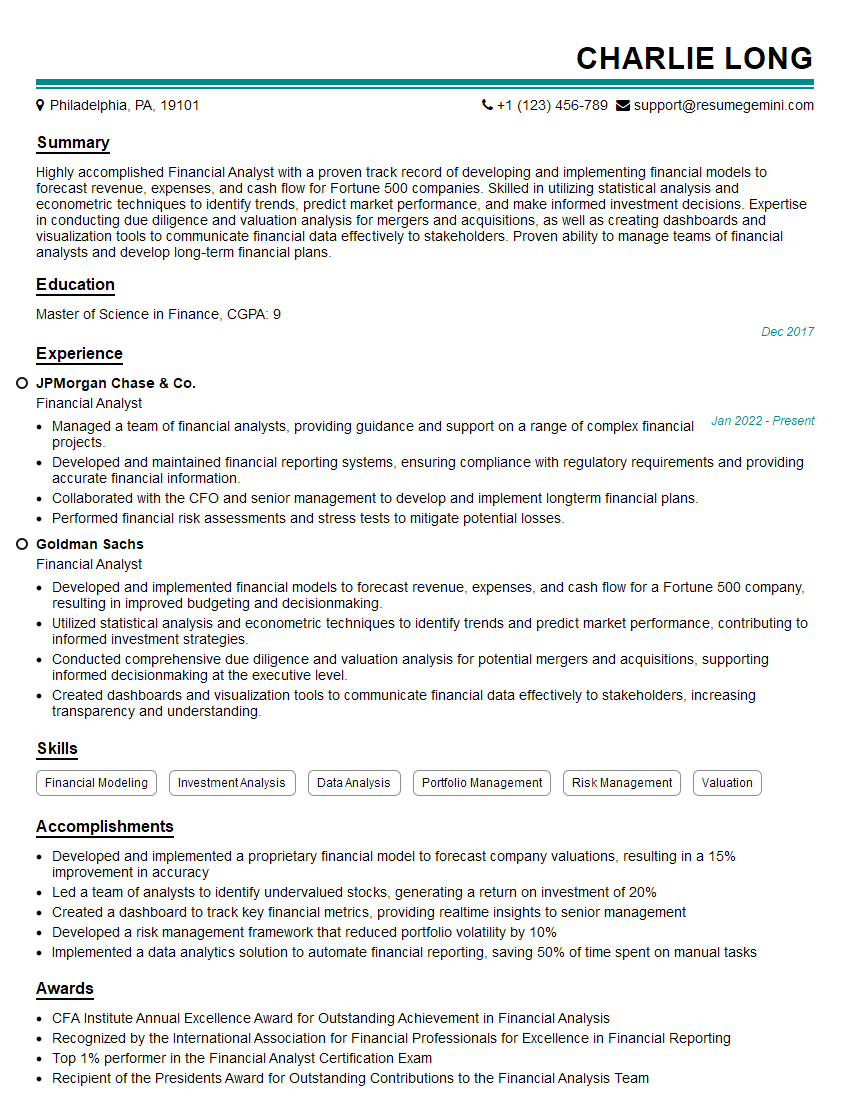
Financial Analyst Resume Sample
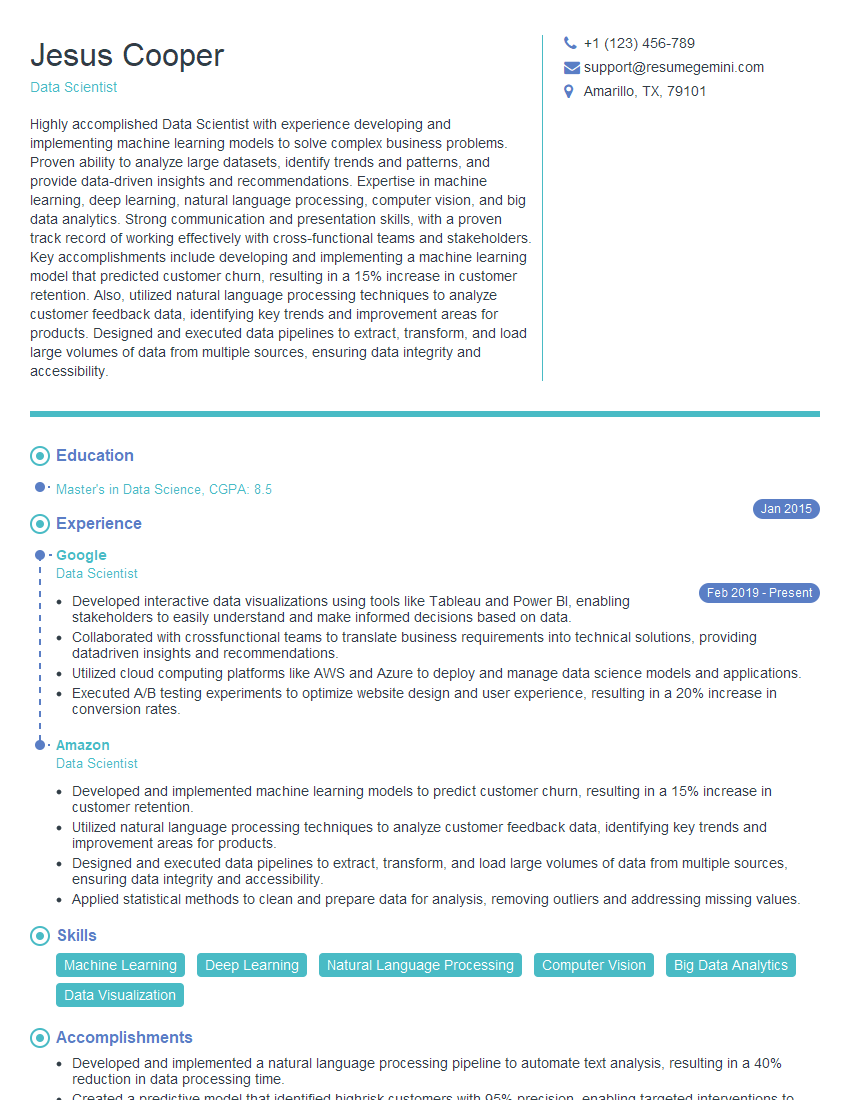
Data Scientist Resume Sample
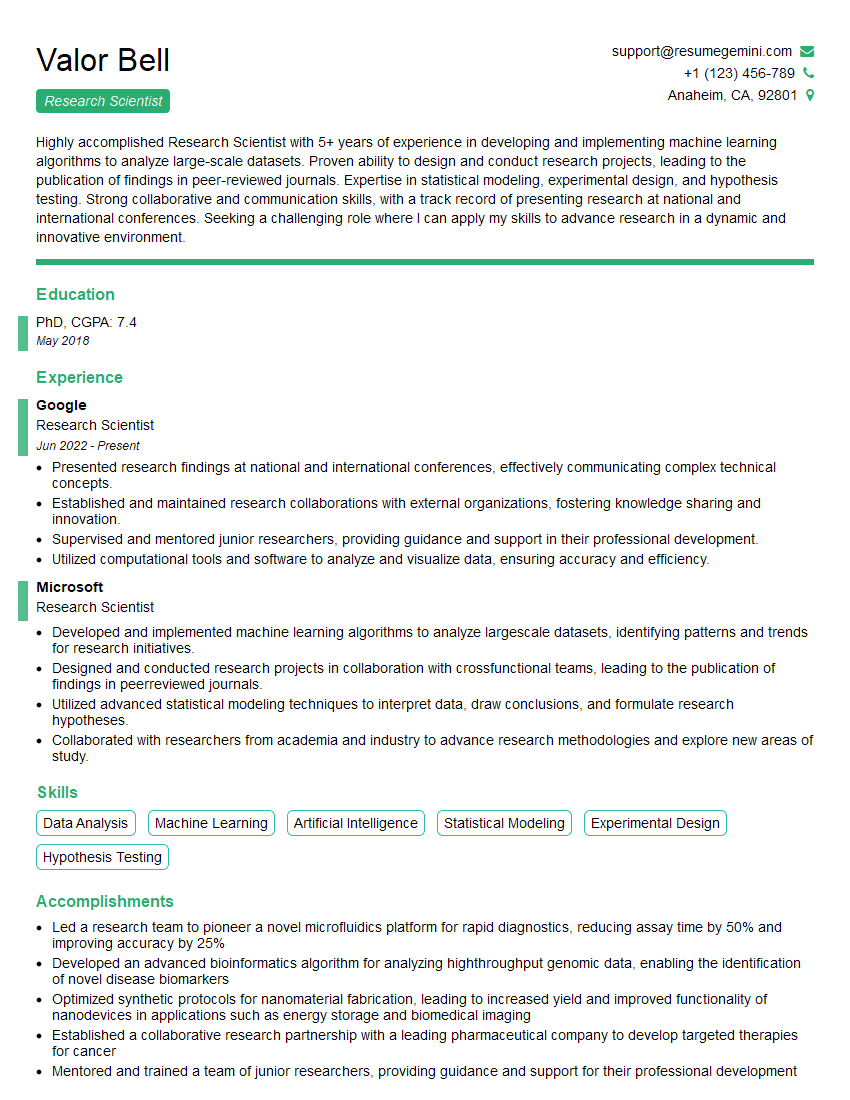
Research Scientist Resume Sample
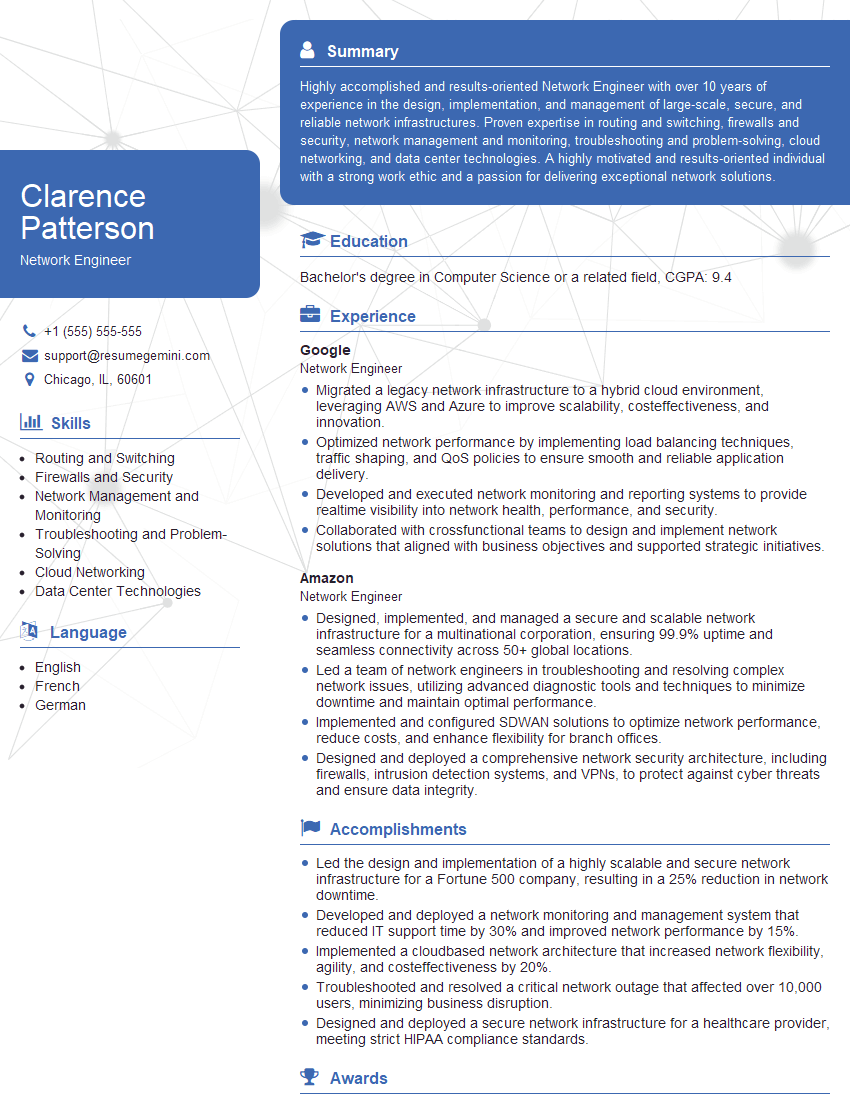
Network Engineer Resume Sample

Senior Software Engineer Resume Sample
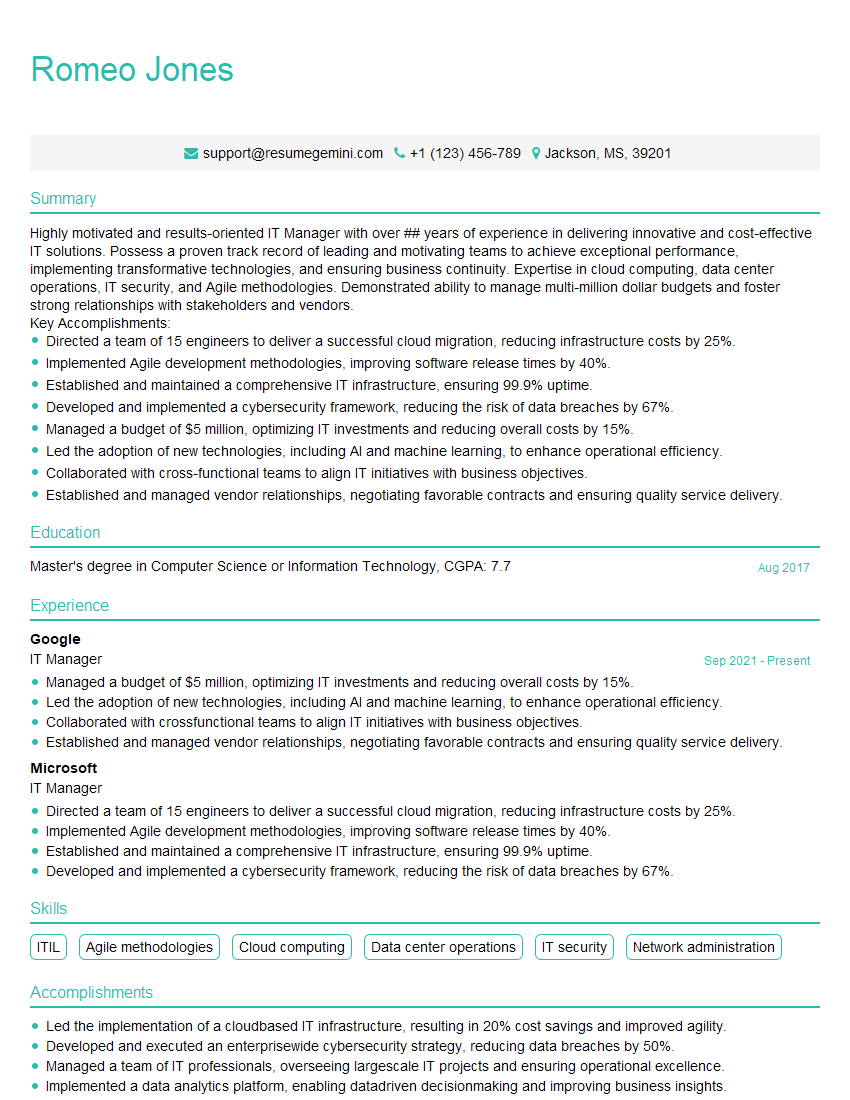
IT Manager Resume Sample
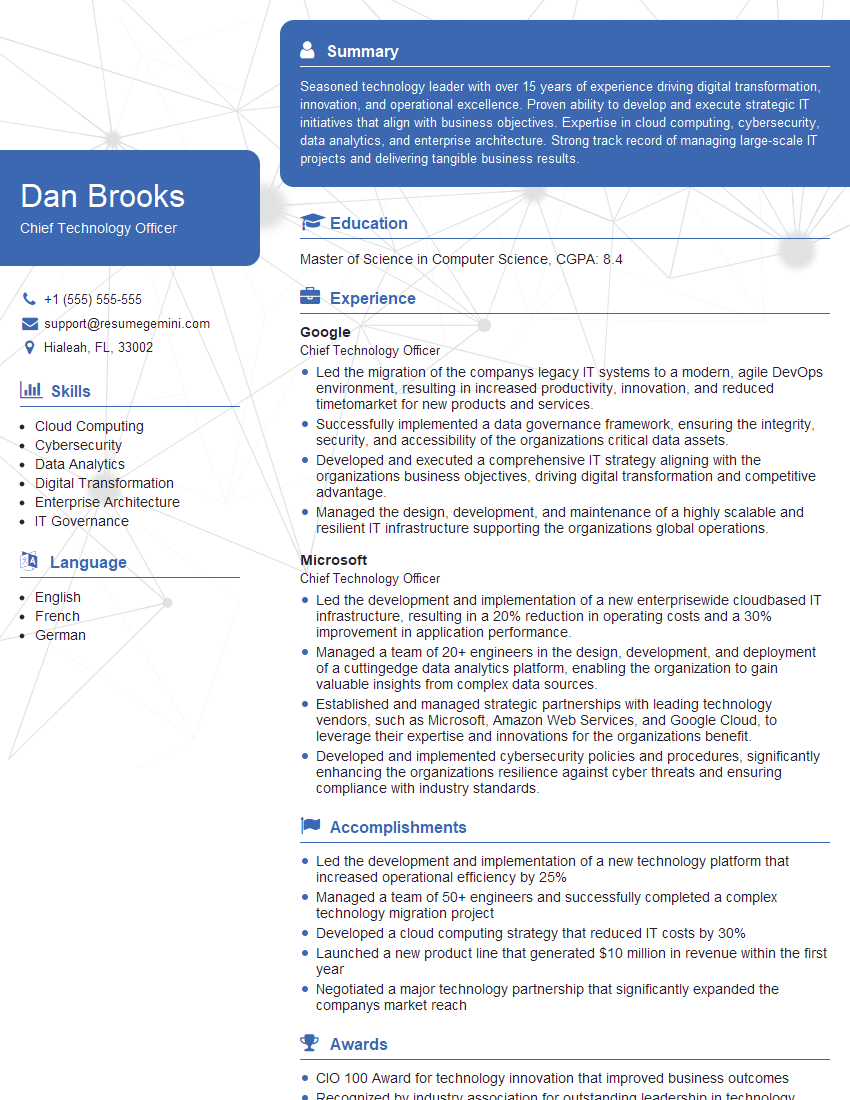
Chief Technology Officer Resume Sample

Technical Writer Resume Sample
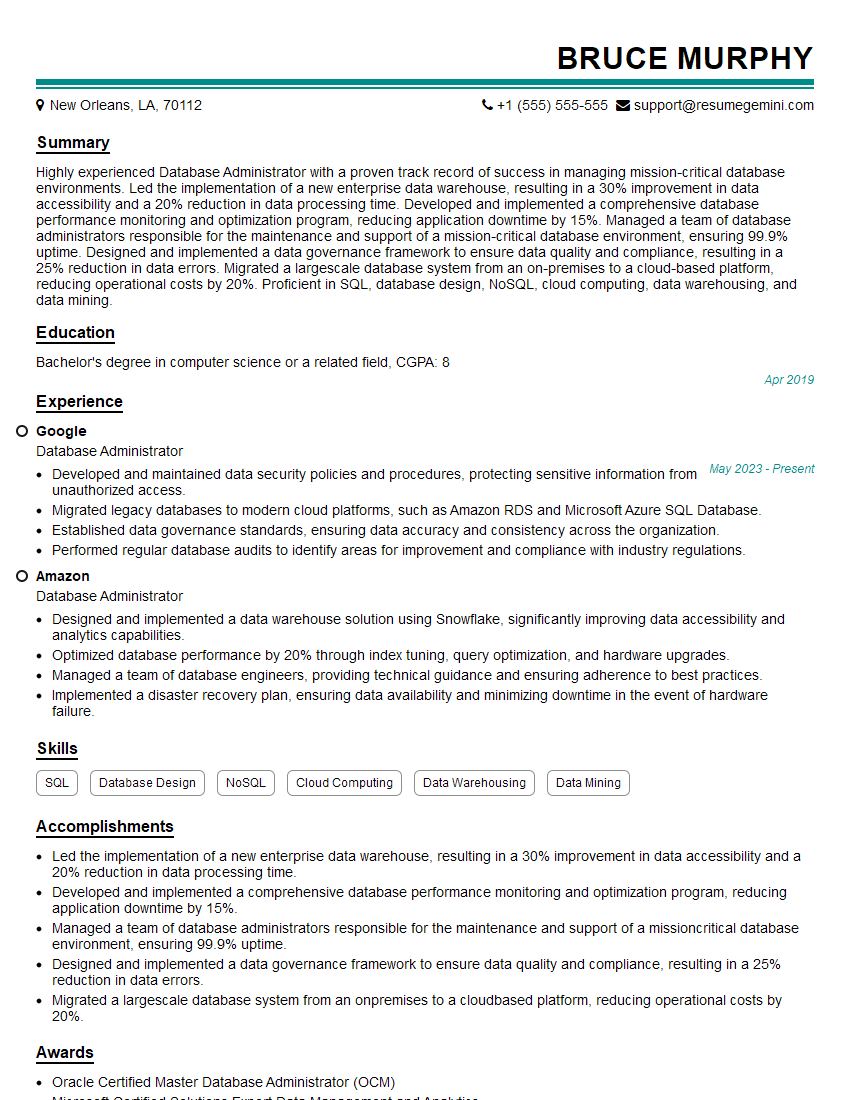
Database Administrator Resume Sample
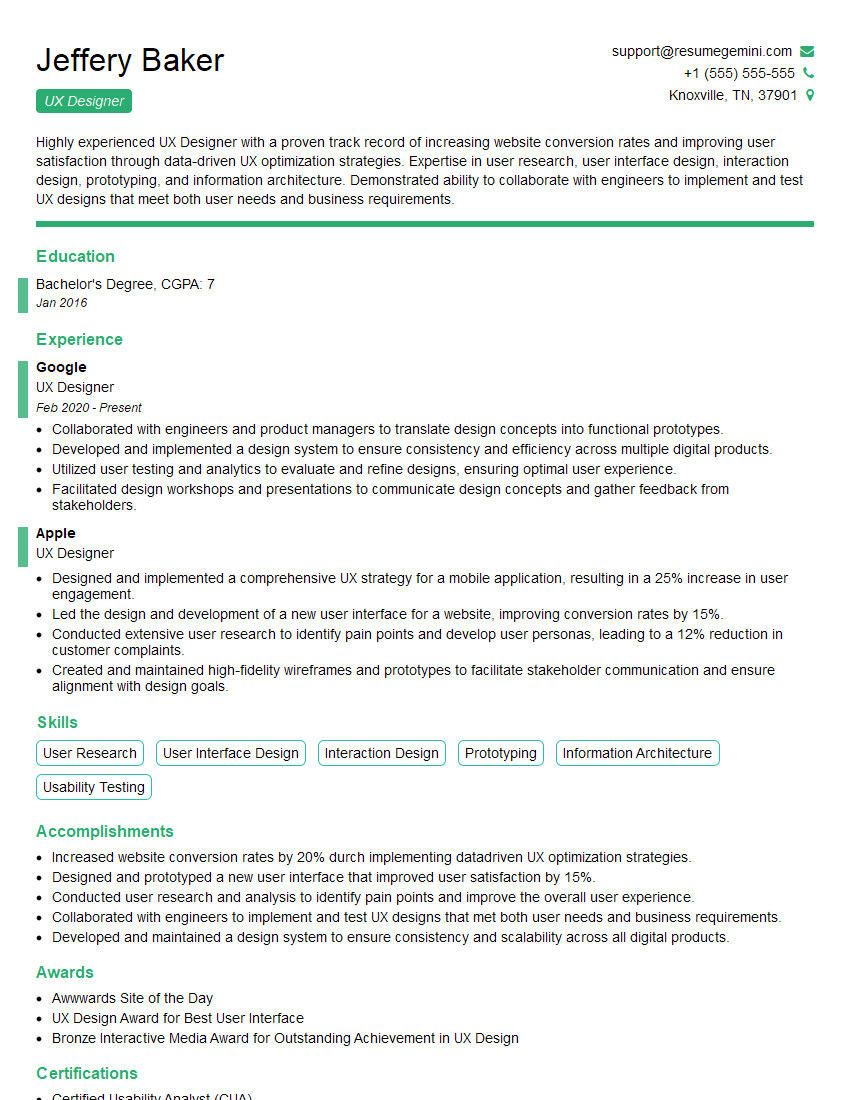
UX Designer Resume Sample
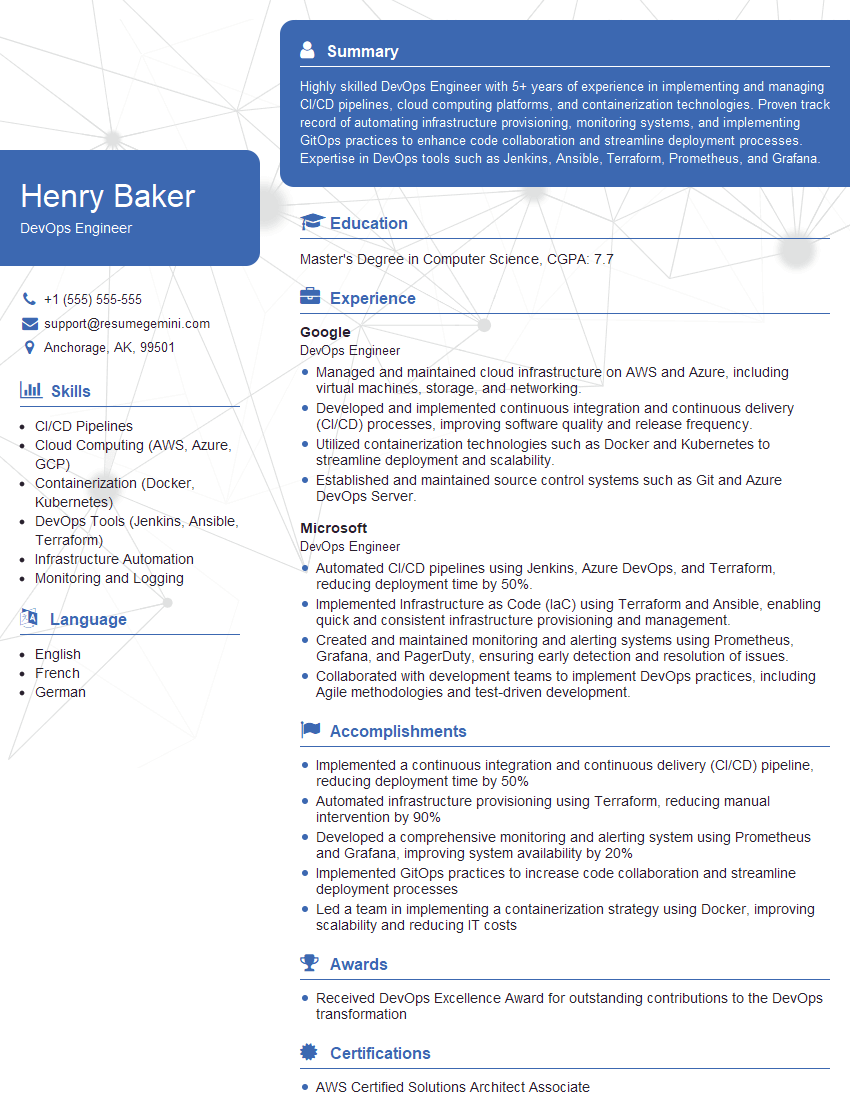
DevOps Engineer Resume Sample
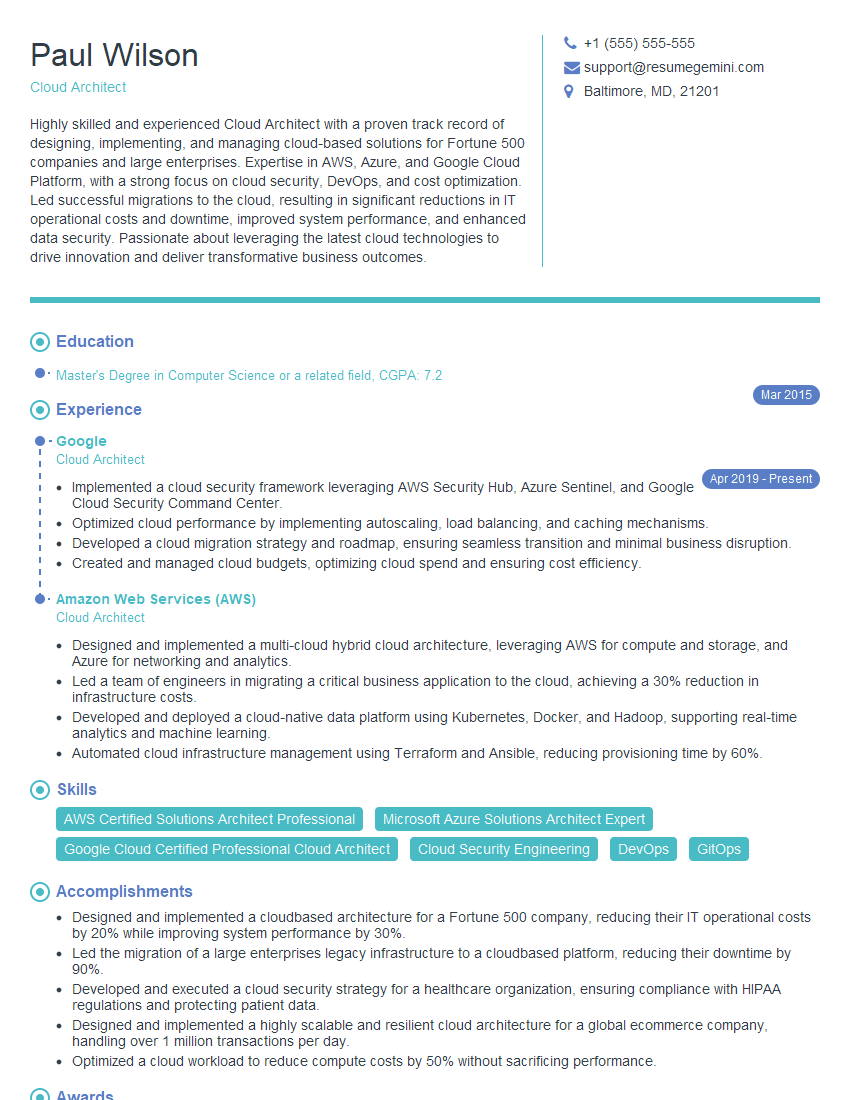
Cloud Architect Resume Sample
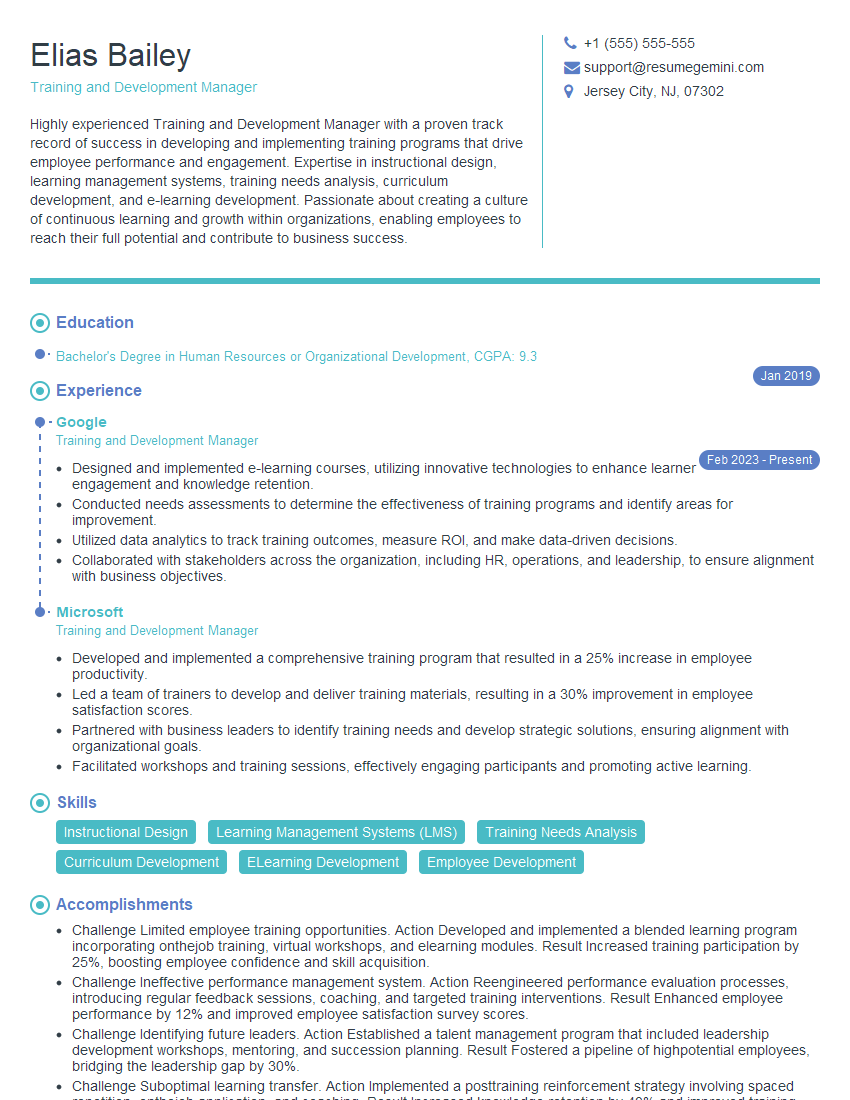
Training and Development Manager Resume Sample
- Operations Manager
- Marketing Manager
- Sales Manager
- Product Manager
- Quality Assurance Manager
- Supply Chain Manager
- Human Resources Manager
- Project Manager
- Compliance Officer
- Business Analyst
- Management Consultant
- Financial Analyst
- Data Scientist
- Research Scientist
- Network Engineer
- Senior Software Engineer
- IT Manager
- Chief Technology Officer
- Technical Writer
- Database Administrator
- UX Designer
- DevOps Engineer
- Cloud Architect
- Training and Development Manager
Explore more articles
Users Rating of Our Blogs
Share Your Experience
We value your feedback! Please rate our content and share your thoughts (optional).
What Readers Say About Our Blog
Amazing blog
hello,
Our consultant firm based in the USA and our client are interested in your products.
Could you provide your company brochure and respond from your official email id (if different from the current in use), so i can send you the client’s requirement.
Payment before production.
I await your answer.
Regards,
MrSmith
hello,
Our consultant firm based in the USA and our client are interested in your products.
Could you provide your company brochure and respond from your official email id (if different from the current in use), so i can send you the client’s requirement.
Payment before production.
I await your answer.
Regards,
MrSmith
These apartments are so amazing, posting them online would break the algorithm.
https://bit.ly/Lovely2BedsApartmentHudsonYards
Reach out at BENSON@LONDONFOSTER.COM and let’s get started!
Take a look at this stunning 2-bedroom apartment perfectly situated NYC’s coveted Hudson Yards!
https://bit.ly/Lovely2BedsApartmentHudsonYards
Live Rent Free!
https://bit.ly/LiveRentFREE
Interesting Article, I liked the depth of knowledge you’ve shared.
Helpful, thanks for sharing.
Hi, I represent a social media marketing agency and liked your blog
Hi, I represent an SEO company that specialises in getting you AI citations and higher rankings on Google. I’d like to offer you a 100% free SEO audit for your website. Would you be interested?