The right preparation can turn an interview into an opportunity to showcase your expertise. This guide to Ability to solve problems and think creatively interview questions is your ultimate resource, providing key insights and tips to help you ace your responses and stand out as a top candidate.
Questions Asked in Ability to solve problems and think creatively Interview
Q 1. Describe a time you had to solve a complex problem with limited resources.
Resource constraints often force us to think more creatively and efficiently. In my previous role at XYZ Company, we faced a critical system failure with limited access to our usual support infrastructure. Our primary database server crashed, impacting all customer-facing applications, and our dedicated support team was unavailable due to an unexpected outage.
My approach involved a three-pronged strategy:
- Immediate Damage Control: We quickly identified which services were most critical (order processing and customer login) and used a backup server with limited capacity to restore those. This involved some manual intervention and prioritization of data recovery.
- Root Cause Analysis (RCA): While the critical services were partially restored, I, along with a small team, worked to identify the root cause of the database server failure using available logs. We discovered a memory leak in a recently deployed patch.
- Long-Term Solution: With the system stabilized, we focused on a long-term fix. We rolled back the patch, implemented stricter monitoring of system resources, and developed a more robust failover system. This included prioritizing training for the remaining team on essential backup procedures.
This experience taught me the importance of prioritizing, leveraging available resources effectively, and quickly adapting to unexpected situations.
Q 2. Explain your approach to brainstorming innovative solutions.
My brainstorming approach is a blend of structured and unstructured techniques. It often begins with clearly defining the problem and its constraints. I then employ several methods:
- Mind Mapping: I visually organize ideas, branching out from the central problem to explore various solutions. This helps reveal unexpected connections and possibilities.
- SCAMPER: This checklist prompts me to consider substitutes, combine, adapt, modify, put to other uses, eliminate, and reverse elements of the existing system or process.
- Lateral Thinking: I deliberately try to break away from conventional thinking patterns to explore unconventional solutions. This often involves asking ‘What if?’ questions and challenging assumptions.
- Team Brainstorming: I strongly believe in harnessing the collective creativity of a team. A structured brainstorming session with clear guidelines and a facilitator ensures that everyone contributes effectively.
The key is to create a safe and inclusive environment where diverse perspectives are valued, leading to truly innovative solutions.
Q 3. How do you identify the root cause of a problem?
Identifying the root cause often involves a structured investigation. The ‘5 Whys’ technique is a useful starting point. It involves repeatedly asking ‘Why?’ until the fundamental cause is revealed. However, this method alone isn’t sufficient. A more comprehensive approach involves:
- Data Gathering: Collecting relevant data from various sources like logs, user reports, and system metrics.
- Fact Finding: Verifying the accuracy and completeness of the collected data through further investigation.
- Hypothesis Generation: Formulating potential root causes based on the gathered data.
- Hypothesis Testing: Testing each hypothesis systematically, ruling out possibilities until the root cause is isolated.
- Verification: Confirming the root cause through independent verification or analysis.
For example, if a website is experiencing slow loading times, simply saying ‘it’s slow’ isn’t helpful. We’d need to investigate aspects like network latency, database query performance, server load, and client-side factors through systematic analysis.
Q 4. Describe a situation where you had to think outside the box to find a solution.
During a project involving the implementation of a new customer relationship management (CRM) system, we encountered a significant challenge. The existing data migration process was proving to be extremely slow and inefficient. The project was on the verge of falling behind schedule.
The standard approach was deemed too time-consuming. I proposed a solution that involved leveraging a cloud-based data processing service to parallelize the migration process. This was outside of our initial project scope but was significantly faster and more scalable. We successfully migrated the data within the deadline by utilizing this novel solution, preventing a major delay.
Q 5. How do you handle setbacks or unexpected challenges in problem-solving?
Setbacks are inevitable in problem-solving. My approach is based on resilience and a methodical response:
- Acknowledge the Setback: Openly acknowledging the setback, analyzing what went wrong without assigning blame.
- Re-evaluate the Strategy: Assess if the initial approach requires modification or if a completely new strategy is needed.
- Seek Support: Collaborate with colleagues, mentors, or other experts to brainstorm new solutions and gain fresh perspectives.
- Adjust and Iterate: Adapt the strategy based on the learnings from the setback. This often involves breaking down complex problems into smaller, manageable tasks.
- Maintain Perspective: Focus on what can be controlled and learned from the experience. Avoid dwelling on past mistakes.
This iterative and adaptive approach promotes continuous improvement and builds resilience.
Q 6. How do you prioritize multiple competing problems?
Prioritizing competing problems requires a structured approach. I use a matrix that considers urgency and impact:
- Urgency: How immediately must this problem be addressed?
- Impact: What is the potential negative consequence of not addressing this problem?
Problems are then categorized into four quadrants:
- High Urgency, High Impact: Address these immediately. These are critical issues requiring immediate attention.
- High Urgency, Low Impact: Address these promptly, but with less resource allocation compared to high-impact issues.
- Low Urgency, High Impact: Plan these for resolution in the near future. These issues might be less urgent now but have significant long-term consequences.
- Low Urgency, Low Impact: These problems can be delegated or deferred unless their priority changes.
This prioritization matrix helps make objective decisions, allocate resources effectively and prevents fire-fighting.
Q 7. Give an example of a time you used data analysis to solve a problem.
In a previous role, we observed a significant drop in conversion rates on our e-commerce website. Instead of relying on gut feelings, we decided to analyze website data to pinpoint the root cause.
We used Google Analytics to examine various metrics, including bounce rates, average session duration, and page views. The data revealed a high bounce rate on the product page. Further investigation using heatmaps and user session recordings uncovered a usability issue; the ‘Add to Cart’ button was poorly positioned and difficult to locate.
Based on this data-driven insight, we redesigned the product page, improving the button’s visibility and placement. After the redesign, we observed a significant increase in conversion rates. This demonstrated the power of data analysis in identifying and solving complex problems.
Q 8. How do you evaluate the effectiveness of your problem-solving strategies?
Evaluating the effectiveness of my problem-solving strategies is a continuous process, not a one-time event. I use a multi-faceted approach that involves both quantitative and qualitative assessment.
Outcome Analysis: Did I achieve the desired results? This involves objectively measuring the impact of my solution. For example, if I was tasked with improving website conversion rates, I’d track the changes after implementing my solution. A significant increase would indicate effectiveness.
Process Evaluation: Did I follow best practices? Did I identify and address potential roadblocks effectively? This involves reflecting on the steps I took, identifying areas of strength and weakness in my approach. For instance, I might analyze whether I sufficiently gathered data before formulating a solution or if my communication with stakeholders was optimal.
Time and Resource Efficiency: How efficiently did I use time and resources? Problem-solving shouldn’t be excessively time-consuming or resource-intensive if a more efficient approach exists. Tracking the time spent and resources consumed allows for future optimization.
Feedback Collection: Seeking feedback from colleagues, stakeholders, or users is crucial. This provides external perspectives on the effectiveness of the solution and can highlight areas for improvement that I may have missed.
By combining these methods, I build a comprehensive understanding of my strengths and weaknesses, leading to continuous improvement in my problem-solving abilities.
Q 9. Describe your process for defining a problem before attempting to solve it.
Defining a problem correctly is the most crucial step in finding a successful solution. My process involves a structured approach:
Understanding the Context: I begin by thoroughly understanding the situation. This involves gathering all relevant information – data, user feedback, stakeholder perspectives, etc. – to get a holistic picture.
Identifying the Root Cause: It’s vital to distinguish between symptoms and the underlying cause. I use techniques like the ‘5 Whys’ to drill down to the fundamental issue. For instance, if a website is experiencing slow loading times (symptom), repeatedly asking ‘why’ might uncover issues with server capacity or inefficient code (root cause).
Defining Measurable Objectives: Vague problem statements are unhelpful. I aim for a concise, measurable definition. Instead of ‘improve customer satisfaction,’ a better definition would be ‘increase customer satisfaction scores by 15% within the next quarter’.
Prioritizing the Problem: Not all problems are created equal. I prioritize based on impact and urgency, using techniques like a prioritization matrix (e.g., impact vs. effort).
This structured approach ensures that I’m addressing the right problem, not just its surface manifestations.
Q 10. How do you collaborate with others to solve complex problems?
Collaboration is key to solving complex problems, especially those requiring diverse skills and perspectives. My collaborative approach focuses on:
Open Communication: I encourage open and transparent communication, ensuring everyone feels comfortable sharing ideas and concerns.
Active Listening: I actively listen to understand others’ viewpoints, even if they differ from mine.
Shared Understanding: I work to ensure everyone has a shared understanding of the problem and the goals.
Role Clarity: Defining roles and responsibilities avoids confusion and duplication of effort.
Constructive Feedback: I provide and receive constructive feedback throughout the process.
Leveraging Diverse Skills: I actively seek out the expertise of others who possess different skills and perspectives.
For example, in a project involving a software bug, I would collaborate with developers, testers, and designers to understand the technical aspects, user impact, and potential design solutions.
Q 11. Explain how you use creative thinking to improve efficiency or productivity.
Creative thinking is not just about brainstorming; it’s about applying innovative approaches to improve efficiency and productivity. I use several techniques:
Mind Mapping: To visually explore different ideas and connections.
Lateral Thinking: To approach problems from unconventional angles, challenging assumptions.
Design Thinking: To empathize with users and develop user-centered solutions.
Process Optimization: Identifying bottlenecks and inefficiencies in workflows and streamlining them.
Automation: Automating repetitive tasks to free up time for more strategic work.
For example, instead of manually processing reports, I might automate the process using scripting, freeing up hours for more valuable tasks. Similarly, by redesigning a workflow, I identified a bottleneck that increased efficiency by 20%.
Q 12. Give an example of a time you successfully identified and solved a problem that others had missed.
In a previous role, our team was struggling with a significant drop in website traffic. The initial diagnosis focused on external factors like competitor activity. However, after analyzing website analytics more deeply, I noticed a pattern – a specific section of the website was consistently generating error messages. This was overlooked by others focusing on external factors. By identifying and fixing this technical issue, website traffic rebounded significantly. This demonstrated the value of meticulous data analysis and not relying solely on surface-level observations.
Q 13. How do you handle conflict when working with others to solve a problem?
Conflict is inevitable when collaborating on complex problems. My approach emphasizes:
Active Listening and Empathy: Understanding the other person’s perspective is crucial. I try to understand the root cause of the disagreement.
Focus on the Problem, Not the Person: I keep the discussion focused on the problem itself, avoiding personal attacks or emotional escalation.
Seeking Common Ground: I look for areas of agreement to build a foundation for resolution.
Compromise and Negotiation: I am willing to compromise and negotiate to reach a mutually acceptable solution.
Mediation if Necessary: If the conflict is unresolvable, I may seek the help of a mediator to facilitate a productive conversation.
The goal is not to avoid conflict, but to manage it effectively to achieve a positive outcome.
Q 14. Describe a time you had to make a difficult decision under pressure.
During a product launch, a critical bug was discovered shortly before the deadline. This created immense pressure as a delay would have significant financial and reputational consequences. I had to make a rapid decision: proceed with the launch despite the bug and release a patch quickly, or delay the launch to fix the bug completely. After assessing the severity of the bug, weighing the risks and benefits of each option, and consulting with the team, I chose to proceed with the launch and deploy a patch within 24 hours. This decision, while risky, proved successful due to rapid response and clear communication. The experience reinforced the importance of decisive action under pressure and having a well-defined crisis management plan.
Q 15. How do you adapt your approach to problem-solving depending on the situation?
My approach to problem-solving is highly adaptable and hinges on understanding the context. I employ a situational approach, meaning I tailor my strategy based on factors like the problem’s complexity, available resources, time constraints, and the stakeholders involved. For instance, a simple, quick fix might suffice for a minor bug, whereas a complex problem might require a structured, iterative process like Design Thinking (which I’ll discuss further in a later answer). If the problem is urgent, I prioritize speed and efficiency, focusing on finding a workable solution quickly. Conversely, if a more thorough, long-term solution is needed, I’ll dedicate more time to research and analysis. In each scenario, clear communication and collaboration with stakeholders are key to aligning expectations and ensuring buy-in.
Career Expert Tips:
- Ace those interviews! Prepare effectively by reviewing the Top 50 Most Common Interview Questions on ResumeGemini.
- Navigate your job search with confidence! Explore a wide range of Career Tips on ResumeGemini. Learn about common challenges and recommendations to overcome them.
- Craft the perfect resume! Master the Art of Resume Writing with ResumeGemini’s guide. Showcase your unique qualifications and achievements effectively.
- Don’t miss out on holiday savings! Build your dream resume with ResumeGemini’s ATS optimized templates.
Q 16. How do you ensure that the solutions you propose are practical and feasible?
Ensuring practicality and feasibility is paramount. I achieve this through a multi-step process. Firstly, I conduct thorough research to understand the problem’s root causes and gather relevant data. This often involves brainstorming sessions, stakeholder interviews, and analysis of existing data. Secondly, I evaluate the available resources – financial, technological, human – and assess if they’re sufficient to support the proposed solution. Thirdly, I consider potential risks and challenges and develop mitigation strategies. Finally, I prototype or simulate the solution on a smaller scale to test its feasibility and identify any unforeseen issues before full-scale implementation. For example, before implementing a new software feature, I might create a minimum viable product (MVP) to test its functionality and user acceptance before committing significant resources to a full-scale rollout.
Q 17. Describe your experience with design thinking or similar problem-solving methodologies.
I have extensive experience leveraging design thinking, a human-centered problem-solving approach. I’ve used it repeatedly in projects requiring innovative solutions. The five stages – empathize, define, ideate, prototype, and test – provide a structured framework that ensures I thoroughly understand the user’s needs, clearly define the problem, generate diverse ideas, and rigorously test the solution’s effectiveness. For example, in a recent project aimed at improving user engagement on a mobile app, we followed the design thinking process. We started by conducting user interviews (’empathize’), identified key pain points (‘define’), brainstormed potential solutions (‘ideate’), developed low-fidelity prototypes (‘prototype’), and then tested them with users, iterating based on feedback (‘test’). This iterative process led to a significantly improved user experience and increased engagement rates.
Q 18. Give an example of a time you had to overcome a significant obstacle to achieve a goal.
During the development of a complex e-commerce platform, we encountered a significant obstacle: integrating with a third-party payment gateway that had inconsistent APIs and poor documentation. The initial attempts to integrate were unsuccessful, causing project delays. To overcome this, I took a multi-pronged approach. First, I built a strong relationship with the payment gateway’s support team, gaining access to additional resources and documentation. Second, I divided the integration task into smaller, manageable components, allowing us to tackle the problem incrementally. Third, I implemented rigorous testing at each stage to quickly identify and fix integration issues. Finally, I documented each solution thoroughly, ensuring future maintainability and preventing similar issues. This proactive and systematic approach allowed us to overcome the obstacle and successfully launch the platform on time.
Q 19. How do you stay current with new problem-solving techniques and technologies?
Staying current is crucial in the dynamic field of problem-solving. I actively engage in continuous learning through several methods. I subscribe to industry newsletters and journals, attend conferences and workshops on problem-solving techniques and emerging technologies, and actively participate in online communities and forums dedicated to problem-solving. I also dedicate time to exploring new tools and technologies relevant to my work. This includes experimenting with new programming languages, design software, and data analysis techniques. Finally, I regularly review and update my own problem-solving skills by reflecting on past projects and identifying areas for improvement.
Q 20. How do you measure the success of a problem-solving initiative?
Measuring the success of a problem-solving initiative is critical and relies on defining clear, measurable goals at the outset. These goals should be Specific, Measurable, Achievable, Relevant, and Time-bound (SMART). For example, instead of vaguely aiming to ‘improve customer satisfaction,’ a SMART goal might be to ‘increase customer satisfaction scores by 15% within six months, as measured by post-interaction surveys.’ After implementation, I’ll track key performance indicators (KPIs) aligned with those goals. This could include metrics like cost reduction, efficiency improvements, increased sales, reduced error rates, or enhanced customer satisfaction. Qualitative feedback, obtained through interviews or focus groups, also provides valuable insights into the initiative’s impact. By comparing pre- and post-implementation data on these KPIs and qualitative feedback, I can accurately assess the success of the problem-solving initiative.
Q 21. Describe a time you had to present a complex problem and its solution to a non-technical audience.
I once had to present a complex database migration plan to a non-technical board of directors. To ensure clarity, I avoided technical jargon and used analogies to explain complex concepts. For instance, I compared the database migration to moving houses, explaining that each step – data backup, data transfer, and system testing – was crucial for a smooth transition. I used visuals like flowcharts and simple diagrams to illustrate the process and its timeline. Furthermore, I focused on the business benefits of the migration, such as improved efficiency, increased security, and cost savings, rather than getting bogged down in technical details. The presentation was well-received because it effectively communicated the key aspects of the project in a language the audience understood, leading to their approval of the plan.
Q 22. How do you use critical thinking to evaluate the potential consequences of a decision?
Evaluating the potential consequences of a decision requires a systematic approach using critical thinking. It’s not just about identifying the immediate effects, but also considering the ripple effects across different aspects of the situation. I begin by clearly defining the decision and its potential outcomes. Then, I analyze each outcome, considering its probability and impact. This involves identifying potential risks and benefits, both short-term and long-term. I use a framework that considers various perspectives – financial, ethical, legal, and operational – to ensure a holistic evaluation. For example, if deciding on a new marketing campaign, I would analyze its potential return on investment, the risks associated with negative customer feedback, and its alignment with our brand image. A crucial step is also considering unintended consequences; what unexpected problems might arise? This could involve brainstorming potential negative scenarios and devising mitigation strategies. Finally, I compare and weigh the various outcomes to determine the best course of action, acknowledging inherent uncertainties and the potential for unforeseen events.
Q 23. Give an example of a time you used lateral thinking to find a solution.
During a project where we were facing a critical deadline and a key team member was unexpectedly unavailable, I employed lateral thinking. Instead of focusing solely on replacing the missing team member immediately, I considered alternative solutions. We realized that the missing team member’s responsibilities could be broken down into smaller, more manageable tasks that could be distributed among the remaining team members. This required re-prioritizing tasks and creatively re-allocating responsibilities, which we successfully accomplished by holding a brainstorming session to identify strengths and weaknesses within our team. While it required more collaborative effort and a different approach than our usual workflow, it allowed us to meet the deadline successfully, demonstrating the power of thinking outside the box when facing unexpected obstacles.
Q 24. How do you approach problem-solving in a team environment?
My approach to problem-solving in a team environment emphasizes collaboration and open communication. I believe in active listening, encouraging all team members to contribute their ideas and perspectives. I start by clearly defining the problem, ensuring everyone has the same understanding. Then, I facilitate a brainstorming session, using techniques like mind-mapping or SWOT analysis to generate multiple solutions. I encourage constructive criticism and healthy debate, ensuring everyone feels comfortable expressing their opinions. We collectively evaluate the potential solutions, considering their feasibility, impact, and potential risks. Finally, we choose the best solution based on consensus, assigning roles and responsibilities for implementation. Regular check-ins and transparent communication are crucial throughout the process to address challenges and ensure everyone remains aligned.
Q 25. Describe your process for generating multiple solutions to a problem.
Generating multiple solutions requires a deliberate approach. I start by reframing the problem – looking at it from different angles and perspectives. This helps to avoid getting stuck in a single line of thinking. Techniques like brainstorming, mind mapping, and the ‘six thinking hats’ method help broaden the range of possible solutions. I actively seek diverse perspectives, consulting with colleagues and stakeholders from different backgrounds. I also prioritize quantity over quality at the initial stage, focusing on generating a wide array of ideas, even seemingly impractical ones. Once a sufficient number of ideas have been generated, I evaluate them based on factors like feasibility, cost-effectiveness, and potential impact. This allows me to narrow down the list and select the most promising solutions for further exploration and refinement.
Q 26. How do you differentiate between a symptom and the root cause of a problem?
Differentiating between a symptom and the root cause is crucial for effective problem-solving. A symptom is an observable effect or indication of a problem; it’s what you see on the surface. The root cause, however, is the underlying reason why the symptom is occurring. Imagine a car that won’t start. The symptom is the car not starting. The root cause could be a dead battery, a faulty starter motor, or even a broken fuel pump. To uncover the root cause, I use techniques like the ‘5 Whys’ method – repeatedly asking ‘why’ until the fundamental cause is identified. I also utilize data analysis, flowcharts, and process maps to visualize the problem and identify potential points of failure. Addressing only the symptom – in the car example, simply jump-starting the battery – may provide temporary relief, but it doesn’t address the underlying problem, leading to recurrence.
Q 27. Explain your understanding of the difference between analytical and creative problem-solving.
Analytical problem-solving involves a structured, logical approach to breaking down a problem into its components, analyzing the data, and identifying a solution based on evidence and reasoning. It’s often data-driven and relies on established methods and processes. Creative problem-solving, on the other hand, involves generating novel and imaginative solutions by exploring unconventional approaches and thinking outside the box. While both approaches are valuable, they are often complementary. Analytical problem-solving helps in understanding the problem thoroughly, while creative problem-solving aids in developing innovative and effective solutions. For instance, analyzing sales data to identify declining trends is analytical, while designing a new marketing campaign to address this decline is creative. Effective problem-solving frequently combines both approaches for optimal results.
Q 28. How do you handle criticism of your problem-solving approach?
I view criticism as an opportunity for growth and improvement. I actively seek constructive feedback, seeing it as a valuable tool for refining my approach. I start by listening attentively to the criticism, seeking to understand the perspective of the person offering it. I ask clarifying questions to ensure I understand their concerns fully. Then, I evaluate the criticism objectively. Is it valid? Does it highlight a weakness in my approach? If the criticism is valid, I work to incorporate it into my process, learning from my mistakes. I also reflect on the criticism to understand the underlying reasons behind it, identifying areas where I can improve my communication, or my problem-solving strategy. If the criticism is unfounded or unhelpful, I politely explain my reasoning and respectfully disagree, while still remaining open to future feedback.
Key Topics to Learn for Ability to Solve Problems and Think Creatively Interview
- Problem Decomposition: Breaking down complex problems into smaller, manageable parts. This involves identifying the core issue, separating contributing factors, and prioritizing tasks.
- Analytical Thinking: Developing the ability to critically examine information, identify patterns, and draw logical conclusions. This includes evaluating data, identifying biases, and considering alternative perspectives.
- Creative Problem Solving Techniques: Exploring methodologies like brainstorming, lateral thinking, and design thinking to generate innovative solutions. Practice applying these techniques to real-world scenarios.
- Root Cause Analysis: Moving beyond surface-level solutions to identify the underlying causes of problems. This involves using tools like the “5 Whys” to drill down to the root of the issue.
- Solution Evaluation and Implementation: Developing a structured approach to assess the feasibility, effectiveness, and potential impact of different solutions. This involves defining success metrics and outlining implementation plans.
- Adaptability and Resilience: Demonstrating the ability to adjust strategies and remain positive when facing setbacks or unexpected challenges. Highlight instances where you overcame obstacles through creative problem-solving.
- Communication and Collaboration: Articulating your problem-solving process and working effectively with others to achieve shared goals. Practice explaining complex concepts clearly and concisely.
Next Steps
Mastering the ability to solve problems and think creatively is crucial for career advancement. It demonstrates valuable skills highly sought after by employers across various industries. To increase your job prospects, focus on building an ATS-friendly resume that effectively showcases your problem-solving capabilities and creative thinking. ResumeGemini can help you craft a professional and impactful resume tailored to highlight these skills. We provide examples of resumes specifically designed to emphasize your ability to solve problems and think creatively. Take advantage of this resource to significantly enhance your job search and land your dream role.
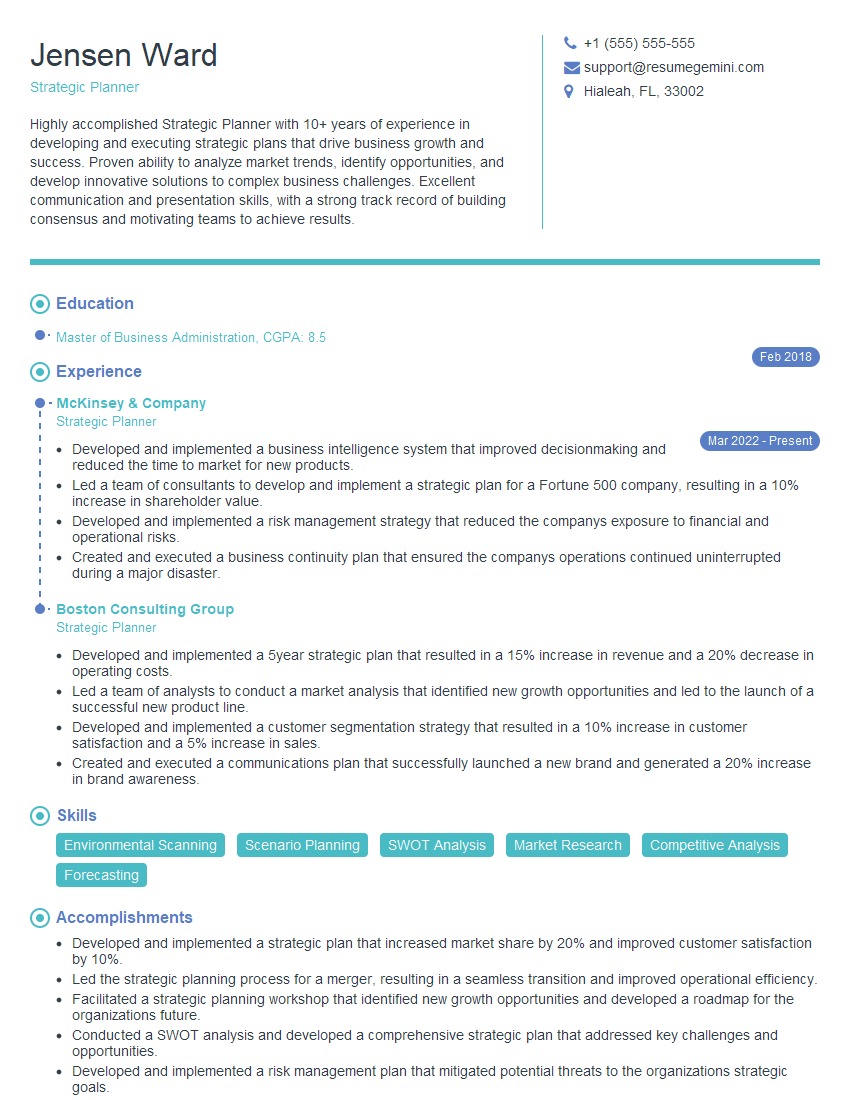
Strategic Planner Resume Sample
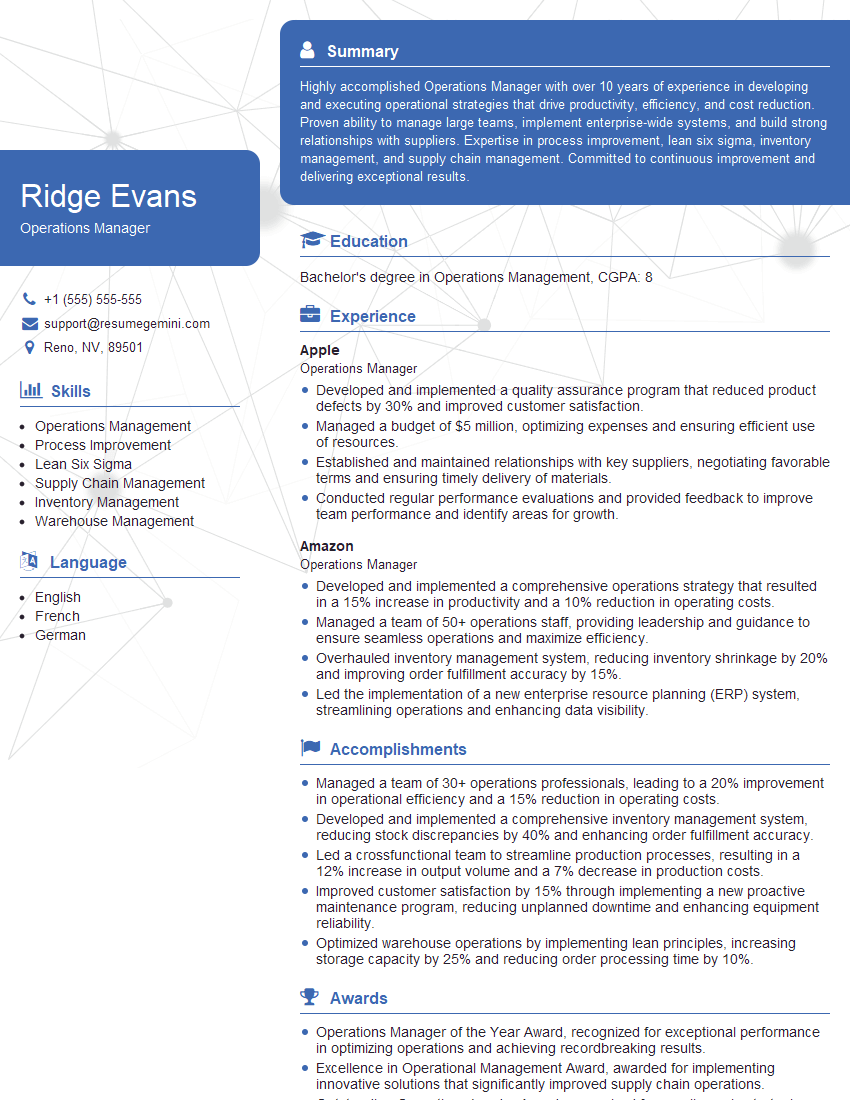
Operations Manager Resume Sample

Creative Director Resume Sample
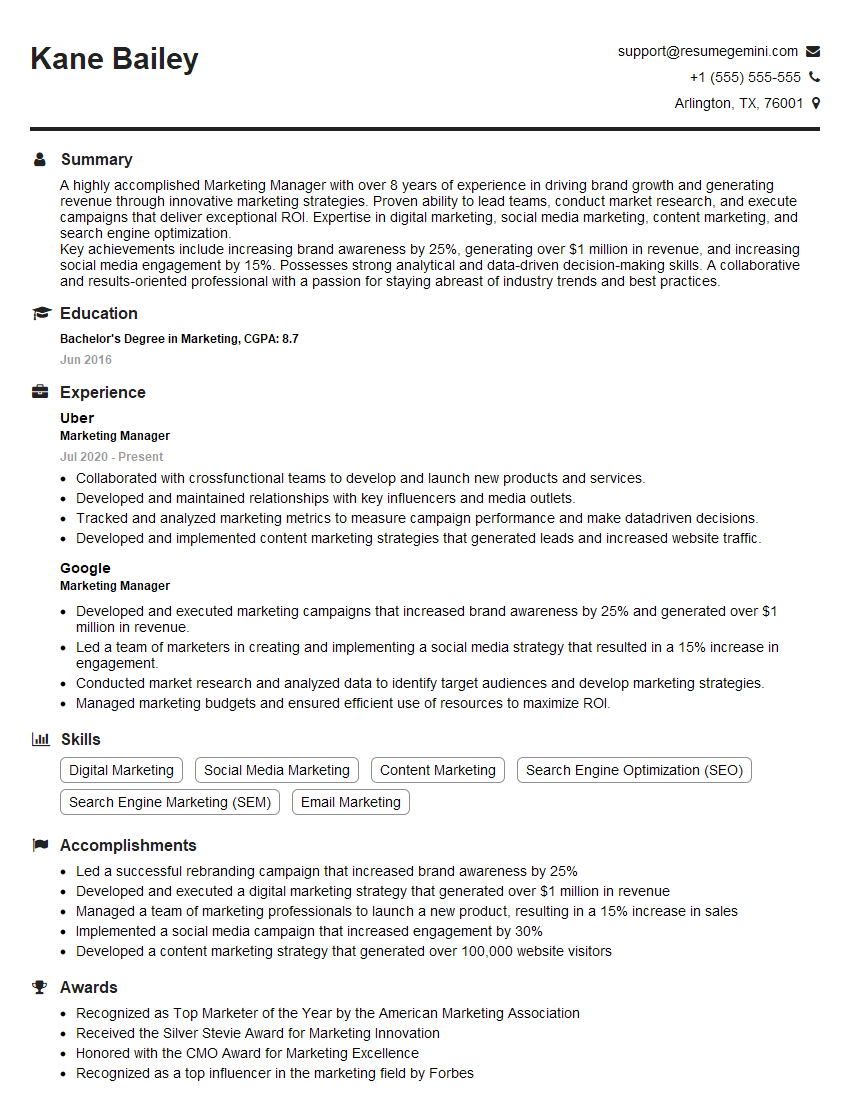
Marketing Manager Resume Sample
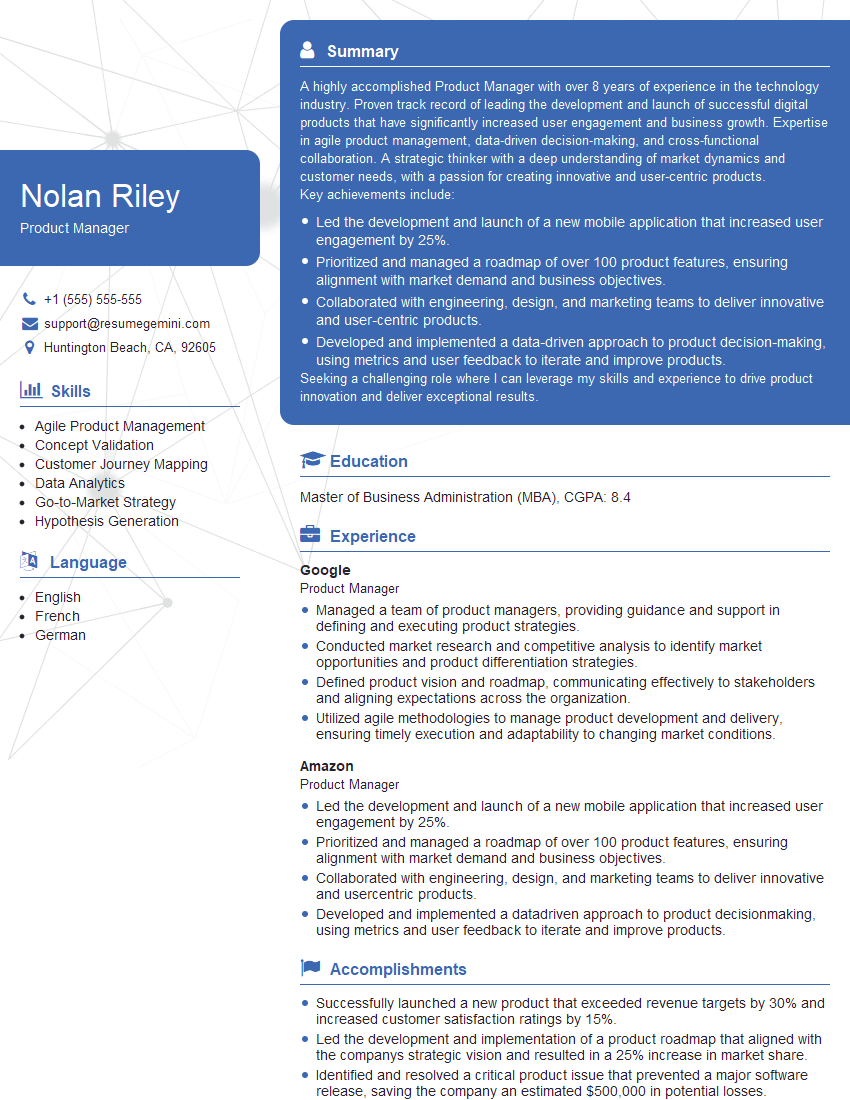
Product Manager Resume Sample
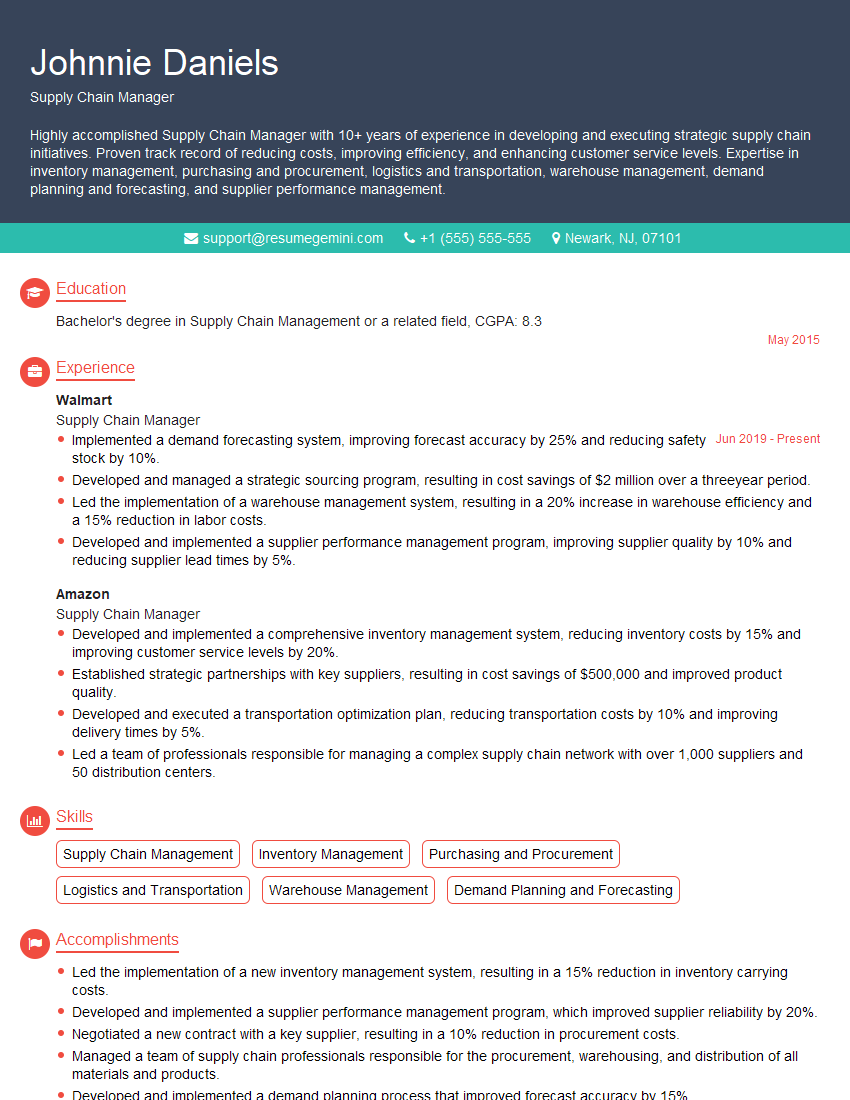
Supply Chain Manager Resume Sample
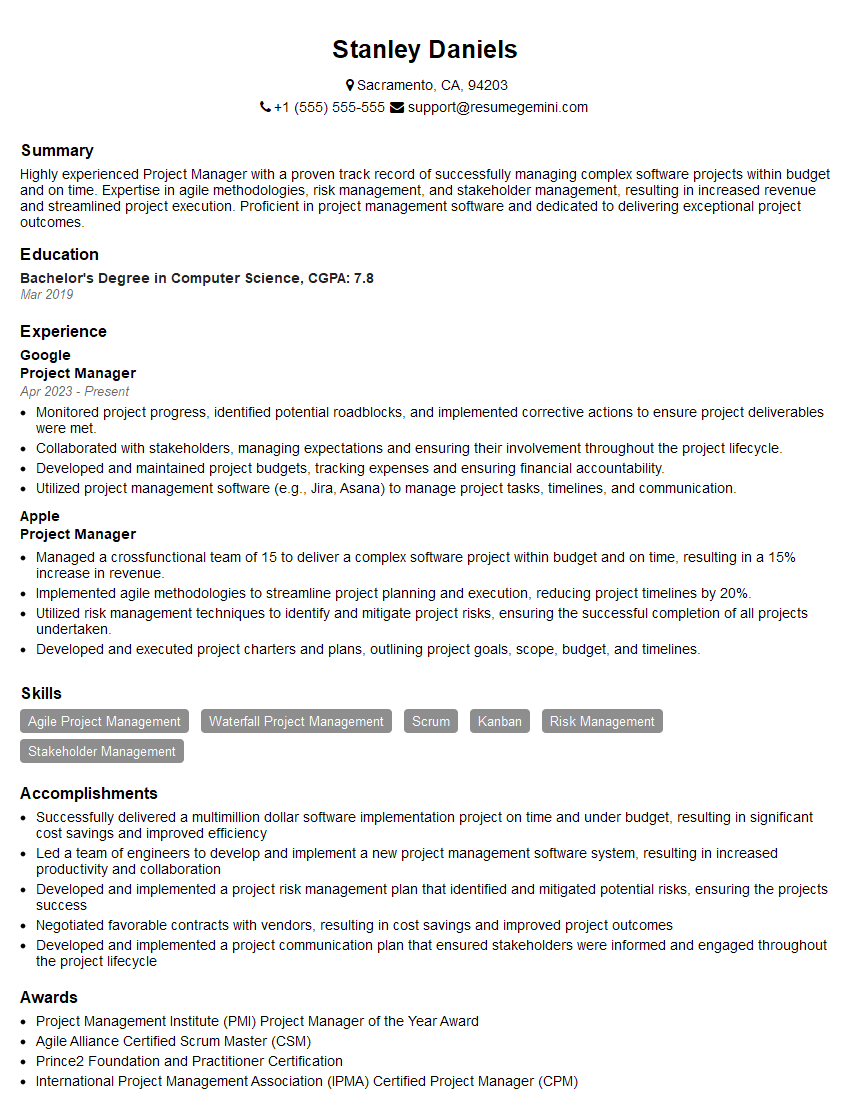
Project Manager Resume Sample
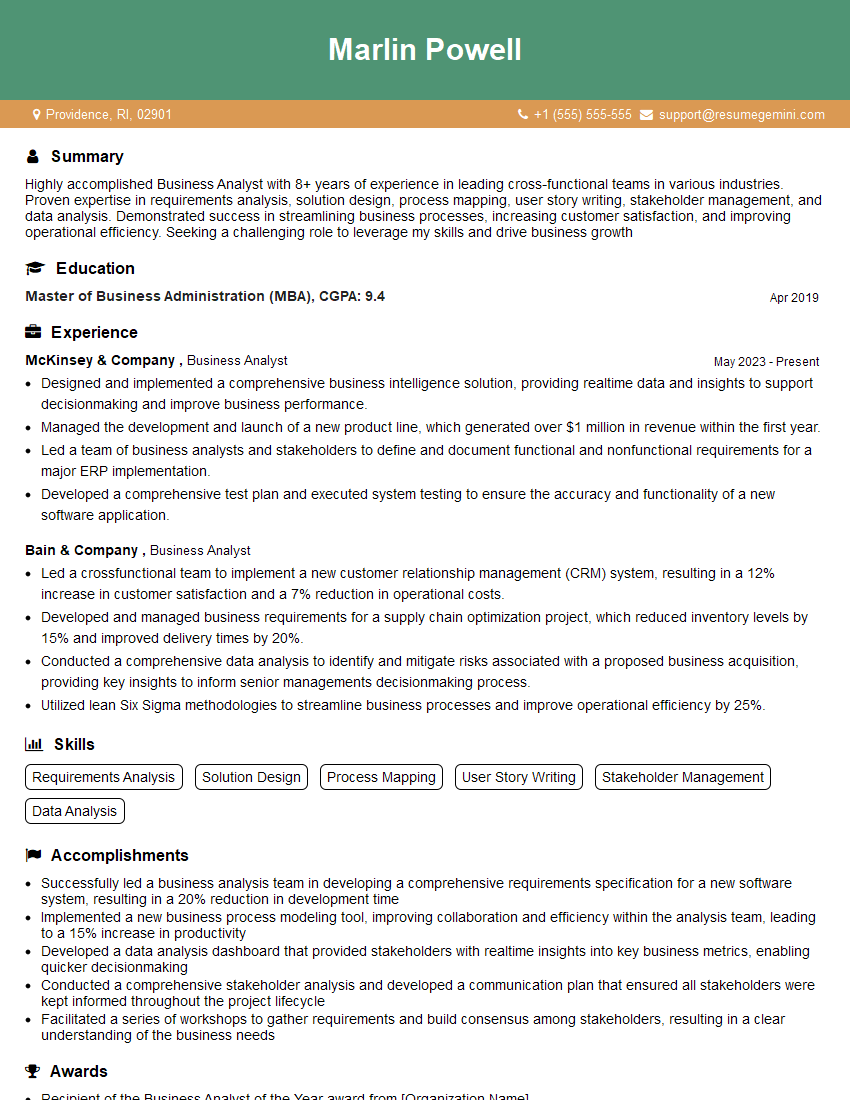
Business Analyst Resume Sample
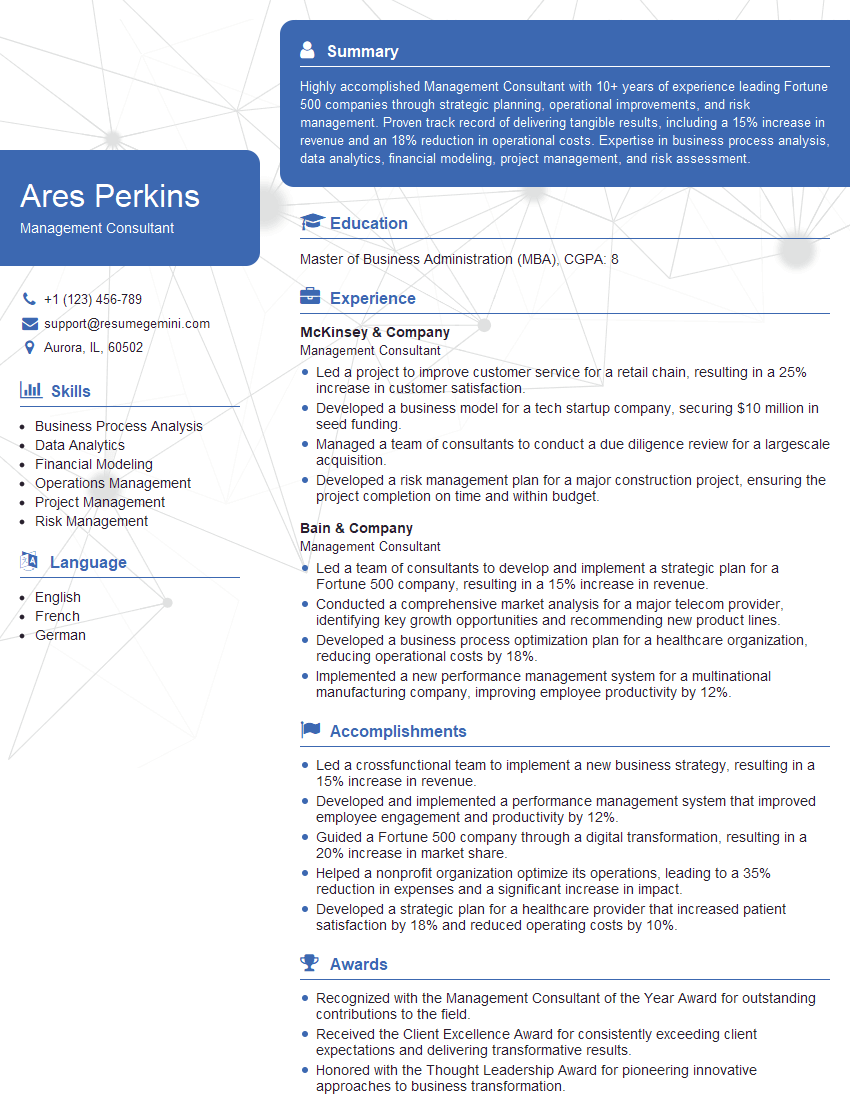
Management Consultant Resume Sample
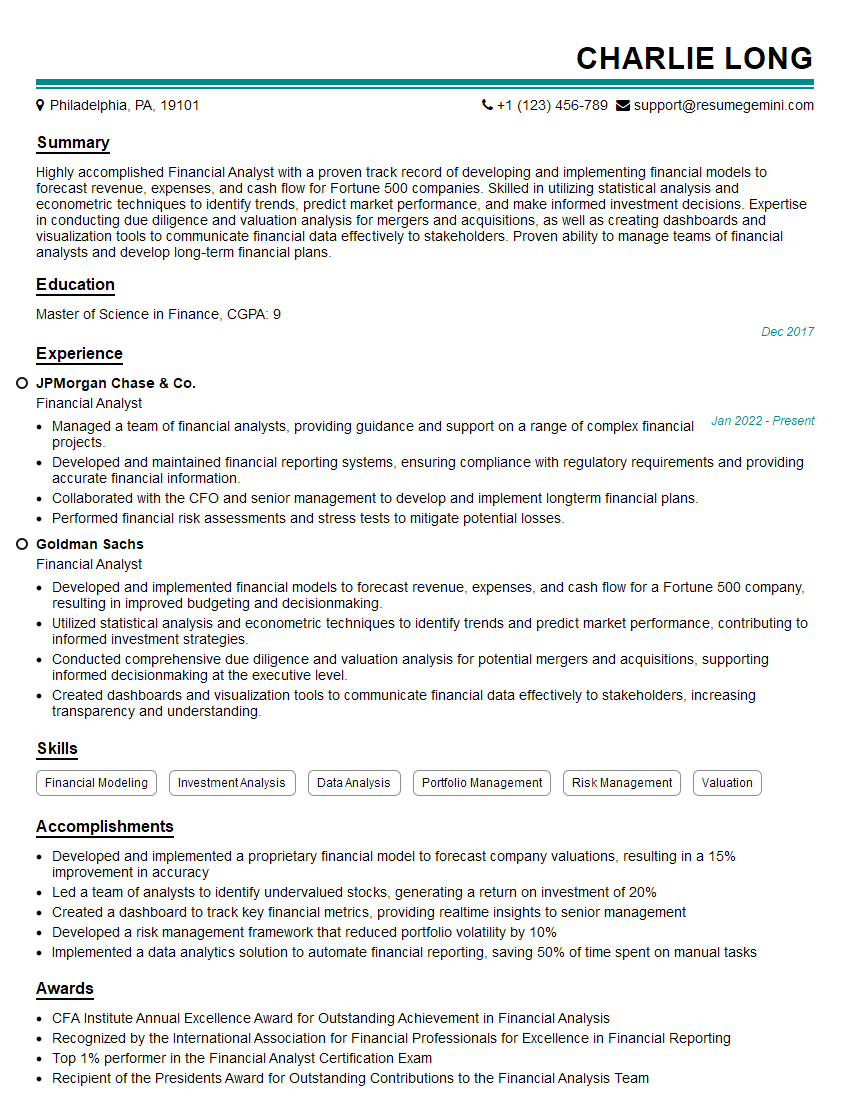
Financial Analyst Resume Sample
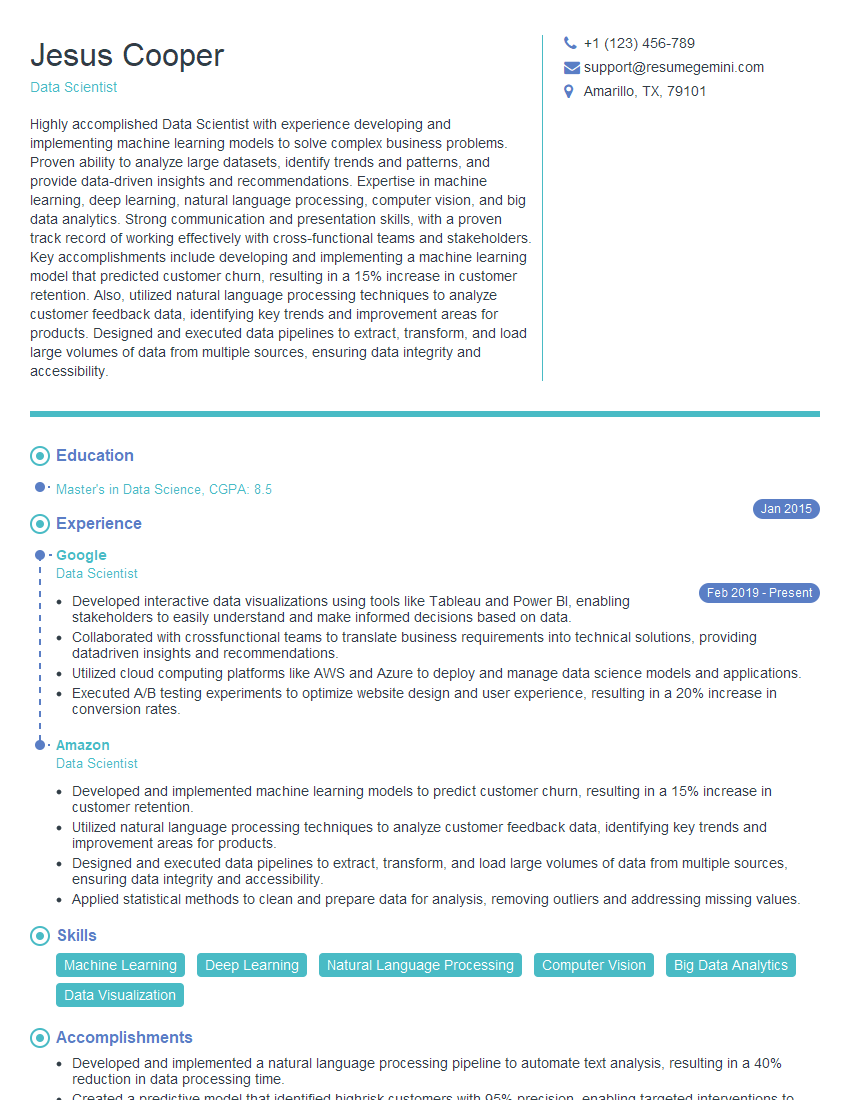
Data Scientist Resume Sample
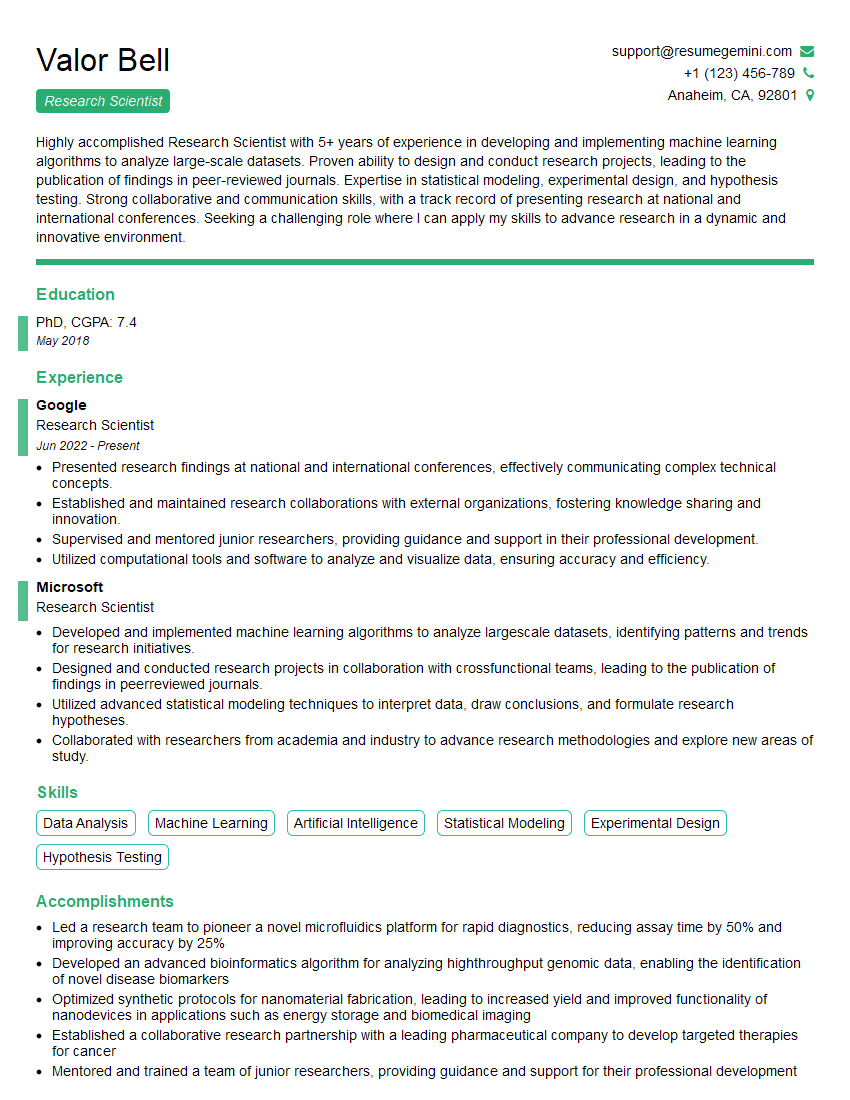
Research Scientist Resume Sample
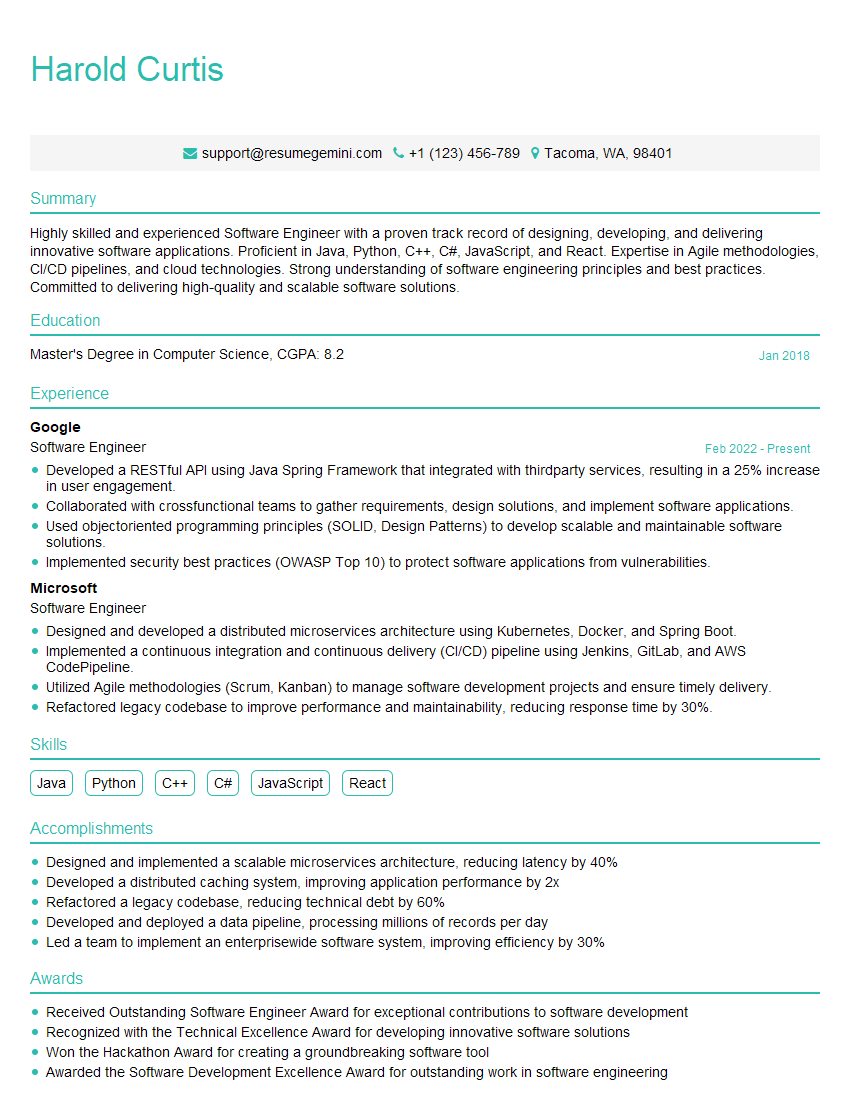
Software Engineer Resume Sample
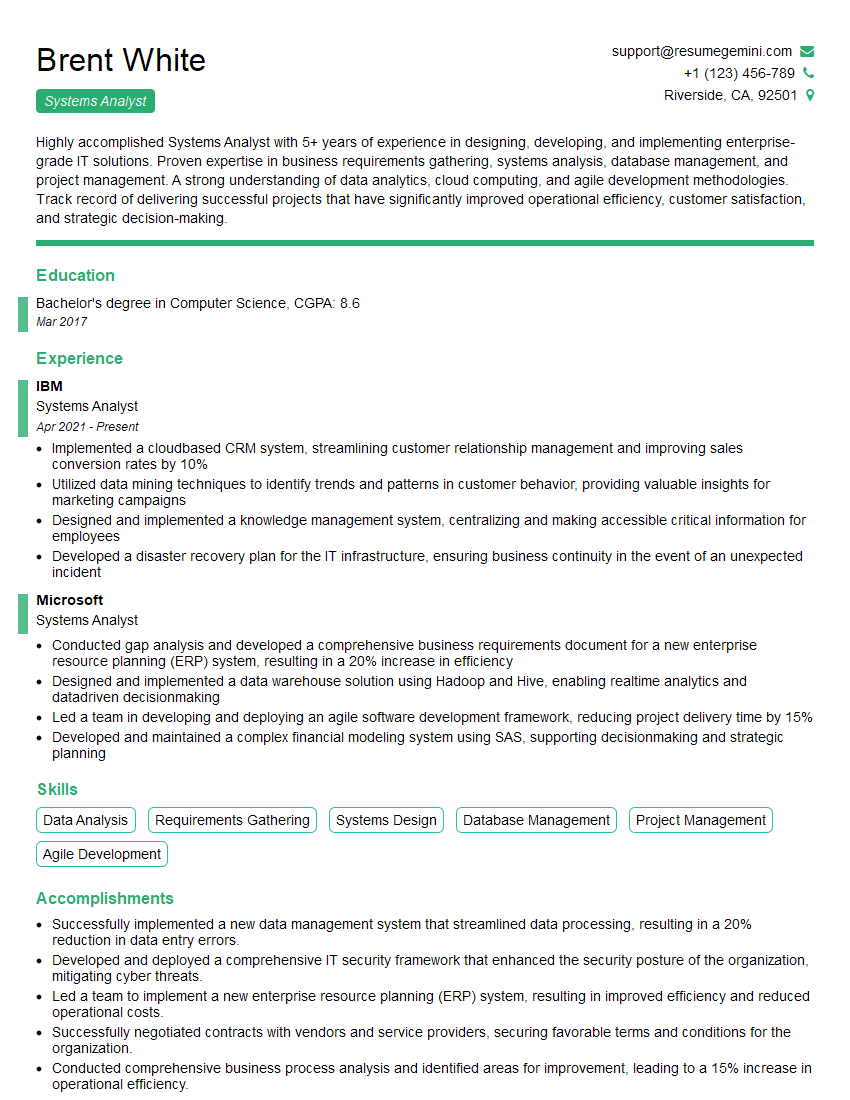
Systems Analyst Resume Sample

Information Architect Resume Sample
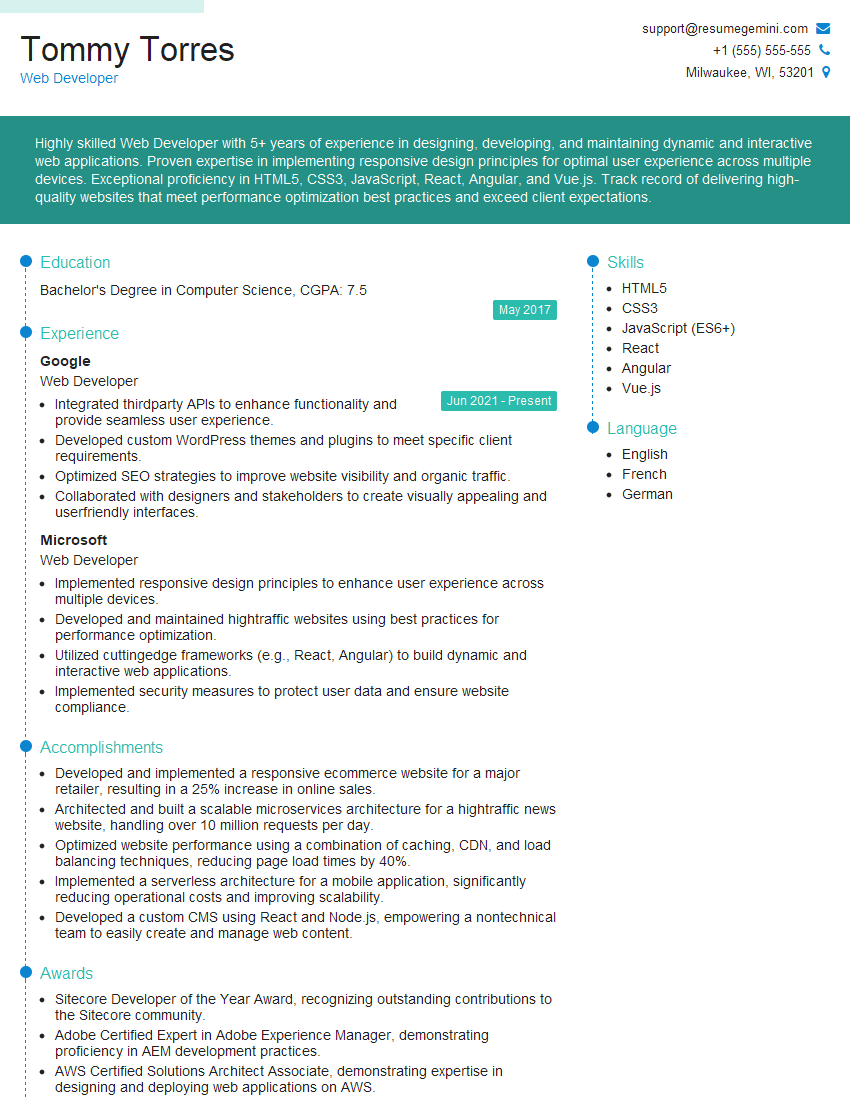
Web Developer Resume Sample
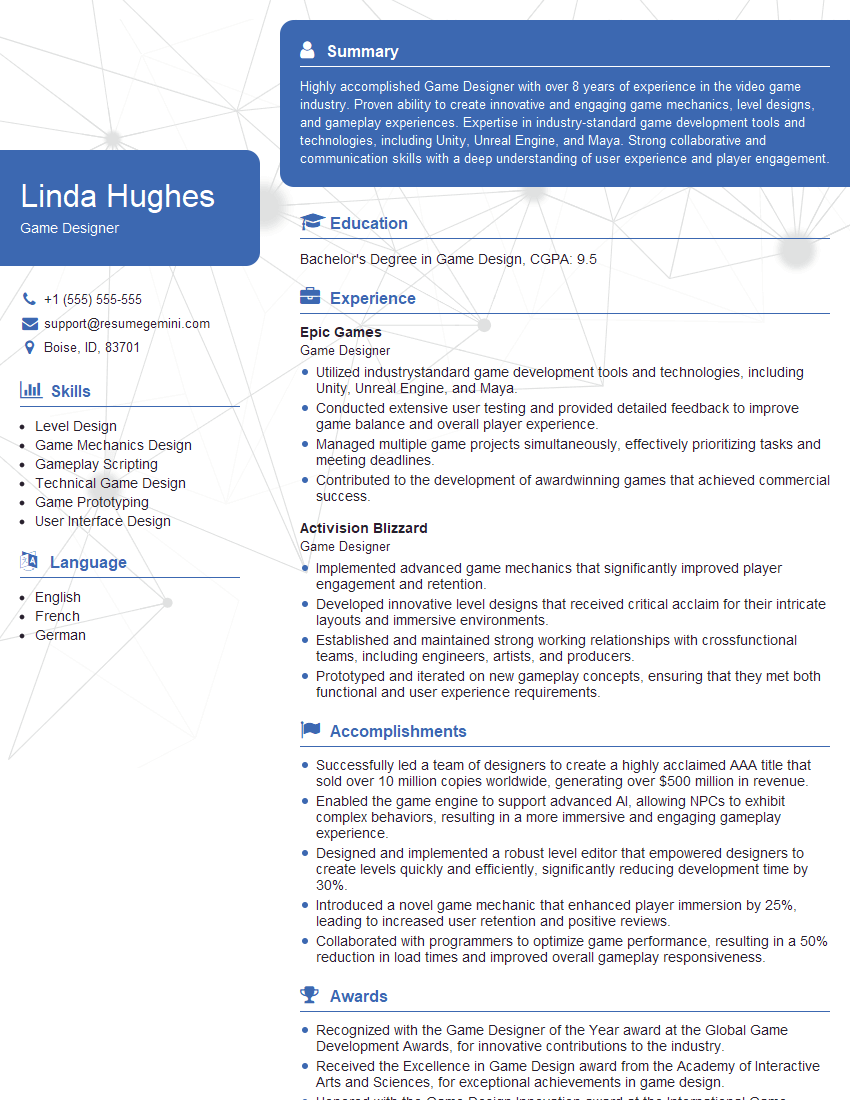
Game Designer Resume Sample
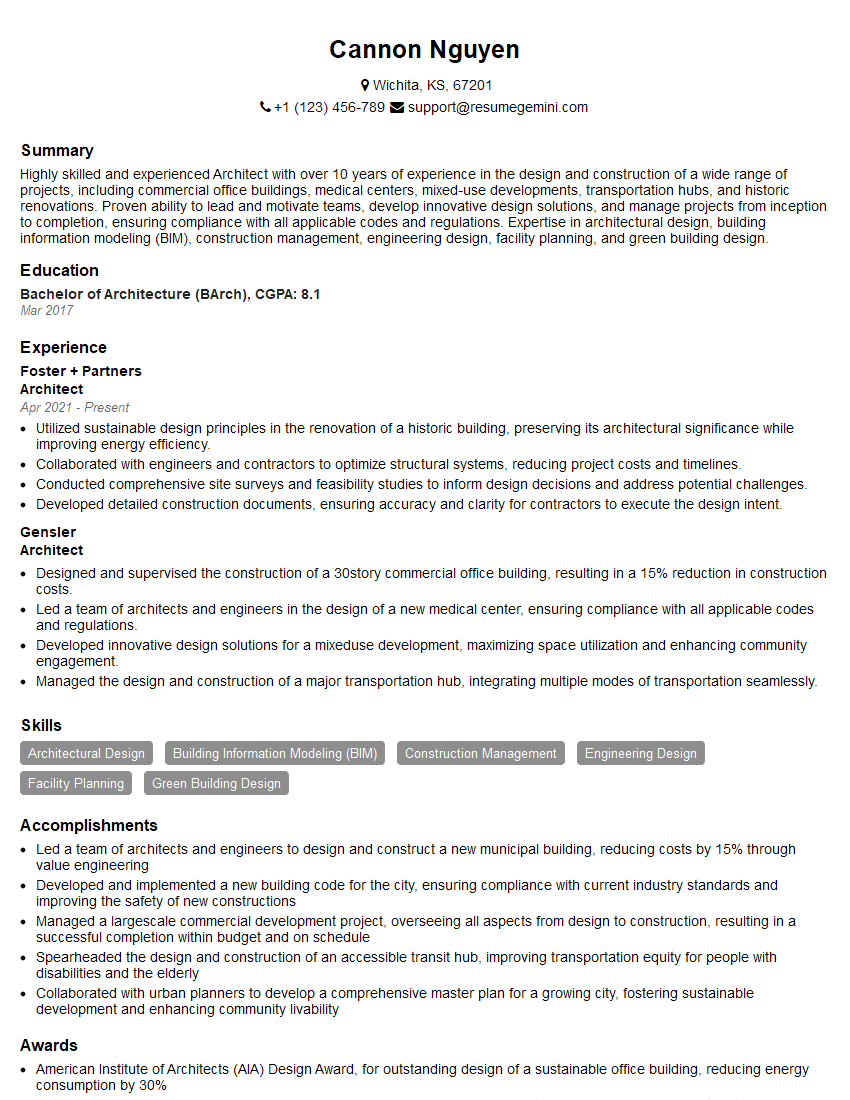
Architect Resume Sample
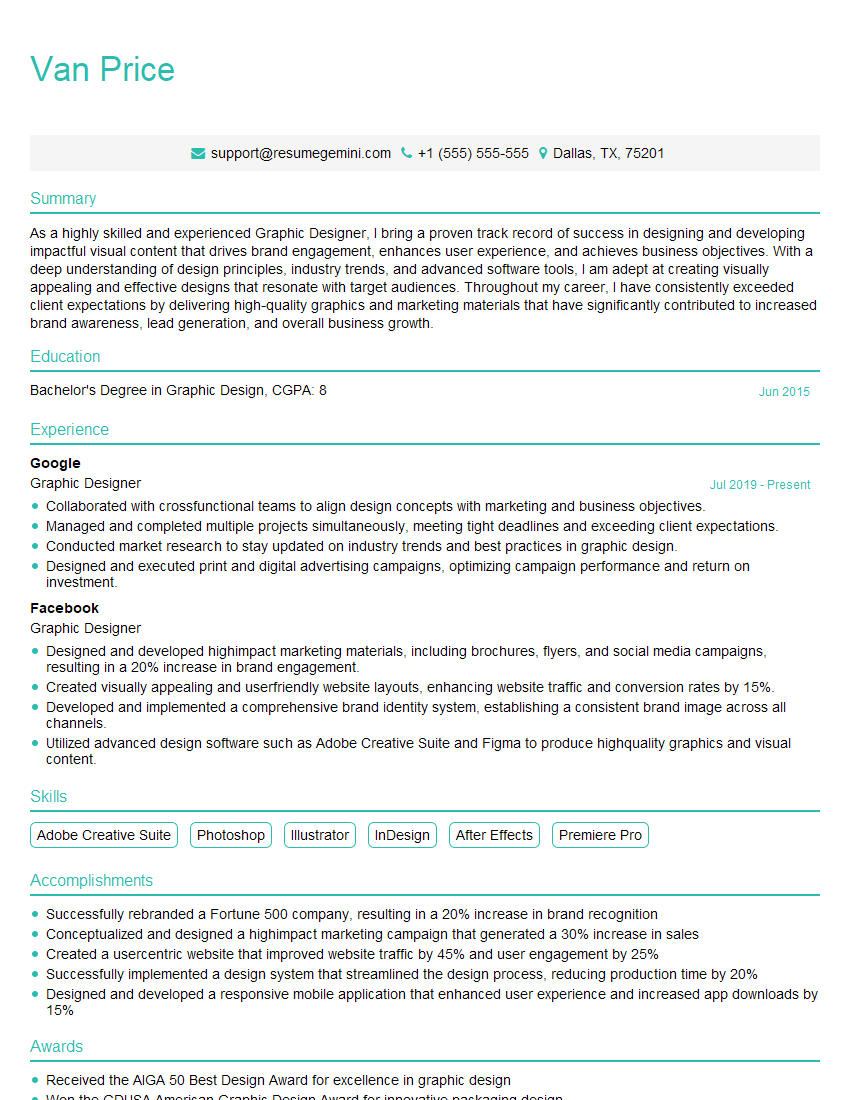
Graphic Designer Resume Sample
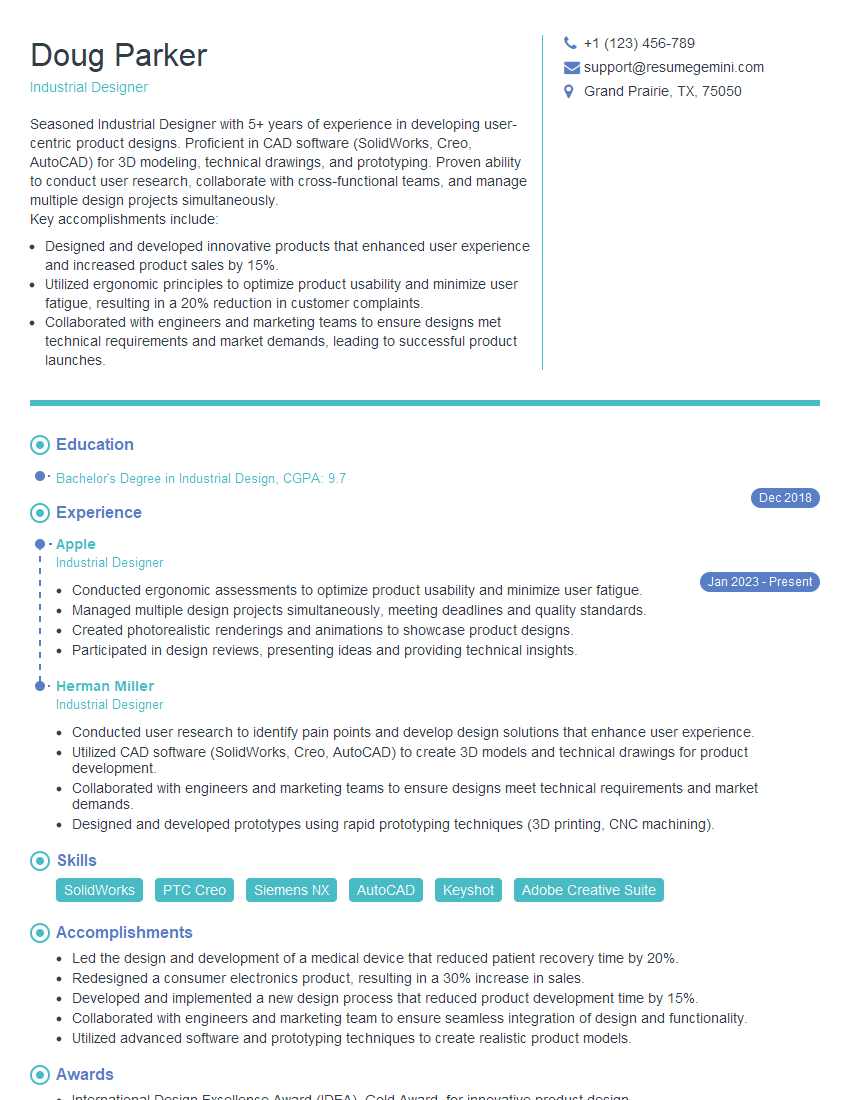
Industrial Designer Resume Sample

Technical Writer Resume Sample
- Strategic Planner
- Operations Manager
- Creative Director
- Marketing Manager
- Product Manager
- Supply Chain Manager
- Project Manager
- Business Analyst
- Management Consultant
- Financial Analyst
- Data Scientist
- Research Scientist
- Software Engineer
- Systems Analyst
- Information Architect
- Web Developer
- Game Designer
- Architect
- Graphic Designer
- Industrial Designer
- Technical Writer
Explore more articles
Users Rating of Our Blogs
Share Your Experience
We value your feedback! Please rate our content and share your thoughts (optional).
What Readers Say About Our Blog
Amazing blog
Interesting Article, I liked the depth of knowledge you’ve shared.
Helpful, thanks for sharing.