The right preparation can turn an interview into an opportunity to showcase your expertise. This guide to Ability to Write for Different Audiences interview questions is your ultimate resource, providing key insights and tips to help you ace your responses and stand out as a top candidate.
Questions Asked in Ability to Write for Different Audiences Interview
Q 1. Explain your approach to adapting your writing style for a technical audience versus a non-technical audience.
Adapting my writing style for different audiences hinges on understanding their prior knowledge and information needs. For a technical audience, I can leverage precise jargon, delve into intricate details, and assume a higher level of familiarity with the subject matter. My writing will be more concise and focus on the functional aspects. For a non-technical audience, however, I prioritize clarity and simplicity. I avoid jargon, use analogies and metaphors, and break down complex concepts into easily digestible parts. I focus on the benefits and implications of the information, rather than the technical specifics.
Example: Explaining a new software update. For a technical team, I might detail API changes, database modifications, and specific code adjustments. For non-technical users, I’d focus on the improved speed, enhanced security features, and simpler user interface.
Q 2. How do you determine the appropriate tone and style for a specific target audience?
Determining the appropriate tone and style involves careful audience analysis. I consider factors like their age, education level, professional background, and relationship to the topic. A formal tone is suitable for professional reports and academic papers, whereas a more informal and engaging tone is appropriate for blog posts or social media. The style adapts accordingly – concise and objective for technical documents, more narrative and conversational for engaging content. I also consider the overall communication goal – is it to inform, persuade, entertain, or instruct? This will influence the tone and style choices.
Example: An email to a CEO would require a formal, concise, and results-oriented tone, whereas a blog post on the same subject could adopt a more casual and narrative style to keep readers engaged.
Q 3. Describe a time you had to simplify complex information for a less knowledgeable audience.
I once had to explain a complex financial model to a group of non-financial stakeholders. The model involved intricate calculations and statistical analysis. To simplify, I used a clear and concise narrative, explaining the core concept using everyday analogies. Instead of detailing the statistical methods, I illustrated the key findings with charts and graphs. I focused on the impact of the model’s predictions, explaining what it meant for the company’s future, avoiding technical jargon. I also used a question-and-answer format to address immediate concerns and doubts, ensuring everyone understood the essence of the model and its implications.
Q 4. How do you tailor your writing to different communication channels (e.g., email, blog post, social media)?
Different communication channels demand distinct writing styles. Emails require conciseness and clarity, focusing on the key message and call to action. Blog posts allow for more detailed explanations and a narrative style to keep readers engaged. Social media demands brevity and a conversational tone, often incorporating visual elements like images and videos. I tailor my language, length, and style to each platform to maximize effectiveness.
Example: An email announcing a product launch would focus on the key features and benefits with a clear call to action (e.g., “Learn more”). A blog post on the same topic could offer a more detailed explanation, including customer testimonials and product specifications. A social media post would focus on a catchy headline and a striking image, with a short link to learn more.
Q 5. Provide an example of how you’ve used different writing styles to achieve specific communication goals.
While writing a white paper on a new algorithm for a tech conference, I employed a formal, highly technical style, complete with precise definitions, mathematical notations, and detailed explanations of the algorithm’s functionality. However, when presenting the same information to a group of investors, I used a more accessible, business-oriented style, focusing on the market potential and financial implications of the algorithm rather than the intricate technical details. The difference in writing styles allowed me to effectively communicate the same information to two very different audiences, achieving the specific communication goals for each.
Q 6. How do you ensure clarity and conciseness when writing for diverse audiences?
Clarity and conciseness are crucial when addressing diverse audiences. I achieve this by using plain language, avoiding jargon, and structuring information logically. Active voice enhances clarity, while concise sentences and short paragraphs improve readability. I use headings and subheadings to break up large blocks of text, making the information easier to scan and digest. I carefully proofread and edit my work, ensuring that every sentence contributes to the overall message and avoids ambiguity.
Q 7. How do you incorporate visual elements effectively to enhance communication with different audiences?
Visual elements greatly enhance communication. I use charts, graphs, infographics, images, and videos to illustrate complex information and make it more engaging. For a technical audience, I might use flowcharts or diagrams to depict system architecture or algorithms. For a non-technical audience, compelling visuals can simplify complex data and create a more memorable experience. The choice of visuals depends entirely on the audience and the communication goal. The key is to select visuals that are appropriate, relevant, and easy to understand.
Q 8. How familiar are you with different writing styles such as AP style, Chicago style, or MLA style?
I’m proficient in several writing styles, including AP style (Associated Press), Chicago style, and MLA style (Modern Language Association). My understanding extends beyond simply knowing the formatting rules; I grasp the underlying principles each style emphasizes. AP style prioritizes brevity, clarity, and objectivity, often seen in journalism. Chicago style, with its numerous variations, is more flexible and caters to various academic and professional disciplines, often favoring detailed footnotes or endnotes. MLA style is predominantly used in humanities and emphasizes in-text citations and a Works Cited page. I choose the appropriate style based on the publication, audience, and content’s purpose. For instance, a scientific article would demand Chicago style’s rigorous approach to citation, while a news article would benefit from AP style’s concise language.
Q 9. Describe your process for conducting audience research to inform your writing.
My audience research process is thorough and multi-faceted. It begins with identifying the target audience’s demographics (age, education, profession), psychographics (values, interests, lifestyle), and needs. I then gather data using various methods. This might involve reviewing existing materials like market research reports, surveys, or focus group data. If information isn’t readily available, I might conduct surveys, interviews, or even analyze online discussions and social media activity to understand their language, concerns, and information preferences. Understanding their pre-existing knowledge is key; I tailor my writing to avoid jargon or overly technical terms unless the audience is highly specialized. For example, writing about complex financial products for a lay audience requires a drastically different approach than writing for financial professionals. Analyzing existing communication materials the audience already engages with provides insights into their preferred communication style and information architecture.
Q 10. How do you handle feedback and revisions from diverse stakeholders?
Handling feedback from diverse stakeholders requires a collaborative and diplomatic approach. I see feedback not as criticism but as an opportunity to improve. My process starts with actively listening to each stakeholder’s concerns and understanding their perspectives. I carefully document all feedback, organizing it by category (e.g., clarity, accuracy, style). Then, I prioritize revisions based on impact and feasibility. For conflicting feedback, I proactively facilitate discussions to find a compromise that meets the project’s goals while respecting stakeholder input. Transparency is key; I explain my decisions clearly and provide rationale for accepting or rejecting specific suggestions. For example, if a stakeholder suggests a change that contradicts established style guidelines, I explain why adhering to the guidelines is crucial for consistency and professional quality. This iterative process ensures the final product aligns with the overall objectives while satisfying various stakeholder needs.
Q 11. How do you measure the effectiveness of your writing for different audiences?
Measuring the effectiveness of writing for diverse audiences is multifaceted. It goes beyond simply assessing readability. Key metrics include engagement (time spent reading, click-through rates, social media shares), comprehension (survey results, quizzes), and behavioral changes (increased sales, improved user experience, change in opinions). For instance, website analytics can reveal how long users spend on a page, which sections they read, and whether they complete desired actions. For print materials, surveys and feedback forms can gauge comprehension and satisfaction. Ultimately, the chosen metrics should directly reflect the writing’s objectives. If the goal is to drive sales, measuring conversion rates is crucial. If the aim is to raise awareness, tracking social media mentions or website traffic might be more relevant. Qualitative feedback, such as direct comments or interviews, can also provide valuable insights.
Q 12. How do you incorporate data and insights to support your writing for different audiences?
Data and insights are fundamental to creating impactful writing. I incorporate them to strengthen arguments, add credibility, and tailor content to specific audience needs. This involves selecting relevant data that supports the narrative and presenting it clearly and concisely using visuals like charts and graphs. For example, a report on climate change would benefit from incorporating data on rising sea levels and temperature increases, presented visually for easy comprehension. The chosen data visualization method must be tailored to the audience. A highly technical audience might appreciate detailed statistical graphs, while a less technical audience may benefit from simpler bar charts or infographics. Context is critical; data must be presented within a larger narrative that explains its significance and relevance to the audience’s concerns. It’s important to avoid data overload; instead, select the most impactful data points to support the central message.
Q 13. How do you balance creativity and accuracy when writing for different audiences?
Balancing creativity and accuracy is a crucial skill. Accuracy forms the foundation – factual errors erode credibility. Creativity allows effective communication. My approach is iterative: I begin with a strong factual base, meticulously researched and verified. Then, I explore creative ways to present this information to engage the audience. This might involve using storytelling techniques, analogies, or humor to make complex information more accessible. However, creativity never compromises accuracy. If a creative approach risks misrepresenting the data, I opt for a clearer, more straightforward presentation. For example, while using metaphors can enhance engagement, they must be carefully chosen to accurately reflect the concepts. A poorly chosen metaphor can lead to misunderstanding and undermine the message. The key is to prioritize clarity and accuracy, while finding creative ways to make the information engaging and memorable.
Q 14. How do you adapt your writing to various levels of formality?
Adapting writing to different levels of formality requires careful attention to language, tone, and style. Formal writing uses precise, sophisticated language, avoiding contractions and colloquialisms. Informal writing is more relaxed, using simpler language and a conversational tone. The context dictates formality. Academic papers demand formal style, while internal memos might allow a more informal tone. I consider the audience’s relationship to the writer, the communication’s purpose, and the medium. For instance, a formal letter to a client requires a different tone than an email to a colleague. Specific linguistic choices play a role – using passive voice is more common in formal writing, while active voice is often preferred for informality. Sentence structure also impacts formality; longer, complex sentences are common in formal writing, while shorter, simpler sentences are preferred in informal writing. Matching the formality level to the audience and context creates clarity and builds trust.
Q 15. How do you overcome challenges in communicating with diverse audiences with varying levels of technical expertise?
Communicating with diverse audiences requires a versatile approach. The key is understanding your audience’s prior knowledge and tailoring your message accordingly. Think of it like baking a cake – you wouldn’t use the same recipe for a novice baker as you would for a pastry chef. For technical audiences, I use precise language, include detailed explanations, and incorporate technical jargon where appropriate. However, for non-technical audiences, I simplify complex concepts using analogies, metaphors, and visual aids. I also break down information into smaller, digestible chunks, avoiding overwhelming them with detail.
For example, when explaining a complex software update, I might use a simple analogy for a lay audience: “Imagine updating your phone’s operating system; this software update works similarly, improving functionality and fixing bugs.” For a technical audience, I would dive into specifics of the coding changes and performance improvements.
- Audience Segmentation: Before writing, I identify key audience segments based on technical expertise and needs.
- Language Adaptation: I adjust my vocabulary and sentence structure to match the audience’s level of understanding.
- Visual Aids: I use charts, diagrams, and other visuals to simplify complex information for both technical and non-technical audiences.
Career Expert Tips:
- Ace those interviews! Prepare effectively by reviewing the Top 50 Most Common Interview Questions on ResumeGemini.
- Navigate your job search with confidence! Explore a wide range of Career Tips on ResumeGemini. Learn about common challenges and recommendations to overcome them.
- Craft the perfect resume! Master the Art of Resume Writing with ResumeGemini’s guide. Showcase your unique qualifications and achievements effectively.
- Don’t miss out on holiday savings! Build your dream resume with ResumeGemini’s ATS optimized templates.
Q 16. How do you ensure your writing remains inclusive and avoids bias?
Inclusive and unbiased writing requires careful attention to language and representation. I actively avoid gendered language, stereotypes, and assumptions about age, race, ethnicity, or ability. I use gender-neutral pronouns (they/them) when the gender is unknown or irrelevant, and avoid language that perpetuates harmful stereotypes. I actively seek diverse perspectives and review my work with a critical eye, looking for potential biases that might be missed.
For example, instead of saying “manpower,” I use “workforce” or “staff.” Instead of assuming a reader’s physical ability, I avoid phrasing like “easily accessible.” I try to use active voice and strong verbs, creating more engaging and inclusive text. I also use inclusive imagery and examples in my writing, ensuring representation across different demographics.
Furthermore, I utilize style guides like the Associated Press Stylebook, which emphasizes fairness and accuracy in language usage. I also actively seek feedback from diverse colleagues and individuals representing different backgrounds and perspectives.
Q 17. Describe your experience writing for diverse cultural audiences.
My experience writing for diverse cultural audiences involved projects that required significant adaptation. This involved understanding cultural nuances, communication styles, and sensitivities. For instance, working on a project targeting an audience in Japan necessitated incorporating Japanese business etiquette and cultural values. I researched the appropriate communication style and ensured my writing respected Japanese cultural norms. This included being mindful of politeness levels and avoiding direct confrontation in my tone.
Similarly, a project targeted at a Latin American audience required sensitivity to the use of formal and informal language, depending on the context. Understanding the importance of family and community within Latin American culture shaped the overall message and tone of my writing.
To achieve this, I leverage translation services when necessary, and always seek feedback from native speakers. Thorough research into the cultural context is paramount, and collaboration with cultural consultants or members of the target community can significantly enhance the effectiveness and appropriateness of the writing.
Q 18. How do you maintain brand consistency while adapting writing styles for different platforms?
Maintaining brand consistency while adapting writing styles for different platforms necessitates a well-defined brand voice guide. This guide outlines the brand’s personality, tone, and style. The core elements of the brand voice should remain consistent across all platforms. However, the specific style might need adjustments to suit the medium. For example, a formal tone on a company website might be adapted to a more conversational style on social media platforms.
Think of it as an actor playing different roles – the actor’s core personality remains, but their character changes depending on the script. Similarly, the core brand voice remains, but the style adapts to the context. I create style guides with clear examples for each platform, ensuring that consistent messaging is maintained while respecting the distinct characteristics of each medium.
Example: On a formal website, the tone is professional and factual. On Twitter, it might be informal, concise, and engaging, using hashtags and emojis. In both cases, brand values and core messaging remain consistent.
Q 19. How familiar are you with accessibility guidelines for writing?
I am very familiar with accessibility guidelines for writing, particularly WCAG (Web Content Accessibility Guidelines). These guidelines ensure that written content is accessible to people with disabilities. This involves using clear and concise language, avoiding complex sentence structures, and providing alternative text for images. I also use proper heading structures (, , etc.) to create logical document organization for screen readers.
Key aspects I focus on include:
- Plain Language: Using simple language, avoiding jargon and technical terms where possible.
- Structural Markup: Employing proper HTML heading tags and list structures for improved navigation.
- Alternative Text for Images: Providing descriptive alternative text for all images.
- Color Contrast: Ensuring sufficient color contrast between text and background.
- Keyboard Navigation: Designing content that is easily navigable using only a keyboard.
Q 20. How do you choose the right format and medium for different audiences?
Choosing the right format and medium depends heavily on the audience and the message. Consider a busy executive versus a student. A busy executive might prefer a concise email or a short, impactful infographic. A student might benefit from a detailed report or a long-form blog post.
I consider these factors:
- Audience Preferences: What mediums does the target audience regularly engage with? (e.g., email, social media, blog posts, reports)
- Message Complexity: Does the message require detailed explanation or can it be conveyed briefly?
- Desired Action: What do I want the audience to do after reading or viewing the content? (e.g., download a document, visit a website, make a purchase)
- Brand Guidelines: What formats and platforms are most suitable for the brand?
For instance, a complex technical subject might be best presented in a white paper or a detailed case study, whereas a quick announcement could be an email or a short social media post. Careful consideration of these factors ensures that the chosen format effectively communicates the message to the intended audience.
Q 21. Describe a situation where you had to persuade a skeptical audience.
I once had to persuade a skeptical client about the value of a new content marketing strategy. They were hesitant to invest in a long-term strategy because they preferred immediate results. My approach involved presenting data and case studies demonstrating the long-term benefits of content marketing, highlighting how it builds brand authority and attracts qualified leads over time.
I structured my presentation with clear, measurable goals and a detailed timeline. I showcased successful examples of similar businesses that had implemented similar strategies with positive ROI. I also emphasized the potential for increased brand visibility, lead generation, and improved customer engagement – metrics that were relevant and understandable to the client. By addressing their concerns with data-driven evidence and a well-defined strategy, I successfully convinced them of the long-term value and secured their buy-in.
The key was building trust, demonstrating expertise, and clearly illustrating the value proposition of the new strategy in terms they could easily understand.
Q 22. How do you identify the key needs and interests of your target audience?
Understanding your audience is paramount. It’s like tailoring a suit – you wouldn’t use the same pattern for a child and an adult. I employ a multi-pronged approach. First, I analyze existing data: demographics from marketing reports, website analytics showing user behavior (e.g., time spent on pages, bounce rates), and social media engagement. This provides quantitative insights into who my audience is. Second, I conduct qualitative research: surveys, focus groups, and interviews to understand their needs, pain points, and desires at a deeper level. This helps me understand the why behind the data. Finally, I leverage competitor analysis to identify gaps and opportunities, seeing what resonates with similar audiences. Combining quantitative and qualitative data paints a complete picture of my target audience, allowing me to craft highly relevant and effective content.
Q 23. How do you use storytelling techniques to engage different audiences?
Storytelling is the most powerful tool in any writer’s arsenal. It transcends demographics and resonates on an emotional level. For a technical audience, I might use case studies showing how a product solved a complex problem, highlighting the efficiency and precision. For a non-technical audience, I might employ a narrative structure, focusing on the problem, the solution, and the happy ending – the user’s transformation thanks to the product. The key is to adapt the style, not the fundamental principle of storytelling. For example, a children’s story about a cloud uses simple language and whimsical imagery, while a corporate report uses data and professional jargon to tell a story of financial growth. The core narrative structure remains – beginning, rising action, climax, falling action, resolution – but the delivery method changes dramatically.
Q 24. How do you leverage data analytics to optimize content for different audiences?
Data analytics is crucial for refining my approach. Tools like Google Analytics, social media analytics dashboards, and CRM systems provide valuable feedback. I monitor key metrics like website traffic, engagement rates (likes, shares, comments), conversion rates, and time-on-page. For different audience segments, I analyze these metrics separately. For example, if a particular blog post on a technical topic has low engagement among a non-technical audience segment, I might conclude that I need to simplify the language or present the information differently. This iterative process of data analysis and content adjustment ensures I continuously optimize content for each audience segment, maximizing its effectiveness. I often use A/B testing to compare different versions of content to see which performs better for specific audiences, allowing for data-driven decision making.
Q 25. How do you handle contradictory feedback from different stakeholders?
Contradictory feedback is inevitable when working with multiple stakeholders. My approach is to view it as an opportunity for improvement, not a roadblock. First, I carefully document all feedback, noting the source and context. Then, I analyze the feedback for common themes and underlying concerns. Are the disagreements about tone, style, messaging, or something else? Often, seemingly contradictory feedback points to a need for compromise or a more nuanced approach. I facilitate discussions between stakeholders, encouraging them to explain their perspectives and find common ground. I may present different versions of the content reflecting different viewpoints, using data to justify my recommendations. The goal is to find the best possible solution that addresses the core needs of all stakeholders while maintaining the integrity and effectiveness of the content.
Q 26. Describe your experience working with writers from diverse backgrounds.
I thrive in diverse writing environments. Working with writers from diverse backgrounds enriches the creative process. Different perspectives lead to fresh ideas, unique approaches, and a richer understanding of different audiences. In a recent project, a team including a native English speaker, a translator with experience in marketing materials for Spanish-speaking audiences, and a UX writer collaborated seamlessly. Our combined skills yielded highly effective content that reached a much wider audience than any one individual could have managed alone. We embraced our differences to generate compelling and culturally sensitive content. Open communication, mutual respect, and a focus on shared goals were key to our success.
Q 27. How would you approach writing a marketing piece for a tech-savvy audience vs. a non-tech audience?
Writing for a tech-savvy audience versus a non-tech audience requires a fundamental shift in language and approach. For a tech-savvy audience, I can use technical jargon, assume a high level of prior knowledge, and focus on detailed specifications and advanced features. I could discuss APIs, SDKs, or algorithms without needing to explain them. For a non-tech audience, I need to simplify complex concepts, avoid jargon, and focus on the benefits and value proposition rather than the technical details. For example, instead of describing the ‘optimized caching algorithm,’ I would explain how the software ‘loads pages much faster,’ making the user experience smoother and more enjoyable. Visual aids like infographics or explainer videos can also be highly effective for non-technical audiences. The core message remains the same, but the communication method is tailored to the audience’s understanding.
Q 28. How do you adapt your communication style when interacting with different management levels?
Adapting communication style across management levels involves understanding the context and expectations. When interacting with junior team members, I might use a more collaborative and mentoring style, offering guidance and explanations. With senior management, I adopt a more concise and results-oriented approach, focusing on key performance indicators and strategic implications. For example, when presenting a marketing campaign plan to junior team members, I might provide a detailed explanation of the rationale behind each tactic. With senior management, I’d emphasize the expected ROI, market impact, and alignment with overall business objectives. The content remains essentially the same, but the level of detail and emphasis adjust based on the audience’s priorities and understanding.
Key Topics to Learn for Ability to Write for Different Audiences Interview
- Understanding Your Audience: Identifying the key characteristics (e.g., age, education level, professional background, technical expertise) of your target audience and tailoring your writing style accordingly.
- Adapting Tone and Style: Practicing adjusting your writing tone from formal to informal, persuasive to informative, and technical to layman’s terms, depending on the audience’s needs and expectations. Examples include writing a technical report for engineers versus a marketing brochure for potential clients.
- Choosing the Right Medium: Selecting the appropriate communication channel (e.g., email, report, presentation, social media post) to effectively reach your audience and convey your message.
- Clarity and Conciseness: Mastering the art of clear and concise writing, avoiding jargon and technical terms when unnecessary, and using strong verbs and active voice for impactful communication.
- Proofreading and Editing: Developing a rigorous proofreading and editing process to ensure error-free and professional-quality writing, regardless of the audience.
- Visual Communication: Understanding how to incorporate visuals (e.g., charts, graphs, images) to enhance communication and engagement, depending on the audience’s preferences and the message’s complexity.
- Ethical Considerations: Addressing potential ethical implications of communication, such as avoiding bias and ensuring accuracy and transparency in your writing.
Next Steps
Mastering the ability to write for different audiences is crucial for career advancement. Effective communication is the cornerstone of success in almost any profession, allowing you to build strong relationships, influence decisions, and showcase your expertise. Building an ATS-friendly resume is a critical first step in demonstrating your communication skills to potential employers. By crafting a resume that clearly and concisely highlights your accomplishments and aligns with the specific job description, you significantly increase your chances of landing an interview. ResumeGemini can be a trusted resource to help you build a professional and impactful resume. Examples of resumes tailored to demonstrate your ability to write for different audiences are available to further enhance your preparation.

Communications Manager Resume Sample
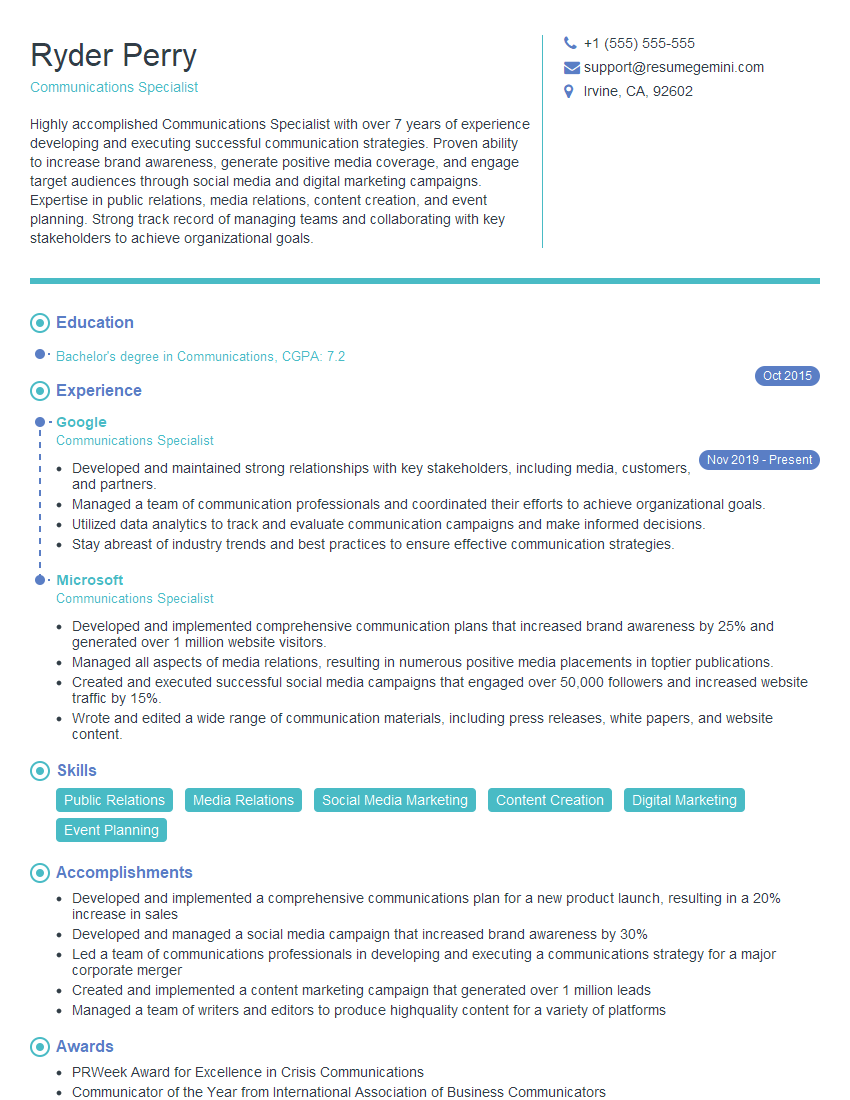
Communications Specialist Resume Sample

Social Media Manager Resume Sample
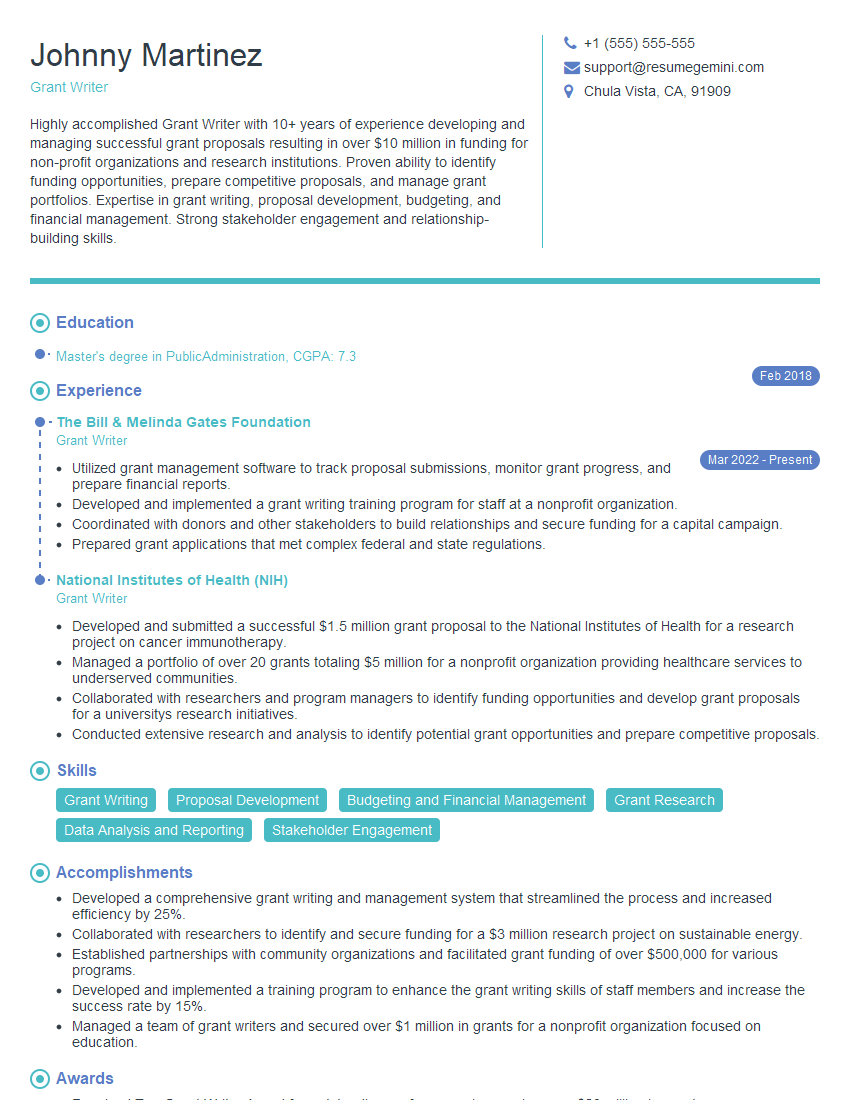
Grant Writer Resume Sample

Content Strategist Resume Sample
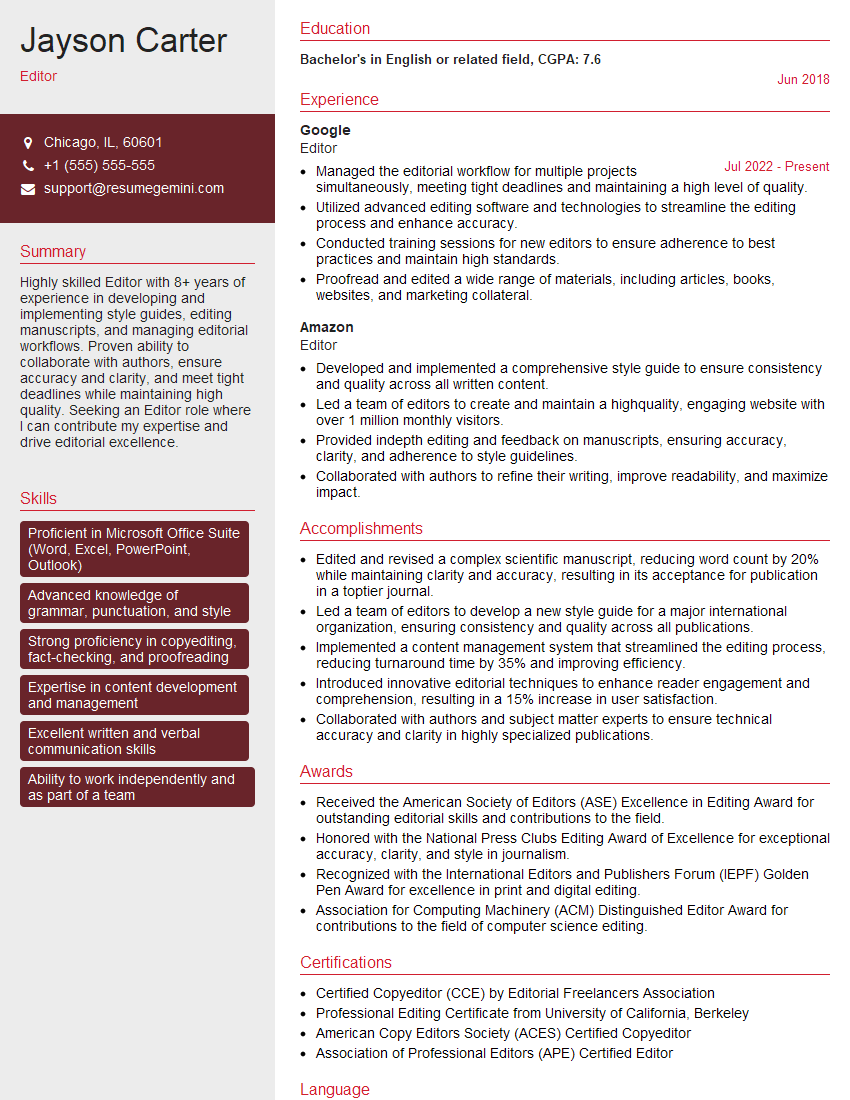
Editor Resume Sample
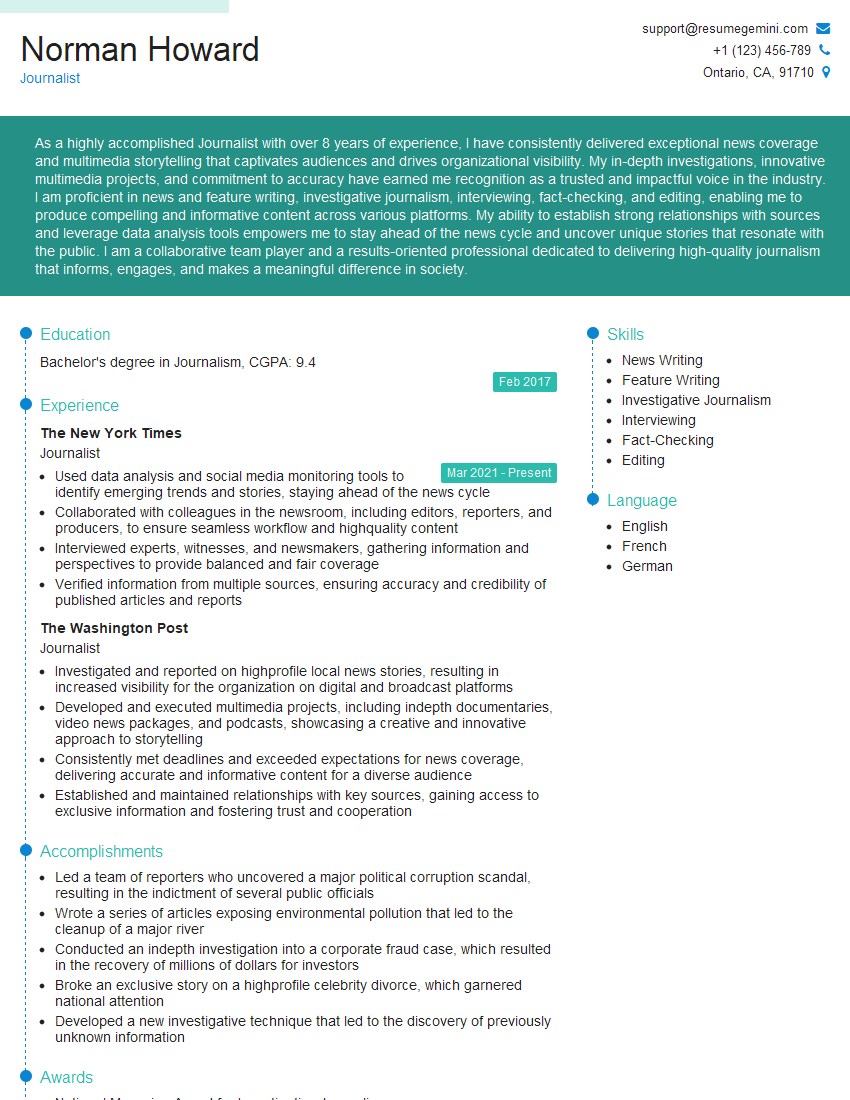
Journalist Resume Sample
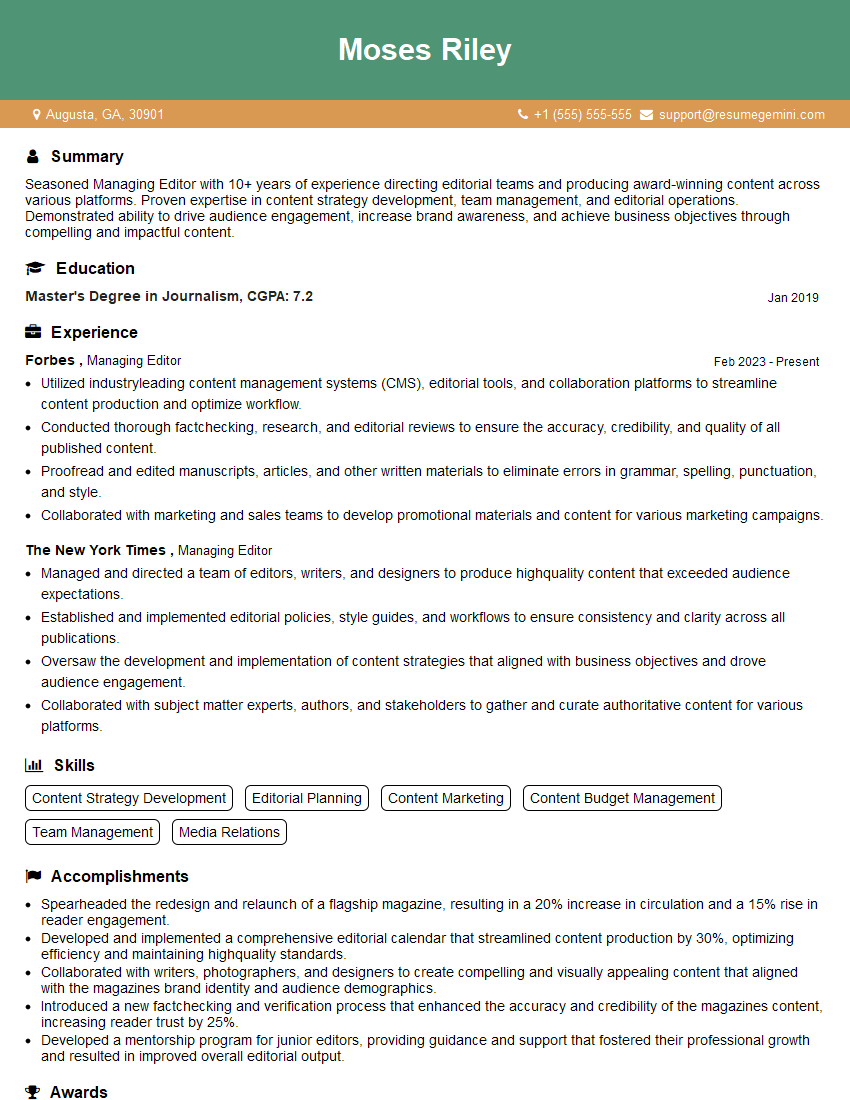
Managing Editor Resume Sample
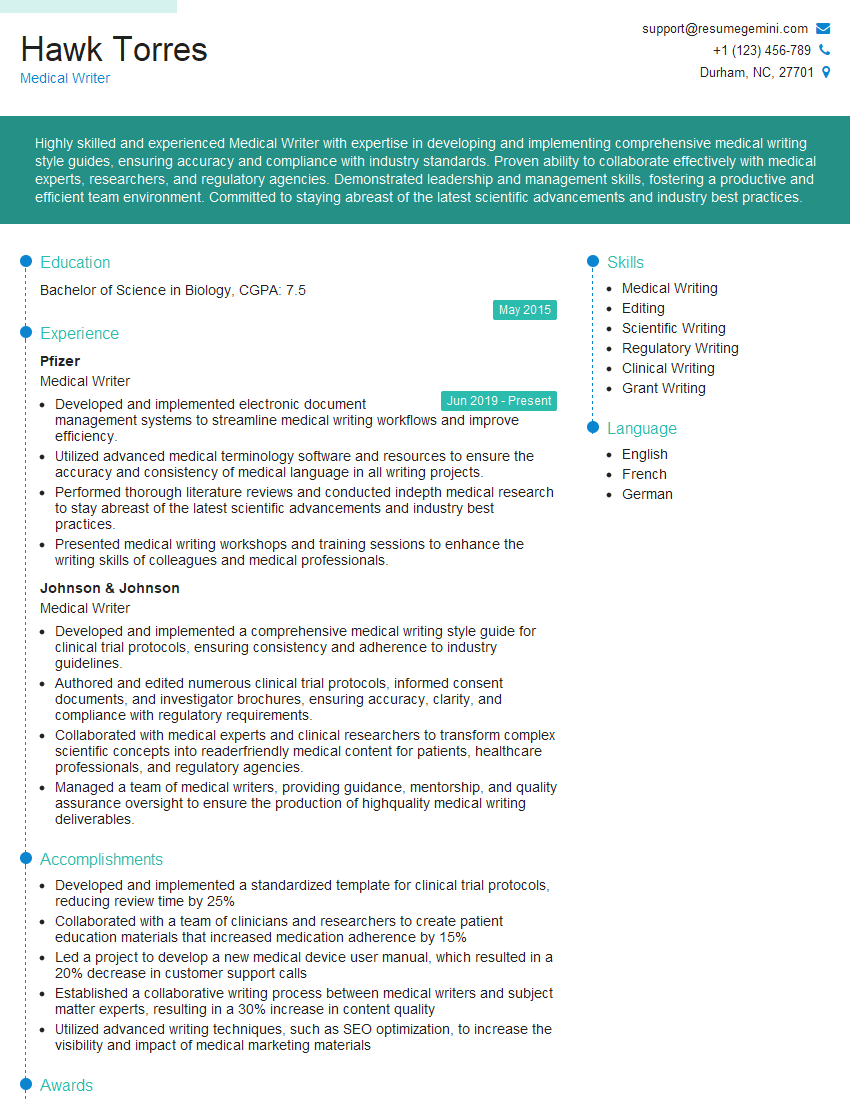
Medical Writer Resume Sample

Technical Writer Resume Sample

Copywriter Resume Sample
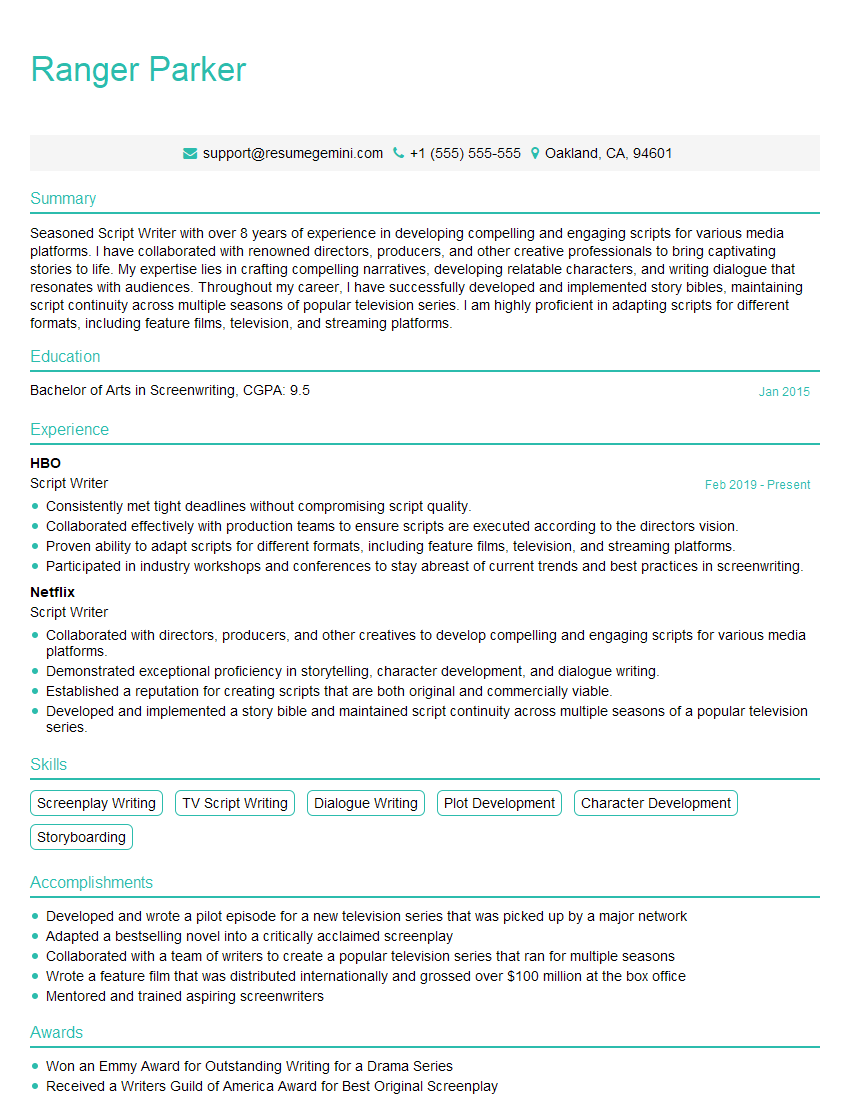
Script Writer Resume Sample
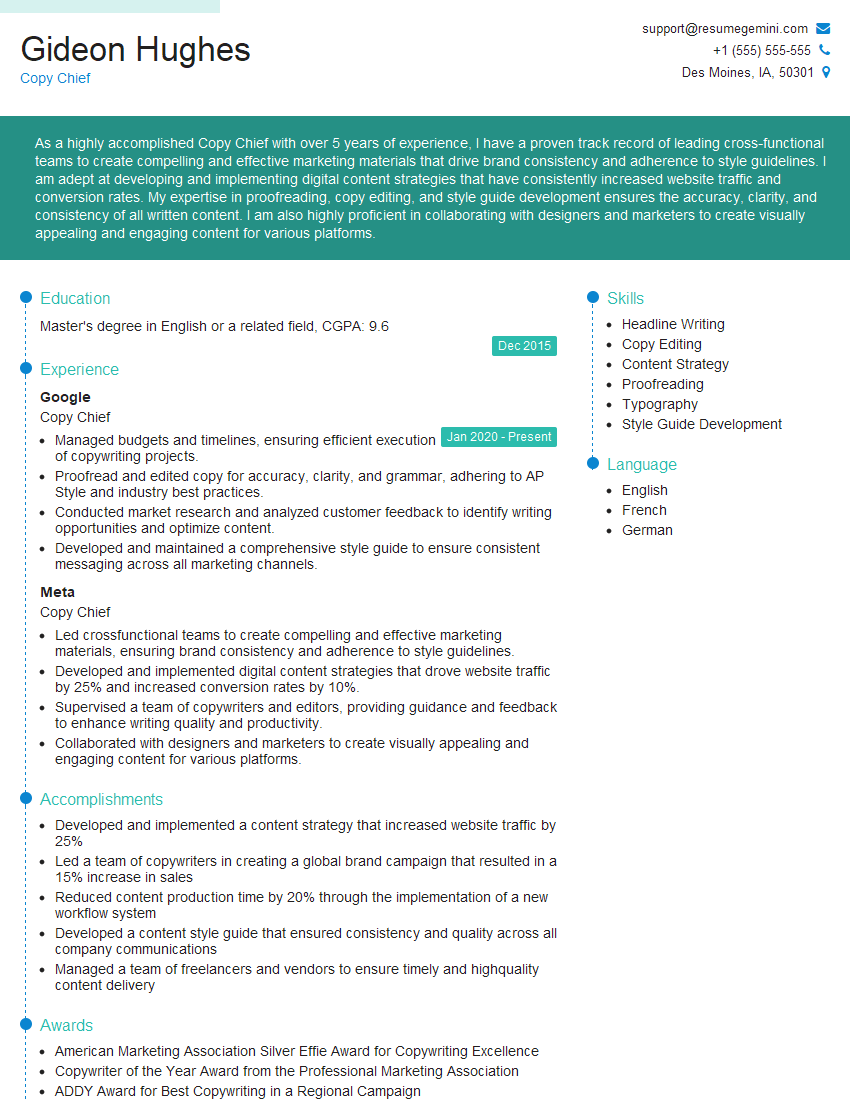
Copy Chief Resume Sample
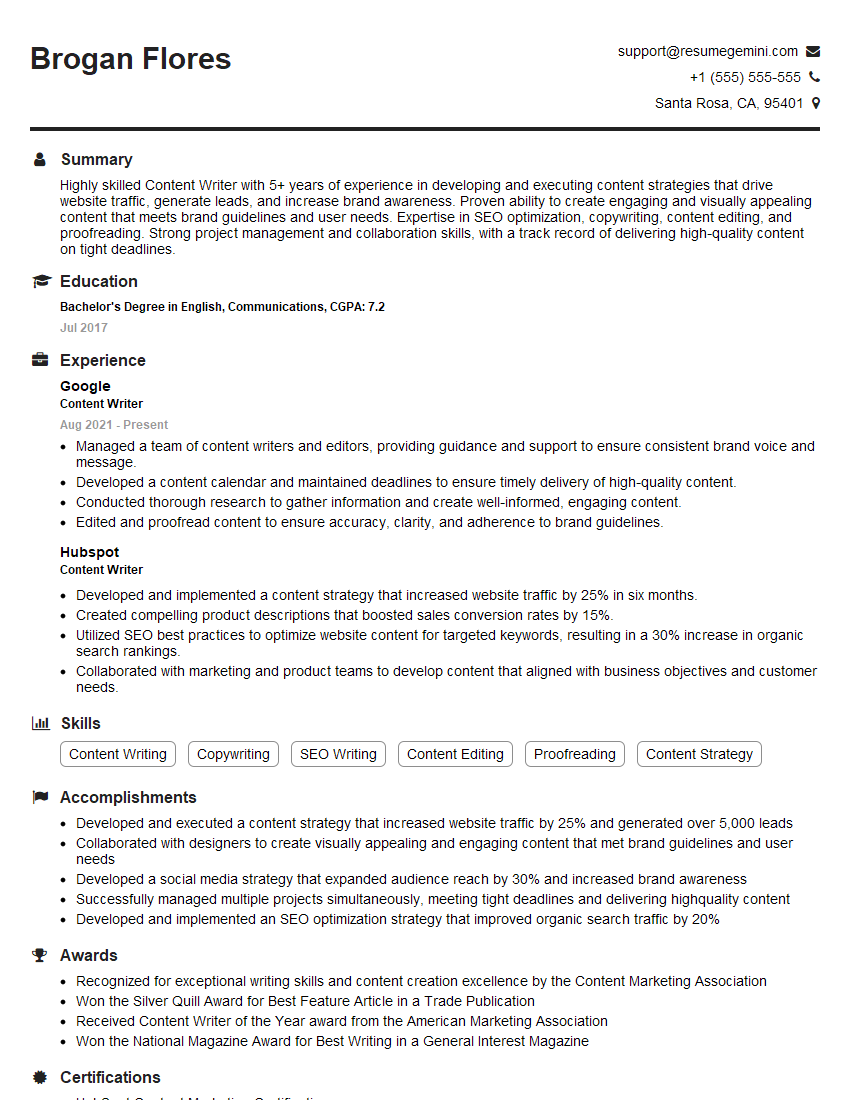
Content Writer Resume Sample
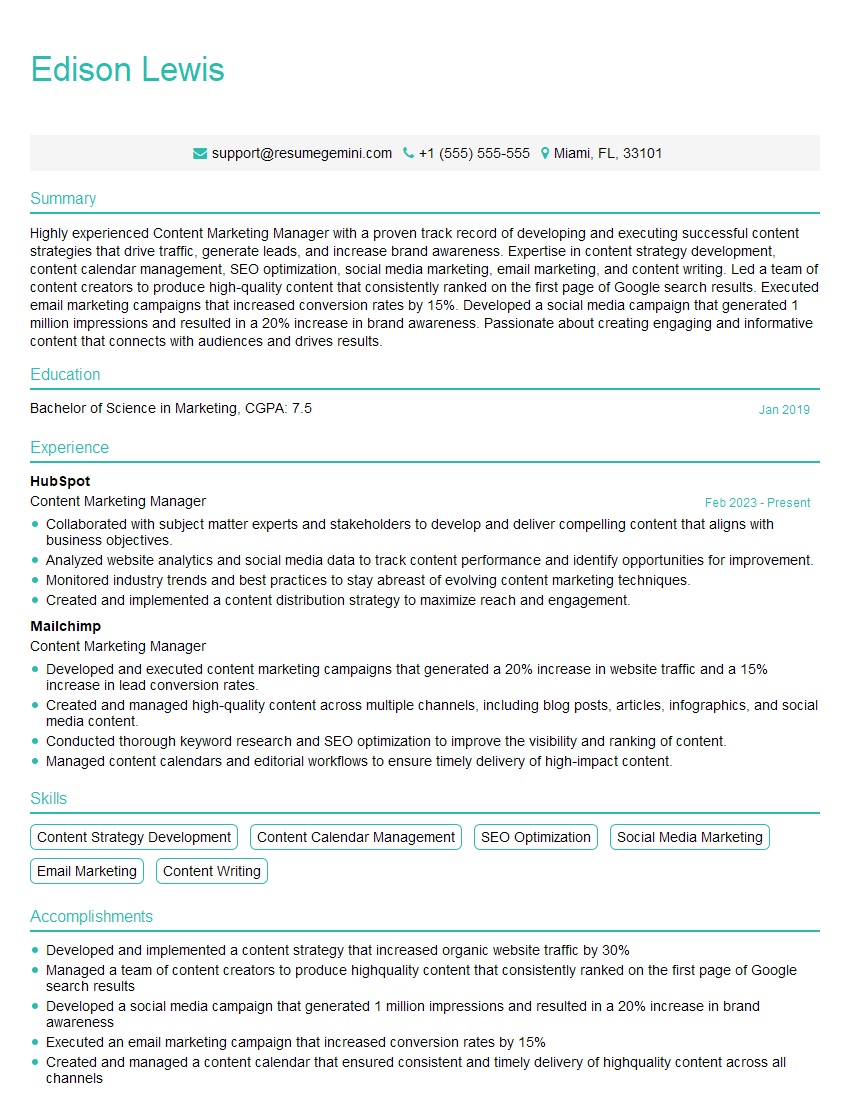
Content Marketing Manager Resume Sample
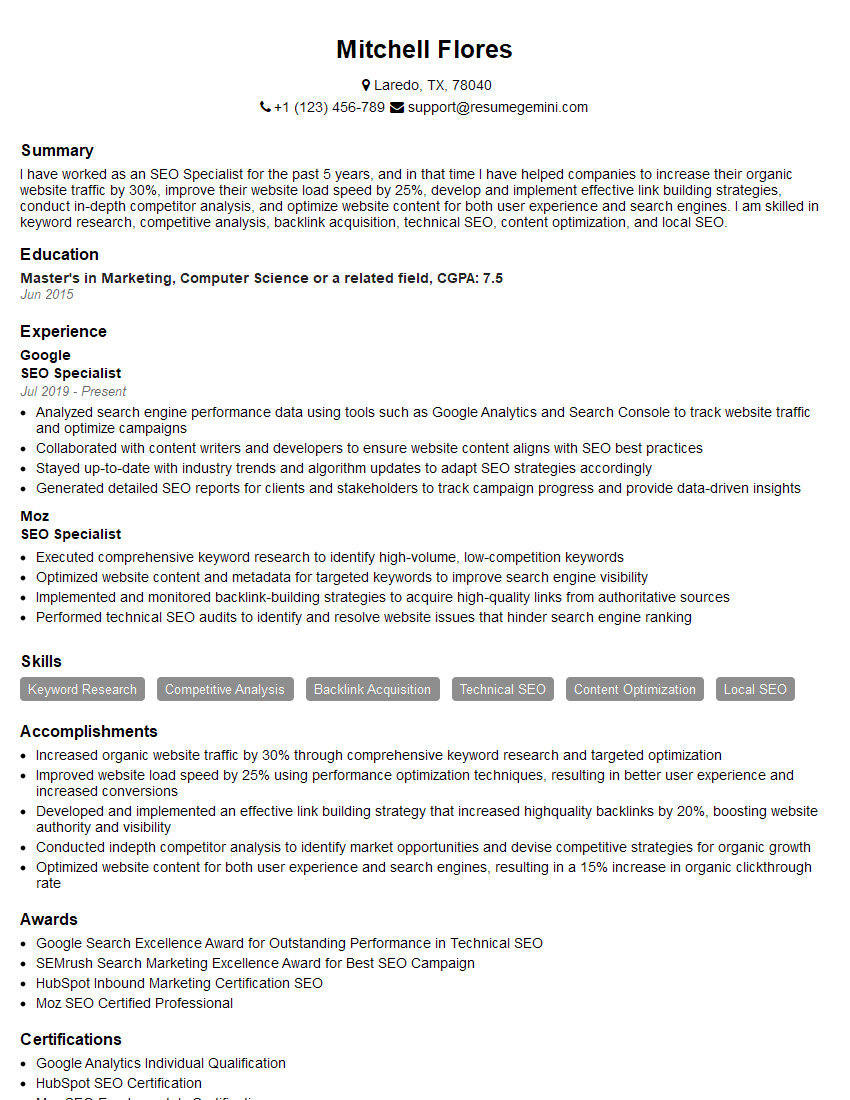
SEO Specialist Resume Sample
Explore more articles
Users Rating of Our Blogs
Share Your Experience
We value your feedback! Please rate our content and share your thoughts (optional).
What Readers Say About Our Blog
Amazing blog
Interesting Article, I liked the depth of knowledge you’ve shared.
Helpful, thanks for sharing.