Unlock your full potential by mastering the most common Algae and Bacteria Control interview questions. This blog offers a deep dive into the critical topics, ensuring you’re not only prepared to answer but to excel. With these insights, you’ll approach your interview with clarity and confidence.
Questions Asked in Algae and Bacteria Control Interview
Q 1. Explain the difference between prokaryotic and eukaryotic algae.
The fundamental difference between prokaryotic and eukaryotic algae lies in their cellular structure. Eukaryotic algae possess a complex cellular organization, including a membrane-bound nucleus containing their genetic material (DNA), and other membrane-bound organelles like mitochondria and chloroplasts. Think of it like a well-organized apartment building with specialized rooms (organelles). Prokaryotic algae, on the other hand, are simpler, lacking a defined nucleus and other membrane-bound organelles. Their DNA floats freely within the cytoplasm. Imagine a single-room studio apartment – everything is in one space.
Most algae are eukaryotic, including the familiar green algae (Chlorophyta), brown algae (Phaeophyta), and red algae (Rhodophyta). However, a smaller group of algae, the cyanobacteria (often called blue-green algae), are prokaryotic. This distinction is crucial in understanding their evolutionary history and metabolic processes.
Q 2. Describe common methods for algae identification.
Algae identification relies on a combination of techniques, often involving microscopy and sophisticated analytical methods. Firstly, microscopic examination allows for the observation of key morphological characteristics such as cell shape, size, color, and the presence of specific structures like flagella or pyrenoids (structures involved in starch storage). Different species exhibit unique combinations of these features.
Molecular techniques, such as DNA sequencing, provide a more precise and definitive identification method. This approach utilizes variations in the genetic code to differentiate between species, often offering a more accurate identification than solely relying on morphological characteristics.
Physiological tests might be employed in some cases; for example, determining the specific wavelengths of light an algae species can utilize for photosynthesis can aid in its identification. Finally, pigment analysis using chromatography helps identify the types and ratios of photosynthetic pigments present, which vary among algal species. In a nutshell, a combination of visual inspection, advanced molecular techniques, and physiological tests helps build a complete picture of the algal species.
Q 3. What are the primary factors influencing algal blooms?
Algal blooms, the rapid increase in algal populations, are influenced by a complex interplay of factors. Nutrient enrichment (eutrophication) is a primary driver. Excessive nitrogen and phosphorus from sources like agricultural runoff, sewage, and industrial discharge fuel algal growth. Imagine providing a feast to a small group of individuals – they will multiply rapidly.
Water temperature plays a significant role, with warmer temperatures often accelerating algal growth rates. Sunlight availability is also crucial, as algae require sunlight for photosynthesis. Water flow and mixing affect nutrient distribution and the dispersion of algal cells. Calm water with little mixing can lead to concentrated blooms. Finally, the presence of grazers (organisms that feed on algae) can influence algal population dynamics. A lack of grazing pressure allows algae to proliferate unchecked.
Q 4. Discuss various techniques for controlling algal growth in water bodies.
Controlling algal growth involves a multifaceted approach tailored to the specific water body and the type of algae involved. Physical methods include mechanical harvesting, which involves physically removing the algae from the water. This is effective but can be costly and labor-intensive. Chemical methods involve the use of algicides, chemicals that kill algae. While effective, they can have negative impacts on other aquatic life and the environment, requiring careful consideration and selection.
Biological methods offer a more environmentally friendly approach. These involve introducing organisms that consume algae, such as certain types of zooplankton or fish. Nutrient management focuses on reducing nutrient inputs into the water body by implementing better agricultural practices and improving wastewater treatment. This is often the most sustainable long-term strategy. Finally, manipulating water flow and mixing can help prevent the formation of concentrated algal blooms. This often involves designing water bodies with improved circulation patterns.
Q 5. Explain the role of bacteria in water quality.
Bacteria play a crucial role in maintaining water quality. Beneficial bacteria are essential components of the aquatic ecosystem. They decompose organic matter, converting complex organic molecules into simpler, less harmful substances. This process is vital for nutrient cycling and maintaining water clarity. They also play a role in removing pollutants and toxins from the water.
However, the presence of pathogenic bacteria can severely compromise water quality and pose significant health risks. These harmful bacteria can cause various diseases if ingested or if there is contact with contaminated water. Therefore, a balanced bacterial community is vital for healthy water ecosystems.
Q 6. Describe different types of bacterial contamination in water systems.
Several types of bacterial contamination can occur in water systems. Fecal contamination, originating from sewage or animal waste, is a major concern, introducing pathogens like E. coli and other disease-causing bacteria. Industrial contamination can introduce various bacteria, depending on the industry, some of which may be toxic or resistant to treatment. Agricultural runoff can carry bacteria associated with animal waste and fertilizers. Finally, naturally occurring bacteria can sometimes proliferate to harmful levels, especially under conditions of eutrophication.
Identifying the source of contamination is crucial for effective remediation. It’s essential to understand that different types of bacterial contamination require different mitigation strategies. The presence of specific bacterial species often points to the source and the appropriate course of action.
Q 7. What are indicator organisms used for assessing water quality?
Indicator organisms are used to assess water quality indirectly by detecting the presence of fecal contamination. They are typically bacteria, viruses, or protozoa whose presence indicates that the water has likely been contaminated with fecal matter. The most commonly used indicator organism is E. coli, a bacterium found in the intestines of humans and animals. The presence of E. coli suggests that other pathogens, potentially more dangerous, may also be present.
Other indicator organisms include Enterococci, another group of bacteria found in the gut, and coliforms, a broader group of bacteria that includes E. coli. By analyzing the presence and concentration of these indicator organisms, we can estimate the level of fecal contamination and infer the potential risk associated with the water quality. This indirect approach is often more practical and cost-effective than testing for every potential pathogen.
Q 8. Explain the process of water disinfection using chlorine or UV.
Water disinfection using chlorine or UV aims to eliminate harmful microorganisms, including bacteria and viruses, rendering water safe for consumption or other uses. Let’s break down each method:
Chlorine Disinfection: Chlorine, typically in the form of hypochlorite (bleach), is a powerful oxidizing agent. It works by disrupting the cellular structure of microorganisms, leading to their inactivation. The process involves adding a specific concentration of chlorine to the water, allowing it to contact the microorganisms for a sufficient contact time. The effectiveness depends on factors such as chlorine concentration, pH, water temperature, and the presence of organic matter that can consume chlorine.
UV Disinfection: Ultraviolet (UV) disinfection utilizes short-wavelength UV-C light to damage the DNA of microorganisms, preventing them from reproducing and causing disease. UV systems expose water to intense UV-C radiation for a specific duration. This method is effective against a broad range of microorganisms and doesn’t leave behind chemical byproducts like chlorine. However, it’s less effective against some resistant microorganisms and requires careful maintenance of the UV lamps.
Example: Municipal water treatment plants often use a combination of chlorine and filtration to remove suspended solids and then further disinfect the water using chlorine or UV before distribution. Swimming pools commonly employ chlorine disinfection to maintain water quality and prevent the growth of bacteria and algae.
Q 9. Describe the principles of bioremediation in algae and bacteria control.
Bioremediation leverages naturally occurring microorganisms to degrade or remove pollutants, including algae and bacteria, from the environment. In algae and bacteria control, this involves using specific microorganisms to consume or break down excess algae or harmful bacterial populations. This can involve stimulating the growth of beneficial bacteria that compete with harmful ones, introducing specific bacteria that can degrade algal toxins, or using enzymes produced by microorganisms to break down algal cells.
Principles: Bioremediation relies on several key principles:
- Nutrient limitation: Reducing the availability of nutrients like phosphorus and nitrogen that fuel algal growth can limit bloom formation.
- Microbial competition: Introducing beneficial bacteria that compete with harmful algae or bacteria for resources.
- Enzyme degradation: Utilizing enzymes produced by microorganisms to break down algal cells or bacterial toxins.
- Bioaugmentation: Introducing specific microorganisms known to degrade target pollutants.
Example: Introducing specific strains of bacteria that consume excess nutrients in a lake can prevent algae blooms from forming. Using enzymes that break down cyanotoxin (toxins produced by harmful algae) can help mitigate the risk associated with HABs. The success of bioremediation depends on selecting the appropriate microorganisms and creating favorable environmental conditions for their activity.
Q 10. How do you monitor and assess the effectiveness of algae and bacteria control strategies?
Monitoring and assessing the effectiveness of algae and bacteria control strategies require a multi-faceted approach, combining various techniques to evaluate the impact on water quality and ecosystem health.
- Water quality parameters: Regular monitoring of water parameters such as pH, dissolved oxygen, nutrient levels (nitrate, phosphate), chlorophyll-a (indicative of algae), and turbidity helps assess the effectiveness of control measures. Changes in these parameters reflect the impact of the control strategies.
- Microbial analysis: Identifying and quantifying the abundance of specific algae and bacteria species through microscopic examination and culturing techniques provides insights into the success of control measures in reducing target populations. This often involves assessing the number of cells/ml or colony forming units (CFU).
- Toxicity assessments: Measuring toxin concentrations (e.g., cyanotoxins) produced by harmful algae is crucial, especially when dealing with HABs. This assessment helps evaluate whether the control strategies have successfully mitigated the risk of toxin exposure.
- Remote sensing: Satellite imagery and aerial surveys can provide a broad-scale assessment of algal blooms, monitoring their extent and distribution over time.
- In-situ sensors: Continuous monitoring using automated sensors deployed in the water body provides real-time data on key water quality parameters, allowing for timely intervention if needed.
Example: In a lake experiencing algal blooms, regular monitoring of chlorophyll-a levels following implementation of a nutrient reduction program can demonstrate the effectiveness of the strategy in reducing algal biomass. A decrease in chlorophyll-a along with a reduction in the abundance of harmful algal species confirms the success of the control measures.
Q 11. What are the health risks associated with exposure to harmful algal blooms (HABs)?
Harmful algal blooms (HABs) can pose significant health risks to humans and animals through various exposure pathways. The toxins produced by HABs, known as cyanotoxins, are the primary concern.
- Skin contact: Direct contact with HAB-contaminated water can cause skin irritation, rashes, and allergic reactions.
- Ingestion: Drinking contaminated water or consuming contaminated seafood can lead to gastrointestinal illness, including nausea, vomiting, diarrhea, and abdominal cramps. Severe cases can result in liver damage (hepatotoxins) or neurological effects (neurotoxins).
- Inhalation: Aerosolized toxins from HABs can cause respiratory problems, particularly in individuals with pre-existing respiratory conditions. Symptoms can range from mild irritation to more severe respiratory distress.
- Exposure to pets: Pets, especially dogs, can be severely affected by ingesting HAB-contaminated water. This can cause liver failure, seizures, and even death.
The severity of the health effects depends on factors such as the type and concentration of toxins, the duration and route of exposure, and individual susceptibility. It’s crucial to take precautions to avoid contact with water suspected of containing HABs.
Q 12. Explain the impact of eutrophication on aquatic ecosystems.
Eutrophication is the excessive enrichment of water bodies with nutrients, primarily nitrogen and phosphorus, leading to a cascade of negative impacts on aquatic ecosystems. This nutrient enrichment, often caused by human activities such as agricultural runoff and sewage discharge, stimulates excessive growth of algae and other aquatic plants.
- Algal blooms: Eutrophication fuels massive algal blooms, reducing light penetration and oxygen levels in the water.
- Oxygen depletion: As algae decompose, they consume large amounts of dissolved oxygen, creating hypoxic or anoxic conditions (low or no oxygen) that harm or kill fish and other aquatic organisms.
- Loss of biodiversity: The altered environment favors algae and a few tolerant species, leading to a decline in biodiversity and the loss of sensitive species.
- Reduced water clarity: Algal blooms reduce water clarity, impacting recreational uses and negatively affecting submerged aquatic vegetation.
- Harmful algal blooms (HABs): Some algal species produce toxins, posing risks to human and animal health.
- Changes in ecosystem structure: The entire ecosystem shifts from a balanced state to one dominated by algae and decomposers, impacting food webs and nutrient cycles.
Example: The “dead zones” in coastal areas, such as the Gulf of Mexico, are a consequence of eutrophication caused by agricultural runoff from the Mississippi River. The excess nutrients fuel massive algal blooms, leading to oxygen depletion and fish kills.
Q 13. Describe different types of water treatment processes used to remove algae and bacteria.
Various water treatment processes are employed to remove algae and bacteria, often in combination to achieve optimal results. The choice of method depends on the specific context, including the type and concentration of pollutants, the volume of water to be treated, and the desired level of treatment.
- Filtration: Physical removal of algae and bacteria using different filter media like sand, gravel, or membrane filters. This process removes suspended solids, including algae cells.
- Coagulation and flocculation: Chemicals (coagulants) are added to destabilize suspended particles, causing them to clump together (flocculate). These larger aggregates can then be removed through sedimentation or filtration.
- Sedimentation: Allowing heavier particles, including algae flocs, to settle out of the water under gravity.
- Chlorination/Disinfection: Using chlorine or other disinfectants to kill remaining bacteria and algae (discussed in detail in question 1).
- UV disinfection: Employing ultraviolet light to inactivate microorganisms (also discussed in question 1).
- Advanced oxidation processes (AOPs): AOPs such as ozone treatment or UV/H2O2 (UV combined with hydrogen peroxide) generate highly reactive species that oxidize and break down organic matter, including algae and bacteria. These methods are effective in removing persistent pollutants and toxins.
Example: A municipal water treatment plant may use a combination of coagulation, sedimentation, filtration, and chlorination to remove algae and bacteria from its raw water source before distributing it to consumers.
Q 14. What are the advantages and disadvantages of using chemical algaecides?
Chemical algaecides are used to control excessive algae growth, but their application comes with advantages and disadvantages:
Advantages:
- Rapid effectiveness: Chemical algaecides provide a quick reduction in algal biomass.
- Wide applicability: Suitable for treating various types of algae and in various water bodies.
- Cost-effective (in some cases): Can be relatively inexpensive compared to other control methods for small-scale applications.
Disadvantages:
- Environmental impact: Many chemical algaecides are toxic to non-target organisms, including fish, invertebrates, and beneficial algae. They can also persist in the environment and accumulate in the food chain.
- Potential health risks: Exposure to some algaecides can pose human health risks.
- Resistance development: Algae can develop resistance to certain algaecides, rendering them ineffective over time.
- Recurring applications: Often require repeated applications to maintain control, as they only address the symptoms and not the root causes of excessive algal growth.
- Nutrient imbalance: Simply killing algae doesn’t address the underlying nutrient enrichment that fuels their growth. The nutrients remain in the water, potentially leading to future blooms.
Example: Copper sulfate is a commonly used algaecide, but its use is becoming more restricted due to its toxicity to aquatic life. The choice of algaecide should always consider its impact on the entire ecosystem and the availability of safer alternatives.
Q 15. Explain the use of biological control methods for algae and bacteria.
Biological control methods for algae and bacteria leverage natural predators and competitors to reduce unwanted populations. Instead of harsh chemicals, we utilize organisms that naturally inhibit the growth of nuisance algae and bacteria. This approach is environmentally friendly and often more sustainable in the long run.
- Zooplankton: Certain zooplankton species, like Daphnia and rotifers, graze on algae, helping to control algal blooms. Their introduction into a water body can significantly reduce algal biomass. For example, in a eutrophic lake experiencing a cyanobacteria bloom, introducing Daphnia can help restore the balance.
- Bacteria: Specific bacteria can be employed to outcompete harmful bacteria or break down algal cells. For instance, some bacteria produce allelochemicals – compounds that inhibit the growth of other organisms – effectively suppressing algal growth. This is particularly helpful in aquaculture where controlling bacterial and algal populations is crucial for fish health.
- Viruses: Bacteriophages, viruses that infect and kill bacteria, are increasingly being studied for their potential in controlling harmful bacterial populations. Their specificity minimizes harm to beneficial bacteria.
The success of biological control depends on factors like water temperature, nutrient levels, and the presence of other organisms. Careful selection of the control agent and ongoing monitoring are essential for effective implementation.
Career Expert Tips:
- Ace those interviews! Prepare effectively by reviewing the Top 50 Most Common Interview Questions on ResumeGemini.
- Navigate your job search with confidence! Explore a wide range of Career Tips on ResumeGemini. Learn about common challenges and recommendations to overcome them.
- Craft the perfect resume! Master the Art of Resume Writing with ResumeGemini’s guide. Showcase your unique qualifications and achievements effectively.
- Don’t miss out on holiday savings! Build your dream resume with ResumeGemini’s ATS optimized templates.
Q 16. How do you interpret results from water quality tests?
Interpreting water quality test results involves understanding the context and interrelationships between different parameters. A single high value doesn’t tell the whole story; it’s the overall picture that’s crucial. For example, high levels of nitrates and phosphates, along with elevated chlorophyll-a concentrations, strongly indicate eutrophication and potential algal blooms.
My interpretation process involves:
- Comparing results to standards: We compare measured values to established water quality standards (e.g., those set by the EPA) to determine if any parameters exceed permissible limits. This is crucial for regulatory compliance and assessing potential ecological impacts.
- Analyzing trends over time: Single data points are less informative than data series collected over time. This allows us to detect patterns, track changes in water quality, and evaluate the effectiveness of management strategies. For instance, monitoring dissolved oxygen levels over a year helps understand seasonal variations and potential problems like hypoxia.
- Considering interrelationships: Parameters are interconnected. High nutrient levels lead to algal growth, impacting dissolved oxygen. This holistic view is essential for accurate analysis.
- Identifying potential sources of pollution: Through the analysis of specific pollutants and their concentrations, the sources of pollution can be identified. For instance, high levels of fecal coliforms indicate potential sewage contamination.
The final report synthesizes these aspects into a clear assessment of the water quality, identifying any issues and recommending appropriate mitigation measures.
Q 17. Describe the role of nutrient management in preventing algal blooms.
Nutrient management is absolutely central to preventing algal blooms. Algae thrive on nutrients like nitrogen and phosphorus. Reducing their availability significantly curtails algal growth. Think of it like starving a weed – no food, no growth.
- Reducing fertilizer runoff: Agricultural practices are a major source of nutrient pollution. Implementing best management practices (BMPs), such as using slow-release fertilizers, buffer strips, and conservation tillage, minimizes nutrient runoff into water bodies.
- Controlling wastewater discharge: Untreated or inadequately treated wastewater often contains high levels of nitrogen and phosphorus. Upgrading wastewater treatment plants to remove these nutrients is vital.
- Managing stormwater runoff: Stormwater picks up pollutants from urban and suburban areas. Implementing green infrastructure solutions such as rain gardens and permeable pavements helps reduce nutrient transport.
- Riparian buffers: Planting vegetation along the edges of water bodies acts as a natural filter, trapping nutrients and preventing them from reaching the water.
Effective nutrient management requires a multifaceted approach, involving stakeholders across multiple sectors. It’s not a one-size-fits-all solution; strategies need to be tailored to the specific characteristics of each water body and its watershed.
Q 18. Explain the concept of total maximum daily loads (TMDLs) for pollutants.
Total Maximum Daily Loads (TMDLs) are regulatory tools used to control pollution in water bodies. They represent the maximum amount of a specific pollutant that a water body can receive daily without violating water quality standards. Think of it as a pollution budget.
The process of establishing a TMDL involves:
- Identifying impaired waters: Water bodies that fail to meet water quality standards are identified.
- Determining the cause of impairment: Sources of pollution causing the impairment are pinpointed.
- Calculating the TMDL: The maximum amount of pollutant that can be discharged daily is calculated, considering the water body’s capacity to assimilate the pollutant and meet water quality standards. This calculation often involves complex modeling.
- Developing a wasteload allocation: The allowable amount of pollutant discharge from different sources (e.g., point sources like wastewater treatment plants, non-point sources like agricultural runoff) is determined.
- Implementing pollution control measures: Strategies for reducing pollutant loads from various sources are implemented.
TMDLs are legally binding and provide a framework for restoring and protecting impaired waters. They play a critical role in ensuring that water bodies meet water quality standards and support healthy aquatic ecosystems.
Q 19. Describe your experience with different types of water sampling techniques.
My experience encompasses various water sampling techniques, each with its strengths and weaknesses depending on the context and objectives. The choice depends heavily on the type of water body, the pollutants of interest, and the budget available.
- Grab sampling: This involves collecting a single sample at a specific location and time. It’s quick and simple but may not represent the overall water quality. I commonly use this for initial assessments or when investigating specific pollution events.
- Integrated sampling: A weighted bottle is lowered and slowly raised, collecting a sample integrated over the water column. This gives a better representation of the average water quality profile than grab sampling.
- Composite sampling: Multiple grab samples are collected and combined to create a representative sample, reducing the variability of a single grab.
- Continuous monitoring: In-situ sensors and automated samplers provide continuous data on water quality parameters, capturing real-time changes. This is valuable for tracking short-term fluctuations and immediate responses to pollution events. We employ this in scenarios requiring continuous observation, such as during algal bloom events.
Proper sampling techniques are crucial to ensure data integrity and accurate water quality assessments. Factors such as sample preservation and proper handling procedures are essential to avoid contamination and degradation.
Q 20. How do you maintain equipment and ensure quality control in a laboratory setting?
Maintaining equipment and ensuring quality control in the lab is paramount for reliable results. Our lab follows strict protocols to maintain accuracy and precision.
- Regular calibration and maintenance: All instruments, such as spectrophotometers, pH meters, and autoclaves, are calibrated regularly according to manufacturer’s instructions and our internal SOPs (Standard Operating Procedures). Preventive maintenance is performed to prevent malfunctions and extend the lifespan of the equipment.
- Quality control checks: We use certified reference materials and participate in proficiency testing programs to assess the accuracy and precision of our analytical methods. Control charts help monitor performance over time and detect potential drifts or biases.
- Proper handling of reagents and samples: We meticulously follow safety protocols and maintain a clean lab environment. Reagents are stored correctly to avoid degradation and contamination. Chain of custody procedures are strictly followed for samples, ensuring their integrity throughout the analysis.
- Documentation: Detailed records of all calibrations, maintenance, and quality control checks are maintained electronically and are regularly audited.
This systematic approach ensures that our lab produces reliable and accurate data, essential for making informed decisions about algae and bacteria control strategies.
Q 21. Explain your understanding of relevant environmental regulations and permits.
Understanding and complying with environmental regulations and permits is crucial in this field. My understanding encompasses:
- Clean Water Act (CWA): The CWA sets water quality standards and regulates the discharge of pollutants into surface waters. I’m well-versed in the National Pollutant Discharge Elimination System (NPDES) permit requirements for point source dischargers.
- Safe Drinking Water Act (SDWA): This act regulates the quality of drinking water, ensuring that it’s safe for human consumption. Understanding these regulations is especially relevant when dealing with water sources that may be used for potable water.
- State-specific regulations: Many states have their own water quality standards and permitting processes that may be even more stringent than federal regulations. I adapt my approach based on the specific regulatory environment.
- Endangered Species Act (ESA): If a project impacts a listed endangered or threatened species or its habitat, it’s crucial to comply with the ESA’s requirements, potentially necessitating specific mitigation measures. For example, managing algal blooms in a habitat important for a threatened fish species requires careful consideration.
Staying updated on these regulations is continuous and requires thorough review of relevant documents and participation in relevant professional development courses. Compliance is not only legally required but also ensures the protection of aquatic ecosystems and public health.
Q 22. Describe your experience working with different types of microscopy techniques.
My experience with microscopy techniques is extensive, encompassing both light and electron microscopy. I’m proficient in brightfield, darkfield, phase-contrast, and fluorescence microscopy for observing algae and bacteria. Brightfield is my daily workhorse for basic morphology assessment. Phase-contrast microscopy is crucial for visualizing live, unstained specimens, particularly useful for observing the motility of bacteria and the intricate structures of certain algae. Fluorescence microscopy, using specific stains, enables me to identify and quantify different species based on their unique fluorescent properties. For higher resolution imaging of ultrastructural details, I frequently utilize transmission electron microscopy (TEM) and scanning electron microscopy (SEM). For example, I used TEM to analyze the internal structure of a cyanobacteria species implicated in a bloom event, revealing the presence of gas vacuoles which explained its buoyancy and contribution to the bloom.
I’ve also worked with confocal laser scanning microscopy (CLSM) for three-dimensional imaging of algal biofilms and bacterial colonies, providing invaluable information about their spatial organization and interactions. Each technique provides a unique perspective on the organisms, and I select the appropriate method based on the specific research question.
Q 23. How do you handle unexpected situations or equipment malfunctions in the field?
Unexpected situations in the field are commonplace! For instance, a sudden rainstorm once compromised a water sample collection. My response involved immediately securing the samples to prevent contamination, documenting the event meticulously, and repeating the sampling at a later time, ensuring consistent methodologies. Equipment malfunctions, such as a broken probe on my water quality meter, require a systematic approach. I first attempt troubleshooting using my knowledge of the device, referring to its manual and attempting standard fixes. If the problem persists, I utilize a backup instrument, ensure data integrity by documenting the malfunction and replacing any compromised data with readings from the backup device.
If a solution isn’t readily available, I contact my supervisor and utilize alternative approaches. For example, if I couldn’t get an immediate turbidity reading, I’d document the apparent turbidity visually and use a secondary method, like settleable solids testing, to provide a supplemental measure of water quality.
Q 24. What are some common challenges encountered in algae and bacteria control?
Algae and bacteria control presents many challenges. One major hurdle is identifying the specific species responsible for a problem. Different species have different sensitivities to control methods. Misidentification can lead to ineffective or even harmful treatments.
- Resistance to treatments: Overuse of algaecides and bactericides can lead to the development of resistant strains, making control increasingly difficult.
- Environmental concerns: Many control methods have potential negative environmental impacts, impacting non-target organisms. Selecting environmentally sound approaches is critical. This often means finding an integrated approach rather than solely relying on chemicals.
- Economic factors: The cost of treatment and the economic impact of the algae or bacteria problem need to be carefully considered.
- Complex interactions: Algae and bacteria often interact in complex ways, making predicting the effects of treatments difficult.
For instance, I once encountered a situation where a lake was experiencing harmful algal blooms. Initial attempts to control the blooms with copper sulfate were only partially effective due to the dominance of a resistant species. A more holistic strategy including nutrient reduction in runoff and the introduction of native zooplankton that consumed the algae proved much more effective in the long run.
Q 25. Describe your experience with data analysis and reporting.
My data analysis skills are robust. I am proficient in using various statistical software packages like R and SPSS to analyze water quality data, including algal and bacterial counts, nutrient concentrations, and other relevant parameters. I can perform a range of statistical analyses, such as ANOVA, regression analysis, and time series analysis, to identify trends, correlations, and significant differences. This includes data visualization through graphs and charts (e.g., scatter plots, box plots, time series graphs) to clearly communicate results. I’m also adept at creating comprehensive reports, summarizing findings, and drawing conclusions to inform management decisions. I routinely use spreadsheets like Excel for data organization and preliminary analysis.
For example, I analyzed data from a long-term monitoring program of a river, using regression analysis to model the relationship between nutrient levels and algal biomass. This allowed us to predict future bloom events based on nutrient inputs and recommend appropriate management strategies to mitigate them.
Q 26. How do you ensure compliance with safety protocols in a laboratory and field settings?
Safety is paramount. In the laboratory, I rigorously follow all established safety protocols, including the proper handling and disposal of hazardous materials like chemicals and biological samples. I always wear appropriate personal protective equipment (PPE), such as gloves, lab coats, and safety glasses. I’m trained in the safe use of laboratory equipment and follow strict sterilization procedures. In the field, safety protocols also include risk assessment prior to fieldwork, ensuring I have appropriate safety gear for the environment (e.g., waterproof boots, high-visibility clothing). I always follow safe sampling practices and use appropriate methods to avoid exposure to potentially harmful organisms or conditions. I’m also trained in emergency response procedures for both laboratory and field situations.
Q 27. Explain your experience using specific software or equipment related to water quality analysis.
I have extensive experience with various software and equipment used in water quality analysis. This includes using water quality meters (e.g., YSI meters) to measure parameters like pH, dissolved oxygen, conductivity, and turbidity. I’m familiar with using spectrophotometers for determining nutrient concentrations using standard methods. For microbiological analysis, I utilize automated plate counters and image analysis software to enumerate and identify different species. I’m also proficient in using specialized software for analyzing data from flow cytometry and other advanced analytical techniques. The software I’m most comfortable with includes dedicated water quality analysis software and statistical packages such as R and SPSS for data handling and analysis.
Q 28. Describe your problem-solving approach when dealing with complex water quality issues.
My problem-solving approach to complex water quality issues is systematic. I begin with a thorough assessment of the situation, gathering all available data and information. This involves reviewing historical data, conducting site visits, and collecting new samples for analysis. I systematically analyze the data, looking for patterns, trends, and anomalies. This often involves integrating information from different sources, such as water chemistry, microbiology, and environmental factors. Then, I develop hypotheses to explain the observed patterns and test those hypotheses using appropriate analytical methods. Based on the findings, I develop a plan of action which includes control measures, monitoring, and reporting. The entire process is iterative – I consistently monitor and evaluate the effectiveness of the implemented measures and adapt my approach as needed. For example, in dealing with recurring eutrophication in a pond, my investigation uncovered an unusually high amount of phosphorus run-off from agricultural sources. This led to collaborative work with local farmers to implement best management practices, reducing fertilizer inputs and ultimately, improving the water quality.
Key Topics to Learn for Algae and Bacteria Control Interview
- Types of Algae and Bacteria: Understanding the different species, their characteristics, and their impact on various environments (e.g., freshwater, marine, industrial).
- Control Methods: Familiarize yourself with various control techniques, including physical, chemical, and biological methods. Consider the advantages and disadvantages of each.
- Water Quality Parameters: Master the key parameters used to assess water quality and their relationship to algae and bacteria growth (e.g., pH, dissolved oxygen, nutrient levels).
- Monitoring and Sampling Techniques: Understand the practical aspects of collecting and analyzing water samples to assess algae and bacteria populations.
- Regulatory Compliance: Learn about relevant environmental regulations and permits related to algae and bacteria control in your region.
- Risk Assessment and Management: Develop your ability to assess risks associated with algal blooms and bacterial contamination and implement effective mitigation strategies.
- Emerging Technologies: Explore the latest advancements in algae and bacteria control, such as advanced oxidation processes or innovative bioremediation techniques.
- Case Studies and Problem Solving: Review real-world examples of algae and bacteria control projects. Practice analyzing case studies and developing solutions to hypothetical problems.
Next Steps
Mastering algae and bacteria control opens doors to rewarding careers in environmental science, water management, and related fields. A strong understanding of these concepts is highly sought after by employers. To maximize your job prospects, it’s crucial to present your skills effectively. Creating an ATS-friendly resume is essential for getting your application noticed. ResumeGemini can help you build a professional and impactful resume tailored to the specific requirements of Algae and Bacteria Control roles. Use ResumeGemini to craft a compelling narrative of your skills and experience. Examples of resumes tailored to Algae and Bacteria Control positions are available to guide you.
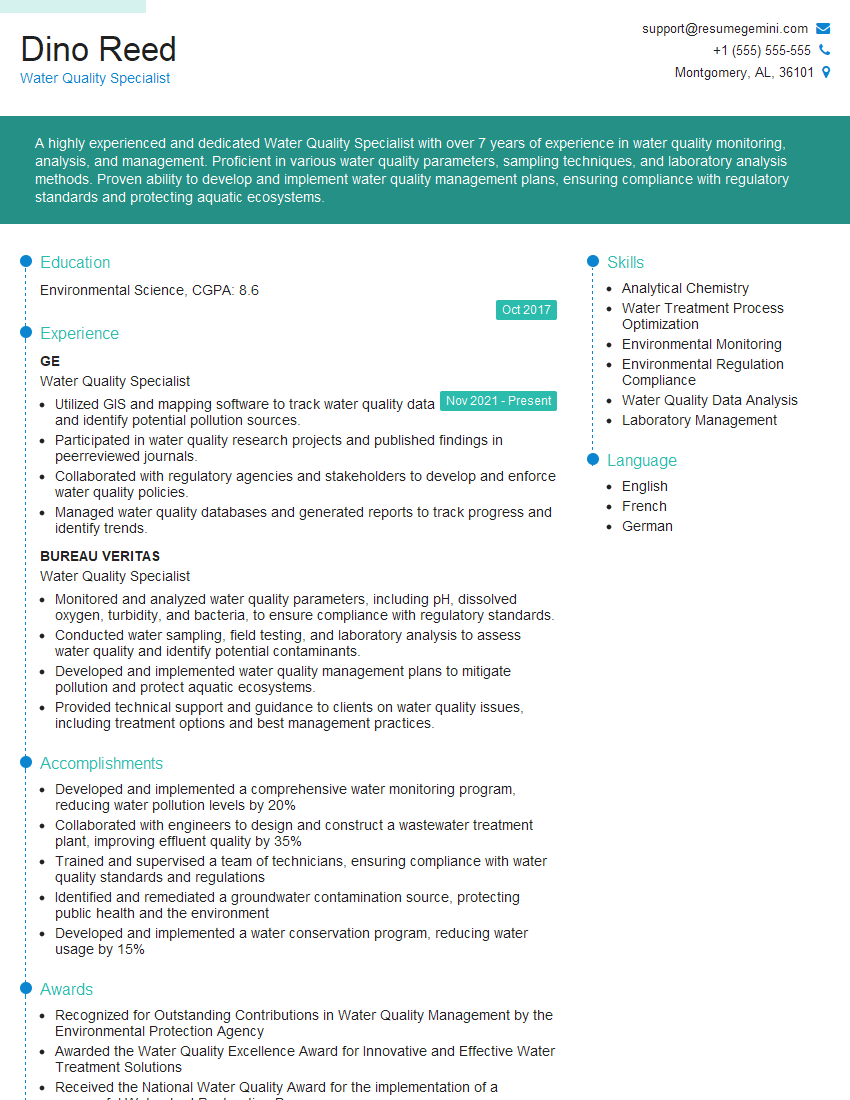
Water Quality Specialist Resume Sample
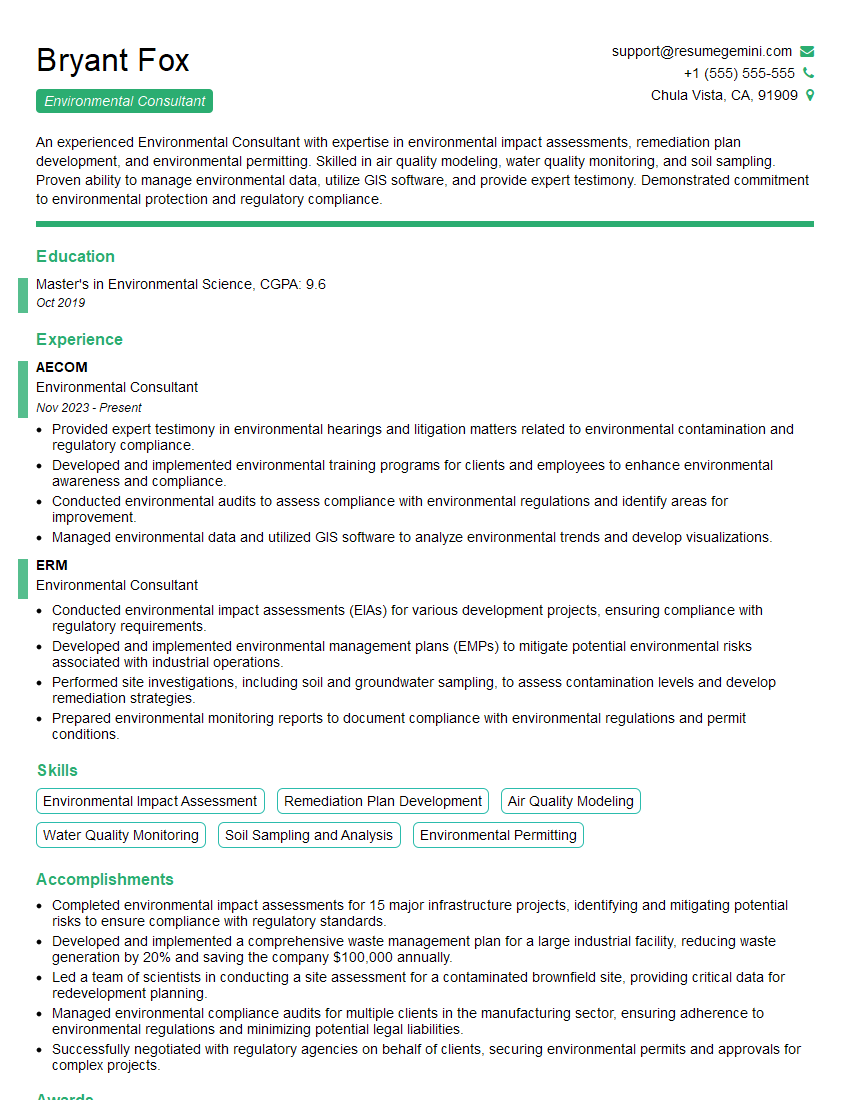
Environmental Consultant Resume Sample
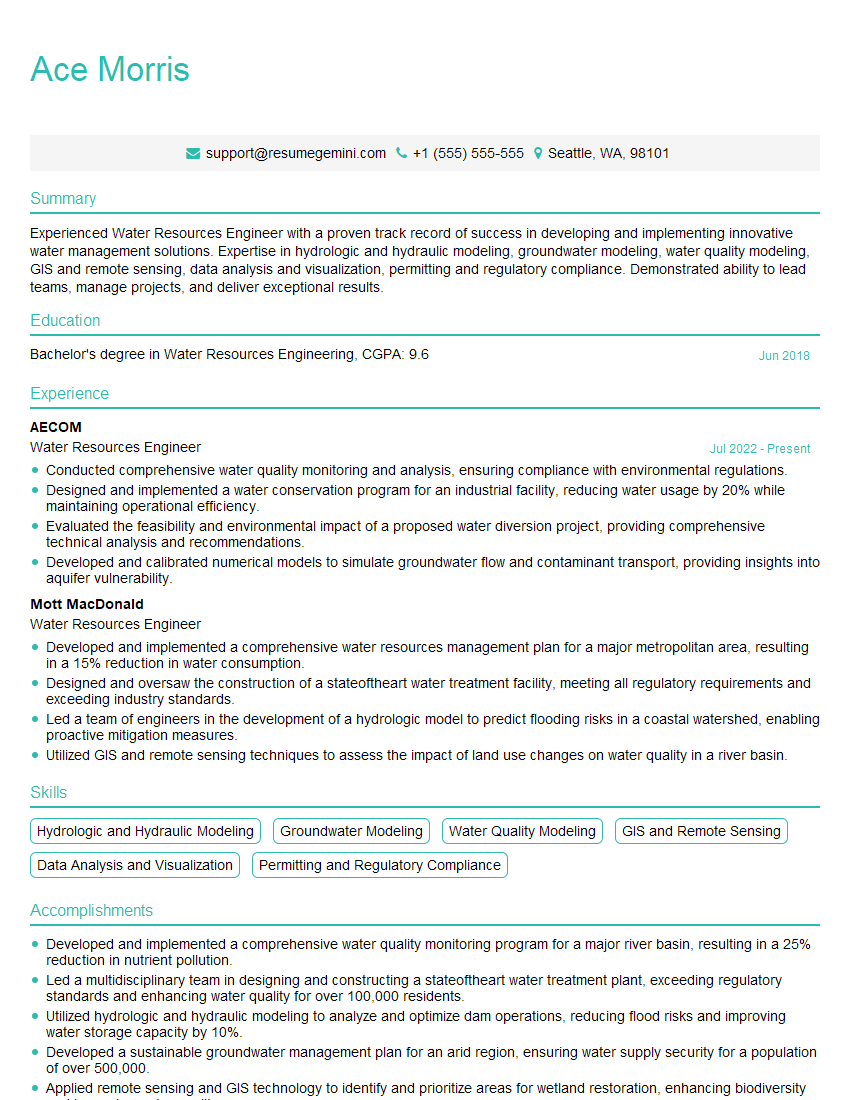
Water Resources Engineer Resume Sample
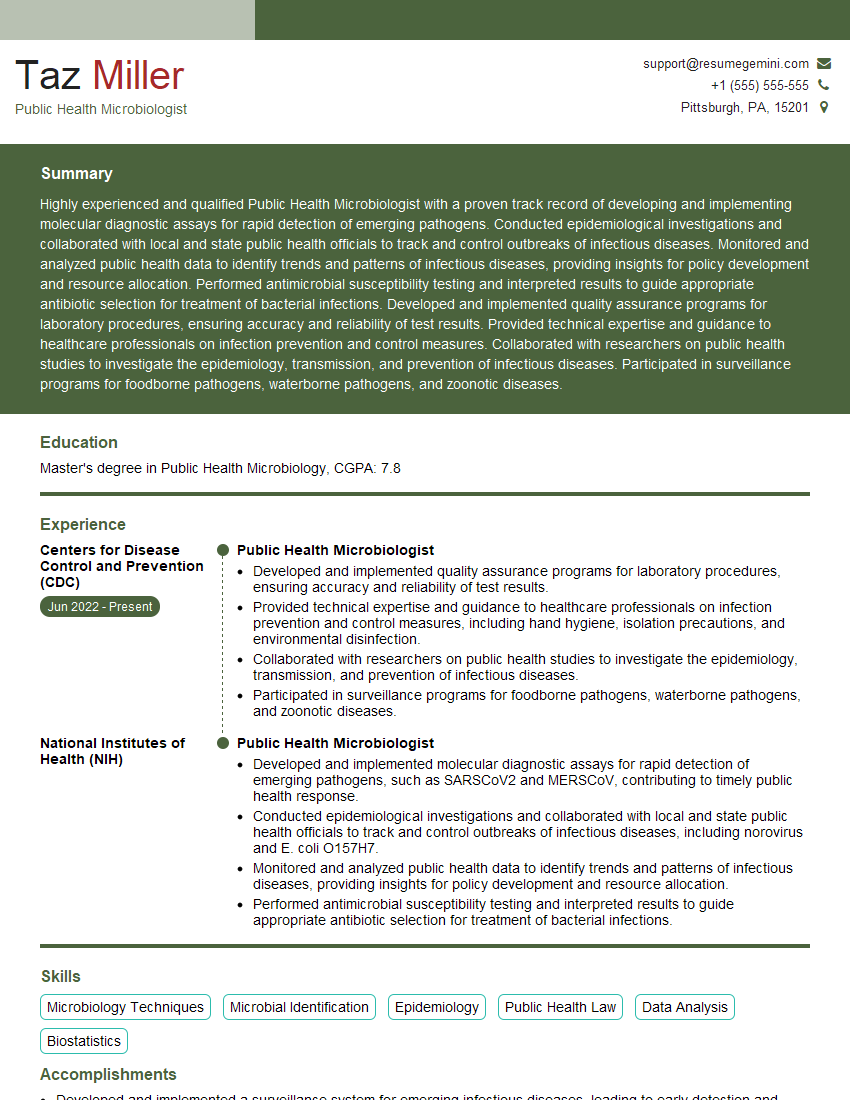
Public Health Microbiologist Resume Sample

Limnologist Resume Sample
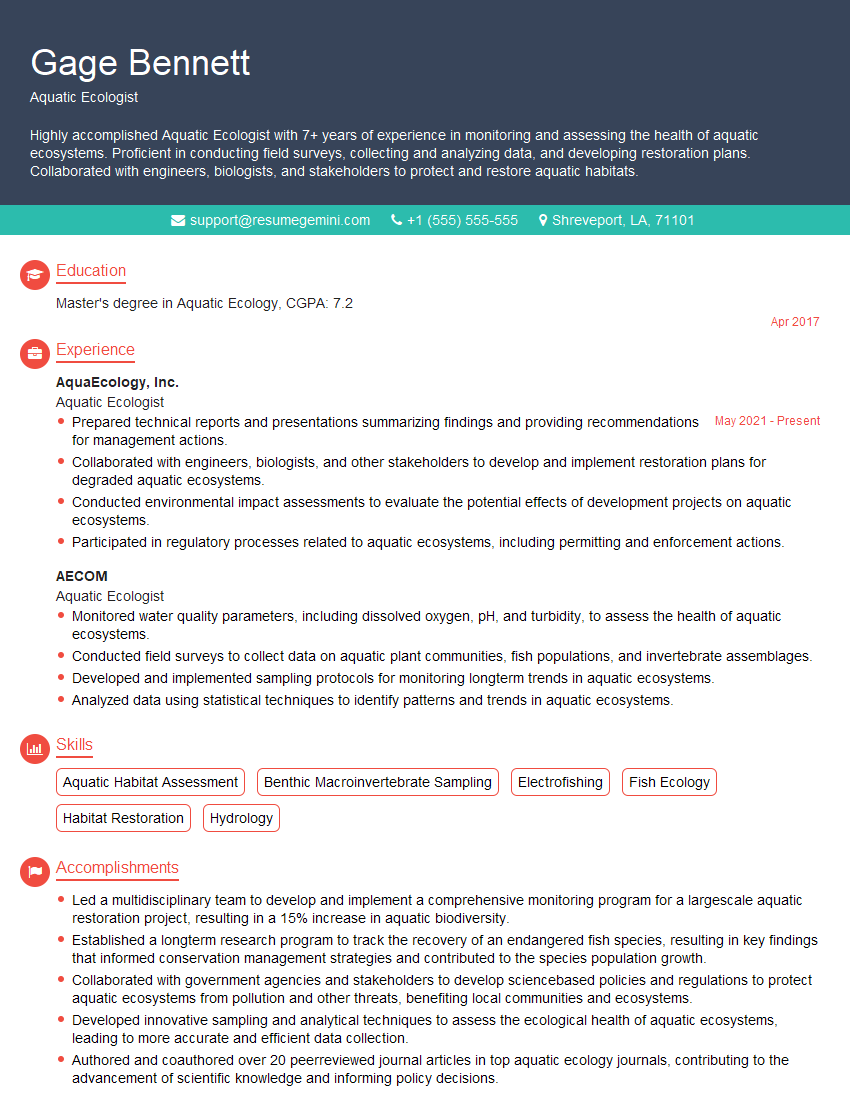
Aquatic Ecologist Resume Sample
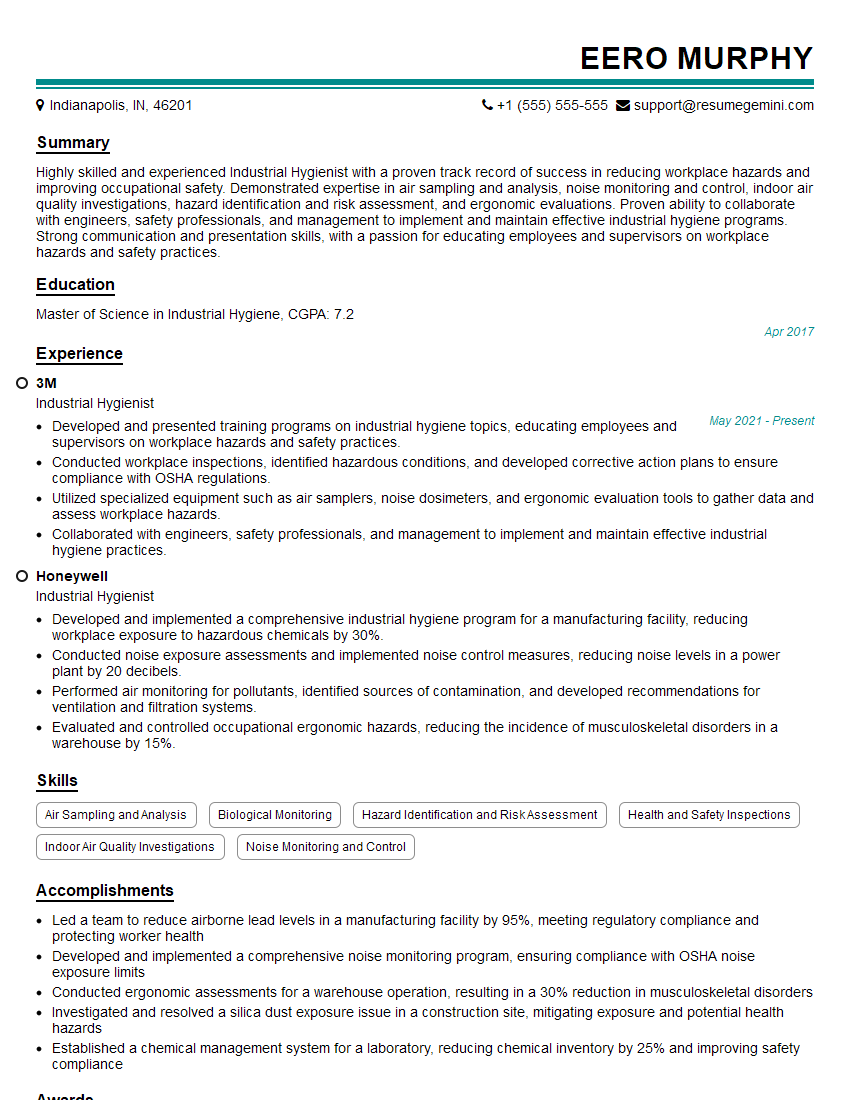
Industrial Hygienist Resume Sample
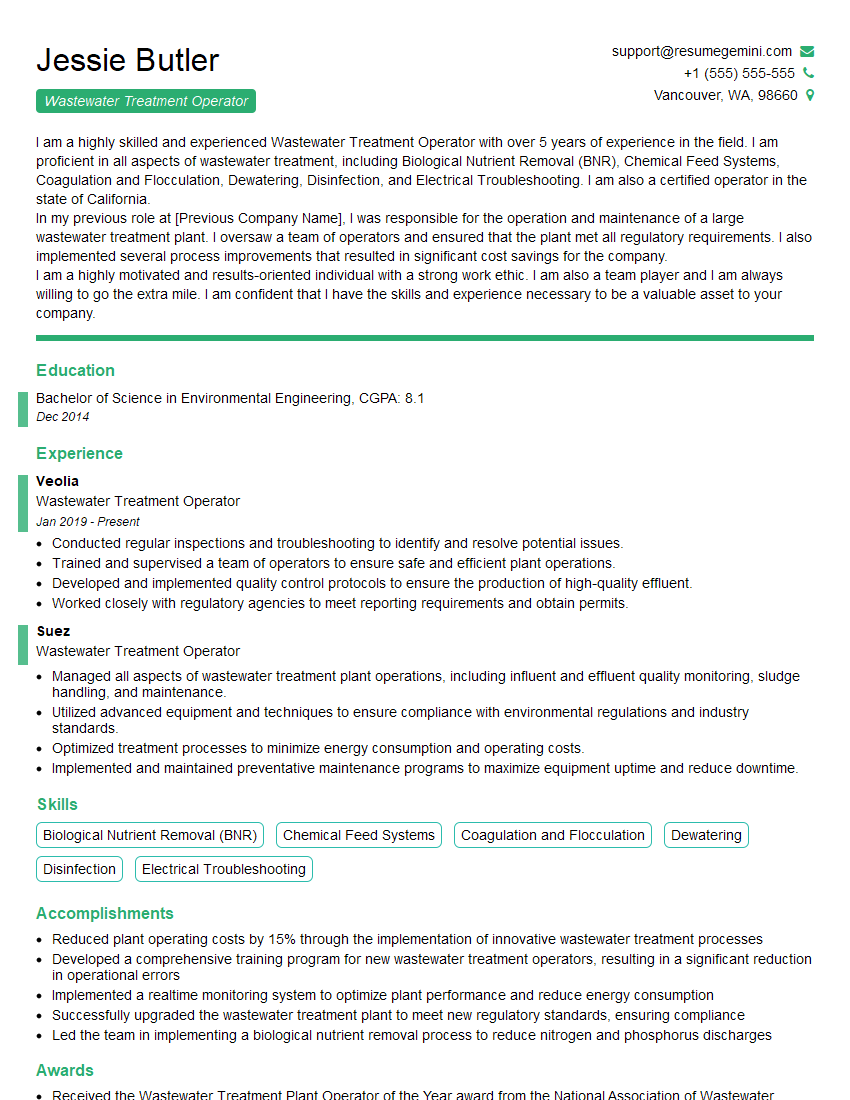
Wastewater Treatment Operator Resume Sample
Explore more articles
Users Rating of Our Blogs
Share Your Experience
We value your feedback! Please rate our content and share your thoughts (optional).
What Readers Say About Our Blog
Amazing blog
hello,
Our consultant firm based in the USA and our client are interested in your products.
Could you provide your company brochure and respond from your official email id (if different from the current in use), so i can send you the client’s requirement.
Payment before production.
I await your answer.
Regards,
MrSmith
hello,
Our consultant firm based in the USA and our client are interested in your products.
Could you provide your company brochure and respond from your official email id (if different from the current in use), so i can send you the client’s requirement.
Payment before production.
I await your answer.
Regards,
MrSmith
These apartments are so amazing, posting them online would break the algorithm.
https://bit.ly/Lovely2BedsApartmentHudsonYards
Reach out at BENSON@LONDONFOSTER.COM and let’s get started!
Take a look at this stunning 2-bedroom apartment perfectly situated NYC’s coveted Hudson Yards!
https://bit.ly/Lovely2BedsApartmentHudsonYards
Live Rent Free!
https://bit.ly/LiveRentFREE
Interesting Article, I liked the depth of knowledge you’ve shared.
Helpful, thanks for sharing.
Hi, I represent a social media marketing agency and liked your blog
Hi, I represent an SEO company that specialises in getting you AI citations and higher rankings on Google. I’d like to offer you a 100% free SEO audit for your website. Would you be interested?