The thought of an interview can be nerve-wracking, but the right preparation can make all the difference. Explore this comprehensive guide to Brake Fluid Flushing interview questions and gain the confidence you need to showcase your abilities and secure the role.
Questions Asked in Brake Fluid Flushing Interview
Q 1. What are the common signs indicating the need for a brake fluid flush?
Several signs indicate your brake fluid needs flushing. Think of brake fluid like the lifeblood of your braking system; over time, it degrades and loses its effectiveness. One of the most obvious signs is a spongy brake pedal. This means the fluid isn’t transmitting pressure efficiently. Another is a longer braking distance than usual – your car takes longer to stop. You might also notice a low brake fluid level, even if you haven’t had a leak. This could indicate fluid absorbing moisture and expanding, or a subtle leak you haven’t noticed. Finally, a dark, discolored brake fluid (it should be clear or light amber) is a major red flag, suggesting contamination and degradation. If you notice any of these, a fluid flush is recommended.
Q 2. Describe the process of properly bleeding brakes after a fluid flush.
Bleeding brakes after a fluid flush is crucial to remove any air bubbles that might have entered the system during the process. Air in the brake lines is very dangerous as it’s compressible, leading to a soft pedal and ineffective braking. The process typically involves a two-person team. One person opens the bleeder valve (a small valve on each caliper), and the other person pumps the brake pedal. The fluid, along with any air, will be expelled through the bleeder valve. It’s essential to keep the brake fluid reservoir topped off to avoid introducing air. We usually start with the wheel furthest from the master cylinder and work our way closer. For example, on a car with two front and two rear wheels, we’d bleed the rear passenger side first, then the rear driver’s side, followed by the front passenger and finally the front driver’s side. This order is common but may vary depending on vehicle design. A good indication of proper bleeding is a firm brake pedal with no sponginess.
Q 3. What type of brake fluid is appropriate for different vehicle makes and models?
The correct brake fluid type is critical. Your vehicle’s owner’s manual will specify the recommended fluid DOT (Department of Transportation) rating. Common ratings include DOT 3, DOT 4, and DOT 5.1. DOT 3 is a common, cost-effective fluid, but DOT 4 and DOT 5.1 offer higher boiling points, improving performance under high-stress braking, such as aggressive driving or towing. Never mix different types of brake fluid. For example, using DOT 5 (silicone-based) with any other type is strictly forbidden because they are not compatible and will cause system failure. Always consult your owner’s manual; using the wrong fluid can lead to brake failure.
Q 4. Explain the importance of using the correct brake fluid and the consequences of using the wrong type.
Using the correct brake fluid is paramount for safety. Brake fluid’s primary role is to transmit pressure from the master cylinder to the calipers or wheel cylinders. The wrong fluid can compromise this function in several ways. Incorrect fluid can lead to corrosion within the brake system, damaging components over time. It may also have a lower boiling point, leading to brake failure under extreme conditions (like hard braking). Incompatibility between fluids can cause the fluid to coagulate, effectively blocking the brake lines. The consequences can range from a spongy brake pedal and reduced stopping power to complete brake failure, resulting in a dangerous situation. Remember, your brakes are your most critical safety feature.
Q 5. How often should brake fluid be flushed, and what factors influence this frequency?
The recommended frequency for brake fluid flushing varies depending on several factors. A general guideline is every two to three years. However, factors like driving style, climate, and vehicle usage can influence this. Aggressive driving generates more heat, degrading the fluid faster. High humidity climates contribute to moisture absorption, decreasing the fluid’s effectiveness. Vehicles used for towing or heavy hauling also experience more stress on the brake system. Regularly checking the fluid’s condition and color is important; a dark, discolored fluid is a clear indication that a flush is overdue.
Q 6. What safety precautions must be taken during a brake fluid flush?
Safety is paramount during a brake fluid flush. Brake fluid is corrosive and can damage paint and other surfaces. Always wear safety glasses and gloves to protect your eyes and skin. Work in a well-ventilated area as the fluid has a strong odor. Dispose of used brake fluid properly, following local environmental regulations. Never pump the brake pedal excessively as this can damage the master cylinder. Remember, working with your brake system is potentially dangerous if done incorrectly. If unsure about any step, consult a professional mechanic.
Q 7. Describe the procedure for properly flushing a brake system using a pressure bleeder.
A pressure bleeder simplifies the brake bleeding process. It maintains consistent pressure within the brake system, ensuring a faster and more efficient removal of air bubbles. First, attach the pressure bleeder to the brake fluid reservoir. Then, follow the same order for opening bleeder valves (as described in question 2). Instead of manually pumping the brake pedal, the pressure bleeder forces fluid through the system. You will monitor the fluid leaving the bleeder valve until it is clear and free of bubbles. This method is cleaner and usually faster than traditional bleeding but requires a pressure bleeder tool.
Q 8. What are the potential problems that can arise if a brake fluid flush is not performed correctly?
Improper brake fluid flushing can lead to several serious issues, compromising your safety and the longevity of your braking system. The most significant risks stem from incomplete fluid exchange, leaving old, contaminated fluid in the lines. This contaminated fluid can contain moisture, which lowers the boiling point of the brake fluid, leading to brake failure under heavy braking (vapor lock). Additionally, failure to properly bleed the system can leave air in the lines, resulting in a spongy brake pedal and reduced braking effectiveness. In severe cases, a poorly executed flush can introduce contaminants into the brake system, damaging components like calipers and master cylinders.
- Reduced Braking Performance: Air bubbles in the lines significantly reduce braking power.
- Spongy Brake Pedal: A soft or unresponsive brake pedal is a major indicator of air in the lines.
- Brake Fade: Overheating due to low boiling point fluid causes a significant decrease in braking ability.
- Corrosion: Contaminated fluid accelerates corrosion in the brake system components.
- Master Cylinder Failure: Contaminants can damage the sensitive seals within the master cylinder.
Q 9. How do you identify and address air in the brake lines during a flush?
Identifying air in the brake lines is straightforward: you’ll feel a spongy or soft brake pedal. Addressing it requires careful bleeding. The most common method is a two-person bleed. One person sits in the driver’s seat and pumps the brakes while the other opens and closes the bleed valve on each caliper. This process pushes fluid and air out of the system. We always start with the furthest wheel from the master cylinder and work our way closer. It’s crucial to keep the brake fluid reservoir topped up throughout the process to avoid introducing air. A pressure bleeder system can significantly speed up this process and helps remove even the smallest air bubbles more efficiently. A visual inspection of the fluid exiting the bleed valve confirms the presence or absence of air bubbles. Clear, clean fluid indicates successful bleeding.
Sometimes, stubborn air pockets need a vacuum bleeder or a pressure bleeder to fully remove all the air. A pressure bleeder applies pressure to the reservoir forcing the fluid and air through the system much faster and more effectively compared to gravity.
Q 10. What tools and equipment are necessary for a complete brake fluid flush?
A comprehensive brake fluid flush requires specific tools and equipment to ensure a safe and effective procedure. These essentials include:
- New brake fluid: Always use the correct type and DOT rating specified by your vehicle’s manufacturer.
- Brake fluid reservoir: A clean container to collect the old fluid.
- Clear tubing: For connecting the bleed valve to the collection container.
- Wrench: To loosen and tighten bleed valves.
- Socket wrench: For removing and reinstalling brake calipers for access to the bleed valves (depending on the vehicle).
- Funnel: For adding new fluid to the reservoir.
- Gloves: Brake fluid is corrosive and can damage skin.
- Safety Glasses: Protecting your eyes is essential.
- Optional: Pressure bleeder or vacuum bleeder for faster, more efficient bleeding.
Remember to consult your vehicle’s repair manual for specific instructions and torque specifications.
Q 11. How do you dispose of used brake fluid responsibly?
Used brake fluid is hazardous waste and should never be disposed of down the drain or with regular trash. It’s corrosive and harmful to the environment. The proper disposal method depends on your local regulations. Many auto parts stores, recycling centers, and hazardous waste disposal facilities accept used brake fluid. Check your local municipality for information on designated drop-off locations or approved disposal procedures. You should always label the container clearly as ‘Used Brake Fluid’ to prevent accidental misuse or contamination.
Q 12. Explain the difference between a power flush and a gravity bleed method.
The gravity bleed and power flush methods differ significantly in their approach to brake fluid replacement. The gravity bleed is a simple, manual method where you open the bleed valve on each caliper and let gravity pull the old fluid out. This method is slower and might not be as effective at removing all the old fluid and air bubbles. The power flush, on the other hand, employs a power bleeder (or pressure bleeder) that pressurizes the brake fluid reservoir, forcing the old fluid out much more quickly and completely. It’s significantly faster and more effective at removing all contaminants and air pockets, resulting in a cleaner and more efficient brake system. Though a power flush machine can be more expensive, the efficiency gains and better removal of air pockets make it the preferred method for a thorough flush.
Q 13. Can you explain the concept of brake fluid boiling point and its relevance to brake system performance?
Brake fluid’s boiling point is critical to its performance. Brake fluid heats up under heavy braking. If the fluid’s boiling point is reached, it vaporizes, forming air bubbles within the brake lines. These vapor bubbles compress under pressure, resulting in a spongy brake pedal and significantly reduced braking ability, a condition called vapor lock. Modern brake fluids have high boiling points to resist vaporization, but moisture absorption over time reduces this boiling point. Regular brake fluid flushes help maintain a high boiling point by removing moisture and contaminants, ensuring safe and reliable braking performance. The DOT number (e.g., DOT 3, DOT 4, DOT 5.1) indicates the fluid’s boiling point and other properties; higher DOT numbers generally indicate higher boiling points. For example, DOT 5.1 fluid typically has a higher wet boiling point than DOT 4.
Q 14. How do you diagnose a brake system leak after a fluid flush?
Diagnosing a brake system leak after a fluid flush involves a systematic approach. First, carefully inspect the brake system for visible leaks around the master cylinder, calipers, wheel cylinders, brake lines, and hoses. Check for wet spots, fluid stains, or puddles under the vehicle. Pay close attention to areas where connections are made. Next, inspect the fluid level in the master cylinder reservoir. A significant drop in the fluid level even after a recent top-up indicates a leak. A pressure test of the brake system, utilizing a pressure gauge, can further pinpoint the exact location of a leak, especially in hard-to-detect areas. If a leak is found, repair or replacement of the damaged component is essential. Never drive a vehicle with a brake fluid leak.
Q 15. What is the significance of the ABS (Anti-lock Braking System) when performing a brake fluid flush?
The ABS system plays a crucial role in a brake fluid flush because it’s integrated with the braking system. The fluid circulates through the ABS modulator, and failing to properly flush this component can leave old, contaminated fluid trapped within it. This contaminated fluid can compromise the effectiveness of the ABS, potentially leading to reduced braking performance or even ABS malfunction. Therefore, a thorough brake fluid flush must account for the ABS system, often requiring specialized equipment to fully bleed the system.
Think of it like this: your brake system is like a network of pipes carrying a vital fluid (brake fluid). The ABS is a crucial junction in that network. If you only partially clean the pipes, leaving contaminated fluid in the ABS, you’re not truly completing the job.
Career Expert Tips:
- Ace those interviews! Prepare effectively by reviewing the Top 50 Most Common Interview Questions on ResumeGemini.
- Navigate your job search with confidence! Explore a wide range of Career Tips on ResumeGemini. Learn about common challenges and recommendations to overcome them.
- Craft the perfect resume! Master the Art of Resume Writing with ResumeGemini’s guide. Showcase your unique qualifications and achievements effectively.
- Don’t miss out on holiday savings! Build your dream resume with ResumeGemini’s ATS optimized templates.
Q 16. Describe your experience working with different types of brake systems (e.g., disc, drum).
Throughout my career, I’ve extensively worked on various brake systems, from simple drum brakes found in older vehicles to the more complex disc brake systems prevalent in modern cars and trucks. Drum brakes utilize a cylinder and shoes to create friction, while disc brakes employ calipers squeezing pads against a rotating disc. While the underlying principle – hydraulic pressure converting to mechanical friction – remains the same, the flushing process differs slightly. Drum brakes sometimes require more time and attention to ensure complete fluid evacuation due to their internal structure.
For instance, I recently worked on a classic car with drum brakes. The bleeding process was more intricate, requiring multiple cycles to ensure all air was removed from the wheel cylinders. In contrast, bleeding disc brake systems is often faster and easier, particularly with power bleeders. I’m comfortable working with both, and adjust my technique to the specific design of the braking system.
Q 17. How do you verify the proper fluid level in the master cylinder after a flush?
After a brake fluid flush, verifying the master cylinder fluid level is paramount. This is done by first checking the fluid reservoir itself. The level should be within the minimum and maximum markings indicated on the reservoir. However, simply checking the reservoir isn’t enough. It’s vital to also check for any air bubbles. Air in the system compromises braking performance. If bubbles are visible, it indicates incomplete bleeding, requiring additional steps to remove them.
A properly bled system will show a clear, clean fluid level, steadily maintaining its position after a series of brake pedal pumps. If the level drops dramatically or bubbles remain, further investigation is needed – it could indicate a leak somewhere within the system.
Q 18. What are the symptoms of low brake fluid?
Low brake fluid is a serious issue, and the symptoms can be subtle at first but quickly escalate to dangerous levels. Early signs might include a slightly spongy or soft brake pedal feel, where more pedal pressure is required to achieve the same stopping power. As the fluid level decreases further, the pedal travel might increase significantly, becoming almost to the floor, with significantly reduced braking. The brake warning light may also illuminate on the dashboard, indicating a critical low level that needs immediate attention.
Never ignore any of these symptoms. Low brake fluid implies a potential leak, which needs to be addressed urgently by a qualified technician. Driving with low brake fluid is extremely dangerous.
Q 19. What is the function of a brake fluid reservoir?
The brake fluid reservoir serves as a storage container for brake fluid, supplying it to the master cylinder and the entire hydraulic braking system. It also acts as a buffer, ensuring there’s always enough fluid available to provide consistent braking. Furthermore, it typically features a cap that prevents moisture and contaminants from entering the reservoir. The reservoir also often has minimum and maximum fill markings to aid in maintaining the correct fluid level.
Think of it like a water tower in a city’s water system. The reservoir provides a readily available supply of the essential fluid (brake fluid), maintaining pressure and ensuring the system can function correctly.
Q 20. How do you determine if a brake caliper needs to be replaced during a service?
Determining if a brake caliper needs replacement during service often involves visual inspection and functionality checks. A visual inspection might reveal signs of damage, such as cracks in the caliper housing, excessive corrosion, or significant wear on the piston seals. Functional checks would involve assessing the caliper’s ability to properly clamp onto the brake rotor. Sticking pistons, caused by corrosion or seal damage, indicate caliper failure and the need for replacement.
For example, if a caliper is sticking, you might notice uneven brake pad wear, a pulling sensation during braking, or even overheating of the wheel.
Q 21. What are some common causes of brake fluid contamination?
Brake fluid contamination can stem from various sources. The most common is moisture absorption. Brake fluid is hygroscopic, meaning it attracts and absorbs water from the atmosphere. This absorbed water lowers the fluid’s boiling point, leading to vapor lock and reduced braking effectiveness, especially during high-temperature braking. Contamination can also result from leaking seals or damaged components, allowing dirt, debris, or air to enter the system. Using contaminated fluid during a top-off without a complete flush also introduces contaminants.
Preventing contamination requires using high-quality brake fluid, regularly inspecting the system for leaks, and storing unused brake fluid properly. A timely brake fluid flush is a proactive measure to combat contamination and maintain safe braking performance.
Q 22. How would you handle a situation where the brake pedal feels spongy after a flush?
A spongy brake pedal after a flush usually indicates air in the brake lines. Air is compressible, unlike brake fluid, leading to a soft, unresponsive pedal. This is a serious safety issue and requires immediate attention.
Here’s how I’d handle it:
- Re-bleed the system: This is the most common solution. I’d carefully re-bleed each caliper using a pressure bleeder or a vacuum bleeder, ensuring complete removal of any trapped air. This involves opening the bleeder valves on each caliper, one at a time, while the brake fluid is pressurized. A helper is crucial in this step. I always make sure to keep the brake fluid reservoir topped off during the process.
- Check for leaks: A persistent spongy pedal, even after a thorough bleed, might signal a leak somewhere in the brake lines, calipers, or master cylinder. A visual inspection, followed by a pressure test, can pinpoint the location of the leak.
- Master Cylinder Inspection: A faulty master cylinder can also cause a spongy pedal. I would inspect the master cylinder for any signs of damage, leaks, or internal failure. This could include checking for fluid leakage and examining the piston for proper movement.
- ABS module issues (if applicable): In vehicles with Anti-lock Braking Systems (ABS), air might be trapped within the ABS module. In such cases, a specialized scan tool might be necessary to bleed the ABS module effectively.
Thoroughness is key. I wouldn’t release the vehicle until the pedal is firm and responsive, and I’d perform a test drive to ensure optimal braking performance.
Q 23. Explain the process of inspecting brake lines for leaks or damage.
Inspecting brake lines is crucial for safety and preventing costly repairs. I approach this systematically:
- Visual Inspection: I start with a visual inspection of all brake lines, starting from the master cylinder and going to each caliper. I look for any signs of damage like corrosion, kinks, bulges, or cracks. Pay close attention to areas where the lines bend or are clamped.
- Leak Detection: I check for any signs of brake fluid leakage around connections, fittings, and the lines themselves. Damp spots or fluid stains are clear indicators of a leak. For difficult-to-detect leaks, I sometimes use a pressure test.
- Pressure Test: This involves pressurizing the brake system with a specialized tool and monitoring for pressure loss. This can pinpoint the location of even small leaks, which might not be easily visible.
- Component Inspection: Beyond lines, I check the condition of brake calipers, wheel cylinders, and the master cylinder. Leaks from these components could manifest as a spongy pedal or brake failure.
Think of it like checking the plumbing in your house – you wouldn’t ignore a dripping faucet, and similarly, a small brake line leak should not be ignored. Early detection prevents catastrophic failure.
Q 24. How do you interpret brake fluid color to assess its condition?
Brake fluid color is a crucial indicator of its condition and age. Fresh brake fluid is typically clear or light amber. As it absorbs moisture from the atmosphere and degrades over time, the color changes.
- Light Amber/Clear: Indicates relatively new and good quality fluid.
- Dark Amber/Brown: Shows that the fluid is aging and potentially contaminated with moisture. It’s time for a flush.
- Black/Very Dark Brown: This is a sign of severe contamination and degradation. The brake fluid should be replaced immediately, as its effectiveness has drastically reduced, possibly leading to reduced braking performance or brake failure.
Remember, color is just one indicator. Even if the fluid looks relatively clean, it’s still recommended to flush and replace it according to the manufacturer’s recommended service intervals to prevent moisture build-up and corrosion within the braking system.
Q 25. What is the significance of maintaining the correct brake fluid level?
Maintaining the correct brake fluid level is vital for the safe and effective functioning of the braking system. Insufficient fluid can lead to several serious problems:
- Air in the System: Low fluid levels can draw in air when braking, leading to a spongy or unresponsive brake pedal.
- Brake Failure: Without sufficient fluid, adequate pressure cannot build up to stop the vehicle safely, especially under hard braking conditions.
- Component Damage: Low fluid can cause the master cylinder to overheat and fail prematurely.
Think of the brake fluid as the lifeblood of your braking system. It’s essential to maintain the level as recommended in your vehicle’s manual to avoid the potentially dangerous scenarios listed above. Regularly checking and topping off the fluid when necessary is a simple precaution that can prevent many problems.
Q 26. Describe your experience with different brake fluid flushing machines.
I have experience with various brake fluid flushing machines, both pressure bleeders and vacuum bleeders. Each has its advantages and disadvantages:
- Pressure Bleeders: These machines use compressed air to force the old fluid out of the system. They are faster and generally more effective for complete flushing. However, they require careful control to avoid damaging the system.
- Vacuum Bleeders: Vacuum bleeders use a vacuum pump to draw the old fluid out. This method is gentler on the system and requires less operator skill. However, they can be slower, and it can be harder to ensure complete removal of the old fluid.
- Power Flush Machines: Some advanced systems use a combination of pressure and vacuum to deliver a more complete flush.
The best choice depends on the vehicle, its braking system complexity, and the time available. I select the machine that best suits the specific job and always prioritize the safety and integrity of the braking system. I am also familiar with power flushing systems which are ideal for larger vehicles and those with multiple braking circuits.
Q 27. How would you troubleshoot a brake system that exhibits pulsation after a fluid flush?
Brake pulsation after a fluid flush points to an issue unrelated to the fluid itself. The pulsation is usually a symptom of a problem in other braking components.
- Warped Rotors: This is a common cause. Warped rotors create uneven friction with the brake pads, leading to a pulsating brake pedal.
- Contaminated Brake Pads: If the brake pads are contaminated with debris, oil, or grease, they can also cause pulsation.
- Caliper Issues: A sticky or seized caliper piston can create uneven braking force and cause pulsation. Also inspect for leaks and internal corrosion within the calipers.
- Wheel Bearing Issues: Worn or damaged wheel bearings can sometimes manifest as brake pulsation. They should be checked for play and smoothness of rotation.
Troubleshooting requires a systematic approach. I would inspect the rotors for warping using a rotor gauge. I would also inspect the brake pads and calipers for damage or contamination. If the problem persists after these checks, I would explore the possibility of wheel bearing damage.
Q 28. How do you ensure complete flushing of all brake lines in a complex system?
Ensuring complete flushing in a complex system like those found in modern vehicles requires a methodical approach. I always refer to the vehicle’s repair manual for the correct bleeding sequence and techniques.
- Bleeding Sequence: I strictly follow the manufacturer’s recommended bleeding sequence. This is crucial as it ensures that all air pockets are expelled efficiently, starting with the farthest points from the master cylinder. Incorrect order can lead to air remaining trapped within the braking system.
- Pressure/Vacuum Bleeder: I always utilize a pressure or vacuum bleeder for improved efficiency and complete fluid replacement. Manual bleeding can be insufficient for complex systems.
- Multiple Bleed Cycles: For a thorough flush, I might perform multiple bleed cycles, inspecting the fluid quality at each point. I’ll continue until the fluid coming out is consistently clear and free of contaminants, indicating a complete exchange of old fluid with fresh fluid.
- ABS Module Bleed (if applicable): If the vehicle is equipped with an ABS system, I would use a suitable scan tool to bleed the ABS module, removing any trapped air within the system.
Think of it like cleaning a long, intricate pipe. A systematic approach is required to ensure every section is properly cleaned. In the case of braking systems, this systematic approach prevents air bubbles and ensures optimal braking performance.
Key Topics to Learn for Brake Fluid Flushing Interview
- Understanding Brake System Fundamentals: Master the basic principles of hydraulic braking systems, including pressure transfer and component interactions.
- Brake Fluid Properties and Degradation: Learn about the chemical composition of brake fluid, its hygroscopicity (absorption of moisture), and how degradation affects braking performance. Understand the importance of regular fluid changes.
- Flushing Procedures for Different Vehicle Types: Become proficient in the various methods of brake fluid flushing, adapting techniques for different vehicle makes and models, including manual and power bleeder applications.
- Identifying and Troubleshooting Common Issues: Develop your ability to diagnose problems during the flushing process, such as air in the lines, leaks, or faulty components. Practice troubleshooting techniques and solutions.
- Safety Precautions and Best Practices: Understand and can articulate the critical safety procedures involved in brake fluid flushing, including proper waste disposal and personal protective equipment (PPE) usage.
- Tools and Equipment: Familiarize yourself with the necessary tools and equipment for brake fluid flushing, understanding their function and proper usage.
- ABS Systems and their Impact on Flushing: Understand how Anti-lock Braking Systems (ABS) affect the brake fluid flushing procedure and how to adapt your techniques accordingly.
- Interpreting Diagnostic Trouble Codes (DTCs): Learn to interpret relevant DTCs related to brake system malfunctions that might arise during or after a flush.
Next Steps
Mastering brake fluid flushing is a valuable skill that significantly enhances your career prospects in automotive repair and maintenance. A strong understanding of this process demonstrates technical proficiency and attention to detail, qualities highly sought after by employers. To stand out to potential employers, creating a professional and ATS-friendly resume is crucial. ResumeGemini is a trusted resource that can help you craft a compelling resume that highlights your skills and experience effectively. We provide examples of resumes tailored to Brake Fluid Flushing technicians to guide your resume creation. Invest time in perfecting your resume – it’s your first impression!
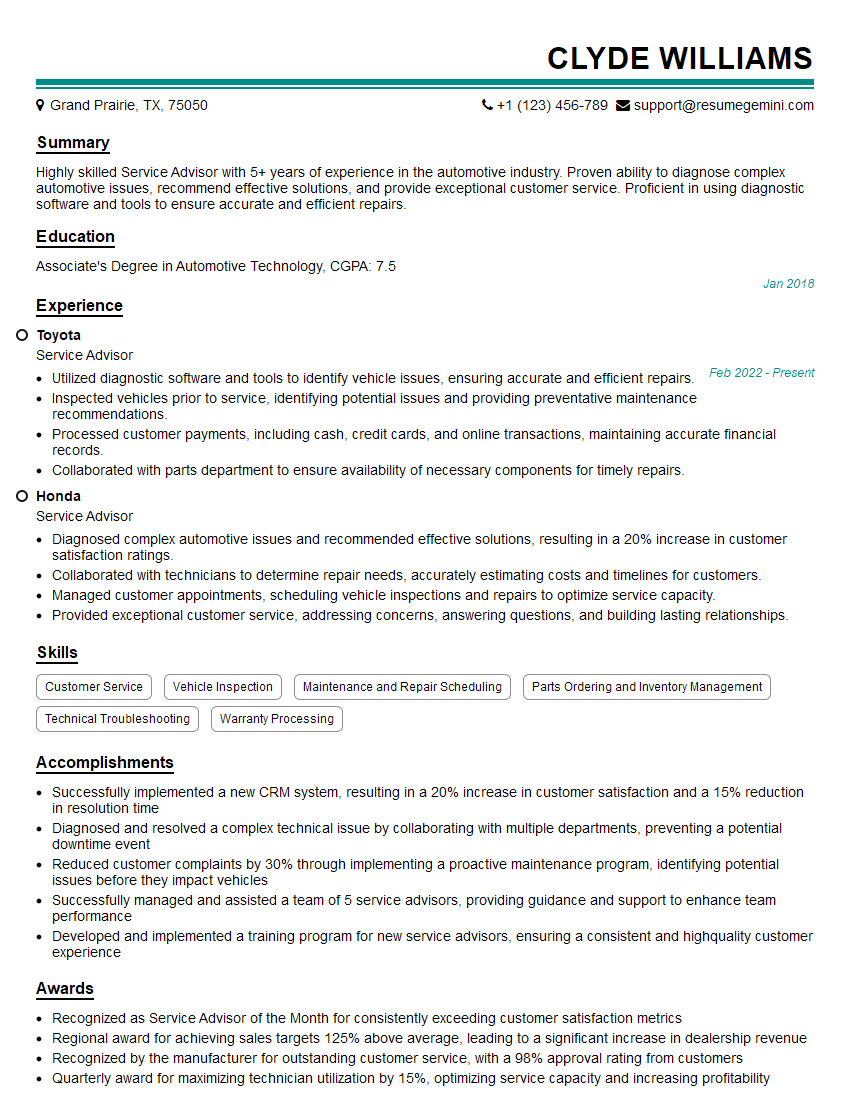
Service Advisor Resume Sample
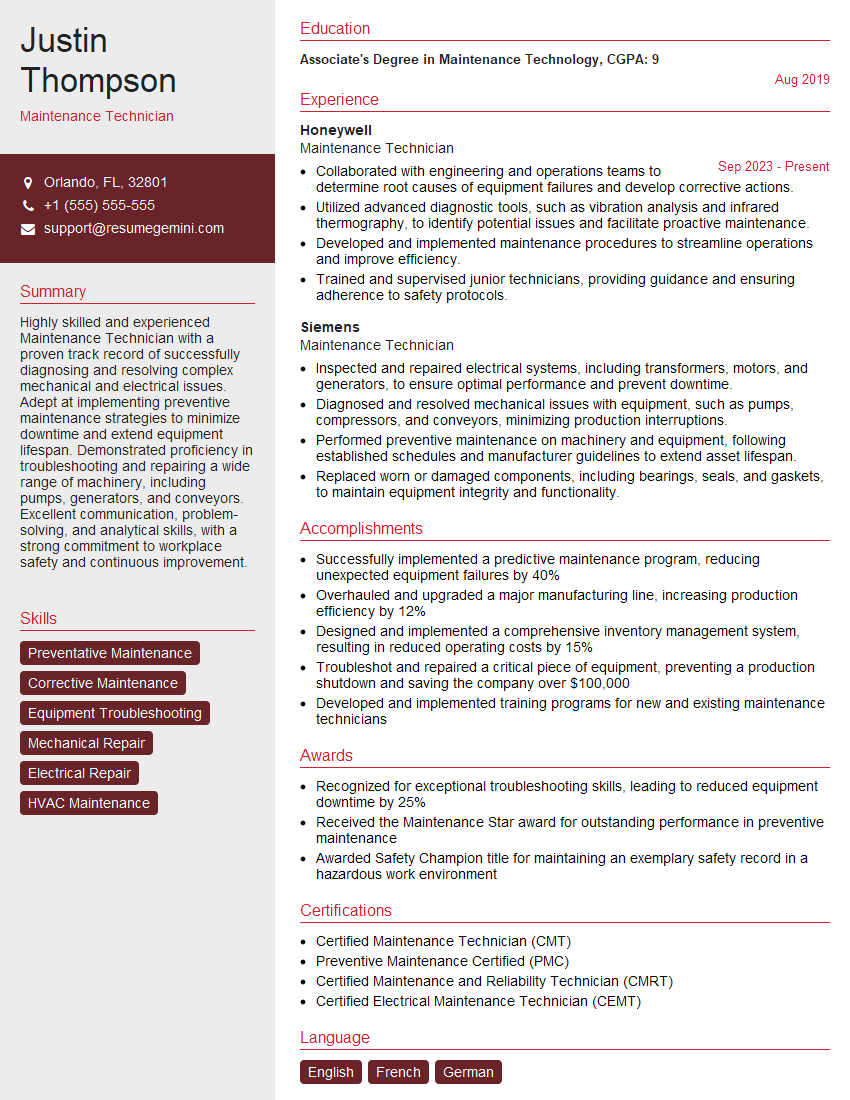
Maintenance Technician Resume Sample
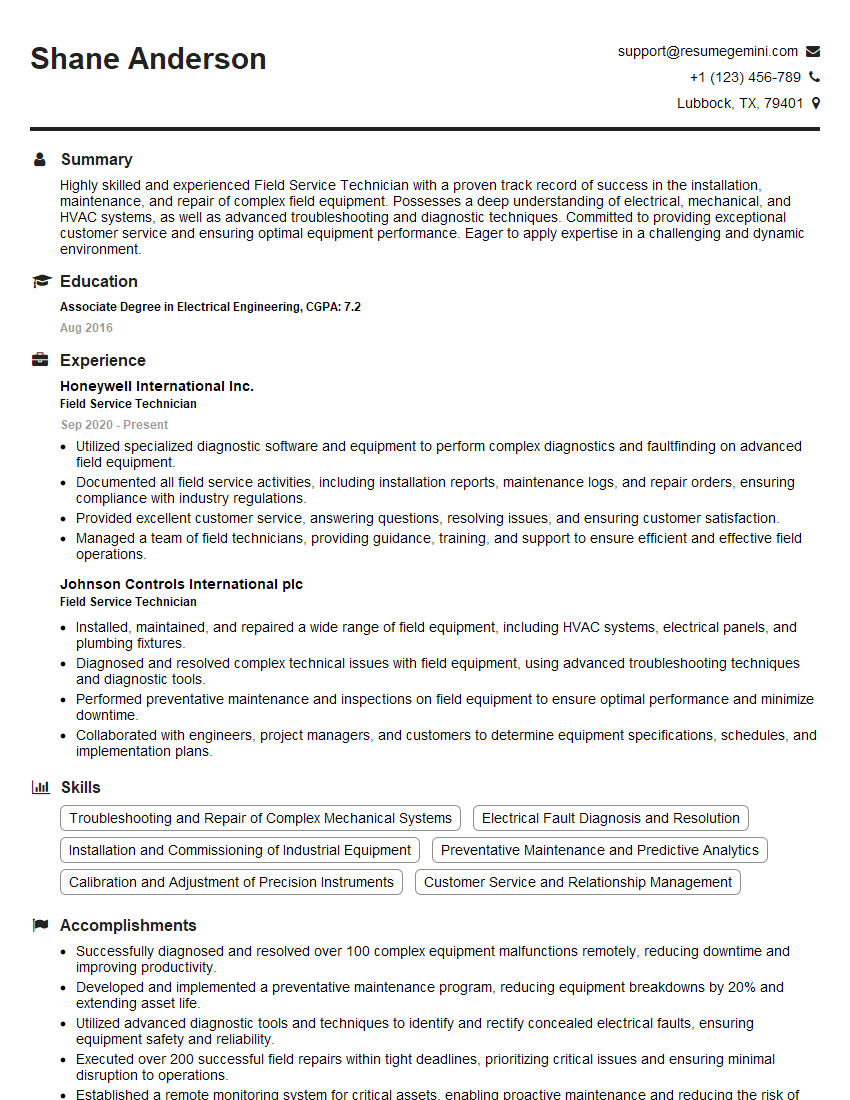
Field Service Technician Resume Sample
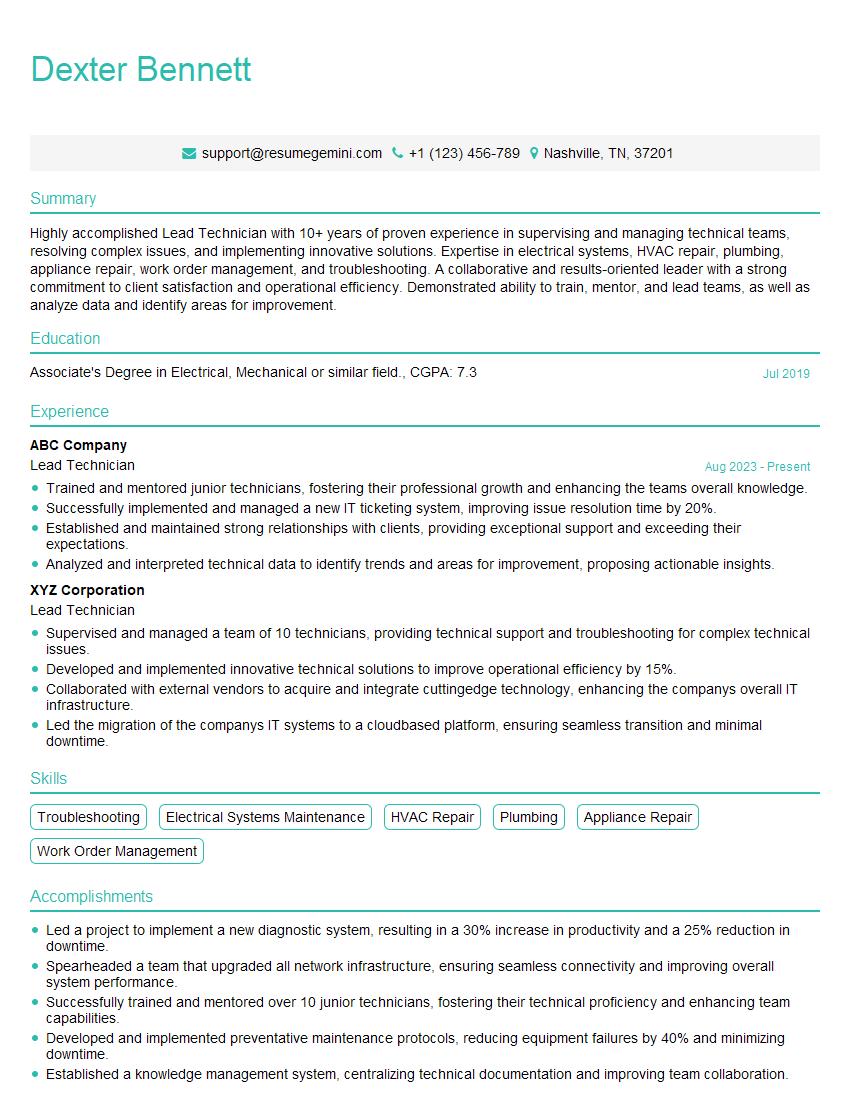
Lead Technician Resume Sample
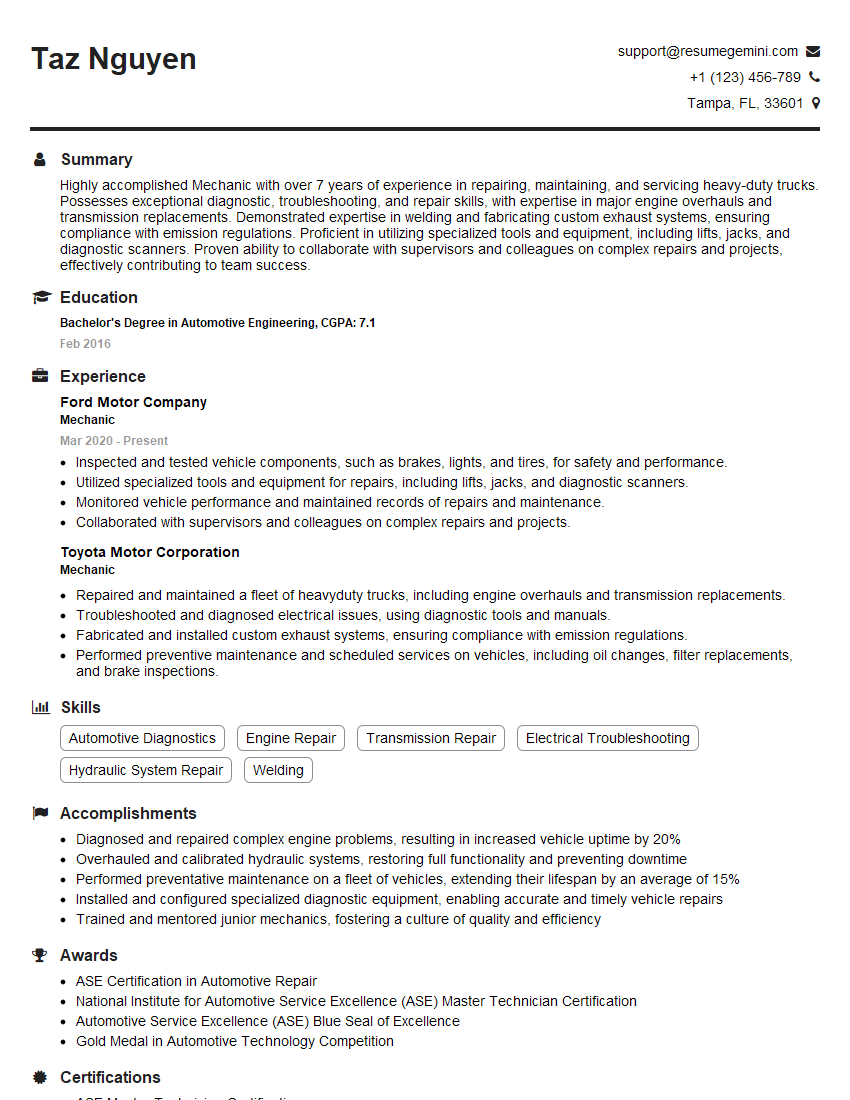
Mechanic Resume Sample
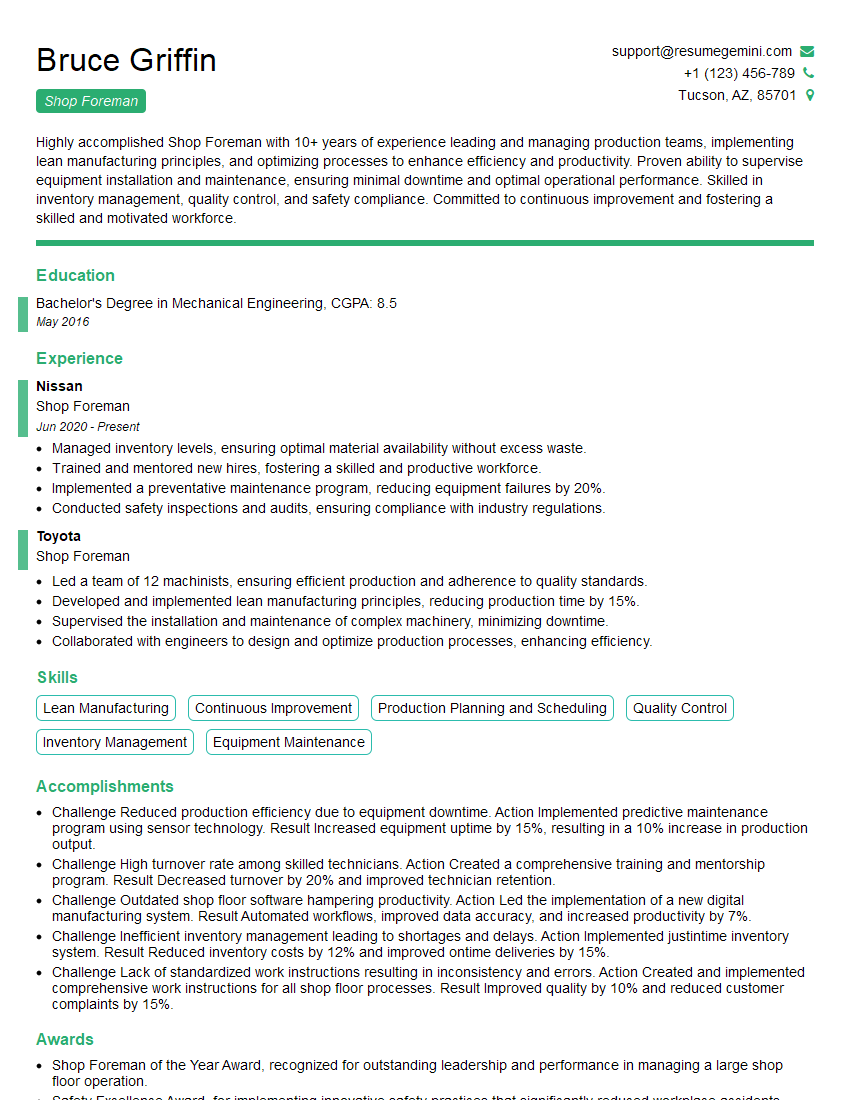
Shop Foreman Resume Sample
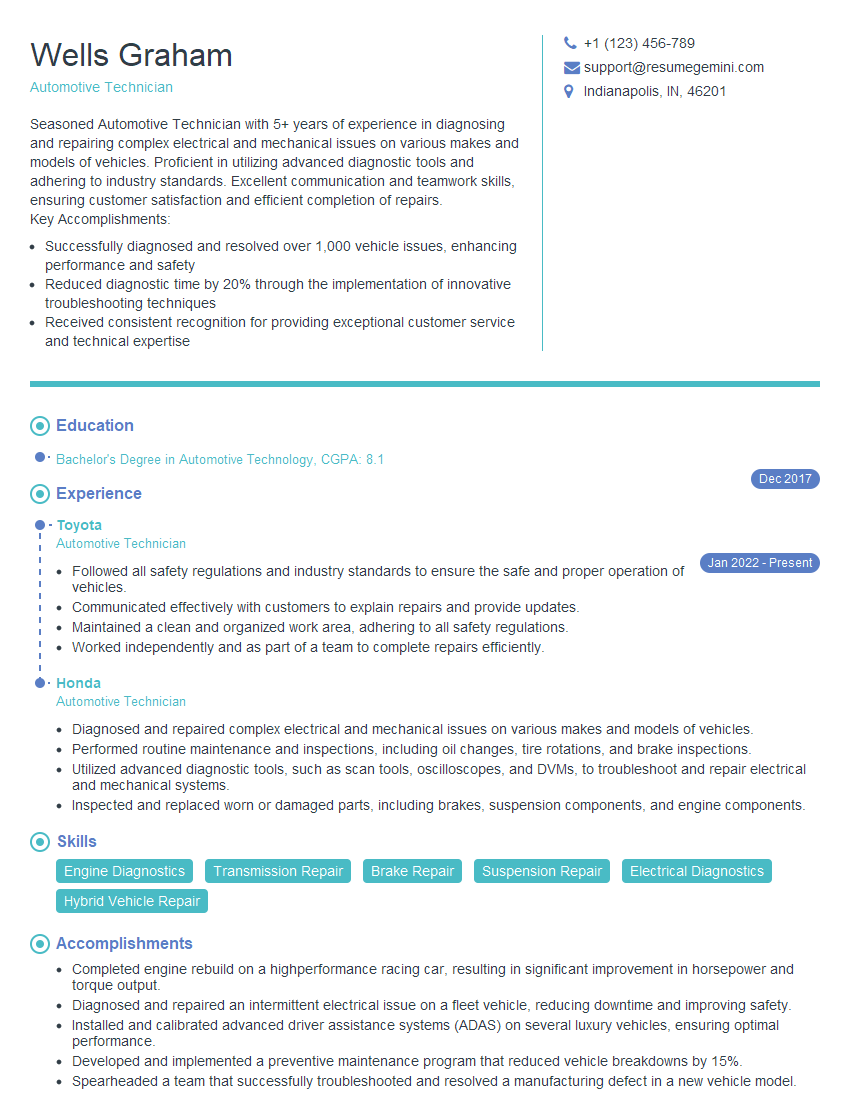
Automotive Technician Resume Sample
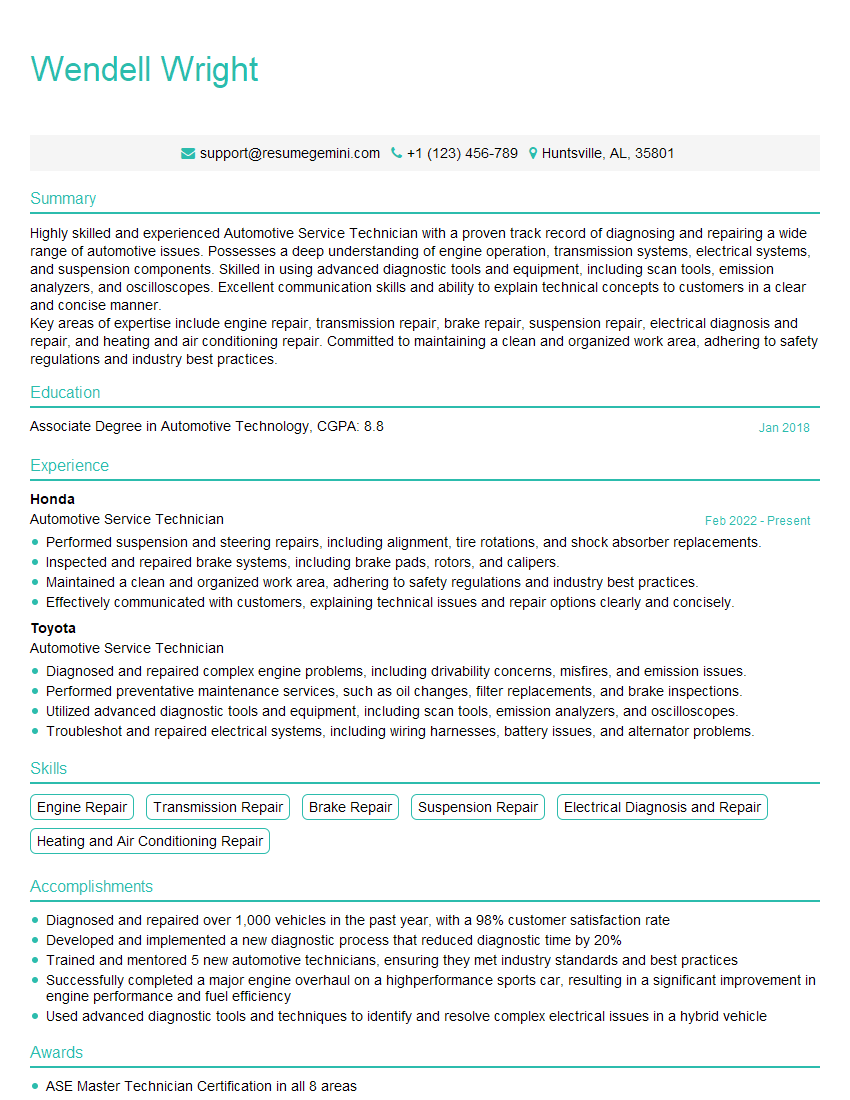
Automotive Service Technician Resume Sample
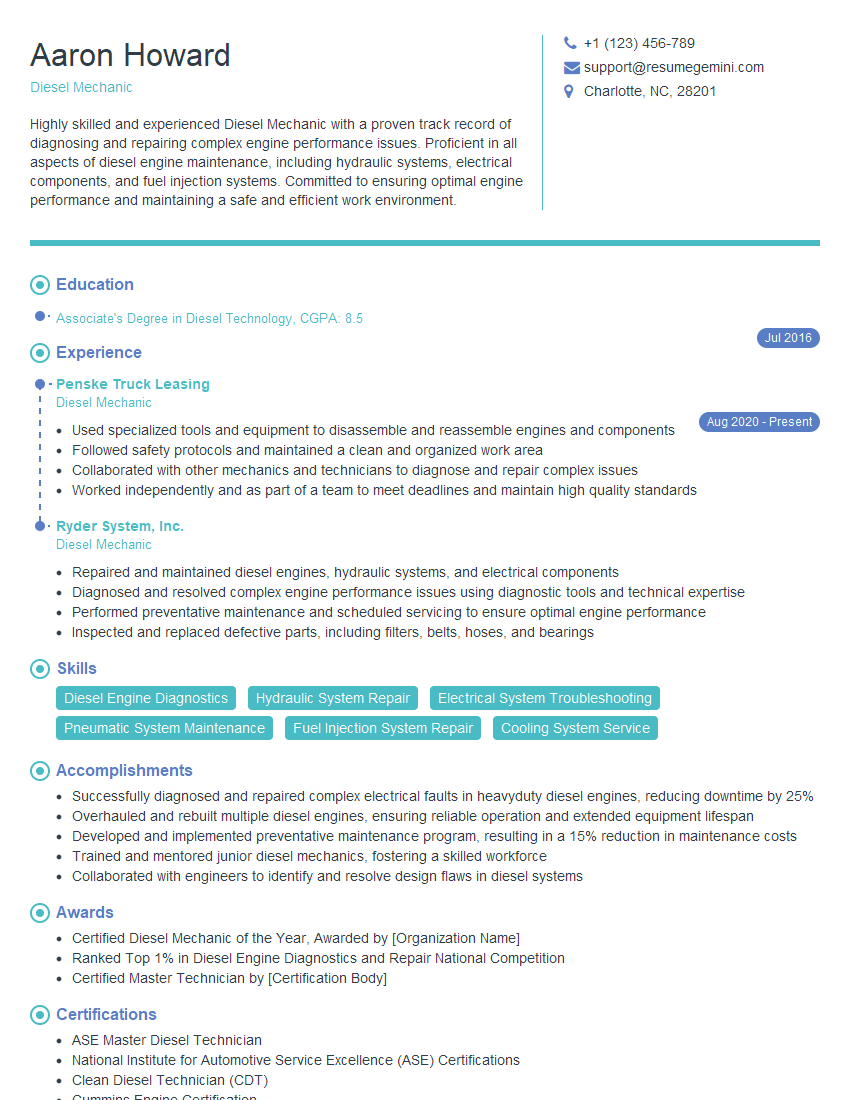
Diesel Mechanic Resume Sample
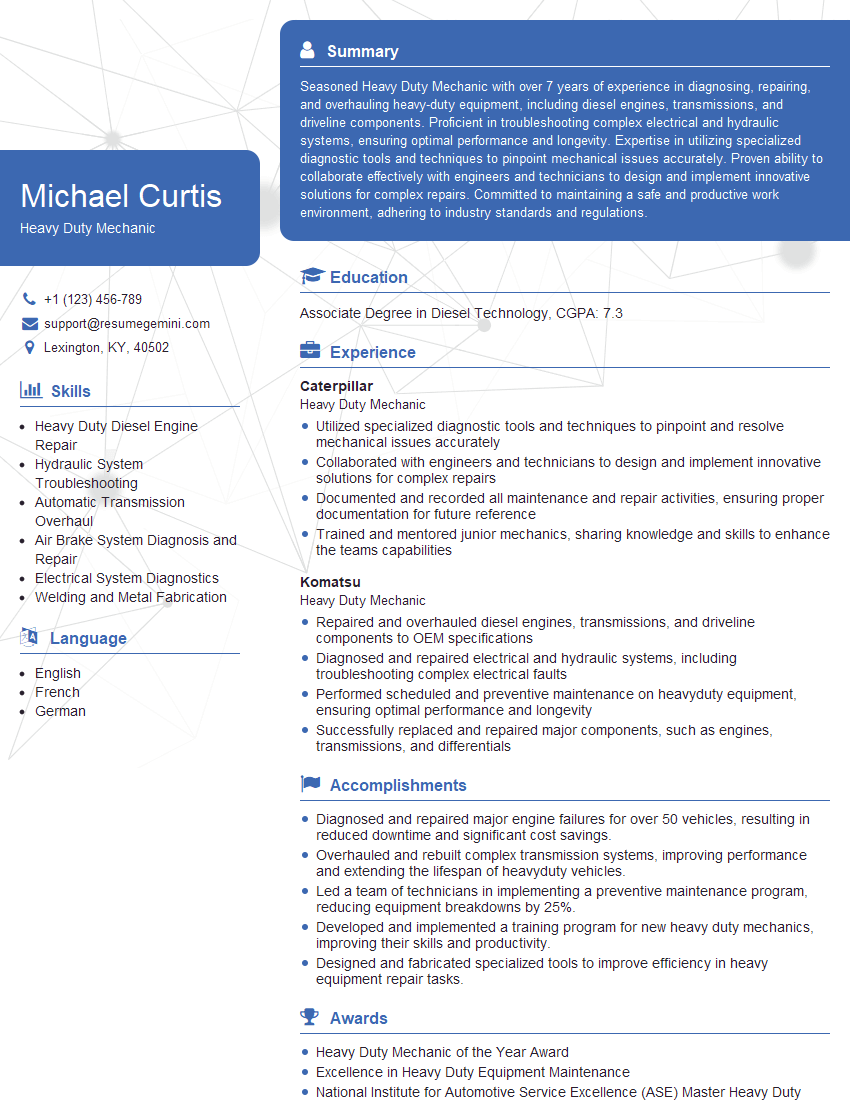
Heavy Duty Mechanic Resume Sample
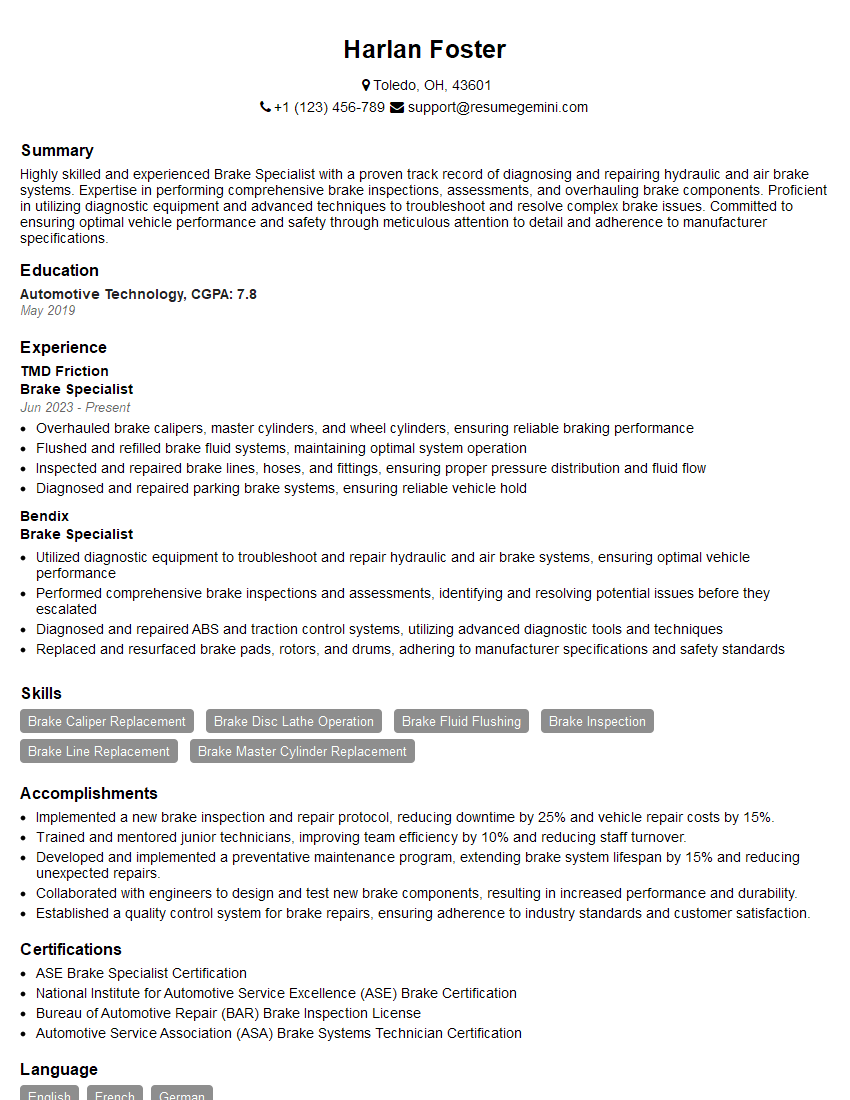
Brake Specialist Resume Sample

Lube Technician Resume Sample
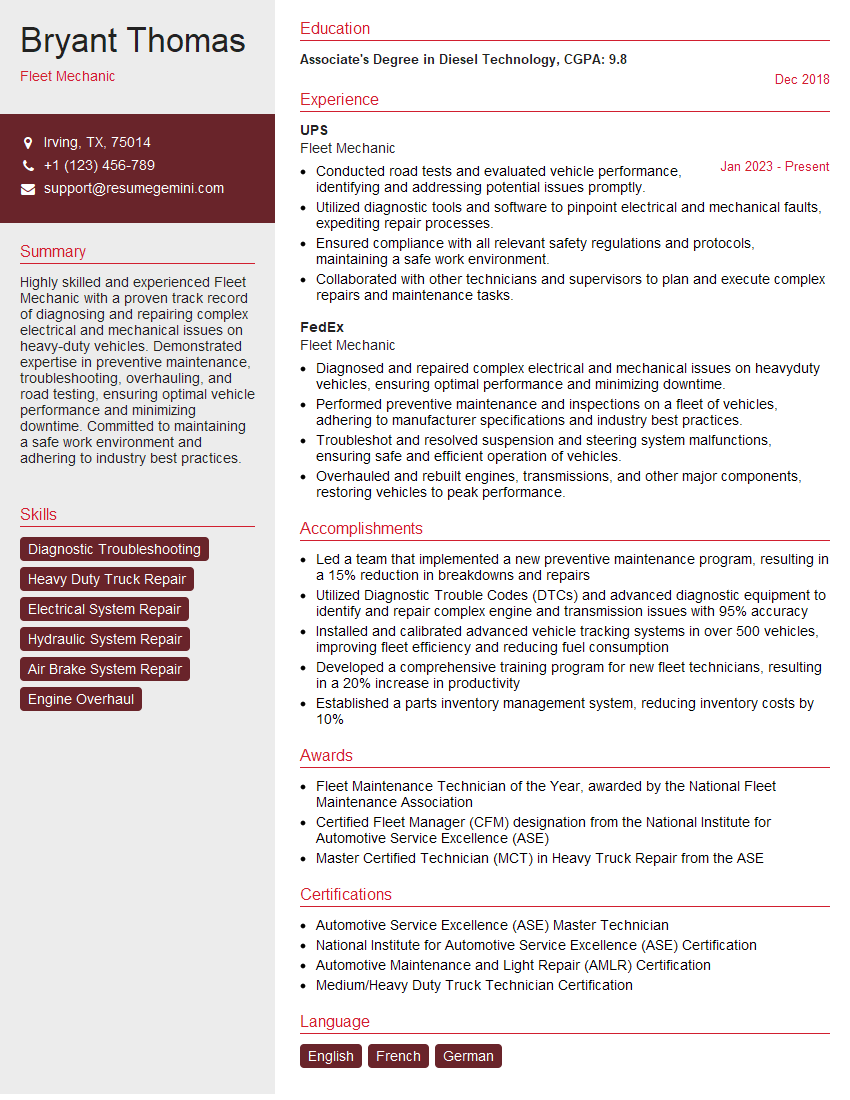
Fleet Mechanic Resume Sample
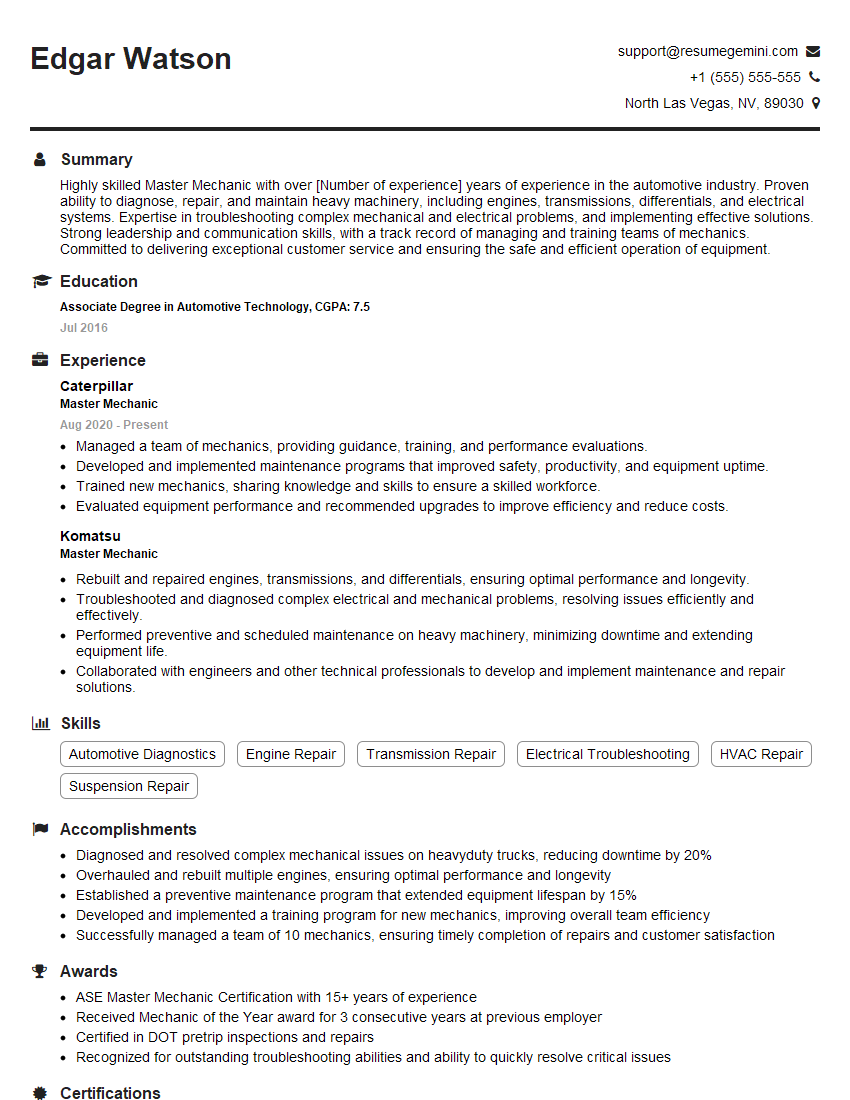
Master Mechanic Resume Sample
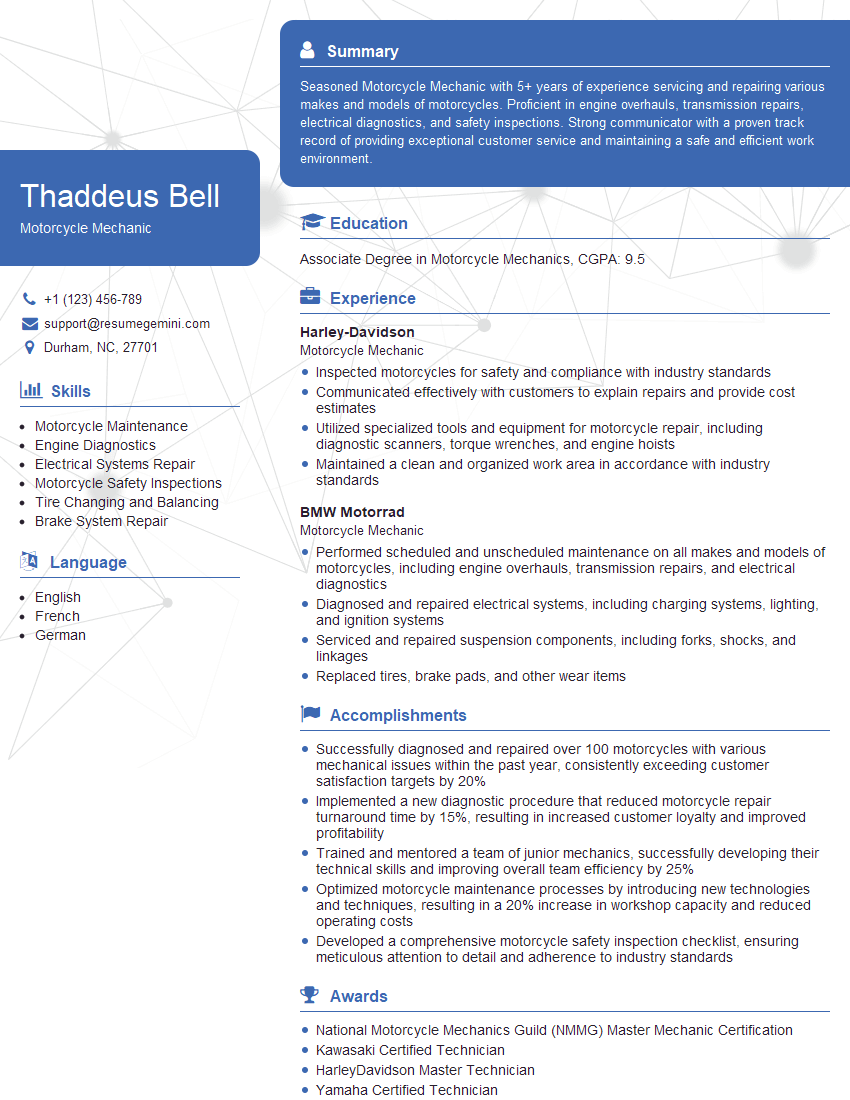
Motorcycle Mechanic Resume Sample
Quality Control Inspector Resume Sample
Explore more articles
Users Rating of Our Blogs
Share Your Experience
We value your feedback! Please rate our content and share your thoughts (optional).
What Readers Say About Our Blog
Amazing blog
Interesting Article, I liked the depth of knowledge you’ve shared.
Helpful, thanks for sharing.