Preparation is the key to success in any interview. In this post, we’ll explore crucial Continuous learner interview questions and equip you with strategies to craft impactful answers. Whether you’re a beginner or a pro, these tips will elevate your preparation.
Questions Asked in Continuous learner Interview
Q 1. Describe your approach to identifying learning needs.
Identifying learning needs is a continuous process that involves self-reflection, feedback analysis, and performance evaluation. I use a multi-pronged approach:
- Self-Assessment: I regularly reflect on my strengths and weaknesses, identifying areas where improvement could enhance my performance and contribute to my career goals. This includes honest self-evaluation of projects, seeking feedback from colleagues, and analyzing my own work for areas of improvement.
- Performance Reviews and Feedback: Constructive criticism from supervisors, peers, and clients is invaluable. I actively seek out this feedback, analyzing it to pinpoint skill gaps or areas needing further development. For instance, if feedback consistently points to weaknesses in data visualization, I know that’s an area needing focus.
- Skill Gap Analysis: I compare my current skillset to the requirements of my current role and future aspirations. This could involve researching industry trends, analyzing job descriptions for roles I aspire to, or comparing my abilities to those of high-performing peers. This helps identify areas where I need to upskill or reskill.
- Monitoring Industry Trends: Staying current with the latest technologies and best practices within my field is critical. I achieve this through professional development resources, attending conferences, and following relevant industry blogs and publications. This ensures my skills remain relevant and competitive.
By combining these approaches, I build a comprehensive understanding of my learning needs, ensuring my development plan is aligned with both my personal and professional aspirations.
Q 2. How do you prioritize learning opportunities given time constraints?
Prioritizing learning opportunities with limited time requires a strategic approach. I use the Eisenhower Matrix (Urgent/Important) to categorize learning activities. This helps me focus my energy effectively:
- Urgent and Important: These are immediate skill gaps impacting current projects or performance. These take top priority and are addressed immediately.
- Important but Not Urgent: These are long-term development goals that are crucial for career advancement, but don’t have immediate deadlines. I schedule time for these proactively, perhaps allocating specific time blocks each week or month.
- Urgent but Not Important: These are tasks that demand immediate attention but don’t contribute to long-term growth. I try to delegate these or streamline them as much as possible to free up time for more important learning.
- Not Urgent and Not Important: These are activities that can be eliminated entirely to save time and focus on higher-priority items. Examples include social media unless it is directly relevant to professional development.
I also utilize time management techniques such as the Pomodoro Technique (working in focused bursts with short breaks) to maximize learning efficiency during the allocated time.
Q 3. What learning methods have you found most effective?
My experience shows that a blend of learning methods yields the best results. I find these most effective:
- Hands-on Projects: Practical application solidifies knowledge. I actively seek out opportunities to use new skills in real-world projects, even small ones, to reinforce learning.
- Mentorship and Peer Learning: Collaborating with experts or peers provides different perspectives, insights, and valuable feedback. I actively seek out mentors and participate in knowledge-sharing sessions.
- Interactive Courses and Workshops: Engaging formats like online courses with interactive elements or in-person workshops promote active learning and knowledge retention. I prefer courses with practical exercises and real-world case studies.
- Structured Learning Programs: Formal certifications or training programs provide a focused and organized learning path. This is particularly helpful for mastering complex skills or acquiring specialized knowledge.
- Just-in-Time Learning: I utilize quick learning resources (articles, short videos) to acquire specific knowledge needed immediately for a task. This is effective for addressing immediate needs without extensive time commitment.
The key is to adapt my approach depending on the complexity and nature of the skill or knowledge being acquired.
Q 4. Share an example of a time you proactively sought out new skills or knowledge.
Recently, I recognized a gap in my understanding of cloud computing, specifically serverless architectures. My current role increasingly involved cloud-based solutions, so I proactively sought to fill this gap.
I started with online courses offered by major cloud providers (like AWS and Azure), focusing on foundational concepts and then progressing to more advanced topics. I complemented this with hands-on practice by creating small personal projects utilizing serverless functions. I also joined an online community focused on serverless development, participating in discussions and sharing knowledge with other professionals. This proactive learning not only enhanced my skills but also enabled me to contribute more effectively to my team’s cloud initiatives.
Q 5. How do you measure the effectiveness of your learning activities?
Measuring learning effectiveness requires a multifaceted approach. I employ several methods:
- Performance Improvement: The most direct measure is improved performance on tasks related to the acquired skills. I track metrics relevant to my role (e.g., project completion time, code quality, customer satisfaction) to see improvements.
- Knowledge Tests and Assessments: Many courses provide quizzes and assessments. I use these to gauge my understanding of the material. I might also create my own practice exercises or quizzes to reinforce concepts.
- Peer and Supervisor Feedback: Regular feedback provides insights into my skill application and identifies areas where further development may be needed. This allows me to track progress and adjust my learning strategy accordingly.
- Project Outcomes: Success in projects that utilize newly acquired skills is a strong indicator of effective learning. I analyze the outcomes of projects, noting how the newly learned skills contributed to the success.
- Self-Reflection: Regular self-assessment helps track progress and identify areas that still require focus. I keep a learning journal to document my progress, challenges, and insights.
By using a combination of these methods, I obtain a comprehensive view of my learning effectiveness.
Q 6. Explain your process for selecting relevant learning resources.
Selecting relevant learning resources requires careful consideration of several factors:
- Credibility and Authority: I prioritize resources from reputable sources like established educational institutions, industry experts, and peer-reviewed publications. I carefully evaluate the author’s credentials and experience.
- Relevance and Applicability: The resource must directly address my specific learning needs and be applicable to my current role or future goals. I check reviews and preview content before committing to a resource.
- Learning Style Compatibility: I choose resources that suit my preferred learning style. For instance, if I learn best through hands-on activities, I will choose a course or resource that includes practical exercises.
- Cost and Time Commitment: I consider the cost and time required to complete a course or resource. I balance the value of the learning with the resources I have available.
- Community and Support: Access to community forums, Q&A sessions, or mentorship opportunities can significantly enhance the learning experience. This factor influences my choice of online courses or learning platforms.
I often utilize a combination of resources – online courses, books, articles, and even podcasts – to achieve comprehensive learning and diverse perspectives.
Q 7. Describe a situation where you had to adapt your learning style to a new context.
In my previous role, I was accustomed to a very structured learning environment with formal training programs. However, in my current role, the learning is more organic and self-directed. I needed to adapt my learning style accordingly.
Initially, I struggled with the lack of structured learning paths. I overcame this by creating my own learning plan, breaking down complex topics into smaller, manageable pieces. I used project-based learning more actively, seeking opportunities to apply newly acquired skills in real-world situations within my current projects. I also invested more time in networking and peer learning, leveraging the expertise of my colleagues. This allowed me to learn effectively in a less formal environment, demonstrating adaptability and self-directed learning skills.
Q 8. How do you stay up-to-date with industry trends and advancements?
Staying current in a rapidly evolving field like continuous learning requires a multi-pronged approach. I actively participate in online communities such as relevant subreddits and LinkedIn groups, engaging in discussions and learning from the experiences of others. I subscribe to industry newsletters and podcasts, which deliver curated content directly to me. Attending webinars and conferences, both online and in-person, provides opportunities for networking and exposure to cutting-edge research and best practices. Finally, I dedicate time to reviewing academic papers and industry publications, focusing on areas that directly relate to my work and interests. This combination of active participation and targeted information consumption ensures I remain at the forefront of my field.
Q 9. What strategies do you use to maintain motivation during a learning process?
Maintaining motivation in continuous learning is crucial. I leverage several strategies. First, I set SMART goals – Specific, Measurable, Achievable, Relevant, and Time-bound. Breaking down large learning objectives into smaller, manageable tasks keeps the process less daunting and provides a sense of accomplishment along the way. I also incorporate gamification, using tools like Duolingo or Habitica to make learning more engaging and rewarding. Furthermore, I regularly reflect on my progress and adjust my approach as needed. Celebrating milestones, no matter how small, reinforces positive reinforcement. Finally, I actively seek out learning opportunities that genuinely interest me, ensuring the process remains enjoyable and intrinsically motivating.
Q 10. How do you overcome challenges or setbacks in your learning journey?
Setbacks are inevitable in any learning journey. My approach is to view them as opportunities for growth. When faced with a challenge, I begin by analyzing the root cause. Was it a lack of foundational knowledge, a flawed approach, or external factors? Once identified, I create a plan to address the issue, breaking it down into smaller, manageable steps. I seek help when needed, leveraging mentors, colleagues, or online communities. I also practice self-compassion, acknowledging that setbacks are normal and not indicative of failure. Reflecting on the experience and extracting lessons learned is critical for future success. This iterative process of analyzing, planning, seeking support, and reflecting allows me to transform obstacles into stepping stones.
Q 11. Explain how you apply newly acquired knowledge to your work.
Applying new knowledge involves a deliberate and structured process. First, I identify areas in my work where the new knowledge could be beneficial. Then, I carefully assess the applicability and potential impact of this knowledge. For instance, if I learned a new programming language, I’d explore opportunities to streamline existing workflows or develop new applications. Next, I plan for implementation, considering potential challenges and creating a strategy for integrating the new knowledge seamlessly. Once implemented, I monitor its effectiveness, gather data, and refine the application based on results. This iterative approach ensures that new knowledge is not only incorporated but also actively improves my work outcomes. For example, learning about Agile methodologies improved our team’s project management significantly.
Q 12. Describe a time you applied continuous learning to solve a problem at work.
Recently, our team faced a challenge with a critical system experiencing frequent crashes. Initial troubleshooting proved fruitless. Applying continuous learning, I researched root cause analysis techniques and learned about debugging tools specific to our system. I combined this new knowledge with my existing expertise in system architecture and, through methodical investigation, pinpointed a memory leak as the culprit. By implementing a memory management solution I learned about during a recent online course, we resolved the issue, preventing significant downtime and improving system stability. This exemplifies how continuous learning directly impacts problem-solving and positive business outcomes.
Q 13. What are your preferred methods for knowledge sharing?
I believe in diverse knowledge sharing methods. I actively participate in team meetings, sharing insights and learnings during relevant discussions. I also create internal documentation, such as wikis or knowledge bases, to make information easily accessible to my colleagues. Presenting at internal workshops or seminars provides a platform to share specialized knowledge with a wider audience. Furthermore, I utilize informal channels such as mentorship and peer-to-peer learning to foster knowledge exchange. The approach I use depends on the context – a quick tip might be shared informally, while more complex insights might be documented and presented formally.
Q 14. How do you evaluate and incorporate feedback into your learning approach?
Feedback is invaluable in the learning process. I actively seek feedback through various methods, including peer reviews, supervisor feedback, and self-reflection. I evaluate feedback constructively, focusing on both the positive aspects and areas for improvement. I prioritize understanding the rationale behind the feedback, even if it’s initially difficult to accept. I then integrate this feedback into my learning approach by adapting my strategies, refining my techniques, and adjusting my goals accordingly. Regular self-assessment, combined with external feedback, forms a crucial loop for iterative improvement. This process ensures that my learning path is constantly optimized based on real-world application and constructive criticism.
Q 15. Describe your experience with different learning management systems (LMS).
My experience with Learning Management Systems (LMS) spans several platforms, each with its strengths and weaknesses. I’ve worked extensively with Moodle, a highly customizable open-source LMS ideal for larger organizations or institutions needing flexible course structures. I’ve also utilized more commercially focused platforms like Coursera and edX, which excel in providing structured courses and certifications from renowned universities and institutions. Finally, I’ve had experience with smaller, more specialized LMS platforms tailored for specific industries, highlighting the importance of selecting the right tool for the specific learning objective. For example, Moodle’s robust features were perfect for managing complex training programs in my previous role, while Coursera’s curated course selection facilitated individual skill development in my current position. The key differentiator for me is always the platform’s ability to track progress, facilitate engagement, and support diverse learning styles.
Career Expert Tips:
- Ace those interviews! Prepare effectively by reviewing the Top 50 Most Common Interview Questions on ResumeGemini.
- Navigate your job search with confidence! Explore a wide range of Career Tips on ResumeGemini. Learn about common challenges and recommendations to overcome them.
- Craft the perfect resume! Master the Art of Resume Writing with ResumeGemini’s guide. Showcase your unique qualifications and achievements effectively.
- Don’t miss out on holiday savings! Build your dream resume with ResumeGemini’s ATS optimized templates.
Q 16. How do you handle information overload when faced with a vast amount of learning resources?
Information overload is a constant challenge in continuous learning. My approach is multi-faceted. First, I prioritize my learning goals. I define clear objectives – what specific skills or knowledge do I need to acquire? This allows me to filter out irrelevant resources. Second, I curate my sources carefully. I rely on reputable sources, such as peer-reviewed journals, established online learning platforms, and trusted experts in my field. I leverage content curation tools to organize and categorize information efficiently. Third, I employ time-blocking techniques, dedicating specific time slots for focused learning to avoid feeling overwhelmed. Finally, I actively engage with the material through note-taking, summarizing, and discussion with peers, transforming passive consumption into active learning and knowledge retention.
Q 17. What are some common obstacles you’ve faced in continuous learning, and how did you overcome them?
One major obstacle I’ve faced is the ‘imposter syndrome’ – doubting my abilities despite making progress. This was particularly challenging when learning a new programming language. I tackled this by focusing on small, achievable goals, celebrating each milestone, and actively seeking feedback from experienced colleagues. Another obstacle was inconsistent motivation. To overcome this, I built accountability into my routine – for instance, joining online learning communities, sharing my learning goals with mentors, and committing to regular study sessions with colleagues. This helped maintain momentum and prevent procrastination. Finally, I’ve encountered situations where the learning resources weren’t structured efficiently. To overcome this, I actively sought supplementary resources or reorganized the existing material to fit my learning style.
Q 18. How do you balance continuous learning with your other work responsibilities?
Balancing continuous learning with work responsibilities requires strategic planning and discipline. I incorporate learning into my daily routine by dedicating 30-60 minutes each day to focused learning. This might involve reading articles, completing online courses, or listening to podcasts during my commute. I also leverage weekends strategically, dedicating larger blocks of time to more involved learning activities. I use project management tools to track my learning goals alongside work tasks, prioritizing activities based on urgency and importance. Crucially, I communicate my learning goals with my manager to ensure alignment and avoid potential conflicts. This proactive approach allows me to continuously upskill without compromising my professional responsibilities.
Q 19. What are your preferred tools or technologies for continuous learning?
My preferred tools for continuous learning include a range of platforms and applications. For structured courses, I rely on Coursera and edX. For keeping up with industry trends, I use RSS feeds and platforms like Twitter and LinkedIn to follow thought leaders and industry publications. I utilize Evernote and Notion for note-taking and knowledge organization, helping me consolidate information from diverse sources. I find that using a combination of tools—each tailored to a specific learning need—optimizes my learning experience. Furthermore, I leverage productivity apps like Forest or Freedom to minimize distractions and maximize focused learning time.
Q 20. Describe a time you failed at something while learning. What did you learn from that experience?
I once attempted to build a complex web application using a new framework without a solid understanding of its fundamentals. The result was a flawed, inefficient application, requiring significant rework. This failure highlighted the importance of foundational knowledge. I learned that rushing into complex projects without mastering the basics is counterproductive. Instead, I now prioritize a thorough understanding of core concepts before tackling ambitious projects. I also learned the value of seeking help and feedback early on, recognizing that asking for assistance is a sign of strength, not weakness. This experience fostered a more methodical and incremental approach to my learning process.
Q 21. How do you measure the ROI (Return on Investment) of your continuous learning efforts?
Measuring the ROI of continuous learning isn’t always straightforward, but I use a multi-pronged approach. Quantifiable benefits, such as increased productivity (measured by tasks completed or projects delivered), salary increases, or promotions, directly demonstrate the return on investment. I also track qualitative improvements, such as enhanced problem-solving skills, improved decision-making, or increased confidence in tackling new challenges. These are assessed through self-reflection, peer feedback, and performance reviews. Finally, I analyze the impact of my learning on long-term career goals, assessing whether the acquired skills are moving me towards my professional aspirations. By considering both quantitative and qualitative metrics, I gain a comprehensive understanding of the ROI of my continuous learning efforts.
Q 22. How do you adapt your learning strategies based on different learning styles within a team?
Adapting learning strategies to diverse learning styles within a team is crucial for effective knowledge transfer and team cohesion. I believe in a multi-faceted approach, recognizing that learners aren’t monolithic. Some prefer visual aids, others hands-on activities, and some thrive through auditory learning.
- Visual Learners: For visual learners, I’d utilize diagrams, flowcharts, presentations, and videos. For example, when explaining a complex process, I might create a flowchart illustrating the steps involved.
- Auditory Learners: I engage auditory learners through discussions, lectures, and audio recordings. I might host brainstorming sessions or utilize podcasts related to the subject matter.
- Kinesthetic Learners: Hands-on activities, simulations, and role-playing are key for kinesthetic learners. For instance, if training on new software, I’d incorporate a practical exercise where they get to use it.
- Reading/Writing Learners: Detailed documentation, manuals, and summaries cater to those who learn best by reading and writing. Providing well-structured documents with key takeaways is important here.
By employing a variety of methods, I aim to ensure every team member can grasp the material effectively. I also solicit feedback regularly, ensuring that the learning approach is meeting the needs of the individuals.
Q 23. Describe your experience with mentoring or coaching others in their learning.
Mentoring and coaching others in their learning journey has been a rewarding experience. I’ve mentored junior engineers on several projects, guiding them through challenging tasks and fostering their professional growth. My approach centers around:
- Needs Assessment: First, I identify the mentee’s strengths, weaknesses, and learning goals. This informs my personalized coaching strategy.
- Goal Setting: We collaboratively set achievable, measurable, and time-bound goals to provide a clear path for progress.
- Feedback & Support: I offer regular constructive feedback, addressing both successes and areas for improvement. I’m always available for support and guidance, creating a safe space for questions and exploration.
- Resource Provision: I connect them with relevant resources, such as online courses, training materials, or experienced colleagues who can provide specialized expertise.
- Knowledge Sharing: I actively share my own experiences and insights, promoting a collaborative learning environment.
For instance, I recently mentored a junior engineer who was struggling with a specific coding challenge. By breaking down the problem into smaller, manageable steps and providing regular feedback on their code, I helped them build confidence and master the concept. The result was not only a successful project completion but also a significant increase in their overall programming skills.
Q 24. How do you ensure that your continuous learning efforts are aligned with organizational goals?
Aligning continuous learning with organizational goals is vital for maximizing impact and ensuring relevance. I employ a structured approach:
- Organizational Strategy Review: I regularly review the company’s strategic plans and objectives to understand the skills and knowledge needed for future success.
- Skill Gap Analysis: I identify the gaps between the current skillset within the team and the skills required to meet organizational goals. This might involve surveys, performance reviews, or informal discussions.
- Learning Plan Development: Based on the skill gap analysis, I develop a personalized learning plan that incorporates relevant courses, workshops, conferences, or self-study initiatives.
- Progress Tracking & Evaluation: I track my progress and evaluate the effectiveness of the learning initiatives in achieving both individual and organizational goals. This might include setting key performance indicators (KPIs) and regularly reviewing progress.
- Knowledge Sharing: I actively share the knowledge acquired through continuous learning with my team and the broader organization, contributing to overall organizational learning and development.
For example, if the company is expanding into a new market requiring expertise in a particular software, I would prioritize learning that software and subsequently train my team members, directly contributing to the company’s expansion goals.
Q 25. What are your plans for professional development in the next 6-12 months?
In the next 6-12 months, I plan to focus my professional development on two key areas:
- Deepening Expertise in [Specific Technology/Skill]: I aim to achieve expert-level proficiency in [Specific Technology/Skill], perhaps through advanced courses, certifications, or participation in relevant projects. This will enhance my problem-solving capabilities and allow me to contribute more effectively to complex projects.
- Leadership & Management Skills: I plan to strengthen my leadership and management skills to better guide and mentor teams. This will likely involve workshops, training programs, or mentoring opportunities focusing on effective communication, conflict resolution, and strategic decision-making.
These development plans are directly aligned with my career aspirations and the evolving needs of my organization. I will track my progress through a structured plan, including setting measurable goals and regularly reviewing my progress.
Q 26. Describe a time you had to unlearn something to learn something new.
Unlearning and relearning is an integral part of continuous learning. I experienced this when transitioning from a primarily procedural programming approach to object-oriented programming (OOP). Initially, my procedural mindset hindered my understanding of OOP concepts like encapsulation and inheritance.
To overcome this, I consciously unlearned my procedural habits by actively challenging my assumptions and adopting a new way of thinking. I immersed myself in OOP literature, online tutorials, and practical coding exercises. I started by working through simple projects, gradually increasing the complexity until I developed a strong grasp of OOP principles. The effort was significant, but the transition resulted in a much more efficient and adaptable approach to software development.
Q 27. How do you identify knowledge gaps and address them proactively?
Proactive identification of knowledge gaps is paramount. I use a combination of methods:
- Self-Reflection: Regularly reviewing my performance, identifying areas where I struggled or felt less confident, helps pinpoint knowledge gaps.
- Feedback Analysis: Constructive feedback from colleagues, managers, and clients helps highlight areas needing improvement and knowledge enhancement.
- Performance Reviews: Formal performance reviews often highlight skill gaps that require attention and development.
- Industry Trends Monitoring: Staying updated with industry trends and best practices helps identify emerging technologies or skills that are essential for staying competitive.
- Collaboration & Discussion: Engaging in discussions with colleagues, attending workshops and conferences, and participating in online communities offer insights into areas where I might have knowledge gaps.
Once identified, I address these gaps through targeted learning activities such as online courses, books, workshops, or seeking mentorship from more experienced colleagues.
Q 28. How do you integrate continuous learning into your daily workflow?
Integrating continuous learning into my daily workflow requires intentionality. I implement several strategies:
- Dedicated Learning Time: I allocate a specific time each day or week for learning, even if it’s just 30 minutes. This could involve reading articles, listening to podcasts, or working through online tutorials.
- Just-in-Time Learning: When I encounter a new problem or technology, I dedicate time to learn the necessary concepts immediately, rather than procrastinating.
- Microlearning: I utilize microlearning techniques, such as short online courses or videos, to learn new skills or concepts in manageable chunks.
- Knowledge Sharing Sessions: I participate in and lead knowledge-sharing sessions with my team, allowing me to learn from others and teach what I have learned.
- Experimentation & Practice: I actively experiment with new technologies and concepts by applying them to real-world projects, strengthening my practical skills.
By incorporating these strategies, continuous learning is not just an addition to my workday but is interwoven into the fabric of my daily activities, ensuring consistent professional growth.
Key Topics to Learn for Continuous Learner Interview
- Growth Mindset: Understanding and articulating your approach to learning and adapting to new challenges. Consider examples from your past experiences showcasing this.
- Self-Directed Learning Strategies: Demonstrate your ability to identify learning needs, research resources effectively (online courses, books, mentors), and track your progress. Be prepared to discuss specific learning methods you utilize.
- Adaptability and Resilience: Showcase how you handle setbacks, learn from failures, and adjust your approach when faced with new information or unexpected obstacles. Provide specific examples.
- Curiosity and Inquiry: Explain how you actively seek out new knowledge and skills, and how this curiosity drives your professional development. Highlight instances where your inquisitiveness led to positive outcomes.
- Knowledge Application: Focus on how you apply newly acquired knowledge and skills to improve your performance and contribute to team goals. Provide concrete examples.
- Feedback Integration: Discuss your approach to receiving and utilizing feedback to enhance your skills and knowledge. Show how you actively seek constructive criticism and use it for improvement.
- Technological Proficiency: Demonstrate awareness of and ability to learn new technologies relevant to your field. Prepare to discuss your experience with various software, tools, or platforms.
Next Steps
Mastering the concept of a “Continuous Learner” is crucial for career advancement in today’s rapidly evolving job market. It demonstrates adaptability, a proactive approach to professional development, and a commitment to lifelong learning – qualities highly valued by employers. To maximize your job prospects, create an ATS-friendly resume that clearly showcases your continuous learning journey. We strongly recommend using ResumeGemini to build a professional and impactful resume. ResumeGemini provides tools and resources to craft a compelling narrative, and examples of resumes tailored to highlight “Continuous Learner” attributes are available to help you get started.

Knowledge Manager Resume Sample
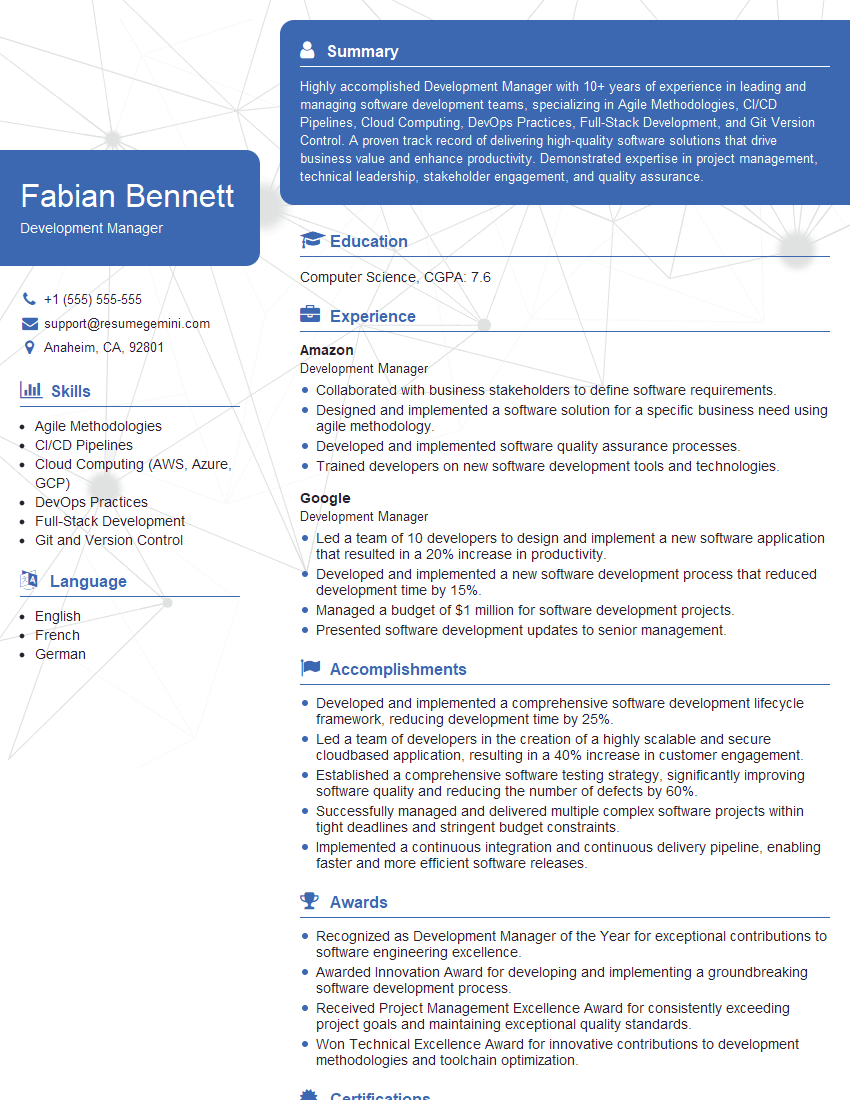
Development Manager Resume Sample
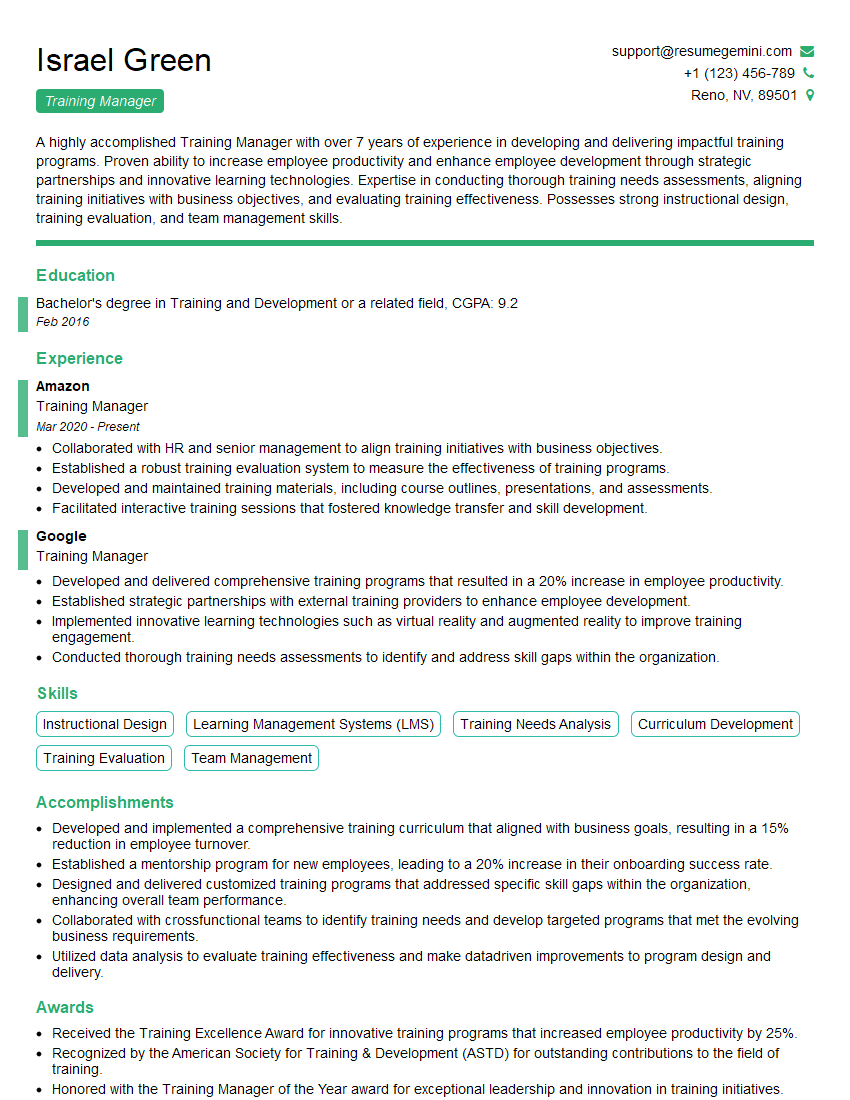
Training Manager Resume Sample

Instructor Resume Sample
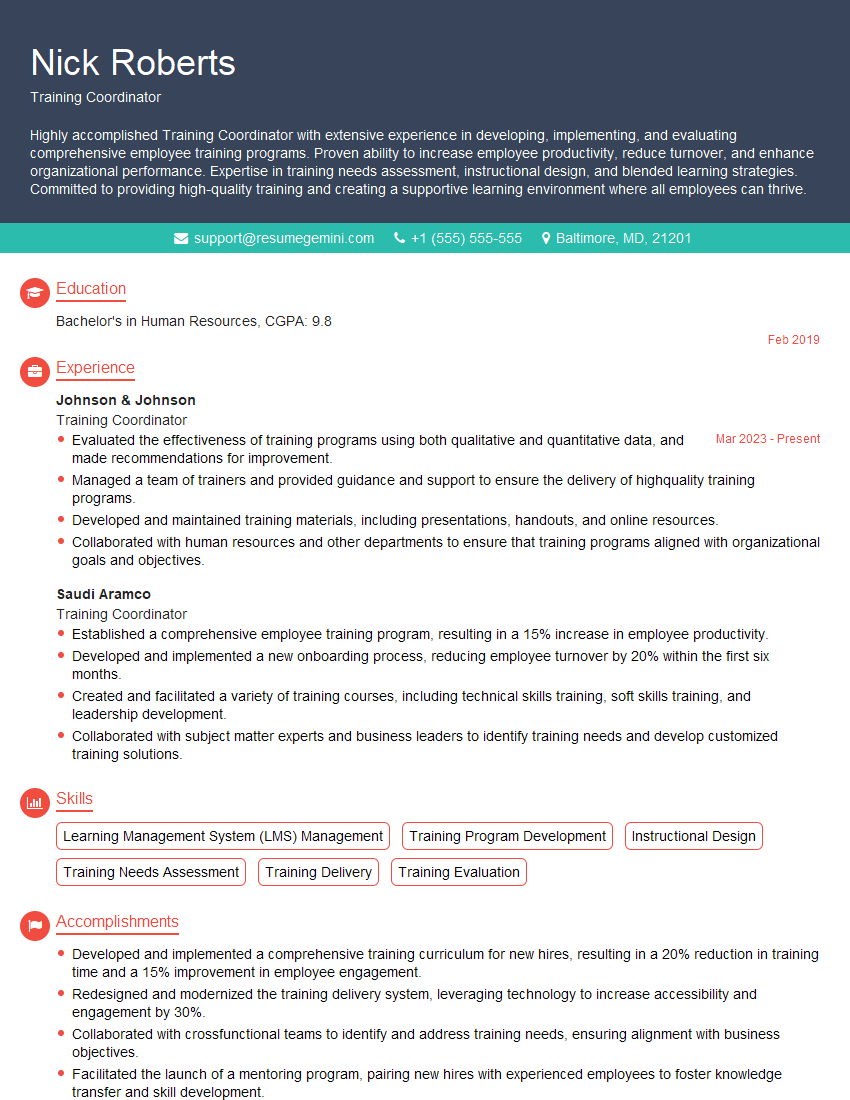
Training Coordinator Resume Sample
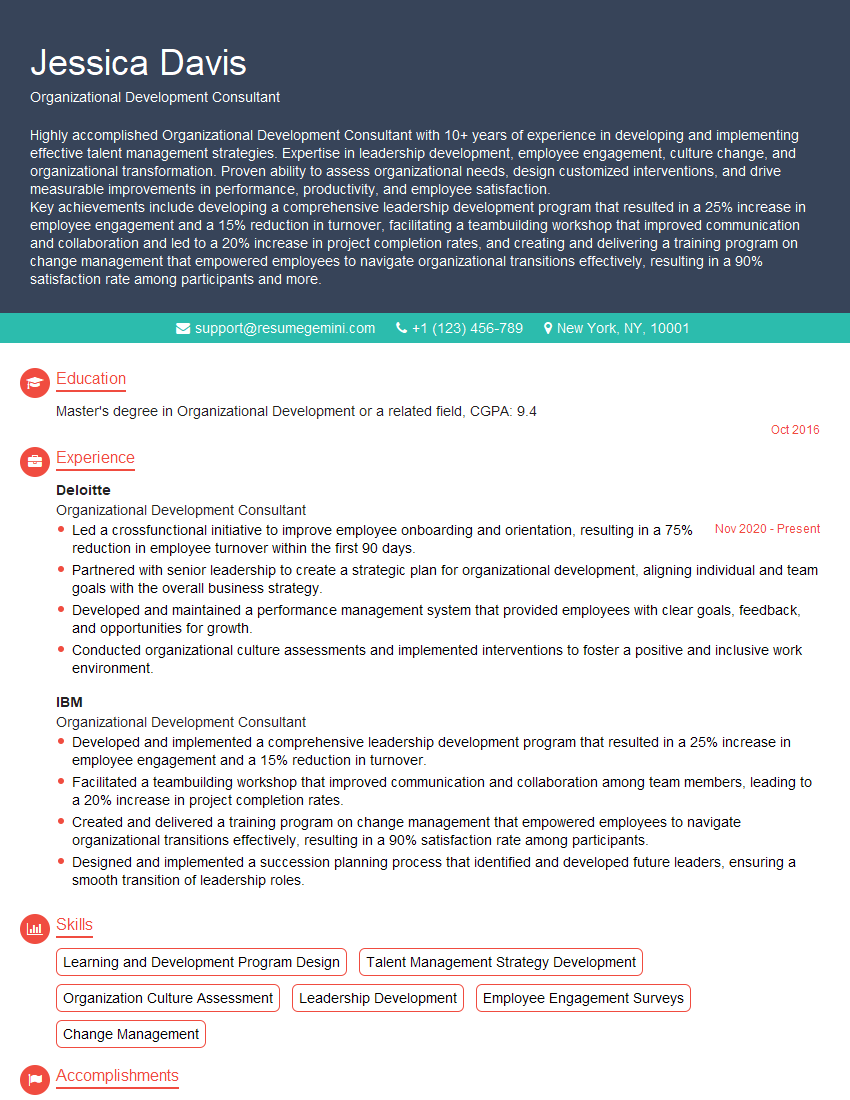
Organizational Development Consultant Resume Sample
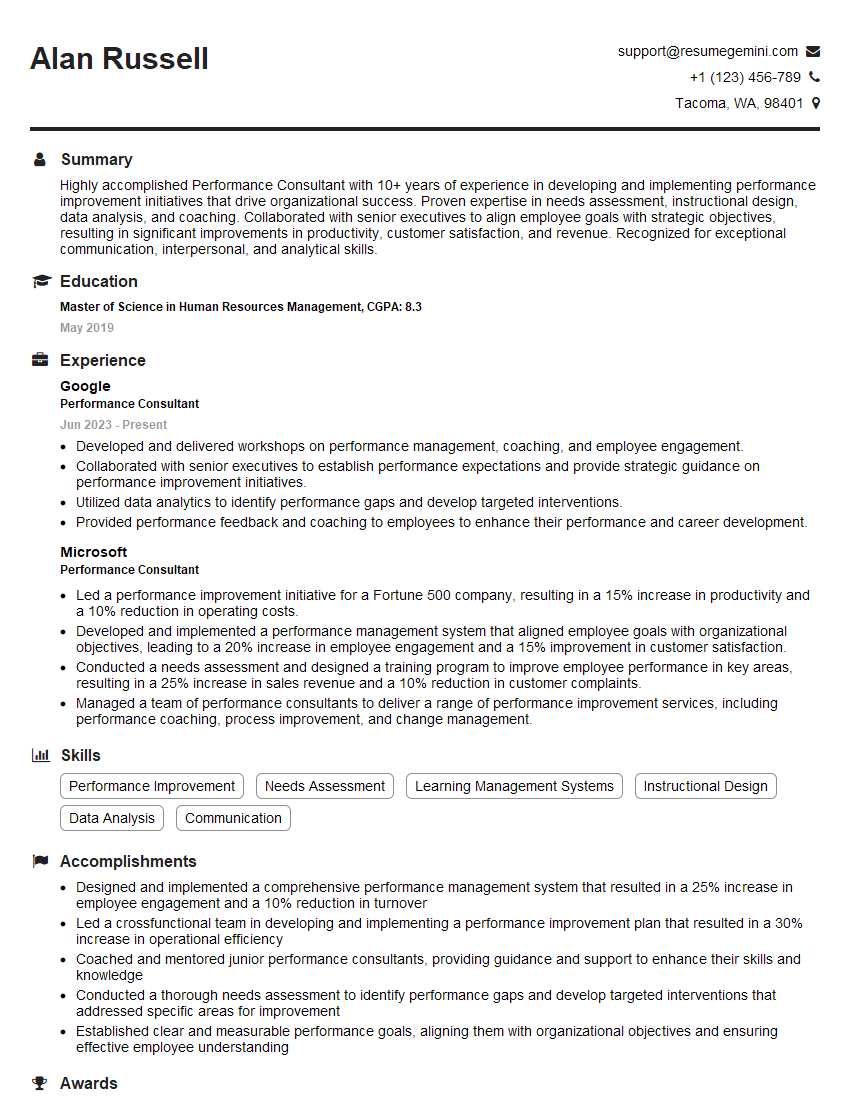
Performance Consultant Resume Sample
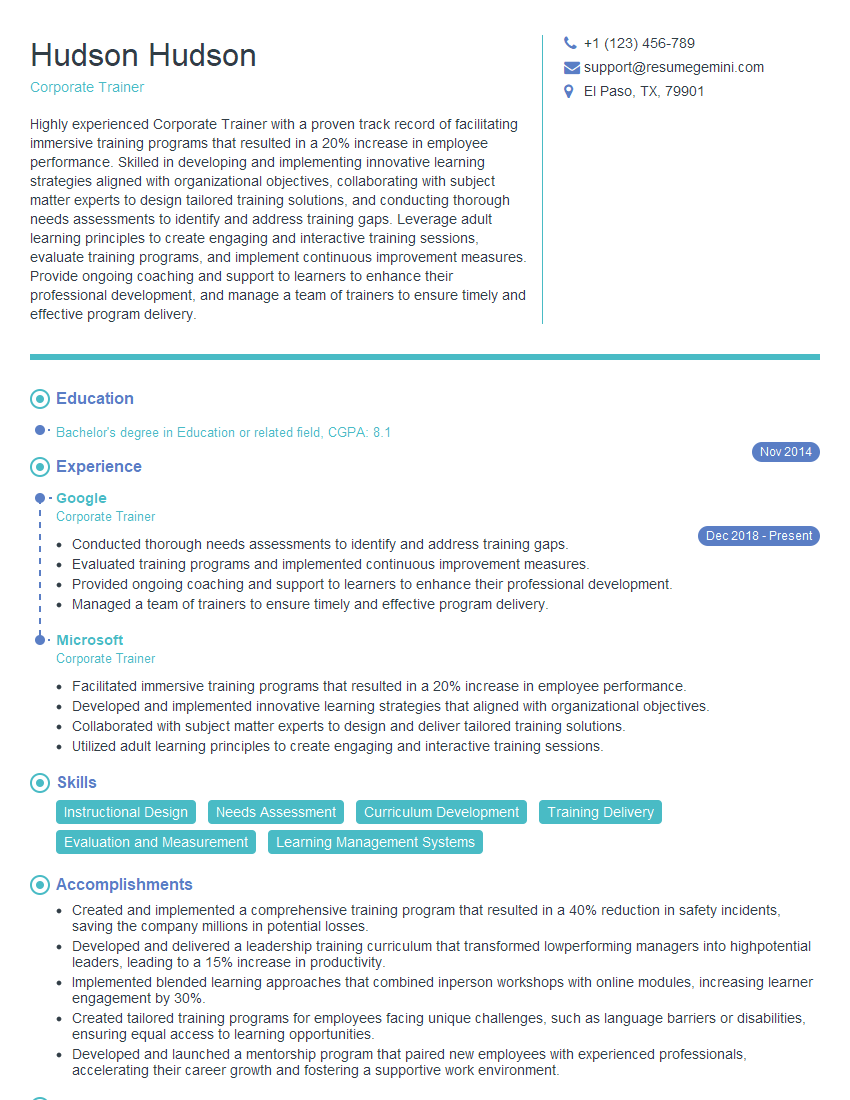
Corporate Trainer Resume Sample

Curriculum Developer Resume Sample
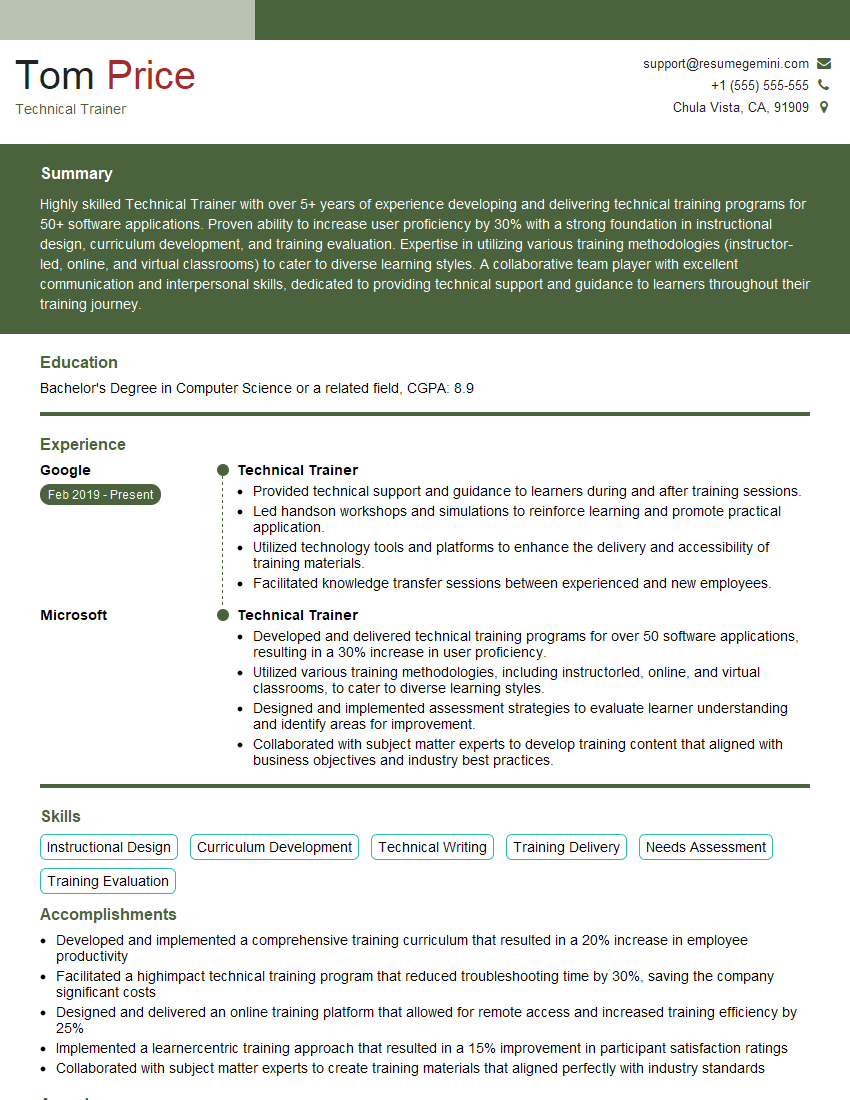
Technical Trainer Resume Sample
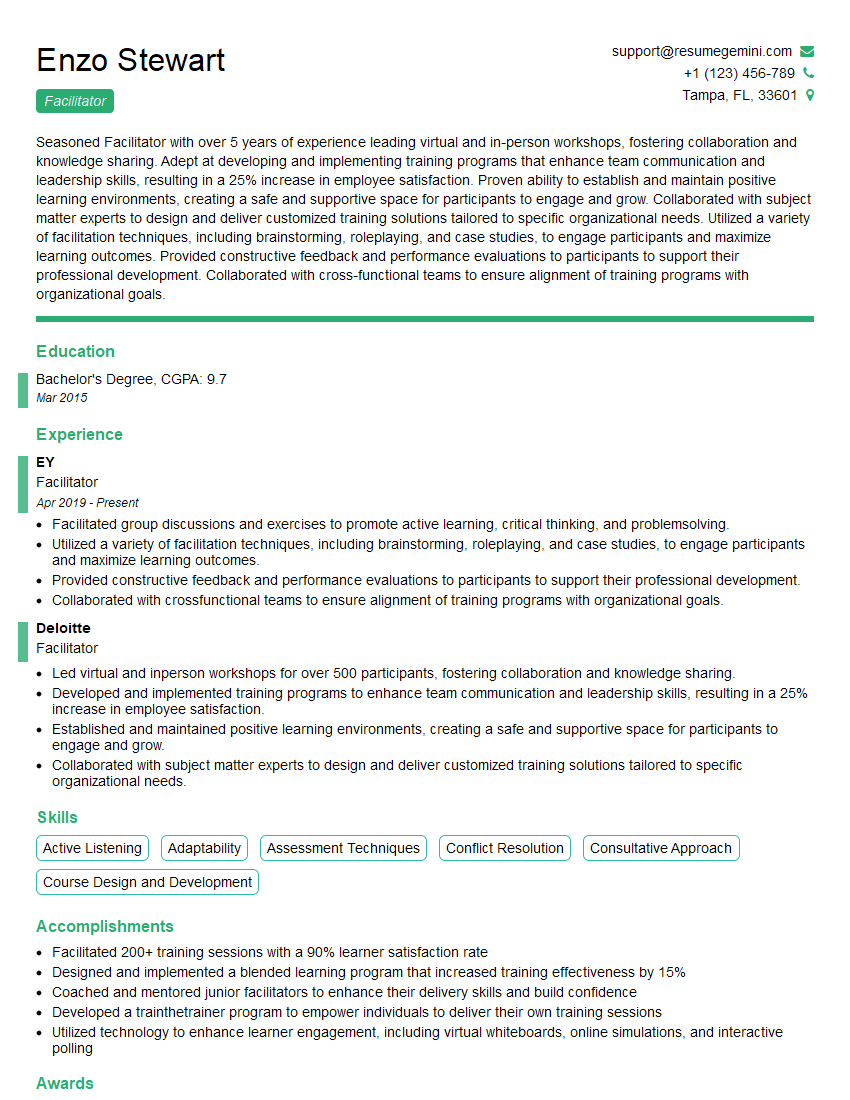
Facilitator Resume Sample
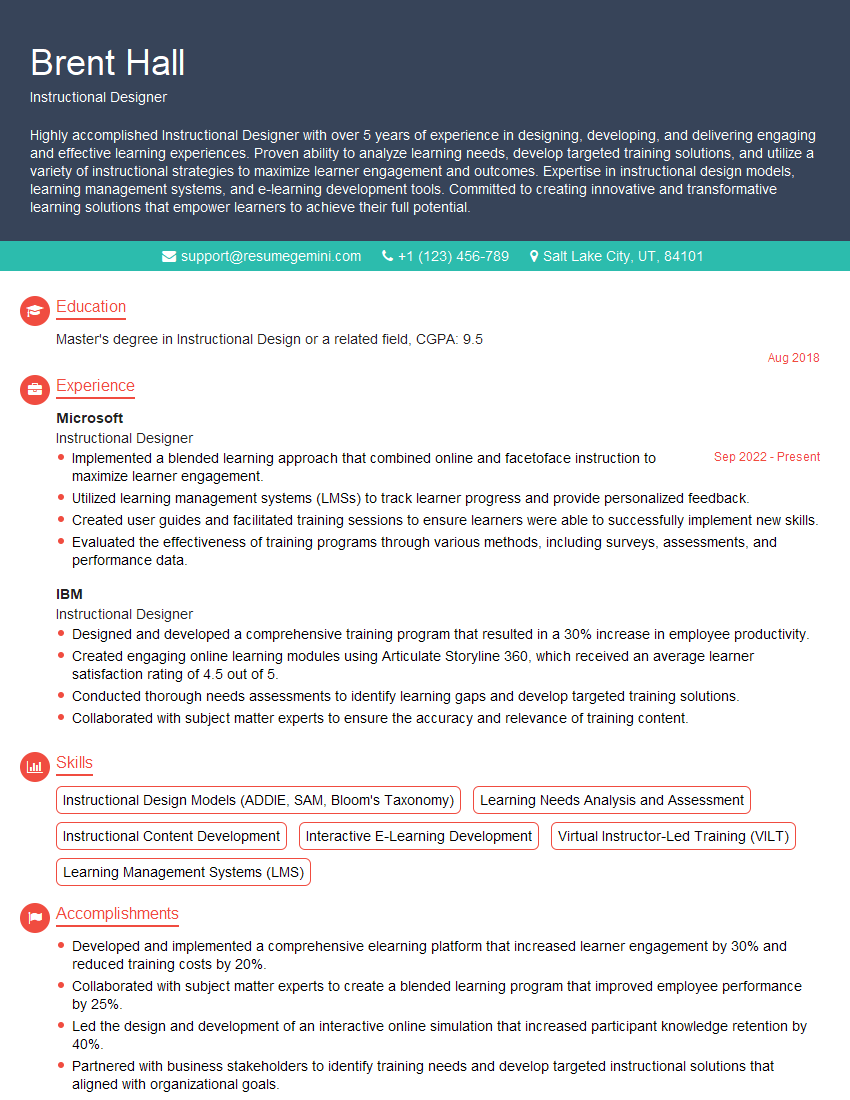
Instructional Designer Resume Sample
Explore more articles
Users Rating of Our Blogs
Share Your Experience
We value your feedback! Please rate our content and share your thoughts (optional).
What Readers Say About Our Blog
Amazing blog
Interesting Article, I liked the depth of knowledge you’ve shared.
Helpful, thanks for sharing.