Cracking a skill-specific interview, like one for Employee Journey Mapping, requires understanding the nuances of the role. In this blog, we present the questions you’re most likely to encounter, along with insights into how to answer them effectively. Let’s ensure you’re ready to make a strong impression.
Questions Asked in Employee Journey Mapping Interview
Q 1. Describe your experience in creating employee journey maps.
I have extensive experience crafting employee journey maps across diverse industries, from tech startups to large multinational corporations. My work involves deeply understanding the employee experience, from onboarding to exit, identifying pain points, and suggesting improvements to boost employee engagement and retention. For example, I recently mapped the journey of customer service representatives at a telecommunications company, uncovering significant bottlenecks in their training process and resulting in a 20% increase in first-call resolution rates after implementing recommended changes. Another project involved mapping the journey of software engineers, resulting in improvements to their workflow and tools, leading to a 15% increase in productivity.
Q 2. What methodologies have you used for employee journey mapping?
My approach to employee journey mapping is multifaceted and incorporates various methodologies. I frequently utilize a combination of qualitative and quantitative research techniques. These include:
- User interviews: Conducting one-on-one interviews with employees at different stages of their journey.
- Surveys: Distributing online surveys to gather broad feedback from a larger employee sample.
- Workshops: Facilitating group brainstorming sessions to identify pain points and areas for improvement.
- Observations: Shadowing employees to observe their daily workflow and identify challenges firsthand.
- Data analysis: Analyzing existing HR data, such as turnover rates, employee satisfaction scores, and performance reviews, to identify patterns and trends.
The specific methodology selected depends heavily on the project scope, available resources, and the specific goals.
Q 3. How do you identify key touchpoints in an employee journey?
Identifying key touchpoints is crucial for creating a meaningful employee journey map. I use a structured approach:
- Define the scope: Clearly define the specific employee segment and the stage of their journey we’re mapping (e.g., onboarding for new hires, performance review process for mid-level managers).
- Brainstorm potential touchpoints: Using a combination of the methodologies mentioned above (interviews, surveys, etc.), we generate a comprehensive list of all interactions and experiences employees have with the organization.
- Prioritize touchpoints: We focus on interactions with high impact on employee satisfaction, productivity, or retention. High-impact touchpoints are often those associated with significant emotional responses from employees (positive or negative).
- Map the touchpoints: Once prioritized, we map these touchpoints chronologically to visualize the overall employee journey.
For example, in onboarding, key touchpoints might include the initial application, interview process, offer letter, first day experience, and initial performance review. Each needs examination to ensure it effectively supports the employee.
Q 4. Explain your process for gathering data for employee journey mapping.
Data gathering is a critical stage that heavily influences the map’s accuracy and utility. My process typically follows these steps:
- Develop a research plan: This outlines the research objectives, target audience, data collection methods, and timeline.
- Recruit participants: We select a diverse sample of employees representative of the target segment.
- Conduct interviews and surveys: These are tailored to elicit detailed information on employee experiences at various touchpoints. Open-ended questions are preferred for deeper insights.
- Observe employee workflows: We conduct shadowing exercises to observe employees in their natural work environment, gaining a first-hand perspective of their daily activities and challenges.
- Analyze existing data: We examine HR data to identify quantitative trends supporting or challenging qualitative insights gathered via interviews and surveys.
Ethical considerations are paramount; we ensure employee confidentiality and obtain informed consent before data collection.
Q 5. How do you analyze data from employee surveys, interviews, and observations?
Data analysis is crucial for deriving meaningful insights. I employ a mixed-methods approach:
- Qualitative data analysis: For interview transcripts and open-ended survey responses, thematic analysis is used to identify recurring themes, patterns, and sentiments. We use coding techniques to organize and analyze qualitative data efficiently.
- Quantitative data analysis: For survey data, we use statistical methods to identify correlations and significant differences between employee groups. We also analyze HR data (e.g., turnover rates, performance metrics) to find patterns related to the identified qualitative themes.
- Triangulation: Crucially, we combine qualitative and quantitative data to validate findings and gain a comprehensive understanding of the employee experience. For example, a high turnover rate among a specific employee segment (quantitative) might be further illuminated by interview data revealing dissatisfaction with training and support (qualitative).
Data visualization plays a key role in presenting findings clearly and concisely.
Q 6. How do you prioritize pain points identified in an employee journey map?
Prioritizing pain points necessitates a structured approach. I often utilize a prioritization matrix, considering factors like:
- Impact: How significantly does the pain point affect employee satisfaction, productivity, or retention?
- Frequency: How often do employees experience this pain point?
- Feasibility: How easy or difficult would it be to address this pain point? This involves assessing cost, resources, and organizational willingness.
- Urgency: How quickly does this pain point need to be addressed?
By plotting pain points on a matrix, we can visually identify those with the highest impact and feasibility, allowing us to focus efforts on the most impactful improvements first.
For instance, a low-impact, low-frequency pain point might be addressed later, while a high-impact, high-frequency pain point requires immediate attention.
Q 7. What tools or software do you use for creating employee journey maps?
My tool selection depends on the project’s complexity and client preferences, but I’m proficient in various tools. These include:
- Miro and Mural: Excellent collaborative online whiteboards for visualizing and sharing the employee journey map.
- Sketch and Figma: Powerful design tools for creating visually appealing and detailed maps, useful for more visually driven representations.
- Microsoft Visio and Lucidchart: Suitable for creating flowchart-like maps that emphasize process flow.
- Spreadsheet Software (Excel, Google Sheets): Useful for data analysis and organizing qualitative and quantitative data before visualization.
The selection always considers the need for collaborative editing, version control, and the ability to incorporate rich media elements (images, videos).
Q 8. How do you present your findings from an employee journey map to stakeholders?
Presenting employee journey map findings effectively requires a tailored approach based on the audience and their priorities. I begin by summarizing the key findings in a concise and compelling narrative, highlighting the most impactful insights. Then, I use visualizations – the journey map itself, supplemented by charts and graphs showing key metrics like employee satisfaction or task completion times – to paint a clear picture. For example, if we identified a bottleneck in the onboarding process, I’d show the specific pain points on the map and then present data demonstrating the impact on time-to-productivity. I always engage stakeholders in a discussion, ensuring they understand the ‘why’ behind the findings and allowing them to ask questions and contribute their perspectives. This collaborative approach builds buy-in and ensures the findings translate into actionable strategies.
For senior leadership, I focus on the high-level impact on key business objectives – like reduced turnover or improved customer satisfaction. For operational teams, I focus on specific process improvements and tactical changes they can implement. I always conclude with a clear call to action, outlining concrete recommendations and a plan for next steps.
Q 9. How do you measure the success of an employee journey mapping project?
Measuring the success of an employee journey mapping project is multifaceted and depends heavily on the initial objectives. We establish clear, measurable Key Performance Indicators (KPIs) at the outset, aligned with the business goals. For example, if the goal is to improve employee satisfaction, we’d track changes in employee satisfaction scores (using surveys) before and after implementing changes based on the journey map. If the aim is to reduce onboarding time, we’d measure the average time taken to onboard new employees. Other relevant KPIs could include employee retention rates, employee productivity, and even reduction in error rates.
Beyond quantitative data, qualitative feedback remains crucial. We might conduct follow-up interviews or surveys to assess whether employees perceive the implemented changes as positive. Analyzing this feedback helps us understand the effectiveness of our interventions and identify areas needing further refinement. Essentially, we use a mixed-methods approach, integrating quantitative metrics and qualitative feedback to provide a comprehensive view of the project’s success.
Q 10. Describe a time you identified a significant improvement opportunity through employee journey mapping.
In a previous project with a large financial institution, we mapped the employee journey for new financial advisors. The map revealed a significant bottleneck in the licensing process. While the process itself was well-defined, new advisors were experiencing delays due to inconsistent communication and a lack of clear guidance on required documentation. They were left feeling lost and frustrated, leading to increased stress and a higher than average attrition rate during the initial months.
Through the journey map, we not only identified the problem, but also pinpointed the exact points of friction. We proposed a solution involving a centralized communication hub, streamlined documentation templates, and scheduled check-in meetings with dedicated mentors. Following these implemented changes, we saw a significant reduction in the average licensing time, a marked improvement in advisor satisfaction scores, and a decrease in early attrition. This highlighted the power of journey mapping to not only uncover but also address impactful operational inefficiencies.
Q 11. How do you incorporate qualitative and quantitative data into your journey maps?
Integrating qualitative and quantitative data is essential for a comprehensive employee journey map. Quantitative data provides the ‘what’ – the hard numbers illustrating aspects like time spent, task completion rates, and error percentages. We collect this data through various methods such as analyzing time tracking systems, performance metrics, and surveys with closed-ended questions. For example, we might use data from a survey to determine the percentage of employees who rate their onboarding experience as positive.
Qualitative data, on the other hand, offers the ‘why’ – the insights into employee feelings, perceptions, and motivations. This is gathered through methods like interviews, focus groups, and open-ended survey questions. For instance, during interviews, we might uncover reasons behind low employee satisfaction scores, such as frustration with unclear processes or lack of support from management. By combining both, we create a robust map that provides both a factual overview and a deep understanding of the employee experience.
Q 12. How do you handle conflicting data or differing perspectives when mapping a journey?
Handling conflicting data or differing perspectives is a normal part of the journey mapping process. The key is to embrace this diversity and use it to enrich the understanding of the employee experience. I start by acknowledging all perspectives. Open discussion and active listening are vital. We often use a prioritization matrix, weighing the data based on its source credibility and the number of employees expressing similar sentiments. For instance, if a small group expresses a very strong negative sentiment, we carefully investigate the root cause. Often, this will help uncover larger systemic problems even if the numbers don’t initially reflect it.
Data triangulation—cross-referencing data from multiple sources—is crucial to validate or refute conflicting information. For example, a low task completion rate might be validated by employee feedback highlighting difficulty in accessing necessary resources. Ultimately, the goal is to synthesize the various perspectives into a comprehensive understanding of the employee journey, rather than seeking a single ‘right’ answer. The process itself becomes a means of knowledge generation and consensus-building within the team.
Q 13. How do you ensure your employee journey maps are aligned with business objectives?
Aligning employee journey maps with business objectives is paramount. The mapping exercise begins by defining the specific business goals that the improved employee experience will support. Are we aiming to increase retention, improve productivity, or boost innovation? These goals will inform the selection of the specific employee journeys we will map, defining scope and focus from the very beginning.
For instance, if a company’s objective is to reduce employee turnover, we would focus on mapping the journeys of employees in high-attrition roles. Throughout the mapping process, we constantly refer back to these objectives. We analyze how each stage of the journey impacts the chosen metrics (e.g., employee satisfaction directly correlates to retention). This ensures that the insights gained from the map lead to actionable recommendations that directly address business priorities. The final report and recommendations clearly demonstrate how improvements to the employee experience will translate into tangible business outcomes.
Q 14. How do you maintain the accuracy and relevance of your journey maps over time?
Maintaining the accuracy and relevance of employee journey maps requires a proactive approach. Journey maps are not static documents; they are living tools that should evolve with the organization. I recommend establishing a regular review process, potentially quarterly or annually, depending on the speed of organizational change. This involves revisiting the data collected and validating it against the current state of affairs.
Employee feedback should be continuously monitored using surveys, pulse checks, or informal feedback mechanisms. Any significant organizational changes—new technologies, restructurings, policy updates— necessitate a reassessment and update of the map. Using a digital format for the journey map allows for easier updates and collaboration. Finally, incorporating feedback loops at various points throughout the implementation of improvement plans derived from the initial maps further ensures accuracy and relevancy.
Q 15. What are the key differences between customer journey mapping and employee journey mapping?
While both customer and employee journey mapping share the core principle of understanding the steps individuals take to achieve a goal, their focus and application differ significantly. Customer journey mapping centers on the customer’s experience with a product or service, aiming to improve satisfaction and loyalty. Employee journey mapping, on the other hand, focuses on the employee’s experience within the organization, from recruitment to exit, aiming to boost engagement, productivity, and retention.
- Focus: Customer journey maps focus on external interactions; employee journey maps focus on internal processes and interactions.
- Goal: Customer journey mapping aims to enhance customer satisfaction and loyalty; employee journey mapping aims to improve employee engagement, productivity, and retention.
- Metrics: Customer journey maps measure metrics like customer satisfaction (CSAT), Net Promoter Score (NPS); employee journey maps use metrics like employee satisfaction (eSAT), employee engagement scores, and turnover rates.
- Stakeholders: Customer journey mapping involves marketing, sales, and customer service teams; employee journey mapping involves HR, management, and potentially IT and other relevant departments.
Imagine a restaurant: customer journey mapping would analyze the customer’s experience from making a reservation to leaving a tip, while employee journey mapping would look at a waiter’s experience from receiving training to dealing with difficult customers.
Career Expert Tips:
- Ace those interviews! Prepare effectively by reviewing the Top 50 Most Common Interview Questions on ResumeGemini.
- Navigate your job search with confidence! Explore a wide range of Career Tips on ResumeGemini. Learn about common challenges and recommendations to overcome them.
- Craft the perfect resume! Master the Art of Resume Writing with ResumeGemini’s guide. Showcase your unique qualifications and achievements effectively.
- Don’t miss out on holiday savings! Build your dream resume with ResumeGemini’s ATS optimized templates.
Q 16. How do you ensure the privacy and confidentiality of employee data in your mapping projects?
Data privacy and confidentiality are paramount in employee journey mapping. I adhere to strict ethical guidelines and organizational policies regarding data handling. This includes:
- Anonymization and Aggregation: I anonymize individual data wherever possible, focusing on aggregated trends and insights rather than identifying specific employees.
- Informed Consent: I always obtain informed consent from employees before collecting any data, clearly explaining the purpose of the mapping exercise and how their data will be used.
- Data Security: I use secure data storage and processing methods, complying with all relevant data protection regulations (like GDPR or CCPA).
- Data Minimization: I collect only the necessary data to achieve the project’s objectives, avoiding unnecessary information gathering.
- Confidentiality Agreements: All team members involved in the mapping project sign confidentiality agreements to protect the sensitive data.
For example, instead of listing individual employee names, I might use coded identifiers or aggregate data to show trends in onboarding times across different departments.
Q 17. Describe your experience collaborating with cross-functional teams on employee journey mapping initiatives.
I have extensive experience collaborating with cross-functional teams on employee journey mapping projects. My approach involves establishing clear communication channels, fostering a collaborative environment, and defining shared goals from the outset.
- Stakeholder Engagement: I initiate workshops and interviews with representatives from various departments (HR, IT, Operations, Marketing, etc.) to gather diverse perspectives.
- Collaborative Tools: We utilize collaborative online platforms (e.g., Miro, Mural) to co-create and refine the journey map, ensuring transparency and shared ownership.
- Regular Feedback Loops: I implement regular feedback sessions to ensure everyone’s input is considered and potential conflicts are resolved proactively.
- Clear Roles and Responsibilities: I define clear roles and responsibilities for each team member, ensuring accountability and efficient workflow.
In a recent project for a tech company, I worked with HR, IT, and Engineering to map the onboarding experience for new software engineers. By bringing these teams together, we identified bottlenecks in the process and implemented solutions that reduced onboarding time by 20%.
Q 18. How do you adapt your approach to employee journey mapping for different organizational structures?
My approach to employee journey mapping adapts to different organizational structures. I tailor my methods based on factors like organizational size, hierarchy, culture, and communication styles.
- Hierarchical Structures: In hierarchical organizations, I might need to involve senior leadership early on to gain buy-in and facilitate communication across different levels.
- Flat Structures: In flatter organizations, I can leverage collaborative methods more effectively, ensuring broader participation in the mapping process.
- Decentralized Structures: For decentralized organizations, I might map specific journeys within individual departments or teams before integrating them into a broader organizational map.
- Communication Styles: I adjust communication styles based on the organization’s culture, ensuring that my methods resonate with the team.
For instance, in a large, hierarchical corporation, I would prioritize top-down communication, ensuring buy-in from leadership. In a smaller, flat organization, a more collaborative and bottom-up approach might be more suitable.
Q 19. What are some common challenges you face during the employee journey mapping process?
Several common challenges emerge during employee journey mapping:
- Data Collection Difficulties: Gathering accurate and reliable data can be challenging, especially when dealing with sensitive information or a lack of employee participation.
- Resistance to Change: Employees may resist change if they perceive the mapping process as intrusive or irrelevant to their work.
- Scope Creep: The scope of the project may expand beyond initial objectives, leading to delays and resource constraints.
- Lack of Resources: Sufficient time, budget, and skilled personnel are crucial for successful employee journey mapping.
- Defining Clear Objectives: If the objectives of the mapping exercise are not clearly defined upfront, it can lead to an unfocused and unproductive process.
For example, a lack of buy-in from management can make it difficult to secure necessary resources or motivate participation from employees. Similarly, unclear objectives can lead to a scattered mapping exercise that fails to yield actionable insights.
Q 20. How do you overcome resistance to change when implementing improvements identified through journey mapping?
Overcoming resistance to change requires a strategic approach that involves transparency, communication, and employee involvement.
- Transparency and Communication: Clearly communicate the purpose, benefits, and process of the journey mapping initiative. Emphasize how improvements will benefit employees directly.
- Employee Participation: Involve employees in every stage of the process, from data collection to implementation. This fosters a sense of ownership and reduces resistance.
- Addressing Concerns: Actively listen to employee concerns and address them directly. Show that their feedback is valued and that improvements are being made to benefit them.
- Pilot Projects: Start with a pilot project involving a smaller group of employees to test the changes and gather feedback before implementing them broadly.
- Celebrating Successes: Recognize and celebrate successes along the way to maintain momentum and demonstrate the value of the journey mapping initiative.
For example, a pilot project focusing on improving the onboarding process for new hires can demonstrate the positive impact of changes before implementing them across the organization.
Q 21. Explain how you use personas in your employee journey mapping process.
Personas are crucial for bringing the employee journey to life. They represent archetypal employees with similar roles, characteristics, and experiences. Instead of relying on generic descriptions, personas offer a focused and relatable representation.
- Data-Driven Creation: Personas are developed based on data gathered through employee surveys, interviews, and observations, ensuring they are realistic and representative.
- Defining Key Characteristics: Each persona includes details like job title, tenure, department, goals, frustrations, and technological proficiency.
- Empathy and Understanding: Personas help us step into the shoes of different employees, understanding their perspectives and challenges within their specific roles.
- Guiding Decision-Making: Personas inform design decisions and improvements to ensure they address the needs of specific employee groups.
For instance, we might create personas for ‘The New Hire,’ ‘The Seasoned Veteran,’ and ‘The Rising Star’ to highlight the diverse experiences and needs within a company. This allows for targeted interventions that improve the overall employee experience for each group.
Q 22. How do you incorporate employee feedback throughout the employee journey mapping process?
Employee feedback is the cornerstone of effective journey mapping. It’s not a one-time activity but integrated throughout the process. We start by identifying key touchpoints – crucial moments in the employee experience – and then use various methods to gather feedback at each stage. This could include surveys, focus groups, interviews, and even observation of employees in their natural work environment. For example, during the onboarding process, we might use short pulse surveys after each key training module to gauge comprehension and satisfaction. Later, we might conduct one-on-one interviews with employees to explore their experiences with performance reviews or promotion processes. This iterative feedback loop ensures the map reflects the reality of the employee experience, not just assumptions.
Analyzing the feedback involves identifying patterns and themes. Are there consistent pain points? Are employees feeling valued and supported? This qualitative data enriches the map, highlighting areas needing improvement. We use a combination of quantitative (survey results, metrics) and qualitative data (interview transcripts, observations) to paint a complete picture.
Q 23. What metrics do you use to measure the impact of improvements made based on employee journey maps?
Measuring the impact of improvements is crucial to demonstrating the value of journey mapping. We use a combination of leading and lagging indicators. Leading indicators predict future performance; lagging indicators reflect past performance. Examples of leading indicators include employee satisfaction scores (measured through surveys immediately after implementing a change), increased participation in training programs (if the journey mapping identified access barriers), and improvements in employee net promoter score (eNPS). Lagging indicators include reduced employee turnover, improved productivity metrics (such as sales per employee or project completion rates), and increased engagement scores (measured through regular engagement surveys).
To demonstrate a clear link between the journey map improvements and the positive impact, we track these metrics both before and after implementing changes. This allows us to quantitatively assess the effectiveness of our interventions. For example, if we redesigned the onboarding process based on journey map insights, we’d compare employee satisfaction scores, turnover rates, and time-to-productivity before and after the redesign. A significant improvement in these metrics would directly demonstrate the positive impact of the changes.
Q 24. How do you present complex information from your journey maps in a clear and concise manner?
Presenting complex information clearly is paramount. We avoid overwhelming the audience with detailed data. Instead, we use visual storytelling techniques to communicate insights effectively. The journey map itself is a visual representation of the employee experience, but we supplement it with concise summaries, charts, and infographics that highlight key findings and recommended actions. For example, we might use a heat map to visually represent employee sentiment at each touchpoint, with warmer colors indicating high positive sentiment and cooler colors representing negative sentiment. We also use data visualization tools to present key metrics in an easily digestible format. We might create a simple bar graph to show the impact of changes on key performance indicators like employee retention or productivity.
We tailor our presentations to the audience. For senior leadership, we focus on high-level insights and business impact. For operational teams, we focus on actionable recommendations and implementation plans. The key is to make the information relevant and engaging to each audience, using a clear and concise narrative that supports the visual representation.
Q 25. How do you identify and incorporate employee emotions and sentiment in your journey mapping?
Incorporating emotions and sentiment is essential to understanding the true employee experience. A journey map shouldn’t just track actions; it should also capture the feelings associated with those actions. We use various methods to understand employee emotions, including open-ended questions in surveys, qualitative interviews where we actively listen for emotional cues, and observation of body language and tone of voice during focus groups. For instance, during an interview, an employee might describe a frustrating experience with a particular technology. Their tone of voice and facial expressions will provide further insight into the intensity of their frustration.
We represent emotions on the map using visual cues like color-coding or icons. For example, a frustrated face icon might be placed at a touchpoint where employees consistently report negative experiences. This allows us to quickly identify emotional hotspots and prioritize areas for improvement. We might use a sentiment analysis tool to quantify sentiment expressed in written feedback (such as survey responses or internal communications). The combination of qualitative and quantitative data provides a more comprehensive understanding of employee emotions.
Q 26. What are some key success factors for implementing improvements based on employee journey mapping?
Successful implementation of improvements based on employee journey maps hinges on several key factors. First, secure buy-in from leadership. Without their support, initiatives are unlikely to succeed. Second, ensure cross-functional collaboration. Journey mapping often reveals issues spanning multiple departments. Solving them requires the involvement of all stakeholders. Third, prioritize improvements based on impact and feasibility. Not all issues can be addressed simultaneously. Focus on high-impact, relatively low-effort improvements first to build momentum and demonstrate early wins. Fourth, establish clear metrics to measure success. Without data to track progress, it’s difficult to demonstrate the value of the improvements.
Finally, build a culture of continuous improvement. Journey mapping isn’t a one-off project. It should be an ongoing process. Regularly revisit the map, gather feedback, and adapt the improvements based on the evolving needs and experiences of employees. Treat it as a living document that reflects the dynamic nature of the employee journey.
Q 27. How do you ensure alignment between employee journey maps and organizational strategy?
Aligning employee journey maps with organizational strategy is vital. The map shouldn’t exist in isolation; it must contribute to broader business goals. We begin by understanding the organization’s overall strategic objectives. What are its key priorities? What are its goals for employee growth, productivity, and retention? We then link these objectives to specific touchpoints on the employee journey map. For instance, if the organization’s strategy focuses on improving innovation, we might look at touchpoints relating to idea generation, knowledge sharing, and employee empowerment.
By explicitly linking the employee experience to strategic goals, we demonstrate the direct impact of employee satisfaction and engagement on organizational performance. This justification helps secure resources and buy-in for initiatives aimed at improving the employee journey. Regular reviews of both the strategy and the journey map ensure that they remain aligned, even as the organizational context evolves.
Q 28. Describe a time you had to adapt your employee journey mapping approach due to unexpected circumstances.
During a recent project, we were mapping the employee journey for a client undergoing a significant merger. The initial plan involved extensive in-person interviews and focus groups. However, just as we were starting, the company implemented a company-wide remote work policy due to unexpected circumstances. This forced us to adapt quickly. We transitioned to virtual interviews and online surveys, utilizing video conferencing platforms to maintain the personal touch and build rapport. We had to be flexible and innovative in our approach to ensure we gathered relevant data, even in the altered circumstances.
The shift to virtual methods required us to adapt our data analysis techniques. We had to rely more on textual analysis of open-ended survey responses and pay closer attention to nonverbal cues during virtual interviews. While it presented unexpected challenges, the transition to a fully virtual approach demonstrated the adaptability and resilience of our journey mapping process. Ultimately, we successfully delivered valuable insights despite the initial setback, underscoring the importance of flexibility and resourcefulness in navigating unforeseen events.
Key Topics to Learn for Employee Journey Mapping Interview
- Defining and Purpose: Understanding the core principles of Employee Journey Mapping and its strategic importance within organizations.
- Methodology and Techniques: Familiarizing yourself with different approaches to mapping, including qualitative and quantitative research methods (e.g., interviews, surveys, data analysis).
- Stages of the Employee Journey: Mastering the identification and analysis of key touchpoints across the employee lifecycle, from recruitment to offboarding.
- Data Collection and Analysis: Understanding how to gather relevant data, analyze findings, and identify pain points and opportunities for improvement.
- Persona Development: Creating representative employee personas to guide the mapping process and ensure focus on key user groups.
- Visualizing the Journey: Developing effective visual representations of the employee journey using various mapping techniques (e.g., flowcharts, diagrams).
- Identifying Pain Points and Opportunities: Analyzing the mapped journey to pinpoint areas of friction and opportunities for enhancing the employee experience.
- Implementation and Measurement: Understanding how to translate findings into actionable strategies and measure the impact of implemented improvements.
- Presentation and Communication: Effectively communicating insights and recommendations from the employee journey map to stakeholders.
- Different Mapping Frameworks: Exploring various frameworks and methodologies for creating employee journey maps (e.g., service blueprint, customer journey map adaptations).
Next Steps
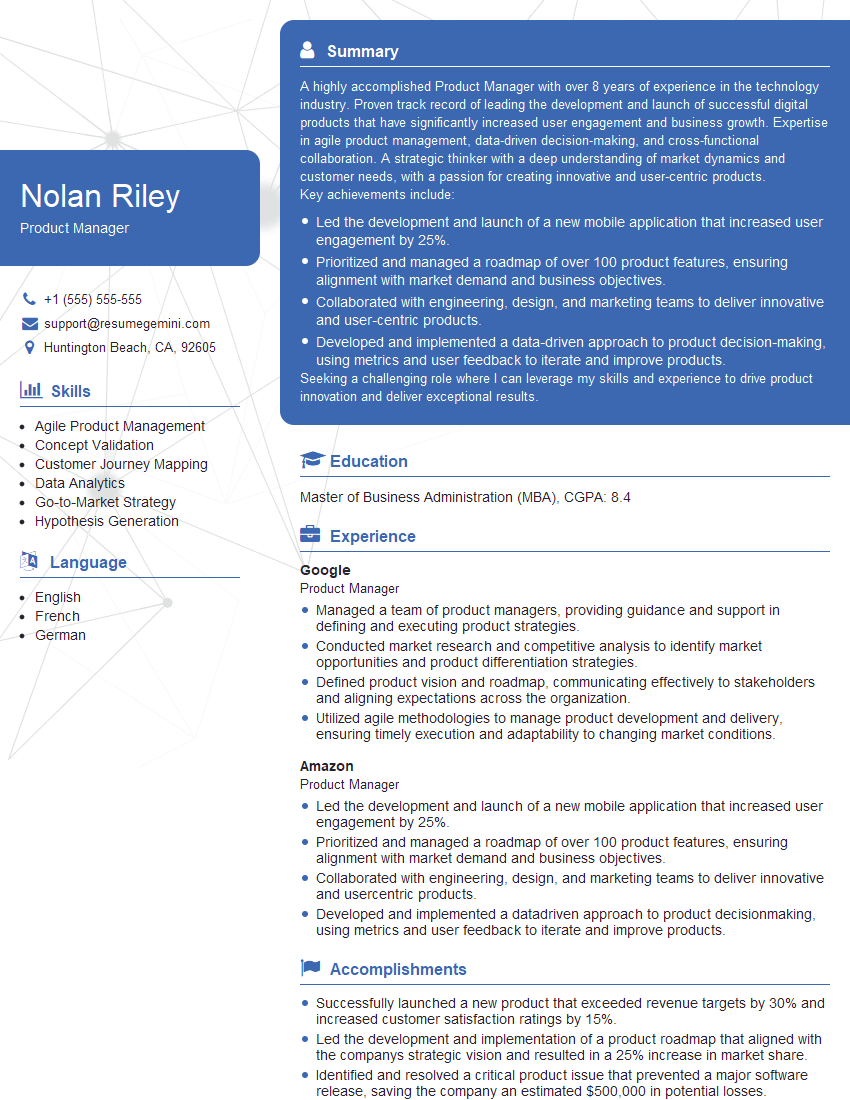
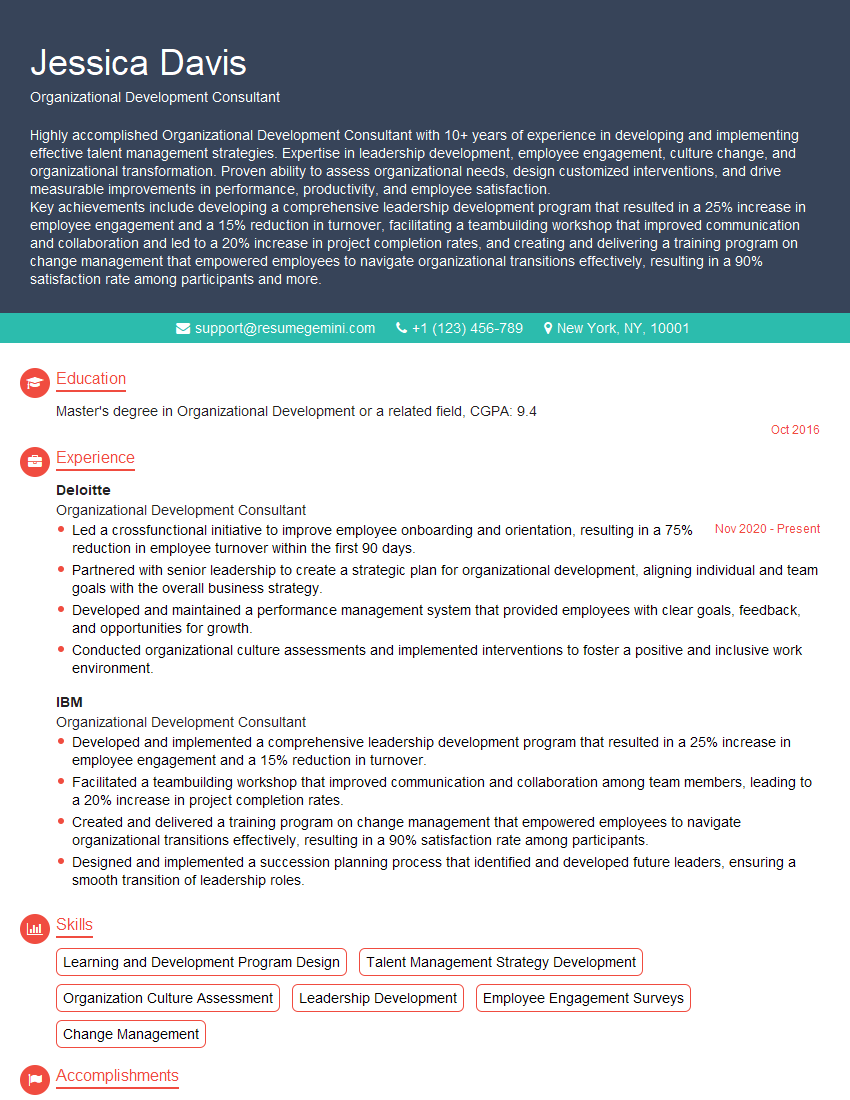
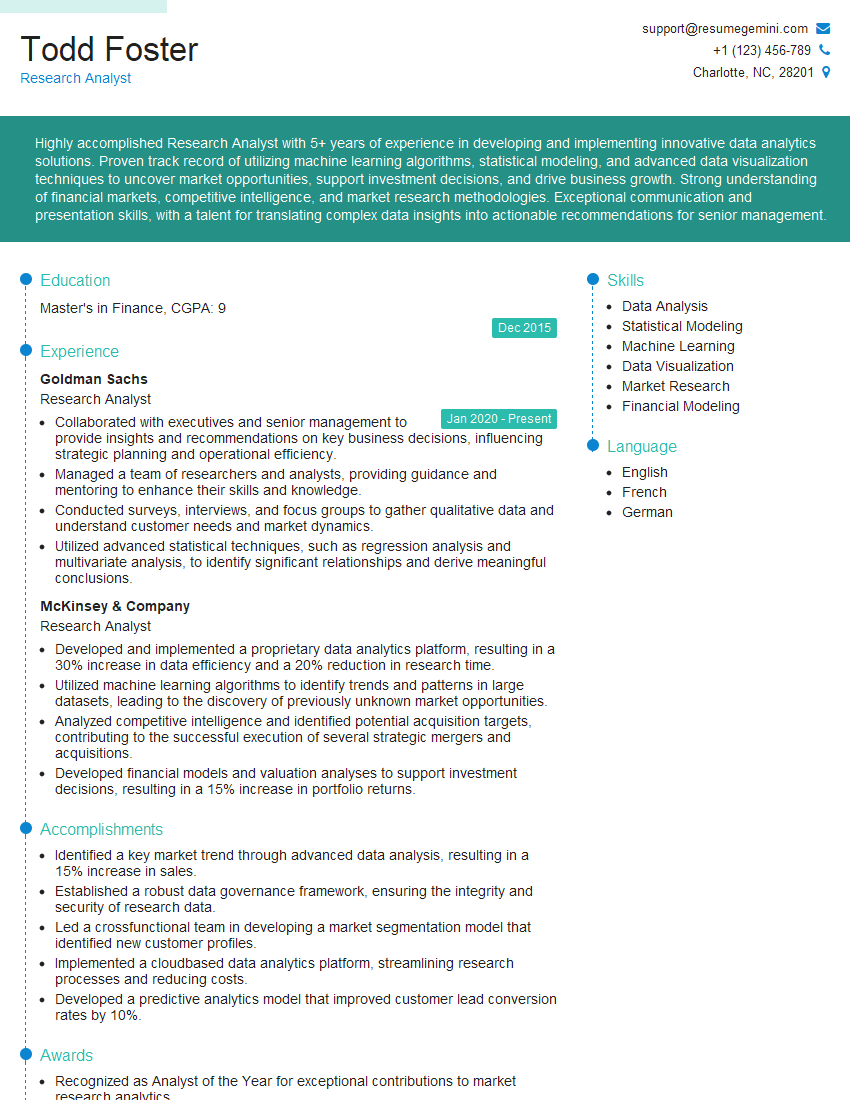
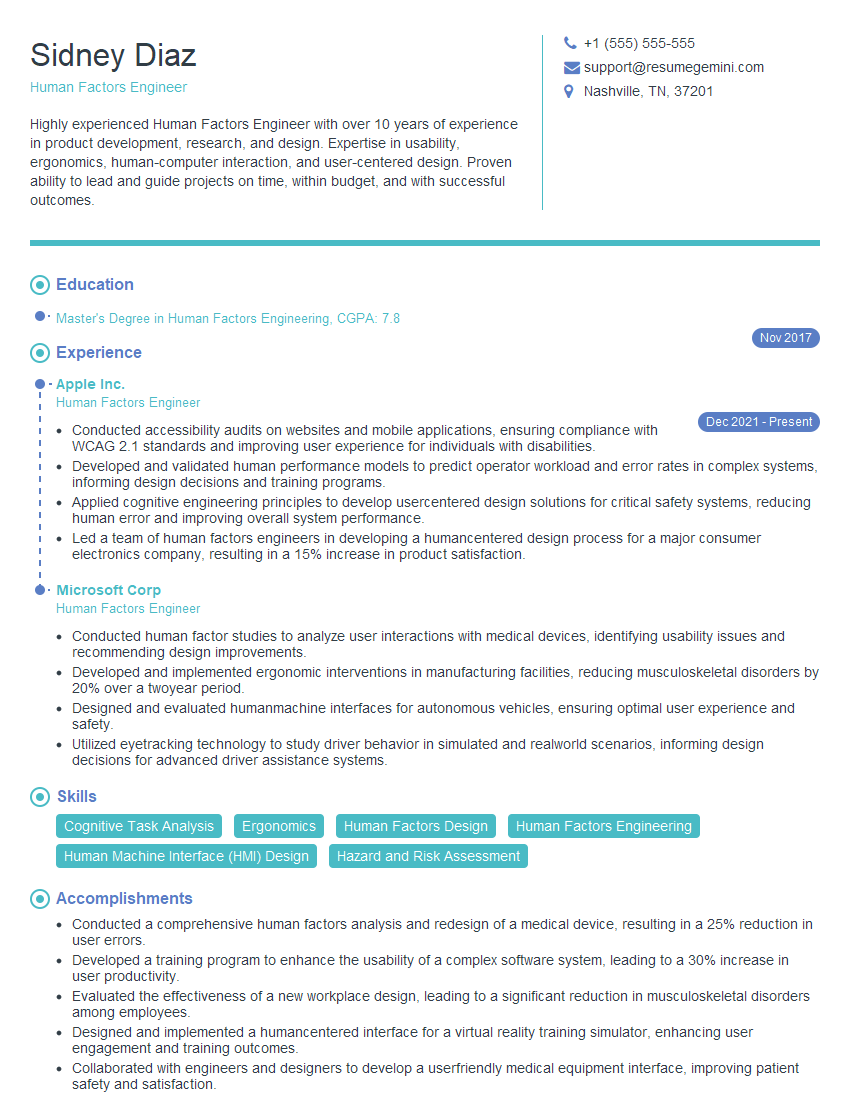
Mastering Employee Journey Mapping is a valuable skill that significantly enhances your career prospects in Human Resources, UX, and other related fields. A strong understanding of this methodology demonstrates your ability to analyze complex processes, identify areas for improvement, and contribute to a positive employee experience. To maximize your chances of landing your dream job, creating an ATS-friendly resume is crucial. ResumeGemini is a trusted resource that can help you build a professional and impactful resume tailored to highlight your Employee Journey Mapping expertise. Examples of resumes specifically tailored for Employee Journey Mapping roles are available within ResumeGemini to guide your process.

Explore more articles
Users Rating of Our Blogs
Share Your Experience
We value your feedback! Please rate our content and share your thoughts (optional).
What Readers Say About Our Blog
Amazing blog
hello,
Our consultant firm based in the USA and our client are interested in your products.
Could you provide your company brochure and respond from your official email id (if different from the current in use), so i can send you the client’s requirement.
Payment before production.
I await your answer.
Regards,
MrSmith
hello,
Our consultant firm based in the USA and our client are interested in your products.
Could you provide your company brochure and respond from your official email id (if different from the current in use), so i can send you the client’s requirement.
Payment before production.
I await your answer.
Regards,
MrSmith
These apartments are so amazing, posting them online would break the algorithm.
https://bit.ly/Lovely2BedsApartmentHudsonYards
Reach out at BENSON@LONDONFOSTER.COM and let’s get started!
Take a look at this stunning 2-bedroom apartment perfectly situated NYC’s coveted Hudson Yards!
https://bit.ly/Lovely2BedsApartmentHudsonYards
Live Rent Free!
https://bit.ly/LiveRentFREE
Interesting Article, I liked the depth of knowledge you’ve shared.
Helpful, thanks for sharing.
Hi, I represent a social media marketing agency and liked your blog
Hi, I represent an SEO company that specialises in getting you AI citations and higher rankings on Google. I’d like to offer you a 100% free SEO audit for your website. Would you be interested?