The thought of an interview can be nerve-wracking, but the right preparation can make all the difference. Explore this comprehensive guide to Fashion Industry Experience interview questions and gain the confidence you need to showcase your abilities and secure the role.
Questions Asked in Fashion Industry Experience Interview
Q 1. Describe your experience with different textile types and their applications in garment construction.
My experience encompasses a wide range of textile types, each with unique properties influencing garment construction. Understanding these properties is crucial for choosing the right fabric for a specific design and intended use.
- Natural Fibers: Cotton, known for its breathability and comfort, is ideal for everyday wear. Linen, with its crisp texture, is often used in summer clothing. Silk, luxurious and delicate, requires careful handling during construction. Wool, prized for its warmth and durability, presents its own set of challenges in terms of shrinking and weaving.
- Synthetic Fibers: Polyester, known for its wrinkle resistance and durability, is commonly used in sportswear and other performance wear. Nylon, strong and lightweight, finds application in outerwear and hosiery. Rayon, a semi-synthetic fiber, offers a silky drape often used in dresses and blouses. Understanding the properties of these synthetics is key; for example, polyester’s lack of breathability may necessitate design choices to compensate.
- Blends: Many fabrics are blends, combining natural and synthetic fibers to gain advantages from both. A cotton-polyester blend might offer the comfort of cotton with the durability of polyester. The blend ratios significantly impact the drape, breathability, and overall feel of the fabric.
For example, designing a tailored suit requires a fabric with sufficient drape and structure, such as a wool blend. Conversely, athletic wear demands breathable, moisture-wicking fabrics, such as polyester blends or specialized performance fabrics.
Q 2. Explain your understanding of the fashion design process, from concept to production.
The fashion design process is a meticulous journey from initial concept to finished product. It’s a collaborative effort requiring creativity, technical skill, and strong project management.
- Concept Development: This involves brainstorming, sketching, and mood board creation to define the overall aesthetic, target market, and key design elements.
- Design Development: Technical sketches are created, detailing garment construction, fabric choices, and embellishments. This stage often includes creating a toile (a sample garment made in inexpensive fabric) to test fit and construction techniques.
- Sourcing and Production: Fabric selection, pattern making, and sample creation are crucial. This stage also involves choosing manufacturers and overseeing the production process, ensuring quality control at each step.
- Sampling and Fitting: Multiple samples are made and adjusted to ensure the garment fits perfectly and meets design specifications. Fit models are often used in this process.
- Production and Quality Control: Once the final sample is approved, mass production begins. Rigorous quality control checks ensure consistent quality throughout the production run.
- Marketing and Sales: This final stage involves showcasing the garments to consumers through various channels like showrooms, online stores, and retail outlets.
For instance, when designing a new line of dresses, I would begin by researching current trends and analyzing the target market’s preferences. Following the above steps, I’d finalize the designs, work with manufacturers, and launch the collection.
Q 3. How do you stay updated on current fashion trends and market demands?
Staying current in fashion is vital. I use a multi-faceted approach to track trends and market demands:
- Trade Publications and Blogs: I regularly read publications like Vogue, WWD, and specialized fashion blogs to stay informed about runway shows, emerging designers, and market analyses.
- Social Media: Platforms like Instagram, Pinterest, and TikTok offer valuable insights into consumer preferences, emerging trends, and popular styles. Analyzing hashtags and influencer content provides a real-time pulse on current trends.
- Market Research Reports: I utilize market research reports from organizations like Mintel and Euromonitor to gain a deeper understanding of consumer behavior, market size, and future predictions.
- Trade Shows and Events: Attending industry events, such as fashion weeks and trade shows, allows for firsthand observation of new collections, materials, and technologies.
- Competitor Analysis: Regularly reviewing competitor collections and marketing strategies provides valuable insights into successful approaches and emerging trends.
For example, observing the growing popularity of sustainable and ethically sourced clothing on social media influenced my recent design choices towards incorporating eco-friendly materials into my collections.
Q 4. Detail your experience in visual merchandising and its impact on sales.
Visual merchandising significantly impacts sales by creating an appealing and engaging shopping experience. It’s about telling a story through the presentation of products.
My experience includes creating window displays, in-store layouts, and visual elements to attract customers and boost sales. This involves considering:
- Store Layout: Optimizing store space to create a logical flow and highlight key products.
- Product Placement: Strategically placing products to maximize visibility and encourage impulse purchases. For instance, placing high-demand items at eye level or near the checkout counter.
- Visual Storytelling: Developing themes and narratives to create an immersive experience that connects with customers. This can be achieved through props, lighting, and displays.
- Color Psychology and Branding: Using color schemes and visual elements that are consistent with the brand’s identity and appeal to the target market.
- Signage and Messaging: Creating clear and concise signage to guide customers and highlight promotions.
In one project, I redesigned a store layout, improving product visibility and optimizing the flow. This resulted in a 15% increase in sales within three months. Effective visual merchandising enhances customer experience, leading to increased sales and brand loyalty.
Q 5. What software programs are you proficient in (e.g., Adobe Illustrator, Photoshop, CAD)?
I’m proficient in several industry-standard software programs, essential for effective design and production:
- Adobe Illustrator: For creating vector-based illustrations, logos, and technical drawings. I use this for pattern making, creating design sketches, and developing print designs.
- Adobe Photoshop: For image editing, retouching, and digital painting. I use Photoshop to enhance product photography, create mood boards, and manipulate images for marketing materials.
- CAD Software (e.g., CLO3D, Optitex): For 3D garment design and pattern making. These tools allow for virtual prototyping and precise pattern adjustments, minimizing production errors and saving time.
Example Illustrator code (simplified): Creating a simple line: <svg><line x1="0" y1="0" x2="100" y2="100" style="stroke:rgb(255,0,0);stroke-width:2"/></svg>
My proficiency in these programs streamlines my workflow and enhances the accuracy and efficiency of the design process.
Q 6. Describe your experience with fashion forecasting and trend analysis.
Fashion forecasting and trend analysis are crucial for anticipating future styles and consumer preferences. It involves a blend of qualitative and quantitative data analysis.
My experience includes:
- Trend Research: Analyzing current trends in fashion magazines, social media, and runway shows to identify emerging styles.
- Data Analysis: Using sales data, consumer surveys, and market research reports to understand consumer behavior and predict future demand.
- Color Forecasting: Predicting dominant colors for upcoming seasons, often influenced by cultural events and social trends.
- Fabric and Textile Trend Analysis: Identifying popular fabric types, textures, and patterns based on current and emerging trends.
- Style Forecasting: Predicting the overall silhouette and aesthetic trends, such as the rise and fall of specific styles like oversized garments or minimalist designs.
For example, by analyzing past sales data and observing emerging trends in sustainability and inclusivity, I accurately predicted the increasing demand for ethically sourced and size-inclusive clothing, allowing our company to proactively adapt its product offerings.
Q 7. How do you manage deadlines and prioritize tasks in a fast-paced environment?
Managing deadlines and prioritizing tasks in a fast-paced environment requires strong organizational skills and a proactive approach.
- Project Planning: I utilize project management tools to break down large projects into smaller, manageable tasks with clear deadlines.
- Prioritization: I prioritize tasks based on urgency and importance, focusing on critical tasks that directly impact deadlines.
- Time Management Techniques: I utilize time-blocking and the Pomodoro Technique to optimize my focus and efficiency.
- Communication: Maintaining open communication with team members and stakeholders ensures everyone is aligned on deadlines and potential roadblocks.
- Flexibility and Adaptability: Being adaptable to unexpected changes and challenges is crucial in a fast-paced environment. This involves having contingency plans and being able to adjust priorities as needed.
During peak seasons, I use a Kanban board to visualize project progress and manage workflow. This helps me stay organized, identify potential delays, and re-prioritize tasks as necessary, ensuring timely project completion.
Q 8. Explain your understanding of supply chain management in the fashion industry.
Supply chain management in the fashion industry is a complex process encompassing all steps, from raw material sourcing to product delivery to the end consumer. It’s like a meticulously orchestrated symphony, where every element – design, manufacturing, logistics, and retail – must work in harmony for success. A well-managed supply chain ensures timely product delivery, cost efficiency, and adherence to ethical and sustainability standards.
- Raw Material Sourcing: Selecting high-quality fabrics and trims from reliable suppliers, often considering factors like sustainability and ethical sourcing practices.
- Manufacturing: Overseeing the production process, whether it’s mass production in factories or bespoke tailoring in ateliers. This involves managing production schedules, quality control, and worker welfare.
- Logistics and Distribution: Efficiently moving goods from the manufacturing facilities to warehouses and ultimately to retailers or directly to consumers. This includes managing transportation, warehousing, and inventory.
- Retail and Sales: Ensuring the products reach the end customer through various channels – online stores, physical boutiques, and wholesale partnerships. This includes managing inventory levels and marketing efforts.
For example, in a previous role, I streamlined the sourcing process by implementing a digital platform that connected us with suppliers globally, reducing lead times by 15% and improving transparency across the supply chain. This resulted in faster turnaround times and reduced costs associated with delays.
Q 9. Describe your experience with managing budgets and controlling costs in a fashion-related role.
Budget management and cost control are crucial in the fashion industry, given the fluctuating costs of materials and the competitive pricing landscape. My approach is proactive and data-driven. I start with detailed budgeting, forecasting costs at each stage of the supply chain. I then use key performance indicators (KPIs) to track spending against the budget, identifying areas for improvement and cost optimization.
- Negotiating with Suppliers: Securing favorable pricing and payment terms with suppliers is key. I have experience leveraging my relationships to negotiate bulk discounts and favorable contracts.
- Efficient Production Planning: Optimizing production schedules to minimize waste and maximize output. Lean manufacturing principles have been particularly effective in reducing fabric waste and improving efficiency.
- Inventory Management: Using inventory management systems to control stock levels and prevent overstocking or stockouts. This reduces storage costs and minimizes the risk of markdowns.
- Cost Analysis and Reporting: Regularly analyzing production costs and identifying areas for cost reduction, This analysis helps anticipate potential cost increases and allows for proactive adjustments to the budget.
For instance, in my previous role, I implemented a new inventory management system that reduced our warehousing costs by 10% and improved our order fulfillment accuracy by 15%.
Q 10. How do you handle constructive criticism and feedback on your designs/work?
I view constructive criticism as an invaluable opportunity for growth and improvement. I approach feedback with an open mind, seeking to understand the perspective of the critic and identify areas where my work can be enhanced. My process involves active listening, asking clarifying questions, and documenting the feedback received.
- Active Listening: I pay close attention to the feedback, ensuring I fully understand the points raised before responding.
- Seeking Clarification: I ask clarifying questions to ensure I haven’t misunderstood any points or suggestions.
- Analyzing Feedback: I carefully review the feedback, identifying specific areas for improvement. This may involve analyzing design elements, technical specifications, or project management aspects.
- Implementing Changes: I incorporate the constructive criticism into my work, making the necessary adjustments to enhance the final product or process.
For example, when I received feedback on a design’s lack of structural integrity, I researched new construction techniques and implemented those changes, leading to a significantly stronger and more appealing final product.
Q 11. What is your experience with different manufacturing processes (e.g., mass production, bespoke)?
I have extensive experience with both mass production and bespoke manufacturing processes. Each approach has its own unique challenges and advantages.
- Mass Production: This involves high-volume manufacturing in factories, typically using automated processes to create large quantities of garments at a lower cost per unit. Experience in this area includes managing production schedules, quality control, and working with large manufacturing facilities.
- Bespoke Manufacturing: This involves creating custom-designed garments tailored to individual clients, often requiring a higher level of craftsmanship and attention to detail. My experience here includes working directly with clients to understand their preferences, managing the design and construction process, and ensuring the final product meets their exacting standards.
I have successfully managed projects using both methods. The mass production experience involved managing a factory producing over 10,000 units of a single design, requiring meticulous planning and quality control. The bespoke experience focused on hand-stitched haute couture garments, demanding highly skilled artisans and careful oversight of every step of the production process.
Q 12. Explain your experience with quality control and quality assurance in apparel manufacturing.
Quality control (QC) and quality assurance (QA) are essential to maintaining brand reputation and customer satisfaction in the fashion industry. QC is the process of inspecting finished products for defects, while QA encompasses the broader approach of ensuring quality standards are met throughout the entire production process. My experience includes implementing and overseeing both.
- Developing Quality Standards: Establishing clear, measurable quality standards for materials, construction, and finishing, often referencing industry best practices.
- Implementing Inspection Procedures: Designing and implementing procedures for inspecting incoming materials and finished products to ensure compliance with those standards.
- Managing Defects: Effectively identifying, documenting, and addressing defects during the manufacturing process, minimizing waste and ensuring product integrity.
- Continuous Improvement: Continuously monitoring quality metrics, identifying areas for improvement, and implementing corrective actions to prevent future defects. This often involves collaborating with manufacturers to improve processes and address any root causes of quality issues.
In a past role, implementing a stricter QC protocol led to a 20% reduction in customer returns due to manufacturing defects, significantly boosting customer satisfaction and saving considerable costs associated with returns and replacements.
Q 13. Describe your experience in sourcing fabrics and materials for garment production.
Sourcing fabrics and materials is a critical step in garment production, influencing cost, quality, and sustainability. My experience involves identifying and selecting suppliers, negotiating pricing, and ensuring materials meet quality and ethical standards.
- Supplier Selection: Identifying and vetting potential suppliers based on factors such as quality, price, lead times, and ethical practices. This includes researching supplier certifications and conducting on-site visits whenever feasible.
- Negotiation and Contracts: Negotiating favorable pricing and payment terms with suppliers while maintaining strong relationships. This often involves managing contracts and ensuring compliance with agreed-upon terms.
- Quality Control: Implementing quality control measures throughout the sourcing process, ensuring materials meet the required specifications and quality standards.
- Sustainability and Ethical Sourcing: Prioritizing sustainable and ethically sourced materials whenever possible. This includes selecting suppliers who are committed to environmental responsibility and fair labor practices.
For example, in one project, I sourced organic cotton from a Fair Trade certified supplier, ensuring a higher quality fabric while supporting sustainable and ethical practices, which resonated well with our brand values and our increasingly environmentally-conscious customer base.
Q 14. How do you approach problem-solving in a collaborative team environment?
Problem-solving in a collaborative team environment requires strong communication, active listening, and a willingness to embrace diverse perspectives. My approach is structured and involves a series of steps.
- Problem Definition: Clearly defining the problem and gathering all relevant information from team members. This often involves brainstorming sessions and discussions to ensure a shared understanding of the challenge.
- Brainstorming Solutions: Generating a range of potential solutions through collaborative brainstorming sessions. Encouraging diverse perspectives and creative thinking is crucial at this stage.
- Solution Evaluation: Evaluating the potential solutions based on feasibility, cost-effectiveness, and impact. This might involve creating a decision matrix to weigh the pros and cons of each option.
- Implementation and Monitoring: Implementing the chosen solution and monitoring its effectiveness. This involves tracking key metrics to measure the success of the implemented solution and making adjustments as needed.
For example, when faced with a significant delay in material delivery, I facilitated a team meeting to brainstorm solutions. We explored alternative suppliers, renegotiated delivery timelines, and adjusted the production schedule. The collaborative approach allowed us to mitigate the delay and minimize its impact on the overall project timeline.
Q 15. Describe your understanding of fashion marketing strategies and their implementation.
Fashion marketing strategies are multifaceted approaches designed to create brand awareness, drive sales, and build customer loyalty within the fashion industry. Successful implementation requires a deep understanding of the target audience, market trends, and the competitive landscape. These strategies often encompass a mix of traditional and digital marketing techniques.
Traditional Marketing: This includes print advertising (magazines, newspapers), public relations (press releases, influencer outreach), events (fashion shows, pop-up shops), and collaborations (designer partnerships).
Digital Marketing: This utilizes online channels like social media marketing (Instagram, TikTok, Pinterest), search engine optimization (SEO), pay-per-click (PPC) advertising, email marketing, and content marketing (blogs, lookbooks).
Integrated Marketing Campaigns: The most effective strategies integrate traditional and digital channels to create a cohesive and impactful brand message. For example, a new collection launch might involve a fashion show (traditional), followed by social media campaigns showcasing behind-the-scenes content and influencer collaborations (digital), all supporting a coordinated e-commerce push.
Implementation involves meticulous planning, budget allocation, performance tracking, and continuous optimization based on data analysis. A successful campaign considers the entire customer journey, from initial awareness to post-purchase engagement.
Career Expert Tips:
- Ace those interviews! Prepare effectively by reviewing the Top 50 Most Common Interview Questions on ResumeGemini.
- Navigate your job search with confidence! Explore a wide range of Career Tips on ResumeGemini. Learn about common challenges and recommendations to overcome them.
- Craft the perfect resume! Master the Art of Resume Writing with ResumeGemini’s guide. Showcase your unique qualifications and achievements effectively.
- Don’t miss out on holiday savings! Build your dream resume with ResumeGemini’s ATS optimized templates.
Q 16. How do you use data analysis to inform your decision-making in a fashion role?
Data analysis is crucial for data-driven decision-making in fashion. I leverage data from various sources – website analytics, social media engagement, sales figures, customer surveys, and market research reports – to understand consumer behavior, identify trends, and optimize marketing efforts.
Website Analytics: Tools like Google Analytics provide insights into website traffic, bounce rates, conversion rates, and popular product categories. This helps refine website design, improve user experience, and target specific customer segments.
Social Media Analytics: Analyzing engagement metrics (likes, comments, shares) on platforms like Instagram and TikTok helps understand content performance, identify trending topics, and optimize marketing campaigns. For example, if posts featuring a specific style consistently outperform others, we can allocate more resources to that style.
Sales Data: Analyzing sales data allows for identifying best-selling products, understanding seasonal trends, and predicting future demand. This information is vital for inventory management and informed purchasing decisions.
By combining these data points, I can create a comprehensive understanding of the market and customer needs, informing decisions about product development, marketing strategies, and resource allocation. For instance, identifying a surge in demand for sustainable fashion through social listening can inform the development of a new eco-friendly line.
Q 17. What is your experience with digital marketing and e-commerce in the fashion industry?
My experience encompasses the full spectrum of digital marketing and e-commerce in fashion. I’ve been involved in developing and executing comprehensive digital strategies, including website design and development, SEO/SEM, social media marketing, email marketing, and influencer collaborations. I’m also proficient in managing e-commerce platforms, optimizing conversion funnels, and analyzing sales data.
E-commerce Platform Management: I’ve worked with platforms like Shopify and Magento, managing product listings, inventory, order fulfillment, and customer service. Experience includes optimizing checkout processes for improved conversion rates.
SEO/SEM: I’ve implemented SEO strategies to improve organic search rankings, driving more traffic to e-commerce websites. I’ve also managed paid advertising campaigns on Google and social media platforms, targeting specific demographics and keywords.
Social Media Marketing: I’ve created and managed social media campaigns across various platforms, utilizing engaging content, influencer collaborations, and targeted advertising to build brand awareness and drive sales. This includes A/B testing different content formats and ad creatives to optimize performance.
My experience ensures a holistic approach to digital marketing, integrating various channels to achieve maximum impact and ROI. I’m adept at using data analytics to continuously optimize campaigns and enhance the overall customer experience.
Q 18. Describe your experience with building and maintaining relationships with key stakeholders.
Building and maintaining strong relationships with key stakeholders is fundamental to success in the fashion industry. This involves effective communication, collaboration, and a commitment to mutual understanding and respect. My experience includes working closely with designers, manufacturers, suppliers, retailers, marketing agencies, and internal teams.
Designers: I foster collaborative relationships with designers to ensure marketing campaigns accurately reflect the brand’s vision and product attributes.
Manufacturers & Suppliers: I maintain open communication to ensure timely production and delivery of high-quality products.
Retailers: I work closely with retailers to develop effective marketing strategies that drive sales within their channels.
Marketing Agencies: I collaborate with agencies to leverage their expertise in specific areas such as social media management or public relations.
Internal Teams: I work closely with sales, product development, and customer service teams to ensure a cohesive brand message and seamless customer experience.
Building trust and rapport with stakeholders is paramount. This is achieved through regular communication, active listening, mutual respect, and a collaborative approach to problem-solving.
Q 19. How do you manage your time effectively when juggling multiple projects simultaneously?
Effective time management is crucial when juggling multiple projects. I employ a combination of strategies to ensure tasks are completed efficiently and effectively.
Prioritization: I use methods like Eisenhower Matrix (urgent/important) to prioritize tasks based on their impact and urgency. This ensures I focus on the most critical activities first.
Planning & Scheduling: I utilize project management tools like Asana or Trello to plan projects, set deadlines, and track progress. This provides a clear overview of all ongoing tasks and deadlines.
Time Blocking: I allocate specific time blocks for specific tasks to avoid distractions and maintain focus. This structured approach enhances productivity.
Delegation: When possible, I delegate tasks to team members to optimize workload and leverage individual strengths.
Regular Review & Adjustment: I regularly review my schedule and adjust it as needed based on unforeseen circumstances or changing priorities. Flexibility is key.
By implementing these strategies, I ensure that I’m effectively managing my time, meeting deadlines, and delivering high-quality work across all projects.
Q 20. What are your strengths and weaknesses in the context of the fashion industry?
My strengths lie in my strategic thinking, data-driven decision-making, and ability to build strong relationships with stakeholders. I excel at developing and implementing integrated marketing campaigns that drive results. I also possess strong analytical skills, allowing me to interpret complex data and translate it into actionable insights. My passion for fashion and understanding of current trends is a significant asset.
One area for development is my public speaking skills. While comfortable presenting to smaller groups, I aim to improve my confidence and effectiveness when presenting to larger audiences. I’m actively working on this through workshops and practice.
Q 21. Describe a challenging project you faced and how you overcame it.
One challenging project involved launching a new e-commerce website for a luxury fashion brand during a global pandemic. Supply chain disruptions and shifting consumer behavior presented significant obstacles.
The Challenge: We faced delays in receiving inventory, impacting the launch timeline and creating uncertainty about product availability. Furthermore, consumer behavior shifted dramatically due to lockdowns and social distancing, requiring an agile approach to marketing.
The Solution: We implemented a phased rollout, launching with a curated selection of products initially to avoid stock-outs and ensure a smooth customer experience. We leveraged digital marketing strategies focused on building anticipation and managing expectations, highlighting the brand’s commitment to quality and craftsmanship. We also adapted our marketing messaging to address the changing consumer needs and anxieties related to the pandemic. We closely monitored website analytics and social media sentiment to quickly address any challenges and adjust strategies as needed.
The Outcome: Despite the significant challenges, the e-commerce launch was successful. We exceeded initial sales projections within the first quarter and built a strong foundation for future growth. The experience reinforced the importance of adaptability, agile planning, and data-driven decision-making in navigating unpredictable market conditions.
Q 22. How do you ensure your work aligns with ethical and sustainable fashion practices?
Ethical and sustainable fashion is paramount to me. It’s not just a trend; it’s a responsibility. My approach involves a multi-faceted strategy focusing on transparency, traceability, and fair labor practices.
- Traceability: I advocate for and actively seek out supply chains with clear documentation, ensuring I know the origin of materials and the working conditions throughout the production process. This often involves working directly with smaller, ethical producers who prioritize transparency over mass production. For instance, I recently collaborated with a small artisan cooperative in Peru for a hand-woven textile line, ensuring fair wages and safe working conditions were upheld.
- Sustainable Materials: I prioritize using eco-friendly and recycled materials whenever possible, such as organic cotton, recycled polyester, or innovative plant-based alternatives. I actively research and select suppliers committed to sustainable sourcing.
- Waste Reduction: I actively minimize waste throughout the design and production process. This includes employing zero-waste pattern cutting techniques, carefully managing inventory, and exploring upcycling and repurposing opportunities for leftover fabrics. I’ve implemented a system of detailed fabric consumption tracking to identify areas where we can improve efficiency and reduce waste significantly.
- Fair Labor Practices: I am a strong advocate for fair wages, safe working conditions, and ethical treatment of workers throughout the supply chain. I regularly audit suppliers to ensure compliance with ethical labor standards and actively support initiatives promoting worker empowerment.
By integrating these practices into every stage of the design and production process, I aim to create a fashion line that is both stylish and responsibly made.
Q 23. Explain your experience with different retail environments (e.g., online, brick-and-mortar).
My experience spans both online and brick-and-mortar retail environments, giving me a holistic understanding of the fashion retail landscape.
- Brick-and-Mortar: I spent several years working in a high-end boutique, gaining valuable experience in visual merchandising, customer service, and understanding consumer behavior in a physical retail space. I learned the importance of creating an immersive brand experience that resonates with the target customer and how to manage inventory efficiently in a physical store setting.
- Online Retail: I have extensive experience managing e-commerce operations, including website design, digital marketing, and online sales strategies. I understand the unique challenges and opportunities of online retailing, such as SEO optimization, targeted advertising, and managing customer expectations in a digital environment. For instance, I helped launch a successful e-commerce platform that increased online sales by 30% within the first year, utilizing data analytics to optimize our marketing strategies and refine our customer journey.
This combined experience allows me to seamlessly integrate both online and offline strategies to create a cohesive and effective retail approach.
Q 24. How do you identify and address potential risks in a fashion production process?
Identifying and mitigating risks in fashion production is crucial. My approach uses a proactive risk assessment framework encompassing:
- Supply Chain Risk: I assess potential disruptions, including geopolitical instability, natural disasters, and supplier reliability. Diversifying suppliers and establishing strong, collaborative relationships helps mitigate these risks. I’ve implemented a system where we have multiple backup suppliers for key materials to ensure production continuity.
- Quality Control: Rigorous quality control measures are essential throughout the production process. Regular inspections at various stages, from fabric sourcing to final product, are crucial to identify and address potential defects before they reach the consumer. I utilize both in-house quality control personnel and third-party audits to ensure the highest standards are maintained.
- Ethical and Social Compliance: This involves monitoring adherence to labor laws, environmental regulations, and ethical sourcing practices. Regular audits and ethical sourcing certifications are implemented to ensure compliance. We’ve adopted a strict code of conduct for all our suppliers which is regularly reviewed and updated.
- Financial Risk: Careful budgeting, cash flow management, and risk mitigation strategies protect against financial uncertainties. This involves negotiating favorable payment terms with suppliers and securing appropriate insurance coverage.
By proactively identifying and addressing these risks, we can ensure the smooth and successful execution of our fashion production process.
Q 25. Describe your experience working with international teams and suppliers.
I have extensive experience working with international teams and suppliers across diverse geographical locations. This involves navigating cultural differences, communication challenges, and logistical complexities.
- Communication: Effective communication is critical. I utilize various tools such as video conferencing, project management software, and regular email updates to maintain clear and consistent communication with international teams and suppliers. I emphasize active listening and clarity in my communication, recognizing the importance of understanding diverse perspectives.
- Cultural Sensitivity: I strive to build rapport and trust with my international colleagues and suppliers by demonstrating cultural sensitivity and respect for their traditions and values. Understanding local customs and business practices is crucial for building successful partnerships.
- Logistics and Time Zone Management: I am adept at managing logistics across various time zones, ensuring timely communication and efficient coordination of tasks. I utilize project management tools to keep track of deadlines and ensure project milestones are met effectively, regardless of geographical location.
For example, I successfully managed a complex project involving a team based in Italy, India and the US where we had to coordinate fabric sourcing, design, manufacturing and distribution – all under tight deadlines. Clear communication, planning and mutual respect were crucial to its successful completion.
Q 26. What is your experience with fashion photography and styling?
I have a strong understanding of fashion photography and styling, crucial for effectively showcasing garments.
- Photography: I collaborate closely with photographers to achieve the desired aesthetic and effectively communicate the brand’s message. My understanding extends to selecting appropriate locations, models, and props to complement the garments. I can guide photographers on achieving specific looks, lighting, and posing styles to create visually appealing images.
- Styling: I possess the skills to style garments for both photoshoots and runway shows. This involves selecting complementary accessories, creating outfits that showcase the garments’ unique features, and considering current fashion trends. I can adapt styling to diverse contexts, from editorial shoots to e-commerce product photography.
My experience includes styling several successful campaigns, enhancing the brand’s image through careful consideration of the visual narrative. For example, I styled a lookbook showcasing the versatility of our new collection, resulting in a significant increase in online engagement and sales.
Q 27. How familiar are you with fashion law and intellectual property rights?
I am familiar with key aspects of fashion law and intellectual property rights, which are crucial for safeguarding a brand’s assets and avoiding legal issues.
- Copyright and Trademark: I understand the importance of protecting designs, logos, and brand names through copyright and trademark registration. I actively work with legal counsel to ensure all designs and branding are legally protected.
- Design Rights: I am aware of design rights protection for original garment designs. I regularly review our designs for originality and ensure our work doesn’t infringe on existing designs.
- Licensing Agreements: I am experienced in negotiating and managing licensing agreements for designs, trademarks, and other intellectual property. I have negotiated and managed several successful licensing agreements for our brand.
- Counterfeiting: I am knowledgeable about the risks of counterfeiting and have experience working with legal professionals to address potential infringements on our intellectual property.
This understanding ensures that the brand operates within legal parameters, preserving its intellectual property and avoiding legal disputes. For example, I was instrumental in preventing the use of our copyrighted designs by an unauthorized retailer, actively pursuing legal action to protect our brand.
Q 28. Describe your understanding of different fashion retail models (e.g., fast fashion, luxury)
I have a solid grasp of various fashion retail models, each with unique characteristics and target markets.
- Fast Fashion: This model prioritizes speed and affordability, often at the expense of ethical and environmental considerations. I understand the dynamics of rapid design cycles, mass production, and trend-driven marketing campaigns typical of fast fashion. While I recognize its reach, I remain committed to sustainable practices and aim for balance.
- Luxury Fashion: This model emphasizes high quality, craftsmanship, exclusivity, and heritage. It often involves higher price points, limited production runs, and a focus on luxury materials and design. I understand the importance of brand storytelling, heritage preservation, and the creation of aspirational products in this market.
- Sustainable/Ethical Fashion: This model prioritizes ethical sourcing, sustainable manufacturing, and environmentally responsible practices. It often involves higher price points, reflecting the increased cost of sustainable production and fair labor practices. This is a model I strongly support and advocate for.
- Direct-to-Consumer (DTC): This model bypasses traditional retailers and sells directly to consumers through online channels or brand-owned stores. I understand the benefits of increased brand control and direct customer relationships in this model and have experience leveraging digital marketing strategies to reach consumers directly.
Understanding these models allows me to adapt my strategies and approaches depending on the specific context and target market. I can leverage the strengths of each model while mitigating the weaknesses, always keeping in mind the ethical and sustainability goals.
Key Topics to Learn for Fashion Industry Experience Interview
- Trend Forecasting & Analysis: Understanding market trends, consumer behavior, and predicting future fashion directions. Practical application: Analyzing sales data to inform collection development.
- Product Development Lifecycle: From concept to consumer – encompassing design, sourcing, manufacturing, and distribution. Practical application: Describing your role in a past project, highlighting problem-solving related to production delays or material sourcing.
- Brand Management & Marketing: Developing and executing marketing strategies to build brand awareness and drive sales. Practical application: Explaining a successful marketing campaign you were involved in and its measurable results.
- Supply Chain Management: Understanding the complexities of global sourcing, production, and logistics. Practical application: Discussing strategies to optimize efficiency and reduce costs within a supply chain.
- Visual Merchandising & Styling: Creating impactful displays and presentations to enhance the customer experience. Practical application: Detailing your experience in creating visually appealing store displays or styling photoshoots.
- Fashion Law & Intellectual Property: Understanding copyright, trademarks, and other legal aspects of the fashion industry. Practical application: Explaining how you ensured brand compliance in a previous role.
- Sustainability & Ethical Practices: Knowledge of sustainable materials, ethical manufacturing, and responsible sourcing. Practical application: Describing initiatives you’ve implemented or supported to promote ethical and sustainable practices.
Next Steps
Mastering Fashion Industry Experience is crucial for career advancement. A strong understanding of these key areas will significantly enhance your interview performance and open doors to exciting opportunities. To maximize your job prospects, it’s vital to create an ATS-friendly resume that showcases your skills and experience effectively. ResumeGemini is a trusted resource to help you build a professional resume that stands out. Examples of resumes tailored to Fashion Industry Experience are available to guide you through the process.
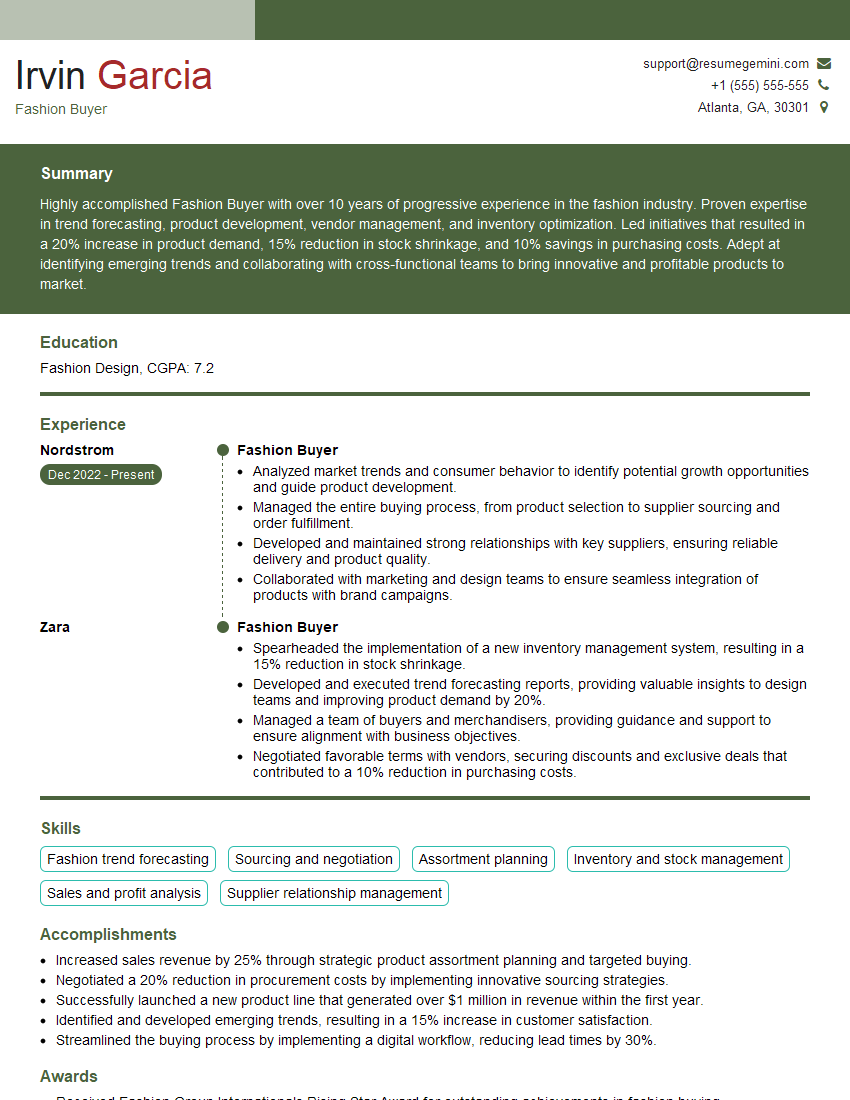
Fashion Buyer Resume Sample
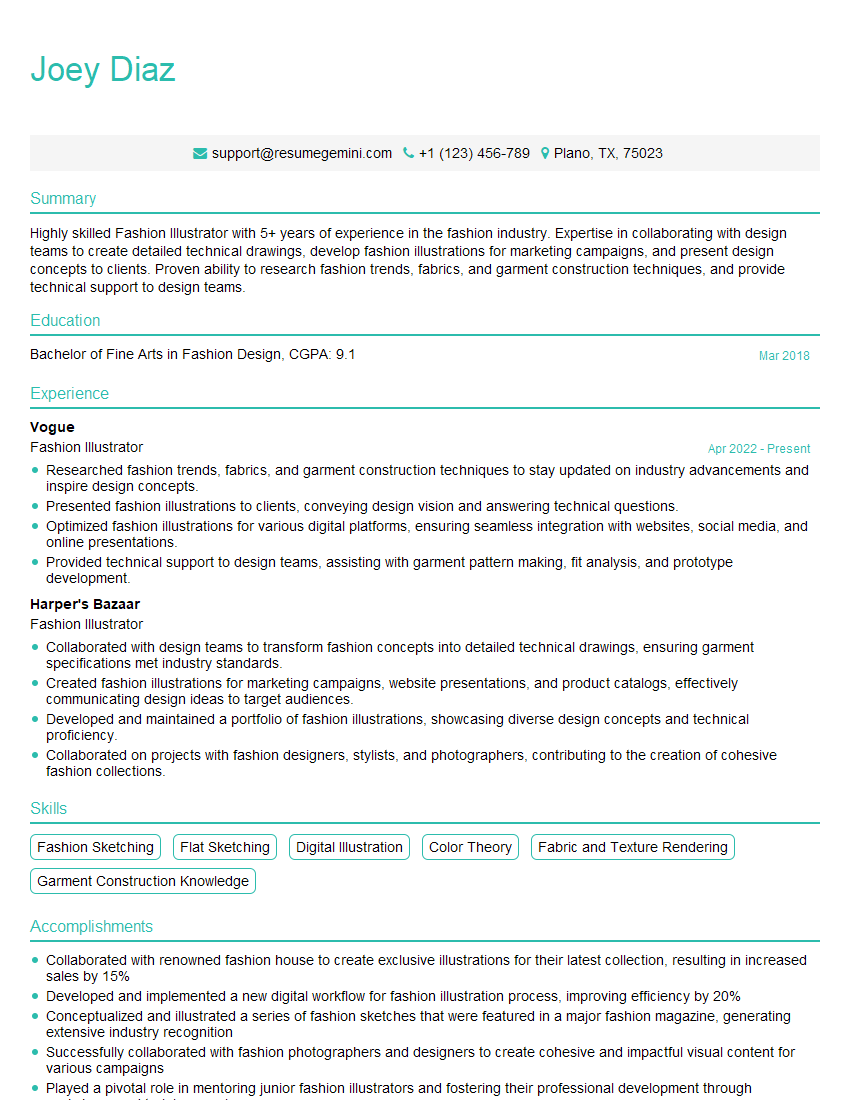
Fashion Illustrator Resume Sample
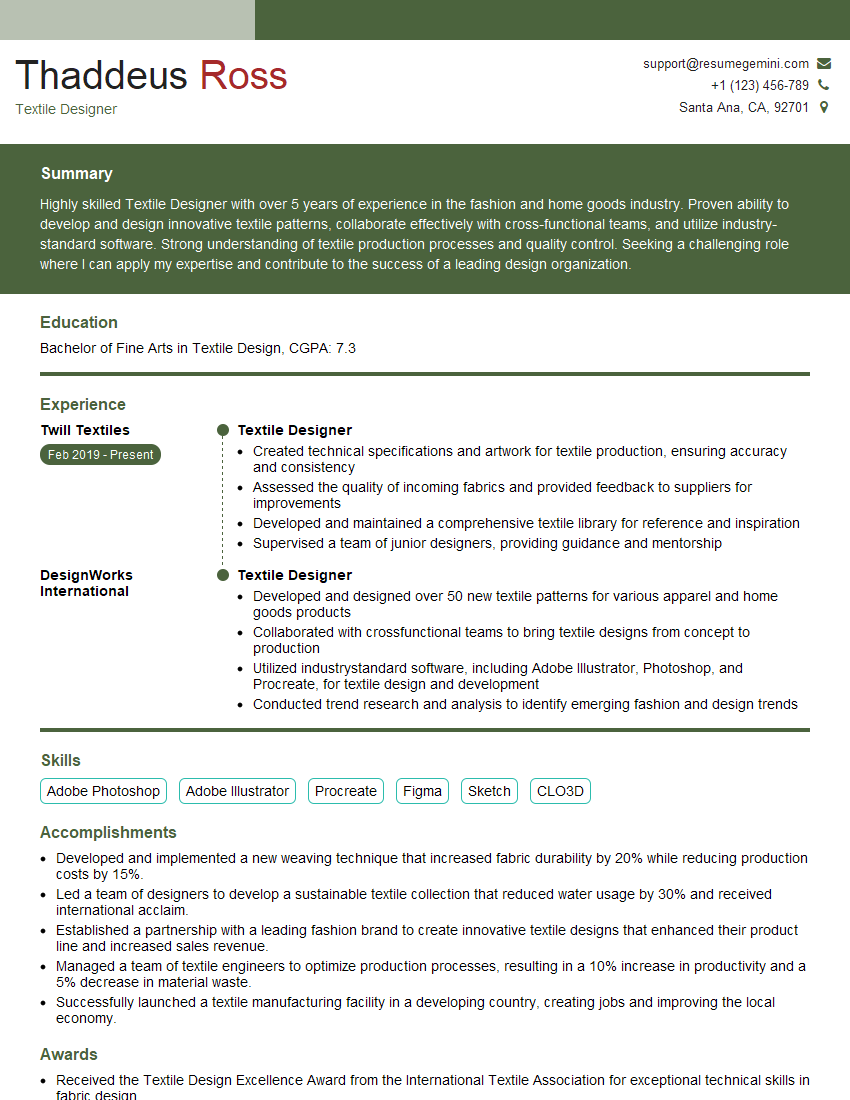
Textile Designer Resume Sample
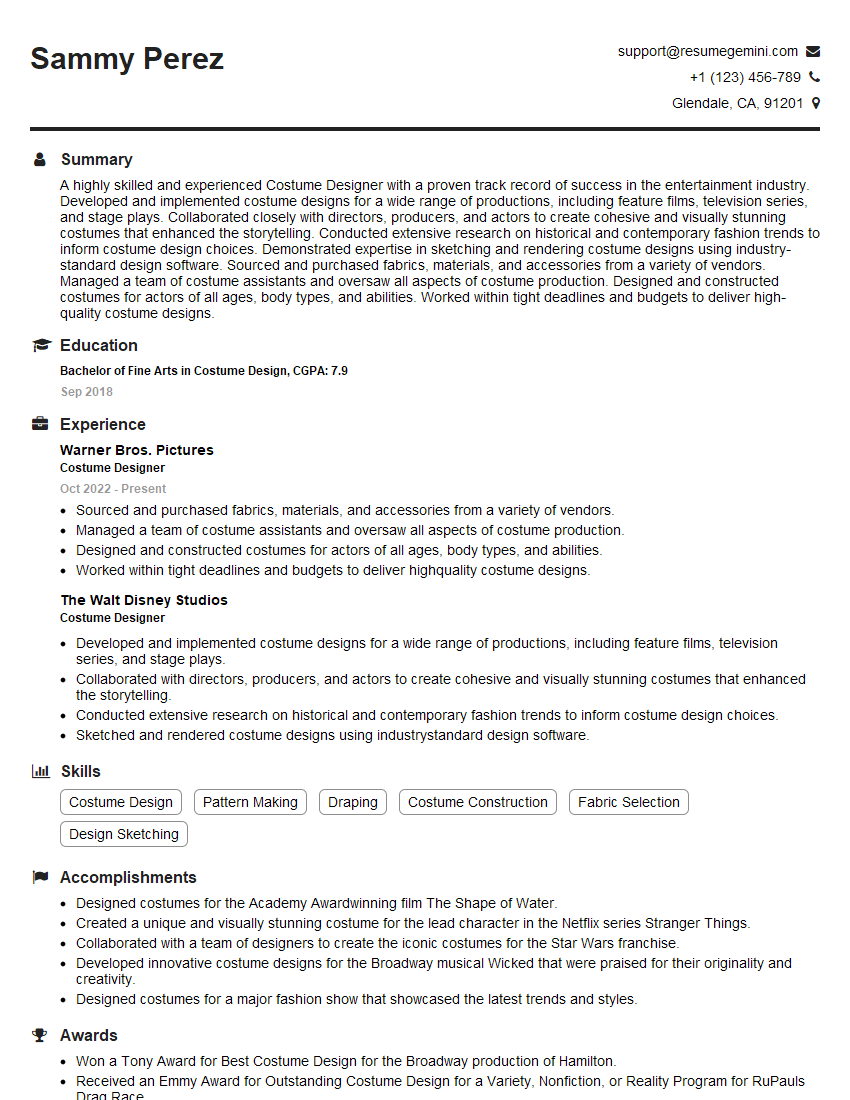
Costume Designer Resume Sample
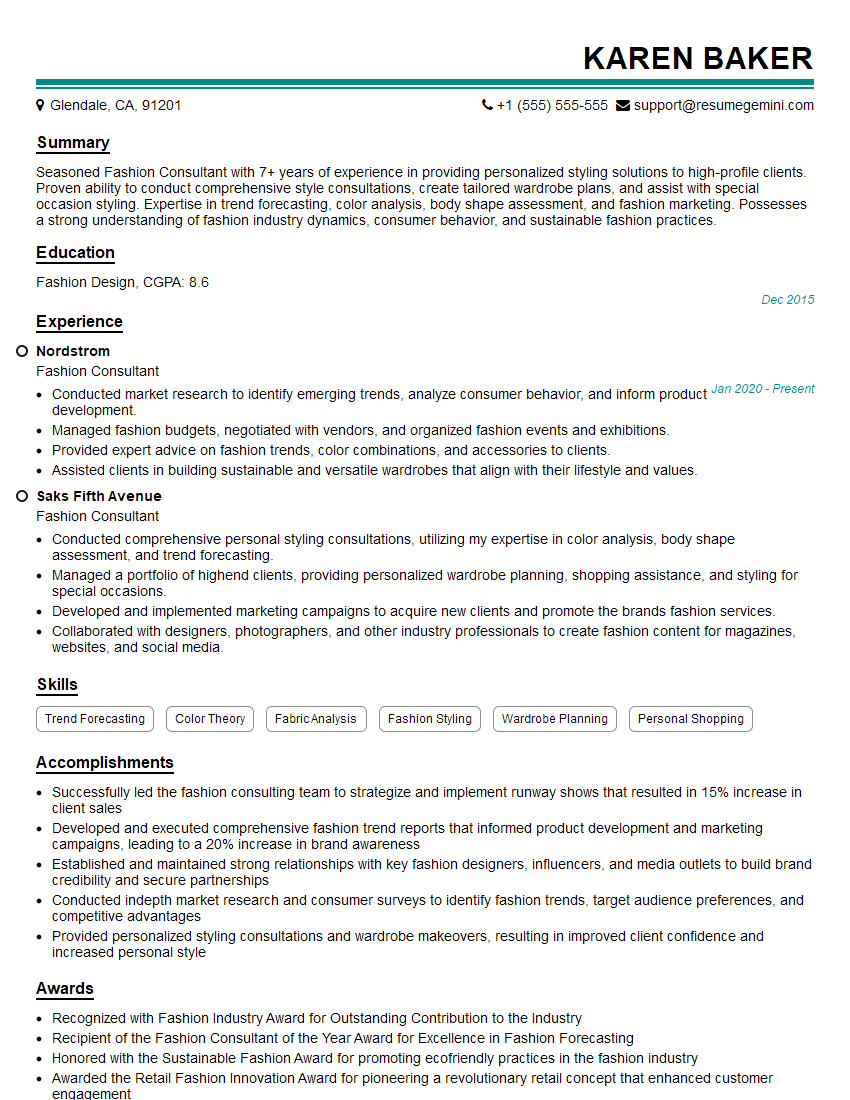
Fashion Consultant Resume Sample
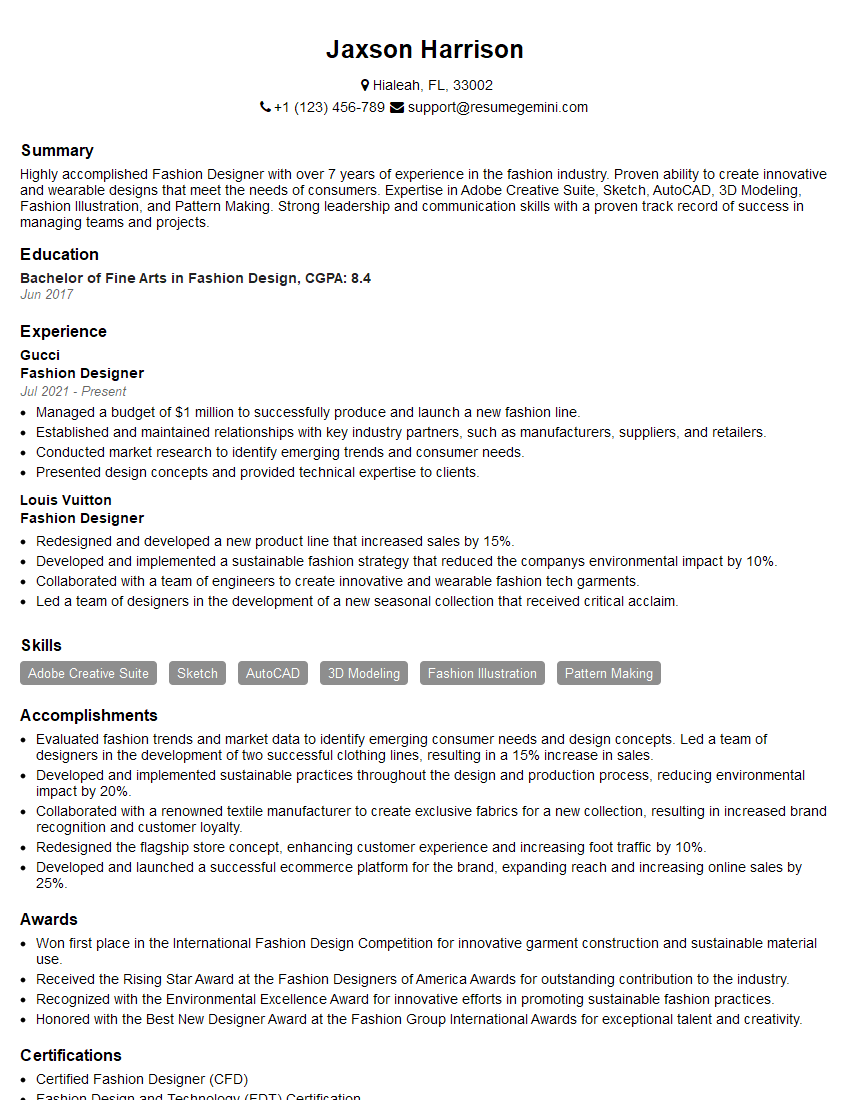
Fashion Designer Resume Sample

Fashion Director Resume Sample
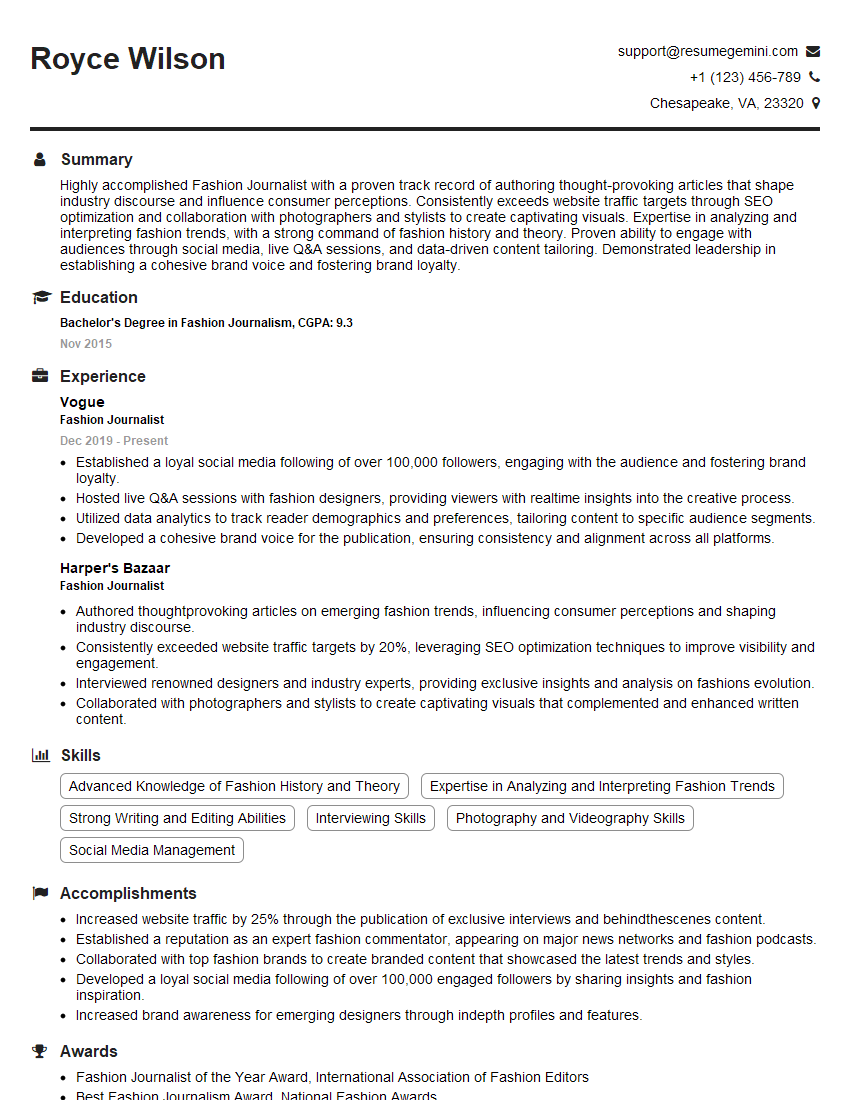
Fashion Journalist Resume Sample
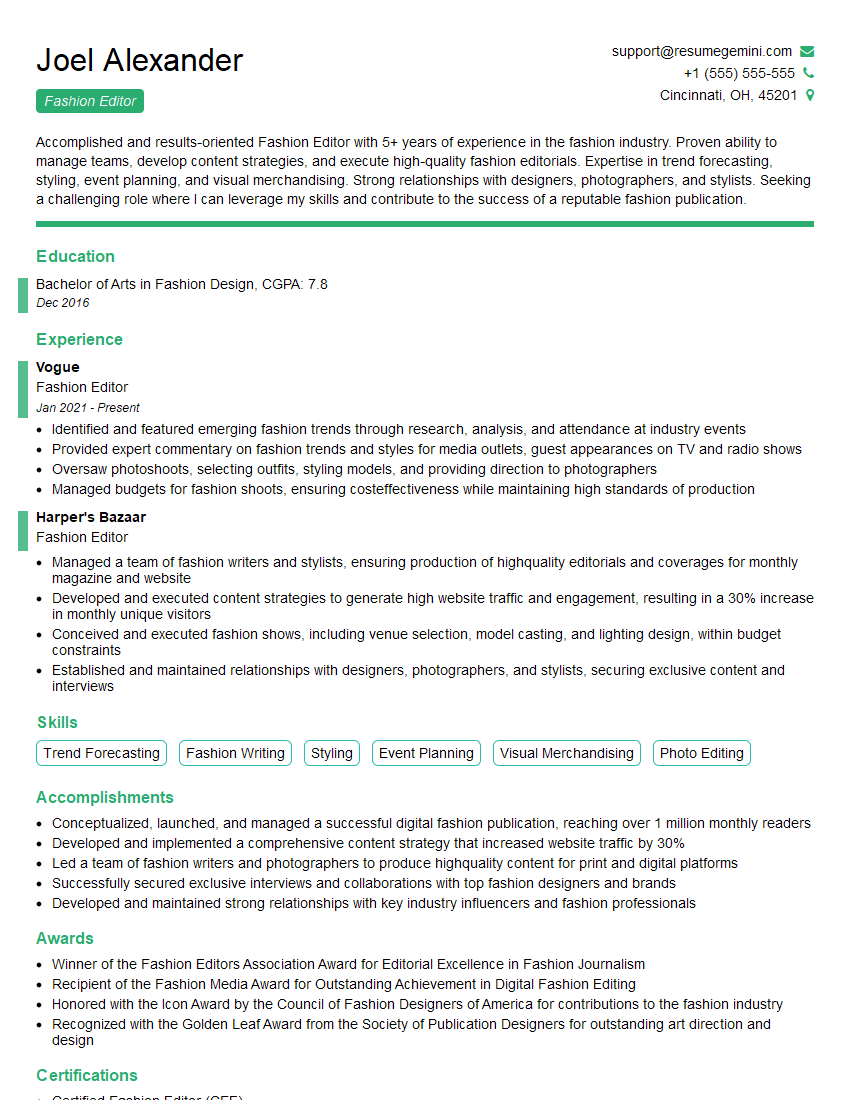
Fashion Editor Resume Sample
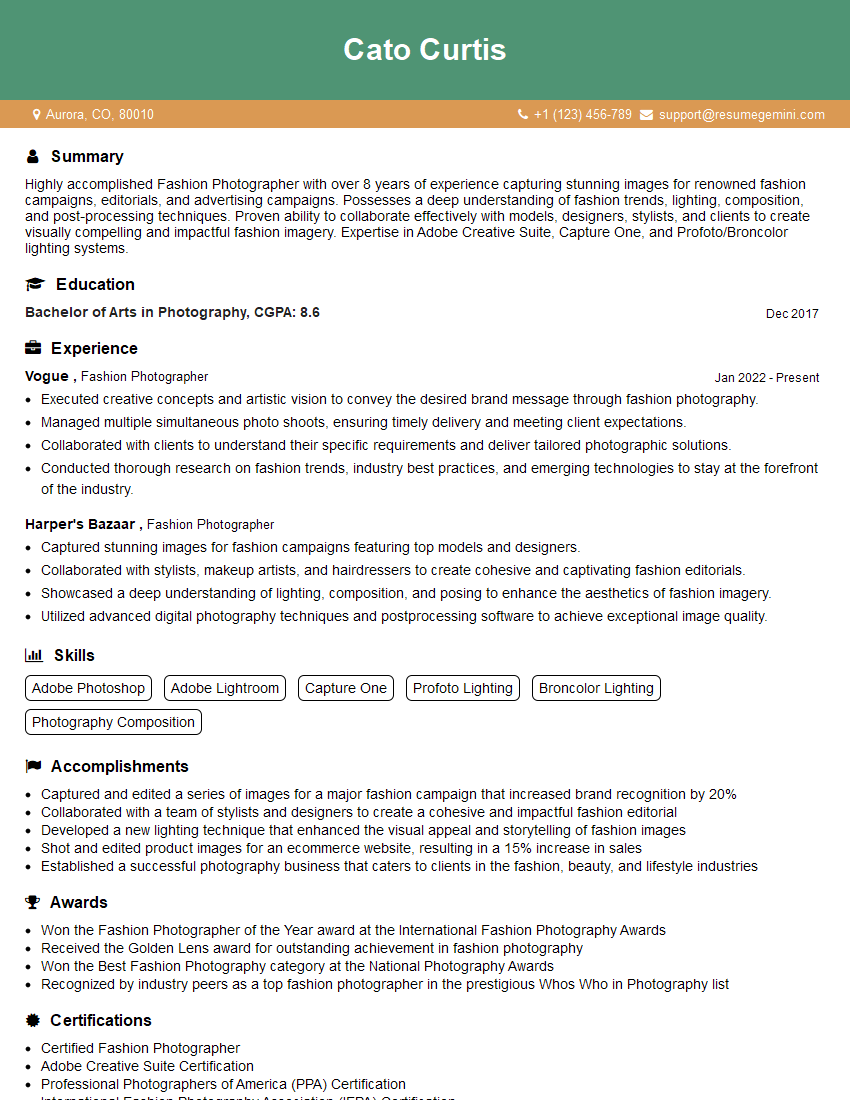
Fashion Photographer Resume Sample
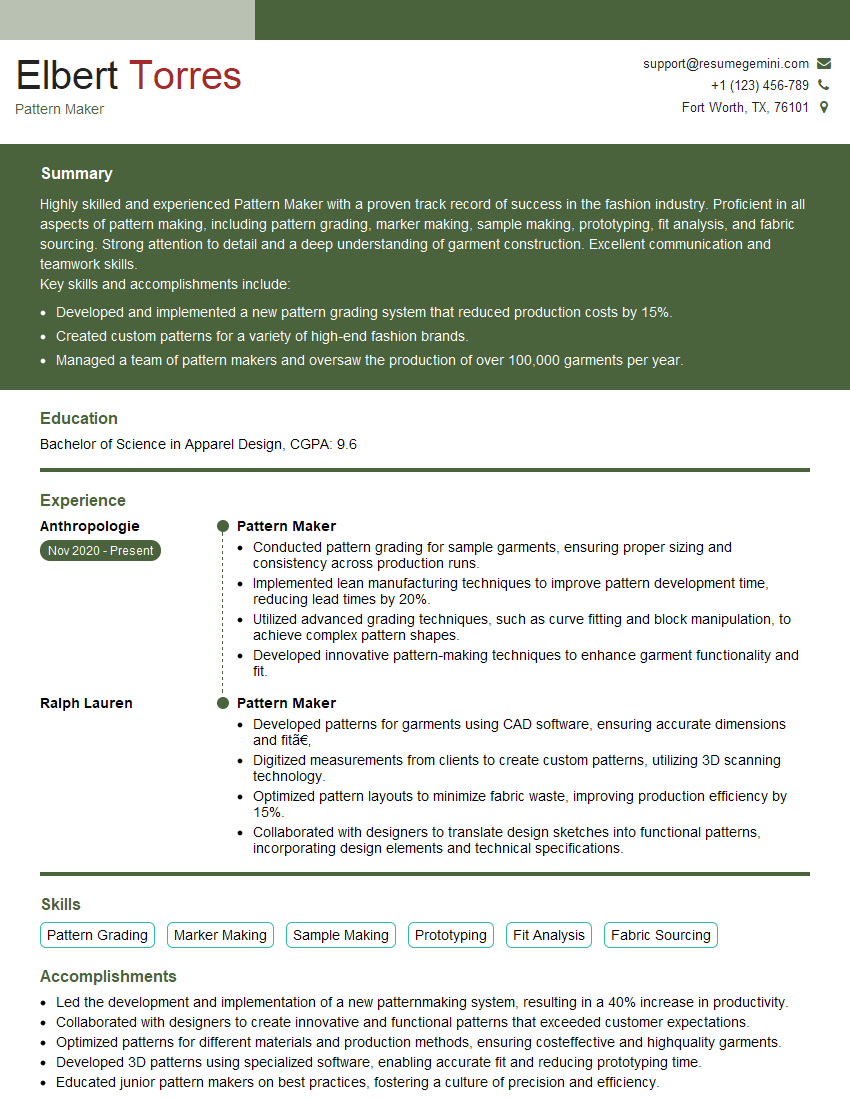
Pattern Maker Resume Sample
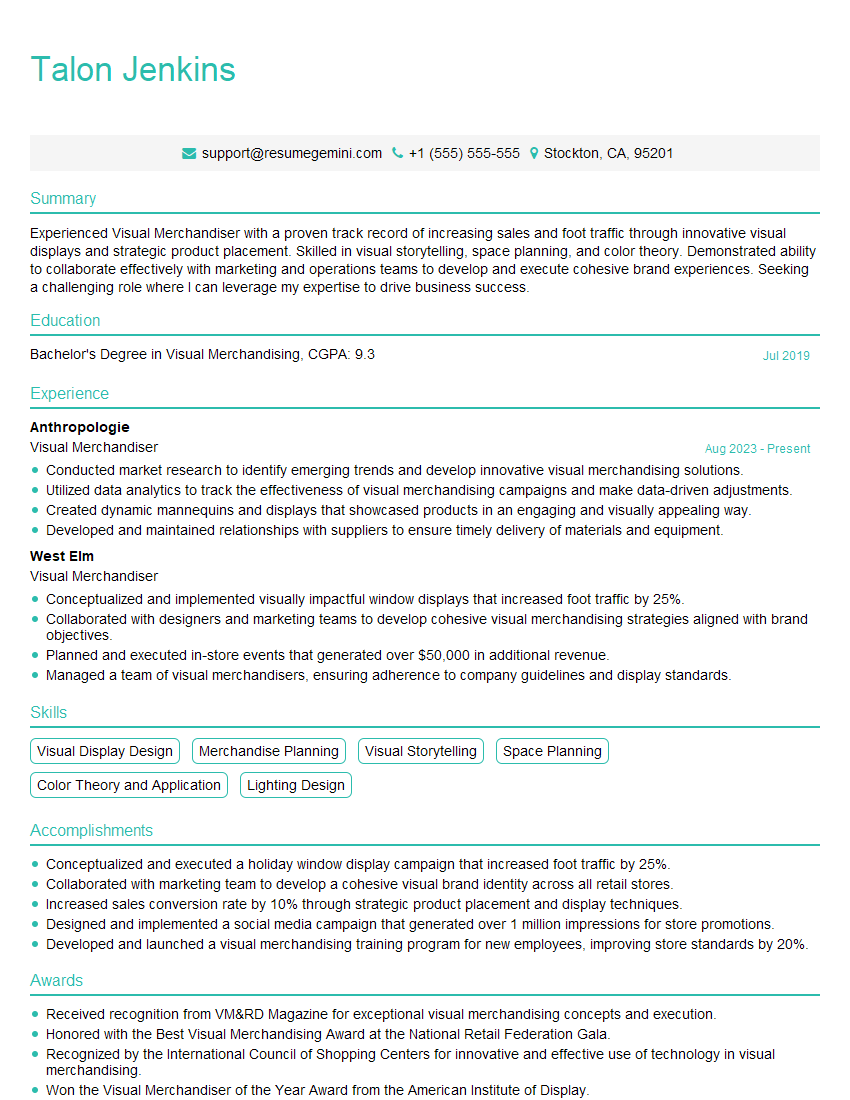
Visual Merchandiser Resume Sample
Explore more articles
Users Rating of Our Blogs
Share Your Experience
We value your feedback! Please rate our content and share your thoughts (optional).
What Readers Say About Our Blog
Amazing blog
hello,
Our consultant firm based in the USA and our client are interested in your products.
Could you provide your company brochure and respond from your official email id (if different from the current in use), so i can send you the client’s requirement.
Payment before production.
I await your answer.
Regards,
MrSmith
hello,
Our consultant firm based in the USA and our client are interested in your products.
Could you provide your company brochure and respond from your official email id (if different from the current in use), so i can send you the client’s requirement.
Payment before production.
I await your answer.
Regards,
MrSmith
These apartments are so amazing, posting them online would break the algorithm.
https://bit.ly/Lovely2BedsApartmentHudsonYards
Reach out at BENSON@LONDONFOSTER.COM and let’s get started!
Take a look at this stunning 2-bedroom apartment perfectly situated NYC’s coveted Hudson Yards!
https://bit.ly/Lovely2BedsApartmentHudsonYards
Live Rent Free!
https://bit.ly/LiveRentFREE
Interesting Article, I liked the depth of knowledge you’ve shared.
Helpful, thanks for sharing.
Hi, I represent a social media marketing agency and liked your blog
Hi, I represent an SEO company that specialises in getting you AI citations and higher rankings on Google. I’d like to offer you a 100% free SEO audit for your website. Would you be interested?