Preparation is the key to success in any interview. In this post, we’ll explore crucial Rope Tension Control interview questions and equip you with strategies to craft impactful answers. Whether you’re a beginner or a pro, these tips will elevate your preparation.
Questions Asked in Rope Tension Control Interview
Q 1. Explain the different methods for measuring rope tension.
Measuring rope tension accurately is crucial for safety and operational efficiency. Several methods exist, each with its strengths and weaknesses:
- Tension Gauge/Pull Tester: These devices directly measure the force exerted on the rope. They’re simple to use and provide immediate readings, ideal for quick checks. Think of a spring scale, but designed for higher loads and robust construction. Different types exist, including those that clamp onto the rope or incorporate load cells.
- Strain Gauges: These sensors measure the deformation (strain) in the rope, which is directly related to tension. They are very precise but require specialized equipment and knowledge for installation and calibration. Often used in sophisticated monitoring systems for large-scale applications like bridge construction or cable car systems.
- Angle Measurement Method: This indirect method uses trigonometry. By measuring the angle of deflection of a rope segment with a known weight, you can calculate the tension. This method is useful in situations where direct access to the rope is limited or using a tension gauge is impractical. Imagine a heavy object suspended from a rope; measuring the angle the rope makes with the vertical lets you calculate the rope tension.
- Load Cell-Based Systems: Advanced systems utilize load cells integrated with data acquisition units. These systems provide continuous monitoring of tension, often used in automated systems or applications where real-time data is critical. Examples include tensioning systems in industrial settings or automated winch operations.
The choice of method depends on factors such as the required accuracy, the environment, the accessibility of the rope, and the budget.
Q 2. Describe the factors influencing rope tension in a given system.
Rope tension in a system is a complex interplay of several factors. Understanding these is paramount for effective tension control:
- Applied Load: The weight or force acting on the rope is the primary driver of tension. Heavier loads naturally lead to higher tension. Think of a crane lifting a heavy object; the rope tension directly reflects the weight.
- Rope Angle: The angle between the rope and the horizontal significantly affects tension. Steeper angles result in higher tension. Consider a clothesline; the tension is much higher when the line is taut than when it sags.
- Friction: Friction between the rope and any contact points (pulleys, sheaves, etc.) reduces the effective tension. The material of the pulley and the number of bends in the rope greatly affect this.
- Rope Elasticity: The inherent elasticity of the rope itself influences tension. A more elastic rope will stretch more under load, resulting in a slightly lower measured tension for the same applied force.
- Environmental Factors: Temperature and humidity can impact rope tension. Extreme temperatures can cause contraction or expansion, affecting tension.
- Rope Length and Diameter: The length and diameter influence the rope’s stiffness and its ability to stretch. A longer or thinner rope will be subjected to higher tensile stresses under the same load.
These factors often interact, making precise tension prediction challenging. Detailed analysis and potentially simulation software might be needed for complex systems.
Q 3. How do you calculate the safe working load of a rope?
The safe working load (SWL) is the maximum load a rope can withstand without significant risk of failure. It’s crucial for safety and should never be exceeded. Calculating the SWL depends on the rope’s material, construction, and diameter. Manufacturers typically provide SWL data in their specifications. The formula is not a simple one-size-fits-all calculation.
Typically, a safety factor is applied to the rope’s breaking strength to arrive at the SWL. The safety factor varies depending on the application and the desired level of risk. For instance, a safety factor of 5 might be used in high-risk applications like rock climbing, meaning the SWL is 1/5th of the breaking strength.
Example: A rope with a breaking strength of 10,000 lbs and a safety factor of 5 would have an SWL of 2,000 lbs. It is absolutely crucial to obtain the SWL from the manufacturer’s specifications or a certified testing authority, as factors like rope age and wear and tear also affect SWL.
Q 4. What safety precautions are essential when working with high-tension ropes?
Working with high-tension ropes demands rigorous safety protocols:
- Proper Training: All personnel must receive comprehensive training on safe handling procedures, including tensioning, inspection, and emergency response.
- Personal Protective Equipment (PPE): Appropriate PPE, including safety glasses, gloves, and sturdy footwear, is mandatory. In some cases, specialized safety harnesses may be necessary.
- Regular Inspections: Ropes should be inspected regularly for wear, damage, or signs of weakening. Damaged ropes must be replaced immediately.
- Controlled Tensioning: Tension should be applied gradually and controlled to avoid sudden jerks or overloads. Using appropriate tensioning equipment and techniques is crucial.
- Clear Communication: Effective communication amongst the team is crucial, especially during tensioning operations. Using hand signals and clear verbal instructions is paramount.
- Emergency Procedures: Emergency procedures should be established and practiced, including procedures for handling rope failures or injuries.
- Working at Heights: If working at heights, appropriate fall protection measures must be in place.
Neglecting these precautions can lead to serious injuries or fatalities. Safety should always be the top priority when working with high-tension ropes.
Q 5. Explain the concept of dynamic vs. static rope tension.
The distinction between dynamic and static rope tension is critical in understanding rope behavior under load:
- Static Rope Tension: This refers to the tension in a rope under a constant load, with minimal movement or vibration. Think of a suspension bridge cable under normal conditions—relatively static tension.
- Dynamic Rope Tension: This involves tension changes due to movement, impact, or shock loads. The tension fluctuates. Consider a rock climbing rope absorbing the impact of a fall—this involves significant dynamic tension changes, resulting in extension and recoil.
Dynamic tension is significantly higher than static tension under the same load because of the added energy from the movement. Understanding this difference is vital in selecting the right type of rope and safety factors for a particular application. Static ropes are generally stiffer and stronger, while dynamic ropes are designed to stretch and absorb energy.
Q 6. Describe different types of rope and their suitability for various tensioning applications.
Various rope types exist, each with specific properties influencing their suitability for different tensioning applications:
- Steel Wire Rope: Extremely strong and durable, suitable for high-tension applications like lifting heavy loads, bridge construction, and cable cars. However, they are susceptible to corrosion and require regular inspection.
- Synthetic Fiber Ropes (e.g., Nylon, Polyester, Aramid): Lighter and more flexible than steel, these ropes are suitable for various applications, but their strength and resistance to abrasion vary depending on the material. Nylon offers excellent shock absorption, while polyester has higher tensile strength. Aramid fibers provide exceptional strength-to-weight ratios but are often more expensive.
- High-Modulus Polyethylene (HMPE) Ropes: Extremely strong and lightweight, commonly used in applications demanding high strength-to-weight ratios, such as sailing and specialized lifting applications. Their resistance to abrasion and UV degradation is generally high.
The choice of rope depends on the required strength, flexibility, weight, resistance to environmental factors, and the overall cost. For example, steel wire ropes are ideal for heavy lifting, while synthetic ropes are preferred for applications where flexibility and weight are critical.
Q 7. How do you identify and address potential hazards related to rope tensioning?
Identifying and addressing hazards related to rope tensioning is paramount for safety. A thorough risk assessment should be conducted before any operation, considering:
- Rope Failure: This is the most significant hazard. Regular inspections, proper maintenance, and adherence to SWL are crucial to mitigate this risk. Selecting the correct rope for the application is also critical.
- Equipment Malfunction: Faulty tensioning equipment (winches, pulleys, etc.) can lead to uncontrolled tensioning or rope failure. Regular maintenance and inspection of all equipment are essential.
- Human Error: Improper handling, incorrect tensioning techniques, or inadequate training can cause accidents. Comprehensive training and clear communication protocols are crucial.
- Environmental Hazards: Weather conditions (wind, rain, ice) can affect rope tension and safety. Operations should be suspended in extreme weather conditions.
- Pinch Points: These are areas where ropes can become pinched or trapped, leading to damage or sudden release of tension. Careful routing of ropes and the use of appropriate protective measures are necessary.
Addressing these hazards requires a proactive approach, including comprehensive risk assessments, regular inspections, proper training, and adherence to established safety procedures. The mitigation of these hazards ensures a safe and successful tensioning operation.
Q 8. Explain the process of setting up and monitoring a rope tensioning system.
Setting up a rope tensioning system involves careful planning and execution. First, you need to determine the required tension based on the application – this might involve calculations considering load, rope material properties, and safety factors. Then, you select appropriate tensioning devices, such as turnbuckles, hydraulic tensioners, or winch systems, based on the scale and type of operation. Installation involves securely attaching the rope to anchor points, ensuring proper alignment to minimize uneven stress. Monitoring typically involves regular visual inspections for signs of wear, damage, or slippage. More sophisticated systems may use load cells or tension meters to provide quantitative data, logged for tracking and analysis. For example, in bridge construction, a hydraulic tensioner might be used to precisely tension the stay cables, with load cells continuously monitoring tension during and after installation. Regular inspection schedules are critical to detect potential issues early.
Q 9. How do you handle rope failures or unexpected tension loss?
Rope failures or unexpected tension loss are serious events requiring immediate action. Safety is paramount; the affected area should be immediately secured to prevent further incidents or injury. The cause of the failure needs to be investigated thoroughly. This may involve inspecting the broken rope for signs of wear, abrasion, or manufacturing defects. The tensioning system itself should also be checked for malfunctions. Depending on the severity, repairs might involve replacing the damaged rope, repairing or replacing the tensioning device, or even re-engineering the entire system if underlying design flaws are discovered. In a suspension bridge scenario, a snapped cable would necessitate immediate closure of the bridge, a thorough investigation by engineers, and a potentially lengthy repair process involving specialized equipment.
Q 10. What are the common causes of rope breakage and how can they be prevented?
Rope breakage is often caused by a combination of factors. Overloading beyond the rope’s safe working load is a primary culprit. Abrasion from contact with sharp objects or surfaces can weaken the rope over time, leading to breakage. Environmental factors like UV exposure, moisture, or chemical degradation also play a significant role. Improper handling and storage can cause internal damage. Prevention involves using ropes with a sufficient safety factor, regularly inspecting ropes for wear and tear, employing protective measures to minimize abrasion, choosing ropes appropriate for the environmental conditions, and adhering to proper handling and storage procedures. For example, using chafing gear to protect ropes from sharp edges on a sailing boat will greatly extend their lifespan.
Q 11. Describe your experience with different types of tensioning devices.
My experience encompasses a range of tensioning devices. I’ve worked extensively with turnbuckles for smaller-scale applications, appreciating their simplicity and ease of adjustment. Hydraulic tensioners are invaluable for high-precision and high-load applications, offering precise control and the ability to monitor tension digitally. Winch systems are ideal for dynamic tensioning requirements, particularly useful in applications where tension needs to be adjusted frequently. I’ve also used lever-operated tensioners and ratchet-type tensioners, each suited to specific applications based on the required precision, load capacity, and ease of use. The choice depends heavily on the context. For instance, a simple turnbuckle might suffice for a clothesline, whereas a sophisticated hydraulic tensioner is crucial for a large suspension bridge.
Q 12. How do you ensure the accuracy of rope tension measurements?
Ensuring accurate rope tension measurements is crucial. Using calibrated load cells integrated into the tensioning system is highly recommended for precise measurements. Regular calibration of these load cells against known weights is essential to maintain accuracy. For simpler setups, dynamometers or tension meters can be used, though they may be less precise and require careful application to minimize error. Calibration of these devices is equally critical. Independent verification measurements can also be employed as a quality check. In situations requiring extremely high accuracy, multiple measurement techniques may be combined to mitigate potential errors. For example, in the installation of high-voltage transmission lines, highly accurate load cells are used and regularly checked for calibration to ensure correct and safe installation.
Q 13. What are the limitations of different rope tensioning methods?
Different rope tensioning methods have inherent limitations. Turnbuckles, while simple, are limited in their range and precision. Hydraulic tensioners can be expensive and require specialized equipment and expertise. Winch systems can be cumbersome and might not be suitable for all environments. Manual methods are prone to errors and inconsistencies, especially at high loads. The choice of method requires a careful evaluation of factors like budget, precision requirements, the complexity of the operation, environmental factors, and safety considerations. Each method has its sweet spot, and selecting the wrong one can lead to inaccuracy, inefficiency, or even safety hazards.
Q 14. Explain your understanding of the relationship between rope angle and tension.
The relationship between rope angle and tension is significant, particularly in applications where the rope isn’t perfectly horizontal. When a rope is at an angle, the tension in the rope is not directly equal to the load. The actual tension is higher than the vertical component of the load. The higher the angle, the greater the tension required to support the same vertical load. This relationship is governed by trigonometry, where the tension (T) can be calculated using the load (L) and angle (θ): T = L / cos(θ). This is particularly crucial in applications like rigging, where understanding the angled tension on various parts of a system is essential for safety. Ignoring this relationship can lead to incorrect tension calculations and potential safety issues. For instance, when raising a heavy object using angled ropes, the necessary rope strength must account for the increased tension created by the angle.
Q 15. How do environmental factors affect rope tension and safety?
Environmental factors significantly impact rope tension and, consequently, safety. Think of it like this: a perfectly tensioned rope on a sunny day might become dangerously slack in freezing temperatures, or excessively taut in extreme heat due to thermal expansion and contraction.
- Temperature: Heat causes ropes to elongate, reducing tension. Cold temperatures, conversely, can cause ropes to contract, potentially increasing tension beyond safe limits. This is particularly critical in applications like bridge construction or aerial lift systems where sudden changes in temperature can have catastrophic results.
- Humidity: High humidity can cause ropes to absorb moisture, increasing their weight and potentially affecting their strength and elasticity. This added weight might cause sagging and reduce tension, especially in long spans.
- UV Radiation: Prolonged exposure to sunlight degrades the rope material, reducing its strength and lifespan. This weakening can lead to unexpected breakage under tension.
- Wind and Precipitation: Strong winds can create additional forces on the rope, increasing tension or causing unpredictable swaying. Rain and snow can add weight, potentially increasing tension or causing the rope to become slippery and less secure.
Understanding these environmental effects is crucial for appropriate tensioning, regular inspection, and implementing safety measures. For instance, we use temperature-compensating tensioning systems in outdoor applications to mitigate the effects of fluctuating temperatures.
Career Expert Tips:
- Ace those interviews! Prepare effectively by reviewing the Top 50 Most Common Interview Questions on ResumeGemini.
- Navigate your job search with confidence! Explore a wide range of Career Tips on ResumeGemini. Learn about common challenges and recommendations to overcome them.
- Craft the perfect resume! Master the Art of Resume Writing with ResumeGemini’s guide. Showcase your unique qualifications and achievements effectively.
- Don’t miss out on holiday savings! Build your dream resume with ResumeGemini’s ATS optimized templates.
Q 16. Describe your experience with different types of rope terminations.
My experience encompasses a wide range of rope terminations, each chosen based on the specific application and load requirements. The key is matching the termination method to the rope type and the forces it will experience.
- Wire Rope Clips (U-Bolts): A common and relatively simple method, effective for many applications but requiring careful attention to proper installation to prevent slippage and failure. I’ve used these extensively in rigging and lifting operations, always ensuring the correct number of clips and proper spacing.
- Swaged Terminals: These offer superior strength and reliability compared to wire rope clips. The metal fitting is permanently compressed onto the rope, creating a strong, secure connection. I prefer these for high-load applications where safety is paramount, such as in crane systems and suspension bridges.
- Splices: These are used to join two lengths of rope together, and the type of splice will depend on the rope material and application. For instance, a tuck splice is appropriate for some fiber ropes, while a whitch splice is suitable for wire ropes. The strength of a splice varies and must be considered carefully for the design of the system.
- Knots: While seemingly simple, proper knot tying is crucial for safety. Different knots have varying strengths and suitability. For example, a bowline is a reliable loop knot suitable for securing a rope to an object, and its application should be based on its suitability and its appropriate tightening procedure. I always emphasize training my team on proper knot-tying techniques to avoid weak points.
Selecting the right termination is crucial; a poorly executed termination is a major failure point. The material of the termination must be compatible with the rope material, and it must be installed correctly, following all manufacturer recommendations.
Q 17. What are the legal and regulatory requirements for rope tensioning in your field?
Legal and regulatory requirements for rope tensioning vary considerably depending on the industry and location. In my field, we adhere to stringent safety standards and regulations set by organizations such as OSHA (Occupational Safety and Health Administration) in the US, and equivalent bodies in other countries.
- Regular Inspections: Frequent inspections are mandatory, with specific intervals determined by the type of rope, load, and environmental conditions. Documentation of these inspections is crucial.
- Load Limits: We must always stay within the safe working load limit (SWL) for each rope and component. Exceeding the SWL poses serious risks and is strictly prohibited.
- Competent Personnel: Only trained and qualified personnel are allowed to perform rope tensioning operations. This includes proper certifications and ongoing training in safety procedures.
- Risk Assessments: Thorough risk assessments must be conducted before any rope tensioning operations begin. These should identify potential hazards and mitigate them effectively.
- Documentation: Comprehensive documentation of all aspects of the operation, including inspection reports, tension readings, and any incident reports, is a critical part of compliance.
Non-compliance can result in severe penalties, including fines, project shutdowns, and legal action. Safety is not just a best practice; it’s a legal and ethical requirement that we treat with utmost seriousness.
Q 18. How do you maintain and inspect ropes to ensure their longevity and safety?
Maintaining and inspecting ropes is paramount to ensure their longevity and prevent accidents. A systematic approach is key.
- Visual Inspection: Regular visual checks are essential, looking for signs of wear and tear such as fraying, cuts, abrasion, corrosion, or any unusual discoloration. I teach my team to pay attention to even minor details, as these might indicate underlying problems.
- Testing: Depending on the rope type and application, periodic strength testing might be required. This could involve destructive testing or non-destructive methods.
- Cleaning: Keeping ropes clean removes dirt and debris that can accelerate wear. The cleaning method should be appropriate for the rope material and avoid damaging it.
- Storage: Proper storage is crucial. Ropes should be stored in a dry, cool place, away from direct sunlight and chemicals. They should be protected from excessive moisture and mechanical stress.
- Record Keeping: Meticulous records of inspections, tests, and maintenance should be maintained. This is essential for traceability and demonstrating compliance with regulations.
Remember, a small defect today can lead to a major catastrophe tomorrow. Proactive maintenance and regular inspections are much cheaper and safer than dealing with a failure.
Q 19. Explain your experience with load monitoring and control systems.
My experience with load monitoring and control systems is extensive. These systems are critical for ensuring safe and efficient rope tensioning operations, especially in complex or high-stakes projects.
- Load Cells: These sensors measure the force applied to the rope, providing real-time data on tension. I have worked with various types of load cells, from simple strain gauge-based systems to sophisticated digital load cells with wireless data transmission.
- Tensioning Devices: These devices use the load cell data to automatically adjust rope tension to a pre-determined setpoint. This automated control eliminates guesswork and minimizes the risk of human error.
- Data Acquisition and Monitoring Systems: These systems collect and display data from multiple load cells and other sensors, providing a comprehensive overview of the entire system. This allows us to identify potential problems early on and take corrective action.
- Software and Alarms: Sophisticated software packages can analyze load data, generate reports, and provide alerts if tension levels exceed pre-defined thresholds. This proactive approach helps prevent accidents.
For example, in a recent project involving the installation of a large suspension bridge, we used a network of load cells and a centralized monitoring system to ensure that the tension in each cable was within the design specifications. This system allowed for real-time adjustments and prevented potential issues.
Q 20. Describe a situation where you had to troubleshoot a problem related to rope tension.
During the construction of a large crane, we encountered a situation where the tension in one of the main hoist ropes was consistently lower than expected, even after repeated adjustments. Initial investigations suggested a problem with the tensioning mechanism itself.
Our troubleshooting steps included:
- Visual inspection: A thorough check of the rope and associated components for any visible damage or wear. This revealed no obvious issues.
- Load cell verification: We calibrated and checked the accuracy of the load cell to rule out faulty readings. This confirmed the load cell was functioning correctly.
- Mechanical inspection: A detailed inspection of the tensioning mechanism itself, including the sheaves, drums, and related components, revealed a slight misalignment in the sheave assembly, resulting in some rope slippage.
- Corrective Action: We corrected the misalignment, and after re-tensioning, the system performed as designed. Detailed documentation of the issue, the troubleshooting process, and the corrective actions was recorded and reviewed for preventative measures in future projects.
This experience reinforced the importance of a systematic and comprehensive approach to troubleshooting, combined with a good understanding of all the system’s components and their interaction. The documentation also allowed for continuous improvement and helped to prevent similar issues in the future.
Q 21. How do you communicate effectively with your team during rope tensioning operations?
Effective communication is crucial for safety and efficiency in rope tensioning operations. We use a multi-faceted approach.
- Pre-Job Briefings: Before starting any operation, we hold a detailed briefing with the entire team, outlining the plan, identifying potential hazards, and assigning roles and responsibilities. This ensures everyone is on the same page and understands the procedures.
- Clear Communication Protocols: We use standardized hand signals and verbal commands to ensure clear and unambiguous communication during the operation. This is particularly important in noisy environments where verbal communication might be difficult.
- Regular Check-ins: Throughout the operation, we have regular check-ins to monitor progress, discuss any emerging issues, and make necessary adjustments. This ensures constant awareness and coordination among team members.
- Use of Technology: We use communication technology such as radios or dedicated communication systems to maintain clear contact between team members, especially in locations with limited visibility or distance between the work locations.
- Post-Job Debriefing: After completing the operation, we conduct a debriefing to review what went well, what could have been improved, and to document any lessons learned. This fosters continuous improvement and prevents similar issues in future projects.
Open communication, mutual respect, and a focus on safety are fundamental to our team’s success.
Q 22. What are your strategies for ensuring the safety of yourself and others during rope tensioning work?
Safety is paramount in rope tensioning. My strategy is built on a three-pronged approach: planning, execution, and post-job review.
- Planning: Before any work begins, I meticulously assess the worksite, identifying potential hazards like overhead obstructions, uneven terrain, and weather conditions. I develop a detailed risk assessment, selecting appropriate PPE (Personal Protective Equipment) including harnesses, helmets, and gloves. I also establish clear communication protocols with my team, outlining roles and responsibilities. For example, one person is designated as the ‘tension controller’, while another acts as a spotter, monitoring the rope and the surroundings.
- Execution: I strictly adhere to the safety protocols established during the planning phase. This involves using properly rated equipment, following established procedures for tensioning, and ensuring that everyone maintains a safe distance from the working area. We use appropriate signaling methods to coordinate actions, avoiding sudden movements or distractions. Regular breaks are scheduled to prevent fatigue, a major safety risk.
- Post-job review: After completing the work, we conduct a thorough review, identifying anything that could have been done better from a safety perspective. This could involve adjusting our risk assessment or reviewing our communication strategies. This feedback loop helps us continuously improve our safety practices.
For instance, during a bridge construction project, we used a dedicated safety officer to oversee all aspects of rope tensioning, ensuring strict adherence to safety regulations and procedures.
Q 23. How do you adapt your rope tensioning techniques to different environments and situations?
Adapting rope tensioning techniques to different environments requires flexibility and a deep understanding of the forces at play. The key is to modify the setup and procedures to account for specific challenges.
- High Altitude: At high altitudes, reduced atmospheric pressure affects rope strength and behavior. Specialized ropes with higher tensile strength may be required, and we carefully consider wind loads, which are amplified at higher altitudes. Additional safety measures, such as more robust anchoring systems, are essential.
- Marine Environments: Saltwater corrosion poses a significant threat to equipment. We employ corrosion-resistant ropes and hardware, and perform thorough post-job cleaning and maintenance. We also factor in the impact of wave action and currents when planning our tensioning procedures.
- Urban Environments: Urban settings present obstacles like buildings, traffic, and pedestrians. We must establish clear safety zones, obtain necessary permits, and implement traffic control measures to protect both the workforce and the public. We adapt our equipment to navigate tight spaces and use less obtrusive methods if required.
For example, when tensioning ropes on a tall building, we’ll use a more sophisticated system that incorporates fall-arrest mechanisms, redundant anchoring points, and careful rigging to ensure stability and safety. We would never attempt to tension a rope in this setting without a detailed plan that explicitly considers these factors.
Q 24. What are the key considerations when designing a rope tensioning system?
Designing a robust and safe rope tensioning system hinges on careful consideration of several key factors:
- Load Capacity: Accurate calculation of the load the system must support is paramount. This involves considering the weight of the object being suspended, environmental factors such as wind, and safety factors to account for unexpected forces.
- Rope Selection: The type of rope (e.g., steel wire rope, synthetic fiber rope) and its diameter must be chosen based on the load capacity, the environment, and the required flexibility. The rope’s strength, stretch characteristics, and resistance to abrasion and UV degradation are all crucial aspects.
- Anchoring System: The anchoring points must be secure, strong enough to withstand the tension, and correctly installed. The type of anchor will depend on the surface and the type of load. We would carefully analyze the load distribution and make sure that the anchors are capable of supporting it effectively.
- Tensioning Devices: Selecting appropriate tensioning devices such as turnbuckles, hydraulic tensioners, or come-alongs depends on the required precision, load capacity, and accessibility. We would conduct a thorough analysis to determine the best-suited device for the given task.
- Safety Factors: We always incorporate significant safety factors into our designs to account for unforeseen circumstances. This usually results in a robust system that can easily handle potential increases in load or variations in environmental conditions.
For instance, designing a system for a suspension bridge would involve sophisticated finite element analysis to determine the stresses on the ropes and the anchoring points, followed by the selection of high-strength materials and redundant safety systems.
Q 25. Describe your experience with different types of rope clamps and their applications.
My experience encompasses a wide range of rope clamps, each suited to specific applications:
- U-bolt Clamps: These are versatile and commonly used for general-purpose applications. They are relatively easy to install, but require careful tightening to avoid damage to the rope.
- Wire Rope Clips (Clamps): These are specifically designed for steel wire rope and require careful placement to avoid damaging the rope. They must be installed in the correct orientation and number according to manufacturer’s instructions, typically using at least three clips.
- Hydraulic Clamps: These offer precise and high-capacity clamping, often used in high-tension applications such as bridge construction. They provide a more controlled method of tensioning and are ideal for applications needing high accuracy and consistency.
- Gripple Clamps: These are particularly useful for applications requiring adjustments. They allow for fine-tuning of tension after initial installation, offering significant flexibility.
In one project, we used hydraulic clamps for tensioning the main cables of a suspension bridge, where precise control and high capacity were critical. In another, we employed wire rope clips for securing guy wires, where their cost-effectiveness and ease of use proved beneficial.
Q 26. How do you ensure compliance with relevant safety standards and regulations?
Compliance with safety standards and regulations is non-negotiable. I ensure this by:
- Thorough Knowledge of Regulations: I stay updated on all relevant safety standards (e.g., OSHA, ANSI, local regulations) and ensure our procedures are compliant.
- Proper Documentation: We meticulously document every aspect of our work, including risk assessments, inspection reports, and equipment maintenance logs. This allows for traceability and facilitates investigations if necessary.
- Regular Audits: I participate in and conduct regular safety audits to identify potential issues and ensure continued compliance. This might include reviewing equipment inspections, looking at safety procedures, and examining the worksite for potential hazards.
- Training and Certification: I maintain all necessary certifications and ensure my team is adequately trained on the safe operation of all equipment and procedures.
For example, before commencing a project near a power line, we would collaborate with the local electricity provider to understand and follow their safety regulations and implement additional protective measures.
Q 27. Explain the importance of regular inspections and maintenance for rope tensioning equipment.
Regular inspections and maintenance are crucial for preventing accidents and ensuring the longevity of rope tensioning equipment. Neglect in this area can lead to catastrophic failures.
- Visual Inspection: Regular visual inspections should check for signs of wear and tear, corrosion, damage, or fraying. This is crucial for identifying potential problems early on.
- Load Testing: Periodic load testing is essential, especially for high-tension applications, to confirm the equipment continues to meet its specified capacity.
- Maintenance Logs: Detailed maintenance logs provide a record of all inspections and repairs performed, ensuring traceability and accountability.
- Calibration of Equipment: For equipment such as tension meters, regular calibration ensures accuracy and reliability.
Imagine a situation where a frayed rope snaps during tensioning because it wasn’t properly inspected. The consequences could be serious. A regular, systematic approach to maintenance is vital to prevent such incidents.
Q 28. What are your plans for professional development in the field of rope tension control?
My professional development plan focuses on staying at the forefront of this ever-evolving field. This involves several key strategies:
- Continuing Education: I plan to pursue advanced certifications in rope access techniques and specialized training in advanced tensioning systems and technologies. This includes seeking training in the latest materials science, rope technology, and engineering principles relevant to this field.
- Industry Networking: Active participation in industry conferences, workshops, and professional organizations enables me to learn from peers, stay abreast of new developments, and expand my professional network. This allows me to gain insights into best practices and share knowledge with others.
- Specialized Training: I plan to seek out training on advanced tensioning methods, such as the use of hydraulic tensioners, and specialized rope types used in extreme conditions.
- Self-Study: Staying current with the latest research papers and industry publications will keep my knowledge up to date, ensuring I employ the most efficient and safest methods.
Continuous learning is key to remaining a leading expert in this challenging field, and I am committed to pursuing this path actively.
Key Topics to Learn for Rope Tension Control Interview
- Fundamentals of Tension: Understanding static and dynamic tension, factors influencing tension (weight, friction, angle), and the concept of equilibrium.
- Tension Measurement Techniques: Familiarize yourself with various methods for measuring rope tension, including load cells, strain gauges, and other relevant instrumentation. Understand their accuracy, limitations, and appropriate applications.
- Rope Materials and Properties: Gain a thorough understanding of different rope materials (e.g., steel wire rope, synthetic fibers), their strength characteristics, elasticity, and susceptibility to wear and tear. Know how these properties affect tension control.
- Tension Control Systems: Learn about different mechanisms and technologies used to control rope tension, such as winches, brakes, and automated tensioning systems. Understand their operational principles and applications.
- Safety Procedures and Regulations: Familiarize yourself with relevant safety standards and regulations pertaining to rope tension control in your industry. This includes understanding potential hazards and mitigation strategies.
- Troubleshooting and Problem Solving: Develop your ability to diagnose and resolve common issues related to rope tension, such as slippage, breakage, or inconsistent tension. Practice applying your knowledge to practical scenarios.
- Applications of Rope Tension Control: Explore the diverse applications of rope tension control across various industries, such as construction, mining, marine, and manufacturing. This will help you demonstrate a broader understanding of the field.
- Calculations and Equations: Be prepared to demonstrate your understanding of relevant calculations and equations related to rope tension, forces, and angles. Practice solving problems related to these concepts.
Next Steps
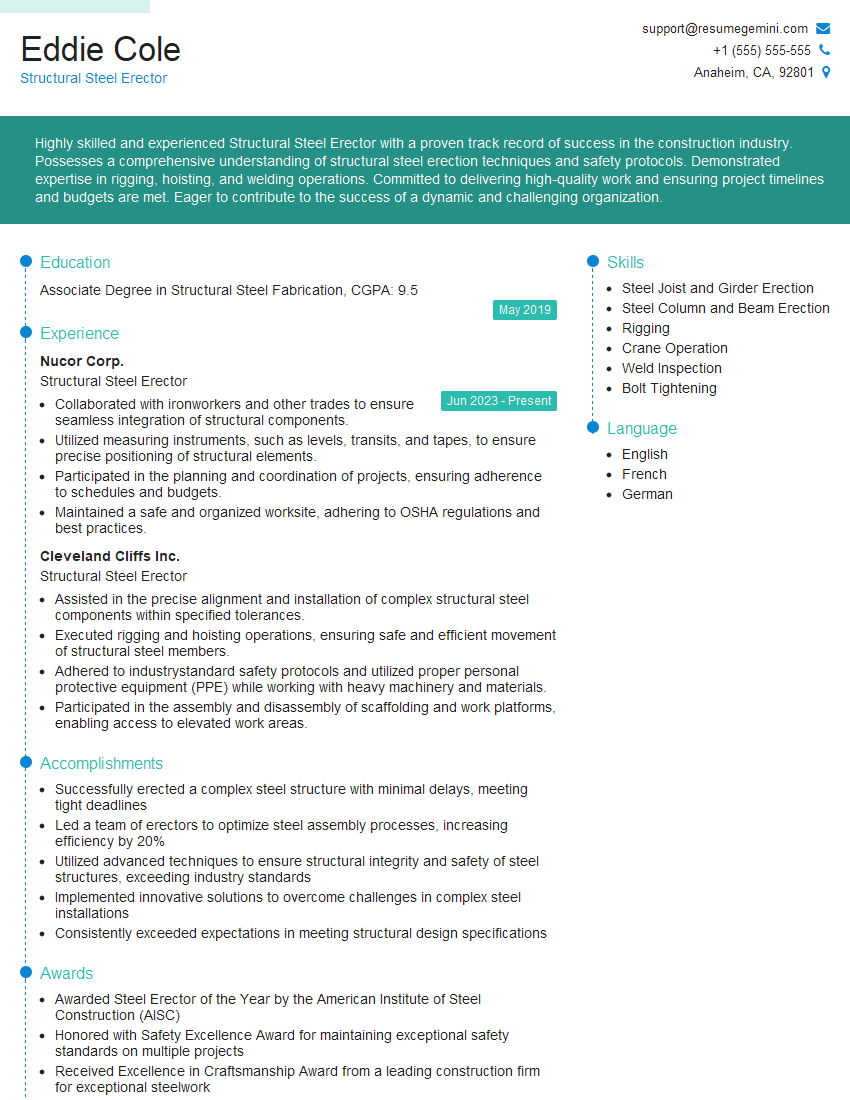
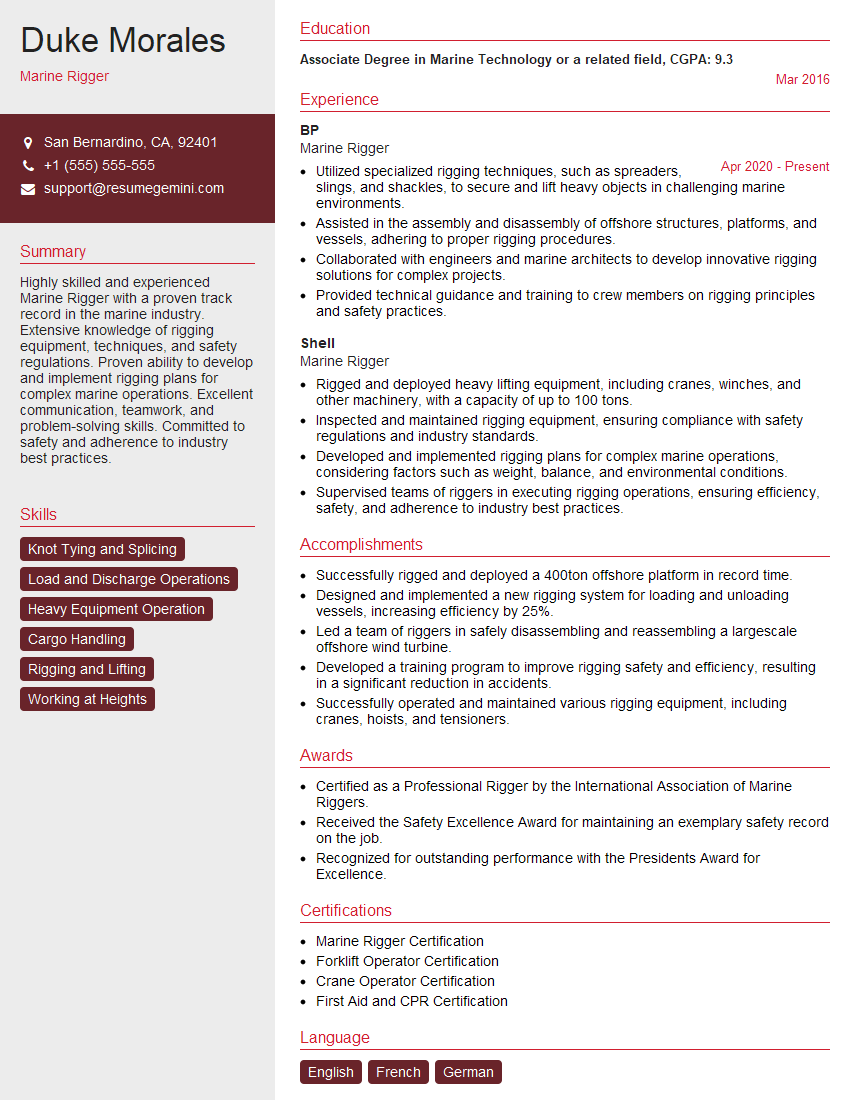
Mastering rope tension control opens doors to exciting career opportunities in diverse and demanding industries. A strong understanding of this field showcases valuable technical skills and problem-solving abilities, highly sought after by employers. To maximize your job prospects, it’s crucial to present your skills effectively. Creating an ATS-friendly resume is paramount in ensuring your application is seen by recruiters. We highly recommend using ResumeGemini to build a professional and impactful resume that highlights your expertise in rope tension control. ResumeGemini provides examples of resumes tailored specifically to this field, giving you a head start in crafting a compelling application.

Explore more articles
Users Rating of Our Blogs
Share Your Experience
We value your feedback! Please rate our content and share your thoughts (optional).
What Readers Say About Our Blog
Amazing blog
Interesting Article, I liked the depth of knowledge you’ve shared.
Helpful, thanks for sharing.