Are you ready to stand out in your next interview? Understanding and preparing for Selvage Inspection interview questions is a game-changer. In this blog, we’ve compiled key questions and expert advice to help you showcase your skills with confidence and precision. Let’s get started on your journey to acing the interview.
Questions Asked in Selvage Inspection Interview
Q 1. What are the common defects found during Selvage inspection?
Selvage inspection reveals crucial information about fabric quality. Common defects include:
- Broken Selvage: The selvage thread breaks, creating a frayed or ragged edge. This often indicates issues with the weaving process or tension.
- Loose Selvage: The selvage is not tightly woven, leading to a loose, wavy, or inconsistent edge. This can affect the fabric’s stability during cutting and sewing.
- Uneven Selvage: The width of the selvage varies inconsistently along the fabric length. This is a sign of irregularities in the loom settings or yarn feeding.
- Thick or Thin Selvage: The selvage is significantly thicker or thinner than the rest of the fabric. This can be due to inconsistent yarn density or machine malfunction.
- Dirty Selvage: The selvage is stained or soiled, possibly from machine oil, dust, or other contaminants. This affects the fabric’s aesthetic quality.
- Slub Selvage: The selvage contains visible lumps or irregularities in the yarn, potentially compromising its strength.
- Color Variation: The selvage exhibits a noticeable difference in color compared to the body of the fabric.
These defects can negatively impact the final product’s appearance and performance, highlighting the importance of thorough selvage inspection.
Q 2. Explain the different types of selvages.
Selvages are categorized in several ways, primarily based on their construction and appearance:
- Woven Selvage: This is the most common type, created by special weaving mechanisms on the loom that interlock the weft yarns to form a self-edged fabric. It’s usually tighter than the rest of the fabric.
- Cut Selvage: Fabric edges are cut rather than woven. This method is used primarily for knit fabrics or when a clean, straight edge is needed, but it doesn’t offer the same strength and stability as a woven selvage.
- Finished Selvage: This refers to any selvage that has undergone further processing, such as being folded over or stitched, to improve its appearance or durability. Many ready-to-wear fabrics will exhibit this type of selvage.
- Serged Selvage: A serger (overlock) machine is used to stitch and finish the raw edge of the fabric. This method is common in knit fabrics and produces a clean, neat edge to prevent fraying.
Understanding these different types helps inspectors accurately assess quality and identify potential defects specific to each kind.
Q 3. Describe your experience with various fabric types and their respective selvage characteristics.
My experience spans a wide range of fabrics, from delicate silks and fine linens to robust denims and heavy-weight canvas. Each fabric type presents unique selvage characteristics:
- Silk: Selvages are often fine, tightly woven, and potentially delicate, requiring careful handling during inspection. Defects like broken or uneven selvages are more easily detectable.
- Linen: Linen selvages are typically strong and slightly irregular due to the nature of linen fibers. Slight unevenness is often acceptable.
- Cotton: Cotton selvages vary greatly depending on the fabric construction (e.g., tightly woven poplin vs. loosely woven chambray). Expect a wider range in acceptable variation.
- Denim: Denim selvages are usually quite sturdy and are often a defining feature, frequently featuring a distinct color or weave. Defects can indicate problems with the warp or weft yarns used in production.
- Knit Fabrics: Knit fabrics usually have cut or serged selvages. Inspectors look for consistent edge finishing and proper serging (in the case of serged selvages) rather than the same characteristics found in woven fabrics.
This diverse experience allows me to adapt my inspection techniques to different fabric types and identify potential problems unique to each.
Q 4. How do you identify and classify selvage defects?
Identifying and classifying selvage defects involves a systematic approach:
- Visual Inspection: Carefully examine the selvage along the entire length of the fabric roll using good lighting. Look for irregularities mentioned previously.
- Measurement: Use a ruler or measuring tape to quantify defects like uneven width or excessive fraying.
- Comparison: Compare the selvage to the fabric body to detect color variations or significant textural differences.
- Touch and Feel: Assess the selvage’s texture and feel for looseness, stiffness, or unusual irregularities.
- Documentation: Clearly record the type and severity of each defect found, along with its location on the roll.
Defect classification often uses a scale ranging from minor to major, depending on the severity of the imperfection and its potential impact on the finished product.
Q 5. What are the acceptable limits for selvage imperfections?
Acceptable limits for selvage imperfections depend on several factors, including fabric type, intended end use, and client specifications. There isn’t a universal standard.
For instance, minor unevenness might be acceptable in a heavy-duty canvas but unacceptable in a high-end silk garment. Industry standards or client-specific quality control criteria will often dictate these tolerances.
Usually, the acceptable limits are defined as a percentage of total fabric length or a maximum number of defects per roll. These specifics must be determined beforehand, based on the context.
Q 6. What tools and equipment are used in Selvage inspection?
Selvage inspection relies on several tools and equipment:
- Good Lighting: Proper illumination is crucial for detecting subtle defects.
- Ruler/Measuring Tape: To measure the width of the selvage and quantify defects.
- Magnifying Glass: Useful for inspecting fine fabrics or minute imperfections.
- Fabric Inspection Table: Provides a flat, clean surface for inspecting fabric rolls.
- Defect Marking Pens/Crayons: To mark identified defects on the fabric.
- Roll Measuring Device: Measures the length of fabric in the roll to establish context for defect occurrence.
- Digital Camera/Smartphone: To photograph defects for documentation.
The specific tools used will adapt to the complexity of the inspection and the type of fabric.
Q 7. How do you document your findings during a Selvage inspection?
Thorough documentation is key to efficient selvage inspection. My typical method involves:
- Inspection Report Form: A standardized form detailing fabric type, roll number, date of inspection, inspector’s name, and space for recording defects.
- Defect Location Mapping: Noting the position of the defect (e.g., ‘beginning of roll,’ ‘middle,’ ‘end’). This can be done by measuring distance from the roll’s start.
- Defect Classification: Clearly documenting the type and severity of each defect, using a predefined scale (e.g., minor, moderate, major).
- Photographs: Including high-quality photographs to visually depict the defects.
- Overall Assessment: A final statement summarizing the condition of the selvage and recommending whether the fabric is acceptable or needs further attention.
This detailed documentation ensures consistent quality control and supports any further actions required, making it easy to review quality levels across different fabric batches.
Q 8. What are the consequences of failing to properly inspect selvages?
Failing to properly inspect selvages can lead to a cascade of negative consequences, impacting both the quality of the final product and the financial health of the business. Imagine building a house without checking the structural integrity of its foundation – the results would be catastrophic. Similarly, neglecting selvage inspection can result in:
- Product Defects: Selvage issues such as fraying, unevenness, or incorrect width can lead to fabric distortion, poor garment construction, and ultimately, rejected or returned products. This translates to wasted materials and lost revenue.
- Customer Dissatisfaction: Faulty selvages affect the overall quality perception of the product. Customers are less likely to buy products with visible flaws, leading to brand damage and loss of customer loyalty.
- Increased Production Costs: Discovering selvage defects late in the production process necessitates costly rework, scrap, and delays, significantly impacting profitability.
- Safety Concerns: In some applications (e.g., medical textiles, safety equipment), defective selvages could compromise safety, resulting in severe consequences.
- Reputational Damage: Consistent failures in quality control, especially in a visible aspect like selvage, damage a company’s reputation among clients and suppliers.
Q 9. Explain your experience with different inspection methods (visual, instrumental).
My experience encompasses both visual and instrumental inspection methods. Visual inspection is the cornerstone, where I carefully examine the selvage for irregularities like fraying, slubs, holes, or inconsistencies in color and weave. This involves checking the entire length of the selvage, paying particular attention to the edges and the overall neatness. Think of it like a detailed quality check on a finely crafted piece of jewelry; every detail matters.
Instrumental inspection enhances the accuracy and objectivity of the process. I am proficient in using measuring devices to assess selvage width, ensuring it adheres to specified tolerances. For instance, a digital caliper allows for precise measurements down to fractions of a millimeter, minimizing human error. Additionally, I’ve used specialized optical equipment to detect microscopic defects or analyze the fiber composition of the selvage, particularly helpful when dealing with complex or high-value fabrics.
Q 10. How do you handle discrepancies or disagreements regarding Selvage quality?
Discrepancies regarding selvage quality are handled through a collaborative and objective process. First, the specific points of disagreement are clearly identified and documented, including photographic evidence. Then, I initiate discussions with the relevant parties – production staff, quality control managers, and potentially even the supplier – to understand the different perspectives.
We carefully review the inspection standards and relevant AQL criteria. Sometimes, a second opinion or a more detailed inspection with specialized equipment is required to reach a consensus. If the issue persists, we may escalate to higher management, always prioritizing a solution that ensures quality standards are met and production is not unduly disrupted. It’s crucial to foster open communication and avoid assigning blame, focusing instead on finding a solution that’s fair to all involved.
Q 11. Describe your experience with AQL (Acceptable Quality Limit) standards.
My experience with AQL (Acceptable Quality Limit) standards is extensive. I understand the principles of AQL sampling and its application in defining acceptable levels of defects in a production lot. AQL provides a framework for making objective decisions based on statistical sampling rather than 100% inspection, which is often impractical or economically infeasible. I am familiar with various AQL tables and their appropriate selection based on the severity of the defects and the criticality of the product application. For instance, a stricter AQL might be applied to medical textiles than to casual clothing.
I use AQL standards to determine the acceptable number of defective selvages in a sample size, comparing this to the actual number of defects found. This helps decide whether to accept, reject, or further inspect the entire lot. I always ensure adherence to the specified AQL level, keeping detailed records to maintain traceability and support any decision made.
Q 12. How do you prioritize defects during a Selvage inspection?
Prioritizing defects during a selvage inspection involves a risk-based approach. Defects are categorized based on their severity and potential impact on the final product and customer satisfaction. I follow a prioritization scheme roughly as follows:
- Critical Defects: These are defects that render the product unusable or pose a safety risk (e.g., large holes, severe fraying). These are addressed immediately.
- Major Defects: These affect the product’s functionality or appearance but don’t necessarily render it unusable (e.g., significant unevenness, noticeable color variation). These are given high priority.
- Minor Defects: These are insignificant imperfections that do not affect the product’s usability or appearance (e.g., very small fraying, slight width variations within acceptable tolerances). These are typically handled later.
This hierarchical approach ensures that the most critical issues are addressed promptly, preventing significant losses and upholding quality standards.
Q 13. What is your experience with using a measuring device for selvage width?
Proficiency in using measuring devices for selvage width is crucial. I routinely use digital calipers and rulers, selecting the appropriate tool depending on the required precision and the type of fabric. Digital calipers allow for precise measurements to the nearest tenth of a millimeter, ensuring accurate determination of selvage width compliance with predetermined specifications. I carefully position the caliper jaws, ensuring accurate measurement without damaging the fabric. I always cross-check measurements, repeating the process several times to maintain accuracy. The data is meticulously recorded and documented in the inspection report.
Q 14. How do you communicate your findings to production staff?
Communicating findings to production staff is done clearly, concisely, and constructively. I avoid technical jargon and use simple, direct language to explain the detected defects and their location. I provide clear photographic evidence for visualization. The communication is tailored to the audience, ensuring that the message is easily understood and actionable.
The communication typically includes the following:
- Defect type and location: Precise description and photographic evidence.
- Severity level: Using a clear categorization system (critical, major, minor).
- Recommended action: Suggestions for resolving the issue (e.g., rework, adjustments to machine settings, material replacement).
- Documentation: Detailed inspection report with all findings and recommendations.
I strive to build a collaborative relationship with the production team, focusing on problem-solving rather than blame, to continually improve the quality of the final product.
Q 15. How do you maintain accurate records of Selvage inspection results?
Maintaining accurate records in selvage inspection is crucial for traceability and quality control. We use a combination of methods to ensure accuracy. Firstly, a detailed inspection report is generated for each roll of fabric inspected. This report includes the roll number, date of inspection, inspector’s name, fabric type, and a detailed description of any defects found, including their location and severity. We use a standardized defect coding system to ensure consistency across all inspections. Secondly, digital imaging is frequently used to document defects visually. Photographs are included in the report, providing undeniable evidence of the selvage condition. Finally, all inspection data is entered into a centralized database, allowing for easy retrieval, analysis, and trend identification. This database enables us to track the performance of different production lines, identify recurring issues, and measure the overall effectiveness of our quality control efforts. We regularly audit these records to maintain data integrity and ensure compliance with company and industry standards.
Career Expert Tips:
- Ace those interviews! Prepare effectively by reviewing the Top 50 Most Common Interview Questions on ResumeGemini.
- Navigate your job search with confidence! Explore a wide range of Career Tips on ResumeGemini. Learn about common challenges and recommendations to overcome them.
- Craft the perfect resume! Master the Art of Resume Writing with ResumeGemini’s guide. Showcase your unique qualifications and achievements effectively.
- Don’t miss out on holiday savings! Build your dream resume with ResumeGemini’s ATS optimized templates.
Q 16. What is your understanding of different fabric constructions and their impact on Selvage?
Understanding fabric construction is fundamental to effective selvage inspection. Different weaves, knits, and finishes impact selvage characteristics significantly. For example, a tightly woven fabric like twill will typically have a stronger, more stable selvage than a loosely woven fabric like gauze. Knit fabrics often have a more elastic selvage due to the nature of the looping construction. The finishing processes also play a role; treatments like mercerization can affect selvage strength and appearance. Selvages in fabrics with complex constructions, such as those with multiple yarn types or elaborate patterns, require more meticulous inspection to ensure they meet the desired quality standards. A poorly constructed selvage in a tightly woven fabric might show excessive fraying or broken yarns, while in a loosely woven fabric, it could exhibit significant unevenness or slippage. Recognizing these differences allows me to tailor my inspection approach to the specific fabric.
Q 17. Describe a time you identified a critical Selvage defect. How did you handle it?
During an inspection of a large order of high-end silk charmeuse, I discovered a significant number of rolls with severely weakened selvedges. The weakness was caused by a misalignment in the weaving process, leading to inconsistent yarn tension along the selvage. This defect could result in the fabric tearing during the garment manufacturing process, causing significant financial loss for the client. I immediately stopped the further processing of the affected rolls. I documented the findings with detailed photographic evidence, and immediately notified the production manager and quality control team. A root cause analysis was conducted, identifying the problem in the loom setup. We implemented corrective actions, including recalibrating the weaving machines and additional training for machine operators. The defective rolls were subsequently graded and sold at a reduced price to prevent waste. This incident highlighted the importance of proactive inspection and the need for strong collaboration between different departments to resolve quality issues efficiently.
Q 18. How familiar are you with various industry standards related to Selvage quality?
I am very familiar with various industry standards concerning selvage quality. My knowledge encompasses standards like AATCC Test Methods (e.g., those related to fabric strength and dimensional stability), which indirectly assess selvage quality by evaluating the overall fabric integrity. I also understand the relevant sections of ISO standards that address textile testing and quality management. These standards provide a framework for defining acceptable levels of selvage defects, and I consistently use these guidelines during my inspections. In addition, I’m familiar with company-specific internal standards and customer requirements that often go beyond the general industry standards, demanding a very high level of selvage quality for specific applications.
Q 19. What are the key elements of a robust Selvage inspection procedure?
A robust selvage inspection procedure must include several key elements. Firstly, a clearly defined set of acceptance criteria, specifying acceptable limits for various selvage defects (e.g., broken ends, slubs, loose threads, fraying). This should include both visual and physical measurements where necessary. Secondly, a well-defined inspection methodology, including the use of appropriate tools and equipment (e.g., magnifying glasses, rulers, tension testers). Thirdly, a standardized reporting system to document findings consistently. This includes the use of standardized defect codes and photographic documentation. Fourthly, regular calibration and maintenance of inspection tools to ensure accurate measurements. Finally, ongoing training for inspectors to ensure consistency and expertise in identifying and classifying defects, which is critical for maintaining consistent quality control.
Q 20. How do you ensure consistency in your Selvage inspection?
Consistency is paramount in selvage inspection. We achieve this through several strategies: regular training and calibration sessions for inspectors, ensuring everyone applies the same standards and uses the same measurement techniques. We utilize standardized checklists and inspection forms to maintain uniformity in the inspection process. Regular audits of inspection records help us identify and address any inconsistencies in interpretation of the standards. The use of digital imaging provides a visual record that minimizes subjective interpretations and provides an objective assessment for comparison. We also incorporate blind testing to ensure that each inspector is maintaining a consistent level of accuracy over time. This multi-pronged approach ensures our inspections are fair, consistent, and reliable.
Q 21. What are your strategies for improving Selvage quality in production?
Improving selvage quality involves a proactive, multi-faceted approach. Firstly, identifying and addressing the root causes of defects in the weaving process is critical. This often requires collaboration with production teams to understand the machinery settings, yarn quality, and weaving techniques. Secondly, preventive maintenance of weaving machines is crucial to reduce the likelihood of defects arising. Thirdly, improvements in yarn quality can significantly reduce selvage flaws. This includes sourcing higher quality yarns, improving yarn preparation, and controlling yarn tension consistently throughout the weaving process. Finally, regular training and feedback for weaving machine operators can improve their skill and awareness, leading to better-quality selvedges. By adopting a holistic approach involving improved machinery, yarn quality, and operator skill, we can significantly improve the quality of the selvage consistently.
Q 22. What is your experience with reporting and data analysis related to Selvage inspection?
My experience with reporting and data analysis in selvage inspection is extensive. I’m proficient in using various data analysis tools to track defect rates, identify trends, and generate comprehensive reports. For example, I’ve used spreadsheets to track the frequency of different selvage defects like broken selvedges, fraying, or inconsistent width. This data is then analyzed to pinpoint potential issues in the weaving process, such as machine malfunction or raw material inconsistencies. I also utilize statistical process control (SPC) charts to monitor defect rates over time and identify significant shifts that warrant immediate attention. Furthermore, I can create visually appealing and informative dashboards that present key performance indicators (KPIs) to management, allowing for quick identification of areas needing improvement. My reports typically include detailed descriptions of the defects found, their location within the fabric roll, images illustrating the defects, and recommendations for corrective actions.
I’m comfortable using software like Excel, and statistical software for detailed analysis and creating custom reports tailored to the specific needs of the client or manufacturing process.
Q 23. How do you adapt your inspection techniques for different fabric types and weights?
Adapting inspection techniques for different fabric types and weights is crucial for accurate and efficient selvage inspection. Heavier fabrics, like denim, require a more robust approach, potentially involving the use of specialized tools to handle the material effectively. Delicate fabrics, such as silk or lace, demand a gentler touch and careful handling to avoid damage. My inspection process adapts to these variations by considering:
- Fabric Weight and Structure: I adjust the pressure applied during the inspection process to avoid stretching or damaging lighter fabrics, while ensuring thorough inspection of heavier fabrics.
- Fabric Type: The type of fabric influences the types of defects that might be encountered. For example, tightly woven fabrics are less prone to fraying, while looser weaves might be more susceptible. My inspection criteria reflect these differences.
- Inspection Tools: For certain fabrics, specific tools might be necessary. This could range from using magnifying glasses for intricate details to employing specialized measuring instruments to ensure consistent width.
- Visual Acuity and Lighting: Ensuring consistent lighting and utilizing magnification aids is paramount, particularly when dealing with subtle defects in lighter fabrics.
For instance, inspecting a heavy canvas requires a different approach than inspecting a sheer chiffon. With canvas, I may use a ruler to verify width consistency more vigorously, while with chiffon, I would focus on gentler handling and visual inspection for irregularities.
Q 24. Explain your understanding of the relationship between Selvage quality and overall fabric quality.
Selvage quality is intrinsically linked to the overall quality of the fabric. The selvage, being the finished edge of the fabric, acts as an indicator of the weaving process’s consistency and precision. A high-quality selvage is typically firm, even in width, and free from defects. Conversely, a poor-quality selvage often signals potential problems within the fabric itself. These problems could include uneven weaving, inconsistent tension, or raw material issues.
Think of the selvage as the frame of a painting; a damaged or uneven frame immediately detracts from the overall piece, even if the painting itself is beautiful. Similarly, even if the main body of the fabric is flawless, a defective selvage lowers the overall quality and can negatively impact garment construction and the final product’s aesthetic appeal. For example, a broken selvage can easily unravel, rendering the fabric unusable. Consistent selvage quality indicates a well-controlled weaving process, leading to a higher quality final product.
Q 25. Describe your problem-solving approach when faced with unusual Selvage defects.
When encountering unusual selvage defects, my problem-solving approach follows a systematic process:
- Documentation: Thoroughly document the defect, including detailed descriptions, photographic evidence, and the location within the fabric roll.
- Analysis: Analyze the defect to determine its root cause. This often involves examining the weaving process, the raw materials used, and the machine settings.
- Comparison: Compare the defect to known defect types and consult relevant resources, including internal documentation and industry standards.
- Consultation: Consult with other experts, such as weavers or quality control personnel, to gain additional insights and perspectives.
- Testing: If necessary, conduct further testing, such as fiber analysis or tensile strength testing, to determine the underlying cause of the defect.
- Recommendation: Based on the analysis, propose corrective actions to prevent similar defects from occurring in the future. This may involve adjusting machine settings, improving raw material quality, or retraining personnel.
For instance, if I observe a recurring pattern of unusual discoloration in the selvage, I would investigate the dyeing process, checking for inconsistencies in the dye bath or variations in the fabric’s treatment prior to dyeing.
Q 26. How do you stay updated on the latest developments and best practices in Selvage inspection?
Staying updated on the latest developments and best practices in selvage inspection is crucial. I achieve this through a multi-faceted approach:
- Industry Publications: I regularly read trade journals and industry publications that focus on textile manufacturing and quality control.
- Conferences and Workshops: Attending industry conferences and workshops allows me to network with other professionals and learn about new technologies and techniques.
- Online Resources: I utilize online resources, such as professional organizations’ websites and reputable online forums, to stay abreast of current trends.
- Collaboration: Collaborating with colleagues and experts in the field provides valuable insights and fosters the exchange of knowledge and best practices.
For instance, keeping up with advancements in automated inspection systems ensures my knowledge remains current, and allows me to efficiently use the latest technology to improve the inspection process.
Q 27. What are your salary expectations for a Selvage Inspection role?
My salary expectations for a Selvage Inspection role depend on several factors, including the company’s size, location, my experience level, and the responsibilities associated with the position. Considering my extensive experience and expertise in selvage inspection, data analysis, and reporting, my salary expectations are in line with the industry standards for a senior-level role. I’m open to discussing a competitive salary package that fairly reflects my qualifications and contributions to the company’s success.
Key Topics to Learn for Selvage Inspection Interview
- Fabric Structure and Composition: Understanding different fiber types, yarn structures, and their impact on selvage characteristics. This includes knowing how weave types influence selvage appearance and strength.
- Selvage Types and Their Significance: Learn to identify and differentiate various selvage types (e.g., plain, self, finished) and understand their implications for garment construction and quality. Practical application includes recognizing defects related to each type.
- Defect Identification and Classification: Master the ability to identify common selvage defects (e.g., broken ends, slubs, mispicks, barre) and classify them according to severity and potential causes. This includes understanding the visual inspection process and using appropriate terminology.
- Quality Control Procedures: Familiarize yourself with standard operating procedures for selvage inspection, including sampling techniques, inspection tools, and documentation. This also involves understanding the role of quality control in maintaining production standards.
- Problem-Solving and Root Cause Analysis: Develop skills in identifying the root cause of selvage defects by analyzing production processes, machine settings, and raw materials. This might involve proposing solutions and preventative measures.
- Industry Standards and Regulations: Understand relevant industry standards and regulations concerning fabric quality and selvage inspection. This ensures you’re prepared to discuss compliance and best practices.
Next Steps
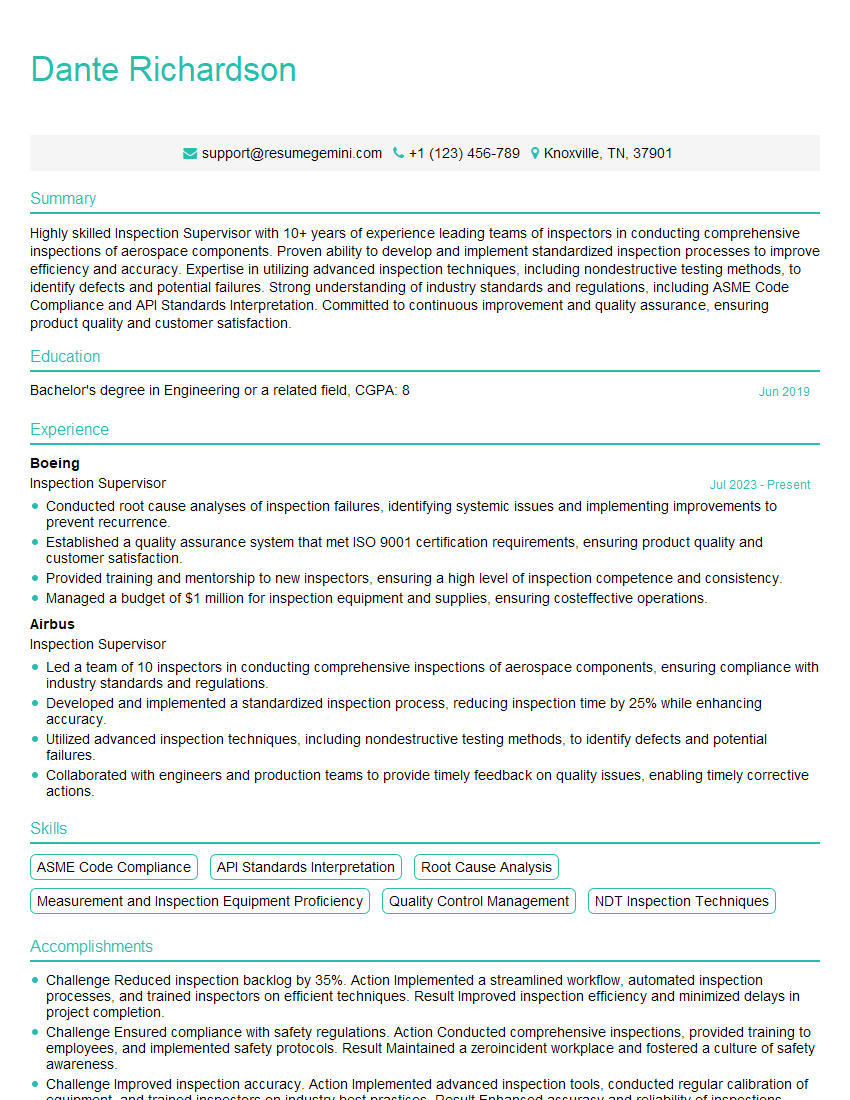
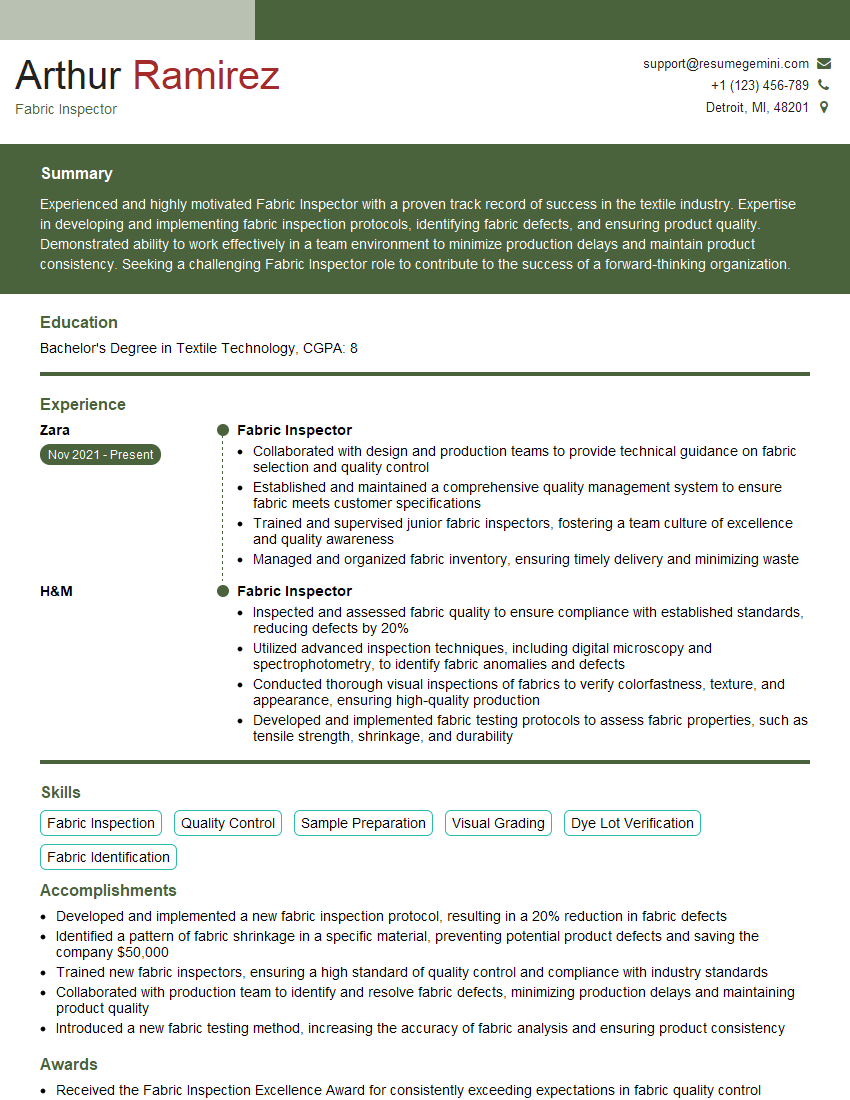
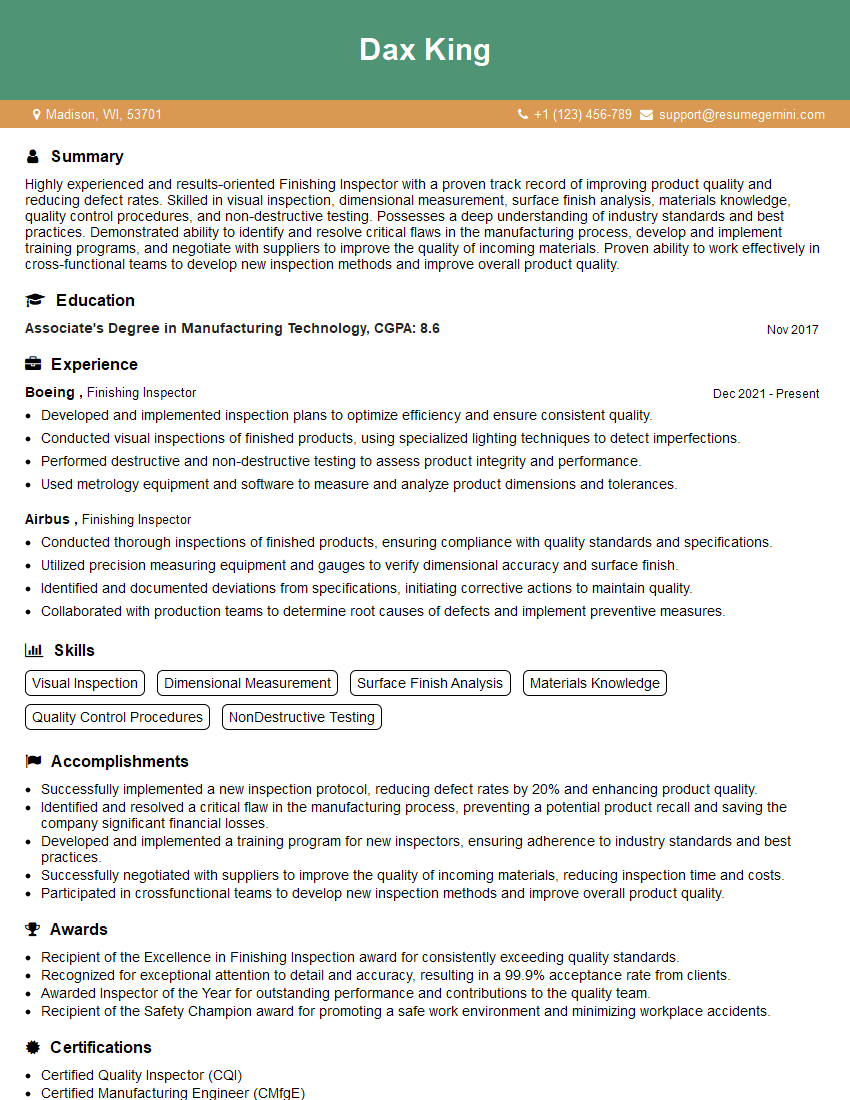
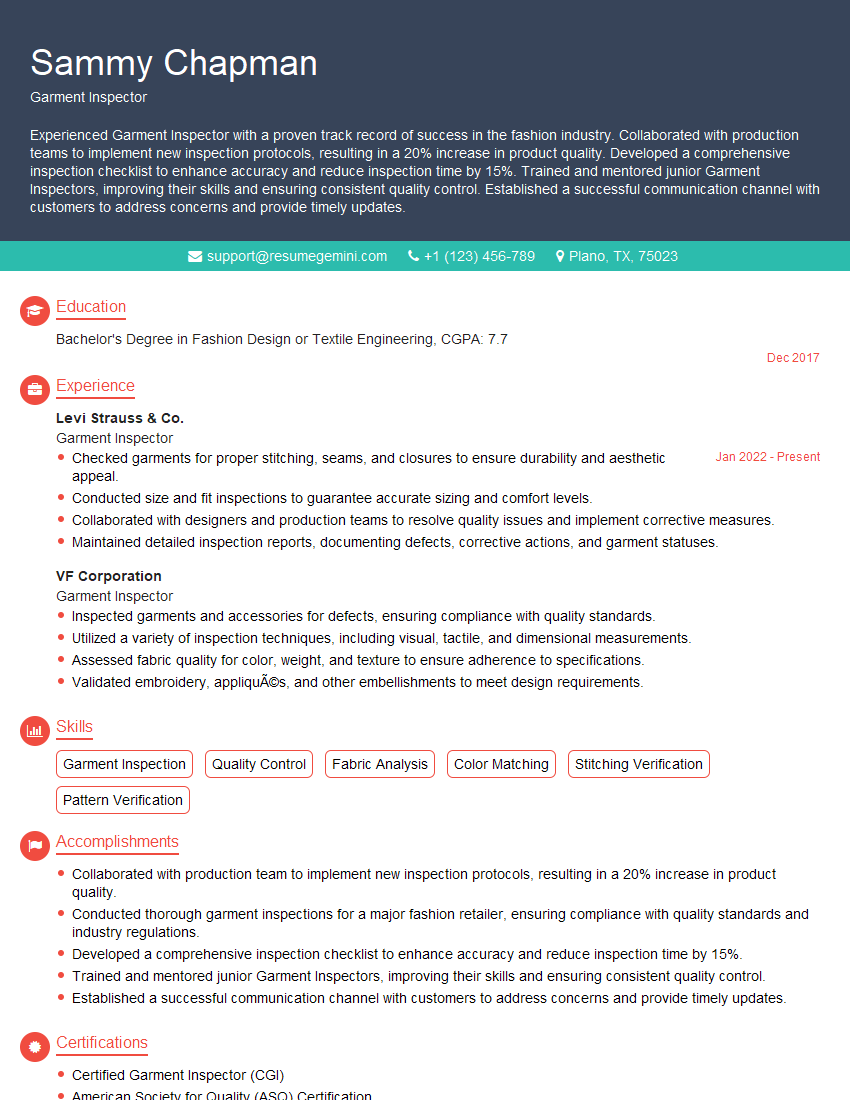
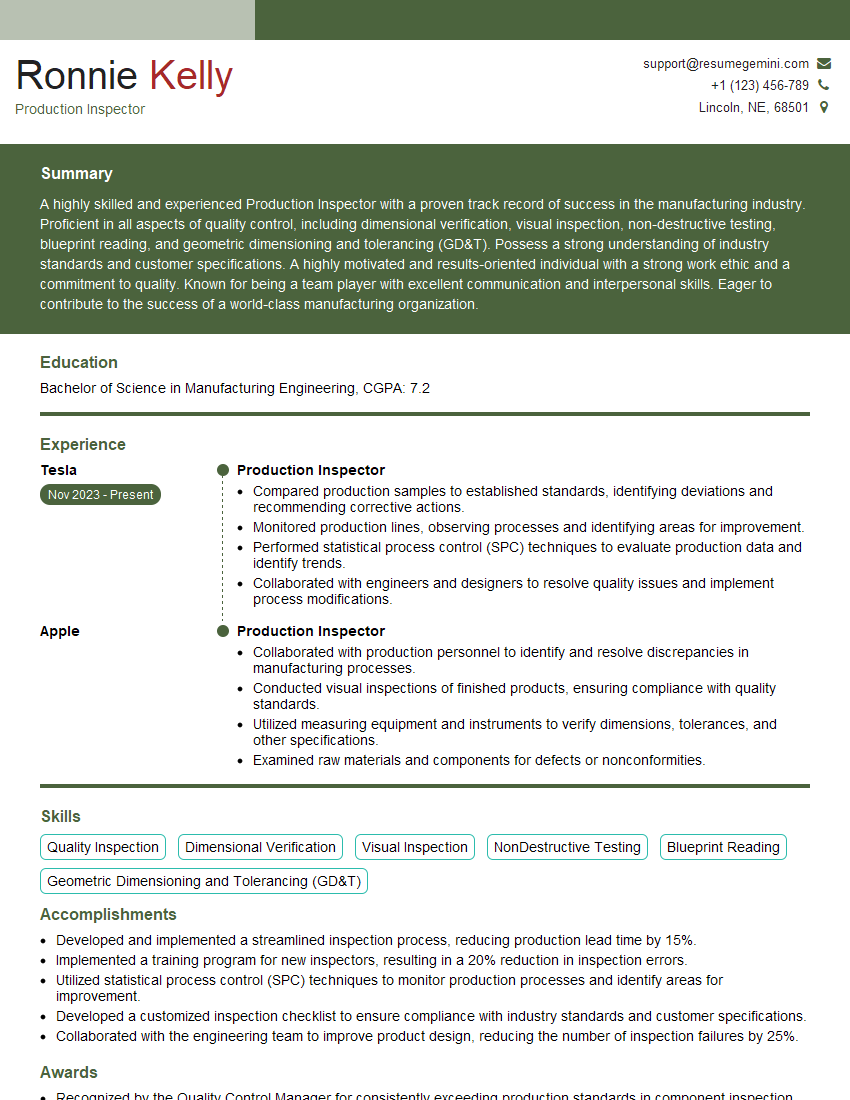
Mastering Selvage Inspection opens doors to rewarding careers in the textile and apparel industries, offering opportunities for advancement and specialized roles. A strong understanding of this crucial area will significantly enhance your job prospects. To maximize your chances of landing your dream job, creating an ATS-friendly resume is essential. ResumeGemini is a trusted resource that can help you craft a professional and effective resume designed to impress hiring managers. We provide examples of resumes tailored specifically to Selvage Inspection roles to guide you through the process.
Explore more articles
Users Rating of Our Blogs
Share Your Experience
We value your feedback! Please rate our content and share your thoughts (optional).
What Readers Say About Our Blog
Amazing blog
Interesting Article, I liked the depth of knowledge you’ve shared.
Helpful, thanks for sharing.