Interviews are opportunities to demonstrate your expertise, and this guide is here to help you shine. Explore the essential Technical Pack Creation interview questions that employers frequently ask, paired with strategies for crafting responses that set you apart from the competition.
Questions Asked in Technical Pack Creation Interview
Q 1. Explain the key components of a comprehensive technical pack.
A comprehensive technical pack is the bible for garment production. It’s a detailed set of instructions and specifications that ensures consistent manufacturing. Think of it as a blueprint, but for clothes. It guides everyone involved – from the pattern maker to the factory worker – in creating the garment accurately and efficiently.
- Design Specifications: This includes sketches, mood boards, and color palettes showing the overall design concept.
- Measurements and Dimensions: Precise measurements for every component of the garment (e.g., sleeve length, chest width, waist circumference) are crucial. These are often presented in a graded size range (XS, S, M, L, etc.).
- Technical Drawings/Flat Sketches: Detailed line drawings showing the garment’s construction, seam lines, and placement of pockets, zippers, buttons, etc. These are crucial for pattern makers.
- Bill of Materials (BOM): A list of all the materials required, including fabric type, quantity, color, trims (buttons, zippers, labels), and any special findings (e.g., interfacing).
- Pattern Pieces: These are the actual patterns used to cut the fabric. They’re often provided as digital files or printed paper patterns with precise markings.
- Construction Specifications: Detailed instructions on how to construct the garment, including stitch types, seam allowances, and assembly sequence. This section dictates the manufacturing process.
- Quality Control Standards: Guidelines on how to ensure the final product meets the required quality standards.
For example, a technical pack for a simple t-shirt would include measurements for the body length, sleeve length, neck circumference for each size, details on the type of fabric (e.g., 100% cotton, single jersey), the stitching type for seams, and the placement of the neck label.
Q 2. What software are you proficient in for creating technical packs?
My expertise spans several software programs vital for creating efficient and accurate technical packs. I’m highly proficient in Adobe Illustrator for creating detailed technical drawings and flat sketches, ensuring crisp lines and precise measurements. I also leverage Adobe Photoshop for manipulating images and creating visual aids like mood boards. For pattern making, I’m skilled in utilizing industry-standard software like Gerber Accumark and Lectra Modaris, which allow for precise pattern grading and digital sample making. Additionally, I utilize spreadsheet programs like Microsoft Excel to manage Bill of Materials and size specifications effectively, ensuring consistency across the entire production process.
Q 3. Describe your process for creating a technical pack from a sketch or design.
My process for creating a technical pack begins with a thorough understanding of the design. This involves reviewing sketches, design briefs, and discussing the design’s intent with the designer. Then, my process follows these steps:
- Digitize the Sketch: I use Illustrator to accurately trace the design sketch, converting it into a clean, scalable vector image.
- Create Flat Sketches: Detailed flat sketches are created to illustrate the garment’s construction and details, including seam lines, pocket placement, and other design elements.
- Develop Pattern Pieces: Using my chosen CAD software (Gerber or Lectra), I create the patterns for each garment piece, ensuring accurate grading for different sizes. This involves detailed measurements based on design specifications and industry standards.
- Define Materials: I specify the fabric type, quantity, and other required materials (trims, findings), listing these details in the Bill of Materials. I consider fabric drape, texture, and behavior when choosing materials and making design considerations.
- Write Construction Specifications: This section provides detailed, step-by-step instructions on how to assemble the garment. I detail the seam allowance, stitch types, and specific construction techniques required.
- Quality Control Notes: I incorporate quality checks at key stages of the construction process. This ensures adherence to standards and minimizes defects.
- Review and Finalize: The completed technical pack is thoroughly reviewed to ensure accuracy and clarity before being sent to the manufacturer.
For instance, if I’m working on a complex jacket, the construction specifications would include detailed instructions for setting in sleeves, attaching lining, and constructing the collar, including specific stitch types and seam allowances for each step.
Q 4. How do you ensure accuracy in measurements and specifications within a technical pack?
Accuracy is paramount in technical pack creation. Inaccurate measurements can lead to costly errors in production. To ensure accuracy:
- Precise Measurement Tools: I utilize accurate measuring tools like tape measures, rulers, and digital calipers. Regular calibration of these tools is essential.
- CAD Software: CAD software offers automated grading and scaling, minimizing manual errors.
- Double-checking Measurements: I always double-check all measurements, comparing them against the original design and specifications. A second pair of eyes is always helpful.
- Standard Units: I consistently use standard units of measurement (centimeters or inches) throughout the pack to avoid confusion.
- Tolerance Ranges: I incorporate tolerance ranges for measurements, acknowledging that slight variations may occur in manufacturing.
For example, instead of specifying a sleeve length of exactly 24 inches, I might specify a tolerance range of 23.75 inches to 24.25 inches to account for minor variations during manufacturing.
Q 5. Explain your experience with different types of fabrics and how it influences your technical pack creation.
My experience with various fabrics significantly influences my technical pack creation. Different fabrics behave differently during construction. Understanding these properties is critical for accurate construction specifications.
- Fabric Drape and Weight: Heavier fabrics require different seam allowances and construction techniques compared to lightweight fabrics. This impacts the pattern design and the construction details within the technical pack.
- Fabric Stretch and Recovery: Stretch fabrics require specific considerations, such as using appropriate stitch types and seam allowances that allow for the fabric’s stretch without causing distortion.
- Fabric Texture and Weave: The texture and weave of a fabric can impact the appearance of seams and the overall finish of the garment. I account for this when specifying seam allowances and construction techniques.
- Fabric Shrinkage: I factor in potential shrinkage, especially for natural fabrics like cotton and wool. This might involve pre-shrinking the fabric before cutting or adjusting pattern pieces accordingly.
For example, when working with a delicate silk fabric, I’d specify smaller seam allowances and recommend using a fine-needle stitch to prevent damage to the fabric. Conversely, working with a heavy denim fabric would require larger seam allowances and potentially different stitching techniques for durability.
Q 6. How do you handle revisions and updates to a technical pack during the production process?
Handling revisions and updates efficiently is crucial for smooth production. My approach involves:
- Version Control: I maintain version control for all technical pack documents. Each revision is clearly labeled and dated, allowing for easy tracking of changes.
- Clear Communication: I maintain open communication with the design team and manufacturer, promptly addressing any feedback or changes.
- Update Documentation: All revisions are documented thoroughly, highlighting the changes made and their rationale. This ensures everyone is informed.
- Revision Tracking: I use a system (e.g., numbered revisions, date-stamped updates) to ensure everyone is working with the latest version of the technical pack.
- Collaborative Platforms: I’m comfortable using collaborative platforms (e.g., shared drives, cloud-based software) to facilitate efficient sharing and updating of the technical pack.
For example, if a client wants to change the pocket placement, I’d create a revised version of the technical pack, updating the technical drawings, pattern pieces, and construction specifications accordingly, and clearly noting these changes.
Q 7. What are the standard industry specifications and measurements you adhere to?
Adherence to industry standards ensures consistent sizing and quality. I follow:
- International Standards Organization (ISO): Relevant ISO standards for garment measurements and manufacturing processes.
- National Standards: Relevant national standards specific to my region (for example, if working with US manufacturers, I would adhere to US sizing standards).
- Specific Brand Standards: Many brands have their own internal style guides and specifications. I adapt my work accordingly.
- Standard Seam Allowances: Typically ranging from 0.5cm to 1.5cm depending on the garment and fabric.
- Standard Size Charts: I utilize standard size charts (e.g., industry-standard size charts for men’s, women’s, and children’s wear) and adapt them as needed for specific designs.
These standards ensure interoperability with various manufacturers, minimizing miscommunication and production errors. In essence, they serve as a common language in the global garment industry.
Q 8. Describe your experience with grading technical packs for different sizes.
Grading technical packs for different sizes is crucial for consistent production. It involves systematically adjusting measurements and specifications across a range of sizes to ensure a proper fit and aesthetic across the entire size spectrum. This isn’t simply scaling up or down; it requires understanding garment construction and how different areas of the garment respond to size changes.
My process typically involves starting with a base size (often a medium), meticulously creating the technical pack for that size, and then using grading rules – either manually or through specialized software – to adjust measurements proportionally or according to specific block patterns for each size. This includes adjustments to seam allowances, pattern pieces, and even fabric consumption. I ensure that any design details, like pockets or darts, are appropriately adjusted to maintain their intended aesthetic and functionality across all sizes.
For instance, I worked on a project where we were producing a fitted blazer. Simply scaling up the sleeves for larger sizes would result in a baggy, ill-fitting look. Instead, I used grading rules which accounted for changes in shoulder width, bicep circumference, and sleeve length to maintain the tailored aesthetic even across the size range.
Q 9. How do you incorporate sustainability considerations into your technical packs?
Sustainability is paramount in modern garment production, and it’s something I actively integrate into every technical pack I create. This goes beyond simply choosing eco-friendly fabrics; it involves mindful design decisions that minimize waste and resource consumption throughout the entire garment lifecycle.
- Fabric Selection: I prioritize specifying fabrics with low environmental impact, considering factors like material sourcing, manufacturing processes, and recyclability. This includes suggesting recycled, organic, or sustainably sourced materials whenever feasible.
- Pattern Efficiency: I optimize patterns to minimize fabric waste by strategically arranging pattern pieces on the fabric layout, using techniques like nesting and marker making software. This reduces material consumption and minimizes textile waste.
- Construction Methods: I specify construction techniques that use less energy and generate less waste, like selecting efficient seam finishes or advocating for reduced interfacing use where possible.
- Packaging and Transportation: I communicate sustainability goals regarding packaging materials and transportation methods to reduce carbon footprint. This could involve recommending recyclable or biodegradable packaging options, or suggesting transport options that prioritize fuel efficiency.
For example, in a recent project, I worked with the design team to select a sustainable alternative to conventional polyester. By working with this material and optimizing the pattern cutting, we reduced fabric waste by 15%.
Q 10. Explain your familiarity with PLM systems and their role in technical pack management.
Product Lifecycle Management (PLM) systems are essential tools for efficient technical pack management. They provide a centralized platform for storing, managing, and sharing all relevant product information, including technical packs, throughout the design and production process.
My experience with PLM systems includes using them to manage version control of technical packs, track changes and approvals, facilitate communication among different teams, and streamline the overall production flow. This ensures accuracy, consistency, and reduces errors significantly. I’m proficient in using features like digital asset management, where I can store and access high-resolution images and other files directly linked to the technical pack, improving accessibility and collaboration.
A specific example is my work using a PLM system to manage a complex technical pack for a line of outerwear. The system allowed me to track revisions, approvals, and ensure that all team members (designers, pattern makers, and production) had access to the most updated version, eliminating confusion and delays.
Q 11. How do you collaborate with pattern makers, sample makers, and production teams?
Collaboration is central to successful technical pack creation and implementation. I work closely with pattern makers, sample makers, and production teams throughout the entire process to ensure seamless execution. This involves:
- Clear Communication: I maintain open lines of communication, providing detailed specifications, addressing queries, and proactively providing updates. I utilize clear and concise language, avoiding jargon whenever possible.
- Regular Feedback Loops: I consistently seek feedback from all involved parties. This feedback is incorporated into the technical pack to ensure accuracy and address any potential issues early on.
- Shared Platforms: I utilize shared online platforms (like PLM systems, shared drives, or project management tools) to facilitate collaboration and ensure everyone has access to the most up-to-date information.
- On-site Visits (when possible): I coordinate on-site visits to the sample room and production facility to observe the garment construction process firsthand and address any discrepancies or challenges immediately.
For example, I worked with a pattern maker to refine a complex sleeve construction. Through regular consultations and feedback sessions, we were able to solve a fit issue early in the sampling process, avoiding costly corrections later.
Q 12. Describe a challenging technical pack you’ve created and how you overcame the challenges.
One particularly challenging technical pack I created was for a garment featuring intricate 3D embroidery combined with laser-cut details. The complexity stemmed from the need to ensure precise alignment between the embroidery and the laser-cut sections, maintaining consistency across different sizes and variations. The challenge was in documenting the specifications clearly enough for the embroidery and laser-cutting teams, ensuring that the delicate balance wouldn’t be lost in translation.
To overcome this, I developed a detailed step-by-step guide with precise measurements, annotated diagrams, and multiple detailed images from different angles. I worked closely with both the embroidery and laser-cutting specialists to thoroughly communicate the design intentions and requirements. I also created a prototype sample to clearly demonstrate the exact look and placement of both features. This detailed and multi-faceted approach ensured that the final garment accurately reflected the design intent and showcased the desired quality.
Q 13. How do you ensure consistency between the technical pack and the final product?
Ensuring consistency between the technical pack and the final product is crucial. This involves a multi-step process beginning with meticulous documentation and extending through rigorous quality checks.
- Detailed Specifications: I create comprehensive specifications detailing all aspects of the garment, including fabric type, measurements, construction methods, and any embellishments.
- Clear Visual Aids: I incorporate high-quality images, diagrams, and technical sketches to visually represent the design intent and construction details.
- Sampling and Fit Sessions: I conduct thorough sampling, allowing the team to identify any inconsistencies or issues early on. Fit sessions are crucial to refine the design and ensure a proper fit.
- Production Follow-Up: I provide continuous support during the production phase, monitoring the process and addressing any deviations from the technical pack.
- Quality Control Checks: I collaborate with the quality control team to ensure that the final products meet the specifications outlined in the technical pack.
Think of it like building a house; the technical pack is the blueprint. If the blueprint is unclear or inaccurate, the house will not be built correctly. By maintaining accurate and comprehensive documentation, the final product mirrors the design perfectly.
Q 14. How familiar are you with different types of closures, trims, and hardware?
I possess extensive knowledge of various closures, trims, and hardware commonly used in garment construction. My familiarity encompasses:
- Closures: Zippers (various types, weights, and finishes), buttons (different materials, sizes, and techniques), snaps, hooks and eyes, toggles, buckles, and Velcro.
- Trims: Ribbons, laces, braids, cords, piping, embroidery, appliqués, and different types of stitching.
- Hardware: Buckles, rings, sliders, eyelets, rivets, and various other metal or plastic components used for functionality and decoration.
I understand the technical specifications and application techniques for each, including their impact on the overall garment design and functionality. For example, selecting the right zipper type for a specific garment relies on factors such as garment weight, desired look, and the level of durability required. I can specify these details in my technical packs, ensuring appropriate material selection and consistent application across all sizes.
Q 15. Explain your experience with creating technical packs for different garment types (e.g., woven, knit, leather).
My experience encompasses creating technical packs for a wide range of garment types, including woven, knit, and leather. Each fabric type demands a unique approach. For woven fabrics like cotton or linen, the technical pack focuses on details like weave structure, thread count, and drape. I ensure the specifications clearly communicate the desired weight and hand feel. For knits, the focus shifts to stitch types (e.g., jersey, rib), fabric construction (single or double knit), and the potential for shrinkage. Leather requires an entirely different set of considerations, including leather type (e.g., full-grain, suede), thickness, and the intended finishing process.
For example, when creating a technical pack for a woven shirt, I’ll specify the exact fabric composition, GSM (grams per square meter), and the desired finishing treatments. With a knit sweater, I’ll include details on the stitch definition, yarn count and fiber content, and any special finishing instructions to achieve a specific texture. For a leather jacket, the technical pack will include detailed descriptions of leather grain, thickness measurements at various points, and specific instructions for stitching and finishing techniques to ensure durability and quality.
Career Expert Tips:
- Ace those interviews! Prepare effectively by reviewing the Top 50 Most Common Interview Questions on ResumeGemini.
- Navigate your job search with confidence! Explore a wide range of Career Tips on ResumeGemini. Learn about common challenges and recommendations to overcome them.
- Craft the perfect resume! Master the Art of Resume Writing with ResumeGemini’s guide. Showcase your unique qualifications and achievements effectively.
- Don’t miss out on holiday savings! Build your dream resume with ResumeGemini’s ATS optimized templates.
Q 16. How do you manage multiple technical packs simultaneously?
Managing multiple technical packs simultaneously requires a robust organizational system. I rely heavily on project management software to track deadlines, assign tasks, and maintain clear communication with all stakeholders. I categorize projects by due date, client, or garment type, which allows me to prioritize tasks efficiently. Furthermore, I utilize templates to standardize information across different projects, reducing errors and saving time. This template approach ensures consistency in data collection and presentation, regardless of the complexity of each garment.
Think of it like a conductor of an orchestra: each project is a musical piece, and I need to ensure every instrument (task) plays its part perfectly in harmony to deliver the final product (technical pack) on time. Utilizing tools like spreadsheets, shared drives, and collaborative platforms enhances the efficiency of managing simultaneous projects, minimizing any chance of confusion or missed deadlines.
Q 17. What is your experience with 2D and 3D design software in relation to technical packs?
My experience with 2D and 3D design software significantly enhances my technical pack creation process. I am proficient in Adobe Illustrator for creating detailed 2D flats and technical sketches, which accurately depict garment construction, measurements, and design details. This provides a visual reference point for manufacturers. For more complex garments or to identify potential design flaws early on, I also utilize 3D software such as CLO3D or Browzwear. 3D modeling allows me to visualize the garment in a three-dimensional space, helping to identify potential fit issues or construction problems before reaching the sampling stage. The ability to iterate and refine designs in 3D greatly reduces the time and cost associated with physical sampling and revisions.
For example, I’ve used 3D software to simulate the drape of a flowing silk dress, ensuring the design translates effectively into a functional garment. The 3D model allowed me to adjust the pattern pieces and construction details before physical production, significantly reducing the chance of costly mistakes.
Q 18. How do you handle discrepancies between the design and the technical specifications?
Discrepancies between design and technical specifications are addressed through clear and open communication with the design team and the production team. The first step is to identify the root cause of the discrepancy. Is it a design detail that’s difficult to manufacture? Is there a misunderstanding of the technical requirements? Once the root cause is identified, we work collaboratively to find a solution that meets both design intent and manufacturing feasibility. This often involves compromise, technical adjustments, or exploring alternative construction methods.
For instance, if a design calls for a complex seam detail that is too time-consuming or costly to produce, we might explore a simplified version that maintains the design’s aesthetic appeal. This collaborative approach ensures that the final product closely aligns with the initial design vision while remaining practical and manufacturable. Documentation of these adjustments is crucial, ensuring all parties are informed and on the same page.
Q 19. What quality control measures do you implement when creating a technical pack?
Quality control is paramount in technical pack creation. My process includes several checkpoints: First, I meticulously review all measurements, specifications, and construction details for accuracy. This includes double-checking the consistency of measurements across different views and ensuring they align with the design intent. Second, I use checklists to ensure all necessary information is included in the technical pack (fabric specifications, trims, labeling, etc). Third, I conduct a peer review process where a colleague reviews the pack for completeness and clarity before finalization. This acts as a final check to catch potential errors or omissions. Finally, I maintain detailed version control for each technical pack, allowing for easy tracking of revisions and ensuring the most up-to-date version is always accessible.
Imagine building a house; a missing nail or improperly placed beam could lead to structural problems. Similarly, minor inaccuracies in a technical pack can lead to significant production issues. My rigorous quality control process acts as a safety net, ensuring that the final technical pack is error-free and a reliable guide for the production team.
Q 20. How do you communicate technical information effectively to different stakeholders?
Effective communication is central to my role. I tailor my communication style to the specific audience. For designers, I use visual aids and design language to explain technical considerations. For manufacturers, I provide detailed specifications and diagrams, emphasizing clarity and precision. I use clear, concise language, avoiding jargon whenever possible. I also leverage various communication channels, including email, video conferencing, and shared online platforms. I create comprehensive documentation in a format readily accessible to all stakeholders, so everyone has a consistent and readily available reference point.
It’s like translating a language: designers speak in aesthetics and inspiration, manufacturers in precision and efficiency. I act as the interpreter, ensuring both sides understand each other clearly.
Q 21. Describe your experience with creating technical specifications for different manufacturing processes.
My experience covers a variety of manufacturing processes, including cut and sew, knitwear production, and leather garment manufacturing. For each, the technical specifications are tailored. In cut and sew, I specify seam allowances, stitch types, and pressing instructions. For knitwear, I detail stitch structures, yarn specifications, and finishing processes. For leather goods, the focus is on leather type, thickness, finishing techniques, and hardware specifications. The level of detail in the technical pack directly correlates to the complexity of the manufacturing process. Simple garments require less detailed specifications, while more complex garments require comprehensive instructions.
For example, when detailing the construction of a woven shirt, I’ll specify the exact stitching to be used on the collar, cuffs, and seams. For a knitted sweater, the focus will be on stitch definitions, yarn weight and structure, and the finishing techniques for achieving specific effects. In leather goods, the specifications will include the leather’s thickness, the type of stitching, and the hardware specifications used for any zippers or buttons.
Q 22. How familiar are you with costing and its relation to technical pack creation?
Costing is intrinsically linked to technical pack creation; it’s not just about design but also about feasibility and profitability. A well-constructed technical pack provides the detailed information needed to accurately estimate the cost of manufacturing a garment. This includes factors like material costs, labor costs (cutting, sewing, finishing), trims, packaging, and transportation. For example, specifying a particular type of high-quality silk will significantly increase the cost compared to using a cheaper polyester. The technical pack dictates these choices. Accurate costing ensures a product’s price is competitive and profitable while reflecting its quality.
I’m proficient in using costing software and spreadsheets to create detailed cost breakdowns based on the specifications outlined in the technical pack. My experience allows me to identify potential cost-saving measures without compromising quality, for instance, suggesting alternative materials with similar aesthetics but lower cost or optimizing construction methods.
Q 23. How do you ensure the technical pack aligns with the brand’s aesthetic and quality standards?
Aligning the technical pack with a brand’s aesthetic and quality standards is paramount. This requires a deep understanding of the brand’s design language, target audience, and desired quality level. For example, a luxury brand will demand a technical pack with meticulous detail, specifying premium materials and precise construction techniques. Conversely, a fast-fashion brand may prioritize speed and efficiency. I meticulously review design sketches, mood boards, and style guides to translate the design vision into precise technical specifications. This includes specifying fabric weights, textures, colors, and construction methods that accurately reflect the brand’s identity.
I also incorporate quality control checks into the technical pack, outlining tolerances for measurements, detailing quality standards for stitching and finishes, and specifying acceptable defect rates. This ensures that the final product meets the brand’s expectations and maintains consistency.
Q 24. What is your understanding of different production methods and their influence on the technical pack?
Understanding production methods is crucial for creating effective technical packs. Different methods, such as cut-and-sew, knit-to-shape, or 3D printing, significantly impact the design, construction, and costing. A cut-and-sew method requires detailed pattern pieces, while knit-to-shape necessitates different specifications regarding knitting technology and stitch density. The technical pack must adapt to the chosen method. For example, a technical pack for a garment intended for 3D knitting would include detailed information on the knitting parameters, including stitch patterns, yarn types and densities, and the 3D model file itself.
My expertise encompasses various production methods, and I tailor the technical pack accordingly. I consider the capabilities and limitations of each method, ensuring the design is both manufacturable and cost-effective within the chosen production process. This often involves collaboration with manufacturers to determine the most efficient and suitable production approach.
Q 25. How do you stay up-to-date with the latest trends and technologies in technical design?
Staying current in technical design requires continuous learning and proactive engagement with industry trends and technologies. I regularly attend industry conferences and webinars, read trade publications, and follow relevant online communities. Furthermore, I actively explore new software and technologies impacting technical design, such as 3D design software, automated pattern-making tools, and virtual sampling platforms. These tools streamline processes and improve accuracy. For instance, I’ve recently incorporated CLO 3D into my workflow, significantly improving efficiency in creating and visualizing designs and patterns.
I also maintain a professional network with industry professionals, exchanging knowledge and best practices. This collaborative approach ensures I’m aware of emerging trends and the latest innovations in materials and manufacturing technologies.
Q 26. Explain your experience with creating technical packs for international manufacturing.
I have extensive experience creating technical packs for international manufacturing, which necessitates a deep understanding of cultural nuances, communication styles, and varying manufacturing capabilities across different regions. This includes adapting specifications to meet local regulations and standards. For instance, when working with factories in Europe, I would ensure compliance with REACH regulations concerning chemical substances in textiles. When creating technical packs for Asian manufacturers, I may need to account for different sizing standards or preferred construction methods.
Clear and unambiguous communication is essential. I use standardized terminology and detailed illustrations to avoid misunderstandings. I also utilize digital communication tools for efficient collaboration and information sharing, ensuring all stakeholders are on the same page. My experience enables me to navigate potential cultural and logistical challenges effectively, resulting in seamless international production.
Q 27. How do you handle urgent requests or tight deadlines for technical pack creation?
Handling urgent requests and tight deadlines requires a structured and efficient approach. My strategy focuses on prioritization and clear communication. I immediately assess the urgency, identify critical path activities, and communicate realistic timelines with all stakeholders. I leverage my expertise in using efficient software and tools to streamline the process. For instance, I can quickly adapt existing templates and leverage automated pattern-making features to save time.
I may also need to strategically delegate tasks when necessary and work extended hours to meet the deadlines. Open communication with the client and manufacturing partners is key to manage expectations and keep everyone informed of progress and potential challenges. My focus is on delivering a high-quality technical pack, even under pressure, while maintaining accuracy and detail.
Q 28. Describe your approach to problem-solving when facing technical challenges in a technical pack.
Problem-solving is integral to technical pack creation. When encountering challenges, I systematically investigate the root cause. This often involves reviewing the technical specifications, consulting relevant documentation, and communicating with manufacturers and designers. For example, if a pattern doesn’t fit correctly during sampling, I’ll analyze the grading, fit measurements, and construction details to identify the source of the discrepancy. I might need to adjust the pattern, re-evaluate fabric choice, or adjust construction techniques.
My approach is iterative and solution-oriented. I use a combination of experience, technical knowledge, and creative problem-solving skills to find effective solutions. I document all changes and modifications to the technical pack, ensuring transparency and traceability. Furthermore, I leverage my network of industry contacts to seek expert opinions when faced with complex problems.
Key Topics to Learn for Technical Pack Creation Interview
- Understanding Technical Pack Requirements: Learn to decipher client briefs and specifications to accurately define the scope of the technical pack.
- Technical Drawing & Specification Creation: Master the creation of precise 2D and 3D drawings, including dimensions, materials, and tolerances, using relevant software (e.g., AutoCAD, SolidWorks).
- Bill of Materials (BOM) Generation: Develop expertise in creating comprehensive and accurate BOMs, ensuring all components are correctly identified and quantified.
- Material Selection & Specification: Understand the properties of different materials and how to select the appropriate ones based on performance, cost, and manufacturing considerations.
- Manufacturing Process Documentation: Learn to document manufacturing processes clearly and concisely, including assembly instructions, tolerances, and quality control procedures.
- Technical Pack Organization & Presentation: Develop skills in organizing and presenting technical packs in a clear, logical, and easily understandable manner.
- Problem-Solving & Troubleshooting: Practice identifying and resolving potential design or manufacturing issues within the technical pack.
- Collaboration & Communication: Develop effective communication skills for collaborating with designers, engineers, and manufacturers.
- Quality Control & Assurance: Understand quality control procedures and how to ensure the accuracy and completeness of the technical pack.
- Software Proficiency: Demonstrate a strong understanding and practical experience with relevant CAD software and other design tools.
Next Steps
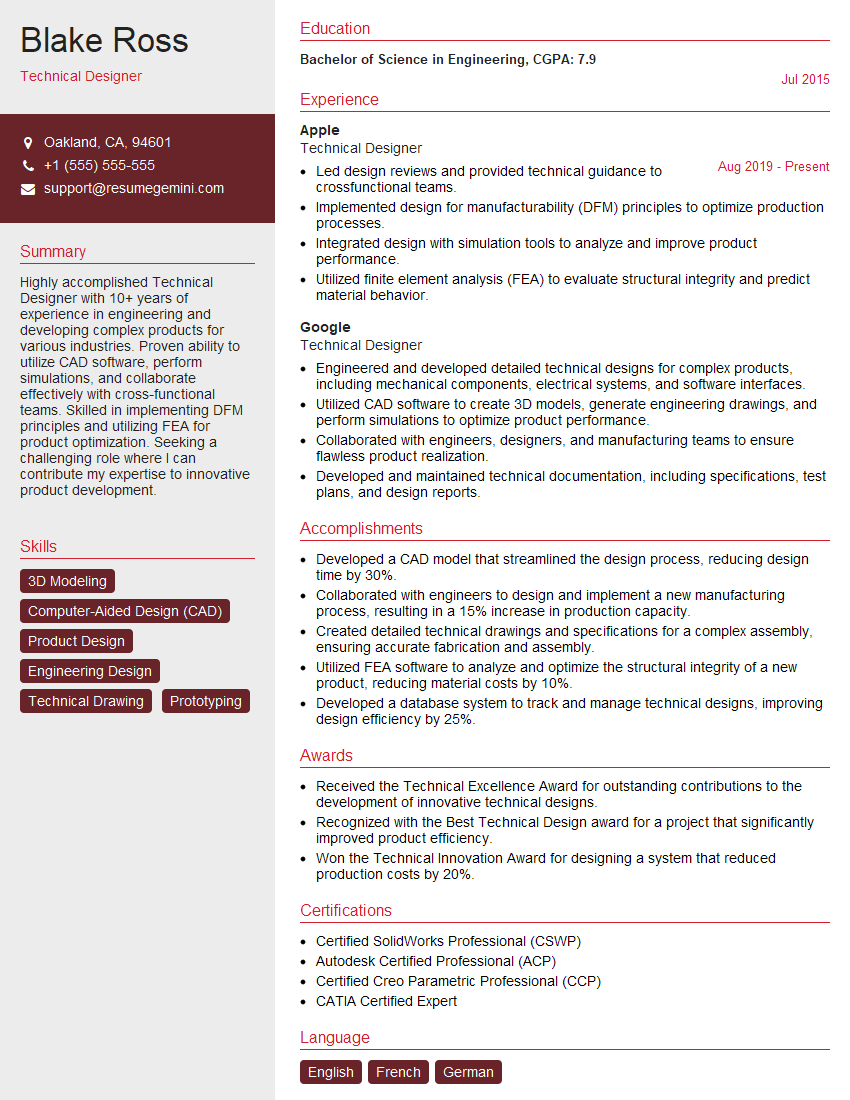
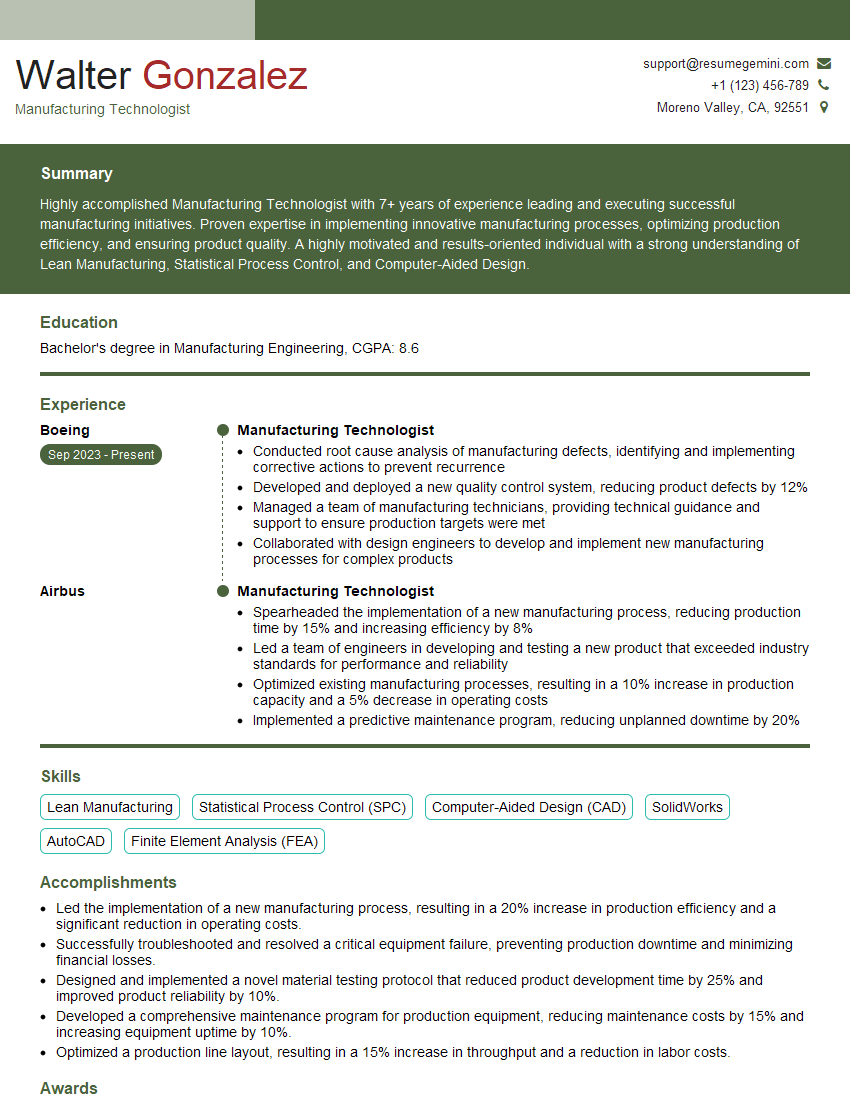
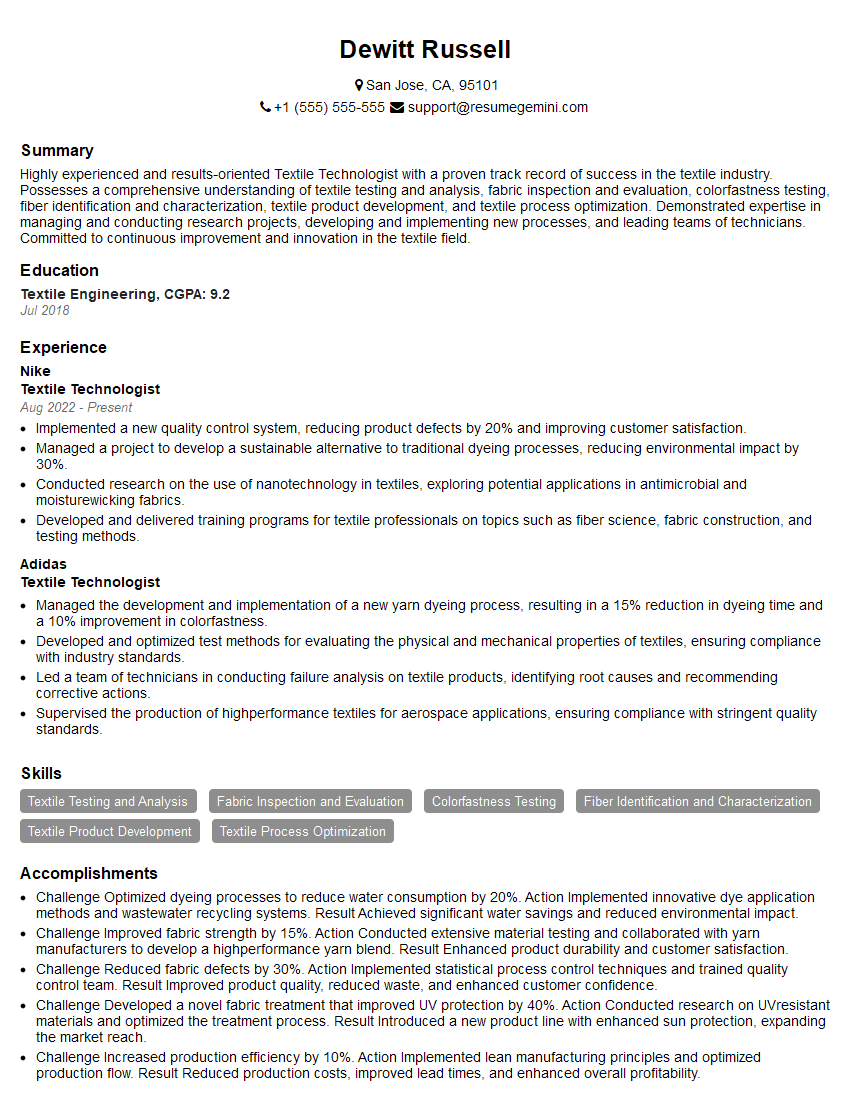
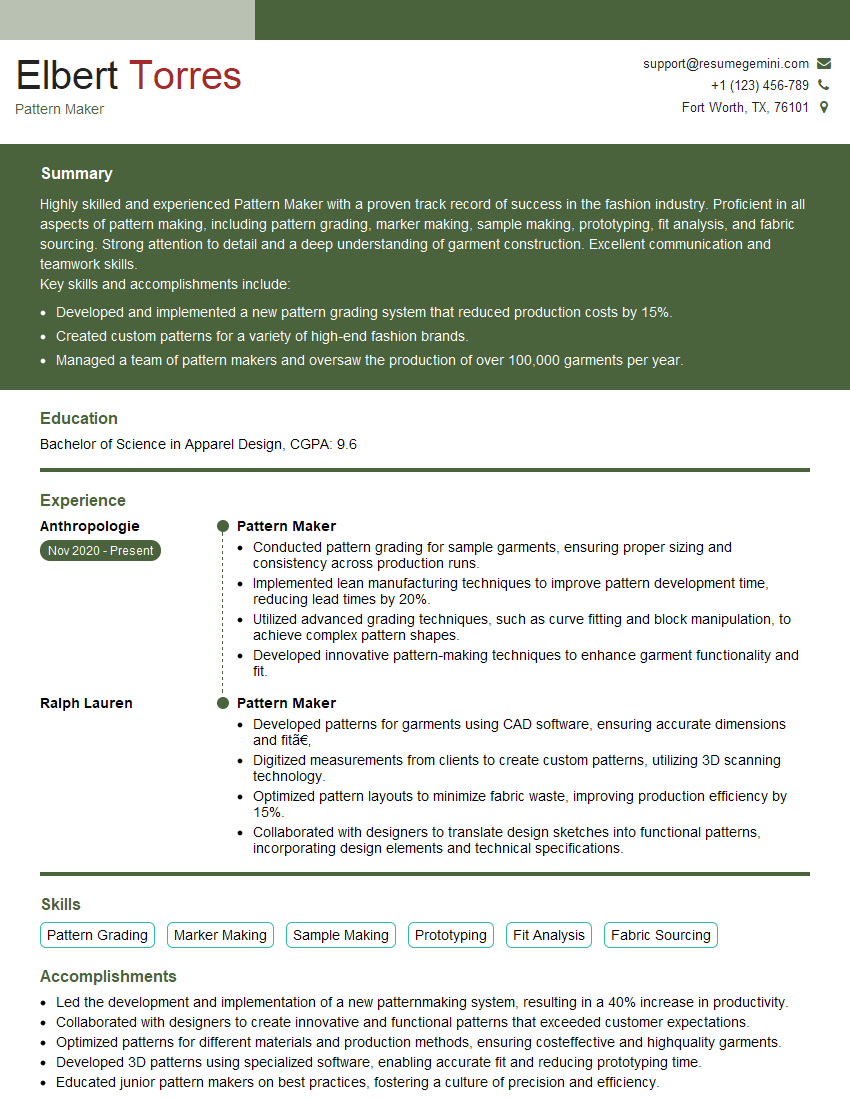
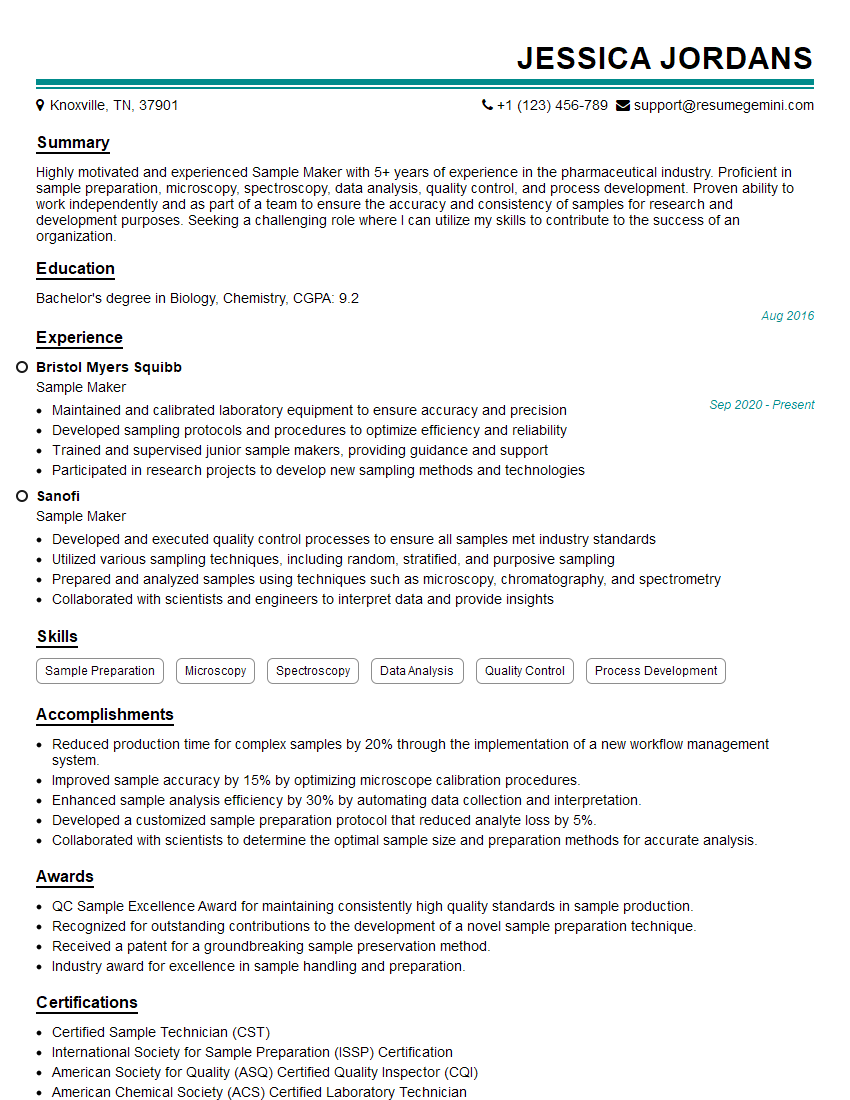
Mastering Technical Pack Creation is crucial for career advancement in design and manufacturing. A strong understanding of these processes significantly enhances your value to potential employers. To maximize your job prospects, create an ATS-friendly resume that clearly highlights your skills and experience. ResumeGemini is a trusted resource to help you build a professional and impactful resume. Examples of resumes tailored to Technical Pack Creation are available to further assist you in showcasing your expertise. Invest the time to craft a compelling resume – it’s your first impression and a key to unlocking your career goals.
Explore more articles
Users Rating of Our Blogs
Share Your Experience
We value your feedback! Please rate our content and share your thoughts (optional).
What Readers Say About Our Blog
Amazing blog
hello,
Our consultant firm based in the USA and our client are interested in your products.
Could you provide your company brochure and respond from your official email id (if different from the current in use), so i can send you the client’s requirement.
Payment before production.
I await your answer.
Regards,
MrSmith
hello,
Our consultant firm based in the USA and our client are interested in your products.
Could you provide your company brochure and respond from your official email id (if different from the current in use), so i can send you the client’s requirement.
Payment before production.
I await your answer.
Regards,
MrSmith
These apartments are so amazing, posting them online would break the algorithm.
https://bit.ly/Lovely2BedsApartmentHudsonYards
Reach out at BENSON@LONDONFOSTER.COM and let’s get started!
Take a look at this stunning 2-bedroom apartment perfectly situated NYC’s coveted Hudson Yards!
https://bit.ly/Lovely2BedsApartmentHudsonYards
Live Rent Free!
https://bit.ly/LiveRentFREE
Interesting Article, I liked the depth of knowledge you’ve shared.
Helpful, thanks for sharing.
Hi, I represent a social media marketing agency and liked your blog
Hi, I represent an SEO company that specialises in getting you AI citations and higher rankings on Google. I’d like to offer you a 100% free SEO audit for your website. Would you be interested?