The thought of an interview can be nerve-wracking, but the right preparation can make all the difference. Explore this comprehensive guide to Working with community groups and organizations to address local needs interview questions and gain the confidence you need to showcase your abilities and secure the role.
Questions Asked in Working with community groups and organizations to address local needs Interview
Q 1. Describe your experience in needs assessment within a community setting.
Needs assessment in a community setting involves systematically identifying and understanding the challenges and opportunities faced by residents. It’s like taking a community’s ‘vital signs’ to understand its health. This process goes beyond simply identifying problems; it delves into the root causes, the impacts on different groups, and the resources available to address them.
My approach involves a multi-pronged strategy. First, I utilize primary data collection methods such as surveys, focus groups, and one-on-one interviews with community members to get direct insights. Secondly, I analyze secondary data, including census data, crime statistics, and reports from local agencies, to get a broader picture. Finally, I use a participatory approach, engaging community leaders and organizations to ensure the assessment reflects their perspectives and experiences.
For example, in a recent project addressing food insecurity, we conducted household surveys, analyzed local food bank usage statistics, and held community forums to understand the extent of the problem, its underlying causes (e.g., unemployment, lack of transportation), and the existing support systems.
Q 2. How do you identify and prioritize community needs?
Identifying and prioritizing community needs requires a balanced approach combining quantitative and qualitative data. I prioritize needs based on factors such as the severity of the issue, the number of people affected, the potential for positive impact with intervention, and the community’s readiness for change.
- Severity: A public health crisis needs immediate attention compared to a long-term issue like affordable housing, though both are important.
- Scale: A need affecting a large percentage of the population naturally gets higher priority.
- Feasibility: While addressing homelessness is crucial, the resources and support available will influence prioritization.
- Community Engagement: The level of community support and willingness to participate is a key factor.
I often employ a matrix or scoring system to objectively assess and rank needs based on these criteria, ensuring transparency and allowing for stakeholder input. This process minimizes bias and increases buy-in.
Q 3. Explain your approach to building relationships with community stakeholders.
Building trust and rapport with community stakeholders is paramount. It’s about fostering genuine relationships, not just transactional ones. I approach relationship-building with empathy, active listening, and a commitment to inclusivity.
- Active Listening: I prioritize understanding their perspectives and concerns before presenting my own ideas.
- Transparency and Honesty: I communicate openly and honestly, even when dealing with difficult issues.
- Respectful Communication: I ensure that all voices are heard and valued, regardless of their background or position.
- Consistent Engagement: I maintain regular communication and follow-up to build and sustain relationships over time.
For instance, I regularly attend community events, participate in local meetings, and build personal connections with key individuals to demonstrate my commitment to the community. I also make a point of visiting people in their homes or where they’re comfortable, fostering a sense of trust.
Q 4. Describe a time you successfully collaborated with a diverse group of community members.
In a project revitalizing a neglected park, I collaborated with a diverse group including residents, local businesses, city officials, and youth groups. Initial meetings were challenging; differing opinions on park design, funding, and community usage arose. To address this, I facilitated a series of workshops using participatory planning techniques.
We began with brainstorming sessions where everyone contributed ideas anonymously. We then used visual aids and collaborative mapping to develop consensus on the park’s features. This collaborative approach helped manage conflicts effectively. The final park design reflected the collective vision, resulting in increased community pride and a flourishing green space.
The success stemmed from active listening, conflict resolution strategies, and transparent decision-making. This project demonstrated the power of inclusive collaboration in achieving community-led development.
Q 5. How do you measure the success of a community-based program?
Measuring success goes beyond simply ticking off completed tasks. It requires a comprehensive evaluation framework that assesses the program’s impact on the targeted community need. This involves both qualitative and quantitative methods.
- Quantitative Data: This includes using metrics such as the number of people served, changes in relevant indicators (e.g., reduction in crime rates, improved health outcomes), and program participation rates.
- Qualitative Data: This involves gathering feedback through interviews, focus groups, and surveys to understand the lived experiences and perspectives of those who participated in the program.
For example, in evaluating a youth mentorship program, we tracked the participants’ academic performance, their engagement levels, and collected feedback from both mentors and mentees. The combination of data provided a holistic picture of the program’s effectiveness.
Q 6. What strategies do you employ to engage hard-to-reach populations?
Engaging hard-to-reach populations requires understanding the barriers to their participation and tailoring strategies to overcome them. This often requires building trust and demonstrating cultural sensitivity.
- Building Trust: Partnering with trusted community leaders and organizations within the target population is crucial.
- Accessibility: Offering services at convenient times and locations, such as evenings or weekends, and providing transportation assistance if needed.
- Cultural Sensitivity: Using culturally appropriate communication methods and materials, and ensuring that services are culturally relevant.
- Community-Based Participatory Research (CBPR): Involving the target population in the design and implementation of programs, giving them a sense of ownership.
For instance, to reach homeless individuals, we partnered with local shelters, utilized street outreach workers, and offered services directly on the streets. We also ensured that our communication materials were easy to understand and available in multiple languages.
Q 7. How would you address conflict within a community group?
Addressing conflict within a community group requires a proactive and facilitative approach. My strategy involves identifying the root cause of the conflict, mediating disagreements fairly, and fostering open communication.
- Facilitation: Creating a safe space for open dialogue, ensuring all parties feel heard and respected.
- Active Listening: Understanding each party’s perspective and identifying their underlying needs and concerns.
- Mediation: Helping parties find common ground and develop mutually acceptable solutions.
- Conflict Resolution Strategies: Employing techniques such as compromise, negotiation, and collaboration.
For example, if disagreement occurs over resource allocation, I facilitate a meeting using structured discussion techniques, helping the group analyze the resources and agree upon a fair distribution plan. The key is to address the issue directly, focusing on solutions rather than assigning blame.
Q 8. Describe your experience in grant writing or fundraising for community initiatives.
Grant writing and fundraising are crucial for securing resources to support community initiatives. My experience spans over ten years, encompassing everything from identifying funding opportunities to crafting compelling proposals and managing awarded grants. I’ve successfully secured funding from various sources, including government agencies, private foundations, and corporate sponsors. For example, I spearheaded a grant proposal for a youth mentorship program that secured $50,000 from a local foundation. This involved researching the foundation’s priorities, tailoring the proposal to align with their mission, and meticulously detailing the program’s budget, evaluation plan, and anticipated impact. Another successful project involved a crowdfunding campaign where I leveraged social media and community partnerships to raise over $15,000 for a community garden project.
My approach is strategic and data-driven. I start by understanding the community need, developing a clear project plan, and then identifying funding sources that best match the project goals. This involves careful research, strong writing skills, and the ability to articulate the project’s value proposition effectively to potential funders.
Q 9. How do you adapt your communication style to different community groups?
Adapting communication style is essential for effective community engagement. Different groups have varying communication preferences, levels of technical understanding, and cultural backgrounds. I tailor my approach accordingly. For instance, when working with a group of elderly residents, I prioritize clear, concise language and use a more patient, empathetic approach, often using face-to-face meetings and simpler materials. With younger audiences, I might incorporate more interactive methods such as social media engagement or workshops. When communicating with diverse cultural groups, I ensure materials are translated and culturally sensitive, perhaps involving community leaders as interpreters or cultural advisors.
I utilize active listening to understand their concerns and priorities. This ensures my communication is responsive and relevant, fostering trust and collaboration. I’m also proficient in utilizing various communication channels, from in-person meetings and presentations to email, newsletters, and social media platforms, choosing the most effective method based on the specific audience.
Q 10. How do you ensure community projects are sustainable in the long term?
Sustainability is paramount in community projects. To ensure long-term success, I integrate sustainability into every stage, from planning to implementation and evaluation. This involves several key strategies:
- Building local capacity: Training community members to manage and maintain the project, ensuring ownership and long-term commitment.
- Diversifying funding streams: Exploring multiple funding sources to reduce reliance on a single grant and creating a stable financial base.
- Establishing partnerships: Collaborating with other organizations to share resources and build a strong support network.
- Developing a robust evaluation plan: Regularly assessing the project’s impact and making adjustments as needed to ensure it remains relevant and effective.
- Creating a clear exit strategy: Planning for a smooth transition of responsibility if a project ends, ensuring continuation or integration into existing community structures.
For example, in a community garden project, we trained volunteers in gardening techniques, established a system for sharing produce, and partnered with local businesses for donations and sponsorship. This ensured the garden’s continued operation even after the initial grant funding ended.
Q 11. What are some common challenges faced in working with community organizations, and how have you overcome them?
Working with community organizations presents several challenges. One common issue is differing priorities and agendas. Sometimes, organizations might have conflicting goals or approaches, leading to disagreements and delays. I’ve addressed this by facilitating open communication and collaborative decision-making processes. This involves bringing all stakeholders together to establish shared goals and develop a consensus-based action plan. Another challenge is limited resources, both financial and human. To overcome this, I focus on leveraging existing assets within the community, seeking in-kind donations, and developing creative solutions to maximize the impact of limited resources.
In one instance, a conflict arose between two community groups regarding the use of a shared community space. By facilitating open dialogue, clearly defining responsibilities, and creating a shared schedule, we were able to resolve the conflict and ensure both groups could utilize the space effectively. Another challenge is navigating bureaucratic hurdles and navigating complex approval processes. I mitigate this by proactively addressing potential roadblocks, establishing clear communication with relevant stakeholders, and having a deep understanding of grant application requirements and local regulations.
Q 12. Explain your understanding of community capacity building.
Community capacity building is the process of strengthening the assets, skills, and resources within a community to enable it to address its own needs and challenges effectively. It’s about empowering individuals and organizations to work together to achieve collective goals. It’s not simply about providing resources, but also about developing leadership, fostering collaboration, and building social capital.
My approach to community capacity building is holistic and participatory. I focus on identifying existing community strengths and building upon them. This involves assessing community assets, conducting needs assessments, and engaging community members in planning and decision-making processes. I also provide training and support to build skills and knowledge within the community. For example, we might conduct workshops on grant writing, project management, or conflict resolution to equip community members with the tools they need to be self-sufficient. The ultimate goal is to build a community that is resilient, self-reliant, and able to sustain its own development.
Q 13. How do you build trust and rapport with community members?
Building trust and rapport is fundamental to successful community engagement. It’s a process that requires patience, empathy, and genuine commitment. I begin by actively listening to community members, understanding their perspectives and concerns, and showing genuine respect for their experiences. Transparency and honesty are crucial; I clearly communicate project goals, timelines, and potential challenges. I actively involve community members in all stages of the project, ensuring their voices are heard and their concerns addressed. This participatory approach builds ownership and commitment.
I also prioritize building personal relationships. I attend community events, participate in local activities, and make an effort to get to know community members on a personal level. Building trust takes time, but consistency, authenticity, and a genuine commitment to serving the community will consistently demonstrate that you are a reliable and trustworthy partner. This personal touch fosters strong relationships and a sense of shared purpose, leading to increased participation and collaboration.
Q 14. Describe your experience with community-based participatory research.
Community-based participatory research (CBPR) is an approach that values the expertise and lived experiences of community members as integral to the research process. It emphasizes collaboration and partnership between researchers and community stakeholders, ensuring the research is relevant, culturally appropriate, and empowers the community. My experience with CBPR includes leading several projects where we partnered with community members to identify pressing health concerns, develop intervention strategies, and evaluate the effectiveness of these interventions.
In one CBPR project, we partnered with a low-income neighborhood to investigate the factors contributing to high rates of childhood obesity. We worked closely with residents to design the research, collect data through surveys and focus groups, and analyze the findings. The results were then used to develop a community-based nutrition program tailored to the specific needs and preferences of the community. The involvement of residents ensured the program was culturally sensitive, accessible, and sustainable in the long term. This collaborative approach ensured the research was not just for the community, but by the community.
Q 15. How do you navigate ethical considerations when working with vulnerable populations?
Navigating ethical considerations when working with vulnerable populations requires a deeply ingrained commitment to their well-being and rights. It’s about prioritizing their autonomy, dignity, and safety above all else. This involves meticulous adherence to informed consent protocols, ensuring participants fully understand the project’s purpose, procedures, and potential risks before involvement. Transparency is crucial; we must be upfront about how data will be used and protected. Confidentiality is paramount, and we implement robust measures to safeguard sensitive information.
For example, in a project addressing food insecurity, we wouldn’t just distribute food; we’d ensure that distribution methods respect individual preferences and cultural sensitivities. We would also be mindful of not creating dependency or inadvertently stigmatizing participants. We’d actively seek input from the community to shape the project and ensure it aligns with their needs and values. Any potential conflicts of interest would be proactively identified and addressed transparently. We’d also continuously evaluate our practices to ensure ethical standards are maintained.
Career Expert Tips:
- Ace those interviews! Prepare effectively by reviewing the Top 50 Most Common Interview Questions on ResumeGemini.
- Navigate your job search with confidence! Explore a wide range of Career Tips on ResumeGemini. Learn about common challenges and recommendations to overcome them.
- Craft the perfect resume! Master the Art of Resume Writing with ResumeGemini’s guide. Showcase your unique qualifications and achievements effectively.
- Don’t miss out on holiday savings! Build your dream resume with ResumeGemini’s ATS optimized templates.
Q 16. What is your experience with data collection and analysis in community projects?
My experience with data collection and analysis in community projects is extensive. I’ve utilized a variety of methods, from quantitative surveys and statistical analysis to qualitative interviews and thematic analysis. In one project addressing youth unemployment, we employed surveys to gather demographic data and employment aspirations, followed by focus groups to gain deeper insights into barriers to employment. We then used statistical software (like SPSS) to analyze survey data, identifying trends and correlations, and thematic analysis of the focus groups to understand the underlying issues.
Data security and privacy are always top priorities. We use anonymization techniques, secure data storage, and adhere strictly to relevant data protection regulations. Crucially, we always prioritize the community’s ownership of the data. The findings are shared with them transparently, and we ensure they are actively involved in interpreting the results and informing subsequent actions.
Q 17. How familiar are you with relevant legislation and regulations affecting community work?
I’m very familiar with relevant legislation and regulations affecting community work. This includes data protection laws like GDPR and HIPAA, regulations related to non-profit organizations, and any specific laws pertaining to the particular community or issue being addressed (e.g., laws related to child protection or environmental regulations). Understanding these regulations is not just a legal requirement; it’s fundamental to building trust and maintaining ethical practices.
For example, when working with children, we must strictly adhere to child protection laws and obtain necessary parental consent. When collecting sensitive health data, compliance with HIPAA is essential. Regular updates on legal changes are incorporated into our processes to ensure ongoing compliance. We often consult with legal professionals to ensure our projects are legally sound and ethically responsible.
Q 18. Describe a time you had to adapt a project plan due to unexpected circumstances.
In a project aimed at improving access to healthcare in a rural community, we faced an unexpected disruption when a major winter storm hit, rendering roads impassable and preventing our planned mobile health clinic visits. Our initial plan relied heavily on these in-person visits.
We adapted by quickly shifting to telehealth appointments. We contacted participants, rescheduled visits, and provided training on using video conferencing technology for remote consultations. While this wasn’t our initial plan, it ensured project continuity, and surprisingly, we found that some participants preferred the convenience of telehealth. This experience highlighted the importance of flexibility and the value of having backup plans in place when working in unpredictable environments.
Q 19. How do you handle negative feedback from community members?
Handling negative feedback from community members is crucial. We view it as an opportunity for growth and improvement, not as a personal attack. We always listen actively and empathetically, seeking to understand the underlying concerns. We acknowledge the feedback, validate the feelings of the person expressing it, and clearly communicate how we will address the issues raised.
For instance, if someone complains about a lack of transparency in decision-making, we would immediately address this by establishing clearer communication channels and involving community members in future decision-making processes. We might implement regular feedback sessions, town halls, or online forums to ensure ongoing dialogue and prevent future misunderstandings. Transparency and open communication are keys to resolving conflicts and strengthening community relationships.
Q 20. What is your experience with volunteer management?
My experience with volunteer management encompasses recruitment, training, supervision, and ongoing support. Effective volunteer management involves clear communication of roles, responsibilities, and expectations. We provide thorough training to equip volunteers with the necessary skills and knowledge. Regular supervision ensures volunteers feel supported and their work remains aligned with project goals. We also foster a sense of community among volunteers, celebrating their contributions and ensuring they have opportunities for professional development.
For example, in a park cleanup project, we recruited volunteers, provided training on safe waste handling, assigned tasks, and held regular check-ins. We recognized individual contributions and celebrated the collective impact through a final volunteer appreciation event, fostering a strong sense of shared accomplishment.
Q 21. How do you evaluate the effectiveness of different community engagement strategies?
Evaluating the effectiveness of community engagement strategies involves a multi-faceted approach. We use a combination of quantitative and qualitative data. Quantitative data might include participation rates, survey results measuring satisfaction levels, or changes in key indicators (e.g., reduction in crime rates following a community safety project). Qualitative data comes from focus groups, interviews, observations, or case studies to get deeper insights into people’s experiences and perceptions.
For example, if implementing a new youth mentorship program, we would measure the number of youth participating, the quality of mentoring relationships (through feedback from mentors and mentees), and the youth’s improved academic performance or social-emotional well-being. By combining quantitative and qualitative data, we obtain a comprehensive understanding of the program’s impact, allowing us to refine the strategy and improve future outcomes.
Q 22. Describe your experience in facilitating community meetings or workshops.
Facilitating effective community meetings and workshops requires a blend of strong interpersonal skills, organizational prowess, and a deep understanding of group dynamics. My approach centers around creating a safe and inclusive space where all voices are heard and valued. I begin by clearly defining the meeting’s objectives and sharing them with participants beforehand. This sets expectations and ensures everyone is on the same page.
During the meeting, I employ various techniques to encourage participation, such as using icebreakers to build rapport, employing visual aids to clarify complex information, and using structured discussion formats (like brainstorming or round-robin) to ensure equitable participation. Active listening and empathetic communication are crucial. I make sure to summarize key points regularly and address any concerns or disagreements constructively.
For example, when working with a neighborhood association concerned about traffic congestion, I facilitated a series of workshops. We started with individual brainstorming sessions to identify the root causes, followed by group discussions to prioritize solutions and develop action plans. The process culminated in a well-defined plan presented to the city council, which resulted in traffic calming measures being implemented.
Post-meeting, I always follow up with a summary of key decisions, action items, and assigned responsibilities, keeping participants informed and accountable.
Q 23. How do you incorporate technology to improve community engagement?
Technology plays a vital role in enhancing community engagement, bridging geographical barriers, and promoting inclusivity. I leverage various digital tools to facilitate communication, information sharing, and collaborative project management.
For instance, I utilize online platforms like SurveyMonkey or Google Forms to gather input from community members conveniently. This is particularly helpful for reaching diverse populations or those with mobility challenges. Social media platforms like Facebook groups or Nextdoor can be used to share updates, solicit feedback, and promote events.
Furthermore, video conferencing tools such as Zoom or Google Meet enable virtual meetings, extending participation to those unable to attend in person. Online collaboration tools like Google Docs or Microsoft Teams facilitate the collective creation and editing of documents, enhancing transparency and teamwork. Finally, I utilize data analytics from online surveys and social media to track engagement levels and tailor my strategies to better meet community needs. For example, analyzing feedback from online surveys helps prioritize community concerns and adapt the project to fit local needs.
Q 24. How do you ensure diversity, equity, and inclusion in your community work?
Diversity, equity, and inclusion (DEI) are not merely buzzwords but fundamental principles guiding my community work. I believe everyone deserves a seat at the table and a voice in shaping their community. My approach involves proactively seeking input from marginalized groups, understanding their unique challenges and perspectives, and adapting my strategies accordingly.
This includes using inclusive language, providing translations for materials, and offering meetings at various times to accommodate different schedules. I also actively recruit and collaborate with individuals from diverse backgrounds, ensuring representation on committees and working groups. For example, in a project addressing food insecurity, I ensured representation from different ethnic and socioeconomic groups, guaranteeing their concerns were understood and addressed. Furthermore, I regularly review my practices to identify biases and adjust my approach to promote fairness and equitable outcomes. I actively seek feedback from community members about the inclusivity of my methods and make adjustments as needed.
Q 25. What experience do you have with strategic planning for community initiatives?
Strategic planning is essential for successful community initiatives. It provides a roadmap, ensuring resources are utilized effectively and goals are achieved. My experience involves collaborating with community stakeholders to define clear objectives, identify key challenges, and develop actionable strategies. I use participatory planning models, involving community members at every stage of the process.
This typically begins with a needs assessment, identifying the most pressing issues facing the community. Next, we develop SMART goals (Specific, Measurable, Achievable, Relevant, Time-bound). Then, we outline strategies and action steps, identifying responsible parties and setting deadlines. Finally, we develop a monitoring and evaluation plan to track progress and make necessary adjustments. For instance, when working on a revitalization project for a downtown area, we conducted extensive community surveys and stakeholder interviews to identify priorities, which then formed the basis of a comprehensive strategic plan outlining short-term and long-term objectives, with timelines and budget allocations.
Q 26. Describe your understanding of different community development models.
My understanding of community development models encompasses a wide range, from asset-based community development (ABCD) to collaborative leadership models and participatory action research.
Asset-Based Community Development (ABCD) focuses on identifying and utilizing existing community strengths and resources rather than solely focusing on deficits. Collaborative leadership emphasizes shared power and decision-making, ensuring diverse voices contribute to the planning and implementation processes. Participatory action research (PAR) involves community members as active researchers, shaping the research questions, data collection, and analysis. The choice of model depends on the specific context, community needs, and available resources. I often use a blended approach, drawing on the strengths of different models to design the most effective strategy for each unique situation.
Q 27. How would you address a situation where community resources are limited?
Limited resources are a common challenge in community development. My approach centers on creative problem-solving and resource mobilization. Firstly, I prioritize needs, focusing on the most pressing issues and those with the highest potential impact. This may require difficult choices, focusing efforts on projects with the greatest potential for leveraging existing resources and attracting new support. Next, I explore diverse funding options, including grants, sponsorships, and in-kind contributions. I actively seek partnerships with other organizations to leverage their resources and expertise.
Furthermore, I encourage community members to contribute their skills and time as volunteers, fostering a sense of ownership and shared responsibility. Finally, I prioritize sustainability, ensuring projects are designed to be self-sustaining in the long run. For instance, in a project addressing affordable housing, limited funding led to a focus on community land trusts and leveraging volunteer labor for construction, creating a sustainable model that reduced reliance on external funding.
Q 28. How do you maintain your own well-being while working in a demanding community setting?
Working in a demanding community setting can be emotionally and mentally draining. Maintaining my well-being is a priority, as burnout can significantly hinder effectiveness. I prioritize self-care through various strategies including regular exercise, mindfulness practices, and sufficient sleep. Establishing clear boundaries between work and personal life is crucial. This may involve setting aside specific times for work and strictly adhering to them.
Building a strong support network is essential, both professionally and personally. Connecting with colleagues, mentors, and friends helps manage stress and provides emotional support. Regular reflection on accomplishments, even small ones, helps maintain motivation and perspective. It’s also crucial to recognize the inherent limitations of what can be achieved and to avoid taking on too much at once. Prioritizing self-care allows me to remain engaged and effective in my work, ultimately benefiting the community I serve.
Key Topics to Learn for Working with community groups and organizations to address local needs Interview
- Needs Assessment and Community Analysis: Understanding the specific needs of a community through data analysis, surveys, and stakeholder engagement. Practical application: Describing your experience in identifying a community’s unmet needs and prioritizing solutions.
- Collaboration and Partnership Building: Developing effective relationships with diverse community groups, organizations, and stakeholders. Practical application: Providing examples of successful collaborations and navigating potential conflicts.
- Program Development and Implementation: Designing and implementing community-based programs that effectively address identified needs. Practical application: Detailing your experience in planning, budgeting, and executing community initiatives.
- Resource Management and Fundraising: Securing funding and managing resources effectively to support community programs. Practical application: Demonstrating your experience with grant writing, budgeting, and resource allocation.
- Community Engagement and Outreach: Developing strategies to effectively engage community members and promote program participation. Practical application: Describing methods used to communicate program benefits and build community support.
- Evaluation and Impact Measurement: Assessing the effectiveness of community programs and demonstrating their impact on the community. Practical application: Explaining how you measure the success of programs and use data to inform future strategies.
- Conflict Resolution and Negotiation: Addressing conflicts and disagreements among stakeholders effectively. Practical application: Providing examples of successful conflict resolution strategies in a community setting.
- Ethical Considerations and Community Sensitivity: Understanding and adhering to ethical principles and respecting cultural diversity in all aspects of community work. Practical application: Demonstrating cultural awareness and sensitivity in community interactions.
Next Steps
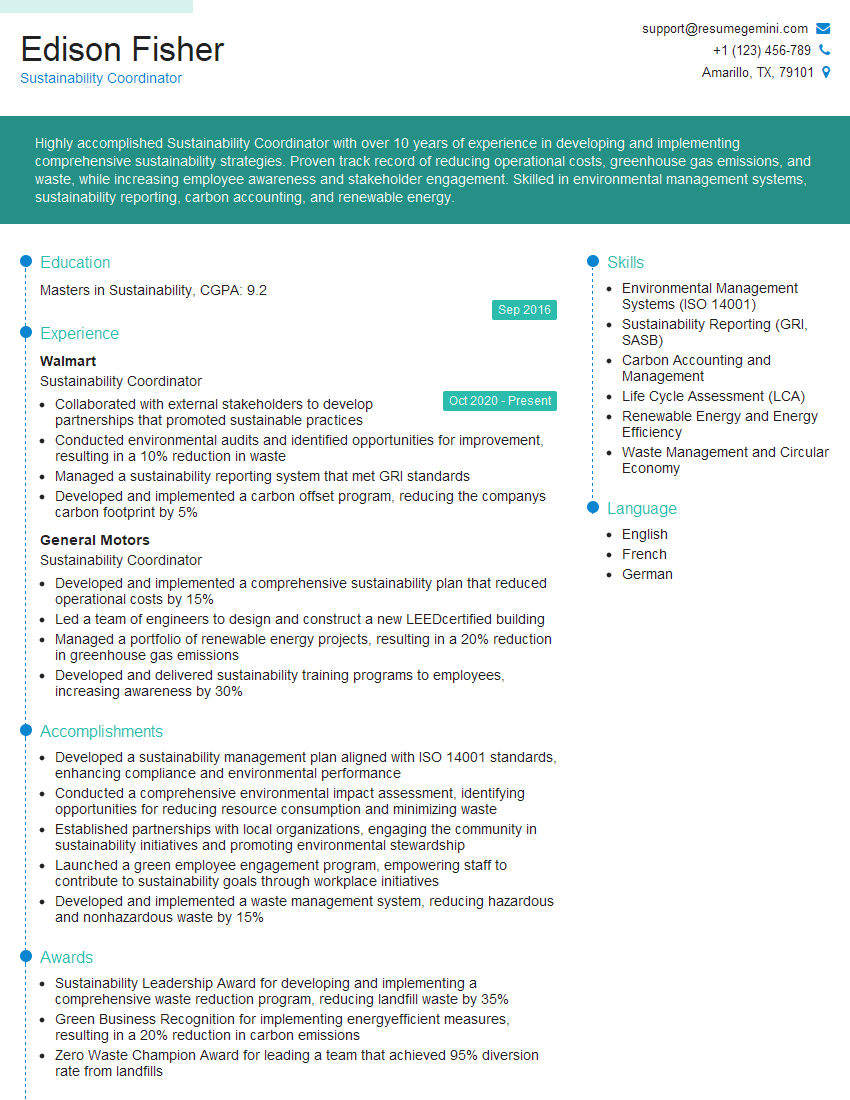
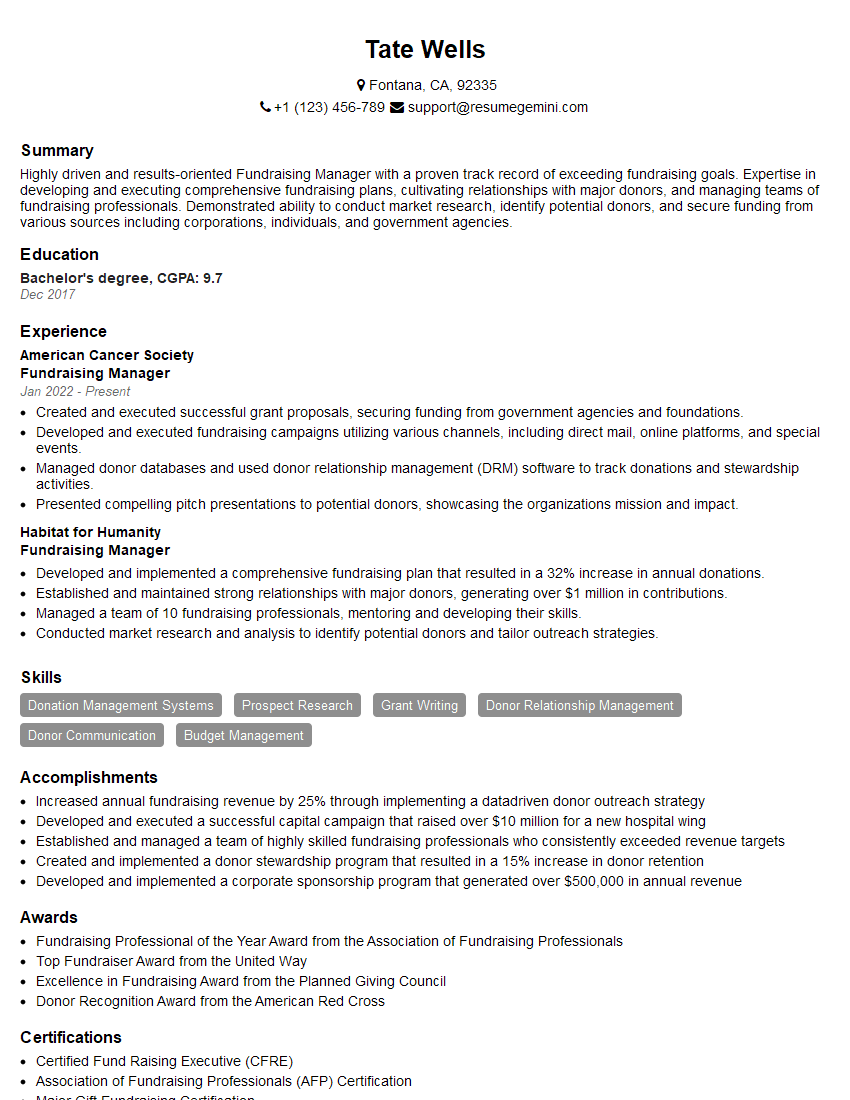
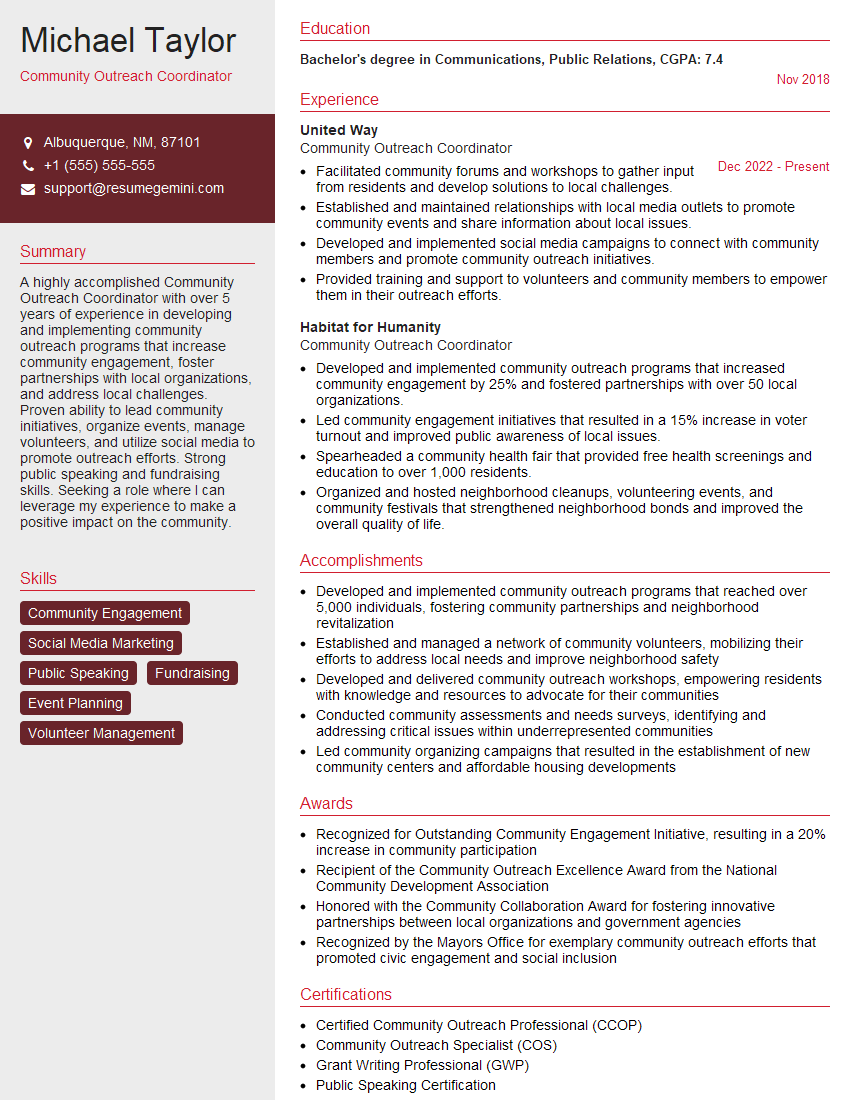
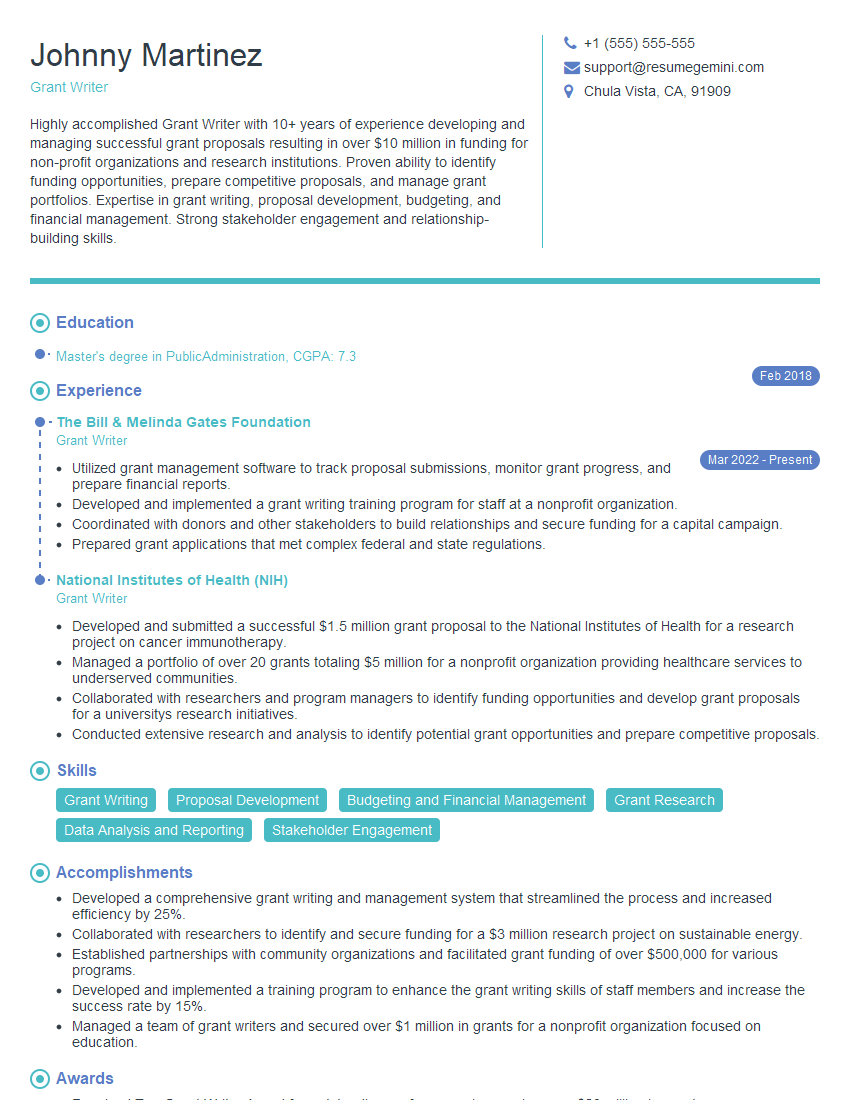
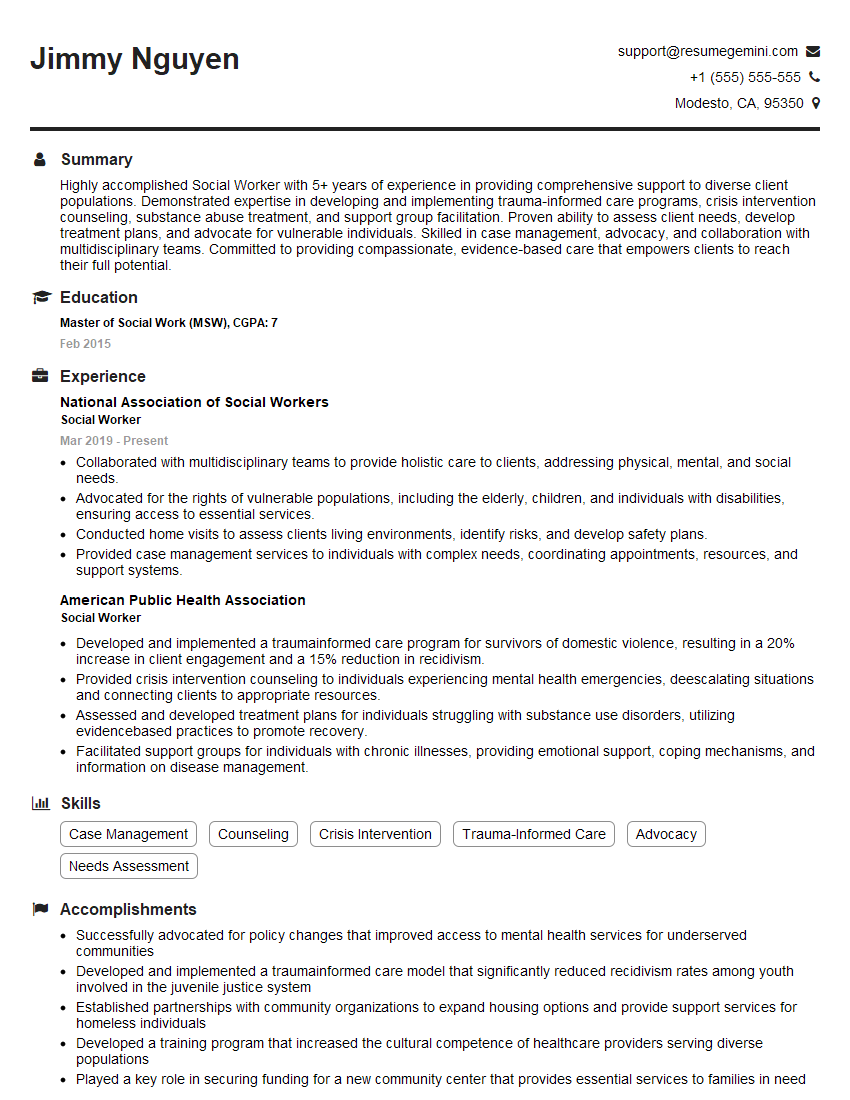
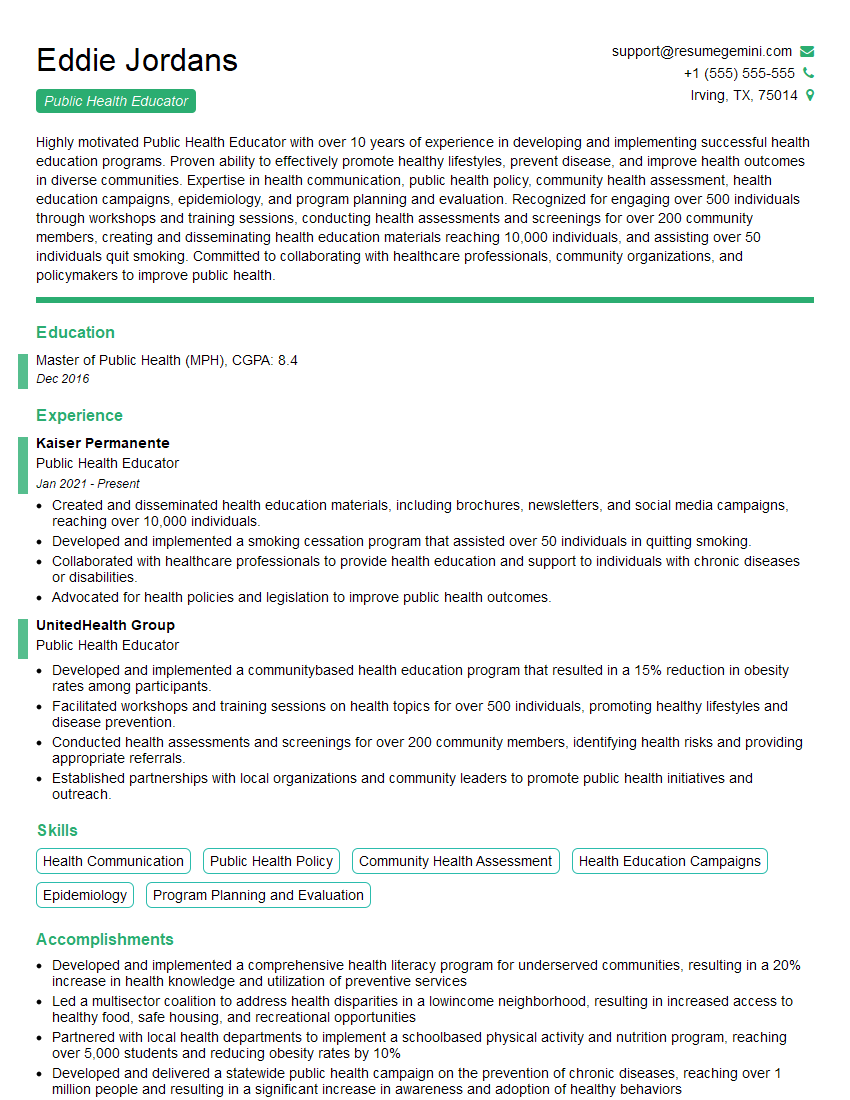
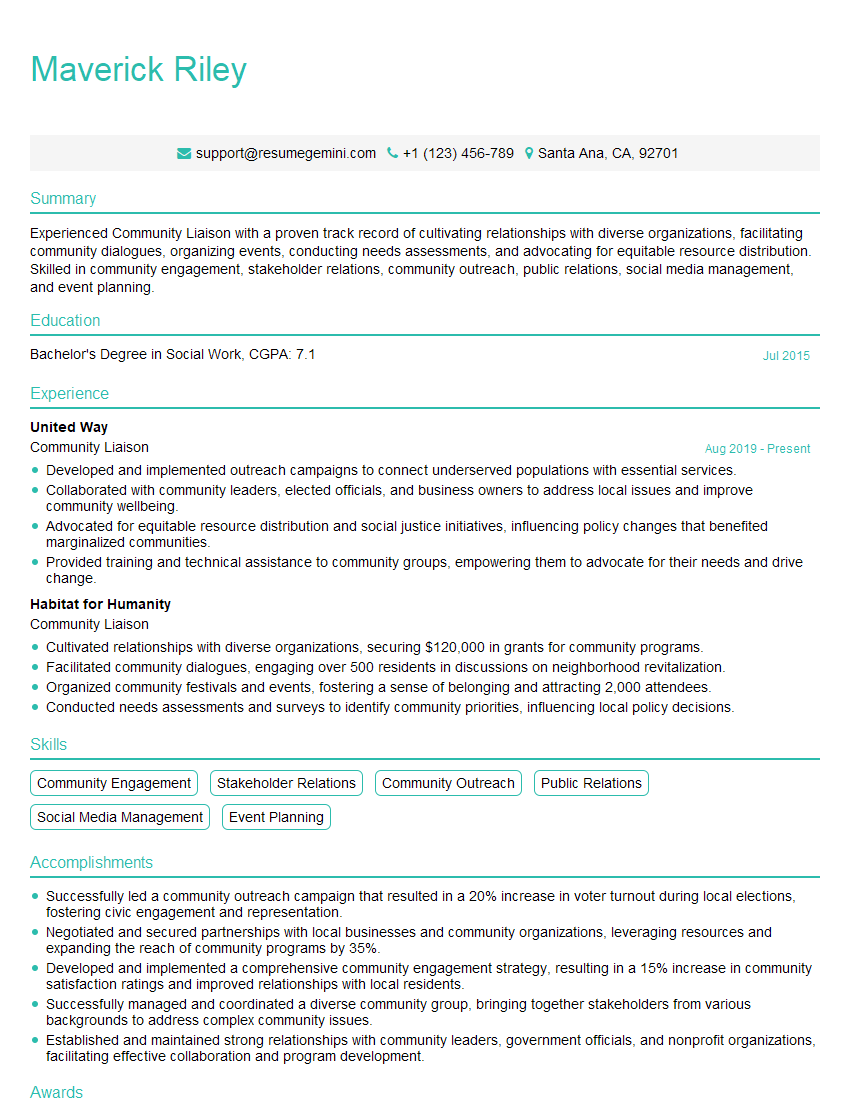
Mastering the art of working with community groups is crucial for career advancement in many fields. It demonstrates valuable skills in collaboration, problem-solving, and leadership. To enhance your job prospects, it’s essential to create an ATS-friendly resume that highlights these key skills. We strongly encourage you to use ResumeGemini to build a professional and impactful resume. ResumeGemini provides a user-friendly platform and offers examples of resumes tailored to working with community groups and organizations, ensuring your application stands out.

Explore more articles
Users Rating of Our Blogs
Share Your Experience
We value your feedback! Please rate our content and share your thoughts (optional).
What Readers Say About Our Blog
Amazing blog
hello,
Our consultant firm based in the USA and our client are interested in your products.
Could you provide your company brochure and respond from your official email id (if different from the current in use), so i can send you the client’s requirement.
Payment before production.
I await your answer.
Regards,
MrSmith
hello,
Our consultant firm based in the USA and our client are interested in your products.
Could you provide your company brochure and respond from your official email id (if different from the current in use), so i can send you the client’s requirement.
Payment before production.
I await your answer.
Regards,
MrSmith
These apartments are so amazing, posting them online would break the algorithm.
https://bit.ly/Lovely2BedsApartmentHudsonYards
Reach out at BENSON@LONDONFOSTER.COM and let’s get started!
Take a look at this stunning 2-bedroom apartment perfectly situated NYC’s coveted Hudson Yards!
https://bit.ly/Lovely2BedsApartmentHudsonYards
Live Rent Free!
https://bit.ly/LiveRentFREE
Interesting Article, I liked the depth of knowledge you’ve shared.
Helpful, thanks for sharing.
Hi, I represent a social media marketing agency and liked your blog
Hi, I represent an SEO company that specialises in getting you AI citations and higher rankings on Google. I’d like to offer you a 100% free SEO audit for your website. Would you be interested?