Unlock your full potential by mastering the most common Working with multidisciplinary healthcare teams interview questions. This blog offers a deep dive into the critical topics, ensuring you’re not only prepared to answer but to excel. With these insights, you’ll approach your interview with clarity and confidence.
Questions Asked in Working with multidisciplinary healthcare teams Interview
Q 1. Describe your experience working within a multidisciplinary healthcare team.
My experience working in multidisciplinary healthcare teams spans over eight years, encompassing roles in both inpatient and outpatient settings. I’ve collaborated extensively with physicians, nurses, physiotherapists, occupational therapists, social workers, and dieticians. This collaborative approach has consistently proven crucial in delivering holistic, patient-centered care. For example, in my previous role at City General Hospital, I worked within a team managing a patient with complex post-stroke rehabilitation needs. My contribution focused on speech therapy, but the success of the patient’s overall recovery was directly linked to the coordinated efforts of the entire team – from the neurologist’s diagnosis and the physician’s medication management to the physiotherapist’s mobility training and the occupational therapist’s adaptive strategies for daily living. The collaborative nature of this approach significantly improved patient outcomes and satisfaction.
Q 2. How do you ensure effective communication within a multidisciplinary team?
Effective communication within a multidisciplinary team is paramount. I utilize a multifaceted approach, including:
- Regular Team Meetings: Structured meetings with clear agendas ensure all team members have a platform to share updates, concerns, and ideas. These meetings also allow for conflict resolution and collaborative decision-making.
- Clear and Concise Documentation: Thorough and accessible documentation, such as shared electronic health records, facilitates information sharing among all team members. This eliminates ambiguity and ensures everyone is on the same page.
- Open Communication Channels: I encourage open dialogue among team members, fostering an environment where questions and concerns can be freely expressed. This might include using instant messaging platforms or dedicated communication channels for urgent updates.
- Active Listening and Empathy: I actively listen to different perspectives and demonstrate empathy towards each team member’s contributions and potential concerns. This approach fosters mutual respect and trust.
- Visual Aids: Where appropriate, using visual aids like flowcharts or diagrams can help clarify complex information and ensure everyone understands the shared goals.
For instance, in a recent case, we used a shared online whiteboard to visually represent our patient’s progress through different stages of rehabilitation. This facilitated better understanding and ensured everyone was aligned on the next steps.
Q 3. Explain a situation where you had to resolve a conflict within a healthcare team.
In one instance, a disagreement arose concerning the optimal treatment plan for a patient with chronic pain. The physician favoured a primarily pharmacological approach, while the physiotherapist advocated for a more holistic approach combining physical therapy with pain management techniques. The conflict stemmed from differing perspectives on the efficacy of each method and a perceived lack of communication. To resolve this, I facilitated a structured discussion emphasizing active listening and a collaborative approach. Each team member was given the opportunity to present their rationale, supported by evidence-based practices. We then collaboratively crafted a plan incorporating elements of both approaches – a balanced approach prioritizing the patient’s comfort and long-term well-being. This resulted in improved team cohesion and a more comprehensive treatment plan that was accepted by all team members.
Q 4. How do you contribute to a positive team dynamic?
I contribute to a positive team dynamic by promoting respect, collaboration, and open communication. This includes:
- Acknowledging contributions: Publicly acknowledging individual contributions and celebrating successes fosters a sense of team accomplishment.
- Supporting colleagues: Offering support and assistance to colleagues when needed builds trust and camaraderie.
- Mentoring junior team members: Sharing my knowledge and skills with junior team members fosters growth and development within the team.
- Promoting a positive attitude: Maintaining a positive and supportive attitude encourages a collaborative and productive work environment.
- Conflict resolution: Addressing conflicts constructively and fairly prevents negativity from affecting team morale.
Think of it like a sports team; everyone plays a crucial role, and successful teamwork hinges on mutual respect and a supportive environment.
Q 5. Describe your approach to conflict resolution in a multidisciplinary setting.
My approach to conflict resolution is based on collaborative problem-solving. I typically follow these steps:
- Identify the issue: Clearly define the source of the conflict, avoiding emotional language.
- Active listening: Listen empathetically to each party’s perspective without interruption or judgment.
- Facilitation of discussion: Guide the discussion toward finding common ground and exploring mutually acceptable solutions.
- Compromise: Encourage each party to compromise and find a solution that addresses everyone’s concerns.
- Documentation: Document the agreed-upon solution to prevent future misunderstandings.
This structured approach helps maintain a professional and respectful environment, ensuring the focus remains on resolving the conflict and finding the best outcome for the patient.
Q 6. How do you handle disagreements regarding patient care plans within a team?
Disagreements regarding patient care plans are addressed through evidence-based discussion and collaborative decision-making. I facilitate a structured conversation where each team member presents their rationale, supported by relevant research and clinical guidelines. We carefully consider the patient’s preferences and values, ensuring the plan aligns with their goals. If consensus cannot be reached, I escalate the issue to a senior member of the team or relevant governing body for mediation. The emphasis remains on patient safety and a holistic approach tailored to the individual’s needs. This might involve using a decision-making framework like a SWOT analysis to evaluate the pros and cons of different approaches.
Q 7. How do you ensure all team members are informed about patient progress?
Ensuring all team members are informed about patient progress is crucial for effective care. I utilize several strategies:
- Regular team meetings: These provide a platform for sharing updates and discussing any changes in the patient’s condition.
- Electronic health records: Maintaining a well-documented electronic health record ensures all team members have access to the latest information.
- Communication logs: Utilizing communication logs or specific update platforms provides a clear record of all interactions and changes in the patient’s care plan.
- Informal communication: Regular, informal check-ins with key team members promote open communication and address any immediate concerns.
A well-documented and readily accessible system is vital. Think of it as a relay race – each member needs clear instructions and updates to ensure a smooth and efficient transfer of information.
Q 8. Describe a time you had to adapt your communication style to work effectively with diverse team members.
Effective communication in multidisciplinary teams requires adapting to diverse communication styles. This isn’t simply about tone; it’s about understanding individual preferences and ensuring everyone feels heard and understood. For instance, I once worked with a team including a highly detail-oriented physician who preferred extensive written reports, a nurse who favored concise verbal updates, and a physiotherapist who thrived on visual aids. To ensure seamless collaboration, I tailored my communication accordingly. With the physician, I provided comprehensive, well-documented progress reports. With the nurse, I used short, clear verbal summaries focusing on key findings. And with the physiotherapist, I incorporated charts and diagrams to illustrate patient progress visually. This flexible approach ensured everyone received information in their preferred format, leading to a more efficient and productive workflow.
Q 9. How do you manage competing priorities within a multidisciplinary team?
Managing competing priorities in a multidisciplinary team requires a structured approach. I typically use a prioritization matrix, weighing the urgency and importance of each task. This involves open communication with team members to identify dependencies and potential bottlenecks. We then collaboratively prioritize tasks based on patient needs and overall team goals. For example, if we have a patient requiring immediate surgery and another with a less urgent follow-up appointment, we’ll clearly prioritize the surgery, ensuring all team members understand the shift in focus. Regular team meetings, often using visual tools like Kanban boards, are crucial to track progress, identify roadblocks and redistribute workload as needed. Transparent communication is key – ensuring everyone understands the rationale behind prioritization decisions prevents frustration and ensures everyone is working towards the same objectives.
Q 10. How do you utilize technology to facilitate collaboration within a healthcare team?
Technology plays a crucial role in facilitating collaboration within a healthcare team. Secure platforms like electronic health records (EHRs) are central to sharing patient information seamlessly. We use EHRs to update patient charts, share test results, and collaboratively document care plans. Video conferencing tools allow for virtual team meetings, particularly beneficial when team members are geographically dispersed or have scheduling conflicts. Project management software allows us to track progress on shared goals, assign tasks, and maintain a central repository of relevant documents. For example, using a secure messaging system within our EHR allows for rapid communication of critical information, ensuring timely interventions. Using a shared document repository ensures that everyone has access to the latest versions of patient plans and clinical guidelines. Choosing the right technologies and training team members on their effective use are crucial to reaping the benefits.
Q 11. Describe your experience with patient care coordination in a multidisciplinary setting.
Patient care coordination in a multidisciplinary setting requires a holistic approach. My experience involves facilitating communication between various specialists, ensuring a unified care plan. This begins with clearly defining patient goals and expectations in collaboration with the patient and their family. I then create and maintain a central repository of relevant information, accessible to all involved healthcare professionals. Regular team meetings are used to discuss progress, address challenges, and adjust the care plan as needed. For example, I worked with a patient with complex cardiovascular issues requiring coordinated care from cardiologists, nurses, physical therapists, and dieticians. I ensured regular communication between all professionals, facilitating timely interventions, resulting in improved patient outcomes and reduced hospital readmission rates. This involved utilizing secure messaging systems and shared documentation platforms to ensure efficient information sharing.
Q 12. How do you contribute to efficient workflow within a multidisciplinary team?
Contributing to efficient workflow involves streamlining processes and optimizing resource allocation. This includes proactively identifying potential bottlenecks and developing strategies to address them. For example, if there are delays in obtaining diagnostic test results, I would advocate for improving the process of ordering and tracking these results. Regularly reviewing team processes, identifying areas for improvement, and implementing changes collaboratively enhances team efficiency. We regularly use Lean methodologies to identify and eliminate waste, ensuring a smooth and timely flow of patient care. Moreover, ensuring clear task delegation and regular updates on progress are key to preventing duplication of effort and maximizing efficiency. We frequently use visual workflow charts to identify bottlenecks and streamline the patient journey.
Q 13. How do you identify and address potential communication barriers within a team?
Identifying and addressing communication barriers requires active listening and a willingness to understand different perspectives. This might involve observing team dynamics during meetings, actively seeking feedback from team members, and being mindful of cultural differences and language barriers. For example, a team member might hesitate to speak up due to language barriers, fear of judgment, or simply being unfamiliar with the team dynamics. To overcome these, providing translation services, creating a safe space for open communication, and establishing clear communication protocols are vital. Implementing regular team reflection sessions to analyze successes and challenges in communication can proactively identify and prevent future barriers.
Q 14. Describe your experience with shared decision-making within a multidisciplinary team.
Shared decision-making is central to effective multidisciplinary care. It involves actively including all team members in the decision-making process, valuing every professional’s expertise and perspective. This ensures that decisions reflect the best interests of the patient, informed by the knowledge and experience of the entire team. For example, when developing a care plan for a patient, we hold a collaborative meeting, where each member presents their assessment and recommendations. This ensures that the final plan is comprehensive, considering the patient’s needs and preferences, alongside the medical, nursing, and therapeutic perspectives. Using structured frameworks for discussion, like the ‘structured clinical decision making’ method, aids in clarity and ensures all relevant factors are considered before reaching a consensus. This collaborative approach fosters ownership and strengthens team cohesion, leading to better patient outcomes.
Q 15. How do you evaluate the effectiveness of a multidisciplinary team?
Evaluating a multidisciplinary team’s effectiveness requires a multifaceted approach, going beyond simply looking at individual performance. We need to assess the team’s overall impact on patient outcomes, efficiency, and team cohesion.
- Outcome Measures: We track key performance indicators (KPIs) like patient satisfaction scores, readmission rates, length of stay, and adherence to treatment plans. Improvements in these areas directly demonstrate the team’s success. For example, if a team focusing on stroke rehabilitation shows a statistically significant reduction in patients’ time to regain mobility, it’s a strong indicator of effectiveness.
- Process Evaluation: This involves analyzing how smoothly the team functions. Do meetings run efficiently? Is communication clear and timely? Are roles and responsibilities well-defined and understood? Tools like workflow analysis and feedback surveys can provide valuable insights. For instance, if we notice frequent delays in care due to communication breakdowns between nurses and physicians, it points to an area needing improvement.
- Team Dynamics: A highly effective team is characterized by strong collaboration, mutual respect, and open communication. We can assess this through regular team meetings, informal observations, and anonymous feedback mechanisms. A team with high morale and a shared sense of purpose will generally be more productive and efficient. For example, observing a team actively engage in constructive conflict resolution during a case discussion would suggest positive team dynamics.
Ultimately, a comprehensive evaluation incorporates quantitative data (KPIs) and qualitative data (observations, feedback) to provide a holistic picture of the team’s performance.
Career Expert Tips:
- Ace those interviews! Prepare effectively by reviewing the Top 50 Most Common Interview Questions on ResumeGemini.
- Navigate your job search with confidence! Explore a wide range of Career Tips on ResumeGemini. Learn about common challenges and recommendations to overcome them.
- Craft the perfect resume! Master the Art of Resume Writing with ResumeGemini’s guide. Showcase your unique qualifications and achievements effectively.
- Don’t miss out on holiday savings! Build your dream resume with ResumeGemini’s ATS optimized templates.
Q 16. How do you navigate differing professional opinions within a multidisciplinary team?
Navigating differing professional opinions is inherent in multidisciplinary teams. The key is to foster a respectful environment where everyone feels comfortable expressing their views. Instead of viewing differing opinions as conflict, we should see them as opportunities for learning and improvement.
- Active Listening: Each team member needs to actively listen to understand the perspectives of others, even if they disagree. This requires empathy and a willingness to consider alternative viewpoints.
- Evidence-Based Decision-Making: When disagreements arise, we should ground our decisions in the best available evidence. This might involve reviewing relevant research, guidelines, or clinical data. Presenting evidence can often help bridge gaps in opinion.
- Structured Discussion: Facilitating a structured discussion, possibly using a defined problem-solving framework, can ensure that all perspectives are considered systematically. This could involve brainstorming solutions, weighing pros and cons, and reaching a consensus through open debate. A common approach is using the ‘Plan-Do-Study-Act’ (PDSA) cycle for iterative improvement.
- Mediation (If Necessary): In some cases, a neutral third party may be needed to mediate a disagreement. This can help facilitate communication and find mutually acceptable solutions.
The goal isn’t necessarily to achieve unanimous agreement, but rather to reach a decision that is well-reasoned, supported by evidence, and respects the diverse expertise within the team.
Q 17. Describe a time you had to advocate for a patient’s needs within a multidisciplinary team.
In a recent case involving an elderly patient with multiple comorbidities, the initial treatment plan focused primarily on managing his cardiac issues. However, I noticed that his declining nutritional status and cognitive impairment were not being adequately addressed. These factors, I believed, were significantly impacting his overall well-being and recovery.
During the multidisciplinary team meeting, I presented data on the patient’s weight loss and cognitive assessments, highlighting the correlation between malnutrition, cognitive decline, and increased risk of complications. I advocated for the inclusion of a registered dietitian and occupational therapist in the care plan. Initially, some team members expressed concern about adding more interventions, citing resource constraints. However, by demonstrating how addressing the nutritional and cognitive aspects would ultimately improve the patient’s cardiac outcomes and reduce the length of his hospital stay, I successfully persuaded the team to adopt my recommendations.
The revised plan resulted in improved patient outcomes, quicker recovery, and a more efficient use of resources. This experience underscored the importance of proactive advocacy and the power of collaborative decision-making in achieving optimal patient care.
Q 18. How do you ensure patient confidentiality within a multidisciplinary team?
Maintaining patient confidentiality in a multidisciplinary team requires a multi-pronged approach that integrates organizational policies, technological safeguards, and professional ethics.
- HIPAA Compliance (or equivalent): Strict adherence to HIPAA (Health Insurance Portability and Accountability Act) or equivalent regulations is paramount. This means understanding and following protocols for accessing, storing, and sharing patient information. All team members must be adequately trained on these regulations.
- Secure Communication Channels: We use secure electronic health records (EHRs) and encrypted communication methods to protect sensitive information during inter-professional discussions. Avoid discussing patient details in public areas or using unsecure email.
- Need-to-Know Basis: Information should only be shared with team members who have a legitimate need to know the information in order to provide care. Restrict access based on roles and responsibilities.
- Data Minimization: Only essential patient information should be shared; avoiding unnecessary disclosure of sensitive data.
- Regular Training and Audits: Regular training on confidentiality protocols and periodic audits help ensure compliance and identify any gaps in practice.
A culture of confidentiality, where everyone understands the importance of protecting patient privacy and the potential consequences of breaches, is crucial for maintaining trust and providing ethical care.
Q 19. How do you maintain professional boundaries within a multidisciplinary team?
Maintaining professional boundaries in a multidisciplinary team is vital for effective collaboration and ethical practice. It’s about respecting each other’s roles, expertise, and personal space while building a collaborative working relationship.
- Respectful Communication: Professional communication involves courteous interaction, active listening, and constructive feedback. Avoid personal attacks or unprofessional language.
- Role Clarity: Clearly defined roles and responsibilities help prevent boundary violations. Each team member should understand their scope of practice and avoid overstepping their boundaries.
- Confidentiality: Maintaining patient confidentiality, as discussed previously, is a crucial aspect of professional boundaries.
- Appropriate Social Interactions: While building rapport with colleagues is important, it’s essential to maintain appropriate professional relationships. Avoid excessive socializing outside of work contexts.
- Reporting Concerns: If any boundary violations occur, it’s important to report them through appropriate channels. This ensures accountability and protects both individuals and patients.
By fostering a culture of mutual respect and professional conduct, we can create a healthy work environment where collaboration can thrive.
Q 20. How do you handle situations where team members are not meeting expectations?
Addressing situations where team members aren’t meeting expectations requires a thoughtful and systematic approach, focusing on constructive feedback and support.
- Private Conversation: Begin by having a private conversation with the individual. Clearly and respectfully express your concerns, providing specific examples of behaviors that are not meeting expectations.
- Collaborative Problem-Solving: Work with the team member to identify the root causes of the issue. Are they lacking resources, training, or support? Are there personal issues impacting their work?
- Develop an Action Plan: Collaboratively develop an action plan with specific, measurable, achievable, relevant, and time-bound (SMART) goals to address the identified issues. This plan should include support mechanisms to aid in improvement.
- Regular Follow-Up: Regularly check in with the team member to monitor progress, provide ongoing support, and make any necessary adjustments to the action plan. This shows that you are invested in their success.
- Escalation (If Necessary): If the situation doesn’t improve despite support and intervention, it may be necessary to escalate the concern to the team supervisor or other relevant authorities.
The goal is to support the team member in improving their performance, not to punish them. A supportive and constructive approach is usually more effective in resolving performance issues.
Q 21. How do you ensure all team members have a shared understanding of patient goals?
Ensuring shared understanding of patient goals is crucial for effective teamwork and optimal patient care. This requires proactive communication and collaborative goal setting.
- Initial Assessment and Goal Setting: The process begins with a thorough initial patient assessment, involving all relevant disciplines. Together, the team collaboratively establishes clear, measurable, achievable, relevant, and time-bound (SMART) goals that align with the patient’s wishes and clinical needs. These goals should be documented in the patient’s care plan, accessible to all team members.
- Regular Team Meetings: Regular multidisciplinary team meetings are essential for discussing progress towards goals, identifying any obstacles, and adjusting the plan as needed. These meetings allow for open communication and shared decision-making.
- Clear Communication Channels: Establish clear and efficient communication channels for updating team members on any changes in the patient’s condition or progress toward goals. This might involve using electronic health records, shared documentation systems, or regular verbal updates.
- Patient and Family Involvement: Actively involve patients and their families in the goal-setting process. This ensures that the care plan reflects their preferences and priorities. Regular communication with patients and families keeps them informed and allows for feedback.
- Regular Reviews and Adjustments: The team should regularly review and update the patient’s goals and care plan based on their progress and any changes in their condition or circumstances. Flexibility and adaptation are key to ensure the plan remains relevant and effective.
By implementing these strategies, we foster a shared understanding of patient goals, promoting effective collaboration and maximizing positive patient outcomes.
Q 22. Describe your experience with interprofessional education.
Interprofessional education (IPE) is crucial for effective multidisciplinary healthcare. It involves learning alongside professionals from other disciplines, fostering collaboration and understanding of different perspectives. My experience with IPE includes participating in simulated patient scenarios with medical students, nurses, and pharmacists. We learned to communicate effectively, appreciate each other’s roles, and collaboratively solve complex clinical problems. For example, during a simulated cardiac arrest scenario, I, as a physiotherapist, learned to work seamlessly with the medical team to provide optimal patient care, learning firsthand the importance of clear communication and coordinated actions for positive patient outcomes. These experiences helped develop my understanding of interprofessional communication, teamwork and leadership skills, which are invaluable in a real-world setting.
Q 23. How do you contribute to a culture of continuous learning and improvement within a team?
Cultivating a culture of continuous learning and improvement involves actively promoting a growth mindset within the team. I contribute by facilitating regular team meetings focused on reflective practice, where we analyze past cases, identify areas for improvement, and implement changes based on evidence. We also utilize tools like SWOT analysis to assess our team’s strengths, weaknesses, opportunities, and threats. For example, after a particularly challenging case involving a patient with complex comorbidities, we conducted a formal debriefing session to analyze our team dynamics, communication flow, and the effectiveness of our interventions. This led to the development of a new standardized care pathway, optimizing the care process for similar patients in the future. Finally, encouraging participation in professional development activities, such as workshops and conferences, further supports this culture of continuous improvement and enhances team knowledge.
Q 24. Describe a time you had to delegate tasks effectively within a multidisciplinary team.
During a busy period in the hospital, we faced a staffing shortage impacting our ability to manage a large influx of post-operative patients requiring physiotherapy. I had to effectively delegate tasks to ensure timely and efficient patient care. I first assessed each team member’s skills and workload. Then, I clearly defined tasks, setting realistic deadlines and expectations. For example, I delegated simpler exercises to the less experienced physiotherapists while I focused on more complex cases. I ensured consistent communication and provided regular feedback, which was crucial to ensure all tasks were completed to the required standard. This ensured that all patients received the appropriate level of care despite the staffing challenges, demonstrating the importance of efficient task delegation in high-pressure environments.
Q 25. How do you utilize evidence-based practice within a multidisciplinary team setting?
Evidence-based practice (EBP) is fundamental to providing high-quality patient care. In a multidisciplinary team, I actively participate in the search, critical appraisal, and implementation of the best available evidence to guide our clinical decisions. For example, when faced with a patient who wasn’t responding to conventional treatment, we conducted a literature review to identify alternative treatment options supported by recent research. We discussed the findings, weighed the risks and benefits, and collaboratively decided on a course of action aligned with the best available evidence. This collaborative approach ensured that our decisions were informed, transparent, and patient-centered. This process significantly influenced our approach to patient care, emphasizing the importance of rigorous evidence in shared decision-making.
Q 26. How do you ensure equity and inclusion within a multidisciplinary team?
Ensuring equity and inclusion within a multidisciplinary team is paramount. This involves creating a safe and respectful environment where everyone feels valued and heard. I actively listen to team members’ perspectives, ensuring diverse viewpoints are considered during decision-making processes. Furthermore, I actively challenge biases and discriminatory behaviors, promoting respectful communication. For instance, I introduced blind CV reviews during recruitment processes to minimize unconscious bias. We also implemented regular team training sessions focused on cultural sensitivity and implicit bias awareness, creating a more inclusive work environment where every team member can contribute to their full potential.
Q 27. How do you handle ethical dilemmas that arise in a multidisciplinary setting?
Ethical dilemmas in multidisciplinary settings are complex. My approach involves a structured process. First, I clearly define the ethical issue. Then, I gather all relevant facts and perspectives from team members involved, ensuring open and honest communication. Next, I apply relevant ethical frameworks, such as the principles of beneficence, non-maleficence, autonomy, and justice, to guide our decision-making. Finally, we document our decisions and rationale transparently. In one instance, we faced a disagreement regarding the continuation of aggressive treatment for a terminally ill patient. By applying the ethical framework and considering the patient’s wishes and family’s values, we arrived at a consensus that prioritized patient comfort and dignity. This systematic approach, prioritizing open communication and ethical frameworks, is crucial to navigating these challenging situations.
Q 28. Describe your experience with using electronic health records (EHRs) to facilitate team collaboration.
Electronic health records (EHRs) are essential tools for facilitating team collaboration. I use EHRs to efficiently share patient information, such as assessments, treatment plans, and progress notes, within the team. For example, after a physiotherapy session, I update the patient’s EHR with my findings, making this information instantly accessible to other members of the team, like physicians or nurses. This minimizes delays and ensures everyone is on the same page regarding the patient’s progress, significantly improving coordination and communication among the team. Furthermore, using EHR features like secure messaging allows for quick and efficient communication, streamlining collaboration and improving overall efficiency. This is especially helpful when dealing with multiple patients, allowing for better information flow and seamless collaboration.
Key Topics to Learn for Working with Multidisciplinary Healthcare Teams Interview
- Communication & Collaboration: Understanding effective communication strategies within diverse teams, including active listening, clear articulation, and conflict resolution techniques. Practical application: Describe a situation where you successfully navigated a disagreement within a team to achieve a shared goal.
- Team Roles & Responsibilities: Recognizing the unique contributions of each healthcare professional (doctors, nurses, therapists, etc.) and how their expertise interrelates to provide holistic patient care. Practical application: Explain how your skills complement and enhance the work of other team members.
- Patient-Centered Care: Prioritizing the patient’s needs and preferences, ensuring all team members are aligned on treatment plans and goals. Practical application: Describe a time you advocated for a patient’s specific needs within a multidisciplinary team setting.
- Ethical Considerations: Navigating ethical dilemmas and ensuring compliance with healthcare regulations and professional standards within a team context. Practical application: Discuss a scenario requiring ethical decision-making within a team and how you contributed to its resolution.
- Interprofessional Education & Practice: Understanding the principles and benefits of collaborative learning and practice amongst healthcare professionals. Practical application: Describe your experience with interprofessional collaboration, including how it improved patient outcomes or team efficiency.
- Conflict Management & Resolution: Developing strategies for proactive conflict management and resolution to maintain a positive and productive team environment. Practical application: Share an example of how you resolved a conflict within a healthcare team.
- Technological Integration: Utilizing technology to facilitate communication, data sharing, and collaboration within a multidisciplinary healthcare team. Practical application: Describe your experience using technology to improve communication or collaboration within a team.
Next Steps
Mastering collaboration within multidisciplinary healthcare teams is crucial for career advancement. It demonstrates valuable interpersonal skills and a commitment to patient-centered care, highly sought after in today’s healthcare landscape. To significantly boost your job prospects, creating an ATS-friendly resume is essential. ResumeGemini is a trusted resource to help you build a professional and impactful resume that highlights your relevant experience and skills. We provide examples of resumes tailored to showcasing expertise in working with multidisciplinary healthcare teams, to guide you in creating a winning application.
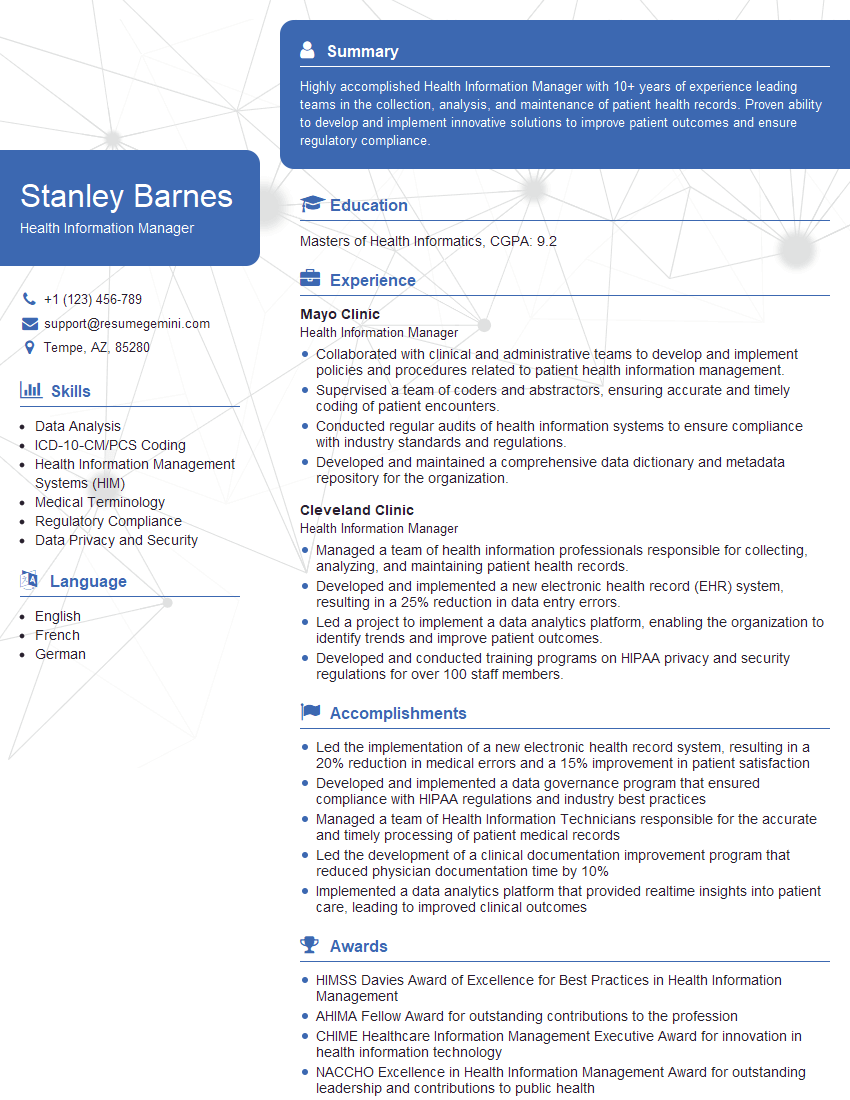
Health Information Manager Resume Sample
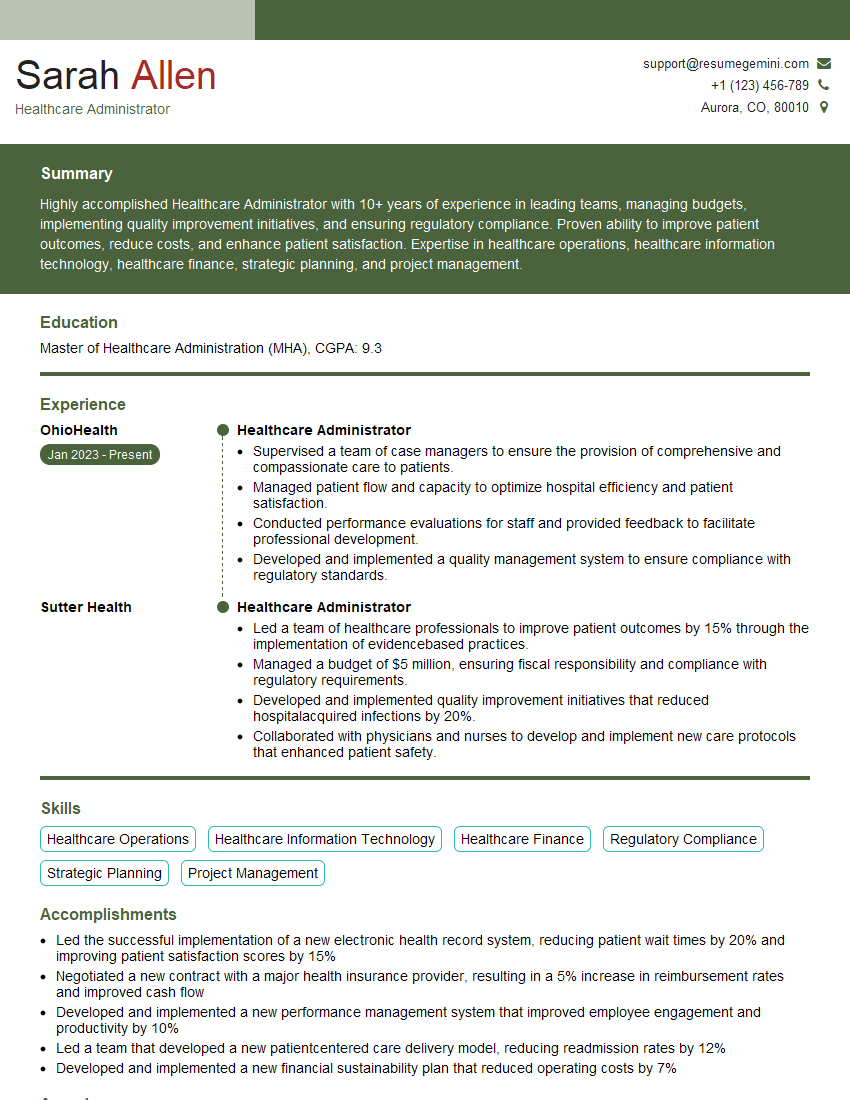
Healthcare Administrator Resume Sample
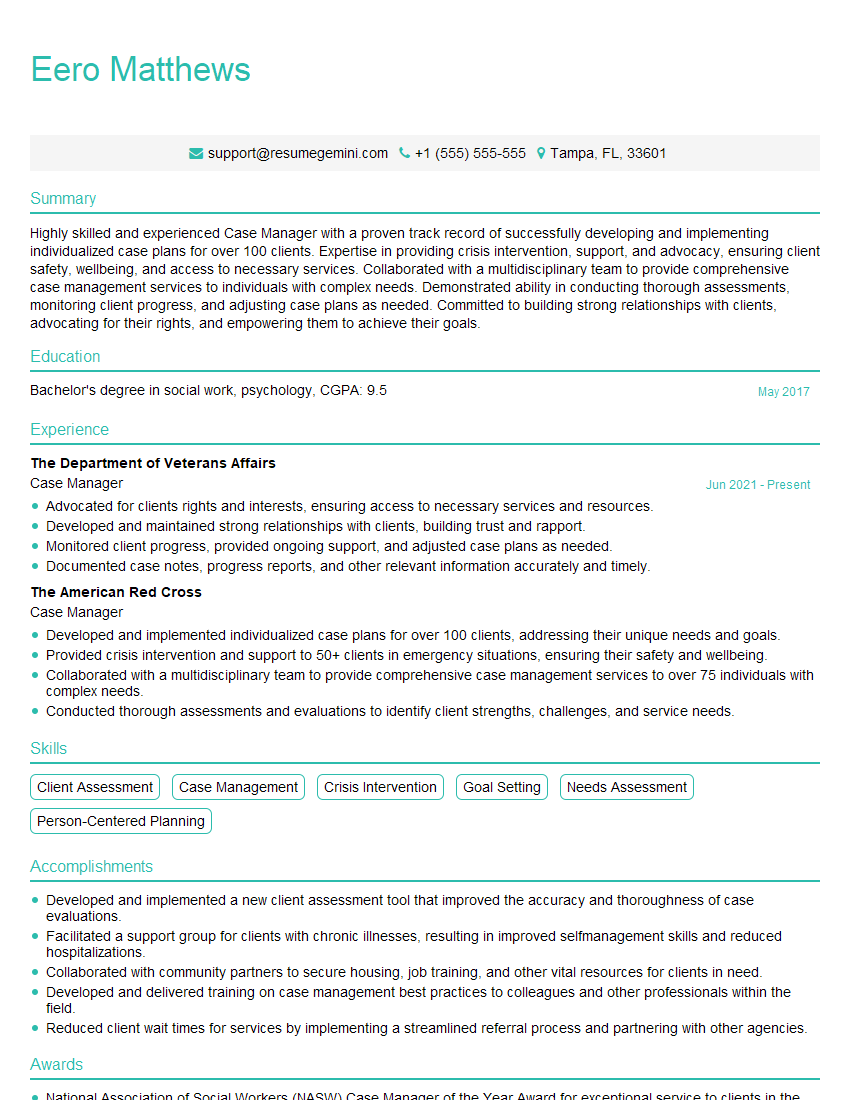
Case Manager Resume Sample
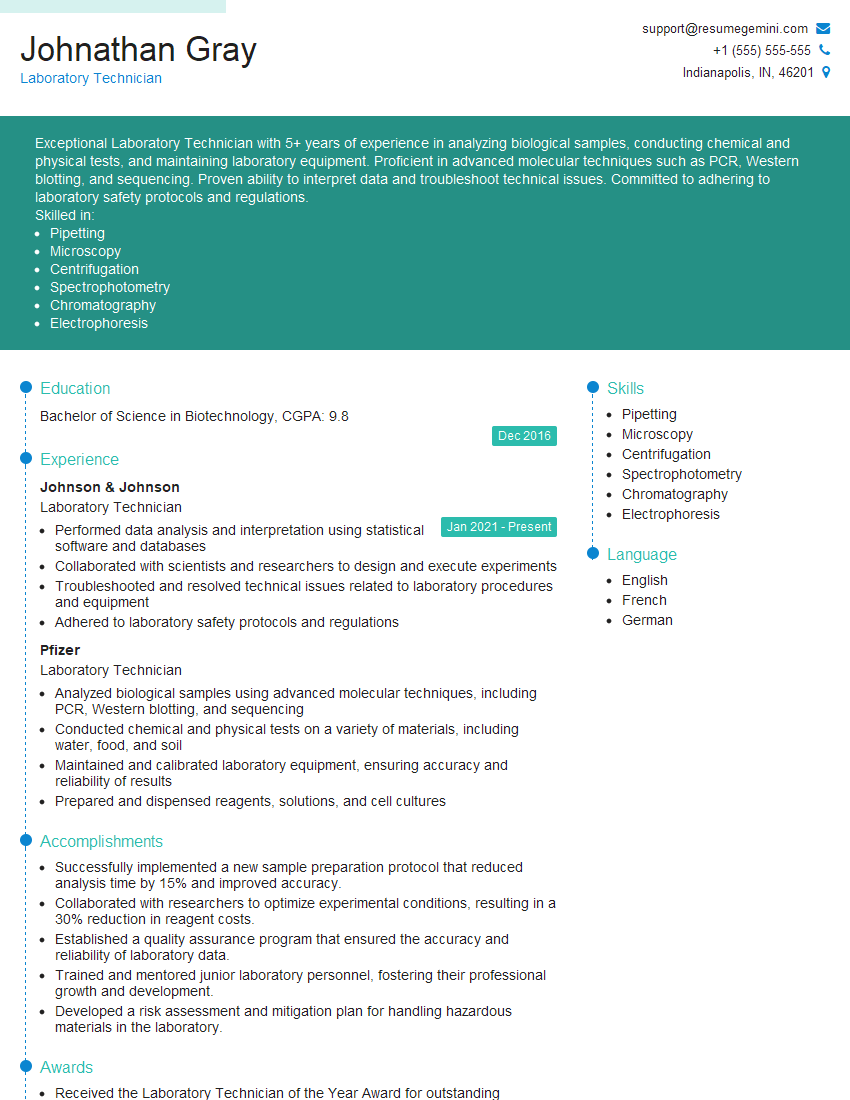
Laboratory Technician Resume Sample

Mental Health Counselor Resume Sample
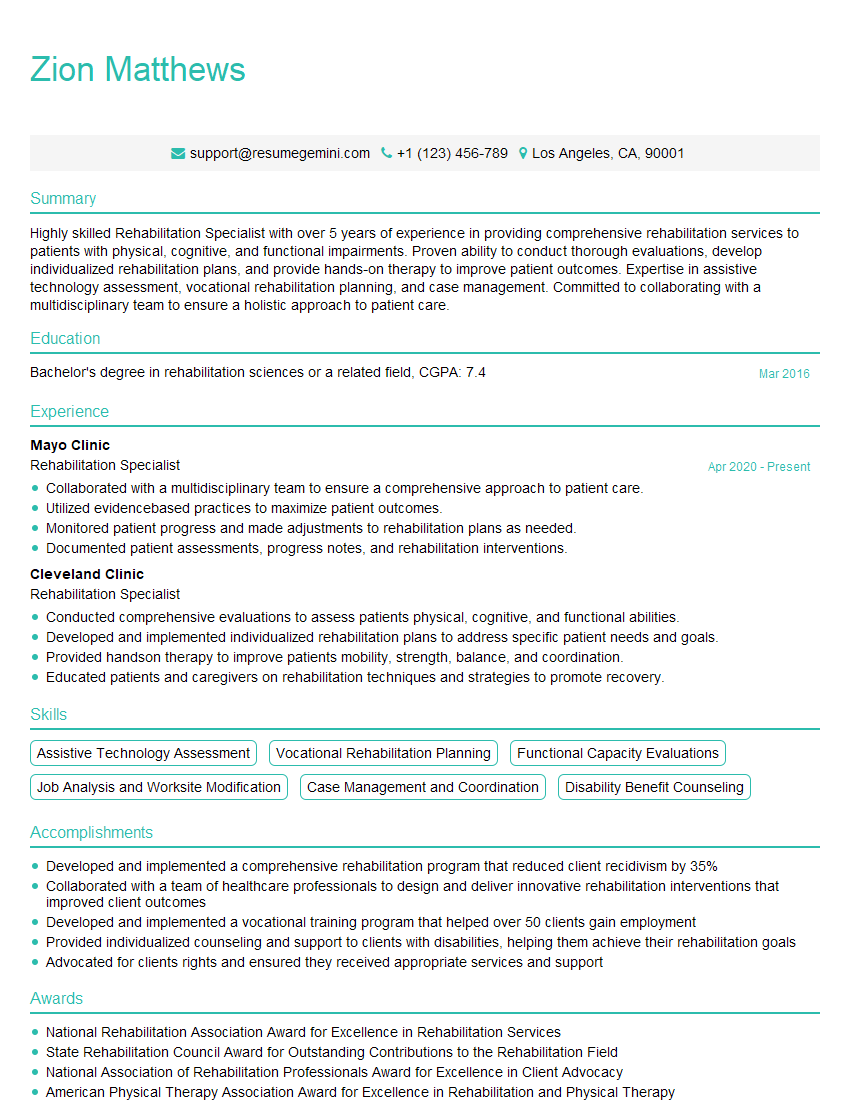
Rehabilitation Specialist Resume Sample
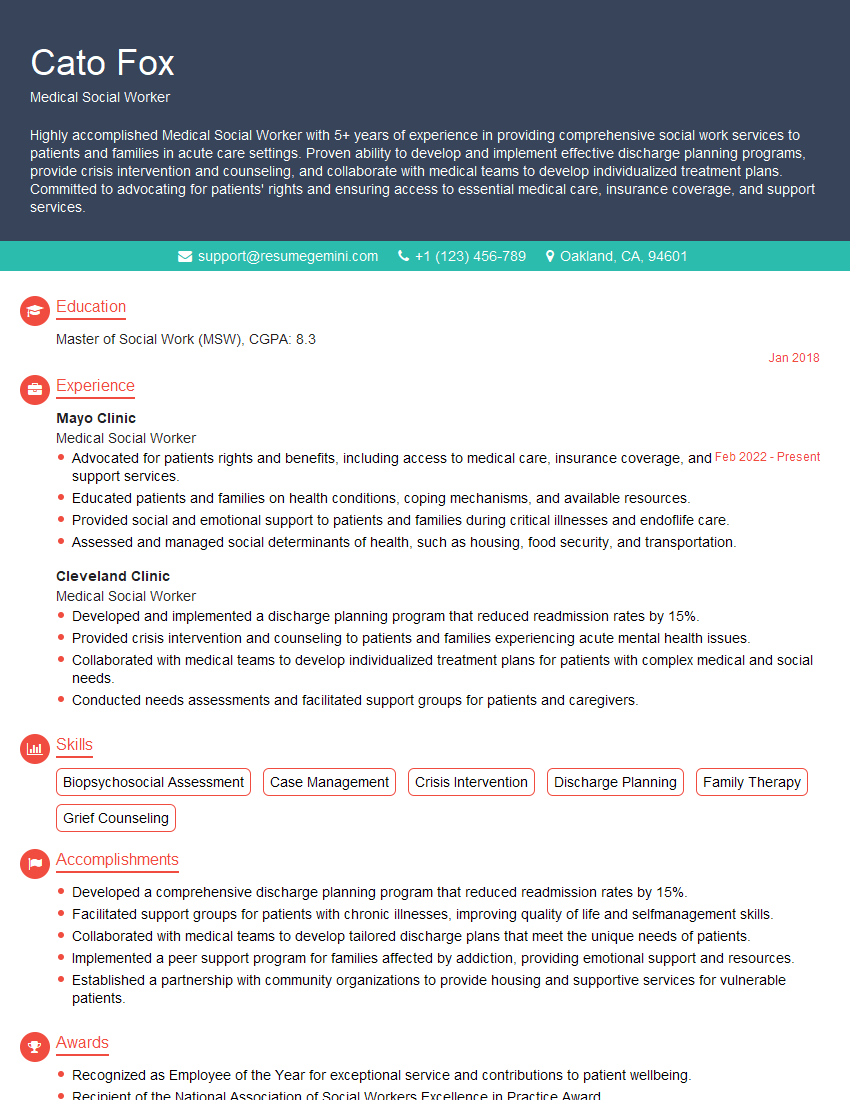
Medical Social Worker Resume Sample
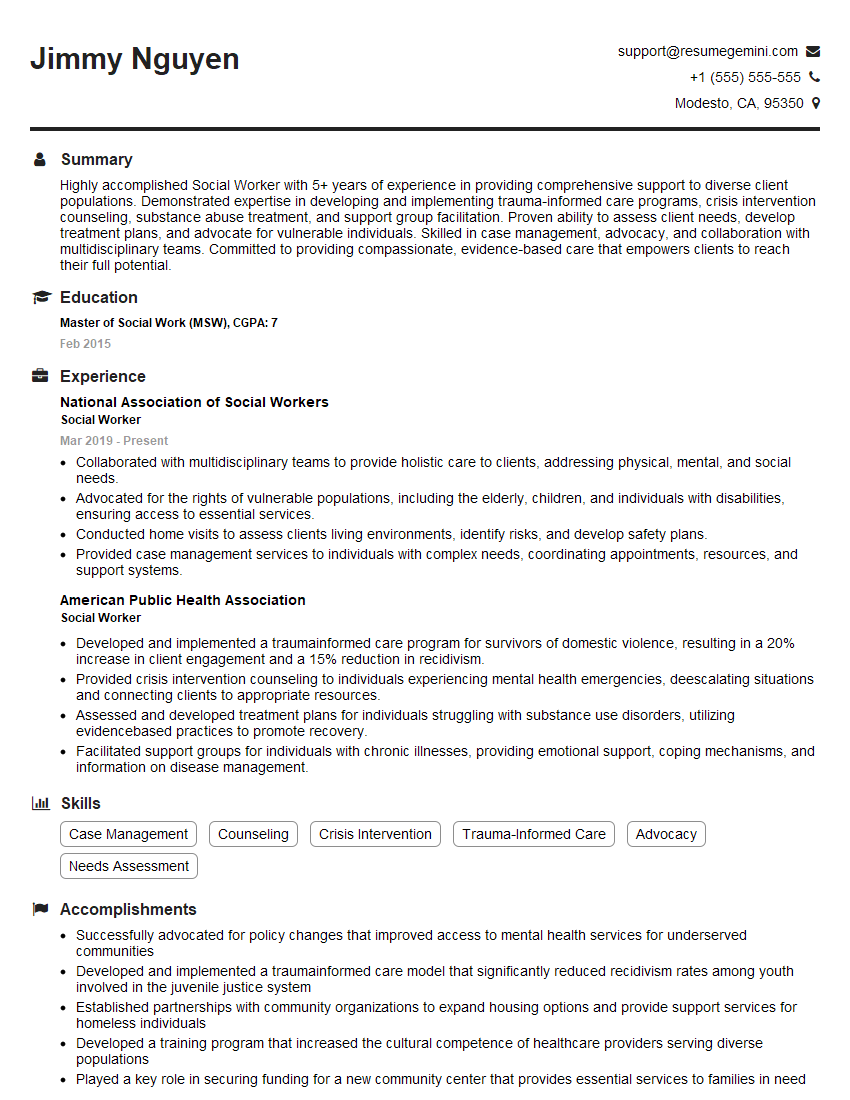
Social Worker Resume Sample
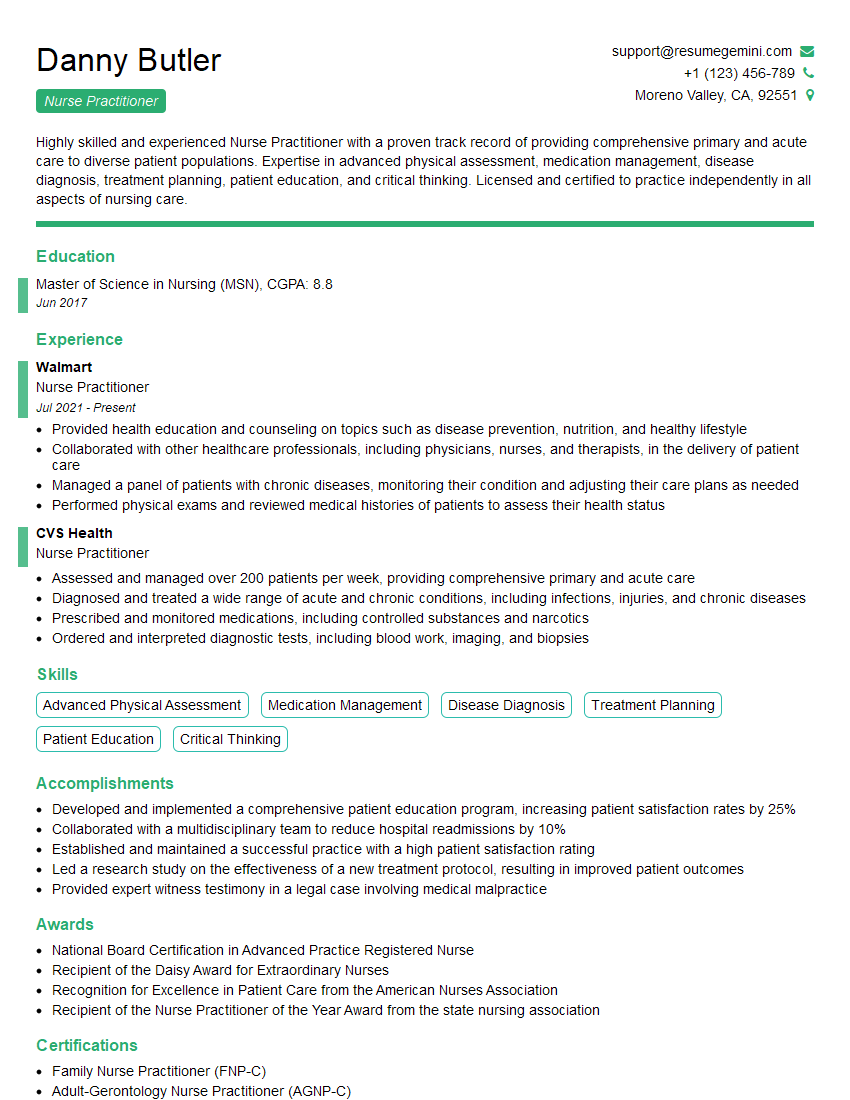
Nurse Practitioner Resume Sample
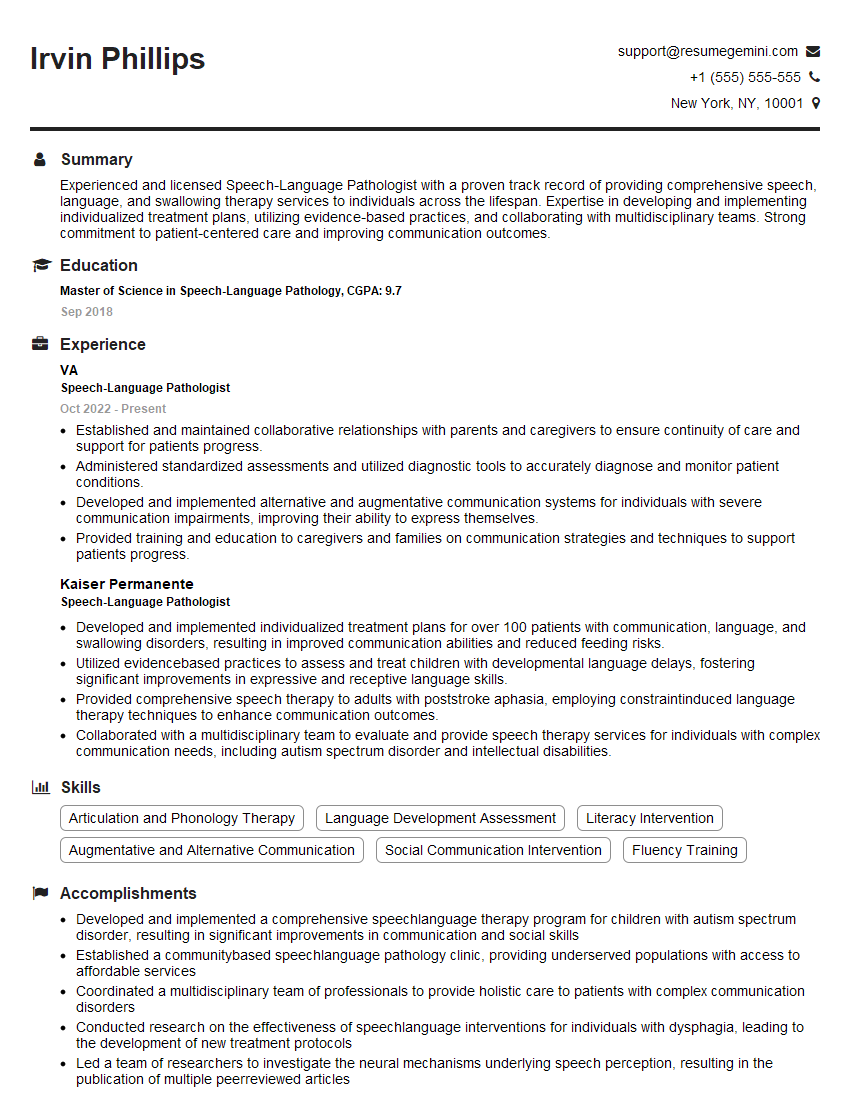
Speech-Language Pathologist Resume Sample
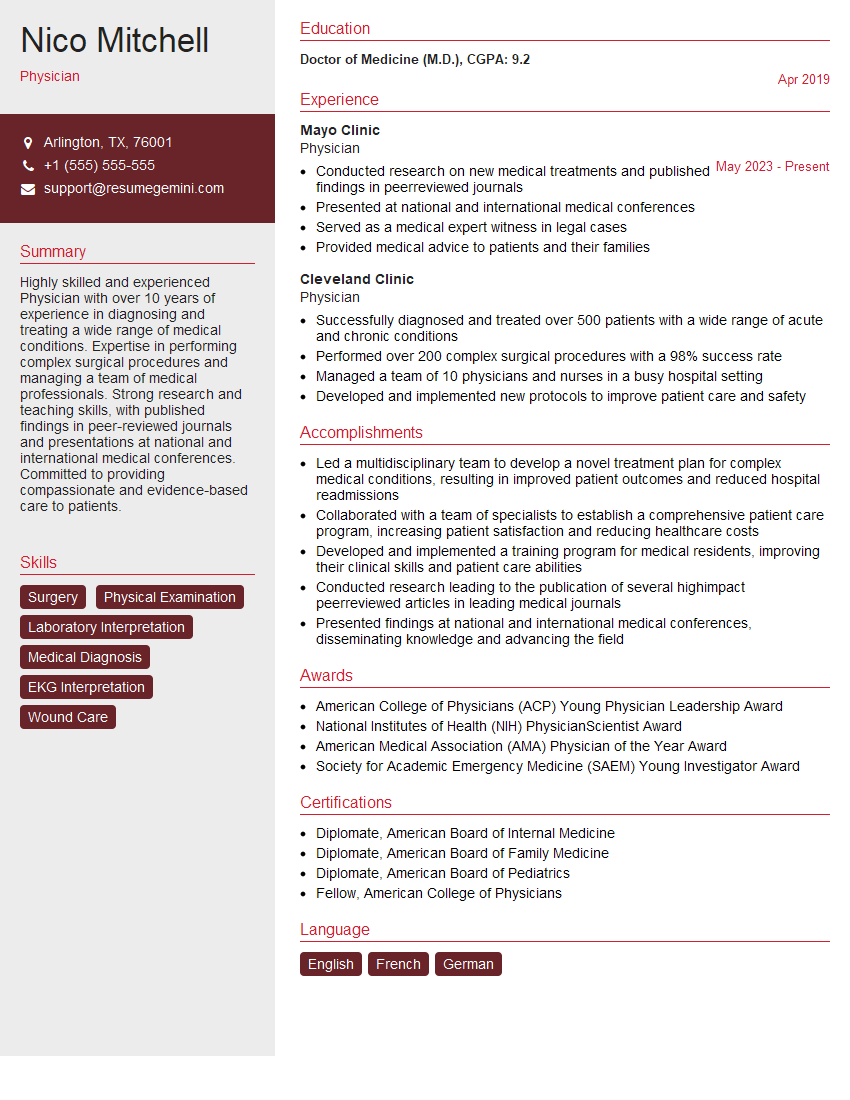
Physician Resume Sample
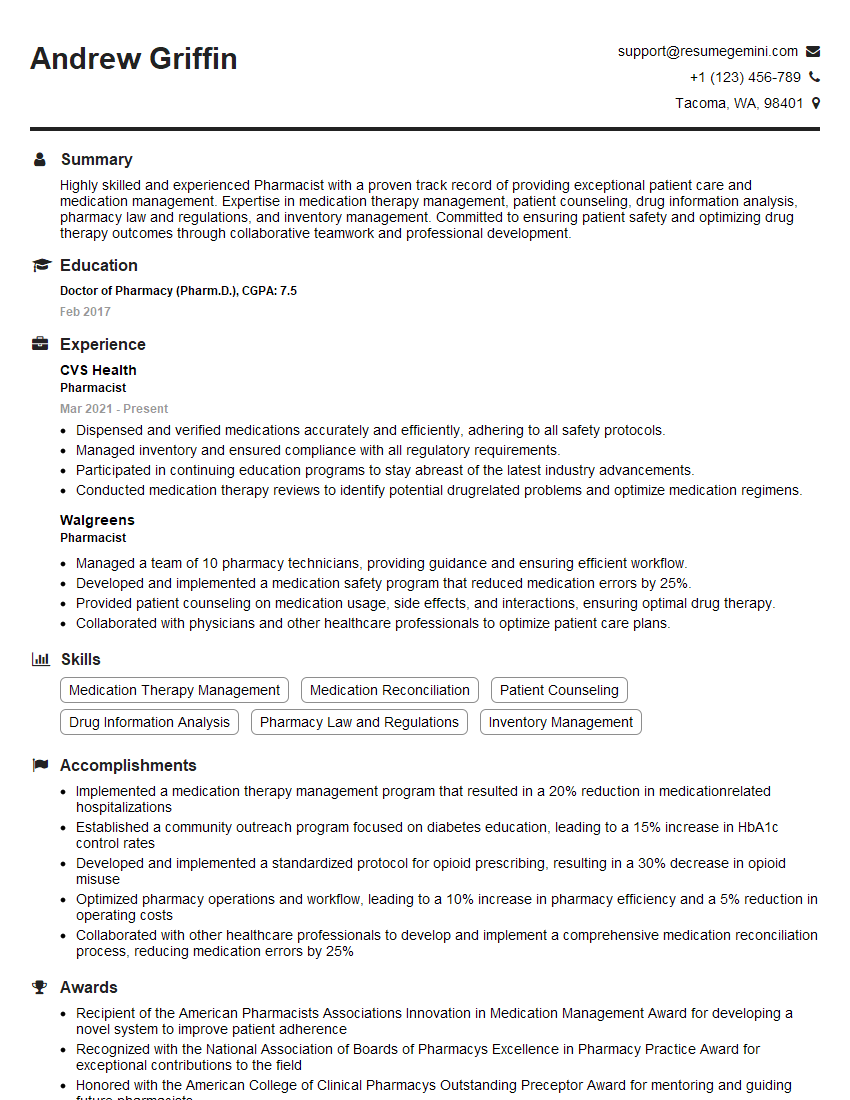
Pharmacist Resume Sample

Physician Assistant Resume Sample
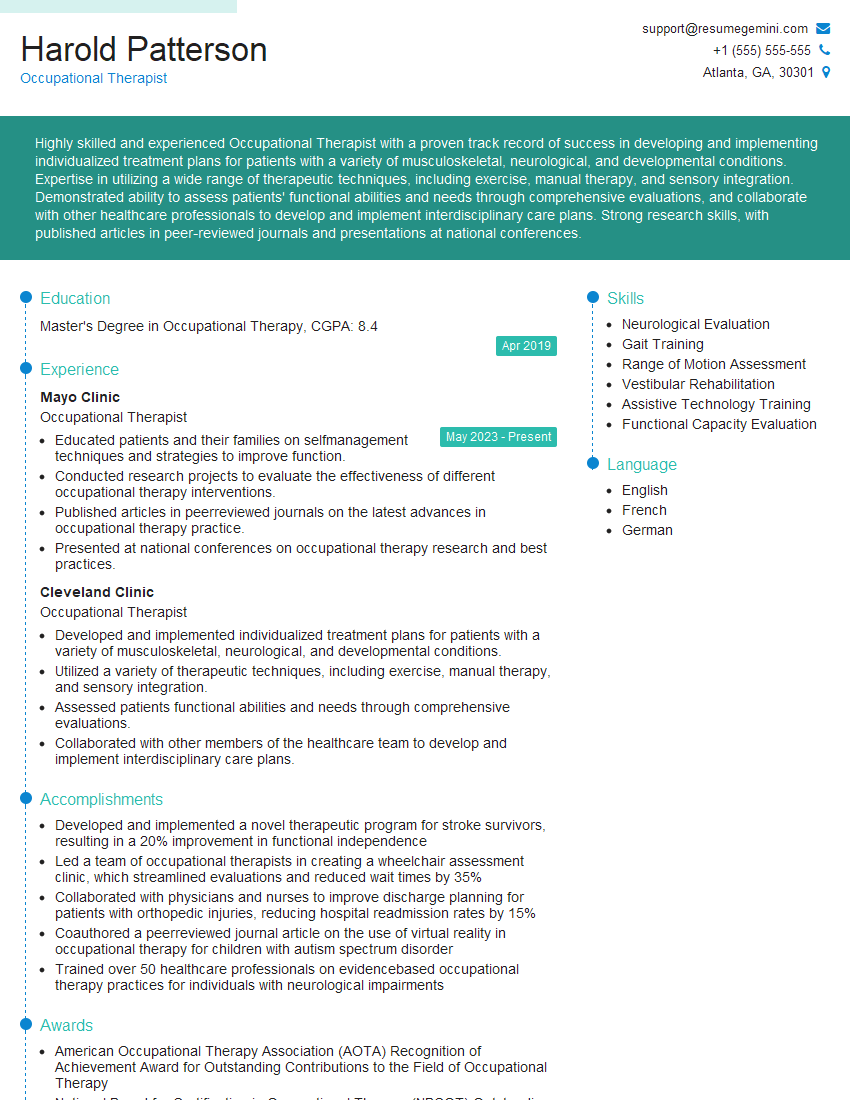
Occupational Therapist Resume Sample
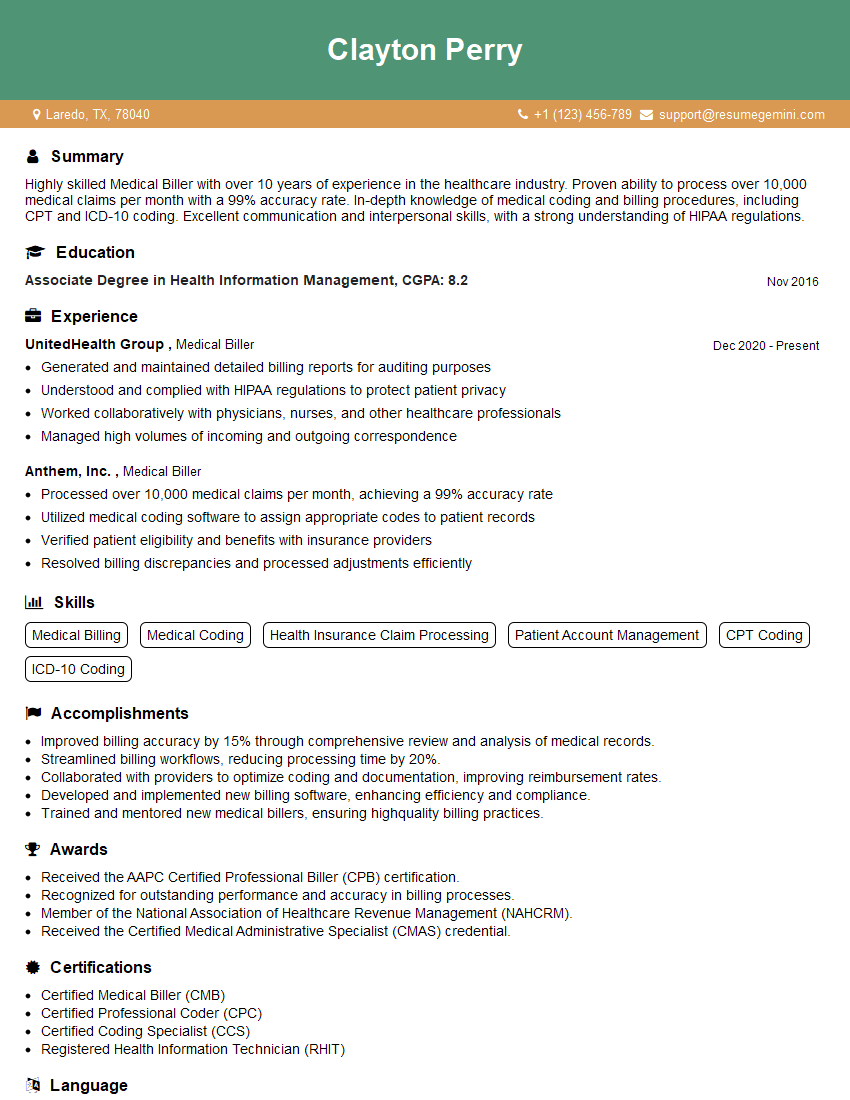
Medical Biller Resume Sample
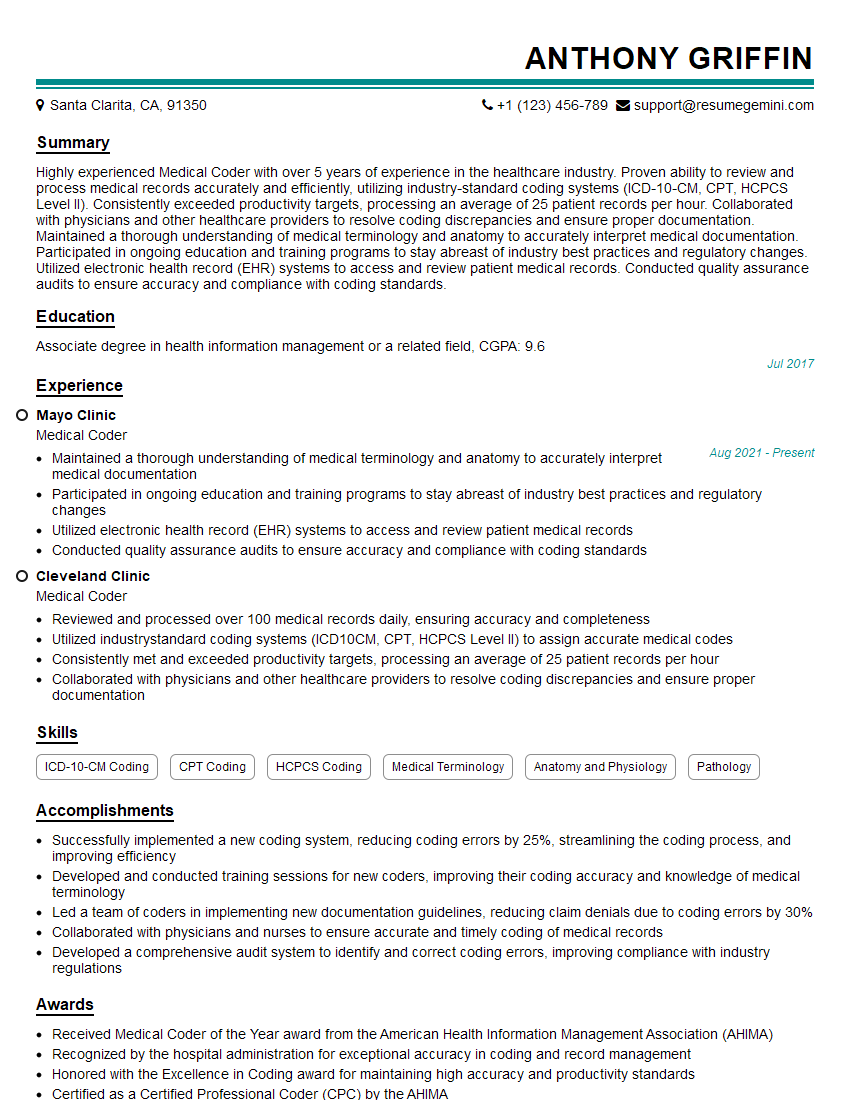
Medical Coder Resume Sample
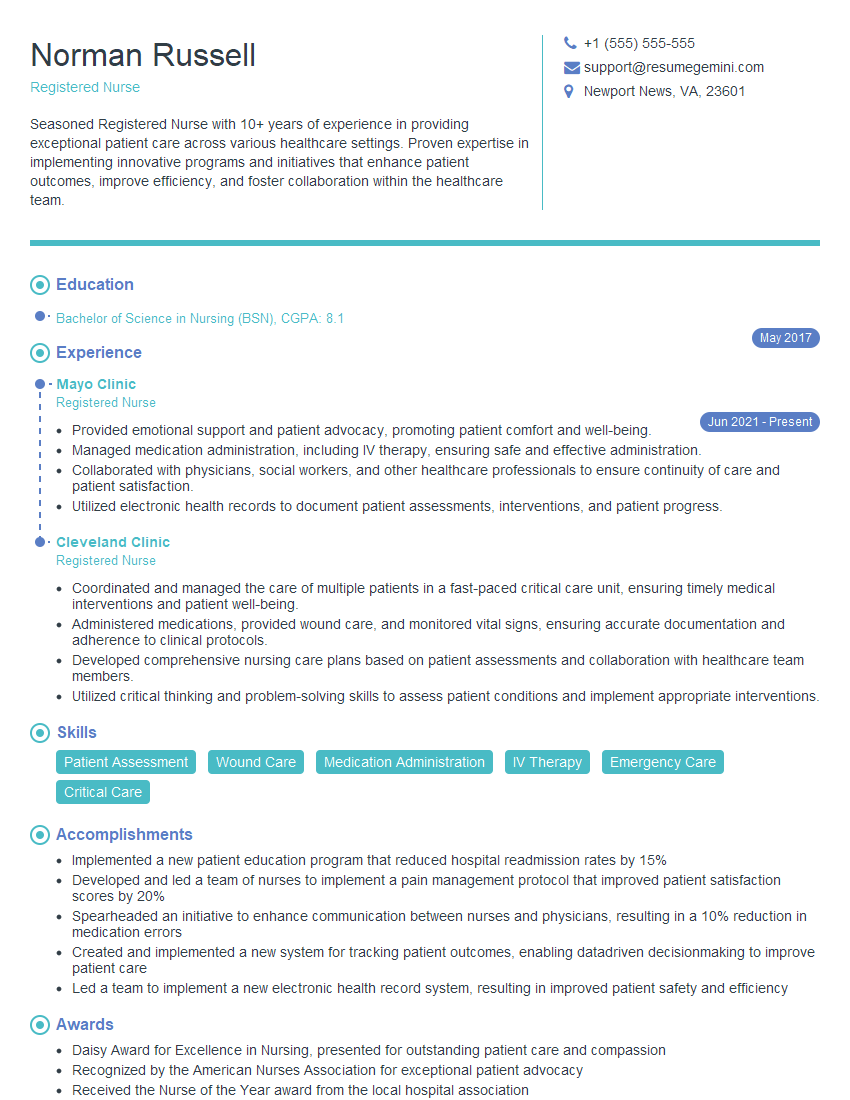
Registered Nurse Resume Sample
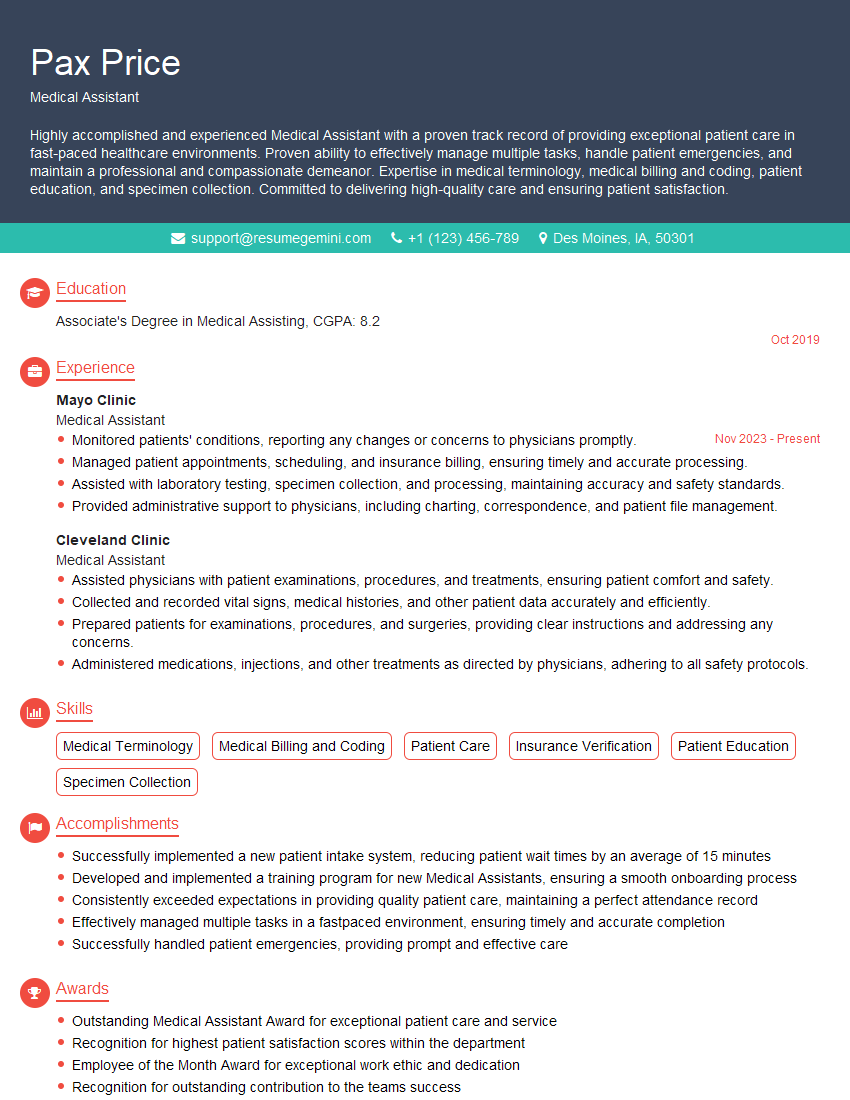
Medical Assistant Resume Sample
- Health Information Manager
- Healthcare Administrator
- Case Manager
- Laboratory Technician
- Mental Health Counselor
- Rehabilitation Specialist
- Medical Social Worker
- Social Worker
- Nurse Practitioner
- Speech-Language Pathologist
- Physician
- Pharmacist
- Physician Assistant
- Occupational Therapist
- Medical Biller
- Medical Coder
- Registered Nurse
- Medical Assistant
Explore more articles
Users Rating of Our Blogs
Share Your Experience
We value your feedback! Please rate our content and share your thoughts (optional).
What Readers Say About Our Blog
Amazing blog
Interesting Article, I liked the depth of knowledge you’ve shared.
Helpful, thanks for sharing.