Unlock your full potential by mastering the most common Live Music Event Coverage interview questions. This blog offers a deep dive into the critical topics, ensuring you’re not only prepared to answer but to excel. With these insights, you’ll approach your interview with clarity and confidence.
Questions Asked in Live Music Event Coverage Interview
Q 1. Describe your experience with different audio mixing consoles.
My experience spans a wide range of audio mixing consoles, from analog behemoths like the Yamaha PM5D to digital powerhouses such as the DiGiCo SD10 and Allen & Heath dLive. I’m comfortable with both large-format consoles for stadium shows and smaller, more compact units for intimate club gigs. The key difference isn’t just size; it’s the workflow and features. Analog consoles offer immediate tactile feedback, a certain ‘feel’ that many engineers appreciate, while digital consoles provide unparalleled flexibility with automation, recall options, and extensive processing capabilities. For example, on a recent outdoor festival, the DiGiCo SD10’s ability to quickly recall snapshots of EQ and compression settings for different acts proved invaluable, saving significant time between sets. In contrast, for a smaller jazz performance in a club, the immediacy of a smaller analog board was preferable for spontaneous adjustments.
My proficiency extends to understanding the intricacies of each console’s routing, signal flow, and processing options. This includes mastering techniques like gain staging, EQ, compression, and effects processing to achieve optimal sound quality in different acoustic environments. I’m also adept at utilizing various digital audio workstations (DAWs) integrated into these consoles for recording and playback, as well as utilizing plugins for further sound manipulation and creation.
Q 2. What are your preferred methods for troubleshooting audio issues during a live performance?
Troubleshooting audio issues live demands a systematic approach. My first step is always to isolate the problem. I use a combination of visual inspection (checking cables, connections, and equipment power) and listening critically. I’ll use a combination of signal tracing and a process of elimination. For example, if a microphone isn’t working, I’ll check the mic itself, the cable, the input channel on the console, and the phantom power switch. The same systematic process goes for any instrument.
Beyond the basic checks, I often utilize test signals (like a pink noise generator) to pinpoint faulty equipment or cabling. If the issue is more subtle, I may utilize a spectrum analyzer to identify frequency problems like feedback or harsh resonances. My experience enables me to quickly identify the root cause even in high-pressure situations. A crucial element is proactive monitoring and preventative maintenance. Regular checks on equipment before, during and after soundcheck can often prevent issues from arising during the actual performance.
Q 3. Explain your experience with lighting control systems and techniques.
My lighting experience encompasses a variety of control systems, from traditional analog dimmers to sophisticated DMX-controlled digital systems like MA Lighting grandMA2 and ETC EOS. I’m proficient in programming static looks, dynamic chases, and complex cues using these systems. My approach prioritizes safety and efficiency, always adhering to relevant industry regulations and ensuring all equipment is correctly installed and maintained.
Beyond technical expertise, I value the artistic aspect of lighting design. Understanding the mood and style of the music is essential. For a heavy metal concert, I might utilize intense strobes and aggressive color changes to mirror the energy of the music. A softer acoustic set might call for subtle washes of warm colors and more gentle movements. I often collaborate closely with the artists to ensure the lighting complements their performance and vision. For instance, a recent collaboration with an indie artist involved designing a dynamic lightshow that responded to the tempo and intensity of the music in real time.
Q 4. How do you manage stage logistics and artist needs during a complex event?
Managing stage logistics and artist needs in complex events requires meticulous planning and efficient communication. I typically start with a detailed site survey to understand the venue’s layout and capabilities. Then, I develop a comprehensive stage plot that details the positioning of instruments, microphones, lighting rigs, and other equipment. This is shared with all relevant parties. Clear and concise communication is critical to avoid conflicts or delays.
I work closely with the stage manager to coordinate backstage activities, including artist arrival and departure times, catering, and equipment setup. A well-defined run-of-show document helps maintain workflow, particularly for multi-act shows. Addressing artist-specific requirements (like particular instrument placement, backline needs, or specific lighting requests) is paramount. Flexibility and problem-solving skills are essential; for instance, I had to improvise a solution when a critical piece of backline equipment malfunctioned during a recent show, coordinating with the support crew and making last-minute adjustments to the set list.
Q 5. Describe your experience with live streaming technology and workflows.
My experience with live streaming involves various platforms and technologies. I’m proficient in using streaming software such as OBS Studio and vMix, as well as encoding and streaming protocols like RTMP and HLS. I understand the importance of high-quality audio and video capture, ensuring a professional viewing experience for the audience. This includes understanding factors such as bitrate, resolution, and codec settings to balance quality with bandwidth considerations.
A typical workflow involves setting up multiple cameras, audio inputs, and graphics overlays. We pre-test all equipment and connections before the event. During the event, continuous monitoring of the stream’s quality is critical to identify and resolve any technical issues quickly. Integration with social media platforms is also crucial for interaction with online viewers. For a recent online concert, we implemented a live chat feature, allowing the artist to engage with viewers in real-time, creating a more interactive experience.
Q 6. How do you ensure the safety and security of artists and equipment?
Ensuring the safety and security of artists and equipment is a top priority. This starts with pre-event planning, including thorough risk assessments (discussed in the next question), appropriate security personnel, and clear safety protocols for stage access and equipment handling. We work closely with venue security to manage access to backstage areas and ensure a safe environment for all.
For equipment, I always check for proper grounding, safe cable management, and correct usage of electrical equipment. We use sturdy cases and transportation methods for safe handling and transport. For artists, clear communication and a well-organized backstage area are crucial. Addressing specific artist requests and concerns is important, such as providing a comfortable waiting area or ensuring adequate security for personal belongings. Proactive communication and regular checks during the event help maintain a safe environment for everyone.
Q 7. Explain your experience with event risk assessment and mitigation.
Event risk assessment and mitigation is a crucial part of my process. I begin with identifying potential hazards, such as power outages, equipment malfunctions, crowd surges, or even weather-related issues (especially for outdoor events). I document these in a risk assessment document which is a crucial part of the overall event plan.
For each identified hazard, I develop mitigation strategies. This might involve having backup generators for power outages, redundant equipment, crowd control measures, or weather contingency plans. The effectiveness of these plans is regularly reviewed and updated, particularly for large or complex events. I also develop a detailed emergency action plan and ensure that all personnel are aware of the procedures in case of an emergency, such as fire or medical event. Regular training and drills can be effective for large scale events.
Q 8. How do you handle unexpected technical issues during a live performance?
Handling unexpected technical issues during a live performance requires a calm, proactive approach and a robust contingency plan. Think of it like a firefighter – you need to assess the situation quickly, prioritize actions, and utilize your resources effectively.
My process involves:
- Immediate Assessment: Quickly identify the problem – is it a microphone malfunction, a faulty cable, a power surge, or a software glitch?
- Prioritization: Determine the severity. A dead microphone on the lead vocalist is far more critical than a slightly off-kilter monitor mix.
- Troubleshooting: Depending on the issue, I might swap out a microphone, check cabling, reset equipment, or utilize backup systems. Having spare equipment is crucial.
- Communication: Clear communication with the band, sound engineer, and stage manager is vital. We need to coordinate a solution without disrupting the performance flow as much as possible.
- Documentation: After the event, a thorough report detailing the issue, solution, and lessons learned allows us to improve our preparation for future performances.
For example, during a recent outdoor concert, a sudden downpour caused a power surge. We had backup generators ready, but the transition took a few minutes. Clear communication with the band, who gracefully filled the time, prevented any significant audience disruption.
Q 9. What is your experience with various microphone types and their applications?
My experience encompasses a wide range of microphone types, each suited to specific applications. Choosing the right microphone significantly impacts the final recording quality.
- Dynamic Microphones: (e.g., Shure SM58, SM57) These are robust, handle high sound pressure levels well, and require less amplification. Ideal for loud instruments like drums, guitars, and vocals in live settings where feedback is a concern.
- Condenser Microphones: (e.g., Neumann U 87, AKG C414) More sensitive than dynamic mics, offering a wider frequency response and capturing more detail. Excellent for studio recordings and applications where subtle nuances are important, though they are more susceptible to feedback and require phantom power.
- Ribbon Microphones: (e.g., Royer R-121) Known for their warm, smooth sound, they are particularly good for capturing instruments like acoustic guitars and horns. They are more fragile than dynamic and condenser microphones.
- Wireless Microphones: Essential for vocalists and instrumentalists who need mobility. Different frequency bands are critical to avoid interference.
The selection process involves considering the instrument or voice being captured, the acoustic environment, and the desired sound character.
Q 10. Describe your familiarity with different audio signal routing techniques.
Audio signal routing is the heart of live sound. It involves strategically guiding audio signals from sources (microphones, instruments) through processing units (equalizers, compressors, effects) and to outputs (speakers, recording devices). Think of it as a carefully designed highway system for your audio.
I’m proficient in various techniques, including:
- Direct Input (DI): Using a DI box to connect instruments directly to the mixing console, bypassing the amplification system.
- Splitting Signals: Sending a single audio source to multiple destinations, like sending vocals to both a monitor mix and the main PA system. This is often done with a splitter.
- Subgrouping: Grouping multiple channels (e.g., backing vocals) into subgroups for easier control and mixing.
- Aux Sends: Using auxiliary sends to route signals to effects processors (reverb, delay), monitor mixes, and recording devices.
- Matrix Mixing: Creating flexible routing options allowing different mixes to be created from the same set of sources
Understanding signal flow and impedance matching are crucial for preventing noise and ensuring a clean audio signal. Proper signal routing forms the foundation of a successful live sound system.
Q 11. How do you collaborate effectively with other team members in a fast-paced environment?
Effective collaboration in a fast-paced environment necessitates clear communication, defined roles, and mutual respect. It’s all about teamwork.
My strategies include:
- Pre-Production Meetings: Thorough planning before the event, outlining roles, responsibilities, and potential challenges.
- Clear Communication: Using headsets, hand signals, and established communication protocols to avoid confusion during the event.
- Non-Verbal Cues: Understanding and responding to non-verbal cues from team members to anticipate needs and address issues proactively.
- Respectful Conflict Resolution: Addressing disagreements promptly and professionally, prioritizing the successful execution of the event.
- Post-Event Debrief: Reviewing the event to identify areas for improvement and strengthen our collaboration in future events.
For instance, during a recent festival, a sudden equipment failure required quick collaboration between the sound engineer, lighting crew, and stage manager. Clear communication and pre-established protocols ensured a smooth transition without delaying the performance.
Q 12. Explain your approach to managing audience expectations and feedback.
Managing audience expectations and feedback involves proactive communication and a responsive approach. It’s about setting realistic expectations and then exceeding them when possible.
My approach includes:
- Clear Announcements: Providing updates about the event schedule, any potential delays, and addressing audience concerns.
- Interactive Engagement: Using social media or other platforms to engage with the audience and address any questions they might have.
- Feedback Mechanisms: Collecting feedback through surveys, social media monitoring, or comment sections to understand audience experiences and improve future events.
- Addressing Concerns: Promptly addressing any complaints or negative feedback, offering solutions and apologies as needed.
- Transparency: Being upfront about any limitations or challenges, building trust and managing expectations.
For example, if a delay is anticipated, I’ll proactively communicate the reason and revised timings, keeping the audience informed and minimizing frustration.
Q 13. How do you ensure high-quality audio and visual recordings of a live event?
Ensuring high-quality audio and visual recordings requires meticulous planning and execution. Think of it as a multi-layered approach ensuring every aspect contributes to the final product.
My methods include:
- High-Quality Equipment: Using professional-grade cameras and audio recording devices.
- Strategic Microphone Placement: Careful microphone placement to capture optimal sound quality for each instrument and vocal.
- Proper Lighting: Utilizing appropriate lighting to create a visually appealing recording.
- Multiple Camera Angles: Employing multiple cameras to capture diverse perspectives and create dynamic visuals.
- Monitoring and Adjustments: Constantly monitoring audio and video levels during the event to make necessary adjustments.
- Data Backup: Employing multiple recording devices and utilizing backup systems to prevent data loss.
For example, using a combination of high-quality microphones (both dynamic and condenser) for various instruments, along with multiple cameras offering wide shots, close-ups, and audience perspectives, all contribute to a compelling final product.
Q 14. What is your experience with post-production editing of live event recordings?
Post-production editing of live event recordings is crucial for enhancing audio and video quality and delivering a polished final product. It’s where we refine the raw footage into something truly exceptional.
My post-production workflow typically involves:
- Audio Editing: Cleaning up audio imperfections (noise reduction, equalization, compression), syncing audio with video, and mixing different audio sources.
- Video Editing: Selecting the best camera angles, removing unwanted footage, adding transitions and effects, and color correction.
- Synchronization: Ensuring perfect synchronization between audio and video tracks.
- Mastering: Optimizing audio levels, dynamics, and overall sound quality for final distribution.
- Format Conversion: Converting the final product into different formats suitable for various platforms (e.g., YouTube, streaming services).
Software like Adobe Audition, Premiere Pro, and Final Cut Pro are indispensable tools. The goal is to deliver a professional, engaging recording that captures the energy and excitement of the live event.
Q 15. Describe your understanding of different audio file formats and their compression methods.
Understanding audio file formats and their compression methods is crucial for live music event coverage. Different formats offer varying levels of audio quality and file size, impacting storage, transfer speeds, and overall production workflow.
- WAV (Waveform Audio File Format): An uncompressed format known for its high fidelity, perfect for studio recordings or archiving. However, its large file sizes make it less practical for live streaming or immediate distribution.
- AIFF (Audio Interchange File Format): Similar to WAV, AIFF is also uncompressed and offers excellent audio quality. It’s often used on Apple systems but less common in the live music world due to size constraints.
- MP3 (MPEG Audio Layer III): A lossy compressed format, which means some audio data is discarded during compression to reduce file size. It’s widely used for its balance of quality and small file size, ideal for online distribution and streaming but less ideal for professional mixing and mastering.
- AAC (Advanced Audio Coding): Another lossy compressed format that generally offers better sound quality at the same bitrate compared to MP3. Its increasing popularity makes it a strong contender for live streaming applications.
- FLAC (Free Lossless Audio Codec): A lossless compressed format. It maintains original audio quality without discarding any data, offering a compromise between WAV’s large file size and MP3’s loss of quality. This is becoming more popular for archiving and high-quality distribution.
Choosing the right format depends on the specific needs of the event. For example, archiving a live performance for posterity would benefit from a lossless format like WAV or FLAC, while delivering a live stream might necessitate the smaller file sizes of MP3 or AAC.
Career Expert Tips:
- Ace those interviews! Prepare effectively by reviewing the Top 50 Most Common Interview Questions on ResumeGemini.
- Navigate your job search with confidence! Explore a wide range of Career Tips on ResumeGemini. Learn about common challenges and recommendations to overcome them.
- Craft the perfect resume! Master the Art of Resume Writing with ResumeGemini’s guide. Showcase your unique qualifications and achievements effectively.
- Don’t miss out on holiday savings! Build your dream resume with ResumeGemini’s ATS optimized templates.
Q 16. What is your familiarity with various lighting instruments and their effects?
My familiarity with lighting instruments spans various types and their associated effects. Understanding these tools is fundamental to creating the right atmosphere for a live performance.
- Moving Heads: These offer unparalleled flexibility, capable of panning, tilting, and zooming, and often incorporating color mixing and gobo projection (patterns). They’re great for dynamic effects and focused lighting.
- LED Pars (Parabolic Aluminized Reflector): Highly versatile and energy-efficient, LED Pars come in a range of colors and can be programmed for complex sequences. They’re workhorses for wash lighting, creating even color across the stage.
- Fresnels: These produce a soft-edged, adjustable beam, ideal for highlighting specific areas or creating a wash with a warmer feel. Their smooth dimming capabilities are invaluable.
- Profile Spotlights: These allow for precise beam shaping and sharp edges, perfect for highlighting individual performers or creating intricate patterns. They often use gobos for projected effects.
- Intelligent Lights: These encompass a wide range of programmable fixtures combining various functions such as color mixing, gobo projection, and beam shaping. They are crucial for advanced lighting design.
Beyond the fixtures themselves, understanding the effects created using different color temperatures (warm versus cool), gobo patterns, beam angles, and dimming curves is equally important for successful lighting design.
Q 17. How do you create effective lighting designs to enhance a live performance?
Creating effective lighting designs to enhance live performances requires a holistic approach that blends technical expertise with artistic vision. It’s about telling a visual story that complements the music and engages the audience.
My process typically involves:
- Consultation: Understanding the artist’s vision, musical style, and desired mood is critical. This often involves reviewing previous performances, analyzing setlists, and discussing their aesthetic preferences.
- Venue Assessment: Analyzing the venue’s capabilities—the existing lighting rig, power capacity, and architectural features—is paramount. This dictates the feasibility of certain designs.
- Concept Development: I translate the artistic vision and venue constraints into a visual concept. This could involve mood boards, sketches, or even rudimentary light plots.
- Programming: Using lighting control software, I program the lighting cues, ensuring seamless transitions and dynamic changes that synchronize with the music.
- Testing & Refinement: A thorough tech rehearsal with the artist and crew is essential for fine-tuning the design, ensuring cues are timed perfectly, and addressing any potential issues.
For instance, a high-energy rock show demands dynamic lighting with sharp cuts, intense colors, and strobing effects, while a softer acoustic set might call for a more subtle approach using warmer colors and gentle transitions.
Q 18. Describe your experience with different stage rigging techniques and safety protocols.
My experience with stage rigging encompasses a wide range of techniques, and safety is always the paramount concern. Rigging involves the suspension of lighting, sound, and video equipment above the stage. Improper rigging can lead to catastrophic failures.
- Basic Rigging: This involves using basic chain hoists, motors, and safety lines to hang elements. Understanding weight calculations, load distribution, and proper knot-tying is vital.
- Motorized Rigging: More sophisticated systems using computerized motors allow for precise control and automated movements of lighting and scenic elements.
- Counterweight Systems: These utilize counterweights to balance the load, requiring meticulous setup and regular inspection. These are common in larger venues.
Safety protocols are non-negotiable. This includes regular inspections of all rigging hardware, adherence to weight limits, use of safety lines and fall protection, and proper training for all personnel involved in rigging operations. I always ensure we have a qualified rigger on site for complex setups, emphasizing a risk-assessment approach before, during, and after every event.
Q 19. Explain your experience with event ticketing systems and processes.
My experience with event ticketing systems involves using various platforms, each with its own strengths and weaknesses. The selection often depends on the scale and complexity of the event.
- Eventbrite: A popular choice for smaller to medium-sized events, offering user-friendly tools for creating event pages, managing tickets, and promoting the event.
- Ticketmaster: A large-scale ticketing platform handling major concerts and festivals, offering robust infrastructure and integration with other services but usually involving higher fees.
- See Tickets: Another reputable platform providing various features, including box office management and access control.
The process typically involves creating an event listing, setting ticket prices and quantities, choosing ticket types (general admission, VIP, etc.), configuring payment gateways, and managing the ticket sales process. Post-event, reconciliation with the ticketing platform and financial reporting are key to ensure accurate accounting.
Q 20. How do you manage artist rider requirements and logistics?
Managing artist rider requirements and logistics is a critical aspect of event planning. The rider is a document outlining the artist’s technical and hospitality needs. Effective management ensures a smooth and stress-free experience for the artist.
My approach includes:
- Rider Review: I carefully review the rider, identifying all requirements and potential challenges. This includes technical specifications for instruments, sound, and lighting, as well as hospitality requests (catering, accommodation, transportation).
- Vendor Coordination: I coordinate with relevant vendors to ensure all requirements are met. This could involve working with caterers, transportation providers, and equipment rental companies.
- On-Site Management: On the day of the event, I supervise the setup, ensuring everything aligns with the rider’s specifications. I also act as a liaison between the artist’s team and venue staff.
- Communication: Maintaining clear and proactive communication with the artist’s management throughout the process is paramount. Addressing any issues promptly prevents conflicts.
For example, if an artist requires a specific type of microphone, I need to ensure it’s available, tested, and ready for use. Similarly, if they need a specific type of catering, I coordinate this with the venue or a catering company well in advance.
Q 21. What are your strategies for promoting a live music event effectively?
Promoting a live music event effectively requires a multi-faceted approach leveraging various marketing channels to reach the target audience.
- Social Media Marketing: Utilizing platforms like Facebook, Instagram, Twitter, and TikTok, I create engaging content (photos, videos, behind-the-scenes glimpses) to build anticipation and drive ticket sales. Targeted advertising campaigns can significantly increase reach.
- Email Marketing: Building an email list allows for direct communication with potential attendees. Newsletters and promotional emails can be used to announce the event, highlight key artists, and offer early-bird discounts.
- Public Relations: Working with local media (newspapers, radio stations, blogs) to secure coverage helps raise awareness and attract a broader audience.
- Website and Ticketing Platform: A well-designed website with clear information about the event, artists, and ticketing details is essential. Seamless integration with the chosen ticketing platform is crucial for facilitating purchases.
- Influencer Marketing: Partnering with relevant influencers in the music scene can significantly boost visibility and credibility. They can help reach a wider and more engaged audience.
The specific strategy depends on the event’s scale, target audience, and budget. A strong marketing plan combines diverse strategies for maximum impact. For example, a smaller, local event might rely heavily on social media and word-of-mouth, while a larger festival might incorporate a broader range of methods, including print advertising and billboard campaigns.
Q 22. How do you ensure compliance with all relevant health and safety regulations?
Ensuring health and safety compliance at live music events is paramount. It’s not just about avoiding legal trouble; it’s about protecting the well-being of artists, staff, and attendees. My approach is multifaceted and begins long before the event.
Risk Assessment: A thorough risk assessment identifies potential hazards, from fire safety and crowd management to electrical risks and hazardous materials. This involves analyzing the venue, equipment, and planned activities.
Permitting and Licensing: I meticulously obtain all necessary permits and licenses from local authorities, ensuring compliance with fire codes, occupancy limits, and noise regulations. This often involves detailed plans and regular communication with the relevant bodies.
Emergency Procedures: Clear emergency procedures, including evacuation plans, first aid protocols, and communication channels, are developed and shared with all relevant personnel. Regular drills are conducted to ensure everyone is prepared. For example, we conduct fire drills simulating various scenarios, such as power outages during performances.
Contractor Oversight: If we use external contractors (e.g., for security, catering), I ensure they have the appropriate insurance and adhere to our health and safety standards. Regular checks on their work practices are crucial.
Ongoing Monitoring: During the event, I maintain constant vigilance, addressing any immediate safety concerns and ensuring procedures are followed. Post-event reviews help identify areas for improvement.
Q 23. What is your experience with budgeting and cost control for live music events?
Budgeting and cost control are critical for successful live music events. My approach involves a detailed, phased budgeting process, starting with a comprehensive understanding of all projected costs.
Detailed Breakdown: The budget includes line items for every aspect, from artist fees and venue rental to equipment hire, marketing, and insurance. Contingency funds are always included to handle unexpected expenses.
Negotiation and Sourcing: I actively negotiate with vendors and suppliers to secure the best possible prices, comparing quotes and exploring cost-effective alternatives. For example, I might explore partnerships with equipment rental companies for discounted rates.
Tracking and Reporting: I use spreadsheets or dedicated event management software to meticulously track expenses against the budget, generating regular reports to monitor progress and identify any potential overruns.
Value Engineering: I constantly look for opportunities to optimize costs without compromising quality. This might involve exploring alternative marketing strategies or finding more efficient ways to manage logistics.
Post-Event Analysis: After the event, a detailed analysis of the budget helps identify areas of success and areas where cost savings could be achieved in future events.
Q 24. Describe your experience with different sound system setups and configurations.
My experience with sound system setups is extensive, ranging from small intimate gigs to large-scale outdoor festivals. Understanding the nuances of different configurations is key to achieving optimal sound quality.
System Selection: The choice of sound system depends heavily on the venue size, audience capacity, and the musical genre. For example, a small jazz club would require a different setup compared to a rock concert in a stadium.
Speaker Placement: Precise speaker placement is crucial for even sound coverage and minimizing feedback. This involves considering factors such as room acoustics and audience distribution.
Mixing Consoles: I’m proficient with various mixing consoles, from analog to digital, and understand the importance of equalization, compression, and other signal processing techniques to achieve the desired sound.
Monitoring Systems: Setting up appropriate monitoring systems for the artists is vital for their performance. This includes considerations such as stage volume, in-ear monitoring systems, and feedback reduction.
Troubleshooting: I have extensive experience troubleshooting technical issues that may arise during a sound check or live performance.
Q 25. How do you maintain accurate inventory control of event equipment?
Accurate inventory control is essential for efficiency and cost management. My method uses a combination of physical inventory checks and digital tracking.
Detailed Inventory Database: I maintain a detailed database of all equipment, including serial numbers, purchase dates, and condition reports. This allows for easy tracking of equipment location and usage.
Barcoding and RFID: To enhance accuracy, I utilize barcodes or RFID tags for easy identification and tracking of equipment. This allows for quick and precise inventory checks.
Regular Inspections: Regular physical inspections of equipment are conducted to identify any damage or wear and tear, allowing for timely repairs or replacements.
Pre and Post-Event Checks: Rigorous pre- and post-event checks ensure that all equipment is accounted for and in good condition before and after every event.
Software Solutions: I leverage inventory management software to automate tasks, such as creating reports, managing maintenance schedules and tracking equipment usage history.
Q 26. Explain your experience with various video switching and recording techniques.
I have extensive experience with various video switching and recording techniques, adapting my approach to the specific needs of each event.
Switching Techniques: I’m proficient in using various video switchers, from small, compact units to large production switchers. I understand different switching techniques such as cut, dissolve, wipe, and key, selecting the most appropriate style for each situation. For instance, I’d use smooth dissolves during quieter moments of a performance.
Camera Operation: I’m also experienced in operating multiple cameras and coordinating with camera operators to achieve a cohesive and dynamic visual experience.
Recording Techniques: I use high-quality recording equipment and understand various recording formats and codecs. I know the importance of proper audio sync with video and ensure high-resolution recordings for optimal quality.
Live Streaming: I’m comfortable setting up and managing live streams using various platforms, ensuring a smooth and high-quality broadcast.
Post-Production Editing: After the event, I can edit and enhance the recorded footage, creating professional-looking videos for promotional purposes or archives.
Q 27. What is your understanding of intellectual property rights in the context of live events?
Understanding intellectual property (IP) rights is crucial in the live music industry. It protects both the artists and the event organizers.
Copyright: This covers musical compositions, lyrics, and recordings. Obtaining the necessary licenses and permissions for using copyrighted music is essential, both for live performances and recordings.
Performance Rights: These are separate from copyright and cover the public performance of musical works. I ensure that the necessary performance rights organizations (like ASCAP, BMI, or SESAC) are properly notified and payments are made.
Image and likeness rights: Using images or videos of artists requires their consent, unless it’s for editorial use (e.g., news reporting). Contracts with performers clearly outline the use of their image.
Trademarks: Using logos and brand names requires permission from the trademark holders. I carefully review contracts and promotional materials to avoid any infringement.
Contracts: Clearly defined contracts with artists and other stakeholders explicitly address IP rights, ensuring legal clarity and avoiding disputes.
Q 28. How do you adapt to changes in event plans and unexpected challenges?
Adaptability is key in live event production. Unexpected challenges are inevitable, and my experience has taught me how to handle them effectively.
Contingency Planning: Developing detailed contingency plans for various scenarios, such as equipment failure, artist cancellations, or weather disruptions, is crucial. This includes having backup equipment and alternative solutions ready.
Communication: Clear and proactive communication with all stakeholders (artists, crew, vendors, and attendees) is essential during any unexpected changes. Keeping everyone informed helps mitigate potential issues.
Problem-Solving: I approach problems systematically, identifying the root cause and implementing effective solutions. This often involves quick thinking and creative problem-solving under pressure.
Flexibility and Resourcefulness: I remain flexible and resourceful, adjusting plans as needed and utilizing available resources to overcome challenges. For example, if a piece of equipment fails, I will quickly find a temporary solution and continue the event without much interruption.
Post-Event Review: After the event, I conduct a thorough review of the challenges faced and the solutions implemented. This helps identify areas for improvement in future contingency plans.
Key Topics to Learn for Live Music Event Coverage Interview
- Event Logistics & Planning: Understanding pre-event preparation, including venue scouting, equipment requirements, and risk assessment. Practical application: Describe your experience in coordinating multiple aspects of a live event, highlighting problem-solving skills.
- Audio/Visual Technology & Setup: Familiarity with sound systems, lighting, cameras, and recording equipment. Practical application: Detail your experience with specific audio/visual technologies and troubleshooting technical difficulties on-site.
- Live Streaming & Broadcasting: Knowledge of streaming platforms, encoding, and distribution methods. Practical application: Discuss your experience with live streaming, including managing latency and ensuring high-quality broadcasts.
- Content Capture & Editing: Skills in capturing high-quality audio and video footage, and editing techniques for compelling storytelling. Practical application: Showcase your portfolio of edited work, explaining your editing process and creative choices.
- Post-Production Workflow: Understanding the process of archiving, organizing, and delivering final event materials. Practical application: Outline your workflow for managing large media files and meeting deadlines.
- Teamwork & Collaboration: Experience working effectively with photographers, videographers, sound engineers, and other event staff. Practical application: Provide examples demonstrating your ability to collaborate and communicate effectively within a team environment.
- Legal & Ethical Considerations: Understanding copyright laws, artist agreements, and responsible content creation. Practical application: Demonstrate your understanding of ethical practices and legal considerations related to live music event coverage.
Next Steps
Mastering live music event coverage opens doors to exciting career opportunities in the dynamic entertainment industry. From freelance work to full-time positions, developing these skills will significantly enhance your job prospects. To stand out, it’s crucial to create an ATS-friendly resume that highlights your accomplishments and skills effectively. ResumeGemini is a trusted resource that can help you build a professional, impactful resume that gets noticed. We offer examples of resumes tailored to Live Music Event Coverage to guide your preparation. Take the next step towards your dream career – build your best resume today!
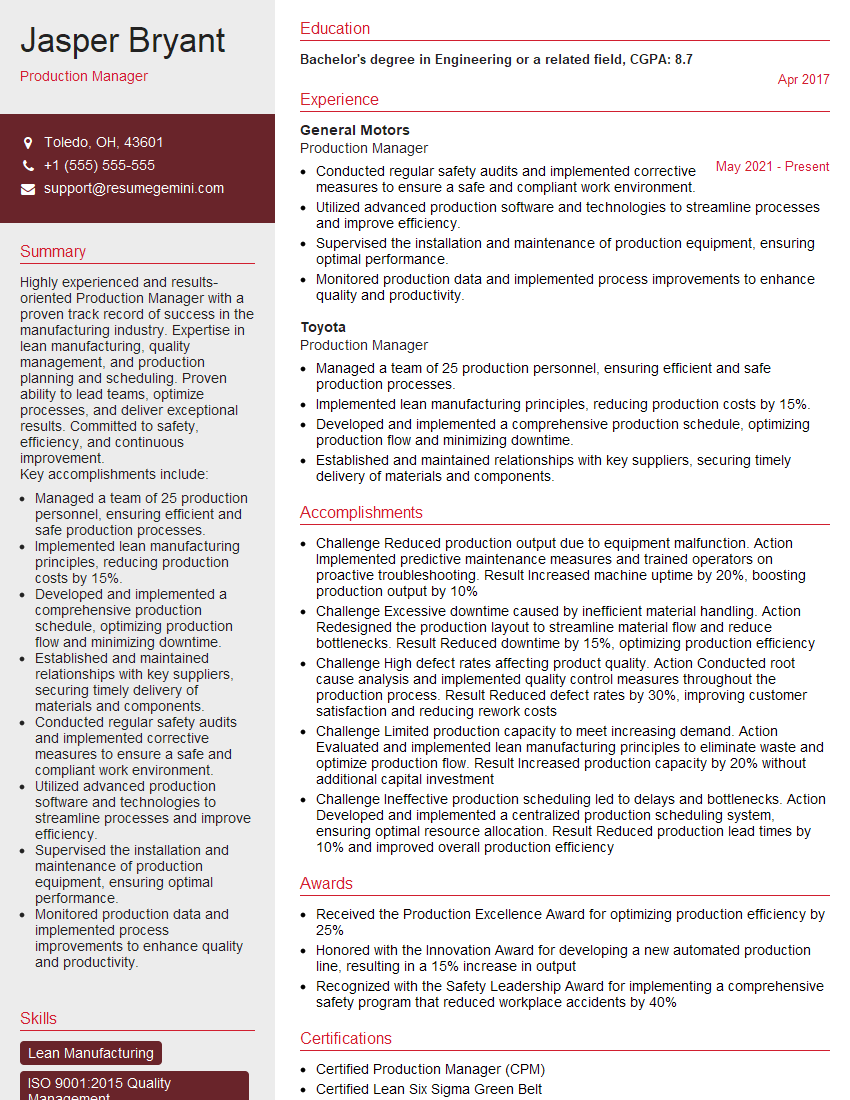
Production Manager Resume Sample
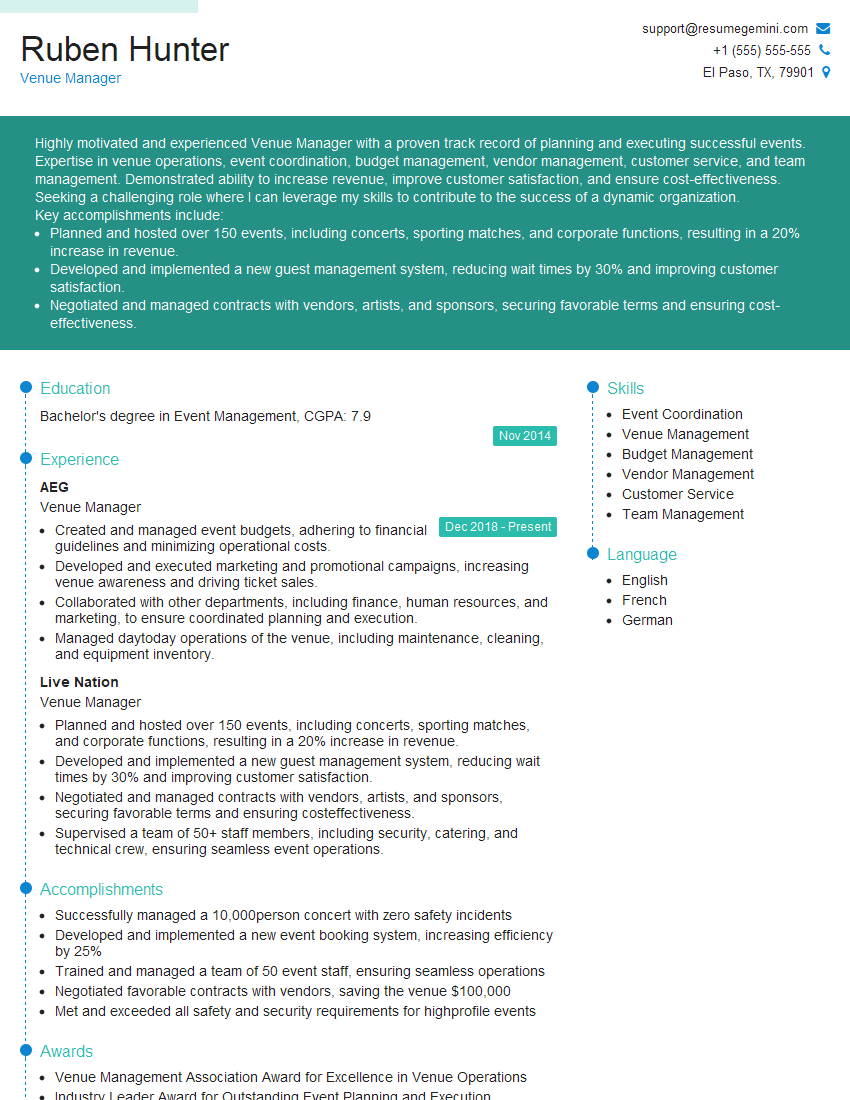
Venue Manager Resume Sample
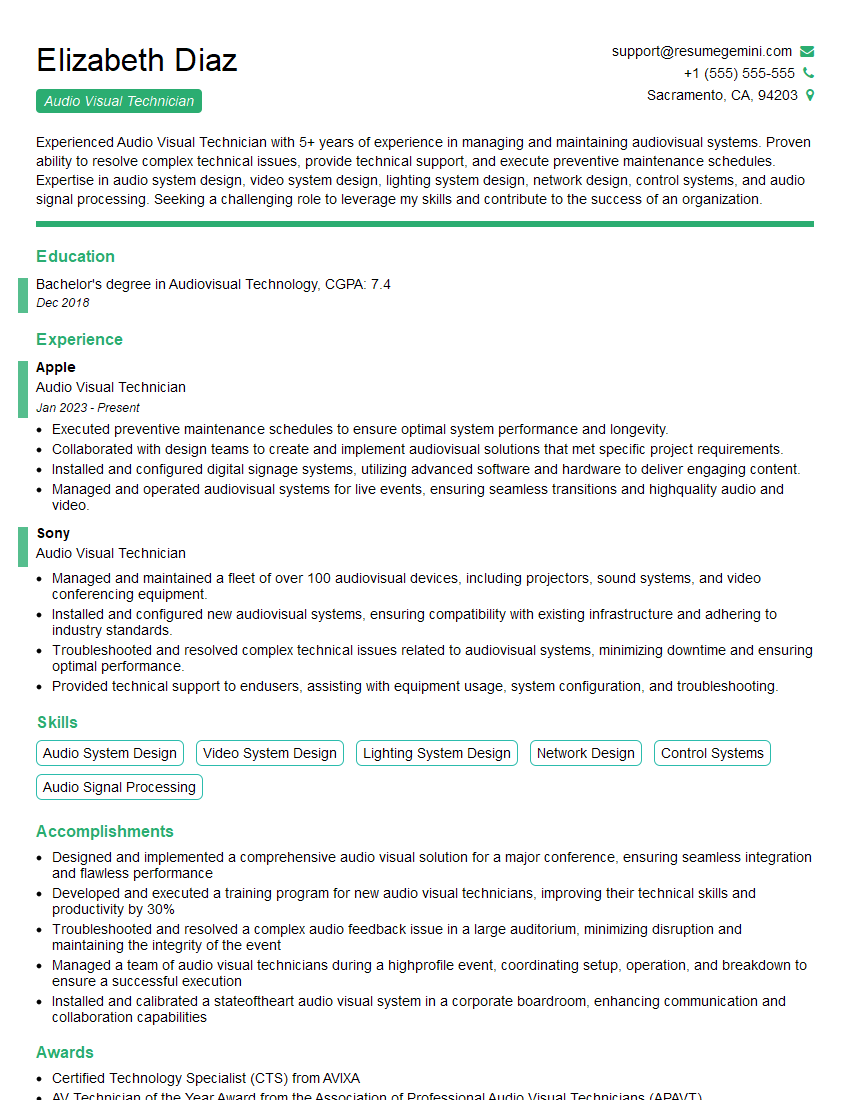
Audio Visual Technician Resume Sample
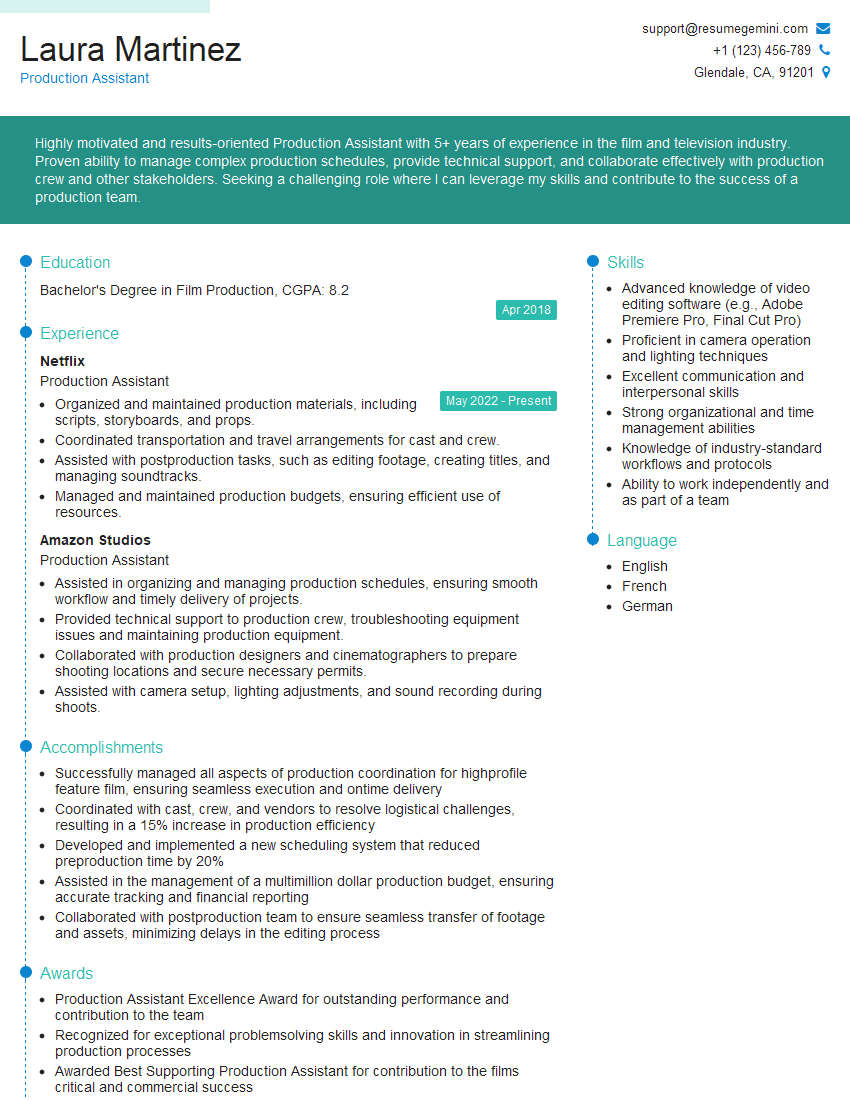
Production Assistant Resume Sample
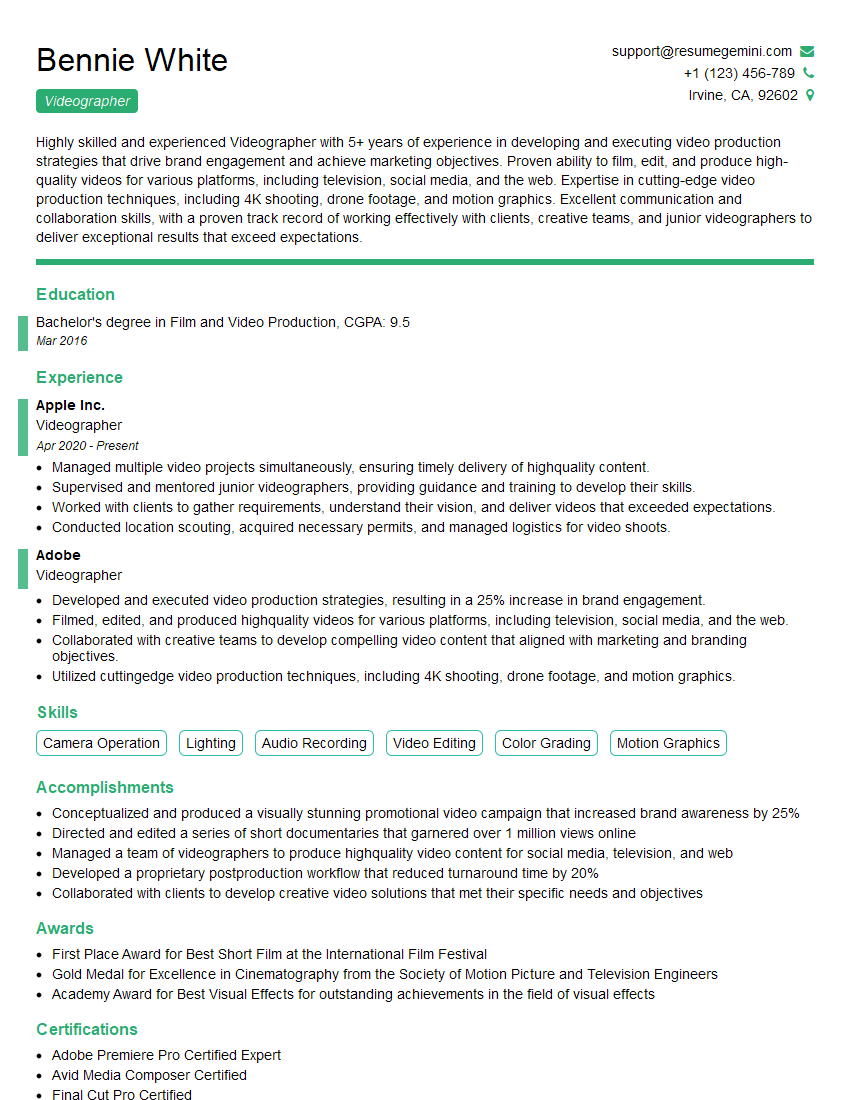
Videographer Resume Sample
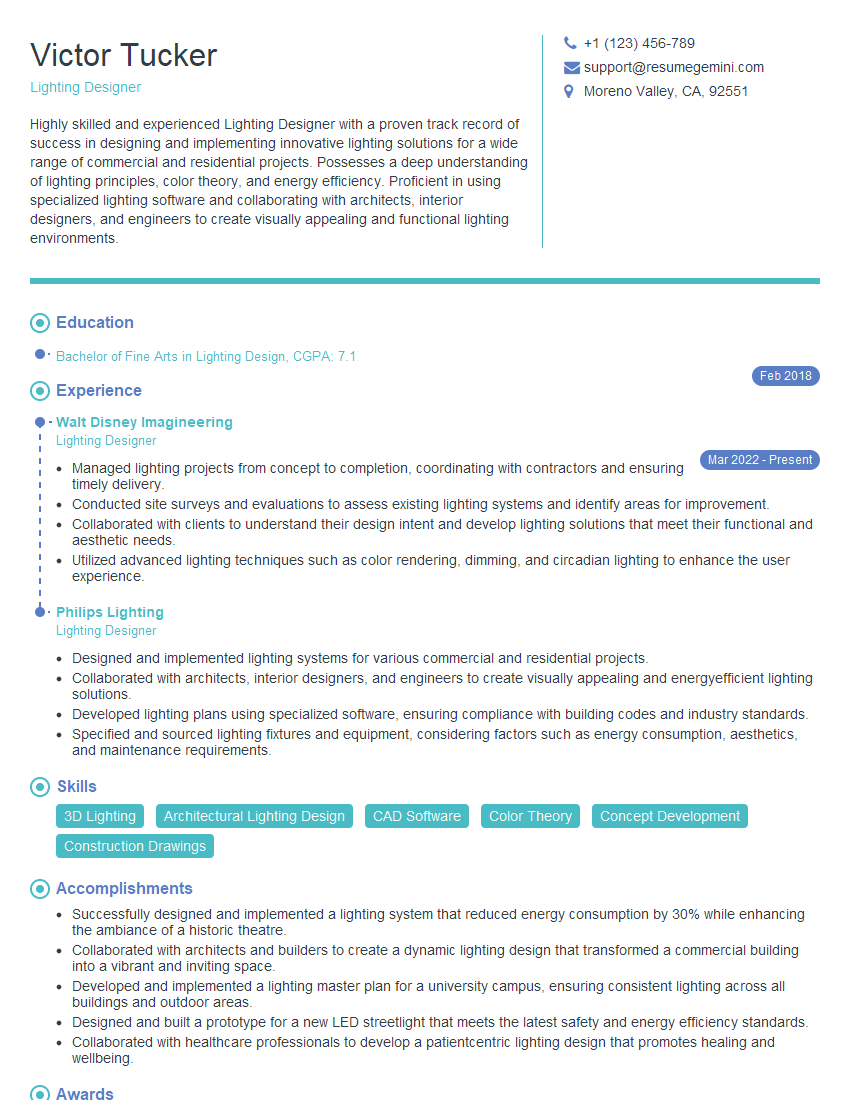
Lighting Designer Resume Sample
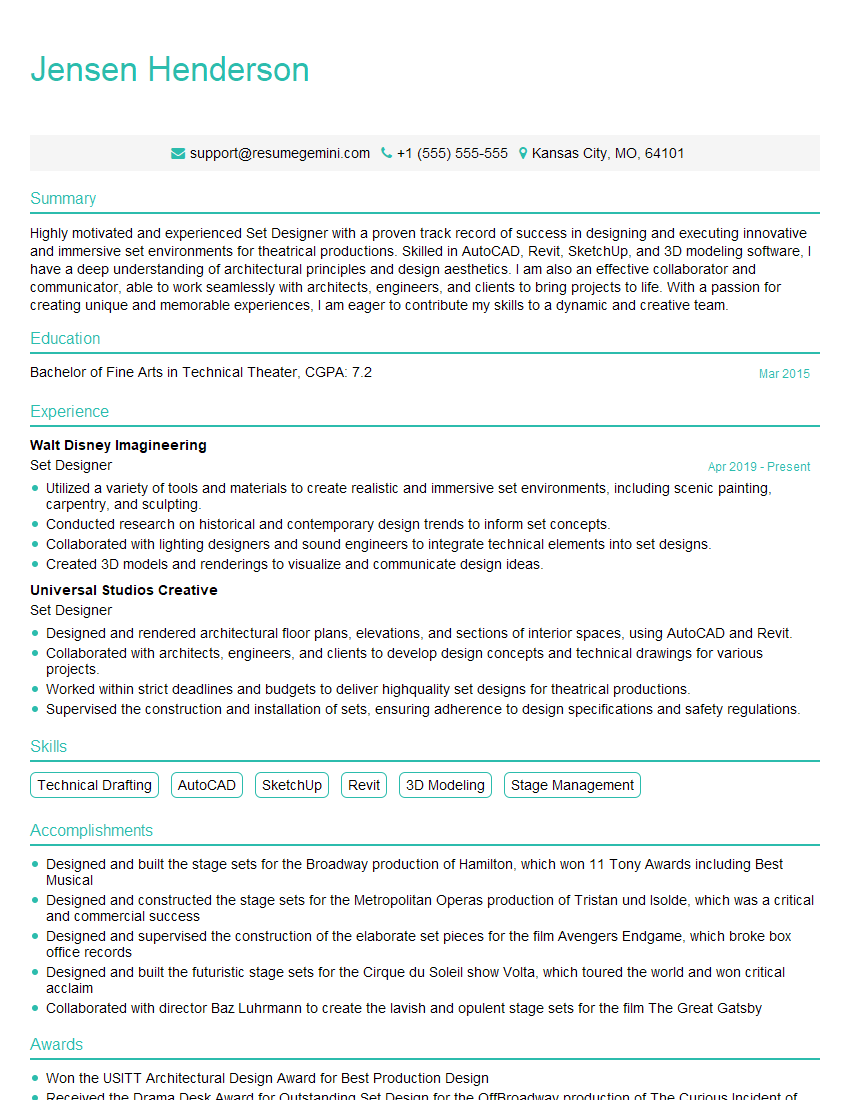
Set Designer Resume Sample
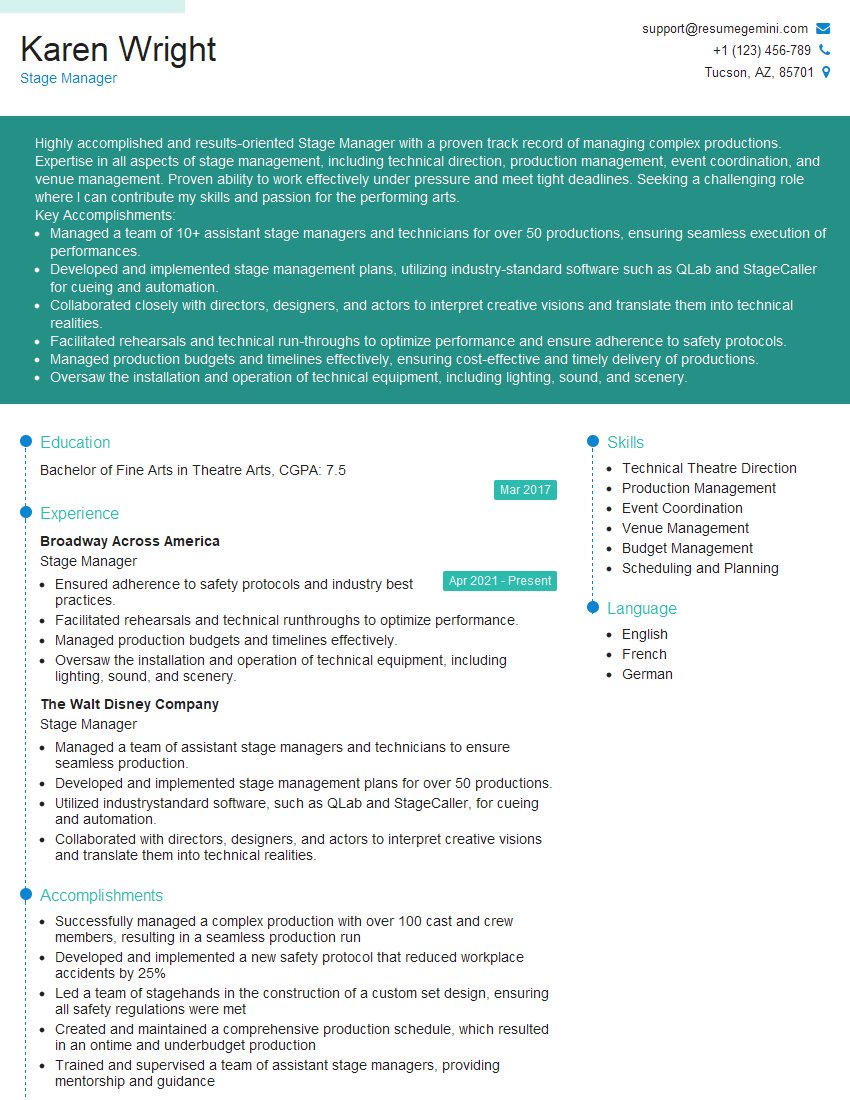
Stage Manager Resume Sample
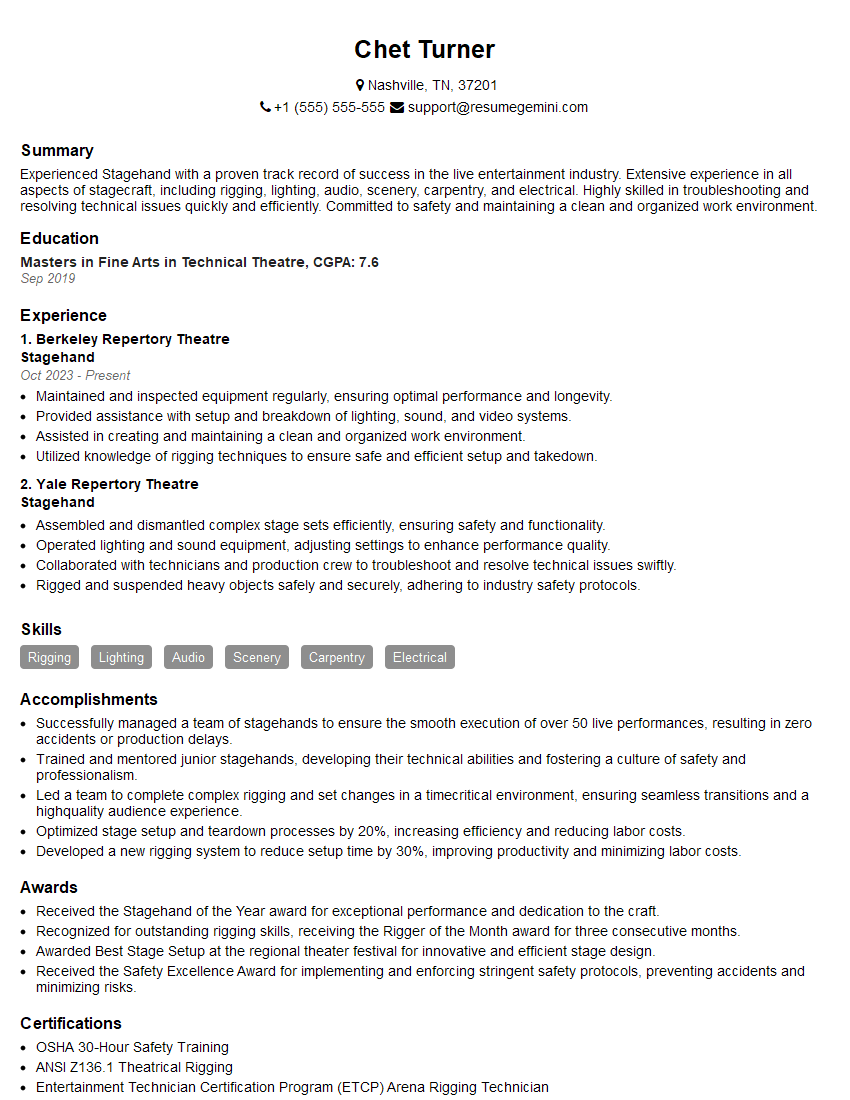
Stagehand Resume Sample
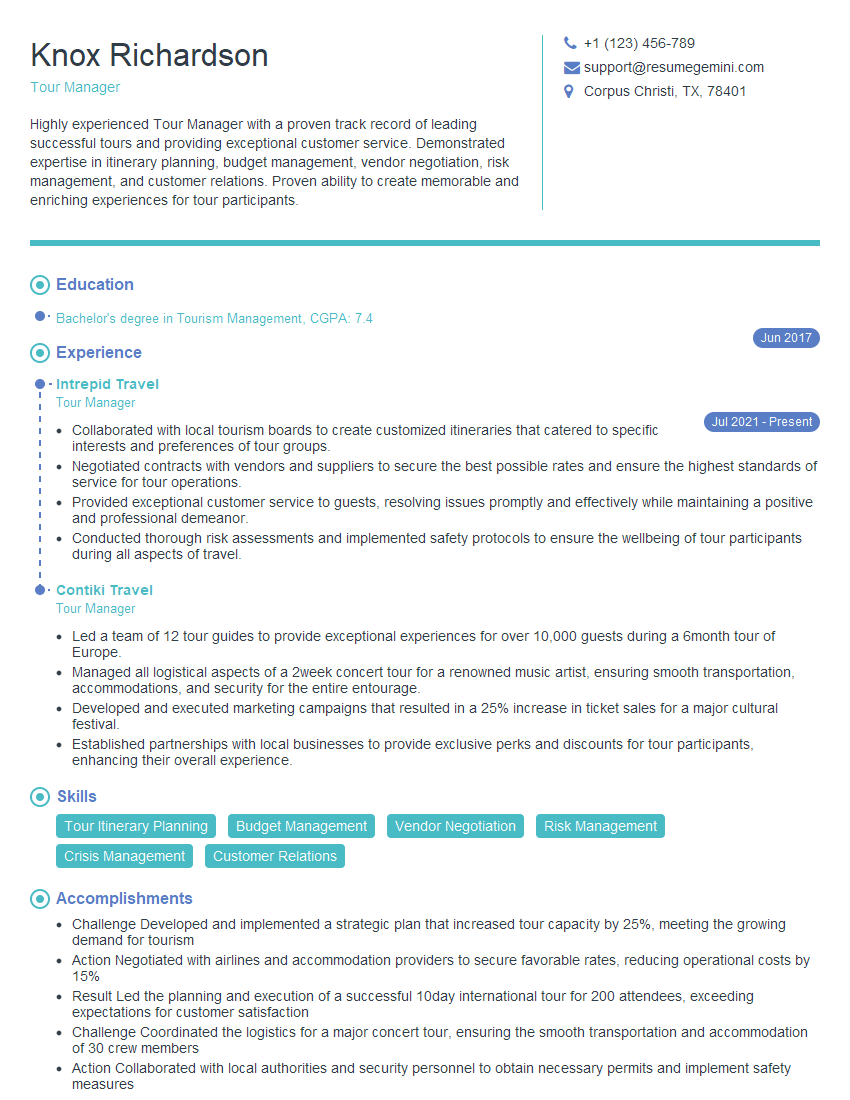
Tour Manager Resume Sample
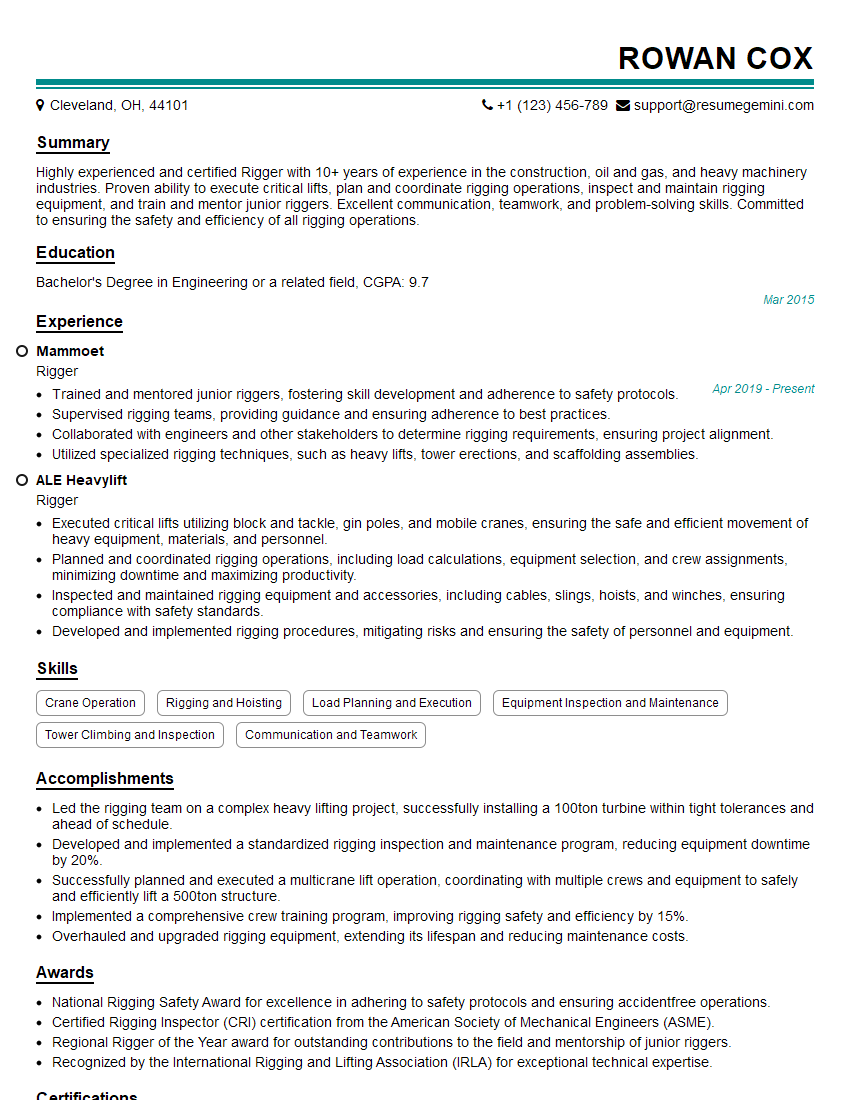
Rigger Resume Sample
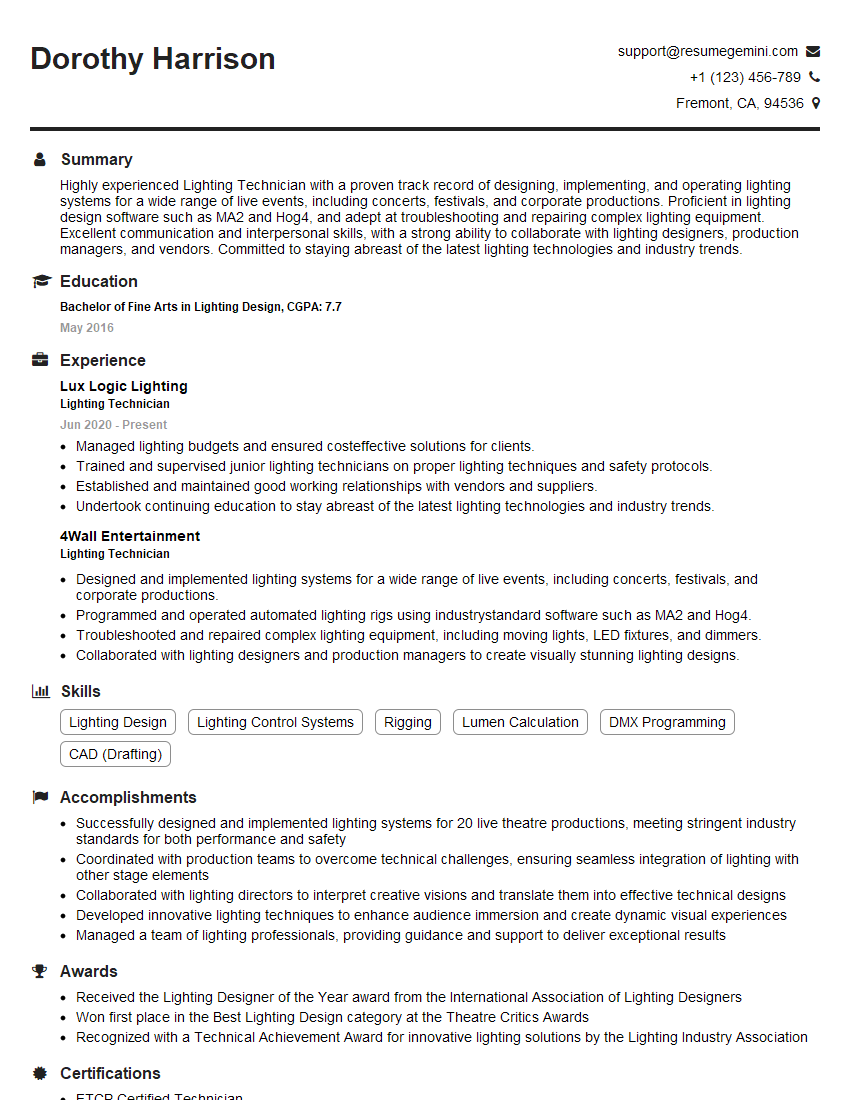
Lighting Technician Resume Sample
Explore more articles
Users Rating of Our Blogs
Share Your Experience
We value your feedback! Please rate our content and share your thoughts (optional).
What Readers Say About Our Blog
Amazing blog
Interesting Article, I liked the depth of knowledge you’ve shared.
Helpful, thanks for sharing.