Cracking a skill-specific interview, like one for UV Protection for Artwork, requires understanding the nuances of the role. In this blog, we present the questions you’re most likely to encounter, along with insights into how to answer them effectively. Let’s ensure you’re ready to make a strong impression.
Questions Asked in UV Protection for Artwork Interview
Q 1. What are the primary sources of UV radiation that damage artwork?
The primary sources of UV radiation damaging artwork are sunlight (both direct and indirect), artificial lighting (fluorescent, incandescent, and halogen lamps), and even some types of LED lighting. Sunlight is the most significant culprit, especially its UV component, which penetrates glass and can cause significant damage even on cloudy days. Artificial lighting, while less powerful than direct sunlight, contributes cumulatively over time, especially in museums and galleries with extensive lighting systems. Imagine the cumulative effect of even low levels of UV exposure over decades – it’s like a slow, relentless fade for your artwork.
Q 2. Explain the difference between UVA and UVB radiation and their effects on artwork.
UVA and UVB are both components of ultraviolet (UV) radiation, but they differ significantly in wavelength and their effects on artwork. UVA has a longer wavelength (315-400 nm) and penetrates deeper into materials, causing fading and discoloration over time. Think of it like a slow, gradual bleaching. UVB has a shorter wavelength (280-315 nm) and is more energetic; it causes more rapid damage, including cracking and embrittlement, particularly to organic materials like pigments and varnishes. It’s the more immediate, impactful form of damage. For example, a painting exposed to strong UVB might show noticeable cracking far sooner than one exposed primarily to UVA.
Q 3. Describe various types of UV filters used in art conservation.
Several types of UV filters are employed in art conservation to mitigate UV radiation’s harmful effects. These include:
- UV-filtering glazing: Museum-grade glass or acrylic sheets are specially treated with UV-absorbing additives to block most UV radiation. This is a highly effective method for protecting artwork behind glass or under protective glazing.
- UV-absorbing films: These thin films can be applied directly to glazing or even to the surface of artwork (with careful consideration for potential damage), providing an additional layer of protection. Think of them as a protective ‘sunblock’ for the art.
- UV-blocking coatings: These specialized coatings can be applied to artworks themselves, offering a direct barrier against UV radiation. However, the choice of coating is critical, as improper application can damage the artwork itself.
- UV-absorbing fabrics: Textiles used to cover or drape artwork can be treated with UV-blocking agents to offer some degree of protection.
The effectiveness of each type depends on several factors, including the material, its thickness, and the specific wavelength of UV radiation it is designed to block.
Q 4. What factors influence the selection of a UV filter for a specific artwork?
Selecting the appropriate UV filter for a specific artwork requires careful consideration of various factors. These include:
- The artwork’s material composition: Different materials have varying sensitivities to UV radiation. Organic materials (e.g., oils, pigments, textiles) are far more vulnerable than inorganic materials (e.g., some minerals). For example, a watercolor, with its sensitive pigments, requires far more robust protection than a marble sculpture.
- The artwork’s current condition: Damaged or fragile artwork may be more sensitive to handling or certain types of filters.
- The exhibition environment: The level of ambient UV radiation in the display area is a primary determinant. A highly-lit gallery will require stronger UV filtration than a dimly lit room.
- Aesthetic considerations: The chosen filter should not negatively impact the artwork’s visual appearance, causing distortion or color shifts.
- Budget constraints: Different types of UV filters come with varying costs.
A comprehensive assessment of these factors is essential for selecting the most appropriate and effective UV protection solution.
Q 5. How do you assess the effectiveness of a UV filter?
Assessing the effectiveness of a UV filter involves several steps. This usually involves:
- UV irradiance measurements: Specialized instruments like UV radiometers are used to measure the levels of UV radiation reaching the artwork before and after the filter is installed. This provides quantitative data on the filter’s performance.
- Spectral analysis: This determines the filter’s ability to block different wavelengths of UV radiation, providing a detailed understanding of its efficacy across the UV spectrum.
- Visual inspection: Regular visual inspections of the artwork are important to monitor any signs of fading or degradation, even with the filter in place. This helps to identify any weaknesses in the UV protection system.
- Long-term monitoring: It’s crucial to continually assess the filter’s effectiveness over time, as its properties might degrade with age or exposure.
By combining these methods, one can obtain a comprehensive understanding of how well the UV filter is protecting the artwork.
Q 6. Explain the importance of regular UV monitoring in museum or gallery settings.
Regular UV monitoring in museum or gallery settings is crucial for several reasons:
- Preventing damage: Continuous monitoring allows for early detection of excessive UV exposure, enabling timely interventions to prevent further damage to the artwork.
- Ensuring effective UV filtration: Regular measurements verify the ongoing effectiveness of UV filters and alert curators to any issues requiring attention, like filter degradation or failures.
- Compliance with standards: Many museums and galleries adhere to international standards for UV exposure limits for artwork; regular monitoring ensures adherence to these standards.
- Data collection and analysis: Monitoring data provides valuable information for long-term preservation strategies and helps in understanding the impact of different lighting and environmental factors on artwork.
Think of it like regularly checking the air conditioning – it’s a preventative measure that prevents a more expensive disaster later.
Q 7. What are the limitations of using UV filters alone in artwork preservation?
While UV filters are essential for artwork preservation, they have limitations:
- They don’t address all environmental threats: UV filters only protect against UV radiation; they don’t protect against other environmental factors such as temperature fluctuations, humidity, pollutants, or pests which also contribute to artwork deterioration.
- They may not be completely effective: Even the best filters may allow some UV radiation to penetrate. This is especially true if the filters are old, damaged, or improperly installed.
- They require maintenance: UV filters can degrade over time and require regular inspections and replacements to ensure their ongoing effectiveness.
- They can affect the artwork’s appearance: Some filters can alter the appearance of artwork by introducing a slight yellowing or color cast.
Therefore, a holistic approach that combines UV filtration with other preservation strategies, such as climate control and pest management, is critical for optimal artwork conservation.
Q 8. Describe the different types of glazing materials and their UV protection capabilities.
Glazing materials for artwork protection vary significantly in their UV protection capabilities. The key is understanding the UV transmission rate, usually expressed as a percentage. Lower percentages indicate better protection.
- Regular Glass: Offers minimal UV protection, transmitting up to 90% of UV rays. Think of it as a window – it lets most UV light through.
- UV-Filtering Glass (Museum Glass): Specifically designed to block UV radiation, typically offering 97-99% UV protection. This is a standard for museums and serious collectors.
- Acrylic (Plexiglass): While generally offering better UV protection than regular glass (around 90% with UV-blocking additives, though this can vary greatly depending on the quality and additives), it is more susceptible to scratches and can yellow over time, impacting clarity and requiring more frequent replacement.
- Specialty Glazing: Some high-end options include laminated glass with UV-blocking interlayers or specially coated acrylics that offer even higher levels of protection and enhanced durability.
The choice depends on the artwork’s value, the display environment (indoor versus outdoor), and the budget. For priceless pieces, museum glass is usually the only acceptable option. For less valuable items, a high-quality acrylic with UV inhibitors might suffice.
Q 9. How do you determine the appropriate level of UV protection needed for various artwork materials (e.g., oil paints, watercolors, photographs)?
Determining the appropriate level of UV protection depends heavily on the artwork’s materials and their sensitivity to UV light. Think of it like choosing sunscreen; different skin types need different SPF levels.
- Oil Paints: Generally more resistant than watercolors, but prolonged exposure can still lead to fading and cracking. High UV protection (97-99%) is recommended.
- Watercolors: Extremely vulnerable to fading and color degradation. They require the highest level of UV protection available – ideally, museum-grade glazing (97-99%).
- Photographs: The type of photograph is crucial. Black and white prints on archival paper are usually more durable than color photographs, especially those using dyes that are susceptible to UV degradation. Again, aiming for 97-99% UV protection is essential.
- Paper-based Artwork: Paper is especially susceptible to UV damage, leading to yellowing and brittleness. Maximum UV protection is critical for drawings, prints, and other works on paper.
Always consult with a conservator for guidance, especially for valuable or fragile artwork. They can assess the specific materials and advise on the appropriate level of protection.
Q 10. What are the signs of UV damage in artwork?
UV damage manifests in various ways, often subtly at first, making early detection crucial. Think of it as a slow sunburn for your artwork.
- Fading: Colors become duller and less vibrant, especially in areas most exposed to sunlight.
- Color Shift: Colors may change hue entirely, not just fade; blues can shift towards greens, for example.
- Yellowing: Paper and some pigments yellow over time, a clear sign of UV damage.
- Embrittlement: Artwork materials can become brittle and prone to cracking, particularly paper and some paints.
- Cracking and Flaking: Paint can crack and flake off, especially in areas directly exposed to intense UV rays.
Regular inspections, ideally under controlled lighting conditions, are essential for early detection of these signs. Comparing the artwork to archival photographs can also be helpful.
Q 11. What are the ethical considerations in applying UV protection measures to artwork?
Ethical considerations in applying UV protection involve balancing the preservation of the artwork with its accessibility and aesthetic presentation. It’s not simply about technical aspects.
- Reversibility: Ideally, any UV protection measures should be reversible without damaging the artwork. This requires careful selection of materials and installation techniques.
- Aesthetic Impact: Some UV-protective glazing can alter the artwork’s appearance, such as causing a slight color shift or glare. Choosing the right type of glazing is essential to minimize this impact.
- Accessibility: Excessive glazing or inappropriate framing can hinder accessibility for study or conservation treatments. The method should always permit appropriate access for future handling.
- Transparency: Clear communication with owners and stakeholders about the UV protection measures chosen and the reasoning behind them is essential.
A conservator’s expertise is critical here, ensuring that UV protection is implemented responsibly and ethically, always prioritizing the long-term well-being of the artwork.
Q 12. How can UV protection be integrated into the overall environmental control strategy for artwork storage and display?
UV protection is an integral part of a comprehensive environmental control strategy. It’s not a standalone solution, but rather one piece of a larger puzzle.
- Controlled Lighting: Minimize exposure to all light, not just UV, by using low-intensity, cool-toned lighting with UV filters.
- Climate Control: Maintaining stable temperature and humidity levels helps slow down degradation processes, including those exacerbated by UV light.
- Air Quality: Clean air helps reduce the accumulation of pollutants that can interact with UV-damaged surfaces, accelerating deterioration.
- Pest Control: Preventing insect infestations is crucial as insects can cause further damage to already UV-stressed artwork.
- Regular Monitoring: Regular monitoring of the environmental conditions and the artwork’s condition itself is essential.
By considering all these factors, you create a synergistic approach where the UV protection enhances the overall preservation strategy, significantly extending the artwork’s lifespan.
Q 13. Describe the process of installing UV-protective glazing on a framed artwork.
Installing UV-protective glazing involves careful precision and expertise; it’s not a DIY project for valuable artwork.
- Preparation: The artwork is carefully examined to assess its condition and determine the most appropriate glazing type and size.
- Glazing Selection: The chosen glazing (museum glass, acrylic, etc.) is cut precisely to size, leaving a small gap to allow for expansion and contraction.
- Installation: The glazing is carefully fitted into the frame, ensuring a snug fit without putting pressure on the artwork.
- Sealing: The glazing is sealed to prevent dust and moisture ingress. This may involve using UV-resistant adhesives and spacers.
- Inspection: A final inspection ensures the artwork is properly protected and the glazing is securely installed without causing any damage.
For valuable artwork, this process should always be undertaken by a qualified framer or conservator who understands the specific needs of the artwork and the implications of improper installation.
Q 14. How would you handle the UV protection of a large-scale outdoor sculpture?
Protecting large-scale outdoor sculptures from UV damage requires a different approach compared to framed artwork. Think of it as providing long-term sunblock.
- Material-Specific Strategies: The best approach depends on the sculpture’s material. Some materials are inherently more UV-resistant (bronze, for example) while others require more intervention (stone, wood).
- Coatings and Sealants: Applying specialized UV-resistant coatings or sealants can protect the sculpture’s surface from the sun’s harmful rays. The type of coating will depend on the sculpture’s material.
- Strategic Placement: If possible, strategically placing the sculpture in shaded areas can significantly reduce UV exposure.
- Periodic Maintenance: Regular cleaning and reapplication of protective coatings will help maintain the sculpture’s integrity and appearance over time.
- Canopies or Shelters: In some cases, constructing canopies or shelters to provide partial or full protection might be feasible and necessary.
Consulting with a conservator or a specialist in outdoor sculpture preservation is crucial to develop a tailored protection plan. They can assess the material, environment, and budget to recommend the most appropriate approach.
Q 15. What are the long-term effects of improper UV protection on artwork?
Improper UV protection for artwork leads to significant and irreversible damage over time. Think of it like leaving your skin unprotected in the sun – the cumulative effect is severe. UV radiation, particularly the invisible UV-A and UV-B wavelengths, attacks the pigments and binding media of artwork, causing a range of problems.
- Color fading: Pigments absorb UV energy, leading to chemical changes that alter their color. Vibrant hues can become dull, washed-out, or even shift in tone completely. Imagine a once-bright red becoming a faded pink.
- Material degradation: UV exposure weakens the materials themselves. This can manifest as cracking, embrittlement, and discoloration in paints, varnishes, and paper. Think of how prolonged sun exposure can make plastic brittle and crack.
- Deterioration of organic materials: Organic materials like canvas, wood, and textiles are particularly vulnerable, leading to structural weakness and possibly the loss of details.
- Accelerated aging: The combined effects of UV damage accelerate the natural aging process of artwork, causing premature deterioration and drastically shortening its lifespan.
Career Expert Tips:
- Ace those interviews! Prepare effectively by reviewing the Top 50 Most Common Interview Questions on ResumeGemini.
- Navigate your job search with confidence! Explore a wide range of Career Tips on ResumeGemini. Learn about common challenges and recommendations to overcome them.
- Craft the perfect resume! Master the Art of Resume Writing with ResumeGemini’s guide. Showcase your unique qualifications and achievements effectively.
- Don’t miss out on holiday savings! Build your dream resume with ResumeGemini’s ATS optimized templates.
Q 16. Discuss the role of UV protection in preventing color fading and material degradation.
UV protection is paramount in preserving artwork’s visual appeal and structural integrity. It acts as a shield, preventing the harmful effects of UV radiation.
- Preventing color fading: UV filters absorb or reflect UV rays before they reach the artwork, preventing the chemical reactions that cause color fading. This ensures the artwork retains its original vibrancy for much longer.
- Preventing material degradation: By blocking UV radiation, we minimize the damaging effects on the artwork’s constituent materials. This helps to maintain the structural integrity, preventing cracking, brittleness, and other forms of degradation. This is especially crucial for delicate materials like watercolors or textiles.
In essence, UV protection is like applying sunscreen to your artwork; it protects it from the harmful rays of the sun, slowing down the aging process and preserving its quality for future generations.
Q 17. What are some common misconceptions regarding UV protection in art conservation?
Several misconceptions surround UV protection in art conservation. These misunderstandings can lead to inadequate protection and further damage to artwork.
- ‘Natural light is okay’: This is false. Even seemingly dim natural light contains significant UV radiation that accumulates over time.
- ‘Glass protects from UV’: Standard window glass offers limited UV protection; specialized UV-filtering glass is essential for optimal protection.
- ‘UV protection is only for valuable pieces’: All artwork is susceptible to UV damage; the value of the piece shouldn’t determine the level of protection.
- ‘One type of UV filter fits all’: Different materials require different levels and types of UV protection. A single solution doesn’t apply universally.
Q 18. Describe any industry standards or best practices related to UV protection in your field.
While there isn’t a single, globally enforced standard, best practices within the field dictate specific measures for UV protection. These practices are largely informed by the American Institute for Conservation (AIC) guidelines, and they emphasize a multi-pronged approach.
- Limiting light exposure: This involves minimizing the intensity and duration of light exposure, including both natural and artificial light sources.
- Using UV-filtering glazing: Museums and galleries should utilize glazing with a high UV-blocking rating (ideally above 99%).
- Implementing appropriate lighting: Using low-UV-emitting light sources for display and work areas is crucial.
- Regular monitoring and assessment: Artwork should be regularly monitored for signs of UV damage, and environmental conditions should be monitored and maintained within recommended ranges.
- Documentation and record-keeping: Meticulous documentation of lighting conditions, UV levels, and any observed damage is essential for long-term care.
Q 19. What are the advantages and disadvantages of different UV filtering methods?
Several UV filtering methods exist, each with its own set of advantages and disadvantages.
- UV-filtering glazing: This is effective for large-scale protection in museums and galleries but can be expensive and less suitable for smaller, individual pieces.
- UV-absorbing films and coatings: These offer flexibility and can be applied to various surfaces, but may not be as durable or effective as specialized glazing.
- UV-blocking window treatments: Curtains, blinds, and films can offer cost-effective protection but may not provide complete UV blockage and might limit visibility.
- Specialized display cases and storage: Cases designed with UV-filtering materials offer effective protection for individual pieces but can be space-consuming and expensive.
The choice depends on the specific artwork, budget, and available space. For instance, a delicate watercolor would require a more comprehensive approach than a durable oil painting.
Q 20. How do you assess the potential risks of using certain UV protection materials on specific artwork types?
Assessing risks involves a thorough understanding of the artwork and the materials used in its creation. It’s essential to consider the following.
- Material compatibility: Some UV-filtering materials can react negatively with certain pigments or binding media. For example, a certain film might cause discoloration or damage to a particular type of paint.
- Artwork sensitivity: The age and condition of the artwork influence its vulnerability to UV damage. Older, more fragile pieces require more stringent protection.
- Environmental conditions: Temperature, humidity, and light exposure all interact to affect the artwork’s stability. This needs to be taken into account alongside the chosen UV protection method.
I conduct thorough material testing and research before recommending any UV protection method. For example, I would test a potential UV-filtering film on a small, inconspicuous area of the artwork to ensure compatibility before applying it widely.
Q 21. Explain how you would develop a UV protection plan for a museum collection.
Developing a UV protection plan for a museum collection requires a systematic approach.
- Inventory and assessment: A complete inventory of the collection is needed, along with an assessment of each piece’s material composition, condition, and vulnerability to UV damage.
- Environmental monitoring: Install sensors to continuously monitor temperature, humidity, and UV levels within display and storage areas.
- Lighting strategy: Specify appropriate low-UV-emitting light sources for all display areas, calculating lux levels based on the artwork’s needs.
- Glazing selection: Choose UV-filtering glazing with a high blocking rating appropriate for the display cases or windows.
- Storage solutions: Develop storage solutions that incorporate UV protection, such as archival-quality boxes and climate-controlled environments.
- Maintenance and inspection: Establish a regular maintenance schedule for cleaning and inspecting glazing, light sources, and environmental control systems.
- Documentation: Maintain a detailed record of all actions taken, measurements recorded, and any observed changes to the artwork.
The plan should be flexible and adaptable, allowing adjustments as needed based on monitoring data and any new information that arises.
Q 22. How do you document and monitor the effectiveness of UV protection measures implemented?
Documenting and monitoring the effectiveness of UV protection for artwork involves a multi-pronged approach combining preventative measures with regular assessments. We begin by meticulously documenting the initial condition of the artwork, including photographic records and detailed notes on its existing state of preservation. This serves as a baseline against which future changes can be compared.
Next, we implement specific UV protection strategies, such as UV-filtering glazing on display cases or the installation of UV-blocking window films. Each measure is documented with specifications, including the type of filter, its UV transmission rate (ideally below 1%), and the date of installation. We might also use specialized UV meters to measure the ambient UV levels in the display environment before and after implementing the protection.
Regular monitoring then becomes crucial. This involves periodic visual inspections to check for any signs of fading or discoloration. We also conduct periodic UV level measurements using calibrated meters to ensure the continued effectiveness of the implemented protection. These readings, along with photographic documentation, are meticulously recorded in a detailed preservation file. Any significant deviations from the baseline documentation trigger further investigation and adjustments to the UV protection strategy.
For instance, if we notice unexpected fading in a specific area, despite adequate UV protection measures, we might investigate other environmental factors like temperature fluctuations, humidity, or even the interaction of the artwork with its supporting materials. This systematic documentation and monitoring allow for proactive intervention, minimizing damage and preserving the artwork for future generations.
Q 23. Describe a situation where you had to troubleshoot a UV protection issue and how you resolved it.
In one instance, a museum client reported noticeable fading in a collection of watercolors despite the use of UV-filtering glazing. The initial assessment revealed that the glazing, while technically meeting UV standards, was improperly installed, leaving small gaps along the edges. These gaps, though seemingly minor, allowed sufficient UV penetration to cause noticeable discoloration over time.
Troubleshooting involved a three-step process. First, we conducted a thorough investigation of the glazing installation, using UV meters to pinpoint the exact locations of UV leakage. Then, we meticulously re-installed the glazing, ensuring complete sealing and eliminating all gaps. This was followed by comprehensive UV re-testing, ensuring all readings indicated adequate protection throughout the display case.
The resolution wasn’t just about physical repair; it involved educating the museum staff about proper installation procedures and the importance of regular inspections. This proactive approach ensured that similar issues wouldn’t recur with other artworks in their collection. The case highlighted that even the most technically sound UV protection measures are rendered ineffective if not properly implemented and consistently monitored.
Q 24. What new technologies or developments in UV protection are you aware of?
Several exciting developments are transforming UV protection for artwork. One is the improvement of UV-filtering materials. New polymers and nano-technologies are leading to more durable, transparent, and efficient UV filters, with lower transmission rates than ever before. These advancements allow for better protection with minimal visual distortion of the artwork.
Another exciting development is the integration of smart sensors and monitoring systems. These systems can continuously track ambient UV levels, temperature, and humidity, providing real-time data on the preservation environment. This data can be used to trigger automated adjustments to the climate control system or send alerts if conditions deviate from the optimal range. It’s like having a 24/7 guardian for your artwork.
Furthermore, research into new types of coatings and varnishes that provide UV protection without altering the artwork’s aesthetic properties is progressing. These innovative coatings are designed to be reversible or removable, making them more suitable for valuable or sensitive artworks. These technologies contribute to a more holistic and proactive approach to artwork conservation, moving beyond simple UV filtration to integrated environmental management.
Q 25. How do you stay updated on the latest research and best practices in UV protection for artwork?
Staying updated in this field requires a multi-faceted approach. I regularly attend conferences and workshops organized by organizations like the American Institute for Conservation (AIC) and the International Council of Museums (ICOM). These events offer invaluable opportunities to learn about cutting-edge research and best practices from leading experts in the field.
I also subscribe to relevant academic journals and industry publications, ensuring I stay abreast of the latest research findings and technological advancements. Websites of reputable museums and conservation centers also serve as rich sources of information on preservation techniques and case studies. Participation in professional networks and online forums allows for the exchange of ideas and experiences with colleagues around the world.
Finally, hands-on experience is crucial. By working on diverse projects with different types of artwork and preservation challenges, I continuously hone my skills and expand my knowledge base. This continuous learning ensures that my UV protection strategies are always informed by the most current scientific understanding and technological advancements.
Q 26. How would you communicate the importance of UV protection to a non-technical audience?
Imagine sunlight fading a favorite photograph left on a windowsill. UV rays in sunlight, like invisible sunburn, gradually damage the colors and details of artwork. UV protection is like sunscreen for your artwork, shielding it from this harmful radiation that causes fading and discoloration.
Think of it this way: you wouldn’t leave a prized possession outdoors in harsh weather without protection. Similarly, we need to protect valuable artwork from damaging UV radiation. UV protection measures, such as specialized glazing or films, act as a barrier, filtering out these harmful rays and preserving the artwork’s vibrant colors and intricate details for generations to come. It’s an investment in preserving cultural heritage and valuable assets.
Q 27. Describe the role of UV protection in the overall preservation plan for a valuable artwork.
UV protection is an integral, non-negotiable component of a comprehensive preservation plan for valuable artwork. It’s not just one element but a crucial pillar supporting the overall longevity and quality of the piece. It works in tandem with other measures to create a holistic preservation strategy.
- Environmental Control: UV protection complements climate control strategies, ensuring stable temperature and humidity levels to minimize deterioration caused by environmental fluctuations.
- Pest Control: While UV protection targets light damage, pest control addresses biological threats. Both are equally important to maintain the artwork’s integrity.
- Handling and Storage: Proper handling and storage practices minimize physical damage, while UV protection reduces light-induced damage. Together, they create a secure preservation ecosystem.
- Regular Inspection and Maintenance: Consistent monitoring and maintenance of UV protection systems, combined with regular inspections of the artwork itself, are crucial for preventing irreversible damage.
Therefore, a robust preservation plan recognizes UV protection not as an optional extra, but as a fundamental necessity alongside other crucial measures, all working synergistically to ensure the artwork’s long-term survival.
Key Topics to Learn for UV Protection for Artwork Interview
- Understanding UV Radiation and its Effects on Artwork: Explore the different types of UV radiation (UVA, UVB, UVC) and their specific impact on various art materials (pigments, inks, varnishes, canvas, paper).
- UV Degradation Mechanisms: Delve into the chemical and physical processes by which UV light damages artwork, including fading, cracking, and embrittlement. Understand the factors influencing degradation rate (e.g., pigment type, light intensity, environmental conditions).
- UV Protection Methods: Familiarize yourself with various techniques and materials used to protect artwork from UV damage. This includes glazing (glass, acrylic), UV filters in varnishes and coatings, and environmental controls (lighting, climate control).
- Assessing UV Exposure and Risk: Learn how to evaluate the risk of UV damage to artwork based on factors such as light levels, display duration, and material sensitivity. Explore methods for measuring UV exposure.
- Case Studies and Practical Applications: Study examples of successful UV protection strategies in different contexts (museums, galleries, private collections). Consider case studies involving the restoration of UV-damaged artwork.
- Conservation Ethics and Best Practices: Understand the ethical considerations and best practices surrounding UV protection in art conservation. This includes reversibility, minimal intervention, and long-term preservation strategies.
- Material Science and its Relevance: Gain a basic understanding of the material science principles underlying the interaction between UV light and art materials. This will help you troubleshoot and solve practical problems.
Next Steps
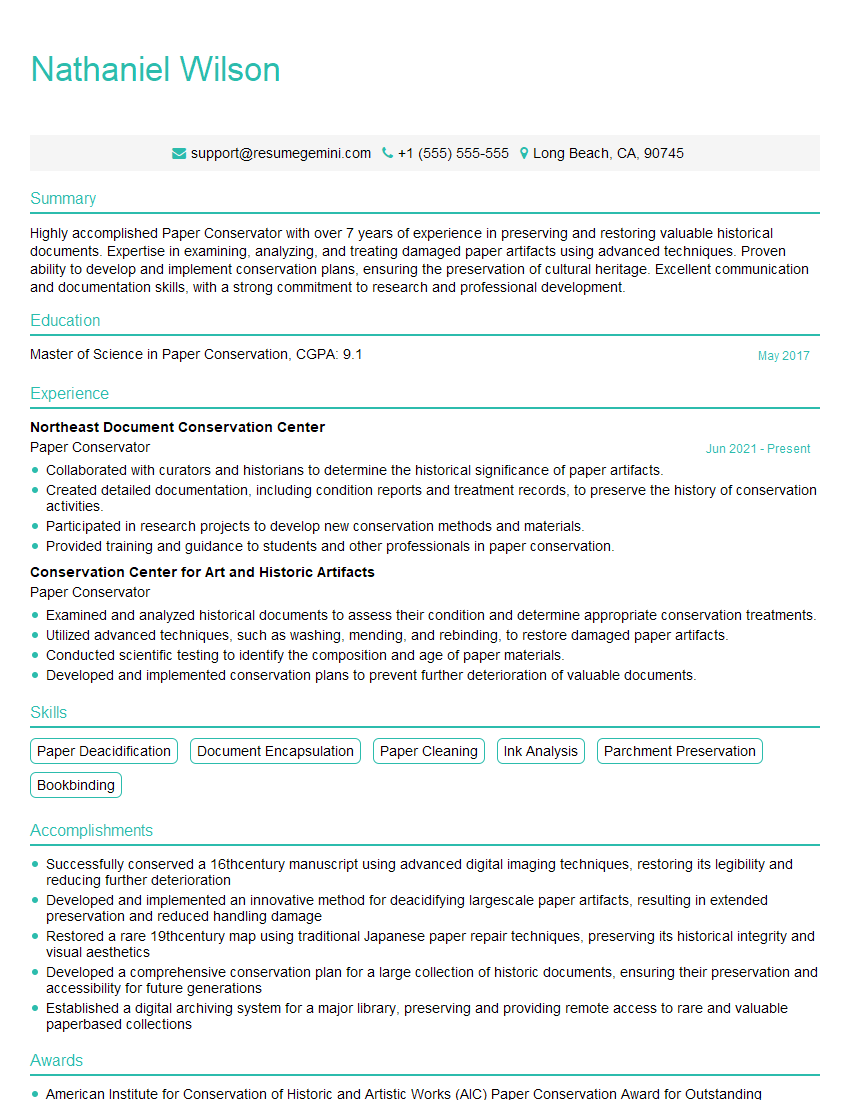
Mastering UV protection for artwork is crucial for a successful career in art conservation, museum studies, or related fields. A strong understanding of these concepts will significantly enhance your expertise and marketability. To maximize your job prospects, crafting an ATS-friendly resume is essential. ResumeGemini can be a valuable tool in building a professional and impactful resume that highlights your skills and experience effectively. Examples of resumes tailored to UV Protection for Artwork are available to guide you through the process.
Explore more articles
Users Rating of Our Blogs
Share Your Experience
We value your feedback! Please rate our content and share your thoughts (optional).
What Readers Say About Our Blog
Amazing blog
Interesting Article, I liked the depth of knowledge you’ve shared.
Helpful, thanks for sharing.