Are you ready to stand out in your next interview? Understanding and preparing for Behavioral Science and Health Psychology interview questions is a game-changer. In this blog, we’ve compiled key questions and expert advice to help you showcase your skills with confidence and precision. Let’s get started on your journey to acing the interview.
Questions Asked in Behavioral Science and Health Psychology Interview
Q 1. Explain the difference between classical and operant conditioning.
Classical and operant conditioning are two fundamental learning processes in behavioral psychology, but they differ significantly in how learning occurs.
Classical conditioning, pioneered by Pavlov, involves learning through association. A neutral stimulus is repeatedly paired with an unconditioned stimulus (which naturally elicits a response) until it becomes a conditioned stimulus, eliciting a conditioned response. Think of Pavlov’s dogs: the bell (initially neutral) was paired with food (unconditioned stimulus, causing salivation – the unconditioned response). After repeated pairings, the bell alone (conditioned stimulus) caused salivation (conditioned response).
Operant conditioning, developed by Skinner, focuses on learning through consequences. Behaviors followed by positive consequences (reinforcement) are strengthened, while behaviors followed by negative consequences (punishment) are weakened. For example, if a child receives praise (positive reinforcement) for cleaning their room, they are more likely to repeat this behavior. Conversely, if they are grounded (punishment) for misbehaving, they are less likely to repeat that behavior.
In short: classical conditioning is about associating stimuli, while operant conditioning is about associating actions with consequences. Both are incredibly important in understanding how we learn behaviors, especially habits related to health, like smoking or eating healthy.
Q 2. Describe the biopsychosocial model of health.
The biopsychosocial model of health emphasizes the interconnectedness of biological, psychological, and social factors in understanding health and illness. It moves beyond a purely biomedical model by recognizing the influence of our thoughts, feelings, and social environment on our physical well-being.
- Biological factors include genetics, physiological processes, and disease. For example, a family history of heart disease increases one’s risk.
- Psychological factors encompass thoughts, emotions, behaviors, and coping mechanisms. Stress, for instance, can significantly impact cardiovascular health.
- Social factors include socioeconomic status, cultural norms, and social support networks. Lack of access to healthcare or living in a high-crime area can negatively affect health outcomes.
Let’s consider chronic pain. A purely biomedical approach might focus solely on the physical source of pain. The biopsychosocial model, however, would also consider the patient’s psychological state (e.g., anxiety, depression), coping mechanisms, and social support system. Treatment would then be more holistic, incorporating pain management techniques, therapy to address emotional factors, and social support strategies.
Q 3. What are the key principles of Cognitive Behavioral Therapy (CBT)?
Cognitive Behavioral Therapy (CBT) is a widely used and effective therapeutic approach based on the principle that our thoughts, feelings, and behaviors are interconnected. It helps individuals identify and modify unhelpful thought patterns and behaviors to improve emotional well-being and manage mental health challenges.
- Identifying automatic thoughts: CBT starts by helping clients become aware of their automatic thoughts—the rapid, often negative thoughts that occur without conscious awareness. For example, someone might automatically think “I’m going to fail” before a presentation.
- Cognitive restructuring: This involves challenging and reframing negative or distorted thoughts. The therapist helps the client question the validity of their thoughts and replace them with more balanced and realistic ones. For the presentation example, this might involve challenging the thought “I’m going to fail” with evidence of past successes and focusing on preparation rather than potential failure.
- Behavioral experiments: These are designed to test the validity of negative thoughts through real-life experiences. For example, if someone fears social situations, a behavioral experiment might involve gradually increasing exposure to social settings.
- Behavioral activation: This encourages clients to engage in activities that bring pleasure or a sense of accomplishment to combat withdrawal and depression. It’s about getting active and building positive reinforcement loops.
CBT is highly structured and goal-oriented, making it adaptable to various health conditions. It’s often used for anxiety disorders, depression, chronic pain management, and even smoking cessation.
Q 4. How would you apply motivational interviewing techniques in a health setting?
Motivational interviewing (MI) is a patient-centered, directive counseling style designed to elicit and strengthen motivation for change. In a health setting, it’s incredibly useful for promoting healthy behaviors.
The core principles of MI include:
- Express empathy: Understanding and reflecting the patient’s perspective is crucial.
- Develop discrepancy: Helping the patient see the discrepancy between their current behavior and their values or goals.
- Roll with resistance: Instead of directly confronting resistance, the therapist accepts and explores the patient’s concerns.
- Support self-efficacy: Boosting the patient’s belief in their ability to change.
Imagine a patient struggling with obesity. Instead of lecturing them on healthy eating, an MI practitioner would explore their feelings about their weight, their reasons for wanting (or not wanting) to change, and their past experiences with weight loss attempts. They might ask open-ended questions like: “What are some of the challenges you’ve faced in trying to lose weight?” or “What’s one small change you could make this week?” The goal is to guide the patient to identify their own reasons for change and develop a personalized plan, fostering intrinsic motivation.
Q 5. Explain the Health Belief Model and its implications for health behavior change.
The Health Belief Model (HBM) explains health behaviors by focusing on the individual’s perceptions and beliefs about a health threat and the benefits of taking action. It posits that a person is more likely to take preventive action if they perceive a serious health threat, believe they are susceptible to it, and believe the benefits of action outweigh the costs.
The key constructs of the HBM include:
- Perceived susceptibility: One’s belief about the likelihood of experiencing a health problem.
- Perceived severity: One’s belief about the seriousness of a health problem.
- Perceived benefits: One’s belief in the effectiveness of the recommended action to reduce the risk or severity of the problem.
- Perceived barriers: One’s belief about the costs or challenges of taking the recommended action.
- Cues to action: Internal or external factors that trigger a health behavior (e.g., a doctor’s recommendation, a media campaign).
- Self-efficacy: One’s belief in their ability to successfully perform the behavior.
For example, a person is more likely to get a flu vaccine (action) if they perceive influenza as a serious threat (severity), believe they are likely to get the flu (susceptibility), believe the vaccine is effective (benefit), don’t believe it has significant side effects (barriers), and are reminded about the vaccine (cue to action) and are confident they can get to the clinic (self-efficacy).
The HBM helps design health interventions by targeting these constructs. A campaign might emphasize the severity of a disease, highlight the benefits of preventive actions, or address perceived barriers through community support programs.
Q 6. Discuss the role of social cognitive theory in promoting healthy behaviors.
Social cognitive theory (SCT) emphasizes the role of observational learning, self-efficacy, and environmental factors in shaping behavior. It suggests that people learn by observing others, and their behavior is influenced by their beliefs about their own capabilities (self-efficacy) and their environment.
In promoting healthy behaviors, SCT highlights the following:
- Observational learning: Individuals learn by observing others’ behaviors and their consequences. Seeing others successfully exercise, for example, can increase the likelihood that an individual will also adopt this behavior.
- Self-efficacy: The belief in one’s ability to successfully perform a behavior is crucial. Interventions should focus on building self-efficacy by providing positive feedback, setting realistic goals, and using role models.
- Outcome expectations: Individuals are more likely to adopt a behavior if they believe it will lead to positive outcomes. Highlighting the benefits of a healthy behavior is important.
- Environmental factors: The environment significantly influences behavior. Creating supportive environments, such as accessible gyms or smoke-free workplaces, is crucial.
For instance, in a weight-loss program, SCT principles can be applied by providing participants with role models who have successfully lost weight, setting achievable goals, providing positive reinforcement, and creating a supportive group environment.
Q 7. What are some common barriers to health behavior change?
Many barriers can hinder health behavior change. These can be categorized into individual, social, and environmental factors:
- Individual barriers: These include low self-efficacy, lack of motivation, lack of knowledge, poor time management, emotional distress (anxiety, depression), and the presence of addictive behaviors.
- Social barriers: These encompass lack of social support, negative social influences (peer pressure), cultural norms that conflict with healthy behaviors, and socioeconomic disparities that limit access to resources.
- Environmental barriers: These involve lack of access to healthy options (e.g., healthy food, exercise facilities), unsafe environments that discourage physical activity, and exposure to environmental hazards (e.g., air pollution).
For example, someone trying to quit smoking might face individual barriers like nicotine addiction and low self-efficacy, social barriers like peer pressure from smoking friends, and environmental barriers like readily available cigarettes in their workplace. Addressing these barriers requires a multifaceted approach that targets individual, social, and environmental factors simultaneously.
Q 8. How can you measure the effectiveness of a health behavior intervention?
Measuring the effectiveness of a health behavior intervention requires a multifaceted approach. We need to consider both the process and the outcome. Process evaluation assesses the implementation fidelity – did the intervention reach the target population as intended? Were the program components delivered as planned? Outcome evaluation assesses whether the intervention achieved its goals. This often involves comparing a treatment group to a control group using various metrics.
Common outcome measures include changes in health behaviors (e.g., increased physical activity, improved diet), physiological changes (e.g., reduced blood pressure, lower cholesterol), psychological changes (e.g., reduced stress, improved self-efficacy), and ultimately, improvements in health outcomes (e.g., reduced hospitalizations, improved quality of life).
For example, if we’re evaluating a smoking cessation program, process evaluation might look at attendance rates, therapist adherence to the protocol, and the quality of materials provided. Outcome evaluation would focus on changes in smoking rates (self-reported and biochemically verified), lung function, and quality of life measures.
Statistical methods like t-tests, ANOVA, and regression analysis are frequently used to compare changes between groups. It’s also crucial to consider potential confounding factors and use appropriate statistical controls to ensure the results are valid.
Q 9. What are some ethical considerations in behavioral health research?
Ethical considerations in behavioral health research are paramount. They center around protecting the rights and well-being of participants. Key principles include:
- Informed consent: Participants must be fully informed about the study’s purpose, procedures, risks, and benefits before agreeing to participate. This includes ensuring they understand they can withdraw at any time without penalty.
- Confidentiality and anonymity: Data collected must be kept confidential and, whenever possible, anonymized to protect participant privacy.
- Minimizing risks and maximizing benefits: Researchers must carefully weigh the potential risks of participation against the potential benefits. Procedures should be designed to minimize risks and maximize the potential for positive outcomes.
- Justice and equity: Research should be conducted fairly and equitably, ensuring that all groups have equal access to participation and benefits. We need to be especially mindful of avoiding exploitation of vulnerable populations.
- Debriefing: Participants should be fully debriefed after their participation, particularly if deception was used in the study. Debriefing involves explaining the true nature of the study and addressing any concerns they might have.
For instance, a study exploring the effectiveness of a new anxiety treatment should ensure participants are fully informed of potential side effects and have access to appropriate support if needed. All data should be securely stored and analyzed anonymously to protect their identities.
Q 10. Describe different types of research designs used in health psychology.
Health psychology research employs various designs to investigate different questions. Some common types include:
- Experimental designs: These involve manipulating an independent variable (e.g., type of intervention) to assess its effect on a dependent variable (e.g., stress levels). Randomized controlled trials (RCTs) are the gold standard, as they allow for strong causal inferences.
- Quasi-experimental designs: Similar to experimental designs, but without random assignment to groups. This is often due to practical limitations. While useful, causal inferences are weaker.
- Correlational designs: These examine the relationship between two or more variables without manipulating any of them. Correlation does not equal causation; it simply identifies the extent to which variables are associated.
- Longitudinal designs: These involve following the same participants over time to observe changes in variables. These are useful for examining the development of health behaviors or the long-term effects of interventions.
- Cross-sectional designs: These involve measuring variables at a single point in time. They are efficient but can’t establish causal relationships or track changes over time.
- Qualitative designs: These involve gathering rich descriptive data through interviews, focus groups, or observations. They are particularly useful for exploring complex phenomena or understanding individual experiences.
Choosing the right design depends on the research question, resources, and ethical considerations. For example, an RCT might be appropriate for evaluating the efficacy of a new medication for depression, while a qualitative study might be better suited for exploring the lived experiences of individuals with chronic pain.
Q 11. Explain the concept of stress and coping mechanisms.
Stress is a state of mental or emotional strain or tension resulting from adverse or very demanding circumstances. It’s a subjective experience, meaning what one person finds stressful, another might find challenging or even invigorating. This subjective experience is heavily influenced by individual appraisal – how we perceive and interpret the event and our ability to cope.
Coping mechanisms are the strategies we use to manage stress. These can be adaptive (healthy and effective) or maladaptive (unhealthy and ineffective). Examples of adaptive coping include problem-solving, seeking social support, exercise, relaxation techniques, and time management. Examples of maladaptive coping include substance abuse, avoidance, denial, and emotional eating.
Consider a student facing exams. An adaptive coping mechanism might be creating a study schedule and seeking help from a tutor. A maladaptive mechanism might be excessive alcohol consumption to reduce anxiety.
Q 12. Discuss the impact of chronic stress on physical health.
Chronic stress has significant and detrimental effects on physical health. Prolonged exposure to stress hormones like cortisol can disrupt various bodily systems.
- Cardiovascular disease: Chronic stress increases blood pressure and heart rate, raising the risk of heart attacks and strokes.
- Weakened immune system: Stress suppresses the immune system, making individuals more susceptible to infections and illnesses.
- Gastrointestinal problems: Stress can exacerbate conditions like irritable bowel syndrome and peptic ulcers.
- Mental health issues: Chronic stress is a major risk factor for depression, anxiety, and post-traumatic stress disorder (PTSD).
- Metabolic disorders: Stress can lead to weight gain, insulin resistance, and type 2 diabetes.
The body’s response to acute stress is adaptive—it prepares us to ‘fight or flight’. However, chronic stress keeps the body in a constant state of alert, overwhelming the system and leading to these negative health consequences. Think of it like a car constantly running at high speed—eventually, the engine will wear out.
Q 13. What are some effective strategies for managing stress and anxiety?
Effective stress and anxiety management strategies involve a multifaceted approach, combining various techniques to address the psychological, physiological, and behavioral aspects of stress.
- Mindfulness and meditation: These practices help increase awareness of the present moment and reduce rumination about the past or worry about the future.
- Cognitive behavioral therapy (CBT): CBT helps identify and challenge negative thought patterns and replace them with more adaptive ones. It also teaches coping skills for managing stressful situations.
- Relaxation techniques: Progressive muscle relaxation, deep breathing exercises, and yoga can help reduce physiological arousal associated with stress.
- Exercise: Regular physical activity releases endorphins, which have mood-boosting effects, and improves overall physical health.
- Social support: Connecting with supportive friends, family, or support groups can provide emotional comfort and practical assistance.
- Time management: Effective time management techniques can help reduce feelings of being overwhelmed and improve organization.
- Healthy lifestyle choices: A balanced diet, sufficient sleep, and limiting alcohol and caffeine consumption contribute to better stress resilience.
It’s important to find strategies that work best for the individual. A combination of approaches is often the most effective.
Q 14. How do you assess and diagnose psychological disorders in a healthcare setting?
Assessing and diagnosing psychological disorders in a healthcare setting is a complex process that typically involves multiple steps. It begins with a comprehensive clinical interview, where the clinician gathers information about the individual’s history, symptoms, and current functioning. This interview is crucial for building rapport and understanding the context of the individual’s experiences.
The clinician will use standardized assessment tools, such as questionnaires and rating scales, to obtain more objective measures of symptoms. For example, the Beck Depression Inventory (BDI) measures the severity of depression symptoms, while the State-Trait Anxiety Inventory (STAI) assesses anxiety levels. In some cases, neuropsychological testing may be necessary to assess cognitive functioning.
Observation of the individual’s behavior and presentation is also an essential part of the assessment. The clinician will consider factors such as speech patterns, mood, affect, and appearance. The diagnosis is made based on the criteria outlined in the Diagnostic and Statistical Manual of Mental Disorders (DSM-5) or the International Classification of Diseases (ICD-11).
Differential diagnosis is critical—ruling out other possible conditions with similar symptoms. For instance, symptoms of anxiety might overlap with those of hyperthyroidism, requiring further investigation to establish the correct diagnosis. This often involves collaborating with other healthcare professionals, such as physicians or other specialists, depending on the situation.
Finally, the clinician will develop a treatment plan tailored to the individual’s needs and preferences, which may involve psychotherapy, medication, or a combination of both.
Q 15. Explain the stages of change model (Transtheoretical Model).
The Transtheoretical Model, also known as the Stages of Change model, is a widely used framework in health psychology to understand how individuals change their behaviors. It posits that behavior change is a process, not a single event, and unfolds across several stages. Think of it like climbing a mountain – you don’t reach the peak instantly; you progress step-by-step.
- Precontemplation: The individual isn’t even thinking about changing their behavior. They might be unaware of the problem or unwilling to address it. Example: A smoker who isn’t considering quitting.
- Contemplation: The individual is aware of the problem and starts considering change within the next six months. They weigh the pros and cons. Example: The smoker starts thinking about the health risks and considering quitting, but hasn’t committed.
- Preparation: The individual is actively planning to change their behavior within the next month. They might be taking small steps, like buying nicotine patches. Example: The smoker buys nicotine patches and sets a quit date.
- Action: The individual is actively making changes to their behavior. This stage requires significant effort and commitment. Example: The smoker successfully quits smoking.
- Maintenance: The individual has maintained the behavior change for at least six months and is working to prevent relapse. Example: The ex-smoker continues to avoid situations that trigger cravings and celebrates their continued success.
- Relapse: It’s a common part of the process. Individuals may slip back to old habits. The key is to learn from the relapse and return to the process. Example: The ex-smoker has a stressful day and smokes one cigarette. This isn’t necessarily a failure, but an opportunity to re-evaluate and re-engage.
Understanding these stages helps tailor interventions to the individual’s readiness for change. For instance, someone in the precontemplation stage might benefit from educational materials raising awareness of the problem, while someone in the action stage needs support and strategies for maintaining the change.
Career Expert Tips:
- Ace those interviews! Prepare effectively by reviewing the Top 50 Most Common Interview Questions on ResumeGemini.
- Navigate your job search with confidence! Explore a wide range of Career Tips on ResumeGemini. Learn about common challenges and recommendations to overcome them.
- Craft the perfect resume! Master the Art of Resume Writing with ResumeGemini’s guide. Showcase your unique qualifications and achievements effectively.
- Don’t miss out on holiday savings! Build your dream resume with ResumeGemini’s ATS optimized templates.
Q 16. What are some evidence-based treatments for depression and anxiety?
Evidence-based treatments for depression and anxiety vary depending on the severity and individual needs, but several approaches have strong empirical support.
- Cognitive Behavioral Therapy (CBT): This therapy helps individuals identify and change negative thought patterns and behaviors contributing to depression and anxiety. It’s highly effective for many and involves techniques like cognitive restructuring and behavioral activation.
- Medication: Antidepressants (SSRIs, SNRIs, etc.) and anti-anxiety medications (benzodiazepines, buspirone, etc.) can be very effective, often used in conjunction with therapy. The choice of medication depends on the specific diagnosis and individual factors. It’s crucial to work with a psychiatrist for proper medication management.
- Mindfulness-Based Cognitive Therapy (MBCT): This combines mindfulness practices with CBT techniques to help individuals develop awareness of their thoughts and emotions without judgment, reducing rumination and reactivity, which are common in depression and anxiety.
- Acceptance and Commitment Therapy (ACT): This therapy focuses on accepting difficult thoughts and feelings without attempting to control them, while committing to valued actions. It helps individuals live a more meaningful life despite their mental health challenges.
- Interpersonal Therapy (IPT): This focuses on improving interpersonal relationships and resolving conflicts that may be contributing to the individual’s depression or anxiety.
It’s crucial to emphasize that the most effective approach often involves a combination of these treatments, personalized to the individual’s needs. A collaborative approach between the therapist, psychiatrist (if medication is involved), and the individual is essential.
Q 17. Discuss the role of mindfulness in improving mental and physical health.
Mindfulness, the practice of paying attention to the present moment without judgment, has demonstrated significant benefits for both mental and physical health. It’s not just about relaxation; it’s about cultivating awareness of thoughts, feelings, sensations, and the environment.
Mental Health Benefits: Mindfulness helps reduce stress, anxiety, and depression by decreasing rumination (dwelling on negative thoughts) and increasing emotional regulation. Studies show improvements in attention, focus, and emotional resilience. It helps individuals respond to challenging situations more skillfully, rather than reacting impulsively.
Physical Health Benefits: Mindfulness practices have been linked to improvements in blood pressure, heart rate variability, sleep quality, and immune function. By reducing stress, it mitigates the negative impact of stress hormones on the body. Furthermore, mindfulness can support healthy lifestyle choices, like improved diet and exercise adherence.
Mindfulness techniques, such as meditation, mindful breathing, and body scan meditations, can be incorporated into daily life to enhance well-being. These practices are accessible and can be learned through guided meditations, apps, or mindfulness-based interventions like Mindfulness-Based Stress Reduction (MBSR).
Q 18. How do you build rapport and therapeutic alliance with clients?
Building rapport and a strong therapeutic alliance is foundational to effective therapy. It’s about establishing a safe, trusting, and collaborative relationship with the client. It’s not just about being friendly; it’s about demonstrating empathy, genuine interest, and respect.
- Active Listening: Paying close attention to what the client is saying, both verbally and nonverbally, showing understanding through verbal and nonverbal cues (nodding, maintaining eye contact, reflecting back what they’ve said).
- Empathy and Validation: Understanding and acknowledging the client’s feelings and experiences, even if you don’t necessarily agree with them. Showing that you see their perspective.
- Setting Boundaries: Establishing clear professional boundaries while maintaining warmth and respect ensures a healthy therapeutic relationship.
- Collaboration and Shared Goals: Working together with the client to establish goals and treatment plans that align with their values and needs. They are an active participant in their healing process.
- Self-Awareness: Being mindful of your own biases and reactions, ensuring they don’t interfere with the therapeutic process. Regularly reflecting on your interactions with the client.
For example, I’d start by asking open-ended questions, allowing the client to share their story in their own words. I’d actively listen without judgment, reflecting their emotions and showing that I understand their perspective. Building this foundation of trust creates an environment where the client feels safe to explore their challenges and work towards positive change.
Q 19. Describe your experience with conducting health behavior assessments.
I have extensive experience conducting health behavior assessments, employing various methods to gather comprehensive data on clients’ behaviors, beliefs, and environmental influences. This often involves a multi-faceted approach.
- Interviews: Structured or semi-structured interviews allow for in-depth exploration of individual experiences and perspectives, tailoring the questions to gather relevant information.
- Questionnaires and Surveys: Standardized and validated questionnaires provide quantitative data on specific health behaviors and related factors. These can be cost-effective and gather data from large numbers of people.
- Behavioral Observation: Observing behaviors in their natural settings or during role-playing exercises provides valuable insight into actual behavior patterns.
- Ecological Momentary Assessment (EMA): This method involves collecting data in real-time, using smartphones or other devices, providing valuable insights into the context and triggers of behaviors.
- Physiological Measures: Depending on the health behavior, physiological measures like blood pressure, heart rate, or sleep patterns may be relevant.
For instance, when assessing smoking cessation, I might use a combination of a standardized questionnaire to measure nicotine dependence, an interview to explore their motivation and past attempts, and potentially EMA to track their cravings and smoking triggers throughout the day. The data from these assessments are crucial for tailoring effective interventions and monitoring progress.
Q 20. Explain your understanding of cultural factors influencing health behaviors.
Cultural factors significantly influence health behaviors, shaping individuals’ beliefs, attitudes, and practices related to health and illness. Ignoring these factors can lead to ineffective interventions. Understanding this influence is paramount.
- Health Beliefs: Different cultures may hold varying beliefs about the causes and cures of illness, impacting their willingness to seek healthcare or adopt preventive measures. For example, some cultures may attribute illness to supernatural causes, impacting their approach to treatment.
- Social Norms and Practices: Social norms within a culture can dictate dietary habits, physical activity levels, and healthcare seeking behaviors. What’s considered normal or acceptable in one culture might be different in another.
- Family and Community Structures: Family and community support can strongly influence health behaviors. Some cultures emphasize strong family ties and communal decision-making, which impact health choices.
- Access to Healthcare: Cultural and socioeconomic factors can create barriers to accessing quality healthcare, influencing preventive care and treatment adherence.
- Communication Styles: Cultural differences in communication styles can affect the therapeutic relationship and the effectiveness of health interventions. Understanding nonverbal cues and directness is crucial.
For example, a culturally sensitive smoking cessation program would consider the social context of smoking within a particular culture, addressing cultural norms and beliefs related to tobacco use and potentially utilizing community-based approaches that resonate with the specific population.
Q 21. How would you tailor a health intervention to meet the needs of a diverse population?
Tailoring a health intervention to meet the needs of a diverse population requires a culturally sensitive and equitable approach. It’s about moving beyond a one-size-fits-all strategy.
- Needs Assessment: Conducting thorough needs assessments to understand the specific health needs, beliefs, and preferences of the different cultural groups within the population. This involves gathering data through focus groups, interviews, and surveys with representatives from each group.
- Culturally Adapted Materials: Adapting intervention materials, including language, imagery, and content, to resonate with each cultural group. This might involve translating materials into multiple languages or using culturally relevant examples and illustrations.
- Community-Based Participatory Research (CBPR): Engaging community members in the design, implementation, and evaluation of the intervention ensures that it is relevant and acceptable to the target population. This collaborative approach builds trust and increases program effectiveness.
- Culturally Competent Providers: Ensuring that healthcare providers and interventionists are culturally competent, possessing knowledge and understanding of the cultural values and beliefs of the target population. This promotes trust and effective communication.
- Accessibility and Equity: Addressing potential barriers to access, such as language barriers, transportation issues, and lack of culturally appropriate healthcare settings. This might involve providing interpreters, offering services in multiple locations, or adjusting scheduling to accommodate cultural practices.
For example, when designing a weight-loss program for a diverse community, I would engage community leaders from different cultural groups to understand their perspectives on health and nutrition. I would adapt educational materials to include culturally appropriate recipes and physical activity suggestions, ensuring the program is accessible and addresses potential barriers to participation, such as childcare or transportation.
Q 22. What are some challenges in implementing health behavior change programs?
Implementing health behavior change programs faces numerous hurdles. Success hinges on overcoming individual, interpersonal, and societal barriers.
- Individual Barriers: These include lack of motivation, self-efficacy (belief in one’s ability to succeed), poor coping skills, and ingrained habits. For example, someone trying to quit smoking might struggle with cravings and withdrawal symptoms, impacting their motivation and self-efficacy.
- Interpersonal Barriers: Social support plays a crucial role. Lack of support from family or friends, or exposure to conflicting social norms (e.g., peer pressure to continue unhealthy behaviors), can significantly hinder progress. Imagine someone trying to adopt a healthy diet within a family that frequently eats fast food.
- Societal Barriers: These encompass factors like limited access to resources (e.g., healthy food options, fitness facilities), environmental factors (e.g., lack of safe spaces for physical activity), and socioeconomic disparities impacting access to healthcare and education. A person living in a food desert, with limited access to fresh produce, faces a considerable barrier to healthy eating.
- Program Design Challenges: Poorly designed programs that lack cultural sensitivity, are overly complex, or fail to address individual needs are unlikely to succeed. A weight-loss program that doesn’t consider cultural dietary preferences might be ineffective for certain populations.
Addressing these challenges requires a multifaceted approach, including tailored interventions, strong social support systems, community-based programs, and consideration of the broader social determinants of health.
Q 23. Describe your experience working in a collaborative healthcare team.
I have extensive experience collaborating in interdisciplinary healthcare teams. In my previous role at [Previous Organization Name], I worked closely with physicians, nurses, dietitians, and social workers to provide comprehensive care for patients with chronic illnesses such as diabetes and heart disease.
My role focused on behavioral interventions to improve medication adherence, dietary habits, and physical activity levels. Successful collaboration relied heavily on:
- Clear Communication: Regular team meetings, shared electronic health records, and consistent updates on patient progress were crucial.
- Shared Goals: We established clear, measurable goals for each patient, ensuring everyone worked towards a unified outcome.
- Respectful Collaboration: Recognizing and valuing the expertise of each team member was vital for effective teamwork. Open discussion and shared decision-making created a supportive environment.
- Case Management: Coordinating care between different specialists, ensuring timely referrals and continuity of care, prevented fragmentation of care.
One particularly rewarding experience involved working with a patient struggling with diabetes management. By coordinating with the physician to adjust medication, the dietitian to create a personalized meal plan, and the social worker to address underlying emotional factors, we achieved significant improvements in the patient’s blood sugar control and overall well-being.
Q 24. How do you maintain confidentiality and ethical practice in behavioral health?
Maintaining confidentiality and ethical practice is paramount in behavioral health. I adhere to strict ethical guidelines, including those set by [relevant professional organizations, e.g., APA, ACA].
- Confidentiality: I explain the limits of confidentiality at the outset of treatment and only share information with others involved in the patient’s care with their explicit consent, except in situations mandated by law (e.g., child abuse, imminent harm to self or others).
- Informed Consent: I ensure clients understand the treatment process, potential risks and benefits, and their rights before starting therapy.
- Data Security: I utilize secure electronic health records (EHRs) and follow all relevant data privacy regulations (e.g., HIPAA). Physical files are kept in locked cabinets.
- Professional Boundaries: I maintain clear professional boundaries, avoiding dual relationships or conflicts of interest. This includes carefully managing personal relationships and avoiding any actions that could compromise the therapeutic relationship.
- Continuing Education: I remain updated on ethical guidelines and best practices through continuing education courses and professional development activities.
For example, if a client discloses a past crime, I cannot share that information unless it poses a direct threat to others. Furthermore, all client records are stored securely, both physically and electronically, in compliance with HIPAA regulations.
Q 25. Discuss your understanding of data analysis techniques used in health psychology research.
My understanding of data analysis techniques in health psychology research is comprehensive. I’m proficient in both quantitative and qualitative methods.
- Quantitative Methods: These involve numerical data analysis. I utilize statistical software (e.g., SPSS, R) to conduct descriptive statistics, inferential statistics (t-tests, ANOVA, regression analysis), and other relevant analyses depending on the research question. For instance, I might use regression analysis to examine the relationship between stress levels and unhealthy eating habits.
- Qualitative Methods: These involve analyzing non-numerical data, such as interview transcripts or focus group discussions. Techniques like thematic analysis, grounded theory, and content analysis help identify patterns and themes within the data. For example, I might use thematic analysis to understand clients’ experiences with a particular intervention.
- Mixed Methods: Often, a combination of quantitative and qualitative methods provides a richer understanding of the phenomenon under study. This might involve using surveys to collect quantitative data on attitudes and then conducting interviews to explore these attitudes in more depth.
Example R code for a simple t-test: t.test(group1, group2)
My experience includes designing and conducting research studies, analyzing the data using appropriate statistical techniques, and interpreting the findings in the context of relevant theoretical frameworks and existing literature. I understand the importance of appropriate statistical power and the limitations of statistical analyses.
Q 26. What is your approach to evidence-based practice in behavioral health?
My approach to evidence-based practice (EBP) in behavioral health is central to my work. EBP involves integrating the best available research evidence with clinical expertise and patient values to guide treatment decisions.
- Identifying the Research Evidence: I systematically search peer-reviewed journals and databases (e.g., PubMed, PsycINFO) to find relevant research on effective interventions for specific health behaviors and mental health conditions.
- Clinical Expertise: I leverage my knowledge, skills, and experience to assess individual patient needs and tailor interventions accordingly. This includes considering the patient’s unique circumstances, cultural background, and preferences.
- Patient Values: I actively involve patients in the treatment planning process, ensuring that the chosen interventions align with their values and preferences. This collaborative approach enhances treatment adherence and outcomes.
- Critical Evaluation: I critically appraise the quality of research evidence, considering factors such as sample size, study design, and potential biases. I understand that not all research is created equal.
For example, when treating anxiety, I would consult research on cognitive behavioral therapy (CBT) and its effectiveness before recommending it to a patient. However, I would also consider the patient’s personal preferences and their unique life circumstances, ensuring that the intervention is tailored to their specific needs.
Q 27. Explain how you would address client resistance to change.
Client resistance to change is a common challenge in behavioral health. Addressing it requires a collaborative and empathetic approach.
- Understanding the Resistance: I begin by exploring the reasons behind the resistance. This might involve exploring underlying fears, concerns, or beliefs about the proposed changes. Sometimes, resistance stems from a lack of confidence in their ability to change, while other times it’s due to external barriers or conflicting priorities.
- Building Rapport and Trust: A strong therapeutic alliance is crucial. I create a safe and supportive space where clients feel comfortable expressing their concerns without judgment. Active listening, empathy, and genuine care are essential.
- Collaborative Goal Setting: Instead of imposing change, I work collaboratively with the client to set realistic and achievable goals. The goals should be tailored to the client’s individual needs and circumstances. Small, incremental steps are often more successful than drastic changes.
- Addressing Ambivalence: Change involves ambivalence; clients often experience both a desire for change and resistance to it. I utilize motivational interviewing techniques to help clients explore their ambivalence and resolve their conflicting feelings.
- Problem-Solving: I work with the client to identify and overcome barriers to change. This might involve brainstorming solutions to practical challenges or addressing emotional obstacles.
For instance, if a client is resisting exercise, I might explore their reasons for this resistance, perhaps discovering anxieties about physical activity or lack of time. Together, we might brainstorm solutions, such as finding a low-impact exercise they enjoy and scheduling it into their daily routine.
Q 28. Describe your experience with health promotion and disease prevention strategies.
I have extensive experience with health promotion and disease prevention strategies, focusing on both individual-level interventions and population-level initiatives.
- Individual-Level Interventions: I’ve designed and delivered workshops, group therapy sessions, and individual counseling aimed at promoting healthy behaviors such as physical activity, healthy eating, stress management, and smoking cessation. These programs incorporate principles of behavioral change theories, such as the Health Belief Model and the Transtheoretical Model (Stages of Change).
- Population-Level Initiatives: I’ve been involved in community-based health promotion projects, including developing educational materials, creating community partnerships, and advocating for policy changes that support healthy lifestyles. For example, I participated in a campaign to increase access to healthy food options in underserved communities.
- Health Literacy: A crucial aspect of my work involves promoting health literacy. I strive to provide information in a clear, accessible, and culturally sensitive manner, ensuring that clients understand their health risks and the benefits of healthy behaviors.
- Evaluation: I recognize the importance of evaluating the effectiveness of health promotion and disease prevention strategies. This involves collecting data on program reach, participation, and impact on health outcomes. This data then informs adjustments to the strategies and programs for greater impact.
For instance, in a community-based project, we successfully implemented a community garden initiative, improving access to fresh produce and promoting healthy eating habits within a low-income neighborhood. The program demonstrated a positive impact on fruit and vegetable consumption.
Key Topics to Learn for Behavioral Science and Health Psychology Interview
- Health Behavior Theories: Understand the theoretical underpinnings of health behaviors, including the Health Belief Model, Transtheoretical Model (Stages of Change), Social Cognitive Theory, and the Theory of Planned Behavior. Consider their practical applications in designing interventions.
- Intervention Design & Evaluation: Familiarize yourself with the process of designing and evaluating health behavior interventions. This includes understanding research methodologies, data analysis techniques, and the importance of ethical considerations.
- Stress and Coping Mechanisms: Explore different stress management techniques and their effectiveness. Understand the psychological and physiological impact of stress and the role of coping mechanisms in maintaining well-being.
- Psychosocial Factors in Health: Delve into the influence of social factors, such as socioeconomic status, culture, and social support, on health outcomes. Be prepared to discuss the impact of these factors on disease prevention and treatment.
- Behavioral Addictions: Develop a strong understanding of behavioral addictions (e.g., gambling, internet addiction) and their underlying psychological mechanisms. Consider the challenges in assessment and treatment.
- Evidence-Based Practices: Demonstrate your understanding of evidence-based practices in behavioral science and health psychology. Be prepared to discuss the importance of using research findings to inform practice.
- Cultural Considerations in Health Psychology: Understand how cultural factors influence health beliefs, behaviors, and treatment seeking. Be aware of culturally sensitive approaches in research and practice.
- Quantitative and Qualitative Research Methods: Showcase your knowledge of both quantitative and qualitative research methods used in behavioral science and health psychology research. Be able to discuss the strengths and limitations of each.
Next Steps
Mastering Behavioral Science and Health Psychology opens doors to impactful careers improving individual and community well-being. To maximize your job prospects, a strong, ATS-friendly resume is crucial. ResumeGemini can help you craft a compelling resume that highlights your skills and experience effectively. ResumeGemini offers examples of resumes tailored to Behavioral Science and Health Psychology, providing a template for success. Invest the time to build a powerful resume – it’s your first impression on potential employers. Let ResumeGemini be your partner in creating that winning document.
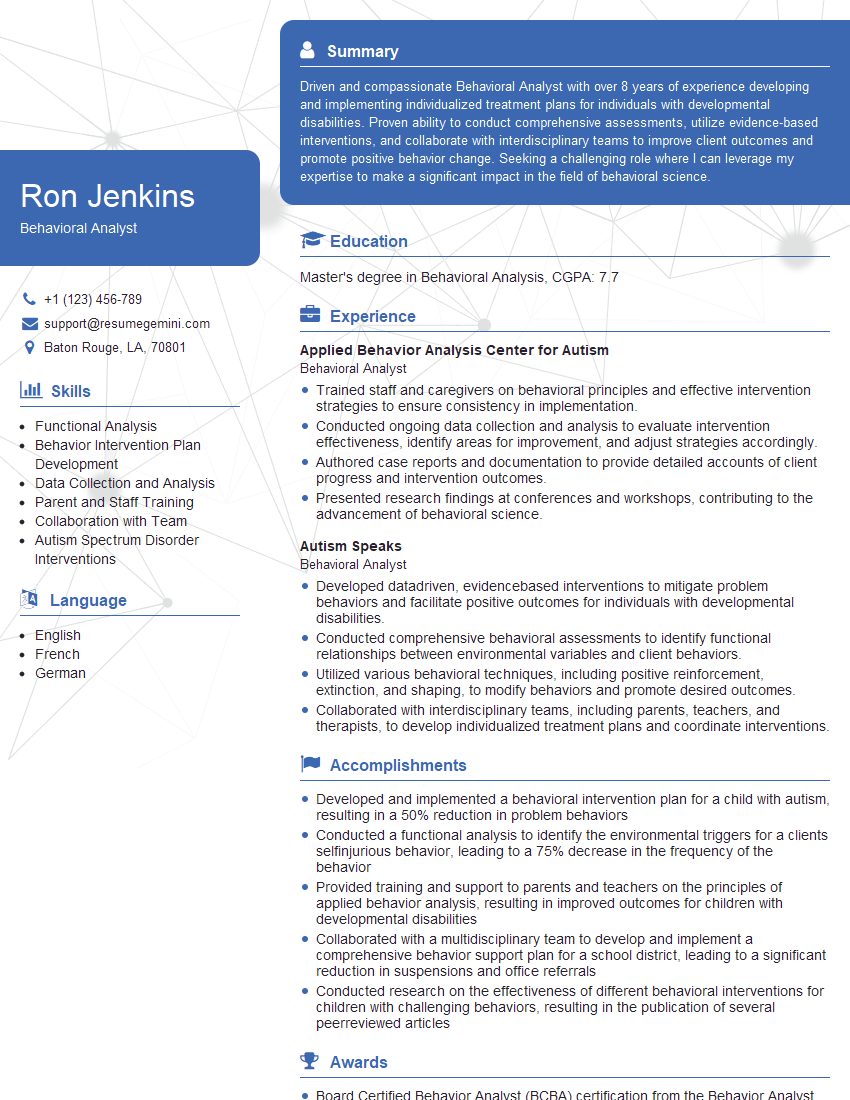
Behavioral Analyst Resume Sample

Behavioral Scientist Resume Sample
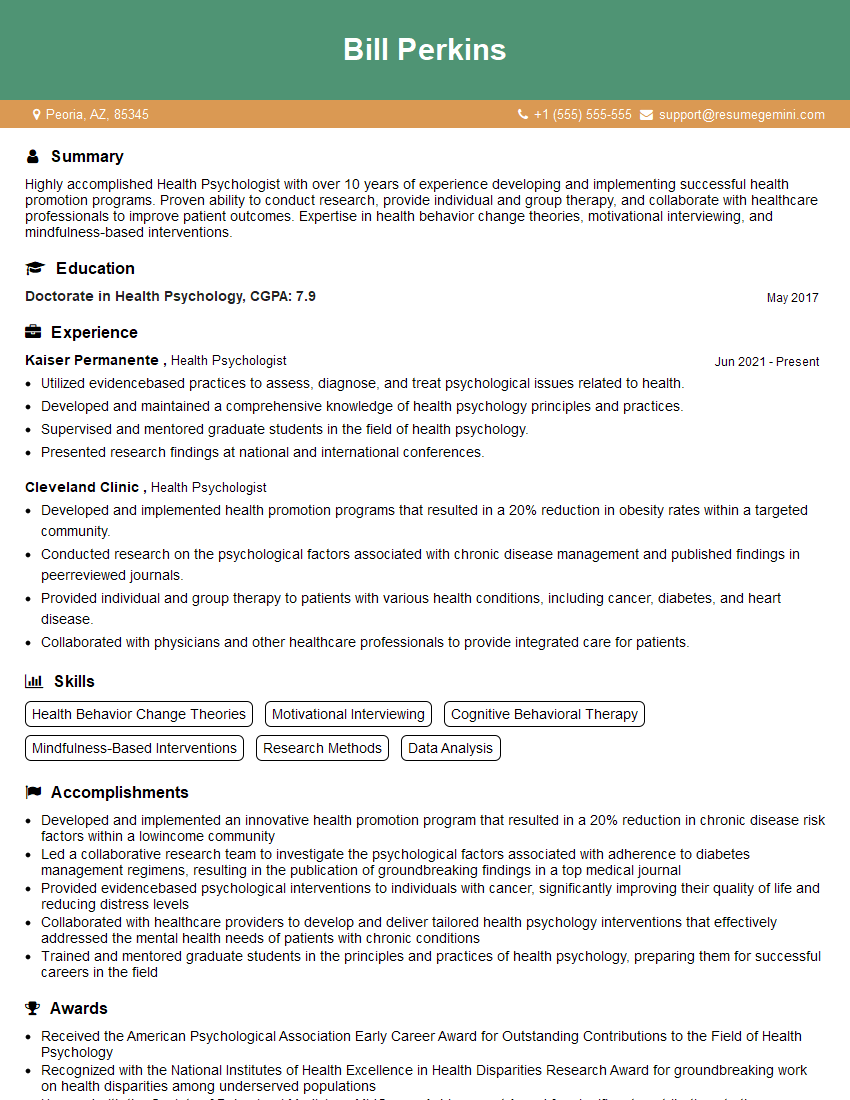
Health Psychologist Resume Sample
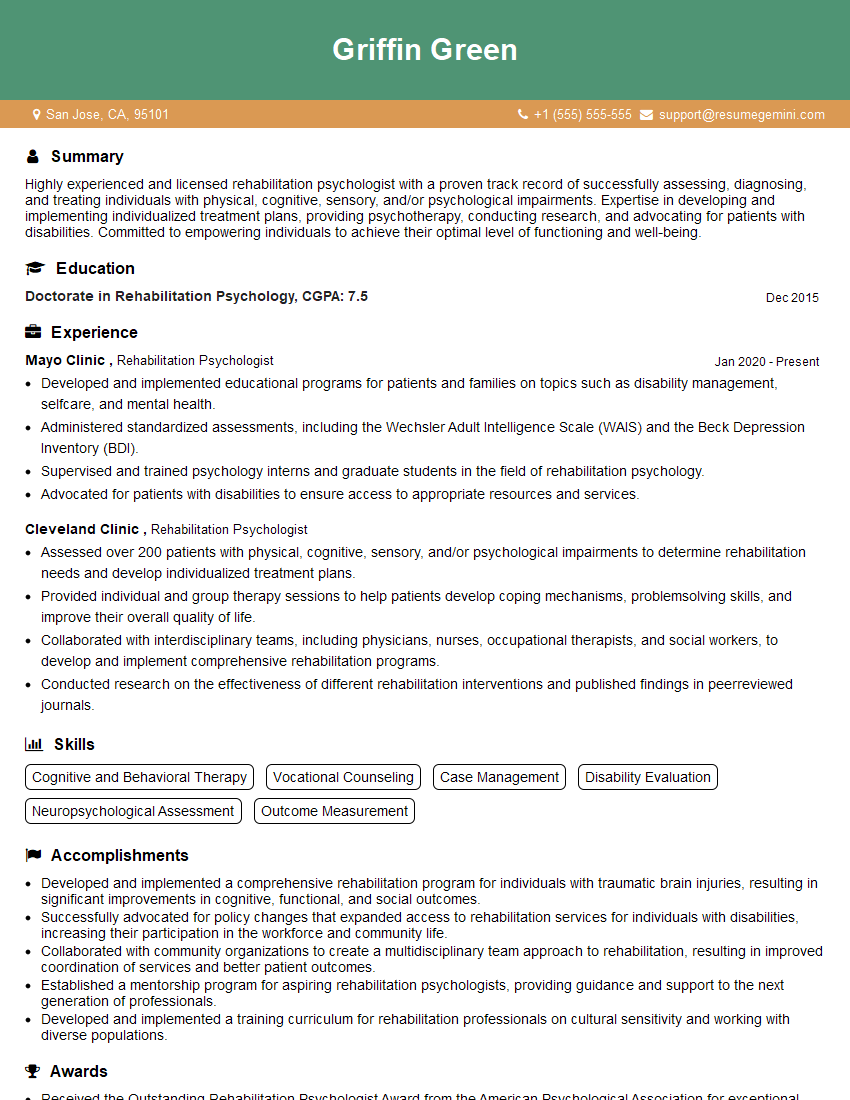
Rehabilitation Psychologist Resume Sample
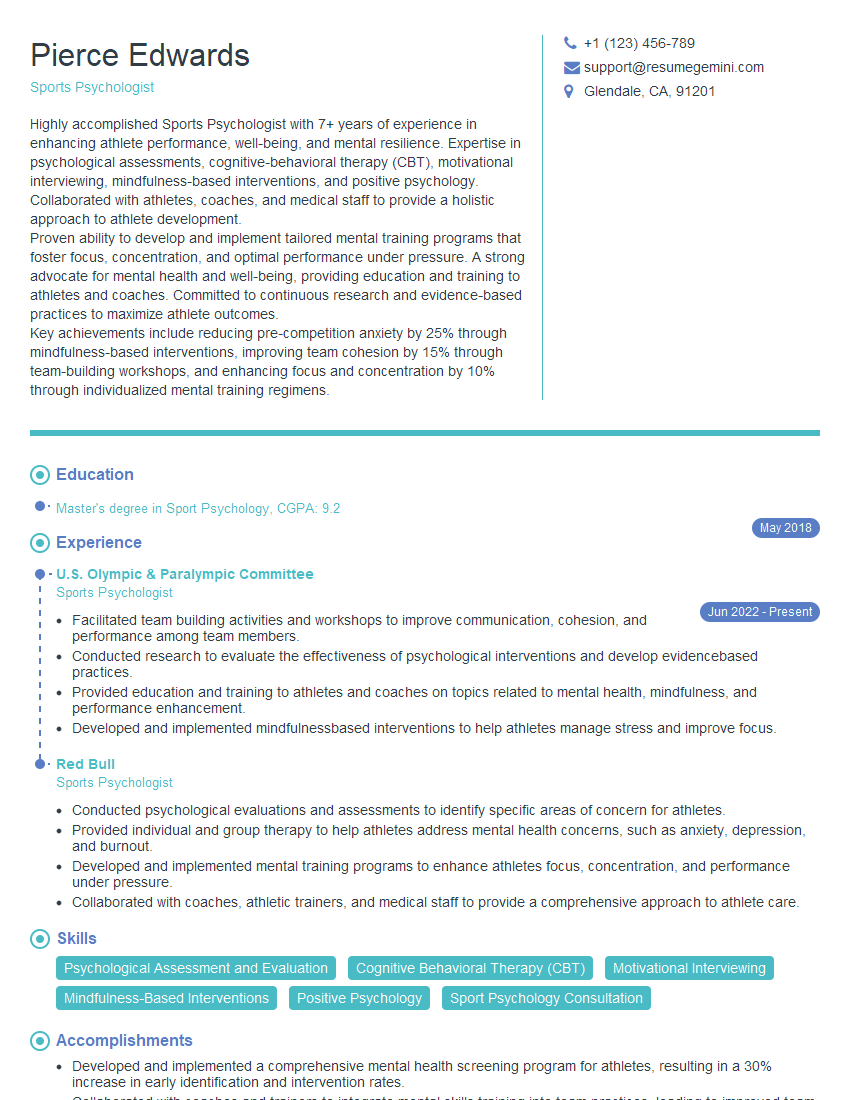
Sports Psychologist Resume Sample
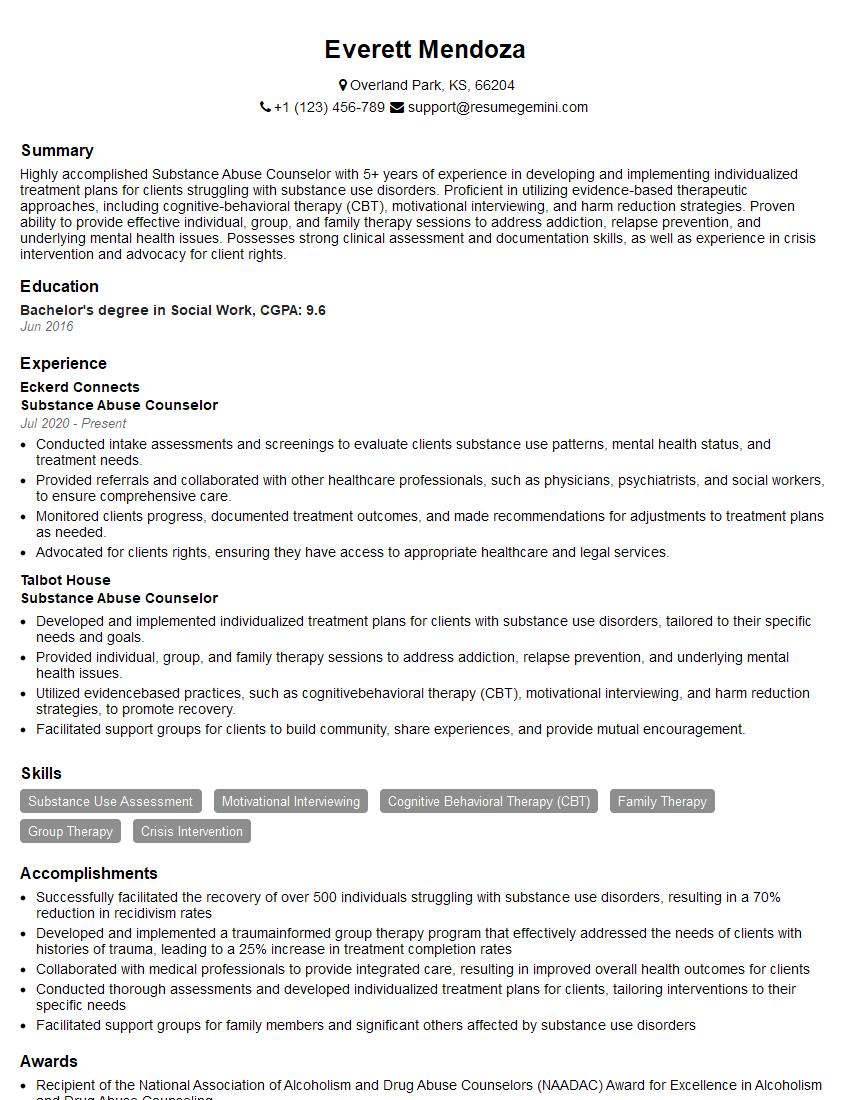
Substance Abuse Counselor Resume Sample
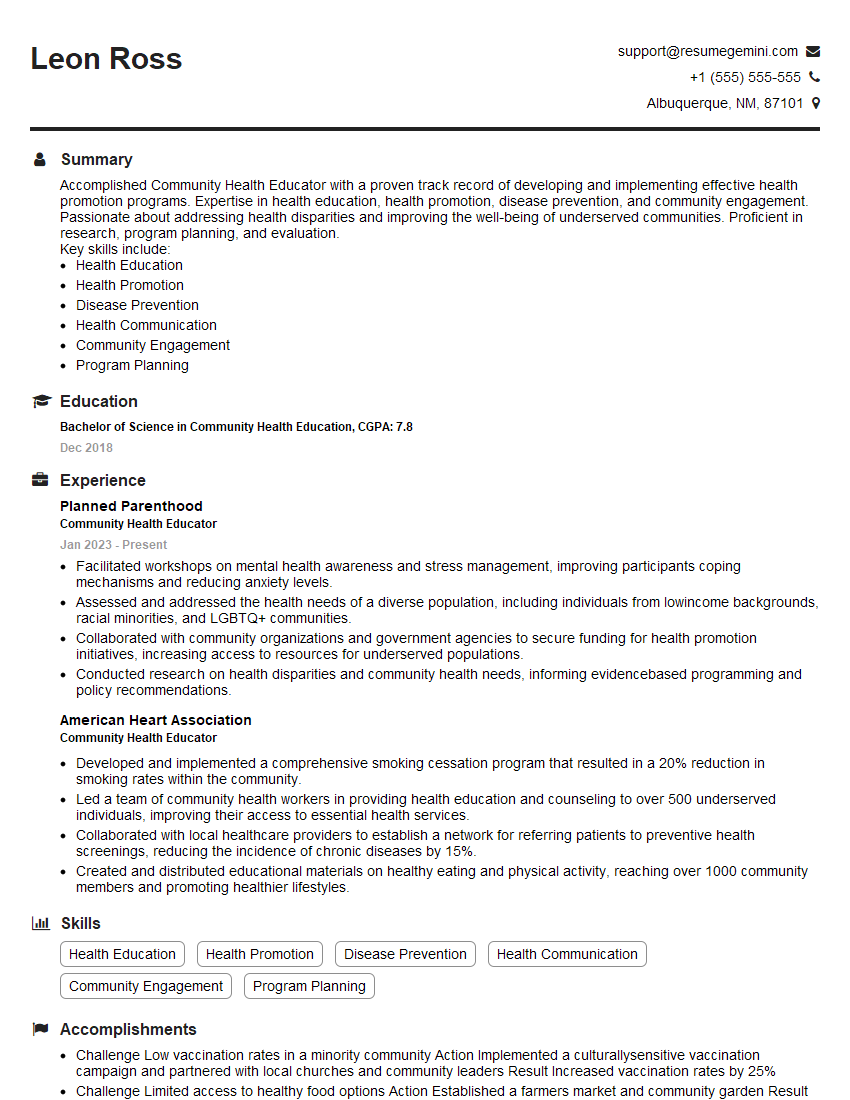
Community Health Educator Resume Sample
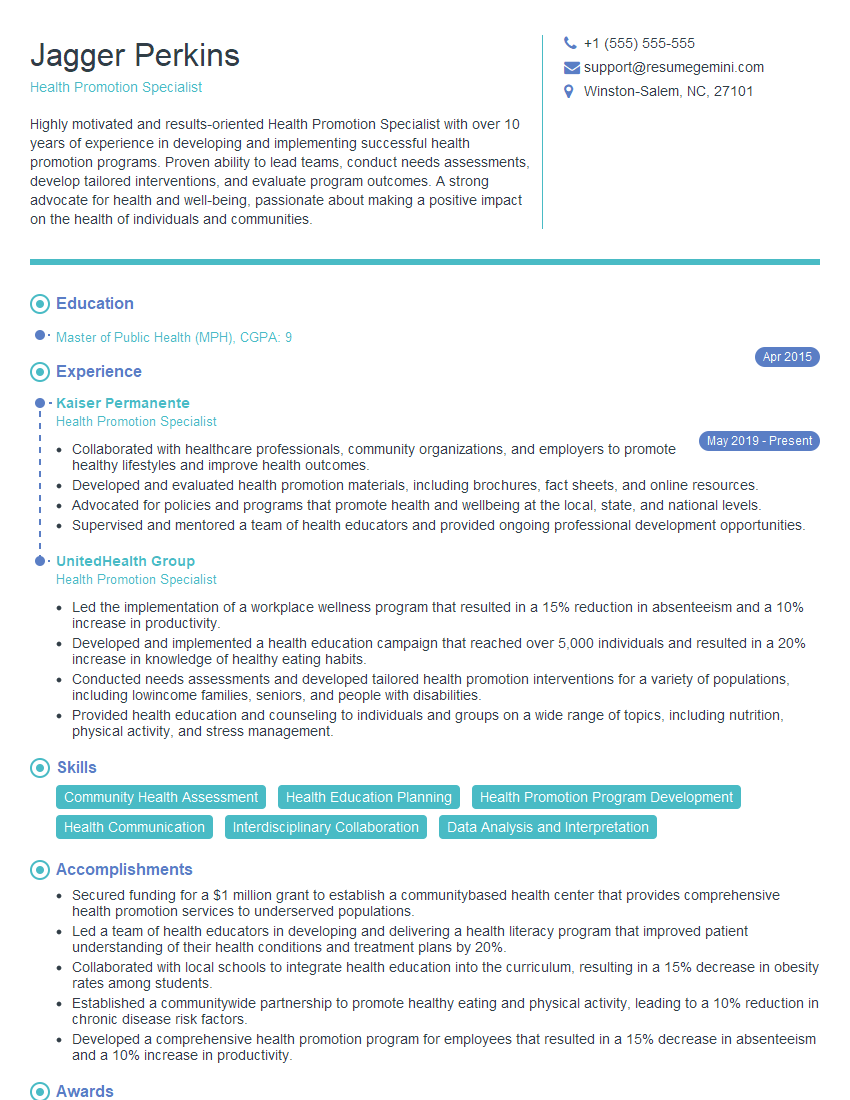
Health Promotion Specialist Resume Sample
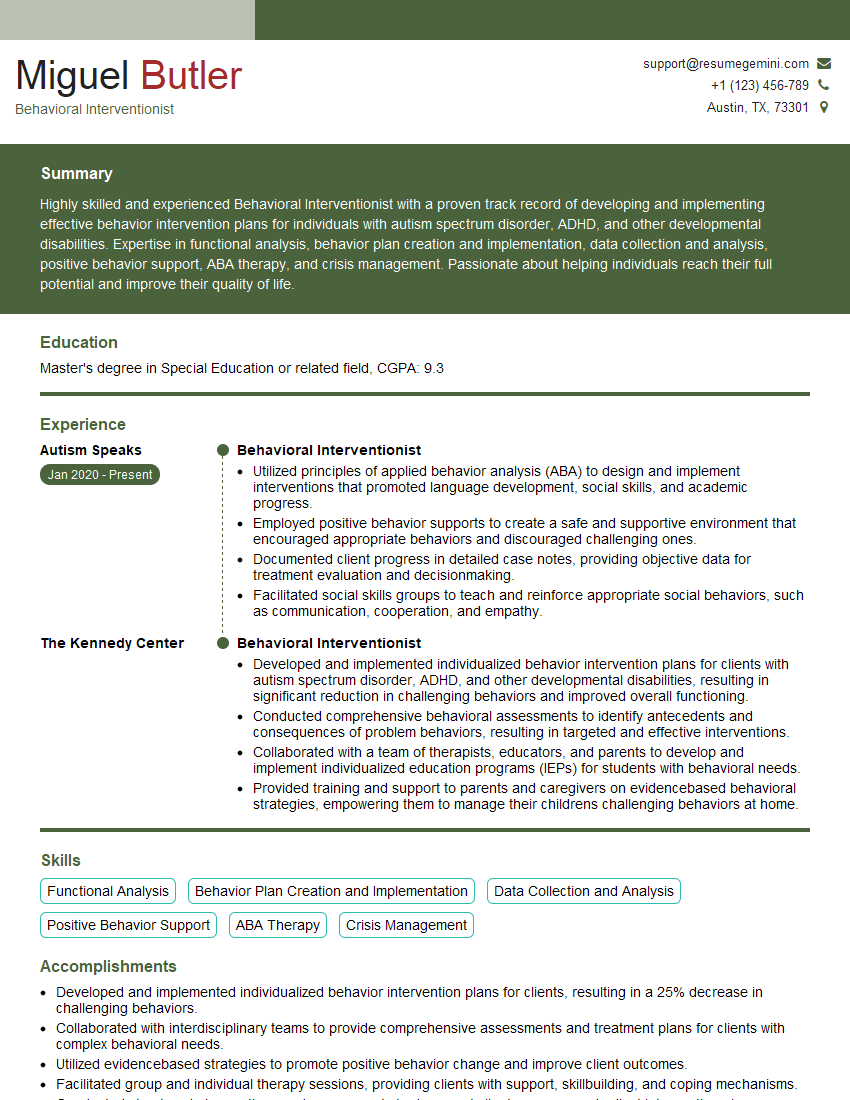
Behavioral Interventionist Resume Sample
Explore more articles
Users Rating of Our Blogs
Share Your Experience
We value your feedback! Please rate our content and share your thoughts (optional).
What Readers Say About Our Blog
Amazing blog
Interesting Article, I liked the depth of knowledge you’ve shared.
Helpful, thanks for sharing.