Unlock your full potential by mastering the most common Dust Containment interview questions. This blog offers a deep dive into the critical topics, ensuring you’re not only prepared to answer but to excel. With these insights, you’ll approach your interview with clarity and confidence.
Questions Asked in Dust Containment Interview
Q 1. Explain the different types of dust collectors and their applications.
Dust collectors are crucial in various industries to manage airborne particulate matter. They come in several types, each suited to specific applications. The choice depends heavily on factors like dust type, concentration, particle size, and airflow.
- Bag Houses (Fabric Filters): These use fabric bags to filter out dust particles. They’re effective for a wide range of dusts, especially fine particles, and are commonly used in cement plants, power plants, and food processing facilities. Think of them like giant vacuum cleaner bags.
- Cyclone Separators: These use centrifugal force to separate heavier dust particles from the air stream. They’re simple, relatively inexpensive, and require minimal maintenance, making them suitable for applications where high efficiency isn’t paramount, such as woodworking shops or initial dust pre-separation.
- Electrostatic Precipitators (ESPs): These utilize a high-voltage electrical field to charge dust particles and collect them on grounded plates. ESPs are very effective for submicron particles and are frequently used in power plants and incinerators to remove fly ash.
- Scrubbers (Wet Collectors): These use a liquid (typically water) to trap dust particles. They’re excellent for handling hot or sticky dusts and are common in metal processing and chemical industries. Imagine a giant showerhead washing the dust out of the air.
Choosing the right collector is a critical design decision. For instance, a bag house might be chosen for its high efficiency in a pharmaceutical plant, while a cyclone might suffice for initial dust removal in a construction site before the air goes to a finer filter.
Q 2. Describe your experience with various dust suppression techniques.
My experience encompasses a wide array of dust suppression techniques, each with its strengths and weaknesses. Effective dust control often involves a multi-pronged approach.
- Water Spray Systems: I’ve extensively used high-pressure water sprays to suppress dust generated during demolition, mining, and road construction. The effectiveness depends on droplet size and spray pattern, with finer droplets providing better dust control. One project involved optimizing a water spray system at a quarry, significantly reducing respirable dust levels by adjusting nozzle angles and pressure.
- Chemical Dust Suppressants: These are applied to dusty surfaces to bind the particles together, reducing their airborne potential. I’ve worked with both organic and inorganic suppressants, carefully selecting based on the dust type and environmental considerations. For example, a clay-based suppressant was highly effective in controlling dust at a construction site with significant clay content.
- Enclosure and Containment: This involves physically containing the dust-generating process, preventing its release into the atmosphere. This is often the most effective method and can include things like well-designed exhaust hoods, enclosed machinery, and proper material handling techniques. I implemented a full enclosure around a concrete batching plant in a residential area, drastically minimizing noise and dust pollution.
- Vacuum Systems: High-volume vacuum systems are critical for cleaning up dust after its generation. They must be carefully sized and strategically located to effectively remove dust from surfaces and the air.
The choice of technique often involves careful consideration of factors such as cost, environmental impact, effectiveness, and the specific dust source.
Q 3. How do you assess the effectiveness of dust control measures?
Assessing dust control effectiveness requires a multifaceted approach combining quantitative and qualitative data. We can’t just rely on visual observation.
- Air Monitoring: This involves using instruments like particle counters and gravimetric samplers to measure the concentration of airborne dust particles. This provides quantitative data on the effectiveness of our measures. Before and after measurements are crucial to demonstrate the reduction in dust levels. The type of monitoring equipment is selected based on the particle size range of concern.
- Visual Inspections: Regular inspections of the work area help identify areas where dust accumulates or control measures are failing. This offers qualitative insights which complement air monitoring data.
- Worker Feedback: Workers on the site often notice subtle changes that monitoring may miss. Their feedback can highlight areas needing improvement.
- Sedimentation Rate Measurements: Measuring the rate of dust settling on surfaces provides further information on the effectiveness of dust control in suppressing airborne dust. It helps determine if dust is being effectively controlled throughout the workday.
A comprehensive assessment usually involves a combination of these methods, allowing for a thorough evaluation of the effectiveness of the dust control measures in place. For instance, a recent project required combining air monitoring data with worker feedback to identify a blind spot in a dust enclosure, leading to its redesign and improved control.
Q 4. What are the common regulatory requirements for dust containment in your industry?
Regulatory requirements for dust containment vary depending on the specific industry and location, but common themes often include minimizing worker exposure, protecting the environment, and preventing nuisance dust.
- OSHA (Occupational Safety and Health Administration): In the US, OSHA sets permissible exposure limits (PELs) for various dusts, requiring employers to implement control measures to keep worker exposures below these limits. They also mandate regular air monitoring and employee training. Failure to comply can result in significant fines and penalties.
- EPA (Environmental Protection Agency): The EPA regulates air emissions, including particulate matter from industrial sources. They often set emission limits for specific pollutants and require facilities to install and maintain dust control equipment. Non-compliance can lead to hefty fines and potential legal action.
- Local Regulations: Many states and municipalities have their own environmental regulations, which may be more stringent than federal requirements. For instance, a construction site in a densely populated area might face stricter dust control regulations than a similar site in a rural location.
Staying updated on all applicable regulations is crucial. We regularly review and update our dust control plans to ensure compliance with all relevant laws and guidelines. Regular audits and documentation are essential for maintaining compliance and mitigating potential legal risks.
Q 5. Describe your experience with designing and implementing dust control systems.
My experience in designing and implementing dust control systems includes numerous projects across various sectors. The process typically involves these steps:
- Hazard Assessment: We start by identifying the dust sources, types of dust, and potential exposure pathways. This involves both site visits and reviewing existing documentation.
- Control Strategy Development: Based on the hazard assessment, we develop a strategy incorporating engineering controls (e.g., enclosure, local exhaust ventilation), administrative controls (e.g., work practices, scheduling), and personal protective equipment (PPE). The hierarchy of controls prioritizes engineering controls as the most effective.
- System Design and Selection: We select appropriate dust collectors and other equipment, considering factors such as airflow, dust particle size, and efficiency requirements. Detailed design drawings and specifications are prepared.
- Implementation and Installation: This phase involves overseeing the installation of the dust control system, ensuring it meets the design specifications.
- Commissioning and Testing: After installation, the system is thoroughly tested and commissioned to ensure it performs as designed. This includes air monitoring to verify the effectiveness of the system.
- Ongoing Monitoring and Maintenance: Regular maintenance is crucial to ensure the system’s long-term effectiveness. This includes filter changes, cleaning, and routine inspections.
For example, I designed and implemented a complex dust control system for a large-scale mining operation, integrating multiple dust suppression techniques to minimize both worker exposure and environmental impact. This involved close coordination with various stakeholders and stringent adherence to all applicable regulations.
Q 6. How do you identify and mitigate potential dust hazards in a workplace?
Identifying and mitigating dust hazards requires a systematic approach combining proactive measures and reactive responses.
- Source Identification and Characterization: Thoroughly identifying all sources of dust generation is the first step. This involves observing operations, interviewing workers, and reviewing process flow diagrams. Characterizing the dust (particle size, composition, etc.) is critical for selecting appropriate control measures.
- Exposure Assessment: This involves measuring the concentration of airborne dust in the workplace to assess worker exposure levels. This assessment can inform the selection of appropriate engineering and administrative controls.
- Engineering Controls: These are the preferred method for controlling dust hazards, including local exhaust ventilation, process enclosures, and dust suppression systems. They address the problem at the source.
- Administrative Controls: These include work practices like wet cleaning, housekeeping procedures, and scheduling to minimize worker exposure. They’re supplementary to engineering controls.
- Personal Protective Equipment (PPE): PPE, such as respirators, should be used as a last resort when other controls are insufficient. Employee training on proper PPE use is critical.
- Monitoring and Evaluation: Regular monitoring and evaluation of the effectiveness of control measures is crucial to ensure ongoing protection. This should include periodic air monitoring, worker feedback, and visual inspections.
For example, in a woodworking shop, I identified excessive dust generation from a sanding station. Implementing a local exhaust ventilation system combined with regular cleaning significantly reduced dust levels and improved worker safety.
Q 7. Explain your understanding of OSHA/EPA regulations related to dust exposure.
My understanding of OSHA and EPA regulations related to dust exposure is comprehensive. They work in tandem to protect both worker health and the environment.
- OSHA’s Permissible Exposure Limits (PELs): OSHA sets PELs for numerous dusts, specifying the maximum allowable concentration of airborne particles workers can be exposed to over an eight-hour workday. These limits vary depending on the type of dust and its toxicity. Exceeding these limits can result in significant penalties for employers.
- OSHA’s Hierarchy of Controls: OSHA strongly emphasizes the hierarchy of controls, prioritizing engineering controls (e.g., ventilation), administrative controls (e.g., work practices), and PPE. PPE is the least effective and should only be used as a last resort after other controls have been implemented.
- EPA’s National Ambient Air Quality Standards (NAAQS): The EPA sets NAAQS for particulate matter (PM), including PM10 and PM2.5, which dictates the allowable concentrations of particulate matter in the ambient air. Industries contributing significantly to particulate matter pollution are subject to emission limitations and regulations to meet these standards.
- Recordkeeping and Reporting: Both OSHA and EPA require detailed recordkeeping and reporting on dust exposure monitoring, control measures, and employee training. Maintaining accurate records is essential for demonstrating compliance.
Understanding and adhering to these regulations is paramount in any dust control project. Regular training and updates on any changes to these regulations are vital to maintaining compliance and protecting both the workforce and the environment.
Q 8. What are the health risks associated with dust exposure?
Dust exposure poses significant health risks, varying depending on the type and concentration of dust particles and the duration of exposure. The most common health issues are respiratory problems. Think of your lungs as a delicate sponge; inhaling dust is like constantly clogging that sponge.
- Silicosis: Caused by inhaling crystalline silica dust, leading to scarring and inflammation of the lungs. This is a serious, irreversible condition common in mining, quarrying, and construction.
- Asbestosis: Similar to silicosis, but caused by asbestos fibers. It can lead to lung cancer and mesothelioma.
- Coal Workers’ Pneumoconiosis (CWP): A lung disease affecting coal miners, characterized by black lung.
- Allergic alveolitis (Hypersensitivity pneumonitis): An allergic reaction in the lungs caused by inhaling organic dusts, like mold, fungi, or animal proteins. This can lead to inflammation and shortness of breath.
- Asthma exacerbation: Dust can trigger or worsen asthma symptoms in susceptible individuals.
- Eye irritation: Dust particles can irritate the eyes, leading to redness, itching, and discomfort.
Beyond the lungs, prolonged exposure to certain dusts can affect other organ systems. For example, some heavy metal dusts can cause systemic toxicity.
Q 9. Describe different types of respiratory protection and their limitations.
Respiratory protection is crucial in dusty environments. Several types exist, each with its own limitations:
- Dust Masks (Disposable Respirators): These are readily available and relatively inexpensive, suitable for low-to-moderate dust concentrations. Limitations: They offer limited protection against very fine particles and may not fit all faces effectively, reducing their effectiveness. They are also disposable, adding to waste.
- Half-Face Respirators: Provide better protection than dust masks, filtering a larger volume of air. They require a proper fit test to ensure a tight seal. Limitations: Offer less protection than full-face respirators and are unsuitable for high concentrations of hazardous dusts.
- Full-Face Respirators: Offer the highest level of protection, covering the entire face and eyes. They are used when dealing with high concentrations of hazardous dusts. Limitations: Can be cumbersome, restrictive, and require more rigorous training for proper use and maintenance.
- Supplied-Air Respirators (SARs): These provide a continuous supply of clean air from an external source, offering superior protection in extremely hazardous environments. Limitations: These are more expensive, require specialized infrastructure, and are bulky.
Remember, the effectiveness of any respiratory protection depends heavily on proper fit, maintenance, and training.
Q 10. How do you conduct a dust sampling and analysis?
Dust sampling and analysis involves collecting a representative sample of airborne dust and analyzing its composition and concentration. The process typically involves:
- Sampling Strategy: Determine the appropriate sampling locations, duration, and frequency based on the specific task and potential dust sources. This might involve strategically placing sampling points in a factory or construction site.
- Equipment Selection: Select the appropriate sampling equipment, such as personal samplers (worn by workers) or stationary samplers (placed in fixed locations). The type of sampler depends on the type of dust and the desired information.
- Sample Collection: Carefully collect samples according to established protocols, ensuring the sample is representative of the dust concentration during the sampling period. This may involve using specialized pumps and filters.
- Sample Analysis: Send the collected samples to a laboratory for analysis. Common analysis methods include gravimetric analysis (measuring weight of collected dust), microscopic analysis (identifying dust particle types), and chemical analysis (determining the composition of the dust).
- Data Interpretation: The laboratory results provide data on dust concentration, particle size distribution, and chemical composition. This information is crucial for developing control measures.
Accurate sampling is critical. Inaccurate sampling will lead to unreliable results and potentially ineffective control strategies.
Q 11. How do you interpret dust sampling results and develop control strategies?
Interpreting dust sampling results involves comparing the measured dust concentrations against established exposure limits (e.g., OSHA PELs or ACGIH TLVs). If the measured levels exceed the limits, control measures are necessary. This interpretation often requires expertise in industrial hygiene and occupational safety.
Developing control strategies involves a hierarchy of controls, prioritizing the most effective and feasible options:
- Engineering Controls: These are the most effective and preferred methods, aiming to eliminate or reduce dust at its source. Examples include enclosure of dusty processes, local exhaust ventilation, and improved material handling techniques.
- Administrative Controls: These involve modifying work practices to reduce exposure. Examples include reducing work time in dusty areas, scheduling tasks to minimize dust generation, using wet methods instead of dry methods, or implementing a cleaning schedule.
- Personal Protective Equipment (PPE): PPE, such as respirators, gloves, and eye protection, is used as a last resort when engineering and administrative controls are insufficient. It protects the worker but doesn’t control the source of the dust.
The choice of control strategies depends on several factors, including the type and concentration of dust, the nature of the work process, cost-effectiveness, and feasibility.
Q 12. What is your experience with personal protective equipment (PPE) related to dust?
My experience with PPE related to dust encompasses a wide range, from selecting appropriate respirators based on dust type and concentration to training personnel on proper use and fit testing. I’ve worked on projects where we’ve had to implement comprehensive respiratory protection programs, including medical surveillance, ensuring compliance with relevant regulations (OSHA, NIOSH), and managing the inventory and maintenance of PPE.
I’ve also been involved in evaluating the effectiveness of various PPE through field observations and performance testing. For example, we once found that a particular type of respirator, while certified, provided inadequate protection in a specific application due to a poor fit for a significant portion of the workforce. This highlighted the importance of fit testing and selecting PPE that is both appropriate and comfortable for the worker to ensure compliance.
Q 13. Explain different methods for controlling fugitive dust emissions.
Controlling fugitive dust emissions, those that escape from unconfined sources, requires a multi-pronged approach. Common methods include:
- Water Spray Suppression: Using water sprays to dampen dusty surfaces, making particles heavier and less likely to become airborne. This is common in construction sites and demolition projects.
- Chemical Dust Suppression: Applying chemical binding agents to dusty surfaces, which bind the particles together, reducing their ability to become airborne. This can be more effective in some situations than water.
- Windbreaks and Barriers: Using physical barriers like windbreaks, berms, or screens to reduce wind speed and prevent dust dispersal. This is effective in open areas like mining operations.
- Covering Materials: Covering stockpiles of materials, such as sand or gravel, with tarps or other covers to prevent wind erosion.
- Vacuuming and Sweeping: Regular cleaning of work areas to remove accumulated dust, reducing the potential for it to become airborne.
- Improved Material Handling Practices: Using techniques like enclosed conveyors or trucks to minimize dust generation during transportation of materials.
The most effective method depends on the specific situation and environmental conditions.
Q 14. What are the key factors to consider when selecting a dust collector?
Selecting a dust collector requires careful consideration of several key factors:
- Dust Type and Properties: The type of dust (e.g., combustible, toxic, explosive) and its particle size distribution significantly affect collector selection. A collector designed for fine particles may not be suitable for coarse particles and vice versa.
- Dust Concentration and Airflow: The volume of air containing dust and the dust concentration dictate the collector’s capacity and efficiency.
- Required Collection Efficiency: The level of dust removal needed to meet regulatory requirements or health standards influences the choice of collector.
- Maintenance Requirements: Some collectors require more frequent maintenance than others. The chosen collector should align with available resources and maintenance expertise.
- Cost and Space Constraints: Initial investment, operating costs, and the physical space available are important factors to consider.
- Compliance with Regulations: The selected dust collector must comply with all relevant safety and environmental regulations.
A thorough risk assessment is crucial before selecting a dust collector, ensuring the chosen equipment provides adequate protection and complies with all relevant standards.
Q 15. Describe your experience with troubleshooting dust control equipment.
Troubleshooting dust control equipment requires a systematic approach. I begin by identifying the problem – is the equipment malfunctioning, is the system inadequately designed for the application, or are there operational issues? I then use a combination of visual inspection, performance data analysis (e.g., reviewing airflow rates, pressure drops, filter performance), and potentially specialized testing equipment. For example, if a baghouse is underperforming, I might check for filter clogging, leaks in the ductwork, or insufficient fan capacity. I’ve encountered situations where seemingly minor issues like a damaged seal led to significant dust leakage, highlighting the importance of meticulous inspection. My experience also includes working with a variety of equipment, from simple dust suppression systems like water sprays to complex industrial ventilation networks. Once the root cause is identified, I develop and implement a solution, always prioritizing safety and regulatory compliance.
Career Expert Tips:
- Ace those interviews! Prepare effectively by reviewing the Top 50 Most Common Interview Questions on ResumeGemini.
- Navigate your job search with confidence! Explore a wide range of Career Tips on ResumeGemini. Learn about common challenges and recommendations to overcome them.
- Craft the perfect resume! Master the Art of Resume Writing with ResumeGemini’s guide. Showcase your unique qualifications and achievements effectively.
- Don’t miss out on holiday savings! Build your dream resume with ResumeGemini’s ATS optimized templates.
Q 16. How do you develop and implement a dust control program?
Developing and implementing a dust control program starts with a thorough risk assessment. This involves identifying all potential dust sources, assessing the types and quantities of dust generated, and evaluating the potential health and environmental impacts. For instance, a demolition project might generate silica dust, requiring specific control measures. The program then outlines control measures, prioritising hierarchy of controls: Elimination (e.g., substituting materials), Engineering controls (e.g., enclosed systems, local exhaust ventilation), Administrative controls (e.g., work practices, training), and finally, Personal Protective Equipment (PPE) as a last resort. Regular monitoring and maintenance are crucial; I often use a combination of air quality monitoring and visual inspections to track effectiveness. This data is then used to refine the program and ensure ongoing compliance. A well-structured program includes clear responsibilities, training protocols, and emergency response plans, all documented for easy auditing.
Q 17. What are your strategies for minimizing dust during demolition or construction projects?
Minimizing dust during demolition or construction requires proactive planning and implementation of appropriate control measures. This begins with pre-demolition activities like wetting down materials, using dust suppressants, and properly containing the demolition zone. During demolition, techniques like controlled demolition, using specialized equipment with dust suppression capabilities (e.g., water-misting attachments on excavators), and implementing localized ventilation systems are crucial. Properly managing material handling is equally important; using enclosed trucks for transporting debris and regularly cleaning up the site minimizes dust dispersion. I’ve personally overseen projects where using high-efficiency particulate air (HEPA) vacuums significantly reduced dust levels, particularly in indoor demolition work. Ongoing monitoring ensures that the control measures remain effective.
Q 18. How do you manage dust control during maintenance activities?
Dust control during maintenance activities often involves localized controls, focusing on the specific task. This could include using HEPA vacuums for cleaning equipment, implementing localized ventilation during any grinding or sanding operations, or using water sprays to suppress dust when handling dry materials. It’s essential to develop safe work procedures specific to each maintenance activity. For example, before working on a piece of equipment known to generate dust, the area should be isolated or properly ventilated, and personnel should be equipped with appropriate PPE. Regular equipment inspections and maintenance are essential for preventing equipment-related dust generation in the first place. Preventive maintenance often means fewer disruptive and dust-generating repairs in the long run.
Q 19. Explain your knowledge of ventilation systems for dust control.
Ventilation systems are essential for effective dust control, particularly in enclosed spaces. The design depends on several factors including the type and quantity of dust, the volume of the space, and the desired air quality. Effective systems generally involve capturing dust at its source using localized exhaust ventilation (LEV) systems, such as hoods or downdraft tables. This captured air is then transported via ductwork to a central filtration system, such as a baghouse or cyclone, where the dust is removed before the cleaned air is discharged. Proper design requires careful consideration of airflow rates, pressure differentials, ductwork sizing, and filter selection. I often use computational fluid dynamics (CFD) modeling to optimize ventilation system design for complex situations. The system must also be regularly maintained and inspected to ensure ongoing effectiveness. For instance, regular filter changes are crucial for preventing dust breakthrough.
Q 20. How do you ensure compliance with dust control regulations?
Ensuring compliance with dust control regulations requires a multifaceted approach. It starts with understanding the relevant local, regional, and national regulations, which vary depending on the industry and the type of dust involved. This understanding informs the development of a comprehensive dust control program. Regular monitoring and documentation are crucial for demonstrating compliance. I employ various monitoring techniques, including air quality sampling to measure airborne dust concentrations, and visual inspections to verify the effectiveness of engineering controls. Record-keeping is meticulous, including maintenance logs, training records, and results of air quality testing. Periodic audits and inspections, both internal and external, are conducted to identify any areas of non-compliance and implement corrective actions promptly. Staying updated on the latest regulatory changes is paramount in maintaining compliance.
Q 21. Describe your experience with different types of dust monitoring equipment.
My experience encompasses a range of dust monitoring equipment. This includes real-time dust monitors that use light scattering techniques to measure airborne dust concentrations continuously. These provide immediate feedback on dust levels, allowing for prompt adjustments to control measures. For more detailed analysis, I use gravimetric samplers that collect dust samples on filter papers for laboratory analysis. This method provides accurate quantification of the mass concentration of dust. In addition, I utilize particle size analyzers to determine the size distribution of dust particles, which is crucial for assessing health risks and selecting appropriate control measures. For specific dust types, such as crystalline silica, I utilize specialized monitoring equipment and laboratory analysis techniques. The choice of equipment depends on the specific application, regulatory requirements, and the information needed. Accurate and reliable data from these instruments is critical in evaluating the effectiveness of dust control measures and demonstrating compliance.
Q 22. What is your understanding of dust explosion hazards and prevention?
Dust explosions are a serious hazard in many industries, arising when a combustible dust cloud is ignited. The severity depends on factors like dust concentration, particle size, and the presence of an ignition source. Prevention focuses on a multi-pronged approach encompassing engineering controls, administrative controls, and good housekeeping.
- Engineering Controls: These aim to minimize dust generation and prevent the formation of explosive clouds. Examples include using enclosed systems, effective ventilation, explosion venting, and inerting (replacing oxygen with an inert gas).
- Administrative Controls: These involve implementing safe work practices, training programs, and regular inspections. This includes establishing permit-to-work systems for high-risk activities and implementing a robust cleaning protocol.
- Housekeeping: Maintaining a clean and organized work environment is crucial. Regular cleaning, proper waste disposal, and preventing dust accumulation are essential aspects. Think of it like this: if you prevent dust from accumulating, you significantly reduce the risk of a large, explosive cloud forming.
For instance, in a grain processing facility, implementing effective dust collection systems at each processing stage, coupled with regular cleaning and worker training on safe procedures, drastically minimizes the risk of a dust explosion.
Q 23. Explain your approach to risk assessment for dust-related hazards.
My approach to risk assessment for dust-related hazards follows a systematic methodology. It begins with identifying potential dust sources and assessing the flammability characteristics of the dust. This involves considering factors such as:
- Dust Type: Identifying the specific type of dust is critical as its flammability varies widely. Metal dusts, for instance, have different ignition characteristics than wood dust.
- Dust Concentration: Measuring the concentration of dust in the air, often expressed as mg/m³, is crucial to determine the explosion risk. Higher concentrations significantly increase the hazard.
- Particle Size: Finer particles are more prone to forming explosive clouds due to their larger surface area and increased reactivity.
- Ignition Sources: Identifying potential ignition sources within the facility (e.g., hot surfaces, sparks, static electricity) is key. A thorough assessment maps out all potential ignition sources.
Once these factors are identified, a risk matrix is created to prioritize hazards, using qualitative or quantitative methodologies like HAZOP (Hazard and Operability Study) or FTA (Fault Tree Analysis). The matrix helps prioritize control measures based on the severity and likelihood of an incident.
For example, I recently assessed a woodworking shop. By analyzing the dust type (wood dust), concentration using air monitoring, particle size distribution, and potential ignition sources (machinery, electrical equipment), I developed a risk matrix that highlighted the need for improved local exhaust ventilation, regular cleaning, and employee training on safe practices.
Q 24. How do you communicate dust control procedures to workers?
Communicating dust control procedures effectively requires a multi-faceted approach. It’s not just about providing information; it’s about ensuring workers understand, retain, and apply the information safely. I use a variety of methods, tailored to the specific audience and their literacy level:
- Training Sessions: Interactive training sessions that combine presentations, demonstrations, and hands-on activities are effective. Real-world scenarios and case studies highlight the importance of procedures.
- Visual Aids: Using clear and concise visual aids like posters, diagrams, and videos makes complex information more accessible. Pictures speak louder than words, especially when conveying safety protocols.
- Job-Specific Instructions: Provide detailed, job-specific instructions that clearly outline the procedures for each task. This ensures that workers understand their role in maintaining dust control.
- Regular Communication: Maintain open communication channels, including regular meetings and feedback sessions. This ensures that workers can ask questions and bring any concerns to management’s attention.
- Regular Inspections: Routine walkthroughs and inspections reinforce the importance of the procedures and allow for immediate corrective actions.
For instance, in a pharmaceutical manufacturing plant, I created a series of short, engaging videos demonstrating proper cleaning procedures, equipment handling, and the use of personal protective equipment (PPE). These were complemented by interactive training sessions and job-specific instructions.
Q 25. Describe your experience with developing dust control training programs.
I have extensive experience developing dust control training programs. My approach focuses on creating programs that are engaging, relevant, and tailored to the specific needs of the workforce. Here’s a breakdown of my process:
- Needs Assessment: Identifying training needs based on the specific hazards and the workers’ current knowledge and skills. This often involves conducting interviews and reviewing existing safety data.
- Curriculum Design: Developing a comprehensive curriculum that covers topics such as dust hazard identification, control measures, safe work practices, and emergency procedures. This is organized in a logical sequence to support learning retention.
- Training Delivery Methods: Choosing appropriate methods, like online modules, classroom-based training, and on-the-job training, depending on the context and the size of the workforce.
- Assessment and Evaluation: Incorporating methods for evaluating the effectiveness of the program, such as pre- and post-training assessments, observations, and feedback sessions. I use real-world scenarios as part of assessment to ensure that workers can apply their knowledge in real-time.
- Continuous Improvement: Regularly reviewing and updating the training program based on feedback, changes in regulations, or new technologies.
For example, I developed a comprehensive training program for a construction company that involved online modules, hands-on training sessions using mock-up construction sites, and regular quizzes and assessments. This approach successfully increased the awareness of dust-related hazards and improved their adherence to safety regulations.
Q 26. What are the economic factors to consider when implementing dust control measures?
Implementing dust control measures involves significant economic considerations. While upfront costs can be substantial, the long-term benefits often outweigh these initial expenses. Factors to consider include:
- Initial Investment Costs: This includes the cost of purchasing and installing equipment like dust collection systems, ventilation systems, and personal protective equipment.
- Ongoing Maintenance Costs: Regular maintenance, including filter replacements, equipment repairs, and calibration of monitoring equipment, adds to the overall expenditure. Proper budgeting for this is crucial.
- Productivity Losses: Implementing some control measures may temporarily impact productivity during installation or training. This needs to be factored into the cost-benefit analysis.
- Compliance Costs: Penalties for non-compliance with regulations can be significant. The costs associated with fines and legal battles far exceed the cost of preventative measures.
- Health and Safety Costs: The cost of treating worker illnesses (respiratory problems, etc.) associated with dust exposure can be substantial. Prevention is a cost-effective way to avoid these health related expenses.
- Insurance Premiums: Improved safety records can often lead to lower insurance premiums, offsetting some of the initial investments.
A thorough cost-benefit analysis, comparing the initial investment and ongoing maintenance costs against the potential savings from reduced healthcare costs, improved productivity, and avoided penalties, is essential before implementing any dust control strategy. The return on investment (ROI) is often substantial when considering the long-term implications.
Q 27. How do you maintain and calibrate dust monitoring equipment?
Maintaining and calibrating dust monitoring equipment is crucial for ensuring accurate measurements and reliable data. This involves a multi-step process:
- Regular Cleaning: Cleaning the equipment according to the manufacturer’s instructions. This includes cleaning the filters, sensors, and probes to prevent buildup that could affect readings.
- Calibration: Regular calibration using certified standards to ensure the accuracy of the measurements. The frequency of calibration depends on the type of equipment and the manufacturer’s recommendations, and ranges from daily to yearly.
- Functional Checks: Performing routine functional checks to verify that all components of the equipment are working correctly. This may involve visual inspections, running self-diagnostics, and checking the data output.
- Record Keeping: Maintaining detailed records of all maintenance and calibration activities. These records demonstrate compliance with regulations and facilitate troubleshooting.
- Proper Storage: Storing the equipment correctly when not in use to protect it from damage and extend its lifespan.
For example, a gravimetric sampler requires regular cleaning of the filter and its components, calibration using known dust weights, and documented checks on the airflow rate, to ensure accurate mass concentration measurements.
Q 28. Describe your experience with using specialized software for dust modeling and simulation.
I have extensive experience using specialized software for dust modeling and simulation. These tools are invaluable for predicting dust dispersion patterns, assessing the effectiveness of control measures, and optimizing ventilation systems. Software packages like CFD (Computational Fluid Dynamics) software are commonly used.
These programs use sophisticated algorithms to simulate airflow and particle movement within a given environment. By inputting parameters such as airflow rates, dust source locations, and particle properties, the software generates visual representations of dust distribution and concentration. This allows for the testing of different control measures (e.g., location of ventilation systems, effectiveness of baffles) in a virtual environment before implementing them physically, saving time and resources.
For example, I recently used ANSYS Fluent to model the dust dispersion patterns within a large manufacturing facility. The simulation allowed us to identify areas of high dust concentration and optimize the placement of new ventilation systems, resulting in a significant reduction in dust levels and improving worker safety.
Key Topics to Learn for Dust Containment Interview
- Fundamentals of Dust Generation and Dispersion: Understanding the sources, mechanisms, and factors influencing dust generation in various industrial settings.
- Dust Characterization and Measurement: Methods for analyzing particle size distribution, concentration, and composition; application of various monitoring techniques.
- Containment Technologies and Equipment: Familiarity with different dust control technologies, including local exhaust ventilation (LEV), baghouses, cyclones, scrubbers, and their respective applications and limitations.
- Engineering Controls for Dust Containment: Designing and implementing effective dust control strategies, including process modifications, material handling improvements, and enclosure design.
- Health and Safety Regulations: Knowledge of relevant OSHA, EPA, or other industry-specific regulations related to dust exposure and control.
- Computational Fluid Dynamics (CFD) Modeling (Advanced): Applying simulation techniques to optimize dust containment systems and predict particle behavior.
- Practical Application: Case Studies: Analyzing real-world examples of successful dust containment implementations and troubleshooting challenges encountered.
- Economic Considerations: Evaluating the cost-effectiveness of different dust control strategies, including initial investment, operational costs, and potential penalties for non-compliance.
- Troubleshooting and Maintenance: Identifying common problems in dust containment systems and developing effective maintenance procedures.
Next Steps
Mastering dust containment opens doors to rewarding careers in various industries, offering opportunities for specialized expertise and significant contributions to workplace safety and environmental protection. A strong resume is crucial for showcasing your skills and experience to potential employers. Building an ATS-friendly resume maximizes your chances of getting noticed by recruiters. ResumeGemini is a trusted resource to help you craft a compelling and effective resume that highlights your qualifications in dust containment. Examples of resumes tailored to this field are available, providing you with valuable templates and guidance.
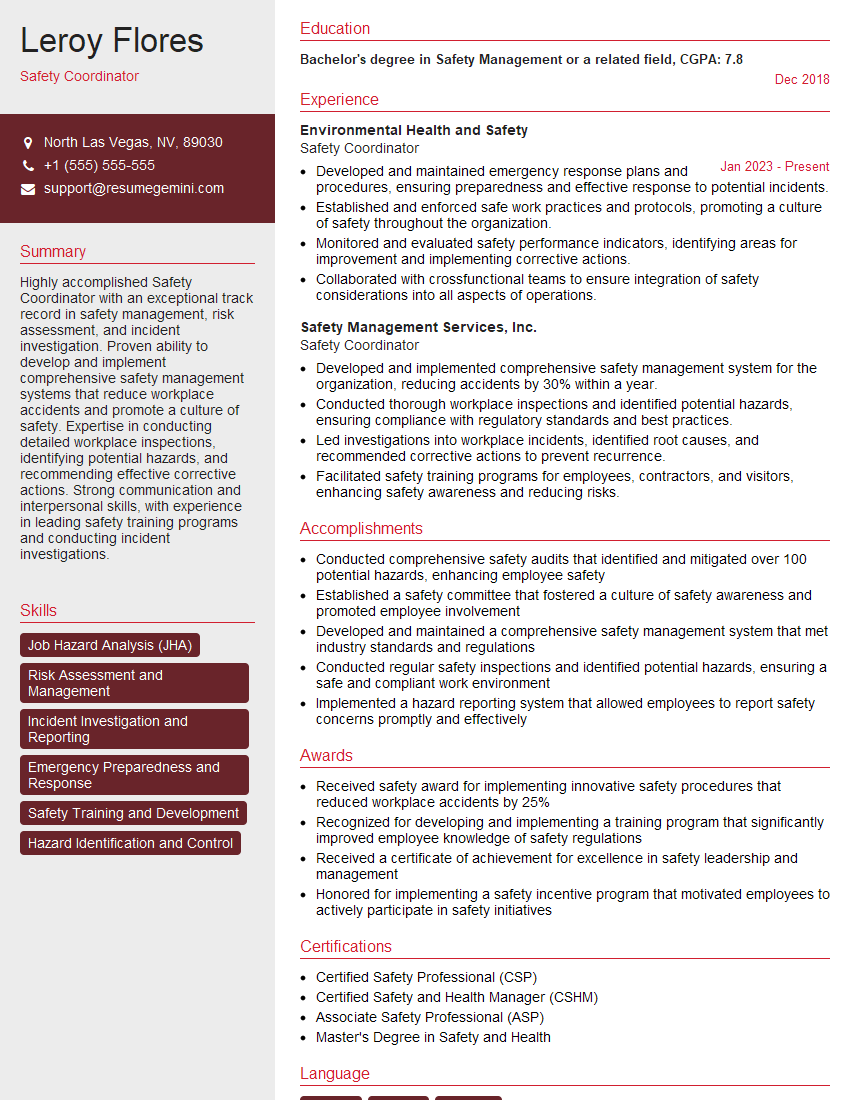
Safety Coordinator Resume Sample
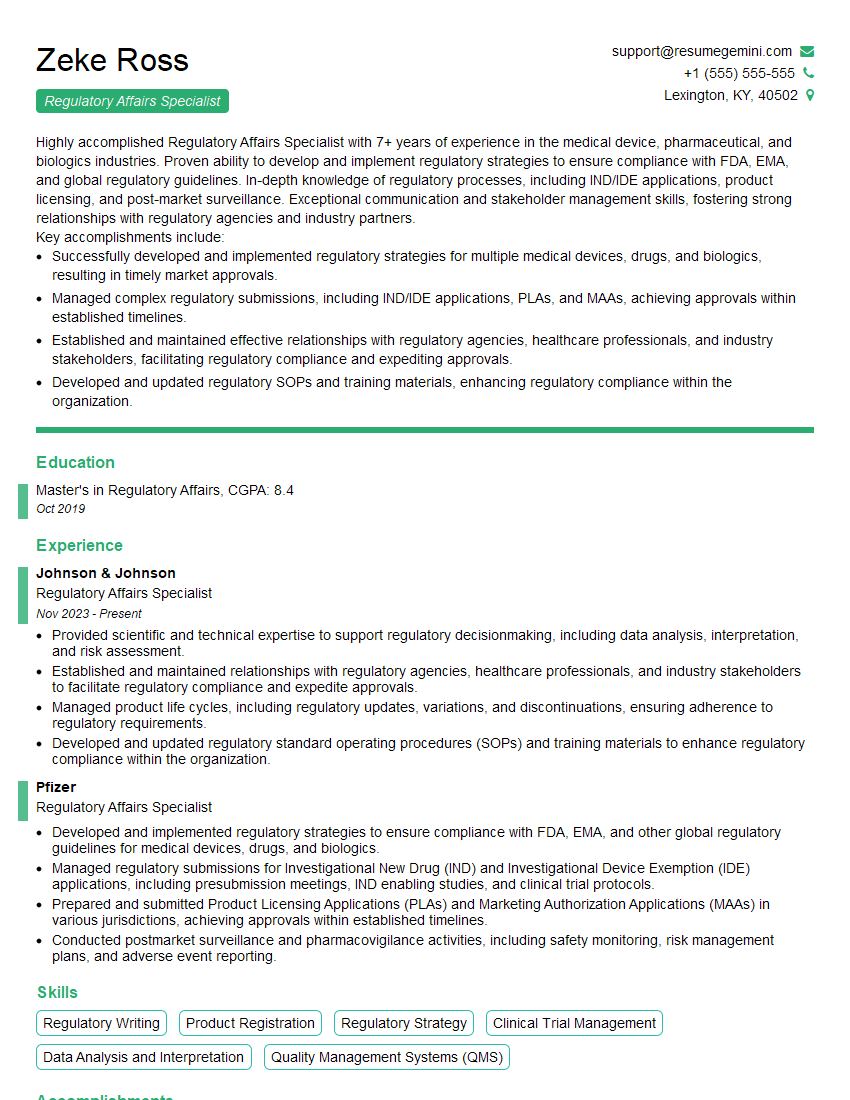
Regulatory Affairs Specialist Resume Sample
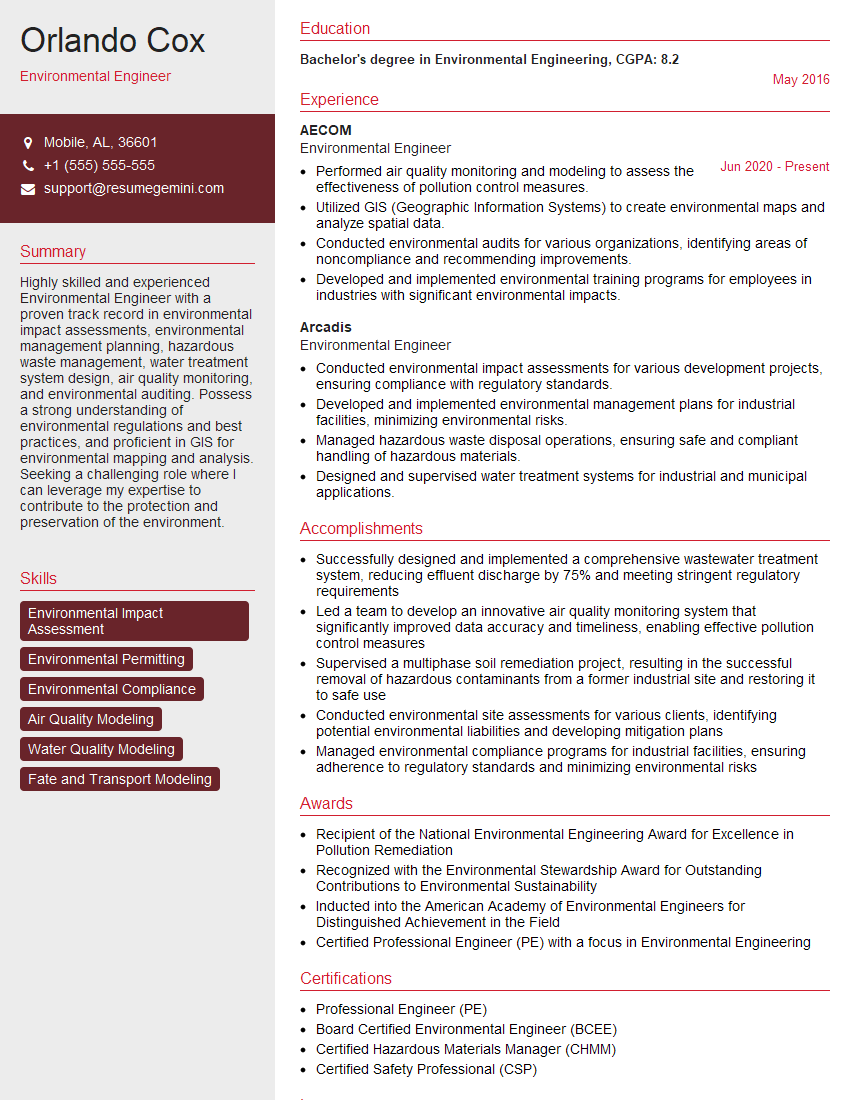
Environmental Engineer Resume Sample

Safety Engineer Resume Sample
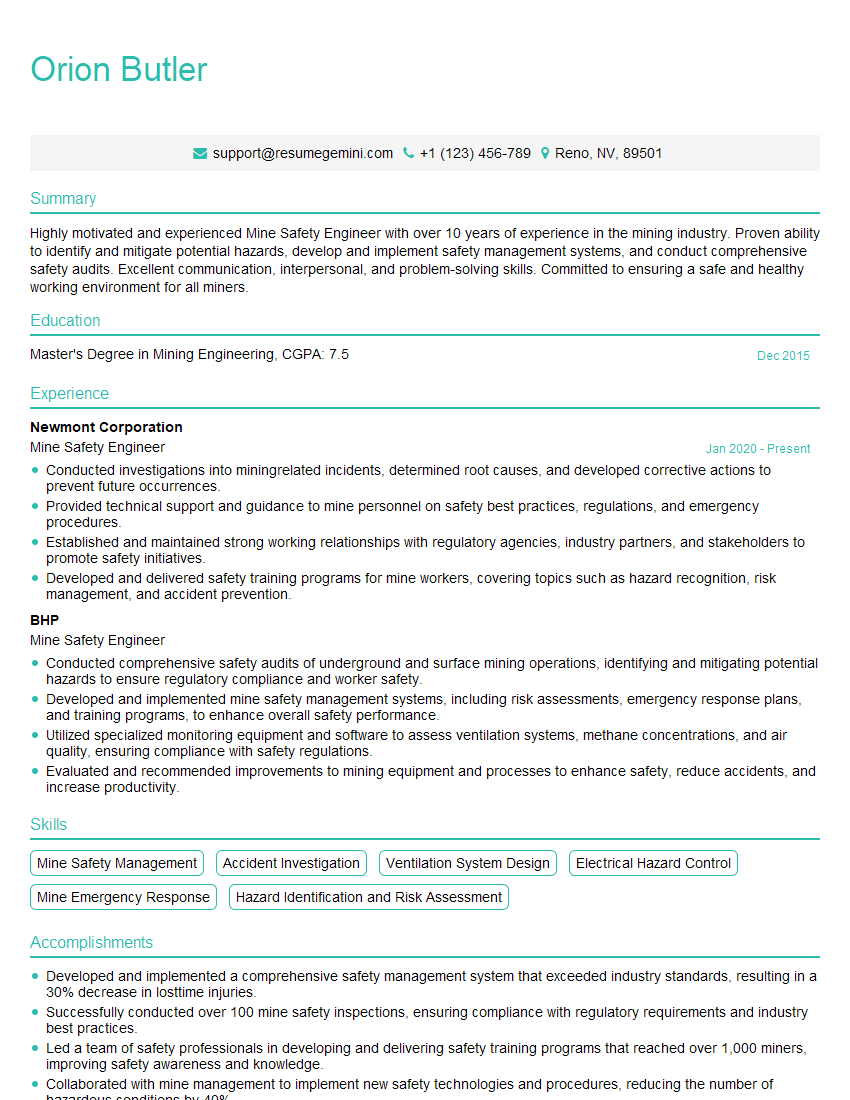
Mine Safety Engineer Resume Sample
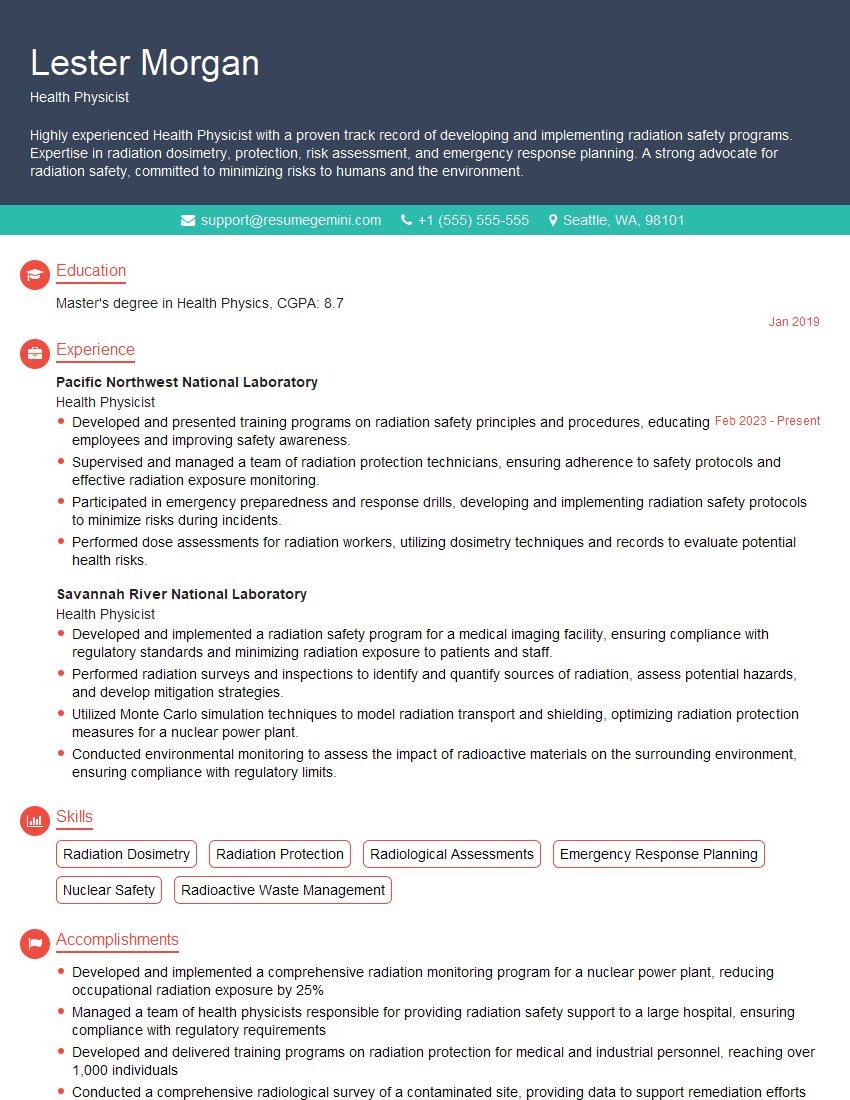
Health Physicist Resume Sample
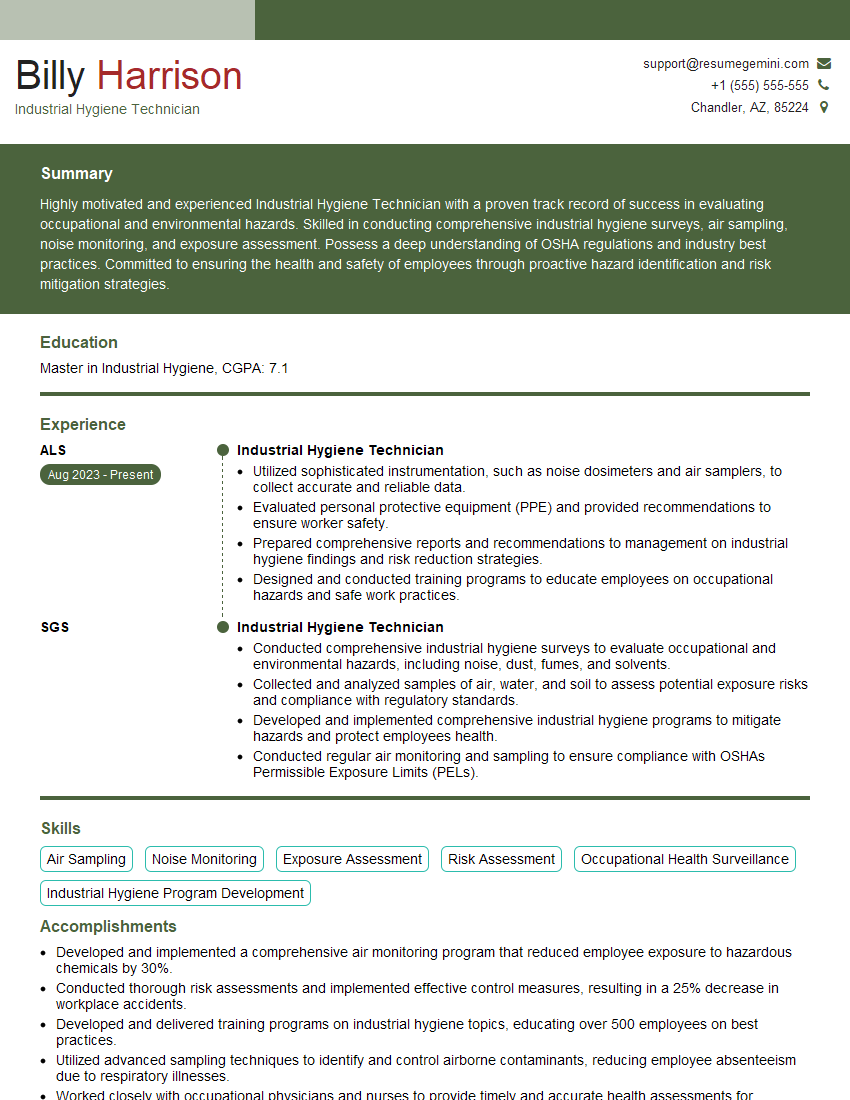
Industrial Hygiene Technician Resume Sample
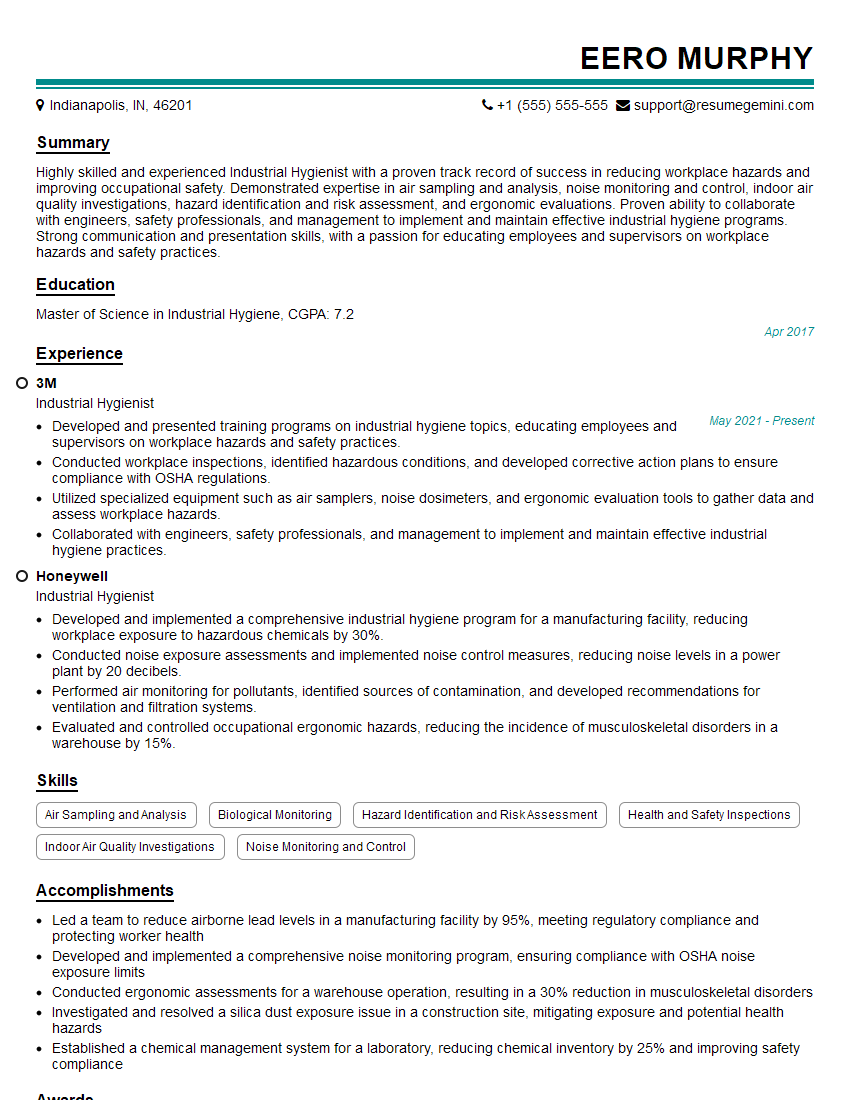
Industrial Hygienist Resume Sample
Explore more articles
Users Rating of Our Blogs
Share Your Experience
We value your feedback! Please rate our content and share your thoughts (optional).
What Readers Say About Our Blog
Amazing blog
Interesting Article, I liked the depth of knowledge you’ve shared.
Helpful, thanks for sharing.