Every successful interview starts with knowing what to expect. In this blog, we’ll take you through the top Engine Thermodynamics interview questions, breaking them down with expert tips to help you deliver impactful answers. Step into your next interview fully prepared and ready to succeed.
Questions Asked in Engine Thermodynamics Interview
Q 1. Explain the thermodynamic cycles of Otto, Diesel, and Brayton engines.
Internal combustion engines operate on various thermodynamic cycles, each with unique characteristics. Let’s explore three prominent ones: Otto, Diesel, and Brayton.
Otto Cycle: This cycle is the foundation for most gasoline engines. It’s a four-stroke process:
- Intake: The piston moves downwards, drawing in a fuel-air mixture.
- Compression: The piston moves upwards, compressing the mixture, increasing its temperature and pressure.
- Combustion: A spark plug ignites the compressed mixture, causing a rapid pressure rise.
- Expansion: The high-pressure gases expand, pushing the piston downwards, generating power.
- Exhaust: The piston moves upwards, expelling the burnt gases.
Diesel Cycle: Diesel engines differ significantly. The major difference is the absence of a spark plug. Instead, the highly compressed air ignites the injected fuel:
- Intake: Only air is drawn into the cylinder.
- Compression: Air is compressed to a much higher pressure than in the Otto cycle.
- Combustion: Fuel is injected into the hot, compressed air, causing self-ignition.
- Expansion: The high-pressure gases expand, driving the piston.
- Exhaust: Burnt gases are expelled.
Brayton Cycle: This cycle forms the basis for gas turbine engines (jet engines). It’s a continuous process, involving a compressor, combustor, turbine, and exhaust:
- Compression: Air is compressed by a compressor.
- Combustion: Fuel is injected and burned in a combustor, increasing the gas temperature and pressure.
- Expansion: The hot gases expand through a turbine, driving it and producing power.
- Exhaust: The spent gases are exhausted.
The key differences lie in the compression ratio, combustion method (spark ignition vs. compression ignition), and the continuous vs. intermittent nature of the cycles. Each cycle offers a unique trade-off between efficiency, power output, and emissions.
Q 2. Describe the concept of air-fuel ratio and its impact on engine performance.
The air-fuel ratio (AFR) is the mass ratio of air to fuel in a combustion engine. It’s a crucial parameter influencing engine performance and emissions. The ideal AFR depends on the fuel type and engine design but is typically stoichiometric (around 14.7:1 for gasoline) – the ratio where all fuel is completely burned with no excess oxygen or fuel.
Impact on Performance:
- Rich Mixture (AFR < 14.7:1): More fuel than necessary is present. This leads to increased power (due to higher energy input), but lower efficiency and increased emissions of unburnt hydrocarbons and carbon monoxide. This is often used during acceleration for increased power.
- Lean Mixture (AFR > 14.7:1): Less fuel is present compared to the stoichiometric ratio. This improves fuel economy and reduces emissions of hydrocarbons and carbon monoxide, but it can cause incomplete combustion, leading to higher NOx emissions and potential engine damage (misfires).
- Stoichiometric Mixture (AFR ≈ 14.7:1): The ideal ratio for minimizing emissions while maintaining reasonable efficiency. Most modern engines employ sophisticated sensors and control systems to maintain a near-stoichiometric ratio while optimizing for varying conditions.
Precise AFR control is essential for optimal engine operation. Engine management systems constantly monitor various parameters (oxygen sensor readings, engine speed, throttle position) and adjust fuel delivery accordingly to maintain the desired AFR.
Q 3. What are the different types of combustion processes in internal combustion engines?
Internal combustion engines employ different combustion processes, primarily categorized as follows:
- Spark Ignition (SI): This process, common in gasoline engines, uses a spark plug to ignite a premixed air-fuel charge. The flame propagates through the combustion chamber. The timing of the spark is crucial for efficient and complete combustion.
- Compression Ignition (CI): Used in diesel engines, this process relies on the high temperature of the compressed air to ignite the injected fuel. The fuel is injected after the compression stroke, leading to a self-igniting process. This results in higher efficiency but also higher NOx emissions.
- Stratified Charge Combustion: In this process, the air-fuel mixture isn’t homogenous. A rich mixture is ignited in a localized area, followed by lean combustion of the surrounding mixture. This technique aims to improve fuel economy and reduce emissions but is more complex to implement.
- Homogenous Charge Compression Ignition (HCCI): This advanced combustion strategy seeks to combine the advantages of both SI and CI processes. A homogenous air-fuel mixture is compressed and ignited auto-igniting at a controlled rate, leading to very high efficiency and lower emissions, but it presents significant control challenges.
The choice of combustion process significantly impacts engine performance, emissions, and complexity. Modern engine development focuses on optimizing these processes for enhanced efficiency and reduced environmental impact.
Q 4. Explain the role of turbochargers and superchargers in enhancing engine power output.
Turbochargers and superchargers are forced induction systems used to increase the amount of air entering the engine’s cylinders, leading to enhanced power output. They differ in how they compress the air:
Turbochargers: Use exhaust gases to drive a turbine, which in turn drives a compressor. The compressor increases the intake air pressure and thus the mass of air entering the cylinders. This means that turbochargers have no parasitic power loss as they run off of exhaust gasses, but there is a lag time before they spool up.
Superchargers: Are mechanically driven by the engine’s crankshaft. They use a belt or gears to power a compressor, which similarly increases intake air pressure. Superchargers provide immediate boost but consume engine power (parasitic power loss).
Benefits of Forced Induction:
- Increased Power Output: More air means more fuel can be burned, resulting in significantly increased power and torque.
- Improved Fuel Efficiency (in some cases): While increased power consumption can outweigh the benefits, careful management of engine parameters can lead to better fuel economy at certain operating points.
Both turbochargers and superchargers are common in modern vehicles, often combined with other technologies (intercoolers) to further improve efficiency and performance.
Q 5. Discuss the significance of heat transfer in engine design.
Heat transfer plays a crucial role in engine design, impacting efficiency, performance, and durability. Understanding and managing heat flow is essential:
- Combustion Chamber Heat Transfer: A significant portion of the heat generated during combustion is transferred to the cylinder walls, piston, and head. This heat loss reduces engine efficiency. Engine designers use materials with high thermal conductivity and advanced cooling techniques to minimize this loss.
- Exhaust Heat Recovery: A considerable amount of energy is lost through the exhaust gases. Technologies such as exhaust gas recirculation (EGR) and turbocharger integration help recover some of this waste heat, improving efficiency.
- Lubrication System Heat Transfer: The lubricant absorbs heat generated during friction within the engine. Effective heat dissipation from the oil prevents oil degradation and maintains optimal viscosity.
- Cooling System Heat Transfer: The cooling system removes heat from the engine block, cylinder head, and other components to prevent overheating and maintain optimal operating temperatures. Effective cooling ensures consistent performance and prevents engine damage.
Efficient heat transfer management is paramount in engine design. It directly influences the power output, efficiency, longevity, and emissions of the engine.
Q 6. How does engine cooling system affect overall engine efficiency?
The engine cooling system is vital for maintaining the engine’s operating temperature within its optimal range. Effective cooling directly influences engine efficiency and longevity:
Impact on Efficiency:
- Optimal Operating Temperature: Engines operate most efficiently within a specific temperature range. The cooling system helps maintain this temperature, ensuring optimal combustion and reducing internal friction. If the engine overheats, it can lead to significant power loss and even damage.
- Reduced Heat Losses: By effectively removing excess heat, the cooling system reduces the amount of energy lost to the environment, thereby increasing overall thermodynamic efficiency.
Impact on Longevity:
- Preventing Overheating: Overheating leads to thermal stresses, warping of engine components, and premature wear. A well-designed cooling system prevents such damage and extends the engine’s lifespan.
- Maintaining Oil Viscosity: Effective cooling helps maintain the oil’s viscosity within the optimal range, improving lubrication and reducing wear.
Modern cooling systems incorporate advanced features like variable-speed fans and thermostats to optimize cooling based on engine load and ambient conditions. Proper maintenance and operation of the cooling system are crucial for maintaining engine performance and durability.
Q 7. Explain the concept of entropy and its relevance to engine thermodynamics.
Entropy is a measure of disorder or randomness in a thermodynamic system. In the context of engine thermodynamics, it’s crucial for understanding efficiency limitations.
Relevance to Engine Thermodynamics:
- Second Law of Thermodynamics: The second law dictates that the total entropy of an isolated system can only increase over time or remain constant in ideal cases where the system is in a steady state or undergoing a reversible process. In an engine, irreversible processes (like friction and heat transfer) always increase entropy.
- Efficiency Limits: The increase in entropy during combustion and expansion limits the maximum efficiency that an engine can achieve. No engine can convert all the heat energy into useful work; some is inevitably lost as heat due to the increase in entropy.
- Carnot Efficiency: The Carnot cycle represents the theoretical maximum efficiency for a heat engine operating between two temperature reservoirs. This maximum efficiency is directly related to the temperature difference and inversely related to the entropy change.
Understanding entropy helps engineers assess the inherent limitations of engine designs and strive to minimize irreversible processes to improve efficiency. While a perfectly reversible engine is impossible, minimizing entropy generation through careful design and optimization is a primary goal in engine development.
Q 8. What is the impact of fuel properties on engine performance and emissions?
Fuel properties significantly influence engine performance and emissions. The key characteristics are octane rating (for gasoline), cetane rating (for diesel), energy density, and chemical composition.
Octane rating measures a fuel’s resistance to knocking – uncontrolled ignition of the air-fuel mixture before the spark plug fires. Higher octane fuels are better for high-compression engines, preventing knocking and improving performance. Lower octane fuels can lead to knocking, reduced power, and potential engine damage.
Cetane rating is the diesel equivalent of octane, indicating how readily the fuel ignites. Higher cetane numbers result in smoother combustion, reduced noise, and improved fuel efficiency.
Energy density affects the power output; fuels with higher energy density deliver more power per unit volume.
Chemical composition influences emissions. The presence of sulfur, aromatics, and other compounds affects the formation of pollutants like particulate matter (PM), nitrogen oxides (NOx), and unburned hydrocarbons (HC). Fuels with lower sulfur content, for example, are crucial in reducing sulfur dioxide (SO2) emissions, a major contributor to acid rain.
For instance, using a higher octane fuel in a high-performance engine designed for it will improve power and prevent knock. Conversely, using low-octane fuel in such an engine risks severe damage. Similarly, using ultra-low sulfur diesel (ULSD) drastically reduces SO2 emissions compared to conventional diesel.
Q 9. Describe the different methods for measuring engine performance parameters.
Engine performance is measured using various parameters, often obtained through dynamometer testing. These parameters provide a comprehensive assessment of the engine’s efficiency, power output, and emissions.
- Brake Power (BP): The actual power delivered to the output shaft, measured using a dynamometer that measures the torque and rotational speed.
- Indicated Power (IP): The power developed within the engine cylinders, considering the pressure variations. It’s calculated from pressure-volume diagrams obtained using a pressure sensor within the cylinder.
- Brake Specific Fuel Consumption (BSFC): Measures the fuel efficiency – the mass of fuel consumed per unit of brake power produced. Lower BSFC indicates higher efficiency.
- Thermal Efficiency: The ratio of the useful work output to the energy content of the fuel consumed. It indicates how effectively the engine converts fuel energy into useful work.
- Emissions: Measured using exhaust gas analyzers, quantifying pollutants like CO, CO2, NOx, HC, and PM. These measurements are crucial for assessing the environmental impact of the engine.
For example, in a vehicle testing facility, a dynamometer simulates road loads while measuring BP and BSFC to evaluate the vehicle’s fuel economy under various driving conditions. An exhaust gas analyzer measures emissions to ensure compliance with emission standards.
Q 10. Explain the concept of engine knock and its prevention strategies.
Engine knock is the uncontrolled auto-ignition of the air-fuel mixture in the cylinder before the spark plug fires (in gasoline engines) or before the intended ignition delay (in diesel engines). This results in a characteristic sharp metallic pinging sound and can cause significant damage to engine components.
In gasoline engines, knock occurs when the compressed air-fuel mixture reaches a temperature and pressure at which it spontaneously ignites, creating pressure waves that clash with the normal combustion process. In diesel engines, it happens due to early and uncontrolled ignition of the fuel.
Prevention Strategies:
- Using higher octane fuel: Higher octane fuels are more resistant to auto-ignition, delaying the onset of knock.
- Retarding ignition timing: Delaying the spark timing reduces the temperature and pressure at the time of ignition, making auto-ignition less likely.
- Engine design modifications: Improving the combustion chamber design to promote more even heat distribution and reducing hot spots can reduce the chances of auto-ignition.
- Exhaust gas recirculation (EGR): Introducing a portion of the exhaust gas back into the intake reduces the combustion temperature, preventing knock.
- Variable valve timing (VVT): Optimizing valve timing to control the intake and exhaust flow can enhance combustion stability.
For instance, in high-performance engines, knock sensors detect the onset of knock and automatically retard the ignition timing to prevent damage. EGR systems are widely used in modern gasoline and diesel engines to reduce NOx emissions and improve knock resistance.
Q 11. How does the engine valve timing affect engine efficiency and emissions?
Engine valve timing, controlled by the camshaft, significantly impacts engine efficiency and emissions. It determines when the intake and exhaust valves open and close relative to the piston’s position.
Impact on Efficiency:
- Optimized intake valve opening and closing: Carefully timed intake valve opening allows for efficient cylinder filling, maximizing the amount of air-fuel mixture entering the cylinder.
- Efficient exhaust valve timing: Proper exhaust valve timing ensures that the burnt gases are expelled effectively, reducing residual gases in the cylinder, thereby improving the next combustion cycle.
Impact on Emissions:
- Reduced unburnt hydrocarbons (HC): Precise valve timing promotes complete combustion, minimizing unburnt fuel in the exhaust.
- Lower nitrogen oxides (NOx): Optimizing valve timing can reduce peak combustion temperatures, lowering NOx formation.
- Improved fuel economy: Optimized valve timing leads to improved combustion efficiency, resulting in better fuel economy.
Variable Valve Timing (VVT): Modern engines often employ VVT systems that adjust valve timing based on engine operating conditions (speed and load). This allows for optimal valve timing across a broader range of conditions, improving efficiency and emissions under diverse operating scenarios.
For example, at high engine speeds, VVT systems may advance the intake valve closing to increase the air charge, while at lower speeds, they may retard the intake valve closing to improve low-end torque.
Q 12. What are the different types of engine lubricants and their functions?
Engine lubricants, commonly known as motor oil, are essential for reducing friction, wear, and corrosion within the engine. Different types cater to specific engine requirements and operating conditions.
- Monograde oils: These oils maintain their viscosity within a narrow temperature range. They are less common in modern vehicles.
- Multigrade oils: These oils retain their viscosity across a wider temperature range, indicated by a number like 5W-30 or 10W-40. The ‘W’ denotes winter viscosity.
- Synthetic oils: These are manufactured oils offering superior performance characteristics compared to conventional mineral oils, including better high-temperature stability, lower viscosity, and better cold-weather performance.
- Semi-synthetic oils: These blend synthetic and mineral oils, offering a balance between performance and cost.
Functions of Engine Lubricants:
- Lubrication: Reduces friction between moving engine parts, minimizing wear and tear.
- Cooling: Helps dissipate heat generated during combustion.
- Cleaning: Removes contaminants and deposits from engine components.
- Corrosion protection: Prevents rust and corrosion of engine parts.
- Sealing: Helps seal the gaps between piston rings and cylinder walls.
Choosing the right oil type is crucial for optimal engine performance and longevity. Using an oil with an inappropriate viscosity can lead to reduced efficiency, increased wear, and even engine damage. Always refer to the vehicle manufacturer’s recommendations for the correct oil type and viscosity.
Q 13. Discuss the various methods used for emissions control in internal combustion engines.
Internal combustion engines produce various pollutants. Emissions control methods aim to reduce these harmful substances before they are released into the atmosphere.
- Exhaust Gas Recirculation (EGR): Reduces NOx emissions by recirculating a portion of the exhaust gases back into the combustion chamber, lowering combustion temperatures.
- Catalytic Converters: Reduce harmful emissions like CO, NOx, and HC by converting them into less harmful substances such as CO2, N2, and H2O.
- Diesel Particulate Filters (DPF): Trap and burn particulate matter (soot) in diesel exhaust, drastically reducing PM emissions.
- Selective Catalytic Reduction (SCR): Injects a reducing agent (like urea) into the exhaust stream to further reduce NOx emissions.
- Oxidation Catalysts: Primarily oxidize unburned hydrocarbons (HC) and carbon monoxide (CO) into carbon dioxide (CO2) and water (H2O).
- Lean NOx Traps (LNT): These are used in lean-burn gasoline engines to trap NOx, which is then periodically reduced during rich phases.
The specific methods used depend on the engine type, fuel, and emission standards. Modern vehicles often employ a combination of these technologies to meet stringent emission regulations. For instance, modern diesel engines commonly use a combination of DPF, SCR, and EGR systems to significantly reduce emissions.
Q 14. Explain the working principles of a catalytic converter.
A catalytic converter is an emissions control device that converts harmful exhaust gases into less harmful substances. It’s a crucial component in reducing pollution from internal combustion engines.
Working Principle:
The catalytic converter contains a honeycomb structure coated with a precious metal catalyst (typically platinum, palladium, and rhodium). Exhaust gases pass through this honeycomb, where the catalyst facilitates chemical reactions:
- Oxidation: Unburnt hydrocarbons (HC) and carbon monoxide (CO) are oxidized to carbon dioxide (CO2) and water (H2O).
- Reduction: Nitrogen oxides (NOx) are reduced to nitrogen (N2) and oxygen (O2).
The catalyst facilitates these reactions by providing a surface area for the reaction to occur at lower temperatures than would otherwise be possible. The honeycomb structure maximizes the surface area for efficient conversion.
Different sections within the converter handle oxidation and reduction reactions. The precious metals are strategically placed to optimize the efficiency of the conversion process. The entire process is highly dependent on the temperature of the exhaust gases – below a certain temperature, the catalyst’s activity is limited. That’s why it takes some time for the catalytic converter to warm up and begin working efficiently.
Q 15. Describe the role of exhaust gas recirculation (EGR) in reducing NOx emissions.
Exhaust Gas Recirculation (EGR) is a crucial emission control technology primarily used to reduce nitrogen oxides (NOx) emissions in internal combustion engines. NOx formation is highly temperature-dependent; higher combustion temperatures favor NOx production. EGR works by recirculating a portion of the exhaust gas back into the engine’s intake manifold, effectively diluting the fresh air-fuel mixture.
This dilution has two primary effects:
- Lowering Combustion Temperature: The inert exhaust gases absorb heat during combustion, thereby reducing the peak combustion temperature. This lower temperature significantly suppresses NOx formation, as the chemical reactions that produce NOx are less favorable at lower temperatures.
- Reducing Oxygen Concentration: Exhaust gas contains significantly less oxygen than atmospheric air. Recirculating it reduces the oxygen concentration in the combustion chamber, thus limiting the availability of oxygen for the NOx formation reactions.
Think of it like this: Imagine you’re cooking; a higher flame (higher combustion temperature) will cook your food faster, but it might also burn it (produce NOx). EGR is like turning down the flame slightly, resulting in slightly slower but more controlled combustion with reduced burning (NOx).
The amount of EGR is carefully controlled by an Electronic Control Unit (ECU) based on engine load and speed to optimize NOx reduction while minimizing the negative impacts on engine performance, such as reduced power output and increased fuel consumption.
Career Expert Tips:
- Ace those interviews! Prepare effectively by reviewing the Top 50 Most Common Interview Questions on ResumeGemini.
- Navigate your job search with confidence! Explore a wide range of Career Tips on ResumeGemini. Learn about common challenges and recommendations to overcome them.
- Craft the perfect resume! Master the Art of Resume Writing with ResumeGemini’s guide. Showcase your unique qualifications and achievements effectively.
- Don’t miss out on holiday savings! Build your dream resume with ResumeGemini’s ATS optimized templates.
Q 16. What are the different types of alternative fuels for internal combustion engines?
Alternative fuels for internal combustion engines offer a pathway toward reducing reliance on fossil fuels and minimizing greenhouse gas emissions. Several options are actively being explored, each with its advantages and challenges:
- Biofuels: These fuels are derived from biological sources like plants and algae. Examples include ethanol (E85 blends), biodiesel (made from vegetable oils or animal fats), and biogas (produced from anaerobic digestion of organic waste). Biofuels offer a relatively easy transition path, as they can often be used in existing engines with minor modifications. However, concerns exist about land use, food security, and the overall carbon footprint depending on the production method.
- Liquefied Petroleum Gas (LPG): LPG, a mixture of propane and butane, burns cleaner than gasoline and diesel, producing fewer particulate matter and greenhouse gases. It’s readily available and relatively inexpensive, but its energy density is lower than gasoline, meaning you might need to refill more often.
- Compressed Natural Gas (CNG): CNG is a cleaner-burning fuel than gasoline and diesel, producing lower emissions. However, it requires high-pressure storage tanks, which can impact vehicle design and range. The infrastructure for CNG refueling is also less developed compared to gasoline.
- Synthetic Fuels (e-fuels): Produced from renewable energy sources (like wind or solar power) and carbon captured from the atmosphere or industrial processes, these fuels aim to provide a “drop-in” replacement for fossil fuels. The technology is still under development and faces significant cost and scalability challenges.
The choice of alternative fuel depends on several factors including availability, cost, infrastructure, engine modifications needed, and environmental impact.
Q 17. Discuss the challenges and opportunities associated with hydrogen fuel cell engines.
Hydrogen fuel cell engines represent a promising clean energy technology, but they also face significant hurdles.
Challenges:
- Hydrogen Storage and Transportation: Hydrogen is highly volatile and requires specialized, high-pressure tanks for storage, posing challenges in terms of safety and infrastructure development. Efficient and cost-effective transportation of hydrogen over long distances also needs improvement.
- Fuel Cell Durability and Cost: Fuel cells are complex and expensive to manufacture. Improving their durability and reducing their cost are critical for widespread adoption. Platinum, a crucial component of many fuel cells, is a precious metal, contributing to the high cost.
- Hydrogen Production: The production of ‘green’ hydrogen (using renewable energy sources for electrolysis) is energy-intensive and currently costly. ‘Grey’ hydrogen (produced from natural gas) has its own environmental drawbacks.
Opportunities:
- Zero Tailpipe Emissions: Hydrogen fuel cells produce only water vapor as a byproduct, making them exceptionally clean.
- High Efficiency: Fuel cells have the potential for higher efficiency compared to internal combustion engines, leading to better fuel economy.
- Potential for Decentralized Energy Generation: Fuel cells can be used for stationary power generation, offering a distributed energy solution.
In summary, hydrogen fuel cell technology holds immense promise, but overcoming the challenges related to storage, cost, and production is crucial for its successful commercialization and widespread implementation.
Q 18. Explain the concept of engine mapping and its significance.
Engine mapping is the process of creating a three-dimensional map that defines the optimal fuel injection, ignition timing, and other engine parameters across a range of operating conditions. Think of it as a recipe book for the engine, telling it how to run optimally at different speeds and loads.
The map is typically represented as a matrix with engine speed (RPM) on one axis, load (e.g., manifold pressure or torque) on another axis, and the desired parameters (fuel injection duration, ignition timing advance, etc.) on the third axis. Each cell in the map corresponds to a specific operating point, specifying the ideal settings for that condition.
Significance:
- Optimizing Performance: Engine mapping allows for precise control of the air-fuel mixture and ignition timing to maximize power output, torque, and fuel efficiency across the entire operating range.
- Emissions Control: Optimal mapping helps minimize harmful emissions by ensuring efficient combustion and precise control over combustion parameters. It contributes to meeting stringent emission regulations.
- Improved Drivability: Proper mapping contributes to smooth engine operation and improved drivability, resulting in a more pleasant driving experience.
Engine mapping is created and refined using data from engine tests, simulations, and customer feedback. The process involves extensive testing and calibration to find the best settings for each operating point, often using sophisticated engine control unit (ECU) calibration tools.
Q 19. How do you analyze engine performance data using data acquisition systems?
Analyzing engine performance data using data acquisition systems (DAS) is essential for engine development, testing, and optimization. A DAS typically comprises sensors that measure various engine parameters (pressure, temperature, airflow, crankshaft speed, etc.), a data logger to record the data, and software for analysis and visualization.
The analysis process usually involves these steps:
- Data Acquisition: Sensors are strategically placed on the engine to measure relevant parameters. The DAS records this data at high sampling rates, capturing transient events and providing detailed insights into engine behavior.
- Data Cleaning and Preprocessing: Raw data often contains noise and errors. Cleaning involves removing outliers, smoothing noisy signals, and calibrating sensor data to ensure accuracy.
- Data Visualization and Exploration: Plotting various parameters against time, engine speed, or load helps visualize engine behavior and identify trends. Tools like spreadsheets or specialized engine analysis software are used for this purpose.
- Performance Parameter Calculation: Calculations are performed to derive key performance indicators (KPIs) such as brake horsepower (bhp), brake specific fuel consumption (BSFC), indicated mean effective pressure (IMEP), and emissions levels. These KPIs provide a quantitative assessment of engine performance.
- Correlation Analysis: Studying the relationships between different parameters helps understand how changes in one parameter affect others. For instance, we may analyze the relationship between air-fuel ratio and NOx emissions.
- Root Cause Analysis: Identifying the root causes of performance issues or anomalies is a crucial step. Analyzing data from multiple sensors in conjunction allows us to pinpoint the source of problems.
Examples of analysis include identifying combustion irregularities from pressure traces, analyzing the influence of fuel injection timing on emissions, and evaluating the effectiveness of cooling systems based on temperature profiles.
Q 20. Describe your experience with engine simulation software (e.g., GT-Power, AVL BOOST).
I have extensive experience using engine simulation software, specifically GT-Power and AVL BOOST. My work involved building detailed engine models to simulate various aspects of engine operation, from combustion and heat transfer to emissions and performance.
In GT-Power, I’ve modeled various engine configurations, including spark-ignition and compression-ignition engines, and used it to perform parametric studies to optimize engine design parameters. For example, I used GT-Power to investigate the effect of different turbocharger configurations on engine performance and emissions. I also utilized its post-processing capabilities for detailed analysis of combustion parameters, such as heat release rate and in-cylinder pressure.
My experience with AVL BOOST has focused on more advanced simulations, including the detailed modeling of fluid dynamics within the engine. I’ve used it to investigate factors like intake port design and their impact on air flow and combustion efficiency. The software’s ability to link CFD (Computational Fluid Dynamics) with 1D simulation tools provides invaluable insights into complex fluid-dynamic phenomena.
I have a strong understanding of the strengths and limitations of each software package and can choose the most appropriate tool depending on the specific application and objectives of the analysis. My proficiency in these tools extends beyond simply running simulations; I also have a deep understanding of the underlying thermodynamics and fluid mechanics principles that are fundamental to their application.
Q 21. Explain the concept of thermodynamic equilibrium and its application in engine design.
Thermodynamic equilibrium refers to a state where a system’s properties, such as temperature, pressure, and composition, remain constant over time. In a thermodynamically equilibrated system, there’s no net change in energy or matter transfer between its different components.
Application in Engine Design:
While an internal combustion engine never truly reaches thermodynamic equilibrium during its operating cycle (due to the dynamic nature of the processes involved), the concept of equilibrium is vital in several aspects of engine design:
- Combustion Modeling: Simplified combustion models often assume local thermodynamic equilibrium (LTE) to calculate the composition and properties of the burned gases. Although this simplification has limitations, it significantly reduces computational complexity.
- Heat Transfer Analysis: Determining heat transfer rates between different engine components relies on understanding equilibrium temperatures and the driving forces for heat transfer (temperature gradients). Heat transfer analysis is critical for engine cooling design and ensuring optimal operating temperatures.
- Exhaust Gas Aftertreatment System Design: Designing exhaust gas aftertreatment systems (e.g., catalytic converters) necessitates understanding the chemical equilibrium of the exhaust gases to determine the effectiveness of different catalysts in converting pollutants.
- Thermodynamic Cycle Analysis: Analyzing engine thermodynamic cycles (like the Otto or Diesel cycle) often involves calculating state properties at various points assuming equilibrium conditions, providing a simplified but useful approximation of engine performance.
Understanding thermodynamic equilibrium provides a crucial framework for simplifying complex engine processes, enabling efficient modeling and design optimization. However, it’s important to acknowledge its limitations and account for non-equilibrium effects where necessary, especially when dealing with high-speed, transient processes within the engine.
Q 22. Describe your experience with experimental testing of engine components or systems.
My experience with experimental testing of engine components encompasses a wide range of activities, from designing and executing tests to analyzing data and drawing conclusions. I’ve worked extensively with dynamometers, both engine and component-level, to measure power, torque, efficiency, and emissions. This involved meticulously planning test procedures, ensuring accurate instrumentation and data acquisition, and rigorously controlling environmental factors like temperature and humidity. For instance, I was involved in a project testing the impact of different fuel blends on the combustion efficiency of a diesel engine. We carefully measured fuel consumption, exhaust gas composition, and engine performance across various operating conditions, using statistical methods to analyze the results and draw meaningful conclusions. Beyond dynamometer testing, I’ve also participated in on-vehicle testing, where we monitored engine performance in real-world driving scenarios, using onboard data acquisition systems to capture various parameters. This helps validate the results obtained from lab-based dynamometer testing and ensures the findings are relevant to real-world applications.
Q 23. How do you approach the design optimization of an engine component for improved efficiency or performance?
Optimizing an engine component for improved efficiency or performance is an iterative process that typically involves a combination of computational and experimental methods. I begin by defining clear objectives, such as improving fuel economy by 10% or increasing power output by 5%, while considering constraints such as cost, weight, and durability. This often involves using advanced computational fluid dynamics (CFD) simulations to model the flow of fluids within the component, identifying areas for improvement. For example, in designing a new intake manifold, CFD simulations can help optimize the geometry to minimize pressure losses and maximize air intake. These simulations are then validated and refined through experimental testing. Design of experiments (DOE) techniques are employed to systematically vary design parameters and assess their impact on performance. Optimization algorithms, such as genetic algorithms or gradient-based methods, are used to find the optimal design that meets the predefined objectives within the given constraints. This iterative approach of simulation, prototyping, testing and refinement is crucial to achieve optimal performance.
Q 24. What are the different types of engine sensors and their functions?
Engine sensors are critical for monitoring various engine parameters and ensuring optimal operation. Different types of sensors monitor different aspects:
- Temperature Sensors: Thermocouples, thermistors, and Resistance Temperature Detectors (RTDs) measure temperatures at various points within the engine, such as coolant temperature, oil temperature, and exhaust gas temperature. These are vital for engine management systems.
- Pressure Sensors: These sensors, often based on piezoresistive or capacitive principles, measure manifold pressure, oil pressure, and fuel rail pressure. They provide critical inputs for fuel injection and engine control.
- Flow Sensors: Mass airflow sensors (MAF) measure the amount of air entering the engine, while fuel flow sensors monitor the amount of fuel being injected. These are crucial for maintaining the correct air-fuel ratio.
- Position Sensors: Crank angle sensors and camshaft position sensors precisely determine the rotational position of the crankshaft and camshaft, critical for ignition timing and fuel injection.
- Oxygen Sensors (Lambda Sensors): Located in the exhaust system, these sensors measure the amount of oxygen remaining in the exhaust gases, allowing for precise control of the air-fuel ratio and reducing emissions.
- Knock Sensors: These sensors detect engine knock (pre-ignition) allowing the engine management system to adjust ignition timing to prevent damage.
The data from these sensors are used by the engine control unit (ECU) to make real-time adjustments, ensuring optimal performance and minimizing emissions.
Q 25. How do you troubleshoot engine performance issues using diagnostic tools?
Troubleshooting engine performance issues involves a systematic approach utilizing diagnostic tools. I begin by gathering information about the problem, such as the symptoms (e.g., reduced power, rough idle, excessive smoke), the operating conditions under which the problem occurs, and any recent maintenance or modifications. I then utilize various diagnostic tools, including:
- OBD-II Scanners: These tools read diagnostic trouble codes (DTCs) stored by the ECU, providing clues about potential problems.
- Engine Data Acquisition Systems (DAQ): These systems can monitor a wide range of engine parameters in real-time, allowing for detailed analysis of engine performance under various conditions.
- Oscilloscope: This tool provides visual representations of electrical signals, useful for diagnosing problems with ignition systems, sensors, and actuators.
- Compression Testers: Used to measure the compression pressure in each cylinder, identifying potential problems with valves, piston rings, or head gaskets.
Once I have collected relevant data, I use a logical process of elimination, guided by diagnostic charts and manufacturer specifications, to identify the root cause of the problem. This often involves verifying sensor readings, checking wiring harnesses, and performing functional tests on actuators. For instance, if a DTC indicates a faulty oxygen sensor, I would verify the sensor’s readings against expected values and then replace the sensor if necessary. Effective troubleshooting requires a strong understanding of engine systems, diagnostic techniques, and the use of relevant tools.
Q 26. Explain the impact of engine operating conditions (e.g., altitude, temperature) on performance.
Engine operating conditions significantly impact performance. Altitude affects the air density; at higher altitudes, the reduced air density leads to lower intake air mass, resulting in reduced power output and potentially affecting the air-fuel ratio. This is why engines often lose power at high altitudes. Temperature also plays a crucial role. High ambient temperatures can lead to increased engine temperatures, affecting performance and potentially causing overheating. Increased temperatures can reduce the density of the intake air and increase the viscosity of the engine oil. Low temperatures can cause issues with starting and fuel efficiency due to increased viscosity of the oil and fuel. For example, a gasoline engine might experience difficulties starting at very low temperatures due to thickened oil and fuel. Accurate engine calibration is essential to compensate for the effects of varying altitude and temperature. Engine management systems utilize sensor data to dynamically adjust fuel injection, ignition timing, and other parameters to maintain optimal performance across different conditions. Modern engines use advanced control algorithms to adjust for these variations and optimize performance for different environmental parameters.
Q 27. Describe your experience with engine design using CAD software.
I have extensive experience using CAD software for engine design, primarily SolidWorks and ANSYS. My experience extends beyond simple part modeling to encompass the design and simulation of entire engine assemblies. I’ve used CAD to create 3D models of engine components, from pistons and connecting rods to cylinder heads and manifolds. This involved utilizing various CAD features such as parametric modeling, surface modeling, and assembly constraints. Beyond modeling, I have leveraged CAD software for design optimization, conducting simulations to analyze stress, strain, and thermal behavior. For example, I utilized finite element analysis (FEA) within the CAD environment to optimize the design of a connecting rod to minimize weight while maintaining structural integrity. The ability to seamlessly integrate modeling, analysis, and simulation capabilities within a CAD environment significantly speeds up the design process and facilitates iterative design improvements. I also employ CAD software for creating detailed manufacturing drawings and technical illustrations, which are crucial for production.
Q 28. What are some of the latest advancements in engine technology that you are aware of?
Several exciting advancements are shaping the future of engine technology. One area of significant progress is the development of hybrid and electric powertrains, which aim to improve fuel efficiency and reduce emissions. This includes advancements in battery technology, electric motor design, and power electronics. Another crucial area is the development of downsized engines with turbocharging and supercharging, which provide increased power output from smaller engines while enhancing fuel efficiency. Advanced combustion strategies like homogeneous charge compression ignition (HCCI) and gasoline compression ignition (GCI) are also being actively pursued to improve efficiency and reduce emissions. Improved materials such as lighter and stronger alloys, along with advanced manufacturing techniques such as additive manufacturing (3D printing), are leading to more efficient and durable engine components. Finally, there’s ongoing research into alternative fuels, such as biofuels and hydrogen, which are seen as viable pathways to reduce the environmental impact of engines.
Key Topics to Learn for Engine Thermodynamics Interview
- Thermodynamic Cycles: Understand the Otto, Diesel, Brayton, and Rankine cycles, including their P-V and T-S diagrams, efficiency calculations, and limitations. Consider real-world variations and modifications.
- Combustion Processes: Master the fundamentals of fuel-air cycles, stoichiometry, flame propagation, and combustion efficiency. Explore different combustion strategies and their impact on emissions.
- Heat Transfer: Analyze heat transfer mechanisms (conduction, convection, radiation) within engine components. Understand the role of heat transfer in engine efficiency and durability.
- Fluid Mechanics: Grasp the principles of fluid flow within the engine, including intake and exhaust processes, and their impact on performance. Familiarize yourself with concepts like turbulence and boundary layers.
- Engine Performance Analysis: Learn to interpret performance parameters like brake power, thermal efficiency, specific fuel consumption, and emissions. Understand the methods for performance testing and optimization.
- Advanced Engine Concepts: Explore topics like turbocharging, supercharging, variable valve timing, and alternative fuels to demonstrate a broad understanding of modern engine technology.
- Problem-Solving Approaches: Practice applying thermodynamic principles to solve real-world engine problems. Develop skills in analyzing engine data and interpreting results.
Next Steps
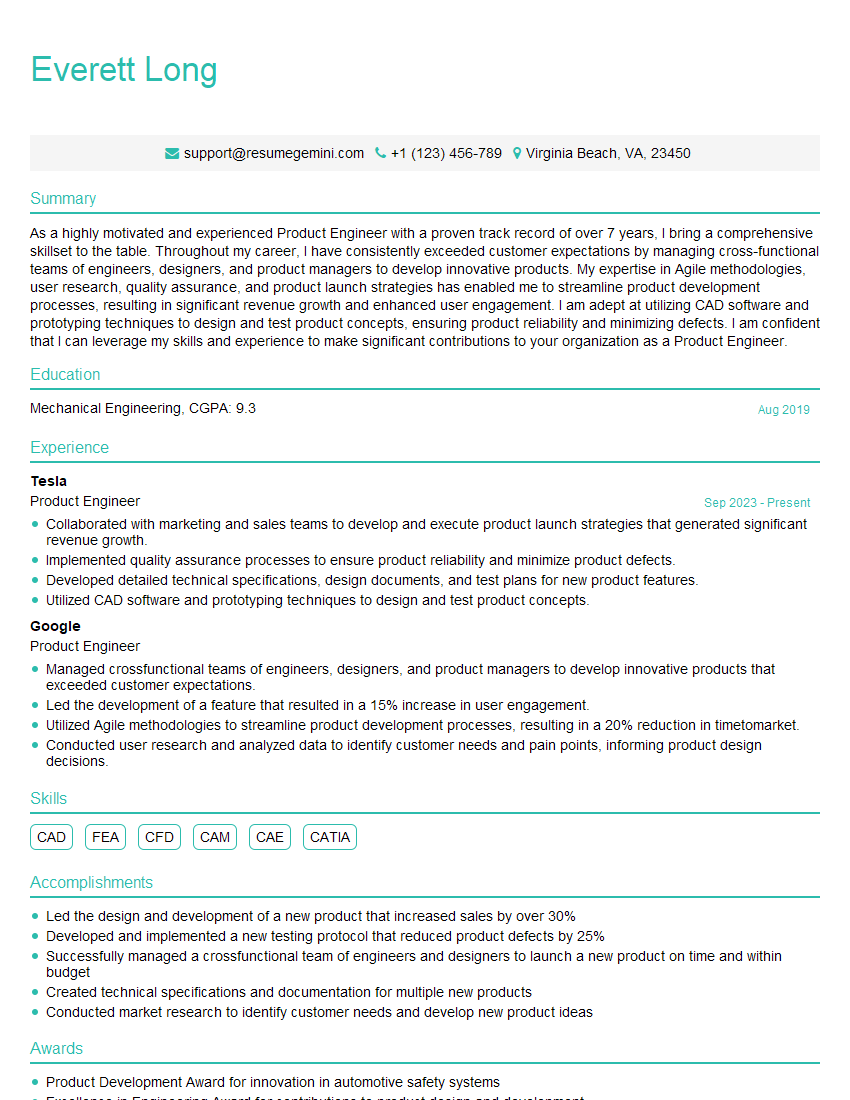
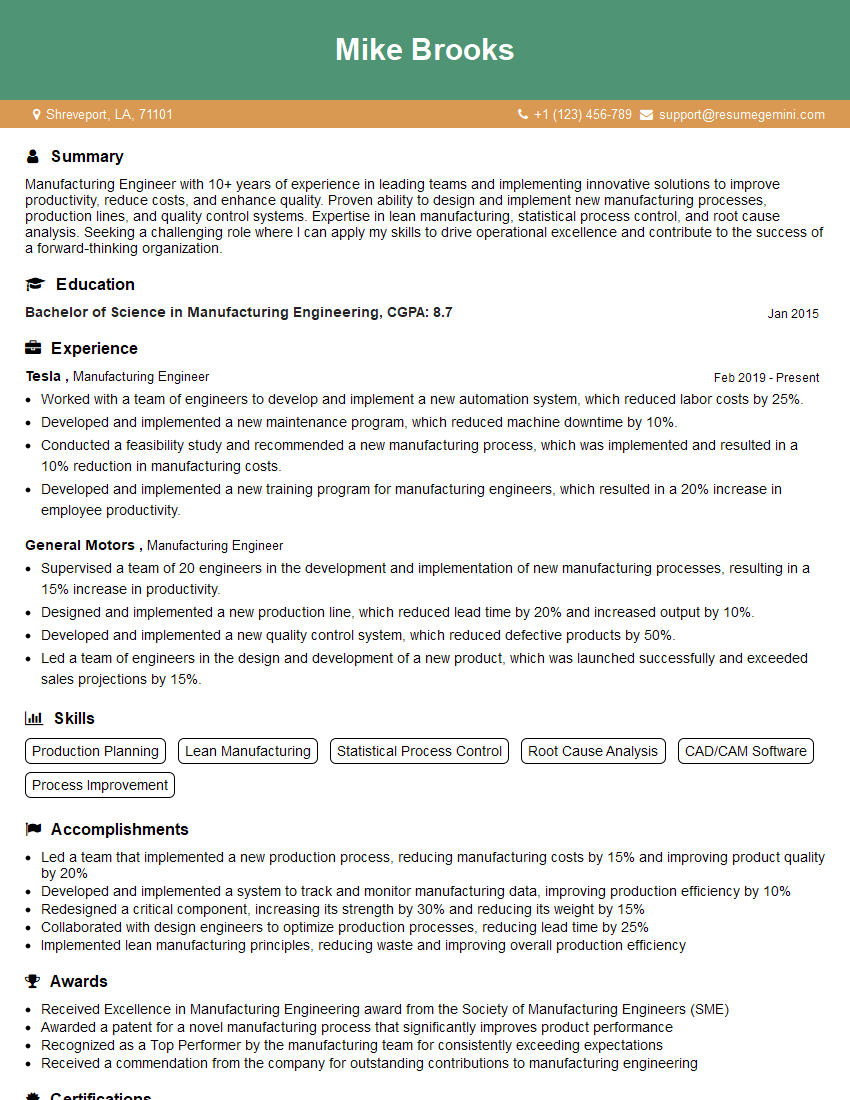
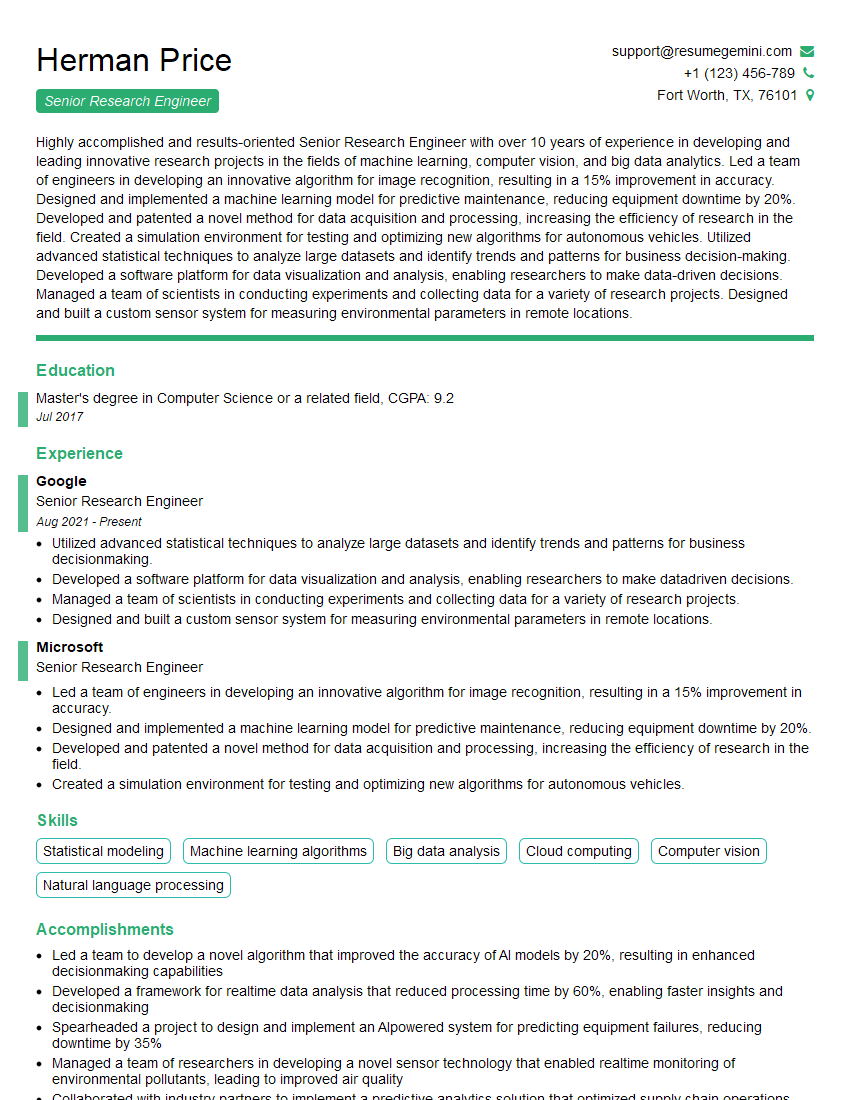
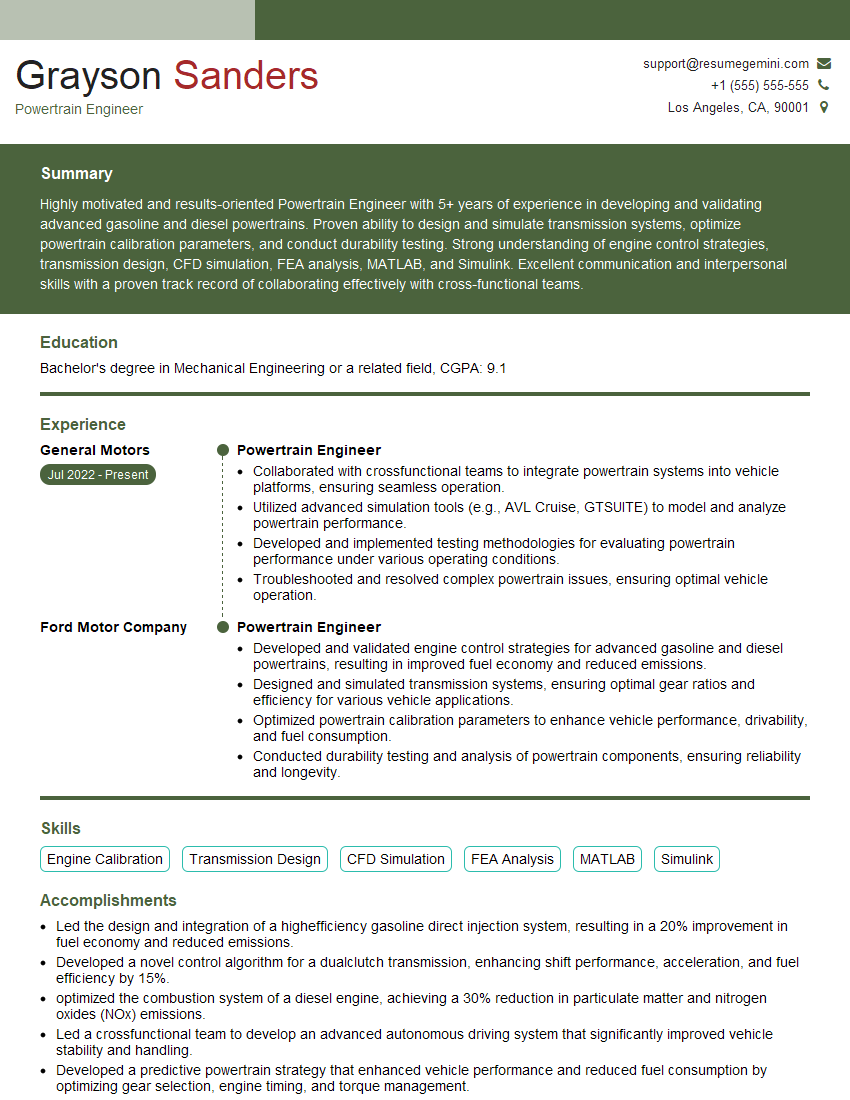
Mastering Engine Thermodynamics is crucial for career advancement in the automotive, aerospace, and power generation industries. A strong understanding of these principles opens doors to exciting opportunities and positions you as a highly sought-after candidate. To maximize your job prospects, creating an ATS-friendly resume is essential. ResumeGemini is a trusted resource that can help you build a professional and impactful resume that highlights your skills and experience effectively. Examples of resumes tailored to Engine Thermodynamics professionals are available on ResumeGemini to guide you in crafting your own compelling application materials.


Explore more articles
Users Rating of Our Blogs
Share Your Experience
We value your feedback! Please rate our content and share your thoughts (optional).
What Readers Say About Our Blog
Amazing blog
Interesting Article, I liked the depth of knowledge you’ve shared.
Helpful, thanks for sharing.