Every successful interview starts with knowing what to expect. In this blog, we’ll take you through the top English Wheel Use interview questions, breaking them down with expert tips to help you deliver impactful answers. Step into your next interview fully prepared and ready to succeed.
Questions Asked in English Wheel Use Interview
Q 1. Explain the function of an English wheel.
An English wheel is a metalworking tool used to shape sheet metal into curves and complex contours. Imagine it like a sophisticated rolling pin, but instead of a flat surface, it uses two rotating wheels to precisely manipulate the metal. One wheel is driven, while the other is typically stationary, allowing the operator to control the amount of curve and radius created. The process involves feeding sheet metal between these wheels, gradually forming the desired shape through controlled pressure and manipulation. Think of it as sculpting metal with precision and finesse.
Q 2. Describe different types of English wheels and their applications.
English wheels come in various types, each suited to different applications. The most common distinction is between hand-cranked and power-driven versions. Hand-cranked wheels offer greater control and feel, perfect for intricate work and smaller projects, while power-driven wheels allow for faster shaping of larger pieces, particularly useful in mass production or when shaping thicker metals.
Furthermore, there are variations in the size and design of the wheels themselves. Some may have smooth surfaces for gentle curves, while others have textured surfaces for creating sharper bends or more complex forms. Choosing the right type depends heavily on the project’s scope and complexity, and the artisan’s preference.
Q 3. What materials are commonly shaped using an English wheel?
English wheels are versatile and can shape a wide array of sheet metals. Commonly used materials include mild steel, stainless steel, aluminum, brass, copper, and even some harder alloys, depending on the wheel and the operator’s skill. The thickness of the metal is also a factor; thinner sheets are easier to manipulate, while thicker ones require more force and expertise. I’ve personally used an English wheel to shape everything from delicate copper panels for artistic applications to thicker aluminum panels for automotive projects. The malleability of the material is a crucial consideration; highly brittle metals will be less suitable for this process.
Q 4. How do you select the appropriate dies for a specific metal and shaping task?
Selecting the right dies is crucial for successful English wheel work. The dies dictate the shape and radius of the curve you can create. For example, a smaller radius die will produce tighter curves, while a larger radius die will create more gentle curves. The material of the dies also impacts the shaping process; harder dies are ideal for working with harder metals. When choosing dies, I always consider the metal’s thickness and the desired shape. Thicker materials often require larger radius dies to avoid cracking the metal. It’s a balancing act between the desired curve and the metal’s resilience. Matching die material to the workpiece material also minimizes scratching and damage. For instance, using softer dies with softer metals is recommended to prevent marring of the surface.
Q 5. Explain the process of setting up an English wheel for a particular project.
Setting up an English wheel involves several key steps: First, securely mount the chosen dies onto the wheel. Next, check the alignment of the wheels; they should be parallel and properly spaced to avoid uneven pressure and damage to the workpiece. Then, ensure the wheel’s rotation is smooth and free of any binding. Finally, I carefully position the metal sheet between the dies and start the shaping process slowly, gradually increasing pressure as needed. A test run on a scrap piece of similar material helps dial in the right settings before starting on the actual project. It’s vital to perform these steps systematically to avoid mishaps and achieve the desired outcome.
Q 6. Describe the safety precautions you would take when using an English wheel.
Safety is paramount when using an English wheel. Always wear safety glasses to protect your eyes from flying metal shavings. Long hair should be tied back to prevent entanglement. Make sure the machine is properly grounded to prevent electrical shocks. I always inspect the dies and wheels for any damage before each use, and I ensure that the machine is securely fastened to a sturdy workbench. Never operate the English wheel when fatigued or under the influence of drugs or alcohol. Most importantly, I emphasize the importance of starting slowly and using light pressure, increasing incrementally as needed to avoid any sudden jerky movements that could cause injury or damage the metal.
Q 7. How do you determine the appropriate amount of pressure to apply when using the English wheel?
Determining the appropriate pressure is crucial for successful shaping. Too little pressure results in minimal shaping, while excessive pressure can lead to cracking or damaging the metal. It’s a learned skill developed through experience and practice. It’s best to start with minimal pressure and gradually increase it, observing the metal’s reaction. The sound of the metal and the feel of the wheels provide valuable feedback. A gentle, even sound usually indicates the correct pressure; a harsh grinding sound or a sudden resistance signifies excessive pressure. The material itself dictates the ideal pressure; softer metals require less pressure than harder ones. Experience and practice are key to mastering this aspect. It’s not a skill that can be conveyed by numbers; it’s a feel for the metal and the machine.
Q 8. How do you achieve a consistent radius or curve using an English wheel?
Achieving a consistent radius or curve on an English wheel relies on precise control and technique. Think of it like drawing a perfect circle with a compass; you need a stable pivot point and consistent pressure. The key is using the wheel’s rollers to smoothly and evenly manipulate the metal.
First, you’ll need to determine the desired radius. You can use templates, calipers, or even a simple piece of wood curved to your target radius as a guide. Then, carefully position the metal between the rollers, making sure it’s securely held. Start with light pressure, making small passes over the metal, gradually increasing the pressure as needed. The consistent angle and pressure you apply across the workpiece are crucial. If the pressure varies, you’ll get an inconsistent curve. Practice is key to developing a feel for this; the more you work with the wheel, the better you’ll become at maintaining consistent pressure and achieving precise curves.
Example: Imagine forming a perfectly round fender flare. By slowly and consistently working the metal over the English wheel, and constantly checking with your template or measuring tool, you can achieve a uniform radius across the entire flare.
Q 9. Explain the concept of ‘stretching’ and ‘drawing’ in English wheel work.
In English wheel work, ‘stretching’ and ‘drawing’ refer to two distinct ways the metal is manipulated to achieve curves. They’re fundamentally different processes but both are essential for creating complex shapes.
- Stretching: This involves widening the metal, lengthening it, while simultaneously thinning it. Imagine blowing a bubble; the surface area increases, but the material becomes thinner. Stretching is great for forming larger, less defined curves. It’s often used in the initial shaping stages.
- Drawing: Drawing, on the other hand, involves pulling and compressing the metal. Think of rolling out clay; you’re shaping the material while retaining its overall thickness. Drawing is used to refine curves, create sharper radii, and maintain precise dimensions. It is usually performed after stretching to fine-tune the shape.
Many shapes require a combination of both techniques. For instance, when creating a fender, you might initially stretch the metal to achieve the overall shape, then use drawing to perfect the contours and create clean curves and tighter radii.
Q 10. How do you repair common issues like wrinkles or tears during English wheeling?
Wrinkles and tears are common challenges in English wheeling, often stemming from excessive pressure, incorrect technique, or using inappropriate metal thickness. Repairing them requires patience and skillful manipulation of the metal.
- Wrinkles: These can usually be removed by carefully working the area around the wrinkle. Use light pressure and make multiple passes, gradually working the wrinkle out. Think of it as gently massaging the wrinkle flat. You can sometimes use a hammer and dolly to help stretch the wrinkle out from the back.
- Tears: Tears are more serious and often require more aggressive repair. Sometimes, they can be welded shut and then reshaped with the English wheel. However, if the tear is too extensive, the part might be unsalvageable. Prevention is key—use appropriate metal thickness, and avoid excessive pressure when working with the English wheel.
Important Note: Sometimes, it’s easier to start again with a new piece of metal than to attempt a complex repair of a heavily damaged piece. Remember to work slowly and methodically, and if needed, seek help from a more experienced metalshaper.
Q 11. Describe the process of creating a compound curve using an English wheel.
Creating a compound curve – a curve that changes its radius – requires a gradual transition between different radii. It’s akin to sculpting; you aren’t just forming a simple arc but creating a more complex, three-dimensional shape.
The process typically involves strategically using the rollers in multiple stages. You might begin by creating a basic curve, then carefully adjust the metal’s position on the rollers and apply pressure to modify the radius gradually along the length of the metal. Multiple passes are often required, refining the curve with each pass. Think of it as blending together several simpler curves. This is one area where templates or reference curves are incredibly helpful.
Example: Consider creating the curved section of a motorcycle gas tank. It’s not a single consistent radius but rather a combination of subtle shifts in radius. Mastering compound curves is where the art of English wheeling truly shines. You need to have a strong mental picture of the final shape you are striving for.
Q 12. How do you maintain and care for an English wheel?
Maintaining your English wheel is crucial for its longevity and the quality of your work. Regular cleaning and lubrication are essential.
- Cleaning: After each use, wipe down the rollers and the wheel’s frame with a clean cloth to remove metal shavings and debris. Use a suitable solvent or cleaner to remove any stubborn grime or grease.
- Lubrication: Regularly lubricate the rollers and any moving parts of the wheel. Use a high-quality lubricant recommended for metalworking applications. Proper lubrication reduces friction, ensures smooth operation, and prevents premature wear and tear.
- Inspection: Periodically inspect the rollers for any signs of wear or damage. Damaged rollers can significantly affect the quality of your work and can even lead to injury. Replace or repair them as needed.
Proper care will extend the life of your English wheel significantly and ensures that you’re getting the best results possible from your metal shaping efforts.
Q 13. What are the limitations of an English wheel?
While the English wheel is an incredibly versatile tool, it does have limitations. It’s not suitable for all metalworking tasks.
- Metal Thickness: The wheel has limitations on the maximum metal thickness it can effectively shape. Very thick metals may be difficult or impossible to work with.
- Sharp Corners: Creating extremely sharp corners or angles can be challenging or even impossible; the wheel is better suited for smooth, flowing curves.
- Complex Shapes: Very complex shapes requiring deep draws or tight radii might be better suited to other metal forming techniques, such as using a power hammer or hydraulic press.
- Metal Type: Certain metals are more challenging to shape with an English wheel than others. Harder or more brittle metals may be more prone to cracking or fracturing.
Understanding these limitations allows you to choose the most appropriate tools and techniques for the job at hand.
Q 14. How do you determine the appropriate thickness of metal for English wheeling?
Selecting the appropriate metal thickness for English wheeling depends on the complexity of the shape and your personal skill level. Too thick, and you’ll struggle to achieve the desired curve. Too thin, and you risk tearing the metal.
As a general rule, start with thinner gauge material for practice and simpler shapes, gradually increasing the thickness as your skills develop. Consult reference charts or experienced metalshapers if you are unsure about the appropriate gauge for a specific project. The type of metal also matters; some metals are naturally more formable than others.
Example: For a simple curve, 18-gauge steel might be sufficient, whereas for a more complex shape with tighter radii, you might opt for 20-gauge or thinner. Always start with a test piece of the same gauge and metal type you plan to use for your project to determine if it will form as intended.
Q 15. How do you measure the radius of a curve created by the English wheel?
Measuring the radius of a curve created on an English wheel isn’t a direct measurement like using calipers on a simple circle. Instead, we rely on indirect methods, primarily focusing on the wheel’s setup and the resulting shape.
The most common method involves understanding the relationship between the wheel’s radius and the distance between the rollers. By adjusting the distance between the rollers – which directly impacts the tightness of the curve – we effectively control the radius. A smaller distance creates a tighter curve (smaller radius), and a larger distance creates a gentler curve (larger radius). There isn’t a single formula, as it depends on the specific wheel and material properties. Experienced wheelers often rely on visual inspection and years of practice to fine-tune their radius.
Think of it like shaping clay on a potter’s wheel. The closer your hands are to the center, the tighter the curve you create. The English wheel works on a similar principle, except you’re using rollers instead of your hands. Precise measurement usually comes after shaping the curve, using tools like flexible rulers or templates to verify the radius achieved.
Career Expert Tips:
- Ace those interviews! Prepare effectively by reviewing the Top 50 Most Common Interview Questions on ResumeGemini.
- Navigate your job search with confidence! Explore a wide range of Career Tips on ResumeGemini. Learn about common challenges and recommendations to overcome them.
- Craft the perfect resume! Master the Art of Resume Writing with ResumeGemini’s guide. Showcase your unique qualifications and achievements effectively.
- Don’t miss out on holiday savings! Build your dream resume with ResumeGemini’s ATS optimized templates.
Q 16. Explain the difference between using a top hammer and a bottom hammer.
The choice between a top hammer and a bottom hammer on an English wheel significantly impacts the shaping process. The difference lies in where the force is applied during shaping.
- Top Hammer: A top hammer strikes the metal *above* the rollers. This technique is generally used for creating curves and shaping, particularly on the convex side of a part. It’s like pushing the metal into shape.
- Bottom Hammer: A bottom hammer strikes the metal *below* the rollers. It helps in stretching and creating a more defined concave shape. It’s like pulling the metal into shape. It’s often used in conjunction with the top hammer for a more refined and controlled shape.
Imagine shaping a piece of sheet metal into a smooth curve. You’d likely start with the top hammer to establish the curve’s form and then refine the concave side using the bottom hammer to ensure a clean, balanced finish. The choice is often dictated by the shape being created – working in conjunction to achieve the desired curve.
Q 17. Describe how you would use an English wheel to create a specific shape (e.g., a fender flare).
Creating a fender flare with an English wheel requires a series of steps, integrating both top and bottom hammering techniques. Let’s assume we’re starting with a flat sheet of metal.
- Planning and Template: Begin with a precise template or drawing of the desired fender flare shape. This will be your guide throughout the process.
- Initial Shaping (Top Hammer): Using the top hammer, progressively work the metal, starting from the center and working outwards. Each pass should create a small increment of curve, carefully following the template.
- Refining the Curve (Bottom Hammer): Switch to the bottom hammer to refine the concave side of the flare. This ensures a clean, consistent curve and reduces unwanted wrinkles or irregularities.
- Stretching (Bottom Hammer): As you progress, you might need to apply stretching techniques (using mostly the bottom hammer) to ensure the metal conforms to the flare’s desired dimensions.
- Finishing Touches: Use a combination of top and bottom hammering for final adjustments, ensuring a smooth, even surface free of defects.
Throughout the entire process, consistent pressure, careful observation, and patience are key. Regularly check your progress against the template to avoid significant deviations. Remember, multiple passes are often needed to achieve the desired form. The process requires significant skill and experience.
Q 18. How do you handle different metal types such as aluminum, steel, and brass on an English wheel?
Different metals react differently to the English wheeling process. The choice of hammer force, roller pressure, and shaping technique all need adjustment based on the material’s properties.
- Aluminum: Aluminum is relatively soft and easily shaped. Lower hammer pressure is required to avoid damaging the metal. It’s also prone to scratching, so using protective layers can help maintain the finish.
- Steel: Steel is harder and requires more forceful hammering. Multiple passes are generally needed to achieve the desired curve. The risk of creating surface imperfections is higher than with aluminum.
- Brass: Brass is relatively soft but tougher than aluminum. The shaping process resembles that of steel, though it’s less prone to work-hardening.
Regardless of material, the key is gradual shaping and avoiding sudden, forceful impacts that could lead to cracking, dents, or tears. Practice and experience are essential to master the nuances of each metal type.
Q 19. What are some common mistakes to avoid when using an English wheel?
Several common mistakes can lead to subpar results or damage to the metal. Here are some crucial points to avoid:
- Uneven Pressure: Applying inconsistent pressure during hammering can lead to uneven curves and surface imperfections.
- Too Much Pressure: Excessive pressure can cause cracking or tearing of the metal, particularly with thinner gauges.
- Insufficient Passes: Trying to shape the metal in one or two passes rather than incrementally can lead to deformation and flaws.
- Improper Metal Preparation: Not adequately cleaning or prepping the metal can affect adhesion and lead to issues during shaping.
- Ignoring the Template: Working without a clear plan or deviating from a template can result in inaccurate shaping.
It’s vital to start slowly and practice control over the tools and techniques. Careful planning and gradual shaping will improve the quality of the finished product.
Q 20. How do you assess the quality of the finished product after using the English wheel?
Assessing the quality of the finished product involves visual inspection and tactile evaluation.
- Visual Inspection: Look for consistent curves, smooth surfaces, and the absence of dents, wrinkles, or tears. Compare the final product to your template for accuracy.
- Tactile Evaluation: Carefully run your hands over the surface to feel for any irregularities or inconsistencies. A high-quality piece should have a smooth and consistent texture.
- Dimensional Accuracy: Use appropriate measuring tools to verify that the finished product matches the desired dimensions.
A well-executed piece will exhibit smooth transitions between curves, an even surface, and accurate dimensions. Any deviation indicates the need for additional refinement.
Q 21. How do you troubleshoot common problems encountered during English wheeling?
Troubleshooting in English wheeling often involves identifying the source of the issue and adjusting the technique accordingly.
- Uneven Curves: This often points to inconsistent pressure during hammering. Review your technique and ensure even pressure application across the surface.
- Wrinkles or Tears: These issues often arise from excessive pressure or insufficient passes. Reduce the hammer force and increase the number of passes.
- Surface Imperfections: Dents or scratches might stem from inadequate metal preparation or careless hammering. Practice a lighter touch and ensure the metal is clean and free of contaminants.
- Inaccurate Shape: Refer back to your template and meticulously re-evaluate your approach, possibly adjusting the roller settings.
Careful observation, patience, and incremental adjustments are crucial for resolving most problems. Documenting your process, including the settings used, helps in identifying the root cause and refining future approaches.
Q 22. Describe your experience with different types of dies.
My experience with English wheel dies spans a wide range, from simple radius dies to complex compound curve dies. Radius dies, the most common type, are used to create consistent curves of a specific radius. These are crucial for basic shaping and panel work. I’ve worked extensively with various radii, from gentle curves to sharp bends, understanding that the smaller the radius, the more control and finesse are needed. Beyond radius dies, I’m proficient with adjustable dies, which offer greater flexibility by allowing the radius to be changed during the forming process. This is invaluable for creating complex shapes that require gradual transitions between different radii. I also have experience using specialized dies, such as those for beading, fluting, or creating specific decorative patterns. The selection of the correct die is paramount and depends entirely on the desired outcome and the material being worked. For instance, a soft metal like aluminum requires a different approach and often a gentler die than a harder metal like steel.
- Radius Dies: Essential for basic curves and panel forming.
- Adjustable Dies: Allow for dynamic radius adjustments during forming.
- Specialty Dies: Used for creating beads, flutes, or other decorative elements.
Q 23. How do you adapt your technique based on the metal’s properties?
Adapting my technique to different metals is fundamental to successful English wheeling. The key lies in understanding the metal’s properties, specifically its hardness, ductility, and springback. A harder metal like steel requires more pressure and fewer passes, while a softer metal like aluminum will deform more easily and might require more passes with lighter pressure to avoid tearing or creating unwanted wrinkles. Springback, the tendency of the metal to return to its original shape after forming, varies greatly depending on the material and the amount of deformation. I compensate for springback by over-forming the metal slightly, anticipating its return to shape. For example, when working with stainless steel, which has significant springback, I plan for this characteristic from the initial design stages. I often create templates to compensate for this anticipated shift. I also employ different lubricants based on the material; some metals require specific compounds to minimize friction and prevent galling during the shaping process.
Q 24. Explain your experience with different types of English wheel setups (manual, hydraulic).
My experience includes both manual and hydraulic English wheel setups. Manual English wheels, while requiring more physical effort, offer greater control and feel, allowing for finer adjustments and better responsiveness to the metal’s behavior. I find this particularly beneficial when working with complex curves and intricate shapes. Hydraulic English wheels, on the other hand, offer a significant advantage in terms of power and consistency, especially when working with thick or hard metals. The consistent pressure application reduces the risk of fatigue and ensures smoother, more precise results for large-scale projects. However, the fine control isn’t as immediate as with a manual wheel. The choice depends on the project’s demands; for delicate work and small-scale projects, a manual wheel provides superior control. For larger panels and stiffer materials, a hydraulic wheel excels due to its power and efficiency. I am experienced with both and can adapt to the strengths and limitations of each.
Q 25. What software or tools do you use to design parts for English wheel fabrication?
While there isn’t dedicated English wheel design software, I utilize a combination of CAD (Computer-Aided Design) software such as SolidWorks or AutoCAD for initial design and dimensioning. These programs allow me to create precise 3D models of the parts I intend to fabricate. From these models, I can generate 2D drawings, which are crucial for creating accurate templates that guide my work on the English wheel. I often use these templates to transfer the shape directly onto the metal sheet. This helps to prevent inaccuracies and ensures the part meets its specifications. This method provides a high degree of precision, essential for achieving consistent and accurate results. Additionally, I use a digital caliper and measuring tools throughout the process to constantly monitor dimensions and make necessary adjustments.
Q 26. Describe your experience working with complex shapes and curves.
Working with complex shapes and curves requires a systematic approach and a deep understanding of metal forming principles. It’s not just about brute force, but about strategic planning and incremental shaping. I usually break down complex shapes into simpler, manageable sections. For instance, a complex automotive panel might be divided into smaller sections, each shaped individually, and then carefully blended together. This process involves a combination of techniques like planishing to work out the highs and lows, and the progressive application of different dies to create gradual transitions between curves. Understanding the flow of metal during forming is key; I visualize the grain movement and try to work with it to minimize distortion and stretching. Careful planning and attention to detail is crucial. For example, in creating a fender flare, I might start with a simple curve before working my way towards the more complex curve and detailing.
Q 27. How would you teach someone new to using an English wheel?
Teaching a beginner requires a structured approach focusing on safety and fundamental skills. I would start with a thorough safety briefing, emphasizing the use of eye protection, appropriate clothing, and the importance of proper machine operation. Then, I’d introduce the basics: proper metal selection, die selection and setup, and the fundamental motions of using the English wheel. Hands-on practice with simple shapes like curves and radii would be essential. Gradually, I would introduce more complex techniques, starting with simple compound curves and eventually moving to more intricate shapes. Continuous feedback and corrections would be provided to ensure proper technique and avoid bad habits. Practice exercises focusing on accuracy, consistency, and understanding metal behavior would help consolidate their skills. The learning process should be progressive, starting with easy tasks and gradually increasing complexity, ensuring the student understands every step before proceeding to the next.
Q 28. What are the industry standards for safety and quality in English wheel work?
Industry standards for safety and quality in English wheel work emphasize several key aspects. Safety protocols are paramount and include mandatory eye protection, proper machine guarding, appropriate clothing (no loose clothing or jewelry), and a clear understanding of the machine’s operating procedures. Quality control involves meticulous attention to detail, precise measurements using calibrated tools, and ensuring that the finished part conforms to the original design specifications. Documenting the process, including material selection, die types, and forming parameters, helps to maintain consistency and allows for replication. Regular maintenance of the English wheel and dies is also crucial for optimal performance and safety. In professional settings, adherence to relevant safety regulations and quality assurance standards is essential. This might involve regular inspections, certifications, and adherence to industry best practices to ensure a safe and productive working environment.
Key Topics to Learn for English Wheel Use Interview
- Understanding the English Wheel Process: A thorough grasp of the entire process, from initial setup and material preparation to the final finishing techniques.
- Metal Selection and Preparation: Knowing which metals are best suited for different projects and mastering the techniques for annealing, cleaning, and preparing the metal for the wheel.
- Wheel Techniques and Manipulation: Developing proficiency in various techniques, including raising, planishing, and forming, and understanding how to control the pressure and movement of the metal on the wheel.
- Tool Selection and Usage: Familiarity with various tools used in conjunction with the English wheel, such as hammers, stakes, and chasing tools, and knowing how to select and use them effectively.
- Troubleshooting and Problem Solving: Understanding common challenges encountered during the English wheel process (e.g., wrinkles, cracks, uneven thickness) and having strategies to address them.
- Safety Procedures and Best Practices: Prioritizing safety by adhering to proper techniques and understanding the risks associated with working with metal and power tools.
- Design and Pattern Transfer: Understanding how to transfer designs onto the metal accurately and effectively before commencing work on the English wheel.
- Finishing and Polishing Techniques: Knowing how to achieve a high-quality finish by using appropriate polishing and buffing techniques.
- Project Planning and Time Management: Demonstrating an ability to plan projects effectively, estimate time required, and manage the workflow.
Next Steps
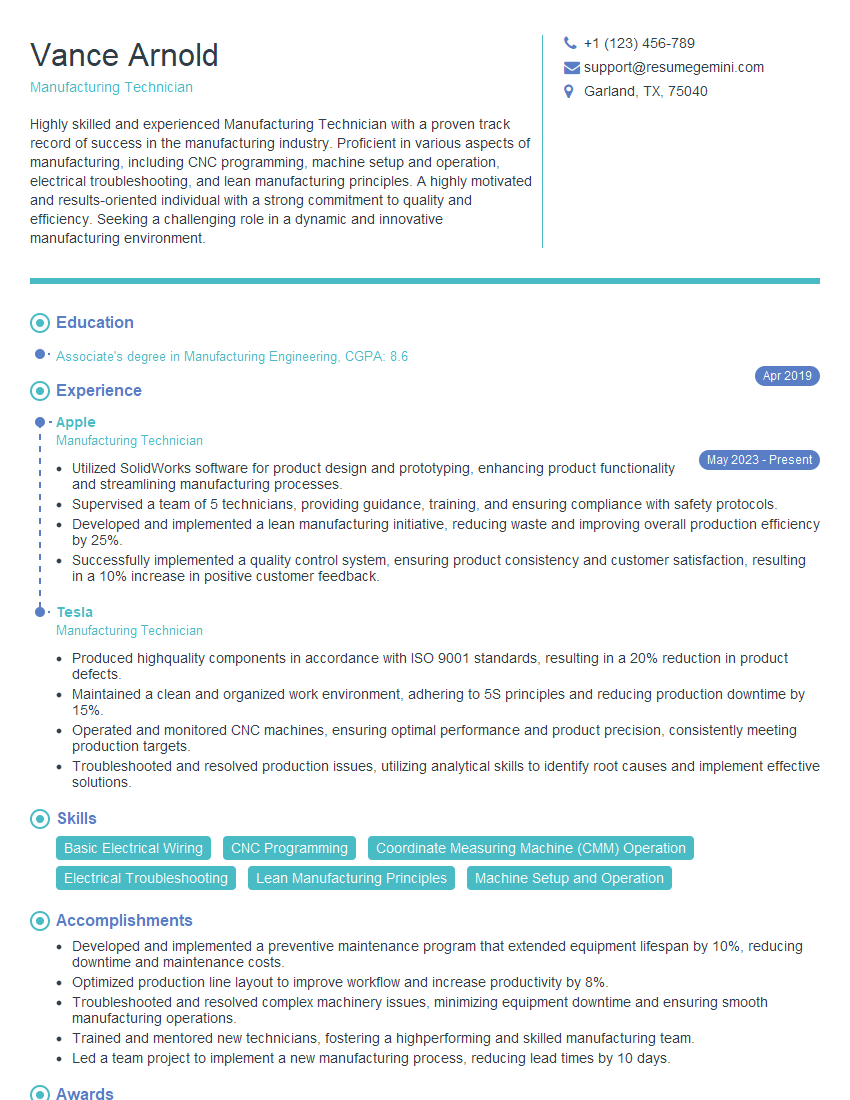
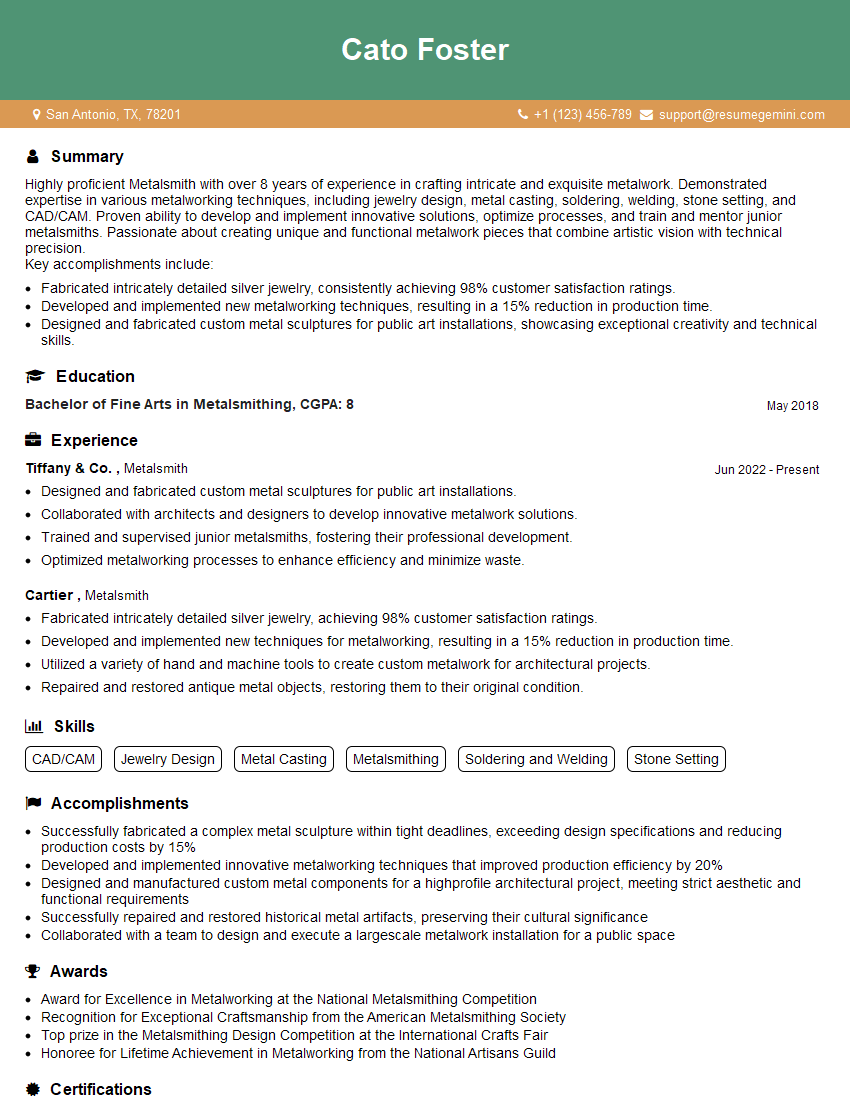
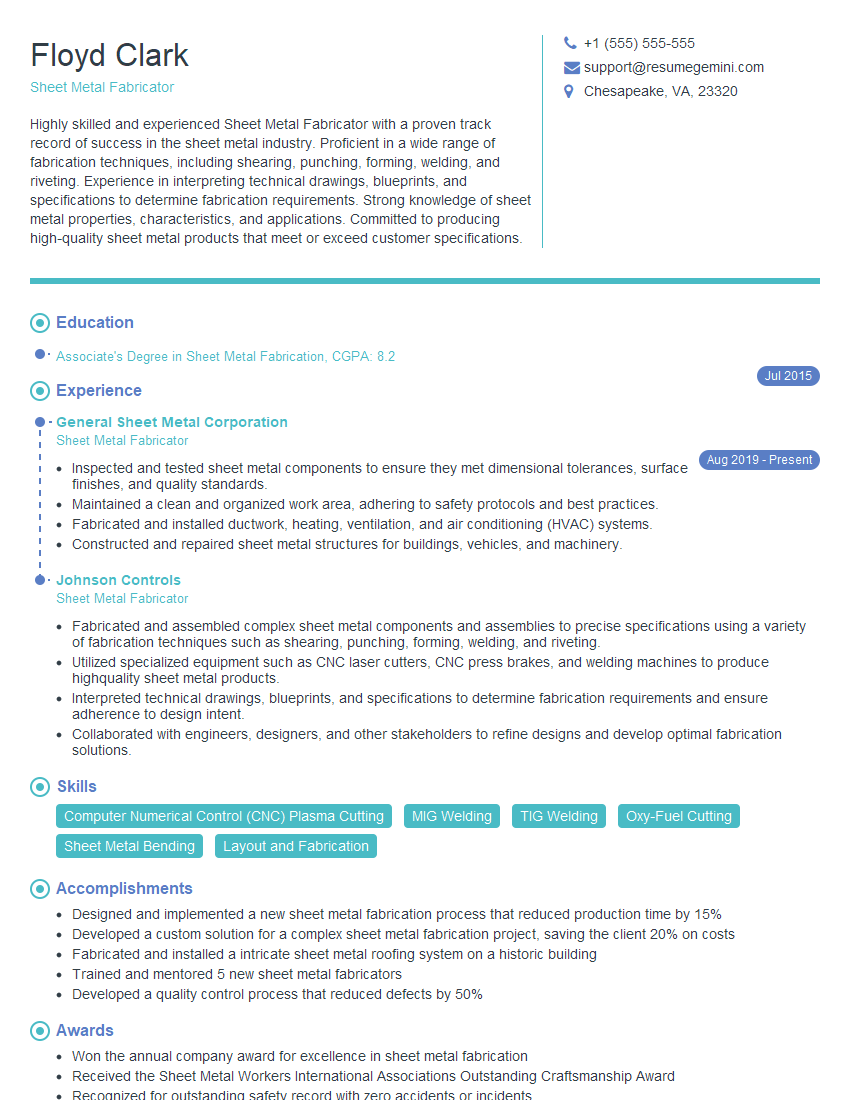
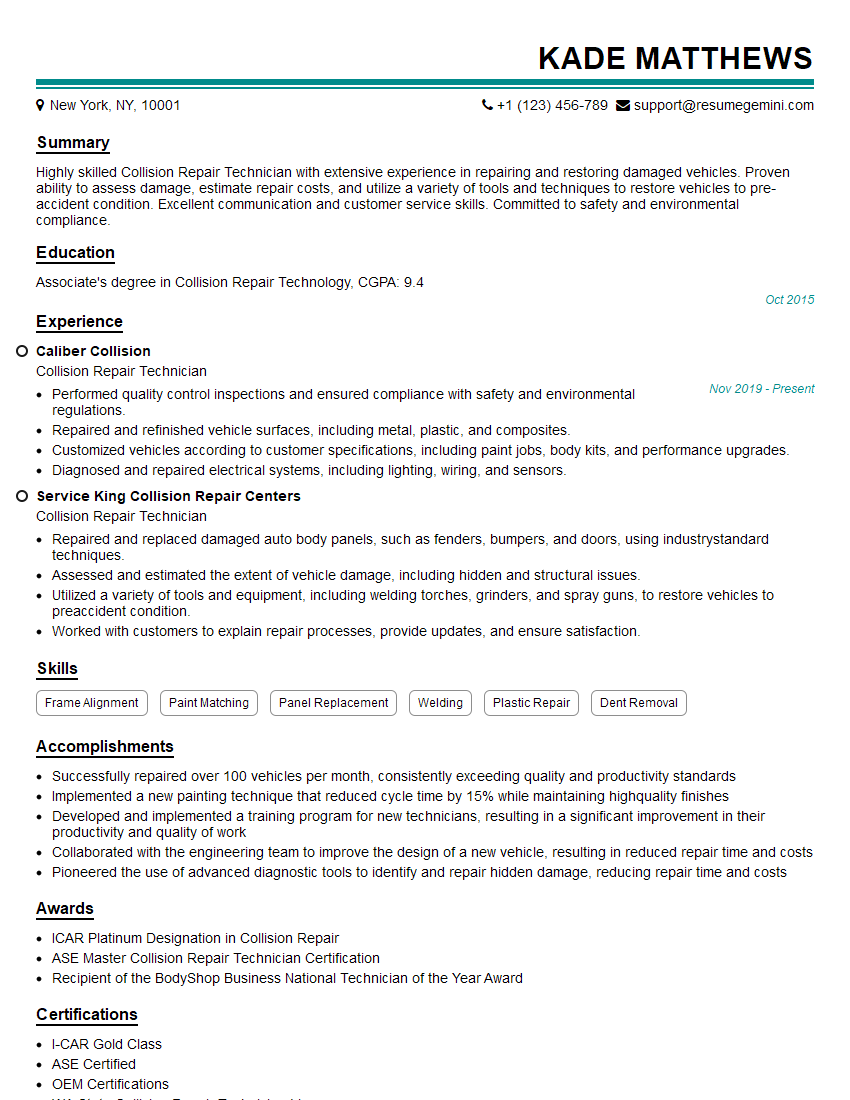
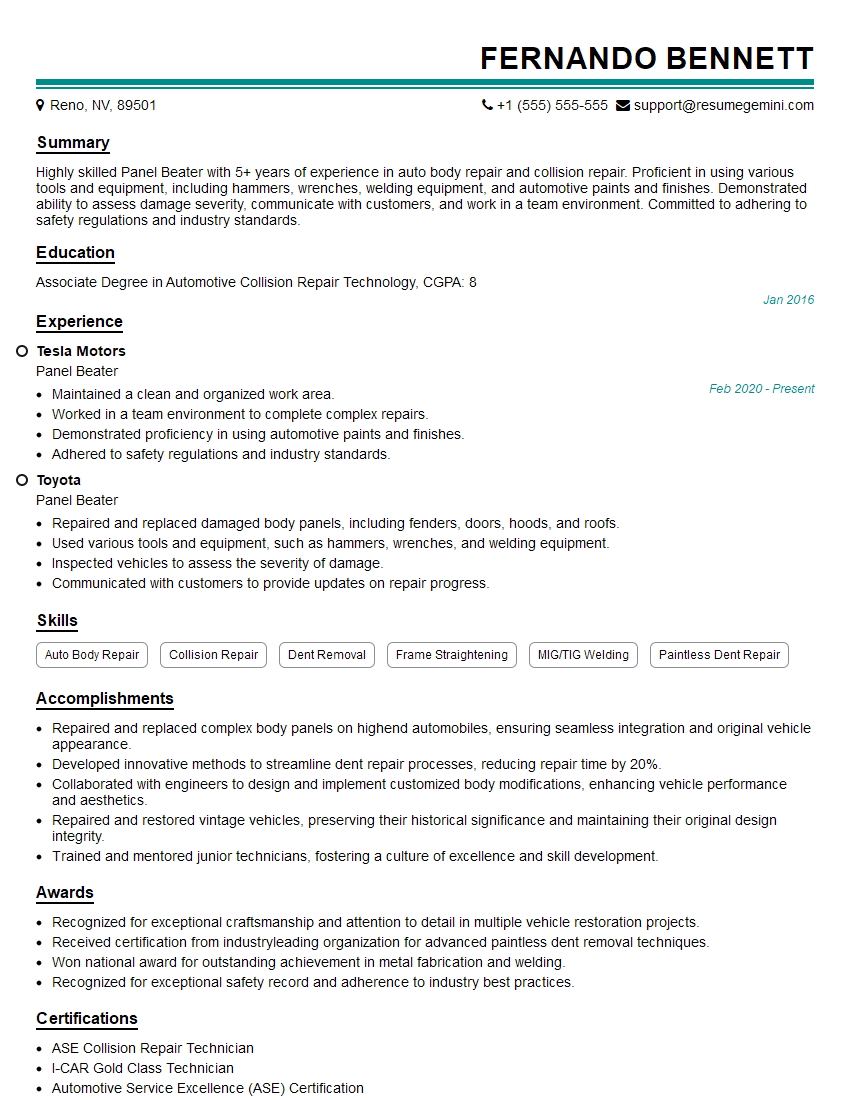
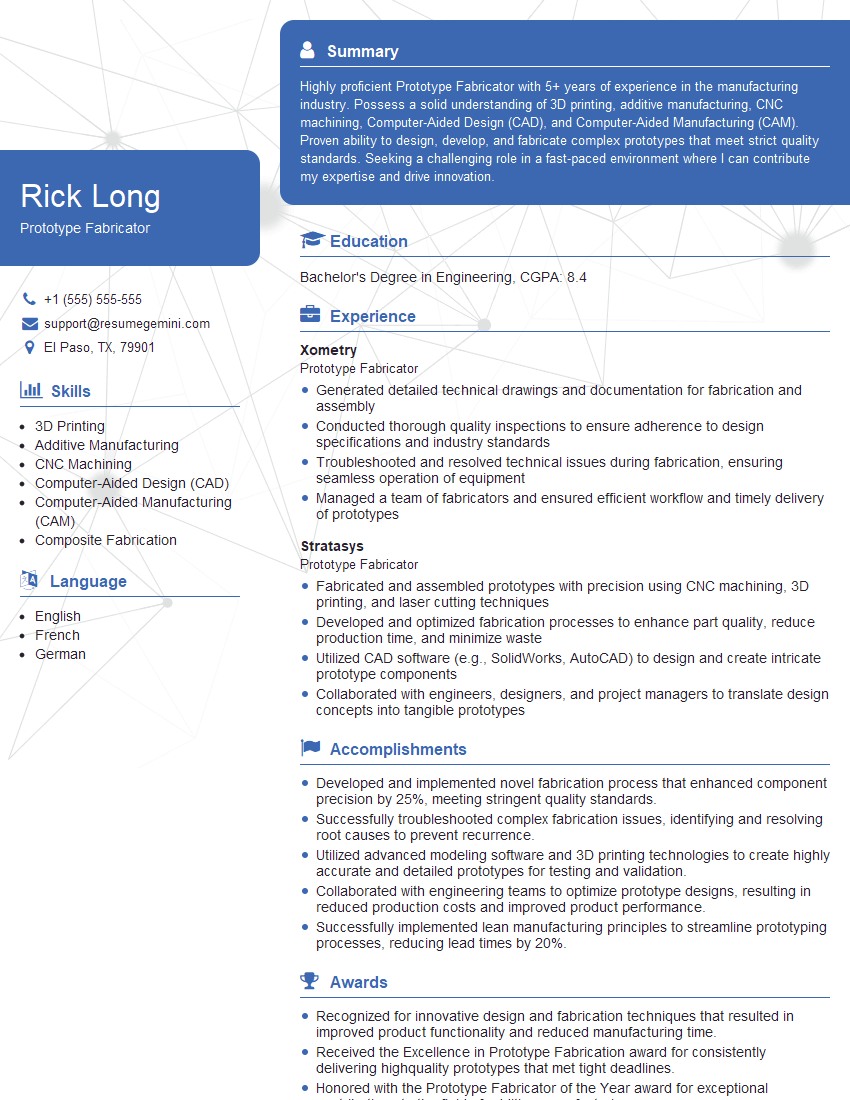
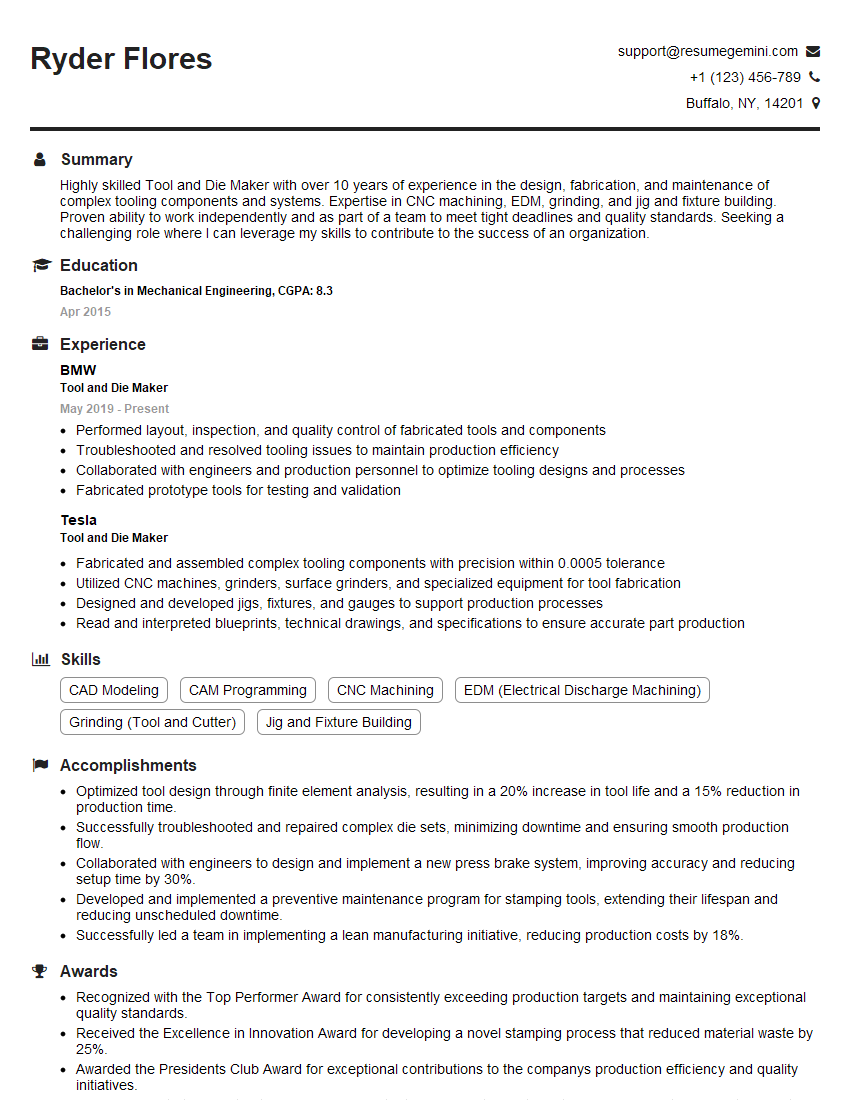
Mastering English Wheel Use opens doors to exciting opportunities in metal fabrication, jewelry making, and automotive restoration. A strong understanding of these techniques demonstrates valuable skills to potential employers. To significantly boost your job prospects, create an ATS-friendly resume that highlights your abilities effectively. ResumeGemini is a trusted resource that can help you craft a professional and impactful resume. Examples of resumes tailored to English Wheel Use are available to guide you through the process, ensuring your skills shine.
Explore more articles
Users Rating of Our Blogs
Share Your Experience
We value your feedback! Please rate our content and share your thoughts (optional).
What Readers Say About Our Blog
Amazing blog
Interesting Article, I liked the depth of knowledge you’ve shared.
Helpful, thanks for sharing.