Are you ready to stand out in your next interview? Understanding and preparing for Knowledge of Ethical Journalism Practices interview questions is a game-changer. In this blog, we’ve compiled key questions and expert advice to help you showcase your skills with confidence and precision. Let’s get started on your journey to acing the interview.
Questions Asked in Knowledge of Ethical Journalism Practices Interview
Q 1. Define ‘journalistic ethics’ and its importance in today’s media landscape.
Journalistic ethics refers to the principles of right and wrong that guide journalists in their work. It’s a moral compass ensuring accuracy, fairness, and responsibility in reporting. In today’s fragmented and often misleading media landscape, strong ethical practices are paramount. They build and maintain public trust, a vital ingredient for a functioning democracy. Without ethical guidelines, misinformation and disinformation can proliferate, eroding public faith in news sources and potentially influencing critical decisions.
For instance, consider the impact of fake news during elections. Ethical journalism strives to counter this by verifying information rigorously, being transparent about sources, and correcting errors promptly. A commitment to ethical standards helps journalists navigate the complex challenges of the digital age, where information spreads rapidly and can be easily manipulated.
Q 2. Explain the concept of ‘truth’ in journalism and its challenges.
In journalism, ‘truth’ isn’t simply about stating facts; it’s about presenting a fair and accurate representation of reality. It involves rigorous fact-checking, seeking diverse perspectives, and acknowledging uncertainties. Challenges arise because ‘truth’ can be multifaceted and subjective. Different people may interpret the same event differently, leading to varied accounts. Furthermore, biases – conscious or unconscious – can influence how journalists select and present information.
For example, covering a controversial political rally presents a challenge. A journalist needs to report on the event accurately, including both positive and negative aspects, without letting personal opinions color the narrative. This requires carefully selecting quotes, avoiding loaded language, and striving to present a balanced picture. The challenge is to present a truthful account, acknowledging the complexities and nuances of the situation.
Q 3. Describe the difference between fact and opinion in news reporting.
Facts are verifiable statements that can be proven true or false. Opinions, on the other hand, are subjective judgments, beliefs, or perspectives. In news reporting, facts form the backbone of the story, while opinions are usually confined to clearly labeled sections like editorials or opinion pieces. The distinction is crucial to maintain objectivity and avoid misleading readers.
Consider a news report about a crime. Facts would include the date, time, location of the crime, and the charges filed against the suspect. Opinions, which should be separated, might include commentary on the implications of the crime for the community or analysis of the effectiveness of law enforcement.
Q 4. How do you handle a situation where your source requests anonymity?
Handling requests for anonymity requires careful consideration. While protecting sources is essential, it should not come at the cost of journalistic integrity. The decision to grant anonymity should be based on a thorough assessment of the risks to the source and the public value of the information. It’s crucial to weigh the potential harm to the source against the public’s right to know.
Before granting anonymity, I would assess the source’s credibility, corroborate the information through other means whenever possible, and clearly explain to the editor my reasons for protecting the source’s identity. This decision would also need to adhere to the news organization’s policy on anonymity, and often requires a conversation with a senior editor or legal counsel.
Q 5. What is your approach to verifying information before publication?
Verifying information is a fundamental aspect of ethical journalism. My approach involves multiple steps: First, I check the source’s credibility and reputation. Next, I cross-reference the information with other sources. I independently verify facts using multiple reputable sources, looking for consistency across accounts. Then, I use primary source documents whenever possible (official records, etc.) to ensure accuracy. Finally, I consult with colleagues or experts to ensure a thorough review before publication.
For example, if I receive information claiming a company is engaging in unethical practices, I wouldn’t rely solely on an anonymous whistleblower. Instead, I would attempt to independently verify the claims by examining financial records, interviewing other employees, and reviewing industry reports. This multi-faceted approach helps to mitigate the risk of publishing inaccurate or misleading information.
Q 6. How would you handle a potential conflict of interest?
A conflict of interest arises when a journalist’s personal interests or relationships could potentially influence their objectivity. My approach is transparency and disclosure. If I identify a potential conflict, I would disclose it to my editor and discuss how to avoid bias. This might involve recusal from the story, full disclosure in the piece itself about the conflict, or finding alternative ways to cover the story that avoids personal involvement.
For example, if I’m reporting on a local business and have a family member who works there, I would disclose this to my editor. They might decide it’s best for me to be removed from that story to maintain impartiality. Addressing conflicts of interest proactively is crucial to maintaining public trust.
Q 7. Explain the implications of plagiarism in journalism.
Plagiarism, the act of presenting someone else’s work or ideas as your own, is a serious breach of journalistic ethics. It undermines trust in the journalist and the publication. The implications are significant and can include reputational damage to both the journalist and the news organization, legal action from the copyright holder, and potential job loss. In the digital age, plagiarism detection tools make it easier than ever to identify instances of plagiarism, making it even more critical to attribute all sources properly.
Even unintentional plagiarism, through poor citation practices, is considered a serious offense. Proper attribution is vital. Always properly cite sources, using quotation marks for direct quotes and paraphrasing accurately with proper attribution. Using paraphrasing tools requires extra vigilance and ensuring you properly cite the original source.
Q 8. Discuss the ethical considerations of using social media in journalism.
Social media presents a double-edged sword for journalists. It offers unparalleled opportunities for rapid dissemination of information, direct engagement with the public, and access to diverse sources. However, it also introduces significant ethical challenges.
- Verification: Information spreads incredibly fast on social media, often before it can be verified. Journalists must exercise extreme caution, independently verifying information found on platforms like Twitter or Facebook before using it in a report. Relying solely on social media posts as sources can lead to the spread of misinformation and damage a journalist’s credibility.
- Bias and Filter Bubbles: Social media algorithms can create echo chambers and filter bubbles, exposing users only to information confirming their existing biases. Journalists must be aware of this and actively seek out diverse perspectives to avoid reinforcing pre-existing narratives or unintentionally promoting biased content.
- Privacy Concerns: Social media posts often contain personal information that should be handled with care. Journalists must respect the privacy of individuals even when using publicly available information, carefully considering the potential impact of their reporting on the individuals involved.
- Source Attribution and Transparency: When using social media as a source, journalists must be transparent about their methods. Clearly identifying the source of information and explaining how it was verified builds trust with the audience and avoids accusations of misrepresentation.
- Maintaining Professionalism: Journalists should maintain a professional demeanor on social media, avoiding inflammatory language, personal attacks, and biased commentary that could compromise their objectivity.
For instance, during a breaking news event, a journalist might find eyewitness accounts on Twitter. However, before quoting these accounts, they must verify their authenticity and cross-reference them with other reliable sources. Failure to do so could result in the publication of inaccurate or misleading information.
Q 9. What are the ethical obligations of a journalist regarding privacy?
Journalists have a fundamental ethical obligation to protect the privacy of individuals. This means carefully considering the potential impact of their reporting on the lives and reputations of those involved.
- Balancing Public Interest and Privacy: While the public’s right to know is important, it should not come at the expense of an individual’s privacy unless there’s a compelling public interest. This often requires a careful balancing act, weighing the potential harm to the individual against the benefit to the public.
- Informed Consent: Whenever possible, journalists should obtain informed consent from individuals before publishing their personal information or using their images or voices. This involves clearly explaining the purpose of the reporting and obtaining their agreement.
- Minimizing Harm: Even when reporting on matters of public interest, journalists should take steps to minimize the harm caused to individuals. This might involve withholding certain details or blurring faces in images to protect their identities.
- Data Protection: Journalists must comply with all relevant data protection laws and regulations, carefully handling any personal information collected during the reporting process.
For example, reporting on a crime should avoid revealing the identity of a victim unless it is absolutely necessary for the public interest, such as in cases where the information is crucial to identifying a suspect.
Q 10. How do you ensure accuracy and fairness in your reporting?
Accuracy and fairness are cornerstones of ethical journalism. Ensuring both requires diligent fact-checking, multiple sourcing, and a commitment to presenting all sides of a story.
- Multiple Sources: Relying on a single source can lead to bias and inaccuracy. Journalists should strive to obtain information from multiple independent sources to corroborate facts and gain a more complete understanding of the situation.
- Verification and Fact-Checking: Before publishing any information, it should be thoroughly verified. This involves checking facts with reliable sources, cross-referencing information, and being wary of potential biases in the sources themselves.
- Context and Nuance: Information should be presented in context to avoid misrepresentation. This means providing sufficient background information, avoiding sensationalism, and acknowledging the complexities of an issue.
- Giving All Sides: Fairness requires presenting all relevant sides of a story, even if the journalist personally disagrees with a particular viewpoint. This doesn’t mean giving equal weight to all perspectives, but rather ensuring that all significant voices are heard.
- Corrections and Retractions: Mistakes happen. If inaccuracies are discovered after publication, journalists have a responsibility to correct them promptly and transparently. This demonstrates a commitment to accuracy and maintains public trust.
For instance, in a report about a political debate, a journalist would strive to include quotes and perspectives from all major candidates, ensuring the reporting accurately reflects the arguments made by each side.
Q 11. Describe a time when you faced an ethical dilemma in your work.
I once faced an ethical dilemma while reporting on a local election. A source, who was also a close friend, provided me with confidential information that was highly damaging to one of the candidates. While the information was accurate, publishing it could potentially damage my friendship and potentially violate my source’s trust.
I wrestled with the conflict between my journalistic duty to report the truth and my personal loyalty to a friend. I eventually decided to proceed cautiously. I independently verified the information from multiple sources, ensuring its accuracy before considering publication. I also carefully considered the potential impact on my friend and the candidate before making a decision. Ultimately, I decided to include the information in my report, attributing it to anonymous sources to protect my friend and maintain my journalistic integrity.
This experience underscored the importance of transparency, rigorous fact-checking, and carefully weighing ethical considerations even when faced with difficult personal dilemmas. It highlighted that professional ethics should always guide my decisions above personal relationships.
Q 12. Explain the principles of responsible use of images and videos.
The responsible use of images and videos in journalism is crucial for ethical reporting. Misuse can lead to misrepresentation, invasion of privacy, and damage to reputation.
- Context and Accuracy: Images and videos should accurately reflect the events they depict and be used within appropriate context. Avoid manipulating images or videos to alter their meaning.
- Privacy and Consent: Before publishing images or videos that show identifiable individuals, journalists should obtain their informed consent unless there is a compelling public interest justification. In cases of sensitive subjects, additional care needs to be taken to protect privacy.
- Avoid Sensationalism and Misrepresentation: Images and videos should not be selectively chosen or edited to create a biased or misleading impression. Avoid sensationalism and always prioritize accuracy and fairness.
- Attribution and Source: Clearly identify the source of images and videos and explain how they were obtained. Avoid using images or videos of questionable provenance.
- Ethical Considerations Regarding Sensitive Content: Journalists should exercise caution when using images or videos depicting violence, graphic injuries, or other sensitive content. Such material should only be used if it serves a compelling journalistic purpose and is presented responsibly, avoiding gratuitous exploitation.
For example, using a picture of a protest out of context could be misleading. Similarly, publishing images of a crime scene without blurring victims’ faces could violate their privacy.
Q 13. What is your understanding of the ‘public’s right to know’?
The ‘public’s right to know’ is a cornerstone of a democratic society. It refers to the public’s entitlement to access information that is necessary for informed participation in civic life. This principle is not absolute and needs to be balanced against other important values such as privacy and national security.
This right is enshrined in many legal frameworks, like freedom of information laws, which provide mechanisms for accessing government information. However, the interpretation and application of this right can be complex and involve a constant evaluation of competing interests. Transparency and accountability are important aspects of this right, fostering public trust and allowing for informed debate and scrutiny of those in power.
Journalists play a critical role in upholding the public’s right to know by investigating issues of public concern, holding those in power accountable, and bringing important information to the public’s attention. However, this must always be undertaken responsibly and ethically, respecting the limitations of the right and safeguarding individual privacy where necessary.
Q 14. How do you balance the need for speed with the need for accuracy?
Balancing speed and accuracy in journalism is a constant challenge. The pressure to be first can sometimes tempt journalists to sacrifice accuracy. However, publishing inaccurate information can be far more damaging than being slightly behind a competitor.
A practical approach involves prioritizing a thorough verification process even under pressure. While speed is important, accuracy should never be compromised. Here’s a suggested approach:
- Establish a clear verification process: Define a set of steps for verifying information, including multiple sources and fact-checking procedures.
- Utilize a fact-checking team: A dedicated team can increase the efficiency and effectiveness of verification.
- Prioritize trustworthy sources: Focus on reliable and known sources, even if it takes longer to obtain information.
- Be transparent about uncertainty: If information is still being verified, acknowledge uncertainty in your reporting. This is better than publishing inaccurate information.
- Utilize collaborative reporting: Sharing information and verifying facts with other trusted journalistic organizations can improve speed and accuracy.
For example, during a breaking news event, a journalist might focus on confirming critical details with multiple sources before publishing an initial report, even if this delays the publication by a few minutes. The resulting accuracy is more beneficial than being the first to publish potentially inaccurate information.
Q 15. How do you handle pressure to publish a story quickly?
The pressure to publish quickly is a constant challenge in journalism, often fueled by the 24/7 news cycle and competitive pressures. However, prioritizing speed over accuracy is a cardinal sin. My approach prioritizes thoroughness and accuracy. I would resist pressure to publish prematurely. Instead, I’d meticulously verify all information, cross-reference sources, and ensure the story is factually sound and complete before submitting it for publication. For example, if a breaking news story emerges, I would focus on gathering confirmed details from reliable sources rather than rushing to publish unverified information. If the deadline is inflexible, I will clearly communicate the need for more time, explaining the reasons in detail. This approach might involve explaining that incomplete reporting could lead to inaccuracies and retracted articles that could harm the credibility of the publication.
Career Expert Tips:
- Ace those interviews! Prepare effectively by reviewing the Top 50 Most Common Interview Questions on ResumeGemini.
- Navigate your job search with confidence! Explore a wide range of Career Tips on ResumeGemini. Learn about common challenges and recommendations to overcome them.
- Craft the perfect resume! Master the Art of Resume Writing with ResumeGemini’s guide. Showcase your unique qualifications and achievements effectively.
- Don’t miss out on holiday savings! Build your dream resume with ResumeGemini’s ATS optimized templates.
Q 16. Describe your approach to correcting errors in published work.
Correcting errors is crucial for maintaining journalistic integrity and public trust. My approach is transparent and proactive. If an error is identified, regardless of its severity, I would immediately begin the process of correction. This involves fact-checking the original report, identifying the source of the error, and preparing a correction that is clearly visible and accessible to readers. A prominent correction would be published in the same publication and section as the original article, highlighting the error and stating the accurate information. In the digital space, this often involves updating the original online article with a clear editor’s note. For example, if a name or date is incorrect, I wouldn’t just change the word but would also issue a correction acknowledging the oversight. This commitment to accuracy shows responsibility and builds reader trust.
Q 17. How familiar are you with the Society of Professional Journalists’ Code of Ethics?
I am intimately familiar with the Society of Professional Journalists’ Code of Ethics. It serves as the cornerstone of my journalistic practice. The four core principles—Seek Truth and Report It, Minimize Harm, Act Independently, and Be Accountable and Transparent—guide my decision-making in all aspects of my work. I regularly refer to the Code to navigate ethical dilemmas and ensure my reporting adheres to the highest standards of professional conduct. It provides a framework for analyzing situations and making ethical judgments that prioritize fairness, accuracy, and responsibility.
Q 18. How do you assess the credibility of sources?
Assessing source credibility is fundamental to ethical journalism. I employ a multi-faceted approach. This involves evaluating the source’s expertise, motivations, and track record. I consider whether the source has a vested interest in the story, their past accuracy, and whether their claims can be corroborated through other independent sources. I also assess the source’s consistency and whether their information aligns with my existing knowledge of the subject. For instance, anonymous sources are treated with caution and are only used when their information is critical to the story and cannot be verified through other means. Even then, their identity is protected to the extent possible, and their information is carefully contextualized within the article.
Q 19. What steps would you take to investigate a controversial claim?
Investigating a controversial claim requires a methodical and rigorous approach. My first step would be to meticulously document the claim, identifying its source and any supporting evidence. Next, I’d thoroughly research the claim’s background and context, examining existing evidence, research, and reports. Then, I’d try to verify the claim using multiple sources, ideally independent ones. If the claim involves scientific data, I would consult with relevant experts to confirm its validity. Finally, I would present the information obtained, clearly articulating both the evidence supporting the claim and any counter-evidence or contradictory information. This ensures a balanced and accurate portrayal of the issue. This approach minimizes bias and ensures transparency in the investigative process.
Q 20. Discuss the ethical considerations of using hidden cameras or recording devices.
The use of hidden cameras or recording devices raises significant ethical concerns. While they can sometimes be useful for uncovering wrongdoing or providing evidence in the public interest, it is crucial to weigh their potential harm against their benefits. The key ethical questions are: Is the information crucial to public interest? Would the use of such devices cause significant harm to individuals involved? Could the same information be obtained through less intrusive methods? Unless there is a compelling public interest justification and all other avenues have been exhausted, and the potential harm is minimized, the use of such devices is ethically problematic. Transparency is paramount, and the subjects should be informed whenever possible. Any deception must be carefully weighed against its ethical ramifications.
Q 21. How do you navigate the issue of biased or misleading information online?
Navigating biased or misleading information online demands critical thinking and a robust fact-checking process. I’d start by verifying the source of the information and evaluating its reputation and potential biases. Fact-checking websites and cross-referencing information with reputable news organizations would help establish accuracy. Identifying the context of information and the author’s potential motives is crucial. Social media algorithms can present a filter bubble and exacerbate echo chambers that promote certain perspectives and make it difficult to find contradictory information. Therefore, actively seeking diverse viewpoints and examining multiple perspectives is essential. When in doubt, I’d consult experts and rely on credible evidence-based reporting.
Q 22. What are your views on the use of artificial intelligence in journalism?
Artificial intelligence (AI) offers both exciting possibilities and significant ethical challenges for journalism. On the one hand, AI tools can automate tasks like data analysis, fact-checking, and even generating basic news reports, freeing up journalists to focus on more in-depth investigative work. For example, AI can analyze large datasets to identify patterns and trends that might be missed by human researchers, leading to more impactful stories. However, we must proceed cautiously. AI algorithms are only as good as the data they are trained on, and biases in that data can lead to skewed or unfair reporting. Furthermore, over-reliance on AI could lead to a decline in human judgment and critical thinking, potentially resulting in a homogenization of news content and a loss of nuanced storytelling. Transparency is paramount – readers need to know when AI has been used in the newsgathering or reporting process. It is crucial to develop ethical guidelines and best practices for AI’s use in journalism to prevent its misuse and maintain the integrity of the profession.
Q 23. Explain the importance of transparency and accountability in journalism.
Transparency and accountability are the cornerstones of ethical journalism. Transparency means being open about sources, methods, and any potential conflicts of interest. It builds trust with the audience and allows them to critically evaluate the information presented. For instance, clearly stating the source of information, even if it’s an anonymous source, and explaining any limitations or potential biases inherent in the source, is essential. Accountability means taking responsibility for mistakes and correcting them promptly and publicly. It involves engaging with criticism constructively and being willing to answer tough questions. Imagine a situation where a journalist publishes a story with factual inaccuracies. Being accountable means issuing a correction, explaining the error, and taking steps to prevent similar mistakes in the future. This commitment to accuracy and responsibility is vital in maintaining public trust and the credibility of the profession.
Q 24. How would you handle a situation where your editor pressures you to compromise ethical standards?
Facing pressure from an editor to compromise ethical standards is a serious situation. My first step would be to engage in a calm and professional discussion with my editor, outlining my concerns and explaining why the requested changes would violate my ethical principles and journalistic integrity. I would cite relevant journalistic codes of ethics and professional standards to support my position. If the discussion doesn’t resolve the issue, I would consider escalating the matter to a higher authority within the news organization, such as a managing editor or the ombudsman. If this fails, I would have to consider the ethical implications of remaining in that position and may need to explore other options, including seeking legal counsel or resigning if the ethical compromise is deemed unacceptable. The importance of upholding ethical standards outweighs any potential short-term gains or career advancement.
Q 25. Discuss the ethical implications of covering sensitive topics such as crime or tragedy.
Covering sensitive topics like crime or tragedy requires a high degree of ethical sensitivity and responsibility. Journalists must prioritize the respect and dignity of victims and their families. This means avoiding sensationalism, being mindful of the language used, and respecting the privacy of those involved. For example, when reporting on a crime, we should avoid publishing graphic details that are not essential to the story. Similarly, when reporting on a tragedy, we should be empathetic and avoid exploiting the suffering of others for profit or publicity. It’s crucial to verify information thoroughly before publication, ensuring accuracy and avoiding the spread of misinformation, which can cause additional pain and suffering. Additionally, providing resources and support information for victims and their families can demonstrate ethical responsibility and compassion. Ethical considerations are paramount in these situations and should guide all aspects of the reporting process.
Q 26. How do you ensure diversity and inclusion in your reporting?
Ensuring diversity and inclusion in reporting means actively seeking out and amplifying the voices of marginalized communities. This involves not only who is being reported *on*, but also who is doing the reporting. Newsrooms should strive for a diverse workforce that reflects the communities they serve. In my reporting, I strive to use inclusive language, to avoid perpetuating stereotypes, and to accurately represent the diversity of perspectives and experiences within a community. This requires intentional effort to source information from a range of sources and to consider whether the dominant narrative accurately reflects the full picture. For instance, in covering a local election, I would actively seek out interviews and perspectives from candidates and voters representing different ethnic backgrounds, socioeconomic statuses, and viewpoints, avoiding generalizations or relying solely on easily accessible sources.
Q 27. How do you handle criticism of your work or your publication?
Criticism is a natural and often necessary part of the journalistic process. When facing criticism of my work or my publication, I approach it as an opportunity for reflection and improvement. I carefully consider the nature of the criticism, whether it is valid, and if it points to areas where my reporting could be improved. If the criticism is constructive and well-reasoned, I use it to refine my skills and improve future work. If the criticism is unfounded or malicious, I might address it publicly, providing factual clarifications or addressing misrepresentations. Transparency in responding to criticism demonstrates accountability and strengthens the relationship with the audience. It is important to distinguish between legitimate criticisms and attacks intended to discredit or harm.
Q 28. How do you maintain journalistic integrity in the age of misinformation?
Maintaining journalistic integrity in the age of misinformation requires a commitment to accuracy, verification, and transparency. This includes fact-checking information rigorously, using multiple reliable sources, and being skeptical of information from questionable sources. It also involves clearly labeling opinion pieces and separating them from factual reporting. Critically evaluating sources, recognizing potential biases, and employing effective fact-checking techniques are crucial skills. I use a variety of fact-checking tools and methods, including cross-referencing information from multiple reputable sources, consulting with experts in relevant fields, and utilizing fact-checking websites to verify claims. Educating the public about media literacy and critical thinking skills is also important in combating misinformation.
Key Topics to Learn for Knowledge of Ethical Journalism Practices Interview
- Accuracy and Verification: Understanding fact-checking methodologies, source verification techniques, and the implications of publishing inaccurate information. Practical application: Describe your process for verifying information from multiple sources, handling conflicting information, and correcting errors.
- Fairness and Impartiality: Recognizing and avoiding bias in reporting, presenting diverse perspectives, and ensuring balanced coverage. Practical application: Explain how you would approach a sensitive story involving conflicting viewpoints, ensuring all sides are represented fairly.
- Privacy and Confidentiality: Navigating ethical dilemmas related to protecting sources, respecting individuals’ privacy, and adhering to relevant legal frameworks. Practical application: Discuss a situation where you had to balance the public’s right to know with an individual’s right to privacy.
- Transparency and Accountability: Understanding the importance of disclosing conflicts of interest, correcting errors publicly, and responding to criticism. Practical application: Describe your approach to handling criticism or complaints about your work and maintaining transparency in your reporting process.
- Plagiarism and Copyright: Recognizing and avoiding plagiarism, properly attributing sources, and understanding copyright laws in journalistic contexts. Practical application: Explain how you ensure proper attribution and avoid plagiarism in your writing and research.
- Social Media and Ethical Considerations: Understanding the ethical implications of using social media in journalism, including issues of verification, privacy, and potential bias. Practical application: Discuss your approach to verifying information found on social media and how you would handle potential ethical dilemmas related to social media usage in your reporting.
- Digital Ethics and Misinformation: Understanding the challenges of misinformation and disinformation in the digital age, and the role of journalists in combating it. Practical application: Discuss strategies for identifying and addressing misinformation or disinformation in your reporting.
Next Steps
Mastering ethical journalism practices is crucial for building a successful and credible career. It demonstrates your commitment to integrity, professionalism, and responsible reporting, all highly valued by employers. To significantly boost your job prospects, create an ATS-friendly resume that highlights your skills and experience effectively. ResumeGemini is a trusted resource that can help you build a professional resume tailored to the specific requirements of your target roles. We provide examples of resumes tailored to showcasing expertise in Knowledge of Ethical Journalism Practices, empowering you to present yourself in the best possible light. Take the next step towards your dream job today!

Communications Director Resume Sample
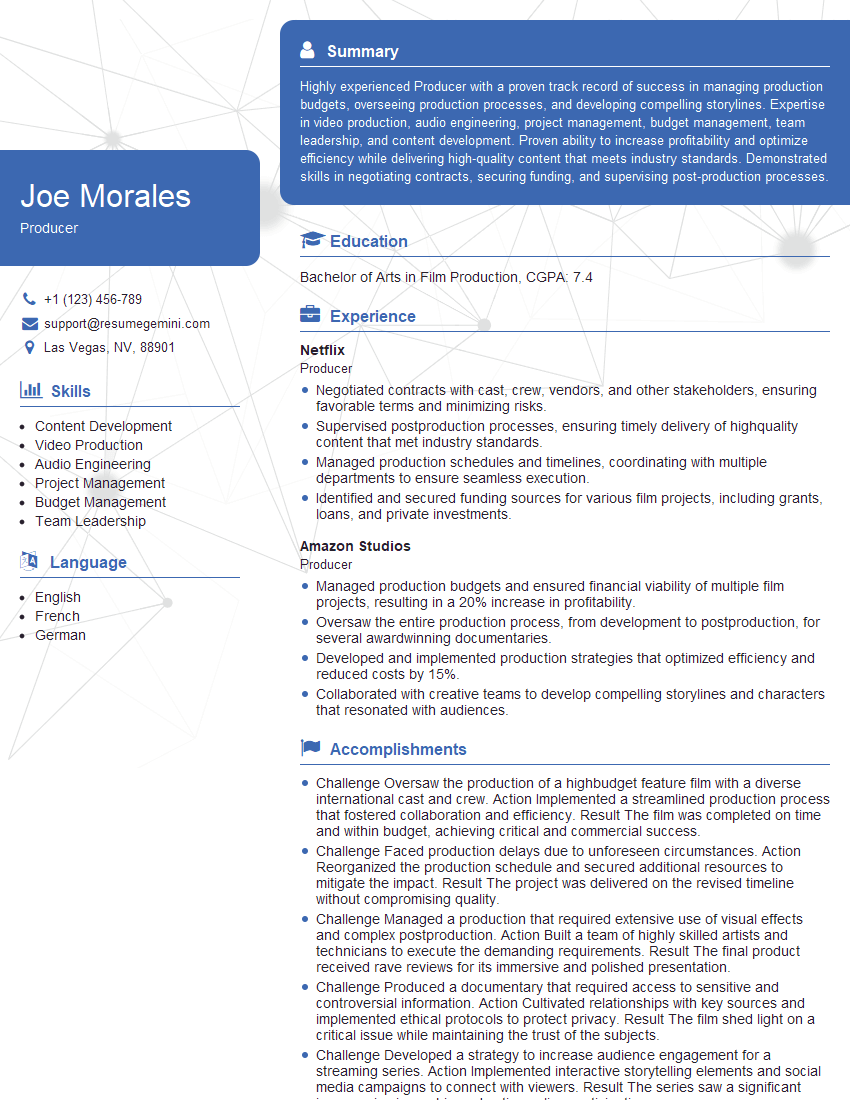
Producer Resume Sample
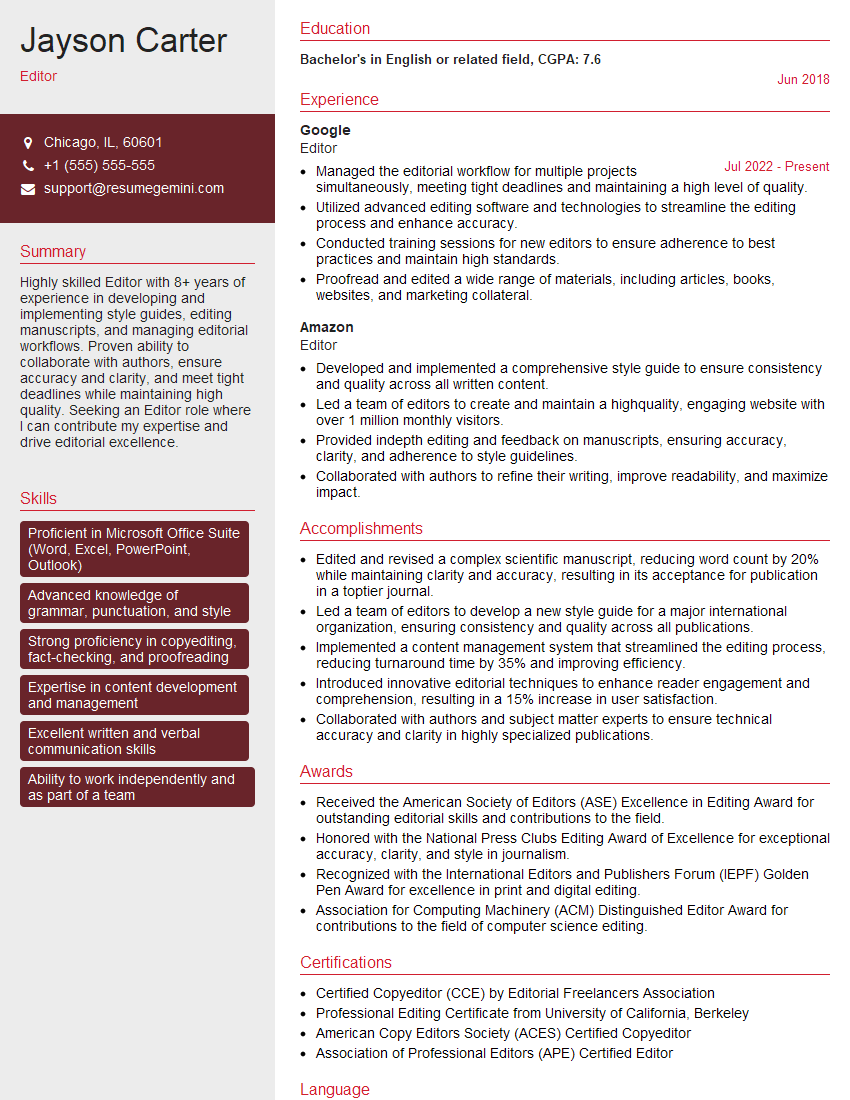
Editor Resume Sample
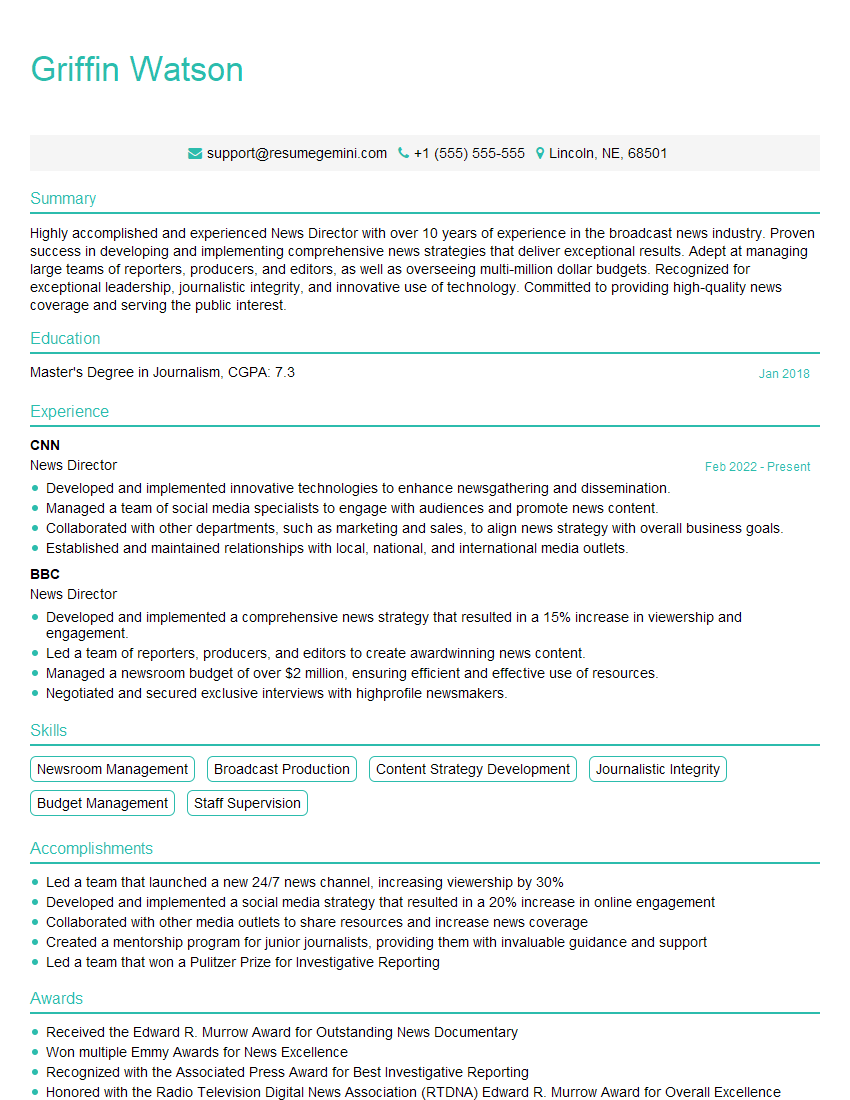
News Director Resume Sample
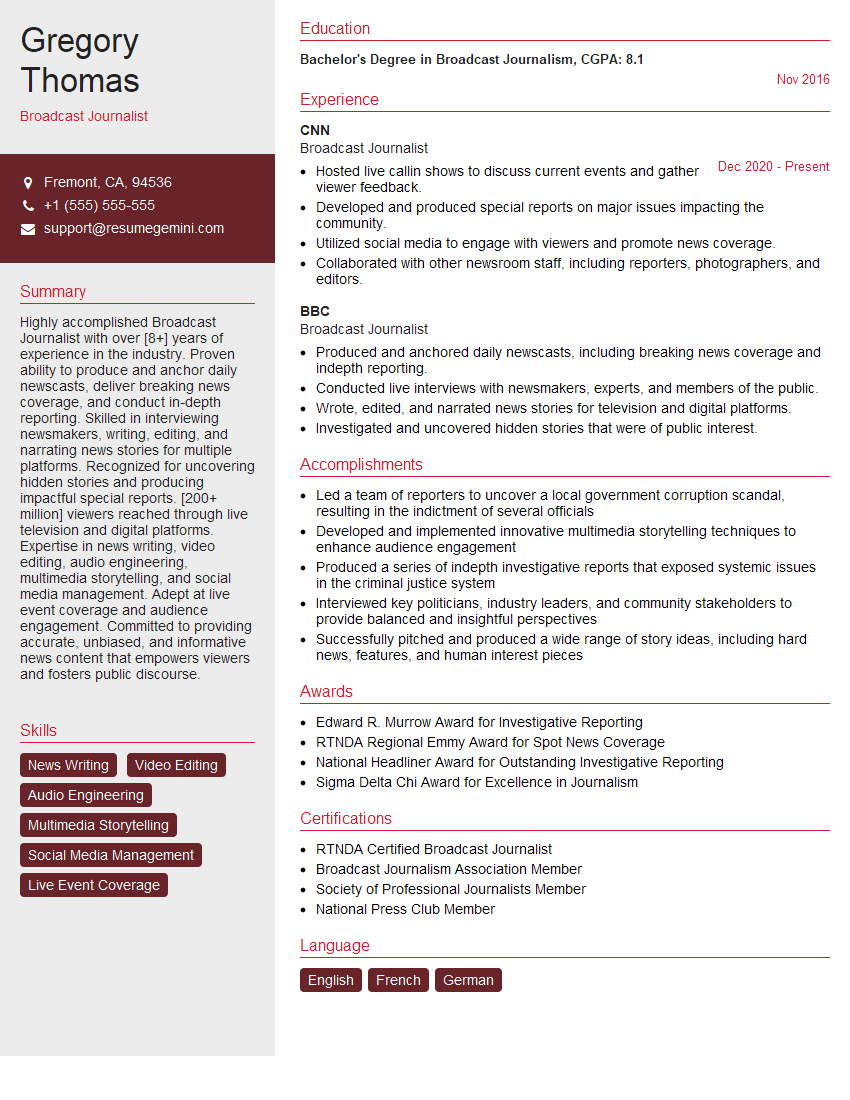
Broadcast Journalist Resume Sample
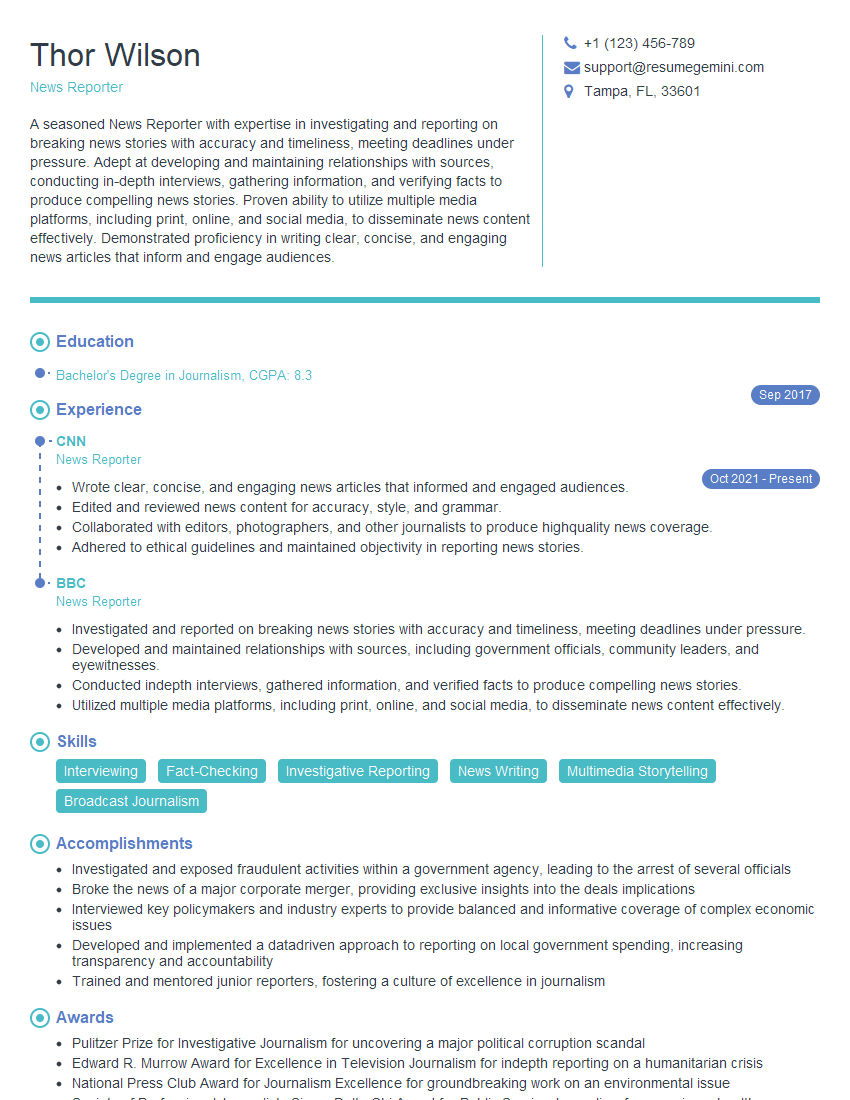
News Reporter Resume Sample
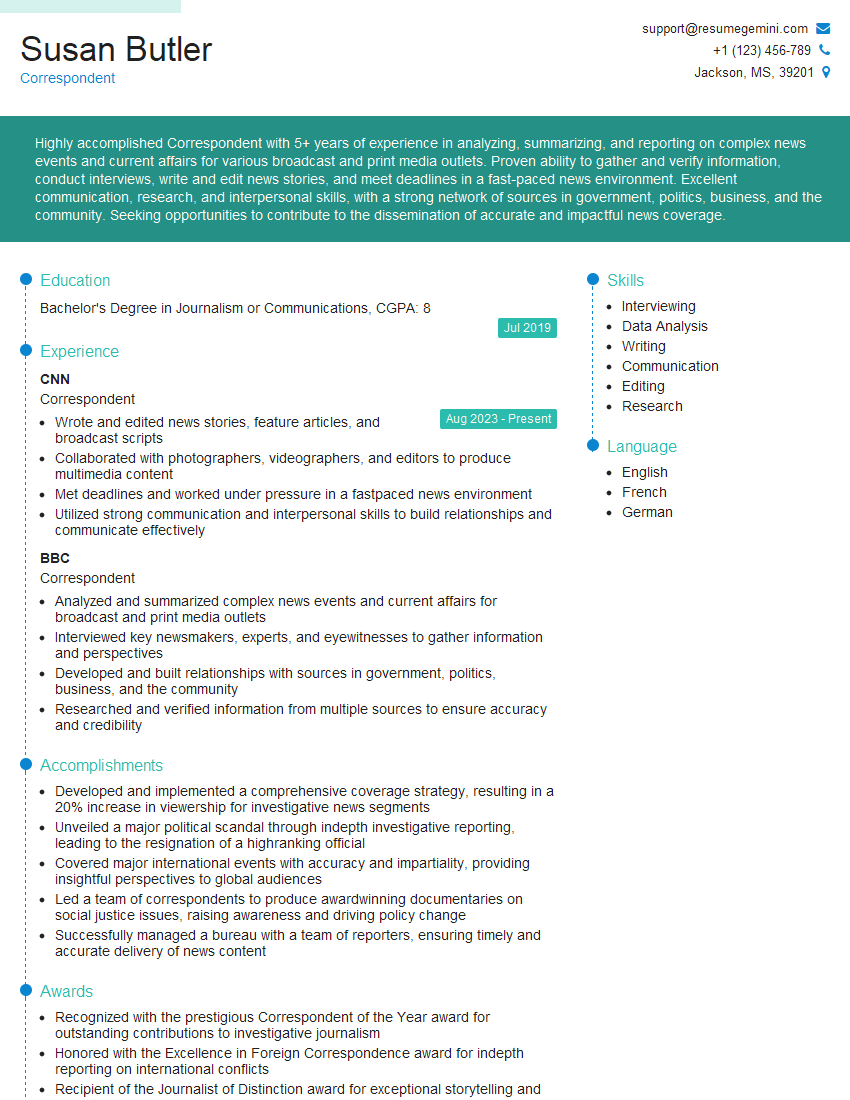
Correspondent Resume Sample
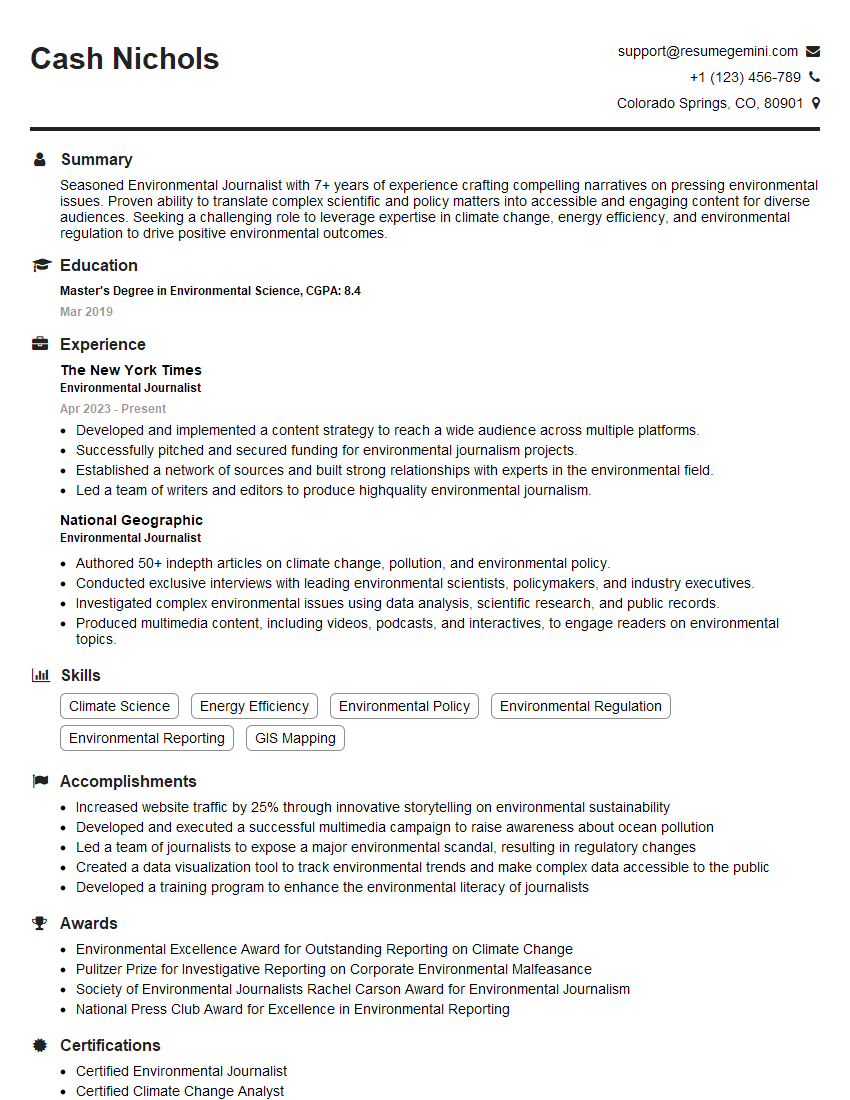
Environmental Journalist Resume Sample
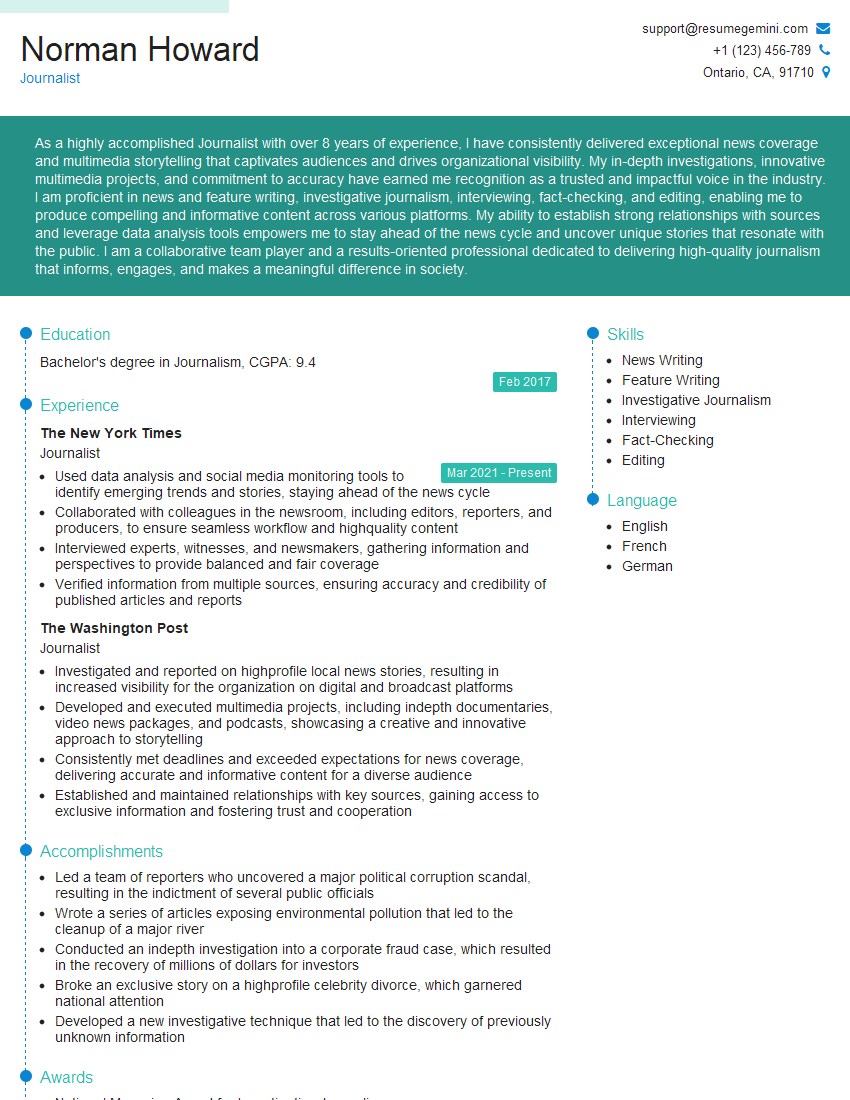
Journalist Resume Sample
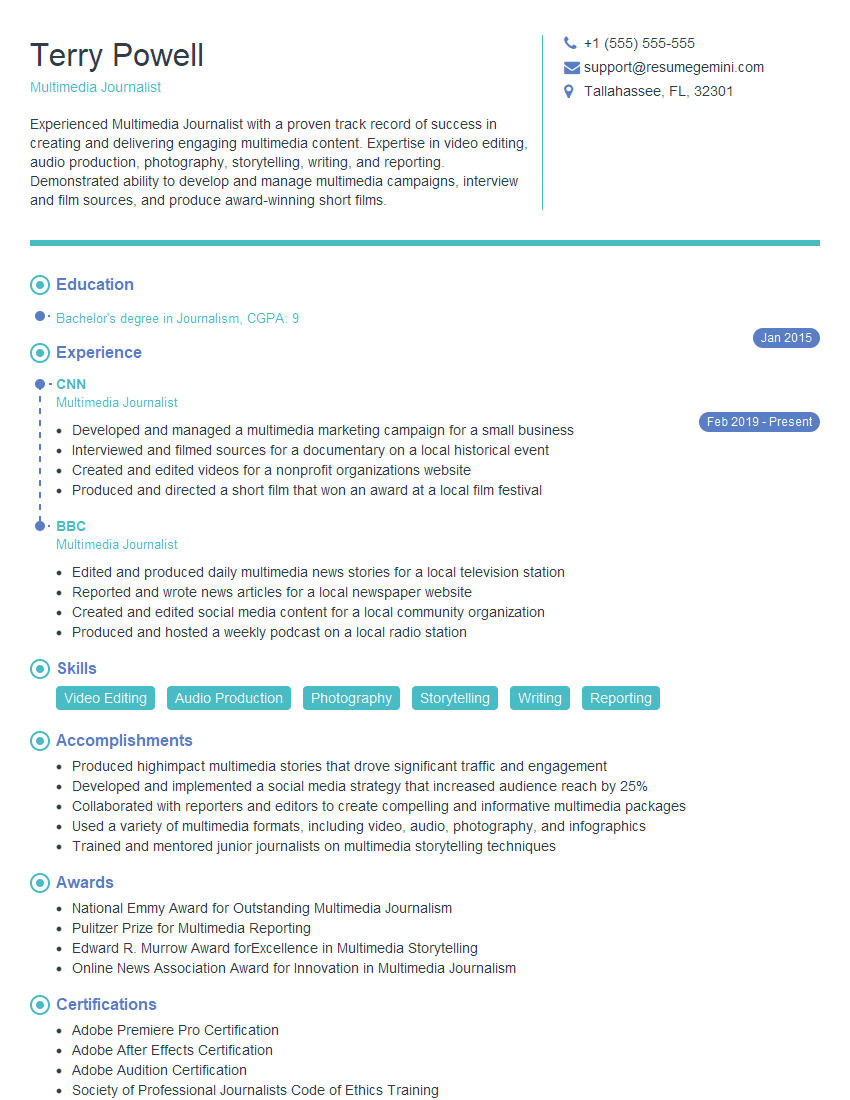
Multimedia Journalist Resume Sample
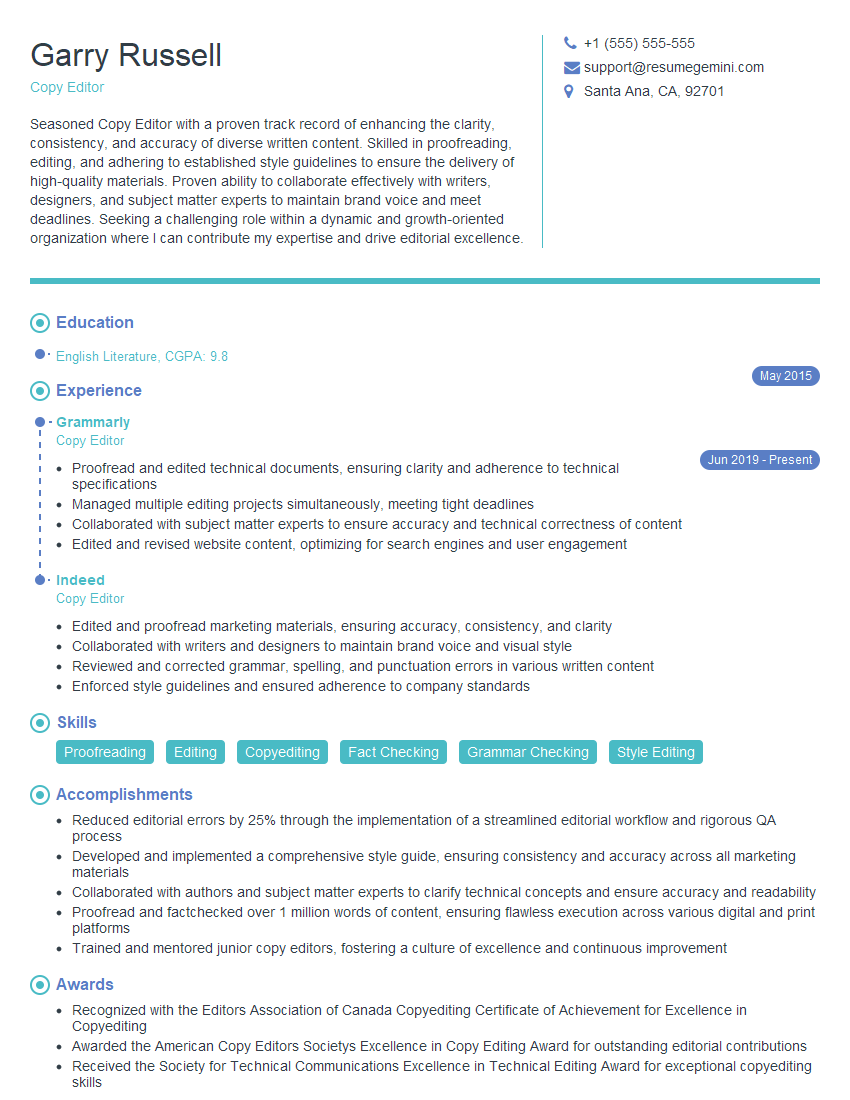
Copy Editor Resume Sample
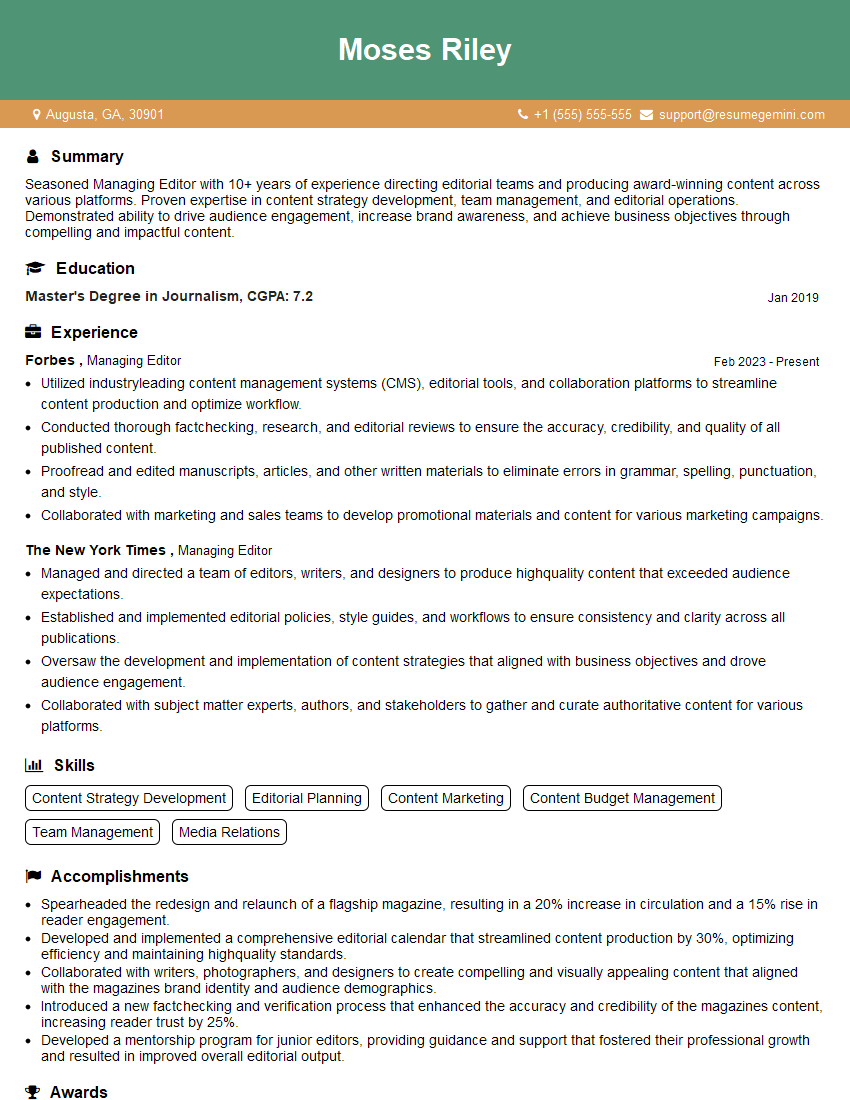
Managing Editor Resume Sample
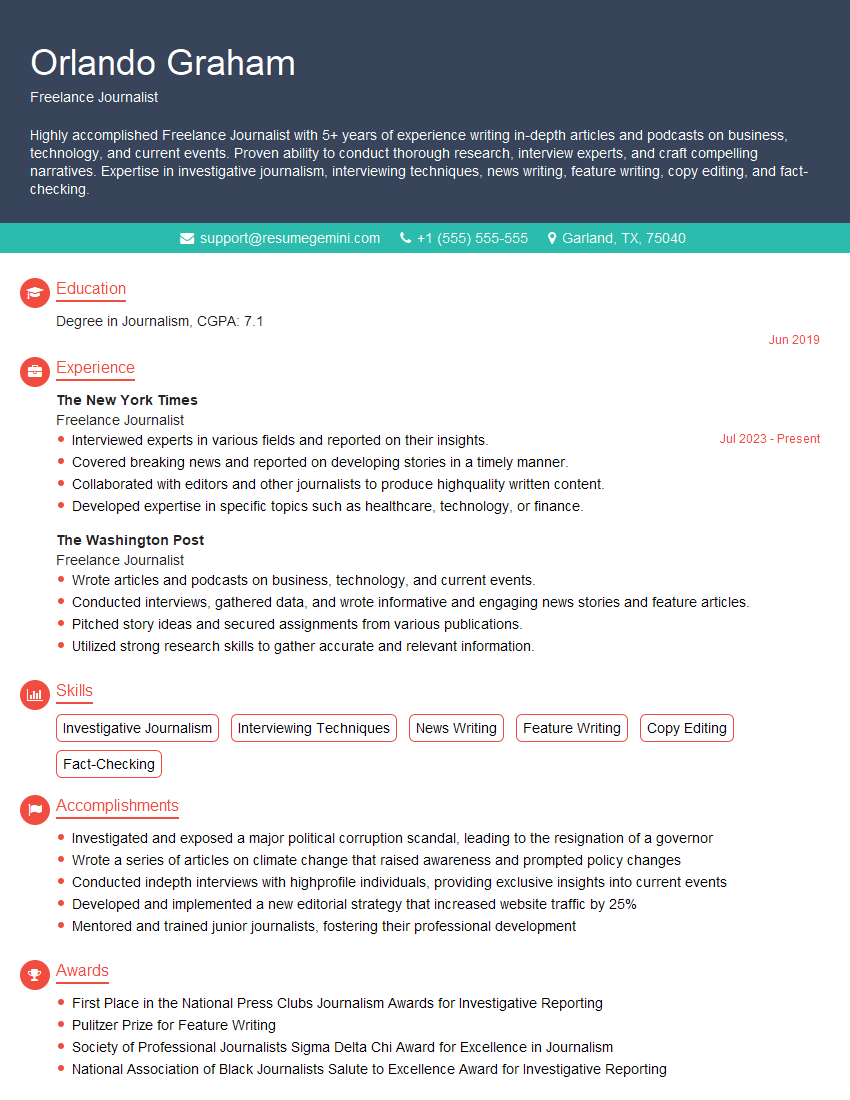
Freelance Journalist Resume Sample
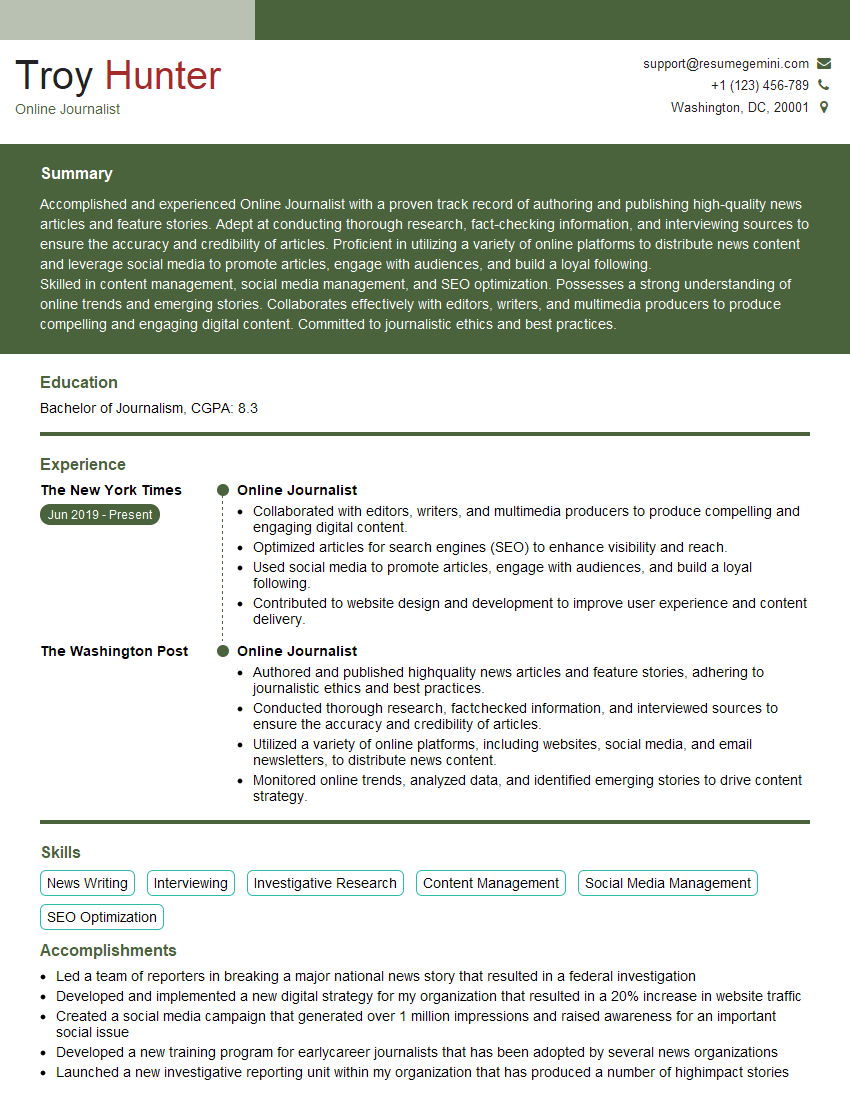
Online Journalist Resume Sample
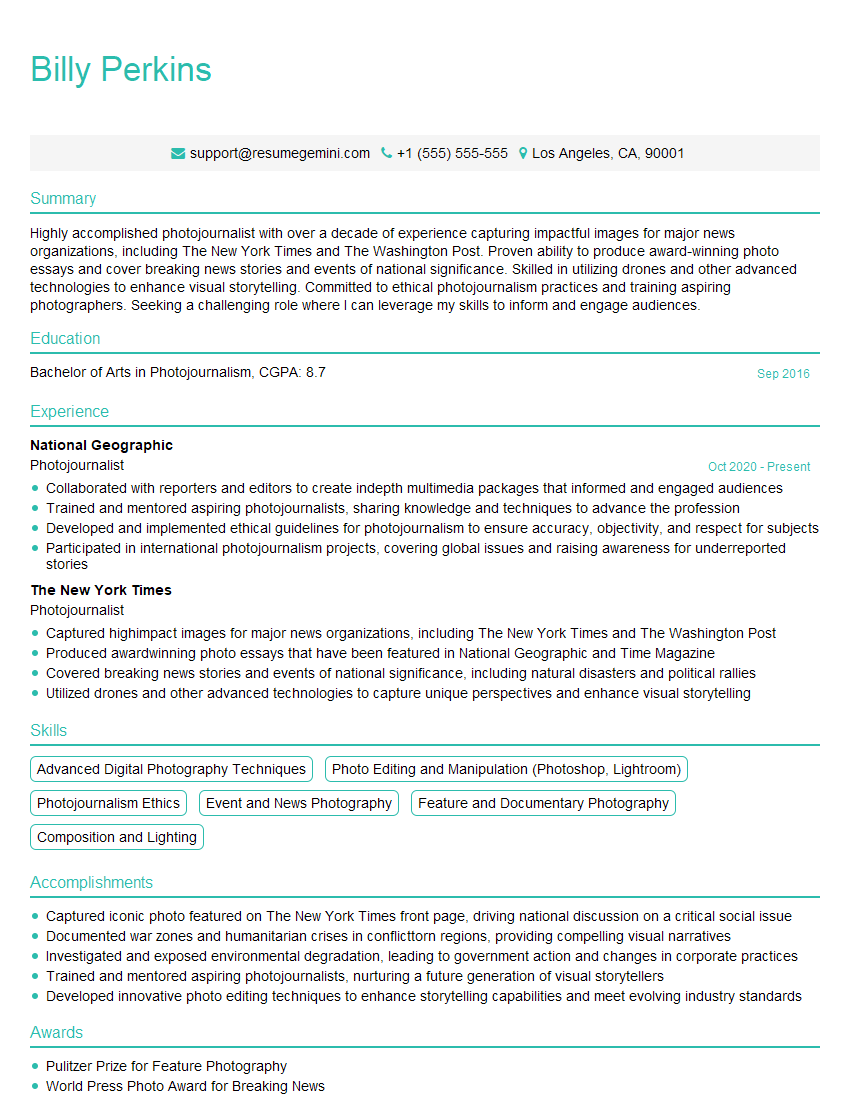
Photojournalist Resume Sample
Explore more articles
Users Rating of Our Blogs
Share Your Experience
We value your feedback! Please rate our content and share your thoughts (optional).
What Readers Say About Our Blog
Amazing blog
Interesting Article, I liked the depth of knowledge you’ve shared.
Helpful, thanks for sharing.