Cracking a skill-specific interview, like one for Environmental Health and Sustainability, requires understanding the nuances of the role. In this blog, we present the questions you’re most likely to encounter, along with insights into how to answer them effectively. Let’s ensure you’re ready to make a strong impression.
Questions Asked in Environmental Health and Sustainability Interview
Q 1. Explain the difference between environmental health and occupational health.
While both environmental health and occupational health focus on preventing illness and injury, their scope differs significantly. Environmental health is a broader field concerned with the impact of environmental factors on human health, encompassing air and water quality, waste management, climate change, and the overall health of ecosystems. It considers the health of populations and entire communities. Occupational health, on the other hand, focuses specifically on the workplace environment and its impact on the health and safety of workers. This includes hazards like chemical exposure, noise pollution, ergonomic issues, and psychosocial stressors. Think of it this way: environmental health is about the bigger picture, the health of the environment and its inhabitants, while occupational health zooms in on the workplace as a specific environment impacting worker health.
For example, an environmental health specialist might investigate a community’s water contamination issue, while an occupational health professional might assess the risk of silicosis in a mining operation. Both are crucial for public well-being, but they operate with different focuses and methodologies.
Q 2. Describe your experience with environmental impact assessments (EIAs).
I have extensive experience conducting and managing Environmental Impact Assessments (EIAs) for a variety of projects, including infrastructure development (roads, pipelines), industrial facilities (manufacturing plants, power generation), and large-scale agricultural ventures. My involvement typically includes scoping the study, identifying key environmental parameters, leading fieldwork to collect data, analyzing data using specialized software, and writing comprehensive EIA reports. I’m proficient in using tools and techniques to predict and assess potential environmental impacts, identify mitigation measures, and evaluate project alternatives.
For example, during an EIA for a proposed highway expansion project, I was responsible for assessing potential impacts on noise levels, air quality, water resources, and sensitive habitats. This involved detailed modeling of traffic patterns, noise propagation, and pollutant dispersion. Through the EIA, we were able to recommend modifications to the project design that significantly minimized its environmental impact, including noise barriers and wildlife crossing structures. This resulted in the project’s approval with minimal environmental consequences.
Q 3. What are the key components of a successful sustainability program?
A successful sustainability program rests on three key pillars: environmental responsibility, social equity, and economic viability. It’s not enough to be environmentally friendly; you also need to consider the social and economic implications of your actions.
- Environmental Responsibility: This involves reducing your environmental footprint, minimizing waste, conserving resources (water, energy), and transitioning to sustainable practices. Examples include reducing greenhouse gas emissions, implementing waste reduction programs, and adopting renewable energy sources.
- Social Equity: This aspect focuses on fair and equitable treatment of all stakeholders. It includes considerations like fair labor practices, community engagement, and promoting social justice. A program might include initiatives to improve local communities’ quality of life or support diverse talent within the organization.
- Economic Viability: Sustainability must make economic sense. Implementing sustainable practices should not cripple the organization. Economic viability can involve cost savings through efficiency improvements, investing in renewable energy to reduce energy costs, accessing green financing, or developing new revenue streams from sustainable products or services.
Successful implementation necessitates strong leadership commitment, robust data collection and monitoring, and clear communication throughout the organization and with external stakeholders.
Q 4. How do you measure the effectiveness of environmental initiatives?
Measuring the effectiveness of environmental initiatives involves a multi-faceted approach that combines qualitative and quantitative data. Key performance indicators (KPIs) are essential for tracking progress.
- Quantitative metrics: These include things like reductions in greenhouse gas emissions (measured in tons of CO2 equivalent), energy consumption (kWh), water usage (liters), waste generated (kg), and improvements in air and water quality (ppm or mg/L).
- Qualitative metrics: These capture less easily quantifiable aspects, such as community perception of the organization’s environmental initiatives through surveys and feedback, changes in employee behavior and engagement with sustainability practices, and the number of biodiversity conservation projects supported.
It is crucial to establish baseline data before implementing initiatives to benchmark progress effectively. Regular reporting and analysis of this data allow for identifying successes, areas needing improvement, and adapting strategies as needed. For example, tracking the reduction in landfill waste from a recycling program or the increase in employee participation in a green commuting initiative demonstrate the success of these specific programs.
Q 5. What are your strategies for managing environmental risks and compliance?
Managing environmental risks and ensuring compliance involves a proactive and systematic approach. My strategies include:
- Risk Assessment: Conducting regular environmental risk assessments to identify potential hazards and vulnerabilities. This involves analyzing various factors, including the likelihood and consequences of potential incidents.
- Compliance Monitoring: Staying abreast of all relevant environmental regulations and permits, and ensuring all operations remain compliant. This often involves internal audits and external certifications.
- Mitigation Planning: Developing and implementing plans to mitigate identified risks. These plans could include emergency response procedures, pollution prevention strategies, and waste management programs.
- Employee Training: Providing comprehensive training to employees on environmental regulations, safety procedures, and responsible environmental practices.
- Continuous Improvement: Regularly reviewing and updating environmental management systems to improve efficiency and effectiveness. This involves using data analysis to pinpoint areas for improvement.
For instance, in a manufacturing plant, a risk assessment might reveal vulnerabilities related to chemical spills. To mitigate this risk, we would implement rigorous safety protocols, emergency response plans, and containment measures, alongside employee training on handling hazardous materials.
Q 6. Explain your understanding of Life Cycle Assessment (LCA).
Life Cycle Assessment (LCA) is a standardized methodology used to evaluate the environmental impacts of a product or service throughout its entire life cycle. This encompasses everything from material extraction and manufacturing to use, disposal, and potential end-of-life recycling or reuse. An LCA identifies environmental ‘hotspots’ – stages in the life cycle with significant environmental burdens – allowing for targeted improvements.
The process typically involves four stages: Goal and Scope Definition (clearly defining the purpose and boundaries of the study); Inventory Analysis (quantifying inputs and outputs of materials and energy); Impact Assessment (evaluating the environmental consequences of these inputs and outputs); and Interpretation (analyzing the results to identify potential improvements). LCAs are commonly used for comparing the environmental performance of different products or processes, guiding product design, and informing environmental policy decisions. For example, an LCA might reveal that the transportation phase of a product’s life cycle has a particularly high carbon footprint, prompting manufacturers to explore alternative shipping methods or optimize packaging to reduce weight.
Q 7. Describe your experience with ISO 14001 or other environmental management systems.
I have significant experience working with ISO 14001, the internationally recognized standard for environmental management systems (EMS). I have been involved in implementing, auditing, and improving EMSs across diverse industries. This involves developing and documenting environmental policies, objectives, and targets; implementing procedures for environmental control; conducting regular environmental audits; managing non-conformances; and conducting management reviews. My experience encompasses every stage, from initial gap analysis to certification and ongoing maintenance.
In a previous role, I led a team that successfully implemented ISO 14001 in a large manufacturing facility. This involved conducting an initial gap analysis, developing procedures for waste management, energy efficiency, and pollution prevention, and training all employees on the EMS. Through this implementation, the facility reduced its energy consumption by 15%, decreased waste sent to landfills by 20%, and achieved ISO 14001 certification within a year. This project showcases my hands-on experience with the standard and ability to guide organizations toward improved environmental performance.
Q 8. How do you incorporate sustainability principles into decision-making processes?
Sustainability is woven into every decision I make, from project design to resource allocation. It’s not just a checklist; it’s a core value. I use a triple-bottom-line approach, considering the environmental, social, and economic impacts of each choice. For example, when selecting materials for a construction project, I wouldn’t only look at cost and durability but also assess the embodied carbon (the carbon emissions associated with the material’s production and transportation), the potential for recycling, and the impact on local communities. I also utilize tools like life-cycle assessments (LCAs) to evaluate the full environmental impact of a product or process over its entire lifespan, from cradle to grave. This holistic approach ensures that sustainability is not an afterthought but a fundamental driver in achieving optimal, long-term outcomes.
A practical example: In a recent project involving the development of a new community park, we chose native plant species to minimize water usage and pesticide needs, selected sustainably harvested wood for playground structures, and implemented a comprehensive recycling program for construction waste. This resulted in significant environmental benefits while also engaging the community in the process, fostering a sense of ownership and pride.
Q 9. What are the main greenhouse gases and their sources?
The main greenhouse gases (GHGs) are responsible for trapping heat in the Earth’s atmosphere, leading to global warming and climate change. The primary ones are:
- Carbon Dioxide (CO2): The most significant GHG, primarily released from burning fossil fuels (coal, oil, natural gas) for electricity, transportation, and industrial processes; deforestation; and cement production.
- Methane (CH4): A much more potent GHG than CO2, though with a shorter lifespan in the atmosphere. Major sources include livestock farming (enteric fermentation and manure management), natural gas leaks, and rice cultivation.
- Nitrous Oxide (N2O): Another powerful GHG emitted from agricultural activities (fertilizer use), industrial processes, and the burning of fossil fuels.
- Fluorinated Gases: These synthetic gases, such as hydrofluorocarbons (HFCs), perfluorocarbons (PFCs), and sulfur hexafluoride (SF6), are extremely potent GHGs used in various industrial applications, though their emissions are generally lower in volume compared to CO2, CH4, and N2O.
Understanding the sources of these gases is crucial for developing effective mitigation strategies. For example, transitioning to renewable energy sources, improving agricultural practices, and investing in technologies to capture and store GHG emissions can significantly reduce their impact on the climate.
Q 10. Explain the concept of carbon footprint and how it’s calculated.
A carbon footprint represents the total amount of greenhouse gases generated by our actions, measured in tons of carbon dioxide equivalent (tCO2e). This encompasses all sources, including direct emissions (e.g., from burning fuel) and indirect emissions (e.g., from the production and transportation of goods and services we consume).
Calculating a carbon footprint involves several steps:
- Identify emission sources: Determine all sources of GHG emissions associated with an individual, organization, or product.
- Quantify emissions: Measure the amount of each GHG emitted using emission factors (data representing the average emissions per unit of activity, like driving a car or manufacturing a product). These factors are often obtained from databases like the IPCC guidelines or national inventory systems.
- Convert to CO2e: Convert all GHG emissions to CO2e using global warming potentials (GWPs), which represent the relative warming effect of each GHG compared to CO2 over a specified time horizon (usually 100 years).
- Aggregate and report: Sum up all CO2e emissions to obtain the total carbon footprint.
Carbon footprint calculators are available online for individuals to estimate their personal carbon footprint. Organizations may use more comprehensive software or conduct detailed assessments to understand their environmental impact and identify areas for improvement. Understanding the carbon footprint allows for setting reduction targets and implementing strategies to minimize environmental impact.
Q 11. Describe your experience with waste management strategies and best practices.
My experience with waste management encompasses a wide range of strategies and best practices, from source reduction and reuse to recycling, composting, and anaerobic digestion. I’ve been involved in designing and implementing waste management plans for various settings, including residential communities, commercial facilities, and construction sites.
Key aspects include:
- Waste audits: Conducting thorough assessments to understand the types and quantities of waste generated, identifying opportunities for waste reduction and diversion.
- Waste segregation and collection systems: Establishing efficient systems for separating different types of waste to facilitate recycling and composting.
- Composting and anaerobic digestion: Implementing these processes to manage organic waste and generate valuable byproducts like compost and biogas.
- Recycling programs: Developing and promoting recycling initiatives, including education and outreach programs to improve participation.
- Landfill diversion strategies: Implementing strategies to minimize the amount of waste sent to landfills, such as waste-to-energy facilities.
A notable project involved developing a comprehensive waste management plan for a large manufacturing facility. We implemented a multi-pronged approach, including waste reduction initiatives (process optimization, material substitution), increased recycling rates, and the introduction of a composting program for organic waste. This resulted in a significant reduction in landfill waste and a reduction in the company’s environmental impact.
Q 12. What are the different types of pollution and their environmental impact?
Pollution encompasses the introduction of harmful substances or contaminants into the environment. Different types of pollution have varying environmental impacts:
- Air Pollution: The presence of harmful substances in the air, such as particulate matter, ozone, sulfur dioxide, and nitrogen oxides. Impacts include respiratory problems, acid rain, and climate change.
- Water Pollution: The contamination of water bodies with pollutants like chemicals, heavy metals, pathogens, and plastics. Impacts include harm to aquatic life, water scarcity, and human health problems.
- Soil Pollution: The contamination of soil with hazardous substances, impacting plant growth, food safety, and human health. Heavy metals and pesticides are common soil pollutants.
- Noise Pollution: Excessive noise levels that can negatively impact human health and wildlife. Sources include traffic, construction, and industrial activities.
- Light Pollution: Excessive artificial light at night, affecting wildlife behavior, disrupting ecosystems, and impacting human sleep patterns.
- Plastic Pollution: The accumulation of plastic waste in the environment, harming wildlife and ecosystems through entanglement, ingestion, and habitat destruction.
The cumulative impact of these pollution types can severely damage ecosystems, threaten biodiversity, and negatively impact human health. Addressing pollution requires a multifaceted approach including stringent regulations, technological advancements, and a change in consumption patterns.
Q 13. How do you address stakeholder concerns regarding environmental projects?
Addressing stakeholder concerns is paramount for successful environmental projects. I utilize a proactive and transparent approach, emphasizing open communication and collaboration. This involves:
- Early engagement: Involving stakeholders early in the project lifecycle to understand their concerns and incorporate their perspectives into the project design.
- Transparent communication: Providing clear and accessible information about the project’s goals, methods, and potential impacts.
- Community outreach: Conducting public meetings, workshops, and surveys to gather feedback and address concerns.
- Conflict resolution: Developing strategies for resolving conflicts and disagreements among stakeholders through mediation and negotiation.
- Monitoring and evaluation: Regularly monitoring the project’s progress and impact, and providing updates to stakeholders.
In one instance, a proposed wind farm project faced opposition from residents concerned about noise and visual impacts. By engaging with the community early, conducting thorough noise and visual impact assessments, and offering mitigation measures (e.g., noise barriers, landscape design), we were able to address their concerns and gain community support for the project.
Q 14. Explain your understanding of environmental regulations (e.g., Clean Air Act, Clean Water Act).
My understanding of environmental regulations is thorough and spans various legislation at local, national, and international levels. The Clean Air Act and Clean Water Act are cornerstones of environmental protection in the United States.
The Clean Air Act (CAA) aims to control air pollution by setting national ambient air quality standards (NAAQS) for criteria pollutants, such as particulate matter and ozone. It regulates emissions from stationary and mobile sources, requiring permits and technologies to reduce pollution. The CAA’s impact is widespread, affecting industries, transportation, and energy production.
The Clean Water Act (CWA) establishes a national framework for regulating water pollution. It sets water quality standards, regulates point and non-point source pollution, and protects wetlands and other aquatic resources. The CWA has been crucial in improving water quality across the country, though challenges remain in addressing issues such as agricultural runoff and legacy pollution.
Beyond these, I’m also familiar with numerous other regulations, including the National Environmental Policy Act (NEPA), the Resource Conservation and Recovery Act (RCRA), and the Comprehensive Environmental Response, Compensation, and Liability Act (CERCLA or Superfund). Understanding these regulations is critical for ensuring environmental compliance and promoting sustainable development.
Q 15. How do you prioritize environmental projects based on risk and impact?
Prioritizing environmental projects requires a systematic approach that balances risk and impact. We use a matrix approach, often incorporating a scoring system. First, we identify potential projects. Then, we assess each project’s environmental risk, considering factors like the severity of potential harm, the likelihood of occurrence, and the vulnerability of affected populations or ecosystems. Impact assessment considers factors like the scale of the improvement (e.g., reducing greenhouse gas emissions by a specific amount), the duration of the benefit, and the overall positive effects on environmental health and sustainability. We might use a scoring system where high risk and high impact projects receive the highest priority, followed by high impact/low risk, then high risk/low impact, and finally low risk/low impact. For example, a project to clean up a highly contaminated site posing immediate health risks would naturally rank higher than a project to improve recycling rates in a community with already low waste generation.
This process isn’t purely quantitative. Qualitative factors, like community engagement and regulatory compliance, also influence prioritization. Ultimately, the goal is to strategically allocate resources to maximize the positive environmental outcome while mitigating significant risks.
Career Expert Tips:
- Ace those interviews! Prepare effectively by reviewing the Top 50 Most Common Interview Questions on ResumeGemini.
- Navigate your job search with confidence! Explore a wide range of Career Tips on ResumeGemini. Learn about common challenges and recommendations to overcome them.
- Craft the perfect resume! Master the Art of Resume Writing with ResumeGemini’s guide. Showcase your unique qualifications and achievements effectively.
- Don’t miss out on holiday savings! Build your dream resume with ResumeGemini’s ATS optimized templates.
Q 16. What are your experience with environmental remediation techniques?
My experience encompasses a range of environmental remediation techniques. I’ve worked on projects involving soil remediation using techniques like phytoremediation (using plants to extract contaminants), bioremediation (using microorganisms to break down pollutants), and thermal desorption (heating contaminated soil to volatilize contaminants). I’ve also been involved in groundwater remediation using pump-and-treat systems and in-situ bioremediation. For example, on one project, we used a combination of phytoremediation and bioaugmentation (introducing specific microorganisms) to successfully remediate a site contaminated with petroleum hydrocarbons. The success was measured through regular soil and groundwater sampling and analysis, demonstrating a significant reduction in contaminant levels.
The choice of remediation technique depends heavily on the type and extent of contamination, the site’s geology and hydrogeology, and regulatory requirements. Risk assessment and cost-benefit analysis are critical aspects of this decision-making process.
Q 17. Explain your understanding of circular economy principles.
The circular economy is a model of production and consumption that aims to minimize waste and maximize resource utilization. Think of it as a closed loop, in contrast to the traditional linear ‘take-make-dispose’ model. Key principles include:
- Design out waste and pollution: Products should be designed for durability, repairability, and recyclability from the outset.
- Keep products and materials in use: Through reuse, repair, refurbishment, and remanufacturing.
- Regenerate natural systems: Minimizing environmental impact and supporting ecological restoration.
A great example is the use of recycled materials in manufacturing. Instead of extracting virgin resources, companies use recycled plastics, metals, or paper, reducing the environmental footprint associated with extraction and processing. Another example is product-as-a-service models, where companies offer the functionality of a product rather than selling the product itself, encouraging reuse and extending product lifespan. This approach benefits both the environment and businesses through reduced waste and enhanced resource efficiency. Implementing circular economy principles necessitates a shift in mindset, design thinking, and business models.
Q 18. Describe your experience with renewable energy technologies.
My experience with renewable energy technologies spans several areas. I’ve worked on projects involving solar photovoltaic (PV) systems, wind energy farms, and biomass energy production. For instance, I was involved in the environmental impact assessment of a large-scale solar farm, focusing on habitat disruption, water usage, and the potential impact on local wildlife. This involved detailed site surveys, ecological modeling, and consultation with regulatory agencies to ensure compliance. In another project, I assisted in the development of a sustainable biomass energy strategy for a municipality, examining the potential for using agricultural residues as a feedstock for energy generation. This included evaluating the feasibility of different technologies, assessing their environmental performance, and exploring the economic and social implications of each option.
My work emphasizes integrating renewable energy technologies in a responsible and sustainable manner. This includes considerations for land use, biodiversity, and the life-cycle impacts of these technologies.
Q 19. How do you promote a culture of environmental responsibility within an organization?
Promoting environmental responsibility within an organization requires a multifaceted approach that integrates environmental considerations into all aspects of business operations. It’s not just about implementing environmental programs; it’s about creating a culture where sustainability is valued and actively practiced by everyone. Key strategies include:
- Leadership commitment: Senior management must champion sustainability initiatives and demonstrate a visible commitment to environmental responsibility.
- Employee engagement and training: Providing employees with education and resources to understand environmental impacts and participate in sustainability efforts.
- Incentivizing sustainable practices: Implementing reward systems for environmentally conscious behavior, both at individual and team levels.
- Setting clear targets and goals: Establishing measurable objectives and tracking progress towards achieving them.
- Transparency and communication: Openly communicating the organization’s environmental performance and sustainability goals.
For example, I once implemented a comprehensive employee engagement program that involved setting up internal green teams, organizing sustainability workshops, and launching a company-wide waste reduction campaign. The results included significant improvements in waste diversion rates and a marked increase in employee awareness and participation in environmental initiatives.
Q 20. Describe a time you had to resolve a conflict related to environmental concerns.
In one instance, a proposed development project conflicted with the preservation of a crucial wetland ecosystem. The developers prioritized maximizing economic gains, while environmental groups and local residents advocated for protecting the ecologically sensitive area. The conflict was intense, with differing perspectives on the value of economic development versus environmental protection.
To resolve this, I facilitated a series of stakeholder meetings, bringing together developers, environmental organizations, community representatives, and government agencies. I used collaborative problem-solving techniques to identify common goals and explore potential compromises. This involved thoroughly presenting scientific data on the wetland’s ecological significance and the potential environmental consequences of development. We eventually negotiated a revised development plan that significantly reduced the project’s impact on the wetland while still accommodating the economic interests of the developers. Open communication, transparency, and a willingness to find mutually acceptable solutions were crucial to resolving this conflict successfully.
Q 21. What are your skills in data analysis relevant to environmental monitoring?
My data analysis skills are crucial for environmental monitoring and management. I’m proficient in using statistical software packages such as R and Python to analyze environmental datasets. I’m experienced in data cleaning, manipulation, and visualization techniques. For example, I regularly use ggplot2 in R to create insightful visualizations of environmental data, such as spatial maps showing pollutant concentrations or time-series plots illustrating trends in air quality. I can also perform statistical analyses such as regression modeling to identify correlations between environmental factors and pollution levels. Furthermore, I have experience working with geographic information systems (GIS) software to analyze spatial data and create maps that effectively communicate environmental information.
Data analysis enables me to identify trends, patterns, and anomalies in environmental data, which helps in making informed decisions about environmental management and remediation strategies. It supports evidence-based decision-making and provides crucial insights into the effectiveness of environmental interventions.
Q 22. How do you utilize GIS and other environmental data management tools?
Geographic Information Systems (GIS) are invaluable tools for managing and analyzing environmental data. I use GIS software, such as ArcGIS or QGIS, to map pollution sources, assess environmental risks, monitor deforestation, and track the spread of invasive species. For example, I’ve used GIS to overlay maps of industrial emissions with population density data to identify communities most vulnerable to air pollution. This allowed for targeted interventions and resource allocation. Beyond GIS, I’m proficient with other data management tools including R for statistical analysis and databases like PostgreSQL for storing and querying large environmental datasets. These tools allow me to perform spatial analysis, create visualizations, and generate reports that inform decision-making processes in environmental management.
For instance, in a recent project involving water quality assessment, I used GIS to map water sampling locations, analyze spatial patterns of pollutants, and create interactive maps showing the extent and severity of water contamination. This facilitated the identification of pollution sources and the implementation of effective remediation strategies.
Q 23. Explain your experience with environmental auditing and reporting.
Environmental auditing involves a systematic and documented process of objectively obtaining and evaluating evidence to determine whether environmental activities, events, conditions, and the results thereof conform to established criteria. My experience encompasses conducting both internal and external audits, focusing on compliance with environmental regulations (e.g., ISO 14001, EMAS) and best practices. This includes reviewing environmental management systems (EMS), assessing waste management procedures, evaluating air and water emissions, and identifying areas for improvement. Reporting involves compiling audit findings, highlighting non-conformances, and recommending corrective actions. I’m adept at presenting this information clearly and concisely to stakeholders, using visuals and data to support my findings. A recent audit I conducted identified a significant leak in a manufacturing plant’s wastewater treatment system, which was promptly addressed, preventing further environmental damage.
Q 24. Describe your understanding of climate change mitigation and adaptation strategies.
Climate change mitigation focuses on reducing greenhouse gas emissions to slow down the rate of global warming, while adaptation focuses on adjusting to the effects of climate change that are already happening or are expected to happen. Mitigation strategies include transitioning to renewable energy sources (solar, wind, etc.), improving energy efficiency, promoting sustainable transportation, and implementing carbon capture and storage technologies. Adaptation strategies involve developing drought-resistant crops, building seawalls to protect coastal communities, implementing early warning systems for extreme weather events, and developing water conservation techniques.
For example, a successful mitigation strategy involves investing in renewable energy infrastructure and implementing policies that incentivize energy efficiency. A successful adaptation strategy could involve implementing water management systems that consider projected changes in rainfall patterns. It’s crucial to understand that both mitigation and adaptation strategies are necessary to effectively address climate change, and they need to be integrated into overall environmental planning and policy.
Q 25. What are some key indicators of environmental performance?
Key indicators of environmental performance provide quantifiable measures to assess the effectiveness of environmental management systems. These indicators can be categorized into several key areas:
- Greenhouse Gas Emissions: Metrics like carbon footprint (total GHG emissions), energy consumption, and emissions intensity (emissions per unit of production).
- Waste Management: Waste generation rates, recycling rates, hazardous waste disposal, and landfill diversion rates.
- Water Use: Water consumption, wastewater discharge, and water efficiency.
- Air Quality: Emissions of pollutants (e.g., NOx, SOx, PM), ambient air quality monitoring data.
- Biodiversity: Species richness, habitat quality, and presence of endangered species.
- Resource Consumption: Material use, energy intensity, and the circular economy metrics.
Selecting appropriate indicators depends on the specific context and goals of the assessment. A well-defined set of indicators allows for tracking progress, identifying areas needing improvement, and demonstrating environmental responsibility.
Q 26. How do you ensure ethical considerations in environmental projects?
Ethical considerations are paramount in environmental projects. This includes ensuring fairness and equity in the distribution of environmental benefits and burdens, protecting vulnerable populations, promoting transparency and accountability, and respecting indigenous rights and knowledge. For example, when assessing the impacts of a proposed industrial project, it’s crucial to conduct a thorough environmental impact assessment (EIA) that takes into account the potential impacts on local communities and ecosystems.
Ethical considerations also extend to data integrity and transparency in reporting findings. Avoiding conflicts of interest, using robust methodologies, and ensuring that information is accessible to all stakeholders are fundamental to maintain ethical standards in environmental work. I believe in the principle of environmental justice—that all people have the right to a healthy environment—and this guides my approach to every project.
Q 27. Describe your familiarity with environmental modeling and simulation techniques.
Environmental modeling and simulation techniques are crucial for predicting the future behavior of environmental systems under different scenarios. I have experience using various models, including hydrological models (e.g., SWAT, MIKE SHE) for assessing water resource availability, air quality dispersion models (e.g., AERMOD, CALPUFF) for predicting air pollution levels, and ecological models for evaluating biodiversity change. These models use mathematical equations and algorithms to simulate the complex interactions within environmental systems.
For instance, I used a hydrological model to predict the impact of climate change on water availability in a river basin. This allowed stakeholders to develop water management strategies to mitigate potential water shortages. The output from these models provides crucial information for environmental management and decision-making. Understanding the limitations of each model is crucial for accurate interpretation of the results.
Q 28. What are your career goals in the field of environmental health and sustainability?
My career goals involve contributing to the advancement of sustainable practices and improving environmental health on a larger scale. I aspire to lead impactful environmental projects, mentoring younger professionals, and contributing to the development of innovative solutions to pressing environmental challenges. I’m particularly interested in working on projects related to climate change adaptation and mitigation, promoting circular economy principles, and fostering collaboration between industry, government, and communities to achieve environmental sustainability. Ultimately, I want to make a meaningful contribution towards creating a healthier and more sustainable future for all.
Key Topics to Learn for Your Environmental Health and Sustainability Interview
- Environmental Risk Assessment: Understanding methodologies for identifying, evaluating, and managing environmental hazards. This includes practical application in site assessments and risk mitigation strategies.
- Sustainable Development Goals (SDGs): Familiarity with the SDGs and their relevance to various environmental health challenges. Consider practical applications within specific industries and project scenarios.
- Pollution Control and Remediation: Knowledge of air, water, and soil pollution sources, their impacts, and the various technologies and strategies used for control and remediation. Explore case studies of successful remediation projects.
- Environmental Policy and Regulation: Understanding relevant environmental laws, regulations, and policies at local, national, and international levels. Analyze how these policies impact environmental health and sustainability initiatives.
- Climate Change Mitigation and Adaptation: Understanding the science of climate change, its impacts on human health and the environment, and strategies for mitigation and adaptation. Explore practical examples of climate-resilient infrastructure and policies.
- Environmental Health Data Analysis: Proficiency in analyzing environmental data to identify trends, assess risks, and inform decision-making. Consider practical applications such as epidemiological studies and environmental impact assessments.
- Life Cycle Assessment (LCA): Understanding the principles and applications of LCA in evaluating the environmental impacts of products and processes throughout their entire life cycle. Be prepared to discuss real-world examples and limitations of LCA.
- Stakeholder Engagement and Communication: Demonstrate an understanding of effective communication strategies for engaging diverse stakeholders on environmental issues. This includes conveying complex information clearly and persuasively.
Next Steps
Mastering Environmental Health and Sustainability is crucial for a successful and impactful career. This field offers diverse opportunities for growth and the chance to make a tangible difference. To stand out, a strong and ATS-friendly resume is essential. ResumeGemini is a trusted resource that can help you craft a professional resume that highlights your skills and experience effectively. We provide examples of resumes tailored to Environmental Health and Sustainability to give you a head start. Invest the time to create a compelling resume – it’s your first impression and a key to unlocking your career potential.
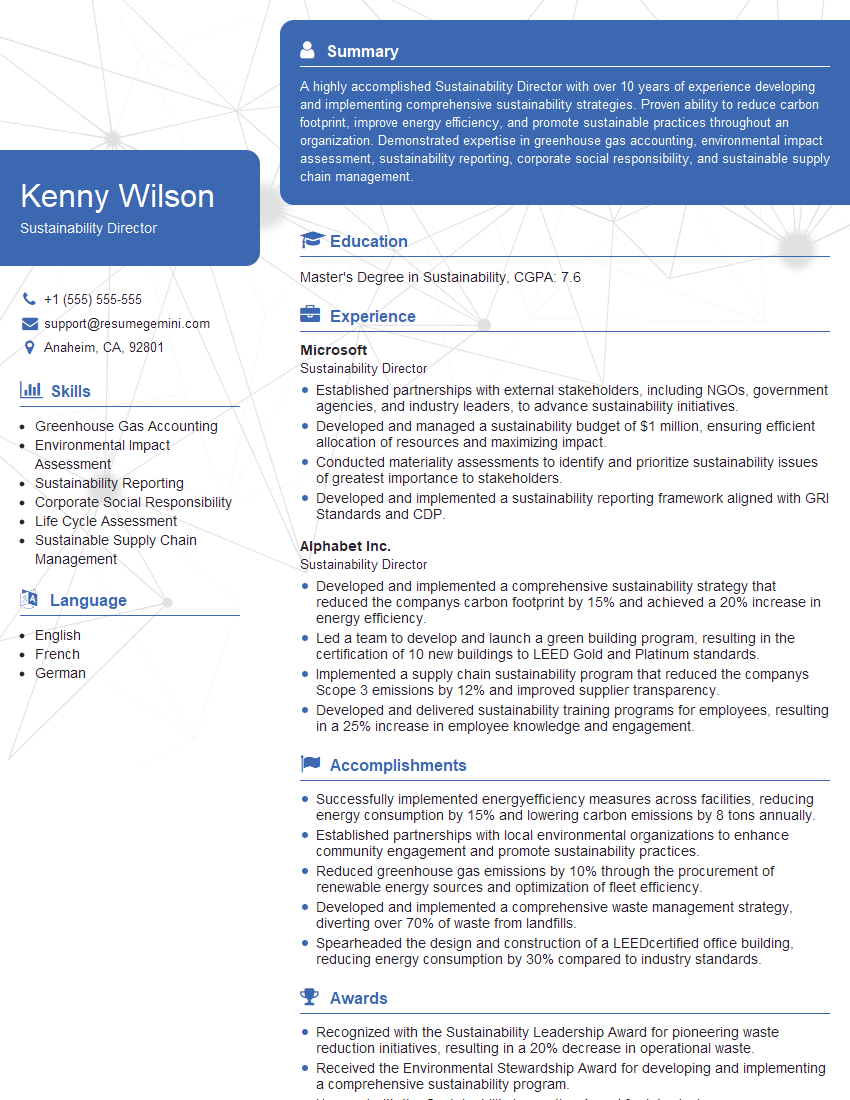
Sustainability Director Resume Sample
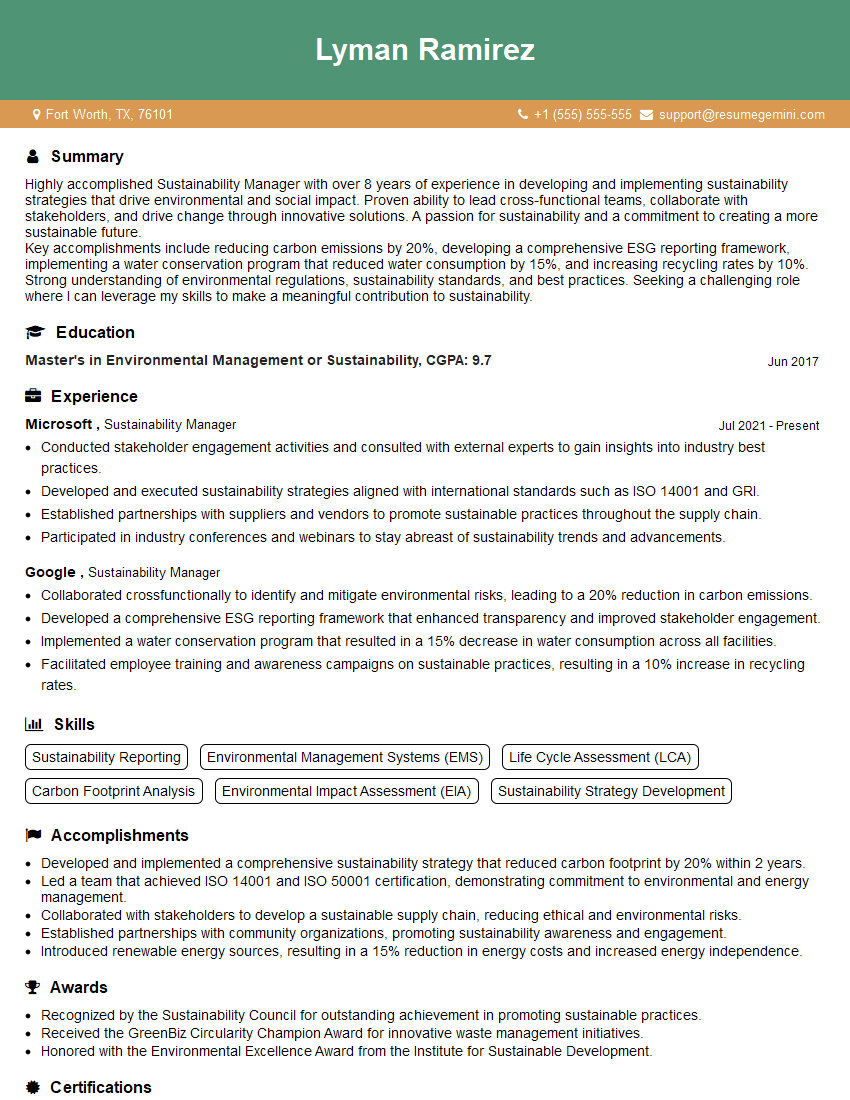
Sustainability Manager Resume Sample
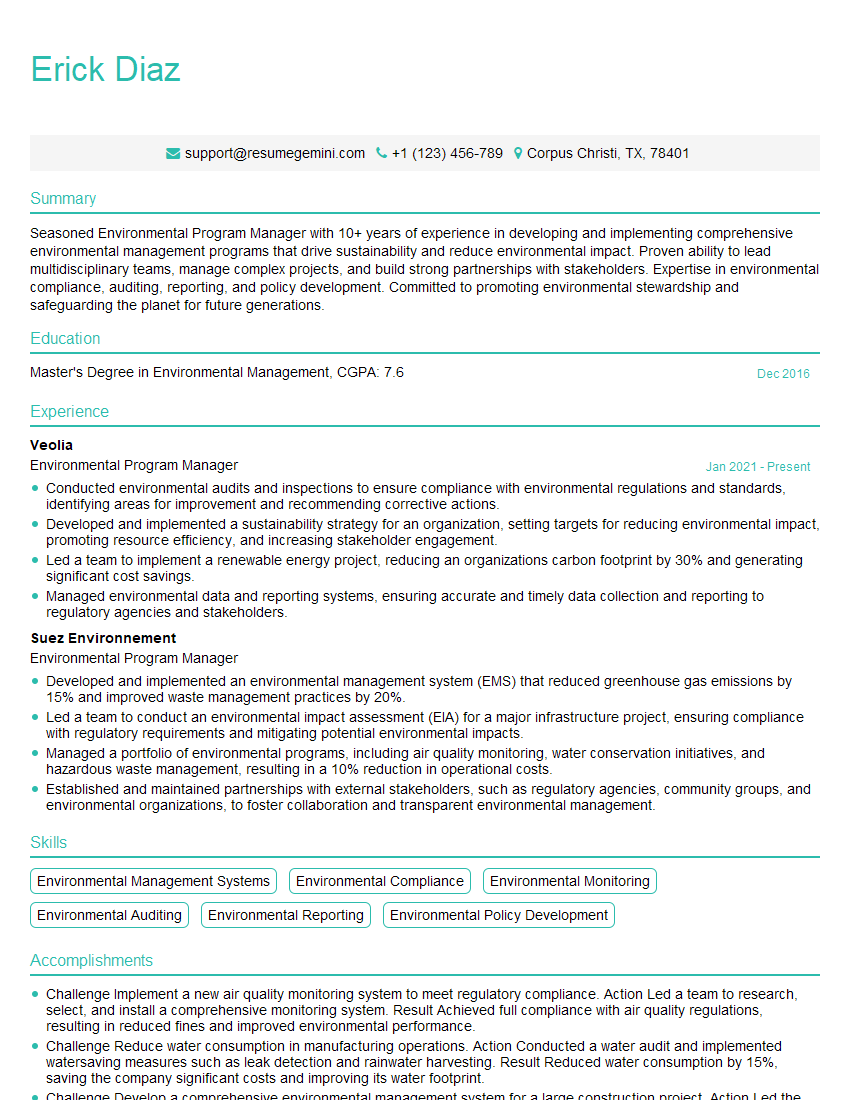
Environmental Program Manager Resume Sample
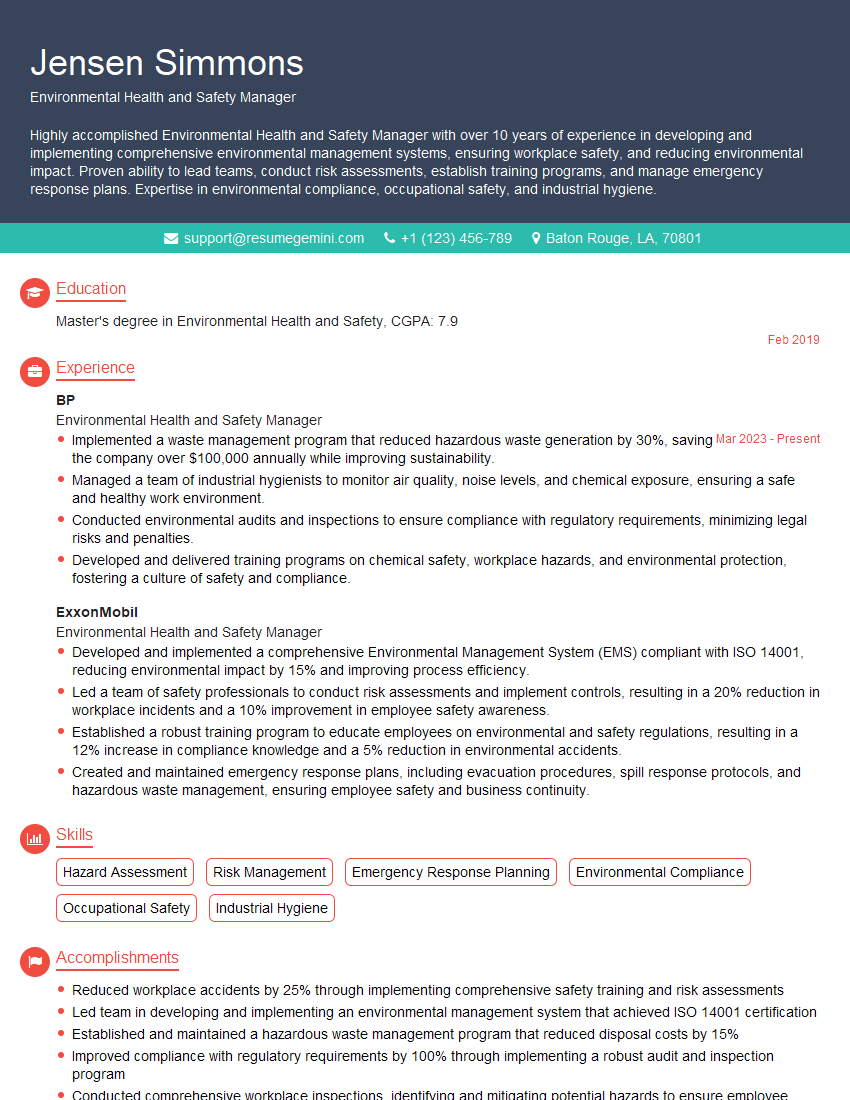
Environmental Health and Safety Manager Resume Sample
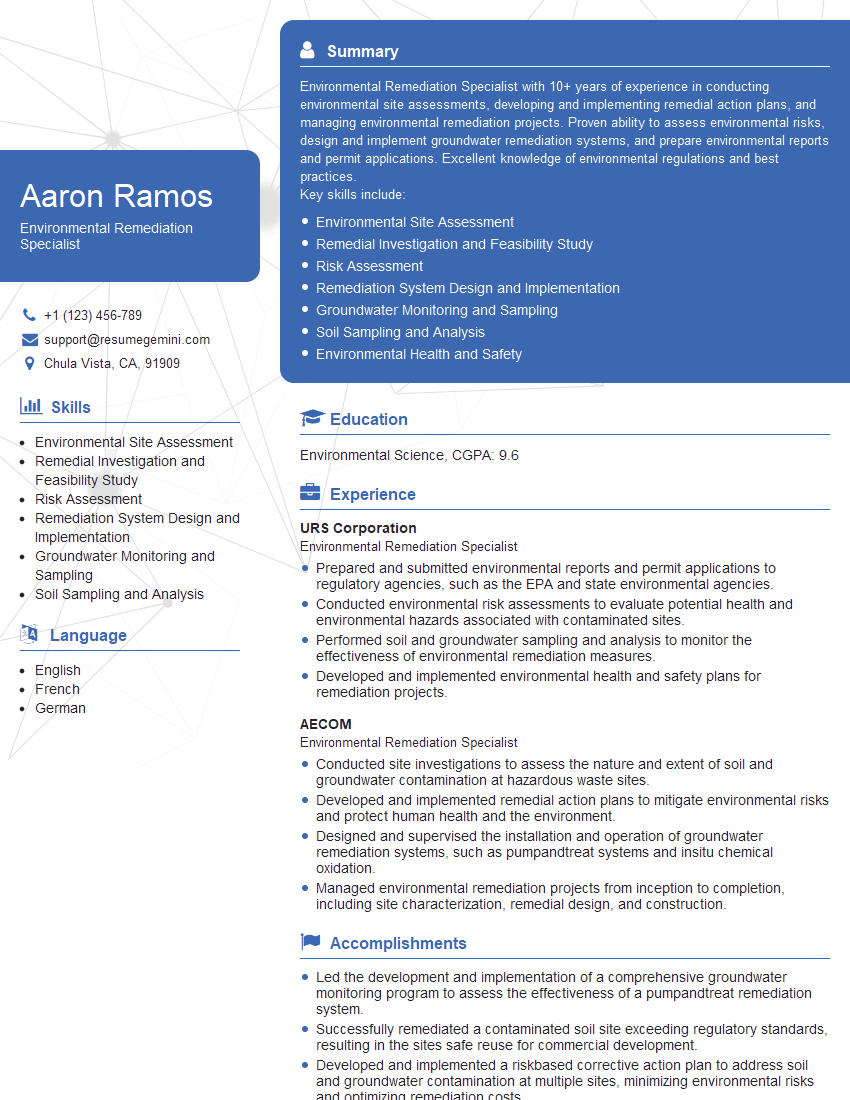
Environmental Remediation Specialist Resume Sample
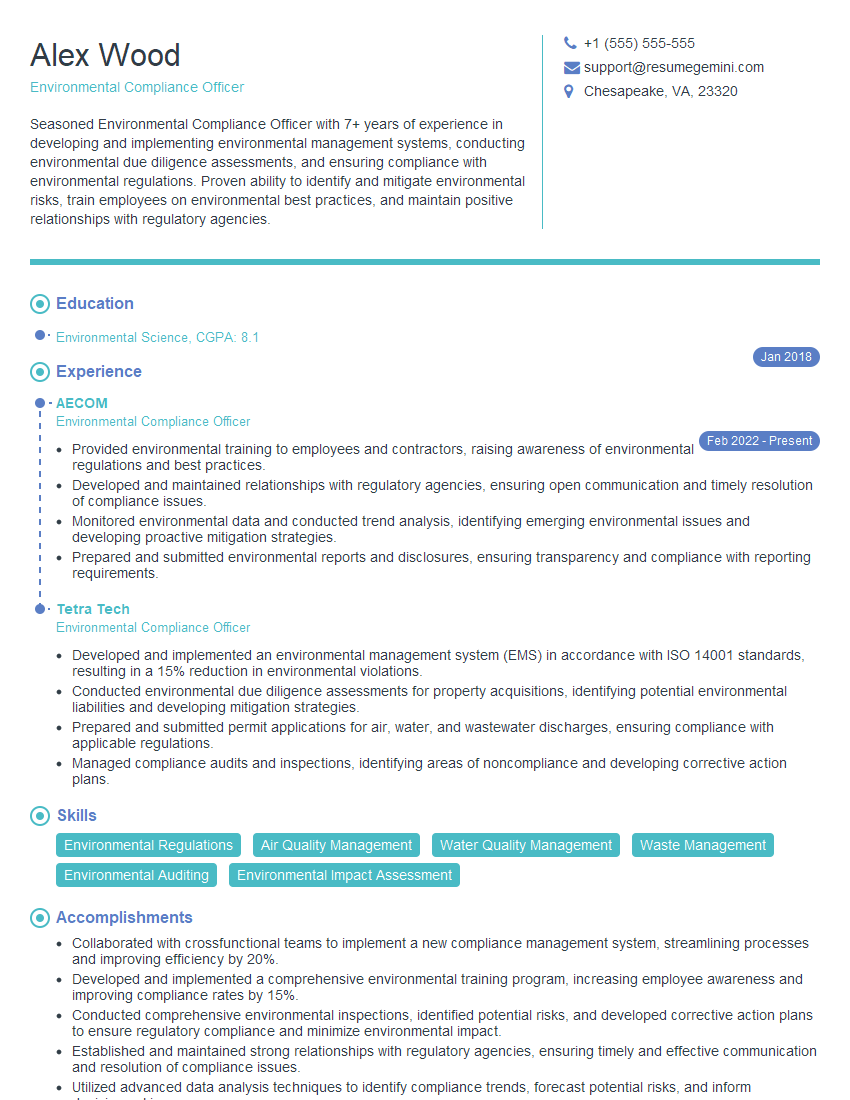
Environmental Compliance Officer Resume Sample
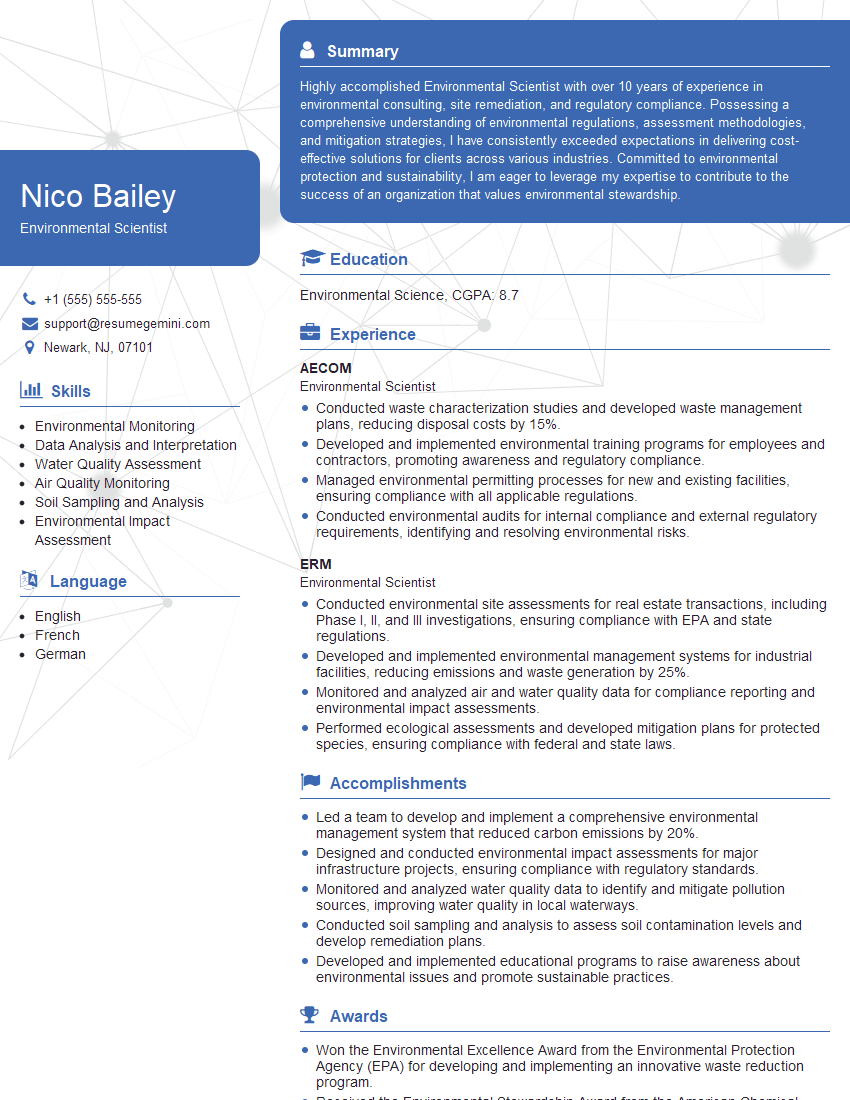
Environmental Scientist Resume Sample
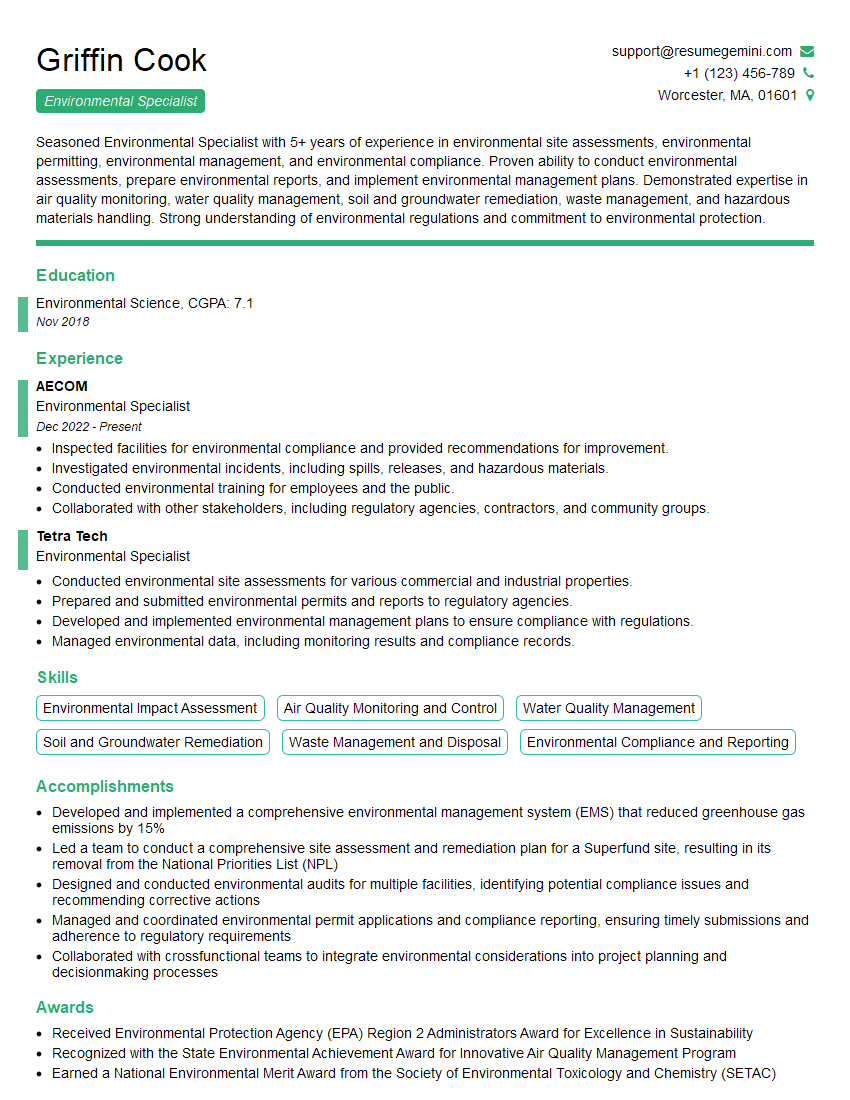
Environmental Specialist Resume Sample
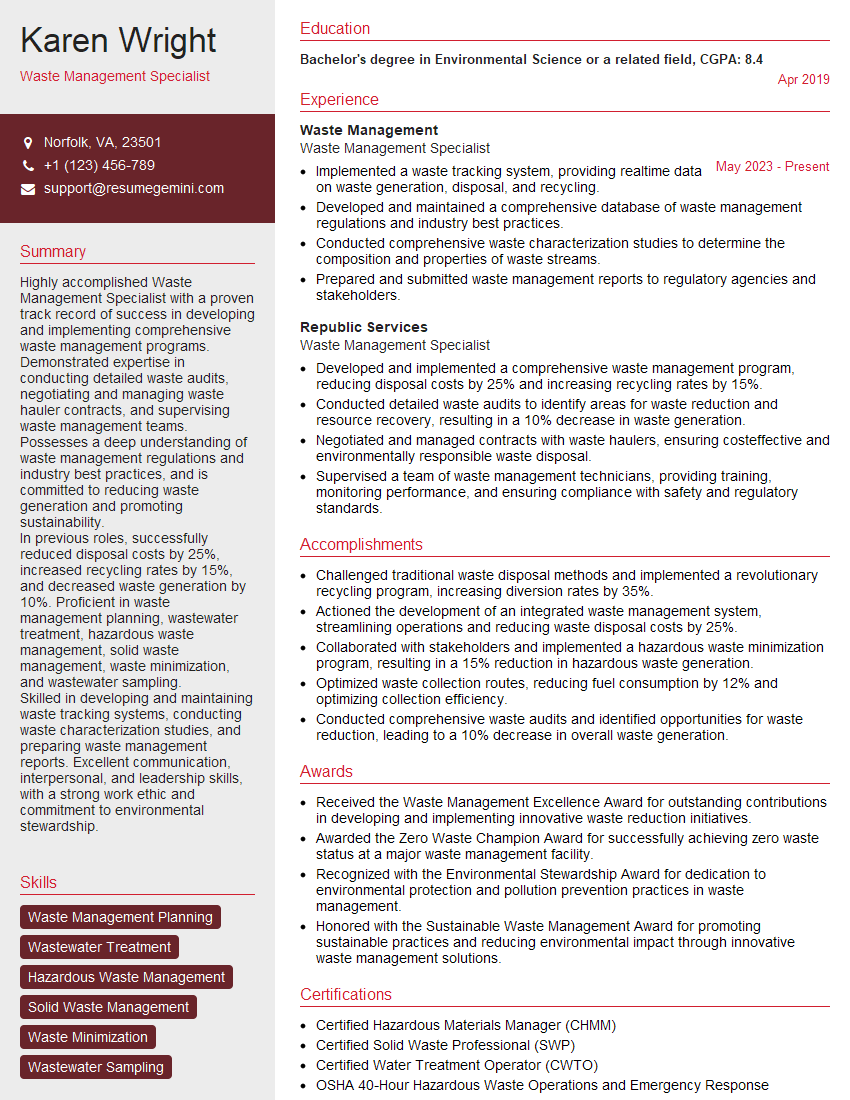
Waste Management Specialist Resume Sample
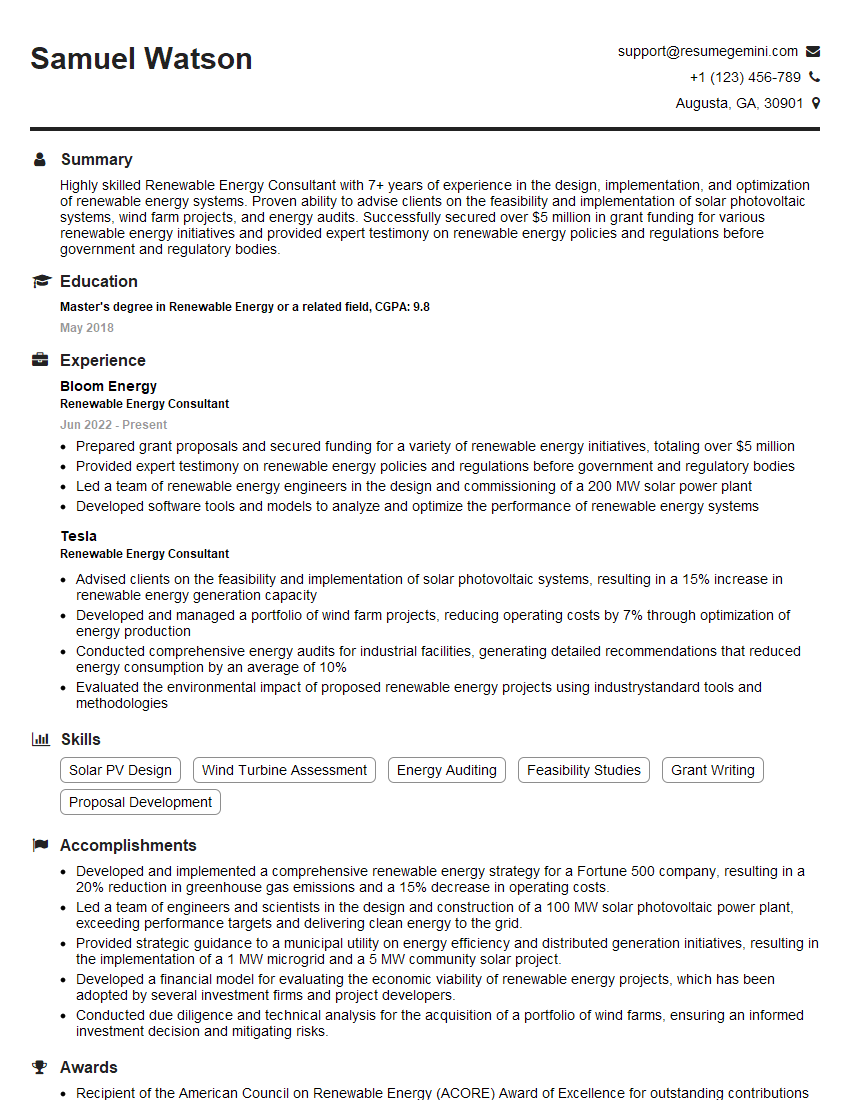
Renewable Energy Consultant Resume Sample
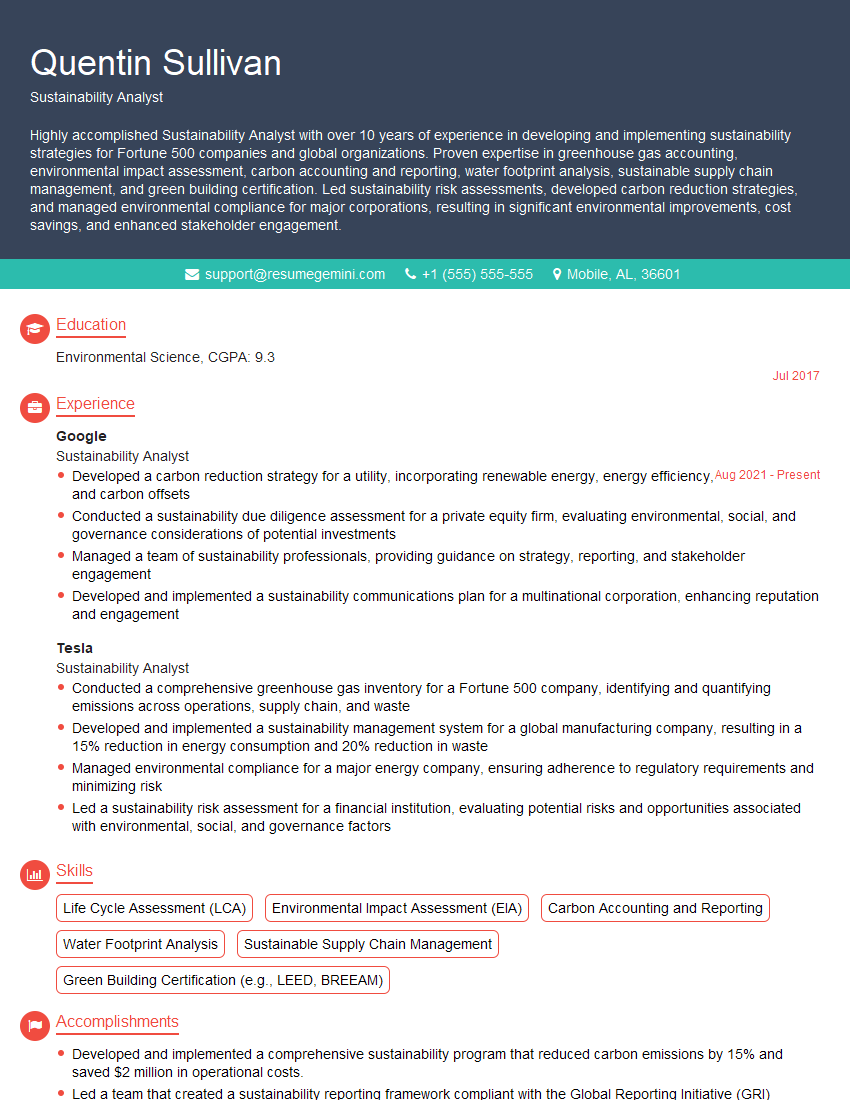
Sustainability Analyst Resume Sample

Sustainability Consultant Resume Sample
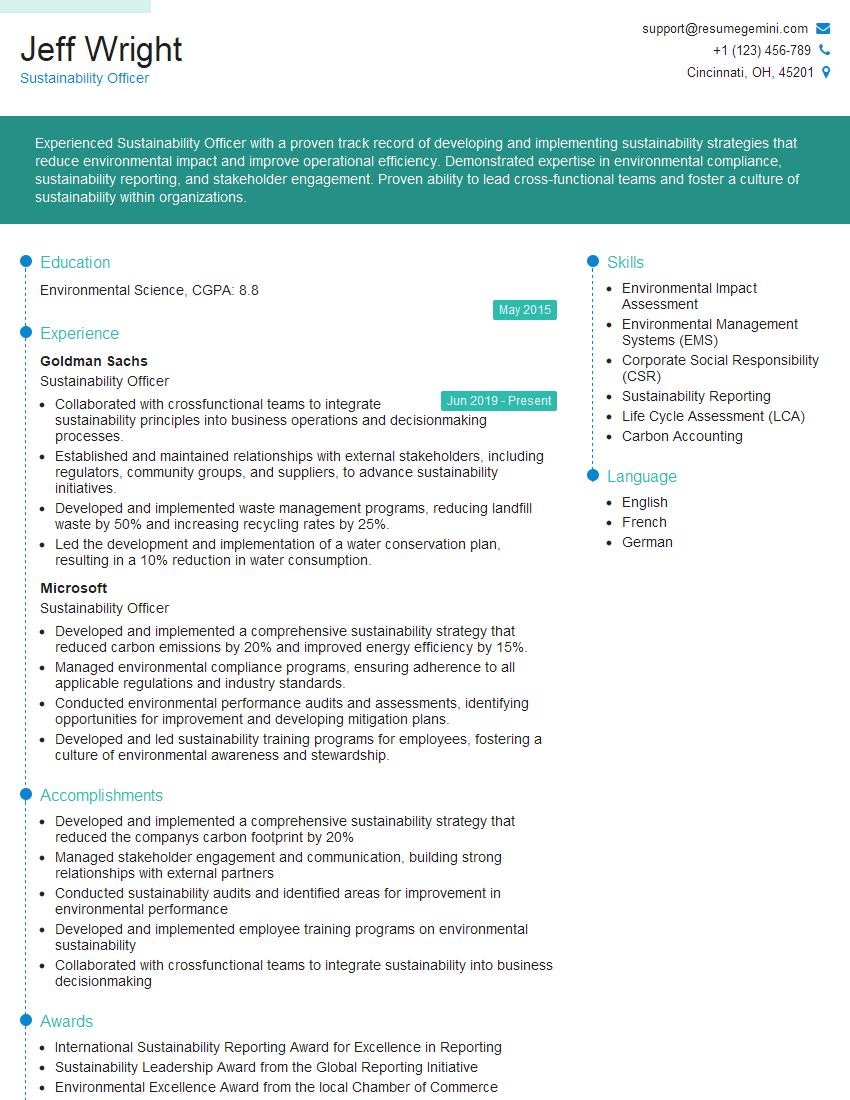
Sustainability Officer Resume Sample
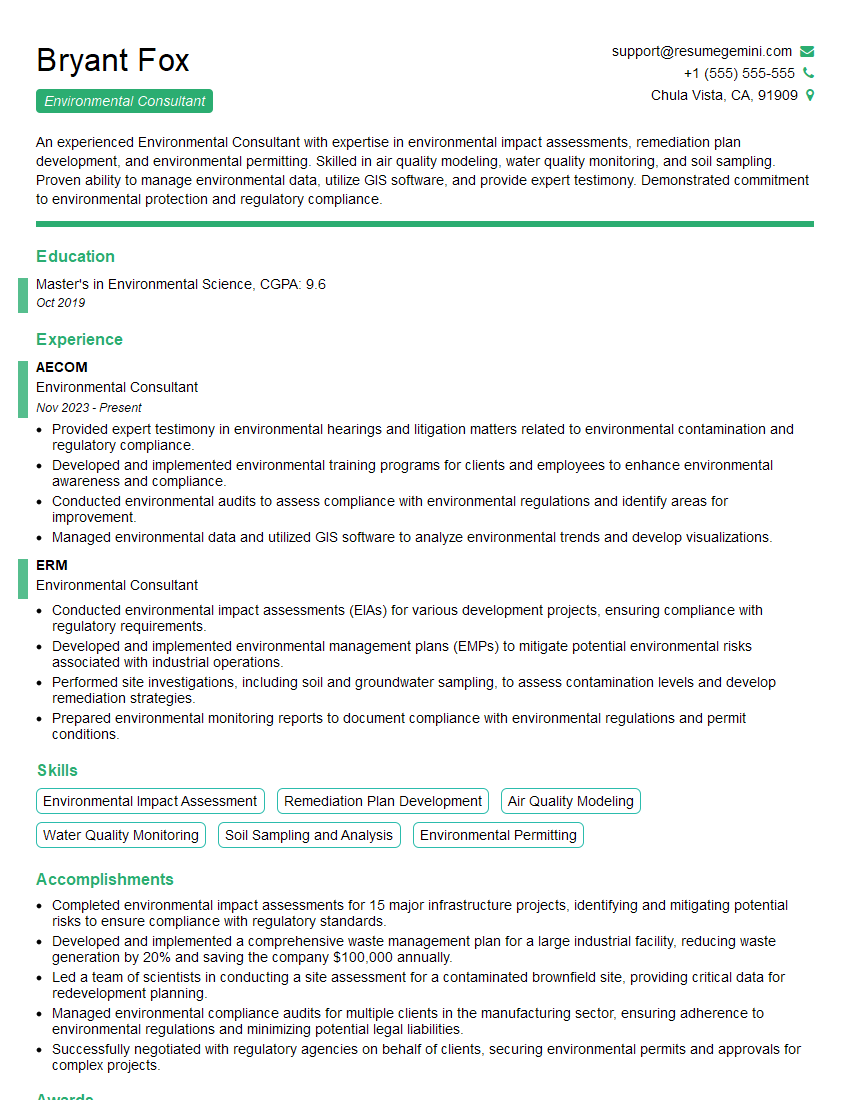
Environmental Consultant Resume Sample
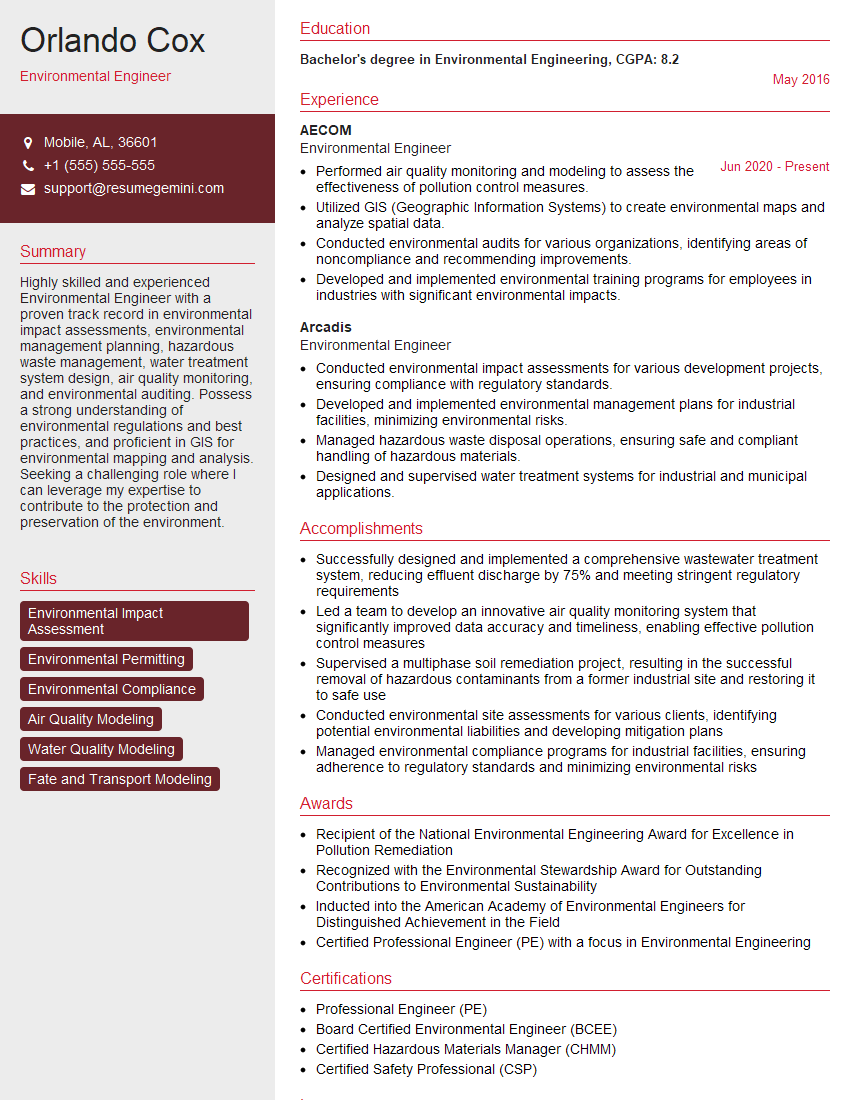
Environmental Engineer Resume Sample
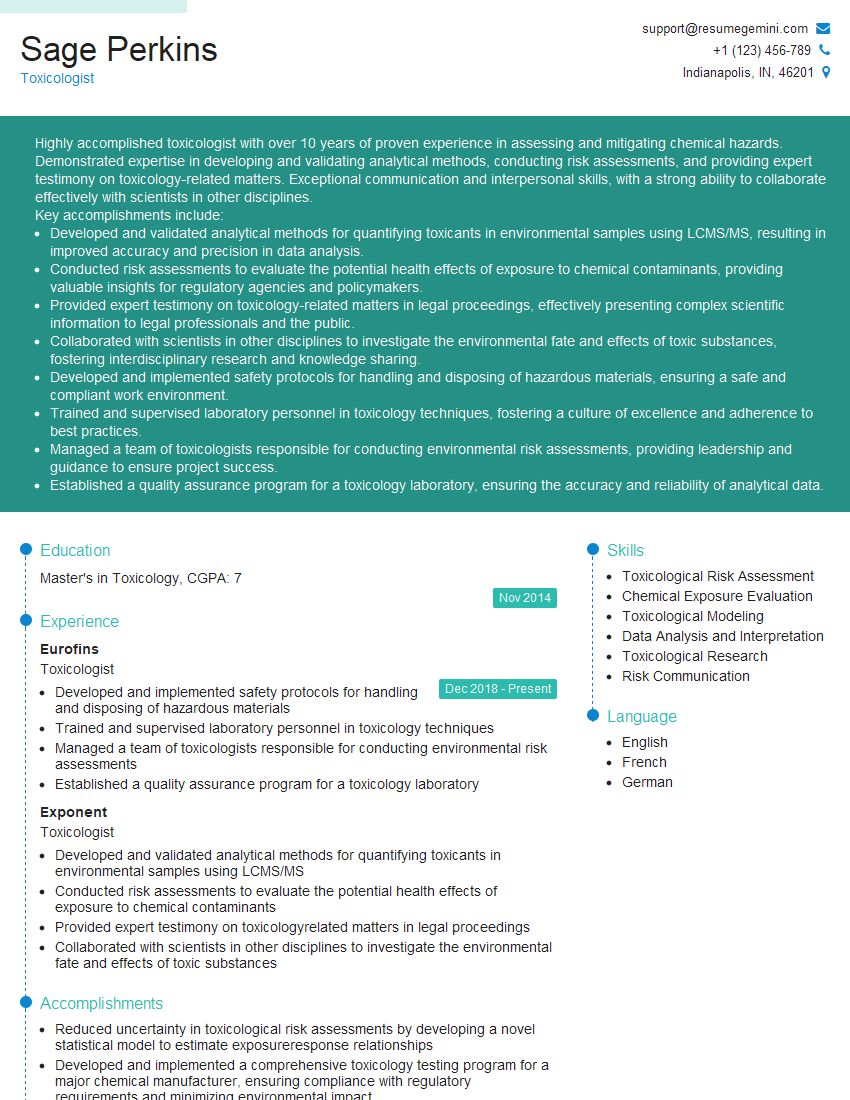
Toxicologist Resume Sample
- Sustainability Director
- Sustainability Manager
- Environmental Program Manager
- Environmental Health and Safety Manager
- Environmental Remediation Specialist
- Environmental Compliance Officer
- Environmental Scientist
- Environmental Specialist
- Waste Management Specialist
- Renewable Energy Consultant
- Sustainability Analyst
- Sustainability Consultant
- Sustainability Officer
- Environmental Consultant
- Environmental Engineer
- Toxicologist
Explore more articles
Users Rating of Our Blogs
Share Your Experience
We value your feedback! Please rate our content and share your thoughts (optional).
What Readers Say About Our Blog
Amazing blog
Interesting Article, I liked the depth of knowledge you’ve shared.
Helpful, thanks for sharing.