The thought of an interview can be nerve-wracking, but the right preparation can make all the difference. Explore this comprehensive guide to Food Processing and Technology interview questions and gain the confidence you need to showcase your abilities and secure the role.
Questions Asked in Food Processing and Technology Interview
Q 1. Explain the principles of High-Pressure Processing (HPP).
High-Pressure Processing (HPP), also known as Pascalization, is a non-thermal method of food preservation that uses ultra-high pressure (typically 100-800 MPa) to inactivate microorganisms and enzymes, extending the shelf life of food products. Imagine squeezing a balloon – the pressure forces changes within the cells of microorganisms, disrupting their structure and rendering them harmless. This process doesn’t significantly alter the sensory characteristics of food like taste, texture, or color, unlike traditional heat treatments.
The principle lies in the effect of pressure on the cellular level. High pressure disrupts the hydrogen bonds and other non-covalent interactions within microbial cells, denaturing proteins and enzymes crucial for their survival and growth. This leads to cell inactivation without significantly altering the nutritional value or sensory attributes of the food.
HPP is particularly effective against vegetative microorganisms like E. coli and Listeria monocytogenes, although spore-forming bacteria are less susceptible and might require higher pressures or longer treatment times.
Q 2. Describe the different methods of food preservation and their effectiveness.
Numerous methods exist for food preservation, each with varying effectiveness depending on the food type and desired shelf life. These methods can be broadly categorized:
- Thermal Processing: This includes methods like canning, pasteurization, and sterilization, using heat to kill microorganisms. Canning offers the longest shelf life, while pasteurization extends shelf life moderately and retains more nutrients than sterilization.
- Non-Thermal Processing: This includes HPP (explained earlier), irradiation (using ionizing radiation to kill microorganisms), and pulsed electric fields (using short bursts of high-voltage electricity to permeabilize microbial cells). These methods offer gentler preservation, minimizing nutritional and sensory changes.
- Low-Moisture Preservation: This involves reducing water activity (aw) which inhibits microbial growth. Examples include drying (sun-drying, freeze-drying, spray-drying), dehydration, and concentration.
- Chemical Preservation: This involves using chemicals like salt, sugar, vinegar, and preservatives like sorbic acid or benzoic acid to inhibit microbial growth. These methods can significantly extend shelf life but may alter the taste and nutritional composition of food.
- Modified Atmosphere Packaging (MAP): This involves altering the gas composition within the package (e.g., increasing CO2, reducing O2) to control microbial growth and maintain product quality. Think of those pre-packaged salads with extended shelf life.
The effectiveness of each method depends on several factors including the type of food, the initial microbial load, storage conditions, and desired shelf life. A combination of methods is often used for optimal preservation.
Q 3. What are the key factors influencing the shelf life of a food product?
Shelf life is a complex interplay of several factors, all affecting the quality and safety of a food product over time. Think of it as a delicate balance:
- Intrinsic Factors: These are inherent properties of the food itself. Examples include water activity (aw), pH, nutrient content, and the presence of natural preservatives or antimicrobial compounds.
- Extrinsic Factors: These are environmental factors affecting the food. Key factors here are temperature (storage temperature is crucial!), relative humidity, and the presence of oxygen.
- Processing Factors: How the food was processed significantly impacts its shelf life. For example, proper heat treatment will reduce the microbial load, while inefficient packaging can lead to spoilage.
- Packaging Factors: The type of packaging material is key. A well-designed package will protect the food from physical damage, microbial contamination, and environmental influences.
For instance, a high-water-activity product like fresh fruit will have a much shorter shelf life than a low-water-activity product like dried fruit, even under identical storage conditions. Proper control of these factors is crucial for maximizing shelf life.
Q 4. How do you ensure the safety and quality of food products throughout the processing chain?
Ensuring food safety and quality throughout the processing chain requires a multi-faceted approach, implemented at every stage from raw material sourcing to final product delivery. It’s like a relay race – each team member needs to do their part perfectly.
- Good Agricultural Practices (GAP): Implementing rigorous standards for raw material production, ensuring safe growing, harvesting, and handling practices.
- Good Manufacturing Practices (GMP): Maintaining strict sanitation and hygiene standards throughout the processing facility, including proper equipment cleaning and personnel hygiene.
- Hazard Analysis and Critical Control Points (HACCP): Implementing a proactive system for identifying and controlling potential hazards (discussed further below).
- Process Control: Monitoring critical process parameters (temperature, pressure, time) to ensure consistent product quality and safety. Regular calibration and validation of equipment are essential.
- Quality Control (QC) and Quality Assurance (QA): Implementing testing procedures and quality checks throughout the process, analyzing samples to ensure product conforms to standards.
- Traceability: Establishing robust systems for tracking food products throughout the supply chain, allowing for quick identification and removal of contaminated batches if necessary.
Regular audits and training are essential for maintaining these high standards across all aspects of the food processing chain.
Q 5. Explain the importance of HACCP in food processing.
HACCP (Hazard Analysis and Critical Control Points) is a systematic, preventative approach to food safety. Instead of simply reacting to contamination, HACCP proactively identifies and controls potential hazards. Think of it as a preventative medical approach, rather than just treating illnesses.
The HACCP system involves seven principles:
- Conduct a hazard analysis.
- Determine critical control points (CCPs).
- Establish critical limits.
- Establish monitoring procedures.
- Establish corrective actions.
- Establish verification procedures.
- Establish record-keeping and documentation procedures.
By systematically identifying and controlling hazards at critical points in the processing chain, HACCP ensures consistent production of safe and high-quality food products. It is widely recognized as a best practice in the food industry, required by many regulatory bodies worldwide.
Q 6. Describe your experience with different types of food packaging and their functionalities.
My experience encompasses a wide range of food packaging materials, each with its unique properties and applications. The choice of packaging depends heavily on the product’s characteristics, required shelf life, and cost considerations.
- Flexible Packaging: This includes materials like films (polyethylene, polypropylene, etc.), pouches, and bags. These are cost-effective, lightweight, and offer good barrier properties against moisture and oxygen, but might not be as robust as rigid packaging.
- Rigid Packaging: This encompasses cans (metal), glass jars, and bottles. These offer excellent barrier properties and protect the product well, but are heavier and more expensive.
- Modified Atmosphere Packaging (MAP): As mentioned earlier, this involves altering the gas composition within the package to extend shelf life and maintain quality. This often involves flexible packaging with gas barriers.
- Aseptic Packaging: This involves sterilizing both the product and the packaging separately before filling. This ensures extended shelf life without the need for refrigeration. Common examples are Tetra Pak cartons.
Beyond the material itself, packaging design plays a crucial role. Factors such as gas permeability, moisture vapor transmission rate, and ease of opening are all critical considerations.
Q 7. What are the common challenges in maintaining food safety during processing?
Maintaining food safety during processing presents several significant challenges, many stemming from the complex and dynamic nature of the food processing environment:
- Microbial Contamination: Preventing contamination from raw materials, equipment, personnel, and the surrounding environment is paramount. This requires rigorous sanitation and hygiene practices, regular monitoring, and prompt remediation of any contamination incidents.
- Cross-Contamination: Preventing the transfer of pathogens between different food products or processing stages is critical. Careful segregation of raw and cooked foods, dedicated equipment for different products, and robust cleaning procedures are essential.
- Temperature Control: Maintaining appropriate temperatures during processing and storage is crucial for preventing microbial growth. Failures in refrigeration or heating systems can lead to rapid spoilage and potential health hazards.
- Allergen Control: Preventing cross-contamination with allergens is vital, especially for products marketed to individuals with allergies. Careful handling of allergenic ingredients and stringent cleaning procedures are essential.
- Process Variability: Maintaining consistent processing conditions is essential to ensure consistent product quality and safety. Variations in temperature, pressure, or time can affect the effectiveness of preservation methods and potentially lead to microbial growth or degradation of food quality.
Addressing these challenges requires a proactive and multi-pronged approach, encompassing strong GMPs, robust HACCP plans, and continuous training and monitoring.
Q 8. Explain your understanding of GMP (Good Manufacturing Practices).
Good Manufacturing Practices (GMP) are a set of guidelines and procedures designed to ensure the consistent production of high-quality food products that are safe for consumption. They cover all aspects of food production, from receiving raw materials to the final packaging and distribution. Think of GMP as a comprehensive recipe for food safety, ensuring each step follows established best practices.
- Hygiene and Sanitation: Maintaining a clean and sanitary production environment is paramount. This includes regular cleaning and disinfection of equipment, surfaces, and the facility itself.
- Personnel Hygiene: GMPs dictate strict hygiene practices for personnel, including handwashing, wearing appropriate protective clothing, and avoiding contamination through proper behavior.
- Equipment Maintenance: Regular maintenance and calibration of processing equipment is critical to ensure consistent product quality and prevent malfunctions that could lead to contamination.
- Traceability: Effective record-keeping is vital. GMPs emphasize maintaining detailed records of all ingredients, processes, and batches to facilitate traceability in case of recalls or quality issues. Imagine it like a detailed diary for every single batch of your product.
- Pest Control: Implementing robust pest control measures is essential to prevent infestations that could compromise product safety and quality.
Non-compliance with GMP can lead to product recalls, regulatory fines, and damage to a company’s reputation. A thorough GMP program is an investment in the safety and success of any food processing operation. For example, a chocolate factory might have strict GMPs for controlling temperature and humidity throughout the production process to ensure the chocolate doesn’t melt or become grainy.
Q 9. How do you identify and address potential hazards in a food processing facility?
Hazard Analysis and Critical Control Points (HACCP) is the systematic approach used to identify and address potential hazards in food processing. It’s a proactive strategy, not just a reactive one. Imagine it as a detailed safety checklist for each stage of your food production.
- Hazard Identification: Identify potential biological, chemical, and physical hazards. Biological hazards include bacteria, viruses, and parasites. Chemical hazards encompass pesticides, toxins, and allergens. Physical hazards are things like glass shards or metal fragments. Consider every step: from sourcing ingredients to distribution.
- Risk Assessment: Evaluate the likelihood and severity of each identified hazard. Some hazards are more likely or have more severe consequences than others. For example, E. coli contamination carries a much higher risk than a small piece of shell in a peanut butter jar.
- Critical Control Point (CCP) Determination: Identify points in the process where hazards can be controlled or eliminated. These are your CCPs. In a canning process, heating is a crucial CCP to kill harmful bacteria.
- Critical Limits Establishment: Set specific limits for each CCP to ensure safety. This might be a temperature, time, or pH value. For instance, a CCP might require holding a product at 121°C for a minimum of 15 minutes.
- Monitoring Procedures: Develop and implement procedures to monitor CCPs. This involves regular measurements and recording of data at each CCP. Think of it as consistently checking your gauges to ensure the product meets safety requirements.
- Corrective Actions: Establish corrective actions to be taken if a CCP deviates from the set limits. For example, if the temperature in a cooker drops below the critical limit, immediate action is needed.
- Record Keeping: Maintain detailed records of all monitoring and corrective actions. This documentation is essential for traceability and demonstrating compliance.
Implementing HACCP ensures a safer product and provides legal protection. For example, a juice processing plant might use HACCP to manage the risk of microbial contamination by establishing a CCP for pasteurization and setting a critical limit for the temperature and time of the pasteurization process.
Q 10. Describe the different types of thermal processing methods.
Thermal processing methods use heat to preserve food by inactivating enzymes and destroying microorganisms. These are vital for extending shelf life and ensuring safety.
- Pasteurization: This involves heating food to a specific temperature for a set time to kill pathogenic microorganisms. Milk pasteurization, for instance, is a common example using lower temperatures for extended times to minimize nutrient loss. High-Temperature Short-Time (HTST) pasteurization is widely used.
- Sterilization: This is a more intense heat treatment designed to kill all microorganisms, including spores. Canned goods often undergo sterilization using high temperatures and pressures in an autoclave, ensuring complete eradication of microbial life.
- Blanching: This is a brief heat treatment applied to vegetables before freezing or canning. It inactivates enzymes that could cause deterioration during storage, preserving color, texture, and flavor.
- Baking: The application of dry heat to bread, cakes, and other baked goods is another thermal process that not only cooks the product but contributes to its preservation by reducing water activity.
- Frying: While primarily a cooking method, frying also contributes to food preservation through the dehydration of the product’s surface.
The choice of thermal processing method depends on the specific food product and its required shelf life. For example, milk requires pasteurization, while canned goods need sterilization for long-term shelf stability.
Q 11. Explain the role of microorganisms in food spoilage.
Microorganisms, including bacteria, yeasts, and molds, play a significant role in food spoilage. They thrive in specific environmental conditions, breaking down food components and producing undesirable changes in its appearance, odor, texture, and taste. Imagine a colony of microscopic chefs wreaking havoc on your dinner.
- Bacteria: Many bacterial species cause food spoilage by producing enzymes that break down proteins, fats, and carbohydrates. This can lead to off-odors, slimy textures, and souring of foods. E. coli and Salmonella are infamous examples that cause foodborne illnesses.
- Yeasts: Yeasts are single-celled fungi that ferment sugars, producing carbon dioxide and alcohol. This can lead to spoilage in foods like fruit juices and baked goods, causing off-flavors and gas production.
- Molds: Molds are multicellular fungi that grow on the surface of foods, often producing visible fuzzy growth. They release enzymes that break down food components, often producing undesirable colors, odors, and textures.
Factors influencing microbial growth include temperature, moisture content, pH, oxygen availability, and the presence of preservatives. Controlling these factors is key to preventing food spoilage. For instance, refrigeration inhibits bacterial growth, while reducing water activity inhibits mold growth. Preservatives like salt and sugar also help control microbial growth by reducing water activity or being toxic to microorganisms.
Q 12. How do you perform a sensory evaluation of a food product?
Sensory evaluation involves using human senses to assess the quality characteristics of a food product. This is subjective, but using structured methodologies produces valuable information.
- Descriptive Analysis: Trained panelists use standardized vocabulary to describe the appearance, aroma, taste, texture, and sound of the food. Think of them as professional food critics, providing detailed descriptions of a dish.
- Affective Tests: These assess consumer preferences and acceptance. Methods include hedonic scales (rating liking on a scale), paired comparisons (choosing which sample they prefer), and ranking tests (ranking samples in order of preference). This gives insight into consumer appeal.
- Difference Tests: These determine whether discernible differences exist between samples. Common tests include triangle tests (identifying the odd sample out of three), duo-trio tests (choosing which sample matches a reference sample), and paired comparison tests.
Careful planning and execution of sensory tests are crucial for reliable results. This includes controlling environmental conditions (lighting, temperature, etc.), providing trained panelists, using appropriate statistical analysis, and managing bias. For example, a company testing a new ice cream flavor might use hedonic scales to determine consumer liking, while difference testing helps establish if their new recipe differs from the current one.
Q 13. What are the different types of food rheology and their significance?
Food rheology is the study of the flow and deformation of food materials. Understanding rheological properties is crucial in food processing and product development, impacting texture, mouthfeel, and processing behavior. Think of how different foods feel in your mouth – the creamy texture of yogurt versus the crispness of a potato chip – these are rheological properties.
- Viscosity: This describes a fluid’s resistance to flow. High-viscosity foods like honey flow slowly, while low-viscosity foods like water flow easily. Viscosity is critical in processes like pumping, mixing, and coating.
- Elasticity: This refers to a material’s ability to return to its original shape after deformation. Think of the elasticity of a gummy bear. It deforms when bitten, then springs back somewhat. Elasticity is important in products like dough and cheese.
- Plasticity: This describes a material’s ability to deform permanently under stress. Think of shaping clay – it doesn’t return to its original shape. Plasticity is relevant in dough and cheese processing.
- Yield Stress: This is the minimum amount of stress needed for a material to start flowing. Ketchup is a good example—it requires some initial force before it starts to flow.
Rheological properties influence processing operations such as mixing, extrusion, pumping, and shaping. They also significantly impact the sensory qualities of the final product, affecting texture and mouthfeel. For example, the viscosity of a sauce impacts its pourability, while the elasticity of bread dough affects its ability to be shaped.
Q 14. Explain your understanding of food chemistry, including reactions affecting quality.
Food chemistry is the study of the chemical processes and composition of food. It examines the chemical reactions that occur during food processing, storage, and consumption, impacting the quality, safety, and nutritional value of food. It’s essentially the science behind how food changes.
- Enzymatic Reactions: Enzymes catalyze various reactions in food, such as browning, oxidation, and hydrolysis. Enzymatic browning, seen in cut apples, is caused by polyphenol oxidase, which can be controlled through blanching.
- Maillard Reaction: This is a non-enzymatic reaction between amino acids and reducing sugars at high temperatures, contributing to the browning and flavor development of baked goods and roasted meats. Think of the delicious brown crust on a loaf of bread.
- Lipid Oxidation: Exposure to oxygen and light leads to the oxidation of fats and oils, producing rancidity and off-flavors. Antioxidants are used to prevent this. Rancid peanut butter is a prime example.
- Protein Denaturation: Proteins can unfold and lose their functional properties due to heat, pH changes, or other factors. This is relevant in egg cooking (protein denaturation causes the egg white to solidify).
Understanding these chemical reactions is crucial for controlling food quality, extending shelf life, and ensuring food safety. For example, understanding lipid oxidation allows us to develop packaging methods that protect food from oxygen, and controlling enzymatic browning leads to better-looking and longer-lasting produce.
Q 15. Describe your experience with food processing equipment and machinery.
My experience with food processing equipment and machinery spans over 15 years, encompassing a wide range of technologies used in various stages of food production. I’ve worked extensively with equipment for preparation (e.g., peelers, slicers, dicers), processing (e.g., mixing tanks, homogenizers, extruders), preservation (e.g., retorts, freezers, dryers), and packaging (e.g., filling machines, sealers, labeling systems). This includes both small-scale artisanal equipment and large-scale industrial machinery found in high-volume plants. For example, I was instrumental in the installation and commissioning of a new high-pressure homogenizer for a dairy processing plant, which significantly improved product texture and shelf life. I’m proficient in troubleshooting, maintaining, and optimizing the performance of this diverse machinery, ensuring efficiency and safety.
My expertise extends to understanding the specifics of different machine types, including their operational parameters, cleaning procedures (crucial for food safety), and preventative maintenance schedules. This allows me to ensure optimal efficiency and minimize downtime. I am familiar with various automation systems used in modern food processing, including PLC programming and SCADA systems for monitoring and control.
Career Expert Tips:
- Ace those interviews! Prepare effectively by reviewing the Top 50 Most Common Interview Questions on ResumeGemini.
- Navigate your job search with confidence! Explore a wide range of Career Tips on ResumeGemini. Learn about common challenges and recommendations to overcome them.
- Craft the perfect resume! Master the Art of Resume Writing with ResumeGemini’s guide. Showcase your unique qualifications and achievements effectively.
- Don’t miss out on holiday savings! Build your dream resume with ResumeGemini’s ATS optimized templates.
Q 16. How do you troubleshoot equipment malfunctions in a food processing plant?
Troubleshooting equipment malfunctions in a food processing plant requires a systematic approach. My first step is always safety – ensuring the machine is isolated and secured before any investigation begins. Then, I use a structured process:
- Identify the problem: Pinpoint the exact malfunction. Is it a complete shutdown, reduced output, or a change in product quality? Detailed observations and data logging from the machine’s control system are crucial here.
- Gather information: Check the machine’s operational logs, review maintenance records, and talk to the operators to gather information on when the problem occurred, preceding events, and any error messages displayed.
- Analyze the issue: This stage involves systematically checking components, using diagnostic tools, and potentially referring to technical manuals or contacting the manufacturer for support. Understanding the cause-and-effect relationships within the machinery is vital.
- Implement a solution: Once the root cause is identified, the appropriate repair or adjustment is made. This might involve replacing a faulty part, recalibrating sensors, or adjusting operational parameters.
- Verify the repair: After the fix, the machine is thoroughly tested to ensure it’s functioning correctly and producing the expected output.
- Document the process: Every step of the troubleshooting process is meticulously documented, including the problem, the solution implemented, and the results. This helps prevent future issues and aids in continuous improvement.
For example, during a recent incident with a faulty conveyor belt, I quickly identified a worn-out drive pulley as the source of the problem, ordering a replacement and getting the line back up and running within a few hours, minimizing production loss.
Q 17. Explain the principles of food drying and its impact on product quality.
Food drying is a preservation technique that removes water from food, inhibiting microbial growth and extending shelf life. The principle lies in reducing water activity (aw), which is the amount of unbound water available for microbial activity. Different drying methods achieve this through various mechanisms:
- Air Drying: Relies on air circulation to evaporate moisture. Simple and energy-efficient but slow.
- Freeze Drying (Lyophilization): Water is removed by sublimation, transitioning directly from ice to vapor under vacuum. Preserves product quality exceptionally well.
- Spray Drying: A liquid food is atomized into a hot airflow, leading to rapid evaporation. Used for powders and granules.
- Sun Drying: The oldest method, relying on solar energy. Prone to inconsistencies and contamination.
The impact of drying on product quality depends significantly on the method employed and the food’s properties. Factors like temperature, airflow, and drying time affect color, texture, flavor, and nutrient retention. For instance, freeze-drying retains more volatile aromas and nutrients compared to air drying, but it’s more expensive. Careful control of drying parameters is essential for maximizing quality and shelf life while minimizing nutrient loss.
In my experience, optimizing drying parameters for a particular product, using a combination of process analytics and sensory evaluation, was crucial for achieving the desired quality attributes and a longer shelf life.
Q 18. What are the different types of food processing waste and their management strategies?
Food processing generates various types of waste, including:
- Organic Waste: Vegetable peels, fruit cores, processing residues, and expired products. This can be composted, anaerobically digested (to produce biogas), or used as animal feed.
- Inorganic Waste: Packaging materials (plastics, metals, glass), cleaning chemicals, and broken equipment parts. Recycling and proper disposal are critical.
- Water Waste: Wastewater containing organic matter, chemicals, and suspended solids. Treatment is necessary before discharge to protect the environment.
- Energy Waste: Inefficient equipment operation and heat loss during processing. Optimizing energy usage is crucial for sustainability.
Effective waste management strategies involve implementing a waste hierarchy: reduce, reuse, recycle, and recover. This includes process optimization to minimize waste generation, using efficient equipment, implementing recycling programs, and treating wastewater to environmental standards. For example, I’ve worked on projects where food processing waste was used to create compost for local farmers, reducing landfill burden and generating a valuable byproduct. Furthermore, implementing a robust waste tracking system is vital for monitoring waste streams and evaluating the effectiveness of different waste management measures.
Q 19. How do you ensure traceability throughout the food processing process?
Traceability in food processing is the ability to track a product’s journey from its origin to the consumer. This is essential for food safety and quality control. To ensure traceability, a robust system is needed, which includes:
- Batch Tracking: Assigning unique identification numbers to each batch of raw materials and processed products.
- Record Keeping: Maintaining detailed records of all stages of the production process, including dates, times, processing parameters, and operator information.
- Supplier Management: Collaborating with suppliers to ensure they also have traceability systems in place.
- Inventory Management: Utilizing software systems to track inventory levels and movement of raw materials and finished goods.
- Data Integration: Integrating data from different parts of the production process into a centralized system for easier tracking and analysis.
- Barcode/RFID technology: Using these technologies for efficient tracking of individual products or pallets.
In practice, this might involve using barcode scanners at each stage of processing to record the batch number and location of each product. Any deviations or issues can be quickly identified and addressed through this detailed tracking. A strong traceability system is a critical element in reacting efficiently to food safety incidents and maintaining consumer trust.
Q 20. Describe your experience with food labeling regulations.
My experience with food labeling regulations is extensive, encompassing both national and international standards. I am intimately familiar with regulations like the FDA (Food and Drug Administration) requirements in the US, the EU’s food labeling directives, and other relevant country-specific regulations. These regulations cover a range of aspects, including:
- Mandatory Information: Product name, net weight, ingredients list (with allergens clearly identified), manufacturer’s information, nutritional facts panel, and best-before/expiry dates.
- Nutrient Declaration: Accuracy and completeness of nutrient information, using standardized methods of measurement and reporting.
- Allergen Labeling: Clear and unambiguous declaration of potential allergens, complying with specific regulations.
- Health Claims: Substantiation of any health claims made on the label, adhering to strict scientific evidence requirements.
- Packaging and Labeling Materials: Compliance with regulations concerning materials that come into contact with food, ensuring safety and preventing contamination.
Staying updated on these constantly evolving regulations is crucial. I regularly attend industry conferences and training sessions to ensure compliance and keep abreast of any changes. In my past role, I was directly responsible for ensuring all product labels met regulatory requirements before market release, thereby avoiding potential legal issues and maintaining consumer trust.
Q 21. Explain your understanding of food irradiation and its applications.
Food irradiation is a food preservation method using ionizing radiation to eliminate harmful microorganisms and extend shelf life. It doesn’t make food radioactive; the energy levels used are not high enough to induce radioactivity in the food. The process involves exposing food to controlled doses of gamma rays, X-rays, or electron beams.
Applications of Food Irradiation:
- Inhibiting Spoilage: Reducing microbial load, thereby extending shelf life. This is widely used for fruits, vegetables, and spices.
- Controlling Parasites: Eliminating parasites like Trichinella spiralis (in pork) and Toxoplasma gondii (in meat).
- Delaying Sprouting: Preventing sprouting in potatoes and onions.
- Insect Control: Reducing insect infestation in grains and dried fruits.
Advantages: Effective in reducing microbial contamination, extending shelf life, and reducing the use of chemical preservatives.
Disadvantages: Concerns about potential changes in nutritional value and consumer acceptance, requiring careful control of the irradiation process and appropriate labeling.
While irradiation is a safe and effective technology, it’s important to manage consumer perception through clear and accurate labeling, emphasizing the safety and benefits. My understanding of the process and its applications allows me to assess its suitability for specific food products, weighing the benefits against any potential drawbacks.
Q 22. How do you manage and mitigate risks associated with food allergens?
Managing food allergens requires a multifaceted approach focusing on prevention, identification, and control throughout the entire food production chain. It begins with meticulous ingredient sourcing and verification. We ensure our suppliers provide accurate allergen information and certifications, and we maintain detailed records. Strict segregation of allergen-containing ingredients is paramount. This includes dedicated processing lines, equipment, and even storage areas. Cross-contamination is a major concern, so rigorous cleaning and sanitization protocols using validated procedures are essential. Clear labeling is vital; we comply with all relevant regulations, using bold lettering and clear statements to avoid ambiguity. Finally, a robust traceability system allows us to quickly identify and isolate contaminated batches should an issue arise. For example, in a bakery, we might have separate mixing bowls and ovens for products containing nuts, ensuring complete separation from nut-free products.
Moreover, employee training is crucial. All staff receive thorough education on allergen awareness, handling procedures, and the importance of hygiene. Regular audits and internal inspections are conducted to ensure compliance and identify areas for improvement.
Q 23. Describe your experience with different types of food ingredients and their functionalities.
My experience encompasses a wide range of food ingredients, from basic carbohydrates and proteins to complex emulsifiers and hydrocolloids. I understand the functional properties of each, such as thickening (like xanthan gum), gelling (like pectin), emulsifying (like lecithin), and stabilizing (like carrageenan). I’ve worked extensively with various starches (corn, potato, tapioca), their different viscosities, and their applications in sauces, soups, and baked goods. Similarly, I’m familiar with the numerous types of proteins, including dairy (whey, casein), soy, and plant-based alternatives, and their roles in texture, mouthfeel, and nutritional value. Understanding the interactions between these ingredients is crucial in product development. For example, I’ve utilized the synergistic effect of starch and protein in creating a stable and smooth pudding texture. My experience also extends to various fats and oils, their impact on flavor and shelf life, and the selection of appropriate alternatives based on dietary preferences and health considerations.
Q 24. Explain the role of quality control in ensuring product consistency.
Quality control (QC) is the backbone of consistent product quality. It’s a systematic process that ensures products meet predetermined specifications throughout the entire production process, from raw materials to finished goods. This involves implementing rigorous testing methods at different stages. For example, we might conduct sensory evaluations for taste and texture, microbiological tests for pathogens, and physical tests for weight, size, and appearance. Statistical process control (SPC) plays a vital role in identifying and preventing deviations from these specifications. By continuously monitoring key process parameters and analyzing data, we can detect trends and make adjustments to maintain consistency. Effective QC also involves a robust documentation system, including detailed records of testing results, corrective actions, and improvements. Imagine a beverage manufacturer; consistent color and sweetness require careful monitoring of sugar concentration and coloring agents throughout the production process. QC ensures every bottle meets the brand standard.
Q 25. How do you implement and maintain a food safety management system?
Implementing and maintaining a Food Safety Management System (FSMS), such as HACCP (Hazard Analysis and Critical Control Points), involves a systematic approach. It starts with a thorough hazard analysis, identifying potential biological, chemical, and physical hazards at each stage of production. Critical Control Points (CCPs) are then identified – points where control can prevent or eliminate a hazard. For each CCP, critical limits are established, and monitoring procedures are implemented. Corrective actions are defined in case limits are exceeded. Regular verification activities ensure the system’s effectiveness. This might include internal audits, supplier audits, and environmental monitoring. Record-keeping is paramount; all steps must be meticulously documented, from hazard analysis to corrective actions. For example, a meat processing plant would identify CCPs such as cooking temperature (to eliminate pathogens) and metal detection (to prevent physical contaminants). By adhering to an FSMS, we minimize food safety risks and ensure consumer protection.
Q 26. Describe your experience with statistical process control (SPC) in food processing.
Statistical Process Control (SPC) is a powerful tool for monitoring and improving food processing operations. It uses statistical methods to analyze data and identify trends, variations, and potential problems. Control charts, like X-bar and R charts, are commonly employed to monitor key process parameters such as temperature, weight, or pH. These charts visually represent data over time, allowing us to detect shifts in the process mean or increases in variability. By implementing SPC, we can promptly identify and address issues before they significantly impact product quality. For instance, in a canning facility, we might use SPC to monitor the sterilization temperature of the retort. If the temperature consistently falls below the critical limit, we can identify and rectify the problem in the heating system before spoilage occurs, preventing large-scale recalls.
Q 27. Explain your understanding of different food processing unit operations.
Food processing involves a series of unit operations, each performing a specific function. These include cleaning and pre-treatments (washing, peeling, chopping), thermal processing (pasteurization, sterilization, blanching), separation processes (filtration, centrifugation, evaporation), size reduction (milling, grinding), mixing and blending, and packaging. Understanding these operations is fundamental to designing efficient and effective processing lines. For instance, blanching vegetables before freezing inactivates enzymes, improving product quality and shelf life. Pasteurization of milk eliminates pathogens, while evaporation concentrates fruit juices. Each operation’s parameters (temperature, time, pressure) must be carefully controlled to achieve desired outcomes and ensure product safety and quality.
Q 28. How do you optimize food processing operations to improve efficiency and reduce waste?
Optimizing food processing operations for efficiency and waste reduction requires a holistic approach. This begins with process mapping and analysis to identify bottlenecks and inefficiencies. Lean manufacturing principles, such as eliminating waste (muda) in all forms (overproduction, waiting, transportation, etc.), can significantly improve efficiency. Implementing automated systems and advanced process control can minimize human error and enhance productivity. Waste reduction strategies include improving yield through better ingredient utilization, optimizing cleaning procedures to minimize water usage, and exploring byproduct valorization (finding new uses for waste materials). For instance, implementing a more efficient cleaning-in-place (CIP) system can reduce water consumption and cleaning time, while converting fruit peels into extracts can add value and reduce waste. Data-driven decision-making, using real-time monitoring and analysis, is crucial to continuously improve operations and minimize waste.
Key Topics to Learn for Food Processing and Technology Interview
- Food Safety and Hygiene: Understanding HACCP principles, GMPs, and foodborne illness prevention. Practical application: Designing and implementing a sanitation plan for a processing facility.
- Thermal Processing: Mastering principles of heat transfer, sterilization techniques (e.g., canning, pasteurization, UHT), and their impact on food quality. Practical application: Optimizing a pasteurization process to minimize nutrient loss while ensuring safety.
- Food Preservation Technologies: Exploring various methods like freezing, drying, fermentation, and irradiation. Practical application: Evaluating the suitability of different preservation methods for a specific food product.
- Packaging Technology: Understanding materials science, packaging design, and its role in maintaining food quality and extending shelf life. Practical application: Selecting appropriate packaging to minimize oxygen transmission and maintain product freshness.
- Process Engineering: Applying principles of fluid mechanics, heat and mass transfer, and process control to food processing operations. Practical application: Troubleshooting a production bottleneck in a food processing line.
- Quality Control and Assurance: Implementing quality control measures, statistical process control (SPC), and sensory evaluation techniques. Practical application: Developing a quality control plan for a new product launch.
- Food Chemistry and Biochemistry: Understanding the chemical and biochemical changes occurring during processing and their impact on food properties. Practical application: Analyzing the effect of processing on the nutritional value of a food product.
- Food Rheology: Understanding the flow and deformation behavior of food materials. Practical application: Optimizing processing parameters to achieve desired texture and consistency.
Next Steps
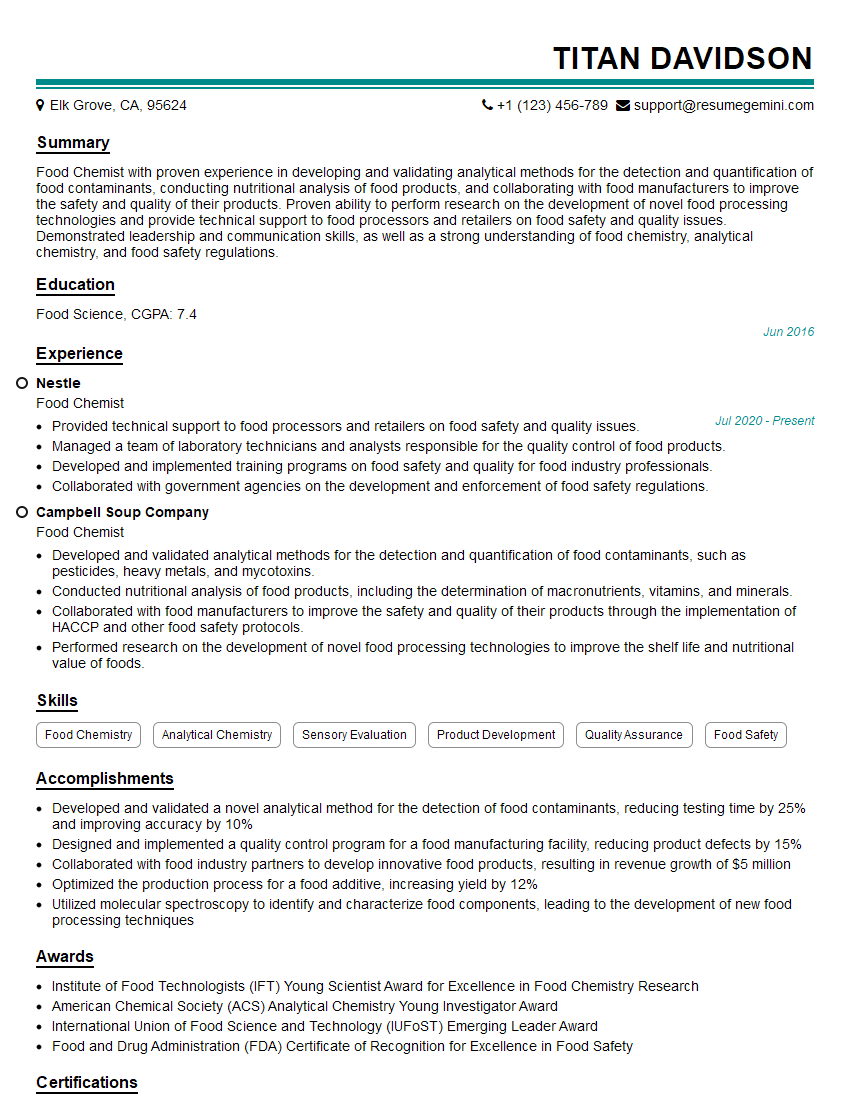
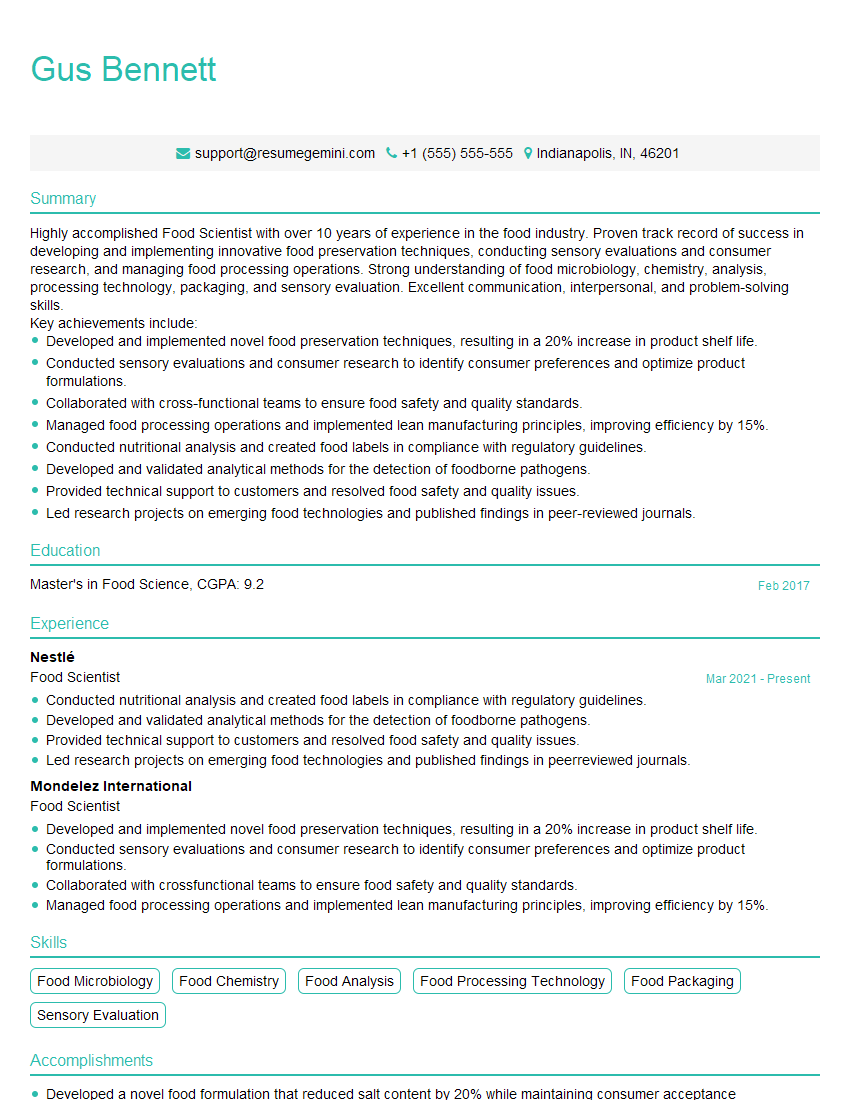
Mastering Food Processing and Technology opens doors to exciting and rewarding careers in a dynamic industry. A strong understanding of these principles is crucial for advancement and success. To stand out to potential employers, crafting a compelling and ATS-friendly resume is essential. This ensures your skills and experience are effectively communicated to hiring managers. We highly recommend using ResumeGemini to build a professional and impactful resume that highlights your qualifications. ResumeGemini offers helpful tools and resources, including examples of resumes tailored to the Food Processing and Technology field, to help you present yourself in the best possible light.

Explore more articles
Users Rating of Our Blogs
Share Your Experience
We value your feedback! Please rate our content and share your thoughts (optional).
What Readers Say About Our Blog
Amazing blog
Interesting Article, I liked the depth of knowledge you’ve shared.
Helpful, thanks for sharing.