Preparation is the key to success in any interview. In this post, we’ll explore crucial Production and quality engineering interview questions and equip you with strategies to craft impactful answers. Whether you’re a beginner or a pro, these tips will elevate your preparation.
Questions Asked in Production and quality engineering Interview
Q 1. Explain your experience with different quality control methodologies (e.g., Six Sigma, Lean Manufacturing).
My experience encompasses a broad range of quality control methodologies, primarily Six Sigma and Lean Manufacturing. Six Sigma, with its focus on minimizing defects and variability through statistical analysis, has been instrumental in several projects. For example, in my previous role at Acme Manufacturing, we used DMAIC (Define, Measure, Analyze, Improve, Control) to reduce the failure rate of a key component by 85%. This involved meticulous data collection, process mapping, and the implementation of control charts to monitor ongoing performance. Lean Manufacturing, on the other hand, focuses on eliminating waste and maximizing efficiency. I’ve successfully implemented 5S methodologies (Sort, Set in Order, Shine, Standardize, Sustain) in several production lines, resulting in significant improvements in workflow and reduced lead times. In one instance, implementing Kanban helped streamline our production flow, reducing inventory holding costs by 15%.
- Six Sigma: DMAIC methodology, Control charts (X-bar and R charts, p-charts, c-charts), Design of Experiments (DOE)
- Lean Manufacturing: 5S, Kaizen, Kanban, Value Stream Mapping, Poka-Yoke (error-proofing)
Q 2. Describe your experience with root cause analysis techniques.
Root cause analysis is crucial for preventing recurring defects. I’m proficient in several techniques, including the 5 Whys, Fishbone diagrams (Ishikawa diagrams), and Fault Tree Analysis. The 5 Whys involves repeatedly asking ‘why’ to uncover the underlying causes of a problem. For instance, if a machine keeps malfunctioning, asking ‘why’ five times might reveal issues with inadequate maintenance, poor training of operators, and ultimately, a design flaw in the machine itself. Fishbone diagrams help visualize potential causes categorized by factors like manpower, machinery, materials, and methods. Fault Tree Analysis, more suitable for complex systems, traces potential failures back to their root causes using a hierarchical structure. I’ve found that combining these techniques provides a comprehensive approach to problem-solving. For example, during a recent project involving a high defect rate, we used a Fishbone diagram to identify potential causes, followed by the 5 Whys to drill down to the root cause, which turned out to be a faulty calibration procedure.
Q 3. How would you implement a new quality control system in a manufacturing plant?
Implementing a new quality control system requires a phased approach. First, I’d conduct a thorough assessment of the current system, identifying its strengths and weaknesses. This involves analyzing existing data, interviewing employees, and observing production processes. Then, I’d define clear quality objectives, aligning them with overall business goals. Next, I’d select appropriate methodologies (Six Sigma, Lean, etc.) based on the specific needs of the plant. This will be followed by training employees on the new system and establishing clear roles and responsibilities. Critical to success is the implementation of a robust data collection and analysis system using Statistical Process Control (SPC) charts. Finally, I’d establish a continuous improvement cycle, regularly reviewing performance, identifying areas for improvement, and making necessary adjustments. Communication and engagement are paramount throughout this process. Think of it like building a house – you need a solid foundation (assessment), a detailed blueprint (objectives), quality materials (methodologies), skilled labor (training), and ongoing maintenance (continuous improvement).
Q 4. What are the key performance indicators (KPIs) you would use to measure production efficiency?
Key Performance Indicators (KPIs) for measuring production efficiency should be comprehensive and balanced, focusing on both quantity and quality. Here are some examples:
- Overall Equipment Effectiveness (OEE): Measures the percentage of planned production time that is actually used effectively.
- Throughput Time: The total time it takes for a product to go from raw material to finished good.
- Defect Rate: The percentage of defective products produced.
- Production Yield: The ratio of good products to total products produced.
- Inventory Turnover Rate: Measures how quickly inventory is used and replenished.
- Lead Time: Time taken to fulfill a customer order.
- Cost per Unit: Tracks the manufacturing costs associated with each unit produced.
By tracking these KPIs, we can identify bottlenecks and areas for improvement, ultimately driving greater efficiency and profitability.
Q 5. Explain your experience with statistical process control (SPC).
Statistical Process Control (SPC) is a powerful tool for monitoring and controlling production processes. My experience involves using control charts (like X-bar and R charts, p-charts, and c-charts) to track process variation over time. These charts help identify shifts in the process mean or increases in variability, allowing for timely intervention to prevent defects. I’ve used SPC to identify sources of variation in numerous production processes, from assembly lines to chemical reactions. For instance, in one project, an unusual pattern on a control chart alerted us to a problem with a specific machine, which we addressed before it led to significant quality issues. Moreover, I’m adept at interpreting control chart patterns, understanding the difference between common cause and special cause variation, and implementing corrective actions accordingly. SPC is not just about reacting to problems but also proactively identifying potential problems before they occur.
Q 6. How do you manage production bottlenecks?
Managing production bottlenecks requires a systematic approach. I typically start by identifying the bottleneck using data analysis (production data, cycle times, etc.). Once identified, I investigate the root causes of the bottleneck using root cause analysis techniques (5 Whys, Fishbone diagrams). Solutions might include optimizing equipment, improving workflow, increasing staffing, investing in new technology, or improving material handling. A crucial aspect is prioritization – focusing on addressing the most significant bottlenecks first. For example, if a particular machine is consistently causing delays, investing in a faster machine or implementing preventive maintenance might resolve the issue. Regular monitoring of KPIs, such as throughput time and OEE, is essential to ensure that the implemented solutions are effective and to identify any new bottlenecks that might emerge.
Q 7. How do you handle conflicts between production schedule and quality standards?
Conflicts between production schedules and quality standards are unavoidable, but they must be managed effectively. The key is to find a balance that prioritizes both efficiency and quality. This involves open communication between production and quality control teams, collaborative problem-solving, and a shared understanding of the company’s overall goals. Negotiation is often required – perhaps adjusting the production schedule slightly to allow for more thorough quality checks or investing in additional resources to meet both deadlines and quality standards. A crucial factor is clearly defined quality standards and acceptance criteria. If the standards are vague or poorly understood, conflicts are more likely. Data-driven decision-making is also essential. Analyzing the cost of defects versus the cost of production delays helps in making informed compromises. For example, rushing production to meet a deadline might seem efficient in the short term but could lead to higher defect rates, incurring higher costs in the long run.
Q 8. Describe your experience with different production planning tools and techniques.
My experience spans a wide range of production planning tools and techniques, from traditional methods to advanced software solutions. I’ve extensively used Material Requirements Planning (MRP) systems to manage inventory and production schedules, ensuring that we have the right materials at the right time. This involves forecasting demand, calculating material needs, and scheduling production runs to meet those needs. For example, in my previous role at XYZ Manufacturing, we utilized an MRP system to optimize the production of our flagship product, reducing lead times by 15% and inventory holding costs by 10%. Beyond MRP, I’m proficient in Kanban, a lean manufacturing technique that utilizes visual signals to manage workflow and minimize waste. This involved implementing a Kanban system for a critical assembly line, resulting in a 20% reduction in work-in-progress inventory. Furthermore, I have experience with advanced planning and scheduling (APS) software, which leverages algorithms to optimize complex production schedules, considering multiple constraints like machine capacity, resource availability, and due dates. These tools allow for a more dynamic and responsive production process. Finally, I’m familiar with Gantt charts for visual project planning and scheduling, providing a clear overview of tasks, timelines, and dependencies.
Q 9. What is your experience with capacity planning and forecasting?
Capacity planning and forecasting are critical for efficient production. My approach involves a combination of quantitative and qualitative methods. I begin by analyzing historical production data, identifying trends and seasonal variations in demand. This data is then used to project future demand using forecasting techniques like moving averages, exponential smoothing, or more sophisticated time series analysis methods. For instance, in one project, I used exponential smoothing to predict demand for a new product launch, achieving a forecasting accuracy within 5% of actual sales. However, I also recognize the limitations of purely quantitative methods. Qualitative factors like market trends, competitor activities, and economic conditions are incorporated through discussions with sales, marketing, and other relevant teams. Capacity planning involves assessing the resources needed – including machines, labor, and materials – to meet the forecasted demand. This includes analyzing the current capacity, identifying bottlenecks, and planning for capacity expansion or improvements as needed. Simulation software can be invaluable in this process, allowing us to model different scenarios and optimize resource allocation. A key aspect is ensuring flexibility in the plan, allowing for adjustments based on unforeseen circumstances or changes in demand.
Q 10. How do you ensure compliance with industry regulations and standards?
Ensuring compliance is paramount. My experience includes working with a variety of industry regulations and standards, including ISO 9001 (Quality Management Systems), ISO 14001 (Environmental Management Systems), and industry-specific regulations related to safety and product certifications. Compliance isn’t a separate activity; it’s integrated into all aspects of production. This involves establishing robust documentation procedures, conducting regular audits, and implementing corrective actions when non-conformances are identified. For example, I led the implementation of an ISO 9001 quality management system at a previous company, resulting in improved process efficiency and reduced customer complaints. Training employees on relevant regulations and standards is also crucial, fostering a culture of compliance throughout the organization. Regular internal audits and mock inspections help identify potential weaknesses before external audits. Proactive monitoring of regulatory changes and updates ensures that our processes remain compliant.
Q 11. Explain your experience with process improvement methodologies.
I’m experienced in various process improvement methodologies, primarily Lean manufacturing and Six Sigma. Lean focuses on eliminating waste in all forms – waste of time, materials, effort, etc. – through techniques like Value Stream Mapping, 5S, and Kaizen events. For example, I led a Kaizen event that resulted in a 30% reduction in cycle time for a specific manufacturing process by streamlining workflows and eliminating unnecessary steps. Six Sigma, on the other hand, uses statistical methods to reduce process variation and defects. I’ve used DMAIC (Define, Measure, Analyze, Improve, Control) methodology to identify and eliminate root causes of quality issues. In one project, applying DMAIC reduced the defect rate of a critical component from 5% to less than 0.5%. Beyond these, I am also familiar with other methodologies like Theory of Constraints (TOC) which focuses on identifying and improving the bottlenecks in a system. The choice of methodology depends on the specific context and the nature of the problem being addressed. The key is a data-driven approach, continuous improvement, and employee involvement.
Q 12. How do you measure the effectiveness of quality control measures?
Measuring the effectiveness of quality control measures involves a combination of quantitative and qualitative metrics. Key Performance Indicators (KPIs) such as defect rates, customer returns, and process capability indices (Cp, Cpk) provide quantitative data on the effectiveness of our processes. A decrease in defect rates and customer returns directly indicates improvement. Process capability indices assess how well a process meets specified tolerances. For example, a Cpk value greater than 1.33 generally indicates a robust and capable process. However, quantitative data alone is insufficient. We also gather qualitative data through customer feedback surveys, internal audits, and employee input. This provides valuable insights into areas requiring improvement that might not be readily apparent from quantitative data alone. A balanced scorecard approach, considering both quantitative and qualitative metrics, provides a comprehensive assessment of the effectiveness of our quality control measures.
Q 13. How would you address a significant defect rate increase in production?
Addressing a significant defect rate increase requires a systematic approach. The first step is to thoroughly investigate the root cause. This involves collecting data on the types of defects, their frequency, and the location within the production process where they occur. Tools like Pareto charts and control charts can be helpful in identifying the most significant contributors to the problem. Once the root causes are identified (e.g., faulty equipment, operator error, material defects), corrective actions can be implemented. These actions might include equipment maintenance, operator retraining, improved material inspection procedures, or process adjustments. The effectiveness of these corrective actions must be monitored closely using control charts and other statistical process control (SPC) tools. If the defect rate doesn’t improve, further investigation and corrective actions are necessary. Communication is also crucial throughout this process; keeping all stakeholders informed helps to maintain transparency and buy-in.
Q 14. What is your experience with production automation and robotics?
My experience with production automation and robotics includes the implementation and management of automated systems in various manufacturing settings. I’ve worked with robotic arms for assembly, automated guided vehicles (AGVs) for material handling, and Computer Numerical Control (CNC) machines for precision machining. In one project, I oversaw the integration of robotic arms into an assembly line, leading to increased production efficiency and improved product consistency. The successful implementation of automation requires careful planning and consideration of various factors including ROI analysis, integration with existing systems, and employee training. Beyond technical skills, a successful automation project also needs effective change management to address potential concerns from employees whose roles may be impacted. Furthermore, I have experience in programming and troubleshooting robotic systems, ensuring optimal performance and minimizing downtime. I am also familiar with various industrial communication protocols such as Ethernet/IP and Profibus, essential for seamless integration of automated equipment. The shift towards Industry 4.0 requires a deep understanding of these technologies and their impact on overall production efficiency and quality.
Q 15. Explain your familiarity with different types of production layouts.
Production layouts are the physical arrangement of resources within a manufacturing facility. Choosing the right layout is crucial for efficiency and productivity. I’m familiar with several types, each with its own strengths and weaknesses:
- Product Layout (Assembly Line): This layout arranges resources in a sequential order to produce a single product or a limited range of similar products. Think of a car assembly line – each station adds a component, leading to a finished car. It’s highly efficient for high-volume, standardized production but lacks flexibility.
- Process Layout (Functional Layout): This organizes resources based on the type of process performed. Machines of similar function are grouped together. This is ideal for producing a variety of products with varying processing needs, offering greater flexibility but potentially leading to higher material handling costs and longer lead times. Imagine a machine shop with separate areas for milling, turning, and grinding.
- Fixed-Position Layout: The product remains stationary, and resources (equipment and personnel) move around it. This is commonly used for large, complex products like ships or airplanes, requiring high levels of coordination.
- Cellular Manufacturing Layout (Group Technology): Resources are organized into cells that produce families of similar products. This offers a compromise between the efficiency of product layout and the flexibility of process layout. It’s great for medium-volume, diverse product lines.
- Mixed Layout (Hybrid Layout): This combines elements of different layouts to best suit the production needs. For instance, a facility might use a product layout for high-volume components and a process layout for smaller, customized orders.
In my previous role at Acme Manufacturing, we transitioned from a process layout to a cellular manufacturing layout. This reduced lead times by 15% and improved overall equipment effectiveness (OEE).
Career Expert Tips:
- Ace those interviews! Prepare effectively by reviewing the Top 50 Most Common Interview Questions on ResumeGemini.
- Navigate your job search with confidence! Explore a wide range of Career Tips on ResumeGemini. Learn about common challenges and recommendations to overcome them.
- Craft the perfect resume! Master the Art of Resume Writing with ResumeGemini’s guide. Showcase your unique qualifications and achievements effectively.
- Don’t miss out on holiday savings! Build your dream resume with ResumeGemini’s ATS optimized templates.
Q 16. How do you manage inventory and prevent stockouts?
Inventory management is crucial for smooth production and avoiding costly stockouts. My approach involves a multi-pronged strategy combining forecasting, inventory control techniques, and robust tracking systems.
- Demand Forecasting: Accurate forecasting is paramount. I utilize various techniques including time series analysis, moving averages, and exponential smoothing to predict future demand. Seasonal factors and market trends are also considered. In my experience, collaborative forecasting involving sales and operations teams yields the most accurate results.
- Inventory Control Techniques: I’m proficient with techniques like Economic Order Quantity (EOQ) to determine optimal order sizes, minimizing holding costs and order costs. Safety stock levels are calculated considering lead times and demand variability, ensuring sufficient buffer against unforeseen disruptions.
- Inventory Tracking and Management Systems: I leverage ERP systems and specialized inventory management software for real-time tracking of inventory levels, facilitating efficient ordering and preventing stockouts. Regular inventory audits ensure accuracy and identify any discrepancies.
- Vendor Managed Inventory (VMI): In some cases, VMI agreements with key suppliers are beneficial. The supplier takes responsibility for managing inventory levels at our facility, ensuring timely replenishment.
For example, during a period of unexpectedly high demand at Beta Industries, our accurate forecasting and robust inventory management system allowed us to meet the surge in orders without significant delays or stockouts. The proactive approach ensured customer satisfaction and minimized production disruption.
Q 17. Describe your experience with supply chain management.
Supply chain management is the process of planning, implementing, and controlling the flow of goods and services from origin to consumption. My experience encompasses strategic sourcing, supplier relationship management, logistics, and risk mitigation.
- Strategic Sourcing: I develop and implement strategies to select and evaluate suppliers based on factors like quality, cost, reliability, and delivery performance. This includes negotiating contracts and establishing key performance indicators (KPIs).
- Supplier Relationship Management: Strong relationships with suppliers are critical. I work collaboratively with suppliers to improve efficiency, communication, and problem-solving. This often involves regular performance reviews and collaborative projects aimed at process improvement.
- Logistics and Transportation: I oversee the planning, execution, and monitoring of goods movement throughout the supply chain. This includes optimizing transportation routes, managing warehousing, and ensuring timely delivery. I’m proficient in using logistics software to track shipments and optimize delivery routes.
- Risk Management: Identifying and mitigating potential risks (supply disruptions, geopolitical events, natural disasters) is a significant aspect of my role. This includes developing contingency plans and implementing risk mitigation strategies.
At Gamma Corp, I successfully navigated a supplier disruption by quickly identifying alternative sources and negotiating favorable terms, minimizing the impact on our production schedule. This demonstrated the value of having a robust and diversified supply chain.
Q 18. How do you prioritize tasks in a fast-paced production environment?
Prioritizing tasks in a fast-paced production environment requires a structured approach. I utilize several techniques, often in combination:
- Prioritization Matrix (Eisenhower Matrix): This categorizes tasks based on urgency and importance (Urgent/Important, Important/Not Urgent, Urgent/Not Important, Not Urgent/Not Important). This helps focus on high-impact activities first.
- Kanban System: Visualizing workflow using Kanban boards helps manage tasks, identify bottlenecks, and improve efficiency. It allows for a flexible and responsive approach to changing priorities.
- Value Stream Mapping: Mapping the entire production process identifies areas for improvement and bottlenecks, allowing focused efforts on high-value tasks and eliminating waste.
- Lean Principles: Applying lean principles helps to eliminate waste, improve flow, and increase efficiency. This includes focusing on value-added activities and eliminating non-value-added activities.
For example, during a critical production run at Delta Manufacturing, we used the Eisenhower Matrix to quickly identify and address urgent, high-impact issues, while effectively managing less critical tasks, ensuring timely completion of the project without compromising quality.
Q 19. What is your experience with project management in a production setting?
My project management experience in production settings involves planning, executing, monitoring, and closing projects within defined budgets and timelines. I utilize various project management methodologies:
- Agile Project Management: This iterative approach is well-suited for dynamic production environments, allowing flexibility and adaptation to changing requirements. Daily stand-up meetings, sprint reviews, and retrospectives are integral components.
- Waterfall Project Management: For projects with clearly defined requirements and minimal anticipated changes, the waterfall methodology provides a structured approach with sequential phases.
- Critical Path Method (CPM): This technique identifies the sequence of tasks that determine the shortest project duration, allowing for efficient resource allocation and schedule optimization.
- Gantt Charts: Visualizing project timelines with Gantt charts facilitates monitoring progress, identifying potential delays, and facilitating effective communication within the project team.
In my role at Epsilon Company, I led a project to implement a new automated assembly line, successfully managing the project within budget and ahead of schedule using Agile methodologies. The iterative approach allowed us to adapt to unforeseen challenges and deliver a high-quality result.
Q 20. How do you identify and mitigate production risks?
Identifying and mitigating production risks is critical for ensuring consistent output and preventing costly disruptions. My approach is proactive and involves several steps:
- Risk Assessment: This involves systematically identifying potential risks throughout the production process. I use tools like Failure Mode and Effects Analysis (FMEA) to assess the likelihood and severity of potential failures and their impact on production.
- Risk Prioritization: After identifying potential risks, I prioritize them based on likelihood and impact. This helps to focus resources on the most critical risks.
- Risk Mitigation Strategies: Developing and implementing strategies to mitigate identified risks is crucial. These strategies can include redundancy in equipment, improved quality control procedures, robust supplier relationships, and contingency plans.
- Risk Monitoring and Review: Regularly monitoring and reviewing risks is essential. This allows for timely adjustments to mitigation strategies and proactive responses to emerging risks.
For instance, at Zeta Industries, our proactive risk assessment identified a potential supply chain vulnerability. We developed a contingency plan, including securing alternative suppliers, which successfully prevented a major production disruption due to a supplier’s unexpected closure.
Q 21. Explain your experience with different types of quality audits.
Quality audits are essential for ensuring products meet defined standards. My experience covers various types of audits:
- First-Article Inspection (FAI): This verifies the first production run of a new product meets specifications and drawings before full-scale production begins. This helps catch design flaws or manufacturing errors early.
- In-Process Audits: These audits monitor the quality of products throughout the manufacturing process, detecting problems before they become widespread. This is a proactive approach to quality control.
- Final Product Audits: These audits inspect finished products to ensure they meet all quality standards before shipment. This is a critical step in ensuring customer satisfaction.
- Supplier Audits: These audits assess the quality systems and processes of suppliers, ensuring they meet required standards and deliver high-quality materials and components.
- Internal Audits: These are conducted by internal teams to evaluate the effectiveness of the company’s quality management system (QMS) and identify areas for improvement. This helps to ensure ongoing compliance with quality standards.
At Eta Corporation, I led a team in implementing a comprehensive internal audit program that identified key areas for improvement in our quality management system, resulting in a significant reduction in defects and improved customer satisfaction.
Q 22. How do you ensure the accuracy of production data and reports?
Ensuring accurate production data and reports requires a multi-pronged approach focusing on data integrity, validation, and reporting processes. It’s like building a sturdy house – you need a strong foundation and reliable materials.
Data Source Validation: We start by verifying the accuracy of data sources. This involves regularly checking sensors, automated data collection systems, and manual input procedures for errors. For example, in a manufacturing plant, we might calibrate weighing scales and regularly audit manual data entry to catch inconsistencies.
Data Integrity Checks: Implementing data validation rules and checks within the system is crucial. This could involve range checks (ensuring values fall within expected limits), plausibility checks (checking for logical inconsistencies), and cross-referencing data across multiple sources. Think of it as a built-in spell checker and grammar checker for our data.
Real-time Monitoring and Alerting: Implementing real-time data monitoring and alerting systems can help identify anomalies as they occur. This allows for immediate investigation and correction, preventing the propagation of inaccurate data. An example is setting up alerts if a machine’s output suddenly drops significantly below its average.
Regular Audits and Reconciliation: Regular audits of data sources, processes, and reports are essential. This involves comparing data from different sources to identify discrepancies and reconcile any differences. This is like a financial audit – ensuring all the numbers add up.
Version Control and Documentation: Maintaining clear version control of reports and data, along with detailed documentation of data sources and processes, allows for traceability and ensures accountability. This helps in troubleshooting and identifying the root cause of errors.
Q 23. What is your experience with implementing and maintaining quality management systems (QMS)?
My experience with implementing and maintaining Quality Management Systems (QMS) spans over seven years across various industries. I’ve been involved in the implementation of ISO 9001, focusing on aligning processes, documentation, and training with the standard’s requirements. It’s like building a well-organized library – everything has its place, is easily accessible, and follows a consistent system.
Process Mapping and Optimization: I’ve extensively used process mapping techniques to identify bottlenecks and inefficiencies within production processes. This allows for targeted improvements and better compliance with the QMS.
Documentation and Control: I’ve been responsible for creating and maintaining a comprehensive QMS documentation system, including procedures, work instructions, forms, and records. This ensures all processes are clearly defined and consistently followed.
Internal Audits and Corrective Actions: I’ve conducted numerous internal audits to ensure compliance with the QMS and identify areas for improvement. I’ve also been involved in developing and implementing corrective and preventive actions (CAPA) to address non-conformances.
Continuous Improvement: I’ve utilized methodologies like Kaizen and Lean thinking to continuously improve the effectiveness of the QMS. This involves actively seeking feedback from employees and using data to drive change.
In one project, we implemented a new ERP system alongside our QMS update, integrating both systems for better data tracking and reporting. This significantly reduced manual data entry, improved accuracy, and streamlined our processes.
Q 24. Describe your experience with failure mode and effects analysis (FMEA).
Failure Mode and Effects Analysis (FMEA) is a systematic approach to identifying potential failure modes within a system or process and assessing their severity, occurrence, and detectability. It’s like a preemptive strike against potential problems before they cause major issues.
Process: I’ve utilized FMEA in various projects, starting with clearly defining the system or process under review. Then, we brainstorm potential failure modes for each component or step, estimating the severity, occurrence, and detection of each failure. A Risk Priority Number (RPN) is calculated (Severity x Occurrence x Detection), prioritizing the most critical potential failures.
Mitigation Strategies: Once high-RPN failure modes are identified, we develop and implement mitigation strategies to reduce the likelihood of occurrence or severity of failure. This might involve design changes, improved controls, or enhanced training.
Example: In a previous role, we conducted an FMEA on an automated assembly line. We identified a potential failure mode where a sensor might malfunction, causing inaccurate component placement. By implementing redundant sensors and improved sensor calibration procedures, we significantly reduced the RPN and the risk of assembly errors.
Documentation and Follow-up: The results of the FMEA are meticulously documented and tracked, allowing for periodic review and updates as processes change or new information becomes available. It’s a living document that adapts to the evolving system.
Q 25. How do you use data analytics to improve production efficiency and quality?
Data analytics plays a vital role in improving production efficiency and quality. It’s like having a crystal ball, but instead of predicting the future, it helps us optimize the present.
Real-time Monitoring: We use real-time data from sensors and other sources to track key performance indicators (KPIs) like production rate, defect rates, machine uptime, and material usage. This allows for timely intervention to prevent problems.
Predictive Maintenance: By analyzing historical machine data, we can predict potential equipment failures and schedule maintenance proactively, minimizing downtime and improving equipment lifespan. This is like predicting a car’s need for an oil change before it actually breaks down.
Process Optimization: We analyze process data to identify bottlenecks and inefficiencies. This data could show the time spent on a certain task or a step of a process that causes most of the error. Using this information, we can make adjustments to streamline workflows and improve overall productivity.
Quality Control: Data analysis helps identify patterns in defects and their root causes, enabling us to implement corrective actions and improve product quality. This could involve analyzing defect data to pinpoint specific machines or processes contributing to a high defect rate.
For instance, in a recent project, we used statistical process control (SPC) charts to monitor the process capability of a critical assembly process. This enabled us to identify and address variability in the process, leading to a significant reduction in defects and improvement of overall efficiency.
Q 26. Explain your understanding of design of experiments (DOE).
Design of Experiments (DOE) is a structured approach to experimentation that helps determine the optimal settings for a process or product. It’s a systematic way of testing different factors to find the best combination for desired results.
Factorial Designs: I’ve used various DOE methodologies, including factorial designs, to systematically vary multiple input factors (e.g., temperature, pressure, speed) and assess their impact on the output response (e.g., yield, quality). This helps us understand which factors are most influential.
Response Surface Methodology (RSM): RSM is useful when we want to optimize a process by finding the optimal combination of factors that maximize or minimize a specific response. It is particularly useful when the relationship between factors and responses is complex.
Statistical Analysis: DOE heavily relies on statistical analysis to determine which factors are statistically significant and to build predictive models. This allows us to understand the relationship between input factors and the output response, enabling optimization.
In a past project involving the optimization of a chemical reaction, we used a 23 full factorial design to study the effects of temperature, pressure, and catalyst concentration on the yield. This experiment efficiently identified the optimal combination of these factors, leading to a significant increase in yield and a reduction in production costs.
Q 27. How do you ensure effective communication within a production team?
Effective communication within a production team is paramount for success. It’s like the oil that keeps the engine running smoothly.
Regular Team Meetings: We hold regular team meetings to discuss progress, identify challenges, and brainstorm solutions. These meetings provide a forum for open communication and collaboration. This allows the team to discuss all relevant information and make appropriate decisions.
Clear Communication Channels: We establish clear and efficient communication channels, utilizing various tools depending on the need – email, instant messaging, project management software. This helps ensure messages reach the right people quickly and efficiently.
Visual Management: We often use visual management tools like Kanban boards and dashboards to provide real-time visibility into production progress and any potential issues. This creates transparency and encourages proactive problem-solving.
Feedback Mechanisms: We foster a culture of open feedback, encouraging team members to share their ideas, concerns, and suggestions. This ensures a continuous improvement mindset and enhances collaboration.
Conflict Resolution: A key aspect is establishing clear processes for addressing conflict in a constructive and collaborative manner. This will help the team resolve any disagreements and keep communication smooth.
In one instance, a new team member was struggling to understand a particular process. By implementing a simple video tutorial and offering individual coaching sessions, we were able to bridge the communication gap, increase understanding, and boost overall team efficiency.
Q 28. Describe a time you had to troubleshoot a complex production problem.
One time, we experienced a significant increase in defects in a critical component of our product. Initially, it felt like searching for a needle in a haystack. We began by systematically investigating all areas of the production process, which is similar to investigating a crime scene.
Data Analysis: We first analyzed production data to identify trends and patterns in the defect rate. We discovered that defects were correlated with specific shifts and particular machines.
Root Cause Analysis: Using tools like 5 Whys, we drilled down to the root cause, determining that a machine setting had drifted outside of its acceptable range due to inadequate preventive maintenance.
Corrective Actions: Once the root cause was identified, we implemented corrective actions, including improved machine maintenance schedules, enhanced operator training, and the implementation of an automated alarm system to alert operators to parameter drifts outside acceptable limits.
Preventive Measures: We also implemented preventive measures, such as improved process control and more frequent quality checks, to prevent similar issues from occurring in the future.
This experience highlighted the importance of systematic troubleshooting, data-driven analysis, and proactive measures in preventing and resolving complex production problems. It demonstrated the success of teamwork and collaborative problem solving.
Key Topics to Learn for Production and Quality Engineering Interview
- Production Processes & Optimization: Understand different manufacturing methodologies (Lean, Agile, Six Sigma), process flow analysis, bottleneck identification, and capacity planning. Practical application: Analyze a production line to identify areas for improvement in efficiency and cost reduction.
- Quality Control & Assurance: Master concepts like Statistical Process Control (SPC), quality metrics (e.g., defect rate, yield), root cause analysis (e.g., 5 Whys, Fishbone diagrams), and quality management systems (e.g., ISO 9001). Practical application: Develop a quality control plan for a new product launch, including inspection procedures and corrective actions.
- Testing and Validation: Learn about different testing methodologies (unit, integration, system, acceptance), test automation frameworks, and defect tracking systems. Practical application: Design and execute test cases to ensure software or hardware meets specified requirements.
- Data Analysis & Interpretation: Develop skills in data analysis techniques to interpret production data, identify trends, and make data-driven decisions. Practical application: Analyze production data to identify the root cause of a recent increase in defects.
- Problem-Solving & Troubleshooting: Practice your ability to systematically approach and solve complex production and quality-related issues. Practical application: Develop a structured approach to troubleshoot equipment malfunctions or production line stoppages.
- Continuous Improvement: Understand methodologies like Kaizen and their application in driving continuous improvement in production processes and quality outcomes. Practical application: Lead a Kaizen event to improve a specific production process.
- Safety and Regulations: Familiarity with relevant safety regulations and industry best practices for maintaining a safe working environment. Practical application: Implement safety procedures to minimize workplace hazards.
Next Steps
Mastering Production and Quality Engineering opens doors to exciting career opportunities with significant growth potential. A strong understanding of these concepts is highly valued across various industries. To maximize your job prospects, creating an ATS-friendly resume is crucial. ResumeGemini can significantly enhance your resume-building experience, helping you present your skills and experience effectively to potential employers. Examples of resumes tailored to Production and Quality Engineering roles are available to guide you. Invest time in crafting a compelling resume – it’s your first impression and a key step toward landing your dream job.

Operations Manager Resume Sample
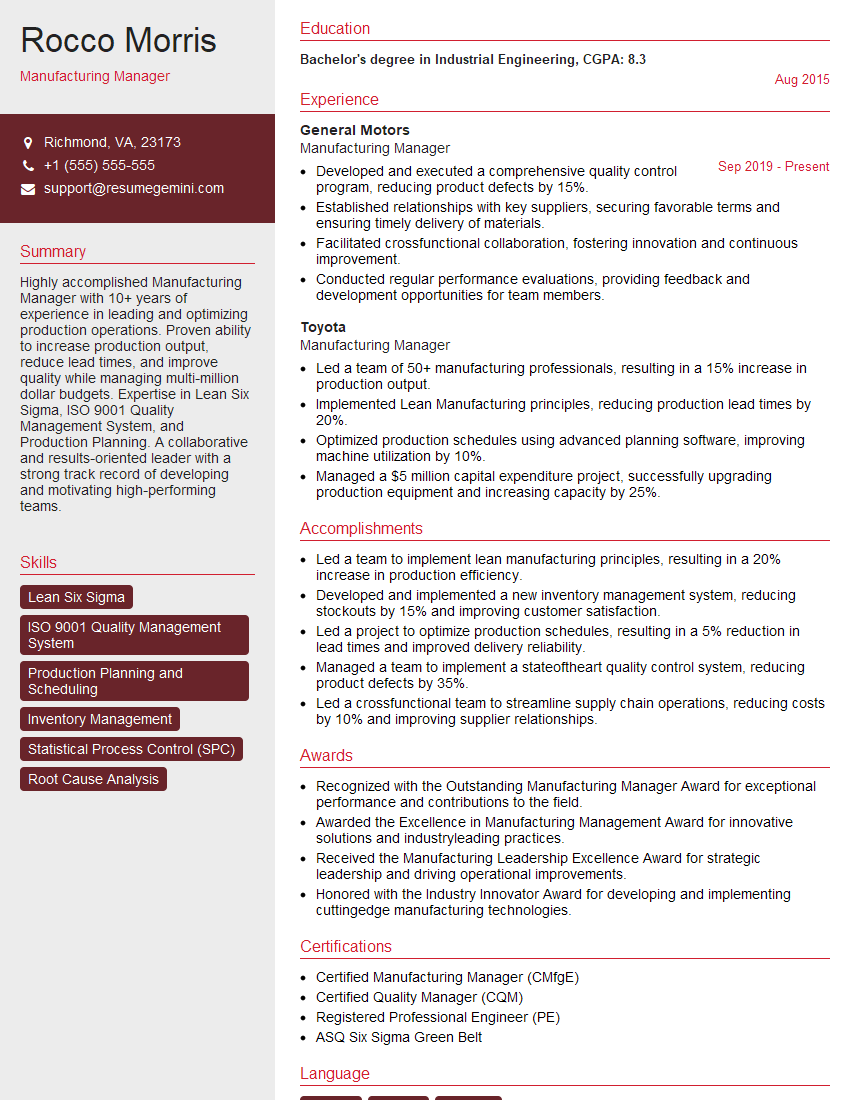
Manufacturing Manager Resume Sample
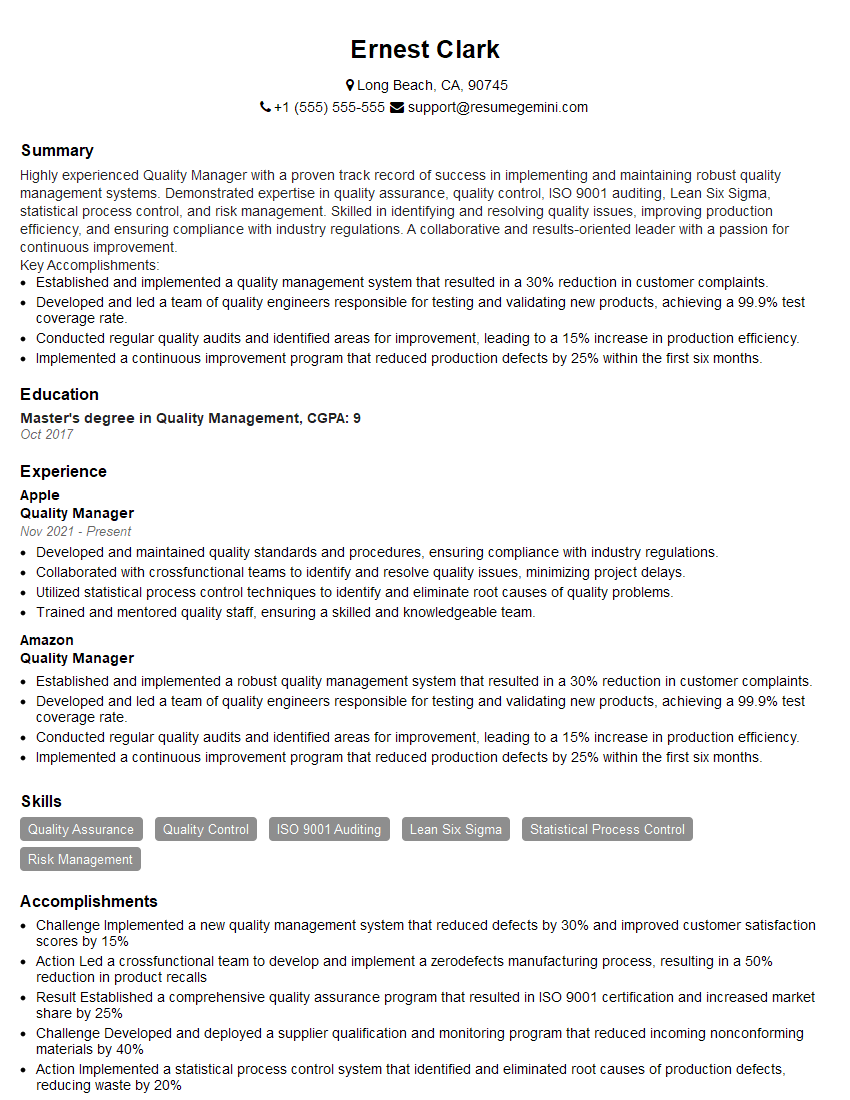
Quality Manager Resume Sample
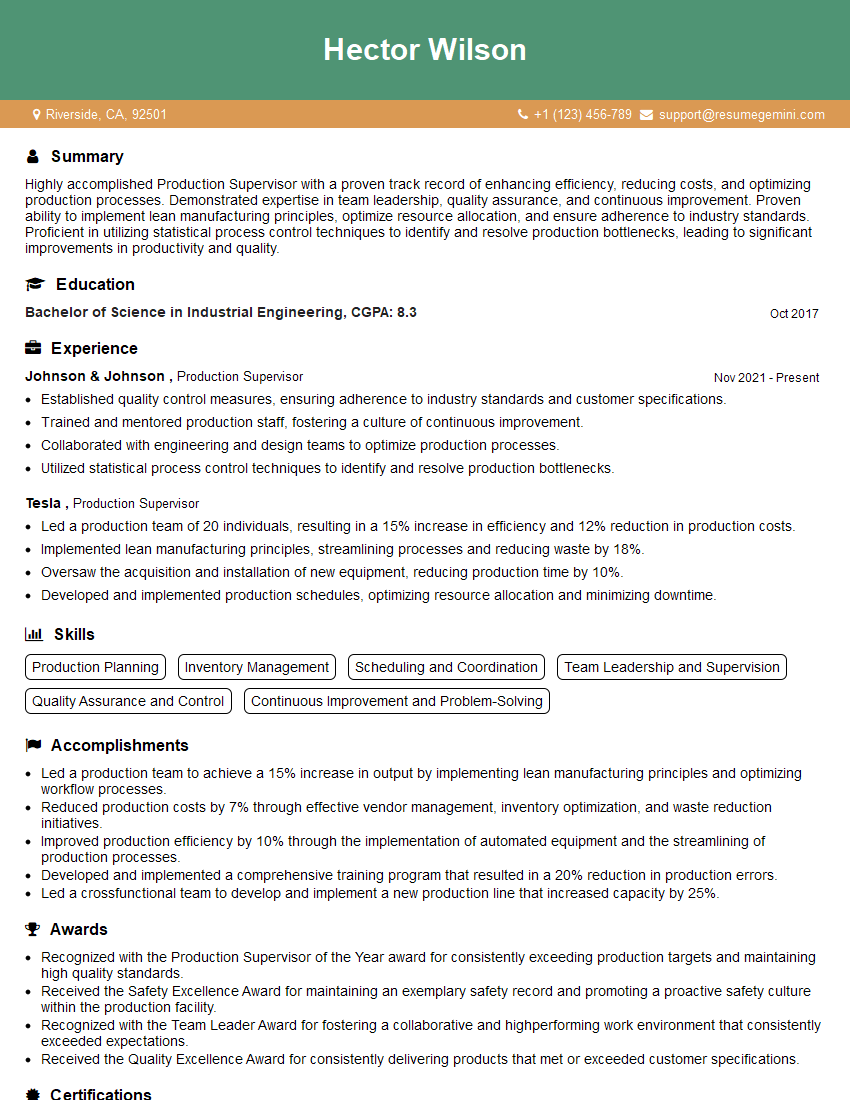
Production Supervisor Resume Sample
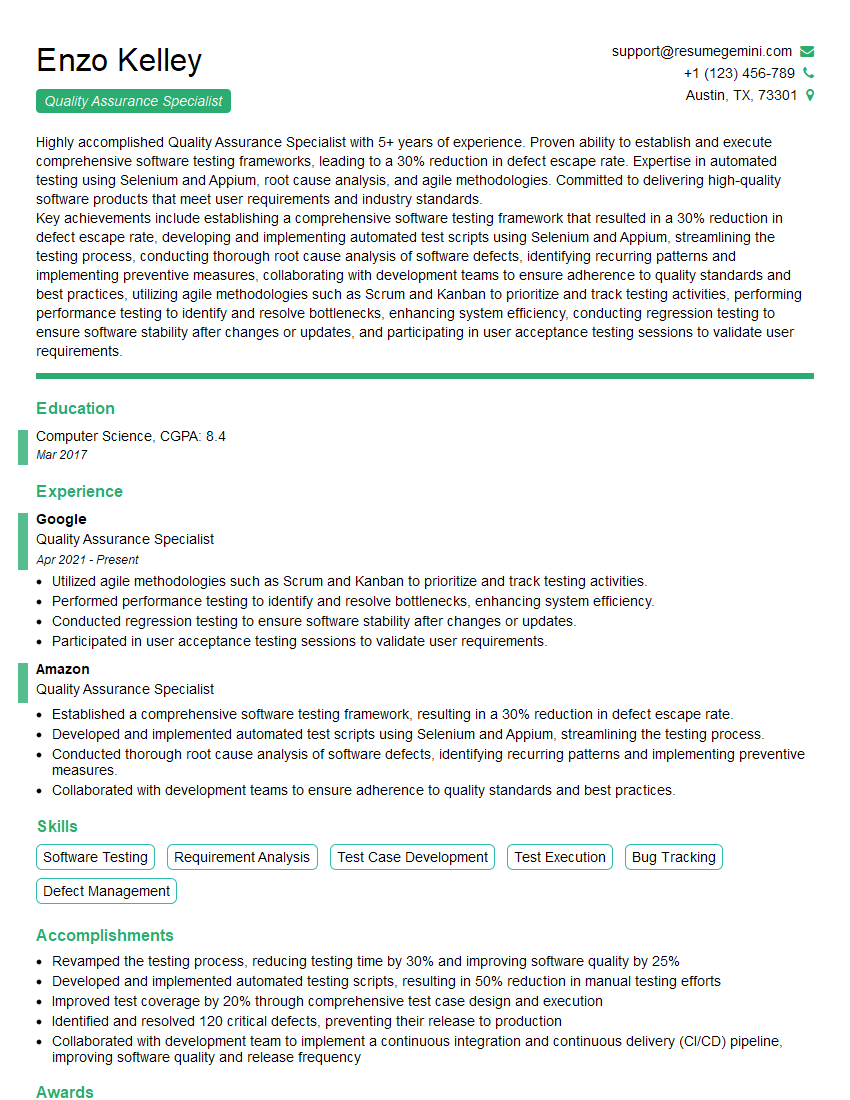
Quality Assurance Specialist Resume Sample
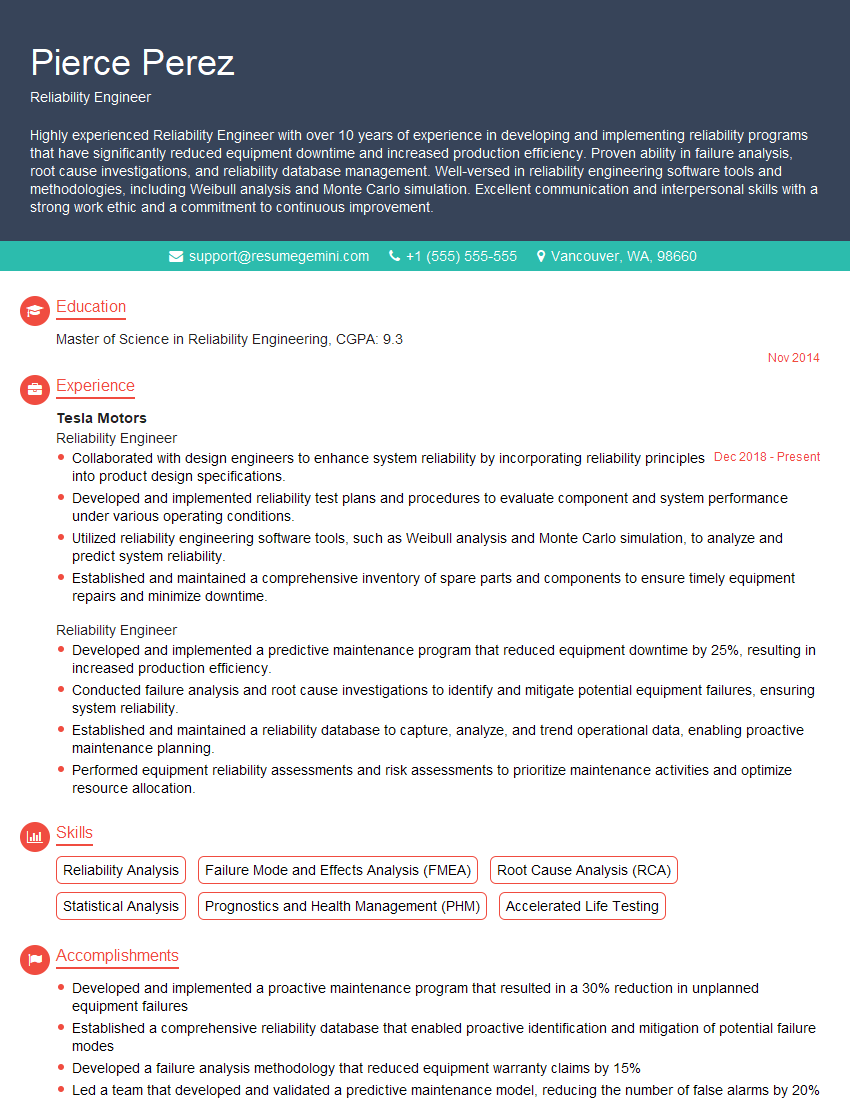
Reliability Engineer Resume Sample
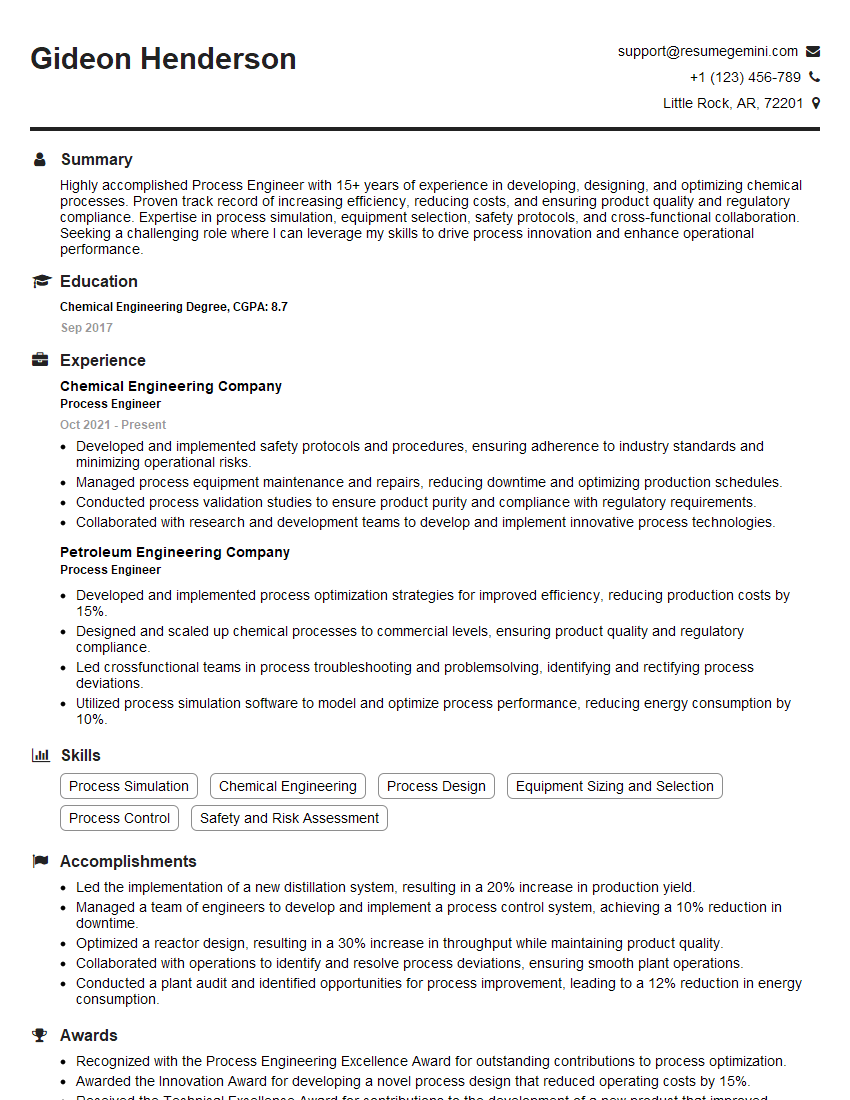
Process Engineer Resume Sample
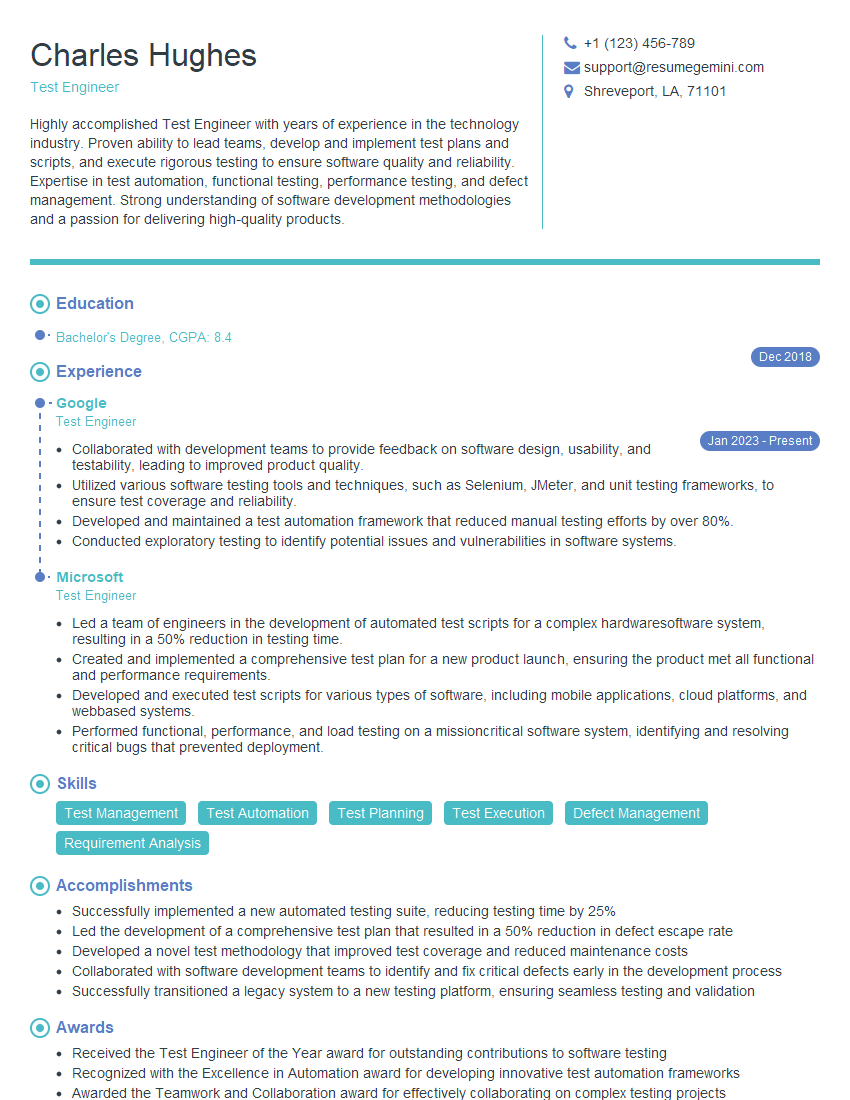
Test Engineer Resume Sample
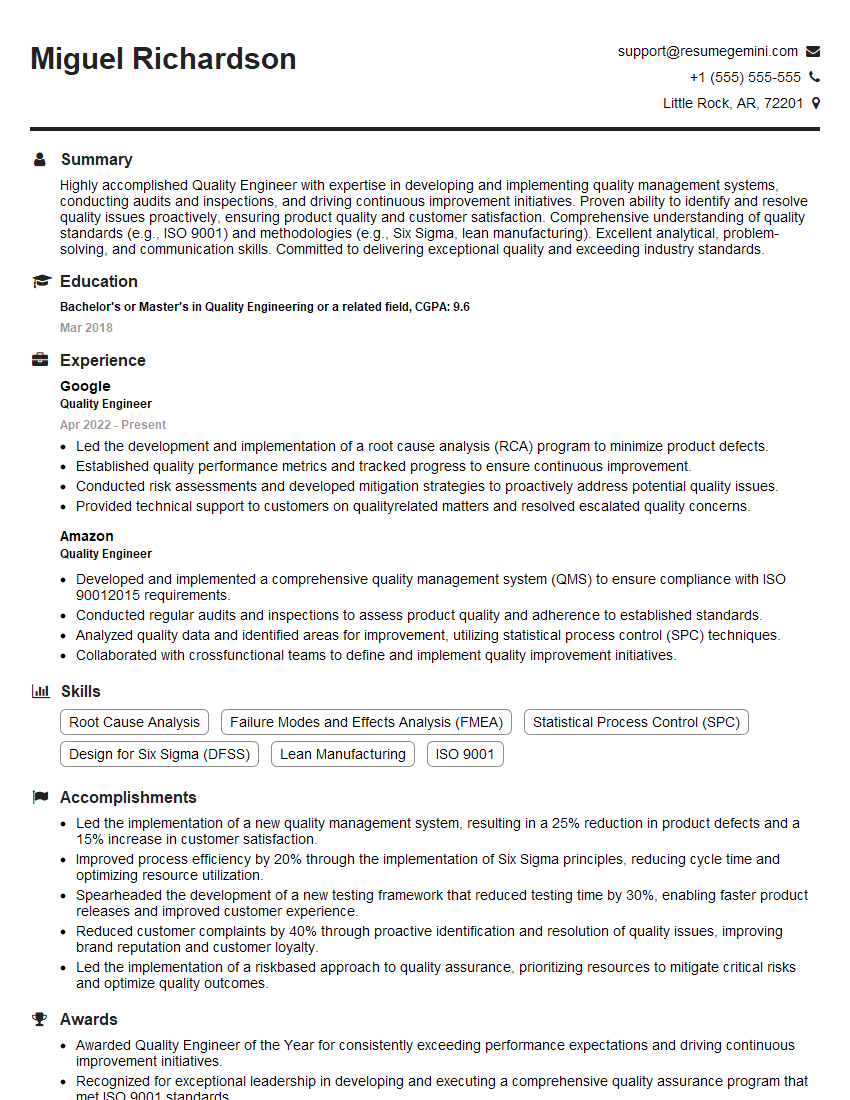
Quality Engineer Resume Sample
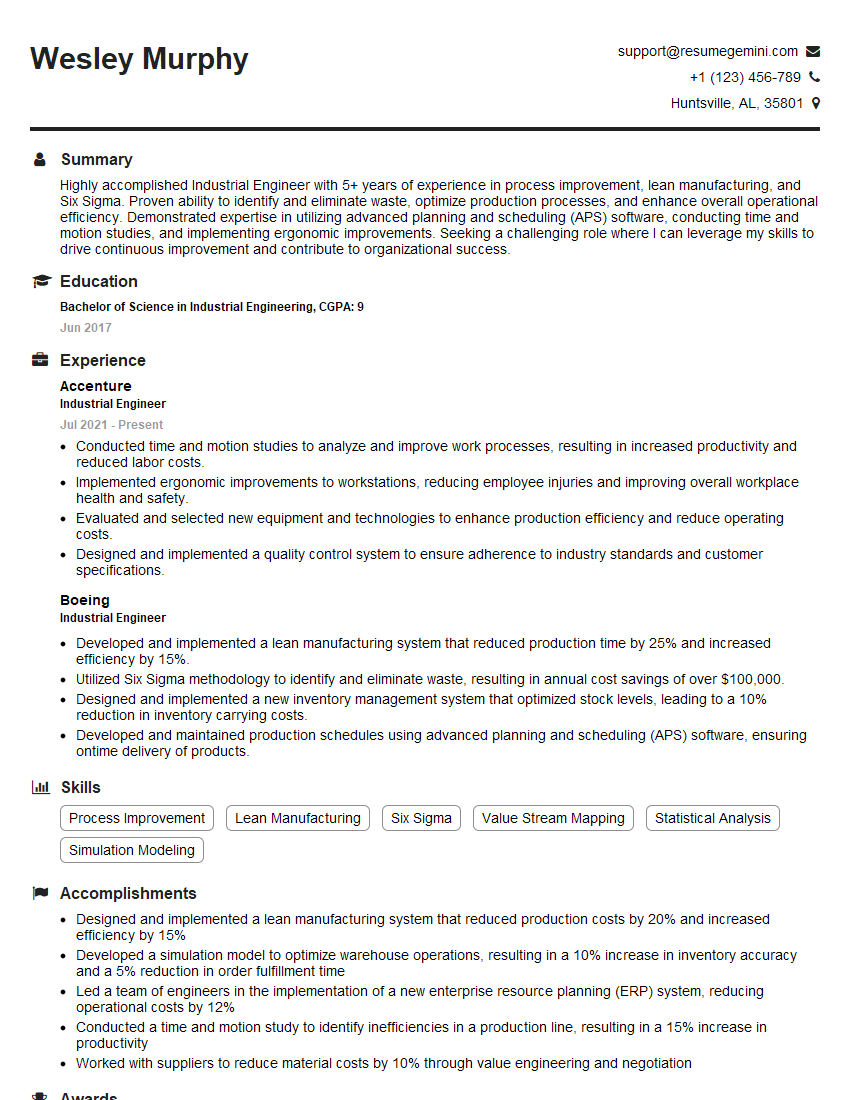
Industrial Engineer Resume Sample
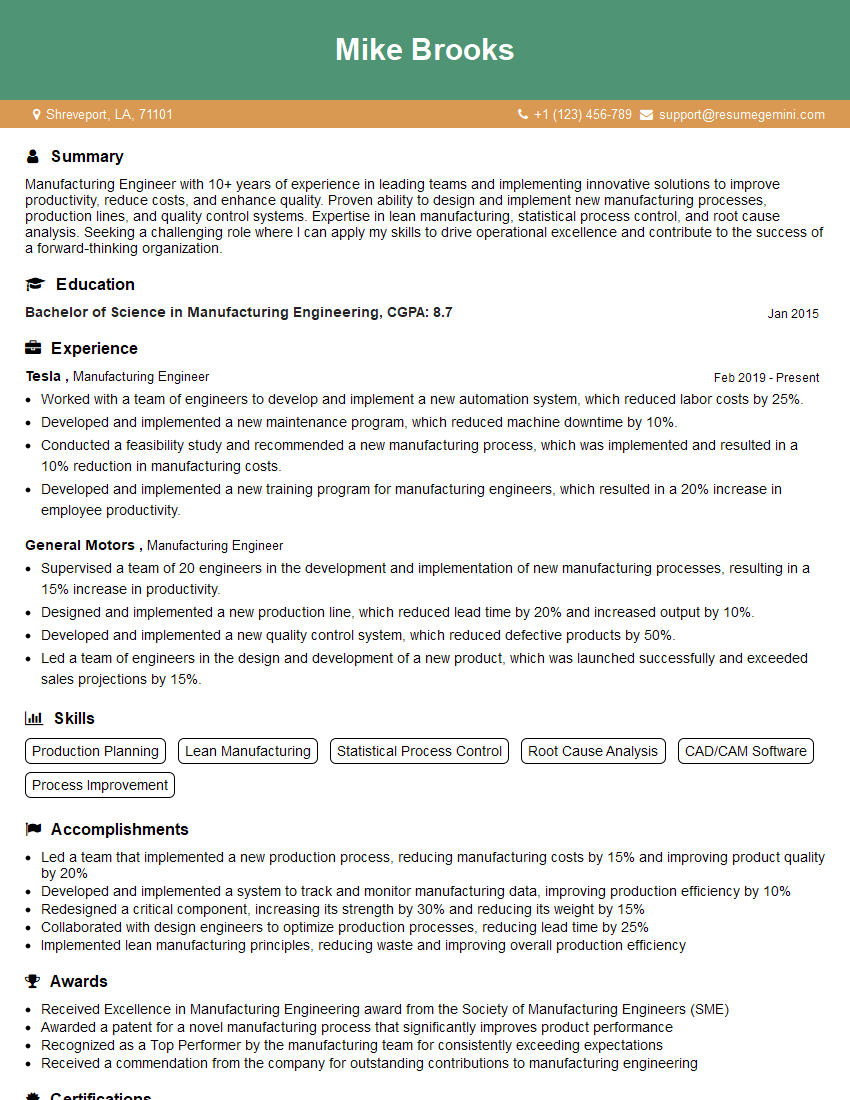
Manufacturing Engineer Resume Sample
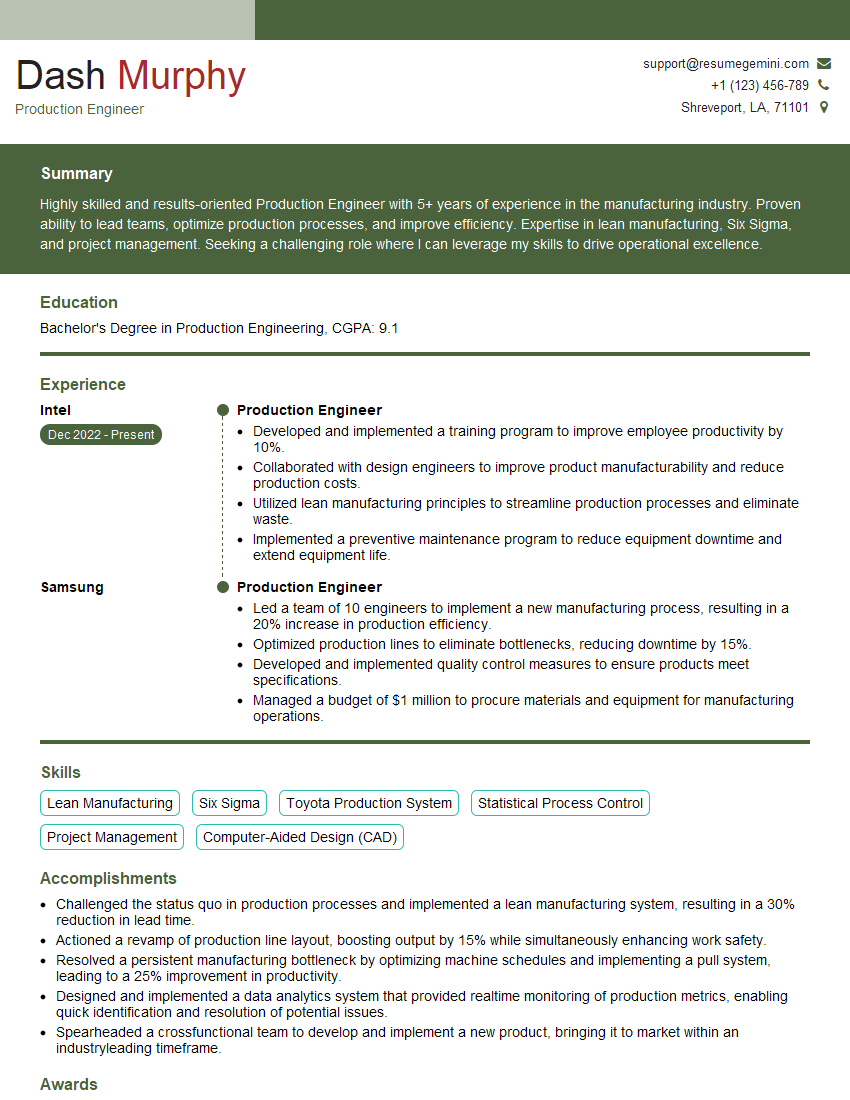
Production Engineer Resume Sample
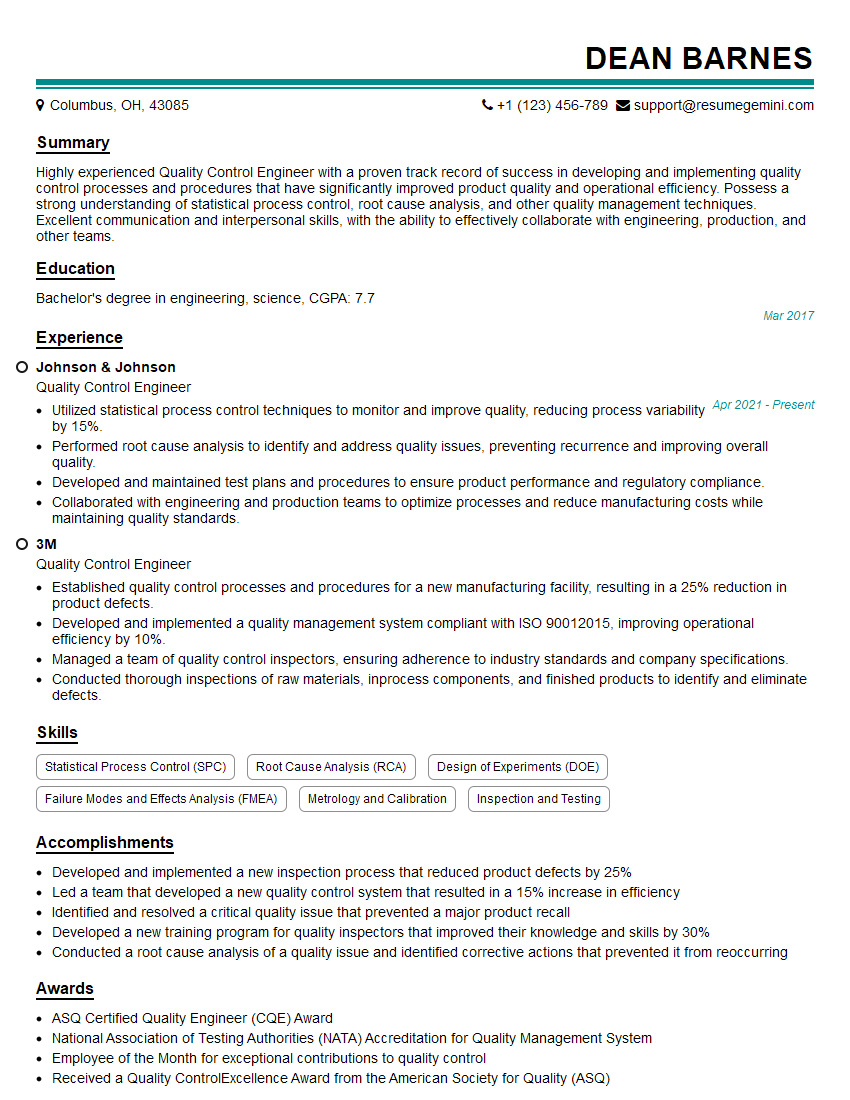
Quality Control Engineer Resume Sample
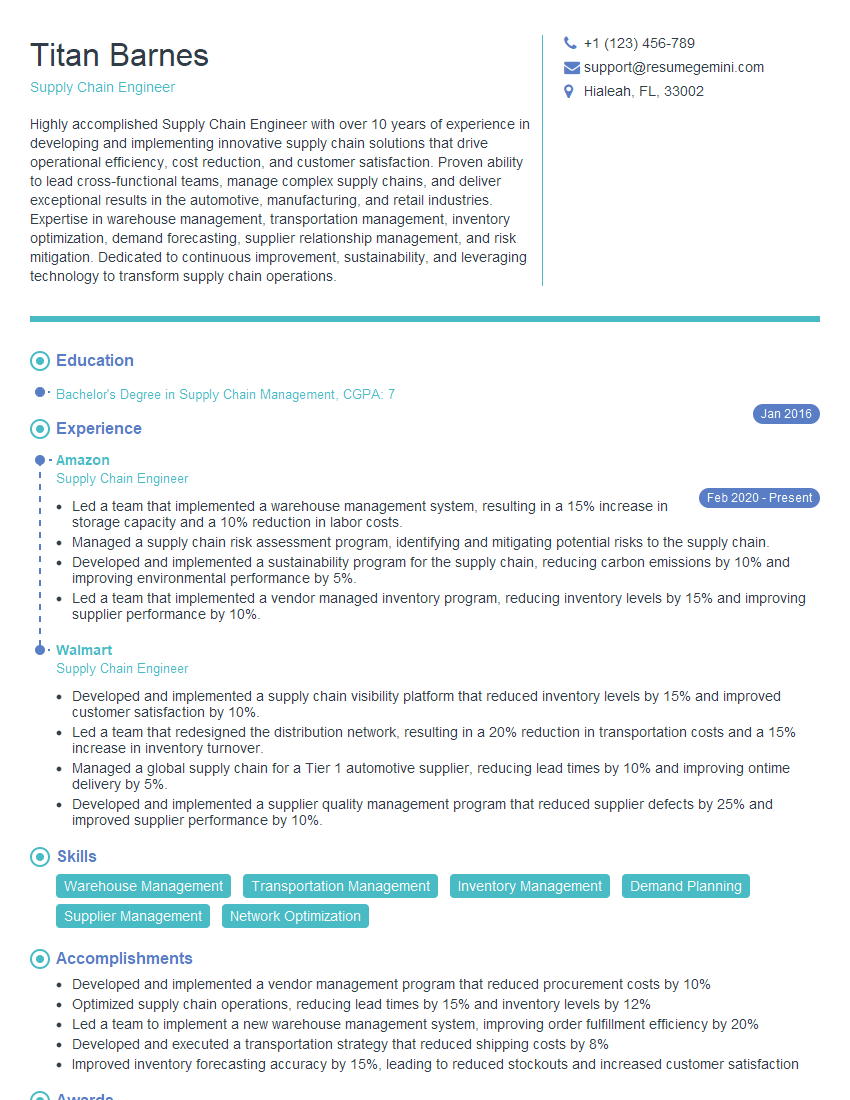
Supply Chain Engineer Resume Sample
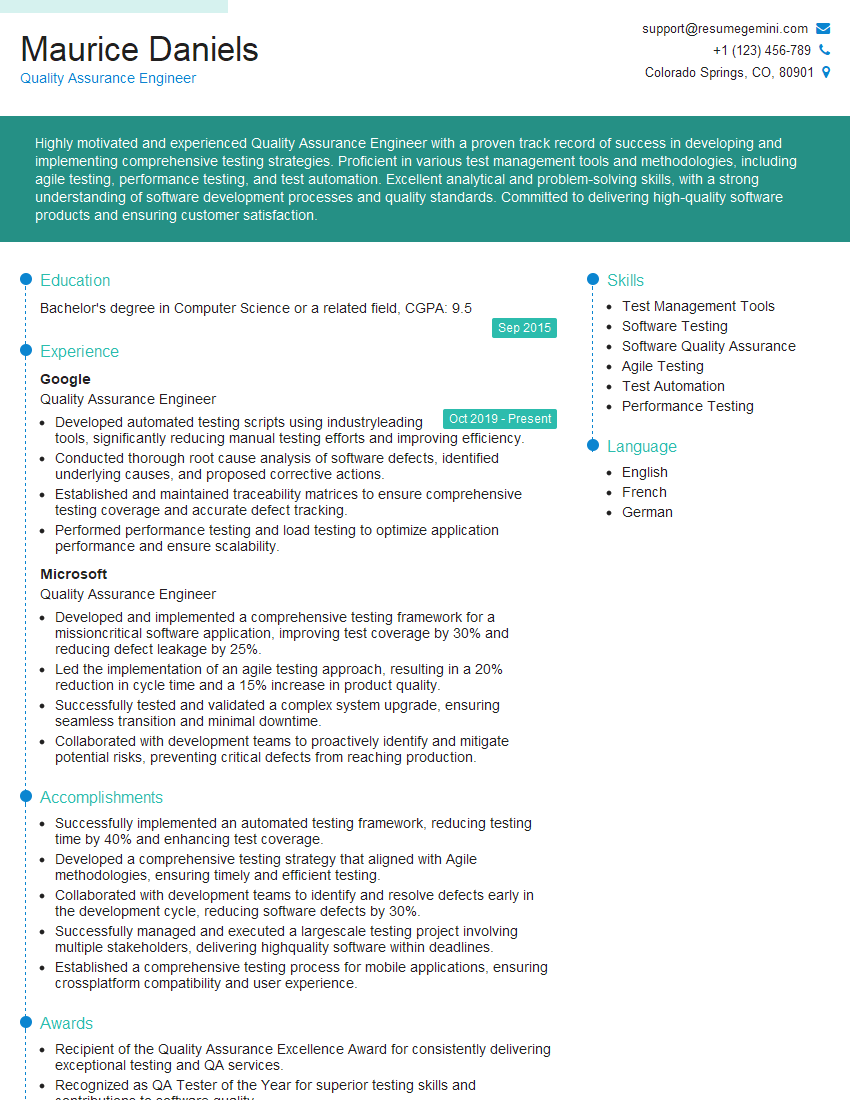
Quality Assurance Engineer Resume Sample
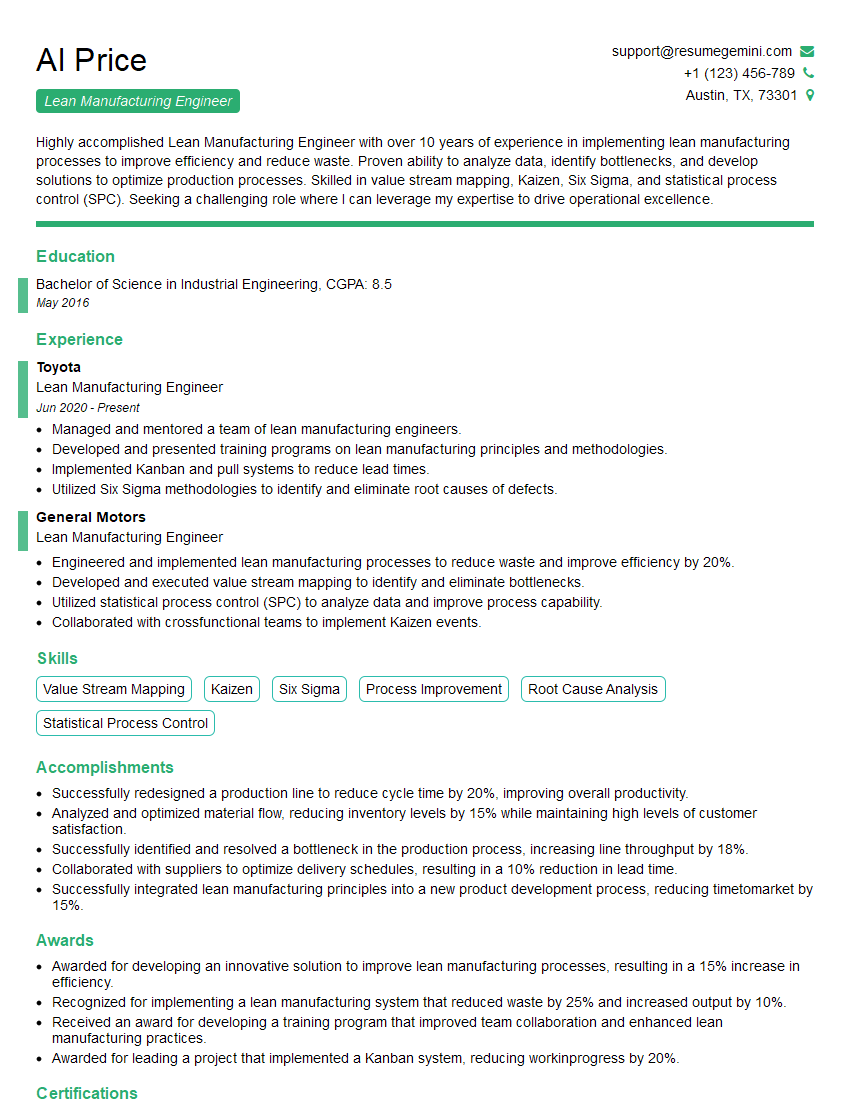
Lean Manufacturing Engineer Resume Sample
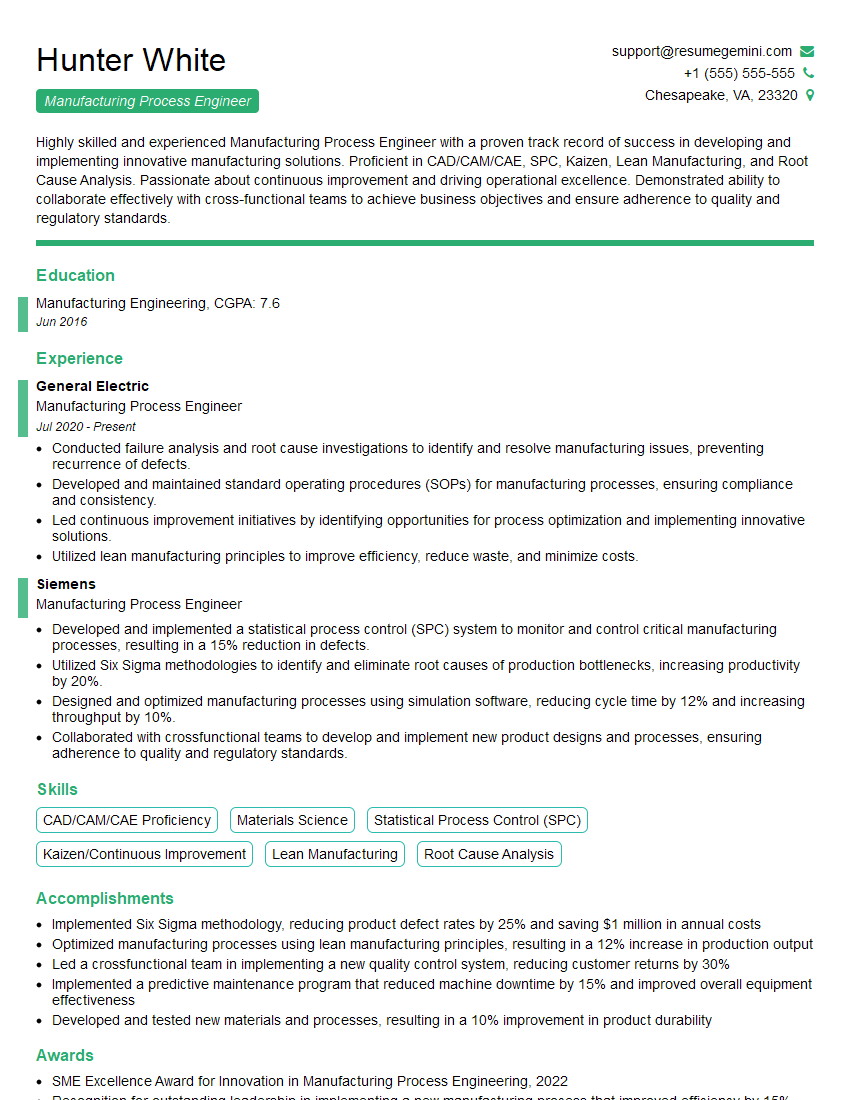
Manufacturing Process Engineer Resume Sample
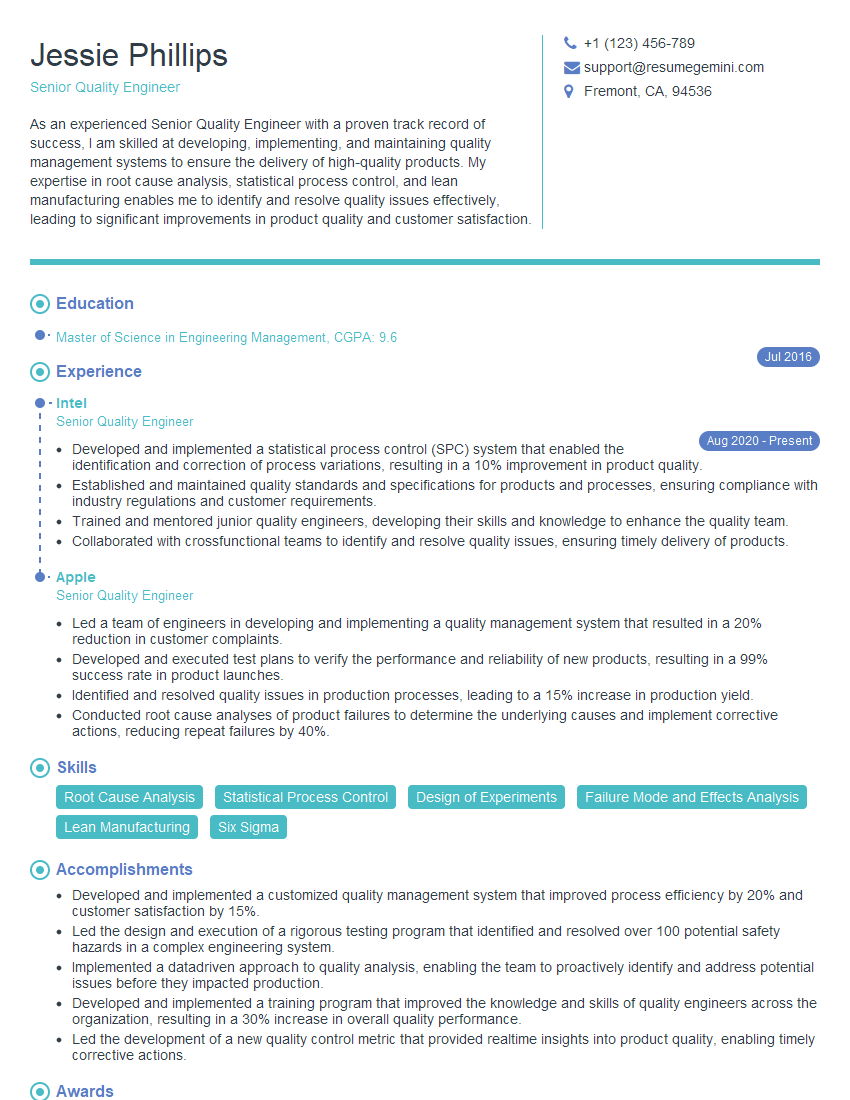
Senior Quality Engineer Resume Sample
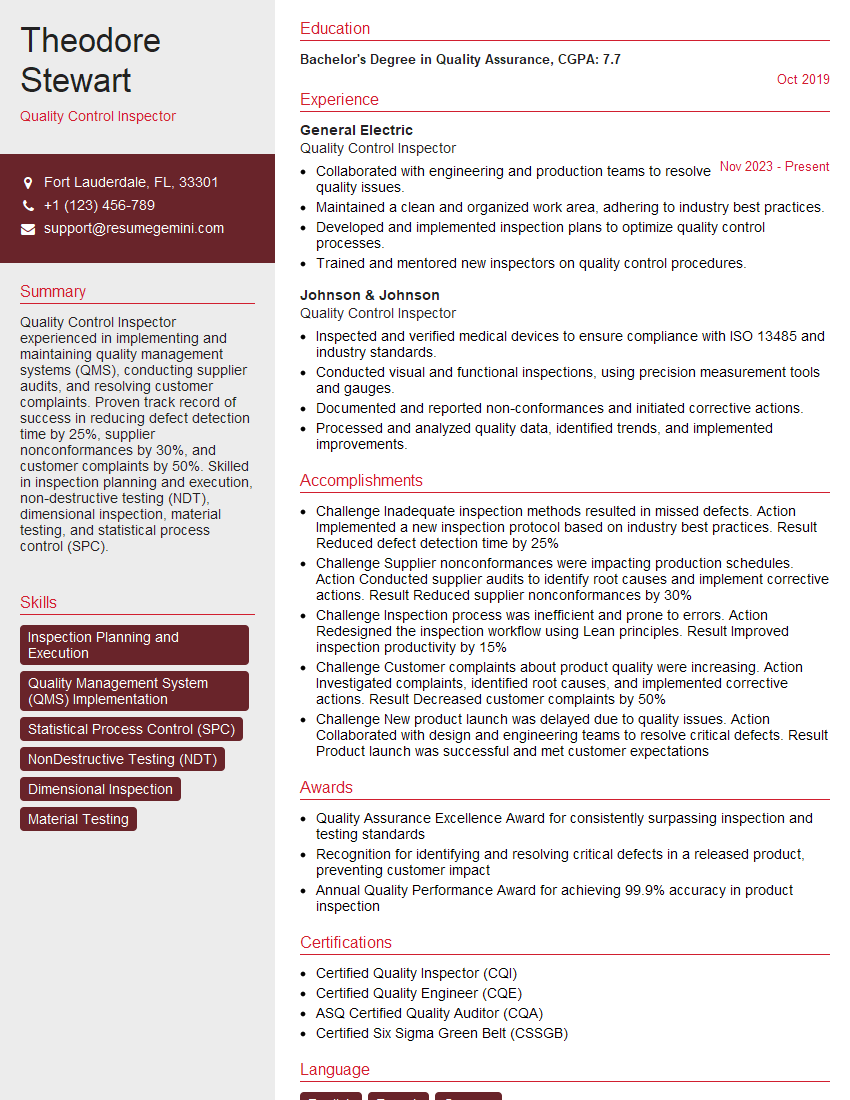
Quality Control Inspector Resume Sample
- Operations Manager
- Manufacturing Manager
- Quality Manager
- Production Supervisor
- Quality Assurance Specialist
- Reliability Engineer
- Process Engineer
- Test Engineer
- Quality Engineer
- Industrial Engineer
- Manufacturing Engineer
- Production Engineer
- Quality Control Engineer
- Supply Chain Engineer
- Quality Assurance Engineer
- Lean Manufacturing Engineer
- Manufacturing Process Engineer
- Senior Quality Engineer
- Quality Control Inspector
Explore more articles
Users Rating of Our Blogs
Share Your Experience
We value your feedback! Please rate our content and share your thoughts (optional).
What Readers Say About Our Blog
Amazing blog
Interesting Article, I liked the depth of knowledge you’ve shared.
Helpful, thanks for sharing.