Interviews are more than just a Q&A session—they’re a chance to prove your worth. This blog dives into essential Knowledge of carpentry, electrical, and plumbing systems interview questions and expert tips to help you align your answers with what hiring managers are looking for. Start preparing to shine!
Questions Asked in Knowledge of carpentry, electrical, and plumbing systems Interview
Q 1. Explain the different types of wood commonly used in carpentry.
Choosing the right wood is crucial for any carpentry project. Different woods possess unique properties affecting strength, durability, workability, and aesthetic appeal. Here are some common types:
- Hardwoods: These are denser and more durable than softwoods, making them ideal for furniture, flooring, and high-stress applications. Examples include Oak (strong, durable, beautiful grain), Maple (hard, strong, smooth finish), Cherry (rich color, fine grain), and Mahogany (rich reddish-brown, luxurious).
- Softwoods: Generally less dense and easier to work with, softwoods are often used for framing, construction, and less demanding projects. Examples include Pine (affordable, versatile, easily worked), Fir (strong, straight grain, good for framing), and Cedar (naturally resistant to rot and insects, often used for outdoor projects).
- Engineered Woods: These are manufactured products combining wood fibers, veneers, or particleboard with adhesives. Plywood (layers of wood veneer glued together), MDF (Medium-Density Fiberboard, smooth and uniform), and particleboard (made from wood chips and resin) offer cost-effective and consistent options for various applications. They’re great for projects where a consistent surface is needed, or when strength-to-weight ratio is important.
The selection depends on the project’s requirements; a sturdy outdoor bench might use pressure-treated pine or cedar for rot resistance, while a fine dining table might demand the elegance and durability of oak or cherry.
Q 2. Describe the process of installing a light fixture.
Installing a light fixture requires careful attention to safety and proper electrical procedures. Always turn off the power at the breaker box before beginning. Here’s a step-by-step guide:
- Turn off the power: Locate the appropriate breaker in your electrical panel and switch it to the ‘OFF’ position.
- Remove the old fixture: Carefully unscrew the old fixture from the electrical box, noting the wiring connections.
- Connect the wires: Connect the wires from the new fixture to the wires in the electrical box. Usually, this involves connecting the black (hot) wire to black, white (neutral) wire to white, and bare copper (ground) wire to ground. Use wire nuts to secure the connections.
- Mount the fixture: Securely mount the new fixture to the electrical box according to the manufacturer’s instructions.
- Test the fixture: Turn the power back on at the breaker box and test the fixture. If it doesn’t work, double-check the wiring connections.
- Install the cover plate: Once the fixture is working, install the cover plate.
Remember, if you are uncomfortable working with electricity, it is best to hire a qualified electrician.
Q 3. What are the common causes of a clogged drain?
Clogged drains are a common household nuisance, often caused by a buildup of various substances. The most frequent culprits include:
- Hair and soap scum: These accumulate in pipes, gradually restricting water flow.
- Grease and oil: These solidify in cool pipes, forming clogs.
- Food scraps: Disposing of food scraps down the garbage disposal without sufficient water can lead to blockages.
- Foreign objects: Items accidentally dropped down the drain, such as jewelry or toys, can cause complete blockages.
- Mineral buildup: Over time, mineral deposits from hard water can restrict water flow and create slow drains.
Prevention is key – regularly cleaning drains, using drain strainers, and being mindful of what goes down the drain can significantly reduce the chances of clogs.
Q 4. How do you troubleshoot a faulty electrical circuit?
Troubleshooting a faulty electrical circuit involves systematic checks to identify the source of the problem. Here’s a methodical approach:
- Check the breaker: Start by examining the breaker box. A tripped breaker (switched to the ‘OFF’ position) indicates an overload or short circuit. Resetting it might resolve the issue, but if it trips again immediately, a more serious problem exists.
- Inspect the wiring: Carefully inspect the wiring for any visible damage, loose connections, or exposed wires. Look for signs of overheating, such as discoloration or burning.
- Test outlets and switches: Use a non-contact voltage tester to check for voltage at outlets and switches. A lack of voltage suggests a break in the circuit.
- Check the load: If multiple appliances or devices are connected to the circuit, an excessive load may be causing the problem. Try unplugging some devices to see if it resolves the issue.
- Use a multimeter: A multimeter can measure voltage, current, and resistance, allowing for more precise diagnosis of electrical problems. This requires some electrical knowledge.
If you are unable to identify and safely resolve the problem, it’s best to contact a qualified electrician.
Q 5. What safety precautions do you take when working with electricity?
Safety is paramount when working with electricity. Here are essential precautions:
- Turn off the power: Always turn off the power at the breaker box before working on any electrical system. Never rely solely on switches.
- Use insulated tools: Employ insulated screwdrivers, pliers, and other tools to prevent electrical shock.
- Wear appropriate safety gear: Wear safety glasses to protect your eyes from sparks and debris. Rubber gloves can provide added protection.
- Avoid working in wet conditions: Water increases the risk of electrical shock. If working outdoors, ensure the area is dry or use appropriate safety measures.
- Never work alone: Have a second person present to assist in case of an emergency.
- Understand the circuit: Before starting any electrical work, have a thorough understanding of the circuit’s layout and components.
If you’re not comfortable working with electricity, it’s always best to contact a qualified electrician.
Q 6. Explain the different types of plumbing pipes and their applications.
Plumbing pipes come in various materials, each with its own advantages and disadvantages:
- Copper: Known for its durability, resistance to corrosion, and long lifespan. It’s commonly used for hot and cold water supply lines in residential and commercial buildings. However, it’s relatively expensive.
- PVC (Polyvinyl Chloride): A lightweight, inexpensive, and easy-to-install plastic pipe. Ideal for drainage and sewer lines, but it’s not suitable for high-temperature applications or high-pressure systems.
- CPVC (Chlorinated Polyvinyl Chloride): A more durable type of PVC, suitable for hot water lines due to its higher temperature resistance. It’s a good compromise between cost and durability.
- PEX (Cross-linked Polyethylene): A flexible plastic pipe resistant to freezing and bursting. Its flexibility makes installation easier, and it’s increasingly popular in modern plumbing systems. However, some plumbers are hesitant to use it due to concerns of long-term reliability compared to copper.
- Galvanized steel: While once very common, galvanized steel pipes are less frequently used now due to susceptibility to rust and corrosion over time. However, its strength is suitable for some applications and can often be found in older buildings.
The choice of pipe depends on the application, budget, and local regulations.
Q 7. Describe your experience with different types of carpentry joints.
My experience encompasses a wide range of carpentry joints, each designed for specific purposes and strength requirements:
- Butt Joint: The simplest joint, where two pieces of wood meet end-to-end. It’s often reinforced with glue, screws, or dowels for strength. It’s suitable for simpler applications, but requires reinforcement.
- Lap Joint: Two pieces of wood overlap, providing better strength than a butt joint. Variations include half-lap, where both pieces are halved to create a flush joint, and miter lap joints for angled connections.
- Miter Joint: Angled cuts are joined, creating a visually appealing corner. Often used in picture frames and decorative elements; glue and reinforcing mechanisms are essential.
- Dovetail Joint: A strong and aesthetically pleasing joint where interlocking ‘tails’ and ‘pins’ are cut into the wood. Used in high-quality furniture and drawers where strength and stability are vital.
- Mortise and Tenon Joint: A strong joint where a tenon (a projection) is inserted into a mortise (a hole). Commonly used in furniture and timber framing, these joints can vary significantly in their design for stability and structural integrity.
Selecting the appropriate joint depends on factors such as the type of wood, the application, and the desired strength and appearance.
Q 8. How do you diagnose and repair a leaking faucet?
Diagnosing and repairing a leaking faucet involves a systematic approach. First, identify the source of the leak. Is it dripping from the spout, the handle, or the base? A dripping spout often points to a worn-out O-ring or cartridge. A leak from the handle might indicate a problem with the valve stem or packing nut. A leak at the base suggests a problem with the faucet’s connection to the sink.
Step-by-step repair (for a common compression faucet):
- Turn off the water supply: Locate the shut-off valves under the sink and turn them clockwise to stop the water flow.
- Remove the handles: Usually involves loosening a setscrew underneath the handle with a small screwdriver.
- Inspect the O-rings and packing nut: These are rubber components that create a watertight seal. Replace any worn or damaged parts.
- Replace the cartridge (if needed): If the O-rings are fine, the cartridge might be worn and need replacement. This often requires unscrewing the cartridge from the faucet body.
- Reassemble the faucet: Carefully put everything back together, ensuring all parts are properly seated.
- Turn the water supply back on: Check for any leaks.
Example: I once diagnosed a persistent leak in a customer’s kitchen faucet. After careful inspection, I found that the packing nut was severely corroded. Replacing the nut and packing solved the problem quickly and effectively.
Q 9. What are the different types of electrical wiring?
Electrical wiring comes in various types, each suited for different applications and voltage levels. The choice of wiring depends on factors like the amperage of the circuit, the location of the wiring (inside walls, outdoors), and the type of load it’s powering.
- Romex (NM-B): This is a common type of non-metallic sheathed cable used in residential wiring. It contains two or more insulated conductors and a ground wire, all enclosed within a flexible plastic sheath.
- BX (AC Cable): Armored cable, providing superior protection against physical damage. It features insulated conductors enclosed in a flexible metal sheath.
- Conduit Wiring: Individual insulated wires run within a metal or plastic conduit, offering excellent protection and flexibility in routing.
- Aluminum Wiring: While less common now due to connection issues, it’s still found in older homes. Aluminum wiring requires specialized connectors and techniques to prevent overheating.
Example: In a recent project, I used Romex cable for interior lighting circuits and BX cable in areas where the wiring might be exposed to potential damage.
Q 10. Explain the process of installing drywall.
Installing drywall, also known as plasterboard or sheetrock, is a fundamental step in interior construction. It involves carefully measuring, cutting, and securing sheets of drywall to the framing of walls and ceilings.
- Prepare the framing: Ensure the framing is square and plumb. Any irregularities will show through the finished drywall.
- Cut the drywall: Measure and mark the drywall sheets to fit the walls or ceilings. Use a utility knife and a straight edge for accurate cuts.
- Fasten the drywall: Use drywall screws, spaced about 6 inches apart, to attach the sheets to the framing. Avoid over-tightening, which can cause dimpling.
- Tape and mud the joints: Cover the seams between drywall sheets with drywall tape and apply drywall compound (mud) to create a smooth surface.
- Sand and prime: Once the mud is dry, sand the seams smooth and apply a primer to prepare the surface for paint.
Example: When installing drywall in a new bathroom, I paid close attention to ensuring a water-resistant barrier was in place behind the drywall to prevent moisture damage.
Q 11. How do you identify and repair a short circuit?
A short circuit occurs when an unintended path for electricity is created, causing a surge of current that can lead to overheating, fires, and damage to electrical equipment. Identifying and repairing a short circuit requires careful investigation.
- Turn off the power: This is the most crucial first step! Turn off the breaker or disconnect the power to the affected circuit.
- Visual inspection: Carefully examine the wiring, connections, and appliances for any signs of damage, such as exposed wires, melted insulation, or scorch marks.
- Use a multimeter: A multimeter can help pinpoint the location of the short circuit by measuring the continuity (resistance) of the wiring. A low resistance reading indicates a short circuit.
- Repair or replace damaged wiring: If damage is found, repair or replace the affected section of wiring, ensuring proper insulation and connections.
- Restore power: After completing the repairs, carefully restore power and test the circuit to make sure the short circuit is resolved.
Example: In one instance, I traced a short circuit in a house’s lighting circuit to a loose wire that had come in contact with a metal conduit. By carefully securing the wire and properly insulating the connection, I eliminated the short circuit.
Q 12. What are the different types of plumbing fixtures?
Plumbing fixtures are the components that connect the plumbing system to the user. They include a wide variety of items, each serving a specific purpose.
- Sinks (kitchen, bathroom): Used for washing hands, dishes, and food preparation.
- Toilets: Used for waste disposal.
- Showers and bathtubs: Used for bathing and showering.
- Faucets: Control the flow of water to sinks, showers, and bathtubs.
- Water heaters: Heat water for domestic use.
- Drains and traps: Remove wastewater and prevent sewer gases from entering the house.
Example: I recently installed a low-flow showerhead in a client’s bathroom to help conserve water and reduce their utility bills. The selection of plumbing fixtures can greatly impact water consumption and efficiency.
Q 13. Describe your experience with using power tools.
I have extensive experience using a wide range of power tools, including circular saws, reciprocating saws, drills, routers, nail guns, and sanders. Safety is always my top priority when using these tools. I always wear appropriate safety gear, such as safety glasses, hearing protection, and work gloves. Before operating any tool, I carefully inspect it to ensure it is in good working condition.
Example: I recently used a chop saw to accurately cut lumber for a custom built-in cabinet. The precision of the chop saw allowed for a perfect fit and a professional finish.
I’m proficient in selecting the right tool for the job, understanding the tool’s limitations, and maintaining them properly. Regular maintenance ensures that the tools are safe and operate efficiently.
Q 14. How do you ensure the proper grounding of electrical systems?
Proper grounding of electrical systems is crucial for safety. It provides a path for fault currents to flow to the earth, preventing electrical shock and protecting against equipment damage. Grounding involves connecting the non-current-carrying metal parts of an electrical system to the earth.
Methods of Grounding:
- Grounding rods: Driven into the earth to provide a low-resistance path to ground.
- Ground wires: Copper wires that connect the electrical system to the grounding electrode.
- Ground fault circuit interrupters (GFCIs): These devices detect ground faults and quickly interrupt the power, preventing electrical shocks.
Example: When wiring a new outlet, I always ensure that the ground wire is properly connected to both the outlet and the grounding system. This protects against electrical shocks and potential fires. Failing to ground properly is a serious safety hazard.
Q 15. Explain the process of installing a toilet.
Installing a toilet involves several key steps, ensuring a secure, leak-proof, and functional fixture. First, you need to shut off the water supply to the toilet using the shut-off valve usually located behind the toilet. Then, disconnect the water supply line from the toilet tank. After that, detach the toilet from the floor by loosening the bolts connecting it to the flange. Next, clean the floor around the drain flange to remove any debris. Then, check the flange for any damage; if it’s cracked or loose, it needs to be replaced. You’ll then position the new toilet over the flange, ensuring it sits squarely. Secure the toilet to the floor using the provided bolts and washers. Once it’s firmly in place, reconnect the water supply line. Finally, turn the water supply back on and check for leaks. It is always best practice to use plumber’s putty or silicone sealant around the base of the toilet to create a watertight seal.
Example: When I installed a toilet in a client’s bathroom, I discovered the wax ring was damaged. Replacing it prevented future leaks, highlighting the importance of checking all components before and during installation.
Career Expert Tips:
- Ace those interviews! Prepare effectively by reviewing the Top 50 Most Common Interview Questions on ResumeGemini.
- Navigate your job search with confidence! Explore a wide range of Career Tips on ResumeGemini. Learn about common challenges and recommendations to overcome them.
- Craft the perfect resume! Master the Art of Resume Writing with ResumeGemini’s guide. Showcase your unique qualifications and achievements effectively.
- Don’t miss out on holiday savings! Build your dream resume with ResumeGemini’s ATS optimized templates.
Q 16. What are the different types of wood finishes and their applications?
Wood finishes significantly impact a project’s aesthetics and durability. They protect wood from moisture, UV damage, and scratches. Different finishes offer varied levels of protection and sheen.
- Paints: Offer excellent protection and a wide range of colours. Suitable for exterior applications and high-traffic areas.
- Stains: Penetrate the wood, enhancing its natural grain while adding colour. Offer less protection than paints, ideal for interior applications where a natural look is desired.
- Varnishes: Create a hard, protective surface with a clear or slightly tinted finish. Excellent for protecting wood from moisture and scratches. Available in gloss, semi-gloss, and satin.
- Polyurethanes: Durable, water-resistant coatings offering excellent protection. Available in various sheens, suitable for both interior and exterior use. They tend to yellow over time compared to some other finishes.
- Shellac: A natural resin finish, offering a warm, amber tone. It’s relatively easy to apply and repair, but less durable than polyurethane.
Application Example: For kitchen cabinets, I’d typically choose a durable polyurethane finish for its water resistance. For a rustic-looking coffee table, a stain would enhance the wood’s natural beauty.
Q 17. How do you troubleshoot a low water pressure issue?
Troubleshooting low water pressure requires a systematic approach. First, check if the problem is isolated to one fixture or widespread throughout the house. If it’s widespread, the issue could be with the main water supply, the water meter, or a clog in the main water line. If it’s localized, the issue could be in the fixture itself.
- Check the main water shut-off valve – Make sure it’s fully open.
- Inspect faucets and showerheads for mineral buildup or obstructions – Clean or replace if necessary.
- Check for leaks in pipes or fittings – Leaks can reduce overall water pressure.
- Examine the water meter – Look for any unusual readings or indications of a problem.
- Check for water pressure at the street – If the pressure is low at the street, then the problem is with the water main or municipal supply. Contact your water utility.
Example: I once diagnosed low pressure in a bathroom by removing the showerhead and discovering a significant buildup of mineral deposits restricting water flow.
Q 18. Describe your experience with reading blueprints.
Reading blueprints is fundamental to my work. I’m proficient in interpreting architectural, electrical, and plumbing plans. My experience includes understanding various symbols, scales, and notations. I can effectively extract information about dimensions, materials, and locations of fixtures and components. I use blueprints to plan projects, ensure accurate material ordering, and anticipate potential installation challenges.
Example: Recently, I used blueprints to plan the electrical wiring for a kitchen renovation project, ensuring all outlets and switches were correctly positioned and wired to the correct circuits according to the local electrical code. This prevented errors and saved time on site.
Q 19. What are the different types of electrical panels?
Electrical panels, also known as breaker boxes or service panels, distribute power throughout a building. The type of panel depends on the building’s size and electrical demands.
- Fuse Panels: Older systems using fuses to protect circuits. Fuses blow when a circuit is overloaded, requiring replacement. Less common now, but some older homes may still have them.
- Circuit Breaker Panels: Modern systems using circuit breakers that automatically trip when an overload occurs. Circuit breakers can simply be reset once the overload condition is corrected.
- Subpanels: Used in larger buildings to distribute power from the main panel to specific areas. This reduces load on the main panel. May be used for garages, workshops, or separate living spaces.
Note: Working with electrical panels requires specialized knowledge and safety precautions. Always follow safety regulations and, when in doubt, consult a qualified electrician.
Q 20. Explain the process of installing a door.
Installing a door involves precise measurements and careful execution. First, prepare the door by checking its dimensions and verifying it fits the frame. Then, you hang the door on its hinges, ensuring correct alignment and smooth operation. Next, carefully attach the hinges using screws. Install the door handle and lockset, ensuring they are correctly positioned and functioning correctly. Finally, adjust the door to ensure it’s plumb and square within the frame. Use shims to correct any misalignment issues. Once all components are secure and the door operates smoothly, you may add trim. The final step would be to fill in any gaps with caulk or wood filler and ensure a proper seal. This prevents drafts and improves energy efficiency.
Example: I recently installed a French door, which required careful attention to detail, ensuring both doors aligned perfectly and their operation was smooth and silent.
Q 21. How do you identify and repair a gas leak?
Identifying and repairing a gas leak requires caution and adherence to safety protocols. Never attempt gas leak repair without proper training and equipment. The first step is to detect the leak. You can use a commercially available gas leak detector to locate the source or you may smell the distinctive rotten egg smell that is added to natural gas. Once located, shut off the gas supply immediately at the main valve. Properly ventilate the area. Contact a qualified gas technician or emergency services immediately. Never attempt to repair a gas leak yourself. It is too dangerous and is best left to a trained professional.
Important Safety Note: Never use a flame to detect a gas leak. This can result in an explosion.
Q 22. What safety precautions do you take when working with plumbing?
Safety is paramount in plumbing. Before even starting a project, I always ensure I have the right Personal Protective Equipment (PPE), including safety glasses, gloves appropriate for the materials (e.g., nitrile for chemicals), and sturdy work boots with steel toes. I also check for leaks before starting any work, and I never work on live water lines without fully shutting off the water supply. This involves locating the shut-off valve, verifying it’s completely closed, and often even releasing some pressure to ensure safety. Think of it like this: if you’re working with electricity, you wouldn’t touch a live wire; similarly, you should never underestimate the power of water under pressure. Further, I always use leak detectors to check for leaks after completing repairs, preventing future water damage. I prioritize proper ventilation, especially when working with solvents or chemicals, to avoid inhaling harmful fumes. Finally, I’m meticulous about cleaning up any spills immediately, preventing slips and falls.
Q 23. Describe your experience with different types of concrete work.
My concrete experience spans various applications. I’ve worked with everything from pouring foundation footings for new builds – requiring precise measurements and careful formwork construction to ensure a level and stable base – to installing decorative concrete walkways and patios, where attention to detail and aesthetic finishing is crucial. I’m familiar with different concrete mixes, from high-strength mixes for structural applications to decorative mixes with various color additives. I’ve also worked with stamped concrete, creating realistic textures like stone or brick, and I have experience with techniques like concrete staining and sealing to protect and enhance the finished product. For instance, on one project, we needed to pour a large foundation in difficult terrain. This required careful planning to ensure proper compaction and drainage. We used rebar reinforcement to increase the strength and prevent cracking. Understanding the soil conditions and selecting the correct concrete mix were essential for success.
Q 24. How do you calculate the amount of materials needed for a project?
Accurate material calculation is crucial for efficiency and cost control. It begins with detailed plans and blueprints. For example, if I’m framing a wall, I’ll carefully measure the length and height, calculate the area, and then determine the linear footage of lumber needed, accounting for waste and cuts. For concrete, I’ll use a volume calculation (length x width x depth) to determine cubic yards needed. I always add a contingency of 10-15% to account for unforeseen issues or waste. In electrical work, calculating wire length is similarly crucial. I use blueprints and diagrams to determine the total length needed and add extra for connections and slack. This prevents running short and needing to make costly mid-project runs for more materials. The same principle applies to plumbing; measuring pipe lengths accurately and adding extra for fittings is crucial for a smooth installation. Software programs and online calculators can assist with more complex projects.
Q 25. Explain the importance of proper ventilation in a building.
Proper ventilation is essential for a healthy and safe building. It removes moisture, prevents mold growth, reduces the buildup of harmful gases (like carbon monoxide from appliances), and provides fresh air for occupants. Poor ventilation can lead to respiratory problems, structural damage due to moisture, and even fire hazards. Different ventilation methods exist: natural ventilation (using windows and vents), mechanical ventilation (using fans and exhaust systems), and a combination of both. In my work, I ensure that exhaust fans are correctly installed and ducted to the outside, and that bathroom and kitchen vents are functional. A good analogy would be thinking of a house as your lungs; it needs to breathe to stay healthy. Ignoring proper ventilation leads to a sick building and potentially sick occupants.
Q 26. How do you handle a situation where you encounter an unexpected problem on a job site?
Encountering unexpected problems is common in construction. My approach is systematic. First, I thoroughly assess the situation, identifying the problem’s nature and extent. Then, I document the issue with photos and notes. Next, I brainstorm potential solutions, consulting blueprints, codes, and experienced colleagues if needed. If the problem involves multiple systems, I prioritize addressing the most critical issue first, such as a major leak or a significant electrical fault, before proceeding to secondary issues. For example, on a recent project, we discovered unexpected underground utilities during excavation. Instead of panicking, we halted work, contacted the utility company for assistance and rerouted the work based on their input. We carefully documented the changes, ensuring all necessary approvals were obtained before resuming work. The key is calm assessment, careful documentation and collaboration.
Q 27. What are your strategies for maintaining tools and equipment?
Tool and equipment maintenance is vital for safety and efficiency. I regularly clean and inspect my tools after each use, removing debris and lubricating moving parts as needed. Sharpening blades and bits is crucial for precision and safety; a dull tool is more dangerous than a sharp one. I store tools properly in a designated area to prevent damage and loss. For power tools, I follow the manufacturer’s maintenance recommendations, ensuring that cords are undamaged and safety mechanisms are functional. Regular servicing of larger equipment, like saws or generators, is scheduled and performed by qualified technicians, ensuring optimal performance and longevity. A well-maintained tool is a safe tool and contributes directly to the quality of your work. Think of it as taking care of your car; regular maintenance prevents major problems and costly repairs later on.
Q 28. Describe a time you had to troubleshoot a complex problem involving multiple systems (carpentry, electrical, plumbing).
During a recent renovation, a seemingly minor plumbing issue escalated into a complex problem involving carpentry, electrical, and plumbing systems. A leaking pipe behind a wall caused damage to the drywall and affected nearby electrical wiring. My approach involved a systematic troubleshooting process: First, I shut off the water supply and addressed the plumbing leak, repairing the pipe. Next, I assessed the electrical system, testing for shorts and ensuring safety. Some wires had to be replaced. Finally, I repaired the damaged drywall, ensuring it was properly sealed and painted to match the surrounding area. The key was isolating each problem, addressing them sequentially, while coordinating actions to prevent any further damage and ensuring building codes were followed throughout the entire process. The project demonstrated the importance of integrated system knowledge and a structured problem-solving approach.
Key Topics to Learn for a Knowledge of Carpentry, Electrical, and Plumbing Systems Interview
- Carpentry:
- Wood types and their properties: Understanding different wood species and their suitability for various applications.
- Jointing techniques: Mastery of various joinery methods (e.g., mortise and tenon, dovetail) and their practical applications.
- Blueprint reading and construction drawings: Interpreting plans and specifications to accurately build structures.
- Safety procedures and regulations: Knowledge of OSHA standards and safe practices in carpentry.
- Electrical Systems:
- Electrical codes and regulations: Understanding and adhering to local and national electrical codes (e.g., NEC).
- Wiring techniques and diagrams: Ability to read and interpret electrical schematics and execute proper wiring installations.
- Troubleshooting electrical faults: Diagnosing and resolving common electrical problems in residential or commercial settings.
- Basic electrical components: Understanding the function and application of common electrical components (e.g., switches, outlets, breakers).
- Plumbing Systems:
- Plumbing codes and regulations: Familiarity with local plumbing codes and best practices.
- Pipe fitting and installation: Knowledge of different pipe materials and techniques for proper installation.
- Troubleshooting plumbing issues: Identifying and resolving common plumbing problems (e.g., leaks, clogs).
- Water pressure and flow: Understanding the principles of water pressure and its impact on plumbing systems.
- Problem-Solving and Practical Application: Across all three disciplines, emphasize your ability to approach problems systematically, identify root causes, and implement effective solutions. Be prepared to discuss specific projects and how you applied your skills.
Next Steps
Mastering carpentry, electrical, and plumbing systems significantly enhances your career prospects, opening doors to diverse and rewarding opportunities. To increase your chances of landing your dream job, it’s crucial to present your skills effectively. Creating an ATS-friendly resume is essential for getting past applicant tracking systems and into the hands of hiring managers. ResumeGemini is a trusted resource that can help you build a professional, impactful resume tailored to highlight your expertise. We provide examples of resumes specifically designed for candidates with knowledge of carpentry, electrical, and plumbing systems to give you a head start. Take the next step toward your career success today!
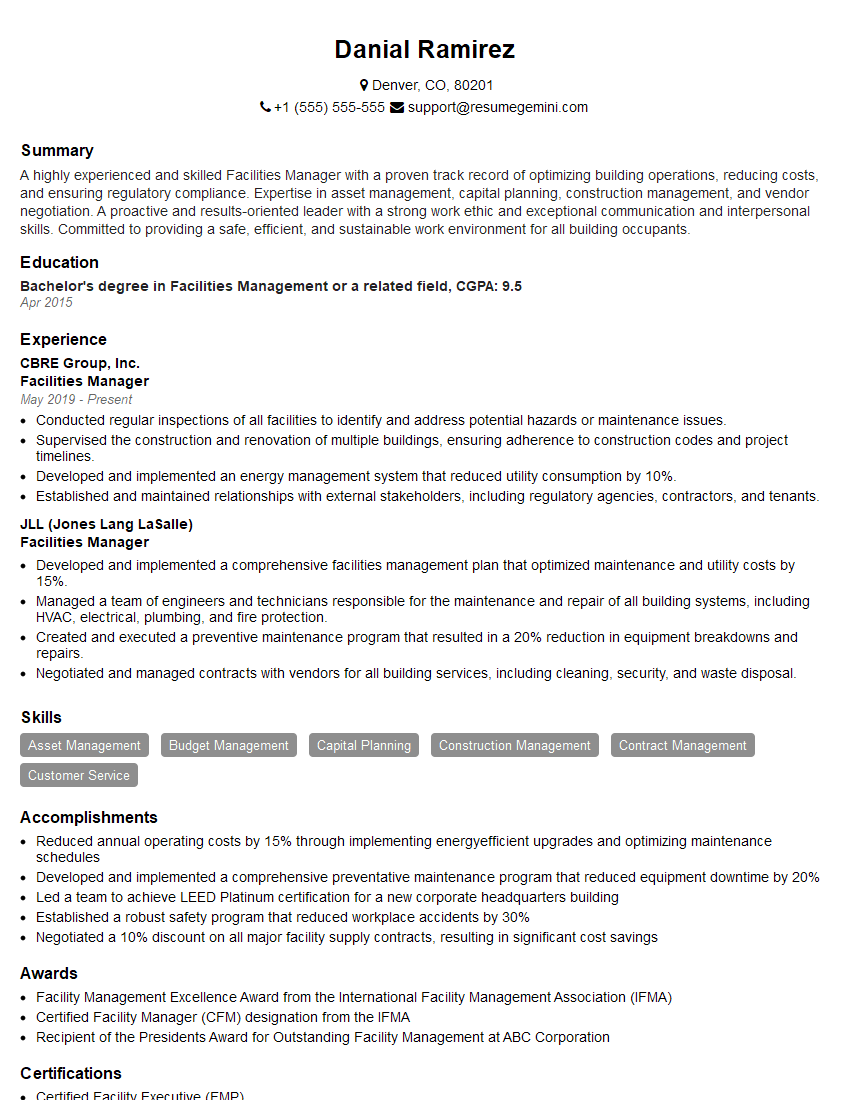
Facilities Manager Resume Sample
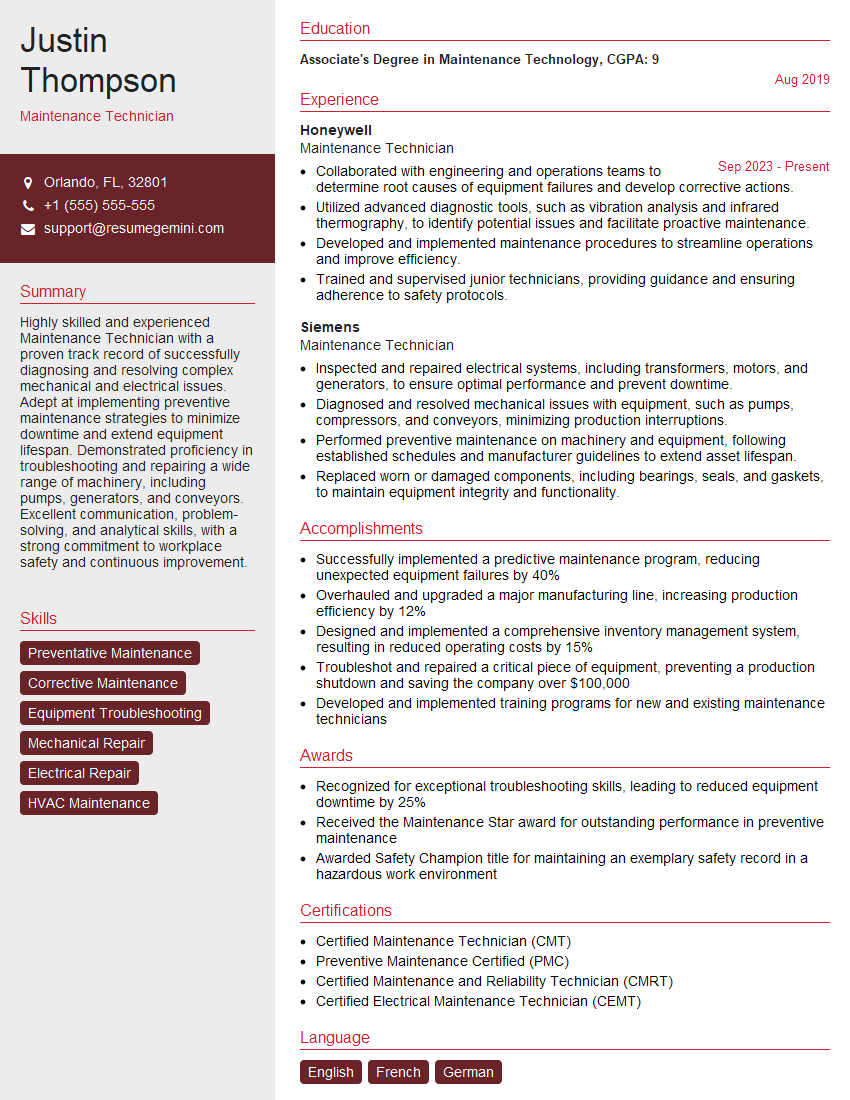
Maintenance Technician Resume Sample
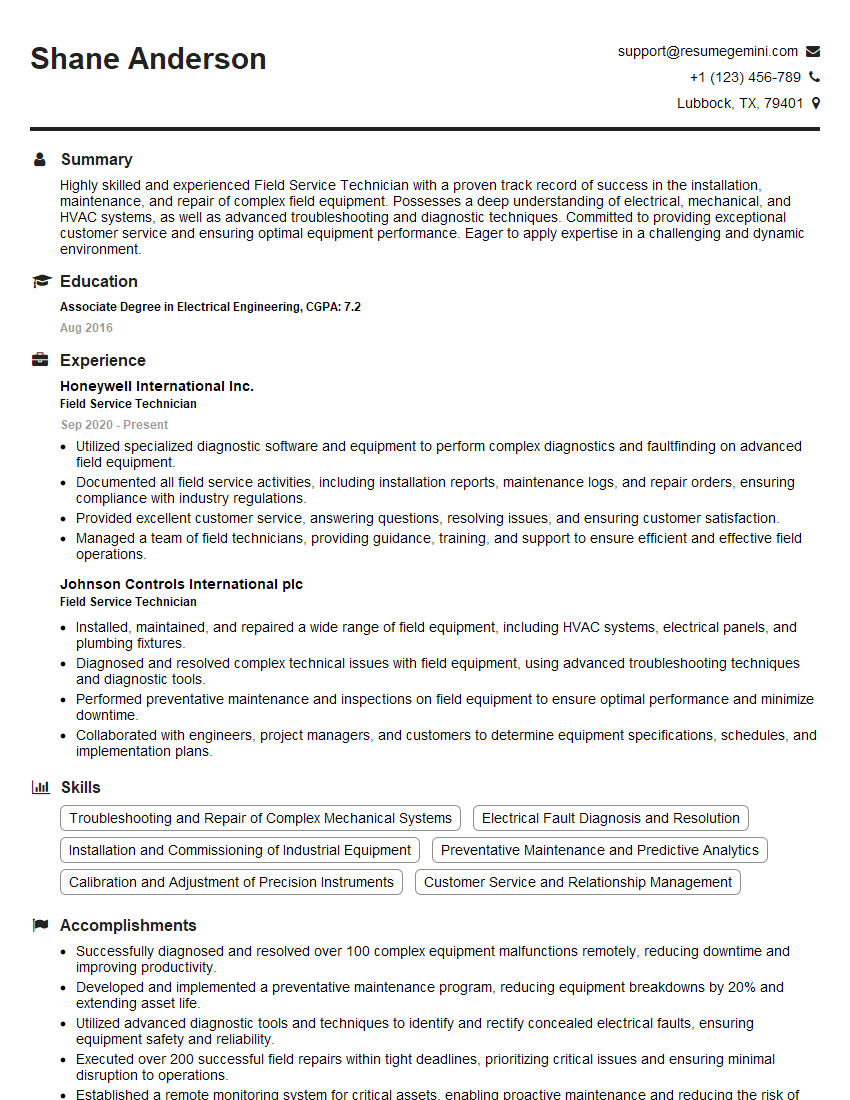
Field Service Technician Resume Sample
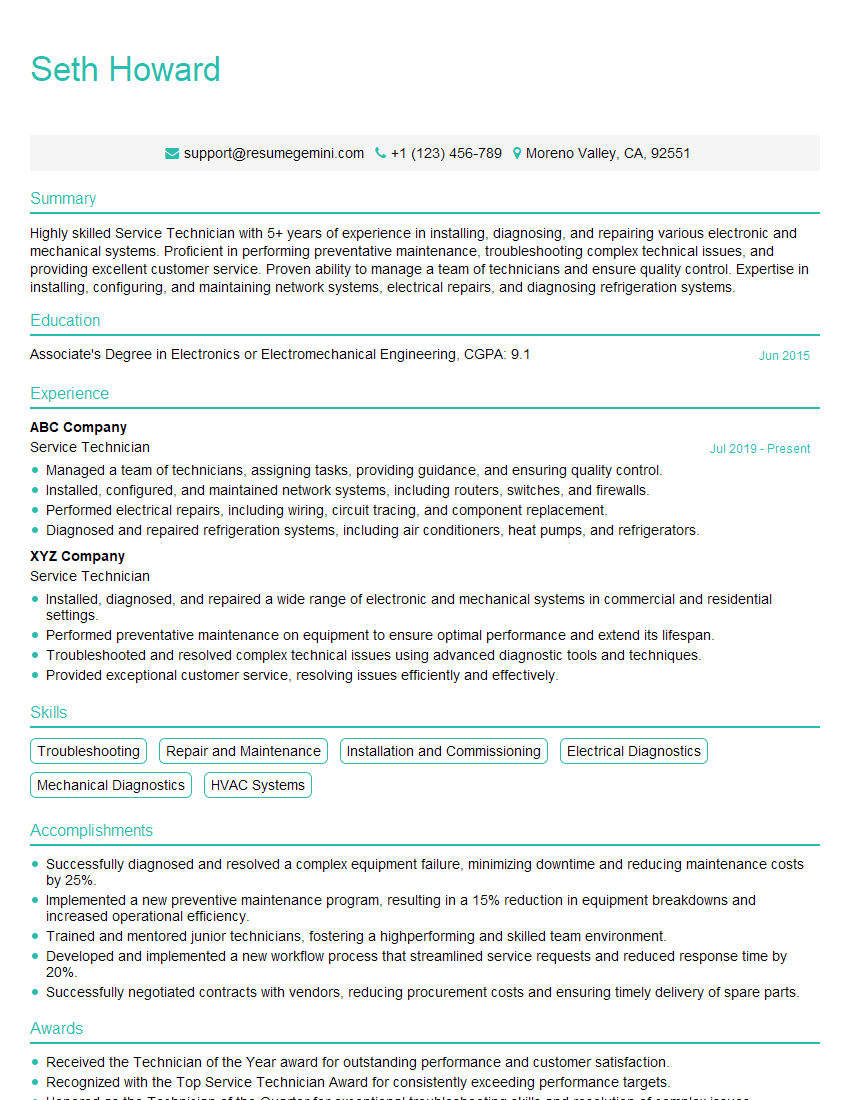
Service Technician Resume Sample
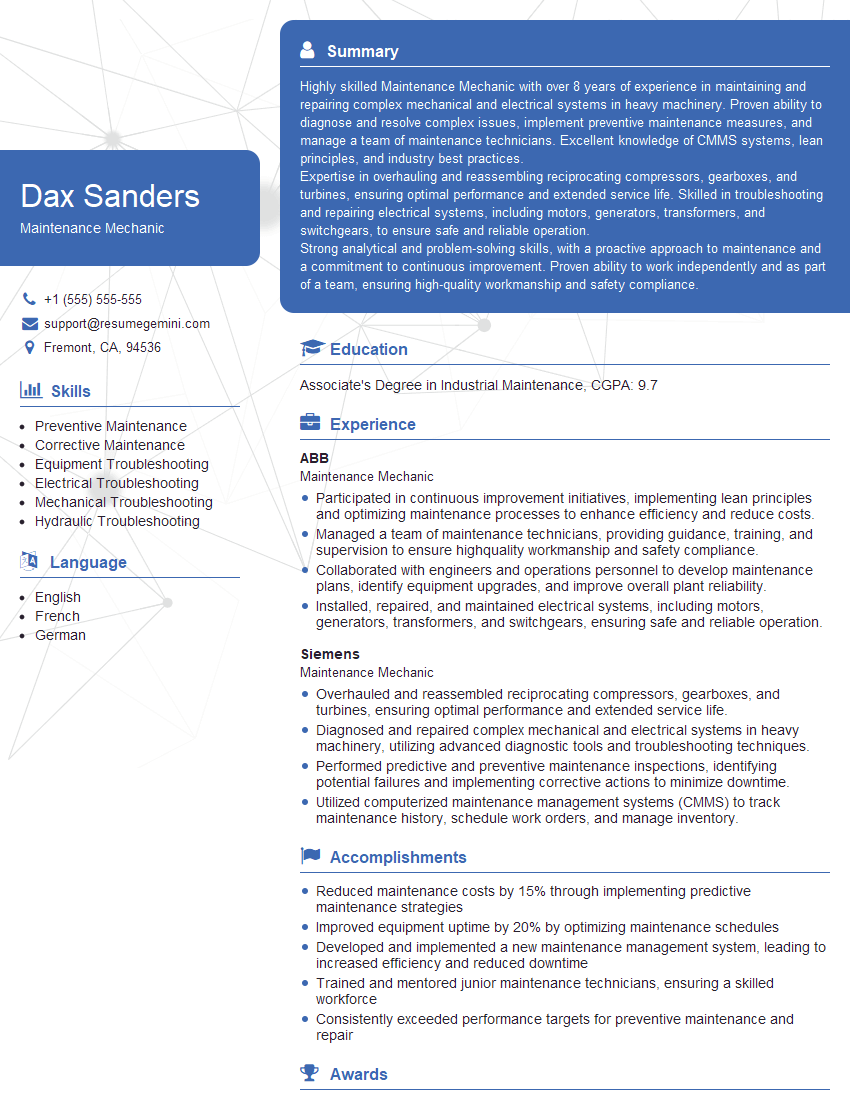
Maintenance Mechanic Resume Sample
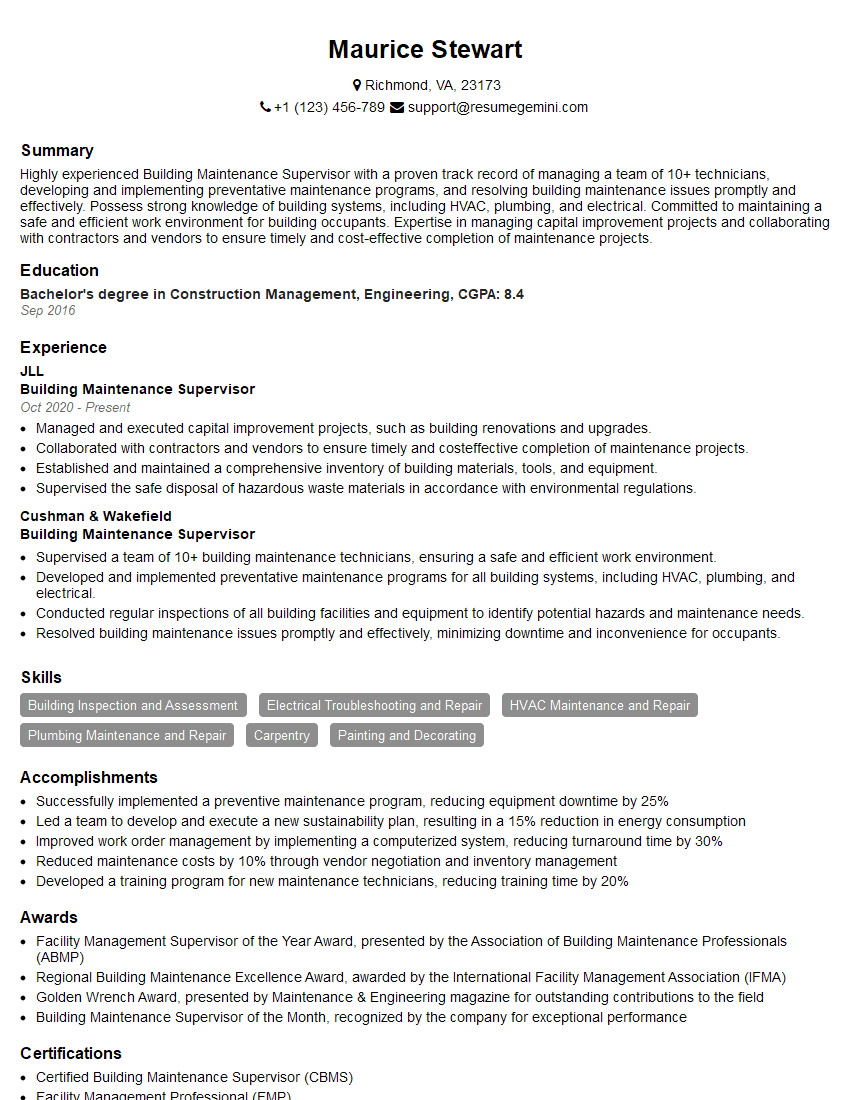
Building Maintenance Supervisor Resume Sample
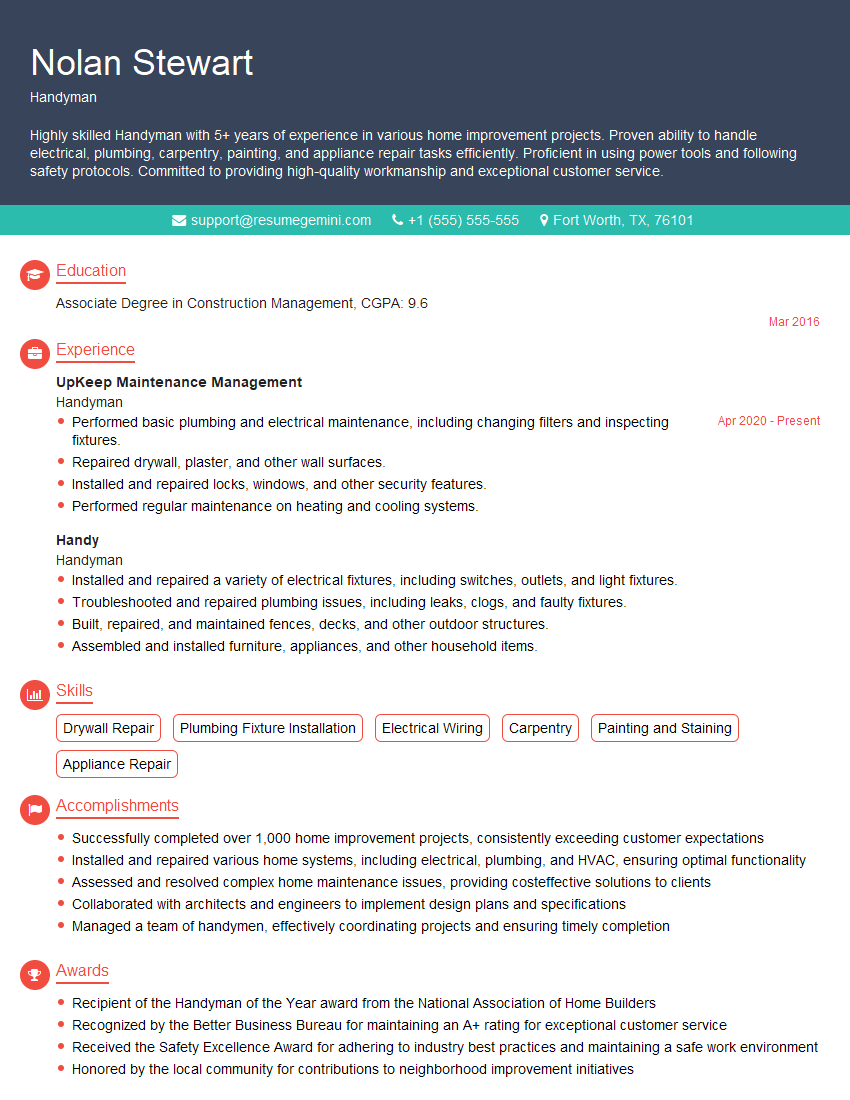
Handyman Resume Sample
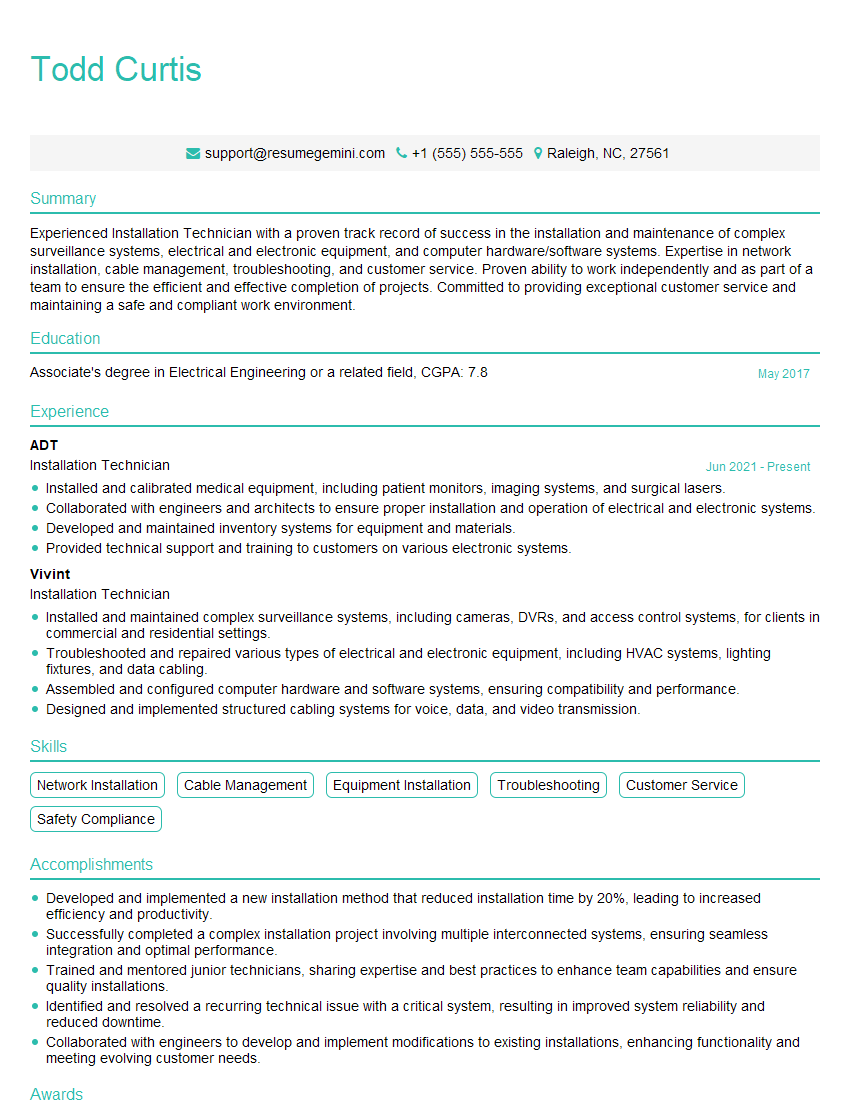
Installation Technician Resume Sample
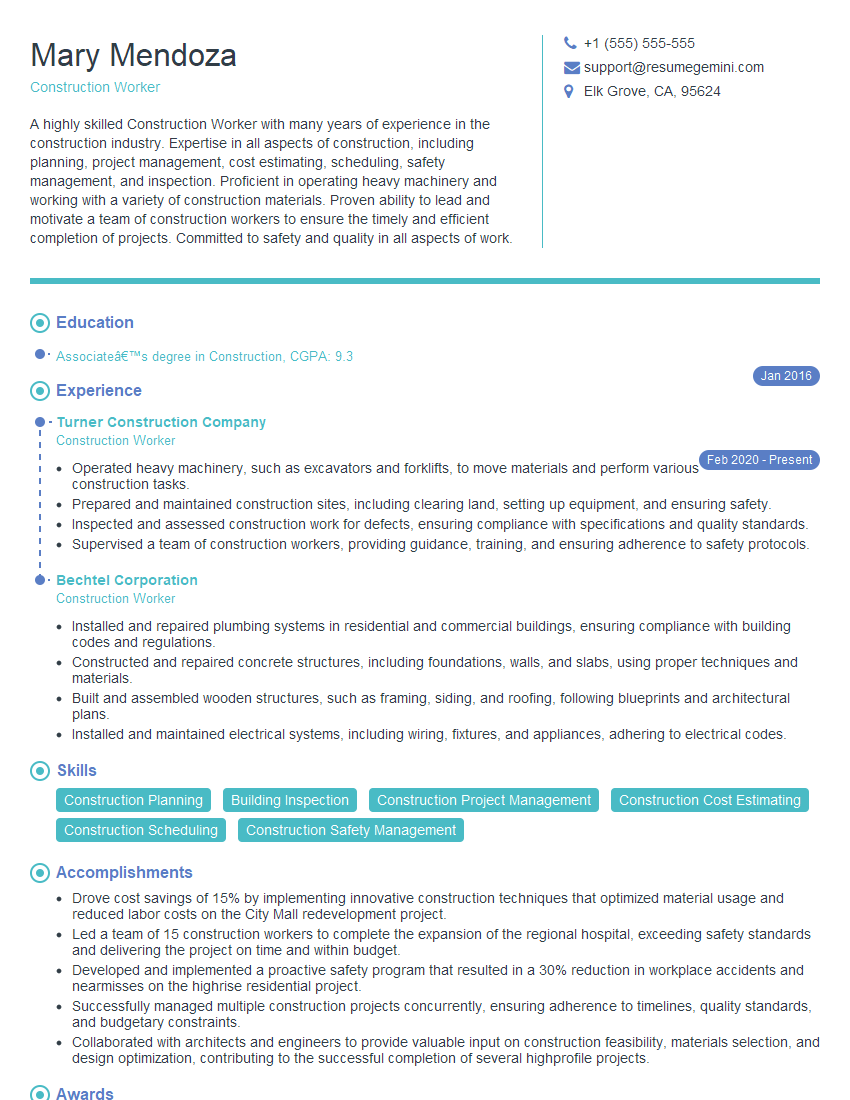
Construction Worker Resume Sample
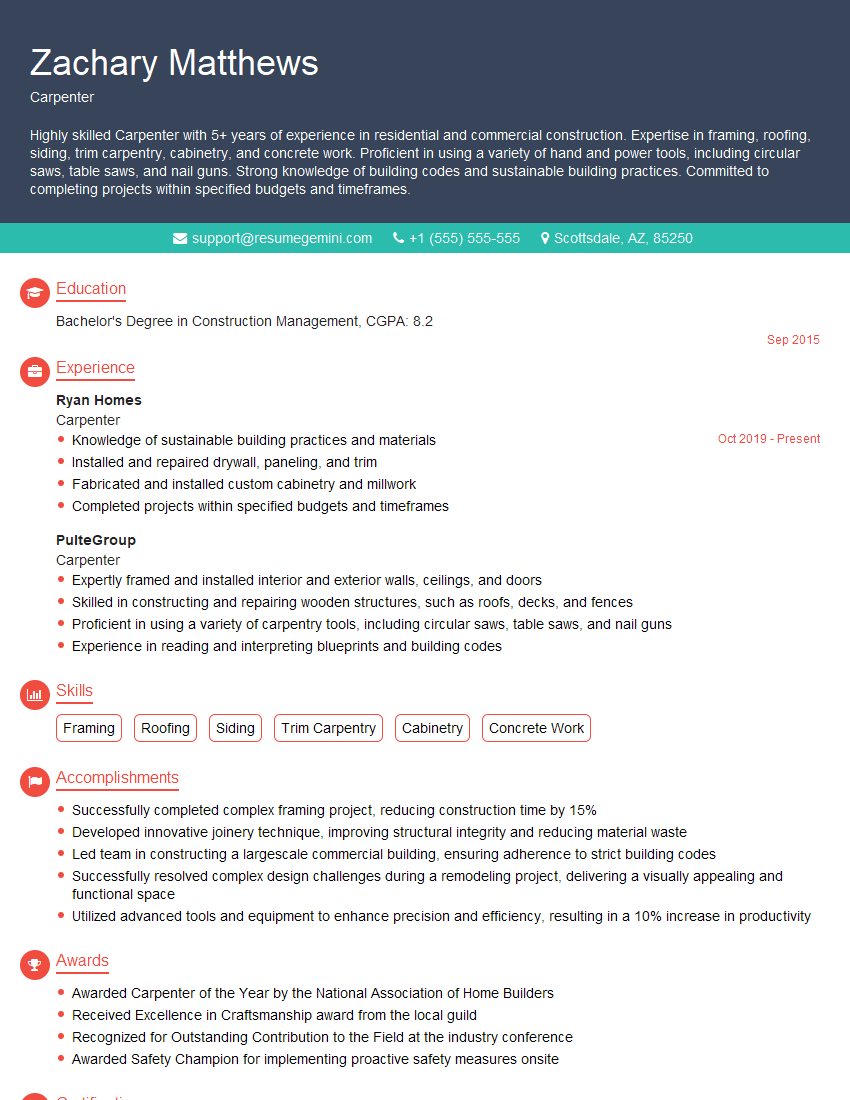
Carpenter Resume Sample
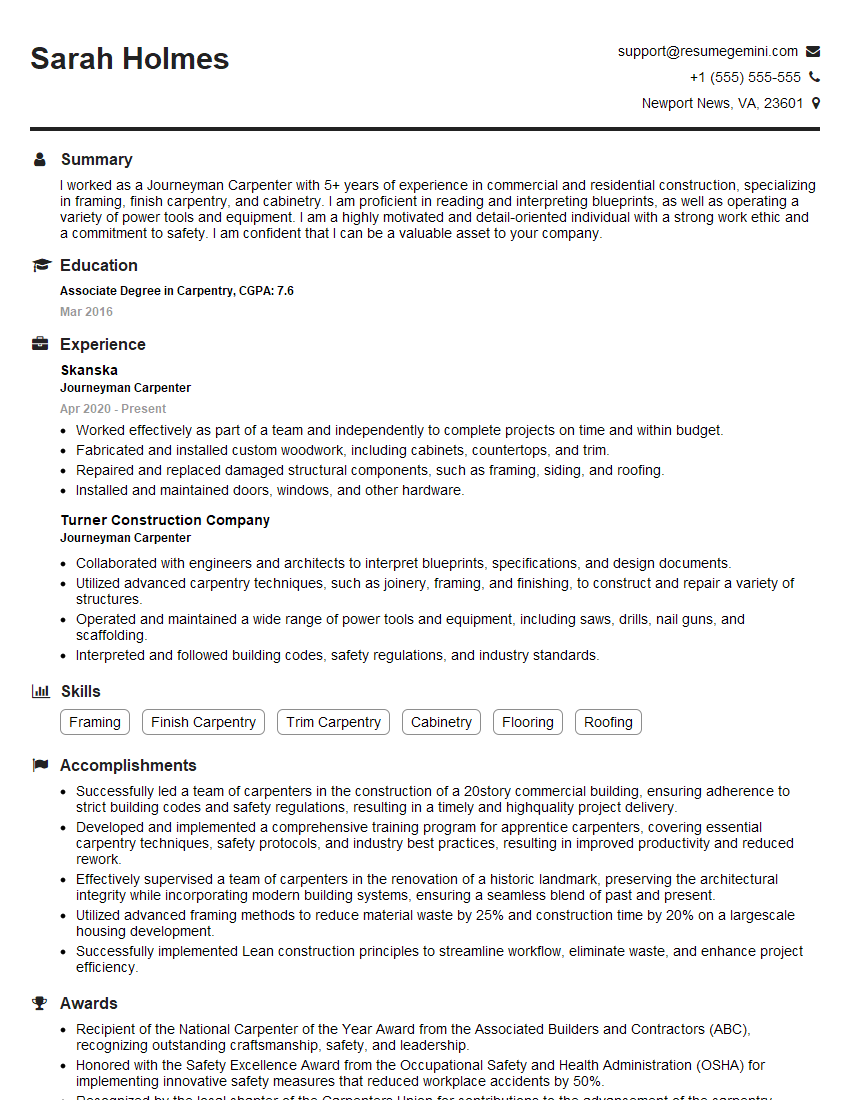
Journeyman Carpenter Resume Sample
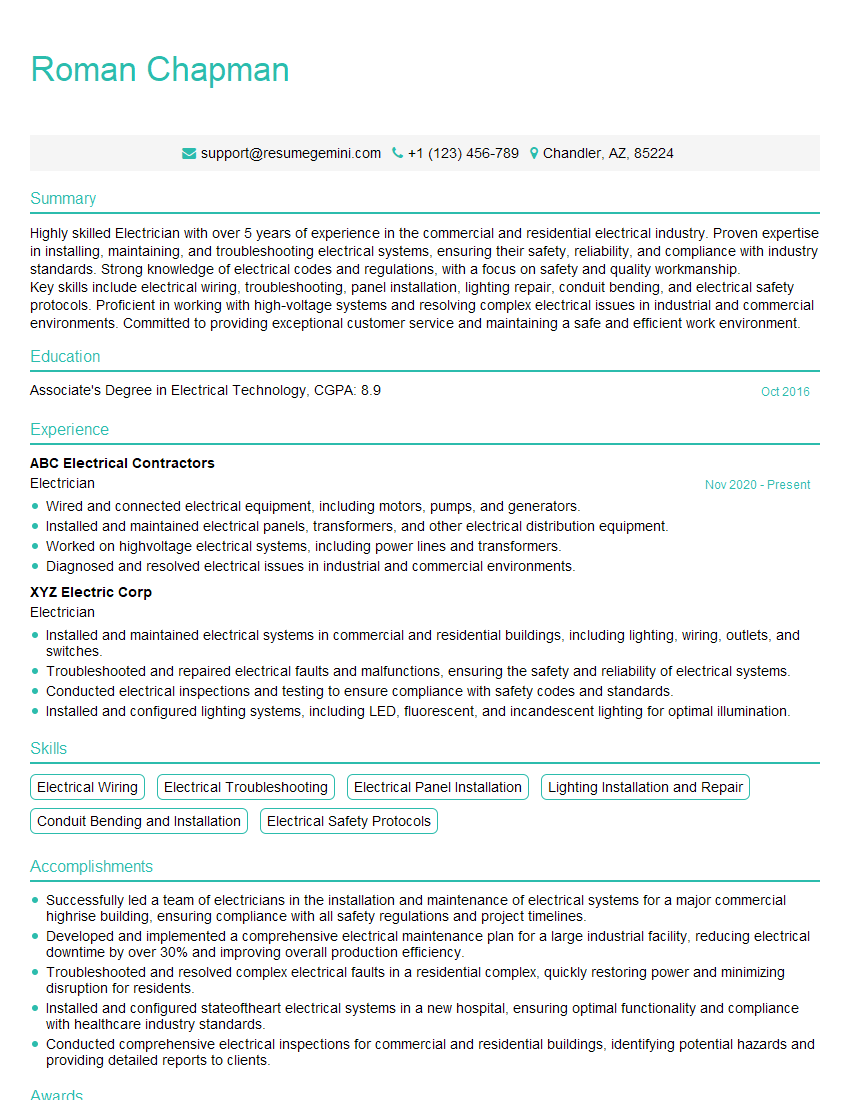
Electrician Resume Sample
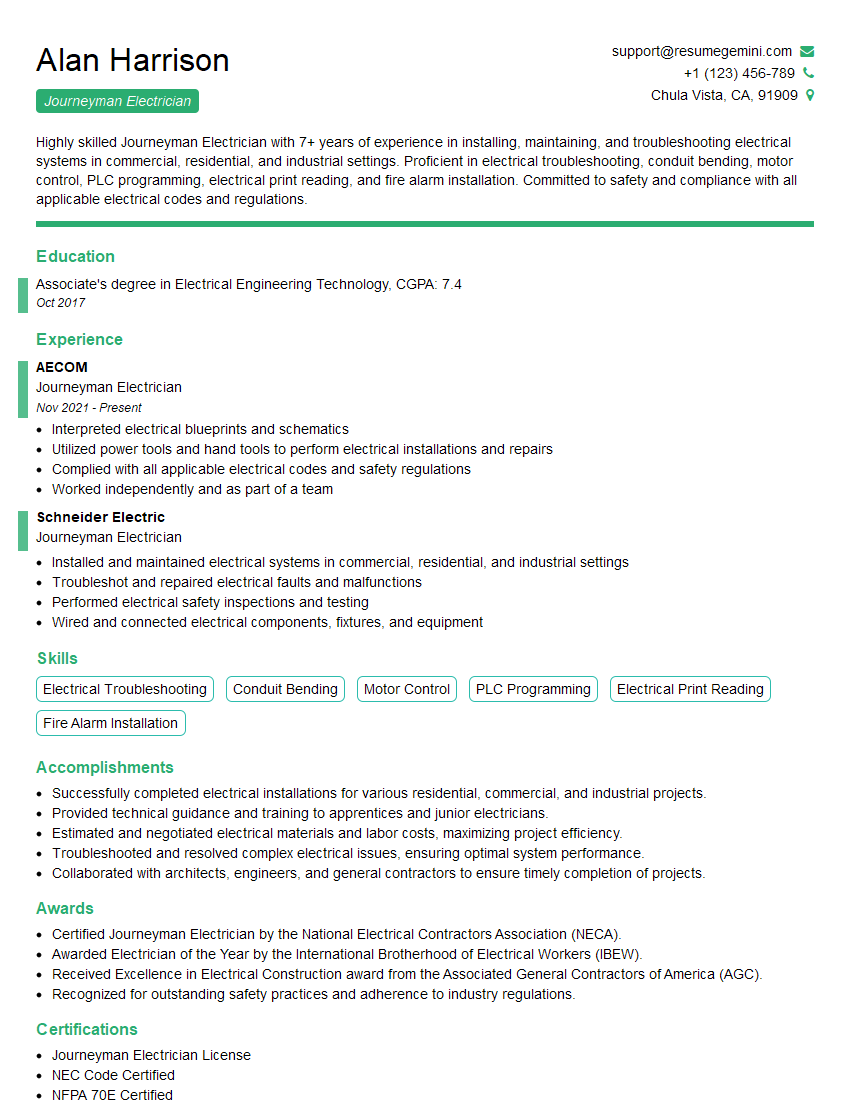
Journeyman Electrician Resume Sample
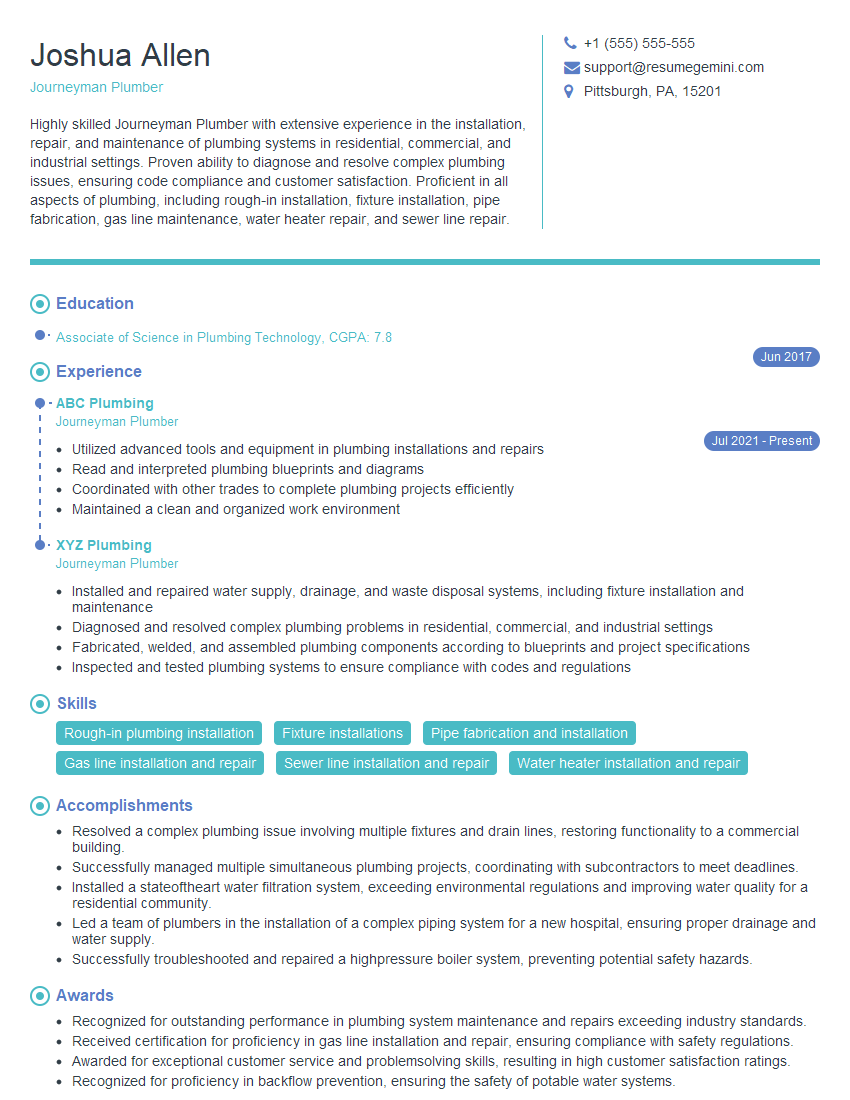
Journeyman Plumber Resume Sample
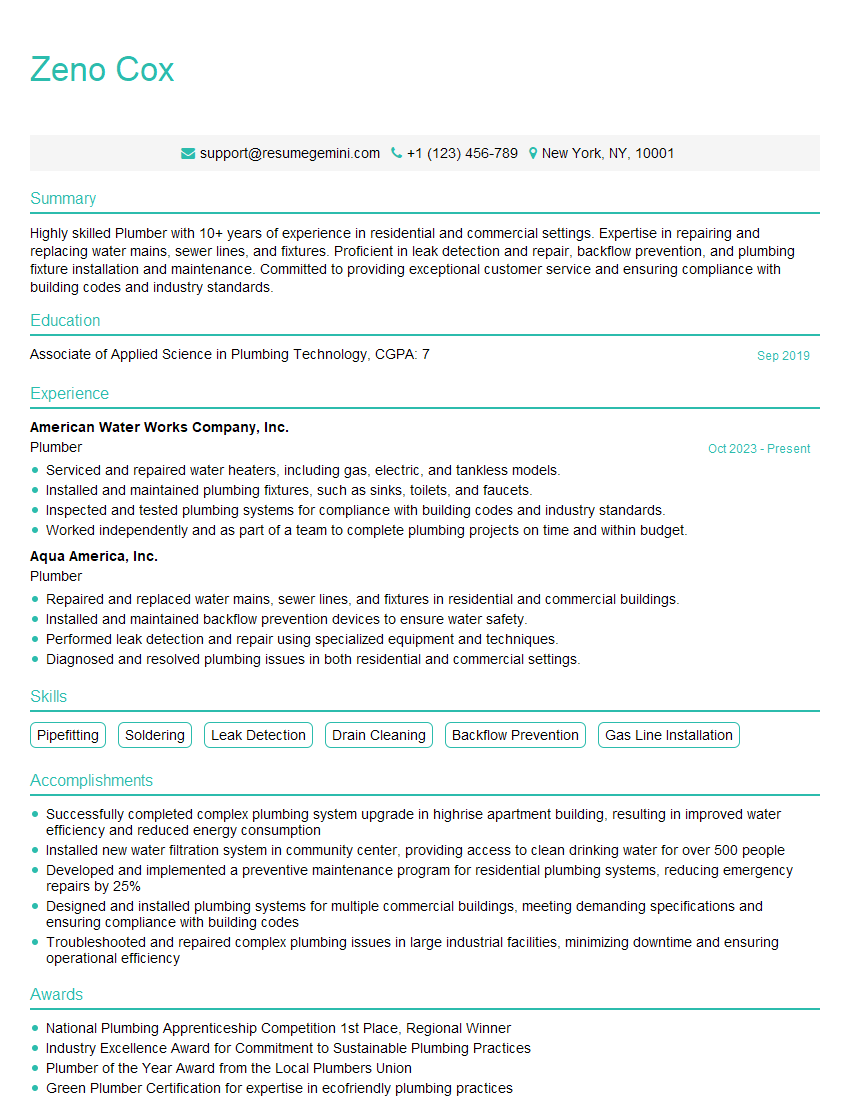
Plumber Resume Sample
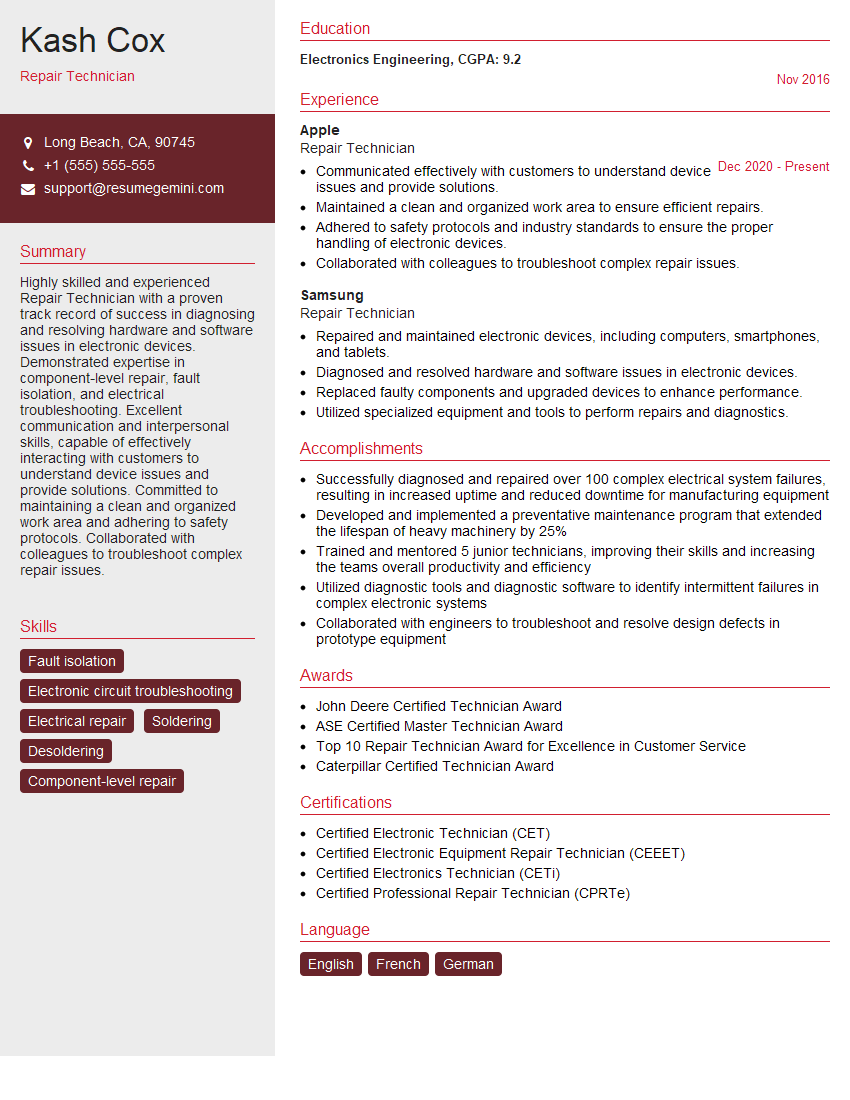
Repair Technician Resume Sample
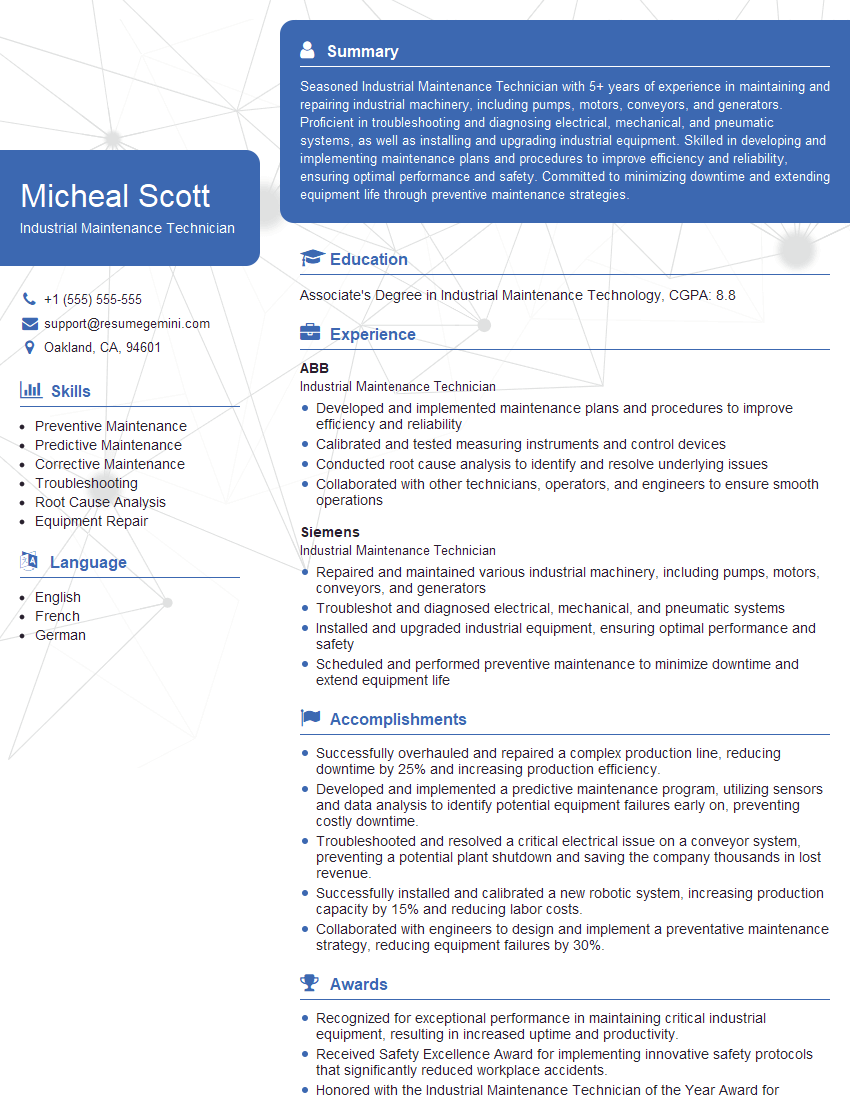
Industrial Maintenance Technician Resume Sample
- Facilities Manager
- Maintenance Technician
- Field Service Technician
- Service Technician
- Maintenance Mechanic
- Building Maintenance Supervisor
- Handyman
- Installation Technician
- Construction Worker
- Carpenter
- Journeyman Carpenter
- Electrician
- Journeyman Electrician
- Journeyman Plumber
- Plumber
- Repair Technician
- Industrial Maintenance Technician
Explore more articles
Users Rating of Our Blogs
Share Your Experience
We value your feedback! Please rate our content and share your thoughts (optional).
What Readers Say About Our Blog
Amazing blog
Interesting Article, I liked the depth of knowledge you’ve shared.
Helpful, thanks for sharing.