Interviews are more than just a Q&A session—they’re a chance to prove your worth. This blog dives into essential Knowledge of Nautical Terms interview questions and expert tips to help you align your answers with what hiring managers are looking for. Start preparing to shine!
Questions Asked in Knowledge of Nautical Terms Interview
Q 1. Explain the difference between a starboard and a port side.
Imagine a boat. The starboard side is the right-hand side of the boat when you’re facing the bow (the front). The port side is the left-hand side, again facing the bow. Think of it like this: ‘Starboard’ sounds a bit like ‘star,’ and the stars are generally on the right-hand side of the sky as you face north. While this is a mnemonic device and not the actual origin, it helps remember the distinction. This convention is crucial for clear communication on the water, especially in narrow channels or during docking procedures.
These terms are universally understood in the maritime world, regardless of the language spoken, preventing confusion and ensuring safety. Using these terms correctly is fundamental for any mariner.
Q 2. What are the responsibilities of a chief mate?
The chief mate holds a critical role aboard a vessel. They are second-in-command to the master (captain) and their responsibilities are extensive and varied, encompassing many aspects of ship operations and safety. Think of them as the captain’s right hand.
- Navigation and Safety: They assist the master in navigating, ensuring the vessel’s safe passage, and monitoring weather conditions. They are often responsible for maintaining navigational equipment and charts.
- Cargo Operations: They oversee the loading, stowing, securing, and discharging of cargo, adhering strictly to safety regulations and ensuring the vessel’s stability.
- Maintenance and Repairs: They are involved in the maintenance of the vessel’s equipment and structures, coordinating repairs and ensuring the seaworthiness of the ship.
- Crew Management: They supervise the deck crew, allocating duties, maintaining discipline, and ensuring the crew’s well-being and safety.
- Documentation: They assist in the maintenance of ship’s documents and logs, ensuring compliance with regulations.
In essence, the chief mate is responsible for the smooth and safe operation of the vessel in many aspects, assisting the captain in fulfilling their ultimate responsibility of safe arrival and the overall well-being of the vessel and crew.
Q 3. Describe the process of taking a vessel’s bearings.
Taking a vessel’s bearing involves determining the direction of a landmark (or other object) relative to the ship’s heading. This is done using a compass and a pelorus (or sextant). Here’s a step-by-step process:
- Identify the Landmark: Choose a distinct landmark, such as a lighthouse, buoy, or prominent feature on the shore.
- Align the Pelorus/Sextant: Point the pelorus or sextant at the chosen landmark.
- Read the Bearing: Note the bearing indicated on the pelorus or sextant’s compass. This is the true bearing, corrected for magnetic variation and deviation.
- Record the Bearing: Write down the bearing (e.g., 030°T – 30 degrees True), along with the time and the landmark’s name.
- Repeat as Needed: Taking bearings from multiple landmarks allows for a more accurate position fix.
The process may sound simple, but accuracy is key. Inaccurate bearings could lead to navigational errors with potentially serious consequences. Proper training and a thorough understanding of compass corrections are essential for mariners.
Q 4. What is a nautical mile and how does it differ from a statute mile?
A nautical mile is a unit of measurement used in navigation. It’s approximately 1.15 statute miles (or 1852 meters). The key difference lies in its basis: a nautical mile is defined as one minute of arc of latitude along any meridian. In simpler terms, if you imagine the Earth as a perfect sphere (close enough for practical purposes), one nautical mile is the distance covered along a line of longitude when moving one minute (1/60th of a degree) north or south.
A statute mile, on the other hand, is based on a land-based measure and is approximately 5280 feet. Navigators use nautical miles because of their direct relationship to latitude and longitude, making calculations easier for position fixing and distance determination on charts.
Q 5. Explain the concept of dead reckoning.
Dead reckoning (DR) is a method of estimating a vessel’s position by using its known position (a fix), its speed, and its course over a period of time. Think of it as a best guess based on what you already know, but it does not account for external factors like currents or wind.
It involves calculating a new estimated position (EP) based on:
- Your last known position.
- Your course (direction).
- Your speed.
- The time elapsed since your last known position.
While DR is not as accurate as modern GPS-based navigation, it is a valuable backup method, especially during equipment failure and serves as a useful tool for understanding vessel movement and potential drift.
Q 6. What are the different types of knots used in maritime operations?
Numerous knots are used in maritime operations, each serving a specific purpose. Here are a few examples:
- Bowline: A fundamental knot forming a fixed loop at the end of a rope; it will not slip or jam.
- Clove Hitch: Used to secure a rope to a post or ring, it’s easy to tie and untie.
- Figure Eight Knot: A stopper knot to prevent rope from running through a block or pulley.
- Sheet Bend: Used to join two ropes of unequal diameter, it’s secure and relatively easy to tie.
- Reef Knot (Square Knot): Used to join two ropes of equal diameter, but it is prone to coming undone under load, so it should be used cautiously.
- Cleat Hitch: Used to secure a rope to a cleat (a device on a deck for securing lines).
Knowing how to tie these, and many more, knots is essential for a seaman. The wrong knot in the wrong place could compromise safety and operational efficiency. Proper knot-tying skills are rigorously taught in maritime training programs.
Q 7. Describe the various types of navigational charts.
Various types of navigational charts cater to different needs and scales. They are crucial tools for planning and executing voyages.
- Paper Charts: Traditional nautical charts printed on paper, relying on visual interpretation. While less common now with the advent of electronic charts, they provide a backup and offer a visual understanding of the area.
- Electronic Navigational Charts (ENCs): Digital versions of paper charts displayed on electronic chart display and information systems (ECDIS). ENCs are highly accurate and offer additional data layers, such as depth contours, aids to navigation, and warnings. This is the standard form used on modern vessels.
- General Charts: Large-scale charts covering wide areas, used for planning long voyages or getting a broad overview.
- Coastal Charts: Charts showing more detailed information for navigating closer to shore.
- Harbor Charts: Highly detailed charts showing harbors, ports, and other inland waterways, used for detailed harbor navigation.
- Special Purpose Charts: Charts designed for specific purposes, such as those for ice navigation, or showing specific aspects like fishing grounds.
Choosing the correct type of chart is paramount for safe navigation. Using an inappropriate chart can lead to significant navigational errors. Mariners must be trained to use the appropriate chart according to their location and planned voyage.
Q 8. What are the International Regulations for Preventing Collisions at Sea (COLREGs)?
The International Regulations for Preventing Collisions at Sea (COLREGs) are a set of rules designed to prevent collisions between vessels. They are a globally recognized standard, ensuring predictability and safety on the world’s waterways. Think of them as the ‘rules of the road’ for ships. They cover various aspects of navigation, including:
- Rules of the Road: Defining the responsibilities of vessels in various situations, like crossing, overtaking, and meeting head-on.
- Navigation Lights and Shapes: Specifying the types of lights and shapes vessels must display to indicate their size, course, and type (e.g., sailing vessel, power-driven vessel, vessel restricted in her ability to maneuver).
- Sound Signals: Outlining the use of sound signals like foghorns and whistles to warn of the vessel’s presence in poor visibility.
- Use of Lights and Shapes: Detailed descriptions of how these visual aids should be used in various situations.
Understanding and applying COLREGs are critical for preventing accidents at sea. Failure to comply can lead to serious consequences, including collisions, damage to vessels, and even loss of life. Regular training and proficiency checks are vital for seafarers.
Q 9. Explain the meaning of ‘AIS’ and its importance in modern navigation.
AIS stands for Automatic Identification System. It’s a crucial technology in modern navigation, acting as a sort of ‘electronic billboard’ for ships. AIS transponders on board vessels automatically broadcast information such as their position, course, speed, and identification details. This data is then received by other vessels, coastal stations, and even shore-based applications.
The importance of AIS is multifaceted:
- Collision Avoidance: AIS provides real-time awareness of nearby vessels, significantly improving situational awareness and reducing the risk of collisions, especially in busy shipping lanes or areas with limited visibility.
- Search and Rescue: In emergency situations, AIS can help locate vessels in distress, providing critical information for rescue efforts. Imagine a life raft with a small AIS transponder – its location could be quickly identified.
- Traffic Management: Port authorities and other agencies use AIS data to monitor vessel traffic, manage port congestion, and optimize traffic flow.
- Navigation Planning: AIS information can be incorporated into electronic chart systems, providing mariners with a dynamic picture of the marine environment.
Think of it as a maritime social network – only instead of sharing photos, ships share crucial navigational data.
Q 10. What is a GPS and how does it work in marine navigation?
GPS, or Global Positioning System, is a satellite-based navigation system. It uses a network of satellites orbiting the Earth to pinpoint the location of a receiver (like those found on ships). In marine navigation, it plays a vital role in:
How it works:
- Satellite Triangulation: The receiver on your vessel receives signals from multiple GPS satellites. By precisely measuring the time it takes for signals to reach the receiver from these satellites, the receiver can calculate its distance from each satellite. These distances are then used to pinpoint the receiver’s location using a method called trilateration (like finding where three circles intersect on a map).
- Accuracy and Correction: While GPS offers high accuracy, sources of error, like atmospheric effects, exist. Differential GPS (DGPS) and other correction methods compensate for these, significantly increasing accuracy to sub-meter levels. This is crucial for precise navigation, particularly when approaching ports or navigating shallow waters.
GPS data feeds into various onboard navigational systems (ECDIS, radar) providing essential position information for safe and efficient voyage planning and execution. It’s become indispensable for modern shipping, allowing for precise positioning in all types of weather.
Q 11. What are the different types of ship’s lights and their significance?
Different types of ships’ lights are used to indicate the vessel’s type, course, and status. These are governed by COLREGs to ensure clear identification. Here are some examples:
- Masthead Light: A white light visible all around the horizon, indicating the vessel’s presence and general location.
- Sidelights (Port and Starboard): Green light on the starboard (right) side and red light on the port (left) side, showing the vessel’s direction and helping avoid collisions.
- Stern Light: A white light visible from behind, aiding in identification and course determination.
- Special Lights: These include lights for vessels restricted in their ability to maneuver (e.g., fishing vessels, vessels engaged in towing), vessels aground, and vessels engaged in underwater operations. These lights warn other vessels of potential hazards and restricted maneuvers.
The significance lies in providing clear visual signals, especially in low-light or poor visibility conditions. Correct display of lights is crucial for collision avoidance. Imagine navigating through a dense fog – understanding the signals displayed by other vessels might save lives. A failure to display proper lights can result in severe repercussions.
Q 12. Describe the procedure for conducting a safety drill on board a vessel.
A safety drill is a crucial procedure designed to prepare the crew for emergencies. The specific drill procedure varies depending on the type of vessel and its regulations, but a typical procedure includes:
- Pre-Drill Briefing: The officer in charge briefs the crew on the objective, procedures, and roles of each member.
- Muster: The crew assembles at their assigned muster stations. This step checks the vessel’s emergency preparedness and ensures everyone is accounted for.
- Emergency Procedures: Specific emergency procedures are carried out, such as donning life jackets, practicing abandoning ship procedures, or using fire-fighting equipment. This could involve deploying life rafts, using fire extinguishers, or implementing damage control measures.
- Equipment Check: All emergency equipment (lifeboats, life rafts, fire extinguishers, etc.) is inspected and checked for proper functionality and readiness.
- Post-Drill Debriefing: A review is conducted to assess the efficiency and effectiveness of the drill, identifying any improvements needed.
Regular safety drills are mandatory and are part of maintaining a safe working environment. Effective drills can save lives and reduce the severity of accidents by ensuring everyone is well-prepared and knows their duties.
Q 13. Explain the different types of marine propulsion systems.
Marine propulsion systems are responsible for moving a vessel through water. Different systems are used depending on factors like vessel size, purpose, and environmental considerations:
- Propellers: These are the most common type, using rotating blades to generate thrust. They can be driven by various engines (diesel, steam turbines, electric motors).
- Water Jets: Water is drawn in, propelled by an impeller, and discharged at high velocity, creating thrust. These are commonly used on smaller high-speed vessels.
- Paddle Wheels: Primarily used in older or specialized vessels, paddle wheels rotate in the water to create propulsion, suitable for certain environments but less efficient for larger vessels.
- Sails: Wind power is harnessed to propel the vessel. Sailing vessels provide an eco-friendly approach.
- Hybrid and Electric Systems: Increasingly popular, these integrate various propulsion sources, offering greater efficiency and reduced emissions, especially in environmentally sensitive areas.
Choosing the appropriate propulsion system is crucial for optimal vessel performance and efficiency. Factors like fuel consumption, maintenance costs, speed requirements, and environmental regulations influence the choice.
Q 14. What is a load line and what is its purpose?
A load line, also known as the Plimsoll line, is a mark on a ship’s hull indicating the maximum permissible draft (depth of the hull submerged in water) under various loading conditions. It’s a crucial safety measure.
Purpose:
- Preventing Overloading: Overloading a ship can lead to instability and increased risk of sinking, particularly in rough seas. The load line ensures the ship is not loaded beyond its safe limits.
- Seasonal Variation: Load lines account for variations in water density (affected by temperature and salinity). Summer load lines are higher (water is denser) than winter load lines.
- Regional Variation: Load lines also vary based on the region the vessel is operating in. This is because water density differs based on temperature and salinity. This helps prevent problems with sinking or instability in different water.
The markings on the load line indicate the maximum permissible draft for different conditions. Exceeding these marks is illegal and extremely dangerous. It’s critical for ensuring the ship’s stability and safety at sea.
Q 15. What are the various types of marine buoys and their meanings?
Marine buoys are floating markers used to warn vessels of dangers or provide navigational information. They come in various shapes, colors, and configurations, each with a specific meaning. Think of them as the maritime equivalent of traffic lights, guiding ships safely through waterways.
- Lateral Buoys: These mark the sides of a channel. Red buoys (with even numbers) mark the port (left) side when entering from seaward, while green buoys (with odd numbers) mark the starboard (right) side. Imagine them as guiding you along a road.
- Cardinal Buoys: These indicate the location of a hazard relative to the compass. North Cardinal Buoys (black with a yellow topmark) are located north of a danger, East Cardinal Buoys (black with a band of yellow) are located east, and so on. This system forms a sort of ‘danger zone’ warning system.
- Safe Water Buoys: These mark a safe path through a channel or area. They are typically green and have a cylindrical shape with a single cone topmark, essentially signaling ‘clear sailing’ ahead.
- Isolated Danger Buoys: These mark a single danger that is not part of a channel or fairway. They are typically black and have two black cones as a topmark, warning of a potential collision hazard.
- Special Purpose Buoys: These buoys have a variety of uses, like marking specific locations, regulating traffic, or indicating areas to be avoided. Their color and shape will depend on their specific purpose, often following the International Association of Marine Aids to Navigation and Lighthouse Authorities (IALA) guidelines.
Proper understanding of buoyage systems is crucial for safe navigation. Failure to recognize a buoy’s meaning could lead to accidents.
Career Expert Tips:
- Ace those interviews! Prepare effectively by reviewing the Top 50 Most Common Interview Questions on ResumeGemini.
- Navigate your job search with confidence! Explore a wide range of Career Tips on ResumeGemini. Learn about common challenges and recommendations to overcome them.
- Craft the perfect resume! Master the Art of Resume Writing with ResumeGemini’s guide. Showcase your unique qualifications and achievements effectively.
- Don’t miss out on holiday savings! Build your dream resume with ResumeGemini’s ATS optimized templates.
Q 16. Explain the concept of a vessel’s stability and how it is maintained.
A vessel’s stability refers to its ability to remain upright and resist capsizing. It’s a crucial aspect of maritime safety, and it’s maintained through a complex interplay of forces. Imagine balancing a pencil on its point—a very unstable condition! A ship’s stability is like that pencil, but we have ways to control its balance.
Stability is primarily determined by the vessel’s:
- Center of Gravity (CG): The point where the entire weight of the vessel is concentrated. Lowering the CG increases stability.
- Center of Buoyancy (CB): The geometric center of the underwater volume of the hull. This point shifts as the vessel heels (tilts).
- Metacenter (M): The point about which the vessel rotates when it heels. The distance between the CG and M (GM) is a key indicator of stability; a larger GM implies greater stability.
Stability is maintained by:
- Proper cargo loading and distribution: Heavy cargo should be placed low in the vessel to lower the CG. Careful distribution prevents excessive list (sideways tilt).
- Ballasting: Adding water to tanks to adjust the vessel’s trim (fore-to-aft balance) and CG position.
- Hull design: The shape of the hull, particularly its beam (width), significantly affects its stability. A wider beam provides greater stability.
- Damage Control: Procedures to manage flooding situations, such as compartmentalization, can help mitigate the effects of damage and prevent capsizing.
Understanding and managing a vessel’s stability is a critical responsibility for all maritime professionals. Improper loading, for example, can lead to capsizing, highlighting the importance of rigorous training and adherence to safety protocols.
Q 17. Describe the procedure for conducting a cargo inspection.
Cargo inspection is a vital process to ensure the safety and integrity of goods being transported. It verifies the condition, quantity, and quality of the cargo, and often happens at multiple points in the shipment chain.
The procedure typically involves:
- Pre-Shipment Inspection: This takes place before loading, verifying that goods meet specifications and are properly packaged.
- Loading Supervision: Observing the loading process to ensure proper stowage and securement, preventing damage during transit.
- On-Board Inspection: This is conducted at various points during the voyage to check for damage, spoilage, or theft.
- Discharge Supervision: Checking the condition of goods upon arrival and ensuring proper offloading procedures.
Specific steps within each inspection include:
- Document Review: Examining relevant shipping documents like Bills of Lading and packing lists.
- Visual Examination: Checking for obvious damage, improper packaging, or signs of tampering.
- Quantity Verification: Counting or weighing the cargo to confirm it matches the shipping documents.
- Quality Check: Depending on the type of cargo, this could involve testing or sampling to ensure it meets quality standards.
- Damage Reporting: Documenting any damage or discrepancies found during the inspection.
Thorough cargo inspection minimizes risk, protecting both the shipper and the receiver from financial loss and potential safety hazards.
Q 18. What is the significance of the IMO (International Maritime Organization)?
The International Maritime Organization (IMO) is a specialized agency of the United Nations responsible for improving maritime safety and security, and preventing marine pollution. It’s essentially the global governing body for shipping, setting international standards and regulations.
The IMO’s significance lies in its role in:
- Developing international maritime law: Creating and updating international conventions, codes, and guidelines for all aspects of shipping.
- Enhancing maritime safety: Implementing measures to reduce accidents, improve navigational safety, and enhance emergency response.
- Protecting the marine environment: Establishing regulations to minimize pollution from ships, including oil spills and air emissions.
- Improving maritime security: Developing standards to combat piracy, terrorism, and other security threats.
- Facilitating cooperation: Providing a platform for member states to collaborate on maritime issues and share best practices.
The IMO’s work directly impacts global trade and environmental protection, making it a critical player in the international maritime community. Adherence to IMO regulations is vital for safe and responsible shipping practices worldwide.
Q 19. Explain the concept of a ship’s draft.
A ship’s draft is the vertical distance between the waterline and the bottom of the hull. Imagine it as how deeply the ship is submerged in the water. It’s a crucial measurement for safe navigation and operation, influencing the ship’s stability and whether it can safely transit a waterway.
Draft is usually measured in meters or feet and varies depending on factors such as:
- Cargo weight: Heavier cargo increases the draft.
- Ballast water: The amount of ballast water on board directly affects the draft.
- Density of water: Freshwater is less dense than saltwater, resulting in a different draft in different water types. A ship will sit deeper in freshwater.
- Vessel’s trim: The fore-to-aft balance, which impacts the draft at the bow and stern.
Knowing the draft is essential for navigating shallow waters, passing under bridges, and entering ports with depth restrictions. Incorrect draft calculations can lead to grounding, causing significant damage and delays.
Q 20. What are the different types of marine insurance?
Marine insurance covers various risks associated with maritime transport. Think of it as a financial safety net for potential losses at sea. Several types exist to address diverse needs:
- Hull and Machinery Insurance: Covers damage or loss to the vessel itself, including its machinery and equipment.
- Cargo Insurance: Protects the goods being transported from loss or damage during transit.
- Protection and Indemnity (P&I) Insurance: This covers third-party liabilities, such as injuries to crew or passengers, damage to other vessels, and pollution.
- Freight Insurance: Protects the shipper against the loss of freight charges if the cargo is lost or damaged.
- Liability Insurance: Covers the vessel owner’s liability for damage caused to other vessels or property.
- War Risks Insurance: Covers losses resulting from war, piracy, or other hostile actions.
Choosing the appropriate type and coverage level depends on the specific risks associated with the voyage and the value of the goods being transported. Adequate marine insurance is crucial for mitigating potential financial losses in the event of an accident or unforeseen circumstances.
Q 21. Describe the process of anchoring a vessel.
Anchoring a vessel is a crucial maneuver for securing it in place. It’s a delicate process requiring careful planning and execution. The process depends on factors like the type of anchor, seabed conditions, weather, and the ship’s size.
The procedure generally involves:
- Selecting an appropriate anchoring location: Considering factors like water depth, seabed type, and proximity to other vessels or hazards.
- Approaching the location: Navigating the vessel to the chosen position, considering wind, currents, and other vessels.
- Lowering the anchor: Carefully releasing the anchor from the hawsepipe (anchor well) and allowing it to fall to the seabed.
- Veering (paying out) the anchor chain: Letting out sufficient anchor chain to provide adequate holding power. This depends on the depth and the strength of the prevailing conditions.
- Checking the anchor’s set: Monitoring the chain’s angle to the vessel and the vessel’s position to confirm the anchor is securely embedded in the seabed. This sometimes involves taking a ‘shot’ or brief use of the engine to ensure the chain is taut.
- Adjusting the position if necessary: Using the engine to make small adjustments to achieve the desired position.
Anchoring is a critical skill for mariners, and incorrect execution can lead to dragging of the anchor, collisions, or damage to the vessel. Thorough training and experience are needed for proper anchoring techniques.
Q 22. What are the responsibilities of a marine engineer?
A marine engineer is responsible for the safe and efficient operation of a vessel’s propulsion and auxiliary machinery. This encompasses a vast range of duties, from preventative maintenance and repairs to troubleshooting complex mechanical and electrical systems. Think of them as the heart of the ship’s technical operations.
- Maintenance and Repair: They conduct regular inspections, servicing, and repairs on engines, generators, pumps, boilers, and other vital equipment. This ensures the vessel remains seaworthy and operational.
- Overseeing Systems: They monitor various systems like the cooling, lubrication, and fuel systems, ensuring they function optimally. Any malfunction can lead to serious consequences, so constant vigilance is key.
- Troubleshooting: When problems arise, marine engineers diagnose faults, and implement solutions, often under pressure and in challenging conditions. Their problem-solving skills are critical.
- Compliance and Safety: They ensure the vessel meets all safety regulations and international maritime standards regarding machinery and equipment. Documentation and record-keeping are essential aspects of this role.
- Crew Management: Depending on the vessel’s size and crew structure, they may supervise other engineering staff, delegating tasks and ensuring efficient teamwork.
For example, imagine a situation where a main engine bearing overheats. A skilled marine engineer would swiftly diagnose the problem, perhaps identifying a lubrication issue or a faulty sensor. They’d then implement the necessary repairs, potentially involving a complex procedure requiring specialized tools and knowledge, while ensuring the safety of the crew and the vessel.
Q 23. What are the different types of marine pollution and how to mitigate them?
Marine pollution is a severe threat to marine ecosystems and human health. It comes in various forms, each with its unique mitigation strategies.
- Oil Pollution: This is perhaps the most notorious type, stemming from accidental spills, operational discharges, and even deliberate acts. Mitigation involves stringent regulations, improved vessel design, double-hull tankers, and rapid response mechanisms for spill cleanup (like using booms and skimmers).
- Sewage and Garbage: Uncontrolled discharge of sewage and garbage pollutes water, harming marine life. Mitigation involves proper waste management systems onboard ships, including sewage treatment plants and effective waste segregation and disposal at designated ports.
- Air Pollution: Ships contribute to air pollution through emissions from their engines. Mitigation involves using cleaner fuels (like LNG), implementing exhaust gas cleaning systems (scrubbers), and enhancing engine efficiency to reduce emissions.
- Noise Pollution: Underwater noise from ship propellers and other machinery disturbs marine animals, impacting their communication and behavior. Mitigation includes designing quieter propellers and implementing noise reduction measures onboard.
- Chemical Pollution: Discharge of harmful chemicals from ships can have devastating consequences for marine life and humans. Strict regulations on the use and disposal of chemicals, along with robust monitoring and enforcement, are crucial mitigation strategies.
International conventions like MARPOL (International Convention for the Prevention of Pollution from Ships) play a vital role in establishing standards and regulations to combat marine pollution. Every seafarer and marine professional has a role to play in adhering to these regulations and adopting responsible practices to minimize their environmental impact.
Q 24. Explain the process of bunkering a vessel.
Bunkering refers to the process of refueling a vessel with fuel oil. It’s a crucial operation that ensures the ship has the energy needed for its voyage. Safety is paramount during this process.
- Planning and Preparation: The process begins with planning. The ship’s master and chief engineer determine the required quantity and type of fuel. They also select a suitable bunkering location and ensure that all necessary permits and approvals are in place.
- Selecting a Bunker Supplier: Reputable bunker suppliers are chosen, ensuring quality fuel and adherence to safety standards. Price negotiations and contract signing are key components of this phase.
- Connecting Hoses: Once the bunker barge or tanker is alongside, the hoses are carefully connected, ensuring tight seals to prevent leakage. This often requires specialized equipment and trained personnel.
- Fuel Transfer: The fuel is transferred from the barge or tanker to the ship’s tanks using pumps. Continuous monitoring of fuel quantity, temperature, and flow rate is crucial. Samples may be taken to verify fuel quality.
- Monitoring and Safety: Throughout the entire bunkering process, strict safety protocols are followed. This includes regular checks of equipment, fire-fighting readiness, and careful monitoring for any leaks or spills. Experienced personnel oversee the operation.
- Disconnecting Hoses: Once bunkering is complete, the hoses are carefully disconnected and secured. A final inspection is conducted to ensure no spills have occurred.
- Documentation: Detailed documentation of the bunkering operation is maintained, including the quantity and quality of fuel received, the supplier’s information, and any relevant observations. This documentation is essential for accounting and regulatory compliance.
A mistake during bunkering, like a fuel spill, can have significant environmental and financial consequences. Hence, the meticulous adherence to safety protocols and quality control procedures is essential.
Q 25. What is the difference between a dry dock and a wet dock?
Both dry docks and wet docks are used for ship repairs and maintenance, but they differ significantly in their design and operational characteristics.
- Dry Dock: A dry dock is a type of dock in which the vessel is lifted out of the water. This allows for complete access to the hull for repairs and maintenance. Imagine it like a giant bathtub that can be drained. Dry docks are usually used for major repairs or hull cleaning.
- Wet Dock: A wet dock, also known as a floating dock, is a dock where the vessel remains afloat while undergoing repairs. Access to the underwater hull is limited, and repairs are typically focused on areas above the waterline. Wet docks are suitable for smaller-scale repairs and routine maintenance.
The key difference is that dry docks provide complete access to the ship’s hull, making them ideal for extensive repairs, whereas wet docks offer limited access and are better suited for less extensive work. The choice between a dry dock and a wet dock depends on the extent and nature of the required repairs and the size of the vessel.
Q 26. What are the different types of tides and their impact on navigation?
Tides are the rise and fall of sea levels caused by the gravitational forces of the moon and sun. Understanding tides is crucial for safe navigation.
- Spring Tides: These occur when the sun, moon, and Earth are aligned (during new and full moons). The combined gravitational pull of the sun and moon creates exceptionally high high tides and exceptionally low low tides. Navigating shallow waters during spring high tides requires extra caution as depths can change rapidly.
- Neap Tides: These occur when the sun and moon are at right angles to each other (during first and third quarter moons). The gravitational forces partially cancel each other out, resulting in smaller tidal ranges (the difference between high and low tide). Navigation is less affected during neap tides.
- Diurnal Tides: These are characterized by one high tide and one low tide each day. They are less common than semidiurnal tides.
- Semidiurnal Tides: These have two high tides and two low tides each day, with roughly equal heights. These are the most common type of tide.
- Mixed Tides: These are a combination of diurnal and semidiurnal tides, with two high tides and two low tides of unequal heights each day.
Accurate tidal prediction is vital for safe navigation, especially in shallow waters or areas with strong tidal currents. Mariners use tidal charts and predictions to determine safe depths and to plan their routes accordingly. Ignoring tidal information can lead to grounding or other navigational hazards.
Q 27. Explain the significance of the magnetic compass and its limitations.
A magnetic compass uses the Earth’s magnetic field to indicate direction. It’s a fundamental navigational instrument, but it has limitations.
- Function: The magnetic compass contains a magnetized needle that aligns itself with the Earth’s magnetic field, pointing towards magnetic north. This allows mariners to determine their heading and orientation.
- Limitations:
- Magnetic Deviation: The ship’s metallic structure and onboard equipment can create local magnetic fields that interfere with the compass, causing deviations from true north. Compensation techniques are used to minimize this error.
- Magnetic Variation: The Earth’s magnetic north pole doesn’t coincide with true north (geographic north), creating a difference called magnetic variation. This variation changes depending on location and needs to be corrected for accurate navigation.
- Magnetic Storms: Solar flares and other geomagnetic disturbances can disrupt the Earth’s magnetic field, causing significant errors in compass readings.
- Heaving and Rolling: The movement of the ship can make accurate readings difficult.
Despite its limitations, the magnetic compass remains a crucial backup navigation tool, particularly in emergency situations where other navigation systems might fail. However, modern navigation relies heavily on more accurate systems like GPS and gyrocompasses.
Q 28. What is the function of a gyrocompass?
A gyrocompass is a sophisticated navigational instrument that uses a spinning gyroscope to determine true north, unaffected by magnetic fields.
Unlike a magnetic compass, which points to magnetic north, a gyrocompass uses the Earth’s rotation to find true north. A rapidly spinning gyroscope, oriented along the Earth’s axis of rotation, maintains its orientation and aligns itself with true north. This makes it far more accurate than a magnetic compass for determining heading and direction, especially on ships where magnetic deviation is a significant concern.
Gyrocompasses are more complex and expensive than magnetic compasses but provide significantly improved accuracy and are essential for modern navigation systems. They form the basis of many advanced navigation systems.
Key Topics to Learn for Knowledge of Nautical Terms Interview
- Navigation & Chartwork: Understanding chart symbols, plotting courses, using GPS and other navigational tools. Practical application includes safe and efficient route planning.
- Meteorology & Oceanography: Interpreting weather forecasts, understanding tides and currents, recognizing sea state indicators. Practical application involves anticipating weather impacts and making informed decisions regarding vessel operations.
- Vessel Operations & Safety: Familiarity with ship handling, emergency procedures, and safety regulations (SOLAS, MARPOL). Practical application includes ensuring safe and compliant operations.
- Communication & Signaling: Understanding maritime communication protocols (GMDSS), using nautical terminology correctly, interpreting visual and auditory signals. Practical application includes effective and safe communication with other vessels and shore-based authorities.
- Cargo Handling & Stowage: Knowledge of different cargo types, safe loading and unloading procedures, and relevant regulations. Practical application includes efficient and safe cargo management.
- Regulations & Documentation: Understanding international maritime regulations, port state control, and required documentation (e.g., certificates, logs). Practical application includes ensuring compliance with all relevant legal requirements.
- Ship Construction & Systems: Basic understanding of a vessel’s structure, main systems (propulsion, electrical, etc.), and their operation. Practical application includes troubleshooting and maintaining vessel systems.
Next Steps
Mastering nautical terminology is crucial for advancement in the maritime industry, opening doors to higher-paying roles and greater responsibilities. A strong understanding of these concepts will significantly improve your performance in interviews and beyond. To boost your job prospects, create a compelling and ATS-friendly resume that effectively showcases your skills and experience. ResumeGemini is a trusted resource that can help you build a professional resume tailored to the maritime industry. We provide examples of resumes specifically designed for candidates with expertise in Knowledge of Nautical Terms to help you create a winning application.
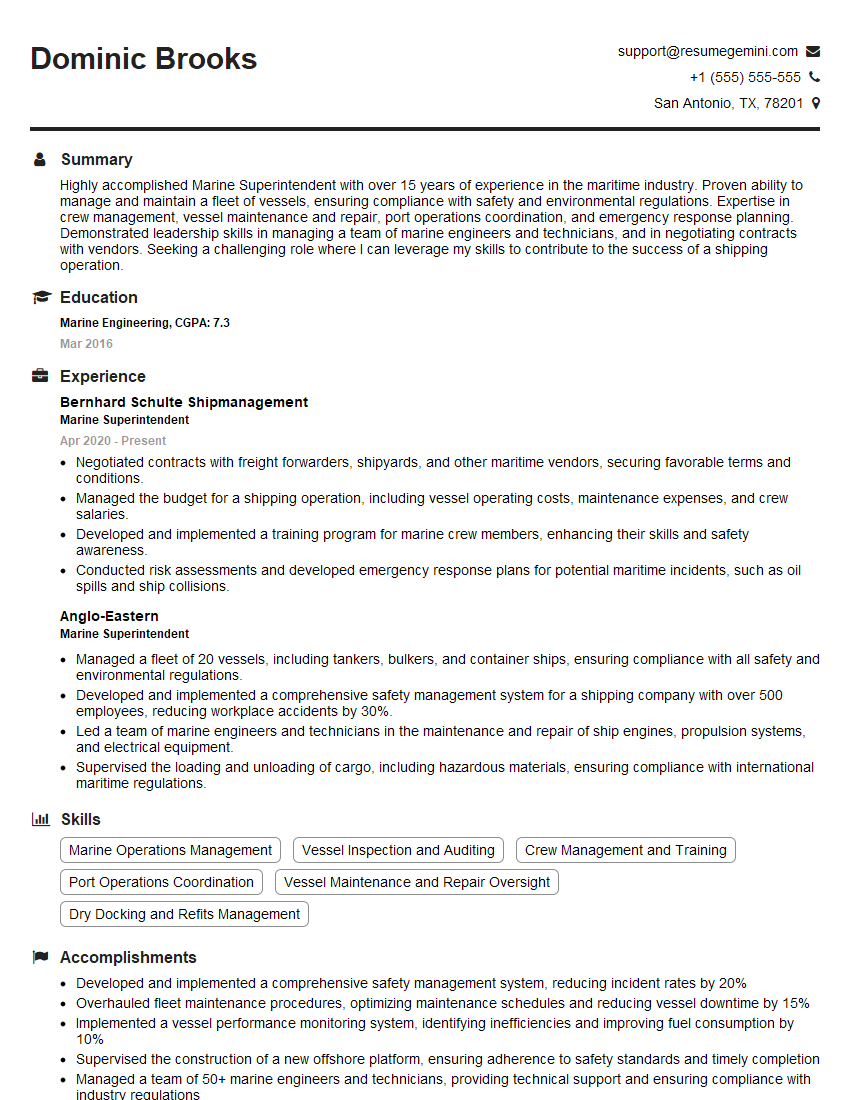
Marine Superintendent Resume Sample
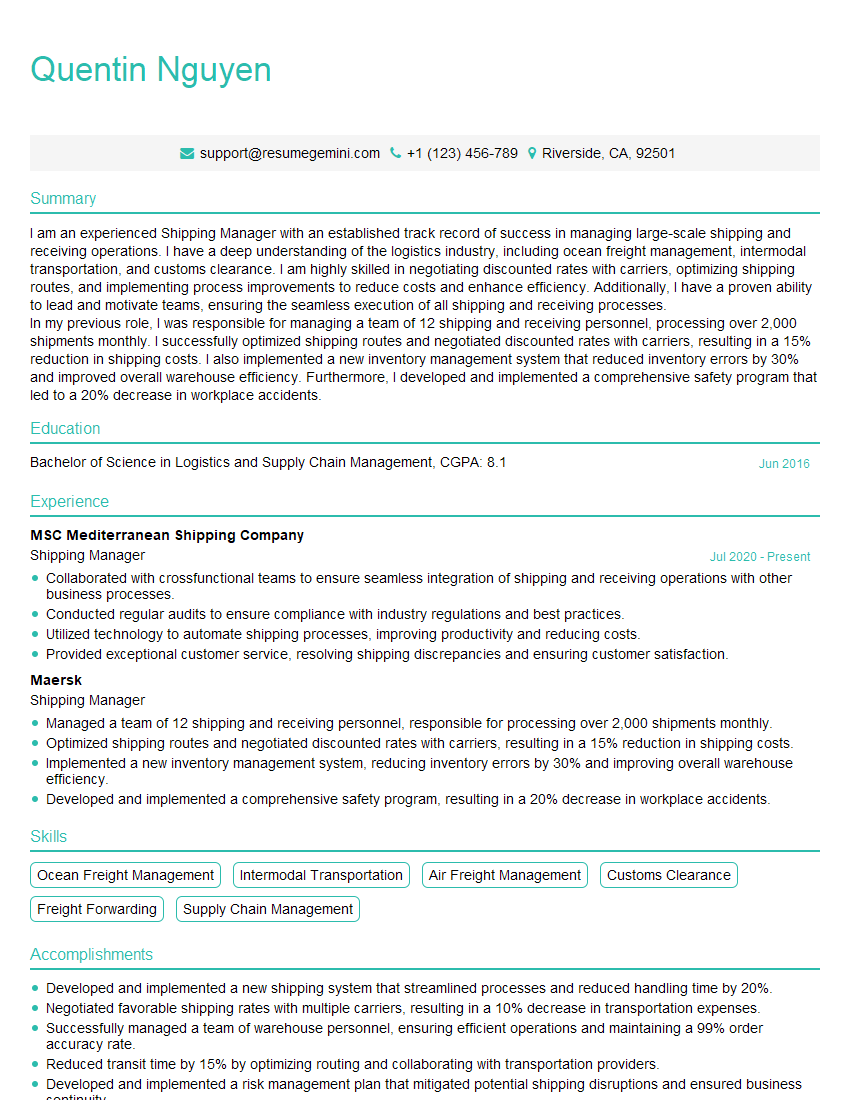
Shipping Manager Resume Sample
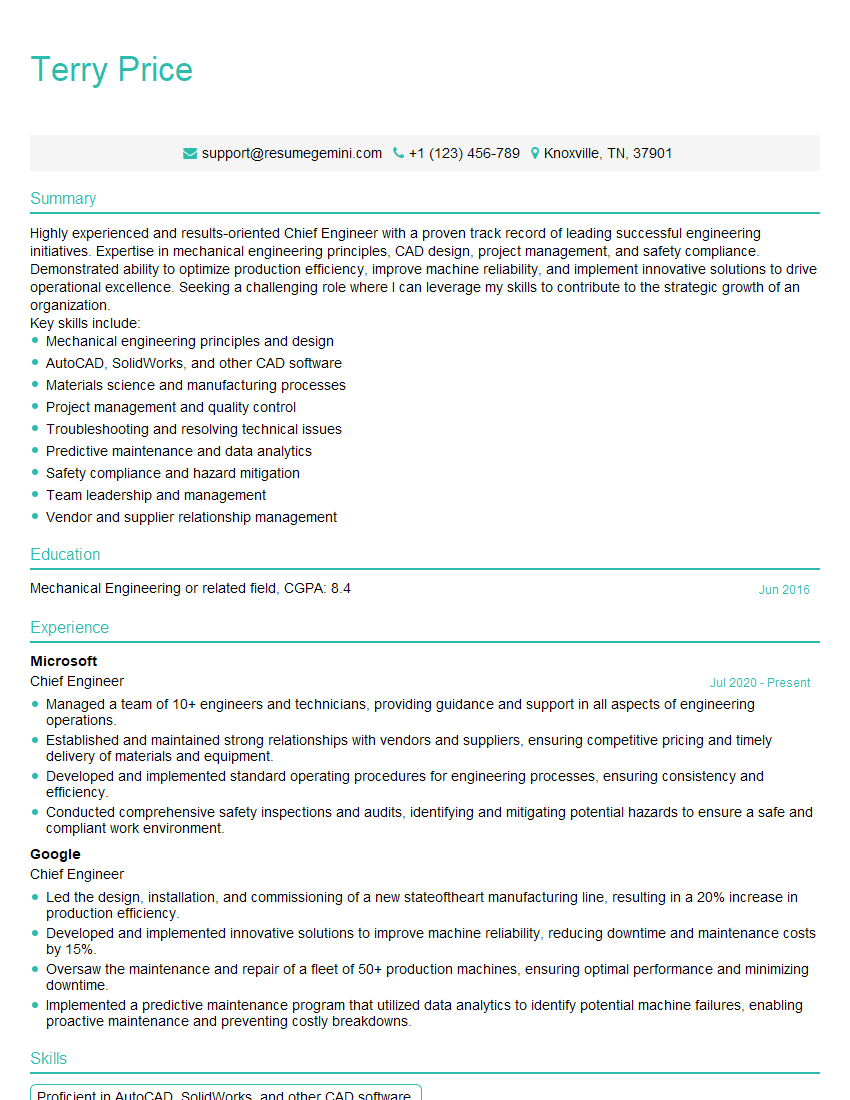
Chief Engineer Resume Sample
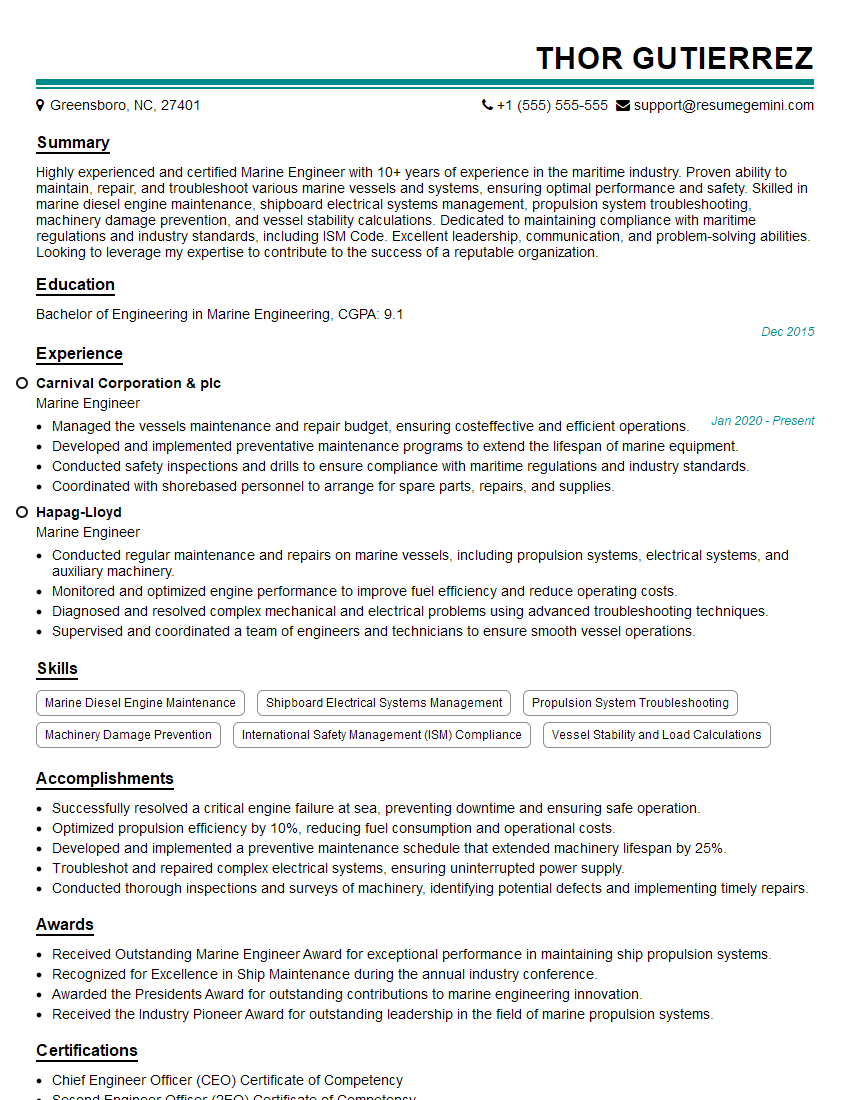
Marine Engineer Resume Sample
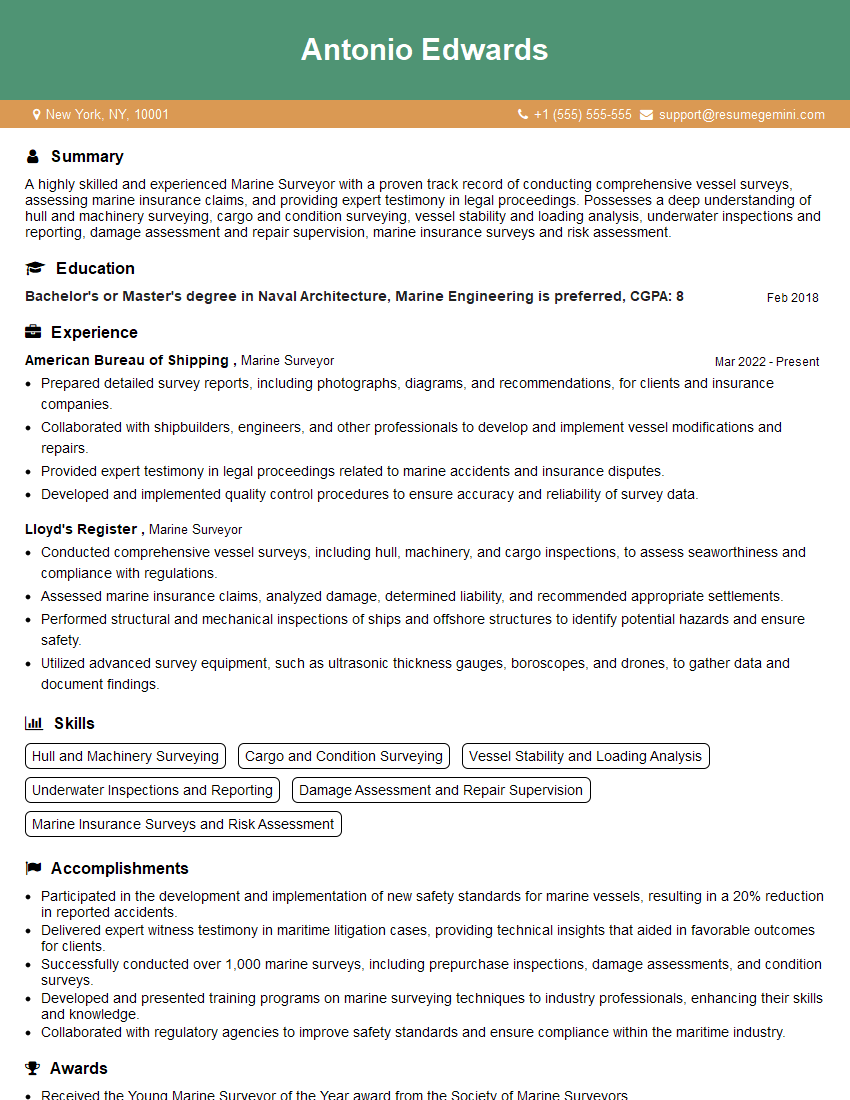
Marine Surveyor Resume Sample
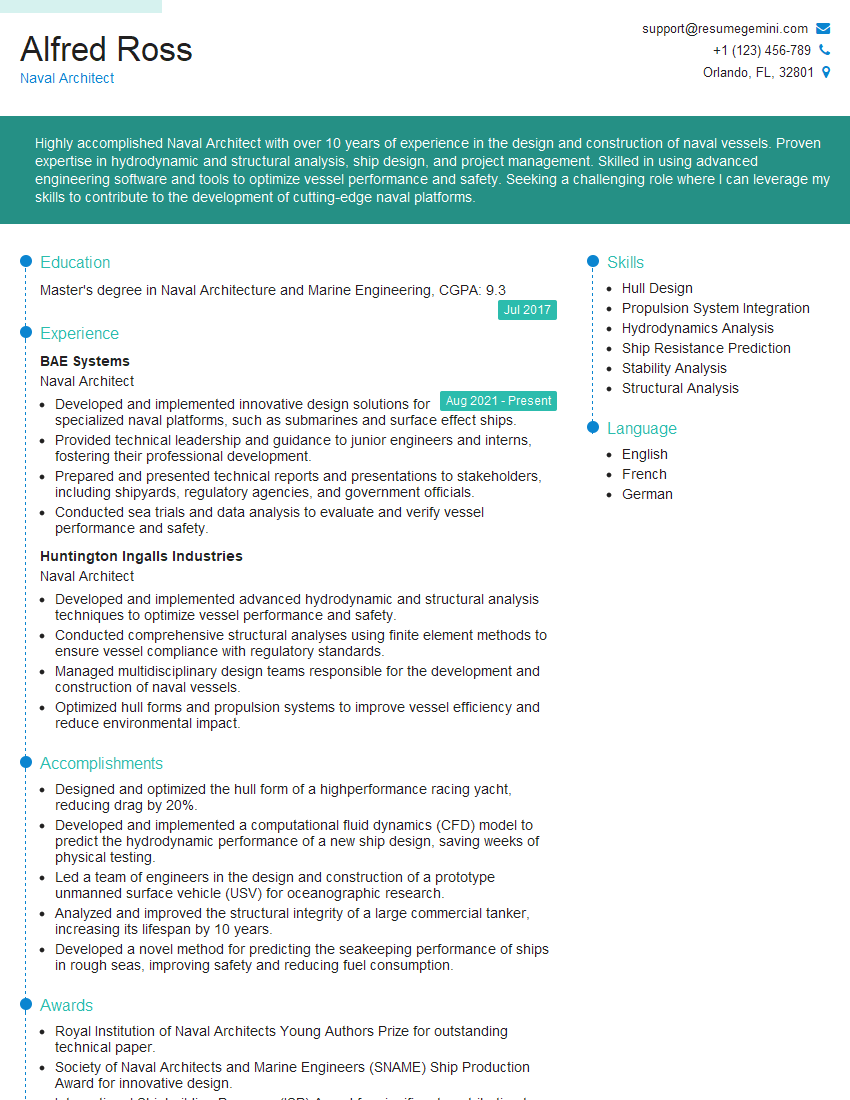
Naval Architect Resume Sample
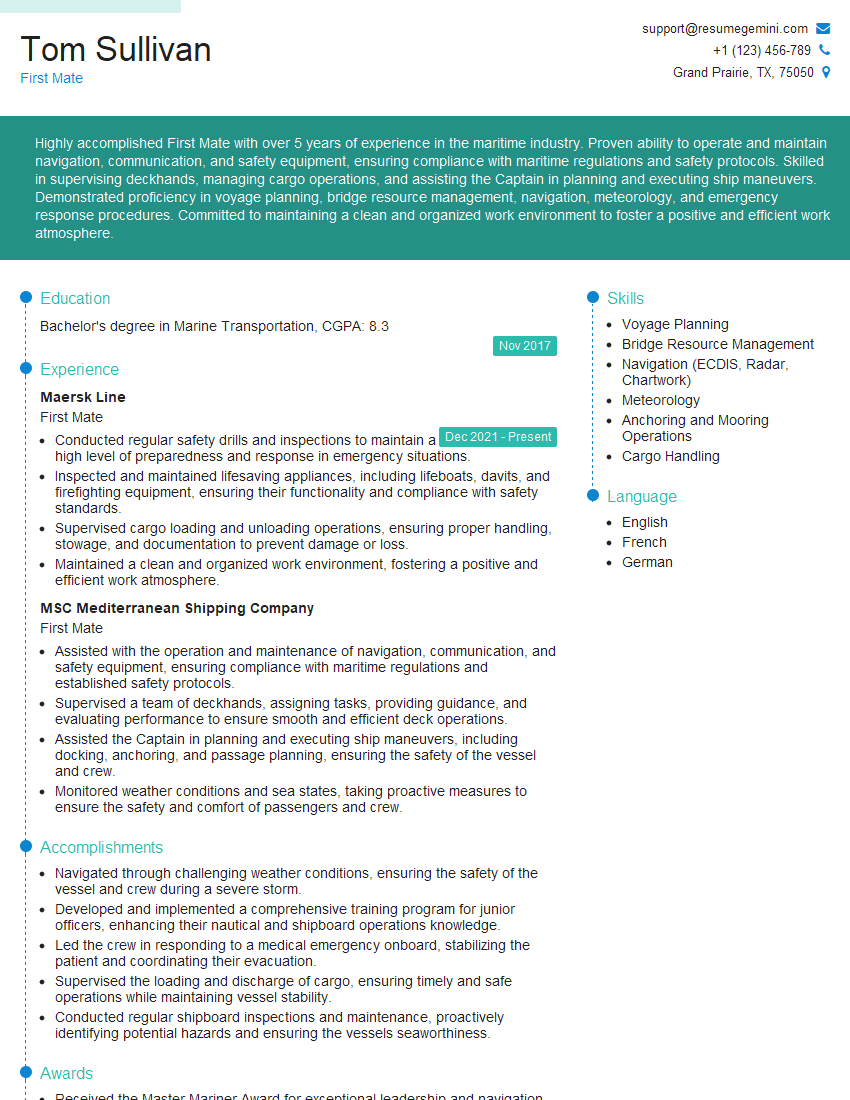
First Mate Resume Sample
Pilot Resume Sample
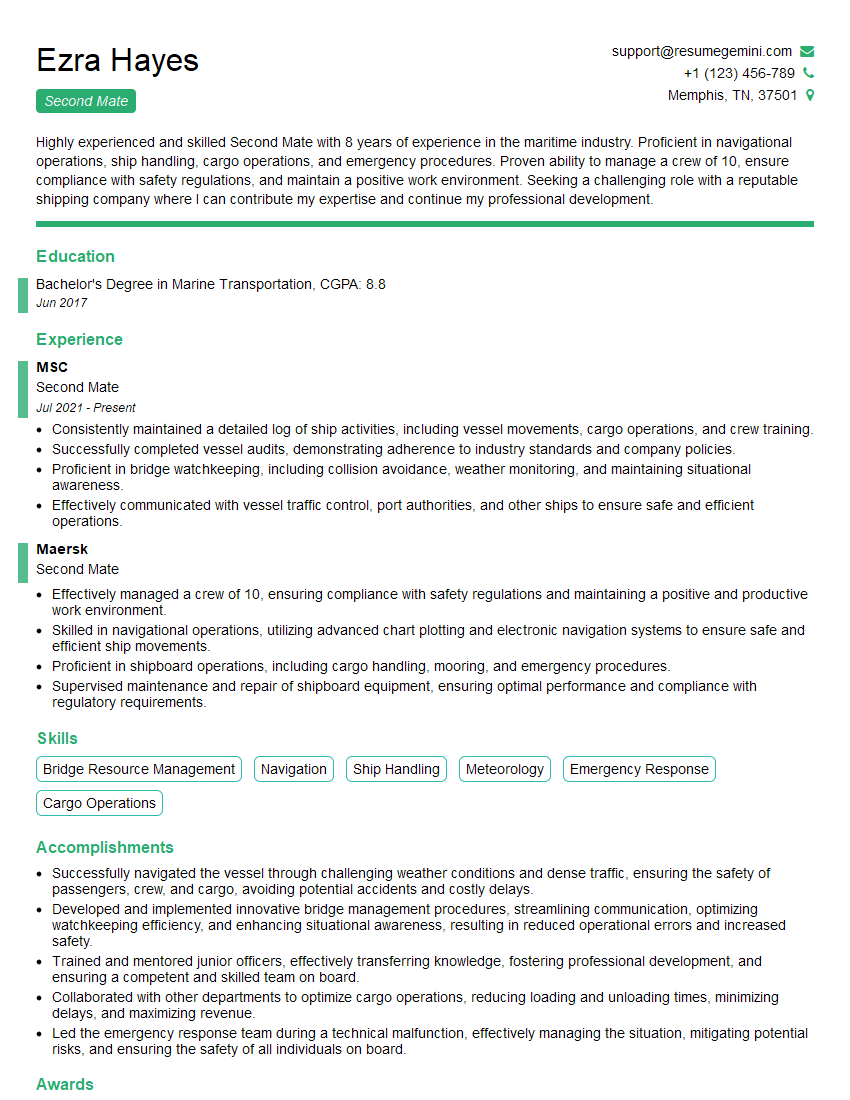
Second Mate Resume Sample
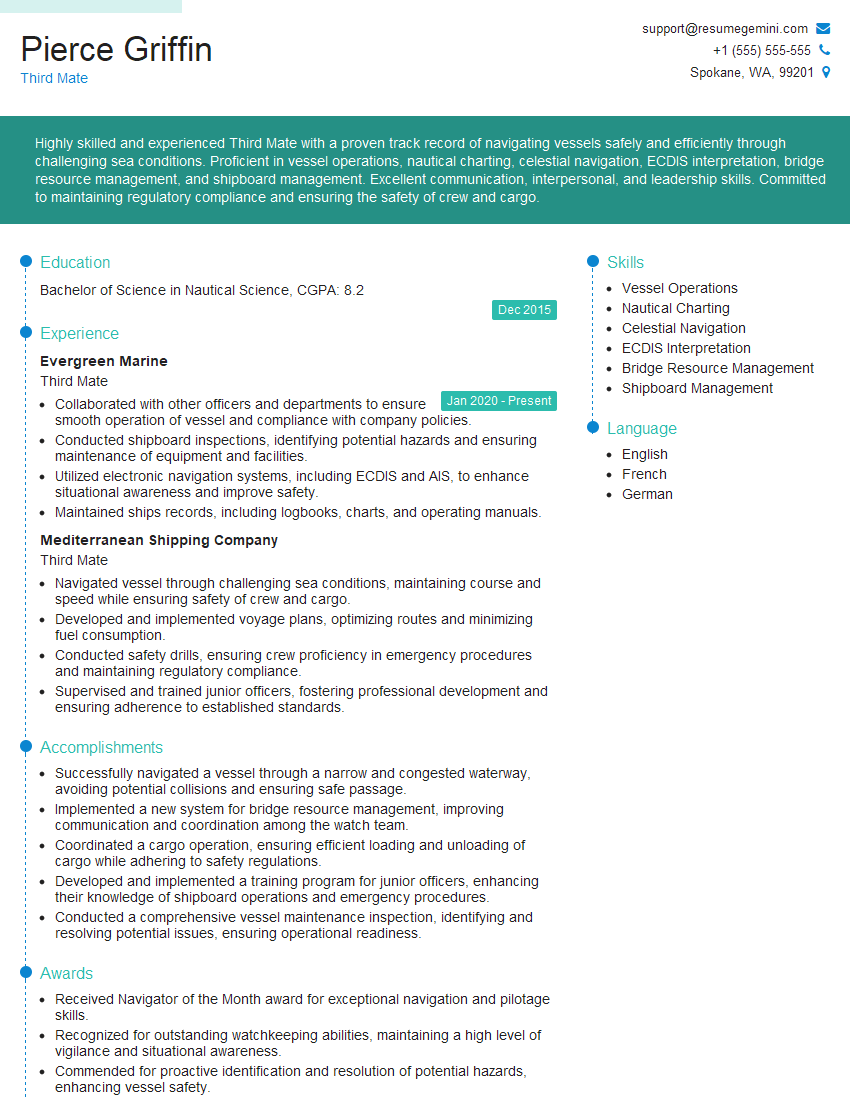
Third Mate Resume Sample
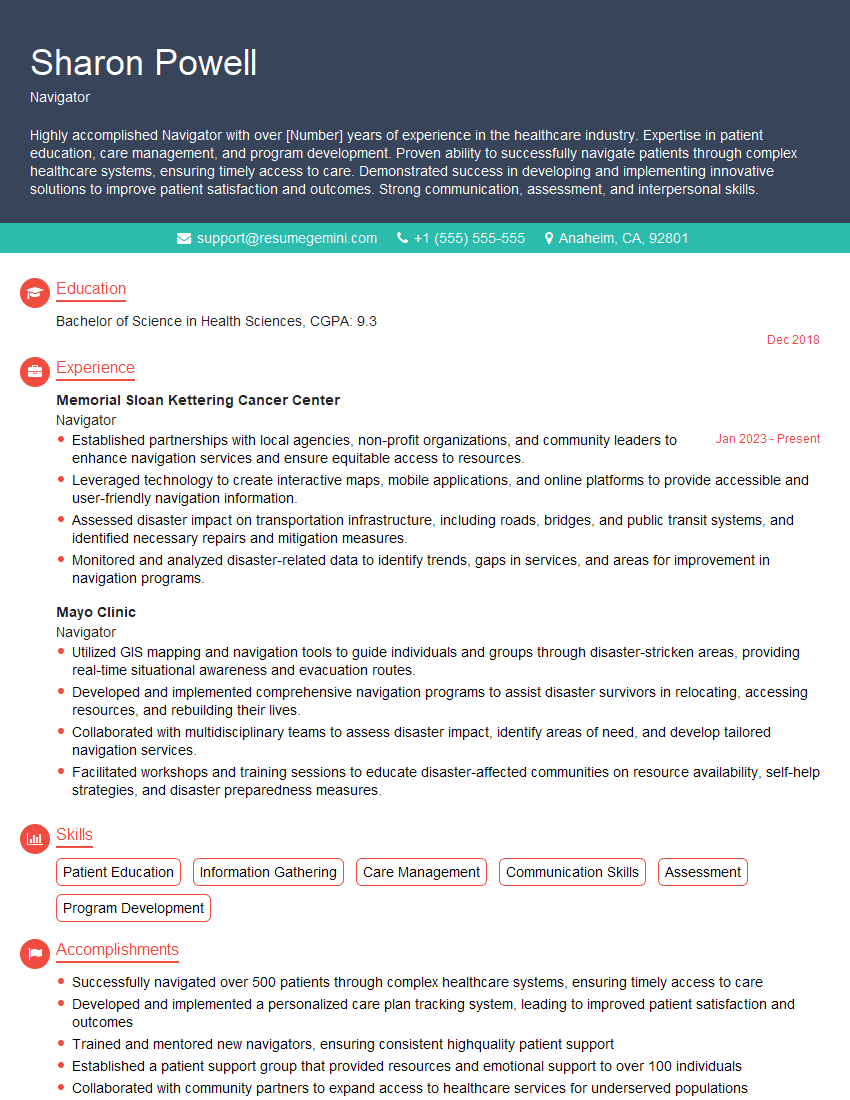
Navigator Resume Sample
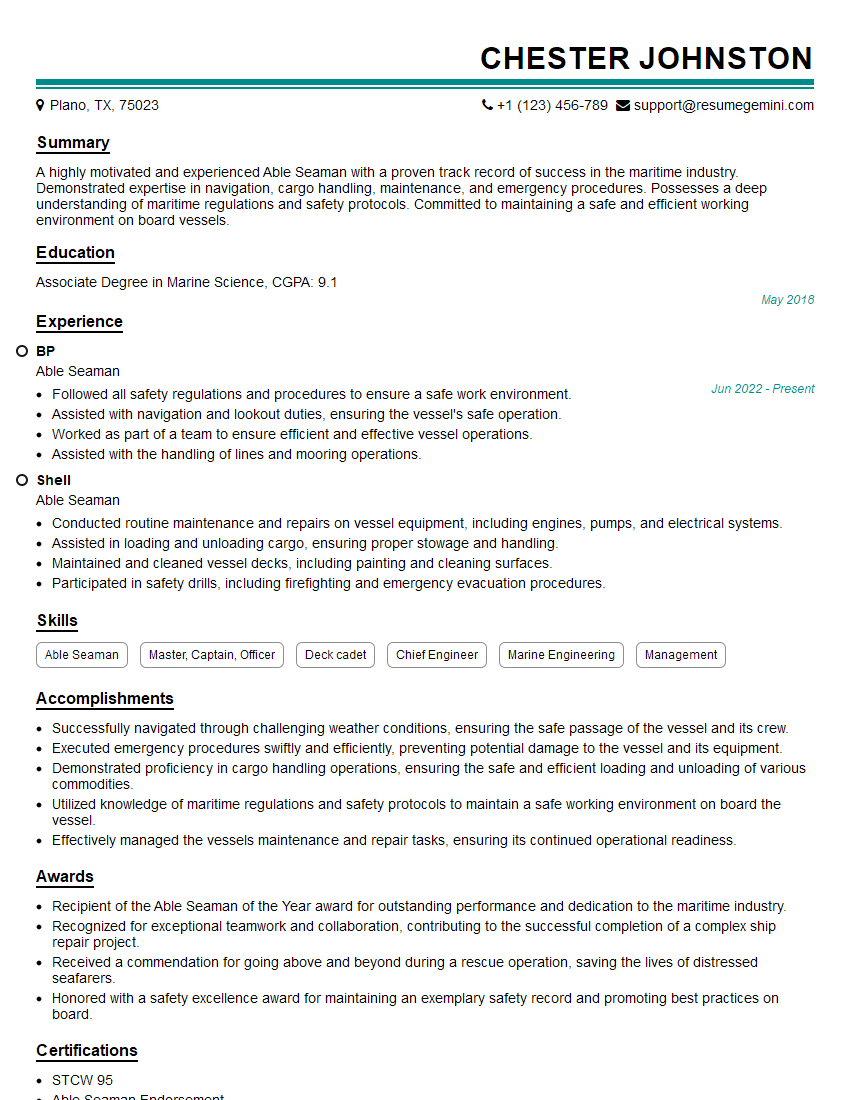
Able Seaman Resume Sample
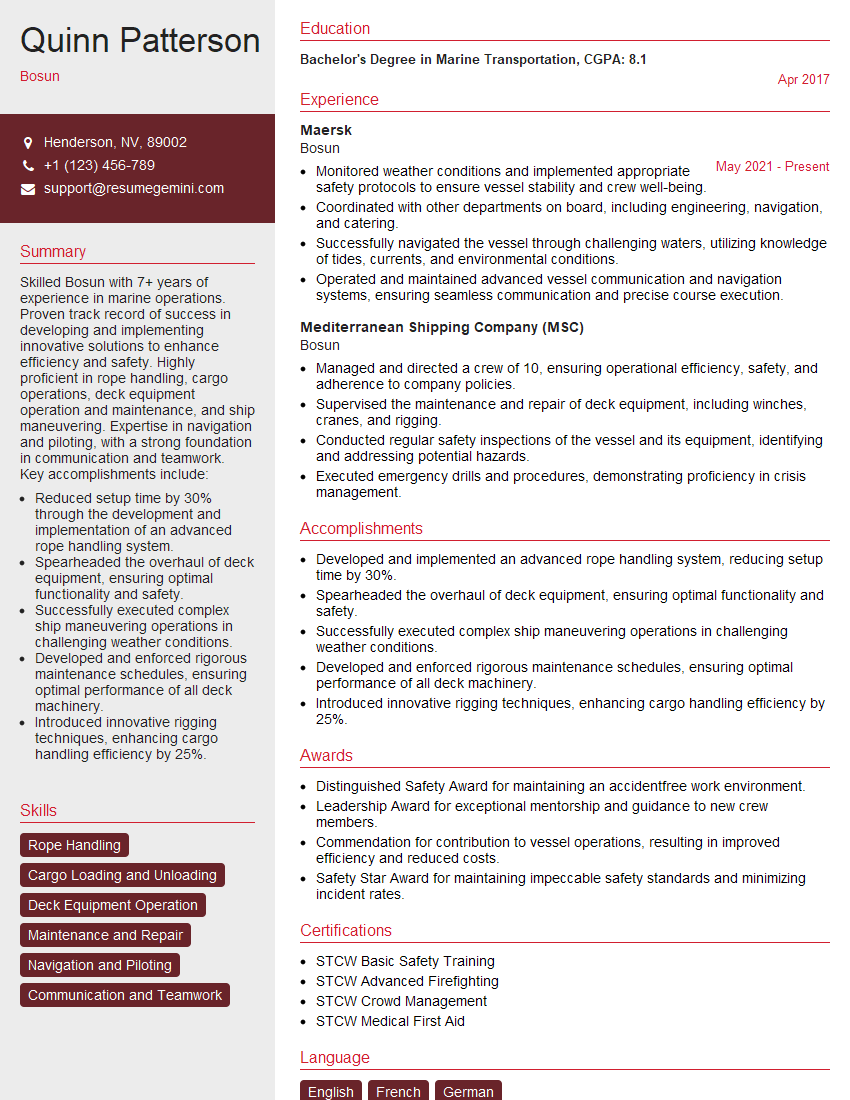
Bosun Resume Sample
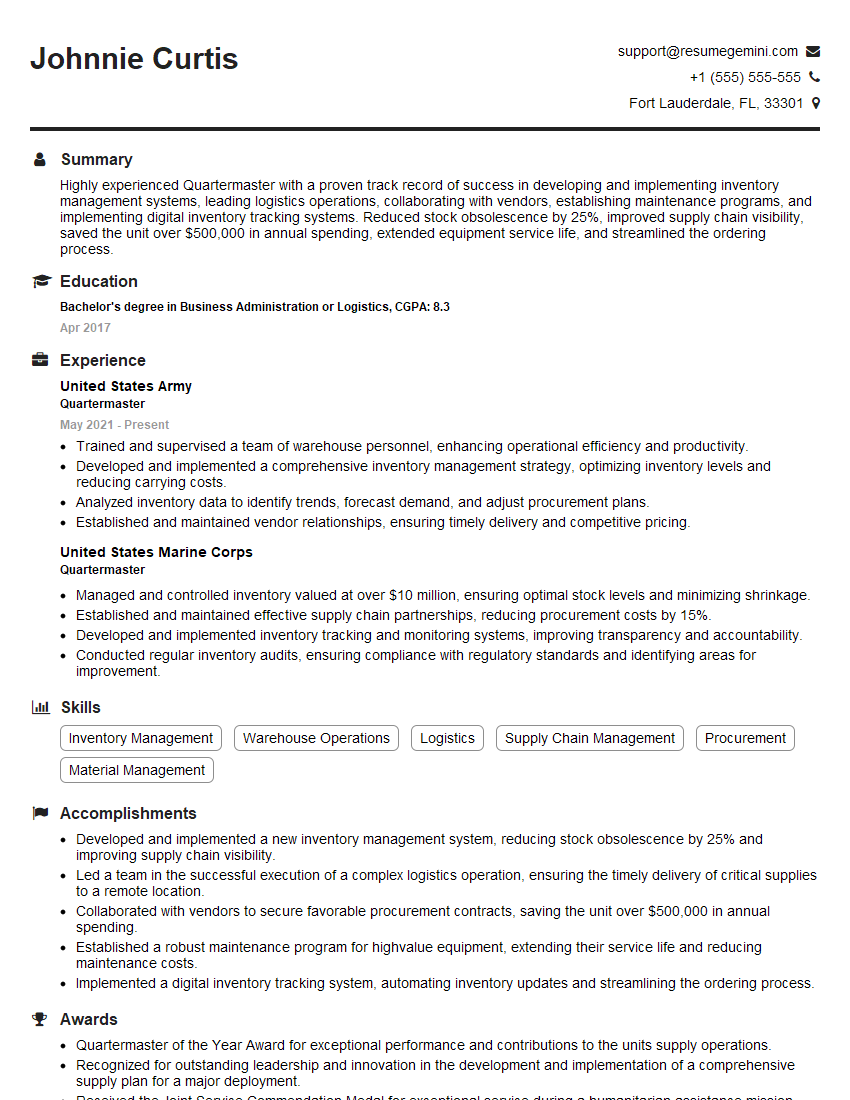
Quartermaster Resume Sample
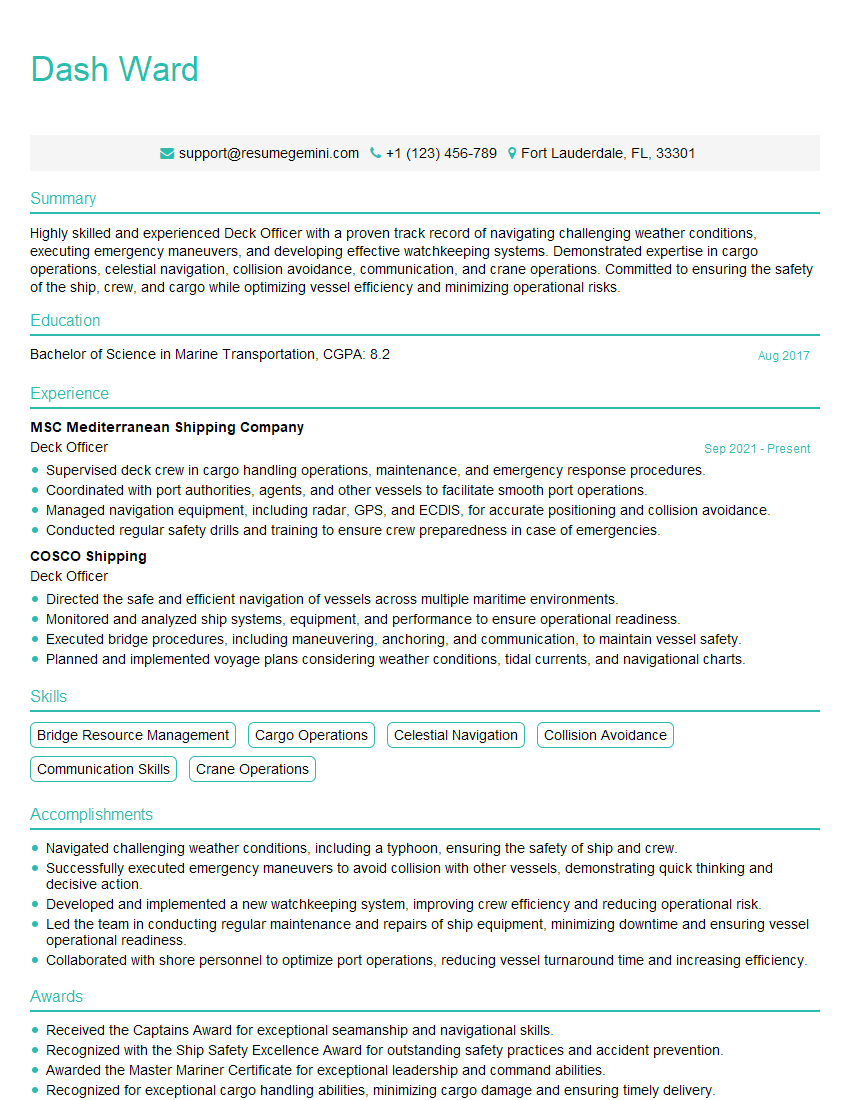
Deck Officer Resume Sample
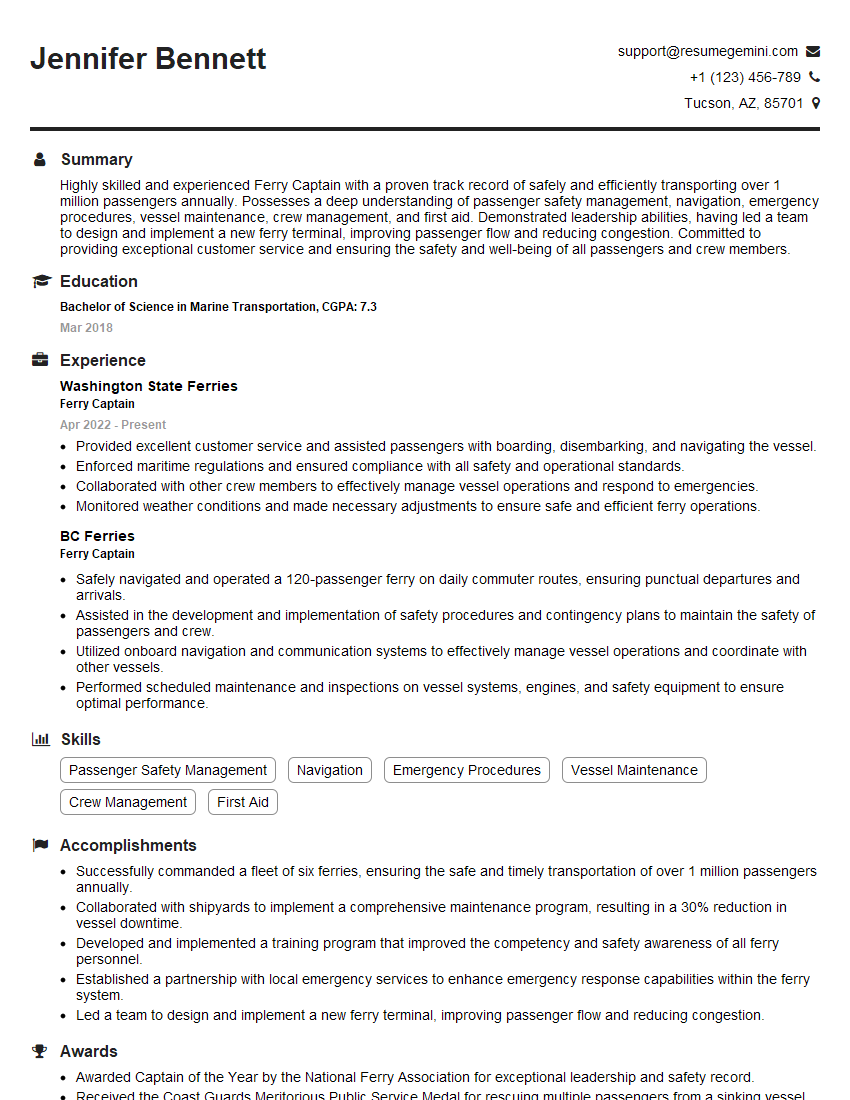
Ferry Captain Resume Sample
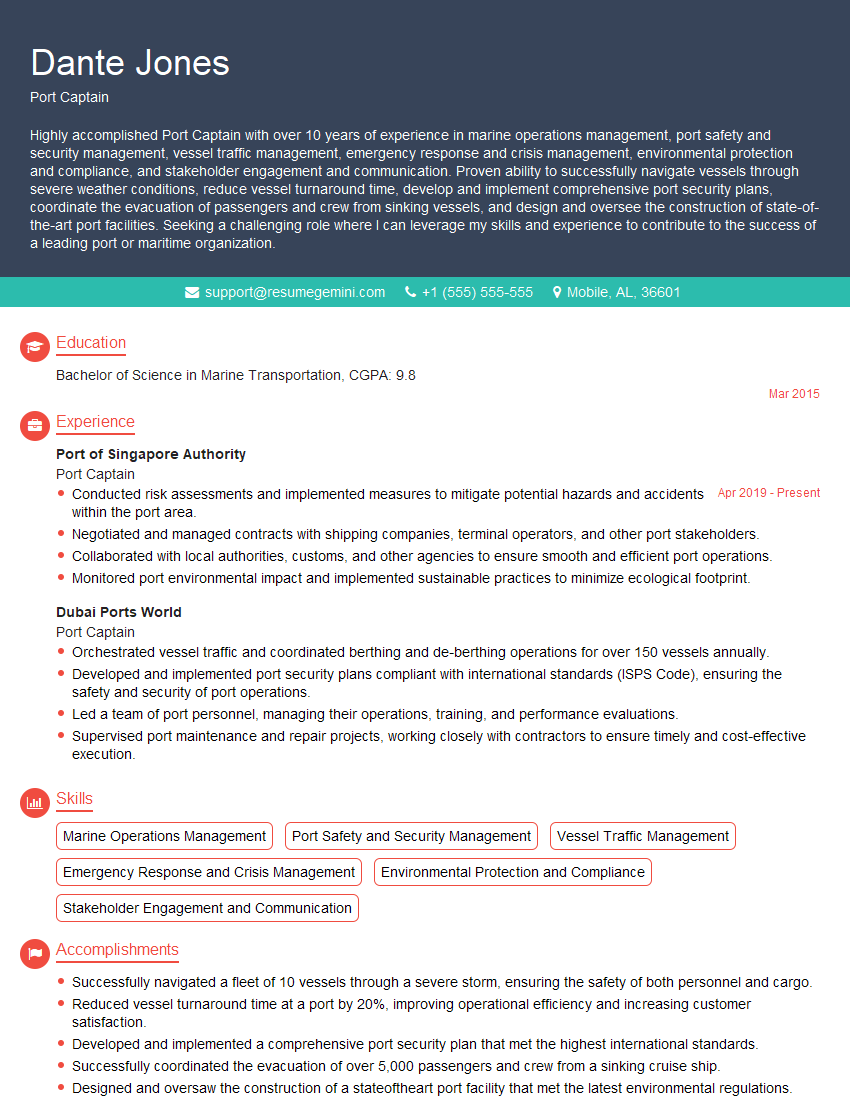
Port Captain Resume Sample
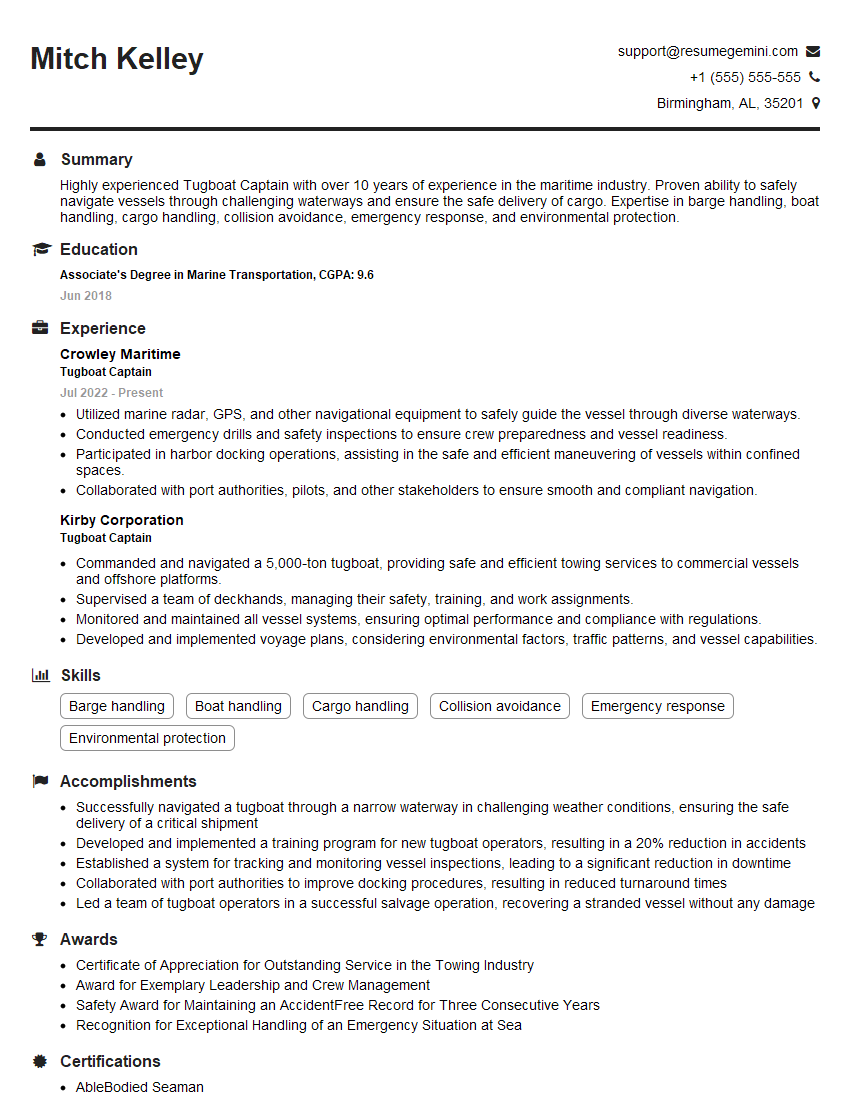
Tugboat Captain Resume Sample
Explore more articles
Users Rating of Our Blogs
Share Your Experience
We value your feedback! Please rate our content and share your thoughts (optional).
What Readers Say About Our Blog
Amazing blog
Interesting Article, I liked the depth of knowledge you’ve shared.
Helpful, thanks for sharing.