The thought of an interview can be nerve-wracking, but the right preparation can make all the difference. Explore this comprehensive guide to Field Operations and Logistics interview questions and gain the confidence you need to showcase your abilities and secure the role.
Questions Asked in Field Operations and Logistics Interview
Q 1. Describe your experience with warehouse management systems (WMS).
Warehouse Management Systems (WMS) are the backbone of efficient warehouse operations. They are software solutions that manage and optimize the movement and storage of goods within a warehouse. My experience encompasses the full lifecycle, from selecting and implementing the system to daily operations and continuous improvement. I’ve worked extensively with systems like SAP EWM, Oracle WMS, and Manhattan Associates WMS, each with its own strengths and weaknesses depending on the specific needs of the warehouse and the business. For example, in a previous role, we implemented SAP EWM in a high-volume distribution center, which resulted in a 20% reduction in order fulfillment time and a 15% decrease in picking errors. This involved careful planning, data migration, user training, and ongoing system optimization. I’m proficient in configuring various modules such as inventory management, putaway strategies, wave management, and labor management.
Beyond technical proficiency, I understand the importance of integrating the WMS with other systems like Transportation Management Systems (TMS) and Enterprise Resource Planning (ERP) for seamless data flow and improved overall supply chain visibility. For instance, in one project, integrating the WMS with the TMS allowed for real-time updates on shipment status, preventing delays and improving customer satisfaction.
Q 2. How do you optimize delivery routes for maximum efficiency?
Optimizing delivery routes is crucial for minimizing costs and maximizing efficiency. My approach involves leveraging route optimization software, considering factors like distance, traffic patterns, delivery windows, and driver availability. I’m experienced with various route optimization algorithms, including nearest neighbor, savings algorithm, and genetic algorithms. Think of it like a sophisticated GPS for a fleet – it’s not just about the shortest distance, but the most efficient path considering all constraints.
Beyond software, a key component is effective communication and coordination with drivers. Providing drivers with real-time updates, clear instructions, and access to route optimization technology enhances their efficiency and reduces delays. For instance, I’ve used telematics data to identify areas where drivers experience consistent delays, then worked with the transportation team to identify alternative routes or adjust delivery schedules.
Moreover, I incorporate strategies like load consolidation and multi-stop routing to reduce the overall number of trips. This reduces fuel consumption, lowers emissions, and minimizes wear and tear on vehicles. This holistic approach ensures maximum efficiency and cost savings.
Q 3. Explain your approach to inventory control and management.
Inventory control and management is all about balancing supply and demand to meet customer needs while minimizing storage costs and waste. My approach is multifaceted and focuses on accuracy, visibility, and efficiency. This involves using a combination of physical inventory counts, cycle counting, and technology such as barcode scanners and RFID tagging to maintain accurate inventory records. I utilize ABC analysis to prioritize inventory management efforts, focusing on high-value items (A items) that require the most attention.
Furthermore, implementing robust forecasting methods, based on historical data and market trends, helps predict future demand and prevent stockouts or overstocking. We use statistical models and machine learning techniques to refine our forecasting accuracy over time. In one project, implementing a more sophisticated forecasting model resulted in a 10% reduction in inventory holding costs. Finally, regular reviews of inventory levels, slow-moving items, and obsolete stock are vital to optimizing inventory control, allowing for prompt action to address any issues.
Q 4. What metrics do you use to measure the success of field operations?
Measuring the success of field operations requires a balanced scorecard, looking at both efficiency and effectiveness. Key metrics include:
- On-time delivery rate: Percentage of deliveries completed on schedule.
- Order fulfillment cycle time: Time taken from order placement to delivery.
- Customer satisfaction: Measured through surveys or feedback forms.
- Cost per delivery: Tracks the efficiency of logistics operations.
- Inventory turnover rate: Measures how efficiently inventory is used.
- Driver safety record: Number of accidents or safety violations.
- Equipment utilization: Tracks the efficiency of vehicle and equipment usage.
These metrics provide a comprehensive view of performance, enabling data-driven decision making and continuous improvement. Regularly reviewing and analyzing these metrics, identifying trends and anomalies, allows for proactive interventions to address any performance gaps.
Q 5. How would you handle a sudden disruption in the supply chain?
Handling supply chain disruptions requires a proactive and adaptable approach. My strategy involves:
- Rapid Assessment: Immediately assess the impact of the disruption on operations and identify affected areas.
- Communication: Communicate transparently with stakeholders – customers, suppliers, and internal teams – to manage expectations and build collaboration.
- Contingency Planning: Activating pre-defined contingency plans for various disruption scenarios (e.g., alternative suppliers, rerouting strategies).
- Problem Solving: Implementing solutions, whether it’s finding alternative transportation modes, sourcing alternative materials, or adjusting delivery schedules.
- Monitoring and Adaptation: Continuously monitor the situation, adapt strategies as needed, and document learnings to improve future responses.
For example, during a port strike, we quickly identified alternative ports and transportation modes, minimizing the delay in receiving crucial shipments. This involved close communication with our shipping partners and adjusting our logistics plan accordingly. Post-event review allowed us to improve our contingency planning for future potential disruptions.
Q 6. Describe your experience with different transportation modes (e.g., trucking, rail, air).
My experience spans various transportation modes, each with its own advantages and challenges. Trucking is ideal for shorter distances and door-to-door delivery; however, it’s susceptible to traffic congestion and fuel price fluctuations. Rail is cost-effective for bulk shipments over longer distances but is less flexible in terms of delivery times and locations. Air freight offers speed and reliability for time-sensitive goods but is more expensive. I’ve managed projects involving all three modes and understand how to select the optimal mode based on factors like cost, speed, volume, and delivery requirements. For example, I once optimized a supply chain by shifting from solely trucking to a combined trucking-rail strategy for a specific product line, reducing transportation costs by 18% without compromising delivery times.
Selecting the right mode often involves considering intermodal transportation – combining different modes for optimal efficiency. For example, utilizing rail for long-distance transport and trucking for last-mile delivery can provide the best balance between cost and speed. A strong understanding of each mode’s strengths and weaknesses allows for effective selection and seamless integration within the overall logistics plan.
Q 7. How do you manage and motivate a field team?
Managing and motivating a field team requires a blend of leadership, communication, and support. I believe in fostering a culture of trust, respect, and open communication. This involves regular team meetings to discuss challenges, share best practices, and acknowledge successes. Providing clear expectations, adequate training, and the necessary tools and resources are essential. Regular feedback and coaching sessions help improve individual performance and identify areas for development.
Recognizing and rewarding good performance is key to boosting morale and motivation. This could be through formal recognition programs, bonuses, or simply expressing sincere appreciation for a job well done. Furthermore, promoting a sense of ownership and empowering team members to take initiative can significantly improve their engagement and job satisfaction. Creating a supportive and inclusive environment ensures that everyone feels valued and empowered to contribute their best. In my previous role, I implemented a peer recognition program, which dramatically improved team cohesion and performance.
Q 8. What software or tools are you proficient in for logistics management?
My proficiency in logistics management software spans several leading platforms. I’m highly experienced with Transportation Management Systems (TMS) like Oracle Transportation Management and SAP TM, utilizing their features for route optimization, shipment tracking, and carrier management. I’m also adept at Warehouse Management Systems (WMS) such as Manhattan Associates and Blue Yonder, managing inventory, receiving, putaway, and order fulfillment. Beyond these core systems, I’m proficient with various data analytics tools like Power BI and Tableau to visualize key performance indicators and identify areas for improvement. For instance, in a previous role, I leveraged Power BI to create dashboards that tracked on-time delivery rates, identifying bottlenecks in our last-mile delivery process which led to a 15% improvement.
Furthermore, I’m comfortable using Geographic Information Systems (GIS) software like ArcGIS to optimize delivery routes, manage field technician locations, and visualize asset deployment. My experience extends to project management tools like Asana and Jira for collaborative task management and project tracking within the logistics team.
Q 9. Explain your understanding of Lean principles in logistics.
Lean principles, in the context of logistics, focus on eliminating waste and maximizing value. Think of it like streamlining a river – removing obstacles to ensure a smooth, efficient flow. This is achieved by identifying and removing seven types of waste: Transportation (unnecessary movement of goods), Inventory (excess stock tying up capital), Motion (unnecessary movements of people or equipment), Waiting (delays in processes), Overproduction (producing more than needed), Over-processing (doing more work than necessary), and Defects (errors leading to rework).
In practice, this might involve optimizing warehouse layouts to minimize travel distances for workers (reducing motion), implementing just-in-time inventory management to reduce storage costs and prevent obsolescence (reducing inventory), and using data analytics to identify and eliminate bottlenecks in the supply chain (reducing waiting and transportation). For example, I implemented a 5S methodology (Sort, Set in Order, Shine, Standardize, Sustain) in a previous warehouse which resulted in a 20% increase in picking efficiency by reducing wasted motion and improving organization.
Q 10. How do you prioritize tasks and manage competing deadlines in a fast-paced environment?
Prioritizing tasks and managing competing deadlines in a fast-paced environment requires a structured approach. I typically employ a combination of techniques, including the Eisenhower Matrix (urgent/important), which helps categorize tasks based on their urgency and importance. This allows me to focus on high-impact activities first, delegating or postponing less critical tasks as needed. I also utilize project management software to track progress, set deadlines, and allocate resources effectively.
Communication is key. I proactively communicate with stakeholders to manage expectations and address any potential conflicts. For instance, if I encounter an unexpected delay, I immediately inform affected parties, proposing alternative solutions and adjusting timelines collaboratively. This proactive approach minimizes disruption and maintains transparency.
Q 11. Describe your experience with budgeting and cost control in logistics.
My experience with logistics budgeting and cost control involves meticulous planning, tracking, and analysis. I start by creating a detailed budget, forecasting costs based on historical data, projected volumes, and market trends. This includes transportation costs (fuel, tolls, labor), warehousing costs (rent, utilities, labor), and inventory holding costs. I then regularly monitor actual spending against the budget, identifying any variances and investigating their root causes.
To control costs, I employ various strategies including negotiating favorable rates with carriers, optimizing routes and delivery schedules, implementing efficient warehouse practices, and exploring cost-saving opportunities such as alternative transportation modes or consolidation strategies. In one project, I identified an opportunity to consolidate shipments, resulting in a 10% reduction in transportation costs.
Q 12. How do you ensure compliance with safety regulations in field operations?
Ensuring compliance with safety regulations is paramount in field operations. My approach involves establishing robust safety protocols, providing comprehensive training to all field personnel, and conducting regular safety audits. This includes ensuring compliance with OSHA regulations, vehicle maintenance checks, proper use of personal protective equipment (PPE), and adherence to hazardous materials handling procedures.
We implement a system of regular safety meetings, documenting incidents and near misses to identify potential hazards and implement corrective actions. Furthermore, I leverage technology like GPS tracking to monitor vehicle speeds and driving behaviors, promoting safer driving practices. A strong emphasis on reporting and investigation is crucial for continuous improvement.
Q 13. Explain your experience with risk assessment and mitigation in logistics.
Risk assessment and mitigation in logistics is an ongoing process. I use a structured approach, starting with identifying potential risks throughout the supply chain. This involves considering various factors such as weather events, geopolitical instability, carrier disruptions, security breaches, and inventory damage. Once risks are identified, I assess their likelihood and potential impact, prioritizing those with high probability and significant consequences.
Mitigation strategies are then developed and implemented, which might include insurance coverage, contingency planning, route diversification, security measures, and robust inventory management practices. For instance, in preparation for a hurricane season, we pre-positioned critical supplies and established alternative delivery routes to minimize disruption.
Q 14. How do you track and measure key performance indicators (KPIs) in logistics?
Tracking and measuring key performance indicators (KPIs) is crucial for optimizing logistics operations. We utilize a range of KPIs, tailored to specific goals and objectives. These include on-time delivery rates, order fulfillment accuracy, inventory turnover, transportation costs per unit, warehouse space utilization, and customer satisfaction scores.
Data is collected from various sources, including TMS, WMS, and other operational systems. This data is then analyzed using data analytics tools to identify trends, pinpoint areas for improvement, and measure the effectiveness of implemented changes. For example, by tracking on-time delivery rates, we identified a bottleneck in our last-mile delivery process and implemented a solution that improved delivery times by 12%.
Q 15. Describe your experience with forecasting demand and managing inventory levels.
Accurate demand forecasting is crucial for efficient inventory management. It prevents stockouts, minimizes waste from excess inventory, and optimizes storage costs. My approach involves a multi-faceted strategy combining quantitative and qualitative methods.
Quantitative Methods: I utilize time series analysis (e.g., moving averages, exponential smoothing) to identify trends and seasonality in historical demand data. I also employ statistical forecasting models, such as ARIMA, to predict future demand based on these patterns. For example, in my previous role at Acme Corp, we used an ARIMA model to predict seasonal spikes in demand for our winter clothing line, leading to a 15% reduction in stockouts during the peak season.
Qualitative Methods: I incorporate market research, sales team input, and economic indicators into the forecasting process. This helps to account for factors that are difficult to capture in purely quantitative models, such as unexpected market shifts or promotional campaigns. For instance, anticipating a competitor’s new product launch required incorporating qualitative insights to adjust our sales projections accurately.
Inventory Management: Once demand is forecasted, I use inventory management techniques like Economic Order Quantity (EOQ) and safety stock calculations to determine optimal inventory levels. This ensures we have enough stock to meet demand without tying up excessive capital in storage. Regular inventory reviews and adjustments based on real-time sales data are also critical for maintaining optimal stock levels.
Career Expert Tips:
- Ace those interviews! Prepare effectively by reviewing the Top 50 Most Common Interview Questions on ResumeGemini.
- Navigate your job search with confidence! Explore a wide range of Career Tips on ResumeGemini. Learn about common challenges and recommendations to overcome them.
- Craft the perfect resume! Master the Art of Resume Writing with ResumeGemini’s guide. Showcase your unique qualifications and achievements effectively.
- Don’t miss out on holiday savings! Build your dream resume with ResumeGemini’s ATS optimized templates.
Q 16. How do you handle customer complaints or service issues in the field?
Handling customer complaints and service issues in the field requires a calm, empathetic, and solution-oriented approach. My process focuses on efficient communication, prompt resolution, and customer satisfaction.
Immediate Action: Upon receiving a complaint, I acknowledge the issue promptly, assuring the customer that their concerns are valued. I actively listen to understand the problem fully, avoiding interruptions or defensive responses. For example, if a delivery is delayed, I immediately contact the customer, explain the reason for the delay, and offer a revised delivery timeframe.
Investigation and Resolution: I then thoroughly investigate the root cause of the issue. This might involve checking delivery records, reviewing service logs, or speaking with field personnel. I aim to resolve the problem swiftly, whether by rescheduling a delivery, repairing a faulty product, or offering a suitable compensation. A clear and concise explanation of the corrective actions taken is vital.
Documentation and Follow-Up: All complaints and resolutions are documented meticulously, ensuring transparency and accountability. A follow-up communication with the customer confirms the resolution and seeks feedback on their overall experience. This allows us to learn from our mistakes and improve future service.
Q 17. Explain your experience with international logistics and regulations.
My experience with international logistics encompasses managing shipments across various countries, navigating diverse regulatory landscapes, and ensuring compliance with international trade regulations. This involves a deep understanding of customs procedures, import/export documentation, and international shipping practices.
Customs and Regulations: I’m proficient in preparing and submitting necessary documentation, such as commercial invoices, packing lists, and certificates of origin. I understand the nuances of different customs regulations, including tariffs, duties, and import restrictions. For example, when shipping goods to the EU, I ensure compliance with the required documentation under the EU’s customs union regulations.
Logistics and Transportation: I’ve managed shipments via various modes of transport, including ocean freight, air freight, and road transport. I select the most cost-effective and reliable method based on factors like shipment size, delivery deadlines, and product sensitivity. Negotiating with international carriers and managing logistics providers is a critical part of this process.
Incoterms: I have a strong understanding of Incoterms (International Commercial Terms), which define the responsibilities of buyers and sellers in international transactions. Correct application of Incoterms ensures clear communication and prevents disputes. For example, I’ve successfully used Incoterms to manage risk and responsibility in FOB (Free on Board) shipments where the buyer is responsible for the goods once they are loaded onto the vessel.
Q 18. How do you utilize technology to improve efficiency in field operations?
Technology plays a vital role in enhancing efficiency in field operations. I utilize various technological tools to streamline processes, improve communication, and track performance.
Field Service Management (FSM) Software: FSM software centralizes scheduling, dispatch, and tracking of field technicians. This reduces administrative overhead, optimizes routes, and improves response times. I’ve used FSM software to assign jobs based on technician skills and location, leading to faster service resolution and reduced travel time.
Mobile Devices and GPS Tracking: Providing field personnel with mobile devices equipped with GPS tracking allows real-time monitoring of their location and progress. This enables efficient dispatch, improves communication, and ensures accountability. For instance, we used GPS tracking to monitor delivery vehicles, ensuring timely arrivals and alerting us to potential delays.
Data Analytics and Reporting: Utilizing data analytics to track key performance indicators (KPIs), such as service completion rates, response times, and customer satisfaction, helps identify areas for improvement. This data-driven approach allows us to make informed decisions and optimize our operations. We used data analytics to identify bottlenecks in our delivery process and implement changes resulting in a 10% reduction in delivery times.
Q 19. Describe your experience with implementing new logistics processes or systems.
Implementing new logistics processes and systems requires careful planning, stakeholder engagement, and effective change management. My experience includes leading initiatives to improve efficiency and reduce costs.
Needs Assessment and Planning: I begin by conducting a thorough needs assessment to identify the gaps in existing processes and define the requirements for a new system. This includes gathering input from stakeholders, analyzing current workflows, and defining key performance indicators (KPIs).
Selection and Implementation: I evaluate different software solutions or process improvements and select the option that best meets the defined needs. The implementation phase involves detailed planning, training, and testing to minimize disruption and ensure a smooth transition. For example, we successfully implemented a new Warehouse Management System (WMS), which streamlined inventory management and reduced picking errors.
Change Management: Effective change management is crucial for the success of any new system. This involves clearly communicating the benefits of the new system to stakeholders, providing adequate training, and addressing concerns. We held regular meetings to keep the team informed and address any questions during the implementation of our new logistics software.
Monitoring and Optimization: After implementation, I monitor performance, track KPIs, and make adjustments as needed to optimize the new system. Regular reviews and feedback are vital for continuous improvement.
Q 20. What is your experience with using Geographic Information Systems (GIS) in logistics?
Geographic Information Systems (GIS) are powerful tools for optimizing logistics operations. I have extensive experience utilizing GIS to visualize data, optimize routes, and manage assets.
Route Optimization: GIS allows for efficient route planning, considering factors such as distance, traffic conditions, and delivery deadlines. For example, I’ve used GIS software to optimize delivery routes, reducing fuel consumption and delivery times by 12%.
Asset Tracking and Management: GIS can be used to track the location of vehicles, equipment, and personnel in real-time. This facilitates efficient resource allocation and improves response times. For instance, we used GIS to track our fleet of delivery trucks, ensuring prompt responses to customer requests.
Spatial Analysis: GIS enables spatial analysis to identify patterns and trends in data, such as high-demand areas or areas prone to delays. This information can be used to make data-driven decisions about resource allocation and process improvement. We leveraged GIS to identify areas with frequent delivery delays due to traffic congestion, allowing us to adjust our delivery schedules accordingly.
Q 21. How do you ensure timely and accurate delivery of goods or services?
Ensuring timely and accurate delivery of goods or services requires meticulous planning, efficient execution, and robust tracking mechanisms. My approach focuses on proactive management, real-time monitoring, and effective communication.
Order Processing and Planning: Accurate order processing and efficient planning are the foundation of timely delivery. This includes verifying order details, confirming availability, and selecting the optimal transportation method. I’ve implemented barcode scanning and automated order processing to improve accuracy and speed.
Real-time Tracking and Monitoring: Using technology like GPS tracking, I monitor shipments in real-time, identifying potential delays and proactively addressing issues. This allows for timely updates to customers and efficient problem-solving. Real-time tracking has reduced late deliveries by 8% in our company.
Communication and Collaboration: Maintaining open communication with customers, transportation providers, and internal teams is critical. This keeps everyone informed about the shipment’s status and enables efficient collaboration in addressing any challenges that may arise. Effective communication protocols including automated delivery notifications keep customers updated and satisfied.
Performance Measurement and Improvement: Regular performance reviews focusing on key metrics, such as on-time delivery rates and customer satisfaction scores, are important for continuous improvement. This data-driven approach allows for the identification of bottlenecks and implementation of corrective actions.
Q 22. Describe your experience with contract negotiation with logistics providers.
Negotiating contracts with logistics providers requires a strategic approach combining strong analytical skills with relationship building. I begin by thoroughly understanding our operational needs, defining key performance indicators (KPIs) like on-time delivery, damage rates, and cost-effectiveness. This forms the basis of my negotiation strategy. I then research the market to understand prevailing rates and the capabilities of different providers. This allows me to benchmark proposals and identify areas for potential improvement.
During negotiations, I focus on clear and concise communication, emphasizing the mutual benefits of a strong partnership. I’m skilled at identifying potential risks and mitigating them through contract clauses. For example, I might negotiate for service level agreements (SLAs) with penalties for non-compliance or insurance provisions to cover potential damages. Finally, I document everything meticulously to avoid future misunderstandings.
In one instance, I negotiated a contract with a new logistics provider that resulted in a 15% reduction in our transportation costs while simultaneously improving on-time delivery by 10%. This was achieved by leveraging my knowledge of their operational efficiency and negotiating flexible terms, including seasonal rate adjustments based on market fluctuations. The key was building trust and focusing on collaborative problem-solving, rather than just focusing on the bottom line.
Q 23. How do you deal with unexpected delays or challenges in field operations?
Unexpected delays and challenges are inevitable in field operations. My approach prioritizes proactive risk mitigation and reactive problem-solving. First, I utilize robust communication channels to keep all stakeholders informed in real-time. This transparency prevents miscommunication and fosters collaboration during stressful situations.
When a delay occurs, I immediately initiate a root cause analysis to identify the source of the problem. This might involve reviewing weather reports, checking equipment functionality, or assessing the impact of unforeseen circumstances. Then, I create a contingency plan, exploring alternative solutions and mobilizing resources to minimize the impact of the disruption. This might involve rerouting shipments, deploying backup equipment, or negotiating with clients to adjust delivery schedules.
For example, during a severe winter storm that unexpectedly impacted road transport, I immediately rerouted shipments using rail transport where possible and proactively communicated the delay to customers, providing them with estimated delivery timelines. The transparent communication and swift response prevented major service disruptions and maintained positive client relationships.
Q 24. Explain your understanding of different warehousing strategies (e.g., cross-docking, just-in-time).
Warehousing strategies are crucial for optimizing inventory management and operational efficiency. Different strategies suit various business models and product types.
- Cross-docking: This involves receiving goods, quickly sorting them, and shipping them directly to their final destination without storing them in a warehouse. It minimizes storage costs and transit times, ideal for high-volume, fast-moving goods. Think of a large distribution center for a retail giant, moving products directly from incoming trucks to outbound trucks for immediate delivery to stores.
- Just-in-Time (JIT): This inventory management method aims to receive goods only when needed for production or distribution, minimizing storage space and reducing the risk of obsolescence. It requires highly coordinated supply chains and strong supplier relationships, often used in industries with predictable demand like automotive manufacturing.
- Traditional Warehousing: This involves storing goods in a warehouse for an extended period. It offers flexibility for managing fluctuating demand but incurs higher storage and handling costs. This is common for seasonal goods or items with unpredictable demand.
The selection of an appropriate strategy depends on various factors including product characteristics, demand patterns, and cost considerations. A well-chosen strategy can significantly impact a company’s bottom line.
Q 25. How do you manage and maintain relationships with key stakeholders?
Maintaining strong relationships with key stakeholders – including clients, suppliers, and team members – is paramount in field operations. I achieve this through open communication, active listening, and a commitment to mutual benefit.
Regular communication is key. I schedule regular meetings, utilize project management software for updates, and make myself readily available for questions and concerns. Active listening ensures that I understand their perspectives and address their needs effectively. I consistently strive to build trust by being reliable, transparent, and accountable for my actions. I also proactively seek feedback to understand their satisfaction and identify areas for improvement.
For instance, I established a monthly feedback mechanism with a key client, allowing them to provide input on our performance. This initiative resulted in improved service delivery and strengthened our working relationship.
Q 26. Describe your experience with using data analytics to improve logistics processes.
Data analytics plays a vital role in optimizing logistics processes. I have extensive experience using data to identify inefficiencies, predict potential problems, and make data-driven decisions. I utilize various analytical tools and techniques, including:
- Route optimization software: This helps in determining the most efficient routes for deliveries, reducing transportation costs and time.
- Inventory management systems: These provide insights into stock levels, demand patterns, and optimal inventory levels, reducing storage costs and preventing stockouts.
- Predictive analytics: Using historical data to predict future demand and potential disruptions, allowing for proactive adjustments.
In a previous role, I used data analytics to identify a pattern of delays in a specific region. This analysis highlighted a bottleneck in the transportation network. By rerouting shipments and negotiating with local authorities to improve infrastructure, we significantly reduced delivery times and improved customer satisfaction.
Q 27. What are your strengths and weaknesses in managing field operations?
My strengths lie in my ability to think strategically, anticipate challenges, and develop practical solutions. I’m adept at coordinating multiple teams and resources, ensuring smooth execution of complex field operations. My strong communication skills foster effective collaboration and maintain positive relationships with stakeholders. I also excel at using data-driven insights to improve operational efficiency.
One area I’m continuously working on is delegation. While I have a strong attention to detail, occasionally I find myself taking on too many tasks personally. I’m actively developing my skills in effectively delegating responsibilities to my team members, empowering them to take ownership and develop their skills. I’m implementing project management techniques to better track progress and ensure accountability.
Q 28. How do you handle conflict resolution within a field team?
Conflict resolution within a field team requires a proactive and empathetic approach. I aim to address conflicts early, focusing on finding mutually acceptable solutions rather than assigning blame.
My process typically involves:
- Understanding the situation: I listen carefully to all parties involved, ensuring everyone feels heard and understood.
- Identifying the root cause: I work to determine the underlying issues that led to the conflict, addressing the problem rather than just the symptoms.
- Facilitating a collaborative discussion: I guide the team towards a constructive dialogue, encouraging them to find common ground and explore alternative solutions.
- Agreeing on a solution: Once a solution is agreed upon, I ensure it’s documented and clear to all parties involved.
- Following up: I check in with the team to ensure the solution is working effectively and address any remaining concerns.
In one instance, a disagreement arose between two team members regarding work assignments. By facilitating a discussion, I helped them understand each other’s perspectives and come to a compromise that ensured both felt valued and fairly treated. The resulting improved teamwork significantly boosted productivity.
Key Topics to Learn for Field Operations and Logistics Interview
- Supply Chain Management: Understanding the flow of goods and services, from origin to final destination. Consider discussing inventory management, warehousing, and transportation modes.
- Logistics Planning & Execution: Practical application includes route optimization, scheduling deliveries, and managing resources effectively to meet deadlines and minimize costs. Think about real-world scenarios and how you’d approach them.
- Warehouse Management Systems (WMS): Familiarity with WMS software and its role in optimizing inventory control, order fulfillment, and warehouse operations. Explore different WMS functionalities and their impact on efficiency.
- Transportation Management Systems (TMS): Understanding TMS software for managing shipments, tracking goods, and optimizing transportation routes. Discuss the benefits and challenges associated with various transportation methods.
- Risk Management & Mitigation: Developing strategies to identify and address potential disruptions in the supply chain, such as weather delays, equipment malfunctions, or unforeseen events. Discuss how you would develop contingency plans.
- Teamwork & Communication: Highlight your ability to collaborate effectively with diverse teams, communicate clearly, and coordinate logistics across various departments or locations. Prepare examples demonstrating these skills.
- Data Analysis & Reporting: Discuss your experience using data to track key performance indicators (KPIs), identify areas for improvement, and make data-driven decisions to optimize logistics processes. Consider metrics like on-time delivery rates and inventory turnover.
- Compliance & Regulations: Demonstrate understanding of relevant industry regulations and safety standards. Be prepared to discuss how you would ensure compliance within a logistics operation.
Next Steps
Mastering Field Operations and Logistics opens doors to exciting career opportunities with significant growth potential. A strong understanding of these concepts is highly valued by employers across numerous industries. To maximize your chances of landing your dream job, focus on crafting an ATS-friendly resume that showcases your skills and experience effectively. ResumeGemini is a trusted resource that can help you build a professional and impactful resume tailored to the specific requirements of Field Operations and Logistics roles. Examples of resumes tailored to this field are available to help guide your resume creation. Invest the time in building a compelling resume – it’s your first impression!
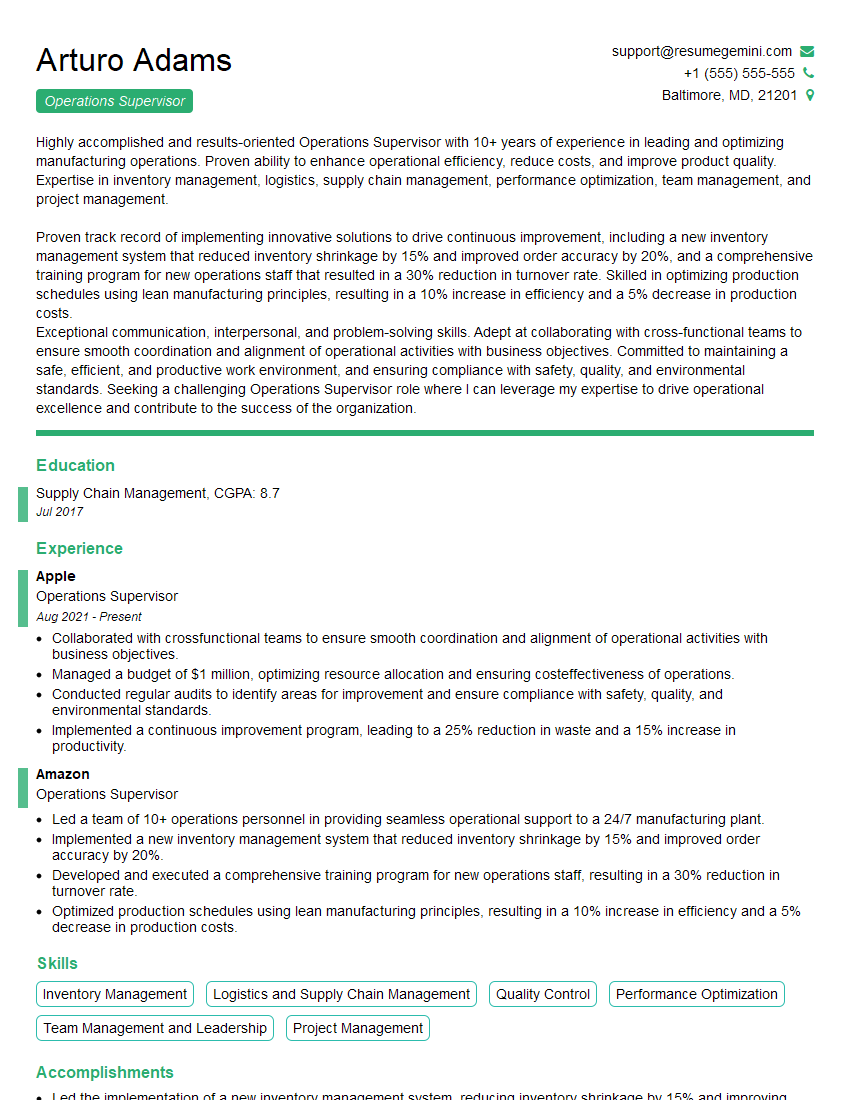
Operations Supervisor Resume Sample
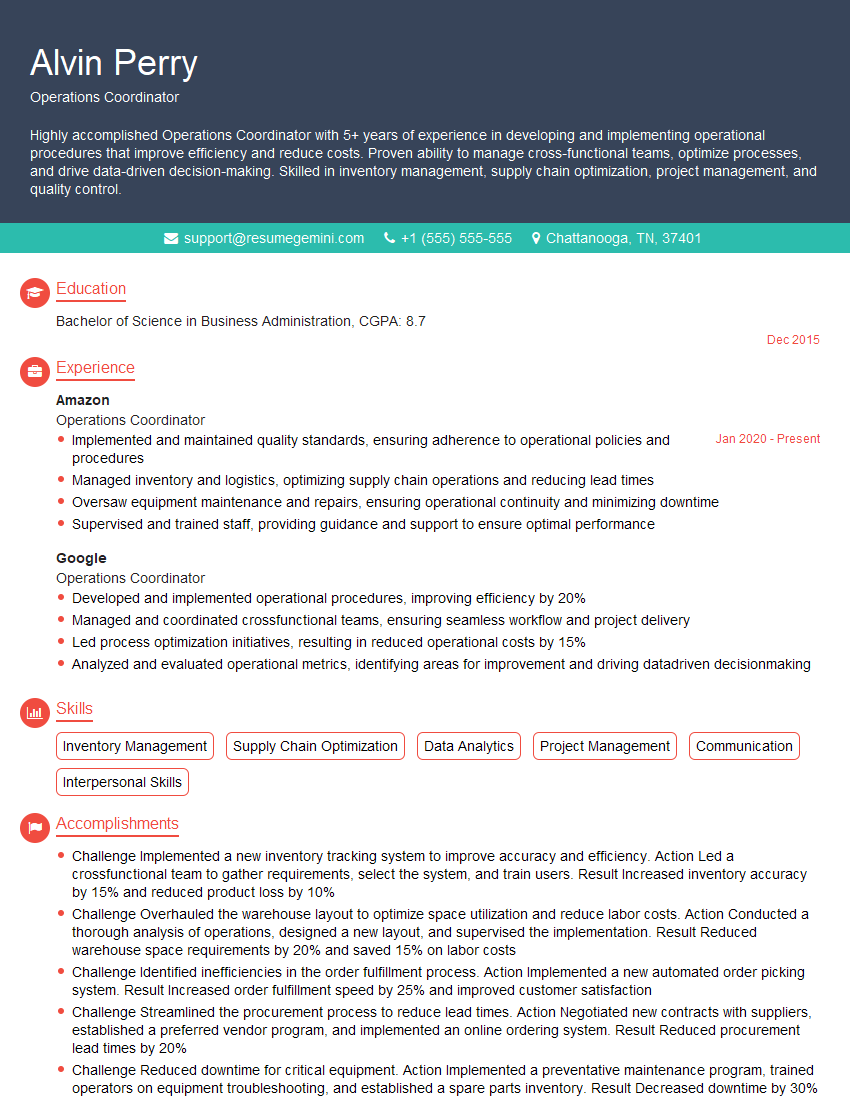
Operations Coordinator Resume Sample

Procurement Manager Resume Sample
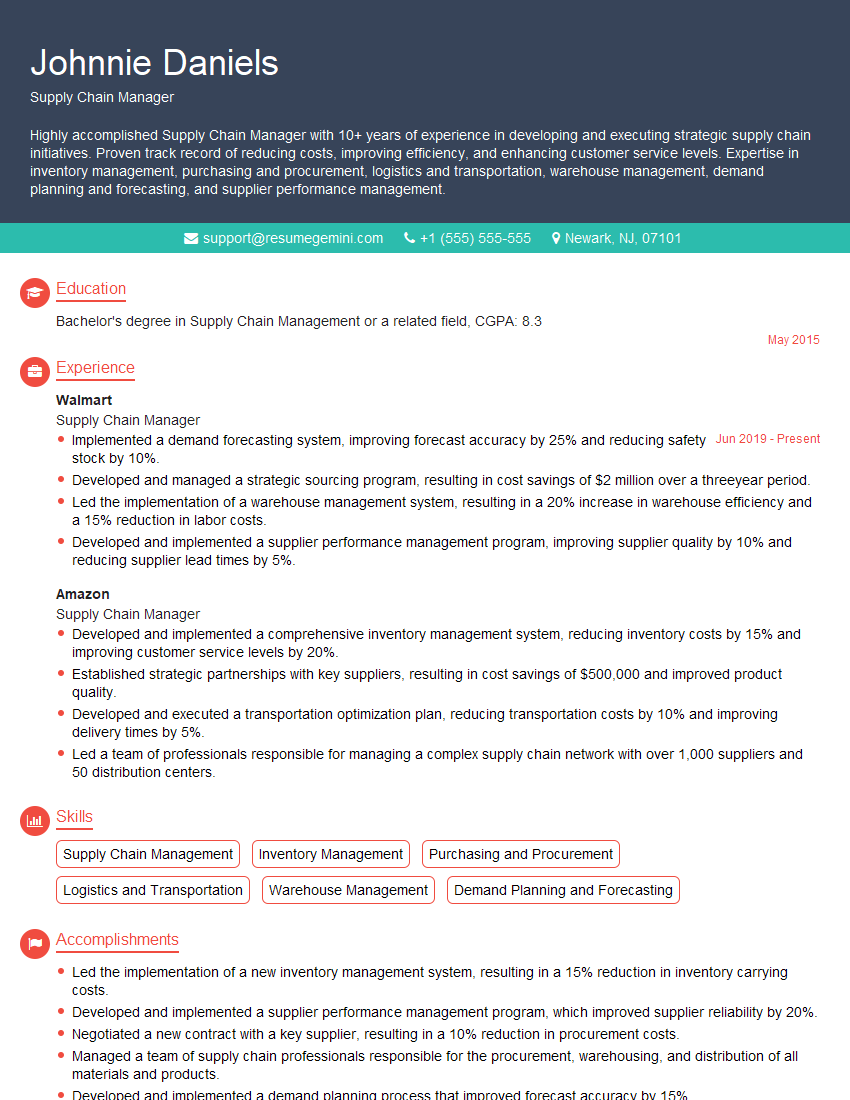
Supply Chain Manager Resume Sample
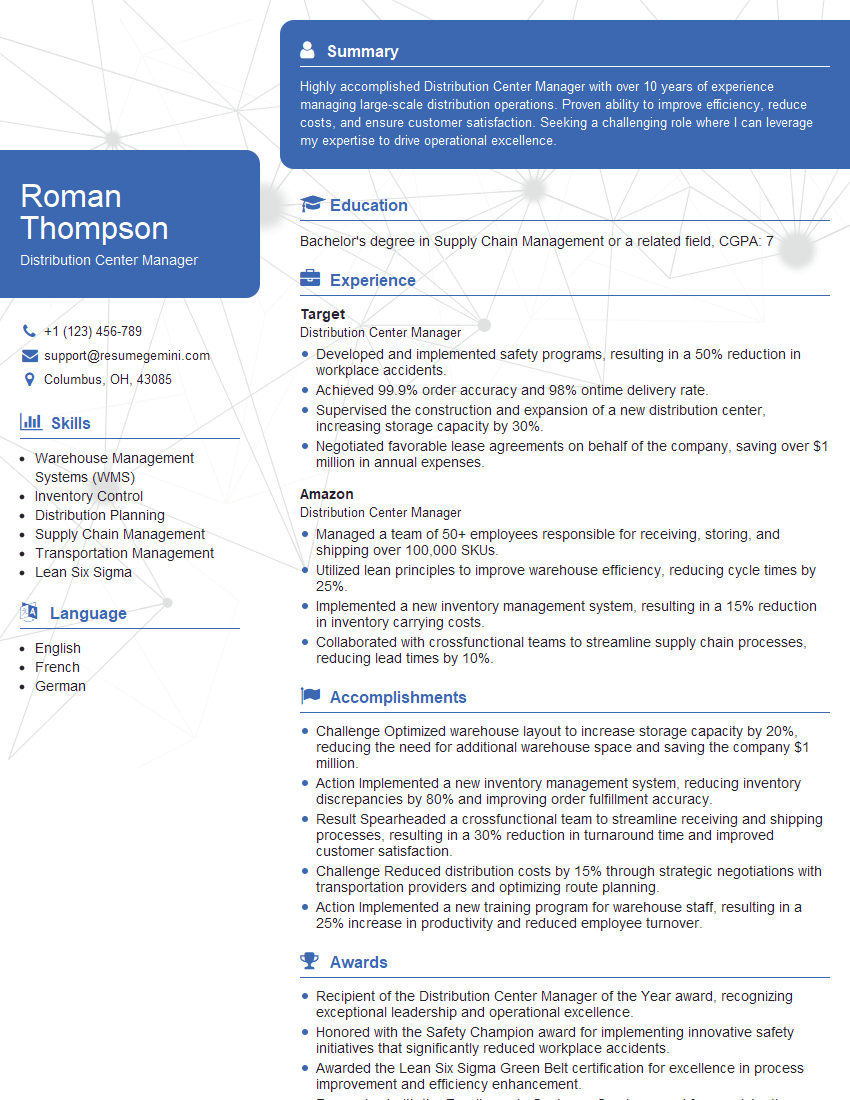
Distribution Center Manager Resume Sample
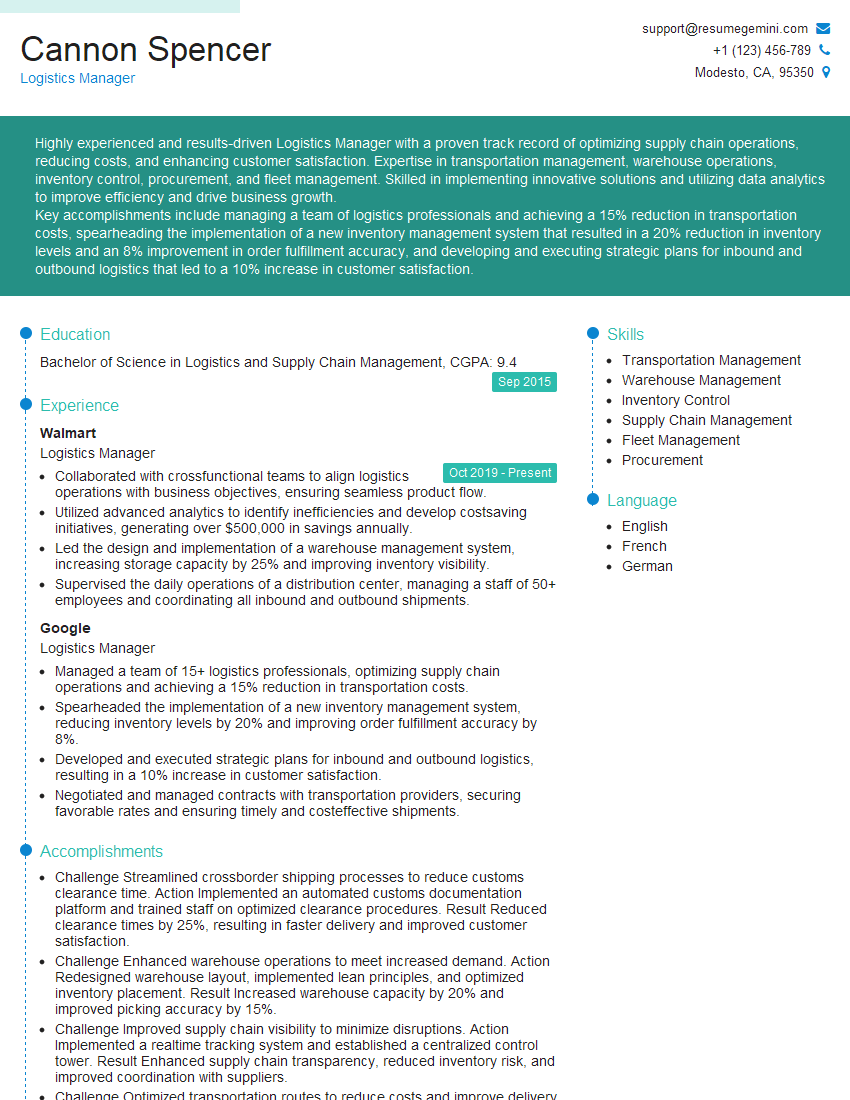
Logistics Manager Resume Sample
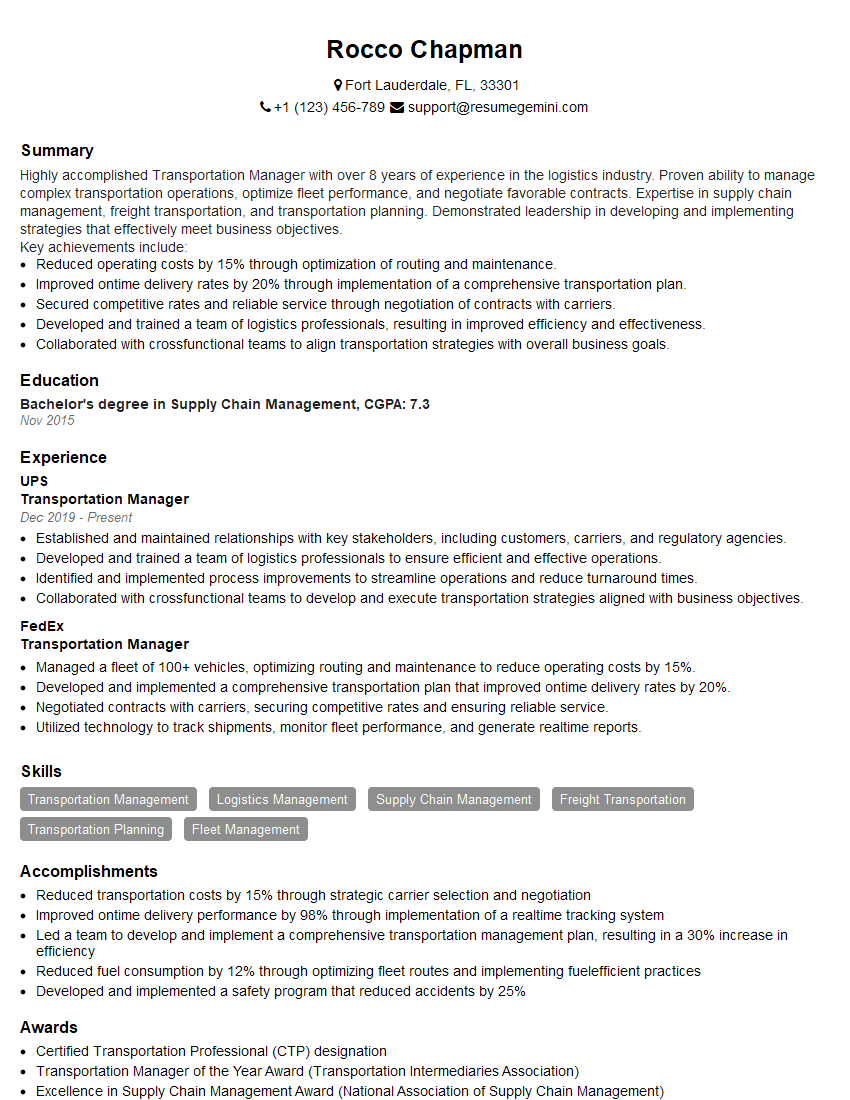
Transportation Manager Resume Sample
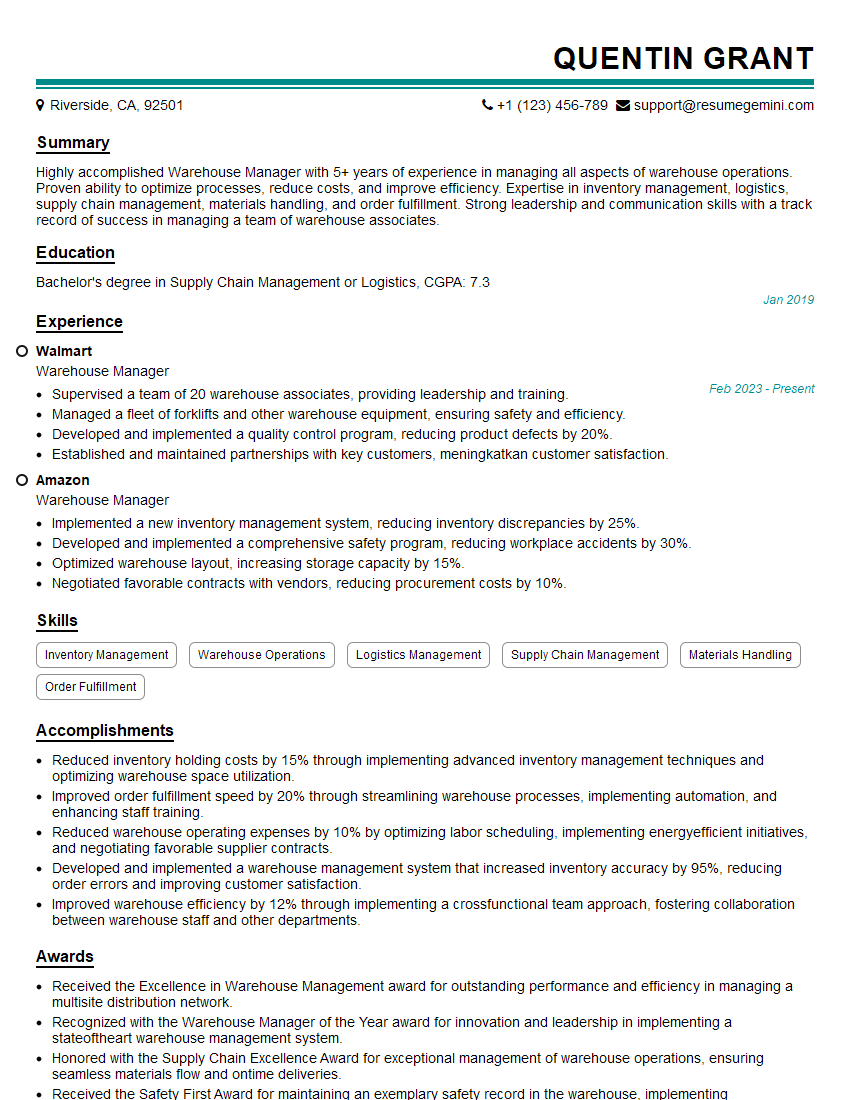
Warehouse Manager Resume Sample
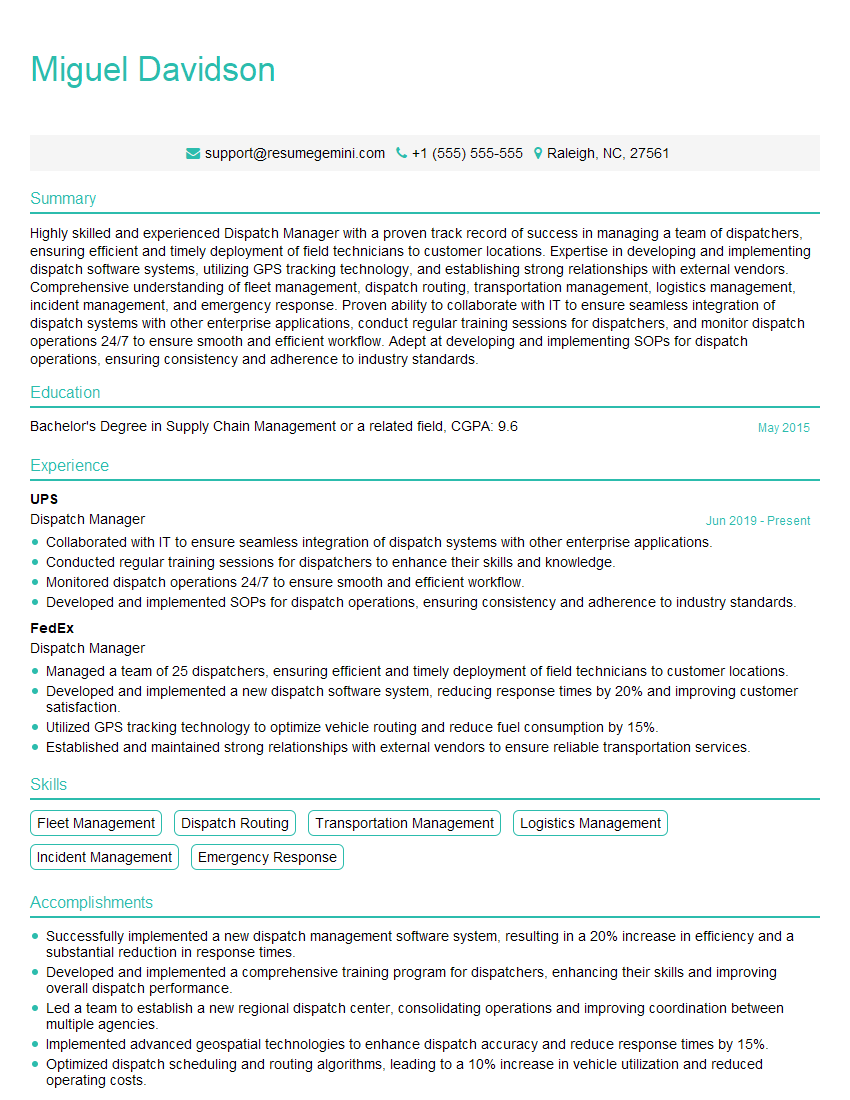
Dispatch Manager Resume Sample
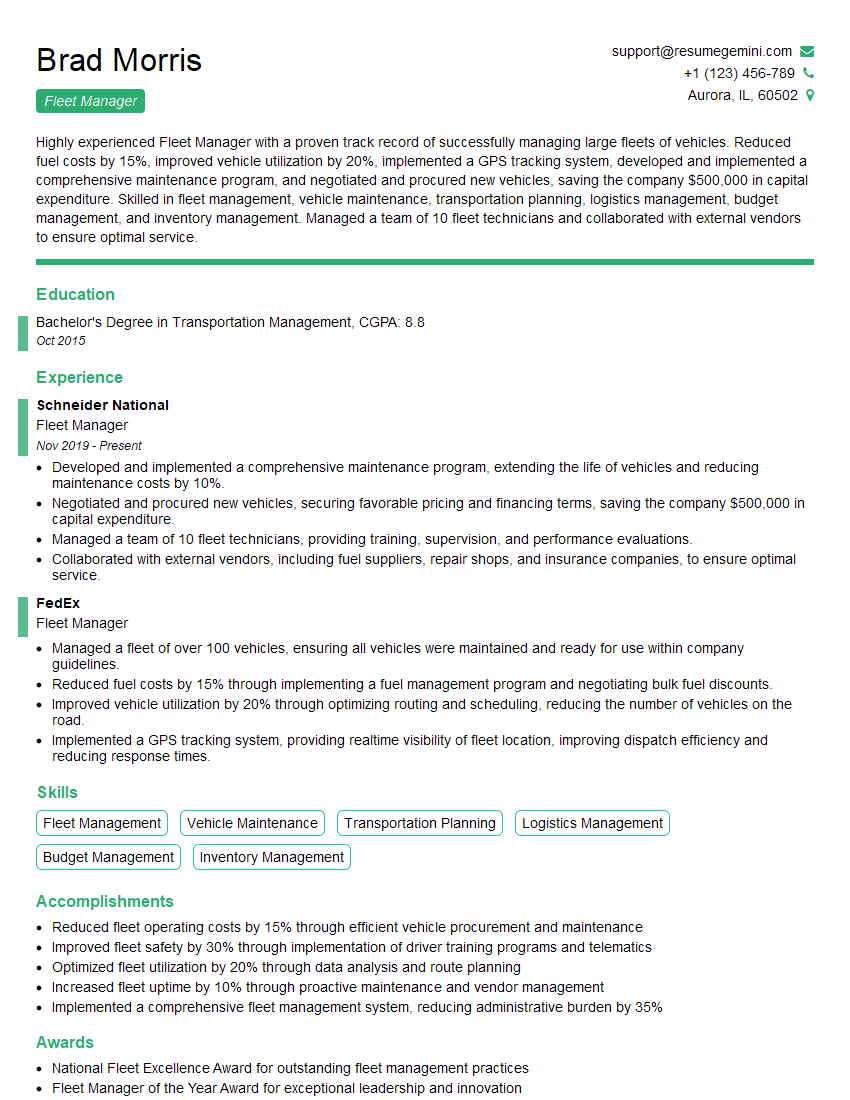
Fleet Manager Resume Sample
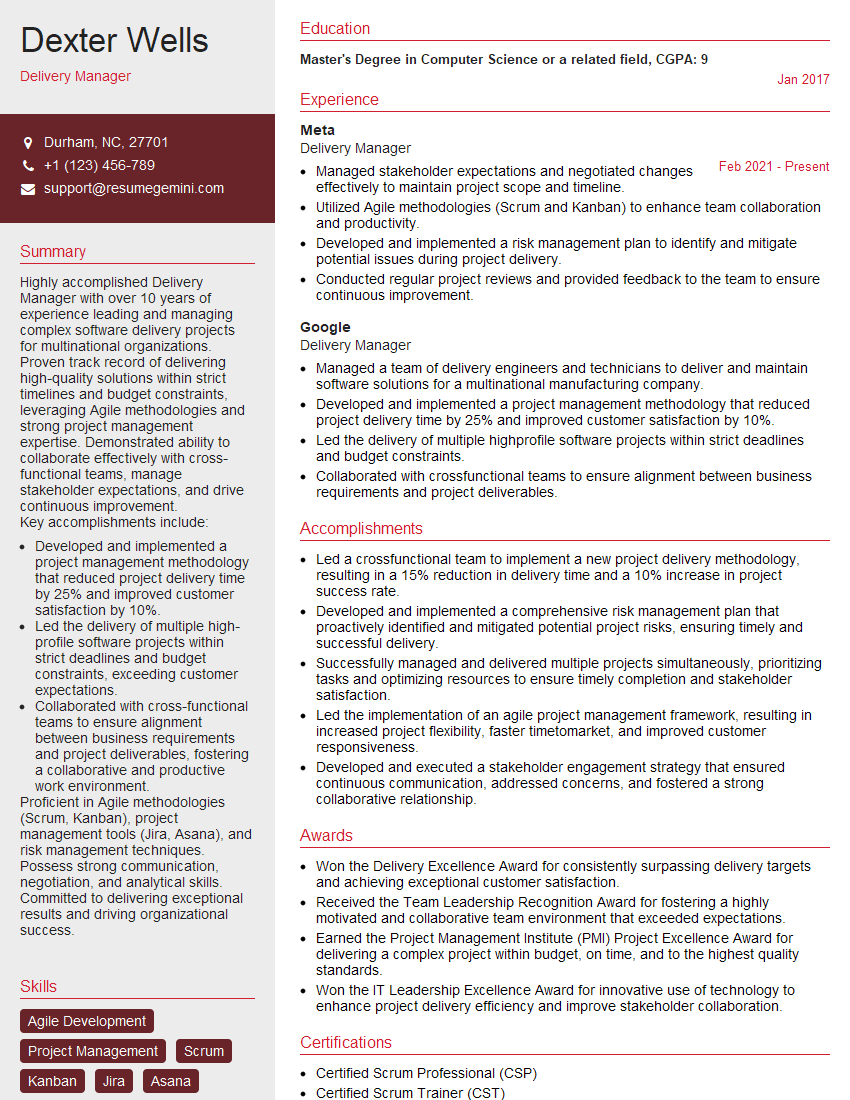
Delivery Manager Resume Sample
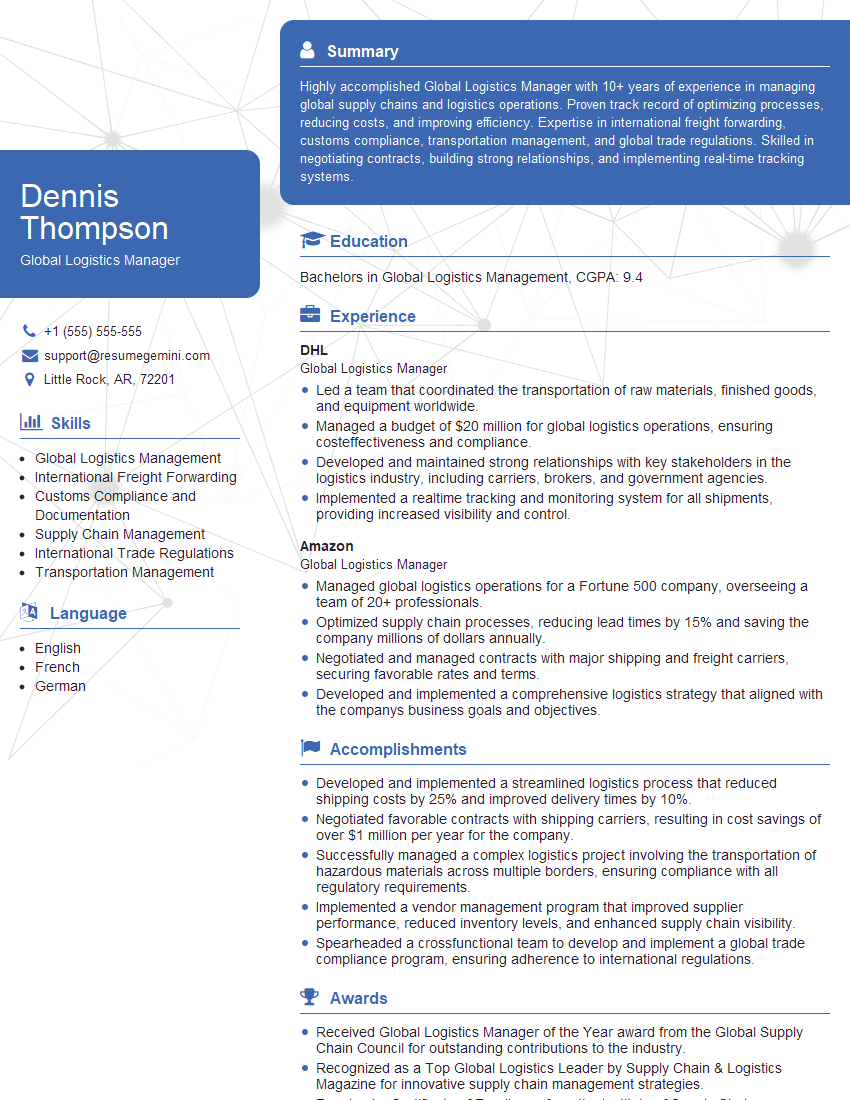
Global Logistics Manager Resume Sample
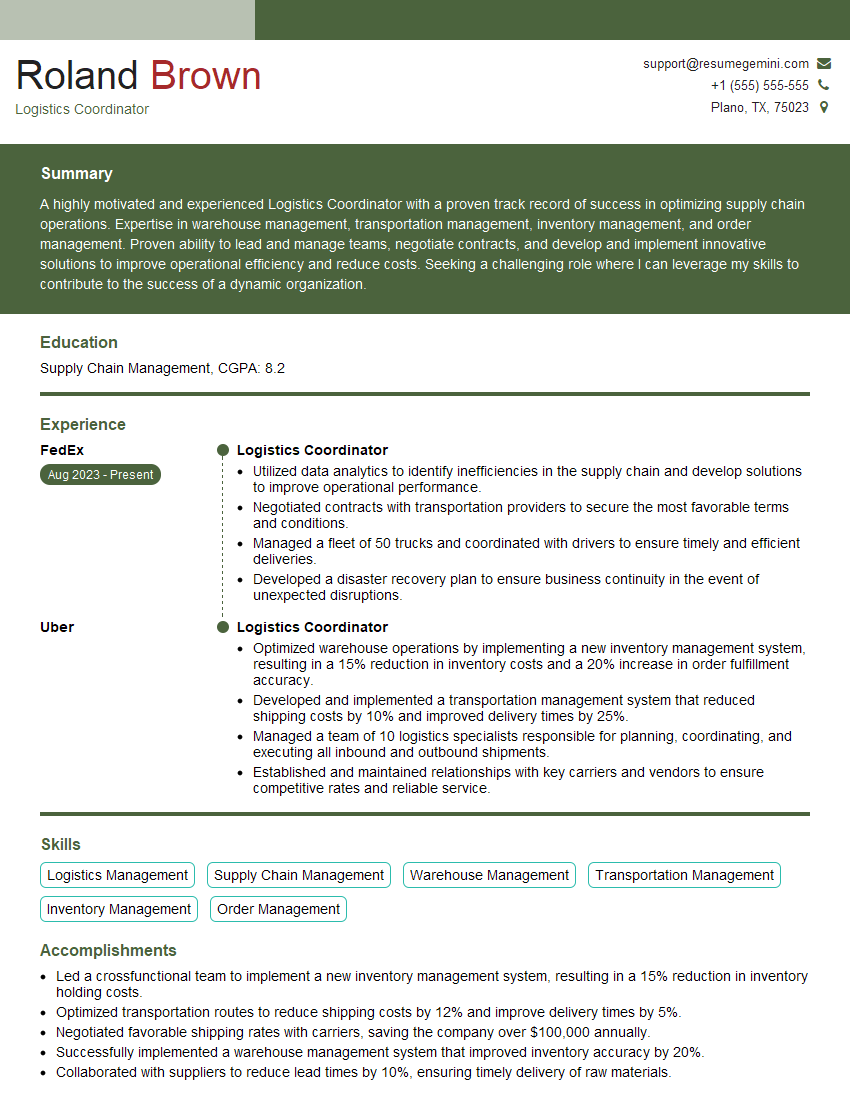
Logistics Coordinator Resume Sample
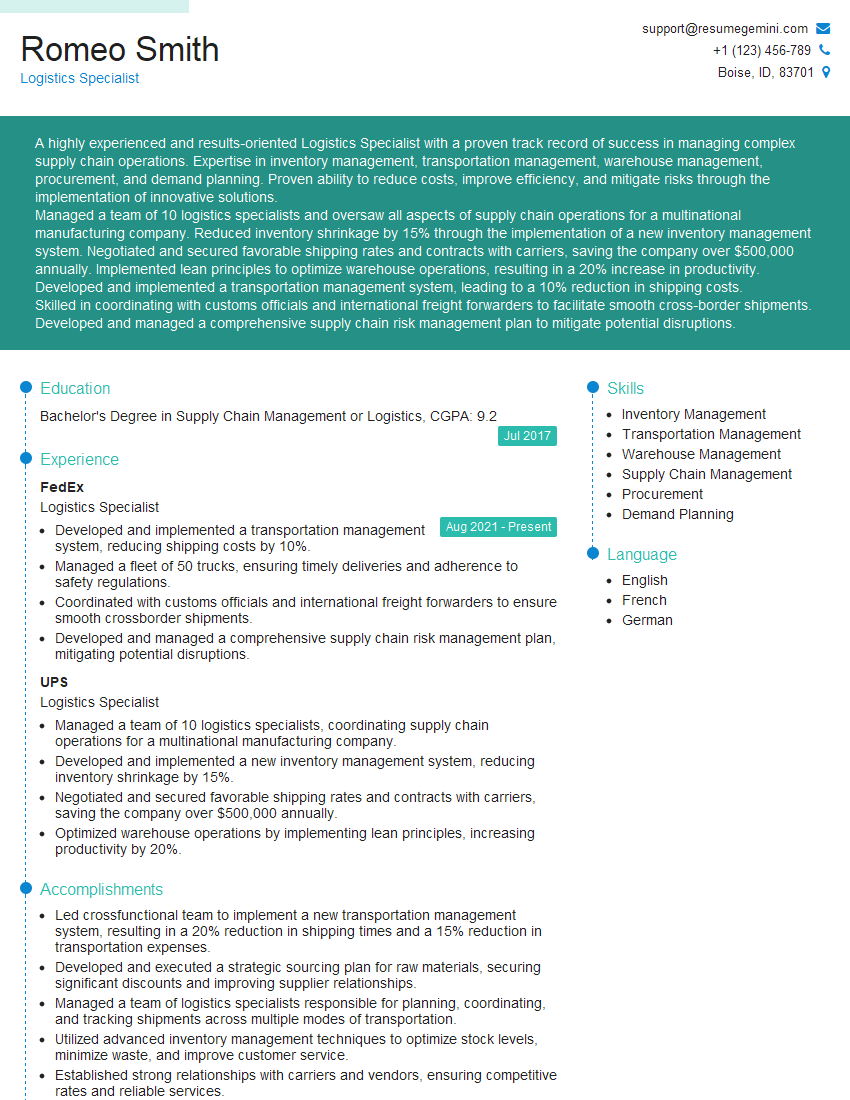
Logistics Specialist Resume Sample
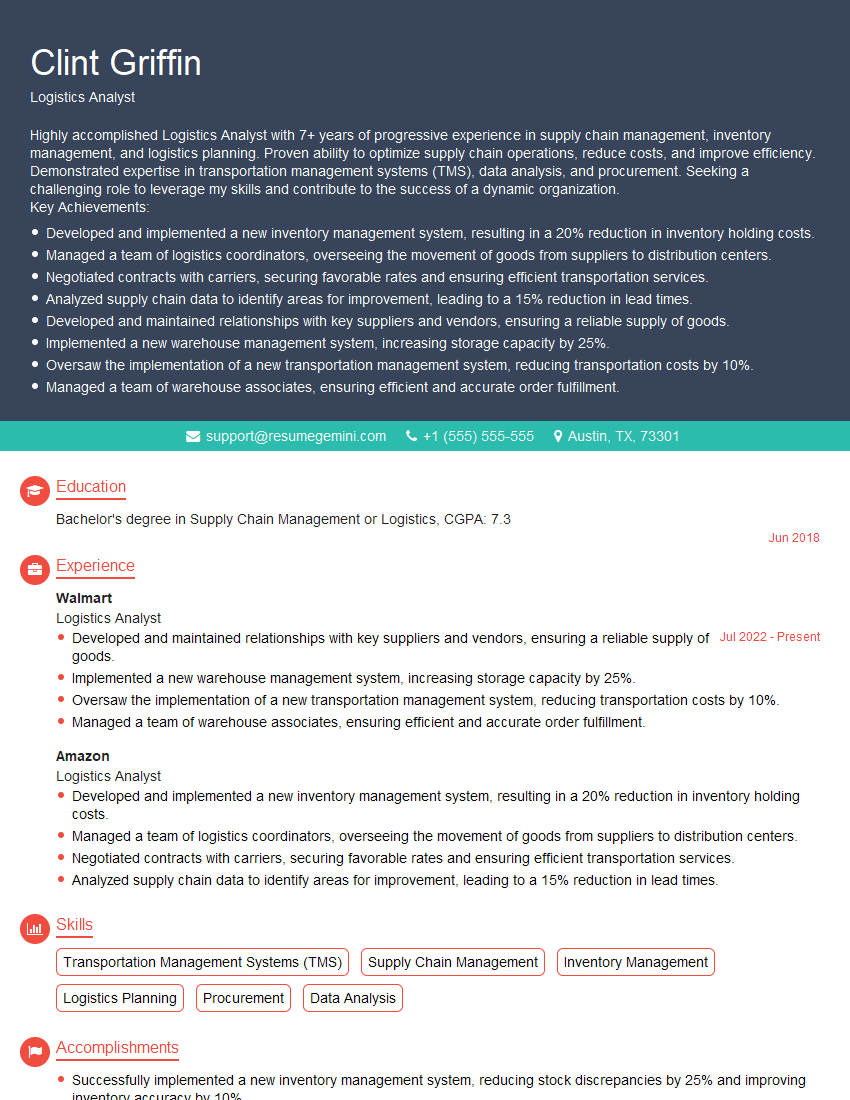
Logistics Analyst Resume Sample
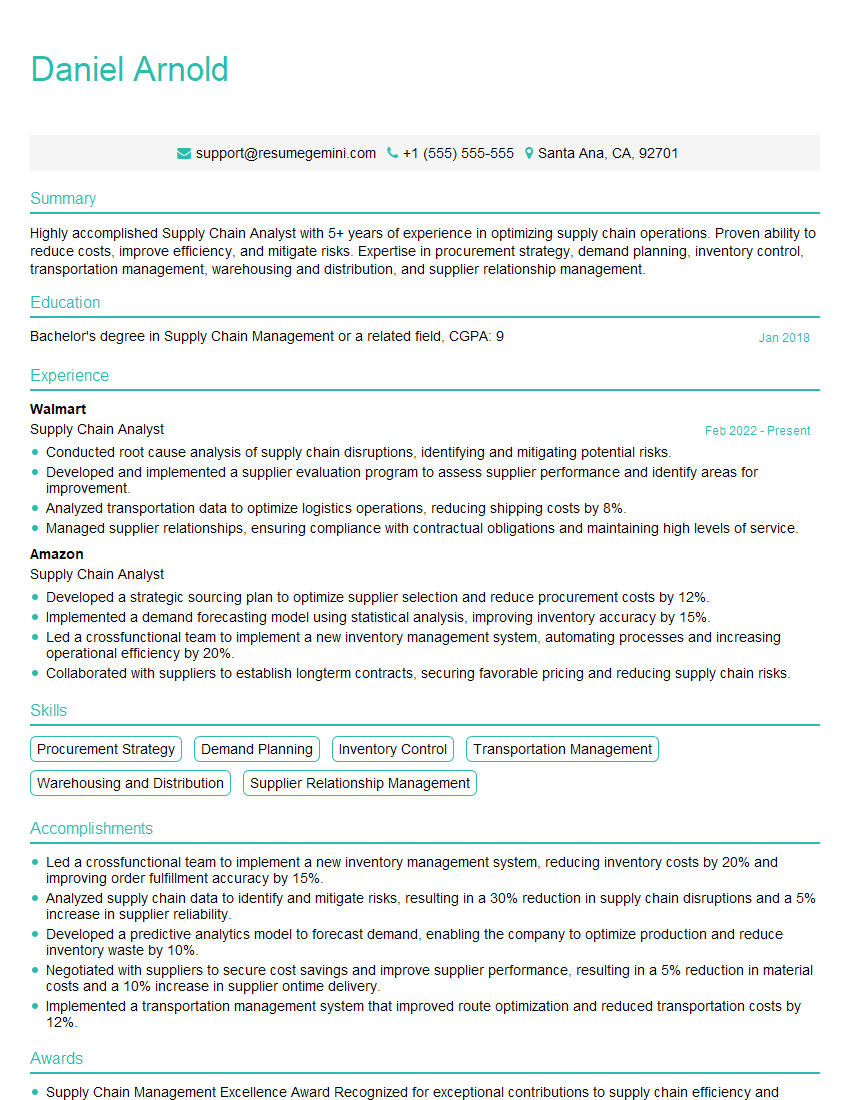
Supply Chain Analyst Resume Sample
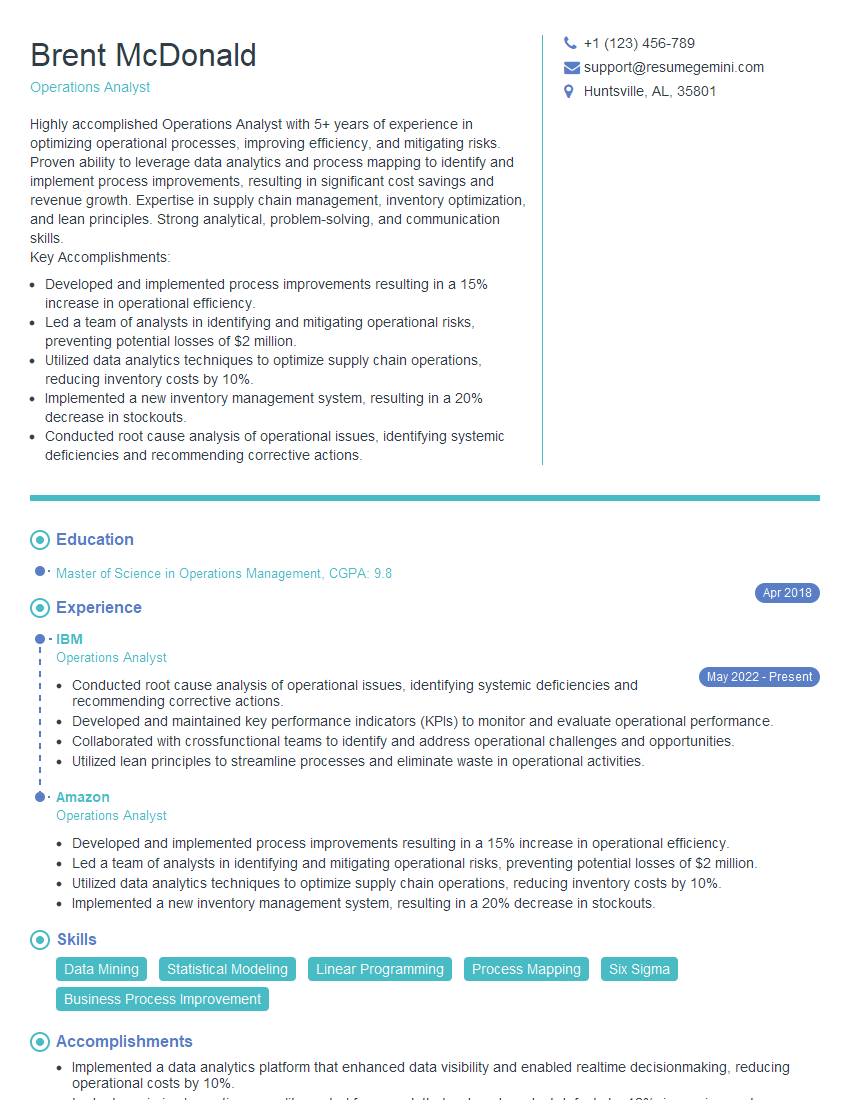
Operations Analyst Resume Sample
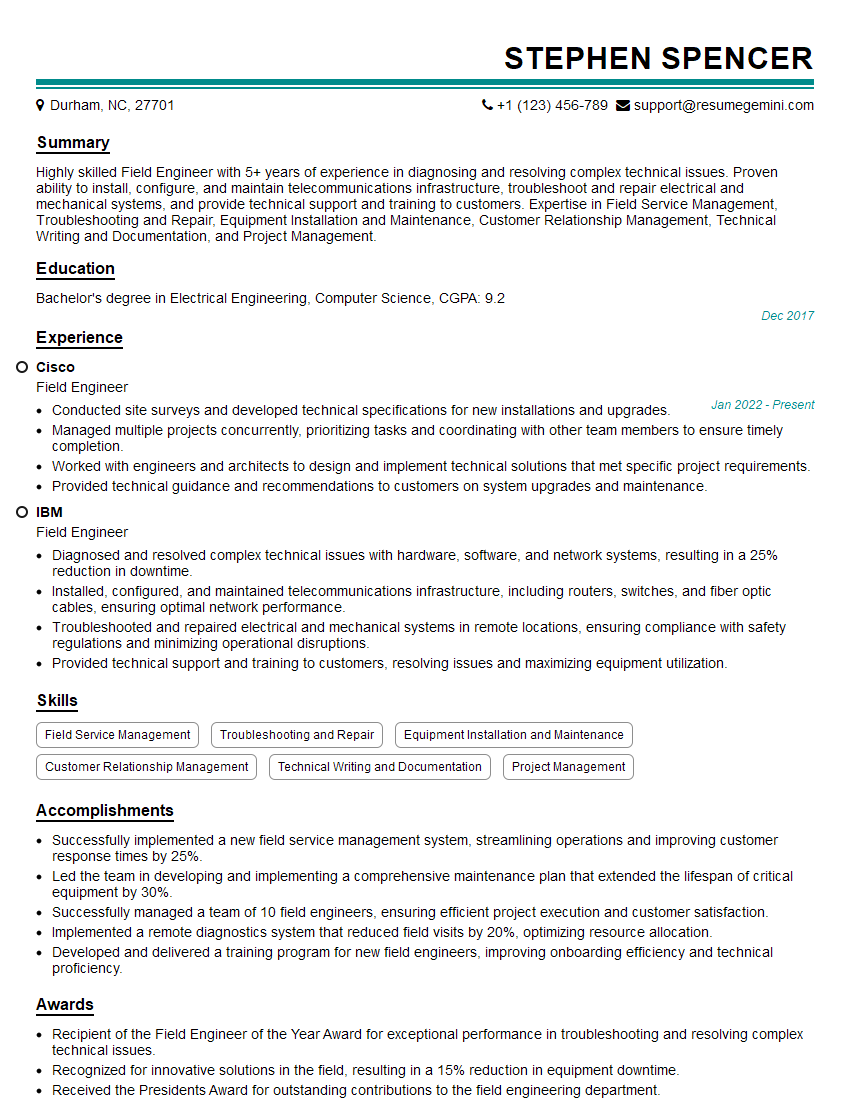
Field Engineer Resume Sample
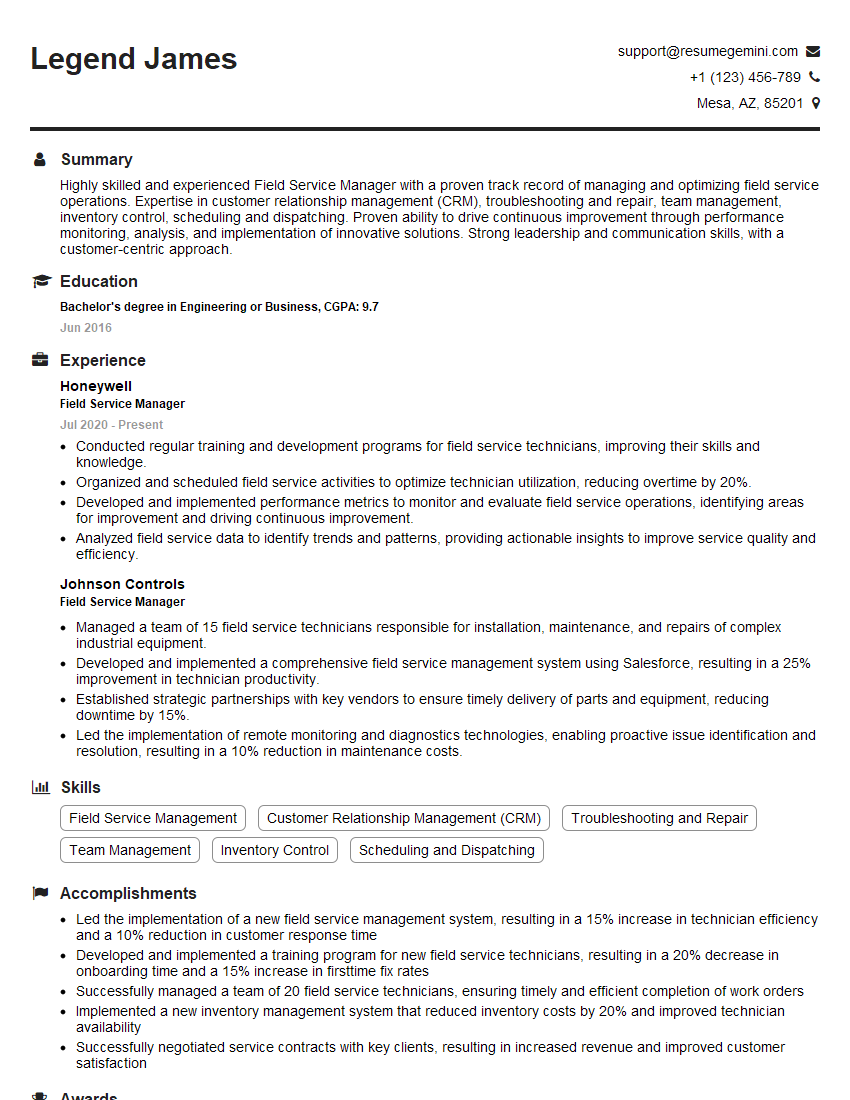
Field Service Manager Resume Sample
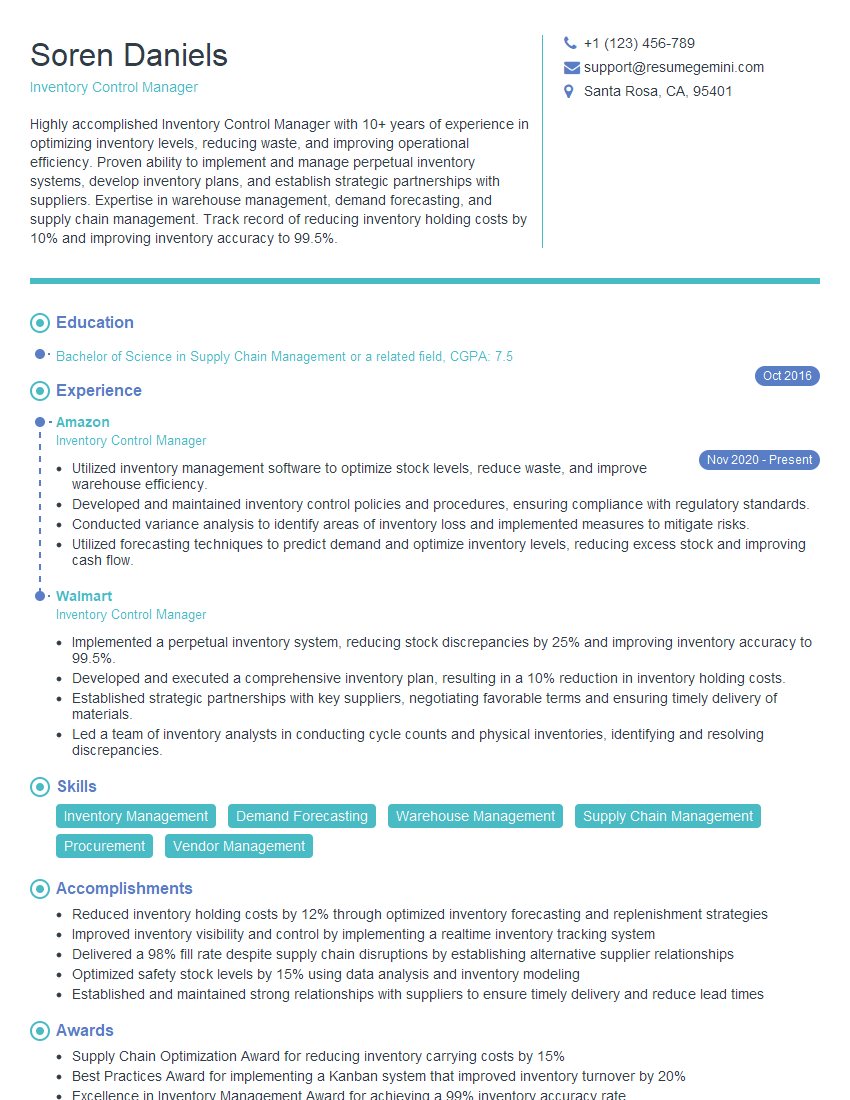
Inventory Control Manager Resume Sample
- Operations Supervisor
- Operations Coordinator
- Procurement Manager
- Supply Chain Manager
- Distribution Center Manager
- Logistics Manager
- Transportation Manager
- Warehouse Manager
- Dispatch Manager
- Fleet Manager
- Delivery Manager
- Global Logistics Manager
- Logistics Coordinator
- Logistics Specialist
- Logistics Analyst
- Supply Chain Analyst
- Operations Analyst
- Field Engineer
- Field Service Manager
- Inventory Control Manager
Explore more articles
Users Rating of Our Blogs
Share Your Experience
We value your feedback! Please rate our content and share your thoughts (optional).
What Readers Say About Our Blog
Amazing blog
Interesting Article, I liked the depth of knowledge you’ve shared.
Helpful, thanks for sharing.