The thought of an interview can be nerve-wracking, but the right preparation can make all the difference. Explore this comprehensive guide to Research and terminological skills interview questions and gain the confidence you need to showcase your abilities and secure the role.
Questions Asked in Research and terminological skills Interview
Q 1. Explain the difference between qualitative and quantitative research methods.
Qualitative and quantitative research methods represent two fundamentally different approaches to understanding the world. Think of it like this: qualitative research is like painting a picture, focusing on rich descriptions and nuanced understanding, while quantitative research is like taking a precise measurement, focusing on numbers and statistical analysis.
- Qualitative Research: Explores the ‘why’ behind phenomena. It uses methods like interviews, focus groups, and ethnography to gather in-depth, non-numerical data. The goal is to understand perspectives, experiences, and meanings. For example, a qualitative study might explore the lived experiences of patients with a particular illness, gathering rich narrative data to understand their emotional and social challenges.
- Quantitative Research: Measures and quantifies phenomena. It employs methods like surveys, experiments, and statistical analysis to gather numerical data. The goal is to test hypotheses, establish relationships between variables, and generalize findings to larger populations. For example, a quantitative study might investigate the effectiveness of a new drug by measuring its impact on a large sample of patients using standardized scales and statistical tests.
In essence, qualitative research provides depth, while quantitative research provides breadth. Often, a mixed-methods approach—combining both—provides the most comprehensive understanding.
Q 2. Describe your experience with various research methodologies (e.g., ethnography, surveys, experiments).
My research experience spans a range of methodologies. I’ve conducted ethnographic studies, immersing myself in the culture of a specific community to understand their practices and beliefs firsthand. For example, I spent six months studying the communication patterns within a remote village community to understand how information dissemination influenced their healthcare decisions. This involved participant observation, interviews, and analyzing community documents.
I’ve also extensively used surveys to gather large-scale quantitative data. In one project, I designed and administered a national survey to assess public attitudes towards climate change policies. Analyzing the results using statistical software like SPSS allowed me to identify significant correlations and draw compelling conclusions. Finally, I have experience designing and conducting controlled experiments, such as A/B testing website designs to optimize user experience. For instance, I conducted experiments comparing the effectiveness of different online learning modules to determine which resulted in the greatest knowledge retention.
Q 3. How do you ensure the accuracy and consistency of terminology in a research project?
Ensuring accuracy and consistency in terminology is paramount to the credibility and reproducibility of any research project. My approach involves a multi-step process:
- Develop a Terminology Management Plan: This plan outlines the specific terms used, their definitions, and how they will be consistently applied throughout the project. It often includes a controlled vocabulary or glossary.
- Establish a Terminology Database: Utilizing terminology management software (which I’ll discuss later), or even a carefully maintained spreadsheet, allows for centralized management and version control. This is crucial for large projects with multiple researchers.
- Peer Review and Feedback: Subject matter experts should review the terminology plan and database to ensure accuracy and completeness. This iterative process identifies and rectifies inconsistencies before they become ingrained in the research.
- Consistent Application: Clear guidelines and style guides must be distributed and consistently followed by all researchers involved in the project. Regular check-ins can help maintain standards.
By meticulously following this plan, I ensure clarity and avoid ambiguities that can undermine the validity and reliability of research findings.
Q 4. What are some common challenges in managing terminology, and how have you overcome them?
Common challenges in managing terminology include conflicting definitions, ambiguous terms, and inconsistent usage across research groups. One significant challenge I faced was during a large-scale international research project involving researchers from different linguistic and cultural backgrounds. The term ‘community engagement’ had varying interpretations. Some defined it as participation in community events, while others focused on power-sharing and collective decision-making.
To overcome this, I implemented the following strategies:
- Consensus Building: I facilitated workshops with all researchers to collaboratively define key terms, reaching a mutually agreed-upon understanding.
- Translation and Localization: For cross-cultural projects, professional translators were involved to ensure accurate translation and cultural appropriateness of terminology.
- Regular Communication: Frequent communication between researchers was crucial for addressing emerging inconsistencies and clarifying any ambiguities in terminology.
By proactively addressing these challenges, I ensured the project’s findings were not hampered by terminological inconsistencies.
Q 5. Describe your experience with terminology management software or tools.
I have extensive experience with various terminology management tools. I’m proficient in using TermCoord, a powerful open-source platform for managing multilingual terminologies. I have also utilized specialized software like MultiTerm, which is particularly useful for larger projects requiring advanced features like version control and collaboration tools. In simpler projects, even a well-structured spreadsheet can be surprisingly effective, especially when combined with a clear terminology management plan.
My experience with these tools has allowed me to streamline terminology management processes, improve consistency, and enhance collaboration among research teams.
Q 6. How do you handle conflicting or ambiguous terminology?
Handling conflicting or ambiguous terminology requires a systematic approach:
- Identify and Document: The first step is identifying all instances of conflicting or ambiguous terms. This often requires a thorough review of existing literature and project documentation.
- Analyze and Evaluate: Examine the context in which these terms are used. Understanding the intended meaning in each instance is crucial.
- Resolution Strategy: Depending on the context and significance, several strategies can be used:
- Define Clearly: Create precise definitions for each term, resolving ambiguities.
- Select a Preferred Term: If multiple terms exist with overlapping meanings, choose one as the preferred term and clearly state the rationale.
- Create a New Term: In some cases, creating a new, unambiguous term may be necessary.
- Document Decisions: Maintain a record of all decisions made regarding conflicting or ambiguous terms, ensuring transparency and traceability.
This structured approach ensures that terminology remains consistent and accurate throughout the research process, preventing misinterpretations and enhancing the clarity of findings.
Q 7. Explain your process for researching and defining new terms.
Researching and defining new terms is a rigorous process that requires careful consideration. It involves:
- Contextual Analysis: Thoroughly examine the context in which the new term is needed. Understanding the existing terminology and the gap it fills is paramount.
- Literature Review: Search for existing terms with similar meanings and evaluate their appropriateness for the current context. Consider existing thesauri and ontologies.
- Consultation and Feedback: Consult with experts in the relevant field to ensure the proposed term is accurate, clear, and widely accepted.
- Definition Creation: Develop a precise and unambiguous definition for the new term. This definition should be concise and easily understood by the intended audience.
- Documentation: Document the process of researching, evaluating, and defining the new term, including sources and rationale for decisions made.
By following this methodical approach, I can ensure that new terms are well-defined, consistently used, and contribute to the clarity and accuracy of the research.
Q 8. How do you create and maintain a controlled vocabulary or terminology database?
Creating and maintaining a controlled vocabulary, or terminology database, is crucial for ensuring consistency and accuracy in research and information retrieval. Think of it like building a highly organized dictionary specific to your research domain. It involves several key steps:
- Scope Definition: First, clearly define the subject area and the intended users of the vocabulary. For example, if you’re researching cardiovascular disease, you’ll need terms related to anatomy, physiology, treatments, etc., tailored to cardiologists, researchers, or patients.
- Term Selection and Definition: Identify key terms and create precise definitions. This often involves reviewing existing literature and collaborating with domain experts. Ambiguity must be avoided; for example, ‘heart failure’ needs a clear, universally understood definition within the vocabulary.
- Relationship Building: Establish relationships between terms (e.g., synonyms, broader terms, narrower terms). This allows for efficient searching and retrieval. For instance, ‘myocardial infarction’ is a narrower term for ‘acute coronary syndrome’. This structure is often represented using SKOS (Simple Knowledge Organization System).
- Database Implementation: Choose a suitable database management system (e.g., relational database, specialized terminology management software). This system should support the defined relationships and allow for easy updating and searching.
- Maintenance and Review: Regularly review and update the vocabulary to reflect new research findings and terminology. This iterative process ensures the database remains current and relevant. For instance, new diagnostic methods or treatments may require adding new terms or updating existing ones.
For instance, in a project researching rare genetic disorders, we meticulously crafted a controlled vocabulary encompassing gene names, mutations, associated phenotypes, and diagnostic methods. This ensured that researchers across different institutions could consistently use and understand the terminology, facilitating data sharing and collaborative research.
Q 9. How do you evaluate the quality and reliability of research sources?
Evaluating research sources is paramount. It’s like being a detective, carefully examining clues to ensure their validity and reliability. I employ several strategies:
- Author Credibility: I assess the authors’ expertise and reputation within their field. Are they affiliated with reputable institutions? Have they published extensively in peer-reviewed journals? Checking Google Scholar profiles and publication records helps.
- Publication Source: I scrutinize the journal or publication where the research is published. Is it peer-reviewed? What is the journal’s impact factor (a measure of its prestige and influence)? Reputable journals have rigorous review processes.
- Methodology: I carefully examine the research methods employed. Is the sample size adequate? Are the methods appropriate for addressing the research question? Are biases addressed and minimized? A well-designed study with clearly explained methodology is crucial.
- Data and Results: I analyze the data presented and the way the results are interpreted. Are the findings clearly presented? Are there any inconsistencies or unexplained anomalies? Are statistical analyses appropriate and correctly interpreted?
- References and Citations: I review the references to ensure the study supports its claims with credible sources. Are the citations accurate and complete? A well-cited paper demonstrates transparency and intellectual honesty.
For example, when reviewing a paper on a new cancer treatment, I would look for evidence of rigorous clinical trials, proper statistical analysis, and clear disclosure of potential conflicts of interest. I would also check the reputation of the journal and the authors’ credentials.
Q 10. Describe your experience with data analysis and interpretation.
Data analysis and interpretation are integral to my research workflow. It’s like solving a puzzle, where the data pieces need to be carefully examined to reveal the complete picture. My experience involves:
- Data Cleaning and Preparation: This often involves handling missing values, dealing with outliers, and transforming data into a suitable format for analysis. I’m proficient with tools like R and Python for this purpose.
- Descriptive Statistics: I utilize descriptive statistics (mean, median, standard deviation, etc.) to summarize and understand the characteristics of the data. This provides a foundational understanding before diving into more complex analyses.
- Inferential Statistics: I employ various statistical techniques (t-tests, ANOVA, regression analysis, etc.) to test hypotheses and draw inferences about the population from the sample data. I always ensure the appropriateness of the statistical test based on the data type and research question.
- Data Visualization: I utilize various visualization techniques (graphs, charts, etc.) to communicate the findings clearly and effectively. This makes it easier to identify trends, patterns, and outliers.
- Interpretation: The most crucial step is interpreting the findings in the context of the research question and existing literature. This involves critically evaluating the limitations of the analysis and potential biases.
In a recent study, we used regression analysis to model the relationship between socioeconomic factors and health outcomes. The visualization of the results clearly showed the strong correlation, which we then interpreted within the existing literature on health inequalities.
Q 11. How do you synthesize information from multiple sources to create a cohesive narrative?
Synthesizing information from multiple sources requires a structured approach. It’s like weaving together different threads to create a coherent and compelling story. My process involves:
- Critical Evaluation: I carefully assess each source for its credibility, relevance, and potential biases. This helps to identify any inconsistencies or conflicting information.
- Identifying Common Themes: I look for overarching themes, concepts, or patterns that emerge from the different sources. This helps to establish the main narrative.
- Organizing Information: I organize the information thematically or chronologically, depending on the nature of the narrative. This could involve creating outlines or concept maps.
- Integrating Evidence: I carefully integrate the evidence from different sources, supporting each claim with specific examples and citations. This ensures the narrative is well-supported and transparent.
- Refining the Narrative: I continuously refine the narrative to ensure it is clear, concise, and engaging. This may involve multiple iterations of writing and rewriting.
For example, in writing a literature review on the impact of climate change on agriculture, I synthesized information from scientific articles, government reports, and expert interviews. I identified common themes such as reduced crop yields and increased pest infestations, integrating this information to create a cohesive narrative highlighting the significant challenges facing global food security.
Q 12. How do you prioritize research tasks and manage your time effectively?
Effective time management and task prioritization are crucial for success in research. It’s like conducting an orchestra, coordinating various tasks to achieve a harmonious outcome. My approach involves:
- Planning and Goal Setting: I begin by clearly defining my research goals and breaking them down into smaller, manageable tasks. This creates a roadmap for my work.
- Prioritization: I use various methods (e.g., Eisenhower Matrix, Pareto Principle) to prioritize tasks based on urgency and importance. This ensures I focus on the most critical activities first.
- Time Blocking: I allocate specific time blocks for different tasks, minimizing distractions and maximizing productivity. This creates a structured and focused work schedule.
- Regular Review and Adjustment: I regularly review my progress and adjust my schedule as needed. This ensures flexibility and adaptability in response to unexpected events or challenges.
- Utilizing Tools: I use project management software (e.g., Trello, Asana) to keep track of my tasks, deadlines, and progress. This improves organization and accountability.
For example, during a particularly busy period with multiple deadlines, I used the Eisenhower Matrix to prioritize my tasks. This allowed me to focus on the most urgent and important tasks first, ensuring timely completion of my deliverables without sacrificing quality.
Q 13. Describe your experience with literature reviews and systematic reviews.
Literature reviews and systematic reviews are essential for summarizing and synthesizing existing research. The key difference lies in their scope and methodology. A literature review is a broader overview of a topic, while a systematic review follows a more rigorous and predefined protocol to minimize bias.
- Literature Reviews: I have extensive experience conducting literature reviews, which involve identifying, evaluating, and summarizing relevant publications on a specific topic. The scope can be broad or narrow, depending on the research question. I use various search strategies (keyword searches, database searches) and employ critical appraisal techniques to assess the quality of the sources.
- Systematic Reviews: Systematic reviews involve a more rigorous process. This includes establishing clear inclusion and exclusion criteria, using a predefined search strategy, employing multiple reviewers to assess studies independently, and quantifying the results using meta-analysis (where appropriate). The goal is to minimize bias and produce a more comprehensive and reliable summary of the evidence.
In one project, we conducted a systematic review of the effectiveness of a particular medication for a specific disease. This involved a detailed search strategy, using several databases, rigorous quality assessment of included studies, and a meta-analysis of the results to provide a robust estimate of the treatment’s effect.
Q 14. What is your experience with different types of research design (e.g., descriptive, experimental, correlational)?
Research designs are the blueprints for conducting research. Different designs are suited for answering different types of research questions. I have experience with various designs, including:
- Descriptive Research: This focuses on describing the characteristics of a population or phenomenon. For example, a survey to understand the prevalence of a particular disease in a specific region.
- Experimental Research: This involves manipulating an independent variable to observe its effect on a dependent variable, typically in a controlled setting. A randomized controlled trial testing the effectiveness of a new drug is an example.
- Correlational Research: This explores the relationship between two or more variables without manipulating any of them. For instance, examining the correlation between smoking and lung cancer.
- Qualitative Research: This involves in-depth exploration of a topic using methods like interviews, focus groups, and case studies to gain rich insights and understanding.
- Mixed Methods Research: This combines both quantitative and qualitative methods to gain a more comprehensive understanding of the research question.
In a past project, we used a mixed-methods approach to evaluate a new educational intervention. Quantitative data from pre- and post-tests measured changes in student knowledge, while qualitative data from interviews provided insights into students’ experiences and perceptions.
Q 15. How do you ensure the ethical considerations in your research?
Ethical considerations are paramount in research. My approach involves a proactive and multifaceted strategy, beginning with the research design itself. I carefully consider the potential impact of my work on all involved parties—participants, communities, and even the broader scientific landscape. This includes obtaining informed consent, ensuring anonymity and confidentiality, minimizing risks, and adhering to all relevant institutional review board (IRB) guidelines. For example, in a study involving vulnerable populations, I’d prioritize extra safeguards to protect their rights and well-being, perhaps using anonymization techniques far beyond simple data removal. Furthermore, I’m committed to transparency in my methodology and data analysis, openly acknowledging any limitations or potential biases. Any conflicts of interest are declared upfront. Data integrity is non-negotiable; I rigorously document all procedures and maintain detailed records to ensure reproducibility and accountability.
Career Expert Tips:
- Ace those interviews! Prepare effectively by reviewing the Top 50 Most Common Interview Questions on ResumeGemini.
- Navigate your job search with confidence! Explore a wide range of Career Tips on ResumeGemini. Learn about common challenges and recommendations to overcome them.
- Craft the perfect resume! Master the Art of Resume Writing with ResumeGemini’s guide. Showcase your unique qualifications and achievements effectively.
- Don’t miss out on holiday savings! Build your dream resume with ResumeGemini’s ATS optimized templates.
Q 16. Explain your understanding of plagiarism and how to avoid it.
Plagiarism is the presentation of someone else’s work or ideas as your own. It’s a serious breach of academic integrity. Avoiding plagiarism involves meticulous attention to detail and a clear understanding of proper attribution. This includes not only direct copying of text but also paraphrasing without proper citation. My approach involves careful note-taking, using quotation marks for direct quotes, and meticulously citing all sources using a consistent citation style (e.g., APA, MLA). I always paraphrase using my own words, making sure to properly attribute the original idea even when rephrasing. Software like Turnitin can be helpful in checking for unintentional plagiarism, but the responsibility ultimately lies with the researcher to ensure ethical conduct. I treat this as a fundamental aspect of responsible scholarship. For example, in a literature review, I’d always explicitly cite the sources supporting my assertions. Even common knowledge, if sourced from a specific publication, requires proper attribution, reinforcing the habit of rigorous citation practice.
Q 17. What are your preferred methods for data visualization?
My preferred methods for data visualization depend heavily on the type of data and the message I want to convey. For exploring relationships between variables, I often use scatter plots or correlation matrices. To show distributions, histograms or box plots are effective. For categorical data, bar charts or pie charts are suitable choices. However, I always consider the audience. Simple, clear visuals are prioritized over overly complex ones that may obscure the data. I often utilize tools like R with packages such as ggplot2 for creating publication-quality graphics. ggplot2 provides a great deal of flexibility and control. In addition to these packages, I am familiar with Tableau and other business intelligence software for more interactive dashboards. The choice of visualization tool always reflects my aim to present findings accurately and transparently.
Q 18. How do you handle conflicting research findings?
Conflicting research findings are common in science. My approach involves a systematic investigation to understand the discrepancies. First, I carefully review the methodologies of the studies, looking for differences in participant populations, data collection methods, or statistical analyses. Then, I examine the potential for confounding variables that may have influenced the results. For example, differences in sample size or the presence of biases in one or more studies could explain the conflict. A meta-analysis might be appropriate to synthesize the findings of multiple studies statistically. Alternatively, a narrative review could be conducted to compare and contrast the studies qualitatively. Ultimately, the goal is to identify the most likely explanation for the conflict and determine its implications for my own research. I always incorporate these considerations into the discussion and conclusion sections of my reports, ensuring a balanced and nuanced interpretation of the available evidence.
Q 19. How familiar are you with different citation styles (e.g., APA, MLA, Chicago)?
I’m proficient in several citation styles, including APA, MLA, and Chicago. My familiarity extends beyond simply knowing the formatting rules; I understand the underlying principles behind each style and their appropriate applications. For instance, APA is commonly used in the social sciences, MLA in the humanities, and Chicago in history and some other disciplines. The key differences lie in formatting elements such as in-text citations and reference list entries. I’m adept at switching between styles as needed, ensuring accuracy and consistency in my work. Furthermore, I utilize citation management software (like Zotero or Mendeley) to streamline the process and avoid errors. Accuracy in citation is crucial for maintaining academic honesty and facilitating reproducibility. I’ve trained others on the efficient use of citation styles and software, solidifying my knowledge.
Q 20. Describe your experience with specific research tools (e.g., specific software, databases).
My experience encompasses a wide range of research tools. I’m proficient in statistical software packages such as R and SPSS for data analysis and visualization. My experience with R extends to working with various packages for specific tasks, such as tidyverse for data manipulation and lme4 for mixed-effects models. I have also used specialized software for qualitative data analysis like NVivo. Regarding databases, I’m familiar with searching and retrieving information from various academic databases such as PubMed, Web of Science, and Scopus. I have experience using EndNote to manage and cite literature, and I’m familiar with various online repositories for data sharing (such as Open Science Framework).
Q 21. How do you communicate research findings to both technical and non-technical audiences?
Communicating research findings effectively to diverse audiences requires adapting the message to their level of understanding. For technical audiences, I employ precise language and detailed explanations of the methodology and results. I might include detailed statistical analyses and technical jargon. For non-technical audiences, I use simpler language, focusing on the key findings and their implications. Visual aids such as charts and graphs play a crucial role in conveying complex information in a more accessible format. In both cases, I prioritize clarity and conciseness. I utilize different communication channels based on the audience – scientific publications for technical audiences, and presentations or reports with less technical detail for non-technical audiences. The ultimate aim is always to ensure that the message is understood and the findings are impactful, regardless of the recipient’s background.
Q 22. Describe a time you had to adapt your research methodology due to unexpected challenges.
Adapting research methodology is crucial when encountering unexpected challenges. It’s a sign of flexibility and a commitment to robust research. In one project investigating the impact of social media on political polarization, we initially planned to use a large-scale survey. However, we encountered low response rates and a significant bias in the initial sample. To overcome this, we adapted our methodology by incorporating a mixed-methods approach. We supplemented the survey with in-depth interviews targeting diverse demographics, allowing us to gather richer qualitative data to contextualize the quantitative findings. This dual approach mitigated the initial limitations, providing a more nuanced and reliable understanding of the research question. We documented these methodological changes transparently in our research report, highlighting the rationale behind each adjustment. This ensures reproducibility and allows others to critically evaluate the study’s strengths and limitations.
Q 23. How do you ensure the accessibility and usability of research outputs?
Ensuring accessibility and usability of research outputs is paramount for maximizing impact. This involves considering diverse audiences and their needs. We prioritize clear and concise language, avoiding jargon whenever possible. For visual impairments, we ensure that all figures and tables have alternative text descriptions. We also strive for open access publishing to reach a wider audience and encourage broader dissemination of our findings. Furthermore, we utilize various formats, including summaries for general audiences, detailed reports for specialists, and interactive data visualizations. For example, during a study on climate change, we made our data available via an open-source platform and created an infographic summarizing our main findings for the general public. By adopting a multi-faceted approach, we ensure that our research reaches and benefits as many people as possible.
Q 24. How do you stay current with the latest developments in your field?
Staying current in a rapidly evolving field requires a proactive and multi-pronged approach. I regularly read peer-reviewed journals, attend conferences and workshops, and actively participate in online communities of practice relevant to my research area. I also follow influential researchers and institutions on social media platforms and subscribe to relevant newsletters. Furthermore, I dedicate time for literature reviews and regularly update my knowledge on relevant methodologies and techniques. For instance, I recently completed a course on advanced statistical modeling to enhance my analytical capabilities in response to emerging trends in my field. Continuous learning is not just about staying abreast of the latest research but also about refining one’s skills and critical thinking abilities.
Q 25. What strategies do you use to ensure the accuracy and completeness of research data?
Accuracy and completeness of research data are fundamental. We implement rigorous data collection procedures, including detailed protocols and standardized instruments. Data is regularly checked for consistency and plausibility. We utilize various quality control measures such as data cleaning, validation checks, and cross-referencing across multiple sources whenever possible. For instance, in a study involving geographical data, we used GIS software for spatial analysis and validation, ensuring the integrity and accuracy of our location data. We also maintain meticulous documentation of all data processing steps and decisions to enhance transparency and reproducibility. This rigorous approach builds confidence in the reliability of our research findings.
Q 26. Explain your experience with different types of data (qualitative and quantitative).
My experience encompasses both qualitative and quantitative data analysis. Quantitative data, often numerical, allows for statistical analysis and the identification of patterns and trends. For instance, in a survey on consumer behavior, quantitative analysis helped us identify key demographics influencing purchasing decisions. Qualitative data, often textual or visual, offers rich context and deeper insights into individual experiences and perspectives. In the same consumer behavior study, interviews provided valuable qualitative insights into the why behind the quantitative trends. I am proficient in various software packages for both types of analysis, including statistical software like R and SPSS, and qualitative data analysis software like NVivo. The synergy between these approaches is crucial for a comprehensive understanding of complex research problems.
Q 27. How do you identify and mitigate bias in research?
Bias in research can significantly impact the validity of findings. Mitigating bias requires careful planning and execution at every stage of the research process. This includes designing studies that minimize selection bias, using blinding techniques where appropriate, and employing rigorous data collection and analysis methods. For example, when selecting participants, we employ random sampling or stratified sampling to ensure representativeness. Furthermore, we critically evaluate the potential for confirmation bias and researcher bias by employing independent verification checks and utilizing multiple data sources. Transparency in reporting methodology and acknowledging limitations are crucial steps to address potential biases. Openly acknowledging limitations allows for a more nuanced and responsible interpretation of results.
Q 28. Describe your experience with knowledge representation and ontology development.
Knowledge representation and ontology development are crucial for organizing and structuring complex information in research. I have experience building ontologies using tools like Protégé, to represent knowledge domains for various research projects. In one project focusing on the semantic analysis of medical texts, we developed an ontology to represent medical concepts, relationships, and their properties. This ontology was instrumental in automating tasks like information retrieval and knowledge integration. The process involves identifying key concepts, defining their relationships, and formally representing them using a standardized language such as OWL (Web Ontology Language). Ontologies can significantly enhance the efficiency and accuracy of knowledge discovery and information sharing in research.
Key Topics to Learn for Research and Terminological Skills Interview
- Information Retrieval Strategies: Understanding various research methodologies, including Boolean logic, keyword searching, and advanced database querying techniques. Practical application: Demonstrate your ability to efficiently locate relevant information from diverse sources.
- Critical Evaluation of Sources: Assessing the credibility, reliability, and bias of information sources. Practical application: Explain how you would differentiate between reliable and unreliable sources and justify your choices in a research context.
- Terminology Management: Knowledge of controlled vocabularies, thesauri, and ontologies. Practical application: Discuss how you would manage and maintain a consistent terminology system within a project.
- Data Analysis and Interpretation: Extracting meaningful insights from research data and presenting findings clearly and concisely. Practical application: Describe your experience with analyzing qualitative or quantitative data to support research conclusions.
- Research Design and Methodology: Understanding different research approaches (qualitative, quantitative, mixed methods) and their appropriate applications. Practical application: Explain how you would design a research project to answer a specific question.
- Citation and Referencing Styles: Proficiency in using various citation styles (e.g., APA, MLA, Chicago). Practical application: Explain the importance of accurate referencing and how to avoid plagiarism.
- Problem-Solving and Analytical Skills: Applying research skills to solve complex problems and analyze ambiguous situations. Practical application: Describe a situation where you used research to overcome a challenge.
Next Steps
Mastering research and terminological skills is crucial for career advancement in numerous fields. These skills are highly valued by employers, demonstrating your ability to independently learn, critically analyze information, and contribute meaningfully to projects. To significantly boost your job prospects, crafting an ATS-friendly resume is paramount. This ensures your application gets noticed by recruiters and hiring managers. ResumeGemini is a trusted resource that can help you build a compelling and effective resume tailored to highlight your research and terminological expertise. Examples of resumes tailored to these skills are available within ResumeGemini to guide you. Invest the time to create a strong resume – it’s your first impression!

Knowledge Manager Resume Sample
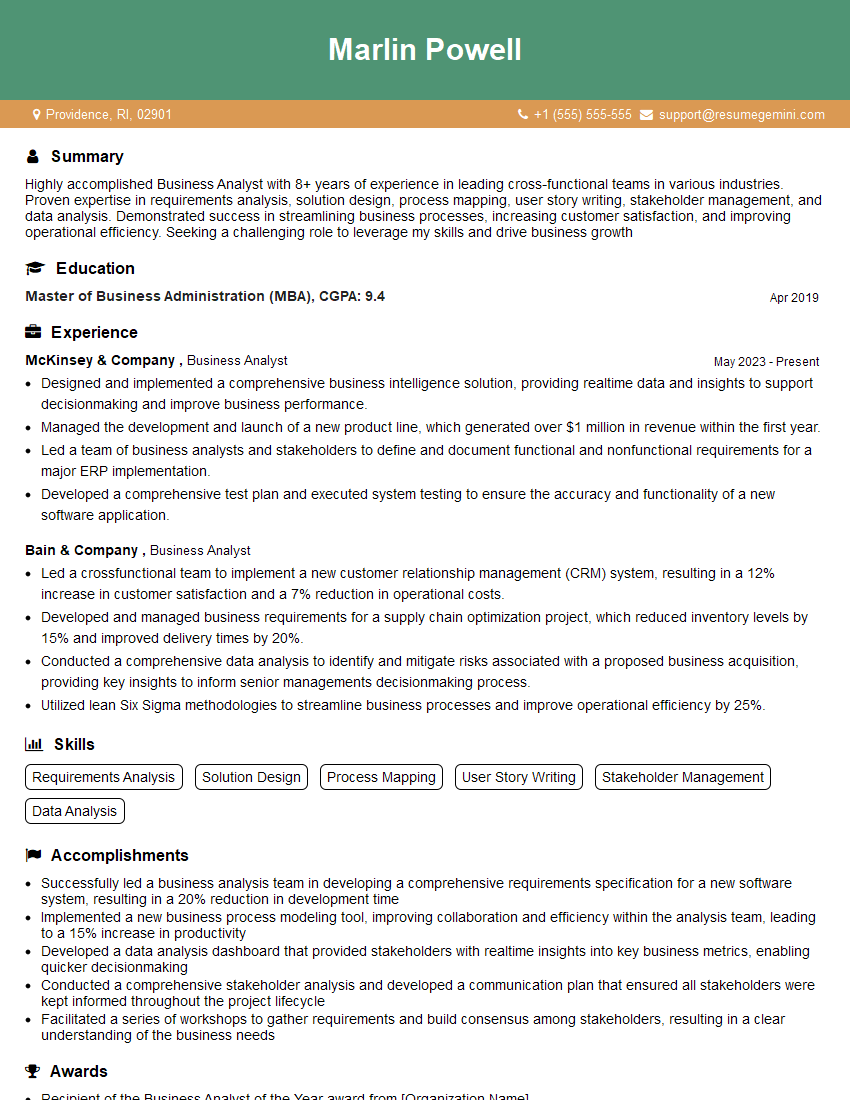
Business Analyst Resume Sample
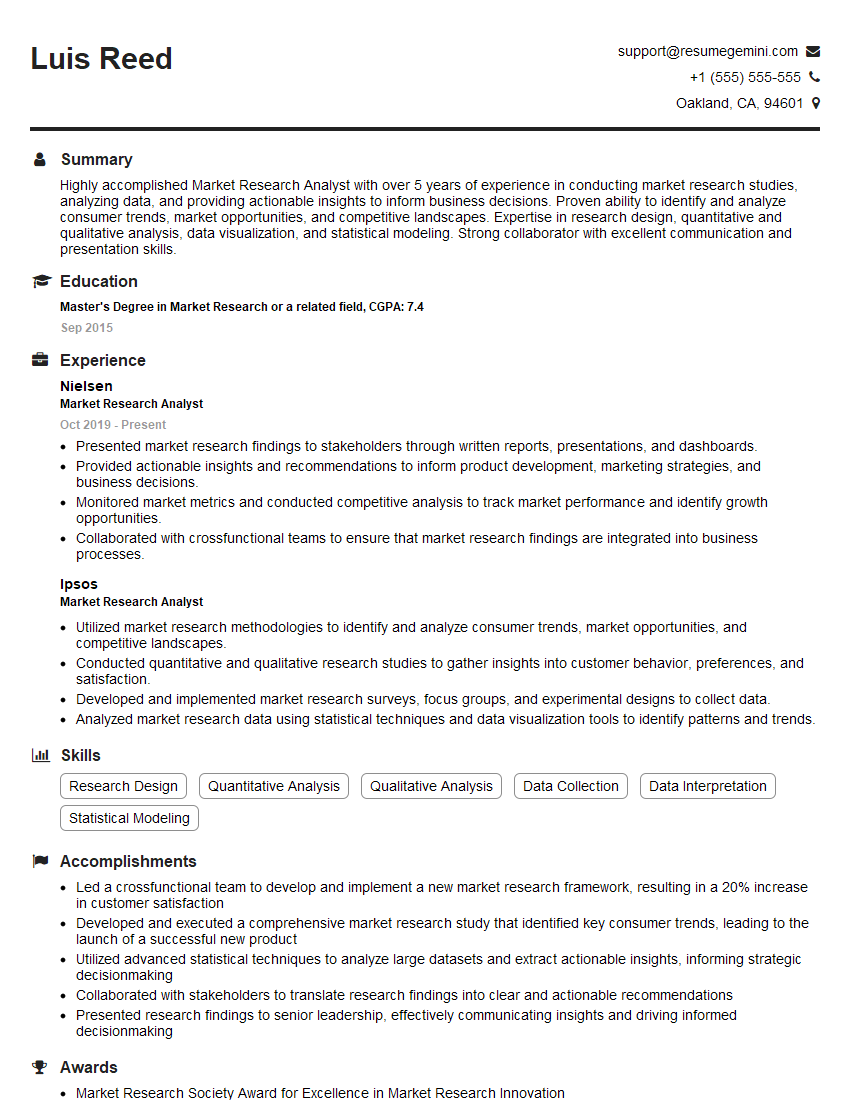
Market Research Analyst Resume Sample
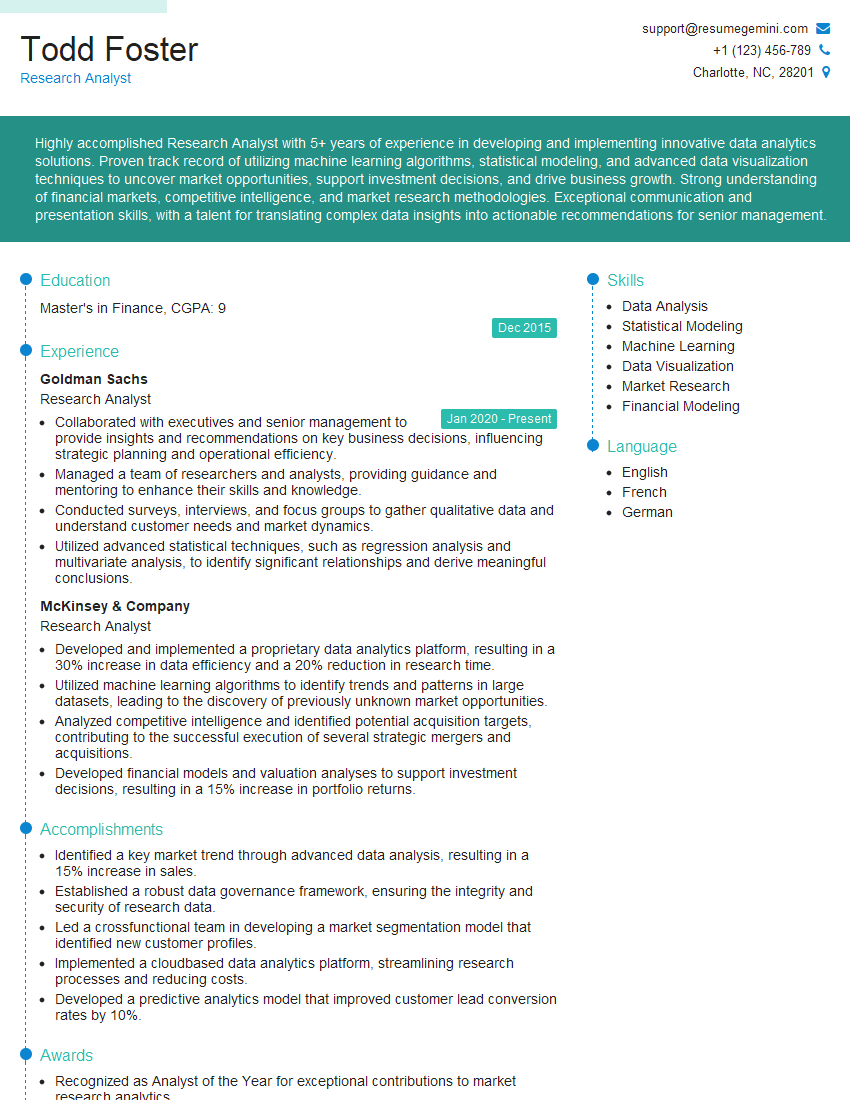
Research Analyst Resume Sample
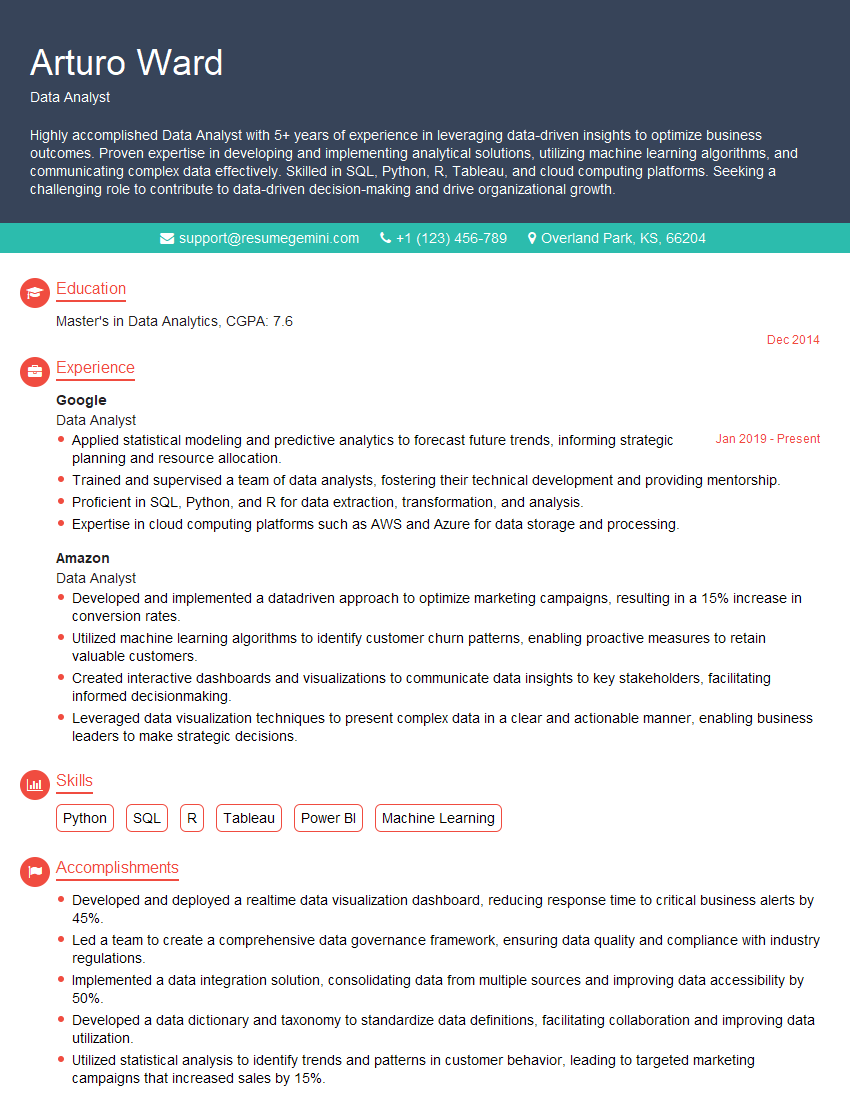
Data Analyst Resume Sample
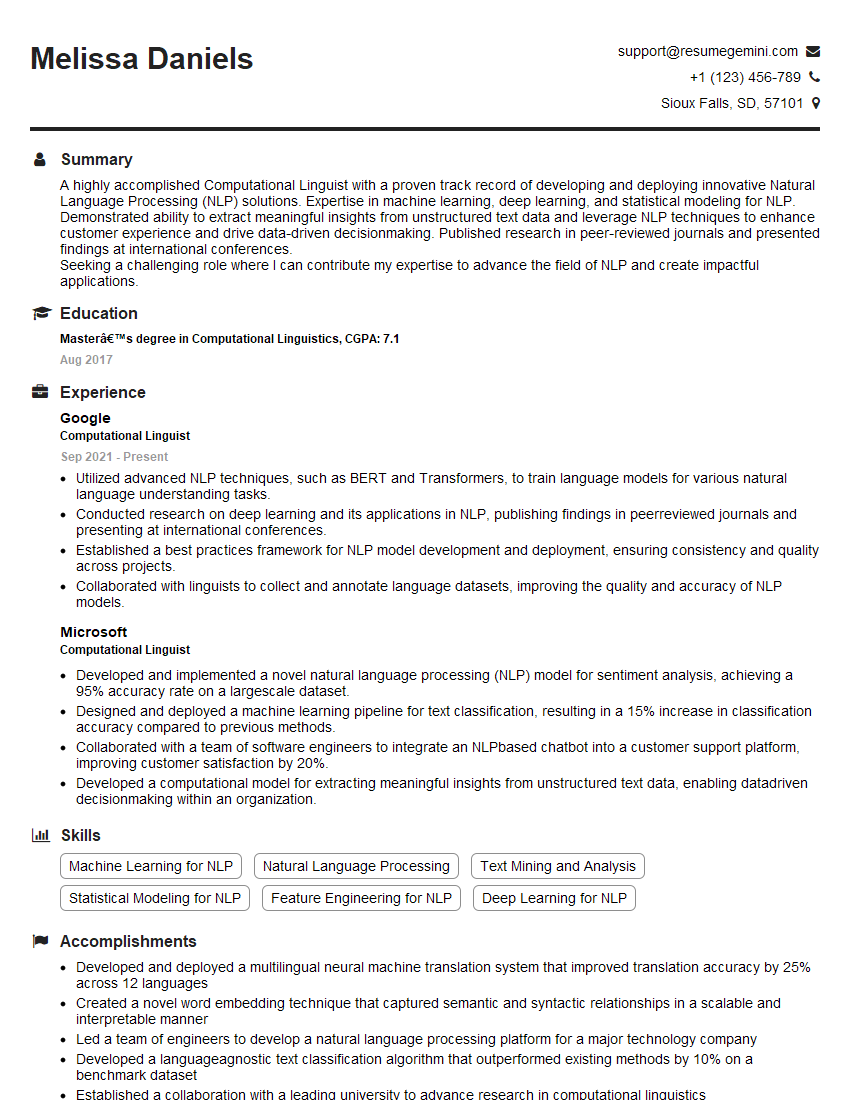
Computational Linguist Resume Sample
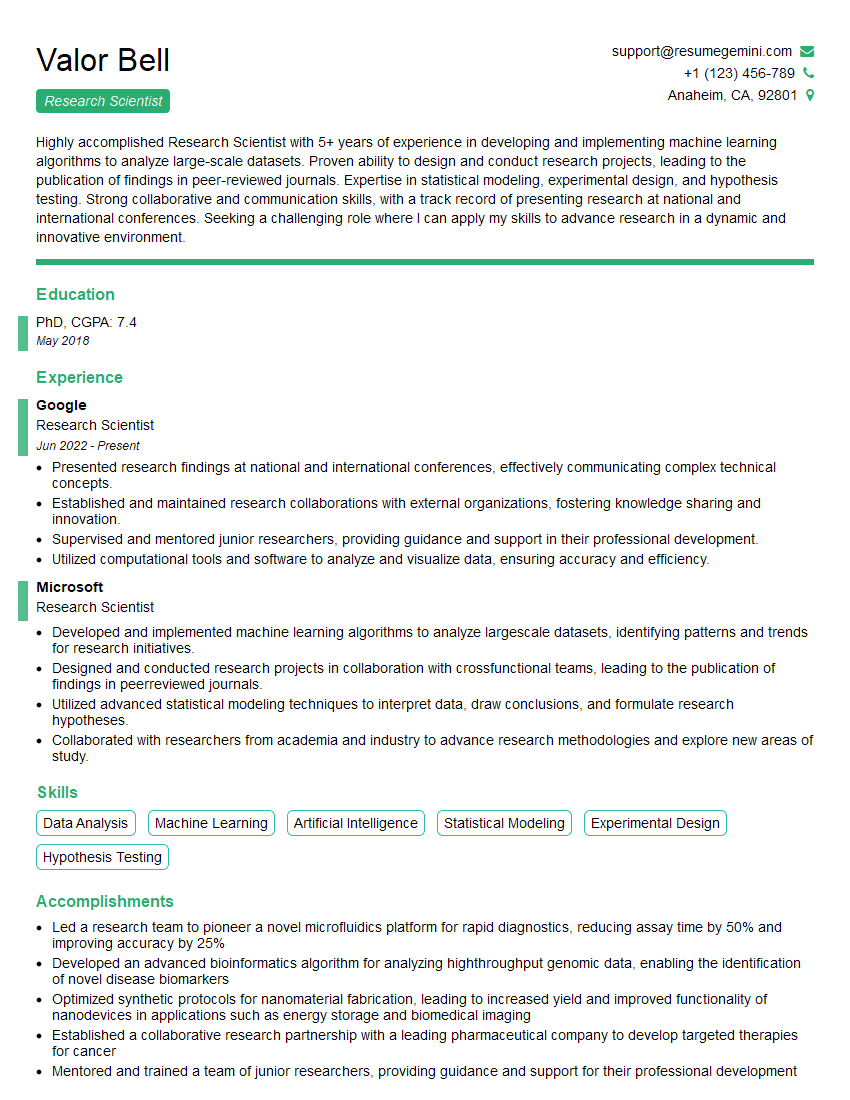
Research Scientist Resume Sample

Information Architect Resume Sample
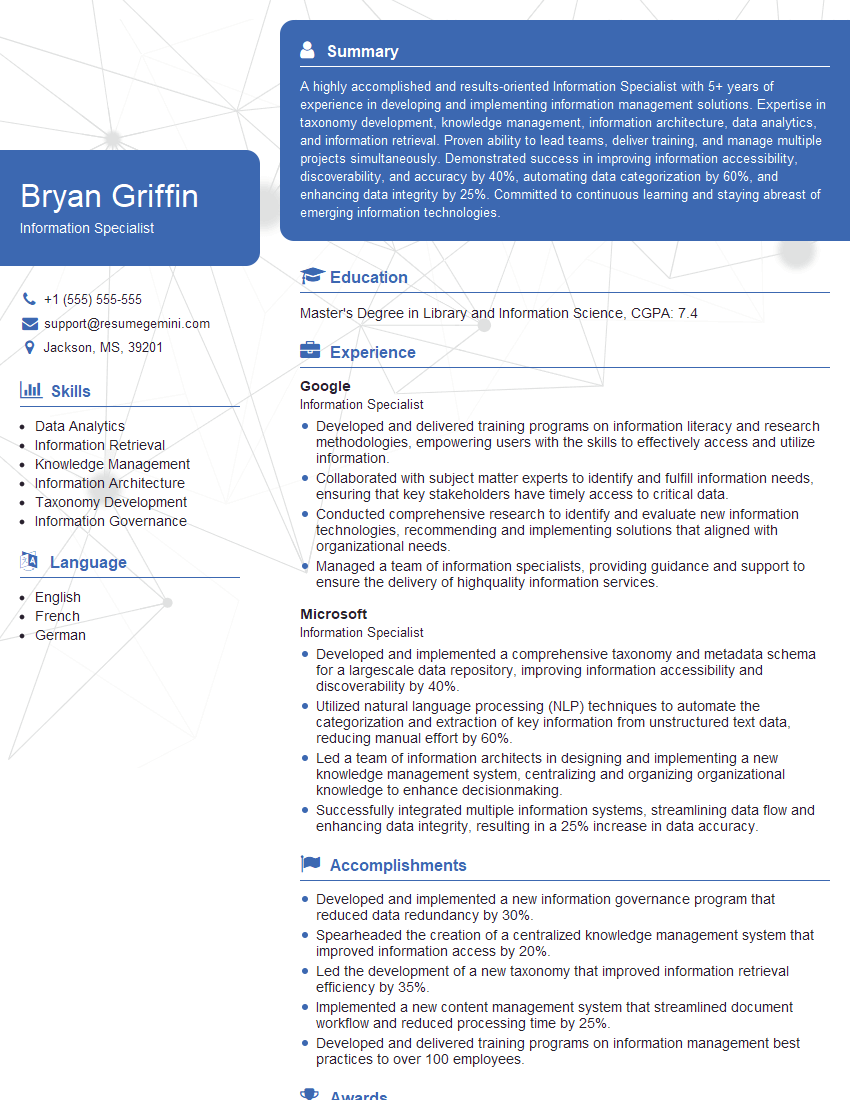
Information Specialist Resume Sample
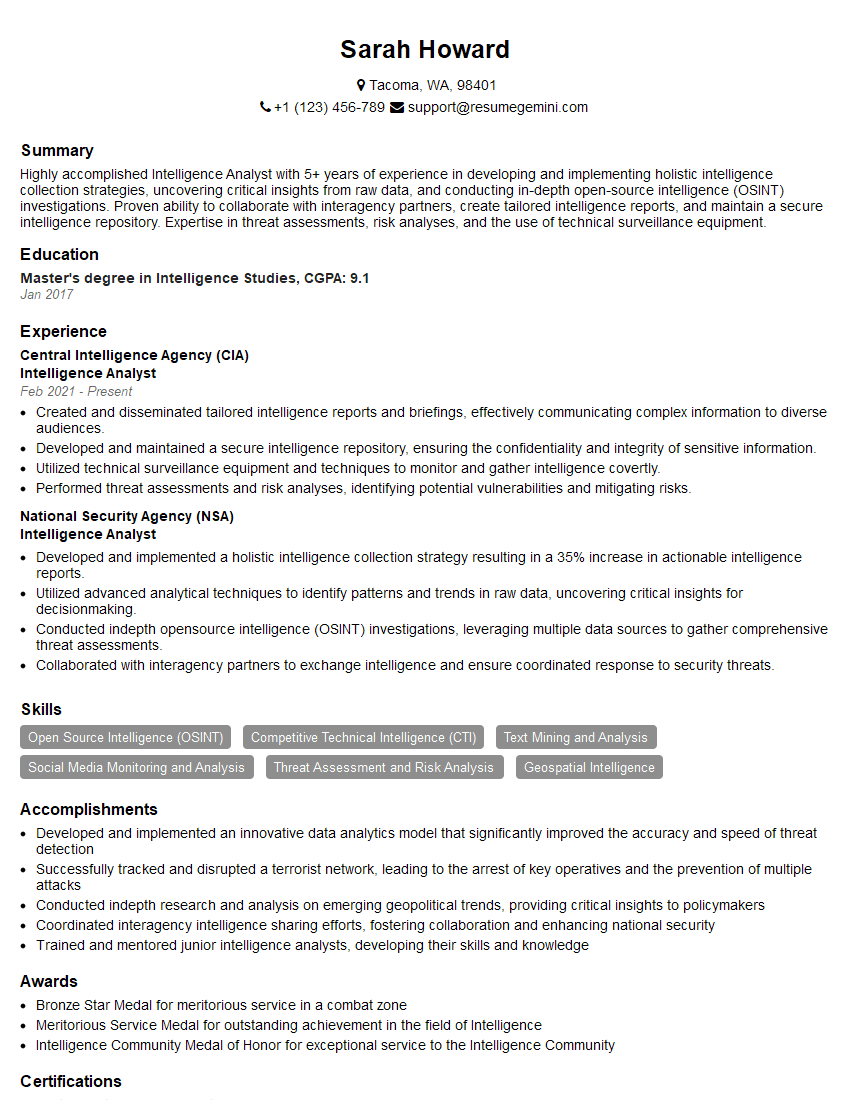
Intelligence Analyst Resume Sample

Content Strategist Resume Sample
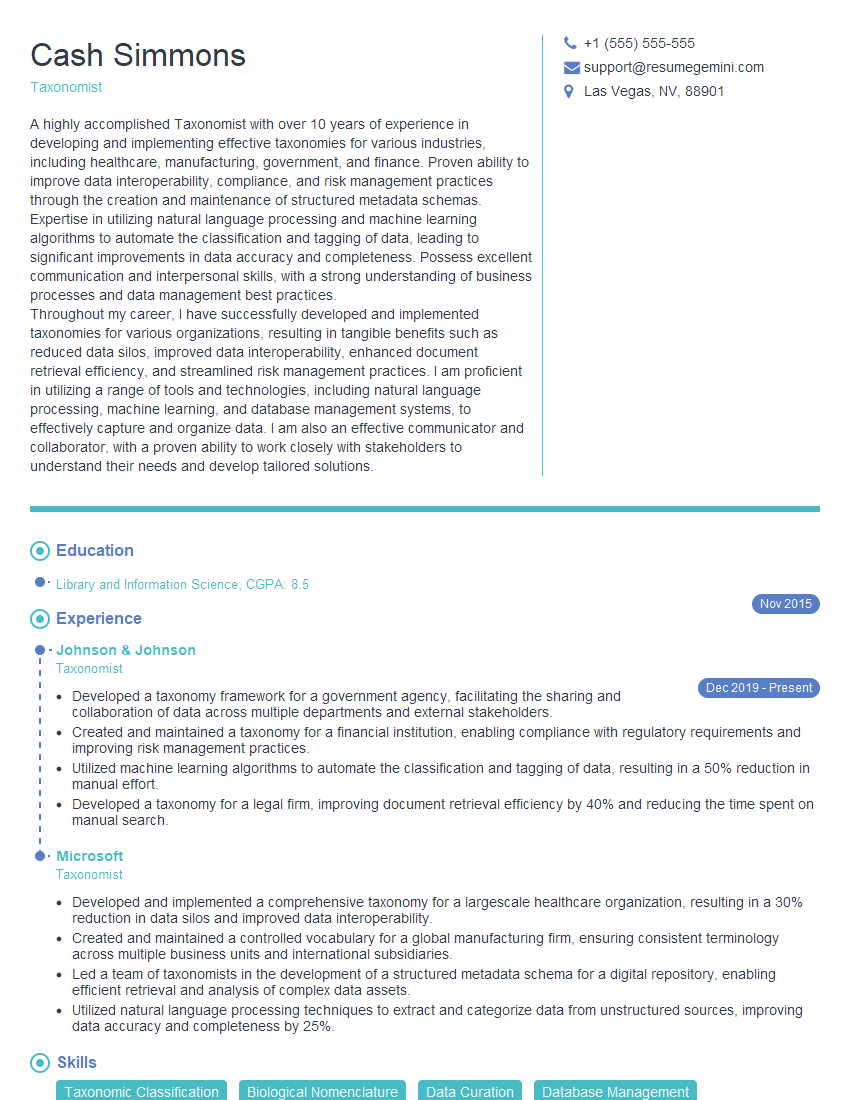
Taxonomist Resume Sample
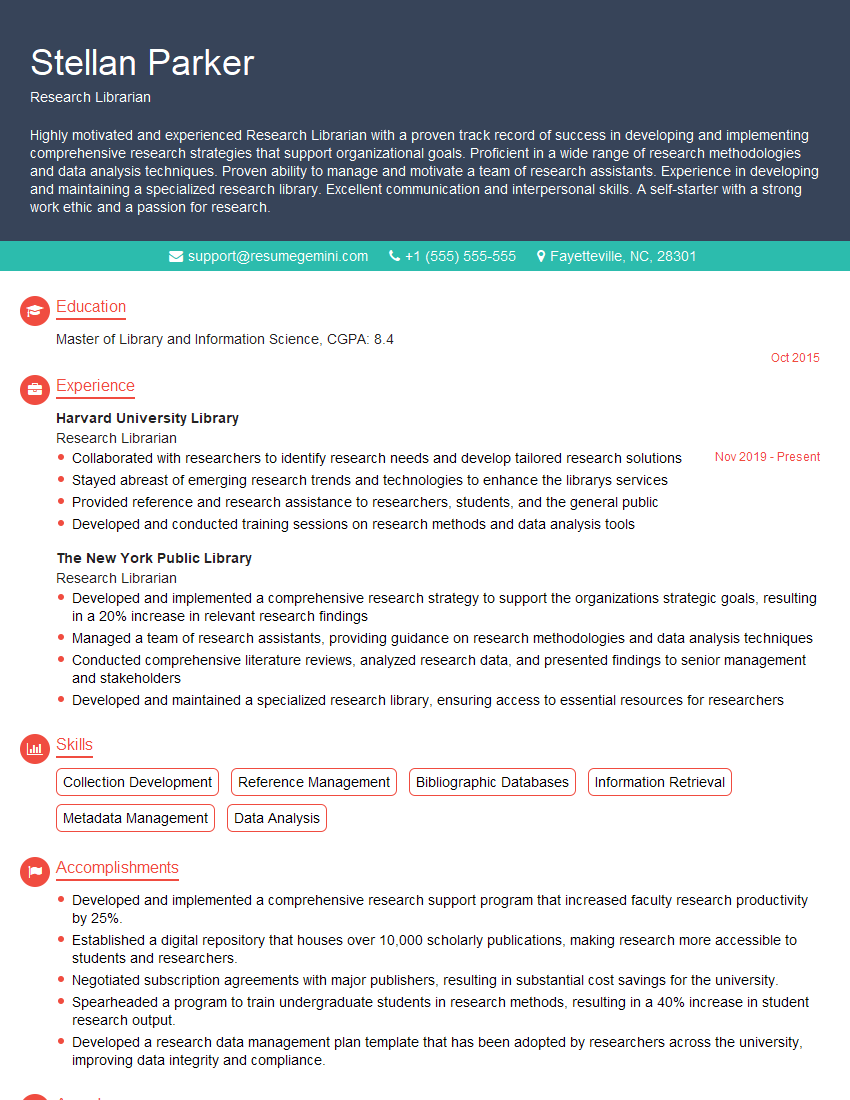
Research Librarian Resume Sample
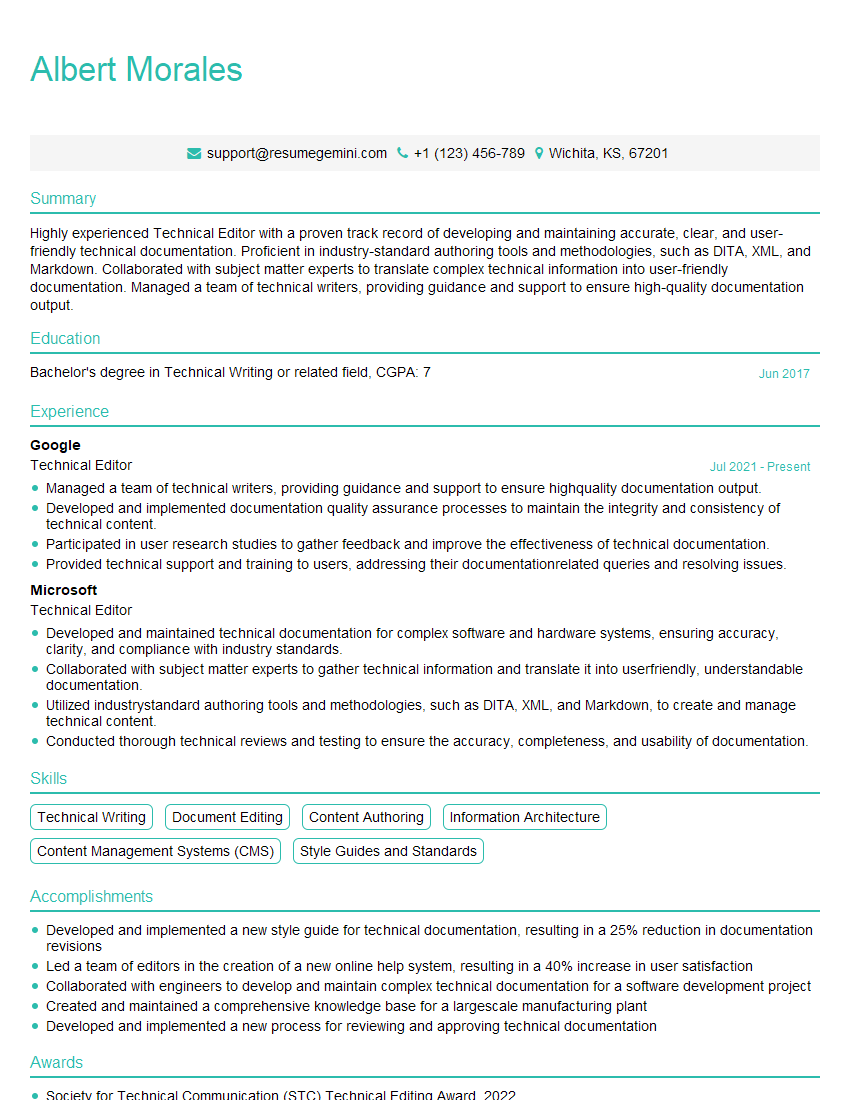
Technical Editor Resume Sample
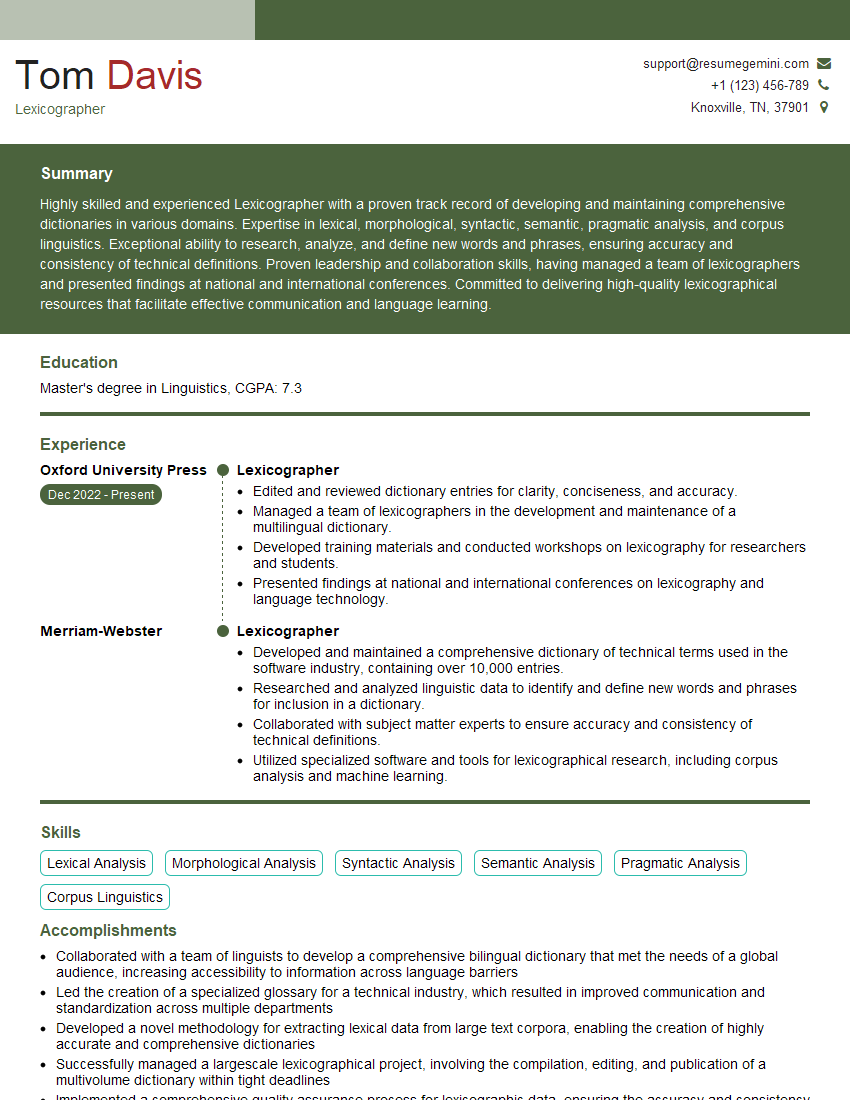
Lexicographer Resume Sample

Technical Writer Resume Sample
Explore more articles
Users Rating of Our Blogs
Share Your Experience
We value your feedback! Please rate our content and share your thoughts (optional).
What Readers Say About Our Blog
Amazing blog
Interesting Article, I liked the depth of knowledge you’ve shared.
Helpful, thanks for sharing.