Are you ready to stand out in your next interview? Understanding and preparing for Pulmonary Edema Management interview questions is a game-changer. In this blog, we’ve compiled key questions and expert advice to help you showcase your skills with confidence and precision. Let’s get started on your journey to acing the interview.
Questions Asked in Pulmonary Edema Management Interview
Q 1. Describe the pathophysiology of pulmonary edema.
Pulmonary edema is a condition where fluid builds up in the air sacs of your lungs, making it hard to breathe. Imagine your lungs like a sponge; normally, they’re airy and light. In pulmonary edema, they become waterlogged and heavy. This happens because of an imbalance between the pressure pushing fluid out of the capillaries (tiny blood vessels) in your lungs and the pressure pulling fluid back in. The most common culprit is increased pressure in the blood vessels, but it can also arise from damage to the capillaries themselves.
The pathophysiology involves several key mechanisms:
- Increased capillary hydrostatic pressure: This is the most common cause, particularly in cardiogenic pulmonary edema. The heart’s inability to pump efficiently leads to a backup of blood in the pulmonary veins, increasing pressure and forcing fluid into the alveoli (air sacs).
- Decreased capillary oncotic pressure: This refers to the pressure exerted by proteins in the blood, primarily albumin. Low albumin levels (hypoalbuminemia) reduce the blood’s ability to hold fluid within the vessels, leading to leakage into the lungs. This is more common in non-cardiogenic causes.
- Increased capillary permeability: Damage to the capillaries, often due to inflammation (like in ARDS – Acute Respiratory Distress Syndrome), allows fluid to leak more easily into the alveoli.
- Lymphatic dysfunction: The lymphatic system usually helps drain excess fluid from the lungs. If this system isn’t functioning properly, fluid can accumulate.
Understanding these mechanisms is crucial for appropriate diagnosis and treatment, as different causes require different approaches.
Q 2. Differentiate between cardiogenic and non-cardiogenic pulmonary edema.
The key difference between cardiogenic and non-cardiogenic pulmonary edema lies in the underlying cause. Think of it like this: cardiogenic edema is a plumbing problem, while non-cardiogenic is a leak in the pipes.
- Cardiogenic pulmonary edema: This is the most common type, resulting from a problem with the heart’s ability to pump blood effectively. Conditions like heart failure (especially left-sided heart failure), mitral stenosis, or severe hypertension can cause a build-up of pressure in the pulmonary circulation, forcing fluid into the alveoli. For example, a patient with severe mitral stenosis, narrowing of the mitral valve, will have difficulty moving blood from the left atrium to the left ventricle, increasing pressure and leading to pulmonary congestion.
- Non-cardiogenic pulmonary edema: This occurs when the heart is functioning normally, but other factors cause fluid to leak into the lungs. Common causes include:
- Acute respiratory distress syndrome (ARDS): This involves significant lung inflammation, causing widespread damage to the alveoli and capillaries.
- High-altitude pulmonary edema (HAPE): This occurs at high altitudes, due to changes in blood flow and fluid balance in the lungs.
- Inhalation of toxic substances: Certain chemicals can directly damage the lung tissue.
- Infections: Severe pneumonia can lead to pulmonary edema.
- Renal failure: Fluid overload due to kidney problems can contribute to pulmonary edema.
Distinguishing between these types is vital because treatment strategies differ significantly. Cardiogenic edema often requires cardiac support, while non-cardiogenic edema focuses on addressing the underlying cause such as treating the infection or managing the ARDS.
Q 3. Explain the role of BNP and NT-proBNP in diagnosing pulmonary edema.
Brain natriuretic peptide (BNP) and N-terminal pro-brain natriuretic peptide (NT-proBNP) are hormones released by the heart in response to stretching caused by increased blood volume. They serve as valuable markers for heart failure, which is a major cause of cardiogenic pulmonary edema.
Elevated levels of BNP and NT-proBNP suggest that the heart is struggling to pump effectively, implying the possibility of cardiogenic pulmonary edema. While not diagnostic on their own, they are helpful in assessing the severity of heart failure and differentiating between cardiogenic and non-cardiogenic causes. For instance, a patient presenting with dyspnea and elevated BNP levels is more likely to have cardiogenic pulmonary edema than a patient with similar symptoms but normal BNP levels. However, it’s important to note that other conditions can also elevate these levels, so they need to be considered in conjunction with clinical findings and other investigations.
NT-proBNP is often preferred because it has a longer half-life than BNP, making it a more stable marker for diagnosis.
Q 4. What are the key clinical manifestations of pulmonary edema?
The clinical manifestations of pulmonary edema vary depending on severity, but common symptoms include:
- Shortness of breath (dyspnea): Often the most prominent symptom, initially noticeable during exertion but progressing to rest.
- Wheezing or crackles: Auscultation of the lungs may reveal these abnormal breath sounds due to fluid in the airways and alveoli.
- Cough: Often productive, meaning it produces frothy or blood-tinged sputum.
- Tachycardia (rapid heart rate): The body’s response to low oxygen levels.
- Tachypnea (rapid breathing): The body’s attempt to compensate for reduced oxygen uptake.
- Cyanosis (bluish discoloration of the skin and lips): Indicates low blood oxygen saturation.
- Orthopnea (difficulty breathing while lying down): Fluid accumulates in the lungs when lying flat.
- Paroxysmal nocturnal dyspnea (PND): Sudden breathlessness at night, often waking the patient from sleep.
Severe pulmonary edema can lead to respiratory distress, hypoxemia (low blood oxygen levels), and even cardiac arrest. The severity of symptoms helps guide the urgency of treatment.
Q 5. Outline the initial management steps for a patient presenting with acute pulmonary edema.
Initial management of acute pulmonary edema is a life-saving intervention requiring immediate action. It’s a team effort involving nurses, respiratory therapists, and physicians. The steps are usually carried out concurrently:
- High-flow oxygen therapy: Immediately administer high-flow oxygen via a non-rebreather mask to improve oxygen saturation.
- Monitoring vital signs: Closely monitor heart rate, blood pressure, respiratory rate, and oxygen saturation.
- ECG and chest X-ray: These help confirm the diagnosis and assess the severity of the condition. The chest X-ray will show characteristic findings of pulmonary edema, such as increased vascular markings and fluid in the lung fields.
- Rapid diuresis: Intravenous loop diuretics, such as furosemide, are given to remove excess fluid from the lungs.
- Nitroglycerin (if cardiogenic): This vasodilator can reduce the workload of the heart and improve cardiac output.
- Morphine sulfate (if indicated): To reduce anxiety, decrease preload, and alleviate respiratory distress. Use cautiously given possible respiratory depression.
- Positive pressure ventilation (if necessary): Mechanical ventilation may be required if the patient’s respiratory status deteriorates.
The exact approach depends on the patient’s condition and the severity of the edema. The goal is to rapidly improve oxygenation and reduce fluid overload.
Q 6. Describe the use of oxygen therapy in pulmonary edema.
Oxygen therapy is a cornerstone of pulmonary edema management. It addresses the immediate problem of hypoxemia – low blood oxygen levels – which is a critical consequence of fluid accumulation in the lungs. The goal is to increase the partial pressure of oxygen (PaO2) in the blood, ensuring adequate oxygen delivery to the tissues.
The method of oxygen delivery depends on the severity of hypoxemia. Patients with mild hypoxemia may require nasal cannula, while those with severe hypoxemia will need high-flow oxygen via a non-rebreather mask or even mechanical ventilation with supplemental oxygen. Close monitoring of oxygen saturation (SpO2) is essential to ensure adequate oxygenation.
Imagine oxygen as fuel for the body. In pulmonary edema, the lungs, like a clogged engine, struggle to take in enough fuel. Oxygen therapy helps bypass this restriction, providing the much-needed fuel to keep the body functioning.
Q 7. Explain the rationale behind using diuretics in pulmonary edema management.
Diuretics, particularly loop diuretics like furosemide, are essential in pulmonary edema management because they promote the excretion of excess fluid from the body. This helps reduce the fluid overload in the lungs, easing breathing and improving oxygenation.
The rationale behind using diuretics is to decrease the volume of fluid circulating in the body (preload), thus reducing the pressure in the pulmonary capillaries and promoting fluid reabsorption from the alveoli. By decreasing preload, the heart’s workload is lessened, particularly in cardiogenic pulmonary edema, allowing the heart to pump more efficiently. Furosemide works by inhibiting sodium and chloride reabsorption in the loop of Henle in the kidneys, leading to increased excretion of water and sodium. This reduces the overall blood volume and thus pulmonary congestion.
While extremely effective, diuretics must be used judiciously. Rapid and aggressive diuresis can lead to electrolyte imbalances (especially hypokalemia), hypotension, and dehydration. Careful monitoring of fluid balance, electrolytes, and renal function is crucial when using diuretics in pulmonary edema management.
Q 8. What are the common diuretics used, and what are their potential side effects?
Diuretics are cornerstone therapy in pulmonary edema management, primarily aiming to reduce the excess fluid in the lungs. The most commonly used are loop diuretics like furosemide (Lasix) and bumetanide (Bumex), and thiazide diuretics like hydrochlorothiazide. Loop diuretics are particularly effective in acutely decompensated heart failure, where rapid fluid removal is critical. They act on the loop of Henle in the kidneys, inhibiting sodium and water reabsorption.
- Furosemide (Lasix): A powerful loop diuretic, often the first-line choice in acute pulmonary edema. It can cause hypokalemia (low potassium), hypovolemia (low blood volume), dehydration, hypotension (low blood pressure), and ototoxicity (hearing damage, rarely).
- Bumetanide (Bumex): Another potent loop diuretic, often used when furosemide is ineffective or poorly tolerated. Similar side effects to furosemide, including the potential for electrolyte imbalances.
- Hydrochlorothiazide: A thiazide diuretic, usually used in conjunction with loop diuretics or for long-term management of mild to moderate edema. It has a gentler effect and a lower risk of some side effects, but it can still cause hypokalemia and electrolyte disturbances.
Careful monitoring of electrolytes (potassium, sodium, magnesium) and blood pressure is crucial when using diuretics to prevent dangerous complications.
Q 9. Discuss the role of positive pressure ventilation in managing severe pulmonary edema.
Positive pressure ventilation (PPV), including non-invasive positive pressure ventilation (NIPPV) and invasive mechanical ventilation (IMV), plays a vital role in managing severe pulmonary edema, particularly when the patient is hypoxemic (low blood oxygen) or exhibiting respiratory distress. PPV improves oxygenation and reduces work of breathing by supporting lung expansion and improving gas exchange.
NIPPV, such as CPAP (continuous positive airway pressure) or BiPAP (bilevel positive airway pressure), can effectively reduce pulmonary edema severity in many cases by improving lung compliance and reducing the need for intubation. It’s less invasive than IMV and often preferred in patients with less severe respiratory failure.
IMV, indicated in patients with life-threatening respiratory failure, involves mechanical ventilation via an endotracheal tube. Various ventilation strategies, such as lung-protective ventilation (low tidal volumes, low plateau pressures), are used to minimize further lung injury. Careful attention is given to maintaining adequate oxygenation and preventing complications such as ventilator-associated pneumonia.
Imagine the lungs as a sponge saturated with water. PPV acts like a pump, gently squeezing out some of the excess fluid while providing sufficient oxygen to the body.
Q 10. Explain the use of morphine in pulmonary edema.
Morphine sulfate is used in pulmonary edema management primarily to reduce anxiety and alleviate dyspnea (shortness of breath). It achieves this by decreasing venous return to the heart, lowering pulmonary capillary pressure, and reducing myocardial oxygen demand. However, it’s important to use it judiciously and with caution due to potential adverse effects.
While morphine can provide significant relief for the patient’s distress, its use requires careful monitoring for respiratory depression, hypotension, and potential for addiction. The dosage should be carefully titrated based on the patient’s response and clinical condition.
In practice, morphine is used selectively in patients with significant anxiety and dyspnea refractory to other measures, often in conjunction with oxygen therapy and diuretics. The clinical benefit must always be weighed against the risks.
Q 11. Describe the management of ARDS complicating pulmonary edema.
Acute Respiratory Distress Syndrome (ARDS) represents a severe complication of pulmonary edema, characterized by widespread inflammation and injury to the alveolar-capillary membrane. Managing ARDS complicating pulmonary edema necessitates a multi-faceted approach that focuses on supporting oxygenation and minimizing further lung injury.
- Lung-protective ventilation: Using low tidal volumes and limiting plateau pressures to minimize further damage to the lungs.
- Fluid management: Titrating fluid balance carefully to prevent further edema formation, while ensuring adequate perfusion.
- Oxygenation support: Ensuring adequate oxygenation through mechanical ventilation and potentially extracorporeal membrane oxygenation (ECMO) if necessary.
- Prone positioning: Placing the patient in a prone position (lying on their stomach) can improve oxygenation in some patients.
- Supportive care: Addressing other organ system dysfunctions and providing nutritional support.
Management of ARDS is complex and requires specialized ICU care with close monitoring of respiratory and hemodynamic parameters. Early recognition and initiation of appropriate treatment are crucial for improving patient outcomes.
Q 12. How do you monitor the effectiveness of treatment for pulmonary edema?
Monitoring the effectiveness of pulmonary edema treatment involves a combination of clinical assessment and diagnostic testing. Clinically, we look for improvements in:
- Respiratory rate and effort: A decrease in respiratory rate and improved ease of breathing signifies improvement.
- Oxygen saturation: Increasing SpO2 levels (oxygen saturation) indicates improved oxygenation.
- Heart rate and blood pressure: Stabilization or improvement in hemodynamic parameters.
- Auscultation: Diminished crackles and wheezes on lung auscultation reflect reduced fluid in the lungs.
Diagnostic testing to confirm treatment effectiveness includes:
- Chest X-ray: Serial chest X-rays show progressive clearing of lung infiltrates indicative of fluid resolution.
- Echocardiogram: This helps to assess cardiac function and the effectiveness of treatment in reducing cardiac overload.
- Arterial blood gas analysis: Monitoring blood oxygen levels and acid-base balance.
The combination of clinical evaluation and these objective tests provides a comprehensive assessment of treatment efficacy.
Q 13. What are the potential complications of pulmonary edema?
Pulmonary edema can lead to various complications, some life-threatening:
- Hypoxemia and respiratory failure: Severe hypoxemia can lead to respiratory failure requiring mechanical ventilation.
- Cardiogenic shock: The heart’s inability to pump enough blood, a severe complication of acute pulmonary edema.
- Acute kidney injury (AKI): Reduced blood flow to the kidneys can lead to AKI.
- Arrhythmias: Electrolyte imbalances and myocardial ischemia can trigger cardiac arrhythmias.
- Acute respiratory distress syndrome (ARDS): As discussed earlier, a severe form of lung injury.
- Death: In severe cases, untreated or poorly managed pulmonary edema can be fatal.
Effective and prompt management of pulmonary edema is crucial to prevent these potentially life-threatening complications.
Q 14. What are the diagnostic imaging techniques used to evaluate pulmonary edema?
Several diagnostic imaging techniques are used to evaluate pulmonary edema:
- Chest X-ray: The initial and most commonly used imaging modality. It shows characteristic findings such as increased interstitial markings (fluffy infiltrates), alveolar edema (white-out appearance), and pleural effusions (fluid accumulation in the pleural space). However, it may not differentiate between cardiogenic and non-cardiogenic causes.
- Computed tomography (CT) scan of the chest: Provides more detailed images of the lungs than a chest X-ray, better visualizing interstitial and alveolar edema and ruling out other conditions.
- Echocardiography: Essential in evaluating cardiac function and identifying the underlying cause of cardiogenic pulmonary edema. It assesses left ventricular function, valve abnormalities, and the presence of pericardial effusion.
The choice of imaging technique depends on the clinical scenario and the specific information needed. Often, a combination of chest X-ray and echocardiogram provides the most comprehensive assessment in suspected pulmonary edema.
Q 15. How would you differentiate pulmonary edema from other conditions with similar symptoms?
Differentiating pulmonary edema from other conditions presenting with similar symptoms, such as pneumonia or acute respiratory distress syndrome (ARDS), requires a careful clinical assessment. The key lies in understanding the underlying cause of the fluid buildup in the lungs. Pulmonary edema is characterized by fluid accumulation in the alveoli and interstitial spaces of the lungs, impairing gas exchange. This often manifests as shortness of breath, cough, and sometimes frothy sputum. However, these symptoms are not unique to pulmonary edema.
Cardiogenic pulmonary edema, stemming from heart failure, often presents with signs of heart failure like jugular venous distension (JVD), peripheral edema, and abnormal heart sounds. In contrast, non-cardiogenic pulmonary edema, caused by conditions like ARDS or high altitude, may show signs of lung injury like decreased lung compliance or evidence of infection. Chest X-rays play a crucial role, showing characteristic interstitial or alveolar infiltrates in pulmonary edema. Further investigations like blood tests (BNP, electrolytes) and echocardiography help distinguish cardiogenic from non-cardiogenic causes and rule out other conditions.
For example, a patient with shortness of breath and a history of heart failure, exhibiting JVD and crackles on lung auscultation, is far more likely to have cardiogenic pulmonary edema than a patient with similar symptoms following a severe pneumonia, where the chest X-ray would likely reveal consolidation.
Career Expert Tips:
- Ace those interviews! Prepare effectively by reviewing the Top 50 Most Common Interview Questions on ResumeGemini.
- Navigate your job search with confidence! Explore a wide range of Career Tips on ResumeGemini. Learn about common challenges and recommendations to overcome them.
- Craft the perfect resume! Master the Art of Resume Writing with ResumeGemini’s guide. Showcase your unique qualifications and achievements effectively.
- Don’t miss out on holiday savings! Build your dream resume with ResumeGemini’s ATS optimized templates.
Q 16. Discuss the role of hemodynamic monitoring in guiding treatment decisions.
Hemodynamic monitoring is crucial in guiding treatment decisions for pulmonary edema, particularly in cardiogenic cases. It provides real-time assessment of the cardiovascular system’s performance and allows for precise titration of therapies. Parameters like central venous pressure (CVP), pulmonary artery pressure (PAP), pulmonary capillary wedge pressure (PCWP), and cardiac output (CO) offer insights into fluid status, preload, afterload, and myocardial contractility.
For instance, an elevated PCWP indicates increased left atrial pressure, a hallmark of cardiogenic pulmonary edema. Monitoring these parameters allows clinicians to assess the effectiveness of treatments such as diuretics, nitrates, or inotropes. If CVP is high, fluid removal is prioritized. Conversely, if CO is low despite adequate preload, inotropic support may be necessary. A low CVP suggests volume depletion and might necessitate fluid resuscitation, carefully balancing fluid administration to avoid worsening the edema. Dynamic monitoring provides a clear picture of the patient’s response to therapy, enabling adjustments to optimize treatment strategies and improve outcomes.
Q 17. What are the common causes of cardiogenic pulmonary edema?
Cardiogenic pulmonary edema arises from the heart’s inability to effectively pump blood, leading to a backup of pressure in the pulmonary circulation. The most common causes are:
- Acute myocardial infarction (AMI): Damage to the heart muscle reduces pumping capacity.
- Acute mitral or aortic valve regurgitation: Leaky valves lead to increased volume in the left atrium and ventricle.
- Hypertension: Increased afterload makes it harder for the heart to pump.
- Left ventricular failure: A weakened left ventricle can’t effectively pump blood into systemic circulation.
- Cardiomyopathies: Diseases of the heart muscle compromise its function.
Essentially, any condition that acutely or chronically impairs the heart’s pumping efficiency can lead to cardiogenic pulmonary edema. A key differentiating factor is the presence of underlying heart disease.
Q 18. What are the common causes of non-cardiogenic pulmonary edema?
Non-cardiogenic pulmonary edema occurs when fluid accumulates in the lungs due to factors unrelated to heart failure. Common causes include:
- Acute respiratory distress syndrome (ARDS): Severe lung injury leads to inflammation and fluid leakage.
- High-altitude pulmonary edema (HAPE): Low oxygen levels at high altitudes trigger fluid accumulation.
- Inhalation injury: Inhaled toxins damage lung tissue.
- Neurogenic pulmonary edema: Increased capillary permeability due to neurological conditions.
- Transfusion-related acute lung injury (TRALI): A rare but serious complication of blood transfusions.
The crucial distinction here is the absence of primary cardiac dysfunction. Treatment focuses on addressing the underlying cause, such as managing infection in pneumonia or providing supplemental oxygen in ARDS.
Q 19. Explain the concept of afterload reduction in the management of cardiogenic pulmonary edema.
Afterload reduction is a cornerstone of managing cardiogenic pulmonary edema. Afterload refers to the resistance the left ventricle encounters when pumping blood into the systemic circulation. High afterload increases the workload on the heart, worsening its ability to pump effectively. Reducing afterload eases this burden, allowing the heart to pump more efficiently and decrease the pressure backing up into the lungs. This is achieved primarily through the use of vasodilators, such as:
- Nitroglycerin: Reduces preload and afterload by dilating veins and arteries.
- Nitroprusside: A potent vasodilator that reduces both preload and afterload, often used in more severe cases.
Think of it like this: if you’re trying to push a heavy object up a steep hill (high afterload), it’s much easier if the hill becomes less steep (reduced afterload). By reducing the resistance, the heart expends less energy, improving its function and reducing pulmonary congestion.
Q 20. Describe the use of inotropic agents in the treatment of pulmonary edema.
Inotropic agents are medications that increase the force of myocardial contraction. They are used in the treatment of pulmonary edema when the heart’s pumping ability is significantly compromised. This is especially relevant in cases of cardiogenic shock or severe heart failure. Common inotropic agents include:
- Dopamine: Increases heart rate and contractility.
- Dobutamine: Primarily increases contractility with minimal effects on heart rate.
- Milrinone: Increases contractility and causes vasodilation.
However, inotropic support must be used cautiously, as they can increase myocardial oxygen demand. They are typically reserved for cases where the heart’s pumping function is severely impaired despite adequate preload and afterload reduction. Close hemodynamic monitoring is essential to assess response and prevent complications.
Q 21. Discuss the importance of fluid balance monitoring in pulmonary edema.
Fluid balance monitoring is paramount in managing pulmonary edema. Accurate assessment of fluid intake and output (I&O) is crucial to guide fluid management strategies. This helps determine the effectiveness of diuretics, assess the need for fluid restriction, and prevent fluid overload or depletion. In essence, it’s about keeping a careful ‘ledger’ of the body’s fluid status. Daily weights are a simple yet effective tool, as a rapid increase in weight suggests fluid retention, while a significant decrease may indicate excessive diuresis. Regular monitoring of electrolytes, particularly sodium and potassium, is also vital, as diuretic use can lead to imbalances. Accurate fluid balance monitoring enables personalized adjustments to treatment plans, optimizing outcomes and minimizing complications.
For instance, a patient exhibiting weight gain despite diuretic therapy may indicate insufficient diuresis or the need for more aggressive fluid restriction, whereas a significant weight loss might prompt careful reassessment of fluid balance and electrolyte levels. Such close monitoring prevents both under- and over-treatment, ensuring patient safety and optimal clinical management.
Q 22. What are the nursing considerations in managing a patient with pulmonary edema?
Managing a patient with pulmonary edema requires vigilant nursing care focused on respiratory support, hemodynamic monitoring, and comfort. Think of it like this: the lungs are drowning in fluid, and we need to help them breathe and drain that excess fluid.
- Respiratory Assessment and Support: Continuous monitoring of respiratory rate, oxygen saturation (SpO2), breath sounds (for crackles, wheezes), and work of breathing is crucial. Positioning the patient in a semi-Fowler’s position helps ease breathing. We may also need to assist with coughing and deep breathing exercises to mobilize secretions.
- Hemodynamic Monitoring: We need to closely monitor vital signs, including blood pressure, heart rate, and central venous pressure (CVP) if available. These indicators tell us how well the heart is functioning and how much fluid is circulating. Changes in these parameters can indicate worsening or improving condition.
- Fluid Balance: Strict intake and output monitoring is essential to track fluid status. We need to know how much fluid is entering and leaving the body to effectively manage fluid overload.
- Medication Administration: Nurses administer medications as prescribed, including diuretics (to remove excess fluid), nitrates (to reduce preload and afterload), and morphine (to reduce anxiety and decrease preload). Careful monitoring of medication effects and potential side effects is vital.
- Patient Comfort and Emotional Support: Pulmonary edema can be a frightening and uncomfortable experience. Providing emotional support, explaining procedures, and promoting rest are crucial components of nursing care.
- Monitoring for Complications: We need to be vigilant for complications such as acute respiratory distress syndrome (ARDS), cardiac arrhythmias, and renal failure. Early detection and prompt intervention are key.
For example, imagine a patient presenting with severe shortness of breath and crackles throughout their lung fields. The nurse’s immediate actions would include placing the patient in high-Fowler’s position, initiating oxygen therapy, and notifying the physician to expedite treatment.
Q 23. Explain the role of respiratory therapy in pulmonary edema management.
Respiratory therapists (RTs) play a vital role in pulmonary edema management, primarily focusing on airway management and respiratory support. They are the experts in ensuring the patient can breathe effectively.
- Oxygen Therapy: RTs administer and monitor oxygen therapy, titrating the flow rate to maintain adequate oxygen saturation. This is crucial in improving oxygen delivery to the tissues and reducing the work of breathing.
- Mechanical Ventilation: In severe cases, RTs may manage mechanical ventilation, including settings such as Positive End-Expiratory Pressure (PEEP) and adjusting ventilator parameters based on the patient’s response.
- Non-invasive Ventilation: RTs are responsible for the setup and monitoring of non-invasive ventilation such as CPAP or BiPAP, which can help improve oxygenation and reduce the work of breathing without intubation.
- Airway Clearance Techniques: RTs can use techniques like chest physiotherapy to help clear secretions and improve ventilation.
- Arterial Blood Gas (ABG) Interpretation and Management: RTs interpret ABG results to assess oxygenation and ventilation status, guiding adjustments to oxygen therapy or mechanical ventilation.
For example, an RT might initiate BiPAP therapy for a patient with moderate pulmonary edema, continuously monitoring their oxygen saturation, respiratory rate, and respiratory effort to ensure the therapy is effective and well-tolerated.
Q 24. Describe the use of CPAP or BiPAP in pulmonary edema.
Continuous Positive Airway Pressure (CPAP) and Bilevel Positive Airway Pressure (BiPAP) are non-invasive ventilation modalities used to support breathing in patients with pulmonary edema. Think of them as gently pushing air into the lungs to keep them inflated and prevent them from collapsing.
- CPAP: Delivers a constant positive pressure throughout the respiratory cycle, helping to keep the alveoli (tiny air sacs in the lungs) open and improving oxygenation. It’s like a constant, gentle breath support.
- BiPAP: Delivers two different pressure levels: higher inspiratory pressure to assist breathing in and lower expiratory pressure to allow for exhalation. It offers more tailored support, adjusting to the patient’s breathing pattern.
The choice between CPAP and BiPAP depends on the severity of the pulmonary edema and the patient’s respiratory status. CPAP is simpler and usually sufficient for milder cases, while BiPAP might be needed for more severe cases requiring greater respiratory support. Both therapies help to improve oxygenation, reduce work of breathing, and potentially decrease the need for intubation.
For instance, a patient with moderate pulmonary edema and mild respiratory distress might benefit from CPAP, while a patient with severe respiratory distress might require BiPAP or even invasive mechanical ventilation.
Q 25. How do you assess a patient’s response to treatment for pulmonary edema?
Assessing a patient’s response to pulmonary edema treatment involves monitoring several key parameters to determine if the interventions are effective in resolving the fluid overload and improving respiratory function.
- Respiratory Assessment: Improvements in respiratory rate, oxygen saturation (SpO2), and decreased work of breathing (less distress) indicate positive response. Reduction in crackles on auscultation signifies fluid clearance.
- Hemodynamic Monitoring: A decrease in heart rate and blood pressure towards normal levels and improved central venous pressure (CVP) suggest improved hemodynamics.
- Fluid Balance: A decrease in daily weight, reduced edema, and improved urine output indicate effective diuresis.
- Clinical Symptoms: Reduction in shortness of breath, improved comfort, and reduced anxiety are crucial indicators of successful treatment.
- Arterial Blood Gases (ABGs): Improved oxygenation (PaO2) and reduced carbon dioxide levels (PaCO2) reflect better gas exchange.
For example, if a patient’s oxygen saturation improves from 88% to 95% on oxygen therapy, their respiratory rate decreases, and their shortness of breath lessens, it suggests a positive response to the treatment.
Q 26. What are the long-term management strategies for patients with recurrent pulmonary edema?
Long-term management of recurrent pulmonary edema focuses on identifying and addressing the underlying cause and preventing future episodes. This is a collaborative effort between the patient and the healthcare team.
- Addressing Underlying Conditions: Careful management of conditions like heart failure, coronary artery disease, and valvular heart disease is crucial. This may involve medication adjustments, lifestyle changes, and/or interventional procedures.
- Lifestyle Modifications: Patients should adopt a heart-healthy lifestyle, including dietary changes (reducing sodium intake), regular exercise (as tolerated), weight management, and smoking cessation.
- Medication Adherence: Strict adherence to prescribed medications, including diuretics, ACE inhibitors, beta-blockers, and other cardiac medications, is vital for preventing fluid retention and improving heart function.
- Regular Follow-up: Regular visits with the cardiologist and primary care physician are essential for monitoring heart function, adjusting medications, and detecting early signs of worsening heart failure.
- Patient Education: Empowering patients with knowledge about their condition, medication regimen, and warning signs of worsening heart failure is critical for early intervention and prevention.
For instance, a patient with recurrent pulmonary edema due to heart failure might be prescribed a combination of diuretics, ACE inhibitors, and beta-blockers, along with dietary modifications, regular exercise, and close monitoring by their cardiologist.
Q 27. Discuss the role of patient education in managing pulmonary edema.
Patient education is paramount in managing pulmonary edema. It empowers patients to actively participate in their care and recognize warning signs, leading to improved outcomes and reduced hospitalizations.
- Understanding the Condition: Patients need a clear understanding of pulmonary edema, its causes, and the significance of symptoms.
- Medication Education: Thorough explanation of medications, their purpose, dosage, side effects, and when to seek medical attention is crucial.
- Lifestyle Modifications: Educate patients on the importance of dietary changes (low sodium diet), weight management, regular exercise (within their capabilities), and smoking cessation.
- Recognizing Warning Signs: Patients should be taught to recognize and promptly report worsening shortness of breath, weight gain, edema, increased fatigue, or changes in their heart rate.
- Self-Care Strategies: Teach patients about fluid restriction, daily weights, and recognizing early signs of exacerbation to allow for timely intervention.
For example, providing a patient with a written plan detailing their medication regimen, a low-sodium diet plan, and a list of warning signs to watch for, enhances their understanding and promotes better self-management. This should be reinforced with regular follow-up appointments and open communication channels.
Q 28. What are the ethical considerations in managing severe refractory pulmonary edema?
Managing severe refractory pulmonary edema presents several ethical challenges, requiring careful consideration of patient autonomy, beneficence, and non-maleficence. These are situations where standard treatments are ineffective, and difficult decisions must be made.
- End-of-Life Decisions: In cases where treatment is futile and the patient is suffering significantly, ethical considerations around end-of-life care, including palliative care and comfort measures, arise. Open and honest communication with the patient and family is crucial.
- Resource Allocation: Intensive care resources are limited. Ethical considerations involve ensuring that the most appropriate and effective interventions are provided while fairly allocating resources to other patients who might benefit.
- Informed Consent: Patients need to be fully informed of the risks, benefits, and limitations of all available treatment options, including the possibility of death. This requires clear and compassionate communication, tailored to the patient’s understanding.
- Surrogate Decision-Making: If a patient lacks decision-making capacity, ethical considerations surrounding surrogate decision-making based on the patient’s advance directives or best interests come into play.
- Balancing Benefit and Burden: Treatment decisions should balance the potential benefits of further interventions with the potential burdens, including risks, side effects, and cost.
For example, when facing a case of severe refractory pulmonary edema, a multidisciplinary team, including physicians, nurses, respiratory therapists, and ethicists, needs to be involved in the decision-making process to ensure that the patient’s wishes and best interests are prioritized.
Key Topics to Learn for Pulmonary Edema Management Interview
- Pathophysiology of Pulmonary Edema: Understanding the underlying mechanisms of cardiogenic, non-cardiogenic, and high-altitude pulmonary edema. This includes a thorough grasp of hydrostatic and oncotic pressures, capillary permeability, and lymphatic drainage.
- Clinical Presentation and Diagnosis: Mastering the art of identifying key symptoms (dyspnea, orthopnea, paroxysmal nocturnal dyspnea), physical examination findings (crackles, tachypnea), and interpreting diagnostic tests (chest X-ray, echocardiogram, BNP levels).
- Treatment Strategies: Developing a comprehensive understanding of both initial and long-term management strategies. This encompasses oxygen therapy, diuretics, positive pressure ventilation, and the use of vasodilators where appropriate. Consider the nuances of different treatment approaches based on underlying etiology.
- Acute Management in Emergency Settings: Preparing for questions on the rapid assessment and stabilization of patients with acute pulmonary edema, focusing on priority interventions and recognizing potential complications.
- Long-Term Management and Prevention: Discussing strategies for preventing recurrent episodes, including lifestyle modifications (diet, exercise), medication adherence, and patient education. This involves understanding the importance of managing underlying conditions.
- Pharmacotherapeutics: Detailed knowledge of the mechanism of action, indications, contraindications, and potential side effects of commonly used medications in pulmonary edema management.
- Case Study Analysis: Practice analyzing case studies to develop strong diagnostic and therapeutic reasoning skills. Be prepared to discuss your approach to patient assessment and management.
Next Steps
Mastering Pulmonary Edema Management is crucial for career advancement in respiratory care and related fields. A strong understanding of this complex condition will significantly enhance your clinical skills and job prospects. To increase your chances of landing your dream role, it’s vital to present yourself with a professional and ATS-friendly resume that highlights your expertise. ResumeGemini is a trusted resource to help you build a compelling resume that showcases your skills and experience effectively. Examples of resumes tailored specifically to Pulmonary Edema Management are available to help you get started.
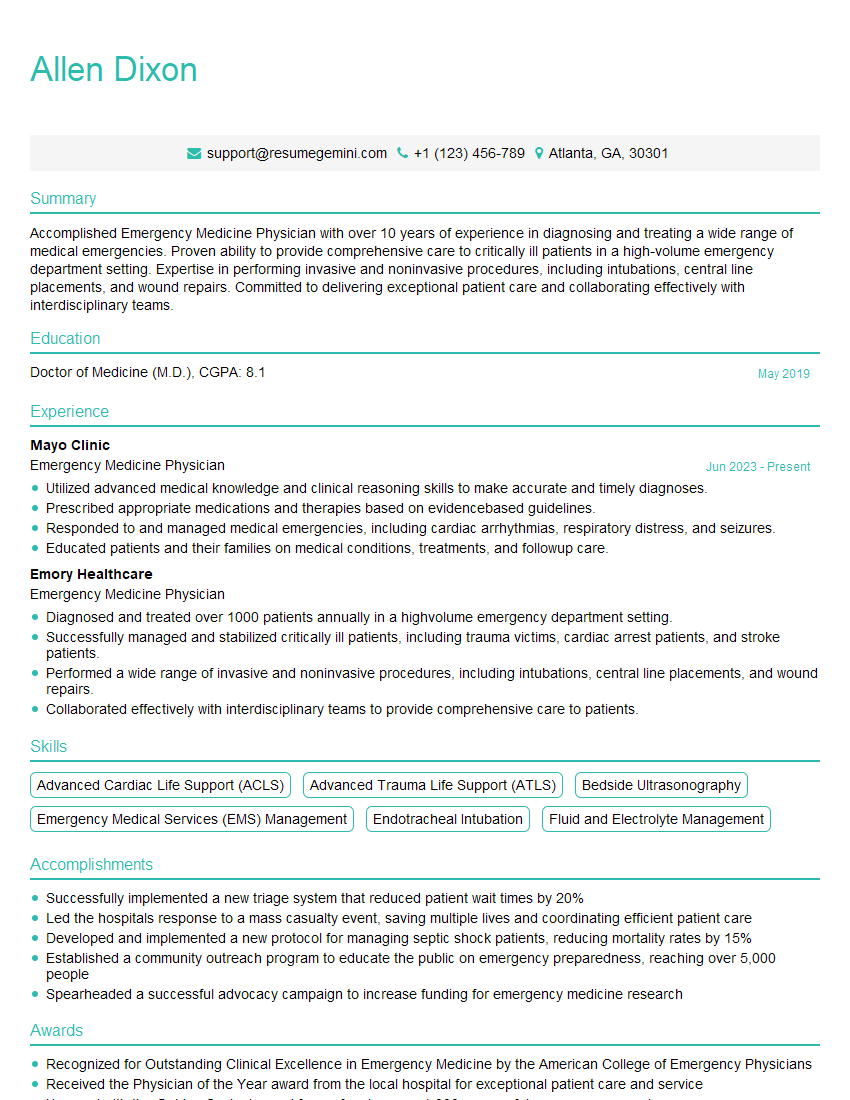
Emergency Medicine Physician Resume Sample
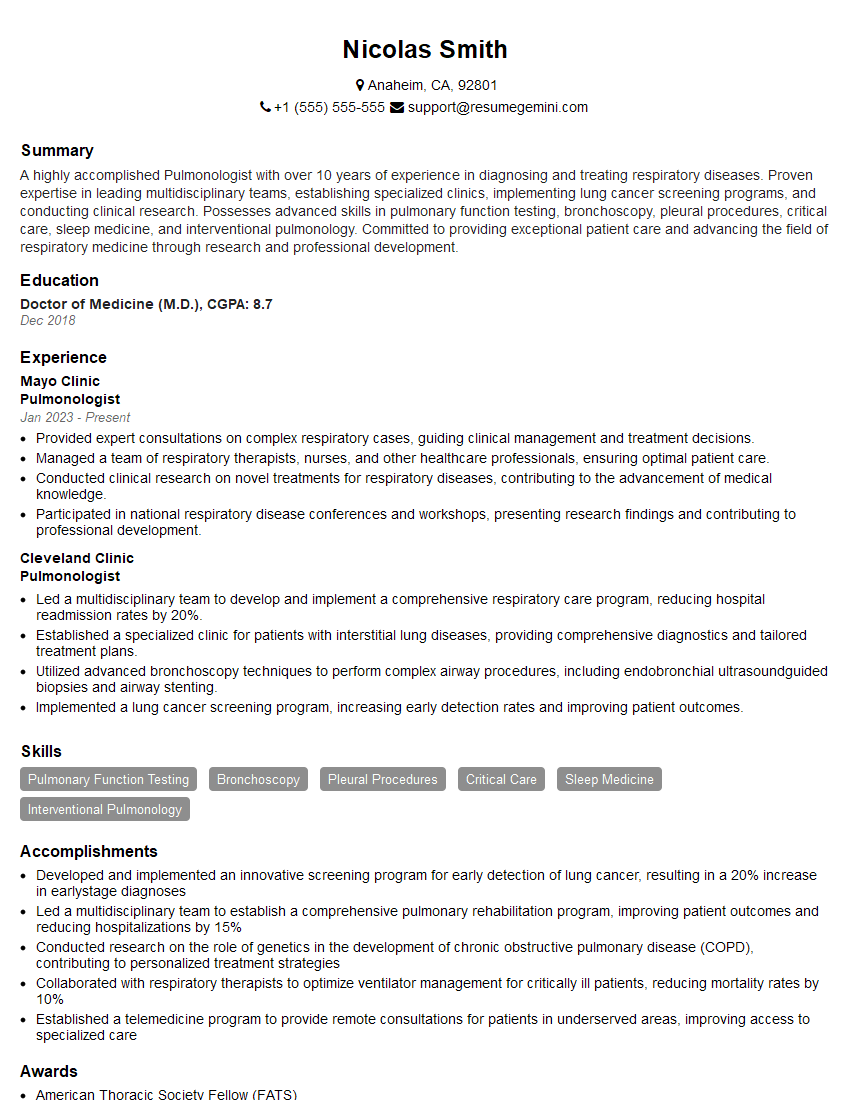
Pulmonologist Resume Sample
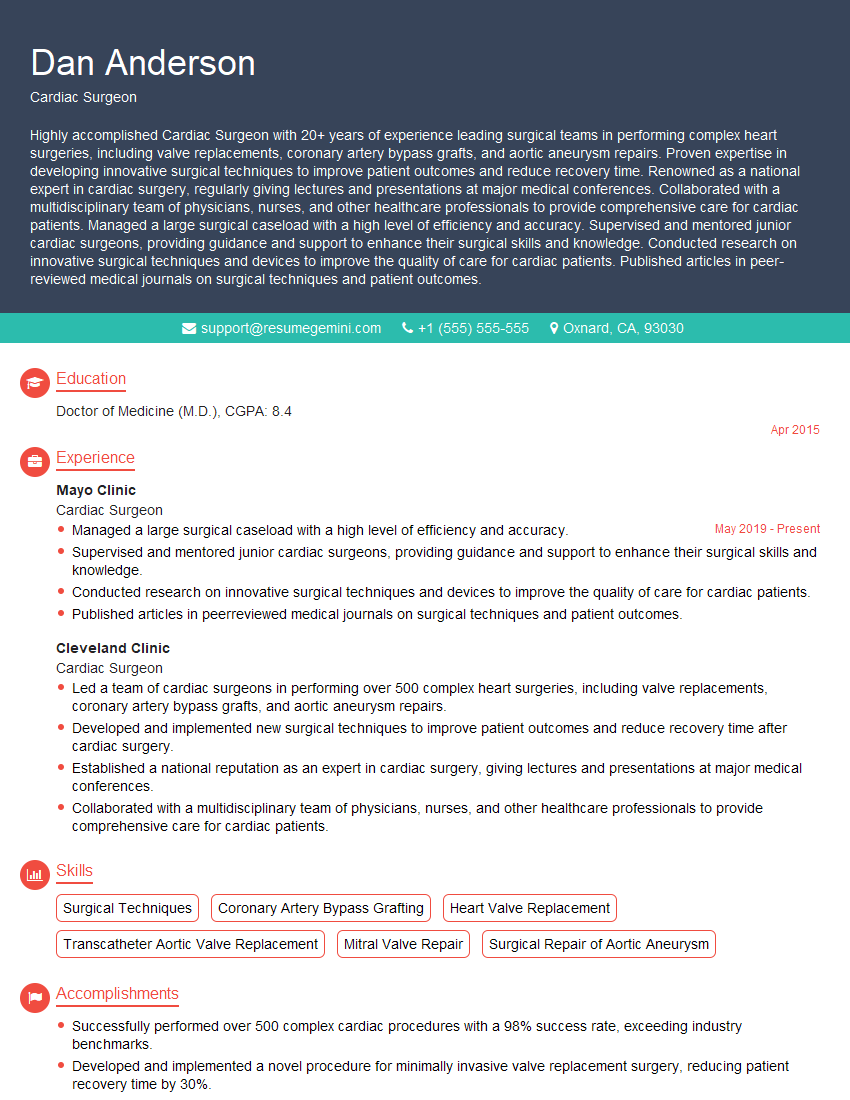
Cardiac Surgeon Resume Sample
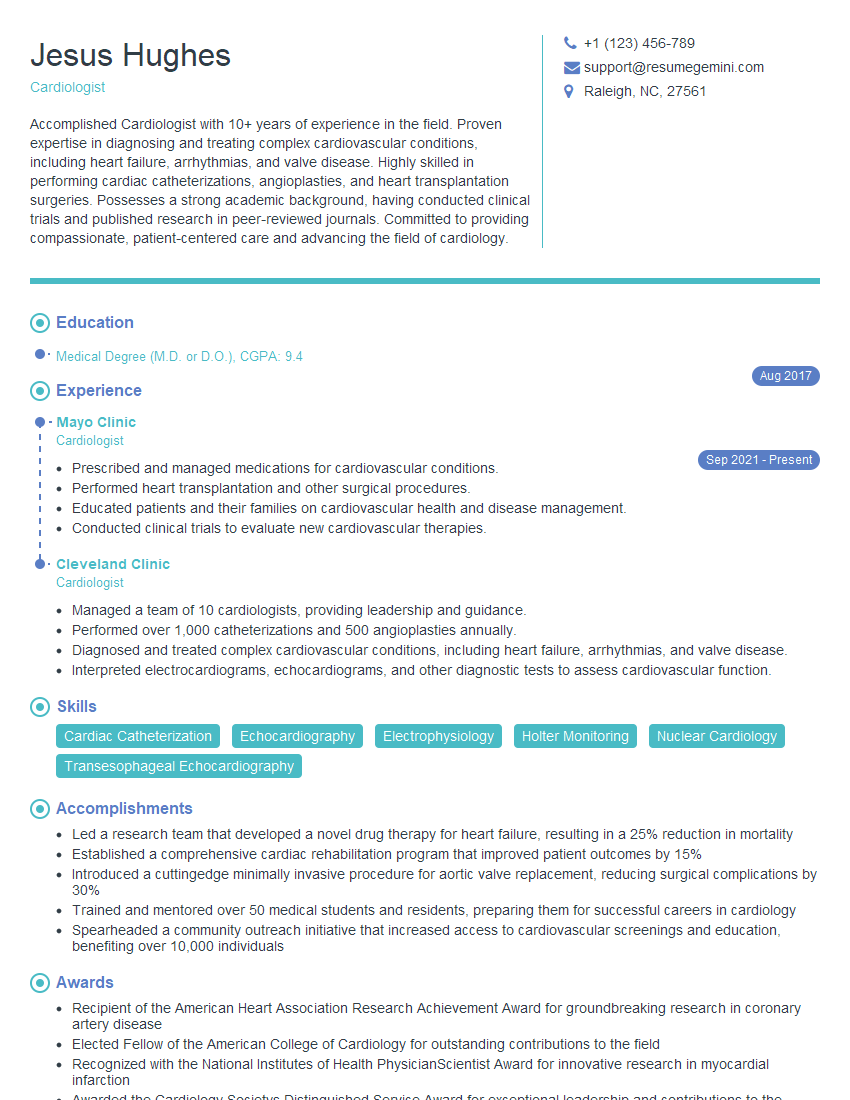
Cardiologist Resume Sample
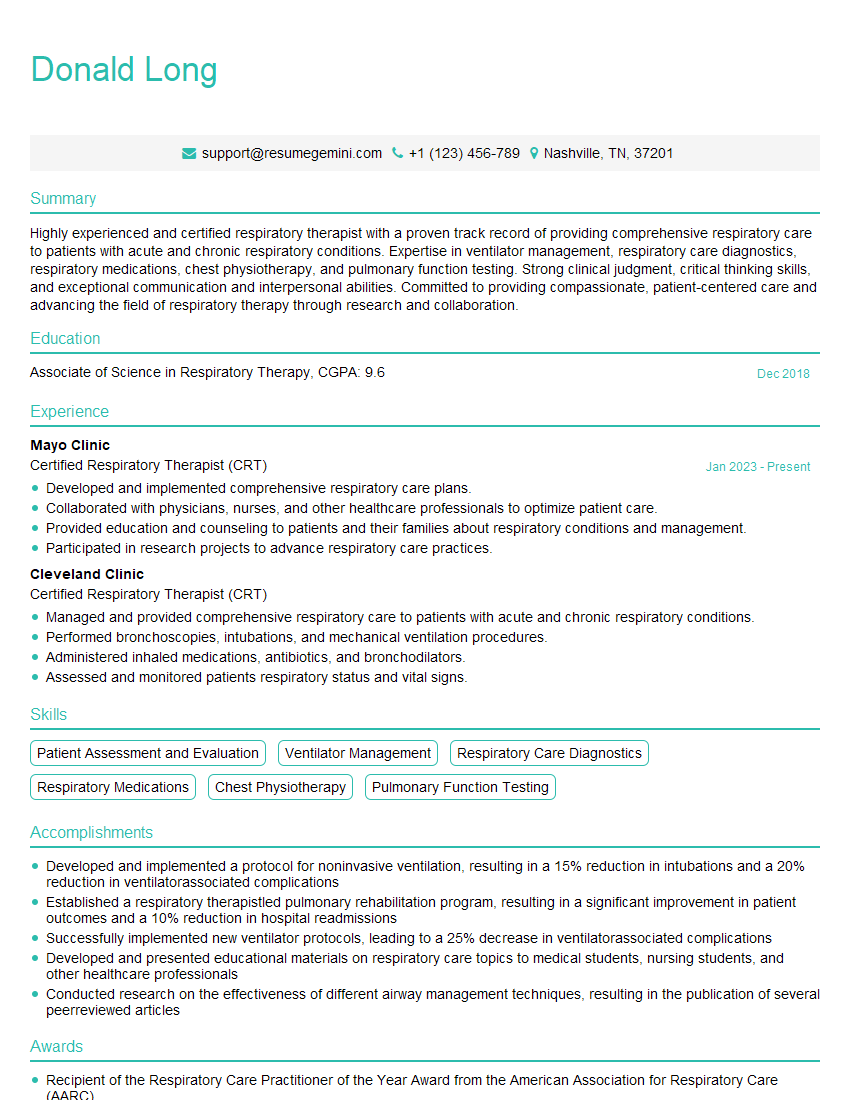
Certified Respiratory Therapist (CRT) Resume Sample
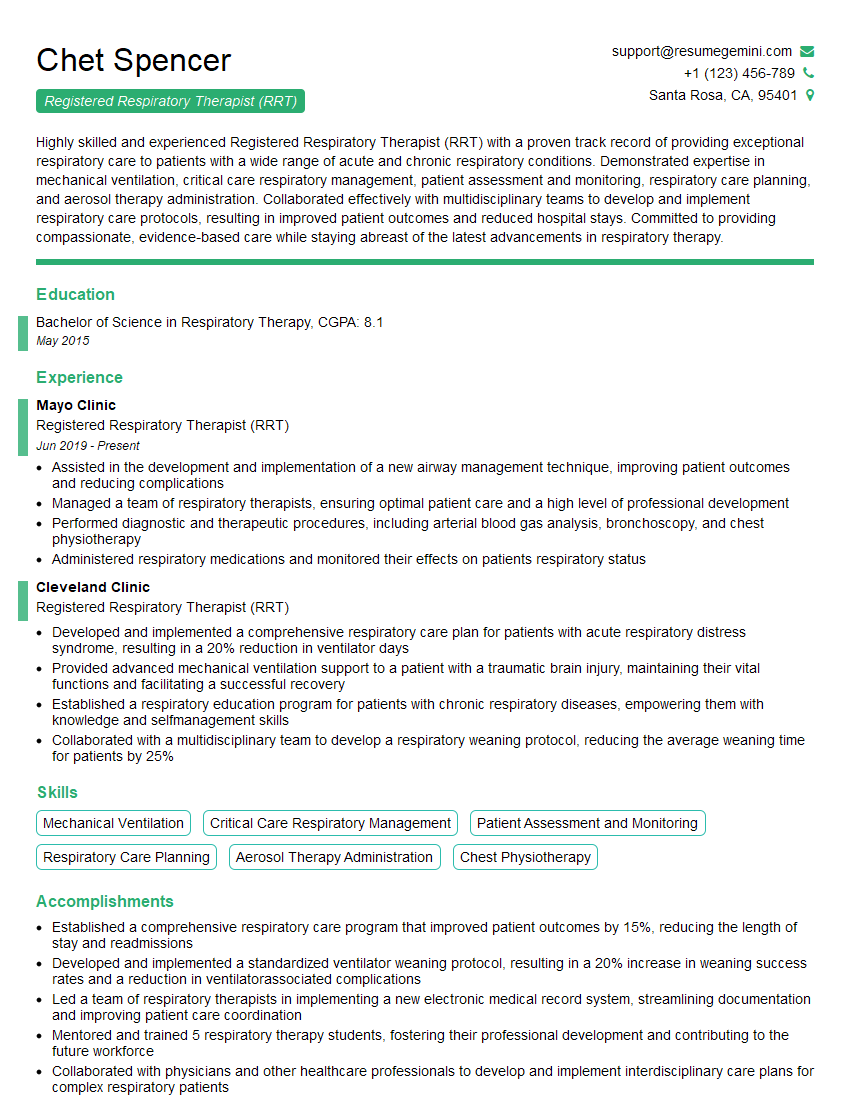
Registered Respiratory Therapist (RRT) Resume Sample
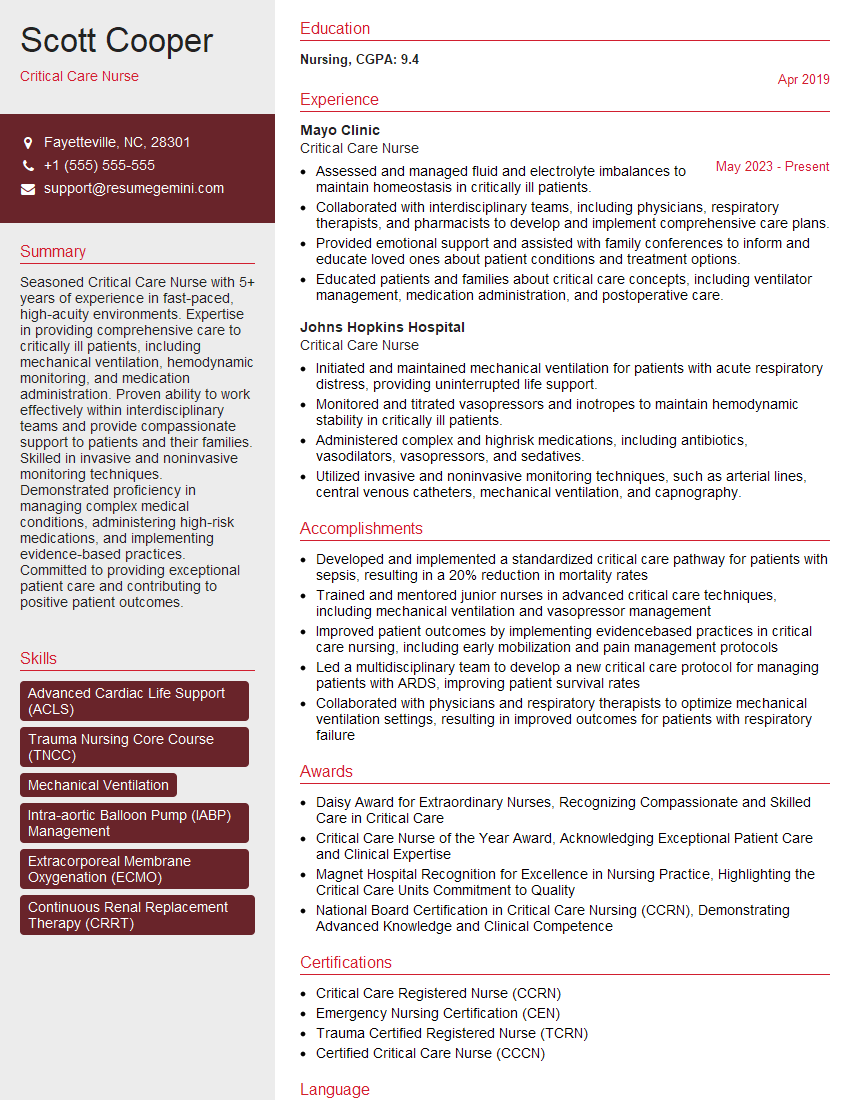
Critical Care Nurse Resume Sample
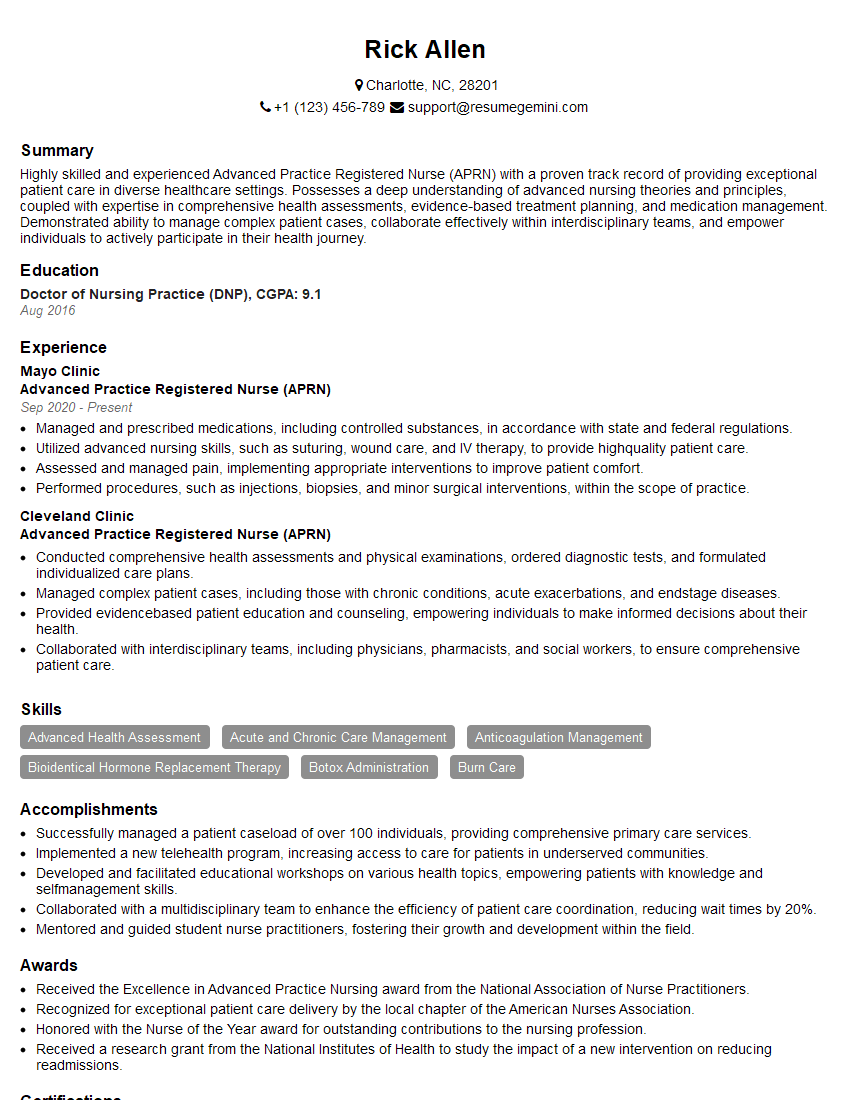
Advanced Practice Registered Nurse (APRN) Resume Sample
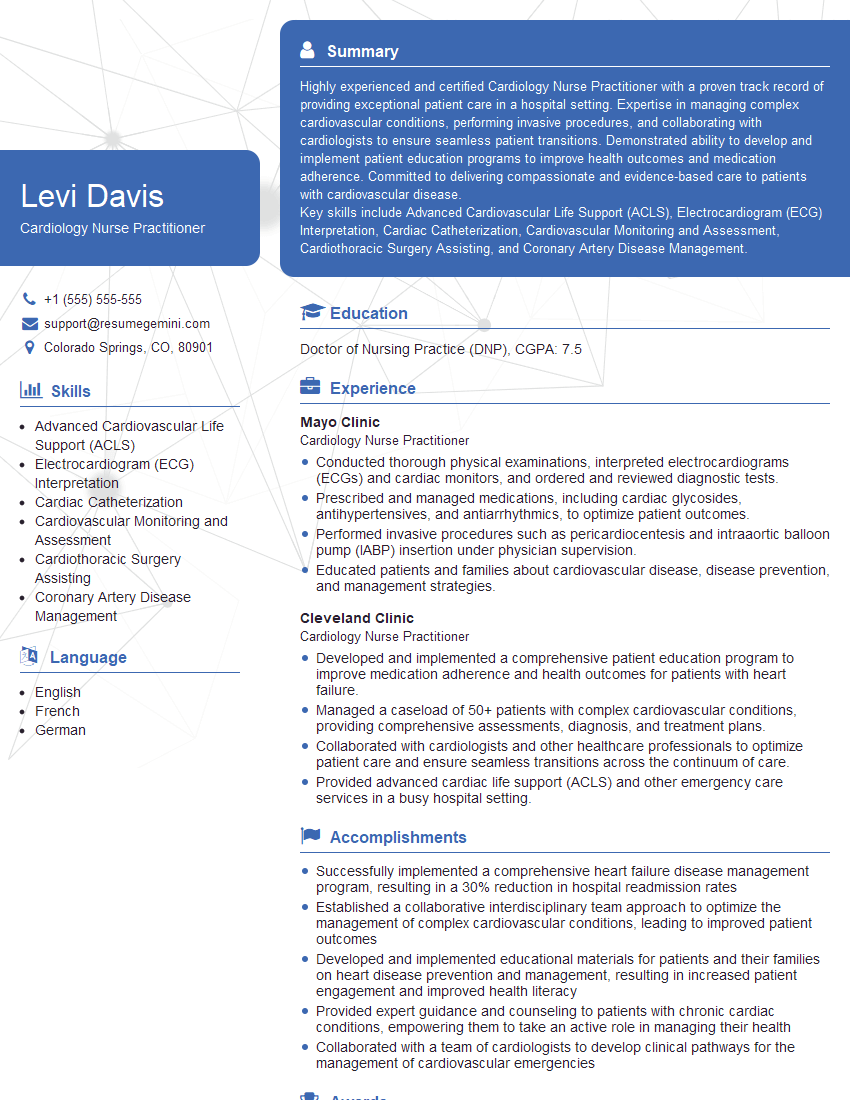
Cardiology Nurse Practitioner Resume Sample
Explore more articles
Users Rating of Our Blogs
Share Your Experience
We value your feedback! Please rate our content and share your thoughts (optional).
What Readers Say About Our Blog
Amazing blog
Interesting Article, I liked the depth of knowledge you’ve shared.
Helpful, thanks for sharing.