Interviews are more than just a Q&A session—they’re a chance to prove your worth. This blog dives into essential Resume Writing and Analysis interview questions and expert tips to help you align your answers with what hiring managers are looking for. Start preparing to shine!
Questions Asked in Resume Writing and Analysis Interview
Q 1. Explain the importance of keyword optimization in resume writing.
Keyword optimization in resume writing is crucial because it significantly increases the chances of your resume being noticed by recruiters and Applicant Tracking Systems (ATS). Think of it like this: recruiters often use specific keywords to search for candidates with the right skills and experience. If your resume doesn’t include those keywords, it might get overlooked, no matter how qualified you are.
Essentially, you’re making your resume searchable. For example, if you’re applying for a data analyst position, you should include keywords like “SQL,” “Python,” “data visualization,” “statistical analysis,” “Tableau,” and “Power BI.” Don’t just list these skills; weave them naturally into your descriptions of accomplishments and responsibilities in previous roles. For instance, instead of simply saying “Proficient in SQL,” you might write, “Developed and maintained SQL databases to track key performance indicators, resulting in a 15% improvement in data accuracy.”
Effective keyword optimization involves researching the job description thoroughly, identifying relevant keywords, and strategically incorporating them into your resume without making it sound unnatural or keyword-stuffed. Tools like LinkedIn and job boards can help you identify industry-standard keywords.
Q 2. Describe the Applicant Tracking System (ATS) and its impact on resume effectiveness.
An Applicant Tracking System (ATS) is software used by many companies to screen resumes. Think of it as a highly sophisticated filter. It scans resumes for keywords and specific phrases related to the job description. If your resume doesn’t match the keywords, it might be rejected before a human even sees it – even if you’re perfect for the job.
The impact on resume effectiveness is massive. A resume optimized for ATS is more likely to pass the initial screening and reach the recruiter’s desk. This involves using relevant keywords, formatting your resume in a way that is easily parsed by the software (avoiding fancy formatting or tables), and using a simple, clean font. If your resume is not ATS-friendly, you’re essentially limiting its reach and your opportunities.
For example, using unusual fonts or excessive graphics might confuse the ATS, leading to your resume being rejected. Similarly, using tables or complex formatting can make it difficult for the ATS to extract information accurately. A well-structured, keyword-rich resume in a simple format like .doc or .pdf (avoiding images) will significantly improve your chances of getting past the ATS.
Q 3. What are the key differences between chronological, functional, and combination resumes?
The three main resume formats—chronological, functional, and combination—differ significantly in how they present your work experience. Choosing the right one depends on your professional background and career goals.
- Chronological Resume: This format lists your work history in reverse chronological order, starting with your most recent job. It’s best for candidates with consistent work experience and a clear career progression. It highlights your career trajectory and showcases your growth over time. Example: Ideal for someone with a stable career path in a single industry.
- Functional Resume: This format emphasizes your skills and abilities rather than your work history. It’s often used by career changers or those with gaps in their employment history. It’s best suited for those who want to highlight their transferable skills. Example: Suitable for a marketing professional transitioning into project management.
- Combination Resume: This format combines elements of both chronological and functional resumes. It starts with a summary of your skills and abilities, followed by a chronological list of your work experience. This offers a balanced approach, showcasing both your skills and work history. Example: Suitable for someone returning to the workforce after a break, or a recent graduate with some experience.
Q 4. How would you tailor a resume for a specific job description?
Tailoring a resume to a specific job description is paramount. It shows the hiring manager that you’ve taken the time to understand their needs and that you’re a good fit for the role. It’s about highlighting the skills and experiences most relevant to the position.
My process involves a thorough analysis of the job description. I identify key skills, responsibilities, and requirements. Then, I carefully craft the resume to reflect those specific needs. This means:
- Keyword Integration: Incorporating the keywords from the job description directly into the resume.
- Skill Highlighting: Emphasizing the skills and experiences that best match the job requirements, even quantifying achievements where possible (e.g., “Increased sales by 20%”).
- Content Relevancy: Adjusting the content to focus on accomplishments and experiences most relevant to the specific job. You might need to reorder sections or adjust the emphasis on certain aspects of your experience.
- Content Customization: Crafting a compelling summary or objective statement that directly addresses the specific needs and goals outlined in the job description.
For example, if a job description prioritizes project management skills, I’ll lead with my project management experience and quantify my successes. If the job requires specific software proficiency, I’ll prominently showcase that expertise. Tailoring is about making your resume speak directly to the employer’s needs, making you a stronger candidate.
Q 5. What are some common resume mistakes to avoid?
Many common resume mistakes can sabotage your job search. Here are some key ones to avoid:
- Typos and Grammatical Errors: These immediately undermine your credibility and professionalism. Always proofread carefully and consider having someone else review it too.
- Generic Objectives: Avoid vague statements like “Seeking a challenging position.” Instead, tailor your objective or summary statement to the specific job and company.
- Inconsistent Formatting: Maintain a consistent font, font size, and spacing throughout. A messy resume suggests carelessness.
- Lack of Quantifiable Results: Quantify your achievements whenever possible. Instead of “Improved customer service,” say “Improved customer satisfaction scores by 15% through implementing a new training program.”
- Irrelevant Information: Only include information that is relevant to the job you’re applying for. Avoid unnecessary details or information that is not job-related.
- Too Long or Too Short: Aim for a resume that is concise and easy to read (typically one page for early-career professionals, and potentially two pages for senior professionals with extensive experience). Avoid overly long descriptions.
- Poorly Designed Layout: Make sure the resume is well-organized and visually appealing. Use bullet points and white space effectively.
- Missing Contact Information: Always include your phone number, email address, and LinkedIn profile (if applicable).
Q 6. Explain your process for analyzing a candidate’s resume.
My resume analysis process is thorough and methodical. It involves a holistic review, considering both content and presentation. I start by reviewing the overall structure and formatting to ensure it’s visually appealing and easy to read. Then, I carefully examine each section:
- Summary/Objective: I assess whether it’s compelling, targeted, and effectively summarizes the candidate’s key skills and career goals.
- Experience: I analyze the descriptions of previous roles, focusing on the use of action verbs, quantifiable results, and relevance to the target job(s). I look for patterns in career progression and skill development.
- Education: I verify the information provided and assess its relevance to the candidate’s career goals.
- Skills: I examine the skills listed, ensuring they are relevant, accurately described, and appropriately categorized.
- Keywords: I check for the presence of relevant keywords, determining whether they are integrated naturally and effectively.
After reviewing each section individually, I synthesize my findings to assess the overall effectiveness of the resume. I evaluate the candidate’s strengths and weaknesses, offering tailored suggestions for improvement. This holistic approach ensures a comprehensive evaluation.
Q 7. How do you identify inconsistencies or inaccuracies in a resume?
Identifying inconsistencies or inaccuracies in a resume requires careful attention to detail. I use a multi-pronged approach:
- Cross-referencing Information: I compare information across different sections of the resume to check for discrepancies. For example, dates of employment should align consistently, and skills claimed should be supported by work experience descriptions.
- Verifying Dates and Facts: I often cross-check dates and details with publicly available information, such as company websites or LinkedIn profiles. This helps confirm the accuracy of employment history and educational background.
- Analyzing Accomplishments: I critically evaluate accomplishments claimed, assessing whether they are realistic and quantifiable. Overly ambitious or vague claims raise red flags.
- Looking for Gaps and Inconsistencies: I look for unexplained gaps in employment history or inconsistencies in the narrative of career progression. This could indicate potential omissions or inaccuracies that need clarification.
- Checking for Plagiarism: I compare the resume’s text with online sources to identify potential plagiarism. Using unique phrasing and genuine descriptions of experience avoids this issue.
By using these methods, I can identify potential inconsistencies and inaccuracies, ensuring the resume presents a truthful and accurate representation of the candidate’s background and qualifications.
Q 8. How do you assess the effectiveness of a resume’s content and structure?
Assessing a resume’s effectiveness involves a holistic review of both its content and structure. Think of it like judging a house – a beautiful interior (content) is useless without a solid foundation and layout (structure).
Content Assessment: This focuses on the quality and relevance of the information presented. I look for:
- Clarity and Conciseness: Is the language clear, concise, and free of jargon? Does each point convey value quickly?
- Achievement-Oriented Language: Does the resume focus on accomplishments rather than just responsibilities? Quantifiable achievements are key (e.g., ‘Increased sales by 15%’ instead of ‘Managed sales team’).
- Relevance to Target Job: Does the content directly address the requirements and keywords of the specific job the applicant is targeting? A generic resume won’t cut it.
- Consistency and Accuracy: Is the information consistent throughout the resume? Are dates, job titles, and company names accurate?
Structure Assessment: This examines the organization and flow of information. Key aspects include:
- Readability: Is the resume easy to scan and read? White space, clear headings, and bullet points are crucial.
- Logical Flow: Does the information progress logically, typically starting with a compelling summary or objective, followed by experience, education, and skills?
- Visual Appeal: Is the resume visually appealing and professional? Avoid cluttered layouts and distracting elements.
- Format and Length: Is the resume formatted consistently and within an ideal length (typically one page for experienced candidates)?
For example, a resume with strong content but poor formatting (e.g., crammed text, inconsistent fonts) will likely be overlooked. Conversely, a beautifully formatted resume with weak content won’t get the interview.
Q 9. How would you handle a resume with gaps in employment history?
Employment gaps are common and don’t automatically disqualify a candidate. The key is addressing them honestly and strategically. Instead of hiding the gap, I advise clients to explain it concisely and positively.
Strategies for Handling Gaps:
- Provide a brief, plausible explanation: For example, ‘Career break to pursue further education,’ or ‘Time dedicated to family responsibilities.’ Keep it concise and avoid overly detailed explanations.
- Highlight relevant activities during the gap: Did the candidate volunteer, freelance, pursue personal projects, or take relevant courses? These activities demonstrate continued skills development and engagement.
- Focus on transferable skills: Emphasize skills acquired during the gap that are relevant to the target job. This shows continued professional growth even without formal employment.
- Use a functional resume format (with caution): If the gaps are significant and negatively impacting the chronological presentation, a functional resume might be considered. However, this approach should be used sparingly and with careful consideration of the potential downsides.
For instance, a candidate who took a year off to care for a family member could highlight skills like project management, time management, and problem-solving gained through household management. They could also mention volunteering experience that showcases relevant skills. The focus should always be on demonstrating continued value and growth.
Q 10. How do you ensure a resume is ATS-compliant?
Applicant Tracking Systems (ATS) are software used by recruiters to scan and filter resumes. To ensure ATS compliance, you need to optimize the resume’s structure and content to be easily parsed by these systems. This involves a combination of technical and content strategies.
Key Strategies for ATS Compliance:
- Use simple formatting: Avoid fancy fonts, tables, columns, or graphics that can confuse the ATS. Stick to standard fonts like Arial or Times New Roman.
- Save as a plain text (.txt) or Word (.doc or .docx) file: PDF files can be problematic for ATS parsing.
- Use keywords strategically: Incorporate relevant keywords from the job description throughout the resume. Don’t stuff keywords – focus on natural integration within your description of accomplishments.
- Proper formatting of text: Use bullet points for easy readability and separation of information. The ATS reads the bullet points as separate blocks of information.
- Use consistent formatting for names and titles: Formatting inconsistencies can cause issues with parsing.
- Use common, simple HTML tags (If using HTML Resume): Avoid overly complex HTML structures.
Think of the ATS as a robot that needs clear, simple instructions. A resume optimized for ATS compliance will ensure that your application gets through the initial screening process and is seen by a human recruiter.
Q 11. What are the best practices for creating a compelling resume summary or objective statement?
A compelling resume summary or objective statement is crucial for grabbing the reader’s attention within seconds. It’s like the elevator pitch for your resume. The key difference lies in when to use each one.
Resume Summary: Used by experienced professionals, it highlights key career accomplishments and skills. It’s a concise overview of your career journey and value proposition.
Resume Objective: Used by entry-level candidates or those changing careers, it expresses career goals and how the applicant’s skills align with the target position.
Best Practices:
- Keep it concise: Aim for 3-4 sentences maximum.
- Use strong action verbs: Begin with impactful verbs to showcase your achievements.
- Quantify achievements: Include numbers and metrics to illustrate your impact.
- Tailor it to each job application: Customize your summary or objective statement to match the specific requirements and keywords of each job description.
- Highlight transferable skills: Show how skills from previous roles are applicable to the new position.
Example Summary: ‘Highly accomplished marketing professional with 10+ years of experience driving brand growth and increasing market share. Proven ability to develop and execute successful marketing campaigns resulting in a 20% increase in revenue. Seeking a challenging role leveraging expertise in digital marketing and strategic planning.’
Q 12. How do you advise clients on choosing the right keywords for their resume?
Choosing the right keywords is essential for making your resume ATS-compliant and getting noticed by recruiters. It’s like using the right search terms to find a specific product online – without the right keywords, your resume might not show up.
Strategies for Keyword Selection:
- Analyze the job description: Carefully review the job description and identify relevant skills, keywords, and industry jargon.
- Use a keyword search tool: Many online tools can help you find related keywords and phrases within your industry.
- Consider synonyms and related terms: Don’t just use the exact words from the job description – consider synonyms and related terms to broaden your reach.
- Use keywords naturally: Don’t simply stuff keywords into your resume; weave them naturally into your descriptions of achievements and responsibilities.
- Review industry job postings: Look at other job postings in your field to identify common keywords and terms used in job descriptions.
For example, if a job description mentions ‘data analysis,’ consider using related keywords like ‘statistical modeling,’ ‘data mining,’ or ‘business intelligence.’ The goal is to show the ATS and recruiter that you possess the necessary expertise and experience.
Q 13. What are some effective strategies for quantifying achievements on a resume?
Quantifying achievements is critical for making your resume stand out. Instead of simply stating your responsibilities, demonstrate the impact of your work through numbers and metrics. This shows the value you brought to previous employers.
Effective Strategies for Quantifying Achievements:
- Use numbers and metrics: Quantify your accomplishments using percentages, numbers, dollars, or other relevant metrics.
- Focus on results: Highlight the positive outcomes of your actions and contributions.
- Use the STAR method: Structure your achievements using the STAR method (Situation, Task, Action, Result) to provide context and demonstrate impact.
- Use strong action verbs: Start your bullet points with action verbs that showcase your accomplishments and contributions (e.g., increased, improved, reduced, managed, developed).
- Be specific and avoid vague language: Provide specific details about your achievements to demonstrate your capabilities.
Examples:
- Instead of ‘Managed social media accounts,’ write ‘Increased social media engagement by 30% in six months through targeted content and strategic campaigns.’
- Instead of ‘Improved customer service,’ write ‘Reduced customer complaints by 15% through the implementation of a new customer service training program.’
Quantifiable achievements demonstrate your ability to deliver results and make a real impact. They show that you’re not just describing tasks, but showcasing concrete successes.
Q 14. How do you assess the overall impact and effectiveness of a resume?
Assessing the overall impact and effectiveness of a resume involves a multi-faceted approach that considers both objective and subjective factors. It’s about understanding how well the resume achieves its primary goal: securing interviews.
Methods for Assessing Resume Effectiveness:
- Track application outcomes: Monitor the number of applications submitted, interviews obtained, and job offers received. This provides a quantifiable measure of success.
- Gather feedback from recruiters: If possible, seek feedback from recruiters or hiring managers on what they liked or disliked about the resume. This offers invaluable insights for improvement.
- A/B testing different versions: Create two versions of a resume with different formatting, content, or keywords. Track the results to see which version performs better.
- Review using ATS simulators: Several free online tools allow for a simulation to check for compliance.
- Peer review and professional feedback: Get objective feedback from others experienced in resume writing or recruitment.
The ultimate measure of a resume’s effectiveness is its ability to get the applicant interviews. While aesthetics and ATS compliance are important, the final goal is to get that call-back and make a positive first impression. A good resume is an investment in your job search journey.
Q 15. Describe your experience with different resume writing styles and formats.
Resume writing styles and formats are incredibly diverse, each catering to different career levels and industries. I’m proficient in several, including:
- Chronological: This classic format lists work experience in reverse chronological order, highlighting career progression. It’s ideal for candidates with a linear career path and consistent upward mobility. For example, a senior software engineer with a clear progression from junior to senior roles would benefit from this.
- Functional: This format emphasizes skills over work history, making it suitable for career changers or those with gaps in their employment. The focus is on showcasing relevant abilities, even if the experience isn’t directly related. A marketing professional transitioning to project management might leverage this, focusing on transferable skills like communication and leadership.
- Combination: This blends the best of both worlds, starting with a summary of skills and then detailing work experience chronologically. This is a versatile format applicable to most situations and offers a balanced approach. It is a strong choice for someone with a solid work history and a clear skill set they want to emphasize.
- Targeted/Skills-Based: This format customizes the resume to specific job descriptions, strategically highlighting the skills and experiences most relevant to the target role. This is crucial for maximizing Applicant Tracking System (ATS) compatibility and showcasing direct alignment with the employer’s needs. For example, keywords from a job description would be incorporated into the resume strategically.
My experience allows me to select and tailor the optimal format to each client’s individual needs and career goals.
Career Expert Tips:
- Ace those interviews! Prepare effectively by reviewing the Top 50 Most Common Interview Questions on ResumeGemini.
- Navigate your job search with confidence! Explore a wide range of Career Tips on ResumeGemini. Learn about common challenges and recommendations to overcome them.
- Craft the perfect resume! Master the Art of Resume Writing with ResumeGemini’s guide. Showcase your unique qualifications and achievements effectively.
- Don’t miss out on holiday savings! Build your dream resume with ResumeGemini’s ATS optimized templates.
Q 16. What software or tools do you use for resume writing and analysis?
My resume writing and analysis process leverages several tools to ensure quality and efficiency. I utilize:
- Microsoft Word and Google Docs: For the core document creation and formatting, ensuring compatibility across platforms.
- Grammarly and ProWritingAid: These tools help maintain impeccable grammar, punctuation, and style, delivering error-free, polished documents.
- JobScan: This software helps optimize resumes for Applicant Tracking Systems (ATS) by analyzing job descriptions and suggesting keywords and phrasing to improve the chances of a resume passing through ATS filters.
- Various ATS simulators: To test the compatibility of the final resume with different applicant tracking systems used by various companies.
Beyond software, I rely on my keen eye for detail and years of experience to analyze and refine each resume, ensuring it’s not just ATS-friendly but also highly impactful to a human recruiter.
Q 17. How do you stay up-to-date with current resume writing trends?
Staying current in resume writing is crucial. I achieve this through a multi-faceted approach:
- Industry Publications and Blogs: I regularly read publications like SHRM (Society for Human Resource Management) publications and blogs focused on career services and recruiting trends, to understand evolving best practices.
- Networking with Recruiters: Maintaining relationships with recruiters provides invaluable insights into current hiring practices and preferences.
- Attending Industry Conferences and Webinars: These events offer opportunities to learn from leading experts and network with peers in the field.
- Analyzing Successful Resumes: I continually study high-performing resumes across various industries to observe effective strategies and adapt them to my work.
This constant learning ensures I’m equipped to provide the most effective and up-to-date resume writing services to my clients.
Q 18. How do you handle feedback from clients regarding their resumes?
Client feedback is paramount. I handle feedback constructively and collaboratively through a structured process:
- Active Listening: I carefully listen to all feedback, asking clarifying questions to ensure complete understanding.
- Respectful Dialogue: I engage in a respectful and professional dialogue, valuing the client’s perspective and explaining my rationale for particular choices.
- Iterative Revisions: I incorporate the feedback into revisions, presenting revised versions for further review and approval. This iterative process allows for a refined final product that meets the client’s needs.
- Clear Communication: I maintain clear communication throughout the process, promptly addressing questions and concerns.
My goal is to create a resume that not only reflects the client’s achievements but also aligns with their career aspirations. Feedback ensures this alignment is perfectly achieved.
Q 19. How do you measure the success of your resume writing services?
Measuring the success of my resume writing services extends beyond simple client satisfaction. I track success using several key indicators:
- Client Job Placement Rate: This is the most direct measure of success. I actively track how many clients secure job interviews or land their target positions after utilizing my services.
- Client Feedback: Positive feedback, coupled with successful job placement stories, provides compelling evidence of effectiveness.
- Interview Callbacks: While job placement is the ultimate goal, tracking the number of interview callbacks received by clients offers a strong indication of resume effectiveness.
- ATS Compatibility Testing: Regularly testing the resumes I create ensures that they successfully bypass Applicant Tracking Systems, a critical step in the job search process.
Combining these metrics provides a holistic view of my services’ effectiveness, guiding continual improvement and refinement.
Q 20. Describe your experience working with diverse clients and industries.
I’ve had the pleasure of working with diverse clients across a wide range of industries. My experience spans various sectors, including:
- Technology: From software engineers to data scientists, I have helped professionals in the tech industry craft compelling resumes that highlight their technical skills and accomplishments.
- Finance: I have assisted financial analysts, investment bankers, and other professionals in this field in presenting their experience effectively.
- Healthcare: I’ve worked with nurses, doctors, and other medical professionals, tailoring their resumes to emphasize their clinical skills and experience.
- Marketing & Sales: This includes professionals ranging from entry-level marketers to seasoned sales executives.
This diverse experience enables me to understand the unique requirements and nuances of each industry, allowing me to create highly effective, industry-specific resumes.
Q 21. Explain your approach to identifying a client’s transferable skills.
Identifying transferable skills is crucial for effective resume writing, especially for career changers. My approach involves a thorough process:
- Detailed Interview: I conduct a comprehensive interview to understand the client’s work history, accomplishments, and aspirations. This involves probing questions to unearth skills that may not be immediately apparent.
- Skill Mapping: I use a structured approach to map the client’s skills and experiences to common requirements across different job roles. For example, leadership skills demonstrated in a previous role might translate to a managerial position in a new industry.
- Keyword Analysis: I analyze job descriptions in the target industry to identify keywords and relevant skills. This helps to tailor the resume and highlight skills directly relevant to the desired roles.
- Examples & Quantifiable Results: I work with the client to develop concrete examples that showcase transferable skills, emphasizing quantifiable achievements wherever possible.
For instance, a client with strong project management experience in the non-profit sector could highlight their ability to manage budgets, deadlines, and teams – skills highly relevant to project management roles in various industries.
Q 22. How do you help clients create a consistent brand across their resume and LinkedIn profile?
Creating a consistent brand across a resume and LinkedIn profile is crucial for presenting a unified and professional image to potential employers. It’s about ensuring your personal brand message—your skills, experience, and career goals—is communicated effectively and similarly across all platforms.
- Keyword Consistency: I work with clients to identify core keywords related to their target roles and ensure these keywords are strategically integrated into both their resume and LinkedIn profile summary, experience sections, and skills sections. This improves search engine optimization (SEO) and ensures recruiters easily find them.
- Narrative Alignment: The narrative arc—the story of their career progression and achievements—should be consistent. For example, if a client highlights their leadership skills on their resume, I ensure this is prominently featured and exemplified with concrete achievements on their LinkedIn profile as well. The narrative should flow seamlessly between both platforms.
- Visual Consistency: While the formatting differs, the overall tone and style should be consistent. For instance, if the resume uses a professional and concise tone, the LinkedIn profile should mirror this, avoiding overly casual language or excessive emojis.
- Profile Picture Alignment: The profile picture used on LinkedIn should complement the overall professional image projected in the resume. A high-quality, professional headshot is essential for both platforms.
For example, a client aiming for a marketing manager role would have keywords like “digital marketing,” “social media strategy,” and “campaign management” appear prominently in both documents. Their LinkedIn profile summary would echo the achievements and skills highlighted with quantifiable results in their resume’s work experience section.
Q 23. What is your process for providing constructive criticism on a resume?
Providing constructive criticism on a resume requires a delicate balance of honesty and encouragement. My process focuses on a positive and collaborative approach.
- Initial Review and Understanding: I begin by thoroughly reviewing the resume to understand the client’s career goals and target roles. This allows me to tailor my feedback to their specific needs and aspirations.
- Strengths-Based Approach: I always start by highlighting the resume’s strengths before addressing areas for improvement. This creates a positive foundation for the feedback session.
- Specific and Actionable Feedback: I provide specific examples to illustrate areas needing improvement. For example, instead of simply saying “improve your quantifiable results,” I might say, “In your role at Company X, instead of stating ‘managed social media,’ quantify your success by saying ‘increased social media engagement by 25% within six months.'”
- Suggesting Alternatives: I always offer concrete suggestions and alternative phrasing. I provide examples of how they can rewrite certain sections for clarity and impact.
- Iterative Process: I view the resume review as an iterative process, not a one-time fix. I encourage open communication and am willing to revise the feedback based on the client’s questions and understanding.
Think of it as a coaching session, not a critique. My goal is to empower the client to create a resume that effectively showcases their skills and experience.
Q 24. How would you address a situation where a client’s resume is severely lacking in detail?
When a client’s resume is severely lacking in detail, a collaborative approach is crucial. I guide them through a structured process to unearth and articulate their accomplishments.
- Understanding the Gap: First, I need to understand why the resume is lacking detail. Are they simply unaware of their achievements, or do they have difficulty articulating them?
- Guided Brainstorming: I facilitate a brainstorming session, asking specific questions about each role to help them recall their contributions, responsibilities, and accomplishments. This might involve using the STAR method (Situation, Task, Action, Result) to structure their responses.
- Quantifying Achievements: I help them quantify their achievements wherever possible using numbers and metrics to showcase the impact of their work. Instead of ‘Improved sales,’ we aim for ‘Increased sales by 15% in Q3.’
- Identifying Transferable Skills: Even seemingly unrelated experiences often contain valuable transferable skills. I help them identify and articulate these skills to make their resume more comprehensive and appealing to potential employers.
- Follow-up and Iteration: I provide a draft and then review it again with the client for any further adjustments needed.
Essentially, I act as a guide and mentor, helping them uncover the value of their experience and translating that value into compelling resume content. It’s a process of discovery and refinement, resulting in a far stronger document.
Q 25. How do you ensure confidentiality when reviewing resumes?
Confidentiality is paramount in my work. I treat all client information with the utmost respect and adhere to strict confidentiality protocols.
- Secure Data Storage: I utilize secure cloud-based storage services with robust encryption to protect client data. All documents are password-protected and stored on platforms adhering to industry best practices for data security.
- Non-Disclosure Agreements (NDAs): I am willing to sign NDAs if requested by the client to provide an additional layer of legal protection.
- Limited Access: I limit access to client data to only myself and, when necessary, to subcontractors working under strict confidentiality agreements.
- Data Destruction: Once the project is complete and the client no longer needs the service, I securely delete all client data from my systems.
- Professional Ethics: My commitment to client confidentiality is rooted in my professional ethics and is a core principle of my practice.
I understand that trust is essential, and I take my responsibility to protect client information very seriously. Clients can be confident that their resume and personal information are safe and secure with me.
Q 26. How do you manage multiple projects and deadlines simultaneously?
Managing multiple projects and deadlines efficiently requires careful planning, organization, and effective time management. I use a combination of strategies to ensure all projects are completed on time and to a high standard.
- Project Management Software: I rely on project management tools such as Asana or Trello to track deadlines, tasks, and client communication. These tools allow me to visualize my workload and prioritize tasks effectively.
- Time Blocking: I allocate specific time blocks for each project, ensuring focused work without interruptions. This approach helps me maintain momentum and avoid falling behind schedule.
- Prioritization: I prioritize tasks based on deadlines and urgency, focusing on high-impact activities first. This allows me to meet crucial deadlines without sacrificing the quality of other projects.
- Clear Communication: I maintain open and clear communication with clients to manage expectations and promptly address any concerns. This helps prevent misunderstandings and delays.
- Regular Review: I regularly review my schedule and adjust my workflow as needed to accommodate unexpected challenges or changes in priorities. Flexibility and adaptability are key to managing multiple projects effectively.
I find that a proactive approach, coupled with the right tools and strategies, enables me to consistently deliver high-quality work while meeting all deadlines.
Q 27. What are your salary expectations for this role?
My salary expectations for this role are commensurate with my experience and the industry standard for similar positions. Considering my expertise in resume writing, career coaching, and my proven track record of success in helping clients land their dream jobs, my salary expectations fall within the range of $[Lower Bound] to $[Upper Bound] annually. This is a flexible range, and I am open to discussing it further based on the specifics of the role and the overall compensation package.
Q 28. Why are you interested in this specific position?
I am deeply interested in this specific position because it aligns perfectly with my passion for helping professionals achieve their career aspirations. I am particularly drawn to [mention specific aspects of the job description that appeal to you, e.g., the company’s mission, the opportunity to work with a diverse clientele, the chance to utilize cutting-edge technology]. My experience in [mention relevant experience] makes me confident in my ability to excel in this role and significantly contribute to your team’s success. I am eager to learn more about this exciting opportunity and discuss how my skills and experience can benefit your organization.
Key Topics to Learn for Resume Writing and Analysis Interview
- Keyword Optimization: Understanding how to identify and incorporate relevant keywords to improve Applicant Tracking System (ATS) compatibility and recruiter searchability. Practical application: Analyzing job descriptions to extract key skills and responsibilities, then strategically weaving them into the resume’s content and metadata.
- Resume Structure and Formatting: Mastering different resume formats (chronological, functional, combination) and understanding when to apply each. Practical application: Analyzing a candidate’s work history and tailoring the resume structure to best highlight their strengths and achievements for a specific target role.
- Quantifiable Achievements: Transforming accomplishments into measurable results using the STAR method (Situation, Task, Action, Result). Practical application: Turning vague statements like “managed projects” into impactful statements like “managed 5 projects, resulting in a 15% increase in efficiency and a 10% reduction in costs.”
- ATS Compatibility: Understanding how Applicant Tracking Systems (ATS) scan and filter resumes, and employing strategies to ensure your resume passes through these systems effectively. Practical application: Avoiding formatting issues that might hinder ATS parsing, using simple fonts and tables, and ensuring consistent formatting throughout the document.
- Resume Analysis and Feedback: Critically evaluating resumes for strengths, weaknesses, and areas for improvement. Practical application: Identifying inconsistencies, gaps in experience, and areas where the resume could be more impactful and persuasive. Providing constructive feedback that helps candidates improve their application materials.
- Resume Branding and Personalization: Crafting a consistent brand message across all application materials. Practical application: Developing a unique value proposition highlighting the candidate’s unique skills and experience to make their resume stand out from the competition.
Next Steps
Mastering resume writing and analysis is crucial for career advancement. A well-crafted, ATS-friendly resume significantly increases your chances of landing an interview. By focusing on these key areas, you’ll not only improve your own job prospects but also develop valuable skills highly sought after in the professional world. Use ResumeGemini as your trusted resource to build professional, impactful resumes that showcase your skills effectively. Examples of resumes tailored to Resume Writing and Analysis are available below to guide your practice and help you further develop your understanding.
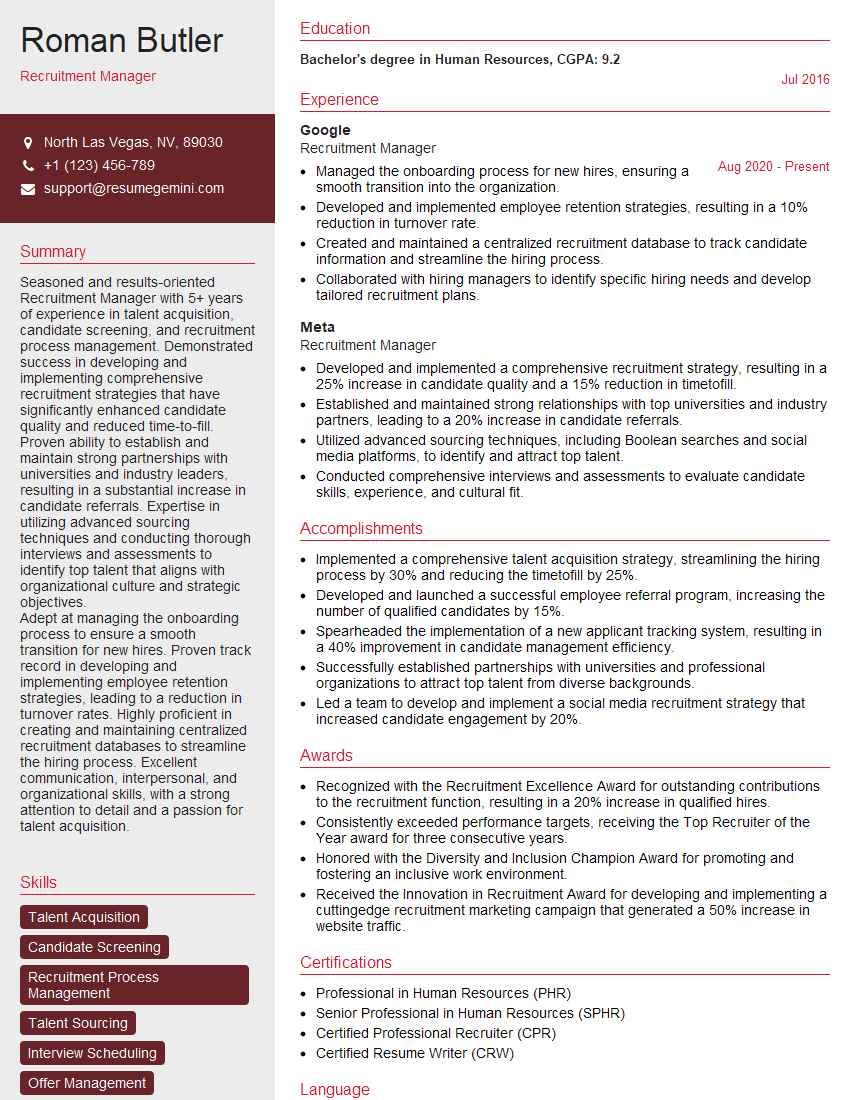
Recruitment Manager Resume Sample
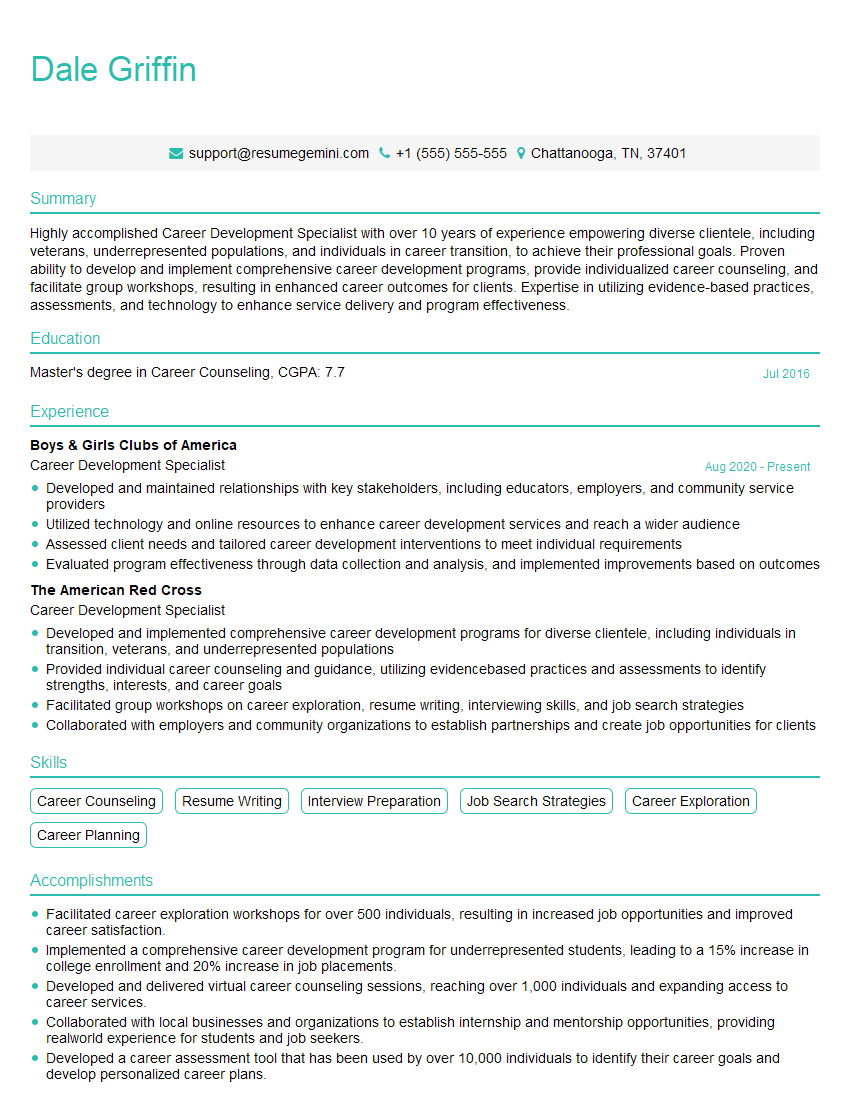
Career Development Specialist Resume Sample
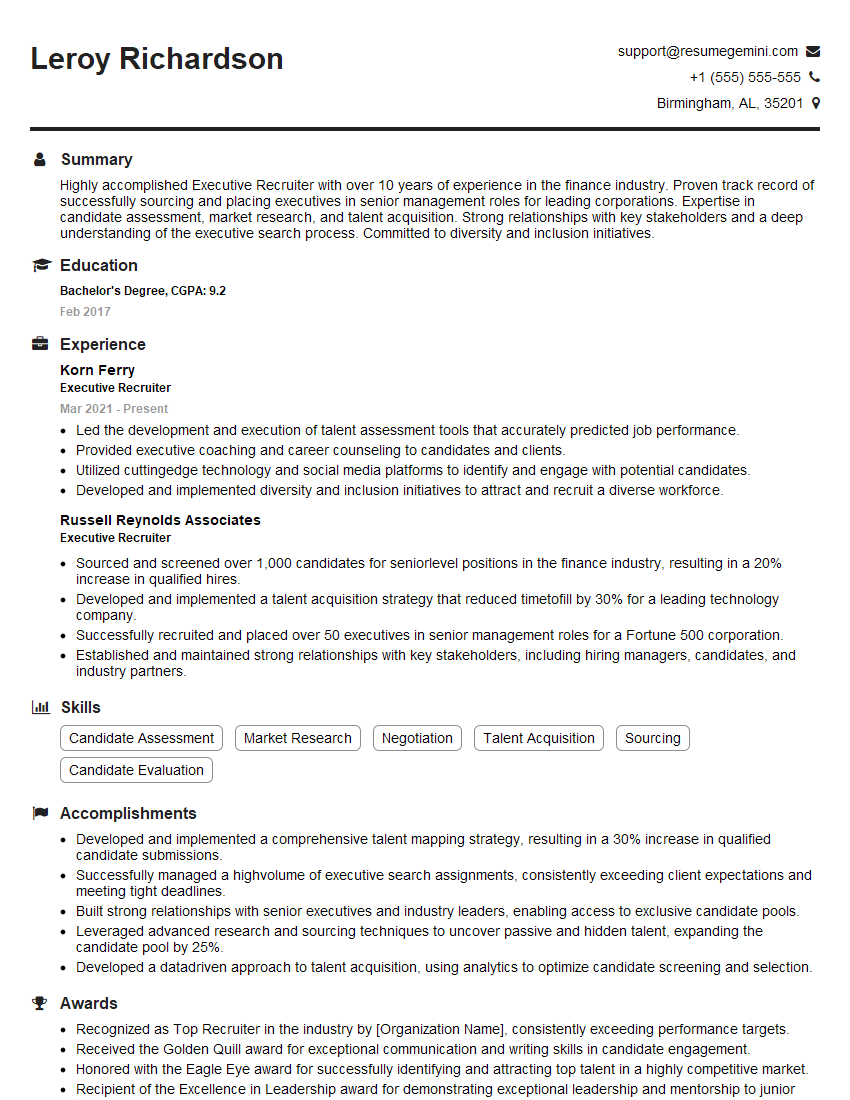
Executive Recruiter Resume Sample
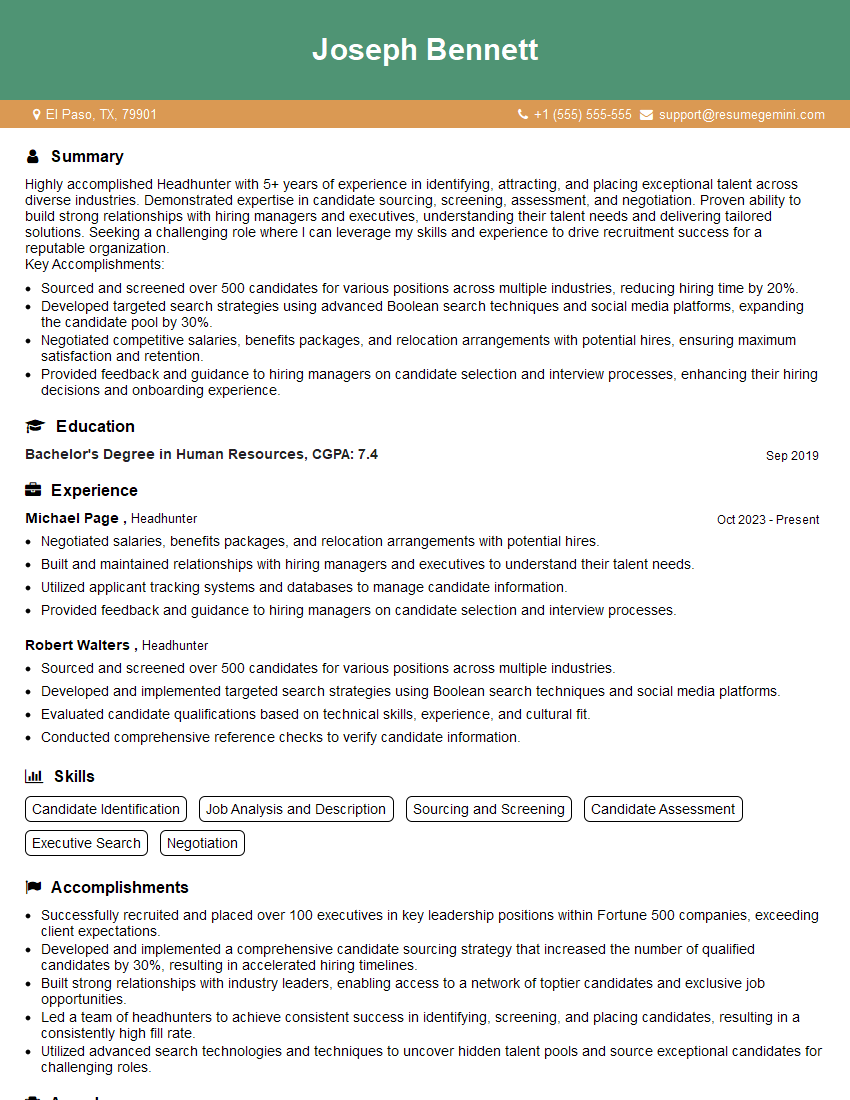
Headhunter Resume Sample
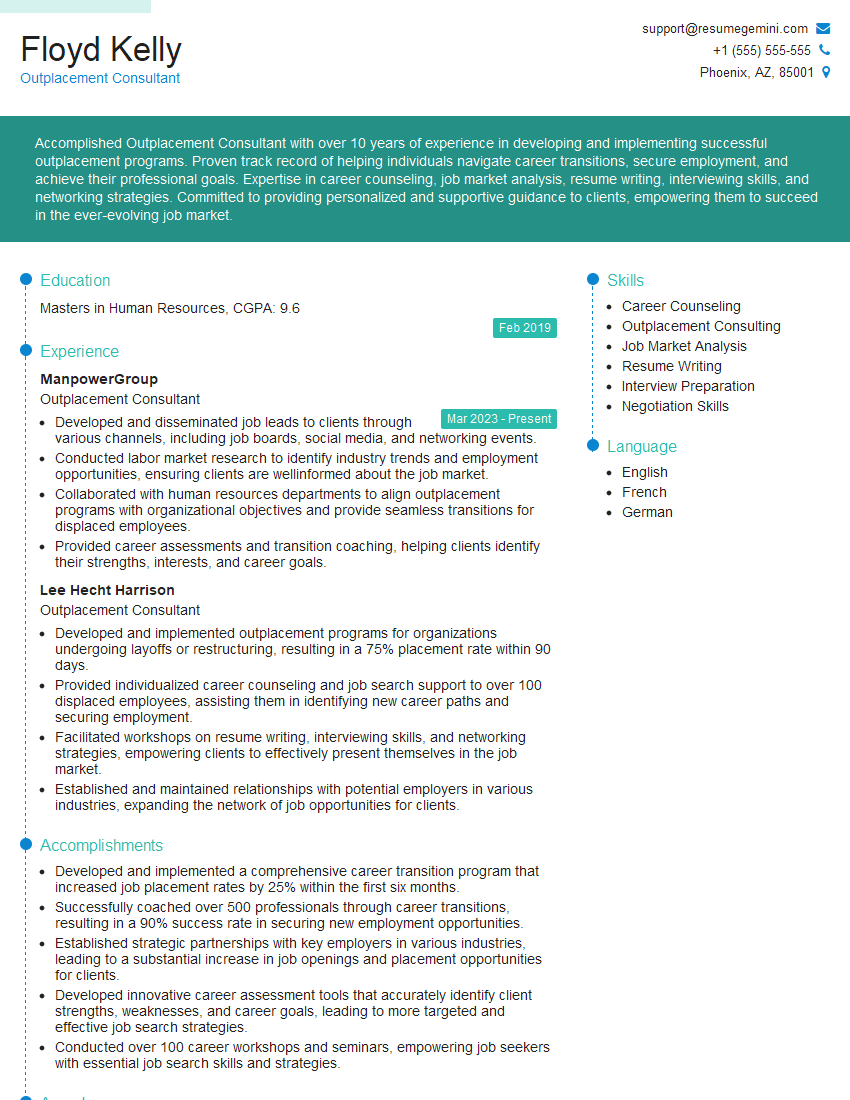
Outplacement Consultant Resume Sample
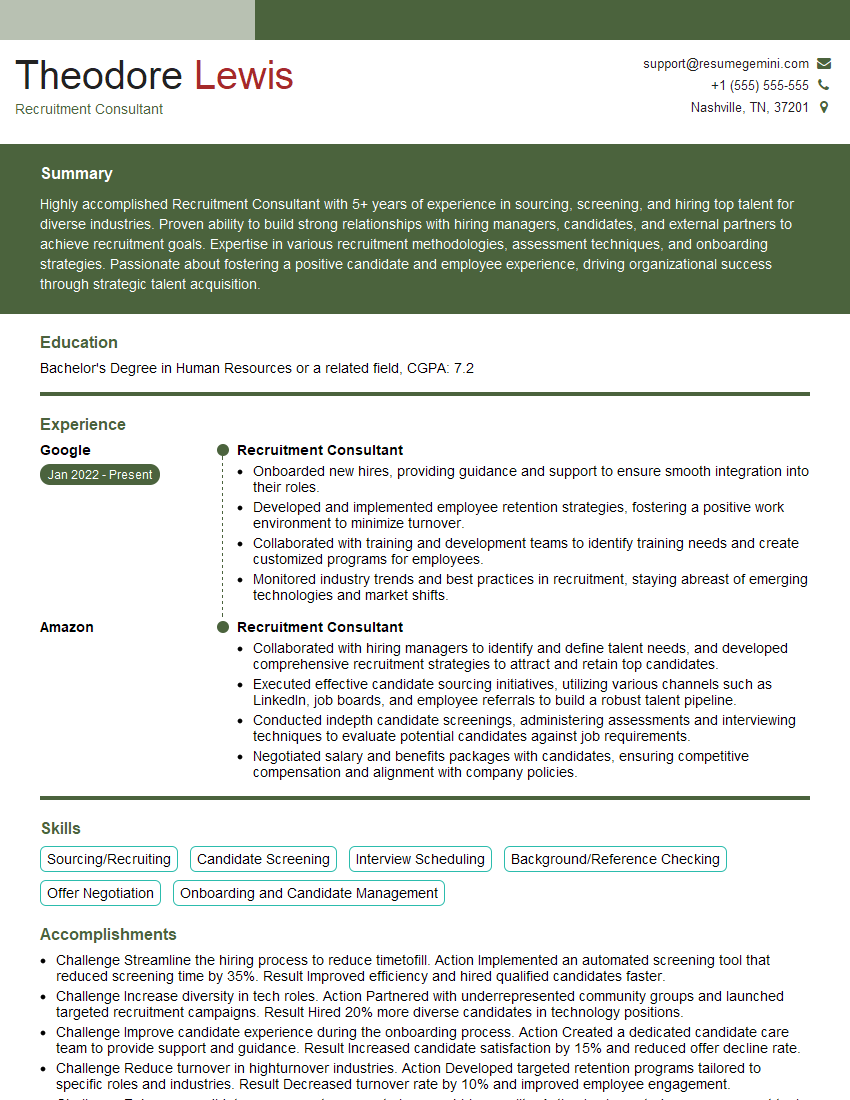
Recruitment Consultant Resume Sample
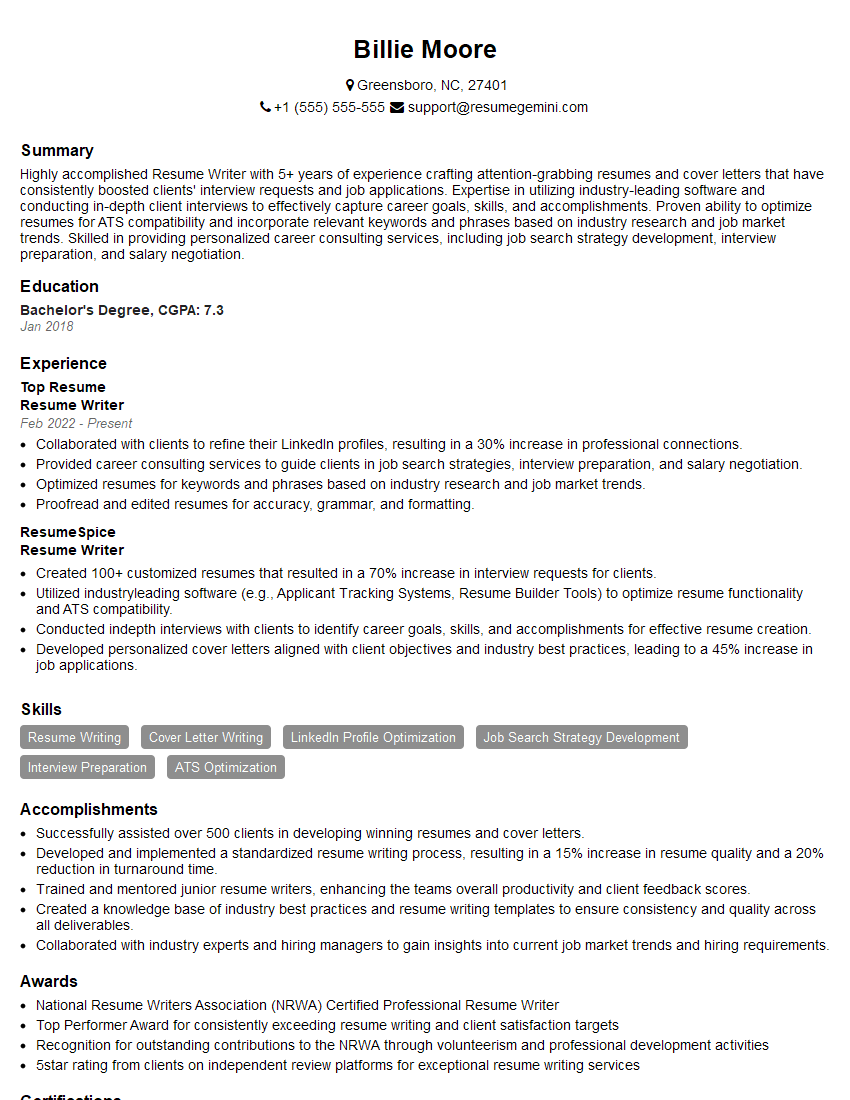
Resume Writer Resume Sample
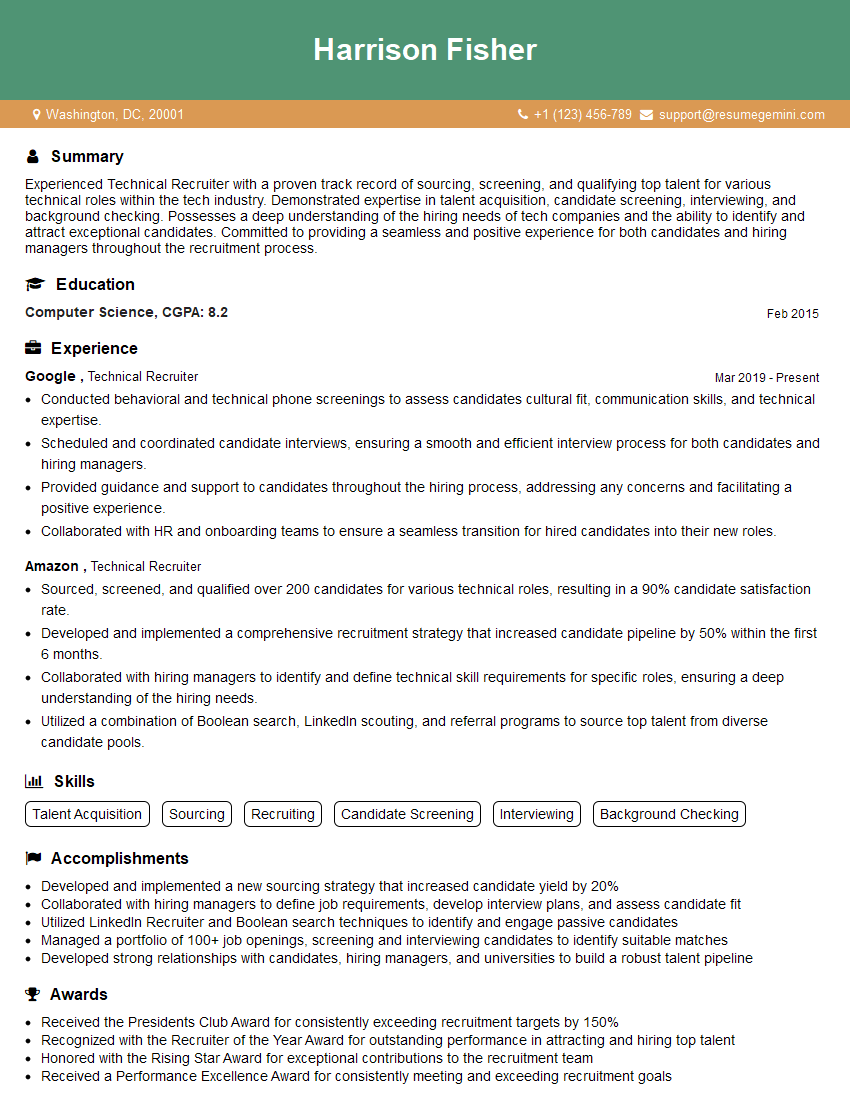
Technical Recruiter Resume Sample
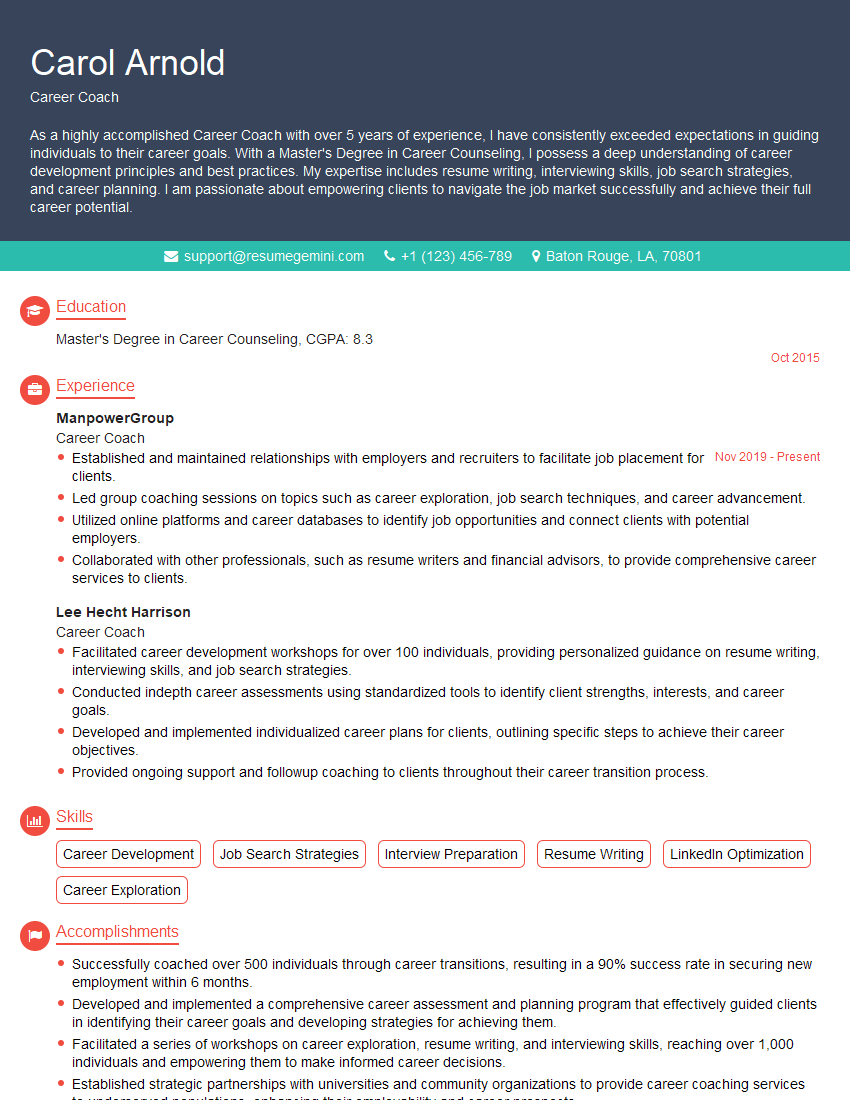
Career Coach Resume Sample
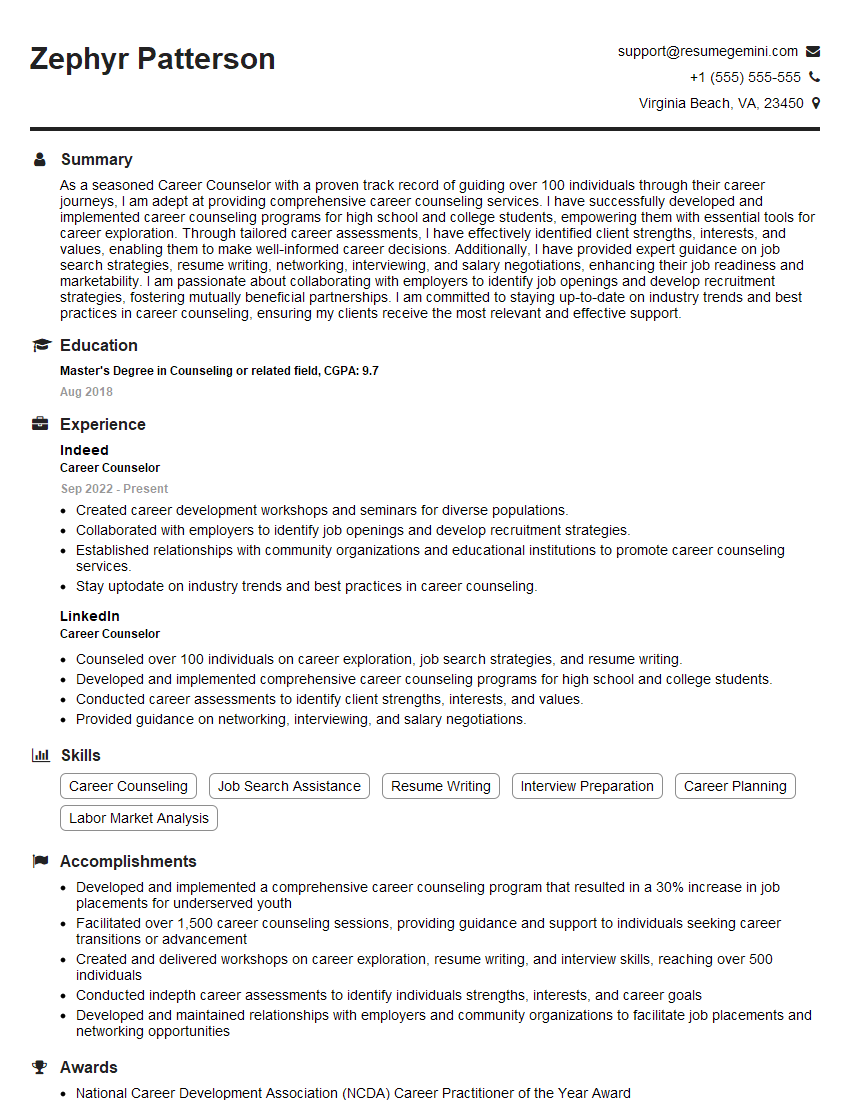
Career Counselor Resume Sample
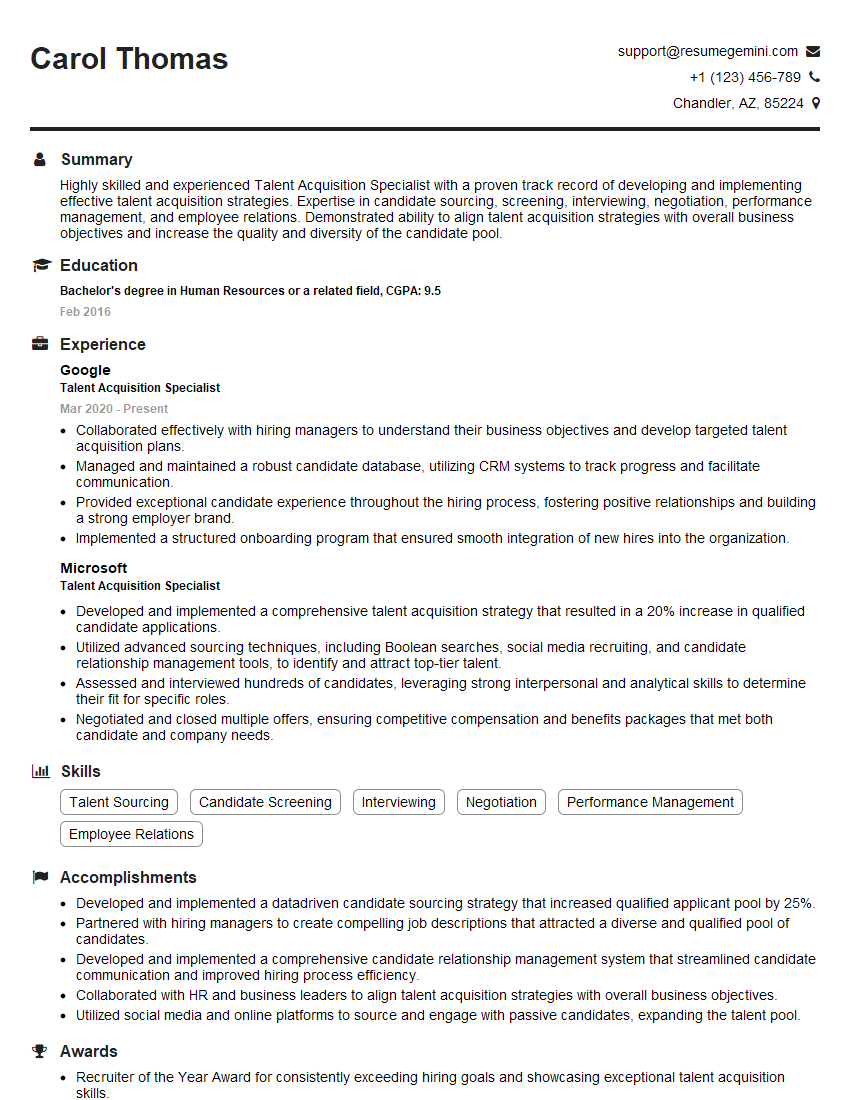
Talent Acquisition Specialist Resume Sample
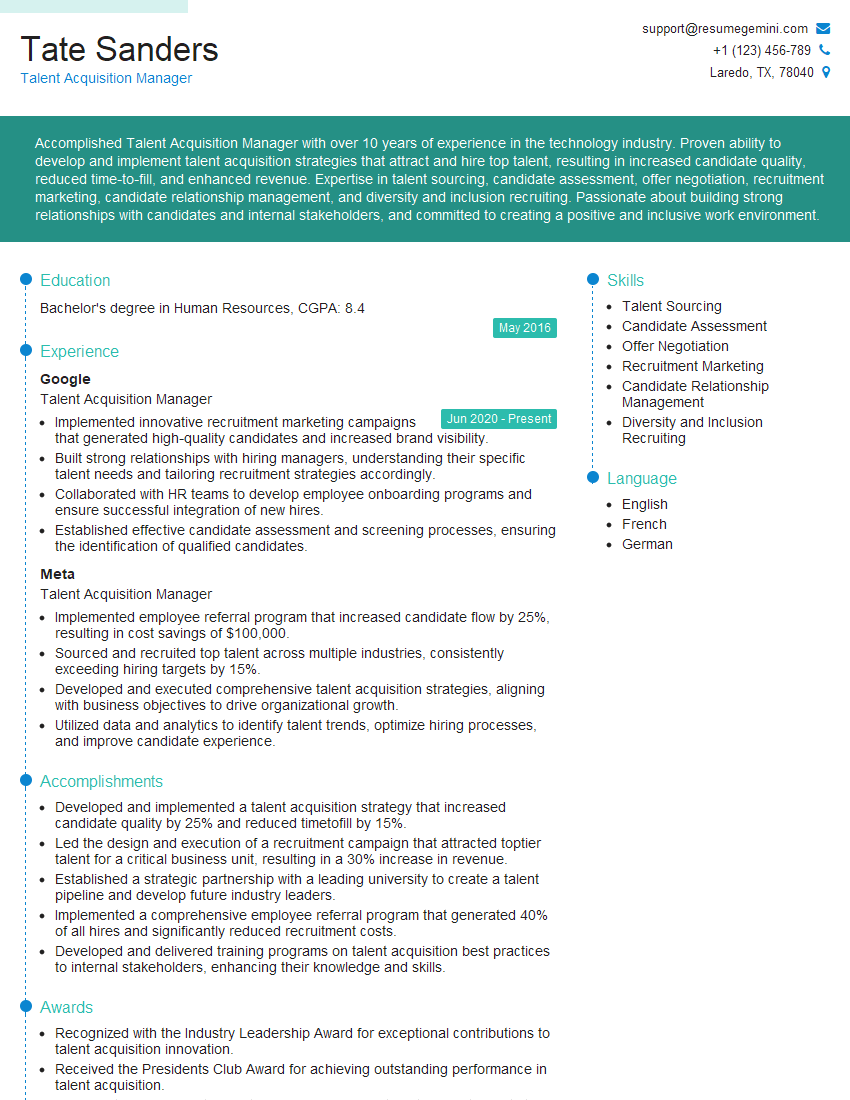
Talent Acquisition Manager Resume Sample
Explore more articles
Users Rating of Our Blogs
Share Your Experience
We value your feedback! Please rate our content and share your thoughts (optional).
What Readers Say About Our Blog
Amazing blog
Interesting Article, I liked the depth of knowledge you’ve shared.
Helpful, thanks for sharing.