Feeling uncertain about what to expect in your upcoming interview? We’ve got you covered! This blog highlights the most important Sensory Processing and Trauma-Informed Practices interview questions and provides actionable advice to help you stand out as the ideal candidate. Let’s pave the way for your success.
Questions Asked in Sensory Processing and Trauma-Informed Practices Interview
Q 1. Define sensory processing disorder (SPD) and its subtypes.
Sensory Processing Disorder (SPD) is a neurological condition where the brain has trouble receiving and responding to information from the senses. This means that the information coming in from the body and the environment isn’t processed efficiently, leading to challenges in daily life. There isn’t one single type of SPD, but rather a spectrum of difficulties. We often categorize challenges based on how the sensory information is processed:
- Sensory Modulation Disorder: This is the most common type and involves difficulty regulating responses to sensory input. Subtypes include:
- Sensory Over-responsivity: Individuals are easily overwhelmed by sensory input. Imagine a child who flinches at the slightest touch or screams in response to a loud noise. They might avoid certain textures, sounds, or situations.
- Sensory Under-responsivity: Individuals appear less sensitive to sensory input. A child might not notice a painful stimulus or continue playing despite a loud crash. They might need significantly more input than typical children (e.g., pushing harder on objects, jumping excessively).
- Sensory Seeking/Craving: Individuals actively seek intense sensory input. A child might constantly bump into things, crave deep pressure, or spin incessantly. This is their way of self-regulating.
- Sensory Discrimination Disorder: This involves difficulty distinguishing between different sensory inputs. For example, a child might not be able to tell the difference between warm and hot water, or different textures of fabric. This can impact fine motor skills and daily activities.
- Sensory-Based Motor Disorder: This involves difficulty with planning and executing motor movements. Problems with postural control, balance, and coordination are common.
It’s important to note that these subtypes often overlap, and a child might present with a combination of these challenges.
Q 2. Explain the impact of trauma on sensory processing.
Trauma significantly impacts sensory processing. The experience of trauma often results in heightened sensory reactivity or heightened awareness of one’s surroundings, which can lead to difficulties in self-regulation. For example, a child who experienced abuse might be hypervigilant to touch, easily startled by loud noises, or have difficulty tolerating crowds. These heightened responses can be a manifestation of the nervous system being in a state of chronic hyperarousal. They might become easily overwhelmed by sensory input that would not typically bother a non-traumatized individual. Additionally, trauma can impact the ability to self-soothe and regulate emotions, further exacerbating sensory challenges. Conversely, trauma can also lead to sensory under-responsivity as a coping mechanism – a way to disconnect from distressing sensations. It’s crucial to remember that trauma’s impact on sensory processing is unique to each individual and dependent on factors like the nature, duration, and frequency of their experiences.
Q 3. Describe the key principles of trauma-informed care.
Trauma-informed care is a holistic approach that recognizes the pervasive impact of trauma and actively works to create a safe and supportive environment. Key principles include:
- Safety: Creating a physically and emotionally safe space where individuals feel protected and respected.
- Trustworthiness and Transparency: Building a trusting relationship through open communication and clear expectations.
- Peer Support: Recognizing the value of peer support and promoting connections with others who understand.
- Collaboration and Empowerment: Working collaboratively with individuals to empower them to take control of their healing process.
- Choice, Control, and Autonomy: Providing individuals with choices and empowering them to make decisions about their care.
- Cultural, Historical, and Gender Issues: Recognizing and addressing the impact of culture, history, and gender on trauma experiences.
These principles ensure that interventions are sensitive to the individual’s experiences and avoid retraumatization.
Q 4. How would you assess a child’s sensory processing needs?
Assessing a child’s sensory processing needs involves a multi-faceted approach. It’s not solely about standardized tests, but rather a comprehensive evaluation that takes into account different perspectives. I begin with a thorough interview with parents and caregivers, to understand the child’s behavioral patterns, challenges, and responses to various sensory stimuli. This is followed by direct observation of the child in different environments—play areas, classrooms, etc.—to note their sensory reactions. I utilize standardized sensory assessments to quantify sensory processing abilities, but these are just one component of the picture. The Sensory Profile and the Sensory Integration and Praxis Tests are two examples of useful tools, but clinical judgment based on observation is critical. Finally, I consult with teachers and other relevant professionals to gain a well-rounded understanding of the child’s strengths and challenges across different contexts. This holistic method allows for a more accurate and useful diagnosis and treatment plan.
Q 5. What are some common sensory regulation strategies you use?
Sensory regulation strategies vary depending on the specific needs of the individual. However, some common strategies I use include:
- Heavy Work Activities: Activities like pushing, pulling, lifting, carrying, or climbing provide deep pressure input that can be calming for individuals who are overstimulated.
- Proprioceptive Input: Activities that increase awareness of body position and movement, such as yoga, obstacle courses, and weighted blankets, help ground the body.
- Vestibular Input: Activities that stimulate the inner ear, such as swinging, rocking, or spinning, can help regulate the nervous system.
- Tactile Input: Providing opportunities for appropriate tactile exploration, using various textures, and incorporating deep pressure through massage can be beneficial.
- Auditory Input: Using calming music, white noise, or nature sounds can help regulate arousal levels. Conversely, minimizing overwhelming sounds is essential.
- Visual Input: Providing a consistent and predictable visual environment, or using visual aids to organize spaces, can reduce sensory overload.
These strategies are often combined and tailored to the individual’s specific needs, preferences, and responses. It’s crucial to carefully monitor and adapt the approach based on the child’s reactions.
Q 6. How do you adapt therapeutic interventions for individuals with trauma histories?
Adapting therapeutic interventions for individuals with trauma histories requires a mindful and trauma-sensitive approach. Firstly, it’s crucial to build a strong therapeutic alliance based on trust and safety. The pace of therapy must be carefully matched to the individual’s capacity, allowing them to set the pace and decide what they are ready to engage with. Interventions should be collaborative, empowering the individual to take an active role in their healing process. Avoid using techniques that might trigger trauma memories or increase distress; this includes rapid-paced or physically intense interventions. For example, if working with a child who has experienced physical abuse, tactile activities should be introduced gradually and with extreme sensitivity to the child’s responses. Deep pressure may be used to promote relaxation but only if comfortable for the child. The focus should be on developing coping mechanisms for managing sensory overload and regulating emotional responses and body awareness. Trauma-informed care emphasizes creating a sense of safety, predictability, and control to support healing.
Q 7. Explain the difference between sensory modulation and sensory discrimination.
Sensory modulation and sensory discrimination are two distinct but related aspects of sensory processing.
- Sensory Modulation: This refers to the ability to regulate and respond appropriately to sensory input. It’s about controlling the intensity and duration of responses to sensory information. For example, a child with good sensory modulation can adjust their behaviour in response to noise—perhaps putting on headphones or moving to a quieter area—rather than becoming overwhelmed and distressed.
- Sensory Discrimination: This refers to the ability to distinguish between different sensory inputs. It’s about accurately identifying and interpreting various sensory stimuli. For example, a child with good sensory discrimination can distinguish between different textures, tastes, smells, sounds, and sights. This ability is fundamental to many developmental skills, including fine motor skills, language development, and social interaction.
While distinct, these aspects are interconnected. Difficulty with sensory discrimination can sometimes lead to difficulties in modulation, as the brain struggles to process and make sense of confusing or ambiguous sensory input. For example, a child who cannot discriminate between different sounds may become overwhelmed and over-reactive to auditory stimulation.
Q 8. What are the ethical considerations when working with trauma survivors?
Ethical considerations when working with trauma survivors are paramount. They center around ensuring the survivor’s safety, autonomy, and well-being throughout the therapeutic process. This includes:
- Informed Consent: Obtaining truly informed consent means explaining the treatment process, potential risks and benefits, and ensuring the client understands they can withdraw at any time without penalty. This is especially crucial with trauma survivors who may have difficulty asserting their boundaries.
- Confidentiality and Boundaries: Maintaining strict confidentiality is vital, only breaking it under legally mandated circumstances, such as a threat of harm to self or others. Clear professional boundaries must be established and maintained to prevent re-traumatization.
- Power Dynamics: Recognizing and addressing the inherent power imbalance in the therapeutic relationship is crucial. Trauma survivors may be particularly vulnerable to manipulation or coercion, so fostering a collaborative and empowering approach is essential.
- Trauma-Informed Approach: Avoiding re-traumatization is key. This means being mindful of language, techniques, and the overall therapeutic environment. Triggers should be carefully considered, and the client’s pace should always be respected.
- Cultural Sensitivity: Understanding and respecting the client’s cultural background and beliefs is vital, as trauma can manifest differently across cultures.
- Dual Relationships: Avoiding dual relationships (e.g., becoming friends with a client) is crucial to maintain professional integrity and prevent exploitation.
For instance, if a survivor discloses a past experience of betrayal, the therapist must be acutely aware of the potential for this to be triggered by any perceived breach of trust in the therapeutic relationship itself. The therapist needs to actively work to build a foundation of safety and trust.
Q 9. Describe a time you had to adjust a treatment plan due to sensory sensitivities.
I once worked with a child who had significant tactile defensiveness, making traditional occupational therapy approaches challenging. The initial treatment plan involved hands-on activities like playdough and finger painting, which resulted in significant anxiety and withdrawal.
Observing his reactions, I realized a modification was needed. We adjusted the plan to incorporate more visual and auditory activities initially. We started with calming activities involving bubbles or listening to quiet music. Gradually, we introduced tactile experiences using softer materials, like stroking a feather or playing with textured fabrics. We moved at his pace, rewarding his efforts and providing breaks as needed. The change in approach, prioritizing his sensory comfort, dramatically improved his participation and overall engagement in therapy.
Q 10. How do you build rapport and trust with individuals who have experienced trauma?
Building rapport and trust with trauma survivors requires patience, empathy, and a trauma-informed approach. It’s not about pushing for immediate disclosure but about creating a safe and predictable environment.
- Non-judgmental Acceptance: Survivors need to feel unconditionally accepted, without pressure to share details of their trauma before they are ready.
- Validation: Validating their experiences and feelings is crucial. This means acknowledging the impact of trauma and normalizing their responses.
- Collaboration: Involving them in the therapeutic process and empowering them to make choices builds trust.
- Establishing Safety: Creating a calm and predictable therapeutic environment is essential. This can include using clear and consistent communication, respecting boundaries, and providing choices.
- Building a Therapeutic Alliance: This is the foundation of any effective therapeutic relationship. It takes time and effort to develop mutual respect, trust, and collaboration.
For example, I might begin sessions by asking about their preferences for the session’s environment, like lighting or seating. This small act of control allows them to feel more empowered and in charge of the therapeutic space.
Q 11. Explain how you would incorporate sensory strategies into a classroom setting.
Incorporating sensory strategies into a classroom setting requires understanding the needs of individual students. It’s about creating a more inclusive and supportive learning environment.
- Sensory Diet: Implementing a “sensory diet” involves incorporating planned sensory activities throughout the day to regulate students’ sensory systems. This might include short breaks for movement, quiet time in a sensory corner, or opportunities for tactile input.
- Classroom Organization: Minimizing visual clutter and providing designated quiet areas can reduce sensory overload for some students.
- Adaptive Equipment: Consider using fidget toys, weighted blankets, or noise-canceling headphones to help students regulate their sensory input.
- Sensory Tools: Providing access to sensory tools, such as stress balls, textured items, or calming visuals, can help students self-regulate.
- Teacher Training: Educators need to be trained in recognizing and responding to sensory sensitivities. This includes understanding individual student needs and adapting teaching methods accordingly.
For instance, a student with auditory sensitivities might benefit from seating away from noisy areas or using noise-canceling headphones. A student with tactile defensiveness might benefit from using alternative writing tools or having options for different textured materials during art activities.
Q 12. What is your experience with different sensory integration techniques?
My experience encompasses a range of sensory integration techniques, including:
- Wilbarger Brushing Protocol: This involves using a specific type of brush to provide proprioceptive input, which can be helpful for individuals with low muscle tone or poor body awareness.
- Vestibular Stimulation: Activities such as swinging, rocking, or spinning can stimulate the vestibular system, which plays a crucial role in balance and spatial orientation.
- Proprioceptive Input: Activities that involve heavy work, such as carrying heavy objects or engaging in resistance exercises, provide proprioceptive feedback, improving body awareness and regulation.
- Tactile Input: Activities involving different textures, temperatures, and pressures can help improve tactile processing and reduce sensory defensiveness.
- Auditory and Visual Integration: Using calming music or visuals, along with other sensory strategies, can assist in reducing sensory overload and promoting regulation.
The specific techniques I use are tailored to each individual’s unique needs and preferences, and are always implemented within a trauma-informed framework, prioritizing safety and comfort.
Q 13. How do you differentiate between sensory sensitivities and behavioral challenges?
Differentiating between sensory sensitivities and behavioral challenges requires careful observation and assessment. Sensory sensitivities are often the root cause of certain behaviors. While seemingly unrelated, they are frequently interconnected.
- Sensory Processing: Sensory sensitivities involve difficulties processing sensory information, leading to atypical responses to sensory stimuli (e.g., light, sound, touch). These responses might manifest as avoidance, seeking, or over- or under-reactions.
- Behavioral Challenges: These are outward manifestations of underlying issues, often including sensory sensitivities. Behaviors might include aggression, self-injury, withdrawal, or difficulty following instructions.
For example, a child who appears disruptive in class might not be deliberately defiant but rather overwhelmed by the auditory stimulation of a crowded room. Addressing the underlying sensory sensitivities – perhaps by providing noise-canceling headphones or a quiet workspace – could significantly improve the child’s behavior.
A thorough assessment, including observation, parent/caregiver reports, and standardized sensory processing measures, is essential to differentiate between the two and develop effective interventions.
Q 14. How would you support a client experiencing sensory overload?
Supporting a client experiencing sensory overload requires a calm and systematic approach, focusing on reducing the overwhelming sensory input and promoting regulation.
- Identify the Triggers: The first step is to identify what is causing the overload. Is it visual, auditory, tactile, or a combination of sensory inputs?
- Reduce Stimulation: Immediately move the individual to a quieter, less stimulating environment. This might involve dimming lights, turning down the volume, or minimizing tactile input.
- Deep Breathing and Relaxation Techniques: Guide the client through deep breathing exercises or other relaxation techniques to help calm their nervous system.
- Provide Sensory Input to Promote Regulation: Offer calming sensory input, such as a weighted blanket, soft music, or gentle rocking.
- Physical Comfort: Ensure the individual is physically comfortable. This might involve providing a safe and comfortable space to sit or lie down.
- Monitor and Adjust: Continuously monitor the client’s response and adjust the strategies as needed. The goal is to gradually reduce the sensory overload and promote a sense of calm and safety.
It’s crucial to remember that patience and understanding are vital. Allowing the individual to recover at their own pace is paramount. Respecting their boundaries and allowing for breaks ensures a trauma-informed approach and fosters trust.
Q 15. Describe your experience using sensory diets.
Sensory diets are individualized plans of sensory activities designed to help regulate a person’s nervous system. They aren’t about providing a ‘diet’ in the traditional sense, but rather a carefully selected and sequenced combination of sensory input tailored to meet an individual’s specific needs. I work collaboratively with clients and their families to understand their sensory preferences and challenges, identifying which sensory systems (vestibular, proprioceptive, tactile, auditory, visual, gustatory, olfactory) need support.
For example, a child who struggles with focus and impulse control might benefit from activities involving heavy work (e.g., carrying heavy objects, pushing a weighted cart), which provides strong proprioceptive input. Conversely, a child hypersensitive to touch might need calming activities such as slow, deep pressure massage or time in a quiet, dim space. I develop diets that are flexible and adaptable to their daily routines and environments. This involves monitoring the child’s responses to different activities and adjusting the diet accordingly over time. Successful implementation involves careful observation and ongoing communication with caregivers.
One example is a client with autism who exhibited significant sensory overload in busy environments. Through observation and collaboration with their parents, we identified a need for more proprioceptive input and less auditory stimulation. We implemented a sensory diet incorporating activities such as weighted blanket use at night, wall push-ups during the day, and the use of noise-cancelling headphones in noisy environments. This resulted in a significant decrease in meltdowns and improved focus in school.
Career Expert Tips:
- Ace those interviews! Prepare effectively by reviewing the Top 50 Most Common Interview Questions on ResumeGemini.
- Navigate your job search with confidence! Explore a wide range of Career Tips on ResumeGemini. Learn about common challenges and recommendations to overcome them.
- Craft the perfect resume! Master the Art of Resume Writing with ResumeGemini’s guide. Showcase your unique qualifications and achievements effectively.
- Don’t miss out on holiday savings! Build your dream resume with ResumeGemini’s ATS optimized templates.
Q 16. How would you involve caregivers in the treatment process?
Caregivers are integral partners in the treatment process. My approach emphasizes a collaborative, strength-based model where I empower caregivers with the knowledge and skills needed to support their loved ones. This includes educating them about sensory processing challenges, explaining the rationale behind the sensory diet or intervention plan, and providing practical strategies for implementing the plan in various settings (home, school, community).
I use clear and accessible language, avoiding jargon, and I actively encourage their feedback and participation in all stages. Regular check-ins, both in-person and via email or phone, are crucial for monitoring progress, addressing concerns, and making necessary adjustments to the treatment plan. Providing caregivers with resources, such as links to relevant websites or support groups, further strengthens the collaborative relationship.
For instance, I might hold workshops for parents teaching them how to create a calming space at home or effectively respond to sensory sensitivities during transitions. By involving caregivers directly, I ensure that treatment strategies are both effective and sustainable within the family’s daily life.
Q 17. What are the signs of sensory defensiveness and how would you address them?
Sensory defensiveness refers to a heightened sensitivity to sensory input, leading to negative emotional or behavioral reactions. Signs can manifest differently depending on the individual and the specific sensory system involved. It might present as strong aversion to certain textures (e.g., refusing to wear certain clothes), an extreme dislike of loud noises or bright lights, or difficulties with physical touch. Children might exhibit avoidance behaviors, aggression, or anxiety in response to seemingly benign stimuli.
Addressing sensory defensiveness requires a careful and gradual approach. It’s crucial to avoid forcing the child to engage with feared sensory input, as this could intensify anxiety. Instead, we create a safe and supportive environment that promotes gradual desensitization. This might include introducing sensory input at a low intensity and gradually increasing the intensity as the child tolerates it. For example, if a child fears certain textures, we might start by letting them touch the fabric through a layer of clothing before progressing to direct contact.
Other strategies involve providing choices and control, offering a ‘sensory break’ when needed, and incorporating sensory regulation strategies into the daily routine. The goal is not necessarily to eliminate all sensitivities but to equip the child with coping mechanisms to manage sensory challenges. Careful planning and flexible implementation are key for success.
Q 18. Explain the importance of collaborative care in treating trauma.
Collaborative care in trauma treatment is vital because trauma’s impact extends beyond the individual to their family and support system. It acknowledges that trauma is a complex issue that requires a multidisciplinary approach. A coordinated team consisting of therapists, psychiatrists, social workers, educators, and potentially medical professionals, works together to develop an individualized treatment plan addressing the client’s physical, emotional, and social needs.
This collaborative approach ensures that the client receives holistic care that addresses the multiple facets of trauma. For example, a therapist might focus on processing traumatic memories, while a psychiatrist might manage any co-occurring mental health conditions like PTSD or depression, and a social worker could help connect the client with resources such as housing or support groups. Effective communication and consistent information sharing among team members are key to ensuring the treatment plan is cohesive and effective.
Open communication with the client and their family is paramount. Their input and preferences influence the collaborative decision-making process. A successful collaboration optimizes outcomes and empowers clients to reclaim their lives after experiencing trauma.
Q 19. How would you advocate for individuals with sensory processing challenges?
Advocating for individuals with sensory processing challenges requires a multifaceted approach that leverages different avenues. This begins with educating others – teachers, employers, and the general public – about the nature of sensory processing differences and the potential impact on daily life. Using clear, non-technical language, I highlight the individual’s strengths and capabilities while acknowledging their needs.
I actively participate in workshops and conferences to raise awareness and educate professionals. I also advocate for inclusive policies and practices that accommodate the sensory needs of these individuals in educational and workplace settings. This might involve advocating for sensory-friendly environments, providing sensory breaks during the day, or recommending assistive technologies.
Working directly with the individual and their families to develop individualized plans is critical. These plans clearly outline strategies to meet their unique needs, which helps to create an understanding and acceptance of their sensory differences. Ultimately, fostering a culture of understanding and inclusivity is pivotal to ensuring successful integration into various life aspects.
Q 20. Describe your experience with different types of trauma therapies.
My experience encompasses various trauma-informed therapies, each tailored to the individual’s specific needs and trauma history. I have extensive experience with Eye Movement Desensitization and Reprocessing (EMDR), a widely researched therapy for trauma that uses bilateral stimulation to help process traumatic memories. I also utilize Cognitive Processing Therapy (CPT), which focuses on challenging maladaptive thoughts and beliefs related to the trauma.
Narrative therapy helps individuals reframe their traumatic experiences by constructing a more empowering narrative. Play therapy is particularly useful with children, providing a safe space for emotional expression and processing through play. I incorporate these therapies as needed and in combination to address the various manifestations of trauma, ensuring the client receives the most effective treatment approach possible. The selection of therapy depends greatly on factors like the client’s age, the nature of the trauma, and their personal preferences.
For example, I might use EMDR for a client struggling with PTSD from a car accident and CPT to address any negative self-beliefs arising from the event. The therapeutic approach is always adaptable, ensuring it remains client-centered and sensitive to their needs.
Q 21. How do you measure the effectiveness of your interventions?
Measuring the effectiveness of interventions involves a multifaceted approach combining qualitative and quantitative data. Quantitative measures might include standardized assessments of sensory processing, anxiety levels, or PTSD symptoms. For instance, the Sensory Profile or the Child Behavior Checklist can provide baseline data and track progress over time.
Qualitative data is equally important, including regular feedback from the client and their caregivers regarding their experiences and perceived improvements. Observations of behavior in different settings provide valuable insights into the effectiveness of interventions. For example, I track the frequency and severity of sensory meltdowns, the client’s ability to participate in social activities, and their overall mood and emotional regulation.
I use this combined data to make informed decisions about treatment modifications, ensuring the strategies used remain appropriate and effective in achieving desired outcomes. Regular review and adaptation are central to providing ongoing, individualized support.
Q 22. What are the limitations of using sensory integration techniques?
Sensory integration techniques, while incredibly beneficial for many individuals, aren’t a one-size-fits-all solution. Their limitations stem from several factors.
- Individual Variability: Sensory processing differences are unique to each person. What works for one individual might be overwhelming or ineffective for another. For example, a child who finds deep pressure calming may experience a weighted blanket as constricting, while another child thrives with it.
- Underlying Conditions: Sensory integration difficulties often coexist with other conditions like autism, ADHD, or developmental delays. Addressing sensory needs alone may not address the underlying issues contributing to challenges.
- Complexity of Sensory Processing: Sensory processing isn’t just about one sense; it’s an intricate interplay of all senses and their impact on the nervous system. A purely sensory approach might overlook the emotional and cognitive factors involved.
- Lack of Skilled Practitioners: The effectiveness of sensory integration depends heavily on the practitioner’s expertise in assessment and individualized intervention planning. Improperly implemented strategies can be counterproductive.
- Generalization of Skills: While improvements in a therapeutic setting are encouraging, successfully generalizing these improvements to everyday environments requires ongoing support and practice.
Therefore, a comprehensive assessment and a holistic approach incorporating various therapeutic modalities – occupational therapy, speech therapy, psychological support – are often necessary for optimal outcomes. It’s crucial to remember that sensory integration is a component of a larger therapeutic plan, not a standalone solution.
Q 23. How do you address secondary trauma in your work?
Addressing secondary trauma, the trauma experienced by caregivers or therapists as a result of working with trauma survivors, is crucial for maintaining professional well-being and ethical practice. I prioritize self-care strategies, regularly engaging in supervision and peer support to process challenging cases and prevent burnout. This involves debriefing sessions where we discuss cases, share coping strategies, and normalize the emotional impact of working with trauma.
Furthermore, I actively maintain professional boundaries by setting clear limits on my availability and avoiding emotional entanglement with clients. This also includes recognizing my own emotional and physical limits, taking breaks, and utilizing self-care techniques like mindfulness, meditation, or engaging in activities that bring joy and relaxation.
Building a strong support system among colleagues is key. Sharing experiences, offering validation, and receiving empathy are all vital components of mitigating secondary trauma. It’s essential to acknowledge that compassion fatigue is a real risk, and proactive steps are essential to prevent it.
Q 24. What is your understanding of polyvagal theory and its relevance to trauma?
Polyvagal theory, developed by Dr. Stephen Porges, explains the connection between the autonomic nervous system and social engagement. It highlights the role of the vagus nerve in regulating our physiological responses to perceived threat. This is highly relevant to trauma because traumatic experiences often disrupt the body’s natural regulation mechanisms.
In essence, the theory proposes a hierarchy of responses to threat: social engagement, fight-or-flight, and freeze. Trauma can lead to a dysregulation where individuals become stuck in a state of hyperarousal (fight-or-flight) or hypoarousal (freeze), constantly feeling on edge or shut down. Understanding this helps us tailor interventions to help clients safely regulate their nervous systems. For example, we might use techniques like deep breathing to activate the vagus nerve and promote a sense of calm and safety.
In my work, I use polyvagal theory to inform my therapeutic approach, focusing on creating safe and calming environments that encourage social engagement. This might involve establishing trust through consistent and predictable interactions, utilizing calming sensory input, and gently encouraging social connection when the client is ready. The goal is to help clients shift from a state of dysregulation to one of self-regulation and safety.
Q 25. Describe your experience working with diverse populations.
My experience spans diverse populations, including children, adolescents, and adults from various cultural and socioeconomic backgrounds. I’ve worked with individuals experiencing a wide range of trauma, from childhood abuse and neglect to natural disasters and interpersonal violence. Understanding the cultural context of trauma is essential, as cultural norms and beliefs significantly influence how trauma is expressed and experienced.
For example, some cultures may emphasize stoicism, making it challenging for individuals to openly discuss their trauma. In my practice, I prioritize cultural sensitivity and adapt my approach based on the individual’s unique cultural background and experiences. This involves incorporating culturally relevant techniques and building trust through active listening and respectful communication. I make sure to adjust my language to be inclusive and to use examples that resonate with each person’s unique context. I am continually learning and seeking out training to further expand my cultural competency and ensure I am providing equitable and culturally appropriate care.
Q 26. How do you maintain professional boundaries while working with trauma survivors?
Maintaining professional boundaries with trauma survivors is paramount to both their well-being and mine. This involves establishing clear boundaries from the outset, clearly defining the therapeutic relationship and its limits.
- Confidentiality: Strict adherence to confidentiality guidelines is crucial, ensuring the client feels safe and protected.
- Professional Conduct: Maintaining a professional demeanor at all times, avoiding dual relationships (e.g., becoming friends with clients), and setting appropriate limits on contact outside of sessions.
- Self-Awareness: Regularly reflecting on my own emotional responses and seeking supervision when necessary to prevent countertransference (unconscious emotional reactions to the client’s experiences).
- Documentation: Meticulous record-keeping helps maintain objectivity and clarity in the therapeutic process.
- Ethical Guidelines: Strict adherence to professional ethical guidelines and seeking consultation when facing ethically complex situations.
By prioritizing these practices, I ensure the client’s healing process is prioritized and that I maintain professional integrity and protect myself from emotional burnout. For example, it’s crucial to avoid engaging in informal conversations, offering personal advice outside of therapy or accepting gifts from clients, that could blur professional boundaries.
Q 27. What are your strategies for self-care in a demanding role?
Working with trauma survivors can be emotionally demanding. Prioritizing self-care is not a luxury but a necessity for maintaining professional effectiveness and preventing burnout. My self-care strategies are multifaceted and include:
- Regular exercise: Physical activity helps regulate my nervous system and reduce stress.
- Mindfulness and meditation: These practices help me cultivate self-awareness and manage emotional overwhelm.
- Spending time in nature: Connecting with nature provides a sense of calm and rejuvenation.
- Engaging in hobbies: Participating in activities that bring me joy and relaxation helps me recharge.
- Maintaining healthy boundaries: This includes setting limits on work hours, taking regular breaks, and prioritizing my personal time.
- Supervision and peer support: Regular supervision sessions provide a safe space to process complex cases and receive support from experienced colleagues.
- Continued professional development: Staying current with the latest research and best practices helps me maintain my enthusiasm and competence.
Essentially, self-care is an ongoing process, not a one-time event. I consistently evaluate and adjust my self-care practices to ensure they remain effective and sustainable.
Key Topics to Learn for Sensory Processing and Trauma-Informed Practices Interview
- Sensory Processing Sensitivity & its impact: Understanding the spectrum of sensory sensitivities and its influence on behavior and emotional regulation. Consider the different sensory systems (visual, auditory, tactile, vestibular, proprioceptive, gustatory, olfactory) and how dysregulation can manifest.
- Trauma-Informed Care Principles: Applying these principles in practice, including safety, trustworthiness, choice, collaboration, and empowerment. Think about how you would create a safe and predictable environment.
- Assessment & Intervention Strategies: Discuss various assessment tools and therapeutic interventions for sensory processing challenges and trauma-related symptoms. Be prepared to discuss the differences between sensory integration therapy and other approaches.
- The impact of Trauma on Sensory Processing: Explore the neurological effects of trauma on sensory processing and how these effects can influence responses to sensory input. Consider the role of the nervous system in both trauma and sensory processing.
- Collaboration & Communication: Discuss the importance of collaboration with families, caregivers, and other professionals involved in the client’s care. Highlight effective communication strategies for conveying complex information about sensory processing and trauma.
- Ethical Considerations: Understand ethical guidelines and considerations relevant to working with individuals experiencing sensory processing challenges and trauma. This includes confidentiality, informed consent, and cultural sensitivity.
- Case Conceptualization & Treatment Planning: Describe your approach to developing individualized treatment plans based on thorough assessment and understanding of the client’s unique needs and context.
Next Steps
Mastering Sensory Processing and Trauma-Informed Practices is crucial for career advancement in this growing field. A strong understanding of these concepts demonstrates your expertise and commitment to client well-being, making you a highly desirable candidate. To significantly boost your job prospects, it’s essential to create an ATS-friendly resume that highlights your skills and experience effectively. ResumeGemini is a trusted resource that can help you build a professional and impactful resume tailored to your specific needs. We provide examples of resumes specifically designed for professionals in Sensory Processing and Trauma-Informed Practices to guide you through the process.
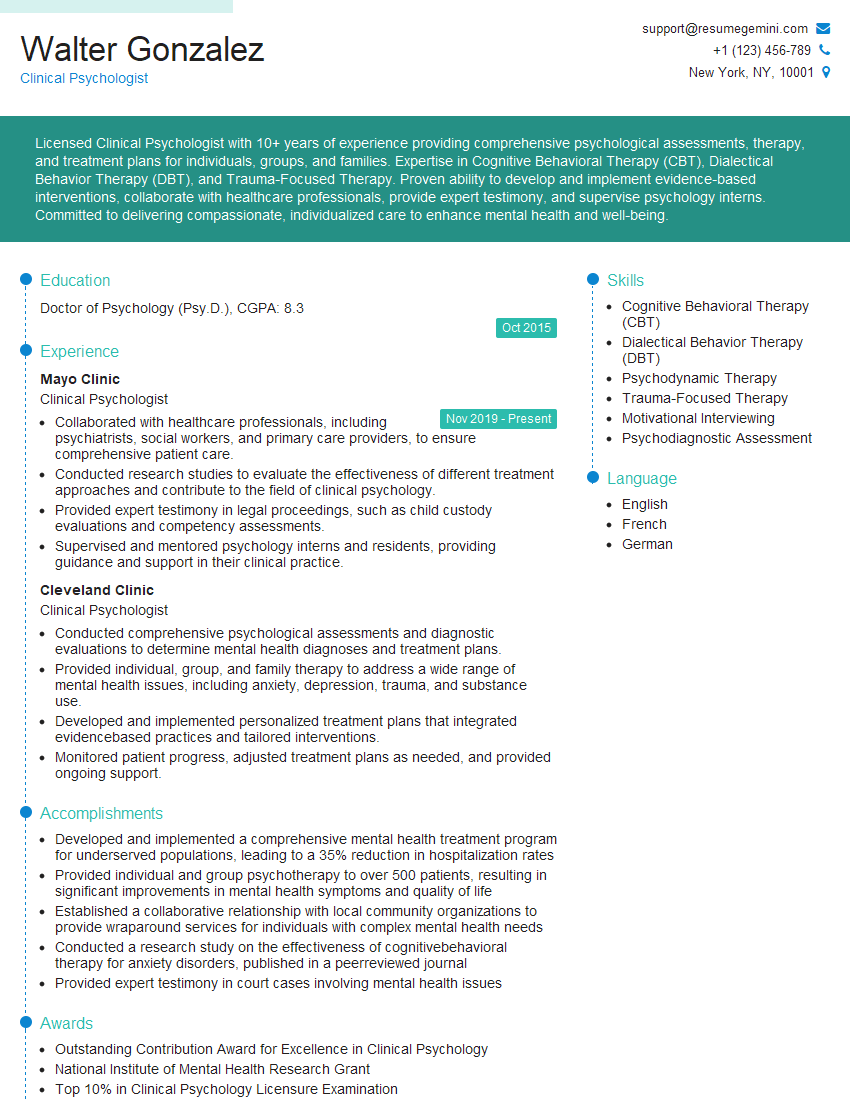
Clinical Psychologist Resume Sample
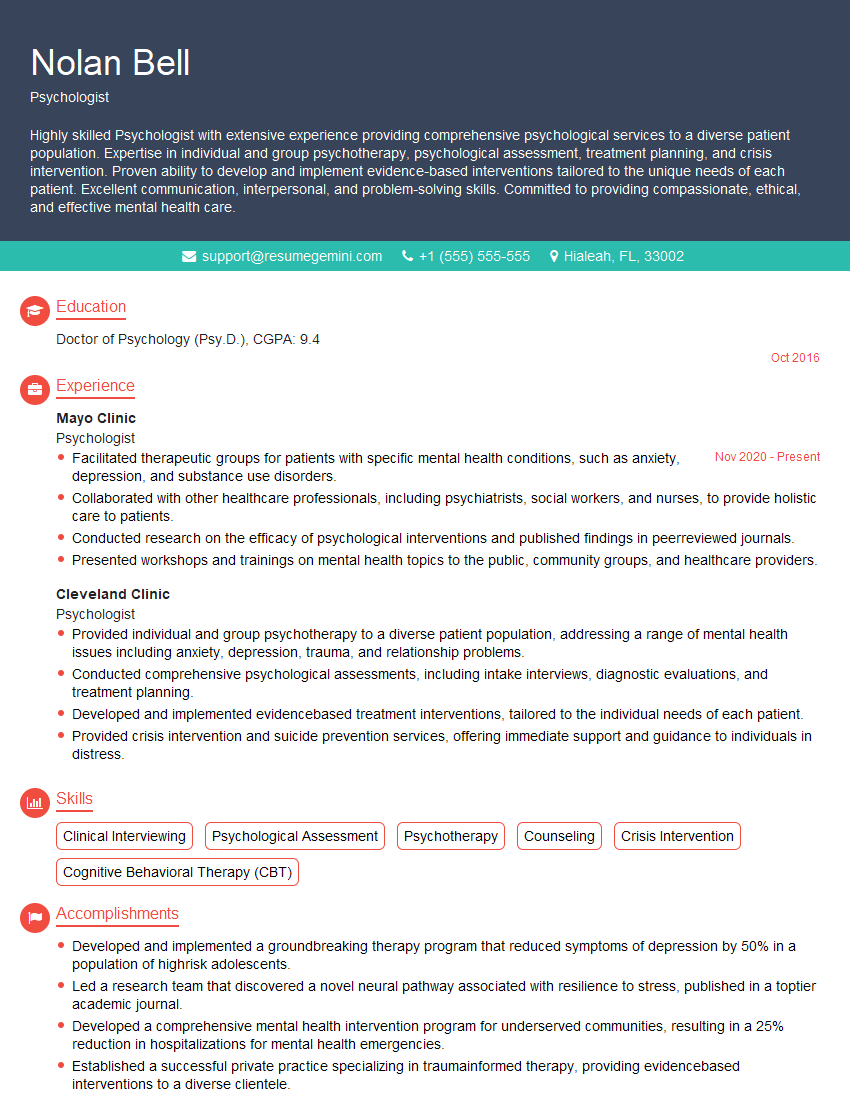
Psychologist Resume Sample
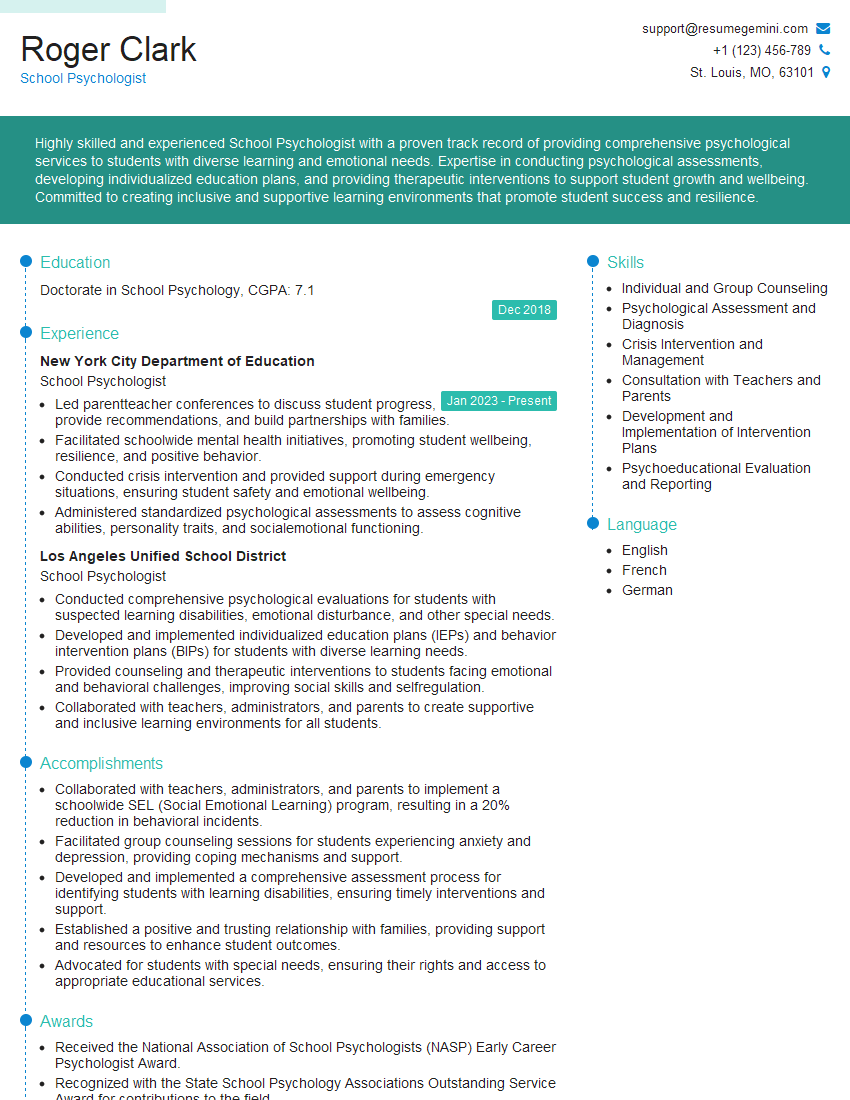
School Psychologist Resume Sample
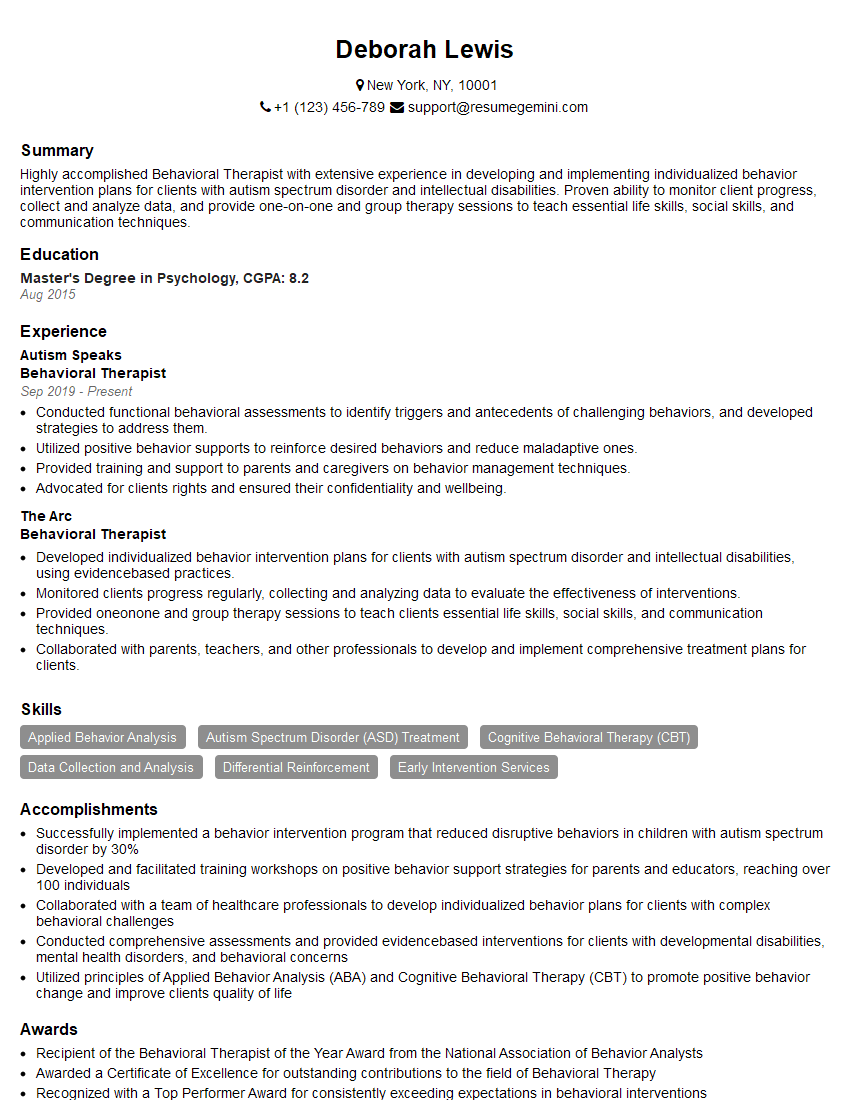
Behavioral Therapist Resume Sample
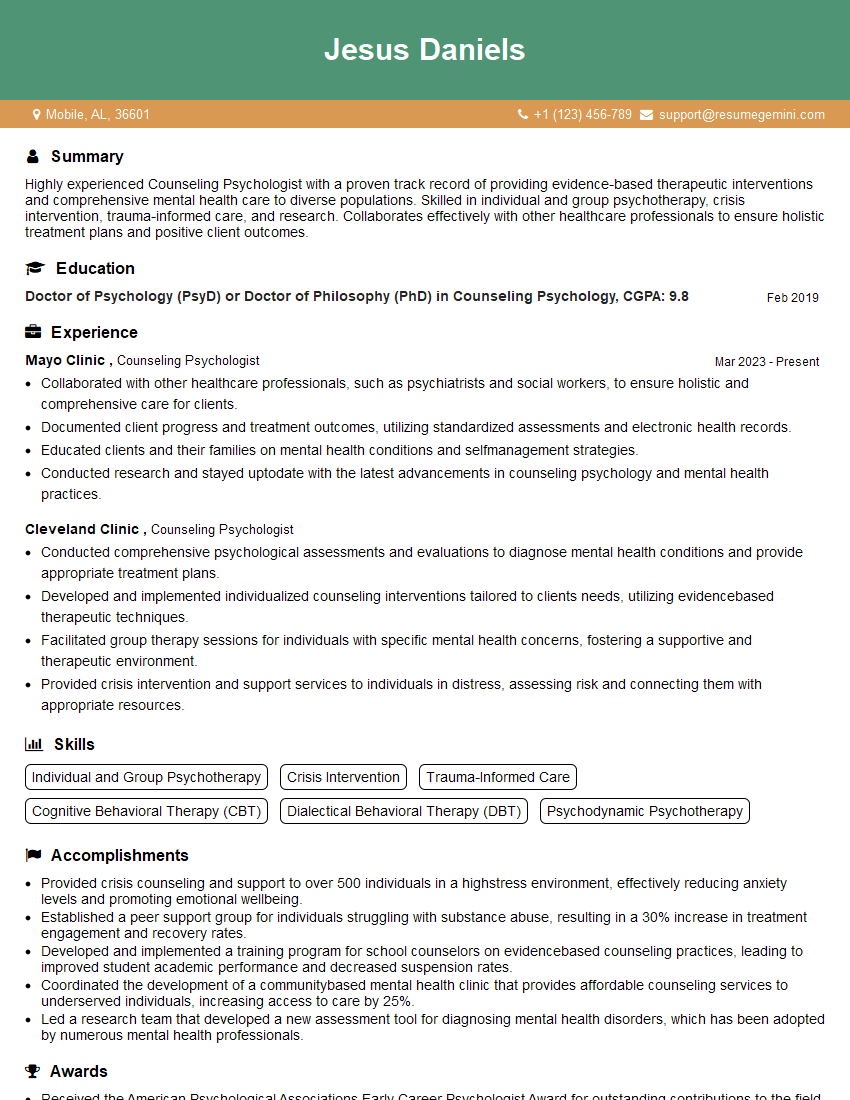
Counseling Psychologist Resume Sample
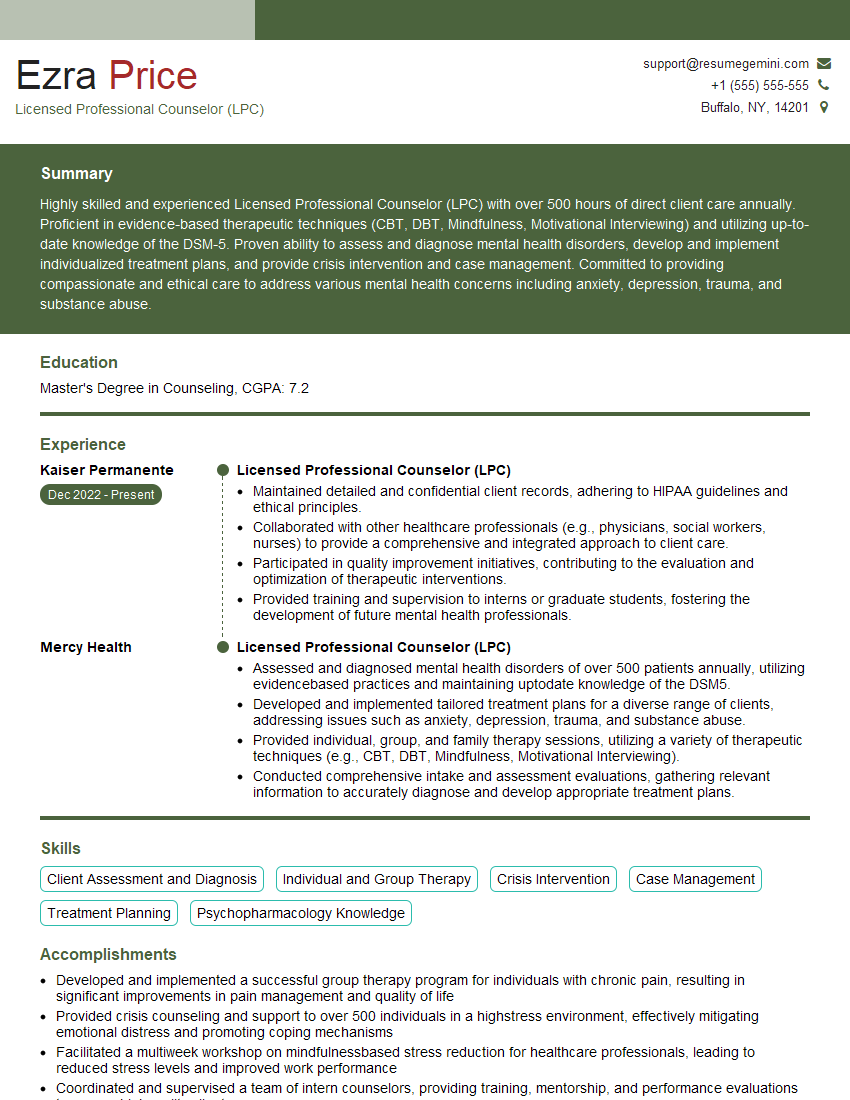
Licensed Professional Counselor (LPC) Resume Sample

Mental Health Counselor Resume Sample
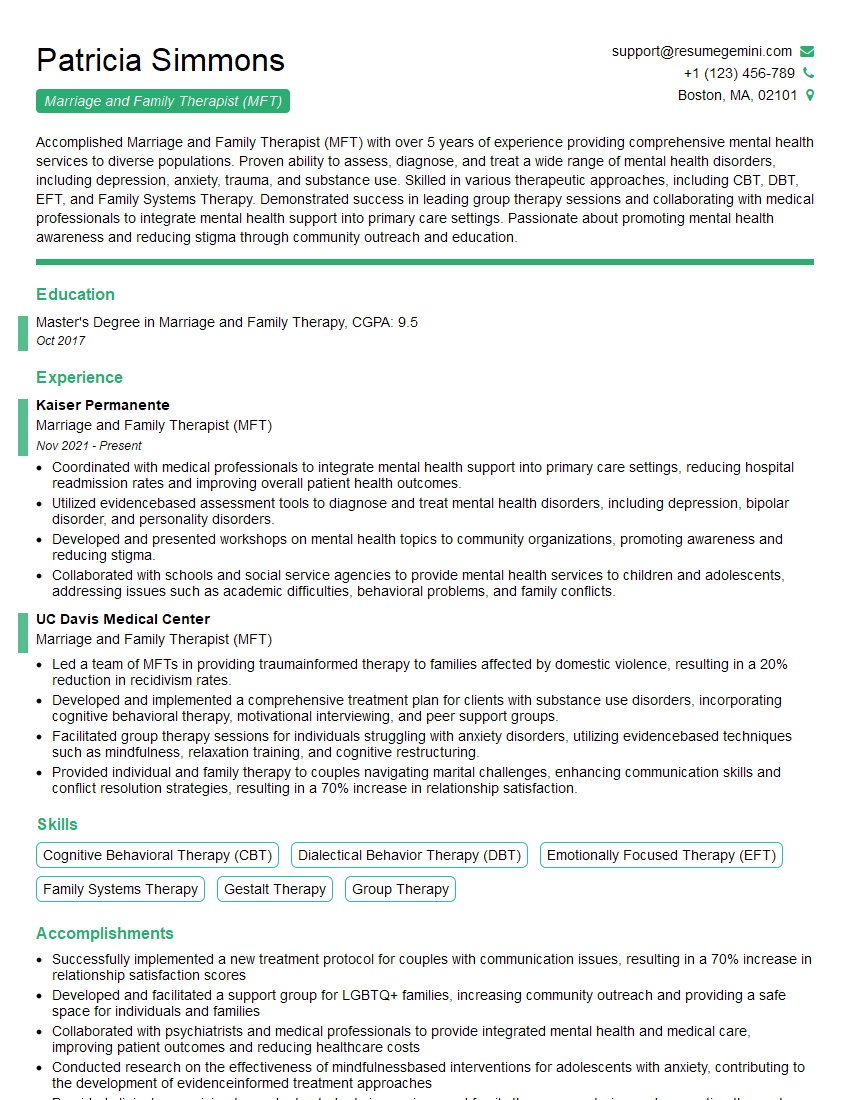
Marriage and Family Therapist (MFT) Resume Sample
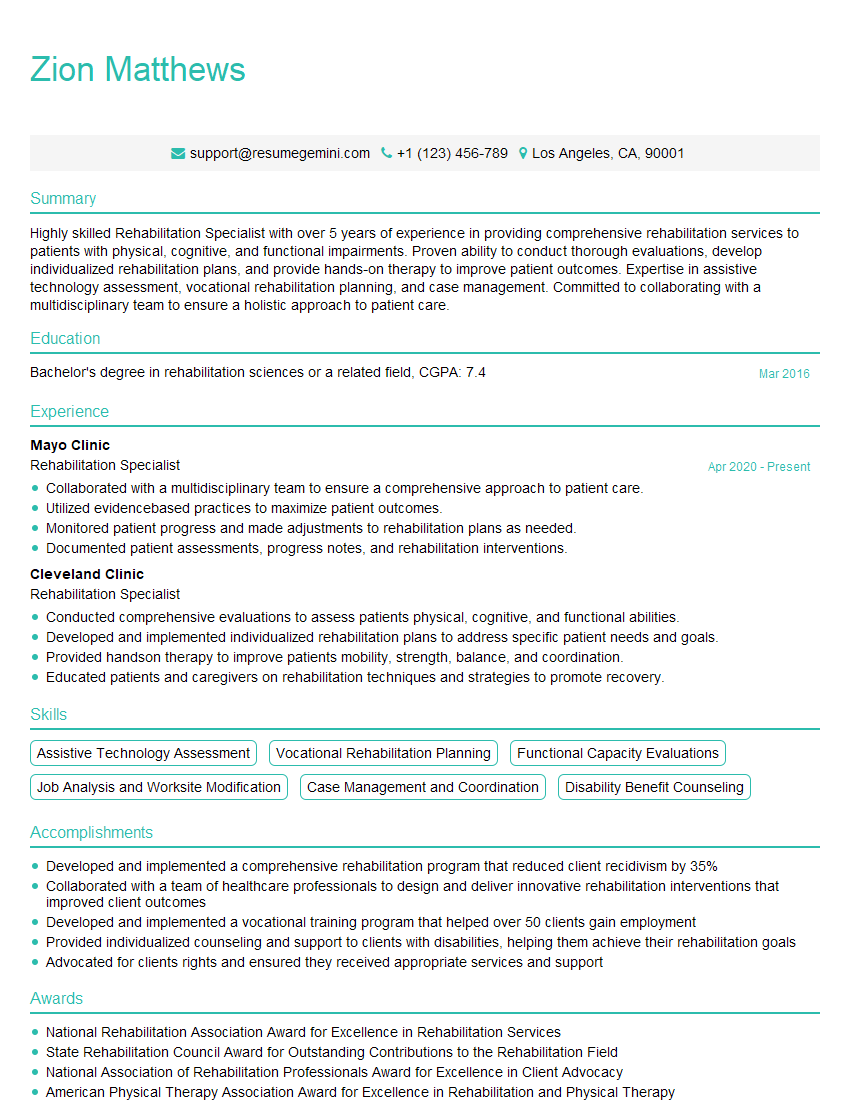
Rehabilitation Specialist Resume Sample
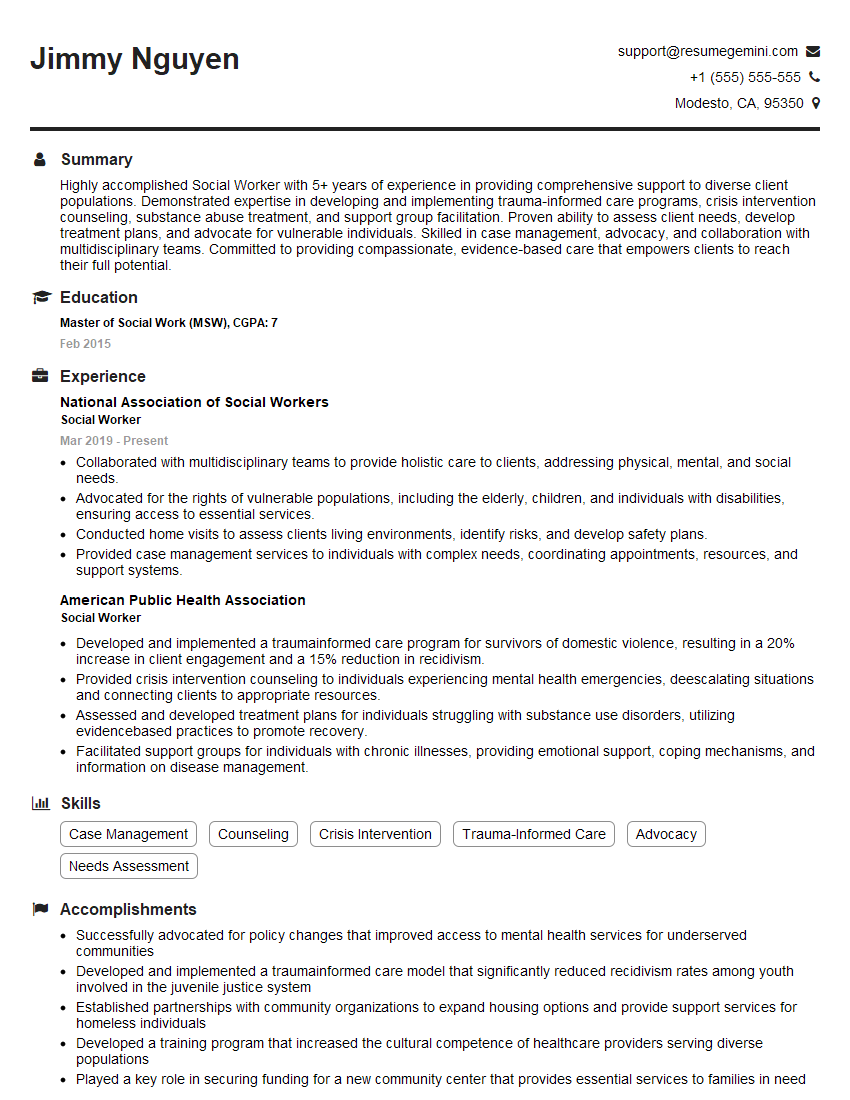
Social Worker Resume Sample
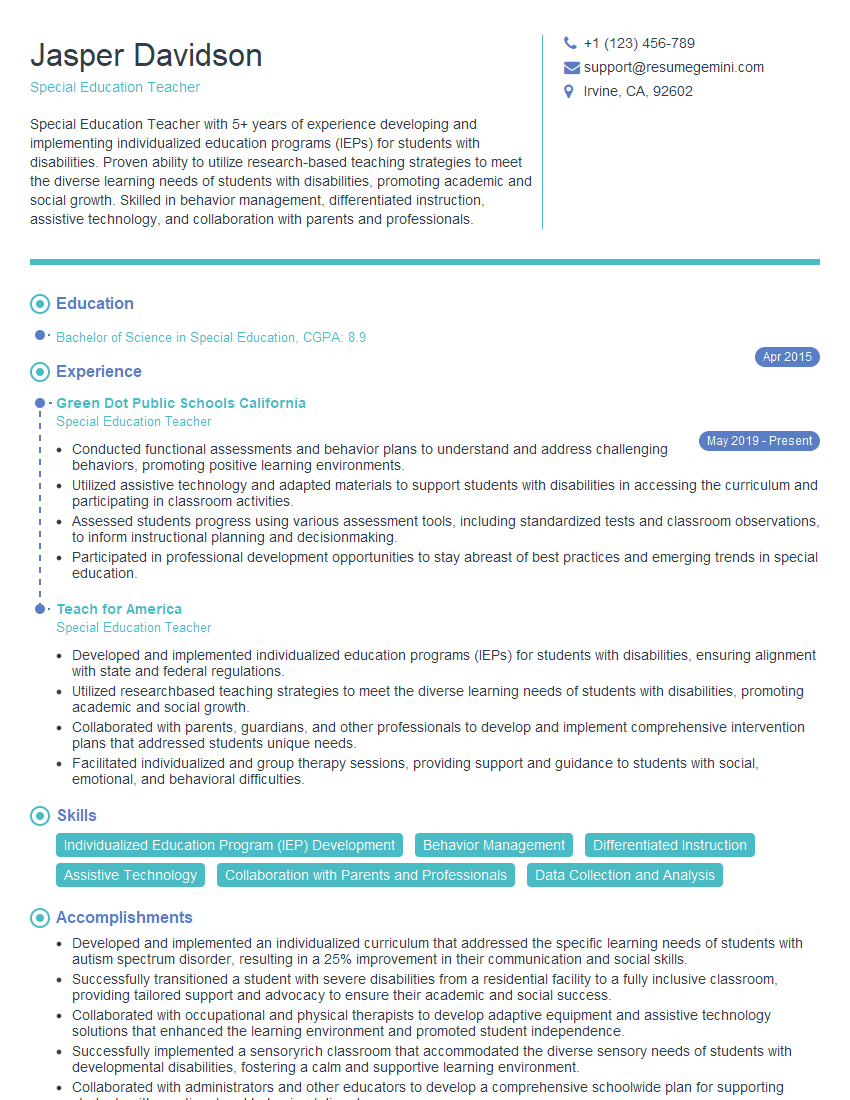
Special Education Teacher Resume Sample
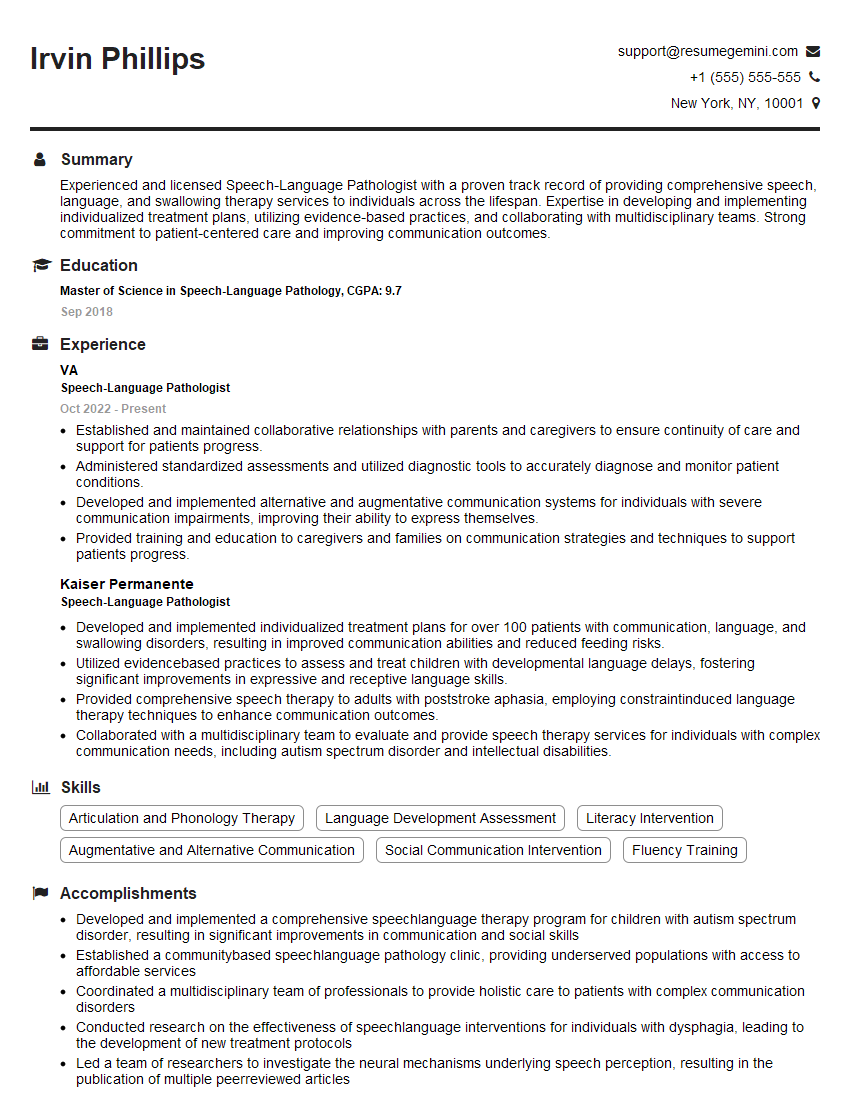
Speech-Language Pathologist Resume Sample
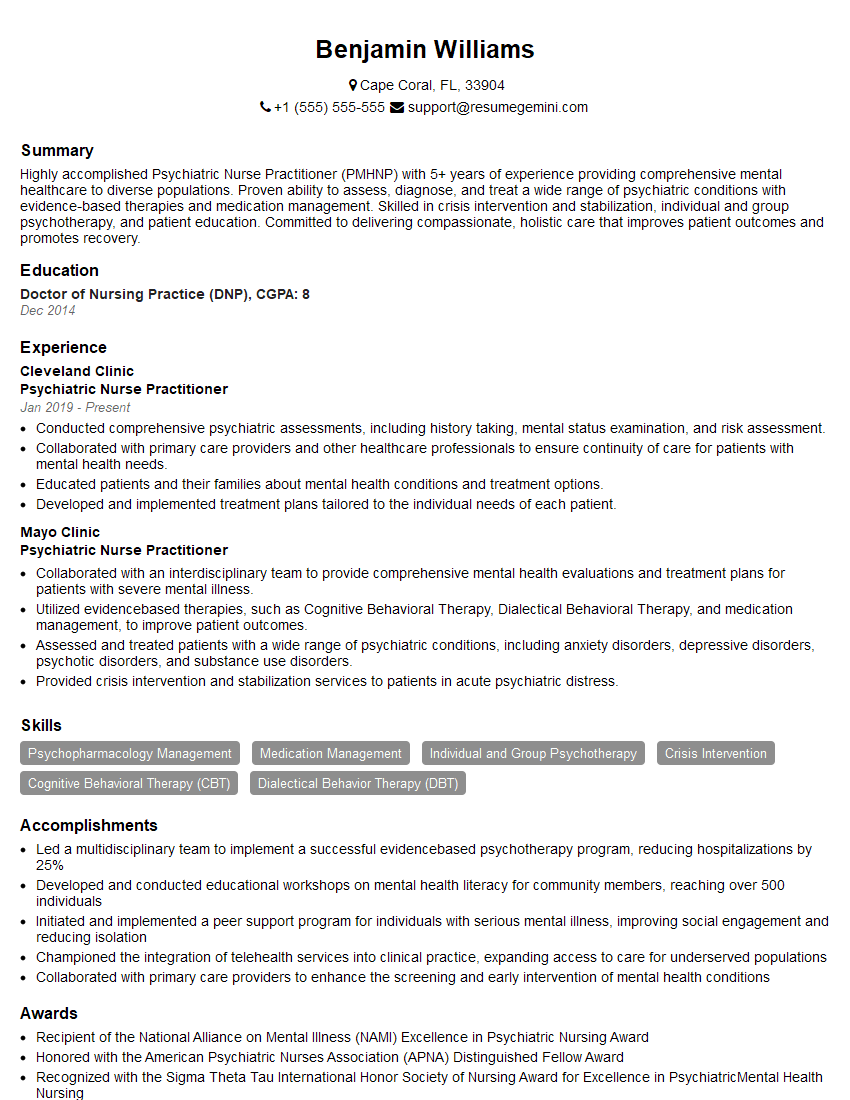
Psychiatric Nurse Practitioner Resume Sample
Certified Occupational Therapy Assistant (COTA) Resume Sample
Occupational Therapist Resume Sample
- Clinical Psychologist
- Psychologist
- School Psychologist
- Behavioral Therapist
- Counseling Psychologist
- Licensed Professional Counselor (LPC)
- Mental Health Counselor
- Marriage and Family Therapist (MFT)
- Rehabilitation Specialist
- Social Worker
- Special Education Teacher
- Speech-Language Pathologist
- Psychiatric Nurse Practitioner
- Certified Occupational Therapy Assistant (COTA)
- Occupational Therapist
Explore more articles
Users Rating of Our Blogs
Share Your Experience
We value your feedback! Please rate our content and share your thoughts (optional).
What Readers Say About Our Blog
Amazing blog
Interesting Article, I liked the depth of knowledge you’ve shared.
Helpful, thanks for sharing.