Cracking a skill-specific interview, like one for Self-Management and Goal Setting, requires understanding the nuances of the role. In this blog, we present the questions you’re most likely to encounter, along with insights into how to answer them effectively. Let’s ensure you’re ready to make a strong impression.
Questions Asked in Self-Management and Goal Setting Interview
Q 1. Describe your process for prioritizing tasks.
Prioritizing tasks is crucial for effective self-management. My process involves a combination of techniques, primarily focusing on urgency and importance. I use a matrix often called the Eisenhower Matrix or Urgent-Important Matrix.
- Urgent and Important: These tasks require immediate attention and are usually deadlines or critical issues. I tackle these first.
- Important but Not Urgent: These are crucial for long-term goals but don’t have immediate deadlines. I schedule specific times for these to prevent them from being constantly pushed aside. Think of proactive tasks like planning or professional development.
- Urgent but Not Important: These are often distractions. I delegate them if possible, or batch them together for efficient handling, aiming to minimize time spent here. These might include some emails or less important meetings.
- Neither Urgent nor Important: These are time-wasters and should be eliminated or significantly reduced. This could include unnecessary meetings or social media browsing.
For example, if I have a presentation due tomorrow (Urgent & Important) and need to plan a project for next quarter (Important but Not Urgent), I’d focus on the presentation first, then allocate specific time slots for project planning.
Q 2. How do you handle competing deadlines?
Competing deadlines require a strategic approach. I begin by clearly outlining all deadlines, then I analyze the dependencies between tasks. Some tasks might be prerequisites for others. I use a project management tool to visualize the timelines and dependencies. Then, I apply time blocking, allocating specific time slots to work on each project based on their urgency and importance. Prioritization is key here – understanding which deadlines have the most significant consequences helps me focus my energy effectively. If absolutely necessary, I might proactively communicate with stakeholders about potential delays and adjust expectations accordingly. Transparency is crucial in these situations.
For instance, if I have a report due next week and a presentation due the following week, but the report data is needed for the presentation, I’d focus on completing the report first. I’d break down both projects into smaller, manageable tasks, and schedule them into my calendar accordingly.
Q 3. What strategies do you use for time management?
Effective time management is a cornerstone of productivity. My strategies are multi-faceted and involve several techniques. First, I use time blocking, scheduling specific blocks of time for specific tasks. This helps me stay focused and prevents task-switching, which can significantly reduce efficiency. I also utilize the Pomodoro Technique, working in focused bursts (e.g., 25 minutes) with short breaks in between. This maintains concentration and prevents burnout. Finally, I regularly review my schedule and adapt it as needed, recognizing that unexpected events can occur. I minimize distractions by turning off notifications and dedicating specific workspaces for focused tasks.
For example, I might schedule two hours on Monday morning for writing a report, then a 25-minute Pomodoro session for responding to emails, followed by a short break before moving to the next task.
Q 4. How do you stay organized and manage your workload effectively?
Staying organized and managing my workload effectively involves utilizing various tools and techniques. Digitally, I employ project management software to track tasks, deadlines, and project progress. This allows for a clear overview of my workload and helps identify potential bottlenecks. Physically, I maintain a clean and organized workspace to minimize distractions. I also use a to-do list, categorized by priority, and regularly review and update it. Batching similar tasks together (e.g., answering emails all at once) streamlines workflows and enhances efficiency.
I regularly review my overall workload, aiming to delegate tasks when possible or adjust deadlines when necessary. This prevents overload and ensures sustainable productivity. My organizational system is tailored to my work style and continuously adapted as needed. For instance, changing projects or team structures necessitates an adjustment to the methods and tools I employ.
Q 5. Explain your approach to setting and achieving personal goals.
My approach to setting and achieving personal goals involves the SMART framework: Specific, Measurable, Achievable, Relevant, and Time-bound. I begin by identifying a specific goal, breaking it down into smaller, manageable steps. Each step is measurable, allowing me to track progress and make necessary adjustments. The goal must be achievable within a realistic timeframe, and it needs to be relevant to my overall aspirations and values. Lastly, a clear deadline adds urgency and accountability. Regular reflection and review are crucial to stay on track. I celebrate milestones along the way to maintain motivation and momentum.
For instance, if my goal is to improve my fitness, instead of a vague ‘get in shape,’ I might set a SMART goal like ‘run a 5k in three months by increasing my running distance by 0.5km every week.’ This allows for tracking and adjusting my training plan as needed.
Q 6. How do you overcome procrastination?
Procrastination is a common challenge, and I actively work to overcome it. One key strategy is to identify the root cause. Is it fear of failure, lack of clarity on the task, or simply feeling overwhelmed? Once the root cause is identified, I can address it directly. Techniques like breaking down large tasks into smaller, less daunting ones helps to reduce the feeling of being overwhelmed. Timeboxing specific periods for work on a task, even if it’s just for 15 minutes, can create momentum. The Pomodoro Technique is particularly effective for this. I also use reward systems, rewarding myself after completing a task to reinforce positive behavior. Finally, accountability partners can provide the necessary external motivation to stay on track.
For example, if I’m procrastinating on writing a report, I might break it down into sections (Introduction, Methodology, Results, Conclusion) and focus on completing one section at a time. I’d set a timer for 25 minutes to work on that section, then take a break before moving to the next.
Q 7. Describe a situation where you had to manage multiple projects simultaneously. What was your approach?
In a previous role, I managed the development of a new software application simultaneously with the implementation of a new marketing campaign. My approach involved careful planning and prioritization. I created a detailed project plan for each, outlining tasks, timelines, and dependencies. I utilized project management software to track progress and identify potential conflicts. Regular meetings with team members helped to ensure communication and coordination. I focused on clear delegation of tasks, matching skills with responsibilities to maximize efficiency. I also proactively identified potential risks and developed contingency plans to mitigate them. This involved communicating regularly with stakeholders to keep them informed about progress and address any concerns proactively. Ultimately, both projects were delivered on time and within budget.
The key to success was proactive planning, clear communication, and consistent monitoring. Flexibility was crucial as unexpected challenges arose – I adjusted the project plans accordingly without losing sight of the overall goals.
Q 8. How do you delegate tasks effectively?
Effective delegation isn’t just about offloading tasks; it’s about empowering others to succeed. It requires careful consideration of the individual’s skills, workload, and the task’s complexity. I follow a structured approach:
- Clarify the Task: I ensure the task is clearly defined with specific objectives, deadlines, and expected outcomes. Ambiguity is the enemy of effective delegation.
- Select the Right Person: I choose the individual best suited for the task, considering their skills, experience, and capacity. It’s crucial to match the task to the person’s strengths.
- Provide Necessary Resources: I equip the delegatee with the resources they need to succeed, including information, tools, and access to relevant personnel.
- Set Expectations and Authority: I clearly communicate expectations, including timelines, deliverables, and reporting mechanisms. I also grant the necessary authority for the delegatee to make decisions and take action.
- Monitor Progress (Without Micromanagement): I check in regularly to offer support and guidance without interfering unnecessarily. The focus should be on providing assistance, not controlling every step.
- Provide Feedback and Recognition: I provide constructive feedback throughout the process and offer sincere recognition for successful completion.
For example, when leading a project, I might delegate specific research tasks to team members with strong analytical skills, design tasks to those with creative flair, and writing tasks to those with excellent communication skills. This not only gets the work done efficiently, but also helps develop team members’ skills and builds their confidence.
Q 9. How do you measure your own success in achieving goals?
Measuring success in goal achievement requires a multi-faceted approach that goes beyond simply reaching a target. I utilize a combination of quantitative and qualitative metrics.
- Quantitative Metrics: These are measurable outcomes, such as sales figures, project completion rates, or number of clients acquired. I set specific, measurable, achievable, relevant, and time-bound (SMART) goals to ensure these metrics are easily tracked.
- Qualitative Metrics: These assess the impact and quality of the work. For example, client satisfaction surveys, peer reviews, or self-assessments reflecting on the learning and growth achieved through the goal pursuit are valuable.
- Process Evaluation: It’s important to examine the methods used to achieve the goal. Were they effective? Could they be improved? This helps refine future goal-setting and execution.
For instance, if my goal is to improve team collaboration, I wouldn’t solely focus on the number of meetings held. Instead, I would also assess team morale, project efficiency, and feedback on collaborative processes. This holistic approach provides a more accurate picture of success.
Q 10. What tools or techniques do you use for self-management?
My self-management toolkit incorporates a blend of technology and proven techniques. I use:
- Project Management Software: Tools like Asana or Trello help me organize tasks, set deadlines, and track progress visually. I break down large projects into smaller, manageable tasks using these tools.
- Time Blocking: I allocate specific time slots for different tasks, minimizing distractions and improving focus. This approach allows for better time management and prioritization.
- Prioritization Matrices: Using methods like the Eisenhower Matrix (urgent/important), I prioritize tasks based on their impact and urgency.
- Mindfulness and Meditation: Regular practice enhances focus, reduces stress, and improves overall well-being, leading to better self-management.
- Regular Review and Reflection: I set aside time each week or month to review my progress, identify areas for improvement, and adjust my approach as needed. This is crucial for continuous self-improvement.
For example, I might use Trello to visualize a project’s workflow, blocking out specific times in my calendar for focused work on each task, and then using the Eisenhower Matrix to prioritize urgent client requests.
Q 11. How do you adapt your approach when unexpected challenges arise?
Unexpected challenges are inevitable. My approach is based on adaptability and proactive problem-solving:
- Assess the Situation: I take a step back to understand the nature and scope of the challenge. This involves gathering information and objectively analyzing the situation.
- Identify Options: I brainstorm potential solutions, considering both immediate and long-term implications. This might involve consulting with colleagues or seeking external expertise.
- Choose the Best Course of Action: I select the most effective solution based on feasibility, potential impact, and risk assessment.
- Implement and Monitor: I implement the chosen solution and closely monitor its effectiveness. This allows for adjustments if necessary.
- Learn from the Experience: After the challenge is addressed, I reflect on the experience, identifying lessons learned and areas for improvement in my future approach.
For example, if a crucial supplier experiences a delay, I might explore alternative suppliers, adjust project timelines, or explore alternative solutions to mitigate the impact on the overall project.
Q 12. How do you handle stress and pressure effectively?
Stress and pressure are part of professional life. My approach to managing them focuses on prevention and proactive coping mechanisms:
- Healthy Lifestyle: Regular exercise, a balanced diet, and sufficient sleep are fundamental. These contribute to resilience and better stress management.
- Time Management: Effective time management reduces feelings of being overwhelmed. Prioritizing tasks and setting realistic deadlines is key.
- Mindfulness Techniques: Practices like meditation and deep breathing help regulate the body’s stress response.
- Boundaries: Setting clear boundaries between work and personal life is essential to prevent burnout.
- Seeking Support: Don’t hesitate to reach out to colleagues, friends, or mentors for support during challenging times.
When facing a tight deadline, for instance, I use time blocking techniques to focus my energy, practice mindfulness to reduce anxiety, and communicate proactively with my team to ensure everyone is on the same page. Knowing I have a support system helps me navigate pressure effectively.
Q 13. Describe a time you failed to meet a goal. What did you learn from the experience?
One time, I underestimated the complexity of a project, leading to missed deadlines. I had focused solely on the technical aspects and neglected the importance of thorough communication and collaboration within the team. The project was delivered, but with significant stress and compromises on quality.
The key learning was the importance of comprehensive planning and proactive communication. I realized that even with strong technical skills, success depends heavily on clear communication, effective team collaboration, and accurate risk assessment. Now, I always begin with a thorough needs analysis, involve relevant stakeholders early in the process, and build in contingency plans for potential obstacles.
Q 14. How do you identify and overcome your personal weaknesses?
Identifying and overcoming weaknesses is an ongoing process of self-reflection and continuous improvement. My approach involves:
- Self-Assessment: I regularly assess my skills and performance, seeking feedback from peers, supervisors, and even clients. Constructive criticism helps identify areas for growth.
- Identify Specific Weaknesses: Based on self-assessment and feedback, I pinpoint specific weaknesses that hinder my effectiveness. This requires honest self-reflection.
- Develop Action Plans: For each identified weakness, I create a plan to address it. This might involve seeking training, mentoring, or practicing specific skills. Setting SMART goals for improvement is crucial.
- Seek Support: I leverage external resources like mentors, coaches, or training programs to enhance my skills and overcome challenges.
- Monitor and Adjust: Regularly track progress and adjust my strategies as needed. This iterative process is key to overcoming weaknesses.
For instance, if I identify a weakness in public speaking, I might enroll in a communication skills course, practice presentations with colleagues, and seek feedback to refine my delivery. The key is to be proactive, persistent, and patient in addressing these challenges.
Q 15. How do you stay motivated and focused on long-term goals?
Maintaining motivation and focus on long-term goals requires a multifaceted approach. It’s not about sheer willpower, but rather a strategic combination of techniques. Think of it like navigating a long journey – you need a map, regular check-ins, and the right supplies.
- Break it Down: Large goals can feel overwhelming. I use the ‘chunking’ method, breaking down a large goal into smaller, manageable milestones. For example, if my goal is to write a book, I’ll break it into chapters, then sections within chapters, and finally daily writing targets.
- Visualize Success: Regularly visualizing myself achieving the goal helps to reinforce my commitment and motivation. I create a vision board or mentally replay successful scenarios.
- Reward System: I incorporate a reward system to celebrate milestones achieved. This could be anything from a small treat to a larger reward upon completion of a significant phase. The key is to make it meaningful and motivating.
- Accountability Partner: Sharing my goals with a trusted friend or mentor provides accountability and encouragement. Regular check-ins help maintain momentum.
- Regular Review and Adjustment: I regularly review my progress and adjust my strategies as needed. Life throws curveballs; flexibility is key to staying on track.
For instance, when I was working on my Master’s degree, the large goal felt daunting. By breaking it into smaller assignments, celebrating the completion of each module, and regularly checking in with my advisor, I maintained focus and successfully completed my studies.
Career Expert Tips:
- Ace those interviews! Prepare effectively by reviewing the Top 50 Most Common Interview Questions on ResumeGemini.
- Navigate your job search with confidence! Explore a wide range of Career Tips on ResumeGemini. Learn about common challenges and recommendations to overcome them.
- Craft the perfect resume! Master the Art of Resume Writing with ResumeGemini’s guide. Showcase your unique qualifications and achievements effectively.
- Don’t miss out on holiday savings! Build your dream resume with ResumeGemini’s ATS optimized templates.
Q 16. How do you handle feedback, both positive and negative?
Feedback is crucial for growth, both positive and negative. I view it as an opportunity for learning and improvement, not as a personal attack.
- Positive Feedback: I acknowledge and appreciate positive feedback, using it to reinforce strengths and identify areas where I can excel further. I might document this feedback to track my progress and identify recurring positive patterns.
- Negative Feedback: I actively listen to negative feedback without getting defensive. I ask clarifying questions to understand the perspective fully. I then analyze the feedback to identify areas for improvement. If the feedback is constructive, I develop an action plan to address the concerns. If it’s not constructive, I respectfully address concerns about the delivery of the feedback.
For example, if I receive feedback that my communication is unclear, I might ask for specific examples and then work on improving my clarity through practice and potentially seeking communication skills training.
Q 17. Describe your preferred method for tracking progress towards goals.
My preferred method for tracking progress is a combination of digital tools and physical methods, tailored to the specific goal. Variety helps prevent monotony and keeps tracking engaging.
- Project Management Software (e.g., Asana, Trello): For complex projects with multiple tasks, I utilize project management tools to visualize progress, assign deadlines, and track dependencies.
- Spreadsheets: For simpler goals, a spreadsheet is efficient for tracking key metrics and visualizing progress over time. I’ll often chart my progress to see trends visually.
- Journals/Notebooks: I use journals for reflective tracking – noting daily accomplishments, challenges faced, and lessons learned. This provides valuable qualitative data to supplement quantitative tracking.
For example, when preparing for a marathon, I’d use a spreadsheet to track my weekly mileage, pace, and any injuries. I’d also journal about my training experiences, noting mental challenges and adjustments to my training plan.
Q 18. How do you ensure you’re working efficiently and effectively?
Working efficiently and effectively involves optimizing my time, energy, and resources. It’s about prioritizing tasks strategically and eliminating unnecessary distractions.
- Time Blocking: I schedule specific blocks of time for focused work on prioritized tasks. This minimizes context switching and maximizes productivity.
- Prioritization Techniques (e.g., Eisenhower Matrix): I use the Eisenhower Matrix (urgent/important) to prioritize tasks, focusing on high-impact activities first.
- Eliminating Distractions: I minimize distractions by turning off notifications, creating a dedicated workspace, and using website blockers when needed.
- Regular Breaks: I incorporate regular short breaks to maintain focus and prevent burnout. The Pomodoro Technique (25 minutes work, 5 minutes break) is a useful method.
- Delegation: When possible, I delegate tasks to others to free up my time for higher-priority activities.
For example, if I have a deadline looming, I’ll use the Eisenhower Matrix to prioritize crucial tasks, schedule focused work blocks, and minimize distractions to ensure timely completion.
Q 19. How do you maintain a healthy work-life balance?
Maintaining a healthy work-life balance is crucial for long-term well-being and productivity. It’s about consciously setting boundaries and prioritizing self-care.
- Set Boundaries: I establish clear boundaries between work and personal life. This includes setting specific work hours, avoiding work during personal time, and designating a dedicated workspace.
- Schedule Personal Time: I actively schedule time for activities I enjoy, such as exercise, hobbies, and social interactions. This isn’t a luxury but a necessity for mental and physical health.
- Mindfulness and Self-Care: I prioritize mindfulness practices like meditation or yoga to manage stress and improve focus. I also engage in regular exercise and ensure adequate sleep.
- Regular Breaks During Work: I take regular breaks throughout the workday to step away from my screen and rest my eyes, preventing burnout.
- Disconnect After Work: I make a conscious effort to disconnect from work after hours, avoiding emails and work-related activities to allow for proper rest and rejuvenation.
For example, I might schedule a weekly yoga class, set specific work hours (e.g., 9 am to 5 pm), and avoid checking work emails after 6 pm to ensure I have dedicated time for my family and personal interests.
Q 20. How do you handle conflicts with colleagues?
Handling conflicts with colleagues requires a proactive and respectful approach, focusing on finding mutually agreeable solutions. It’s about communication and collaboration, not confrontation.
- Active Listening: I listen carefully to understand the other person’s perspective without interrupting. I ask clarifying questions to ensure I fully grasp their concerns.
- Empathy and Understanding: I try to understand the situation from their point of view, even if I don’t agree with their perspective.
- Clear and Respectful Communication: I communicate my own perspective clearly and respectfully, using ‘I’ statements to avoid blaming or accusing.
- Collaborative Problem-Solving: I work collaboratively with the other person to find a mutually agreeable solution. This may involve brainstorming different options and negotiating a compromise.
- Seek Mediation if Necessary: If the conflict cannot be resolved directly, I might seek mediation from a neutral third party.
For instance, if I have a disagreement with a colleague about a project deadline, I’d actively listen to their concerns, explain my perspective calmly, and then work together to find a revised deadline that works for both of us.
Q 21. Describe your process for setting SMART goals.
Setting SMART goals is a crucial skill for effective goal setting. SMART stands for Specific, Measurable, Achievable, Relevant, and Time-bound. This framework ensures your goals are well-defined and trackable.
- Specific: The goal should be clearly defined, leaving no room for ambiguity. Instead of ‘improve fitness,’ a SMART goal would be ‘run a 5k race in under 30 minutes’.
- Measurable: Progress towards the goal should be easily measurable. For the 5k example, the measurement is the time taken to complete the race.
- Achievable: The goal should be challenging yet realistic, taking into account your current capabilities and resources.
- Relevant: The goal should align with your overall objectives and values. The 5k goal should be relevant to your fitness goals and lifestyle.
- Time-bound: The goal should have a clear deadline. For the 5k example, a specific race date would be the time-bound element.
By using this framework, I ensure that my goals are actionable and that I can track my progress effectively. It prevents vague goals and promotes a sense of accomplishment.
Q 22. How do you stay updated on industry best practices for self-management?
Staying updated on self-management best practices requires a multi-pronged approach. It’s not just about reading articles; it’s about actively engaging with the field.
- Professional Development: I regularly attend workshops, webinars, and conferences focused on self-management, productivity, and leadership. These events often feature cutting-edge research and practical strategies.
- Industry Publications: I subscribe to relevant journals and publications, such as Harvard Business Review, Psychology Today, and Fast Company, which offer insightful articles and case studies on effective self-management techniques.
- Networking: Connecting with other professionals in my field through online communities, professional organizations, and mentorship programs allows me to learn from their experiences and stay abreast of the latest trends.
- Continuous Learning Platforms: Utilizing online learning platforms like Coursera, edX, and LinkedIn Learning allows me to pursue specific courses and certifications related to self-management and related disciplines. This ensures I maintain a high level of expertise.
By combining these methods, I ensure my knowledge remains current and relevant, allowing me to apply the most effective strategies in my work and personal life.
Q 23. How do you leverage technology to enhance your self-management skills?
Technology plays a crucial role in enhancing self-management. I leverage various tools to streamline my workflow and boost productivity.
- Project Management Software: Tools like Asana, Trello, or Monday.com help me break down large tasks into smaller, manageable steps, track progress, and collaborate effectively with others. I can also set deadlines and receive reminders to ensure timely completion.
- Calendar & Scheduling Apps: Google Calendar, Outlook Calendar, or similar apps allow me to meticulously schedule my day, allocate time for specific tasks, and minimize scheduling conflicts. I utilize features like time blocking to allocate dedicated time slots for focused work.
- Note-Taking & Organization Apps: Evernote, OneNote, or Google Keep help me capture ideas, maintain detailed records of projects, and ensure all important information is readily accessible. This centralized system drastically reduces time spent searching for documents or information.
- Mindfulness & Meditation Apps: Headspace or Calm help me incorporate mindfulness into my daily routine, improving focus and stress management, essential components of effective self-management.
The key is to select tools that integrate seamlessly and support my workflow. Technology isn’t a substitute for good self-management practices but a powerful tool to amplify their effectiveness.
Q 24. How do you ensure accountability for yourself and your team (if applicable)?
Accountability is crucial for both individual and team success. For myself, I employ several methods:
- Setting Clear Goals & Metrics: Defining specific, measurable, achievable, relevant, and time-bound (SMART) goals provides a clear framework for assessment. I regularly review my progress against these metrics.
- Regular Self-Reflection: I dedicate time for periodic self-assessment, analyzing my performance, identifying areas for improvement, and adjusting my approach as needed. Journaling can be a useful tool for this process.
- Seeking Feedback: I proactively seek feedback from colleagues, mentors, or supervisors to gain external perspectives on my performance and identify blind spots.
Regarding team accountability, I foster a culture of shared responsibility and open communication:
- Team Meetings & Progress Reviews: Regular meetings provide a forum to discuss progress, identify roadblocks, and celebrate successes. These meetings also serve as accountability checkpoints.
- Transparent Goal Setting: Ensuring team goals are clearly defined and understood by all members builds collective ownership and facilitates accountability.
- Peer Feedback & Support: Creating an environment where team members can offer each other feedback and support encourages mutual accountability and fosters a collaborative atmosphere.
Ultimately, accountability is not about blame but about continuous improvement and achieving shared objectives.
Q 25. Describe a situation where you had to adjust your goals based on new information or changing circumstances.
During a previous project, my team and I were tasked with developing a new software application. Our initial goal was to launch within six months, focusing on a specific set of features. However, halfway through the project, market research revealed a shift in customer preferences towards a different set of functionalities. This new information necessitated a significant adjustment to our goals.
We held a team meeting to discuss the new findings and their implications. We then collaboratively re-evaluated our priorities, focusing on the features now deemed more valuable to our target market. This meant scaling back some initially planned features and prioritizing the development of those aligned with the shifted market demand. While it delayed the initial launch date, it ensured the final product was better aligned with market needs, leading to greater success in the long run. This experience highlighted the importance of flexibility and responsiveness to changing circumstances in goal setting.
Q 26. What is your approach to continuous self-improvement?
Continuous self-improvement is a journey, not a destination. My approach centers around several key principles:
- Identifying Areas for Growth: I regularly assess my strengths and weaknesses, focusing on areas where I can improve. This involves seeking feedback from others and reflecting on my own experiences.
- Setting Specific Improvement Goals: Once I’ve identified areas for growth, I set SMART goals for improvement. These goals are specific, measurable, achievable, relevant, and time-bound.
- Seeking Learning Opportunities: I actively seek opportunities to expand my knowledge and skills, whether through formal training, mentorship, reading, or networking.
- Experimentation and Iteration: I embrace experimentation, trying new approaches and techniques, and learning from both successes and failures. I continuously refine my strategies based on my experiences.
- Seeking Feedback and Mentorship: I regularly seek feedback from others, including mentors and colleagues, to gain different perspectives and identify areas for improvement.
Continuous self-improvement is an ongoing process that requires dedication, self-awareness, and a commitment to lifelong learning.
Q 27. How do you proactively identify potential problems and address them before they become major issues?
Proactive problem identification is a critical aspect of effective self-management. My approach involves a combination of preventative measures and attentive monitoring.
- Risk Assessment: Before embarking on any project or task, I conduct a thorough risk assessment, identifying potential problems that could arise. This helps me anticipate challenges and develop contingency plans.
- Regular Monitoring & Review: I regularly monitor my progress and the progress of my team (if applicable), paying close attention to potential bottlenecks or emerging issues. Regular reviews help identify small problems before they escalate.
- Seeking Diverse Perspectives: I value diverse perspectives and encourage open communication. By soliciting input from others, I can identify potential problems that I might have overlooked.
- Data Analysis: When possible, I leverage data to identify trends and patterns that might indicate emerging problems. This data-driven approach can provide early warning signs of potential issues.
- Building Strong Relationships: Strong relationships with colleagues and stakeholders are crucial for effective problem identification. Open communication channels facilitate early detection of problems and enable prompt responses.
Proactive problem identification is not about predicting the future perfectly but about minimizing surprises and maximizing the chances of success.
Q 28. Describe a time when you had to make a difficult decision related to time management or resource allocation.
In a previous role, our team faced a critical deadline for a major product launch. We were significantly behind schedule due to unforeseen technical challenges and resource constraints. We had two choices: either compromise the quality of the product by rushing the remaining work or delay the launch, potentially impacting revenue targets. This was a difficult decision with significant implications.
After careful consideration, involving discussions with the team and stakeholders, we opted to delay the launch by a few weeks. This allowed us to address the technical issues, thoroughly test the product, and ensure the final product met our quality standards. While the delay was initially concerning, it ultimately proved to be the right choice. The high-quality product launch resulted in positive customer reviews and strong sales, exceeding our initial projections in the long run. This experience underscored the importance of prioritizing quality and long-term success over short-term gains.
Key Topics to Learn for Self-Management and Goal Setting Interview
- Understanding Your Strengths and Weaknesses: Identify your personal strengths and weaknesses related to time management, prioritization, and task completion. This involves honest self-reflection and using tools like SWOT analysis.
- Effective Time Management Techniques: Explore various time management methodologies such as the Pomodoro Technique, Eisenhower Matrix (urgent/important), and time blocking. Practice applying these techniques to real-world scenarios and discuss their effectiveness.
- Goal Setting Frameworks: Learn about SMART goals (Specific, Measurable, Achievable, Relevant, Time-bound) and other goal-setting frameworks. Be prepared to discuss how to create and track goals effectively, including potential roadblocks and solutions.
- Prioritization and Delegation: Understand how to prioritize tasks based on urgency and importance. Discuss strategies for effective delegation when working in a team environment, focusing on clear communication and accountability.
- Stress Management and Resilience: Explore techniques for managing stress and building resilience in the face of challenges. This could include mindfulness, exercise, or other healthy coping mechanisms. Be ready to discuss how you maintain a healthy work-life balance.
- Proactive Problem-Solving: Demonstrate your ability to anticipate potential problems and develop proactive solutions. Use examples from your experience to showcase your problem-solving skills in relation to goal achievement and self-management.
- Self-Motivation and Accountability: Discuss strategies for staying motivated and accountable for your goals, even when faced with setbacks. Highlight your ability to learn from mistakes and adapt your approach as needed.
Next Steps
Mastering self-management and goal setting is crucial for career advancement. These skills demonstrate your ability to be productive, reliable, and take ownership of your work. To maximize your job prospects, creating a strong, ATS-friendly resume is essential. ResumeGemini is a trusted resource to help you build a professional and impactful resume that highlights these key skills. Examples of resumes tailored to showcase Self-Management and Goal Setting are available, providing you with valuable templates and inspiration.
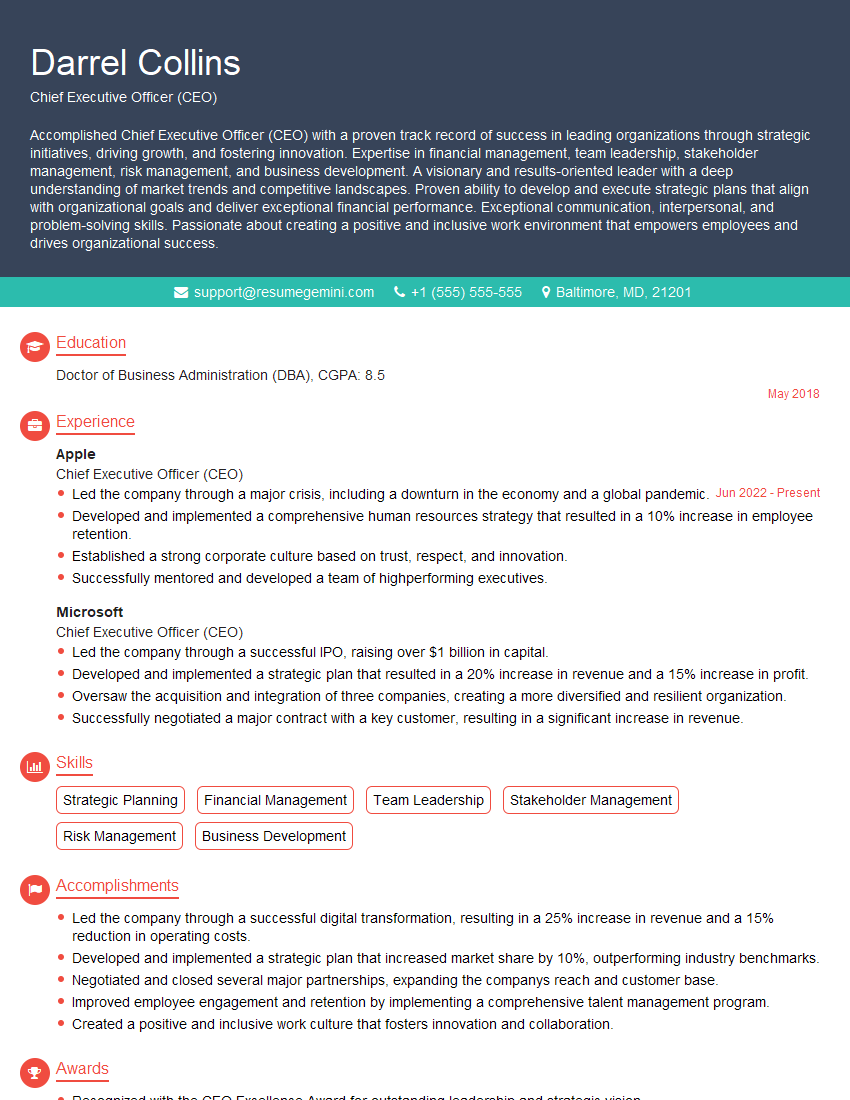
Chief Executive Officer (CEO) Resume Sample
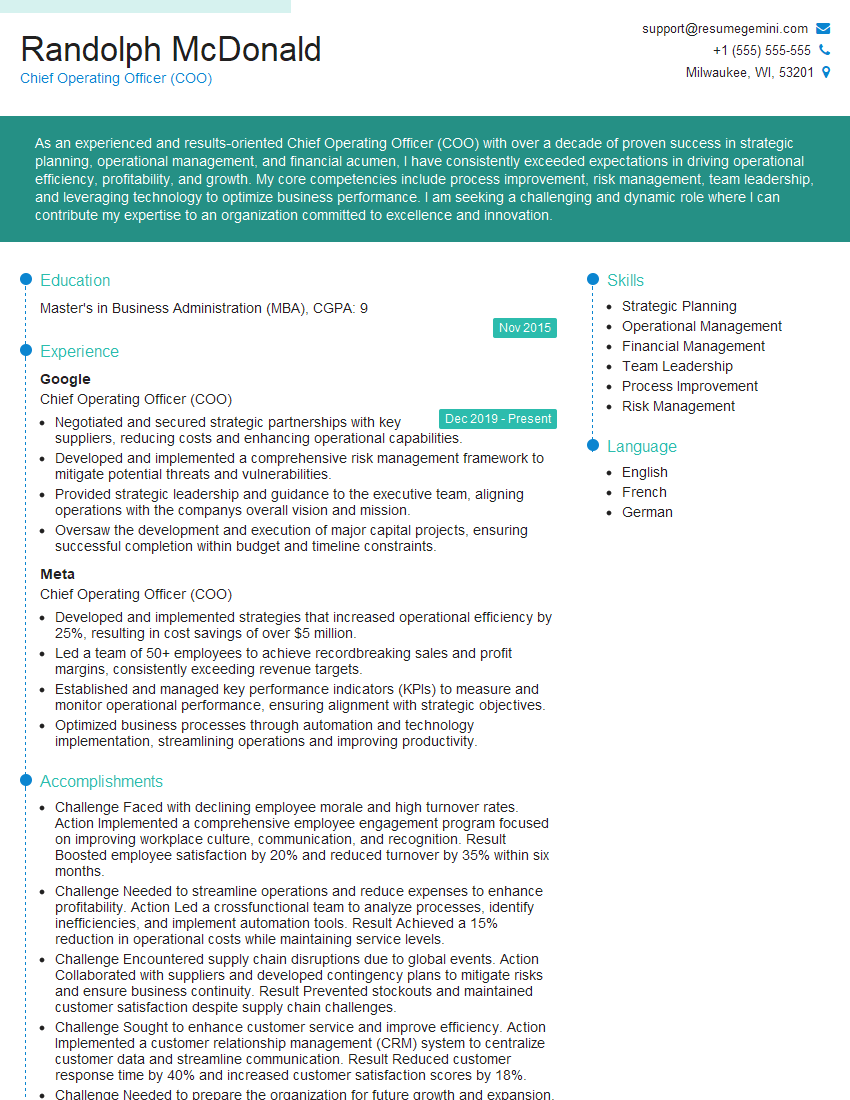
Chief Operating Officer (COO) Resume Sample
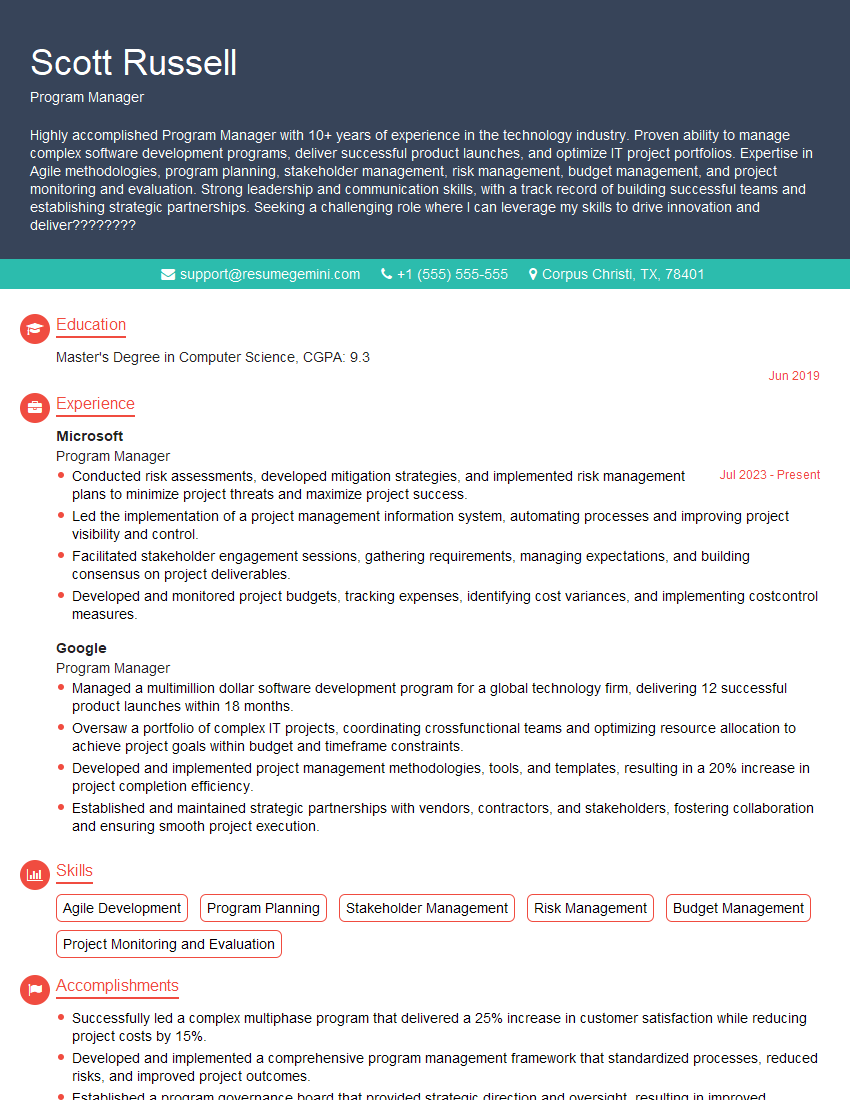
Program Manager Resume Sample
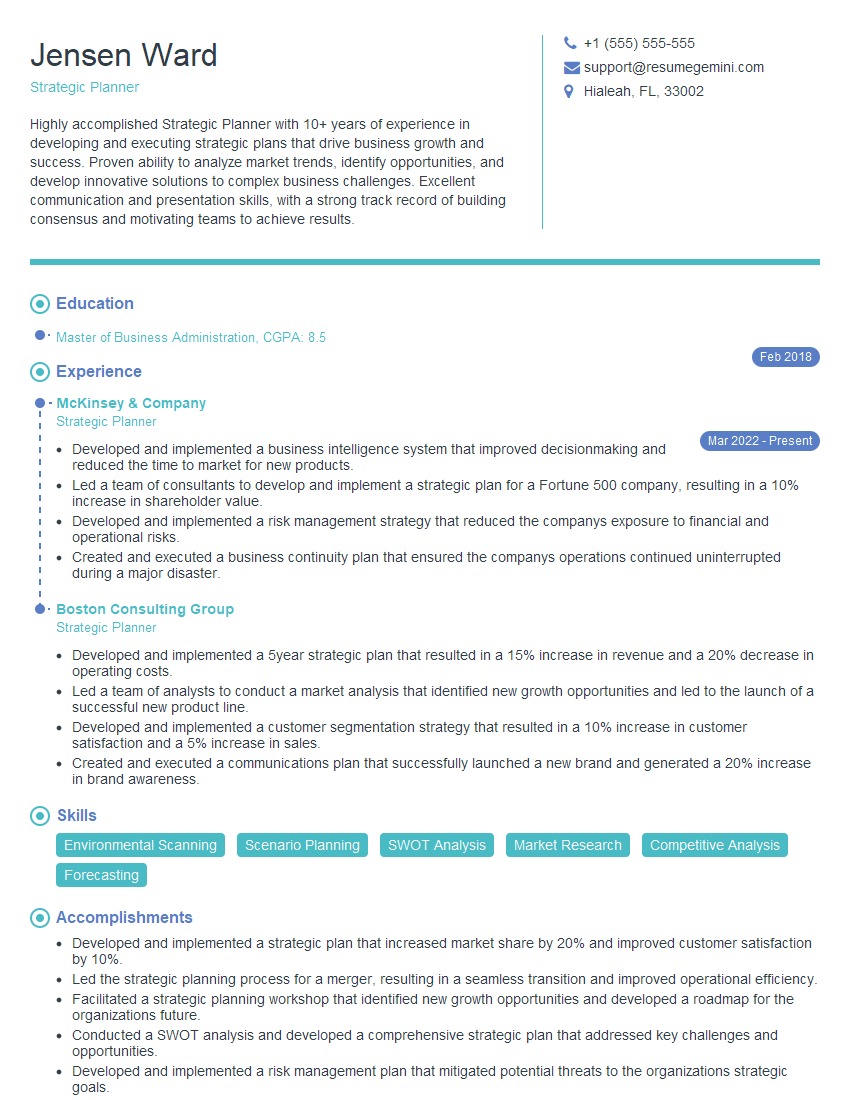
Strategic Planner Resume Sample
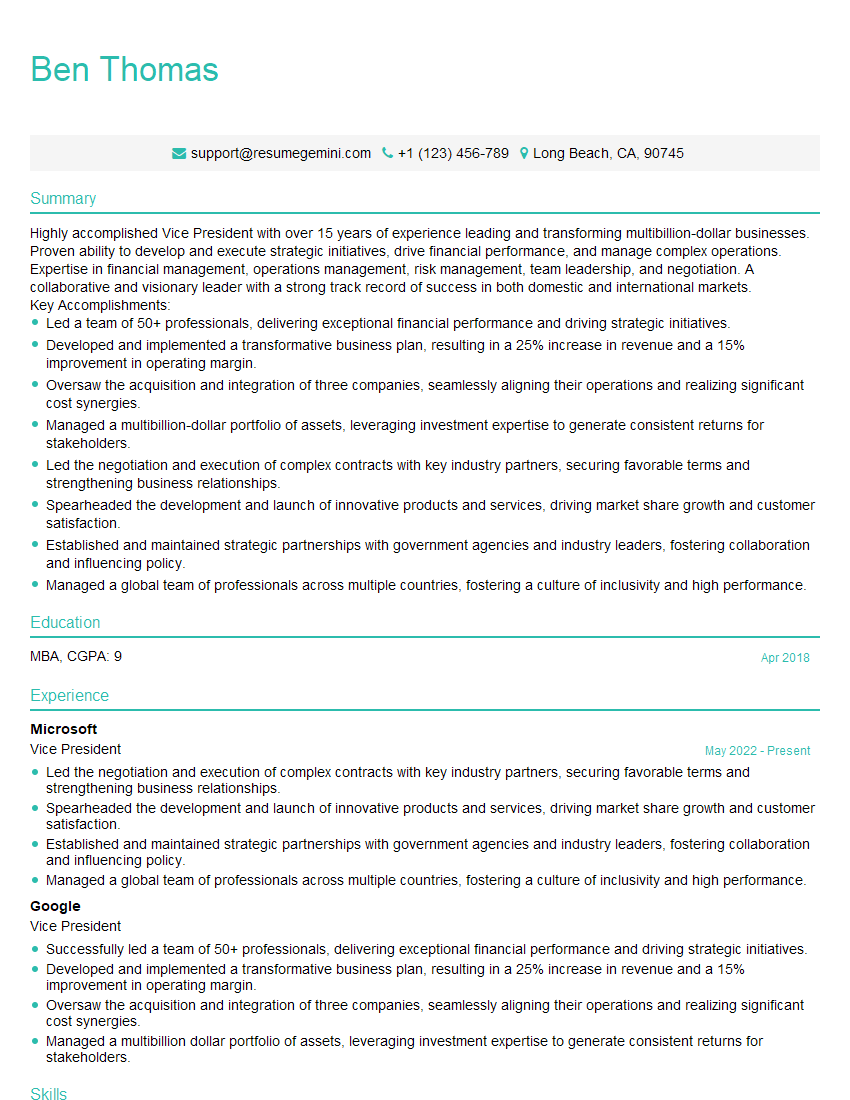
Vice President Resume Sample
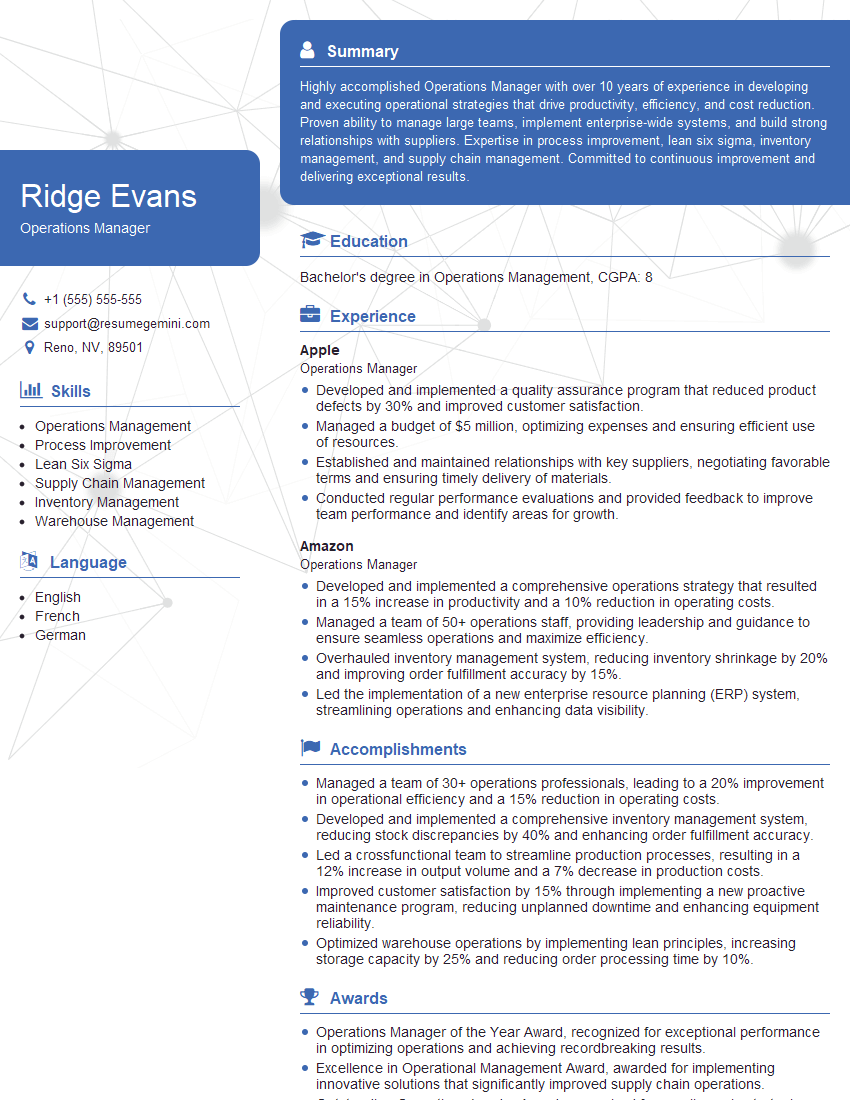
Operations Manager Resume Sample
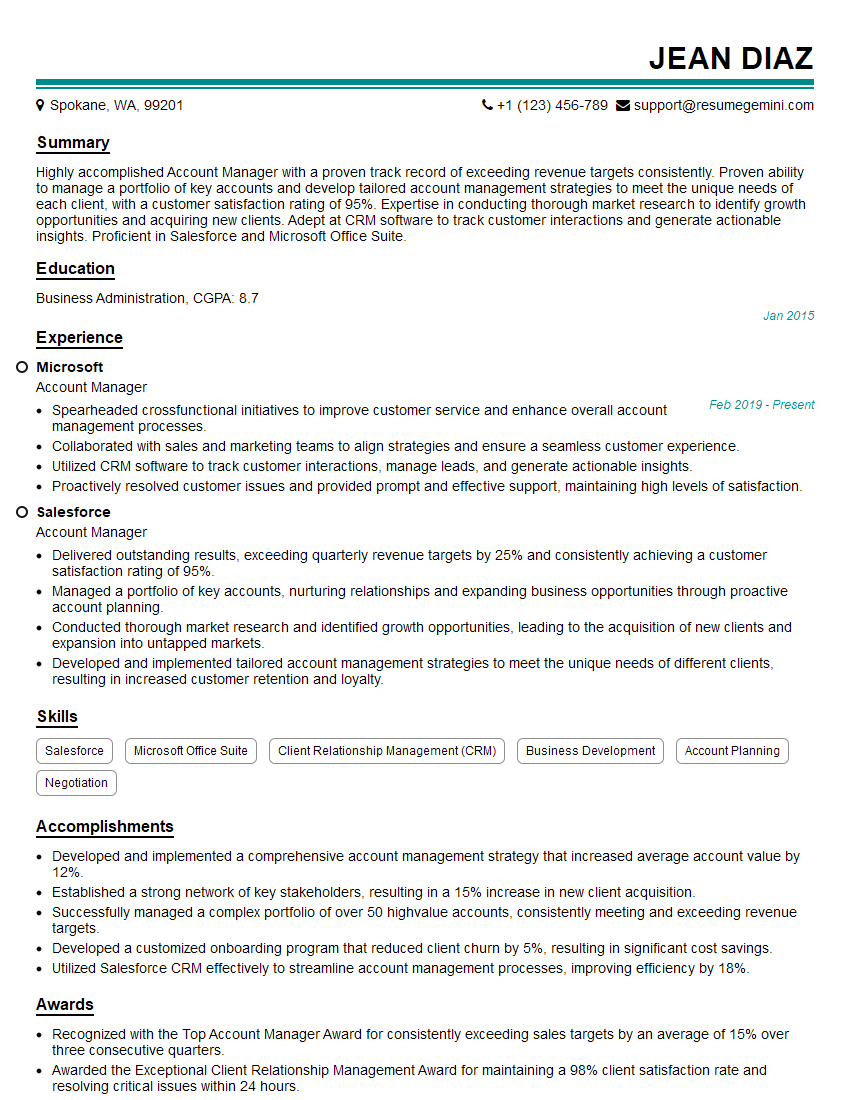
Account Manager Resume Sample
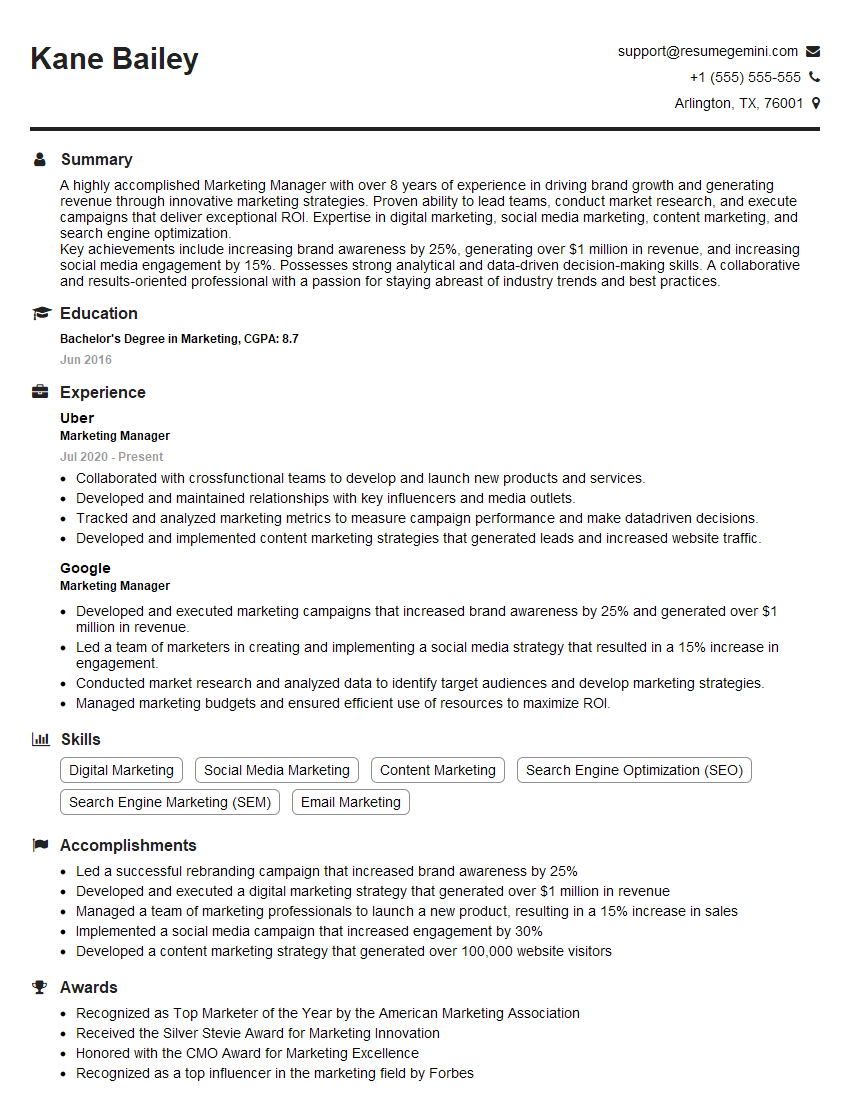
Marketing Manager Resume Sample
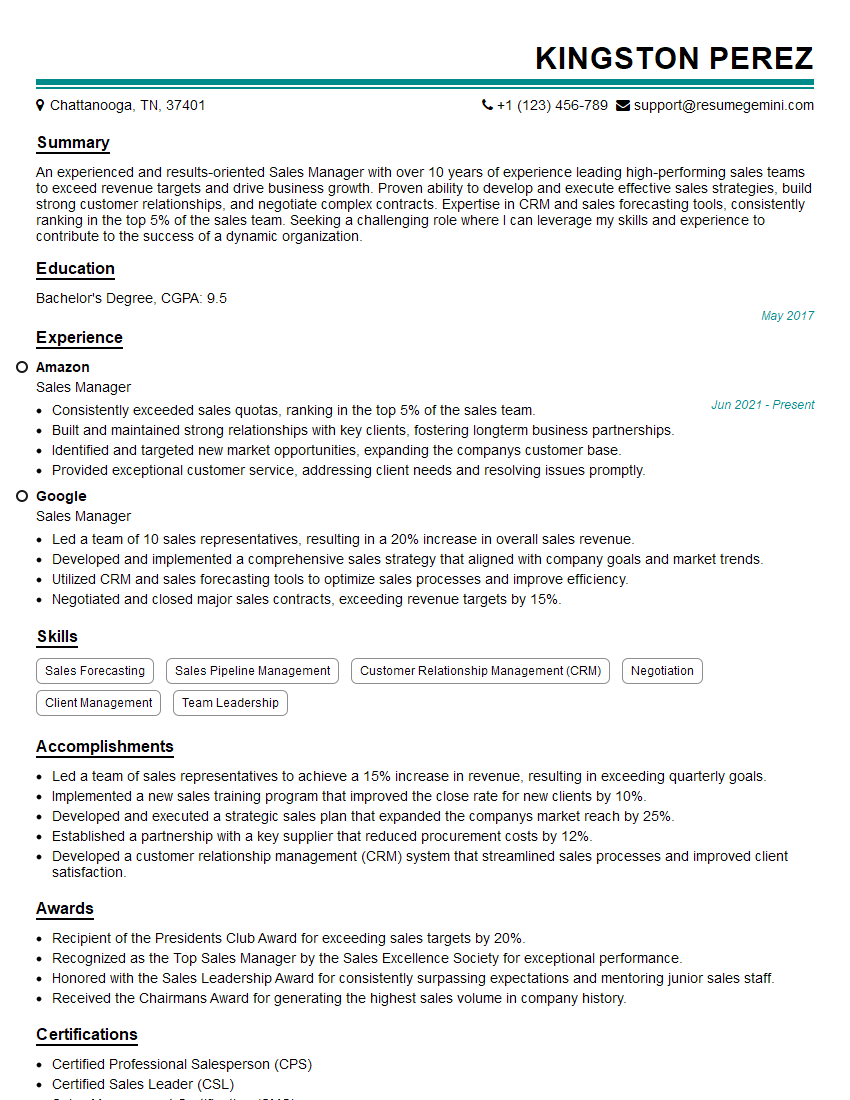
Sales Manager Resume Sample
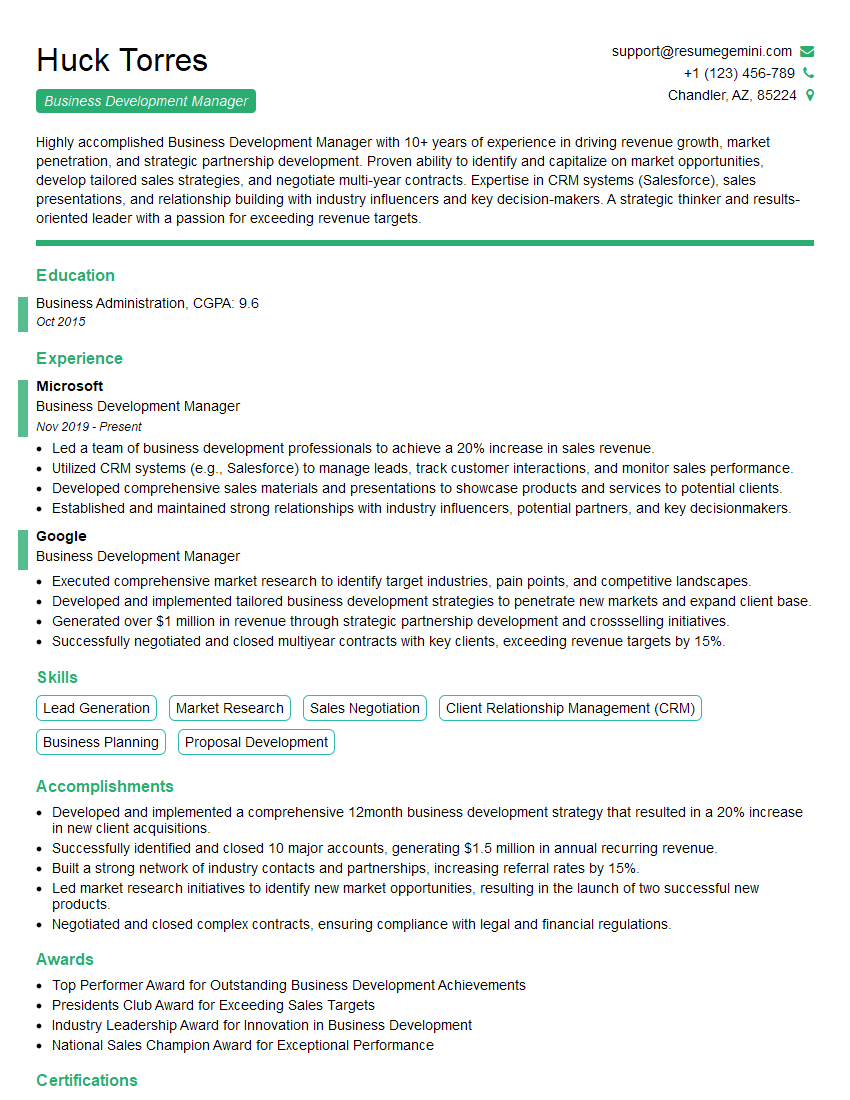
Business Development Manager Resume Sample
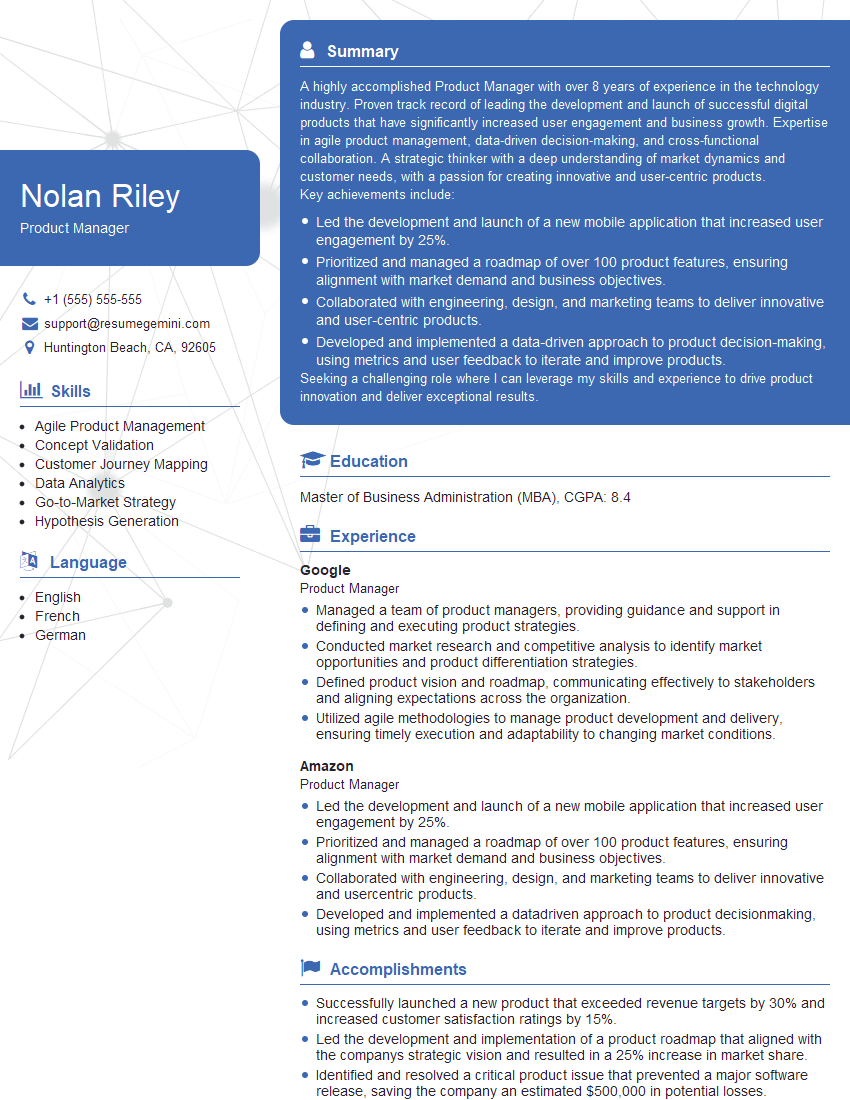
Product Manager Resume Sample
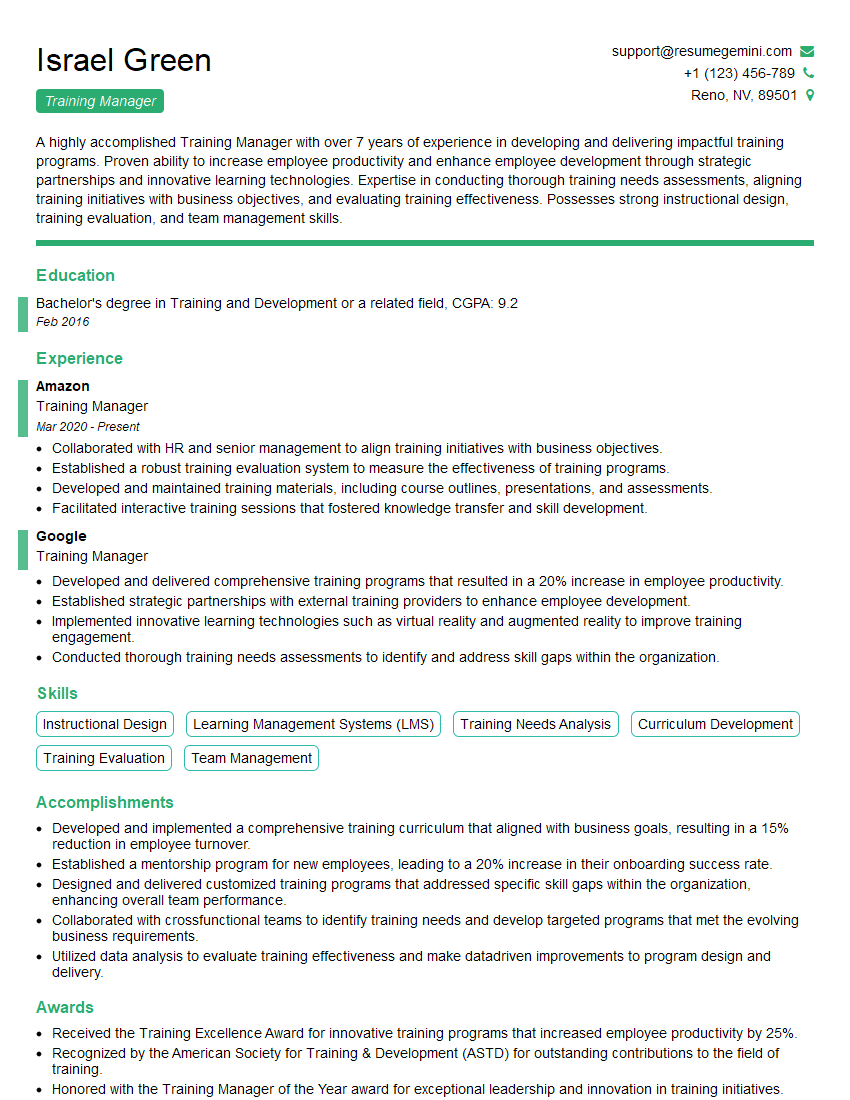
Training Manager Resume Sample
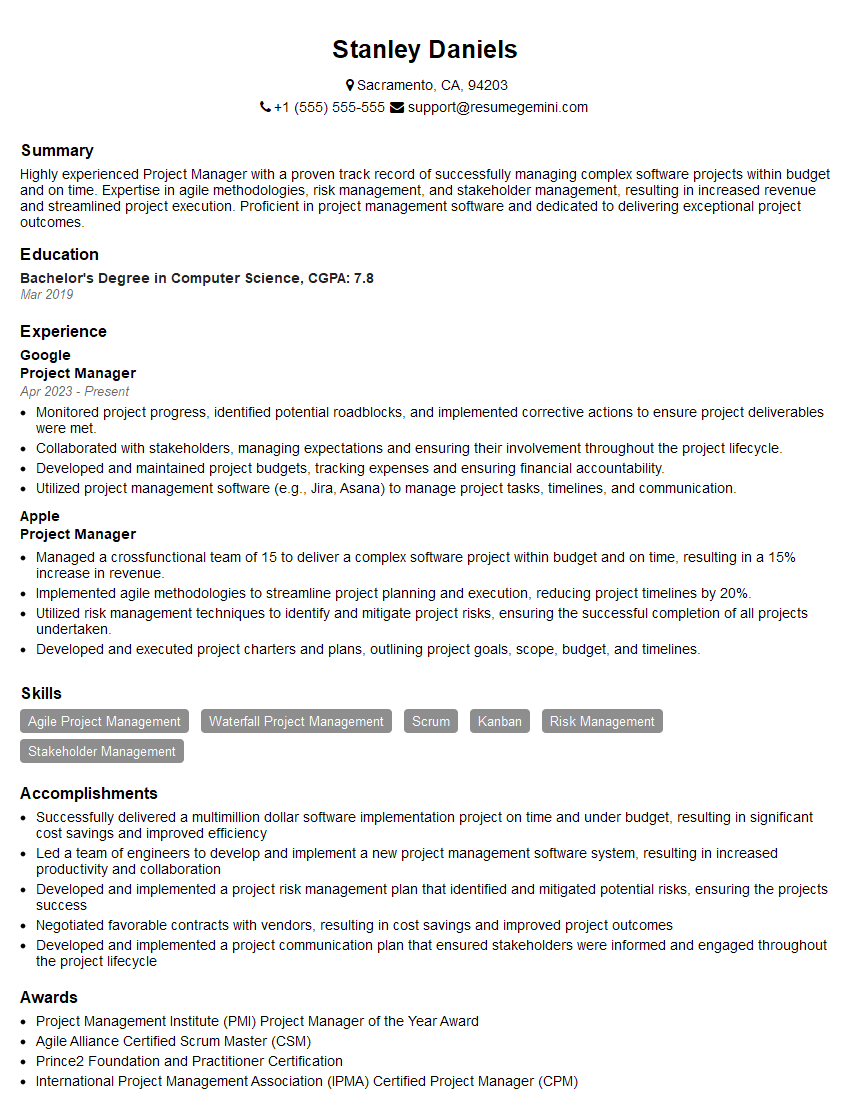
Project Manager Resume Sample
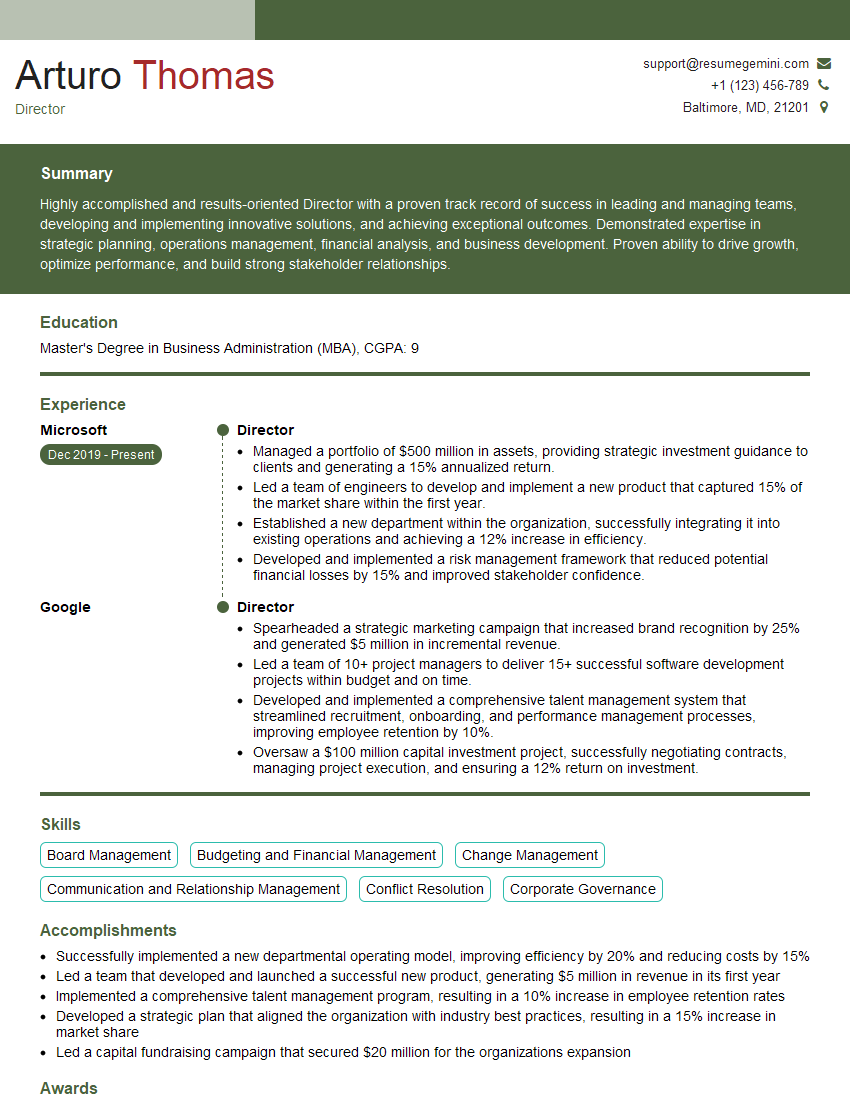
Director Resume Sample
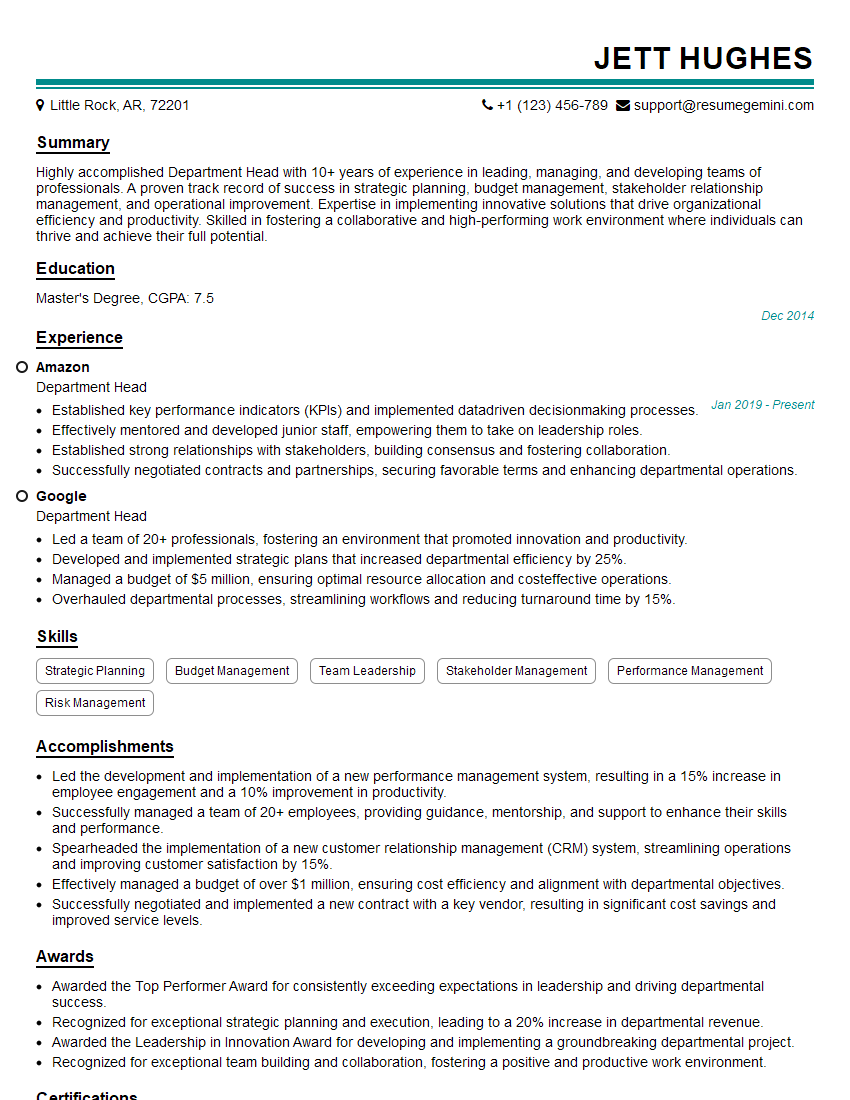
Department Head Resume Sample
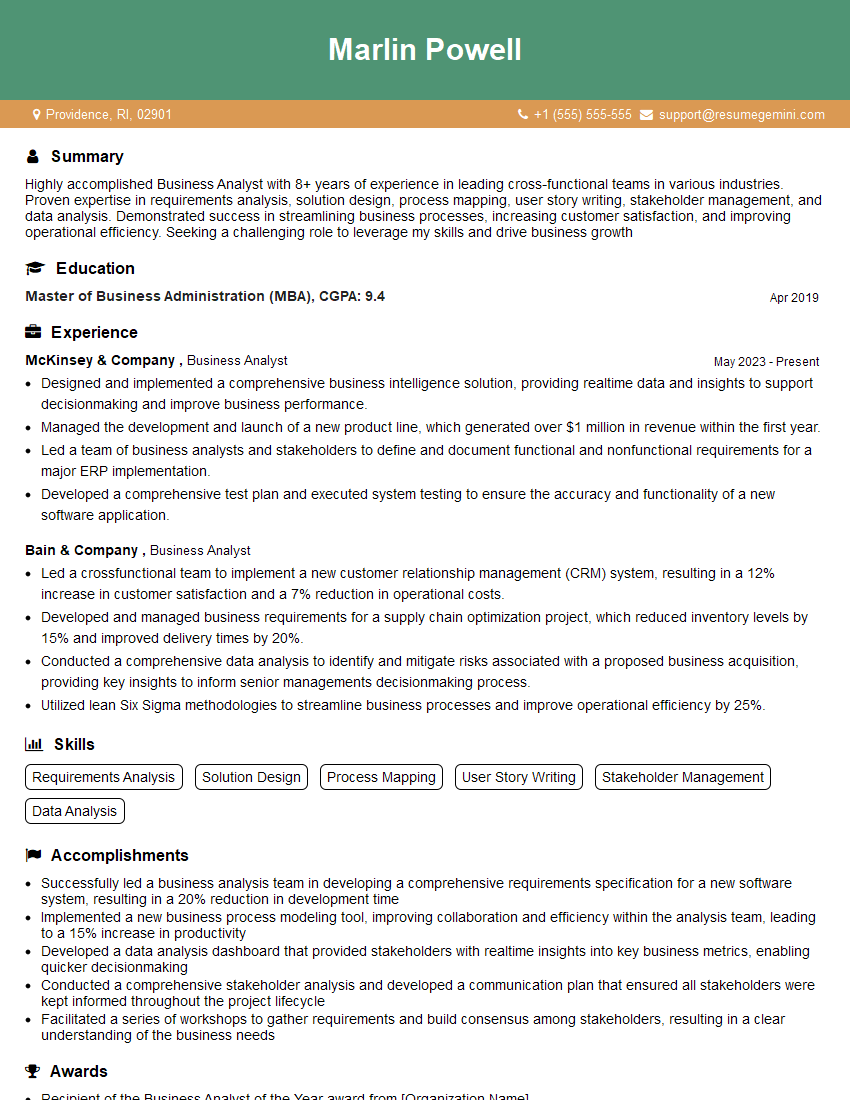
Business Analyst Resume Sample
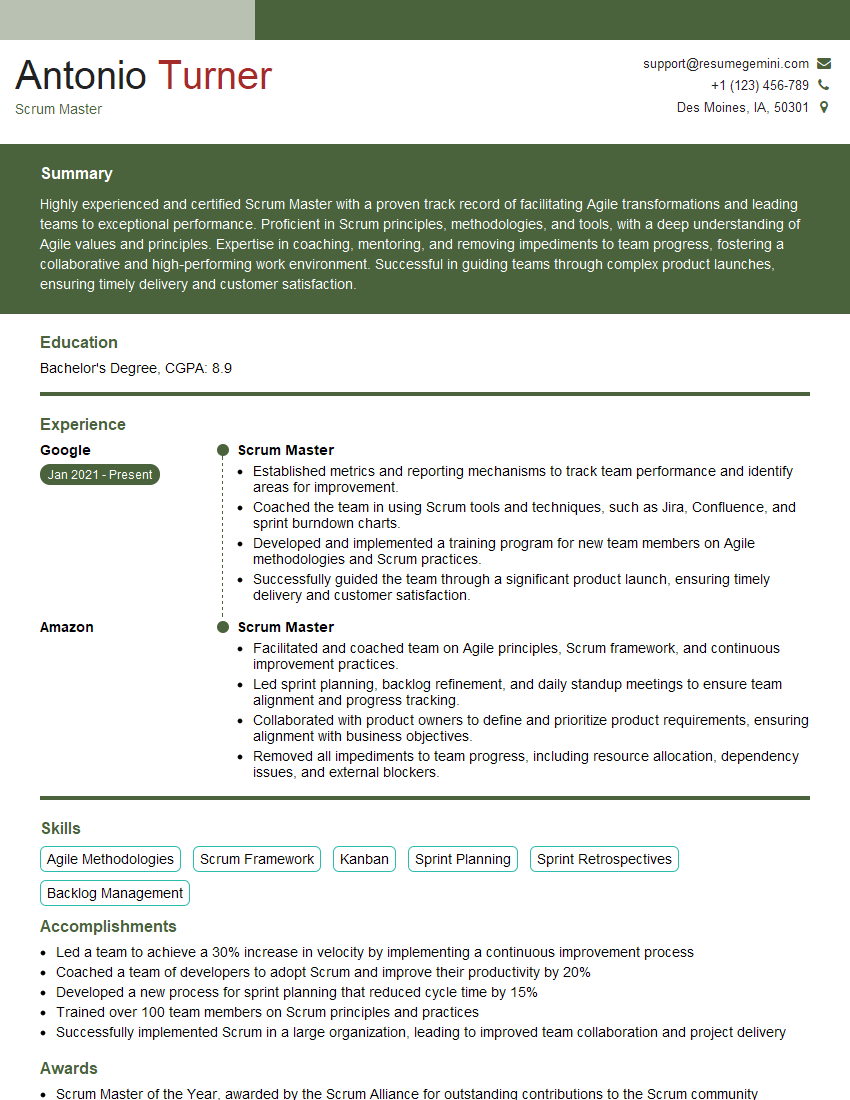
Scrum Master Resume Sample
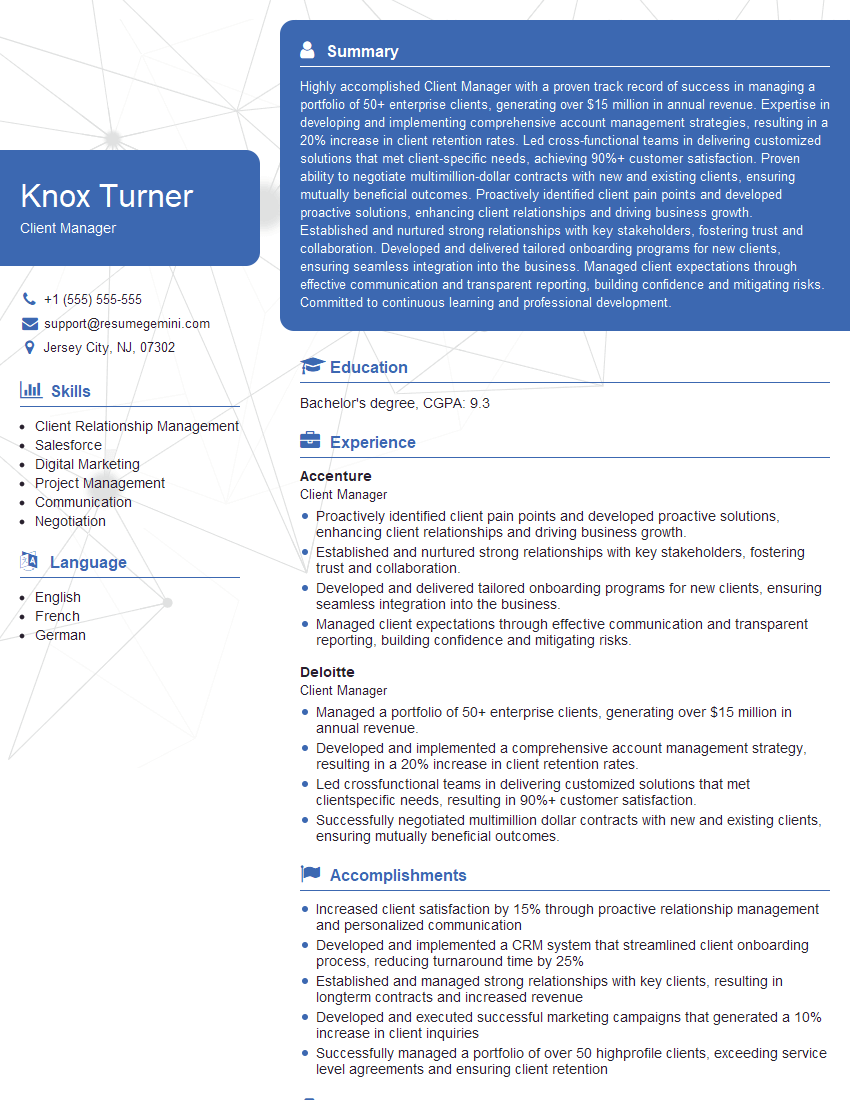
Client Manager Resume Sample
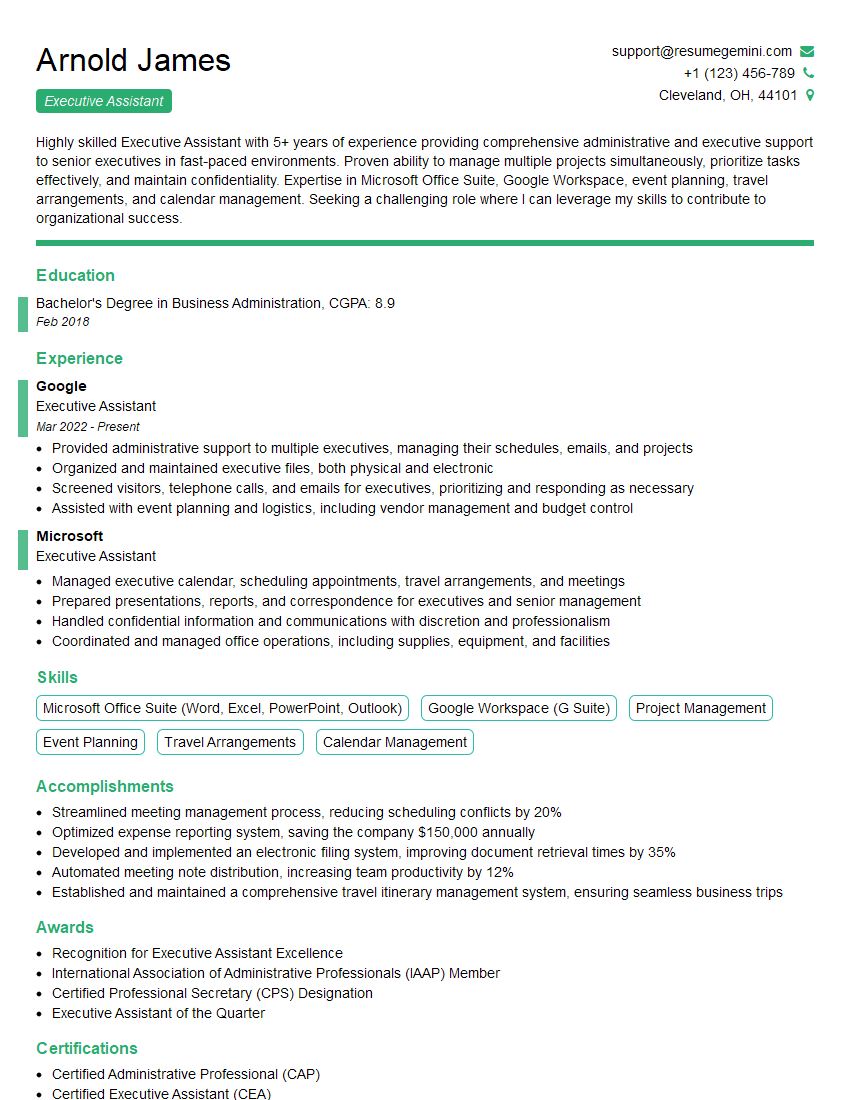
Executive Assistant Resume Sample
- Chief Executive Officer (CEO)
- Chief Operating Officer (COO)
- Program Manager
- Strategic Planner
- Vice President
- Operations Manager
- Account Manager
- Marketing Manager
- Sales Manager
- Business Development Manager
- Product Manager
- Training Manager
- Project Manager
- Director
- Department Head
- Business Analyst
- Scrum Master
- Client Manager
- Executive Assistant
Explore more articles
Users Rating of Our Blogs
Share Your Experience
We value your feedback! Please rate our content and share your thoughts (optional).
What Readers Say About Our Blog
Amazing blog
Interesting Article, I liked the depth of knowledge you’ve shared.
Helpful, thanks for sharing.