Unlock your full potential by mastering the most common Strong Physical Fitness interview questions. This blog offers a deep dive into the critical topics, ensuring you’re not only prepared to answer but to excel. With these insights, you’ll approach your interview with clarity and confidence.
Questions Asked in Strong Physical Fitness Interview
Q 1. Explain the principles of progressive overload.
Progressive overload is a fundamental principle in strength training that dictates gradually increasing the demands placed on your body over time. Think of it like this: if you always lift the same weight, your muscles will eventually adapt and stop growing stronger. Progressive overload ensures continuous progress by steadily increasing the intensity, volume, or frequency of your workouts.
This can be achieved in several ways:
- Increasing weight: Gradually adding more weight to your lifts.
- Increasing repetitions: Performing more repetitions with the same weight.
- Increasing sets: Adding more sets of the same exercise.
- Decreasing rest time: Reducing the rest periods between sets.
- Adding more challenging exercises: Progressing to more complex variations of exercises.
For example, if you’re squatting 100 lbs for 3 sets of 10 reps, you might progress to 105 lbs for 3 sets of 10 reps next week, or 100 lbs for 3 sets of 12 reps. The key is to make small, manageable increases to avoid injury and ensure continued adaptation.
Q 2. Describe different training methods (e.g., HIIT, circuit training).
Several effective training methods exist, catering to diverse fitness goals. Let’s explore a few:
- High-Intensity Interval Training (HIIT): HIIT involves short bursts of intense exercise followed by brief recovery periods. A typical HIIT workout might consist of 30 seconds of sprinting followed by 30 seconds of rest, repeated for 8-12 rounds. It’s incredibly efficient for improving cardiovascular fitness and burning calories. For example, a HIIT session could include sprints, burpees, jump squats, and mountain climbers.
- Circuit Training: Circuit training involves performing a series of exercises one after the other with minimal rest. This method is great for building both strength and endurance. A sample circuit could include squats, push-ups, rows, and lunges, repeated 2-3 times. This is efficient for time management and improves overall body strength and stamina.
- Strength Training: This focuses on building muscle mass and strength using resistance exercises, such as weightlifting or bodyweight exercises. A common approach might be using a split routine, working different muscle groups on separate days.
The choice of method depends on individual fitness goals, experience level, and available time.
Q 3. What are the benefits of incorporating plyometrics into a training program?
Plyometrics, or jump training, are explosive exercises that involve rapid stretching and contracting of muscles. They are excellent for improving power, speed, and agility. Think of a standing jump, where you first lower yourself slightly, then powerfully extend your legs and propel yourself upwards. This ‘stretch-shortening cycle’ is the core of plyometrics.
Incorporating plyometrics offers several benefits:
- Increased power and explosiveness: Plyometrics trains your muscles to generate maximum force in a minimum amount of time.
- Improved agility and speed: The explosive movements enhance your ability to change direction quickly.
- Enhanced muscle strength and endurance: Plyometric exercises are highly effective for building muscular strength and stamina.
- Improved bone density: The high-impact nature of some plyometric exercises can help improve bone density.
However, it’s crucial to have a solid base of strength and conditioning before starting plyometrics, as they can be high-impact and increase the risk of injury if not performed correctly.
Q 4. How do you assess a client’s fitness level before creating a program?
Assessing a client’s fitness level is crucial before designing a personalized program. This involves a combination of methods:
- Health History Questionnaire: This gathers information about the client’s medical history, current health conditions, and any limitations.
- Movement Screen: This involves assessing basic movement patterns like squats, lunges, and overhead presses to identify any muscle imbalances or movement limitations.
- Fitness Tests: These could include tests to measure cardiovascular fitness (e.g., a 1-mile run or a step test), muscular strength and endurance (e.g., push-up test, sit-up test), and flexibility (e.g., sit-and-reach test).
- Client Interview: A conversation with the client to understand their fitness goals, experience level, and preferences.
Based on this information, I can create a safe and effective program tailored to the individual’s specific needs and capabilities. For example, a client with limited mobility might start with a lower intensity program focusing on flexibility and range of motion before progressing to more strenuous exercises.
Q 5. Explain the importance of proper warm-up and cool-down routines.
Proper warm-up and cool-down routines are essential for injury prevention and performance optimization. They prepare the body for exercise and aid in recovery.
A good warm-up should include:
- Light cardio: 5-10 minutes of light cardio, like jogging or jumping jacks, to increase heart rate and blood flow.
- Dynamic stretching: Active movements that take joints through their full range of motion, such as arm circles, leg swings, and torso twists.
A proper cool-down involves:
- Light cardio: 5-10 minutes of light cardio to gradually lower heart rate.
- Static stretching: Holding a stretch for 20-30 seconds, focusing on major muscle groups worked during the workout, such as holding a hamstring stretch or quad stretch.
Think of a warm-up as preparing your car engine before a long drive, and the cool-down as allowing the engine to cool down gradually after the drive to prevent overheating.
Q 6. What are the signs of overtraining, and how do you address them?
Overtraining is a condition that occurs when the body is subjected to excessive training without adequate rest and recovery. It can lead to several negative consequences.
Signs of overtraining include:
- Persistent fatigue: Feeling tired even after getting enough sleep.
- Decreased performance: Noticing a decline in strength, endurance, or speed.
- Increased resting heart rate: Your heart rate at rest becomes higher than usual.
- Muscle soreness and stiffness: Experiencing prolonged and excessive muscle soreness.
- Loss of motivation and enthusiasm for exercise: Feeling burnt out and lacking the desire to train.
- Sleep disturbances: Difficulty falling asleep or staying asleep.
Addressing overtraining involves:
- Reducing training volume and intensity: Decreasing the number of workouts, sets, repetitions, or weight lifted.
- Increasing rest and recovery: Getting sufficient sleep and incorporating rest days into the training schedule.
- Prioritizing nutrition and hydration: Ensuring adequate intake of nutrients and fluids to support recovery.
- Managing stress: Implementing stress-reducing techniques, such as yoga or meditation.
- Consulting a healthcare professional: Seeking medical advice to rule out any underlying medical conditions.
It’s vital to listen to your body and adjust your training plan accordingly. Prevention is key, so adequate rest, proper nutrition, and mindful training are crucial.
Q 7. How do you adapt training programs for clients with different fitness levels and goals?
Adapting training programs for clients with different fitness levels and goals is crucial for ensuring safety and effectiveness. It requires a personalized approach.
For beginners, programs should start with a low intensity and volume, focusing on proper form and technique before gradually increasing the challenge. They might focus on basic exercises and building a foundation of fitness.
For intermediate clients, the program can involve more advanced exercises, increased intensity and volume, and the incorporation of more challenging training methods like HIIT or circuit training. It will be progressive, keeping intensity in check while pushing boundaries.
For advanced clients, the program can include highly specialized training techniques, higher volumes and intensities, and focus on advanced strength and conditioning goals. This involves constant reassessment and monitoring of the body’s response to training.
Different goals also require adjustments. A client focused on strength might have a program emphasizing heavy weights and low reps, while a client focused on endurance might prioritize higher reps and longer durations. A client focused on weight loss might combine cardio and strength training.
Regular communication with the client, monitoring their progress, and making adjustments as needed are essential for successful program adaptation.
Q 8. Explain the concept of periodization in training.
Periodization is a cornerstone of effective strength and conditioning programming. It’s essentially the strategic manipulation of training variables—like volume (sets and reps), intensity (weight lifted), and frequency (training days per week)—over time to optimize athletic performance and minimize the risk of overtraining. Think of it like building a house; you wouldn’t just throw all the materials together at once. You need a plan, a foundation, and a systematic approach.
A typical periodization model might include several phases: a preparatory phase focusing on building a base level of fitness; a strength phase prioritizing maximal strength gains; and a competition phase honing peak performance for a specific event or goal. Within each phase, there are microcycles (weekly plans) and mesocycles (monthly or longer plans). For example, a powerlifter might dedicate the preparatory phase to improving general strength and conditioning, the strength phase to increasing their one-rep max on key lifts, and the competition phase to practicing competition lifts and refining technique.
By systematically varying the training stimuli, periodization allows the body to adapt, recover, and continually improve without burning out. It prevents plateaus and ensures consistent progress over the long term.
Q 9. Describe various types of muscle contractions (isometric, concentric, eccentric).
Muscle contractions are the mechanisms by which our muscles generate force. There are three main types:
- Isometric Contractions: These occur when the muscle is activated but doesn’t change length. Think of holding a plank – your muscles are working hard, but your limbs aren’t moving. Isometrics are great for building strength and stability.
- Concentric Contractions: These happen when the muscle shortens while generating force. A bicep curl is a prime example; your biceps contract and shorten as you lift the weight. This is the ‘lifting’ phase of most exercises.
- Eccentric Contractions: This is the opposite of concentric – the muscle lengthens while generating force. During a bicep curl, the eccentric phase is the lowering of the weight. Eccentric contractions are crucial for building muscle size and strength, and are often more impactful than concentric contractions.
Understanding these different contraction types allows for the design of targeted training programs. For instance, including eccentric training can promote muscle growth and reduce injury risk, as properly controlled eccentric movements place less stress on joints.
Q 10. How do you design a strength training program for a beginner?
Designing a strength training program for a beginner requires a focus on proper form, gradual progression, and injury prevention. It should be a foundational program that builds a base level of strength and fitness before progressing to more advanced training.
- Start with full-body workouts: Two or three sessions per week are ideal, working all major muscle groups each time. This ensures balanced development and prevents overtraining.
- Focus on compound exercises: Exercises that involve multiple muscle groups (squats, deadlifts, bench press, overhead press, rows) are prioritized. These are efficient and effective for building overall strength.
- Use lighter weights and higher repetitions: Beginners should focus on mastering proper form before increasing weight. A rep range of 8-12 repetitions per set is a good starting point.
- Emphasize proper form: This is paramount to prevent injuries and ensure effective training. Consider working with a qualified trainer initially to learn correct techniques.
- Gradual progression: Over time, gradually increase the weight, repetitions, or sets to continually challenge the muscles. This could involve increasing the weight by 2.5-5 pounds, or adding an extra set to the workout.
- Incorporate rest and recovery: Adequate rest between sets and training days is critical for muscle growth and injury prevention. Aim for at least one day of rest between workouts.
An example beginner program might include three full-body workouts per week, with exercises like squats (2-3 sets of 8-12 reps), push-ups (as many reps as possible), rows (2-3 sets of 8-12 reps), and lunges (2-3 sets of 8-12 reps per leg).
Q 11. What are the key components of a balanced fitness program?
A balanced fitness program encompasses several key components working synergistically to achieve holistic well-being:
- Cardiovascular Training: Improves heart health, burns calories, and enhances endurance. Examples include running, swimming, cycling.
- Strength Training: Builds muscle mass, increases metabolism, and strengthens bones. This includes exercises like squats, deadlifts, and bench presses.
- Flexibility and Mobility Training: Improves range of motion, reduces injury risk, and enhances overall body function. Yoga, Pilates, and stretching are examples.
- Nutrition: Provides the fuel for exercise and recovery. A balanced diet is essential for optimal results.
- Rest and Recovery: Allows the body to repair and rebuild muscle tissue, reducing the risk of overtraining and injury. Adequate sleep is crucial.
These components should be integrated in a program that balances the intensity and duration of each element, considering individual goals and fitness levels. Ignoring any one component can significantly limit overall progress and increase risk of injury.
Q 12. How do you motivate clients to adhere to their training programs?
Motivating clients to adhere to their training programs requires a multifaceted approach combining support, accountability, and personalization:
- Set realistic and attainable goals: Goals should be specific, measurable, achievable, relevant, and time-bound (SMART). This prevents discouragement and fosters a sense of accomplishment.
- Build a strong client-trainer relationship: Empathy and understanding are key. Listen to your clients’ concerns, celebrate their successes, and provide consistent support.
- Track progress and provide feedback: Regularly monitor progress using various metrics like weight loss, strength gains, or improved endurance. Providing feedback helps clients stay motivated and see the benefits of their efforts.
- Vary workouts to prevent boredom: Introducing new exercises, training methods, or challenges helps keep clients engaged and prevents monotony.
- Incorporate accountability measures: This could involve regular check-ins, progress reports, or even group training sessions to foster a sense of community and shared responsibility.
- Reward system: Acknowledge and reward milestones achieved, reinforcing positive behaviour and motivating continued effort.
Ultimately, fostering intrinsic motivation—where clients are driven by their own internal desires—is the most sustainable approach. This is achieved by empowering clients to take ownership of their fitness journey and to see the positive impact it has on their lives.
Q 13. Explain the importance of nutrition in achieving fitness goals.
Nutrition plays a pivotal role in achieving fitness goals. It provides the essential building blocks for muscle growth, repair, and energy production. Without proper nutrition, even the most rigorous training programs will yield suboptimal results.
- Fueling workouts: Adequate carbohydrate intake provides the energy needed for exercise.
- Muscle growth and repair: Sufficient protein intake is essential for building and repairing muscle tissue after workouts.
- Recovery and overall health: A balanced diet rich in fruits, vegetables, and healthy fats supports overall health, aids in recovery, and reduces the risk of injuries.
- Hydration: Water is crucial for bodily functions, including temperature regulation and nutrient transport.
For example, an individual aiming to build muscle needs a diet higher in protein than someone focused solely on weight loss. A balanced diet that considers macronutrient needs (carbohydrates, proteins, and fats), micronutrient intake, and hydration is vital for optimal fitness achievements. Consulting a registered dietitian or nutritionist can help personalize dietary plans to meet individual needs and goals.
Q 14. How do you modify exercises for clients with injuries or limitations?
Modifying exercises for clients with injuries or limitations is crucial for safety and effectiveness. The modifications should address the specific limitation while still providing a beneficial workout.
- Reduce the range of motion: If a client has a knee injury, for example, modifying squats to partial squats reduces stress on the joint.
- Reduce weight or resistance: Lowering the weight or resistance allows for maintaining proper form without overexerting the injured area.
- Substitute exercises: If a particular exercise aggravates an injury, substitute with an alternative exercise that targets the same muscle group but reduces stress on the injured area. For example, a client with shoulder pain might substitute barbell bench presses with dumbbell bench presses for better control and reduced shoulder stress.
- Use assistive devices: Resistance bands, stability balls, or other assistive devices can provide support and modify the exercise to accommodate limitations.
- Focus on proper form: This remains paramount to prevent further injuries and ensure effective exercise. Even with modifications, clients should maintain proper form.
- Consult with healthcare professionals: Before modifying exercises for clients with injuries, it’s essential to consult with physicians or physiotherapists to ensure the modifications are appropriate and safe.
Careful consideration and communication with clients are key to ensuring safe and effective modifications that allow continued progress while mitigating risk.
Q 15. Describe the role of flexibility and mobility training.
Flexibility and mobility training are crucial components of a comprehensive fitness program. Flexibility refers to the range of motion in a joint, while mobility is the ability to move that joint through its full range of motion efficiently and effectively. Think of it this way: flexibility is *how far* you can move a joint, while mobility is *how well* you can move it.
Role of Flexibility Training: Flexibility training, often involving stretching techniques like static (holding a stretch) or dynamic (moving through a range of motion) stretches, improves joint range of motion, reduces muscle stiffness, and enhances overall body awareness. This helps prevent injuries, improves athletic performance, and promotes better posture. For example, regular hamstring stretching can prevent hamstring pulls during sprinting.
Role of Mobility Training: Mobility training goes beyond simple stretching. It focuses on improving the control and coordination of movement through a joint’s full range of motion. Exercises like controlled articular rotations (CARs) and dynamic stretches enhance neuromuscular control, improving joint stability and reducing the risk of injury. For instance, improving hip mobility can enhance athletic performance in sports like tennis or swimming.
In a training program, both flexibility and mobility are essential. Flexibility provides the foundational range of motion, while mobility ensures controlled and efficient movement within that range.
Career Expert Tips:
- Ace those interviews! Prepare effectively by reviewing the Top 50 Most Common Interview Questions on ResumeGemini.
- Navigate your job search with confidence! Explore a wide range of Career Tips on ResumeGemini. Learn about common challenges and recommendations to overcome them.
- Craft the perfect resume! Master the Art of Resume Writing with ResumeGemini’s guide. Showcase your unique qualifications and achievements effectively.
- Don’t miss out on holiday savings! Build your dream resume with ResumeGemini’s ATS optimized templates.
Q 16. What is your experience with different types of fitness equipment?
My experience with fitness equipment is extensive, encompassing a wide range of tools used for strength training, cardiovascular exercise, and flexibility/mobility work. I’m proficient in using and instructing clients on the safe and effective use of:
- Resistance training equipment: Free weights (dumbbells, barbells), weight machines (cable machines, plate-loaded machines), resistance bands, and bodyweight exercises.
- Cardiovascular equipment: Treadmills, elliptical trainers, stationary bikes, rowing machines, and stair climbers. I understand the proper use and adjustment of these machines for different fitness levels and goals.
- Flexibility and mobility equipment: Foam rollers, lacrosse balls, yoga straps, and stability balls. I utilize these tools to facilitate myofascial release and improve joint mobility.
I understand the biomechanics of each piece of equipment and can tailor workouts to individual needs, taking into account any limitations or injuries. I prioritize proper form and technique over simply lifting the heaviest weight possible.
Q 17. How do you ensure the safety of clients during training sessions?
Client safety is my paramount concern. I ensure safety through several measures:
- Thorough assessments: Before starting any program, I conduct a comprehensive health history review and fitness assessment to identify any potential risks or limitations.
- Proper warm-up and cool-down: Every training session begins with a dynamic warm-up to prepare the body for exercise and ends with a static cool-down to promote recovery and flexibility. This helps prevent injuries.
- Correct form and technique: I meticulously teach and supervise proper exercise form, correcting any mistakes to minimize the risk of injury. This includes demonstrating exercises, providing verbal cues, and offering hands-on adjustments where appropriate.
- Appropriate progression: I gradually increase the intensity and volume of training to avoid overtraining and injury. Progress is personalized to each client’s fitness level and capabilities.
- Emergency preparedness: I’m CPR/AED certified and familiar with emergency protocols, and I maintain a safe and clean training environment.
- Open communication: I encourage clients to communicate any discomfort or pain immediately so we can adjust the program accordingly.
Q 18. Explain the importance of proper form during exercise.
Proper form is paramount for maximizing results and minimizing the risk of injury. When an exercise is performed with poor form, it reduces the effectiveness of the movement, targets the wrong muscles, increases the stress on joints, and significantly elevates the chance of injury.
Examples of poor form and its consequences:
- Squats with rounded back: This puts excessive stress on the lower back, potentially leading to back pain or injury.
- Bench press with improper grip: This can strain the shoulders and wrists.
- Deadlifts with poor posture: This significantly increases the risk of back injury.
Maintaining correct form ensures that the intended muscles are activated and the exercise is performed efficiently. This leads to better strength gains, improved muscle definition, enhanced functional fitness, and ultimately reduces the chance of injury.
Q 19. Describe your experience with designing and implementing fitness programs.
I have extensive experience in designing and implementing personalized fitness programs. My process involves a comprehensive assessment of the client’s fitness level, goals, and limitations, followed by the development of a tailored program. This program considers various factors such as:
- Fitness goals: Weight loss, muscle gain, improved cardiovascular health, or enhanced athletic performance.
- Training experience: Beginner, intermediate, or advanced.
- Time constraints: Number of training sessions per week and duration of each session.
- Equipment availability: Access to gym equipment, home workouts, or outdoor activities.
- Potential limitations: Pre-existing injuries or health conditions.
I use a variety of training methods, including strength training, cardiovascular exercise, and flexibility training, to create balanced and effective programs. I regularly monitor client progress and adjust the program as needed to optimize results and maintain motivation. For example, a client aiming to lose weight might start with a combination of cardio and strength training, gradually increasing the intensity and duration over time. Meanwhile, a client focused on building muscle might follow a more strength-focused program with progressive overload.
Q 20. How do you handle client feedback and concerns?
Client feedback is invaluable. I actively solicit feedback throughout the training process through regular check-ins and open communication. I create a safe space for clients to voice concerns without judgment. I listen attentively, ask clarifying questions, and address concerns promptly.
Handling negative feedback: If a client expresses dissatisfaction, I approach it constructively. I actively listen to understand their perspective, validate their feelings, and collaboratively explore solutions. This might involve adjusting the training plan, modifying exercises, or addressing scheduling concerns.
Handling positive feedback: Positive feedback reinforces the effectiveness of the training program and motivates me to continue providing high-quality service. I acknowledge and appreciate positive feedback, showing gratitude for their trust and collaboration.
Q 21. What is your approach to measuring client progress?
Measuring client progress involves a multi-faceted approach, combining objective and subjective measures.
- Objective measures: These include quantifiable data like weight, body fat percentage, strength assessments (1-rep max, etc.), and cardiovascular fitness tests (VO2 max, resting heart rate).
- Subjective measures: This incorporates client feedback on perceived exertion, energy levels, and overall well-being. I also observe their form and progress in performing exercises.
- Progress photos: Visual evidence can track body composition changes and improvements in muscle definition.
- Regular check-ins: These allow me to monitor progress, discuss any challenges, and adjust the program as needed.
By combining these measures, I gain a comprehensive understanding of client progress. This ensures I can provide personalized adjustments and maintain client motivation.
Q 22. Describe your experience with different client populations (e.g., athletes, seniors).
My experience spans a diverse range of client populations, from elite athletes to senior citizens. Working with athletes requires a deep understanding of sport-specific training principles, periodization, and injury prevention. For example, I’ve worked with collegiate soccer players, tailoring high-intensity interval training (HIIT) and plyometric exercises to enhance their speed, agility, and power while mitigating the risk of hamstring strains. Conversely, working with seniors necessitates a more cautious approach, focusing on functional fitness, balance, and flexibility to improve their quality of life and independence. This often involves incorporating low-impact exercises like water aerobics, chair yoga, and resistance band training. The key difference lies in adapting the intensity and type of exercise to the specific physiological capabilities and goals of each group.
- Athletes: Focus on performance enhancement, injury prevention, and advanced training techniques.
- Seniors: Focus on functional fitness, balance, mobility, and injury prevention with modifications for age-related limitations.
Q 23. How do you stay up-to-date with the latest fitness trends and research?
Staying current in the fitness field is crucial. I achieve this through a multi-pronged approach. I subscribe to reputable journals like the Journal of Strength and Conditioning Research and Medicine & Science in Sports & Exercise, which publish cutting-edge research on training methodologies and exercise physiology. I also actively participate in continuing education courses and workshops offered by organizations like the National Strength and Conditioning Association (NSCA) and the American College of Sports Medicine (ACSM). Furthermore, I regularly attend fitness conferences and webinars, networking with other professionals and learning about innovative approaches. Finally, I maintain a robust online presence, following key influencers and researchers in the field on social media and various professional platforms.
Q 24. Explain your knowledge of different training methodologies (e.g., CrossFit, HIIT).
My knowledge encompasses a wide array of training methodologies. CrossFit, for example, is a high-intensity program combining elements of weightlifting, gymnastics, and metabolic conditioning. It’s highly effective for building overall fitness, but requires careful programming and attention to proper form to prevent injuries. HIIT (High-Intensity Interval Training) involves short bursts of intense exercise followed by brief recovery periods. It’s excellent for improving cardiovascular fitness and burning calories in a short time. Other methodologies I’m proficient in include strength training (using various weight training techniques), plyometrics (explosive movements to enhance power), circuit training, and bodyweight training. The choice of methodology depends heavily on the client’s goals, experience level, and physical condition. For instance, a beginner might start with bodyweight training to build a foundation, while an experienced athlete might benefit from a more advanced program incorporating HIIT and Olympic weightlifting.
Q 25. What are your strengths and weaknesses as a fitness professional?
My strengths lie in my ability to build rapport with clients, create personalized training plans, and effectively communicate complex information in a way that’s easily understood. I’m highly adaptable and skilled at modifying training programs based on individual needs and progress. However, like any professional, I also have areas for development. One area I’m continuously working on is improving my business management skills, particularly in marketing and client acquisition. Another is expanding my knowledge in specific areas like sports nutrition, although I already have a solid foundational understanding. This ongoing self-improvement allows me to provide the best possible service to my clients.
Q 26. How do you promote a positive and encouraging training environment?
Creating a positive and encouraging training environment is paramount. I achieve this by fostering open communication, providing positive reinforcement, and celebrating successes, no matter how small. I focus on setting realistic goals with clients and regularly checking in to address any challenges or concerns they might have. I create a supportive atmosphere where clients feel comfortable asking questions and expressing their concerns. Empathy is key; I understand that fitness journeys aren’t always easy, and setbacks are a normal part of the process. I emphasize progress over perfection, fostering a growth mindset. For example, I might celebrate a client’s improved form on a squat or their increased endurance during a run, highlighting their effort and determination rather than solely focusing on numerical results.
Q 27. Describe a time you had to adapt a training plan due to unforeseen circumstances.
I once had a client who was training for a marathon. A few weeks before the race, they suffered a minor knee injury. This required a significant adaptation to their training plan. I immediately transitioned them to low-impact cross-training activities like swimming and cycling to maintain their cardiovascular fitness while allowing their knee to heal. We adjusted their strength training program to focus on areas not impacting the knee. Regular communication and monitoring were crucial. We used a combination of active recovery and modified exercises to prepare them for the race while prioritizing their long-term health. While they didn’t achieve their original time goal, they successfully completed the marathon, and we celebrated their resilience and perseverance. This experience reinforced the importance of flexibility and adaptability in personal training.
Q 28. How do you handle difficult or unmotivated clients?
Handling unmotivated clients requires a thoughtful approach. I begin by trying to understand the underlying reasons for their lack of motivation. This might involve open-ended questions about their goals, challenges, and what’s preventing them from engaging fully in their training. Sometimes, it’s a matter of adjusting the training program to make it more enjoyable or realistic. Perhaps the program is too intense, or the goals are too ambitious. Other times, it might be necessary to address underlying psychological barriers, such as fear of failure or lack of self-confidence. In these cases, collaborative goal setting and finding activities the client genuinely enjoys can be incredibly effective. If necessary, I might suggest professional support, such as a counselor or therapist, if the lack of motivation stems from deeper issues. The key is to build a strong relationship based on trust and understanding to help the client find their intrinsic motivation.
Key Topics to Learn for Strong Physical Fitness Interview
- Exercise Physiology: Understanding the body’s response to exercise, including cardiovascular, respiratory, and muscular adaptations. Practical application: Explain how different training methods impact various physiological systems.
- Exercise Programming: Designing safe and effective workout routines for diverse populations, considering individual goals and limitations. Practical application: Develop a sample training plan for a specific client profile (e.g., beginner, athlete).
- Nutrition for Performance: The role of macronutrients and micronutrients in supporting physical activity and recovery. Practical application: Discuss the importance of hydration and nutrient timing.
- Injury Prevention and Rehabilitation: Identifying risk factors for injuries and implementing strategies to mitigate them. Practical application: Explain common injuries associated with specific exercises and how to prevent them.
- Fitness Assessment and Testing: Utilizing various methods to assess fitness levels and track progress. Practical application: Describe the benefits and limitations of different fitness tests.
- Motivational Strategies and Client Communication: Building rapport with clients and fostering adherence to exercise programs. Practical application: Discuss techniques for effective communication and behavior change.
- Health and Wellness Coaching: Integrating principles of holistic wellness into fitness programs. Practical application: Explain how lifestyle factors impact overall health and fitness.
- Specialized Training Methods: Understanding various training modalities such as strength training, endurance training, plyometrics, and flexibility training. Practical application: Compare and contrast the benefits and applications of different training methods.
Next Steps
Mastering Strong Physical Fitness principles is crucial for career advancement, opening doors to exciting opportunities in health, wellness, and fitness-related industries. A well-crafted resume is your key to unlocking these opportunities. Creating an ATS-friendly resume is essential for maximizing your chances of getting noticed by recruiters. We strongly encourage you to utilize ResumeGemini, a trusted resource for building professional and effective resumes. ResumeGemini provides examples of resumes tailored to the Strong Physical Fitness field to guide you in showcasing your skills and experience effectively.
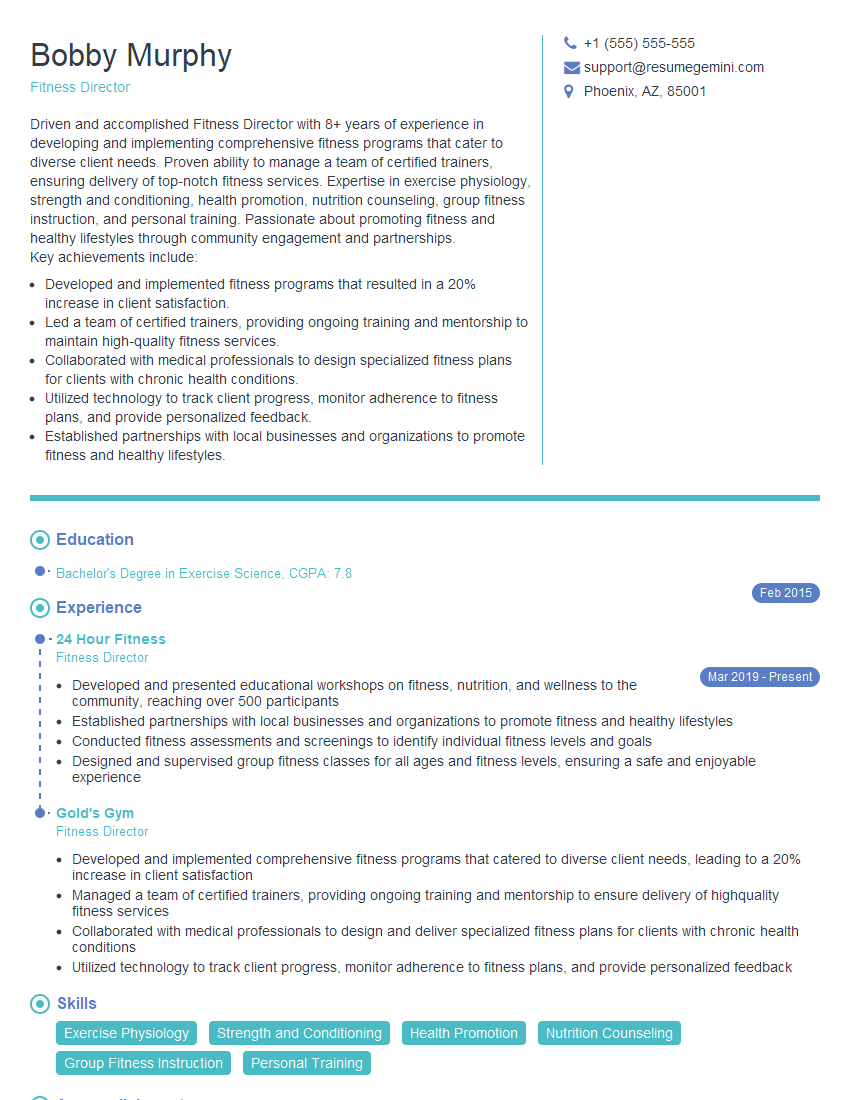
Fitness Director Resume Sample

Wellness Coach Resume Sample
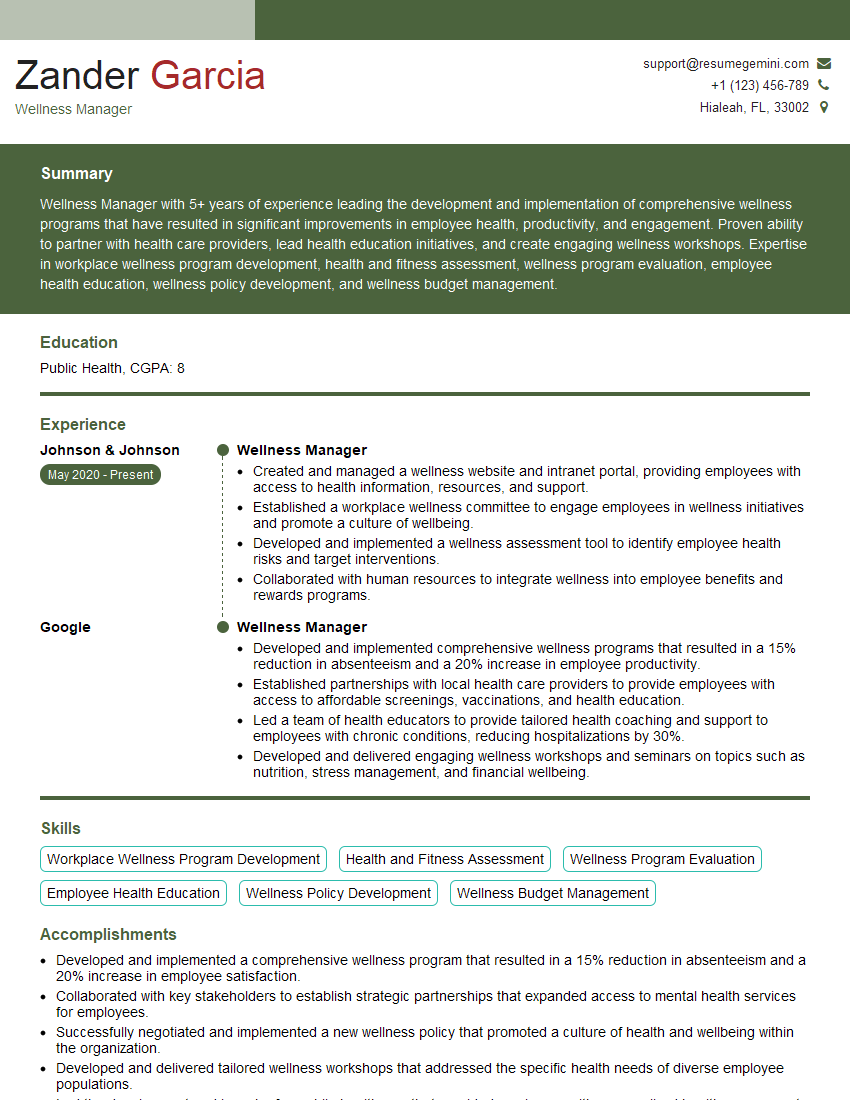
Wellness Manager Resume Sample
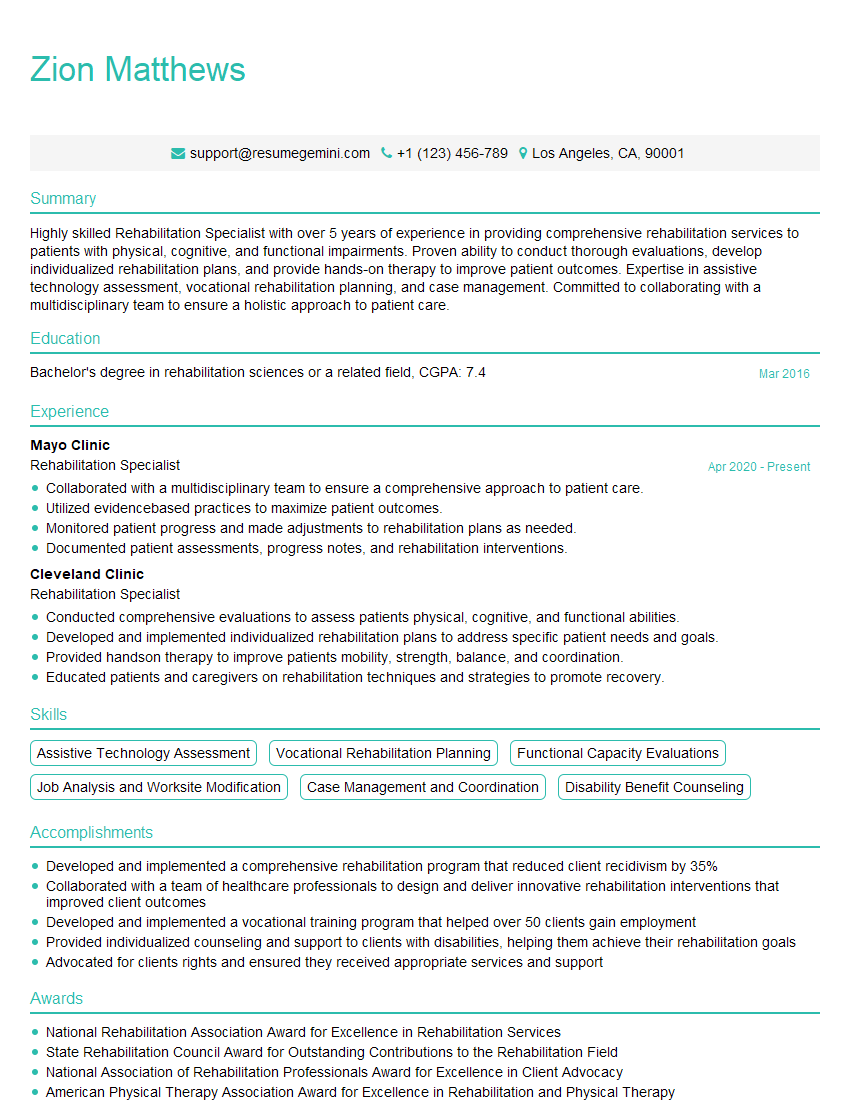
Rehabilitation Specialist Resume Sample
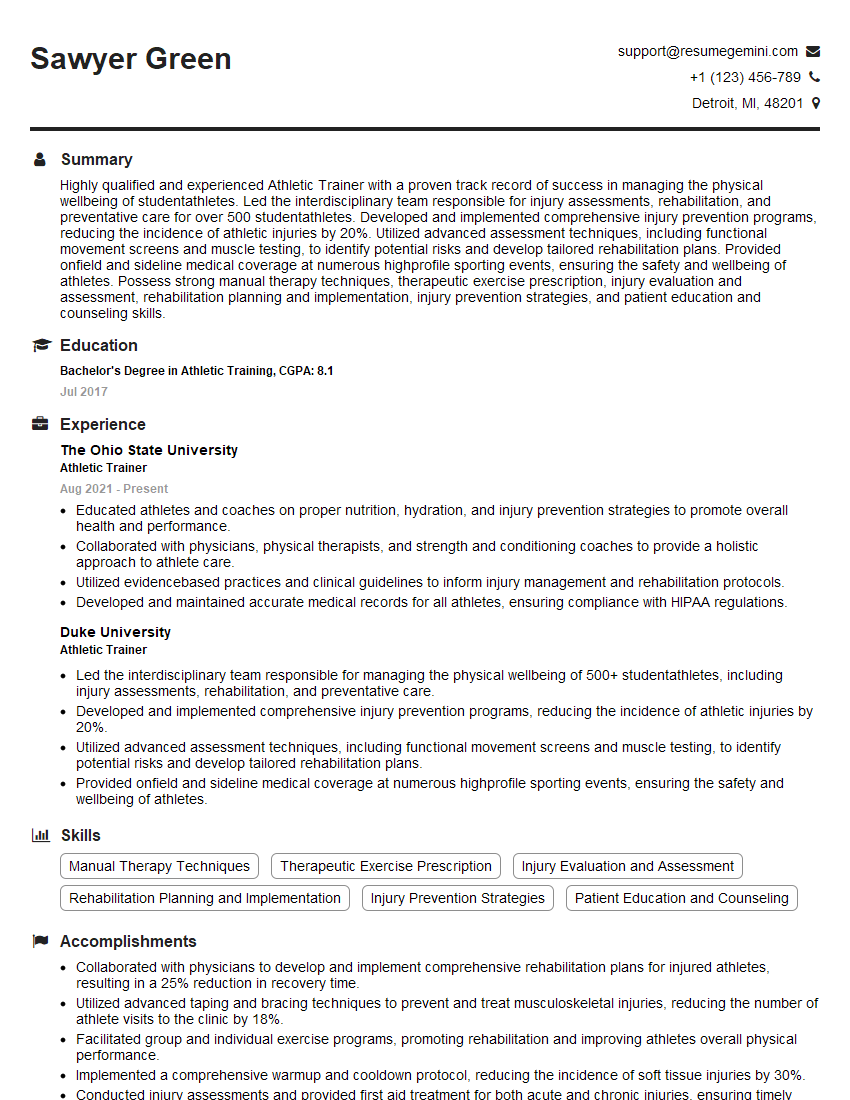
Athletic Trainer Resume Sample
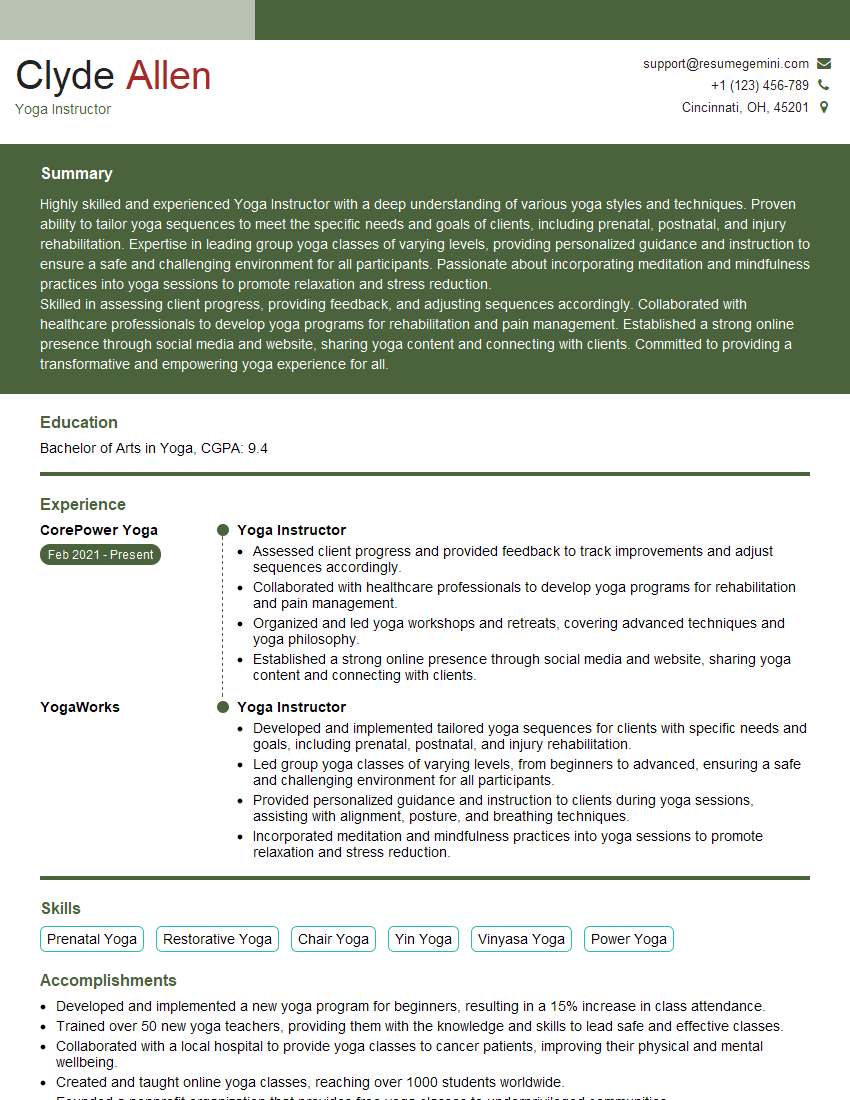
Yoga Instructor Resume Sample
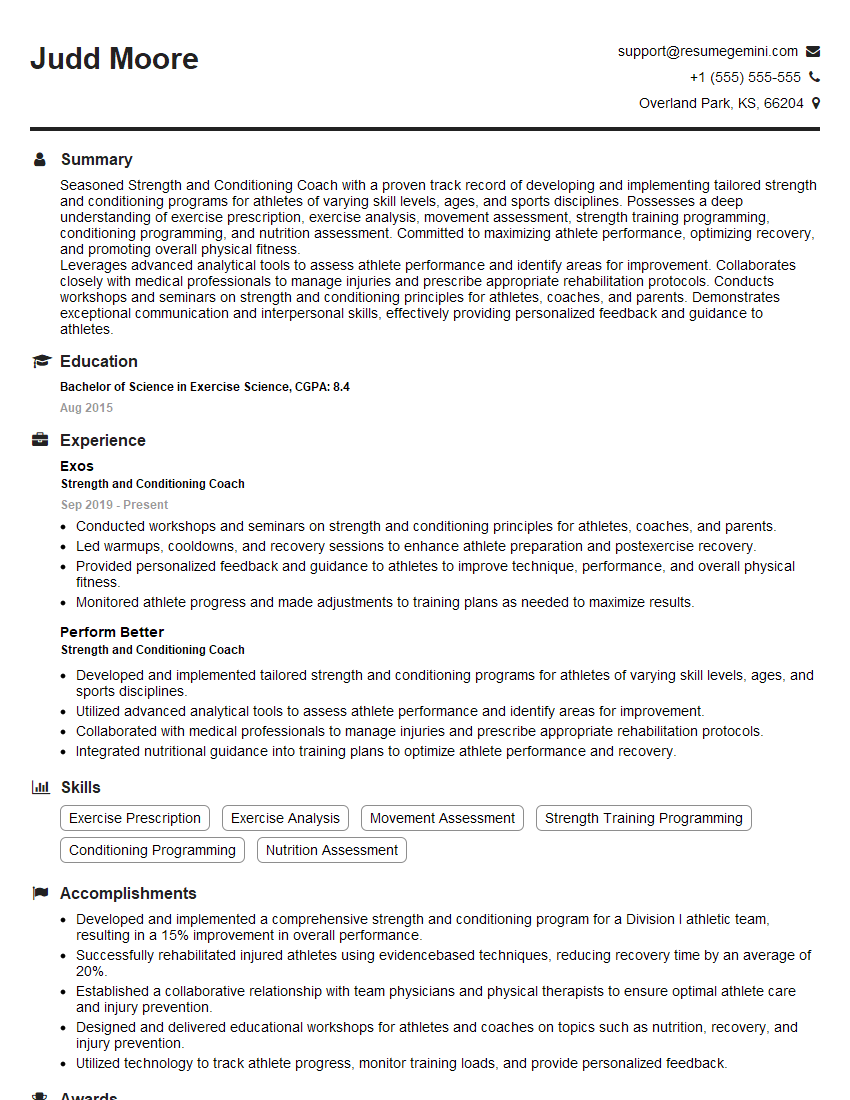
Strength and Conditioning Coach Resume Sample
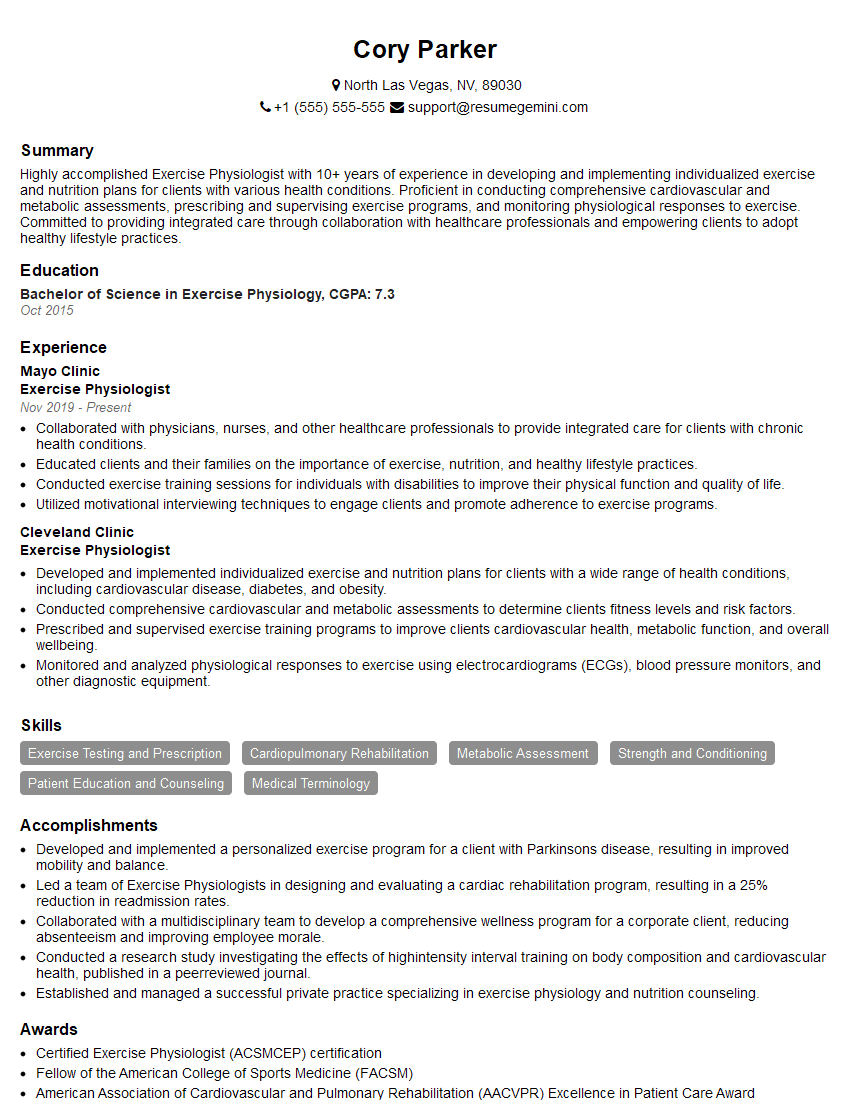
Exercise Physiologist Resume Sample
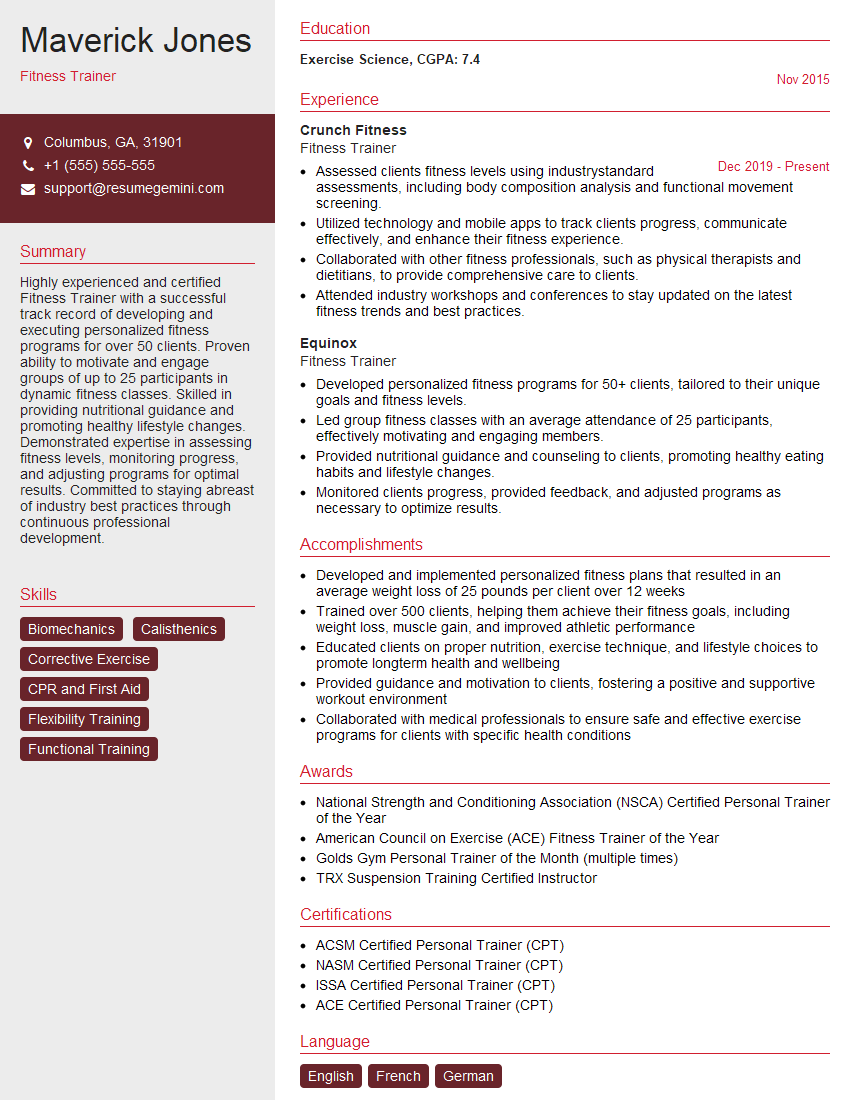
Fitness Trainer Resume Sample
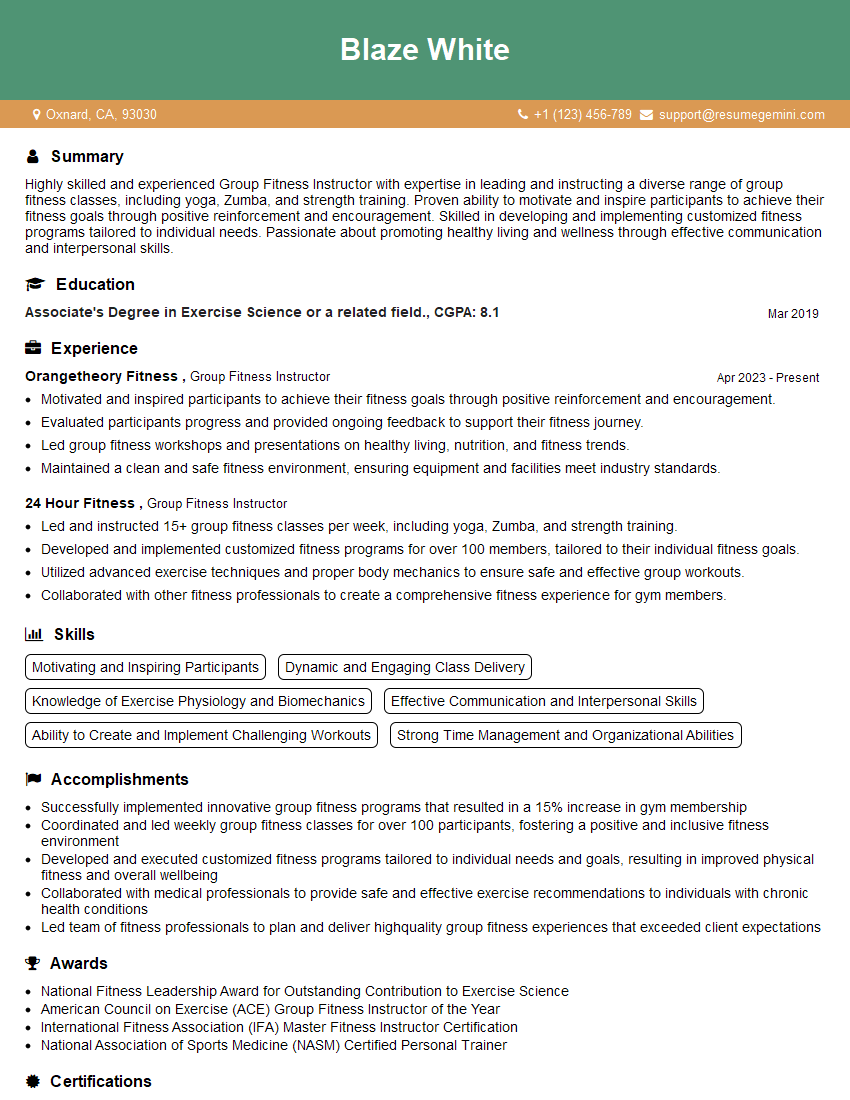
Group Fitness Instructor Resume Sample
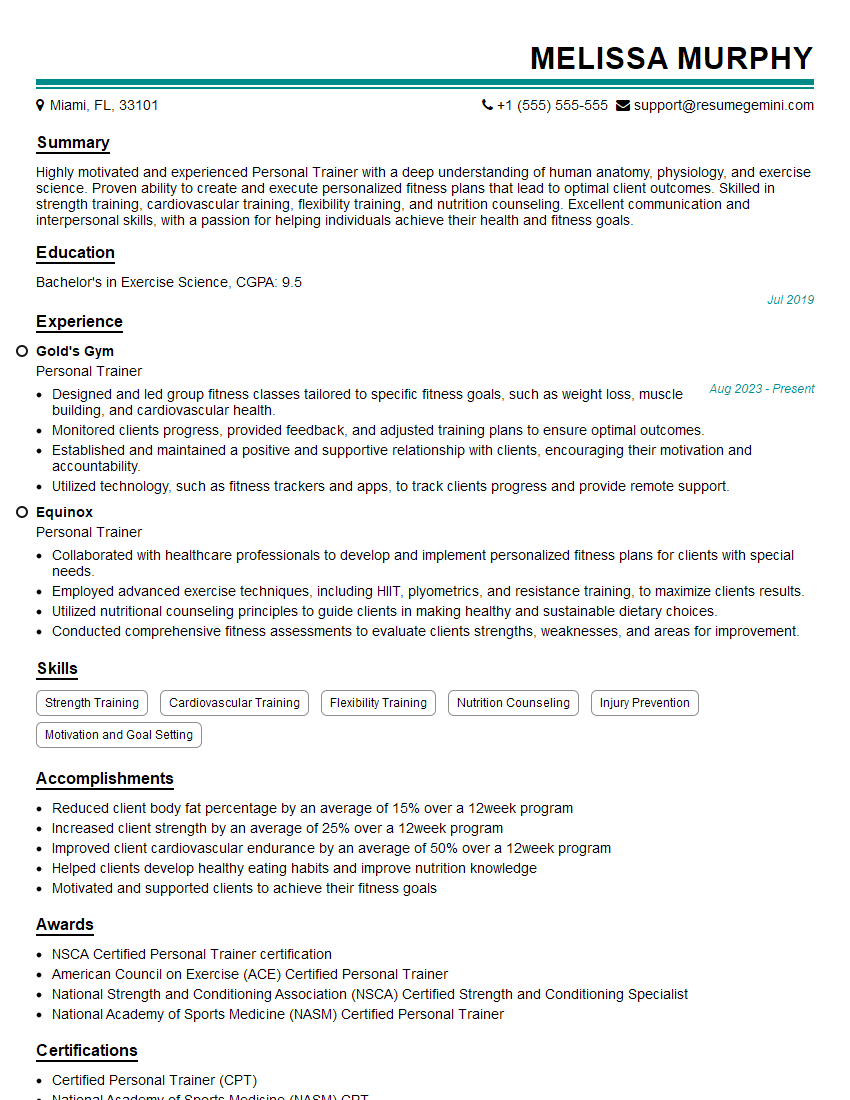
Personal Trainer Resume Sample
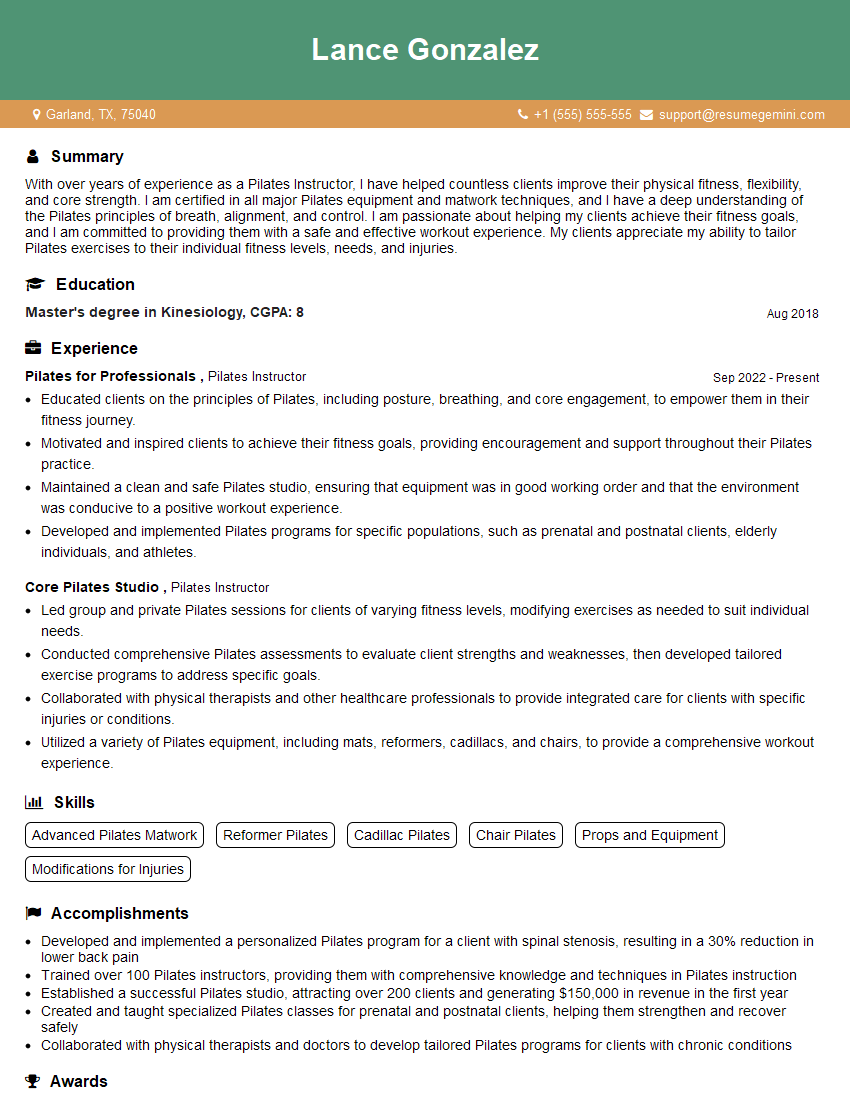
Pilates Instructor Resume Sample
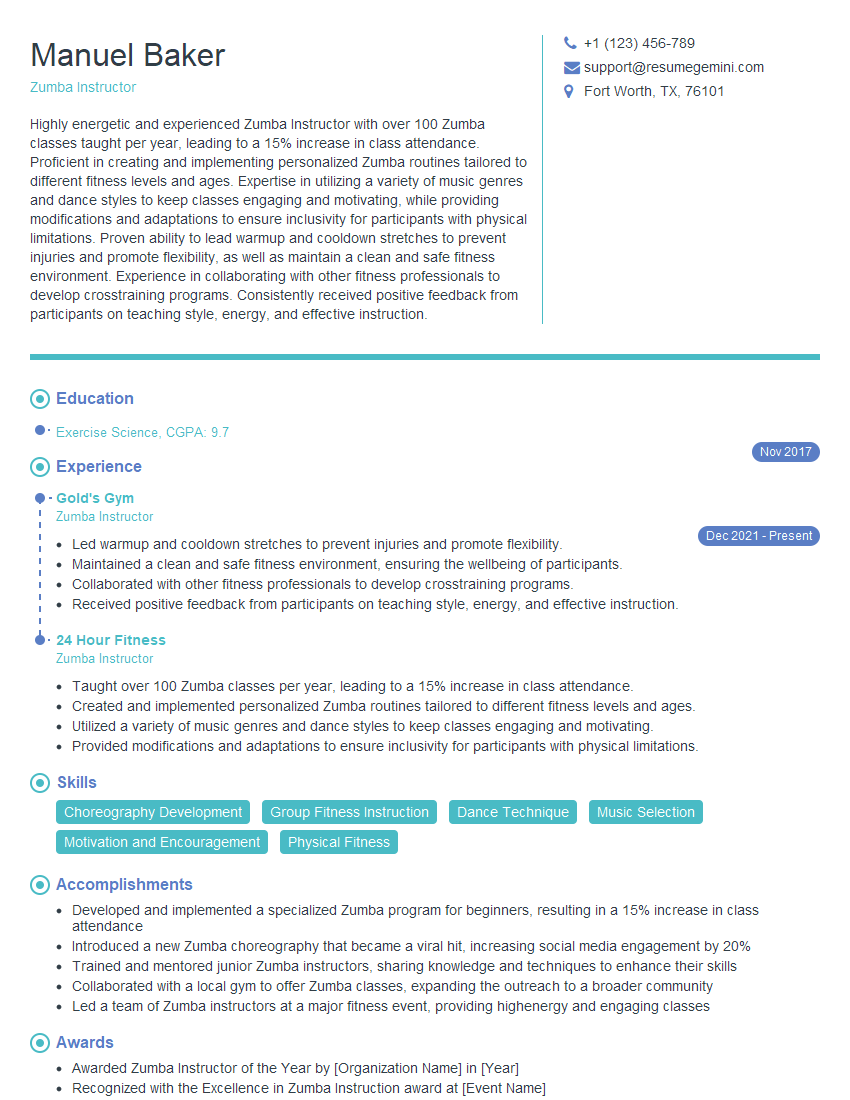
Zumba Instructor Resume Sample
Explore more articles
Users Rating of Our Blogs
Share Your Experience
We value your feedback! Please rate our content and share your thoughts (optional).
What Readers Say About Our Blog
Amazing blog
Interesting Article, I liked the depth of knowledge you’ve shared.
Helpful, thanks for sharing.