Interviews are opportunities to demonstrate your expertise, and this guide is here to help you shine. Explore the essential Experience in Boat Handling interview questions that employers frequently ask, paired with strategies for crafting responses that set you apart from the competition.
Questions Asked in Experience in Boat Handling Interview
Q 1. Describe your experience with different types of boat handling techniques.
My experience encompasses a wide range of boat handling techniques, from piloting small recreational crafts to maneuvering larger vessels in challenging environments. I’m proficient in various techniques, including:
- Traditional steering: Using a rudder and engine to control direction and speed, crucial for precise maneuvering in tight spaces or currents.
- GPS navigation and chart plotting: Utilizing modern technology for route planning, waypoint setting, and safe navigation, ensuring accuracy and efficiency.
- Powerboat handling: Expert in managing the power and responsiveness of different hull types, from planing hulls to displacement hulls, adapting techniques to maximize efficiency and safety.
- Sailing techniques: Experienced in sail trim, points of sail, and maneuvering under sail, utilizing wind and currents to optimize performance. This includes tacking, jibing, and reefing procedures.
- Emergency maneuvering: Proficient in handling engine failures, sudden shifts in wind or current, and other unexpected events, prioritizing safety and vessel control.
For example, during a recent charter, I successfully navigated a 40-foot sailing yacht through a narrow channel in strong winds, utilizing precise sail adjustments and engine control to avoid collision with other vessels. Each technique requires careful consideration of environmental factors and vessel characteristics to ensure safe and effective operation.
Q 2. Explain your understanding of navigation rules and regulations.
My understanding of navigation rules and regulations is comprehensive, encompassing both international (COLREGs) and local rules. I am familiar with:
- Rules of the Road (COLREGs): I have a deep understanding of the International Regulations for Preventing Collisions at Sea, including right-of-way rules, sound signals, and navigation lights. This ensures safe navigation and prevents accidents.
- Navigation aids: I’m proficient in interpreting charts, using electronic navigational systems (ECDIS, GPS), and understanding the meaning of various buoys, beacons, and other aids to navigation.
- Local regulations: I always research and comply with local regulations regarding speed limits, restricted areas, and other specific requirements for each area of operation.
- AIS and VTS: I utilize Automatic Identification System (AIS) for improved situational awareness and Vessel Traffic Services (VTS) communications where available to enhance safety.
Understanding these rules isn’t just about avoiding fines; it’s about preventing accidents and ensuring the safety of all vessels and those on board. For example, I’ve had to adjust my course based on AIS data to avoid a potential collision with another vessel, underlining the importance of consistent adherence to these rules.
Q 3. How do you handle challenging weather conditions while operating a boat?
Handling challenging weather conditions requires a combination of experience, preparation, and sound judgment. My approach involves:
- Pre-departure planning: Checking weather forecasts thoroughly before departure, considering factors such as wind speed and direction, wave height, visibility, and potential storm systems.
- Sea state assessment: Continuously monitoring weather conditions and adapting my navigation plan accordingly, including choosing appropriate routes and speeds.
- Vessel preparation: Ensuring the boat is properly prepared for rough weather, securing loose items, checking bilge pumps, and having appropriate safety gear on hand (life jackets, flares, etc.).
- Seamanship skills: Utilizing proper seamanship techniques to maintain control of the vessel, including reefing sails (if applicable), reducing speed, and adjusting course to minimize exposure to waves and wind.
- Emergency procedures: Knowing and executing emergency procedures in case of equipment failure or worsening weather conditions, including seeking shelter or contacting emergency services.
I once encountered a sudden squall while sailing. By quickly reefing the sails, reducing speed, and finding shelter behind a nearby island, I ensured the safety of the crew and the vessel. Adaptability and decisive action are key in such situations.
Q 4. Describe your experience with mooring and docking procedures.
Mooring and docking procedures require precision and a good understanding of the boat’s handling characteristics and the environmental conditions. My experience includes:
- Planning: Assessing wind, current, and the available space before commencing the maneuver. I select the appropriate mooring or docking method based on the conditions.
- Approach: Using slow, controlled movements to approach the chosen location, taking account of other vessels and obstacles.
- Manuevering: Employing appropriate techniques such as using fenders and lines to prevent damage to the boat or the dock. I utilize reverse thrust and engine control with precision.
- Securing: Once in place, securing the boat with appropriate lines and fenders, ensuring it’s safely and securely fastened.
- Different types of mooring: I am experienced in various mooring techniques, including stern-to, alongside, and using mooring buoys.
In a recent charter, I successfully docked a 50-foot yacht alongside in a crowded marina with strong winds, demonstrating my ability to manage complex docking procedures under pressure.
Q 5. How do you perform pre-departure checks on a vessel?
Pre-departure checks are crucial for ensuring a safe and enjoyable voyage. My checklist includes:
- Engine check: Inspecting engine oil and coolant levels, checking fuel levels, and verifying that the engine starts and runs smoothly.
- Navigation systems: Verifying the functionality of GPS, charts, and other navigational equipment.
- Safety equipment: Inspecting life jackets, flares, fire extinguishers, first-aid kit, and other safety gear to ensure they are in good working order and readily accessible.
- Hull and deck inspection: Checking for any damage or leaks to the hull and ensuring that all deck fittings are secure.
- Communication systems: Testing radio communication equipment to ensure proper functionality and verifying that I have the necessary licenses and permits.
- Weather check: Checking the weather forecast and updating the navigation plan as needed.
A thorough pre-departure check not only prevents potential problems but also builds confidence and peace of mind before setting off. It’s a habit I’ve developed over years to ensure safety.
Q 6. Explain your knowledge of emergency procedures at sea.
My knowledge of emergency procedures at sea is comprehensive and includes:
- Man overboard (MOB) procedures: Knowing and executing the proper procedures for retrieving a person who has fallen overboard, including deploying a life raft, using flares to signal for help, and communicating the situation to the appropriate authorities.
- Firefighting procedures: Knowing how to use fire extinguishers and other firefighting equipment, and implementing a fire control plan in accordance with the vessel’s safety regulations.
- Medical emergencies: Having the knowledge and skills to provide basic first aid and knowing how to contact emergency medical services.
- Grounding procedures: Knowing how to assess the situation, minimize damage, and request assistance in case of grounding.
- Engine failure procedures: Knowing how to handle engine failure, which includes deploying a sea anchor, contacting assistance, and managing the situation effectively.
Regular drills and training have solidified my understanding and proficiency in these procedures. The safety of everyone onboard is my top priority.
Q 7. How do you maintain a safe working environment on board?
Maintaining a safe working environment onboard involves several key steps:
- Risk assessment: Identifying potential hazards before any activity, such as working with machinery or navigating in rough seas.
- Pre-activity briefing: Providing clear instructions and safety guidelines to all crew members before undertaking any tasks.
- Personal protective equipment (PPE): Ensuring that all crew members wear appropriate PPE, such as life jackets, safety helmets, and gloves.
- Housekeeping: Maintaining a clean and organized workspace to reduce the risk of slips, trips, or falls.
- Communication: Establishing and maintaining clear communication between crew members at all times.
- Emergency preparedness: Ensuring that all crew members know where safety equipment is located and how to use it.
For example, before hoisting sails in strong winds, I always ensure the crew is wearing safety harnesses and that the sails are being handled correctly to minimize the risk of injury. A safe working environment is not just a requirement, but a fundamental aspect of a successful and responsible operation.
Q 8. Describe your experience with engine maintenance and repair.
Engine maintenance and repair are crucial for safe and efficient boat operation. My experience encompasses preventative maintenance, troubleshooting, and minor repairs. I’m proficient in tasks ranging from regular oil changes and filter replacements to diagnosing and fixing fuel system issues, addressing electrical problems, and performing basic engine tune-ups.
- Preventative Maintenance: I meticulously follow manufacturer’s recommended schedules for oil changes, filter replacements (oil, fuel, air), coolant checks, and belt inspections. This proactive approach minimizes the risk of breakdowns and extends engine lifespan. For example, on my previous vessel, a 35-foot sailing yacht, I implemented a detailed log to track all maintenance activities, ensuring nothing was overlooked.
- Troubleshooting: When an engine problem arises, I systematically investigate the issue. This involves checking obvious things like fuel supply, spark (in gasoline engines), and compression before moving to more complex diagnostics. I’m comfortable using diagnostic tools to pinpoint the source of the problem. For instance, I once resolved a difficult starting issue by identifying a faulty fuel pump relay using a multimeter.
- Minor Repairs: I can handle minor repairs like replacing spark plugs, water pumps, and fuel filters. I understand the importance of using the correct parts and tools to ensure a safe and effective repair. However, for major repairs, I always prioritize contacting qualified marine mechanics. Safety and proper repair are paramount.
Q 9. How do you manage a team on board a vessel?
Managing a team onboard requires clear communication, delegation, and fostering a collaborative environment. It’s essential to clearly define roles and responsibilities, ensuring everyone understands their tasks and how they contribute to the overall mission. I believe in leading by example, demonstrating professionalism and a strong work ethic.
- Clear Communication: Regular briefings and debriefings are essential, especially before and after crucial maneuvers or during challenging conditions. I use a combination of verbal communication and visual aids (charts, diagrams) to convey information effectively.
- Delegation: I delegate tasks based on crew members’ skills and experience, empowering them to take ownership of their work. This approach boosts morale and builds confidence.
- Teamwork and Collaboration: I foster a positive team dynamic by encouraging open communication and mutual respect. I believe in collaborative problem-solving, where everyone’s input is valued. I’ve often found that the best solutions come from a team brainstorming session.
Q 10. How do you handle conflicts or disagreements with crew members?
Conflicts are inevitable in any team setting. My approach to resolving disagreements onboard focuses on addressing the issue directly, privately, and professionally. I strive to understand each person’s perspective before seeking a mutually agreeable solution.
- Private Discussion: I address disagreements in a private setting, avoiding public confrontation or humiliation. This creates a safe space for open communication.
- Active Listening: I practice active listening, allowing each individual to fully express their concerns without interruption. This helps me understand the root cause of the conflict.
- Mediation: I act as a mediator, guiding the conversation towards a solution that respects everyone’s needs and concerns. This might involve compromising or finding alternative solutions.
- Documentation: In serious or unresolved conflicts, I maintain detailed records of the situation and the steps taken to resolve it. This is crucial for accountability and future reference.
Q 11. Explain your experience with chart reading and navigation.
Chart reading and navigation are fundamental skills for safe and efficient boat handling. My experience encompasses interpreting various types of nautical charts (paper and electronic), plotting courses, calculating estimated times of arrival (ETAs), and understanding tidal influences.
- Chart Interpretation: I’m proficient in interpreting symbols, depths, contours, and navigational aids depicted on nautical charts. I understand the different chart scales and their implications for navigation.
- Course Plotting: I can accurately plot courses using compasses, parallel rulers, and dividers (for paper charts) and electronic plotting tools (for electronic charts). I’m skilled in considering factors like currents, tides, and wind when planning a route.
- Dead Reckoning: I understand and can apply dead reckoning techniques – estimating position based on speed, course, and time – as a backup to electronic navigation systems.
- Tide and Current Analysis: I understand how tides and currents affect vessel movement and plan accordingly. I can use tide tables and current charts to determine the optimal time for navigating certain areas.
Q 12. How do you use GPS and other electronic navigation systems?
GPS and other electronic navigation systems are essential tools for modern boating. I’m experienced in using GPS chart plotters, radar, AIS (Automatic Identification System), and depth sounders for safe and efficient navigation.
- GPS Chart Plotters: I can program waypoints, mark positions, and follow pre-planned routes using GPS chart plotters. I also understand the limitations of GPS and use it in conjunction with other navigational aids.
- Radar: I’m skilled in using radar to detect other vessels, landmasses, and weather phenomena, enhancing situational awareness, especially in low visibility conditions.
- AIS: I understand how to use AIS to monitor the position and movements of other vessels equipped with AIS transponders, improving collision avoidance.
- Depth Sounder: I use depth sounders to determine water depth, avoiding shallow waters and potential hazards.
Q 13. Describe your experience with radio communication procedures.
Effective radio communication is crucial for safety and efficient operations at sea. I’m experienced in using VHF (Very High Frequency) radios according to international regulations and best practices.
- Channel Usage: I’m familiar with the designated channels for various purposes, including distress calls, safety calls, and general communication. I know the importance of using the correct channels for different situations.
- Mayday Procedures: I’m well-versed in the correct procedures for issuing a Mayday distress call, including providing precise location, nature of the emergency, and the type of assistance needed.
- Pan Pan and Securité Calls: I understand the use of Pan Pan (urgent) and Securité (safety) calls for less critical situations.
- Clear and Concise Communication: I maintain clear and concise communication, using proper radio etiquette and avoiding unnecessary jargon. I always ensure my transmissions are brief and to the point.
Q 14. How do you respond to emergencies such as fire or man overboard?
Responding effectively to emergencies is paramount in boating. My training and experience equip me to handle various situations, such as fire and man overboard, following established safety protocols.
- Fire: In the event of a fire, my immediate actions would include activating the fire suppression system (if available), containing the fire using appropriate extinguishers, evacuating the vessel if necessary, and contacting emergency services.
- Man Overboard: My response to a man overboard would include immediately throwing a life ring, activating the man overboard button on the GPS (marking the location), notifying other vessels and the Coast Guard, and initiating a search and rescue operation, while implementing the appropriate recovery techniques.
- Emergency Procedures: I’m familiar with and have practiced emergency procedures, including the use of life jackets, EPIRBs (Emergency Position Indicating Radio Beacons), and other safety equipment.
- First Aid and CPR: I possess current first aid and CPR certifications, enabling me to provide immediate medical assistance until professional help arrives.
Q 15. Explain your knowledge of maritime law.
Maritime law is a complex body of rules and regulations governing activities at sea, including navigation, safety, and environmental protection. It encompasses international conventions like the SOLAS (Safety of Life at Sea) convention, national laws, and local regulations. My understanding covers key areas like collision regulations (COLREGs), rules regarding navigation in restricted waters, and liabilities related to accidents or pollution incidents. For example, I’m familiar with the rules prioritizing the actions of a vessel constrained by its draught in a narrow channel, preventing collisions and ensuring safe passage for all involved. A thorough understanding of maritime law is crucial for preventing legal issues and ensuring safe operations.
I’m also knowledgeable about the legal responsibilities of boat operators, including the proper documentation of vessels, adherence to pollution control measures, and procedures for reporting accidents or incidents to the relevant authorities.
Career Expert Tips:
- Ace those interviews! Prepare effectively by reviewing the Top 50 Most Common Interview Questions on ResumeGemini.
- Navigate your job search with confidence! Explore a wide range of Career Tips on ResumeGemini. Learn about common challenges and recommendations to overcome them.
- Craft the perfect resume! Master the Art of Resume Writing with ResumeGemini’s guide. Showcase your unique qualifications and achievements effectively.
- Don’t miss out on holiday savings! Build your dream resume with ResumeGemini’s ATS optimized templates.
Q 16. How do you ensure compliance with safety regulations?
Ensuring compliance with safety regulations is paramount. My approach is multifaceted. Firstly, I meticulously review and understand all applicable regulations before any voyage, taking into account the specific location and type of vessel. This includes checking for any updated notices to mariners. Secondly, I conduct thorough pre-departure checks of the boat’s safety equipment, ensuring everything is in working order and properly maintained – from life jackets and flares to navigation lights and communication systems. Thirdly, I actively enforce safety protocols on board, ensuring all crew members are aware of and comply with the safety procedures, including the proper use of safety equipment and emergency procedures. For example, before any offshore trip, I conduct a mandatory safety briefing covering emergency procedures, man overboard drills, and the use of life rafts. Regularly scheduled maintenance on vital equipment is also crucial to ensure continued compliance. Finally, I always maintain up-to-date certifications and licenses relevant to the type of vessel operated and the area of operation.
Q 17. Describe your experience with different types of knots.
My experience with knots is extensive, covering various applications. I’m proficient in tying essential knots like the bowline (a strong, reliable loop that won’t slip), the clove hitch (useful for securing lines around objects), the figure-eight knot (a stopper knot), and the sheet bend (used to join two ropes of different diameters). I also know how to create more specialized knots for specific purposes such as mooring, docking, and securing loads. I understand the importance of using the correct knot for the specific task, considering factors like load capacity, ease of un-tying, and environmental conditions (e.g., wet or icy conditions). For instance, when mooring a boat in strong currents, I would use a combination of clove hitches and bowlines for secure and reliable fastening. Improper knot tying can lead to equipment damage or even serious accidents. Practical experience and regular practice have honed my skills in this area.
Q 18. How do you calculate the speed and distance of a boat?
Calculating a boat’s speed and distance involves several factors and methods. The simplest way is using a GPS device, which provides direct readings of speed (often in knots) and distance travelled. Alternatively, you can use a log or knot meter, a device measuring the boat’s speed through the water. To calculate distance, we use the formula: Distance = Speed x Time. For example, if a boat travels at 10 knots for 2 hours, the distance covered is 20 nautical miles (10 knots x 2 hours). However, it’s crucial to consider factors like currents and tides, which can affect the boat’s ground speed (speed relative to the earth). In complex scenarios, we might need to use navigational charts and calculations involving vector addition to account for the impact of currents and tides on the boat’s actual path.
Q 19. Explain your understanding of tides and currents.
Understanding tides and currents is essential for safe and efficient boat handling. Tides are the periodic rise and fall of sea levels caused by the gravitational forces of the moon and sun. Currents are the horizontal movement of water, often influenced by tides, wind, and water density differences. I use tidal charts and current predictions to plan voyages, anticipating their impact on the boat’s speed and course. For instance, strong tidal currents can significantly increase or decrease the boat’s ground speed, requiring adjustments to the engine speed and course to maintain the planned route. Similarly, navigating shallow waters requires a precise understanding of the tidal range to avoid grounding. Knowledge of tidal patterns and current predictions allows for safer and more efficient planning, preventing delays and potentially dangerous situations.
Q 20. How do you handle a boat in close quarters?
Handling a boat in close quarters demands exceptional skill and awareness. The key is maintaining a slow speed, allowing ample time to react to changing conditions. I utilize the ‘slow and steady’ approach, carefully assessing the surroundings and any potential hazards such as other vessels, docks, or obstacles. Clear communication with other boat operators is essential, using VHF radio to coordinate movements and avoid collisions. I always maintain a good lookout, ensuring continuous situational awareness. Skillful use of the engine and steering, combined with precise maneuvering, enables safe navigation in close quarters. For example, when docking in a busy marina, I use fenders to protect the hull and carefully adjust the boat’s speed and direction to achieve a smooth and controlled berthing.
Q 21. Describe your experience with towing and assisting other vessels.
I have significant experience in towing and assisting other vessels, adhering strictly to safety regulations. This involves careful assessment of the situation, including weather conditions and the condition of the vessel being towed. I ensure the towing equipment is appropriately rated and properly secured. Communication with the vessel being towed is crucial, ensuring coordination of movements and maintaining safe towing speeds. It’s important to be mindful of the stresses on both vessels during the tow. For example, I’ve assisted disabled sailboats in heavy seas, using appropriate techniques to minimize stress on the vessels and ensure the safety of both crews. I’ve also participated in search and rescue operations, using my boat handling skills to support the rescue efforts. Effective communication, precise maneuvers, and careful planning are paramount when assisting other vessels.
Q 22. How do you manage fuel consumption and efficiency?
Fuel efficiency is paramount in boat handling, impacting both operational costs and environmental responsibility. My approach focuses on proactive planning and mindful operation.
- Pre-trip planning: I always meticulously plan routes, considering weather forecasts and optimizing speed to minimize fuel consumption. For instance, a slightly slower speed can drastically reduce fuel burn, especially in rough seas where increased resistance requires more power.
- Hull maintenance: A clean and well-maintained hull reduces drag, significantly improving fuel efficiency. Regular cleaning and anti-fouling paint application are essential. I’ve personally seen fuel savings of up to 15% after a proper hull cleaning.
- Engine maintenance: Regular engine servicing, including oil changes and tune-ups, ensures optimal performance and minimizes fuel wastage. A well-maintained engine runs more efficiently, directly translating to lower fuel bills.
- Trim and speed control: Proper trim settings are crucial. I constantly monitor the boat’s trim and adjust it based on sea conditions and load. Maintaining an economical cruising speed, rather than pushing the engine to its limits, drastically reduces fuel consumption. Think of it like driving a car – accelerating and braking aggressively burns much more fuel.
- Monitoring fuel consumption: I religiously monitor fuel levels and consumption rates, using this data to fine-tune my strategies and identify potential issues. This data-driven approach allows for continuous improvement in fuel efficiency.
Q 23. Explain your experience with different types of anchors and anchoring techniques.
Anchoring is a critical skill, demanding a thorough understanding of different anchor types and appropriate techniques. My experience encompasses a variety of anchors, each suited to specific conditions.
- Types of Anchors: I’m proficient with fluke anchors (e.g., Danforth, Bruce), plow anchors (e.g., CQR, Delta), and mushroom anchors. Fluke anchors are excellent in sandy or muddy bottoms, while plow anchors hold well in rocky or weedy areas. Mushroom anchors are primarily used for mooring in sheltered areas.
- Anchoring Techniques: The anchoring process involves more than simply dropping the anchor. I always consider wind, current, and seabed composition. I typically use a scope (length of rode – the anchor line – paid out) of at least 5:1 to 7:1 in moderate conditions, ensuring sufficient holding power. In stronger conditions, I increase the scope to maintain a safe margin. I always check the set by slowly pulling on the rode. If the anchor drags, I will adjust the boat’s position or deploy a second anchor (for increased holding power). Using a GPS to mark the anchor position is vital for safe retrieval.
- Example: During a recent trip to a rocky cove, I used a CQR anchor because of its excellent holding power in that type of seabed. The wind was picking up, so I deployed extra scope (7:1) to ensure the anchor held fast, successfully preventing my vessel from drifting.
Q 24. How do you maintain a vessel’s logbook?
Maintaining a vessel’s logbook is crucial for safety, legal compliance, and efficient vessel management. My logbook meticulously records all relevant information.
- Entries: Each entry includes the date, time, location (latitude and longitude), weather conditions (wind speed and direction, sea state, visibility), vessel speed, course, engine hours, fuel consumption, maintenance performed, any incidents or near misses, and any other pertinent information.
- Legal Compliance: The logbook serves as an important legal document, particularly in the event of an incident or accident. Accurate and timely record-keeping is vital for insurance claims and investigations.
- Maintenance Tracking: The logbook assists in scheduling routine maintenance and repairs, preventing unexpected breakdowns and ensuring vessel longevity. I track oil changes, filter replacements, and other vital maintenance tasks to ensure the engine and vessel systems are functioning efficiently.
- Data Analysis: Over time, the logbook’s data allows for analysis of fuel efficiency, maintenance requirements, and operational patterns. This information proves useful for cost-optimization and operational improvement.
Q 25. Describe your experience with loading and unloading cargo.
My experience with cargo loading and unloading encompasses various procedures and safety protocols. Safety is always the top priority.
- Planning and Preparation: Before any loading or unloading operation, I meticulously plan the process, considering the type and weight of the cargo, the vessel’s stability, and weather conditions. I ensure the cargo is properly secured to prevent shifting during transit.
- Safe Handling Techniques: I’m proficient in utilizing various cargo handling equipment, including cranes, winches, and forklifts. Safety procedures, such as using appropriate lifting gear, securing cargo with lashings and proper weight distribution are strictly adhered to.
- Documentation: Accurate documentation of the loading and unloading process is crucial, including cargo manifests, weight certificates, and inspection reports. This ensures accountability and helps prevent disputes or discrepancies.
- Example: During the unloading of a container ship, I ensured the cargo was correctly balanced, taking into account the weight of each container to maintain the vessel’s stability. This prevented any potential list (leaning) and ensured the safe and efficient unloading of the cargo.
Q 26. Explain your knowledge of different types of marine engines.
My knowledge of marine engines spans various types, each with its own characteristics and operational requirements.
- Inboard Engines: These are installed inside the hull, offering protection from the elements. I’m experienced with both gasoline and diesel inboard engines, understanding their respective pros and cons (e.g., diesel’s greater fuel efficiency and durability). Regular maintenance, including oil changes and cooling system checks, is paramount.
- Outboard Engines: These are mounted on the transom (rear of the boat), offering greater maneuverability and ease of maintenance. They’re commonly used on smaller vessels. I’m familiar with both two-stroke and four-stroke outboard engines, recognizing the environmental and maintenance differences between them.
- Sterndrive Engines: These combine features of both inboard and outboard engines, offering a balance of power, accessibility, and space efficiency. They use a drive leg extending below the hull to power a propeller. Regular maintenance of the drive leg is vital to prevent corrosion and damage.
- Diesel Engines: Diesel engines are known for their fuel efficiency, durability, and reliability, particularly advantageous for longer voyages. I understand the specific maintenance needs of diesel engines, including fuel system cleaning and lubrication procedures.
Q 27. How do you handle different types of seas and weather conditions?
Handling diverse sea and weather conditions is a fundamental aspect of safe boat handling. My approach involves a combination of pre-emptive planning and adaptive decision-making.
- Weather Forecasting: I rely heavily on accurate weather forecasts to plan voyages, adjusting routes and schedules to avoid adverse conditions whenever possible. I carefully monitor weather patterns, paying attention to wind speed and direction, wave height, and visibility.
- Sea State Awareness: I’m adept at assessing sea state, understanding the impact of waves and currents on vessel handling. Adjusting speed and course based on sea conditions is crucial for maintaining control and safety. In rough conditions, reducing speed and altering course to minimize the impact of waves are critical.
- Emergency Procedures: I’m proficient in emergency procedures, including distress signaling and maneuvering in challenging conditions. I know how to react safely to unexpected events, such as sudden squalls or engine failure.
- Risk Assessment: Before any voyage, I always perform a thorough risk assessment, considering weather forecasts, sea state, vessel condition, and crew capabilities. This helps in making informed decisions and mitigating potential risks.
- Example: During a voyage in choppy seas, I reduced speed to maintain control, altered course to minimize the impact of large waves, and ensured that the crew was aware of the situation and safety procedures.
Q 28. Describe your experience with vessel maintenance and repair.
Vessel maintenance and repair are integral to safe and efficient operation. My experience includes both preventative and corrective maintenance.
- Preventative Maintenance: I perform regular preventative maintenance, including engine servicing, hull cleaning, and system checks, according to the manufacturer’s recommendations. This proactive approach minimizes the risk of breakdowns and maximizes vessel longevity.
- Corrective Maintenance: I’m capable of diagnosing and repairing a wide range of mechanical and electrical issues. My experience includes engine repairs, electrical system troubleshooting, and hull repairs. I prioritize safety during any repair work.
- Record Keeping: I meticulously document all maintenance and repair activities in the vessel’s logbook. This helps track issues, identify trends, and ensures compliance with regulations.
- Troubleshooting Skills: I possess strong troubleshooting skills, enabling me to quickly diagnose and resolve problems, minimizing downtime and operational disruptions. I can identify and fix problems ranging from simple engine malfunctions to more complex electrical faults.
- Example: When the engine failed unexpectedly, I quickly diagnosed the problem as a faulty fuel pump, replacing it promptly to get the vessel operational again, minimizing disruption to the scheduled voyage.
Key Topics to Learn for Your Boat Handling Interview
- Navigation & Chart Reading: Understanding nautical charts, GPS systems, compass use, and safe navigation techniques in various weather conditions. Practical application: Describe a challenging navigation scenario you overcame and how you ensured safe passage.
- Boat Systems & Maintenance: Knowledge of engine operation, fuel systems, electrical systems, and basic troubleshooting. Practical application: Explain your experience performing routine maintenance or addressing a minor mechanical issue on a boat.
- Safety Procedures & Regulations: Familiarity with safety equipment, emergency procedures, and relevant maritime regulations (e.g., COLREGs). Practical application: Detail your experience implementing safety protocols during a challenging situation (e.g., bad weather, equipment malfunction).
- Docking & Mooring Techniques: Mastering various docking and mooring procedures in different environments (e.g., slips, open water). Practical application: Describe your approach to docking in tight spaces or challenging conditions (e.g., strong currents, wind).
- Seamanship & Handling in Various Conditions: Experience handling a boat in different weather conditions (calm, rough seas), understanding effects of wind and currents. Practical application: Discuss how you adapted your boat handling techniques based on specific weather or water conditions.
- Communication & Teamwork: Effective communication with crew members and other vessels. Practical application: Explain a situation where clear communication was crucial for safe and efficient boat operation.
Next Steps: Chart Your Course to Success
Mastering boat handling skills opens doors to exciting career opportunities in the maritime industry, offering diverse roles and rewarding experiences. A strong, ATS-friendly resume is your key to unlocking these opportunities. To ensure your qualifications shine, leverage the power of ResumeGemini to craft a professional resume that highlights your experience and skills effectively. ResumeGemini provides you with the tools and resources to build a compelling narrative, and we offer examples of resumes tailored to boat handling experience to guide you. Take the next step towards your dream job – build a resume that makes a lasting impression.
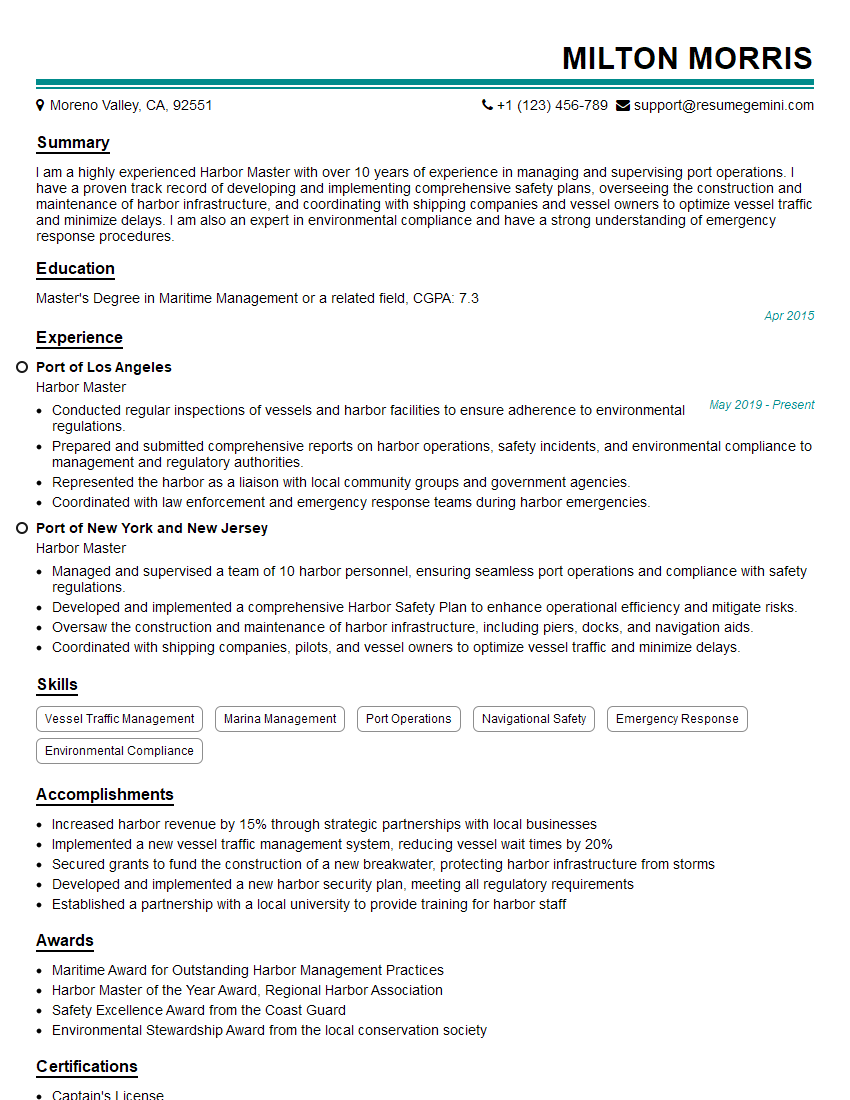
Harbor Master Resume Sample
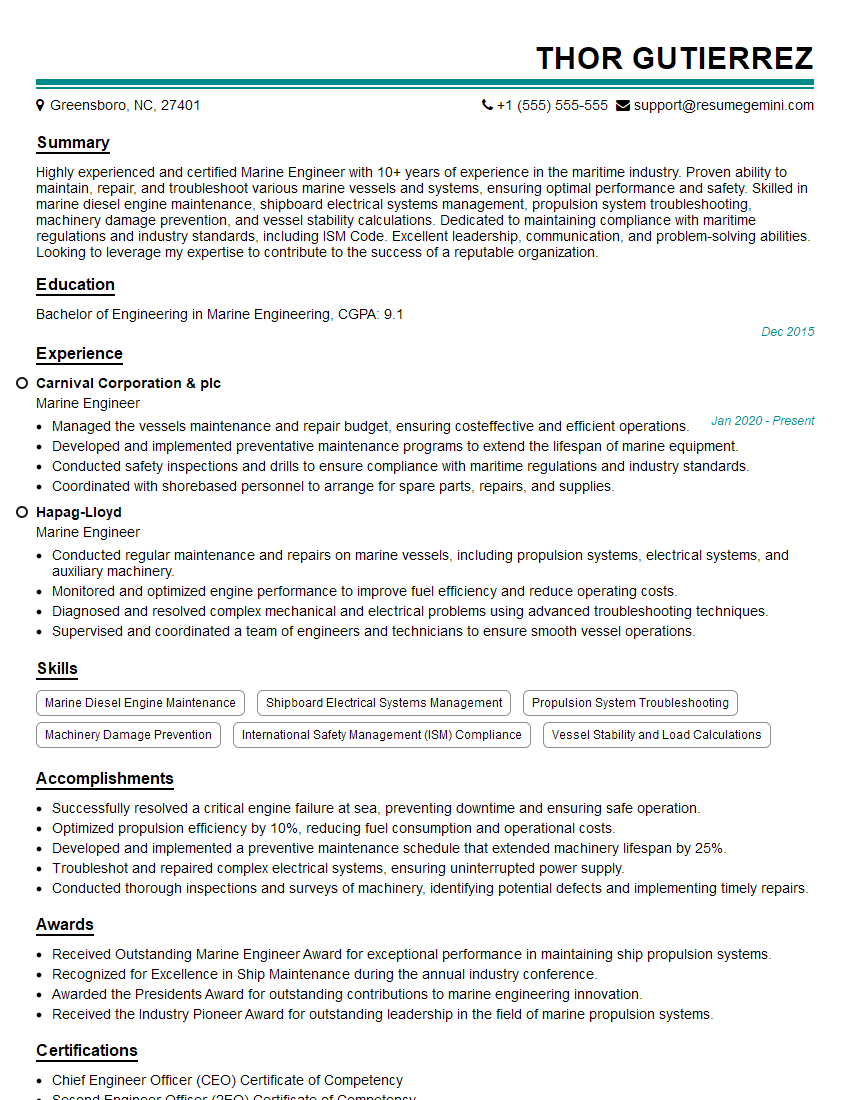
Marine Engineer Resume Sample
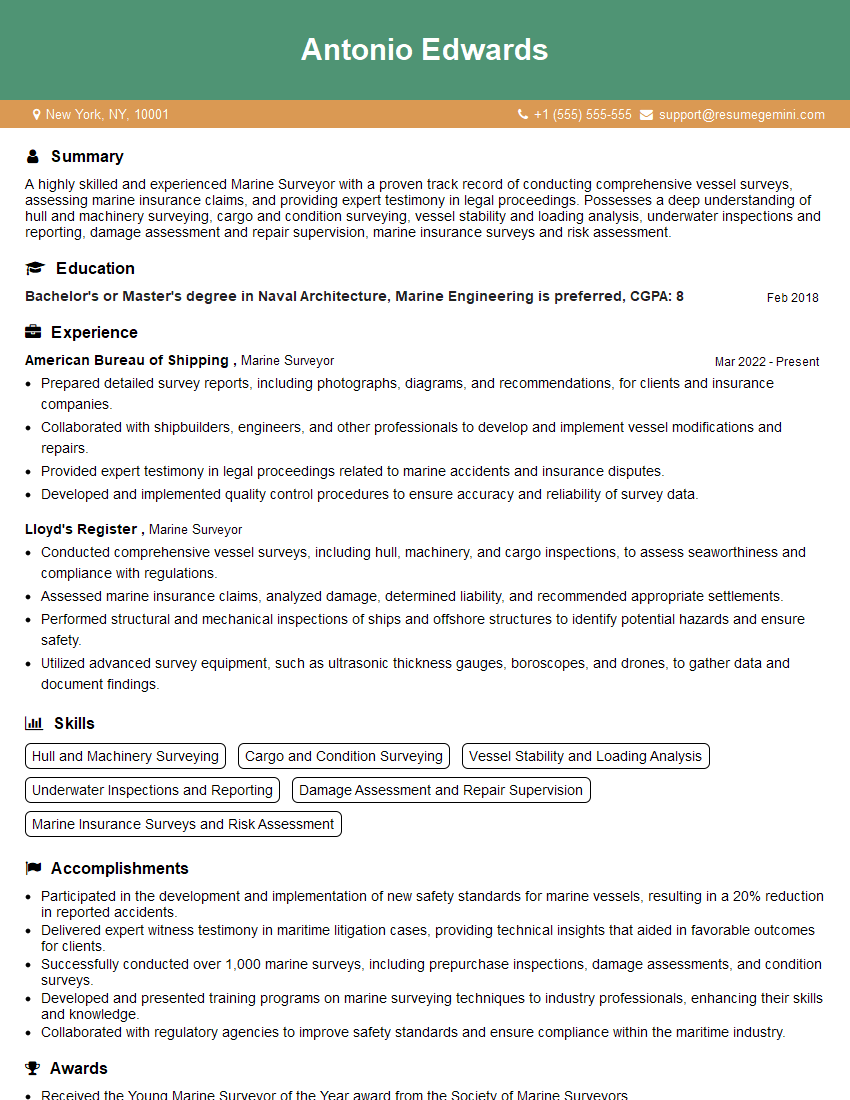
Marine Surveyor Resume Sample
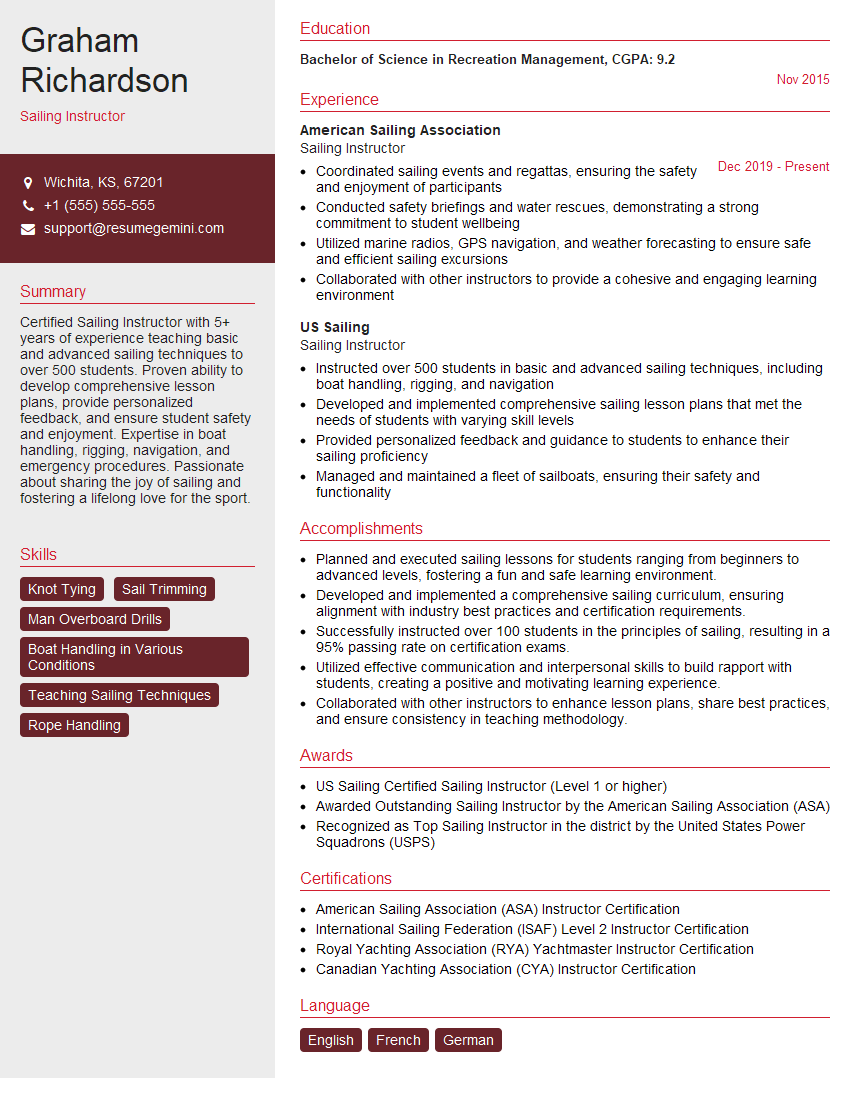
Sailing Instructor Resume Sample
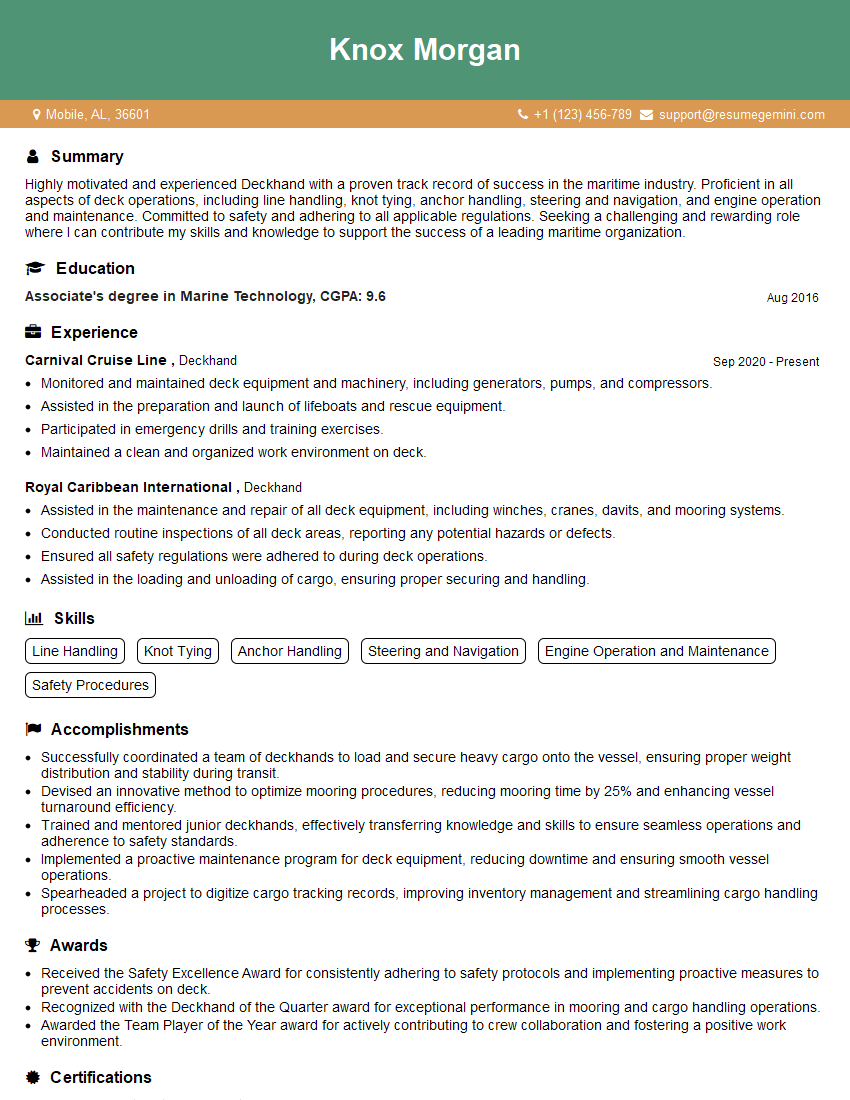
Deckhand Resume Sample
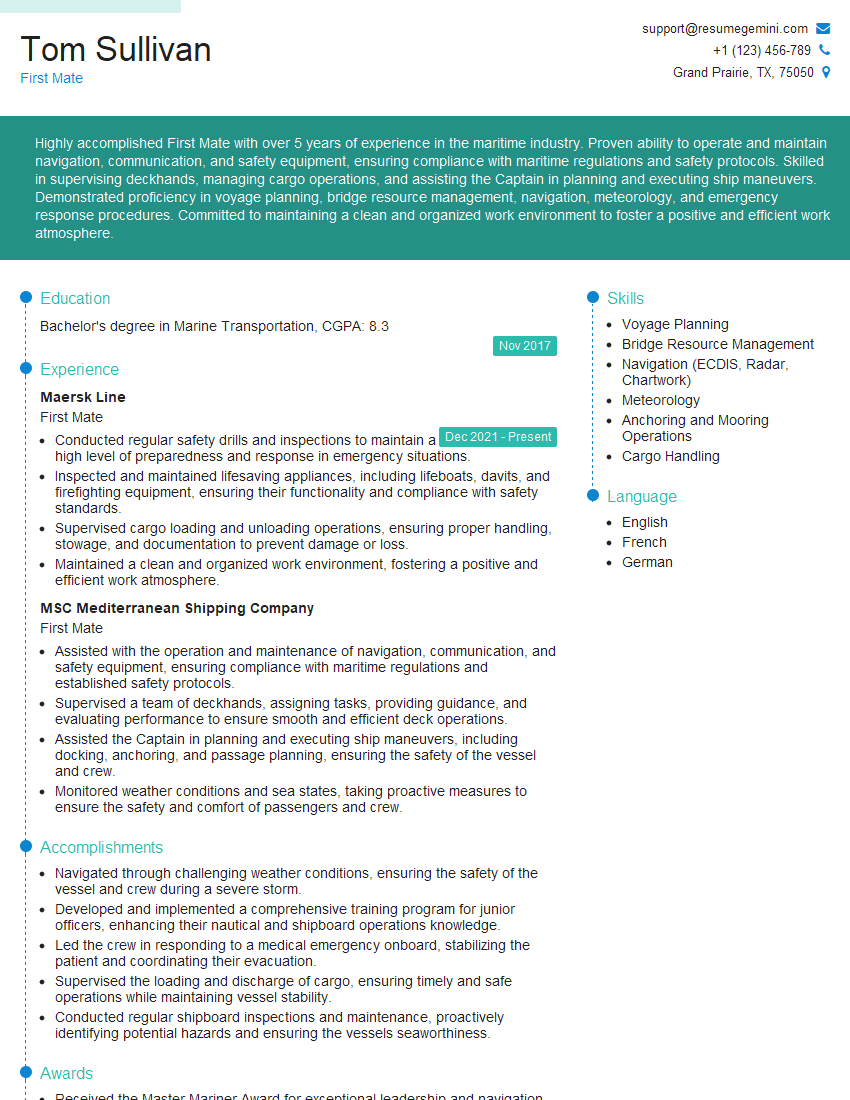
First Mate Resume Sample
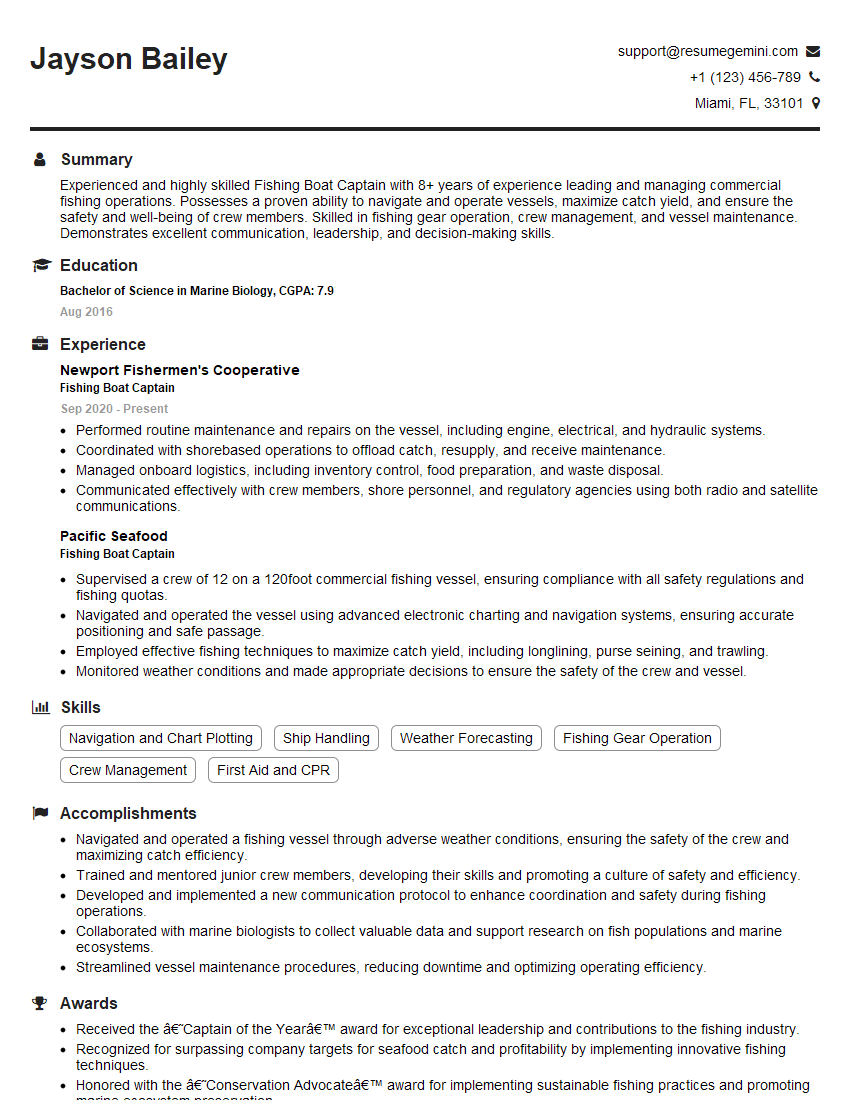
Fishing Boat Captain Resume Sample
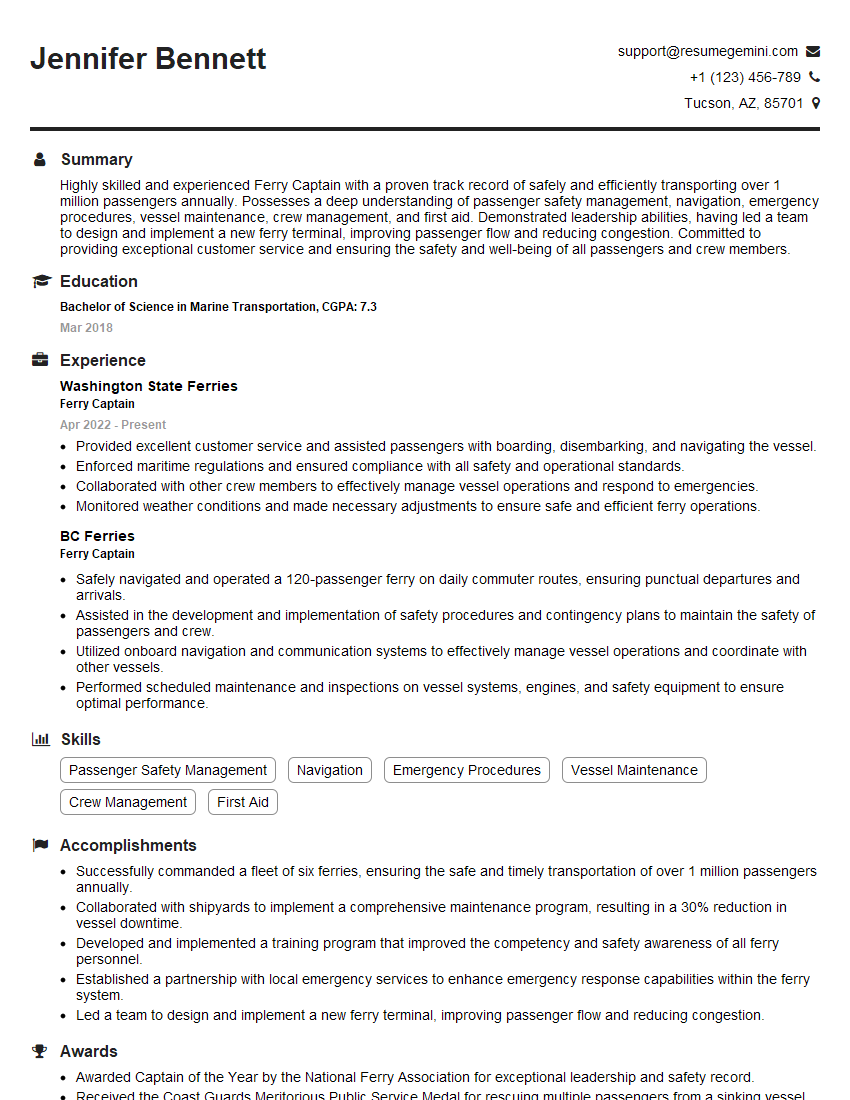
Ferry Captain Resume Sample

Tugboat Operator Resume Sample
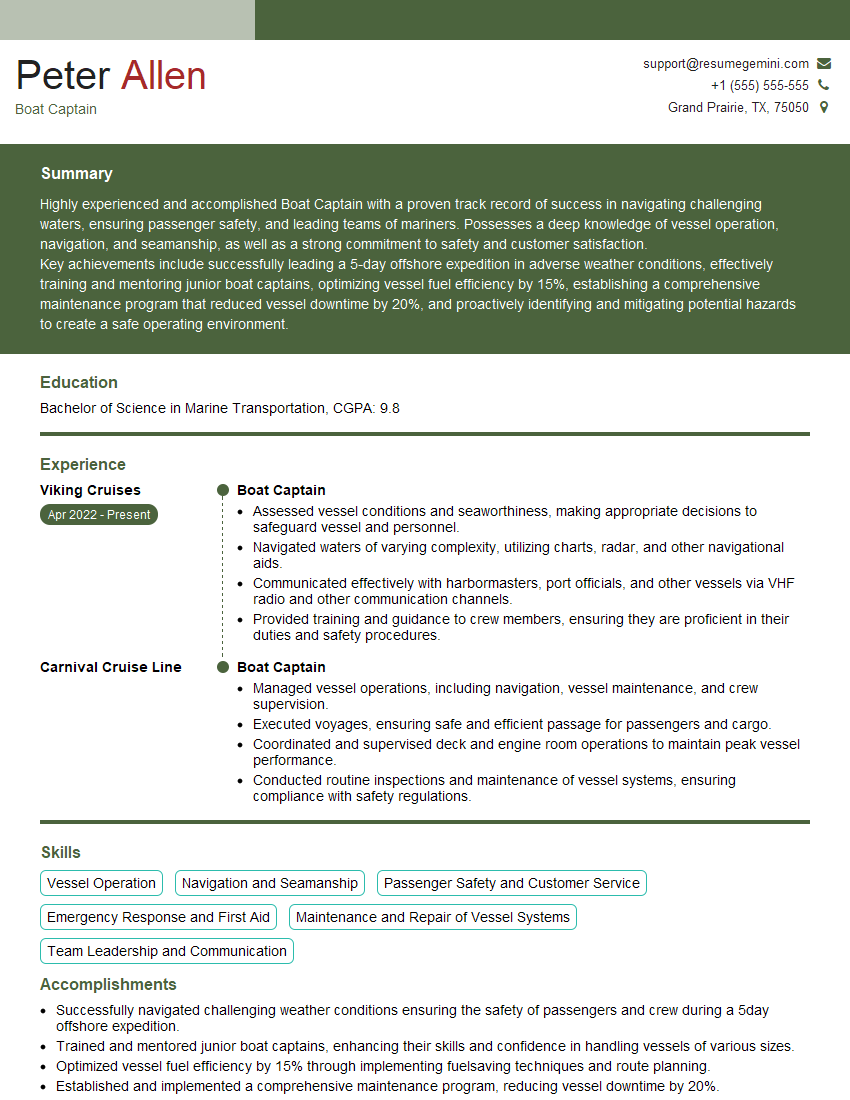
Boat Captain Resume Sample
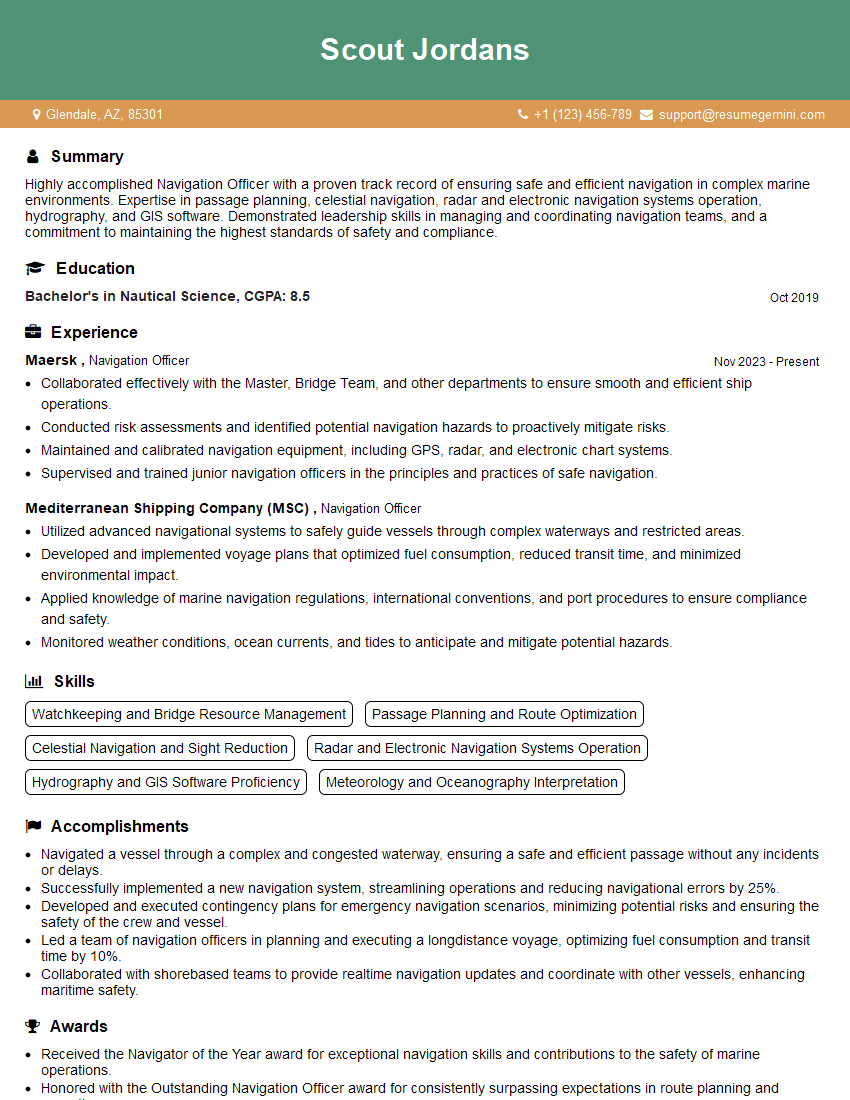
Navigation Officer Resume Sample
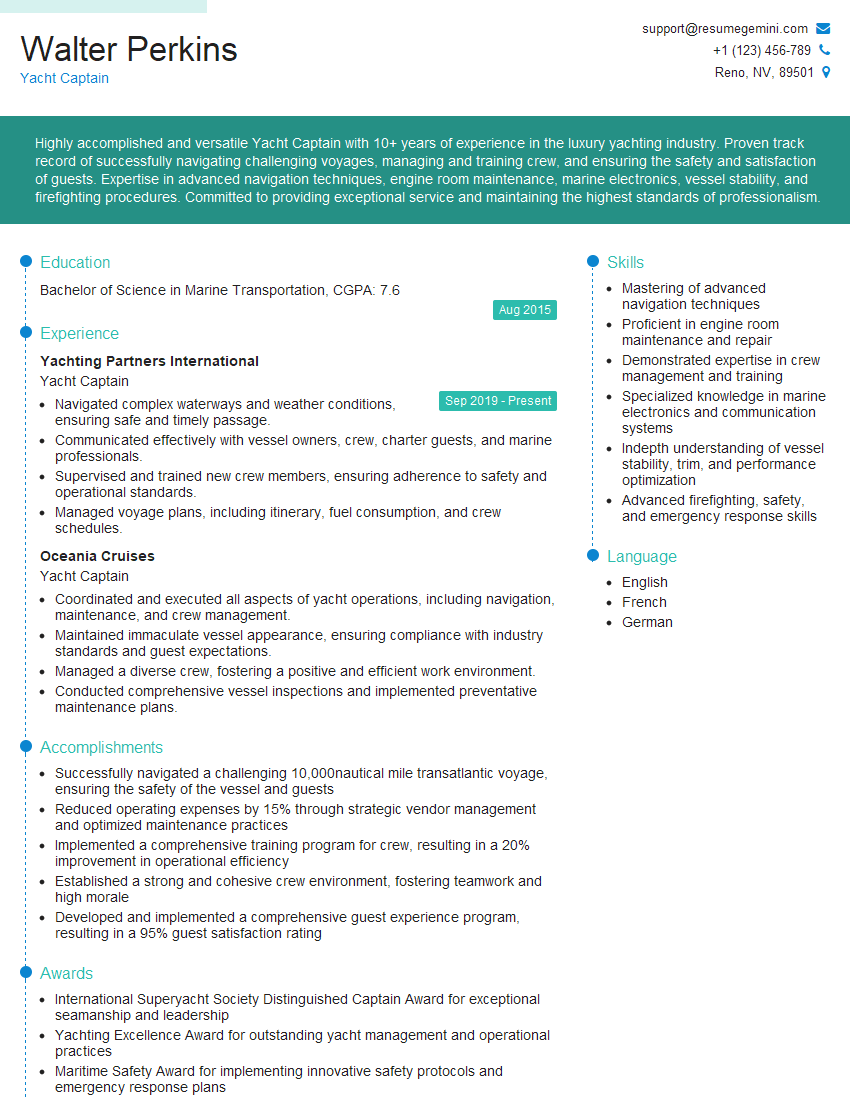
Yacht Captain Resume Sample
Explore more articles
Users Rating of Our Blogs
Share Your Experience
We value your feedback! Please rate our content and share your thoughts (optional).
What Readers Say About Our Blog
Amazing blog
Interesting Article, I liked the depth of knowledge you’ve shared.
Helpful, thanks for sharing.